News related to
unit

Apartment developers in Mumbai are adapting to the growing demand for high-end living by reducing the size of residential units while expanding communal amenities. As the financial capital of India continues to thrive, the city’s luxury market is increasingly shifting towards offering an array of shared facilities like swimming pools, landscaped lawns, gyms, and dedicated recreational spaces. This trend reflects both the desire for more comfort and […]

Chris Rokos, the founder of Rokos Capital Management, is making strategic moves to expand his $22 billion hedge fund by setting up an office in Abu Dhabi next year. This step signals a growing trend of financial institutions establishing a foothold in the Middle East as they aim to tap into the region’s increasing significance in global finance.

Abu Dhabi’s financial ecosystem has become a key destination for international money managers, with its combination of tax incentives, a favourable regulatory environment, and proximity to key investment markets. By establishing an office in the UAE capital, Rokos Capital aims to leverage these advantages and enhance its trading strategies across various global markets. This expansion also aligns with a broader push by the hedge fund to diversify its operations and build closer ties with key investors in the region.

The decision to set up an office in Abu Dhabi is expected to attract top-tier talent from around the world, as the region continues to see an influx of skilled professionals seeking new opportunities. Furthermore, the move places Rokos Capital in a prime position to access an increasingly wealthy investor base in the Gulf Cooperation Council states, particularly those with significant holdings in sectors like energy and real estate.

The UAE’s capital is rapidly evolving into a financial hub, with its offerings including some of the world’s most competitive tax rates, an open economic environment, and a growing number of financial services firms. Many hedge funds, private equity firms, and sovereign wealth funds are establishing regional offices in Abu Dhabi to capitalise on these benefits and strengthen their connections with the lucrative markets of the Middle East and North Africa.

Several global players have already set up in the UAE as the emirate works to position itself as an alternative to traditional finance centres like London and New York. The UAE government has introduced various reforms designed to attract international investment, including more relaxed laws on foreign ownership and easier access to its financial markets.

Rokos Capital’s decision reflects a broader trend in the industry, with more asset managers shifting focus to the Middle East as an emerging centre of financial activity. The UAE’s commitment to fostering a dynamic business environment, combined with its strategic geographic location, makes it an attractive option for firms looking to strengthen their global presence.

Despite this, the move also indicates the growing competition among global financial firms to establish a footprint in the Middle East. As the region’s financial market continues to expand, the demand for skilled workers and high-quality investment opportunities is expected to grow, making it an essential market for international hedge funds like Rokos Capital.

By establishing operations in Abu Dhabi, Rokos Capital will be better positioned to manage its diverse portfolio, which spans various asset classes and global markets. This move could also bolster the firm’s trading operations in the region and provide increased access to the considerable liquidity available in local financial markets.

While the details of the office’s specific location and operations are yet to be fully disclosed, this expansion is likely to further cement the UAE’s growing role in global finance. As the financial landscape in the Middle East evolves, the presence of international players such as Rokos Capital will play a crucial role in shaping the future of finance in the region.

Capital Deployed to Date: Over US$1 Billion Companies Supported: Advised and invested in 200+ SGX-listed companies SINGAPORE – Media OutReach Newswire – 6 August 2025 – ICH Group is the key anchor investor in the recent Initial Public Offerings (IPOs) of Lum Chang Creations, Info-Tech and Goodwill Entertainment on multi-asset platform Singapore Exchange (SGX Group), a decisive move that signals renewed investor confidence following a notable drought […]

By Mark Gruenberg NEW YORK—The Trump administration and its radical right foot-soldiers in the federal government and in the states are undertaking a comprehensive scheme to undermine future state and federal elections, in effect rigging the rolls to keep themselves in power no matter what the voters decide. So far, other than the report itself, […]

KUALA LUMPUR, MALAYSIA – Media OutReach Newswire – 5 August 2025 – The final competition and award ceremony of the Southeast Asia Division Contest of China International College Students’ Innovation Competition (SEA-CICSIC) 2025 and Malaysia-China Youth Innovation Competition (MCYIC) 2025 concluded successfully at Xiamen University Malaysia on 20 July 2025, bringing together young innovators from all over the Southeast Asia region to present and compete with their […]

Alphabet’s investment arm has fully divested its stake in CrowdStrike, a cybersecurity firm, after initially reducing its holdings in the first quarter. This decision signals a notable shift in the company’s strategy, which had previously seen an active involvement in the growth of CrowdStrike. The tech giant’s divestment raises questions about broader trends in the tech and cybersecurity sectors. The exit from CrowdStrike follows Alphabet’s trimming of […]

LANKAO, CHINA – Media OutReach Newswire – 5 August 2025 – From July 23 to 27, the Shanghai Cooperation Organization Media and Think Tank Summit took place in Zhengzhou, Henan Province. Themed Upholding the “Shanghai Spirit” to Build a More Beautiful Home, the summit brought together leading media outlets, prominent think tanks, senior government officials and diplomatic envoys from SCO member states, observer states and dialogue partners, […]

Advertisements

Ubuntu Server 25.10 has made a significant change by removing wget from its default installation, opting instead for wcurl as the default command-line tool for web requests. This shift marks a departure from the long-standing reliance on wget, a tool that has been a core utility in Unix-like systems for decades. While some might view this as a technical evolution, it also raises questions about the future […]

Base Network, the layer-2 blockchain backed by Coinbase, has faced its first service interruption in over a year, halting its operations for 29 minutes due to a block production issue. This event marks a significant moment for the blockchain, which has enjoyed a relatively smooth run since its launch in 2023.

The disruption began shortly after 1:00 UTC, with users and developers quickly reporting that transactions were no longer being processed. Blockchain explorers confirmed the halt, with validators unable to produce new blocks for nearly half an hour. The Base Network team acknowledged the issue on its official communication channels, assuring users that the problem was being resolved.

This downtime is the first major service disruption for Base Network since its debut in 2023, a period during which the blockchain has attracted significant attention. It is part of a growing trend of scaling solutions in the Ethereum ecosystem, designed to reduce transaction costs and improve speed, all while leveraging the security of the Ethereum mainnet.

Base, developed by Coinbase, has rapidly gained traction among developers and users alike, particularly due to its integration with the broader Ethereum ecosystem. The blockchain’s promise of low-cost transactions and seamless scalability has made it an attractive option for decentralised finance applications and non-fungible token projects.

For many users and developers, the interruption comes as an unwelcome surprise, especially given the increasing reliance on the blockchain for transactions. The timing of the downtime was also notable, as it occurred during a busy period for crypto markets, leading to further frustration among traders who were unable to execute transactions on the network.

The interruption was linked to an issue with the block production process, which caused delays in adding new blocks to the chain. While Base Network is designed to function as a layer-2 solution, relying on Ethereum’s mainnet for security, the block production issue seems to have been specific to the protocol’s internal mechanics.

Following the disruption, Base Network’s team worked to identify the root cause and restore functionality as quickly as possible. They credited a swift response from the community of validators for preventing a longer service outage, highlighting the collaborative nature of the platform’s decentralised ecosystem.

Despite the temporary setback, Base Network’s broader goals remain intact. The platform is still one of the most anticipated and widely used layer-2 blockchains in the market. It continues to gain support, particularly with Coinbase’s backing, which has provided it with a degree of credibility and a strong user base.

Base Network’s performance is often compared to other layer-2 solutions in the Ethereum space, such as Arbitrum and Optimism. While these blockchains have had their share of issues, including downtime and network congestion, Base’s relatively short disruption marks a rare hiccup in its operation.

The broader implications of the downtime for the blockchain ecosystem remain to be seen, but it serves as a reminder of the ongoing challenges that even the most established projects face in maintaining uptime and reliability. For users, the incident underscores the importance of decentralised infrastructures that can respond quickly to unforeseen technical challenges.

Coinbase, which has long advocated for the benefits of blockchain technology and its potential to revolutionise various industries, will likely use this incident as a learning opportunity. It remains committed to improving the platform’s infrastructure to avoid such disruptions in the future, particularly as the demand for scalable solutions grows.

While the network’s downtime was brief, the event highlights the complexities of operating a layer-2 blockchain that interacts closely with the Ethereum mainnet. Base Network, like other blockchain projects, must navigate the technical and operational challenges of scaling while maintaining trust within the user community.

India’s efforts to strengthen ties with the United States are facing significant hurdles due to key staffing gaps within President Donald Trump’s administration. Diplomatic engagement between the two countries has been hindered as vital foreign policy roles in Washington remain vacant, impacting India’s ability to effectively navigate the US political landscape.

Over the past few months, Indian officials have expressed concerns regarding the lack of permanent appointments in crucial diplomatic positions, including roles at the Department of State and the National Security Council. The vacancies have caused delays in ongoing discussions on key issues such as trade, defence cooperation, and counterterrorism. Despite a shared interest in expanding bilateral relations, the absence of key decision-makers has created a diplomatic impasse, making it increasingly difficult for Indian diplomats to secure face-to-face meetings with senior US officials.

The US has traditionally relied on a network of ambassadors and senior officials to manage foreign policy and maintain smooth relations with global partners. However, under the Trump administration, numerous diplomatic posts remain unfilled, including positions critical to managing India-US relations. These gaps have left many key policy decisions in limbo, complicating efforts to address pressing global challenges, including the Indo-Pacific security framework and trade negotiations.

India, in particular, has been affected by this lack of political continuity. For instance, while the US has reaffirmed its commitment to strengthening defence and economic ties with India, the absence of a US ambassador to India and a permanent Assistant Secretary of State for South and Central Asia has made it difficult to reach concrete agreements. Without these senior officials in place, policy coordination becomes more fragmented, forcing Indian officials to engage with temporary appointees who lack the authority to make significant policy changes.

Indian diplomats have found it especially challenging to build rapport with the Trump administration, which has demonstrated a preference for unconventional approaches to diplomacy. The absence of a steady stream of high-level communication has left gaps in the continuity of US policy towards India, further complicating efforts to resolve existing tensions, such as trade disputes and visa restrictions.

While India has attempted to address these challenges through alternative channels, such as the strategic dialogue and consultations with lower-ranking officials, these engagements have failed to produce the desired outcomes. For example, discussions aimed at resolving trade imbalances and the reduction of tariffs have stalled, with both sides unable to reach an agreement due to a lack of dedicated leadership on either side.

The Indian government, under Prime Minister Narendra Modi, has worked to bolster its position in the global order by forging closer ties with the US. However, without the necessary diplomatic infrastructure in place, India has been forced to wait for the completion of staffing appointments in the Trump administration before advancing critical bilateral agendas. While there has been progress in areas such as defence cooperation, the lack of substantive discussions on trade and technology has caused frustration in New Delhi.

At the heart of this diplomatic challenge is the ongoing uncertainty surrounding the US administration’s foreign policy direction. As key positions remain vacant, the White House’s ability to provide a cohesive strategy on international affairs has been compromised, particularly in its dealings with major global powers like India. This vacuum has also complicated the Trump administration’s broader efforts to pivot its foreign policy towards the Indo-Pacific region, an area of strategic interest to both the US and India.

India’s strategic priorities have been clear: maintaining a robust relationship with the US while balancing its growing ties with China and Russia. As India seeks to navigate these complex geopolitical waters, the Trump administration’s staffing issues continue to be a major stumbling block. The lack of clear leadership in critical areas of US foreign policy has left many in India questioning the future trajectory of their relationship with Washington.

The growing importance of economic and technological collaboration between the two countries has intensified the urgency for resolution. As the US and India aim to establish a more comprehensive partnership, delays in staffing appointments are causing significant setbacks in addressing mutual concerns in areas such as cybersecurity, trade, and investment.

The governments of Rwanda and the United States have formalised a migrant resettlement agreement, under which Kigali will take in up to 250 individuals deported from the US. The deal, confirmed by officials from both countries, represents a significant step in Washington’s broader efforts to manage its immigration challenges, particularly regarding the removal of people without legal status. Under the terms of the agreement, the migrants will […]

Deepening “One Core and Two Wings” Strategic Layout Steady Improvement in Business Quality Continuously Enhancing Shareholder Returns HONG KONG SAR – Media OutReach Newswire – 5 August 2025 – The world’s largest telecommunications infrastructure service provider China Tower Corporation Limited (“China Tower”, or the “Company”) (Stock Code: 0788.HK) is pleased to announce its interim results for the six months ended 30 June 2025. Performance Highlights RMB Million […]

Hong Kong has escalated its pressure on pro-democracy activists based abroad by cancelling the passports of most of the 16 individuals it has accused of endangering national security. Alongside this, authorities have imposed a ban on any financial assistance reaching these individuals. This is the latest move in a series of stringent measures that aim to clamp down on critics of the Chinese government’s policies and protect what it considers its national security interests.

The activists, many of whom played significant roles in the 2019 protests against the Hong Kong government, have faced increasing challenges since Beijing’s imposition of a sweeping national security law in 2020. The law has been used to target opposition figures both inside Hong Kong and abroad, limiting free speech and expanding the scope of punishable acts under the law. These individuals have been accused of orchestrating protests, inciting unrest, and advocating for foreign intervention, charges which they and international human rights organisations have widely condemned as politically motivated.

Hong Kong’s decision to cancel passports and freeze financial channels for these exiled activists is being seen as a further attempt to suppress dissent outside its borders. The move targets individuals who had been offered bounties by the government for their arrest, as part of an ongoing effort to neutralise what it describes as threats to its sovereignty. As a result, the activists are now unable to return to Hong Kong or engage in overseas political activities openly, as their passports are deemed invalid under Hong Kong’s new restrictions.

The action is part of a broader strategy by Hong Kong authorities to deter any foreign support for their critics, both financial and moral. The decision to restrict access to funds is particularly notable, as it not only affects activists’ ability to mobilise resources for their causes but also impacts groups and individuals abroad who have supported the activists in the past. For many of the exiled activists, this move underscores the ongoing pressure they face, even when far from Hong Kong’s jurisdiction.

These measures have sparked concerns over the increasing reach of China’s policies, with many viewing the actions as an infringement on freedoms globally. Human rights groups and foreign governments have condemned Hong Kong’s national security law, arguing that it violates fundamental freedoms guaranteed under international law and erodes the autonomy promised to Hong Kong under the “one country, two systems” framework.

Hong Kong’s position is that these activists’ actions have undermined national stability and the rule of law, which the government claims it is constitutionally bound to protect. Authorities argue that those targeted have actively contributed to foreign interference in Hong Kong’s internal affairs, which they view as a direct challenge to their sovereignty.

The authorities have previously taken steps to limit the activities of exiled dissidents by pressuring foreign governments to either deport activists or bar them from entering their countries. With the new sanctions, including passport cancellations and the disruption of financial support, Hong Kong is signalling that it is willing to extend its crackdown beyond its borders, reinforcing its control over dissidents wherever they are located.

The move has raised alarm within the international community. Several countries, particularly those with a history of supporting Hong Kong’s pro-democracy movements, have voiced concerns about the long-term implications of such actions. These measures could further strain relations between Hong Kong, its international partners, and human rights organisations, which already condemn the erosion of democratic freedoms in the region.

A major economic migration is shaping the global landscape, with the UAE emerging as a primary destination for millionaires seeking new opportunities. In 2025, projections indicate that over 140,000 affluent individuals will relocate across borders, and the UAE is set to capture a substantial portion of this wealth migration. Among the largest share of the 142,000 millionaires relocating worldwide, the UAE is expected to see 9,800 of […]

A remarkable discovery in palaeontology has emerged from the re-examination of a fossil originally unearthed over four decades ago in the Posidonia Shale of Germany. The fossil, which has long been a subject of scientific intrigue, has now been identified as belonging to a previously unknown species of long-necked marine reptile, Plesionectes longicollum. This breakthrough finding significantly alters the understanding of marine life during the Jurassic period, […]

The cost of purchasing homes in Abu Dhabi has surged, driven by a growing influx of high-net-worth individuals and a steady demand for prime residential properties. According to the latest data, residential real estate prices have soared by 17.3% in the second quarter of the year, marking a 31.3% increase since Q1 2020. This price hike has pushed the average price per square foot to AED 1,230, […]

Dubai’s tourism sector has shown impressive growth, with 9.88 million international visitors recorded in the first half of 2025, a significant achievement that underscores the city’s growing prominence on the global tourism map. Crown Prince Sheikh Hamdan bin Mohammed highlighted this milestone, attributing the success to the leadership and vision of Vice President and Ruler of Dubai, Sheikh Mohammed bin Rashid.

This surge in visitor numbers aligns with the ambitions outlined in the Dubai Economic Agenda D33, a strategic plan aiming to position the emirate among the world’s top three tourism destinations. Under this agenda, Dubai seeks to expand its appeal, diversify its tourism offerings, and enhance its global standing, with a clear goal of fostering sustained growth in the sector. The half-year figures reflect strong international interest and robust demand for Dubai’s varied tourism attractions, spanning luxury shopping, iconic architecture, and cultural experiences.

The Dubai government’s commitment to the tourism sector has been evident in a series of high-profile initiatives and investments designed to enhance the city’s appeal. From the development of world-class infrastructure to hosting global events such as Expo 2020 and numerous international conferences, Dubai has positioned itself as a key player in the competitive global tourism market. The city’s tourism recovery, which began after the pandemic, has been swift, drawing millions from across the globe, particularly from Asia, Europe, and the Middle East.

A significant driver of Dubai’s tourism growth is its extensive air connectivity, facilitated by Dubai International Airport, one of the busiest airports in the world. DXB has consistently served as a global hub for international travel, with Emirates airline offering seamless connections to key markets. The airport’s strategic location and connectivity have been instrumental in attracting a steady flow of travellers, particularly from Europe and Asia, who increasingly view Dubai as a prime destination for both business and leisure.

Dubai’s luxury sector, including five-star hotels and upscale shopping malls, has continued to thrive, attracting affluent tourists seeking high-end experiences. The city’s offerings have evolved, with a growing emphasis on experiential travel, which includes culinary tourism, wellness retreats, and adventure tourism. The government’s continued investment in cultural infrastructure, including the Louvre Abu Dhabi and Museum of the Future, enhances Dubai’s appeal to cultural tourists, complementing its already robust retail and entertainment scenes.

Dubai’s rise in the global tourism ranks is not merely the result of external factors, but the active cultivation of a highly attractive destination. The city is known for its safety, cleanliness, and well-organised tourism offerings, with services ranging from luxury experiences to budget-friendly options catering to diverse traveller needs. As tourism numbers continue to rise, Dubai is expected to further strengthen its position as a hub for international events, exhibitions, and conferences.

In line with its long-term goals, Dubai has introduced several initiatives aimed at increasing tourism numbers, such as the Dubai Tourism Strategy 2025, which includes a broader approach to tourism marketing. The strategy focuses on creating innovative marketing campaigns, expanding the city’s digital presence, and engaging with emerging travel trends such as eco-tourism and sustainable travel.

The city’s strategic location, combining Eastern and Western influences, has further cemented Dubai’s appeal as a cultural melting pot, drawing people from all corners of the world. Notable growth has been observed from markets in Asia, particularly China and India, with Dubai becoming an increasingly important destination for affluent travellers looking for luxury, leisure, and business opportunities in a safe and accessible environment.

Dubai’s status as a global financial and business centre has also contributed to the rise in international visits, particularly among business executives and entrepreneurs attending conferences and exhibitions. The emirate’s commitment to enhancing its business tourism infrastructure, including the expansion of its conference venues and the hosting of high-profile business events, is expected to contribute further to the sector’s growth.

US President Donald Trump has announced plans to significantly raise tariffs on exports from India, citing the country’s oil purchases from Russia as the primary reason for the move. The statement marks an escalation in tensions between the two countries, with both sides having clashed over trade policies and geopolitical issues in recent years.

Trump’s remarks, made on social media, have ignited a strong response from New Delhi, which views the threat as unjustified and damaging to its economic interests. The US President criticized India’s ongoing imports of Russian crude oil, calling the move a betrayal, as the West intensifies efforts to isolate Moscow over its invasion of Ukraine. He pointed out that India’s purchases were then being resold on the international market for profits, further compounding the situation.

The US government has consistently condemned the sale of Russian oil to countries that are still buying from Moscow amid global sanctions designed to cripple the Russian economy. These sanctions, which were imposed by the US and its allies in response to Russia’s aggressive actions in Ukraine, have led to a complex diplomatic web, with several nations, including India, caught in the middle.

While the US and European Union have significantly reduced their oil imports from Russia, countries like India and China have stepped in to fill the gap, buying discounted crude oil from Moscow. India, in particular, has ramped up its purchases of Russian energy, a decision that is seen by many as a strategic move to secure energy resources at lower costs. These purchases have helped India maintain its economic growth amidst the energy price crisis exacerbated by the war in Ukraine.

The announcement by Trump that tariffs on Indian goods would be substantially raised could have serious repercussions for trade between the two nations. India is one of the United States’ largest trading partners, and any significant tariffs would undoubtedly affect a range of industries, from agriculture to technology. In 2022, the bilateral trade between the two countries surpassed $150 billion, with India exporting a wide array of goods to the US, including textiles, chemicals, and pharmaceuticals.

The Indian government, however, has rejected Trump’s claims, arguing that its oil purchases from Russia are in line with its energy security needs and do not violate any international laws. New Delhi has maintained a neutral stance on the war in Ukraine, calling for dialogue and diplomacy to resolve the crisis rather than escalating sanctions and pressure on Russia.

India’s position reflects a broader strategy of balancing its foreign relations with both the West and Russia. While it maintains strong ties with the US and Europe, it also values its long-standing relationship with Russia, particularly in defense and energy sectors. Over the years, Russia has been a reliable supplier of defense equipment to India, a factor that continues to shape India’s foreign policy decisions.

The economic impact of higher tariffs could have a ripple effect on both countries’ economies. India could face higher costs for its exports to the US, which might lead to inflationary pressures within certain sectors. For the US, such tariffs could result in higher prices for American consumers on imported goods, potentially exacerbating inflation at a time when the country is already grappling with economic challenges.

The political fallout from Trump’s threat to raise tariffs could further complicate efforts to resolve trade disputes between the US and India. Both nations have been working on strengthening their strategic and economic ties, but issues like tariffs and energy trade could undermine this progress. Negotiations over trade deals, such as the proposed free trade agreement, may now face significant hurdles as both sides dig in their heels.

The decision to increase tariffs on India could also have wider implications for the global economy. It might set a precedent for other nations to retaliate against countries purchasing Russian oil, particularly those in the Global South who have not been willing to fully sever their economic ties with Moscow. This could potentially fragment the global energy market even further, making it harder for countries to secure stable and affordable energy supplies.

This development highlights the growing division between the US-led West and countries that have opted to remain neutral or continue engaging with Russia. As the war in Ukraine shows no sign of abating, the economic and diplomatic repercussions of these decisions are likely to continue shaping global relations for the foreseeable future.

BANGKOK, THAILAND – Media OutReach Newswire – 5 August 2025 – The Metropolitan Electricity Authority (MEA), a leading electricity distributor across Bangkok, Nonthaburi, and Samut Prakan, is proud to announce its recent accolades at the Asia Responsible Enterprise Awards (AREA) 2025, an award ceremony organized by leading NGO Enterprise Asia to celebrate ESG-conscious corporations. MEA’s unwavering commitment to sustainable community development and robust ESG initiatives has earned […]

Abyss Of Dungeons Combines Medieval Dark Fantasy With Extraction-Style RPG Gameplay, Now Bolstered By A Global Web Shop Built In Partnership With Xsolla LOS ANGELES, USA – Media OutReach Newswire – 4 August 2025 – Xsolla, a leading global video game commerce company, announces its latest collaboration with KRAFTON: a dedicated Web Shop for Abyss of Dungeons, the newest dark fantasy extraction Role-Playing Game (RPG) from Bluehole […]

Dubai has seen a marked surge in its real estate sector in 2025, with 24 major property projects completed in the first half of the year. These developments, worth a combined Dh4.5 billion, are part of a wider trend that reflects the city’s growing demand for residential units and integrated communities. According to the Dubai Land Department, there are currently 726 active projects under construction across the […]

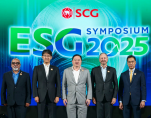
Driving Two Key Agendas to Strengthen Global Competitiveness BANGKOK, THAILAND – Media OutReach Newswire – 4 August 2025 – SCG organized the ESG Symposium 2025 under the concept “GREEN BREAKTHROUGH AMID THE PERFECT STORM” at SCG Headquarters, Bangkok. The event drew over 300 participants comprising key stakeholders driving Green Transition from government, private sector, civil society, and world-class experts who gathered to brainstorm and advance crucial collaboration […]

eToro, the globally recognised trading platform, revealed plans to introduce tokenized US stocks and exchange-traded funds on Ethereum. This announcement, made during a global webinar titled ‘eToro Unlocked: Trade Without Boundaries’, marks a significant development in the integration of traditional financial assets with blockchain technology.

The initiative aims to bridge the gap between conventional finance and the burgeoning world of decentralised finance. By utilising Ethereum’s blockchain, eToro will allow users to trade tokenized versions of US stocks and ETFs. This move follows the growing trend of decentralised financial products that provide greater accessibility and transparency to global markets. The tokenisation of these assets is expected to enable fractional ownership, meaning investors can hold and trade portions of stocks and ETFs without the need for a large capital outlay.

This shift is in line with a wider industry push towards blockchain adoption. Major financial institutions, including banks and asset managers, have explored tokenisation as a way to simplify processes, reduce costs, and make trading more efficient. By offering these products on a platform like eToro, which boasts millions of active users, the company is positioning itself as a key player in the digital asset space.

As of now, traditional trading platforms have been somewhat slow to incorporate blockchain technologies, particularly when it comes to mainstream products like equities and ETFs. However, tokenisation is rapidly gaining traction, with the promise of faster transactions, lower fees, and enhanced security. Ethereum, due to its widespread use and robust smart contract capabilities, has emerged as a leading blockchain for such innovations.

The rollout of tokenized US stocks and ETFs will occur in phases. Initially, a select group of eToro users will be given early access to these digital assets, with the plan for a broader launch depending on regulatory approval and market demand. Despite the novelty of tokenised equities, the platform’s offering will be fully compliant with the relevant financial regulations, ensuring that users can trade with confidence.

eToro’s move to embrace Ethereum-based tokenisation comes at a time when other financial services firms are also investigating blockchain’s potential in transforming asset management. For instance, firms like Fidelity and Grayscale have pioneered offerings that allow traditional investment in cryptocurrency, while companies such as JP Morgan and Goldman Sachs have been integrating blockchain technologies into their existing infrastructure.

However, it remains to be seen whether tokenised assets can truly revolutionise the way investors interact with traditional financial products. While blockchain technology offers numerous advantages, including faster settlement times and reduced friction in cross-border trading, the challenge lies in widespread adoption. Regulatory hurdles and market acceptance will play key roles in determining whether tokenisation becomes mainstream or remains a niche offering.

Nonetheless, the trend is gaining momentum. Tokenisation is seen as a way to democratise access to high-value assets that were previously reserved for wealthier investors or institutions. By breaking down these assets into smaller, more affordable fractions, eToro aims to give a wider audience the opportunity to diversify their portfolios, gain exposure to US stocks and ETFs, and participate in a global marketplace.

As eToro has expanded its offerings in recent years, it has positioned itself as a platform that seeks to empower users by providing more trading options and access to a range of global financial products. This tokenisation project is part of eToro’s broader vision of a more open and inclusive financial ecosystem, where geographical and financial barriers are diminished through technological advancements.

The Indian government has launched a substantial ₹1 lakh crore initiative aimed at advancing research and development in DeepTech sectors, which include artificial intelligence, biotechnology, and clean energy. The move seeks to position India at the forefront of technological innovation while addressing pressing global challenges, such as climate change and health issues, through groundbreaking advancements.

The scheme, which is the largest of its kind in the country, provides financial support through low-interest loans and grants to organisations engaged in pioneering research within these high-tech fields. This initiative is designed to fuel India’s transition to a knowledge-based economy, empowering domestic companies to compete on the global stage.

The programme has been met with widespread enthusiasm across industries, particularly for its potential to create high-skilled jobs and promote sustainable growth. Industry experts believe that the government’s focus on DeepTech will provide the necessary infrastructure for start-ups and established companies to undertake transformative research, particularly in AI and biotechnology, areas that are expected to revolutionise industries globally.

The scheme is structured to benefit both large-scale enterprises and smaller start-ups, ensuring a wide distribution of opportunities across the technology ecosystem. By offering loans with highly favourable interest rates, the government is incentivising private investment in research and innovation. These funds can be used for a variety of purposes, including product development, infrastructure creation, and collaboration with academic institutions. The emphasis on clean energy projects is particularly timely, given the global push towards sustainability and reducing carbon footprints.

Aimed at fostering a more robust R&D culture, this initiative also ties into broader national objectives, such as strengthening India’s technological independence and making strides towards self-reliance. By facilitating the creation of homegrown technologies, the government hopes to reduce the nation’s dependence on foreign technologies and build a self-sustaining innovation ecosystem.

The programme is expected to bring a ripple effect, spurring greater investment in the country’s deep-tech space. This comes at a time when global investors are showing increasing interest in emerging markets like India, particularly in sectors that address environmental concerns and healthcare challenges. Experts suggest that this initiative could make India a major player in AI, clean energy, and biotech, which have seen explosive growth globally.

This initiative builds upon earlier steps taken by the government to boost technological innovation. A notable example is the government’s push for AI adoption across industries, with initiatives such as the National AI Strategy. Moreover, India’s growing digital infrastructure, which includes expanding internet access and cloud capabilities, is seen as a foundation for the country to lead in cutting-edge research and development.

With AI poised to reshape industries such as healthcare, agriculture, and education, the government’s focus on AI-driven projects through this scheme could significantly enhance the country’s global competitiveness. For example, AI technologies are expected to play a critical role in optimising supply chains, improving healthcare diagnostics, and even contributing to smarter urban planning and infrastructure.

Similarly, India’s biotechnology sector, which has been a cornerstone of the nation’s medical advancements, stands to benefit enormously from the new scheme. Biotechnology holds promise for breakthroughs in disease treatment, diagnostics, and sustainable agricultural practices. With government backing, researchers and innovators will have access to the necessary resources to push the boundaries of what is currently possible in life sciences.

The clean energy component of the scheme is particularly crucial in the context of global environmental concerns. India, as one of the world’s largest emitters of carbon dioxide, has made ambitious commitments to reduce its carbon footprint, and this initiative is aligned with those goals. By providing financial incentives for renewable energy projects, including solar, wind, and hydrogen energy, the government is fostering an ecosystem conducive to green innovation.

The scheme also complements India’s broader economic reforms aimed at boosting manufacturing and technological self-sufficiency under the “Make in India” programme. By nurturing DeepTech innovation, India could develop indigenous solutions that cater not just to domestic needs but also to international markets, enhancing its stature as a hub for cutting-edge technology.

As part of its effort to ensure the programme’s success, the government is also facilitating partnerships between industry players and academia. This collaborative approach is intended to strengthen the research base and bridge the gap between innovation and practical application. Partnerships with international research bodies are also expected to enhance India’s global position in deep-tech innovation.


VISHNU RAJA
RYO YAMADA
HITORI GOTOH
IKUYO KITA
Just in: