News related to
watch

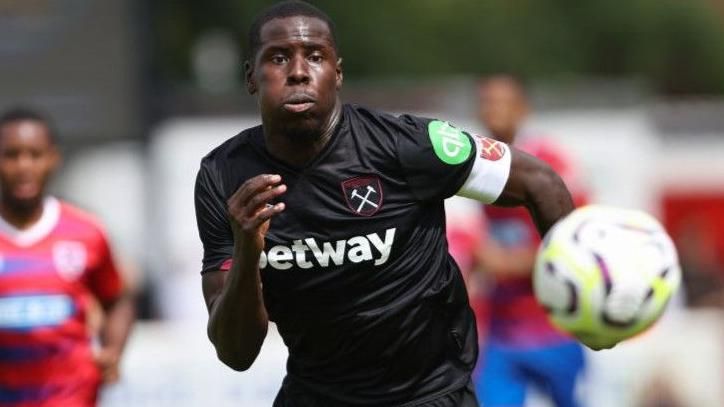
Kurt Zouma’s anticipated transfer from West Ham United to Shabab Al Ahli has been derailed following an unsuccessful medical examination. Zouma, who had just one year left on his contract with the Premier League club, traveled to Dubai for the final stages of the deal, which was set to see him move to the UAE Pro League side on a free transfer.

The breakdown in negotiations highlights a setback for both Zouma and Shabab Al Ahli, who had been preparing for the addition of the experienced French defender. Initial reports indicated that the transfer was progressing smoothly, but complications arose during the medical assessment. Shabab Al Ahli’s decision to halt the move reflects their stringent protocols regarding player fitness and health.

For Zouma, this development means he will continue with West Ham for the foreseeable future. The Premier League side had been open to offloading the player, making way for potential new signings in their squad. Zouma’s prolonged stay at West Ham could impact the club’s transfer strategies and their plans for next season.

The nature of the medical issues has not been disclosed, but such occurrences are not uncommon in professional football transfers. Clubs typically conduct thorough medical examinations to ensure that new signings meet their fitness and health standards before finalizing deals.

Shabab Al Ahli, a prominent team in the UAE Pro League, had high hopes for Zouma’s arrival. His experience and defensive capabilities were seen as valuable assets for a squad looking to strengthen its backline. The collapse of this transfer could prompt the club to search for alternative defensive options before the transfer window closes.

West Ham United now faces the task of integrating Zouma back into their squad. The defender’s commitment to the team will be scrutinized as he remains part of the Premier League outfit. The club’s management will need to assess how this situation affects their plans and whether additional reinforcements are necessary to ensure a competitive season.

Zouma’s future remains uncertain, with potential interest from other clubs likely in the coming months. His performance and fitness will be key factors in any future transfer negotiations. As the transfer window progresses, both Zouma and West Ham will be closely watched for further developments.

Overall, the failed transfer is a reminder of the complexities involved in football transfers, particularly when it comes to player health and club requirements. As both Zouma and Shabab Al Ahli move forward from this setback, the focus will now shift to how they adjust their strategies and what impact this situation will have on their respective seasons.
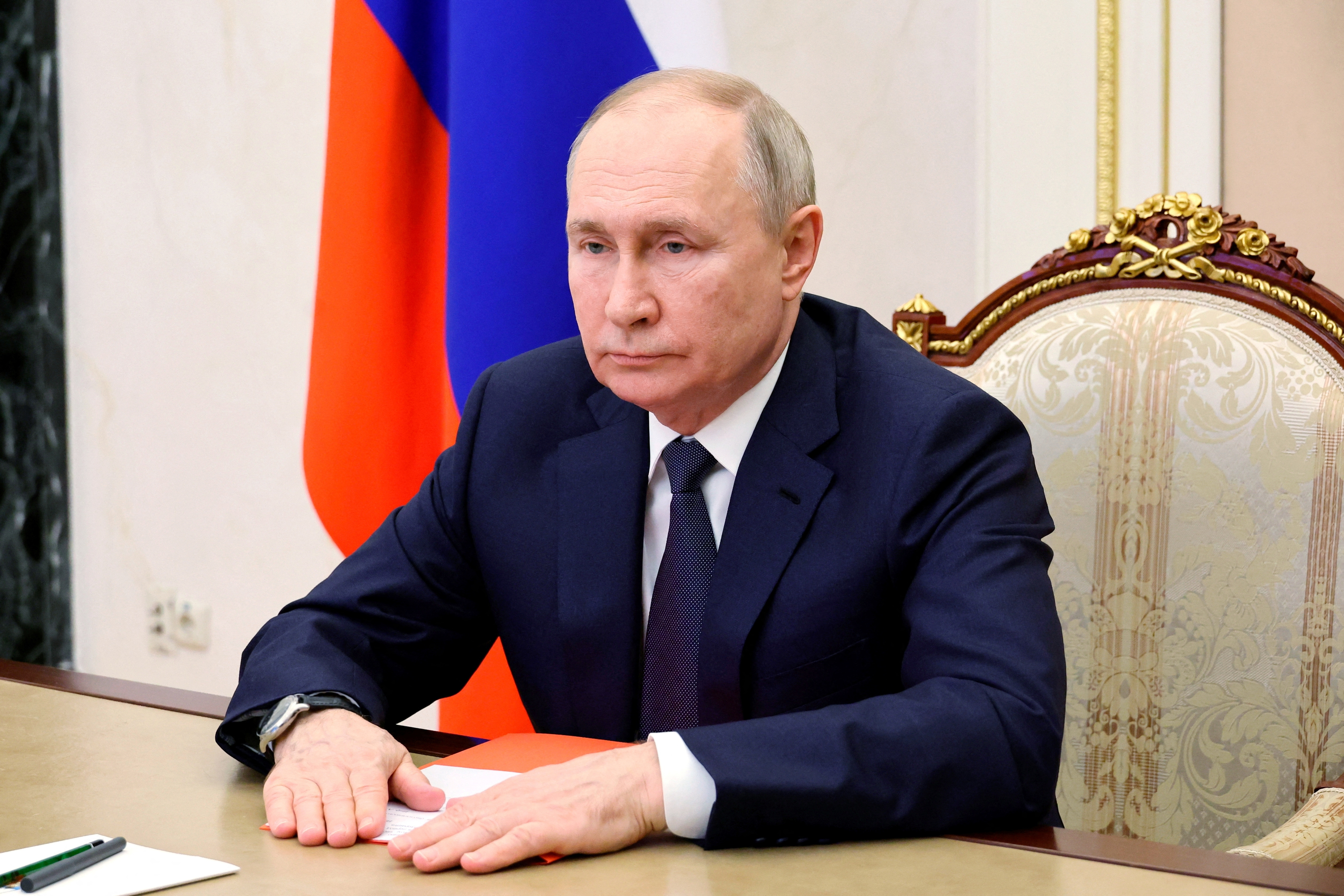
Palestinian President Mahmoud Abbas is set to meet with Russian President Vladimir Putin in Moscow on Tuesday amid ongoing hostilities in Gaza. This high-level meeting comes as international concern mounts over the escalating violence and humanitarian crisis in the region.

The discussion between Abbas and Putin will focus on the unfolding situation in Gaza, where recent conflicts have intensified. Abbas aims to seek support and explore potential diplomatic solutions with Russia, a key ally with influence in the Middle East.

The Gaza Strip has been plagued by violence and destruction, with numerous reports highlighting the severe impact on civilians and infrastructure. The international community has called for restraint and a renewed push for peace negotiations, with varying levels of engagement from global powers.

Putin’s meeting with Abbas reflects Russia’s ongoing role in Middle Eastern diplomacy. Russia has positioned itself as a mediator in the region, advocating for balanced approaches to the Israeli-Palestinian conflict. The Kremlin’s involvement underscores its strategic interest in maintaining influence over regional affairs and bolstering its diplomatic credentials on the global stage.

The meeting comes as the United Nations and other international organizations have raised alarms about the humanitarian conditions in Gaza. Reports indicate shortages of essential supplies, medical resources, and a deteriorating living environment for residents affected by the conflict. Both Russia and the Palestinian leadership have expressed concerns over these conditions and the need for a resolution that addresses humanitarian needs while working towards a sustainable peace.

Abbas’s visit to Moscow is expected to address these issues and discuss possible Russian contributions to relief efforts. The Palestinian leadership is seeking a strengthened partnership with Russia to leverage its diplomatic weight and secure international backing for their position. This dialogue aims to align with broader international efforts to mitigate the crisis and facilitate a return to negotiations between the conflicting parties.

The Kremlin has historically been an advocate for Palestinian statehood and has hosted multiple rounds of peace talks in the past. Putin’s engagement with Abbas is seen as part of Russia’s strategy to enhance its influence and act as a counterbalance to Western involvement in Middle Eastern peace processes.

This meeting also highlights the shifting dynamics in international diplomacy regarding the Gaza conflict. As major global powers weigh in, the outcomes of these high-level talks could impact the trajectory of international responses and interventions. The global community is watching closely, with hopes pinned on diplomatic solutions that could lead to an enduring resolution to the conflict.

The talks between Abbas and Putin are set against a backdrop of heightened tensions and complex geopolitical considerations. The effectiveness of this dialogue in contributing to a peaceful resolution remains to be seen, as both leaders navigate a challenging landscape of diplomatic and humanitarian concerns.

“Cultural Commerce” experience at K11 MUSEA fuels 10% surge in tourist spending HONG KONG SAR – Media OutReach Newswire – 12 August 2024 – Victoria Dockside, K11 Art and Cultural District in Hong Kong, shone brightly again as the global debut stage of a world-class mega event – the highly anticipated “100% DORAEMON & FRIENDS” exhibition, presented by creative brand AllRightsReserved (ARR) in collaboration with Fujiko Pro. […]

K Raveendran It was clear to everyone that SEBI was stonewalling a proper investigation into the charges levelled by the Hindenburg report, except those who had other reasons to pretend otherwise. But there was no clarity as to why SEBI was doing so. Now that Hindenburg has disclosed SEBI chairperson’s and her husband’s investment in […]
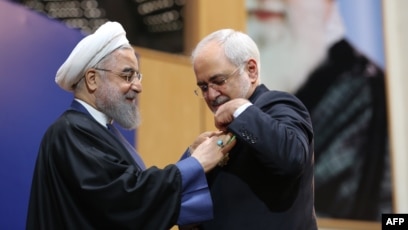
Mohammad Javad Zarif, Iran’s former foreign minister and one of the country’s most prominent diplomats, has resigned from his newly appointed position as the Deputy for Strategic Affairs in President Masoud Pezeshkian’s administration. The resignation, reportedly due to disagreements over cabinet selections, marks a significant shift in the political landscape, given Zarif’s influence in Iran’s foreign policy for over a decade.

Zarif’s appointment to this strategic position was met with considerable anticipation. The role, specially created by President Pezeshkian, was designed to leverage Zarif’s extensive experience in international diplomacy. It was expected that Zarif would guide the administration in navigating complex global challenges and enhance Iran’s strategic posture on the world stage. His resignation, however, underscores the growing tensions within the administration, particularly regarding the direction of Pezeshkian’s cabinet choices.

Zarif, who had served as foreign minister from 2013 to 2021, was instrumental in negotiating the 2015 nuclear deal, which was seen as a significant diplomatic achievement despite later challenges. His departure from the strategic role raises questions about the future of Iran’s foreign and domestic policies under President Pezeshkian, who has been under pressure to balance reformist and hardline elements within his administration.

The resignation is believed to stem from Zarif’s dissatisfaction with certain key appointments in Pezeshkian’s cabinet. Sources indicate that Zarif felt that these choices could undermine the effectiveness of the administration’s strategic initiatives, particularly in dealing with international relations and domestic reforms. This move has sparked speculation about potential rifts within the ruling elite and the possible implications for Iran’s political stability.

President Pezeshkian, who took office earlier this year, has faced considerable challenges in forming a cohesive government. His administration has been characterized by efforts to placate both reformists and conservatives, a task that has proven difficult given the ideological divides within the Iranian political system. Zarif’s resignation may further complicate these efforts, as it signals a potential loss of support from key reformist figures who have been critical of the current direction of the government.

Despite stepping down from his official role, Zarif remains a significant figure in Iranian politics, with deep connections both within the country and internationally. His next moves will be closely watched, particularly by those in the West who have engaged with him in diplomatic negotiations over the years. His resignation also raises concerns about the potential impact on Iran’s ongoing negotiations to revive the nuclear deal, especially given Zarif’s intimate knowledge of the process and his network of international contacts.

The administration has yet to comment publicly on Zarif’s resignation, and it remains unclear who might succeed him in the role of Deputy for Strategic Affairs. However, the departure of such a high-profile figure is likely to have a lasting impact on the dynamics within Pezeshkian’s government and on Iran’s broader strategic direction.

This development marks a critical moment for President Pezeshkian, who must now navigate the fallout from Zarif’s resignation while continuing to address the significant challenges facing his administration. The coming weeks will be crucial in determining whether Pezeshkian can maintain the delicate balance needed to govern effectively or whether this resignation will signal deeper fractures within his government.

Iran’s Vice President for Strategic Affairs, Mohammad Javad Zarif, resigned from his post following disagreements over the composition of the new cabinet under President Masoud Pezeshkian. Zarif, who previously served as Iran’s Foreign Minister, was appointed to the strategic role just over a week ago. However, his resignation came shortly after the list of ministerial nominees was submitted to parliament, a move that has sent shockwaves through the political landscape in Tehran.

Zarif expressed his dissatisfaction with the selection process, stating that the majority of the nominees were not the first choices recommended by the steering council he led. Despite reviewing over 1,000 candidates, Zarif revealed that only three of the 19 selected ministers aligned with the council’s top recommendations. His frustration was further compounded by the failure to fulfill promises regarding the inclusion of women, youth, and ethnic minorities in the new cabinet, which were key elements of Zarif’s vision for the government.

In his resignation statement, Zarif emphasized that the final ministerial list did not adequately reflect expert opinions, which ultimately led to his decision to step down. He expressed gratitude to President Pezeshkian for the opportunity to serve but indicated that he would now return to academia, where he has been a professor at the University of Tehran since leaving his role as Foreign Minister.

The resignation comes at a critical time for the Pezeshkian administration, which is facing significant challenges both domestically and internationally. The parliament is scheduled to begin scrutinizing the ministerial nominees before a vote of confidence on August 17. Zarif’s departure is likely to complicate these proceedings and raises questions about the stability and future direction of the new government.

Zarif, a veteran diplomat, played a significant role in negotiating the 2015 nuclear deal and has been a prominent figure in Iranian politics for decades. His resignation is a blow to the Pezeshkian administration, which had hoped to leverage Zarif’s extensive experience and diplomatic acumen. The former Foreign Minister’s decision to step down underscores the deep divisions within the Iranian political establishment as it navigates the complexities of forming a new government.

This development marks the end of Zarif’s direct involvement in Iran’s domestic politics, at least for the foreseeable future, as he returns to the academic world. The impact of his resignation on the Pezeshkian administration and the broader political landscape in Iran will be closely watched in the coming weeks.

Krafton, the South Korean video game developer behind PUBG, has acquired Tango Gameworks, the studio known for its acclaimed Hi-Fi Rush game. This strategic move, revealed through a recent deal, signifies a notable expansion of Krafton’s influence in the global gaming market. Tango Gameworks, based in Tokyo, gained recognition for its innovative approach to game design, particularly with Hi-Fi Rush, which garnered praise for its unique blend […]

Advertisements

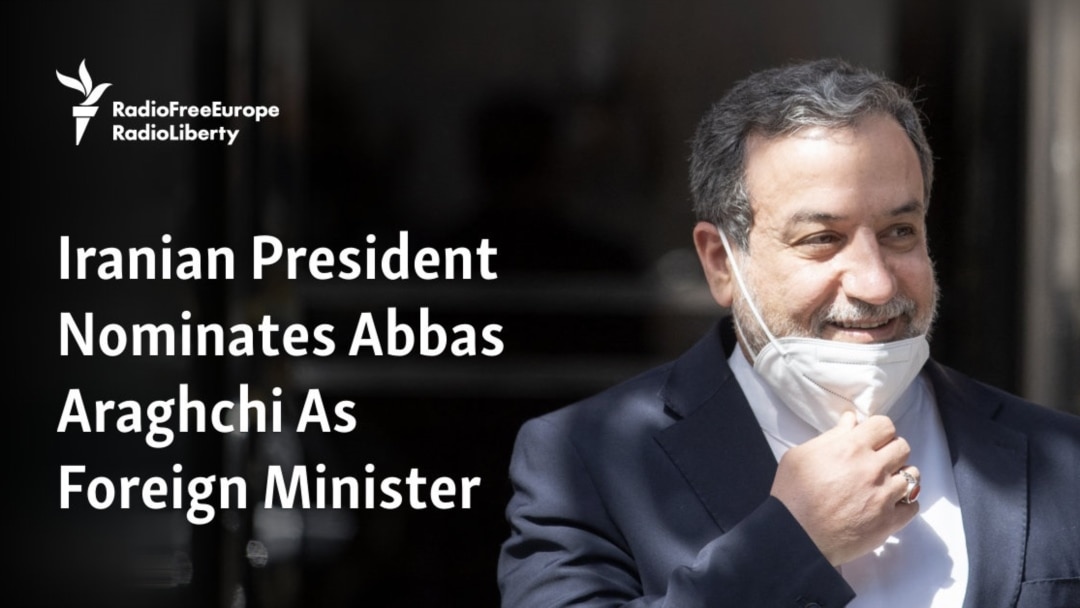
Iran’s President Masoud Pezeshkian has nominated Abbas Araghchi, a seasoned diplomat and former nuclear negotiator, as the country’s new foreign minister. This decision marks a significant step in shaping the country’s foreign policy under Pezeshkian, who took office following the death of his hardline predecessor, Ebrahim Raisi.

Araghchi, known for his pivotal role in the negotiations leading to the 2015 nuclear deal, is widely regarded as a pragmatic figure within the Iranian political landscape. His nomination suggests a possible recalibration of Iran’s diplomatic strategy, focusing on re-engagement with global powers and regional stability, amidst a tense international environment.

This nomination comes at a critical juncture for Iran, as Pezeshkian’s administration seeks to navigate the complex interplay between reformist aspirations and the conservative establishment’s expectations. Araghchi’s experience in diplomacy, particularly his familiarity with the nuances of nuclear negotiations, positions him as a key player in advancing Iran’s international agenda while balancing internal pressures.

The nomination of Araghchi has drawn varied reactions domestically and internationally. Reformist circles view this as a positive move towards moderation, while conservatives remain cautious, emphasizing the need to safeguard national interests. The international community, particularly signatories of the 2015 nuclear agreement, is closely watching this development, as it could signal Tehran’s approach to reviving talks and easing tensions in the region.

Pezeshkian’s administration, despite its reformist leanings, is expected to maintain continuity in several aspects of Iran’s foreign policy, particularly its stance on nuclear issues. However, with Araghchi at the helm of the Foreign Ministry, there may be a renewed focus on diplomacy as a means of addressing the country’s economic challenges and breaking the impasse in nuclear negotiations.

This move by Pezeshkian underscores his administration’s intent to steer the country towards a more balanced foreign policy, one that neither alienates the conservative base nor overlooks the demand for reforms among the populace. Araghchi’s potential confirmation by the Iranian parliament could set the stage for significant diplomatic activity, as Iran seeks to reassert its position on the global stage while managing the expectations of various internal factions.

The international community is expected to engage closely with Araghchi, given his extensive background in diplomacy and negotiations. His appointment could pave the way for a more constructive dialogue between Tehran and the West, especially concerning the future of the nuclear agreement and regional security issues.

As Iran continues to navigate its domestic and international challenges, the role of the Foreign Ministry under Araghchi will be crucial in shaping the country’s future, balancing between reformist ambitions and the conservative establishment’s expectations.

American voters are deeply divided over which presidential candidate, Donald Trump or Kamala Harris, would better address the economic concerns of middle and lower-income families. The rift comes as neither candidate has fully unveiled a comprehensive economic platform, leaving much of the debate centered on perceptions and historical party positions rather than detailed policy proposals. A series of polls conducted over the past month reveal that many […]

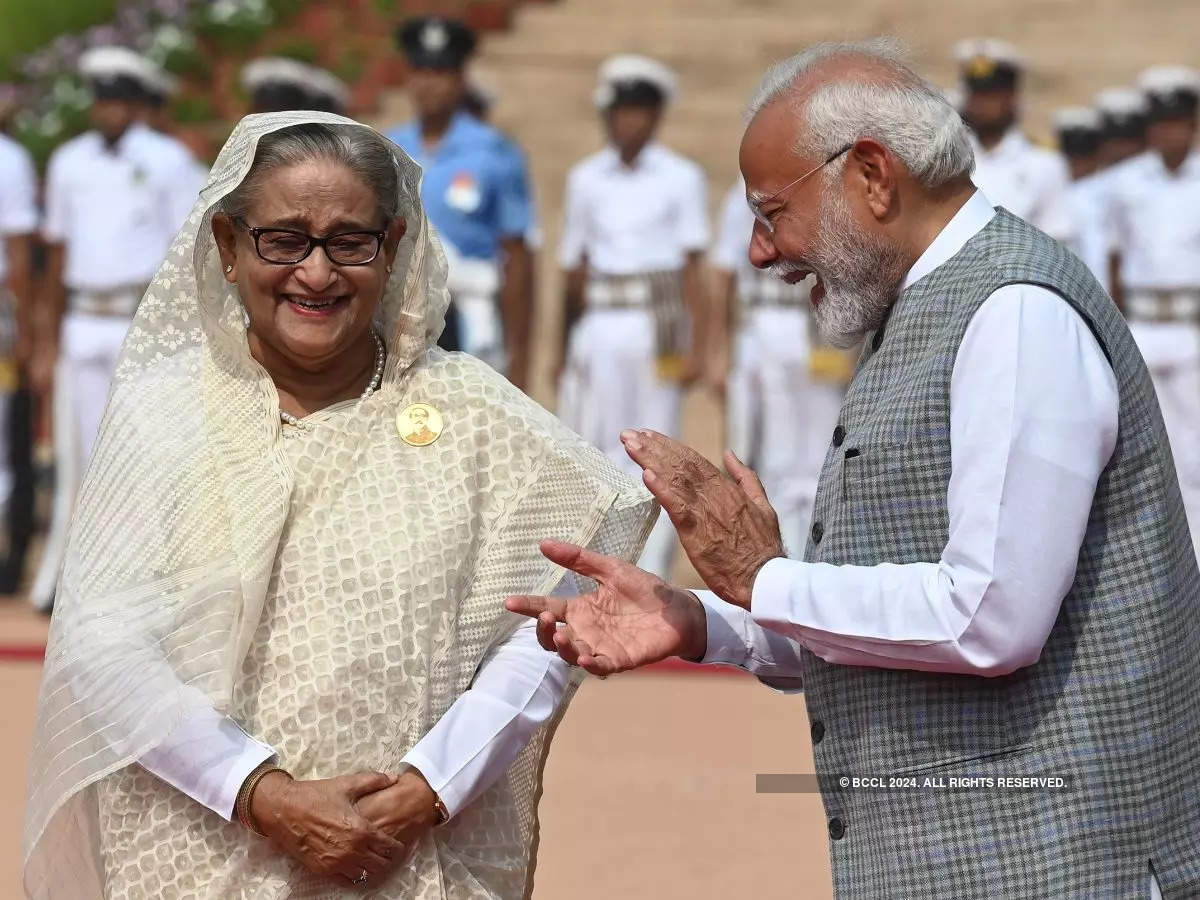
China has expressed a strong desire for Bangladesh to quickly restore social stability following a major political upheaval. The call for stability comes after former Prime Minister Sheikh Hasina’s dramatic resignation and subsequent departure from the country amid widespread protests. The situation in Bangladesh escalated significantly when Sheikh Hasina, who had been a prominent figure in the nation’s politics for years, resigned from her position. This resignation, […]

300 Chen Zhi Scholars Gain Access to Nearly 50 Exclusive Internship Opportunities PHNOM PENH, CAMBODIA – Media OutReach Newswire – 8 August 2024 – Prince Foundation, the philanthropic arm of Prince Holding Group, led by its visionary chairman Neak Oknha Chen Zhi, proudly announced the successful conclusion of the “Prince Group Career Fair,” an exclusive event for its distinguished Chen Zhi Scholarship students. This highly anticipated occasion […]

SOCRadar, a prominent cybersecurity firm, is currently under scrutiny following claims by the threat actor known as USDoD. This individual, active on various online forums, alleged responsibility for breaching and leaking over 330 million email addresses linked to the firm. SOCRadar has firmly denied any connection to the breach, asserting that the email addresses in question were not obtained through any vulnerabilities in their systems. The alleged […]

Abu Dhabi Investment Authority (ADIA), the sovereign wealth fund of the United Arab Emirates, has significantly bolstered the technology sector by committing $295 million to Flyr, a notable tech startup specializing in travel technology. This investment is poised to accelerate Flyr’s growth trajectory and enhance its technological innovations. Flyr, which focuses on transforming the travel industry through its advanced technology solutions, has garnered attention for its innovative […]

Turkey’s financial regulatory body has revealed that 47 cryptocurrency companies have submitted applications for operational licenses in the country. Among the notable names seeking approval are prominent exchanges such as Bitfinex, Binance TR, and OKX TR. This significant move reflects a growing trend of crypto platforms seeking legitimacy in regulated markets. The surge in applications underscores the increasing importance of regulatory compliance within the cryptocurrency industry. As […]

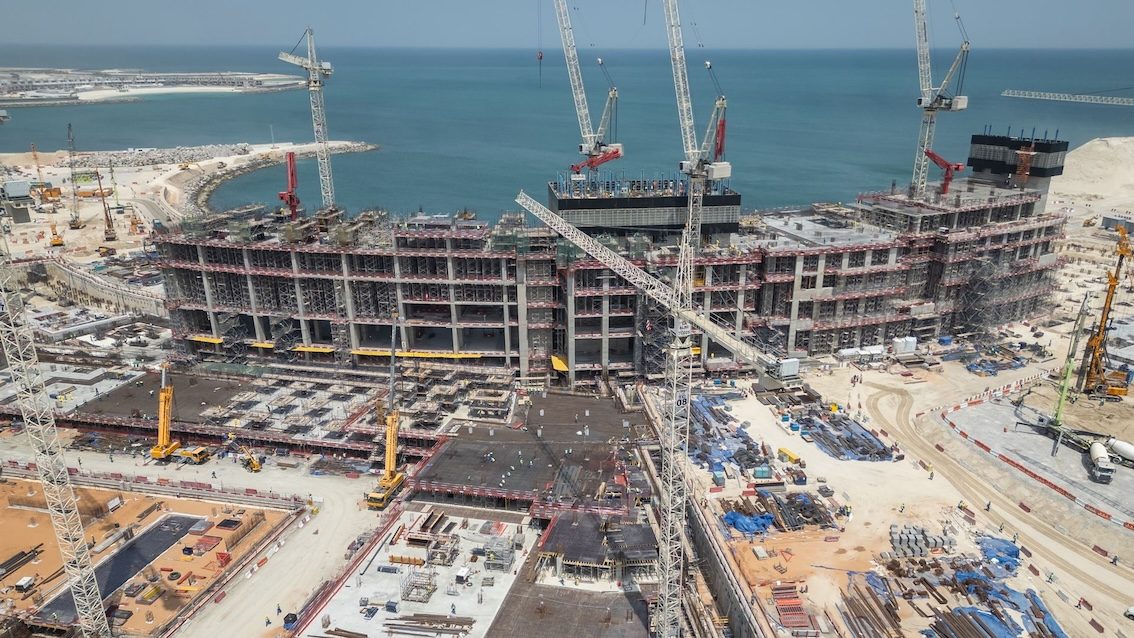
Wynn Resorts has announced a significant investment of $514.4 million into a new development on Al Marjan Island in Ras Al Khaimah, set to become a major attraction by early 2027. The move is part of the company’s broader strategy to capture a growing segment of the luxury tourism market in the UAE.

The ambitious project, known as Wynn Al Marjan Island, will include a luxury hotel, a sprawling casino, and a range of high-end dining and entertainment options. The development is expected to cater to an international clientele, with a particular focus on attracting visitors from Europe and India, where demand for luxury travel experiences is on the rise.

Wynn Resorts’ CEO, Craig Billings, highlighted that the investment aligns with the company’s vision to expand its global footprint and diversify its offerings. He hinted at potential future expansions in the region, reflecting the company’s confidence in the growing appeal of Ras Al Khaimah as a premium travel destination.

The choice of Al Marjan Island as the site for this new venture is strategic, as it is rapidly emerging as a hub for luxury tourism in the UAE. The island’s development is being closely watched by industry analysts, who see it as a key indicator of the region’s evolving tourism landscape.

The investment by Wynn Resorts is also expected to stimulate local economic growth, creating numerous job opportunities and boosting related industries in Ras Al Khaimah. The project’s scale and scope are likely to make it a landmark in the UAE’s hospitality sector, setting new standards for luxury and entertainment.

As the opening date of Wynn Al Marjan Island approaches, anticipation is building among travel industry experts and potential visitors. The development promises to enhance the UAE’s reputation as a premier destination for luxury tourism and high-stakes gaming, reinforcing Wynn Resorts’ position as a leader in the global hospitality market.

HARBIN, CHINA – Media OutReach Newswire – 8 August 2024 – In the scorching summer, many parts of China are hit by high temperatures and extreme heat. Heilongjiang Province, with its cool and pleasant climate and rich tourism resources, continues the popularity of winter tourism. Harbin Sun Island Scenic Area To extend the “joy” of winter throughout the four seasons, Harbin Ice and Snow World has launched […]

By P. Sudhir The mass revolt against the authoritarian government of Sheikh Hasina Wazed has had a dramatic outcome with the fall of the government and Sheikh Hasina fleeing the country. On Monday (August 5), the `March to Dhaka’ called by the student protestors saw tens of thousands of people reaching the city and marching […]

Arabian Post Staff Saudi Aramco is poised to enhance its influence in the petrochemical sector through a significant acquisition. The energy giant has announced plans to acquire a substantial stake in Petro Rabigh, a major player in the petrochemical industry. This strategic move reflects Aramco’s ongoing efforts to diversify its investments and strengthen its foothold in the global market. Petro Rabigh, a joint venture between Saudi Aramco […]

By Arun Srivastava What has happened in Bangladesh was inevitable. It is extreme historical irony that Sheikh Hasina had to eventually flee Bangladesh, the country which was literally fathered by her father Sheikh Mujibur Rahman. Hasina, who once helped rescue Bangladesh from military rule and restore the democratic governance, has been primarily responsible for creation […]

SINGAPORE – Media OutReach Newswire – 8 August 2024 – Discovery Taiwan and the PauJar Charity Foundation today announced Inside Taiwan: Health Care, a new program highlighting Taiwan’s National Health Insurance (NHI). Inside Taiwan: Health Care will premiere on the Discovery Channel on Monday, August 12, at 7:10 p.m. The National Health Insurance was established nearly 30 years ago to give all Taiwanese equal access to healthcare […]

Dubai is set to implement a four-day work week for public sector employees, marking a significant shift in the region’s labor practices. This new schedule will reduce the standard working week from five days to four, with employees working nine-hour days from Monday to Thursday. The change is part of Dubai’s broader strategy to enhance work-life balance and increase productivity.

The decision aligns with Dubai’s vision to position itself as a progressive and innovative hub. The move aims to address the evolving needs of the modern workforce and to improve employee satisfaction by providing a longer weekend. This trial will affect a range of government departments and public institutions, with the potential for future expansion depending on the results.

The initiative reflects a growing global trend towards shorter work weeks, driven by studies indicating potential benefits such as increased job satisfaction and improved mental health. Dubai’s adoption of this model positions it as a leader in regional labor reform and aligns with its goals of fostering a more dynamic and flexible work environment.

In parallel, other countries and companies worldwide have explored or adopted similar changes, seeking to balance the demands of productivity with employee well-being. As Dubai embarks on this trial, it will be closely watched by both regional and international observers interested in the impacts on workplace efficiency and employee morale.

Economic experts suggest that the shortened work week could lead to various outcomes, including a potential boost in productivity and reductions in operational costs. The success of this trial could serve as a benchmark for other nations and organizations considering similar changes. Dubai’s experiment is expected to provide valuable insights into the feasibility and benefits of a reduced work week in diverse professional settings.

The four-day work week trial is set to commence in the coming months, with initial evaluations scheduled to assess its impact on public sector efficiency and employee satisfaction. If successful, the model could influence labor practices across both the public and private sectors in the region.

As Dubai continues to position itself at the forefront of innovative practices, the trial of a four-day work week represents a bold step towards redefining traditional work patterns. The outcome of this trial may well shape future policies and set a precedent for other regions exploring similar work structure changes.

Raja Salameh, brother of Lebanon’s former central bank governor Riad Salameh, has come under investigation in France as part of a corruption probe. This investigation is focused on the alleged embezzlement of over $330 million from Lebanon’s central bank. French authorities suspect that Raja, along with his brother, diverted these funds between 2002 and 2015, funneling them into European investments.

The case has drawn significant attention due to the extensive tenure of Riad Salameh as governor, a role he held for three decades. During this time, Riad became a prominent figure, especially as Lebanon grappled with severe economic challenges, culminating in the financial crisis that erupted in 2019.

Prosecutors from Germany, France, and Luxembourg have been actively involved in the investigation, conducting interviews with Lebanese bankers and officials in Beirut. The focus of their inquiries has been on the commissions collected by the central bank, which were purportedly transferred to Forry Associates, a company owned by Raja Salameh. The central bank allegedly collected these commissions from bond buyers and, instead of retaining them, funneled the money to Forry Associates without clear disclosure to private banks.

Despite the allegations, both Riad and Raja Salameh have denied any wrongdoing. Riad maintains that the $300 million was earned legally, emphasizing that he is being used as a scapegoat for the country’s financial woes. Pierre-Olivier Sur, Riad’s French lawyer, argued that the commissions were legitimate payments for intermediation work conducted by Forry Associates, authorized by the central bank’s management and supervisory bodies.

The revelations have intensified scrutiny of Lebanon’s financial sector and the role of its central bank. Lebanese authorities have also pursued their own investigations, leading to charges of illicit enrichment against Riad Salameh in March, which he has denied.

Riad Salameh continues to have the support of key Lebanese political figures, including Nabih Berri, the long-standing Speaker of Parliament. However, the unfolding investigations in Europe and Lebanon are likely to exert increasing pressure on him and his associates as authorities seek to uncover the full extent of the alleged financial misconduct.

The case highlights the broader challenges facing Lebanon, where endemic corruption and financial mismanagement have severely impacted the country’s economy, contributing to widespread public distrust in its institutions. As European prosecutors proceed with their investigation, the international community watches closely, hoping for accountability and transparency in addressing these serious allegations.

Iranian-backed forces have intensified their attacks on areas controlled by US-backed Kurdish fighters in eastern Syria. The clashes have primarily centered around the oil-rich Deir Ezzor province, escalating tensions in a region already fraught with conflict.

Violence erupted when Syrian government-backed mercenaries and local Arab tribal fighters launched a series of attacks on Kurdish-held villages, including Dhiban, Latwa, and Abu Hamam. These areas, situated near the strategically important Al-Omar oil field, have been scenes of heavy fighting, with casualties reported on both sides.

According to the Syrian Democratic Forces (SDF), the Iranian-backed attackers managed to inflict significant damage, including the destruction of military vehicles and the capture of SDF soldiers. The SDF has since imposed curfews in the affected areas, mobilizing reinforcements to regain control and prevent further incursions.

This surge in hostilities follows a series of provocative actions in the broader Middle East. Notably, the killings of key figures in the Hezbollah and Hamas movements have heightened regional tensions, prompting vows of retaliation from Iranian allies.

The US military, which maintains a presence in eastern Syria to support the SDF against ISIS remnants, has been put on high alert. American forces have been actively involved in the conflict, providing aerial surveillance and support to their Kurdish allies. The situation remains volatile, with US helicopters and drones conducting continuous operations over the conflict zones.

The clashes underscore the fragile nature of alliances and the complexity of the Syrian conflict, where multiple factions vie for control and influence. Iranian influence in the region, bolstered by alliances with local tribes and Syrian government forces, continues to challenge US interests and stability efforts in Syria.

As the conflict unfolds, the humanitarian impact is becoming increasingly severe. Civilians caught in the crossfire face displacement and loss, with access to essential services disrupted by the ongoing violence. The international community watches closely, concerned about the potential for a broader escalation that could draw in more regional powers and further destabilize the Middle East.

Solana (SOL) and MoonTaurus (MNTR) have emerged as significant cryptocurrencies to monitor this August, driven by unique factors and strong market potential. Both coins are catching the eyes of investors and analysts alike for their promising trajectories and recent developments. Solana has been a powerhouse in the crypto space, known for its high throughput and low transaction costs. Despite a downturn earlier this year, Solana has demonstrated […]

VISHNU RAJA
RYO YAMADA
HITORI GOTOH
IKUYO KITA