News related to
watch

The U.S. Senate has confirmed Kash Patel as the new Director of the Federal Bureau of Investigation with a narrow 51-49 vote. Patel, a long-time adviser to President Donald Trump, is set to lead the nation’s premier law enforcement agency, succeeding Christopher Wray, who resigned prior to the completion of his term.

Patel’s confirmation has been met with significant debate, primarily due to his close ties to President Trump and his previous criticisms of the FBI. Democratic senators have expressed concerns that his appointment could lead to the politicization of the bureau. Senator Dick Durbin highlighted Patel’s past statements and actions, suggesting they might compromise the FBI’s impartiality.

Adding to the controversy are Patel’s financial disclosures, which reveal substantial investments in the cryptocurrency sector. According to official filings, Patel holds up to $115,000 in Bitcoin and has invested between $50,001 and $100,000 in Core Scientific, a prominent Bitcoin mining company. These holdings have raised questions about potential conflicts of interest, especially given the FBI’s role in regulating and investigating cryptocurrency-related activities.

During his confirmation hearing, Patel addressed these concerns, stating that his investments are part of a diversified portfolio and asserting that they would not influence his duties as FBI Director. He emphasized his commitment to maintaining the bureau’s integrity and impartiality.

Republican senators have largely supported Patel’s appointment, viewing his leadership as an opportunity to reform the FBI and address perceived biases within the agency. Senator Chuck Grassley expressed confidence in Patel’s ability to restore public trust and ensure the bureau operates without political influence.

Patel’s professional background includes roles as a public defender, a trial attorney at the Department of Justice, and various positions during President Trump’s first term. His supporters cite this experience as evidence of his qualifications to lead the FBI.

However, critics remain skeptical. Concerns have been raised about Patel’s previous appearances on platforms known for promoting conspiracy theories and his past statements regarding internal FBI matters. Some former Justice Department officials have publicly opposed his nomination, suggesting that his leadership could undermine the bureau’s mission and integrity.

As Patel assumes his new role, he faces the immediate challenge of addressing internal morale within the FBI and external perceptions of the bureau’s impartiality. His approach to handling his cryptocurrency investments and potential conflicts of interest will be closely scrutinized by both lawmakers and the public.

The confirmation of Kash Patel marks a significant moment for the FBI, as the agency navigates complex political dynamics and emerging technological challenges. How Patel balances his personal investments with his professional responsibilities will play a crucial role in shaping the bureau’s future direction and public perception.

In the coming weeks, all eyes will be on Director Patel as he outlines his vision for the FBI and addresses the myriad issues facing the agency. His actions and decisions will be pivotal in determining the bureau’s trajectory during his tenure.

As the FBI embarks on this new chapter under Patel’s leadership, the interplay between personal interests and public duty will be a focal point of discussion and analysis among policymakers, law enforcement professionals, and the American public.

The Senate’s confirmation of Kash Patel as FBI Director underscores the deep divisions within the political landscape and highlights the ongoing debates surrounding the role of personal investments in public service. Patel’s tenure will undoubtedly be closely monitored as he steps into this critical position at a pivotal time for the nation.

As Director Patel begins his term, the balance between innovation in financial sectors and the ethical obligations of public office holders will remain a topic of significant importance and scrutiny.

The coming months will reveal how Patel navigates these challenges and whether his leadership will bring the reforms and renewed trust that his supporters anticipate. The outcomes of his decisions will have lasting implications for the FBI and its role in upholding justice and security in the United States.

Director Patel’s approach to his new role will be instrumental in shaping the future of the FBI and its relationship with both the government and the public it serves. His ability to address internal and external concerns will define his legacy and the bureau’s path forward.

As the nation watches, Director Patel’s actions will speak to his commitment to justice, integrity, and the principles that underpin the Federal Bureau of Investigation. The challenges ahead are significant, but so too are the opportunities for positive change under his leadership.

In this critical period, the direction set by Director Patel will influence not only the FBI’s operations but also the broader discourse on ethics, governance, and public trust in federal institutions. His tenure promises to be a defining chapter in the bureau’s storied history.

As Director Patel takes the helm, the interplay between his personal financial interests and his public responsibilities will be a key area of focus, with implications that extend beyond the FBI to the broader landscape of public service ethics.

The path Director Patel charts in addressing these complex issues will be closely observed, setting precedents for future leaders and shaping the narrative of accountability and transparency in government roles.

In navigating the responsibilities of his position, Director Patel’s decisions will resonate through the corridors of power, influencing policy, public perception, and the very fabric of the nation’s approach to law enforcement and justice.

As the FBI enters this new era under Director Patel, the balance he strikes between personal interests and public duty will serve as a barometer for the agency’s commitment to its foundational values and its adaptability in a rapidly evolving societal landscape.

The tenure of Director Patel is poised to be a transformative period for the FBI, with his leadership style and ethical considerations setting the tone for the agency’s future and its role in safeguarding the nation’s security and upholding the rule of law.

Matein Khalid Who would have thought that an elegiac hillbilly like J.D. Vance would articulate the requiem for the Western Alliance and NATO at Munich even as Donald Trump prepares for his alpha male sword dance in the Saudi desert, though I really hope POTUS-47 does not try to take on Putin in judo because the little guy is a certified black belt, who can pulverize DonnyT […]

Binance.US has announced the resumption of USD services, enabling eligible customers to deposit and withdraw USD via bank transfers starting February 19, 2025. This development marks a significant milestone for the cryptocurrency exchange, which has faced considerable regulatory hurdles in recent years.

In June 2023, the Securities and Exchange Commission filed a lawsuit against Binance.US, alleging violations of securities laws, including the offering of unregistered investment products and engagement in anti-fraud practices. This legal action led to the suspension of USD deposits and withdrawals on the platform, severely impacting its operations and customer base.

Interim CEO Norman Reed has been vocal about the challenges posed by regulatory pressures. In a December 2024 letter to the community, Reed emphasized the company’s commitment to restoring USD services, stating, “With 2025 approaching, our number one priority remains providing our community with the best experience and resources in crypto. To that end, we are focused on restoring USD services, so that users can easily move money into and out of Binance.US.”

The path to resuming USD services has been fraught with obstacles. Following the SEC’s lawsuit, Binance.US experienced a significant outflow of funds and customers, leading to a 70% reduction in its workforce. The company also faced the revocation of its money transmitter licenses in seven states due to non-compliance with regulatory requirements.

Despite these setbacks, Binance.US has been actively working to rebuild its infrastructure and restore customer trust. The company has engaged in extensive legal proceedings, providing numerous depositions and fulfilling hundreds of document requests. Reed noted, “Over the past 17 months, Binance.US has engaged in the discovery process, giving hours of depositions and fulfilling hundreds of document requests. Tellingly, the SEC has not presented any evidence of wrongdoing to date despite maintaining a careful watch over the company.”

In a strategic move to address ongoing legal challenges, Binance and the SEC filed a joint motion in February 2025, requesting a 60-day pause in their legal case. This pause aims to allow the SEC’s newly formed crypto task force to influence the outcome of the case, potentially facilitating a resolution.

The resumption of USD services is expected to have a positive impact on Binance.US’s user base and the broader cryptocurrency market in the United States. By restoring these services, the platform aims to attract new users and regain the confidence of existing customers. Reed expressed optimism about the future, stating, “I strongly believe that 2025 will be a breakout year for Binance.US, and our teams are hard at work building a comeback story for the ages.”

In addition to reinstating USD services, Binance.US plans to expand its product offerings in the coming months. The platform currently supports 160 cryptocurrencies and offers staking for over 20 different assets, positioning itself as a competitive player in the U.S. crypto market.

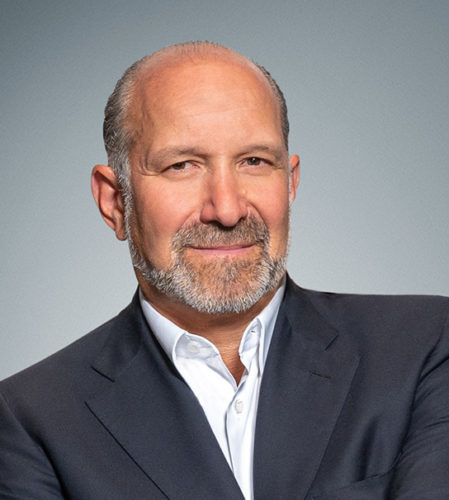
Howard Lutnick, the billionaire CEO of Cantor Fitzgerald, has been confirmed by the Senate as the new U.S. Secretary of Commerce. The Senate voted 51-45 in favor of Lutnick, a prominent Wall Street figure and close ally of President Donald Trump. Lutnick is expected to play a pivotal role in implementing the administration’s trade policies, which include potential tariffs on foreign automobiles, semiconductors, and pharmaceuticals.

Lutnick’s confirmation aligns with President Trump’s broader strategy to reshape the nation’s financial regulatory landscape. The administration has put forth several pro-cryptocurrency nominees for key regulatory positions, signaling a shift towards a more crypto-friendly environment.

Paul Atkins, a former Securities and Exchange Commission commissioner under President George W. Bush, has been nominated to lead the SEC. Atkins is known for his deregulatory stance and has previously opposed stringent enforcement actions against large corporations. His appointment suggests a potential easing of regulatory pressures on financial institutions and a more accommodating approach towards cryptocurrency ventures.

Brian Quintenz has been nominated as the chairman of the Commodity Futures Trading Commission . Quintenz previously served as a CFTC commissioner from 2017 to 2021 and has extensive experience in both traditional finance and the cryptocurrency sector. Before his nomination, he was the head of policy at a16z crypto, the cryptocurrency division of venture capital firm Andreessen Horowitz. Quintenz’s return to the CFTC is anticipated to foster innovation in blockchain technology and provide clearer regulatory guidelines for digital assets.

Jonathan Gould has been nominated to lead the Office of the Comptroller of the Currency . Gould brings a wealth of experience from his tenure as chief counsel for the Senate Banking Committee and as a partner at the law firm Jones Day. His background includes a focus on both traditional banking and emerging financial technologies, indicating a balanced approach to overseeing national banks and their integration of cryptocurrency services.

These nominations come as part of President Trump’s initiative to overhaul the financial regulatory framework, aiming to reduce what the administration perceives as overreach from previous policies. The inclusion of figures with pro-cryptocurrency perspectives suggests a concerted effort to embrace digital currencies and blockchain innovations within the U.S. financial system.

The Senate confirmation process for these nominees will be closely watched, as their leadership could significantly influence the direction of U.S. financial regulations, particularly concerning the burgeoning cryptocurrency market. Industry stakeholders and policymakers alike are poised to assess how these appointments might reshape the financial landscape in the coming years.

Howard Lutnick, the former CEO of Cantor Fitzgerald, has been confirmed by the U.S. Senate as the new Secretary of Commerce under President Donald Trump. The Senate approved his nomination with a 51-45 vote, positioning Lutnick to oversee a department responsible for a wide array of economic activities, from trade policy to technology regulation.

Lutnick’s confirmation marks a significant moment in the Trump administration’s efforts to reshape the nation’s economic and regulatory landscape. Known for his resilience in rebuilding Cantor Fitzgerald after the tragic loss of 658 employees during the September 11 attacks, Lutnick brings a wealth of experience from the financial sector. His leadership during that crisis, including the distribution of $180 million to victims’ families, has been widely recognized.

As Commerce Secretary, Lutnick is expected to play a pivotal role in implementing President Trump’s trade policies, which have recently included the announcement of potential 25% tariffs on foreign automobiles, semiconductors, and pharmaceuticals. These measures are part of a broader strategy to bolster domestic manufacturing and reduce reliance on foreign imports.

In addition to Lutnick’s appointment, the Trump administration is advancing a series of nominations for key regulatory positions, particularly in agencies overseeing financial markets and emerging technologies. Paul Atkins, a former Securities and Exchange Commission commissioner known for his free-market philosophy, has been nominated to lead the SEC. Atkins has a history of advocating for reduced regulatory burdens and is anticipated to foster a more accommodating environment for financial innovation, including cryptocurrencies.

Brian Quintenz, who previously served as a commissioner at the Commodity Futures Trading Commission from 2017 to 2021, has been nominated to return as the agency’s chairman. During his prior tenure, Quintenz was recognized for his expertise in both traditional finance and the burgeoning cryptocurrency sector. His recent role as head of policy at a16z Crypto, the cryptocurrency division of venture capital firm Andreessen Horowitz, underscores his deep engagement with digital assets. Quintenz’s return to the CFTC is expected to influence the agency’s approach to regulating complex financial instruments and fostering innovation in blockchain technologies.

Jonathan Gould, a legal professional with extensive experience in banking and financial regulation, has been nominated to lead the Office of the Comptroller of the Currency . Gould’s background includes serving as senior deputy comptroller and chief counsel at the OCC, where he provided legal oversight on a range of banking issues. His appointment is seen as a continuation of the administration’s trend toward installing regulators who are knowledgeable about and potentially supportive of cryptocurrency and fintech developments.

These nominations reflect President Trump’s broader strategy to reshape financial regulation in favor of innovation and reduced federal oversight. The administration has been critical of previous regulatory approaches that it perceives as overly restrictive, particularly concerning emerging financial technologies. By appointing individuals with pro-crypto leanings and a history of advocating for lighter regulatory frameworks, the administration aims to create an environment conducive to growth in the fintech and cryptocurrency sectors.

However, these appointments have not been without controversy. Critics argue that reducing regulatory oversight could lead to increased financial instability and potential exploitation within rapidly evolving markets. Supporters, on the other hand, contend that a more permissive regulatory environment is necessary to foster innovation and maintain the United States’ competitive edge in global financial markets.

The Senate’s confirmation of these nominees will be closely watched, as their leadership will significantly influence the direction of U.S. financial regulation in the coming years. As these individuals assume their respective roles, stakeholders across the financial spectrum—from traditional banking institutions to emerging fintech startups—will be assessing how the new regulatory landscape will impact their operations and strategic planning.

In the context of global trade, Lutnick’s role as Commerce Secretary will be particularly critical. His support for President Trump’s tariff policies suggests a continuation of protectionist measures aimed at strengthening domestic industries. This approach has garnered both praise and criticism, with proponents arguing that it safeguards American jobs and industries, while detractors warn of potential retaliatory measures from trading partners and the risk of escalating trade wars.

As the administration moves forward with its economic agenda, the interplay between these regulatory appointments and broader trade policies will be pivotal in shaping the U.S. economic landscape. The emphasis on accommodating financial innovation, particularly in the realm of cryptocurrencies, alongside a protectionist trade stance, represents a distinctive approach that will have lasting implications for both domestic and international economic relations.

By Arun Srivastava RSS chief Mohan Bhagwat returned to Nagpur a disappointed patriarch. His ten day mission to Bengal to find a “credible and charismatic face” who could throw Mamata Banerjee out of power and install a saffron government after 2026 state assembly polls, could not be accomplished. Known as a man of few words, […]
By Nitya Chakraborty Eighty years after the end of the Second World War in 1945, Europe, especially Western Europe is in disarray, as their transatlantic ally for eight decades, the United States, is refusing to guarantee the security of the European nations belonging to the NATO under the new Trump doctrine. Earlier, there were differences […]

Advertisements

HONG KONG SAR – EQS Newswire – 18 February 2025 – On February 18, HUAWEI revealed its latest products at a launch event in Malaysia, including the HUAWEI Mate XT | Ultimate Design, while announcing a strategic collaboration with Macau Pass. This partnership integrates MPay—Macao’s leading mobile payment platform—making it one of the first three international e-wallets supporting the HUAWEI watch. This not only represents an innovative […]

Privacy advocates continue to challenge the widespread perception that personal data protection is futile in today’s digital age. A growing narrative posits that privacy is dead, suggesting there is little point in striving for data security amid the growing dominance of surveillance and data exploitation. However, this line of thinking has been fiercely contested by experts who argue that not only is privacy very much alive, but it is also more crucial than ever in safeguarding human rights and personal freedoms.

The claim that privacy is dead is rooted in a sense of resignation, often referred to as the “abdication mindset.” This philosophy, which believes that the battle to protect privacy is lost, has gained traction with the increasing prevalence of online data breaches, mass surveillance, and the power of tech giants. However, privacy advocates argue that such a defeatist perspective is self-fulfilling. The more individuals and institutions accept the idea of privacy’s demise, the more difficult it becomes to reverse the tide of data misuse and erosion of privacy rights.

Human rights, including privacy, have historically been preserved and advanced through determined efforts. As with any human right, protecting privacy is an ongoing fight. The struggle may seem overwhelming, but victories in this domain, such as the establishment of the European General Data Protection Regulation , show that change is possible. Privacy advocates contend that this perspective should inspire action rather than resignation. If privacy is allowed to wither away without resistance, it could indeed fade into obsolescence.

Another common misconception is that for privacy to hold any value, it must be 100% foolproof—secure to an absolute degree. This view, though well-intentioned, often hinders progress by setting unrealistic standards. While it is undeniable that privacy-enhancing tools and practices should continuously improve, expecting absolute perfection in data security is both impractical and counterproductive. In reality, privacy is a spectrum, and striving for incremental improvements rather than an unattainable ideal is essential for creating sustainable privacy frameworks.

Striving for flawless data security may lead to a situation where organisations or individuals feel that since perfect privacy is unachievable, there is little point in pursuing better security measures at all. This all-or-nothing mentality, much like the abdication mindset, undermines the very efforts that can make a tangible difference. Privacy, in this case, suffers from a lack of proactive development and is left vulnerable to exploitation.

Instead of waiting for a perfect solution, experts argue that ongoing improvements—though perhaps small—are essential in making meaningful progress. This attitude encourages the adoption of privacy practices and technologies that can address real concerns, rather than becoming paralysed by the notion that only a flawless system is worth building.

The battle for privacy is far from over, and those in the advocacy field continue to push for enhanced data protection laws, better consumer education, and more robust technological solutions. Additionally, many argue that privacy should not be seen solely through the lens of technology. It is also about broader societal and political movements. Efforts to push back against invasive surveillance practices and call for corporate transparency on data usage reflect a shift towards a deeper recognition of privacy as a fundamental right.

One of the key reasons privacy matters is its deep connection to individual freedom. In a world where personal data is continuously harvested and commodified, privacy becomes an essential tool for autonomy. Without privacy, individuals risk losing control over their personal information, opening the door to manipulation, surveillance, and exploitation by both state and corporate entities. This makes privacy not merely a technical issue, but a vital aspect of a democratic society.

Protecting privacy ensures that individuals retain control over their personal lives and decisions. It is not just about keeping sensitive data safe but about asserting one’s autonomy in an increasingly interconnected world. The right to privacy enables individuals to make personal decisions without fear of being watched or judged, empowering them to engage in free expression and democratic participation.

Privacy protection is essential in preserving the integrity of personal relationships and freedom of association. In the absence of privacy, individuals may hesitate to engage in sensitive or intimate conversations, avoid certain groups or causes, or make personal choices that they believe could expose them to risk. Such chilling effects on personal behaviour ultimately undermine the fabric of civil society.

A nuanced approach to privacy protection, therefore, should focus on striking a balance between securing data and preserving individual freedoms. It is important to understand that privacy is not an all-or-nothing proposition. As technology continues to evolve, so too should our approach to protecting privacy. Incremental steps in policy-making, consumer advocacy, and technological design can make a significant difference in improving privacy protections while accommodating the practical realities of the modern world.

Meteora’s co-founder, Ben Chow, has stepped down from his position following mounting pressure over his involvement in the $LIBRA rug pull controversy. The announcement comes as a third-party law firm has been hired to investigate the complex situation surrounding the digital currency project.

Chow’s resignation marks a significant development in the rapidly unfolding drama surrounding the $LIBRA token, which has drawn sharp scrutiny from investors, regulators, and the cryptocurrency community. The token, launched by Meteora last year, had promised to offer an innovative solution in the decentralised finance space but has since become embroiled in accusations of fraudulent activity and mismanagement.

The controversy first gained traction when a substantial amount of $LIBRA tokens was mysteriously withdrawn from the project’s liquidity pools, leading to widespread allegations of a rug pull. In a rug pull scenario, the project’s developers or key figures deliberately drain the liquidity pool, leaving investors with worthless assets. The sudden and dramatic loss of funds has sparked an outcry from investors who claim they were misled about the token’s stability and future potential.

Chow’s resignation comes after calls from both investors and key stakeholders within the cryptocurrency industry for a more transparent approach to the crisis. Despite his departure, the fallout continues to affect the reputation of Meteora, a company that was once considered a rising star in the DeFi space. The scandal has also led to increased scrutiny of similar projects, with regulators now closely examining the regulatory frameworks surrounding DeFi ventures and the accountability of their creators.

According to sources close to the matter, Meteora has engaged a third-party law firm to investigate the allegations surrounding $LIBRA. The firm is expected to conduct a thorough review of the company’s operations and the actions leading up to the alleged rug pull. While the investigation is ongoing, industry experts have raised concerns about the lack of accountability and oversight in the rapidly expanding DeFi space, which has long been criticised for its lack of regulation.

Meteora, which initially gained recognition for its innovative approach to blockchain technology, is now facing a crisis of confidence. The company’s leadership is under pressure to restore trust with its investors and the broader cryptocurrency community. Despite Chow’s resignation, many within the industry believe that the full extent of the scandal is yet to be revealed, with some speculating that more individuals within the company may be implicated in the ongoing investigation.

The fall of $LIBRA is not an isolated incident within the DeFi ecosystem. As more projects in the space struggle with transparency and governance issues, the call for greater regulatory oversight has intensified. However, regulators face a delicate balancing act between fostering innovation and ensuring consumer protection in an industry that remains largely unregulated.

Ben Chow, who was previously seen as a visionary leader in the cryptocurrency space, now finds himself at the centre of one of the most significant scandals to hit the DeFi sector. His resignation has only added fuel to the fire, as both the public and investors demand answers about what went wrong and who is ultimately responsible for the collapse of $LIBRA. While the investigation continues, the fallout is expected to have far-reaching implications for the future of DeFi projects and the regulatory landscape that governs them.

As the investigation into $LIBRA progresses, all eyes remain on Meteora and its handling of the crisis. Investors are anxious for transparency and accountability, while the broader crypto community watches closely to see how the company will respond to the allegations. The outcome of the third-party law firm’s investigation could have a lasting impact on the future of the DeFi sector and may set a precedent for how similar cases are handled in the future.

The U.S. Securities and Exchange Commission is encountering mounting challenges in its oversight of cryptocurrency exchanges, with key cases involving Binance and Coinbase experiencing temporary halts. These legal pauses have raised questions about the agency’s ability to regulate the burgeoning crypto industry effectively. Now, the potential for similar delays in the high-profile case against Ripple further complicates the SEC’s crypto enforcement strategy.

The SEC’s legal actions against Binance and Coinbase, two of the largest cryptocurrency exchanges in the world, have been central to its efforts to impose stricter controls on the sector. However, court decisions have led to delays in these proceedings, with both companies seeing temporary relief from their legal battles. These pauses have intensified the debate on whether the SEC is losing its grip on cryptocurrency regulation and whether its approach is becoming increasingly ineffective in the face of mounting industry resistance.

The SEC’s lawsuits against Binance and Coinbase have attracted significant attention due to their implications for the broader cryptocurrency market. Binance, which operates globally, has been accused of violating U.S. securities laws by facilitating the trading of unregistered securities. Meanwhile, Coinbase, based in the U.S., has faced similar allegations, drawing the SEC’s scrutiny for listing tokens deemed to be securities under federal law. Both exchanges have denied the allegations, with Binance calling the SEC’s charges “unfounded” and Coinbase asserting that it complies with all relevant regulations.

John Reed Stark, a former SEC official, has played a significant role in commenting on the ongoing legal landscape surrounding cryptocurrency. Stark, who served as Chief of the SEC’s Office of Internet Enforcement, recently speculated that the Ripple case could follow a similar path. He suggested that the outcome of the case, which involves accusations that Ripple’s XRP token constitutes an unregistered security, could determine the future direction of the SEC’s crypto-related litigation. Stark’s remarks highlight growing concerns that the SEC’s attempts to regulate the crypto space might face significant setbacks if its cases continue to stall.

As the legal battles continue, the broader cryptocurrency market is watching closely. Industry advocates and experts argue that regulatory clarity is essential for the sector’s long-term growth. The volatility surrounding these high-profile lawsuits underscores the challenge of applying traditional securities laws to a rapidly evolving technological field. The crypto community remains divided on the effectiveness of the SEC’s approach, with some advocating for a more tailored regulatory framework that considers the unique nature of digital assets.

The delays in the cases against Binance and Coinbase have also brought renewed attention to the SEC’s overall strategy. Some analysts believe that the agency’s aggressive stance may be backfiring, with legal challenges creating uncertainty for both investors and businesses within the crypto space. The possibility that the SEC’s approach may not result in swift, clear decisions has prompted calls for a more measured approach, one that balances enforcement with the need for regulatory clarity and innovation.

Ripple, which has been embroiled in its own legal battle with the SEC for several years, has been another focal point in this ongoing debate. The case hinges on whether XRP, Ripple’s native cryptocurrency, should be classified as a security under U.S. law. If the court rules in favour of Ripple, it could set a significant precedent that limits the SEC’s power to regulate other cryptocurrencies in the same way. However, if the SEC prevails, it could cement its authority over digital assets, further consolidating its control over the market.

Despite the uncertainty, the SEC’s enforcement actions have had tangible effects on the cryptocurrency industry. Many smaller exchanges and crypto firms have taken precautionary measures to ensure they comply with U.S. regulations, fearing similar legal repercussions. Additionally, some companies have begun to relocate their operations overseas to avoid the SEC’s jurisdiction, further complicating the regulatory landscape.

As the lawsuits progress, the SEC faces increasing pressure to demonstrate the effectiveness of its regulatory actions. Industry stakeholders are pushing for a more coherent framework that can accommodate the complexities of blockchain technology while ensuring investor protection. The pause in the cases against Binance and Coinbase, coupled with the ongoing uncertainty surrounding Ripple, leaves the SEC’s crypto enforcement strategy in a state of flux.

KUALA LUMPUR, MALAYSIA – Media OutReach Newswire – 18 February 2025 – The global cryptocurrency market has seen unprecedented growth in the previous year, spearheaded by Bitcoin and Ethereum. Institutional participation was very important in driving prices higher, with Bitcoin reaching an all-time high above $100,000 in December 2024. With the spreading adoption of crypto assets, regulators have paid even more attention to the industry. Kar Yong […]

China has successfully completed its first intercity cargo drone flight, a groundbreaking development in the nation’s push to revolutionise its transportation infrastructure. This historic flight paves the way for a future where drones play a vital role in moving goods swiftly and efficiently across cities. The journey, which covered multiple urban centres, showcases China’s growing capabilities in the field of unmanned aerial vehicles , with potential implications […]

Cryptocurrency exchange Bybit has officially removed itself from the blacklist of France’s financial regulator, the Autorité des Marchés Financiers , after over two years of collaboration. The decision to lift the restriction was confirmed by the exchange’s CEO, who stated that Bybit had worked diligently to address regulatory concerns and align with France’s legal frameworks.

This marks a significant development for the platform, which faced scrutiny in the European nation for operating without proper regulatory approval. The resolution signals a growing acceptance of cryptocurrency exchanges in France, following an increasing global push for tighter controls in the digital asset sector.

Bybit’s relationship with the AMF, which regulates financial markets in France, had been fraught with challenges. The exchange was initially blacklisted by the AMF, a key move made to protect investors and ensure that cryptocurrency platforms met the necessary legal and compliance requirements. However, this ban is now officially lifted, with Bybit’s CEO publicly announcing the successful removal from the list, following a series of efforts to comply with France’s stringent regulatory standards.

The French government has been active in its efforts to manage the growing cryptocurrency market, enforcing regulations designed to mitigate risks such as fraud and money laundering. As one of the major players in the global cryptocurrency exchange landscape, Bybit’s removal from the blacklist is seen as a positive move in terms of broader regulatory acceptance of crypto platforms.

Bybit has stated that its compliance with the AMF has included significant efforts to enhance transparency, bolster anti-money laundering measures, and improve customer protection strategies. The exchange has worked on building a framework that is in line with France’s Financial Markets Law, which governs the activities of digital asset providers in the country. These changes aim to address concerns raised by the AMF and other regulatory bodies.

The approval also comes amid France’s broader strategy to become a leading hub for cryptocurrency in Europe. Last year, the country introduced new laws to encourage crypto innovation while ensuring market participants adhere to regulatory requirements. This regulatory clarity aims to foster a secure environment for digital asset exchanges while protecting both consumers and the financial system.

With the lifting of the ban, Bybit now has the green light to offer its services to French citizens without the looming threat of regulatory sanctions. This is an important step for the exchange, which is one of the largest global platforms for cryptocurrency trading, offering a wide range of products from spot trading to derivatives and futures.

However, the approval also serves as a reminder of the ongoing challenges facing cryptocurrency exchanges globally as regulators grapple with how best to manage the rapidly evolving market. While the lifting of Bybit’s ban signifies progress, it highlights the broader regulatory complexities facing cryptocurrency exchanges across Europe.

The resolution is expected to have a positive impact on Bybit’s growth prospects in Europe, particularly in France, where the digital asset market is experiencing growing interest. France’s move to approve Bybit is likely to influence other European regulators and crypto exchanges, encouraging a more harmonised regulatory approach across the region.

The collaboration between Bybit and the AMF exemplifies how the cryptocurrency market is evolving towards a more regulated and secure environment. Despite initial hurdles, Bybit’s dedication to regulatory compliance in France signals a shift in the broader narrative of how cryptocurrency exchanges must operate within European markets.

While the approval is a step forward for Bybit, it will not necessarily shield the exchange from ongoing regulatory scrutiny. The cryptocurrency industry, while growing, remains under close watch by regulators globally, especially in Europe, where authorities are increasingly taking a proactive approach to combatting financial crime and protecting investors.

A high-level delegation from the UAE will soon engage with European Union officials as part of an effort to combat financial crime through enhanced cooperation on anti-money laundering measures. The meeting, set to take place later this month, is seen as a significant step towards reinforcing the UAE’s commitment to global efforts in fighting illicit financial activities. The UAE has been steadily improving its AML framework, with […]

A looming tariff threat from the United States is casting a shadow over multiple sectors in India, including automobiles, textiles, and footwear, with analysts warning that potential hikes in import duties could disrupt trade and economic growth. This growing concern comes amid rising trade tensions between the two countries, which have led to a heightened focus on the viability of Indian exports in the face of stricter US trade policies.

The US administration has indicated that it might impose higher tariffs on goods from India, a move that could significantly affect industries critical to the Indian economy. With the US being one of India’s largest trading partners, the prospect of tariffs on goods such as cars, clothing, and shoes is troubling for manufacturers and exporters alike. According to recent reports, India’s automotive and textile sectors have been identified as particularly vulnerable due to their significant export volumes to the US market.

The automotive sector, which includes both luxury cars and compact vehicles, stands to lose billions of dollars in export revenue should tariffs increase. India is home to several global automotive manufacturers, including Maruti Suzuki, Tata Motors, and Mahindra & Mahindra, which export a substantial number of vehicles to the US. A tariff hike could render these products less competitive, pushing US-based consumers towards locally manufactured or cheaper imported alternatives from other countries. In 2023, India exported nearly $2 billion worth of cars to the US, a figure that could shrink under new tariffs.

Similarly, the textiles industry, another key player in India’s export economy, faces a turbulent future if tariffs are raised. India is the world’s second-largest producer of textiles, with a significant portion of its products headed to the US market. The US is a vital customer for Indian textiles, including apparel, fabrics, and home furnishings. Analysts argue that any increase in tariffs could lead to a decline in demand, as US buyers might seek more affordable alternatives from other suppliers, particularly from countries that currently benefit from lower trade barriers.

The footwear sector is also at risk, with India exporting a wide range of footwear items to the US. Footwear exports have been a growing part of India’s manufacturing output, with the US accounting for a major portion of this trade. A tariff increase could significantly affect manufacturers, especially small and medium enterprises , which depend heavily on the US market for revenue. These companies may struggle to absorb the additional costs imposed by tariffs, leading to potential price hikes or a reduction in exports.

The looming tariff threat is not just about trade barriers; it also reflects broader geopolitical concerns. Trade relations between the US and India have been increasingly strained due to disagreements over various trade practices, including market access, intellectual property rights, and agricultural policies. The US has expressed dissatisfaction with India’s protectionist policies, and this discontent has translated into the threat of tariffs. However, the issue is not only about trade; it also touches on political relations, with both countries vying for greater economic influence in the region.

Trade experts suggest that India could be facing a period of heightened vulnerability, especially as the US underlines its “America First” policy, prioritising domestic industries and reducing reliance on imports. While India has sought to diversify its trade partnerships and strengthen ties with other countries, including the European Union and Japan, the US remains a key economic player. This makes the potential for increased tariffs particularly damaging for India, especially in light of its ambition to boost exports and achieve a higher growth trajectory.

In response to the threat of higher tariffs, the Indian government has ramped up efforts to protect its domestic industries by exploring alternative markets and seeking to negotiate more favourable trade terms with the US. The government has also engaged in diplomatic efforts to reduce trade tensions, hoping to find common ground on issues that could benefit both nations. However, some experts are sceptical about the immediate impact of these negotiations, given the political climate and the US’s growing tendency to assert its economic interests.

The potential consequences of these tariffs extend beyond individual industries. Analysts caution that a tariff hike could lead to inflationary pressures within India, as businesses may pass on the additional costs to consumers. This, in turn, could affect consumer spending and dampen overall economic activity. Moreover, sectors like automotive manufacturing and textiles are major sources of employment, and any disruption in these industries could result in significant job losses, further straining India’s labour market.

For now, industry stakeholders are watching closely as developments unfold. The automotive sector is exploring strategies to mitigate the impact of potential tariffs, including shifting production to other countries or adjusting product lines to cater to the changing demands of US consumers. Similarly, the textiles industry is focusing on increasing its competitive edge by diversifying its offerings and tapping into non-US markets. However, these measures may not be enough to offset the damage caused by a sharp rise in tariffs, which could push both sectors to reconsider their overall export strategies.

Dubai has rapidly emerged as a global hub for cryptocurrency and blockchain technology, attracting investors, entrepreneurs, and innovators worldwide. This ascent is largely attributed to the emirate’s progressive regulatory framework, which aims to foster innovation while ensuring compliance with international standards. However, this balancing act presents a complex challenge: how can Dubai promote the growth of the crypto industry while adhering to the stringent guidelines set by global watchdogs like the Financial Action Task Force ?

In recent years, Dubai has implemented a series of initiatives to position itself at the forefront of the digital asset revolution. The establishment of the Virtual Assets Regulatory Authority exemplifies this commitment. VARA is tasked with overseeing the regulation, licensing, and governance of virtual assets within the emirate, ensuring that all crypto-related activities align with both local and international laws. This proactive approach has been pivotal in attracting major players in the crypto space to set up operations in Dubai.

A significant aspect of Dubai’s strategy is its favorable tax environment. The city imposes zero percent personal income tax and capital gains tax, extending this benefit to gains from cryptocurrency activities such as disposals, staking, and mining for individuals. This tax incentive has made Dubai an appealing destination for crypto investors and businesses seeking a conducive environment for growth.

Dubai has embraced blockchain technology across various sectors. The Dubai Land Department, for instance, has integrated blockchain into its operations, enhancing transparency and efficiency in real estate transactions. Such initiatives underscore the emirate’s dedication to leveraging technology to improve public services and drive economic growth.

However, with innovation comes the responsibility of ensuring that these new technologies are not misused. The FATF, an international body that sets standards for combating money laundering and terrorist financing, has been closely monitoring developments in the virtual asset space. It has issued binding standards to prevent the misuse of virtual assets, emphasizing the need for robust regulatory frameworks.

One of the key FATF recommendations is the “Travel Rule,” which mandates that Virtual Asset Service Providers obtain and share identifying information about the originator and beneficiary of virtual asset transfers exceeding a certain threshold. This measure aims to enhance transparency and deter illicit activities within the crypto ecosystem.

Dubai, through VARA, has taken steps to align with these international standards. Effective from October 1, 2024, VARA introduced new marketing regulations for virtual assets, requiring businesses to comply with specific guidelines when promoting crypto-related activities. This move ensures that marketing practices are transparent and do not mislead consumers, thereby fostering a safer investment environment.

The UAE amended its Value Added Tax regulations in November 2024, exempting most transactions involving virtual assets from the standard 5% VAT. This exemption reflects the government’s intent to encourage the use of virtual assets in everyday transactions, integrating them more seamlessly into the economy.

Despite these advancements, challenges persist. The rapid evolution of the crypto industry often outpaces regulatory developments, necessitating continuous updates to existing laws and guidelines. Additionally, while Dubai’s regulatory environment is conducive to innovation, it must remain vigilant to prevent potential misuse of virtual assets for illicit purposes.

OpenAI has firmly declined a $97.4 billion acquisition proposal from a consortium led by Elon Musk, stating unequivocally that the organization is not for sale. The board’s unanimous decision underscores OpenAI’s commitment to its mission of developing artificial general intelligence for the benefit of all humanity. Elon Musk, who co-founded OpenAI in 2015 alongside CEO Sam Altman, has been vocal in his opposition to the company’s shift […]

BEIJING, CHINA – Media OutReach Newswire – 15 February 2025 – Cultural exchange has become an essential bridge for communication between nations. Recently, products associated with China, such as the AI technology DeepSeek, the animated film Ne Zha 2, and the food documentary A Bite of China (Season 4), have converged to create a powerful wave of “Chinese style” that is making waves across the globe. Among […]

By Sushil Kutty The only time Prime Minister Narendra Modi lost his equilibrium at the joint press conference with President Donald Trump was when a journalist asked Modi if “Adani” had come up for discussion in the talks with President Trump. Visibly disturbed, Prime Minister told the journalist tersely that when two countries held talks, […]

Offering an Elevated Professional Vision Care Experience at the PUYI VISION CARE LAB in Central HONG KONG SAR – Media OutReach Newswire – 14 February 2025 – PUYI OPTICAL is delighted to announce its partnership with ZEISS as a “Global Strategic Partner.” The collaboration will enhance the offerings at the PUYI VISION CARE LAB in the Central flagship store by integrating the optical expertise from professional optometrists […]

KUALA LUMPUR, MALAYSIA – Media OutReach Newswire – 12 February 2025 – Coming into 2025, the cryptocurrency market is on the upswing. Bitcoin has reached another all-time high (ATH), surpassing $109,000 on 20 January 2025, ahead of Donald Trump’s inauguration. The overall market growth is driven by institutional investors‘ crypto adoption, a change in regulatory sentiments, and general interest in digital assets, retail investors included. Considering this, […]

If you thought currency markets were unpredictable before, welcome to the Trump era—a world where tariffs, policy tweets, and America First economics make for a wild ride. Forget the usual playbook. Trading currencies in this environment requires sharp instincts, a stomach for volatility, and a ruthless ability to read between the lines of Trump’s economic agenda through seeking financial advice. Tariffs are back in a big way, […]

Matein Khalid The selloff in emerging markets FX before Trump granted a 30 days reprieve to Canada/Mexico on his 25% tariff threats created multiple trading opportunities. I would stay away from Mexican peso as it is easily the most liquid, most shortable currency in the EM FX constellation. The Sherlock Holmes dog that did not bark in this case was the measured ping pong on tariffs with […]

VISHNU RAJA
RYO YAMADA
HITORI GOTOH
IKUYO KITA
Just in: