News related to
watch

OPEC+ is on track to implement its scheduled oil output increase in October, even as global energy markets experience fluctuations due to disruptions in Libya and uncertain demand growth, particularly in China. The coalition, led by Saudi Arabia and Russia, plans to raise production by 180,000 barrels per day as part of an effort to gradually reverse the significant production cuts made earlier in the year.

This decision comes as the group navigates a complex landscape marked by lower-than-expected demand growth and ongoing supply issues. Libya, a key member of OPEC, has faced significant production setbacks due to internal conflicts, putting additional pressure on global oil supplies. Despite these challenges, OPEC+ aims to proceed with the output hike to maintain stability in the market.

Market analysts have expressed mixed reactions to the planned increase, citing concerns over the potential for oversupply in a market already grappling with sluggish demand. The slowdown in China, the world’s largest oil importer, has particularly raised alarms, as it could dampen the impact of any production hikes. Nevertheless, OPEC+ remains committed to its strategy, with the group’s leaders emphasizing the importance of a measured approach to balancing supply and demand.

Brent crude prices, a key benchmark for global oil, have shown volatility in response to these developments, recently hovering around $79 per barrel. The upcoming U.S. Federal Reserve decisions on interest rates are also being closely watched, as they could influence economic growth and, consequently, oil demand in the coming months.

OPEC+ will continue to monitor the situation closely, adjusting its strategy as necessary to respond to the evolving market conditions. This ongoing recalibration highlights the delicate balance the group must strike between supporting prices and ensuring sufficient supply to meet global needs.

Brookfield Asset Management is in advanced discussions with Abu Dhabi’s ADQ and other sovereign wealth funds to acquire the Spanish plasma therapeutics company Grifols, a deal valued at approximately $10.6 billion. The move comes as Grifols, a leading producer of plasma-derived medicines, faces significant financial pressure due to mounting debt.

The proposed acquisition would involve Brookfield collaborating with major lenders to refinance Grifols’ existing obligations through a combination of loans and high-yield bonds. This financial restructuring could provide the necessary capital to stabilize Grifols while potentially leading to its privatization, a prospect that may see current shareholders being bought out above market rates due to specific financing clauses.

Brookfield’s interest in Grifols aligns with its strategy of investing in distressed but fundamentally strong companies. For Grifols, the potential takeover offers a lifeline as it struggles with declining revenues and rising debt, which has impacted its share prices and overall market performance. The company’s shares have experienced volatility, fluctuating between $7 and $17 per share over the past year, with a notable recovery in recent weeks.

If successful, the acquisition would not only mark one of the most significant deals in the pharmaceutical sector this year but could also shift the landscape of the plasma therapeutics market, with Brookfield and its partners gaining control of a critical player in the industry. However, the complexity of the deal, combined with the need to navigate regulatory approvals and potential resistance from stakeholders, means that the outcome remains uncertain.

As Brookfield continues to finalize terms with ADQ and other potential investors, the market is closely watching the developments, with Grifols’ stock reacting positively to the news. The strategic importance of Grifols’ assets, including its extensive network of blood donation centers, underscores the high stakes involved in this acquisition, which could have far-reaching implications for the global healthcare market.

Telecommunications giant e& has announced the acquisition of GlassHouse, a leading Turkish technology firm, in a strategic move valued at $60 million. This acquisition marks a significant expansion of e&’s regional footprint and underscores its commitment to broadening its technological capabilities. GlassHouse, known for its innovative solutions in cloud computing and IT infrastructure, will enhance e&’s portfolio as it seeks to strengthen its position in the Middle […]

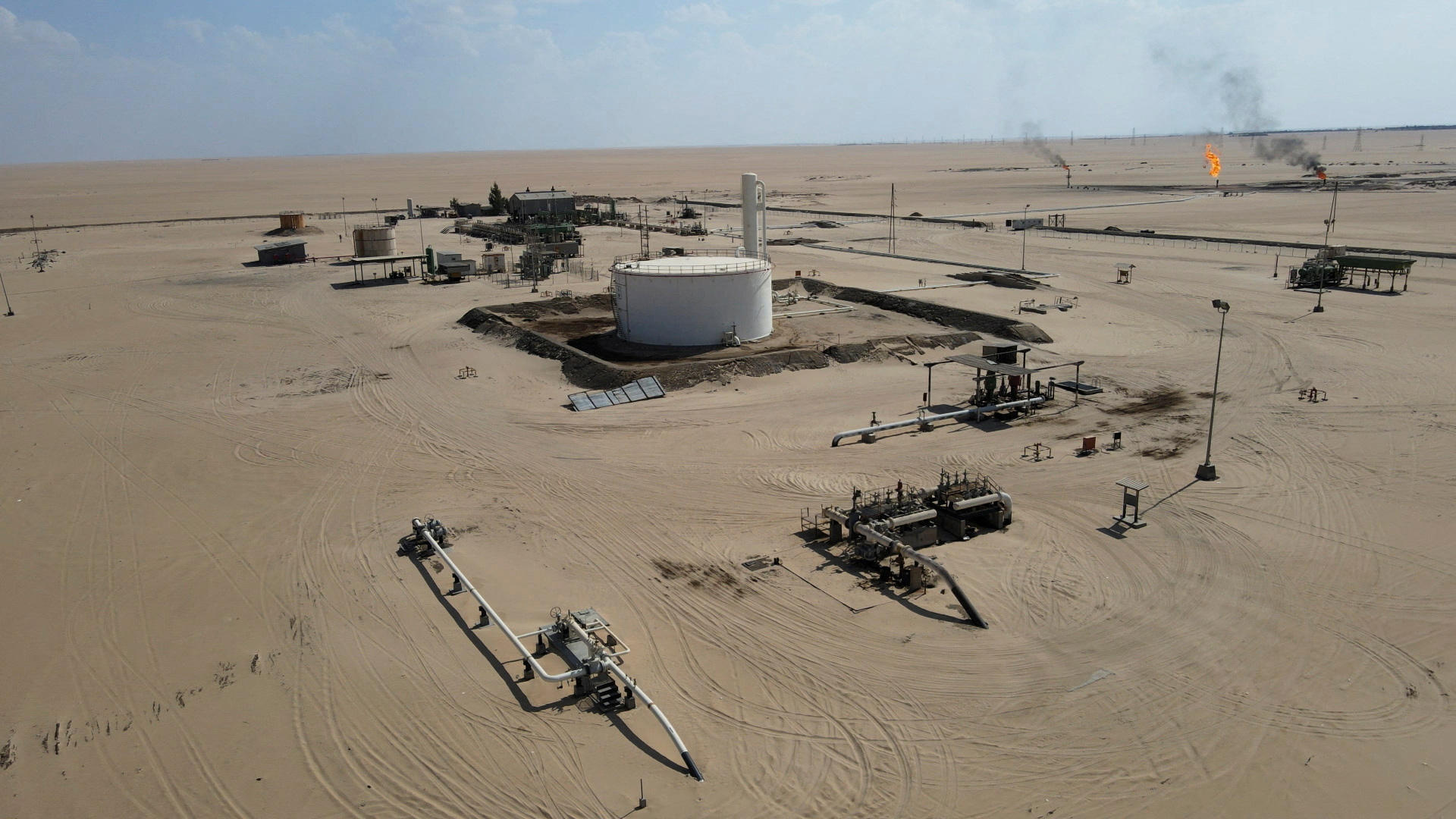
Libya’s ongoing political conflict is jeopardizing its vital oil production, potentially leading to severe disruptions in global supply chains. The strife between rival factions in the country has intensified, raising concerns about the stability of Libya’s oil sector, a crucial component of the global energy market.

The National Oil Corporation (NOC) has reported escalating security threats and operational interruptions at key oil facilities. Production at several major sites, including the Sharara and El Feel fields, has already experienced significant reductions. The disruptions are a direct result of the clashes between the Government of National Unity (GNU) and the House of Representatives (HoR), each backed by different armed groups.

The GNU, based in Tripoli, and the HoR, which controls parts of eastern Libya, have been embroiled in a protracted power struggle. This rivalry has led to a series of blockades and attacks on oil infrastructure, severely impacting the country’s output. The disruption comes at a time when global oil markets are already grappling with volatility due to various geopolitical tensions and economic uncertainties.

Libya’s oil sector, which accounts for approximately 90% of its revenue, has long been a target in the country’s broader conflict. The recent escalation has resulted in reduced exports and financial losses, exacerbating the economic strain on the nation. Analysts warn that prolonged instability could lead to a more prolonged and deep-seated disruption of Libya’s oil exports, affecting global oil prices and supply stability.

International stakeholders, including the United Nations and major oil companies, are closely monitoring the situation. The UN has called for a cessation of hostilities and a return to dialogue to mitigate the impact on oil production. However, the divided political landscape makes it challenging to achieve a consensus or enforce effective measures.

Libya’s oil industry was recovering from years of conflict and mismanagement when the current crisis hit. The industry had seen incremental improvements in production levels and infrastructure upgrades. Yet, the recent conflict threatens to reverse these gains, putting more strain on an already fragile sector.

The uncertainty surrounding Libya’s oil supply has prompted some countries and corporations to seek alternative energy sources or increase their reserves in anticipation of potential shortages. This shift could lead to changes in global energy markets, influencing everything from oil prices to energy policies worldwide.

Efforts to mediate the conflict and stabilize the oil sector have been ongoing, but the entrenched political divisions pose significant obstacles. The situation remains fluid, with potential for further escalation or, conversely, a resolution if diplomatic efforts gain traction.

As the international community watches closely, the immediate concern remains the security of Libya’s oil infrastructure and the broader implications for global energy stability.

Qatar is reportedly in advanced discussions to acquire a significant stake in a German refinery currently owned by Russia’s state-controlled oil company, Rosneft. This deal, if finalized, could see the Qatar Investment Authority (QIA) strengthen its already substantial investment portfolio, which includes a nearly 19% stake in Rosneft.

The negotiations involve Qatar being the last remaining bidder for the refinery assets, which were seized by the German government following the fallout from Russia’s military actions in Ukraine. The Qatari delegation has been actively engaged in high-level talks with German officials, with the potential acquisition seen as a strategic move to secure long-term energy interests in Europe.

Germany’s government, which previously took control of Rosneft’s operations in the country, is expected to support the transaction, given the geopolitical implications and the need to stabilize energy supplies in the region. This aligns with Germany’s broader strategy to reduce dependency on Russian energy while ensuring operational continuity at critical infrastructure sites.

Rosneft’s German assets have been under scrutiny as Europe seeks to disentangle itself from Russian energy influence, making Qatar’s interest particularly timely. The Qatari government’s deep ties with Russia and its financial muscle could provide the necessary leverage to close the deal.

Qatar’s pursuit of these assets underscores the Gulf nation’s ambition to expand its energy footprint in Europe, leveraging its vast wealth to gain strategic assets in key markets. The move also reflects the growing importance of energy security in a rapidly changing geopolitical landscape.

The ongoing negotiations are being closely watched by industry analysts, who see this potential acquisition as a significant development in the global energy sector, particularly in light of shifting alliances and the evolving dynamics of energy supply chains.

The deal, if completed, would further cement Qatar’s role as a critical player in the global energy market, positioning it alongside other major energy-exporting nations that are capitalizing on the changing geopolitical environment. The outcome of these negotiations could have far-reaching implications for the future of energy security in Europe and beyond.

Further updates on this evolving story are expected as the negotiations progress.

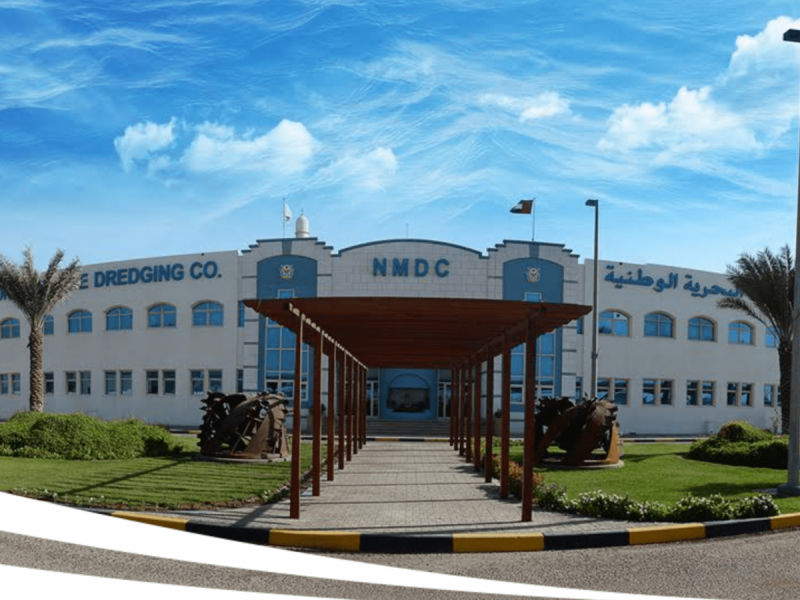
The UAE-based NMDC Group is preparing for what is set to be the country’s largest initial public offering (IPO) of the year. The firm, which was established as a subsidiary of the Abu Dhabi National Oil Company (ADNOC), aims to raise up to $2 billion through the listing. The company is now majority-owned by Alpha Dhabi Holding.

NMDC provides integrated drilling services across the Middle East, has announced plans to float around 7.5% of its shares on the Abu Dhabi Securities Exchange (ADX). The IPO will offer approximately 1.5 billion shares to institutional and retail investors, marking a significant milestone in the UAE’s financial markets.

The NMDC IPO comes at a time of fluctuating oil prices and global economic uncertainties. NMDC has reported substantial revenue growth over the past few years, driven by increasing demand for its drilling services and an expanding portfolio of projects across the region.

A major Egyptian consortium has unveiled plans for a substantial phosphoric acid production facility in Abu Tartur, marking a significant investment of $1.2 billion. The project aims to leverage the region’s rich phosphate reserves to boost both domestic and international supply.

The consortium, composed of several prominent Egyptian industrial players, is evaluating two primary funding strategies. One approach involves sourcing approximately 65% of the necessary investment from external financing entities, with the remaining 35% being covered through internal funds. This dual strategy underscores the group’s commitment to securing a robust financial foundation for the ambitious venture.

The Abu Tartur project is set to utilize the region’s abundant phosphate resources, which are among the largest in the world. This development aligns with Egypt’s broader economic strategy to enhance its industrial capabilities and reduce dependency on imported raw materials. The phosphoric acid produced will be crucial for various sectors, including agriculture and manufacturing.

The consortium’s decision to embark on this project highlights a strategic shift towards expanding Egypt’s role in the global phosphate market. The facility is expected to significantly increase local production capacity, which will not only meet growing domestic demands but also position Egypt as a key player in the international market.

The consortium’s plans include advanced technologies aimed at maximizing efficiency and minimizing environmental impact. By integrating state-of-the-art production methods, the project aims to set a new standard for sustainable industrial practices in the region.

In addition to economic benefits, the project is anticipated to create numerous job opportunities and contribute to regional development. This aligns with Egypt’s broader objectives of fostering industrial growth and boosting employment in underdeveloped areas.

Overall, the phosphoric acid project in Abu Tartur represents a pivotal moment for Egypt’s industrial sector. The consortium’s approach to funding and project execution will be closely watched as it unfolds, with significant implications for the country’s economic landscape and its position in the global market.

Advertisements

Adani Power, the energy arm of the Indian conglomerate Adani Group, has launched a new subsidiary in Abu Dhabi, marking a significant expansion into the Middle Eastern market. This strategic move highlights the company’s commitment to broadening its international footprint and tapping into the lucrative energy sector of the UAE. The newly established subsidiary, Adani Power Middle East, aims to leverage Abu Dhabi’s strategic location and growing […]

Arabian Post Staff -Dubai Saudi Arabia’s Public Investment Fund (PIF) is among the investors that have encountered financial setbacks due to Vista Equity Partners’ acquisition of Pluralsight Inc., according to sources familiar with the situation. The investment, which was part of PIF’s broader strategy to diversify and expand its global footprint, did not yield the anticipated returns, leading to significant losses. Vista Equity Partners, a private equity […]

Telegram founder Pavel Durov’s detainment by French authorities at Le Bourget Airport near Paris has triggered a global wave of protests. Over 2 million people have signed an online petition urging his release, highlighting growing concerns over digital privacy and government overreach. Durov, who created the messaging platform Telegram, was reportedly arrested on August 24, 2024, upon arriving in France. The arrest appears to be linked to […]

Do you want to make your video making business stand out? Whether you’re just beginning or have some experience, having the right tools can make a big difference. Good equipment helps you create videos that people love to watch. From cameras that capture clear pictures to lights that make your scenes look great, each piece of gear is important. Microphones ensure your sound is crisp and clear. […]

Private equity giant Blackstone Inc. is actively negotiating a substantial loan of approximately A$5.5 billion (US$3.7 billion) with a consortium of banks to support its bid for Australian data center operator AirTrunk. The loan, expected to have a tenure of five years, is a key component of Blackstone’s strategy to expand its presence in the rapidly growing data center sector, reflecting a broader trend of increasing investor interest in digital infrastructure.

AirTrunk, founded in 2015 by industry veteran Robin Khuda, has emerged as a leading player in the Asia-Pacific data center market. The company operates large-scale, hyperscale data centers across Australia, Japan, and Singapore, serving major technology companies, cloud service providers, and enterprises. With the demand for cloud computing and digital services surging, AirTrunk’s facilities have become critical infrastructure, attracting interest from global investors.

Blackstone’s pursuit of AirTrunk comes at a time when the data center industry is experiencing unprecedented growth. The ongoing digital transformation, accelerated by the COVID-19 pandemic, has driven companies and governments to enhance their digital capabilities. This shift has led to increased demand for data storage, processing, and management solutions, with data centers at the core of these developments.

The loan negotiations highlight Blackstone’s commitment to securing a significant stake in the data center market, which is expected to continue its expansion in the coming years. The private equity firm has a history of investing in infrastructure assets, and its interest in AirTrunk aligns with its broader investment strategy. By acquiring AirTrunk, Blackstone aims to capitalize on the growth potential of the data center sector in the Asia-Pacific region, where digital economies are booming.

AirTrunk’s valuation, which could reach as high as A$10 billion (US$6.7 billion), reflects the strategic importance of data centers in the modern economy. Investors are increasingly viewing these facilities as essential infrastructure, akin to utilities such as electricity and water. The trend is driven by the critical role data centers play in supporting digital services, e-commerce, and cloud computing, which have become integral to the global economy.

The potential acquisition would also mark one of the largest deals in the data center industry, underscoring the scale of investment required to operate and expand these facilities. For Blackstone, securing the A$5.5 billion loan is crucial to funding the acquisition and ensuring that it can outbid other interested parties. The firm is reportedly in talks with multiple lenders, including international and Australian banks, to finalize the financing.

As the data center sector continues to attract significant capital, competition among investors is intensifying. Blackstone’s bid for AirTrunk reflects the broader trend of private equity firms and institutional investors seeking to gain exposure to digital infrastructure. The growth of cloud computing, artificial intelligence, and the Internet of Things (IoT) is expected to further drive demand for data centers, making them a highly attractive asset class.

The outcome of Blackstone’s loan negotiations and its bid for AirTrunk will be closely watched by industry analysts and investors. A successful acquisition would position Blackstone as a major player in the Asia-Pacific data center market, enabling it to leverage AirTrunk’s existing operations and expand its footprint in the region.

As the deal progresses, Blackstone’s ability to secure financing and execute the acquisition will be key factors determining the success of its strategy. The firm is likely to face competition from other potential buyers, highlighting the high stakes involved in the data center market. The deal’s outcome could set a precedent for future investments in the sector, as investors continue to seek opportunities in digital infrastructure.


Lionel Messi will not participate in Argentina’s forthcoming 2026 World Cup qualifiers against Chile and Colombia due to an injury, according to the Argentine Football Association. Coach Lionel Scaloni has made the decision to call up Paulo Dybala as Messi’s replacement. Messi’s absence marks a significant setback for Argentina, who will face crucial matches in their bid to secure a spot in the next World Cup. The […]

The United Arab Emirates has intensified its scrutiny of the legal battle surrounding Pavel Durov, the founder of the messaging app Telegram. The ongoing case has sparked significant international attention, highlighting broader concerns about digital privacy and freedom of expression.

Pavel Durov, who has been embroiled in a high-profile legal conflict with several governments, is facing allegations related to Telegram’s encryption policies and its role in facilitating illicit communications. These accusations have drawn the UAE’s attention due to the country’s increasing focus on regulating digital platforms and ensuring compliance with local laws.

Durov, known for his staunch advocacy of privacy and free speech, has defended Telegram’s practices, arguing that the platform’s encryption is crucial for protecting users’ personal data. However, authorities in various countries, including the UAE, have raised concerns that Telegram’s encryption technology could be used to conceal illegal activities, such as terrorism or organized crime.

The legal proceedings against Durov and Telegram have been marked by a complex interplay of legal and political factors. In the UAE, where digital regulations are stringent, the case is being closely watched as a test of the government’s ability to balance national security interests with digital freedoms. The UAE has been proactive in implementing laws aimed at controlling online content and ensuring that digital platforms adhere to local regulations.

Recent developments in the case have seen several international organizations, including human rights groups and digital rights advocates, expressing concern over the potential implications for online privacy. These groups argue that actions against Telegram could set a concerning precedent for digital freedoms globally.

In the midst of this legal struggle, Telegram has faced increasing pressure from governments around the world to modify its encryption policies. The platform has resisted these demands, maintaining that any changes to its security measures would undermine its commitment to user privacy and could have serious repercussions for digital freedom.

The UAE’s involvement in the case reflects its broader strategy of enhancing its regulatory framework for digital platforms. This strategy includes monitoring and regulating content that is perceived as threatening to national security or public order. The country’s approach to digital regulation has been a subject of debate, particularly regarding its impact on freedom of expression and the operation of global tech companies within its jurisdiction.

As the legal battle continues, the outcome could have significant ramifications for the global tech industry and the future of digital privacy. The UAE’s stance on this issue may influence other countries’ approaches to regulating digital platforms and could affect the broader discourse on digital rights and cybersecurity.

This case highlights the ongoing tension between national security interests and individual privacy rights, a conflict that is becoming increasingly relevant in the digital age. The UAE’s position will be closely observed by both international observers and digital rights advocates as the legal proceedings unfold.

Volkswagen is set to revolutionize in-car entertainment with the introduction of AirConsole, an innovative platform that will bring multiplayer gaming to selected vehicles and electric models. This integration marks a significant leap in enhancing the driving experience, offering a range of interactive games directly through the car’s infotainment system.

AirConsole’s technology enables passengers to play games using their smartphones as controllers while the car’s display functions as the gaming screen. This development will first appear in Volkswagen’s latest electric vehicles and select car models, allowing users to enjoy a variety of multiplayer games during their journeys. The integration aims to provide a novel entertainment option for passengers, making travel time more enjoyable.

The partnership with AirConsole is part of Volkswagen’s broader strategy to incorporate advanced digital features into their vehicles. By combining AirConsole’s gaming capabilities with their infotainment systems, Volkswagen is responding to increasing consumer demand for innovative in-car entertainment solutions. This move aligns with the growing trend of integrating digital technologies to enhance user experiences in automotive environments.

Volkswagen’s latest models will feature an updated infotainment system that supports AirConsole’s platform. This will include a selection of multiplayer games that can be accessed without needing additional hardware, simplifying the gaming experience. The rollout is expected to start with high-end models before expanding to a wider range of vehicles.

The AirConsole integration is anticipated to appeal particularly to families and groups, offering a new way to engage during trips. With options for various genres and gameplay styles, the platform aims to cater to diverse preferences, making long journeys or daily commutes more entertaining. This development not only enhances the appeal of Volkswagen’s vehicles but also positions the company at the forefront of automotive innovation in entertainment.

Volkswagen’s decision to integrate multiplayer gaming reflects broader industry trends towards digitalization and personalization in vehicles. As automakers increasingly focus on providing more than just transportation, features like in-car gaming represent a growing sector of the market that blends technology with user experience. This trend is part of a larger movement towards creating connected and smart vehicles that offer more functionality and engagement for users.

With the integration of AirConsole, Volkswagen is set to offer a unique value proposition that distinguishes it from competitors in the automotive market. By providing a built-in gaming solution, the company aims to attract tech-savvy consumers looking for innovative features in their vehicles. The move also highlights Volkswagen’s commitment to enhancing customer satisfaction through advanced technology and entertainment options.

As Volkswagen prepares to roll out this new feature, the automotive industry will be watching closely to see how it influences consumer preferences and expectations. The success of this integration could pave the way for further advancements in in-car entertainment and connectivity, setting a precedent for future innovations in the sector.

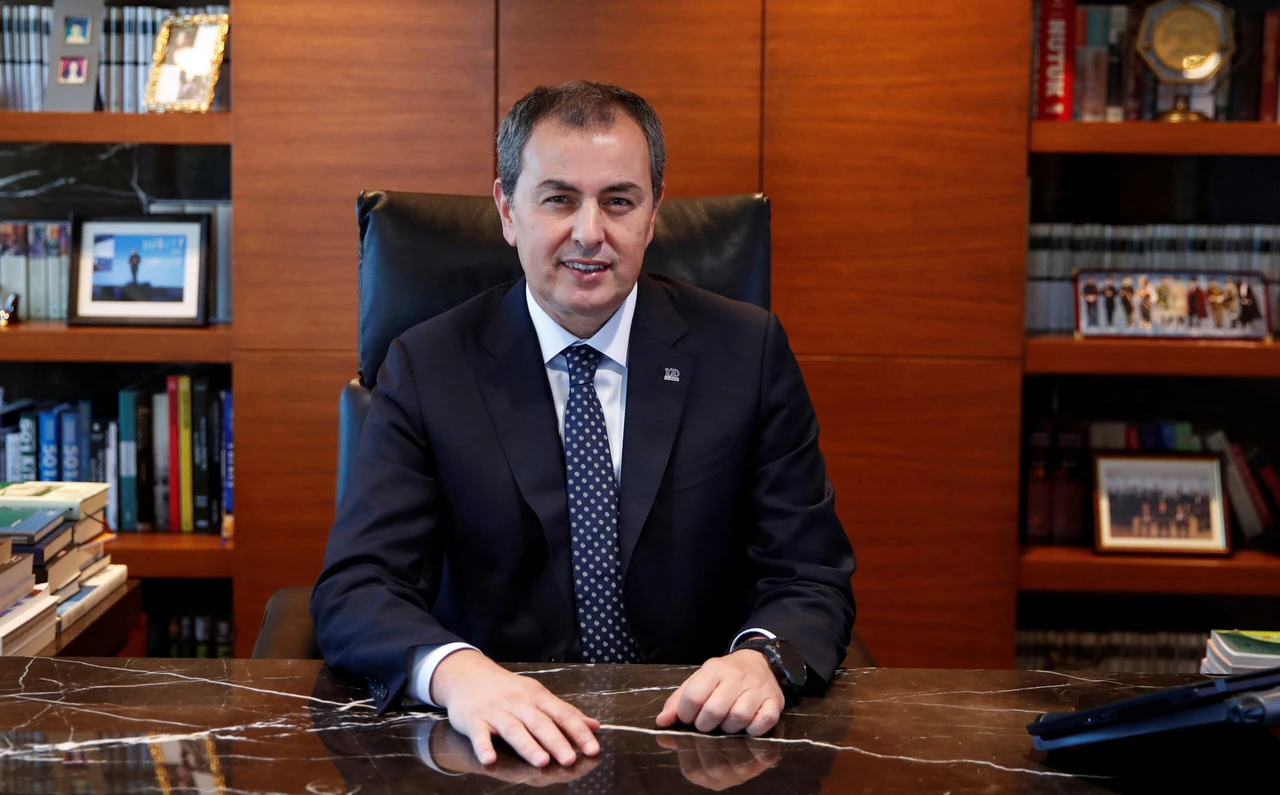
Isbank CEO, Hakan Aran, acknowledged significant hurdles for the bank as it navigates the complex economic landscape of Turkey. The country’s soaring inflation and fluctuating interest rates have cast a long shadow over the financial sector. In a notable development, Aran outlined plans for a strategic rate cut in November, a move anticipated to affect both the bank’s operations and the broader Turkish economy.

Aran’s statement came on the heels of Isbank’s centennial celebrations, marking 100 years of operation. This milestone underscores the institution’s long-standing presence in the Turkish financial market, which is currently under intense scrutiny due to the nation’s economic volatility. Despite Isbank’s historic achievements, the challenges posed by Turkey’s economic conditions are expected to shape its future strategies.

Inflation in Turkey has surged to unprecedented levels, driven by a combination of global economic pressures and domestic factors. The Central Bank of Turkey has responded with high interest rates, aiming to curb inflation and stabilize the currency. However, this policy has led to a constrained lending environment, impacting banks’ profitability and operational flexibility.

Isbank’s upcoming rate cut is a strategic response to these economic pressures. By lowering its rates, Isbank aims to stimulate lending and support economic growth amidst a challenging environment. The decision aligns with broader efforts by Turkish authorities to balance inflation control with economic growth stimulation. Aran emphasized that the rate cut is designed to enhance the bank’s competitiveness and support its clients during these turbulent times.

As Isbank celebrates its 100th anniversary, the institution reflects on a century of navigating Turkey’s economic ups and downs. The anniversary provides an opportunity for introspection and reassessment of the bank’s strategies in the face of evolving economic conditions. Aran highlighted that while the historical legacy of Isbank is a source of pride, the focus must remain on adapting to contemporary challenges.

The Turkish financial sector, including Isbank, is grappling with a tight economic environment marked by high inflation rates and fluctuating currency values. The Central Bank’s high interest rate policy, while aimed at stabilizing the economy, has created a complex landscape for financial institutions. Banks are required to balance the need for competitive interest rates with the necessity of maintaining financial stability and profitability.

Aran’s approach involves a nuanced understanding of these economic dynamics. The planned rate cut is seen as a proactive measure to mitigate some of the adverse effects of the high-interest environment. By adjusting its rates, Isbank aims to enhance its lending capabilities and provide better support to its clients, particularly businesses and individuals affected by the current economic pressures.

The broader context of Turkey’s economic challenges includes global factors such as energy price fluctuations and supply chain disruptions, which have exacerbated inflationary pressures. Domestic economic policies and geopolitical factors also play a crucial role in shaping the financial environment.

Isbank’s response to these challenges reflects a broader trend among Turkish banks to adapt their strategies in response to changing economic conditions. As the financial sector continues to evolve, the ability to navigate these challenges effectively will be crucial for maintaining stability and fostering growth.

The strategic decisions made by Isbank, including the anticipated rate cut, will be closely watched by analysts and stakeholders within the financial sector. These decisions will not only impact the bank’s operations but also have broader implications for Turkey’s economic landscape.

Burgan Bank has received the green light from the Central Bank of Kuwait to proceed with its plans for the full acquisition of Bahrain’s United Gulf Bank (UGB). This pivotal development marks a significant step forward for Burgan Bank, as it aims to consolidate its position in the region through this strategic acquisition. Both institutions are owned by Kuwait Projects Co (KIPCO), a leading investment firm in the region.

The acquisition is set to undergo further evaluation and requires final approvals from the relevant authorities in both Kuwait and Bahrain. The Central Bank of Bahrain is expected to play a crucial role in the final stages of this transaction, ensuring that all regulatory requirements are met.

Burgan Bank’s acquisition of UGB is part of a broader strategy to strengthen its financial portfolio and expand its influence in the Gulf Cooperation Council (GCC) region. The bank has been focusing on enhancing its operational efficiency and expanding its market presence, and this acquisition is seen as a critical component of that strategy.

UGB, headquartered in Bahrain, has a well-established presence in the financial markets, providing a range of investment services. Its integration into Burgan Bank is expected to bring synergies that will benefit both entities, particularly in terms of shared expertise and resources.

This acquisition comes at a time when regional banks are increasingly looking to consolidate and strengthen their positions in the face of economic challenges and changing market dynamics. Burgan Bank’s move reflects a broader trend in the banking sector, where mergers and acquisitions are being used as tools to achieve greater stability and growth.

The market will be closely monitoring the next steps in this acquisition, especially regarding the regulatory approvals and the eventual integration process between the two banks. If successful, this move will significantly bolster Burgan Bank’s footprint in the GCC financial landscape.

The outcome of this acquisition could set a precedent for future deals in the region, as banks continue to navigate the complexities of the current economic environment. With the backing of KIPCO, Burgan Bank is well-positioned to leverage this acquisition to enhance its competitive edge and deliver value to its stakeholders.

As the situation develops, further details will emerge, particularly concerning the impact on both banks’ operations and the potential benefits for their customers and shareholders. The financial community will be watching closely as Burgan Bank takes the necessary steps to finalize this significant acquisition.

KUALA LUMPUR, MALAYSIA – Media OutReach Newswire – 26 August 2024 – JustMarkets, a globally recognized multi-assets broker, is pleased to announce the launch of the Jiwa Merdeka Trading Contest, organized exclusively for clients from Malaysia. The trading contest will run from August 19 to September 15, 2024, and offers participants a unique opportunity to showcase and improve their trading skills while competing for valuable and exciting […]

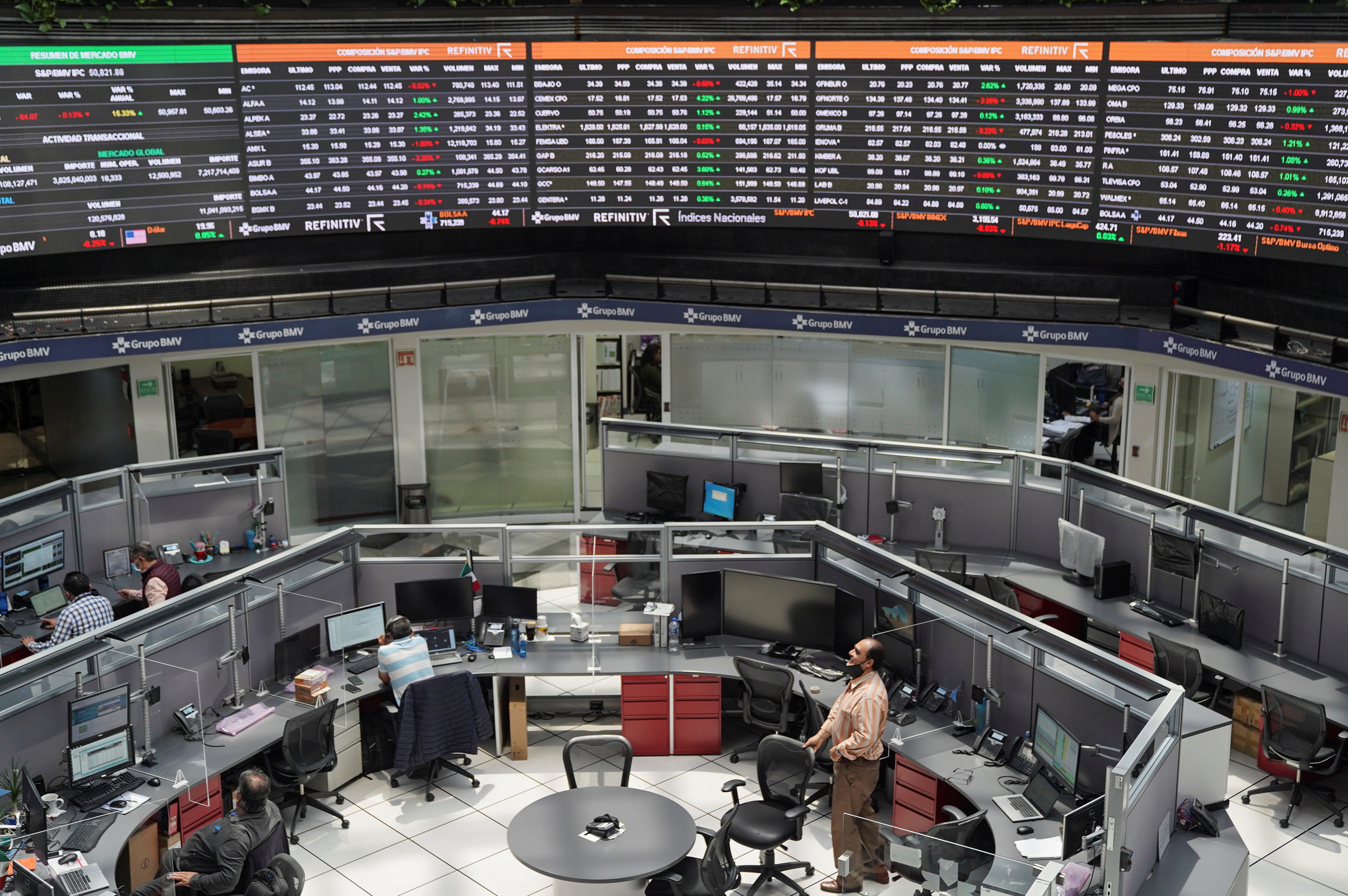
Andrés Manuel López Obrador’s push for a sweeping judicial reform is stirring unease among investors and political analysts alike. The outgoing Mexican President’s proposed changes aim to significantly alter the structure and operation of the country’s judiciary, raising concerns about potential disruptions to Mexico’s legal and economic stability.

López Obrador’s reform proposal includes restructuring the judiciary to increase government oversight and streamline judicial processes. His administration argues that these changes are necessary to combat corruption and inefficiency within the judicial system. However, critics view the reforms as a consolidation of power that could undermine judicial independence and the rule of law.

Investors are particularly concerned about how these changes might affect the stability of Mexico’s legal environment. The proposed reforms could lead to uncertainties in the enforcement of contracts and property rights, which are crucial for business operations and foreign investment. This has resulted in a cautious approach by both domestic and international investors, who are wary of potential shifts in the legal landscape that could impact their investments.

The reform plan has sparked significant debate among Mexican lawmakers and the public. Supporters argue that the changes are a necessary step to modernize the judiciary and address long-standing issues of corruption and inefficiency. They believe that a more streamlined and accountable judiciary will ultimately benefit the country’s democratic institutions and economic development.

Opponents, however, fear that the reforms could erode the separation of powers and lead to increased political interference in the judiciary. They argue that this could result in a less impartial judicial system, which might not be conducive to fostering a stable business environment. Concerns have been raised about the potential for the executive branch to exert undue influence over judicial decisions, which could undermine investor confidence.

The backlash against the proposed reforms has been notable among business leaders and economic analysts. Some have called for a reevaluation of the reform’s implications for Mexico’s investment climate, emphasizing the need for a balance between necessary judicial improvements and the preservation of judicial independence.

As López Obrador prepares to hand over the presidency, the fate of the judicial reform remains uncertain. The incoming administration will have to navigate the complex political and economic implications of the proposed changes. The new leadership’s stance on the reform will likely be closely watched by investors and political observers, who will be keen to assess how the transition might impact Mexico’s legal and business environments.

The broader implications of the judicial reform are also a topic of significant concern. Analysts are examining how similar reforms in other countries have affected their judicial systems and investor confidence. These comparisons could provide insights into the potential outcomes of López Obrador’s proposal and guide stakeholders in their assessment of Mexico’s evolving political and economic landscape.

As the situation develops, it will be crucial for all parties involved to carefully consider the potential impact of the judicial reforms on Mexico’s legal and economic stability. The interplay between the proposed changes and the broader political and economic environment will likely shape the future trajectory of Mexico’s investment climate and legal system.

The Indian government is preparing to launch a significant green bond issuance in the latter half of the fiscal year, aiming to raise approximately 120 billion rupees ($1.4 billion). This move marks the country’s renewed effort to attract investment in sustainable projects, reflecting a broader trend in global finance where environmental, social, and governance (ESG) criteria are increasingly influencing investment decisions. India’s green bond market has been […]

Xi Jinping is set to lead the 2024 Forum on China-Africa Cooperation (FOCAC) with significant engagements that underline China’s deepening ties with the African continent. Scheduled for September 5, the summit will see Xi delivering a keynote address at the opening ceremony, setting the tone for discussions on economic partnerships, infrastructure development, and bilateral cooperation between China and African nations. This year’s summit holds particular significance as […]

UBS Group AG’s push against increased capital requirements has been firmly rejected by Swiss Finance Minister Karin Keller-Sutter. Despite the bank’s substantial lobbying efforts, Keller-Sutter has maintained her stance, indicating that the proposed new regulations will proceed as planned.

UBS has been advocating for more leniency regarding capital requirements, arguing that the proposed rules could impose undue constraints on its operations and profitability. The lobbying campaign has included high-profile meetings and extensive dialogue with policymakers, aiming to influence the Swiss government’s decision on financial regulations.

However, Keller-Sutter’s response has been unequivocal. She emphasized that the government is committed to strengthening financial stability and ensuring that large financial institutions are adequately capitalized to withstand potential economic shocks. Her firm position reflects a broader trend among regulators worldwide, who are increasingly focusing on enhancing the resilience of the banking sector.

The debate over capital requirements is part of a larger global discussion about financial regulation following the 2008 financial crisis. Regulators and financial institutions continue to grapple with finding the right balance between maintaining financial stability and supporting economic growth. UBS’s lobbying efforts highlight the tension between these objectives, as banks seek to mitigate regulatory burdens while regulators aim to protect the financial system.

Keller-Sutter’s decision underscores Switzerland’s commitment to upholding stringent financial standards. The country has long been a global financial hub, and its regulatory policies often set a precedent for other nations. The Finance Minister’s stance signals a firm resolve to prioritize financial stability over industry lobbying.

The implications of this decision are significant for UBS and the broader banking sector. If the new capital requirements are implemented, UBS may need to adjust its financial strategies to comply with the regulations. This could involve raising additional capital, altering its investment strategies, or adjusting its business operations to align with the new requirements.

UBS’s lobbying efforts are not an isolated case. Financial institutions worldwide regularly engage in lobbying to influence regulatory policies that affect their operations. The effectiveness of such campaigns can vary, depending on the political climate, regulatory environment, and the strength of the arguments presented.

Keller-Sutter’s firm position has been met with both support and criticism from various stakeholders. Supporters argue that strong capital requirements are essential for preventing future financial crises and protecting the stability of the global financial system. Critics, however, contend that excessive regulatory constraints could stifle innovation and economic growth.

As the debate continues, the focus remains on how best to balance regulatory demands with the needs of the financial sector. UBS’s lobbying efforts reflect the ongoing negotiation between regulators and financial institutions over the future of banking regulations. The outcome of this issue will likely have far-reaching implications for the financial industry, both in Switzerland and globally.

Swiss Finance Minister Karin Keller-Sutter’s rejection of UBS’s lobbying against increased capital requirements emphasizes the Swiss government’s commitment to maintaining rigorous financial standards. The resolution of this issue will be closely watched by financial institutions and regulators alike, as it could shape the future of banking regulation in Switzerland and beyond.

OPEC+ faces a critical decision in the coming weeks as it evaluates whether to move forward with its planned oil production increases scheduled to begin in October. The decision is fraught with complexity, driven by a mix of economic, political, and market factors that could significantly influence global oil prices and economic stability. The planned increases stem from a decision made in June 2024, where OPEC+ members […]

Uber is set to expand its ride-hailing services by integrating self-driving vehicles from Cruise, a move that marks a significant collaboration between two companies once seen as competitors in the autonomous vehicle space. The partnership will see Cruise’s fully autonomous robotaxis available on the Uber platform starting next year, providing customers with a new option for transportation in select cities across the United States.

The integration of Cruise’s self-driving cars into Uber’s network is part of a multiyear agreement that aims to bring together the technological capabilities of Cruise, a subsidiary of General Motors, and the vast customer base of Uber. This strategic alliance comes as both companies seek to solidify their positions in the rapidly evolving landscape of autonomous transportation.

Cruise, which has been testing its autonomous vehicles in cities like San Francisco, has made significant strides in developing reliable self-driving technology. The company’s fleet of robotaxis has already provided thousands of rides to the public without a human driver, demonstrating the viability of fully autonomous ride-hailing services. With this partnership, Uber users in participating cities will soon have the option to request a self-driving Cruise vehicle through the Uber app.

Uber’s decision to partner with Cruise represents a shift in strategy for the ride-hailing giant, which had previously invested heavily in developing its own autonomous vehicle technology. However, after facing several challenges, including a fatal accident involving one of its self-driving test vehicles in 2018, Uber scaled back its efforts and eventually sold its autonomous vehicle division, Advanced Technologies Group (ATG), to Aurora Innovation in 2020. By teaming up with Cruise, Uber is now leveraging the expertise of an established player in the autonomous vehicle industry to enhance its service offerings.

For Cruise, this partnership with Uber offers an opportunity to scale its operations and reach a broader audience. The collaboration is expected to accelerate the deployment of Cruise’s autonomous vehicles, which are currently limited to specific areas. By integrating with Uber’s platform, Cruise will be able to expand its reach and provide more customers with access to self-driving rides.

The partnership also reflects the broader trend in the autonomous vehicle industry, where companies are increasingly seeking alliances to share resources and expertise. The collaboration between Cruise and Uber is seen as a strategic move that could help both companies navigate the complexities of regulatory approval, technological development, and market acceptance.

As part of the agreement, Uber and Cruise will work together to ensure that the integration of autonomous vehicles into Uber’s platform is seamless. This includes addressing potential challenges such as customer experience, safety protocols, and the management of mixed fleets that include both human-driven and autonomous vehicles.

The introduction of Cruise’s self-driving cars on Uber’s platform is expected to generate significant interest among customers, particularly those who are early adopters of new technology. However, the rollout will be gradual, with the service initially available in select cities where Cruise has already established a presence.

While the exact details of the service, including pricing and availability, have yet to be disclosed, the partnership is seen as a major step forward for both companies. It underscores the growing momentum behind autonomous vehicles as a viable option for urban transportation and highlights the potential for collaboration between industry leaders in shaping the future of mobility.

As Uber and Cruise prepare for the launch of their joint service, industry observers will be watching closely to see how the partnership unfolds and what it means for the broader adoption of self-driving technology in the ride-hailing industry. The success of this collaboration could pave the way for further developments in autonomous transportation, as well as influence the strategies of other companies in the field.

VISHNU RAJA
RYO YAMADA
HITORI GOTOH
IKUYO KITA