Just in:
mamun raises US$3 million to finance cross-border trade between the Gulf and Asia // Vance attributes Republican midterm defeats to Iran conflict // ADIA and partners establish $1.4 billion aviation venture // As AI Reshapes Education, Singapore Convenes Global Dialogue on the Future of Early Childhood Education // Utilities pursue ₹1,992 cr in unpaid bills // Vingroup And Legends Global Announce Strategic Partnership For VinFast – Trong Dong Stadium // ADIPEC leaders urge investment in global energy networks // AI trust gap reveals distinct retail priorities: Divergent paths to consumer growth in Hong Kong and the GBA // SC to examine students’ exam plea today // xCube Access Welcomes Entrust Capital Limited  Expanding Access to Professional Portfolio Management // After Reaching 7 Million Users in the Philippines, Skyro Launches Transparent Cash Loans in Malaysia // ADIA and partners establish $1.4 billion aviation venture // DIP Holding targets Dh1.12 IPO price and $529m proceeds // Democrats capture Senate majority with seven Republican seats // Fast Just Got Fastest: STING Energy Boost™ Celebrates Kimi Antonelli’s Formula 1® World Championship and the Fan Energy Behind It // CPI, CPM dispute portrayal of Vayalar uprising leaders // Burying Head In “India Made Poverty Reduction” Data Is Dangerous // BJP’s Aggressive Response Exposes Anxiety Over Opposition Unity // Pinarayi faults UDF over mounting road crashes // Arrow Electronics showcases technologies advancing intelligent robotics, mobility and digital infrastructure //

News related to
watch

Bitcoin continues to follow the fluctuations of global liquidity, with the broader M2 money supply maintaining a positive correlation with its price movements. Recent data indicates that the cryptocurrency has largely mirrored the ebb and flow of liquidity across financial markets, suggesting that the ongoing dynamics between global monetary policies and Bitcoin’s performance could set the stage for further price gains or potential setbacks in the near future.

The M2 money supply, a key indicator of money in circulation that includes cash, checking deposits, and easily convertible near money, has witnessed significant growth over the past few years. This expansion has been a central feature of global central banks’ responses to economic challenges, including the COVID-19 pandemic and subsequent economic recovery efforts. As governments continue to inject liquidity into their economies through various monetary policies, Bitcoin has benefitted from a favourable environment, with its price often tracking the liquidity’s upward trends.

Bitcoin’s price movements have been closely tied to these liquidity expansions. Historically, periods of increasing global money supply have seen the digital asset rise in tandem, benefiting from increased investor confidence and speculative demand. As central banks keep interest rates low and maintain expansive fiscal policies, the resulting surge in M2 liquidity tends to fuel risk appetite in financial markets, often spilling over into assets like Bitcoin.

However, the current economic climate is marked by signs that this positive correlation might face new challenges. While Bitcoin’s price has largely remained on track with liquidity growth, early signs suggest that a potential correction could be imminent. Some market analysts point to signals such as diminishing returns on investments in certain financial markets, growing inflationary pressures, and tightening monetary policies in select regions as indicators that liquidity-driven asset prices, including Bitcoin, might soon face downward pressure.

The potential for a Bitcoin correction is also being discussed more openly as the cryptocurrency approaches new all-time highs. Historically, Bitcoin has experienced sharp price adjustments after reaching peak levels, driven by a combination of profit-taking, shifting sentiment among institutional investors, and changes in macroeconomic conditions. As a result, while the positive liquidity-Bitcoin correlation remains intact for now, market watchers are increasingly cautious, aware that the prevailing optimism could be replaced by a recalibration in response to evolving economic factors.

At the heart of the concern is the likelihood that the global liquidity boom, fuelled by expansive monetary policies, may be coming to an end. Some central banks, especially in developed economies, have already started to signal their intention to reduce stimulus measures. The United States Federal Reserve, for example, has been gradually winding down its bond-buying programme, a step that many analysts view as the first indication of a potential shift towards tighter monetary conditions. Should this trend continue, it could have significant repercussions for Bitcoin’s price, which has thrived in an environment of abundant liquidity.

Bitcoin’s reliance on speculative investment has always made it vulnerable to shifts in broader financial market conditions. As institutional investors and retail traders adjust their portfolios in response to global liquidity changes, the cryptocurrency market often experiences heightened volatility. A slowdown in liquidity growth, combined with the tightening of fiscal policies, could lead to increased market caution, potentially slowing down Bitcoin’s momentum.

Despite these concerns, Bitcoin’s long-term outlook remains closely intertwined with global liquidity. As central banks continue to maintain expansive monetary policies, the cryptocurrency may still benefit from an influx of capital seeking higher returns in an environment of low interest rates. However, the risk of a market correction should not be underestimated. With rising inflationary pressures in many countries and increasing calls for tighter monetary policies, Bitcoin’s trajectory could experience turbulence in the short term.
Santos has agreed to extend the exclusive due diligence period for its proposed $18.7 billion acquisition by an international consortium led by Abu Dhabi’s National Oil Company. The extension, which will last until August 22, follows ADNOC’s initial offer made in June to purchase Australia’s second-largest gas producer. The consortium’s offer, priced at $5.76 per Santos share, includes ADNOC’s investment arm XRG, Abu Dhabi Development Holding Company, and the private equity firm Carlyle.

The agreement marks a significant step in ADNOC’s strategy to expand its global portfolio, particularly in the energy-rich Australian market. ADNOC, which has shown increasing interest in diversifying its energy assets, is now in the midst of an exclusive window to scrutinise the deal further. This process allows the consortium to continue its due diligence without competing offers interfering, a critical phase before a final agreement can be reached.

The initial bid, which valued Santos at approximately $18.7 billion, garnered attention for its scale and ambition. The offer of $5.76 per share represents a premium over Santos’ market value at the time the proposal was made. As the deal progresses, market observers are watching closely for any developments that might influence the final terms.

Santos, headquartered in Adelaide, is a key player in the Australian energy sector, with substantial stakes in natural gas fields and LNG projects. The company’s assets are seen as valuable in the context of rising global energy demands, particularly in Asia-Pacific markets. Santos has been working to strengthen its position in the energy sector, with a focus on cleaner energy options while maintaining its role as a major fossil fuel supplier.

The involvement of ADNOC in this deal is particularly noteworthy. ADNOC, already a dominant player in the global oil and gas industry, has been exploring opportunities outside of the Middle East as part of its broader strategy to secure energy assets worldwide. The consortium’s bid for Santos highlights ADNOC’s intentions to further diversify its portfolio, especially in the burgeoning Asia-Pacific energy market.

ADQ, Abu Dhabi’s sovereign wealth fund, has also been actively investing in international markets. Known for its strategic acquisitions, ADQ’s partnership with ADNOC on this deal strengthens its position in global energy investments. Carlyle, a prominent private equity firm, adds another layer of financial muscle to the consortium, indicating the serious intent behind the bid.

The extended due diligence period provides all parties involved the time needed to ensure that the terms of the acquisition are fully evaluated. This includes a detailed analysis of Santos’ financial health, operations, and future prospects. The due diligence process is critical to determining whether the proposed offer is fair and in line with the long-term strategic goals of ADNOC and its partners.

Although the extension has been granted, market analysts remain cautious. They are closely monitoring how global energy market fluctuations might impact the deal’s progression. The energy sector, while lucrative, remains volatile, influenced by factors such as shifting geopolitical landscapes, regulatory changes, and the ongoing transition towards renewable energy sources.

In addition to financial considerations, the deal’s strategic value for ADNOC and its partners cannot be understated. For ADNOC, securing a larger foothold in Australia’s gas sector could provide both immediate returns and long-term stability, particularly in the face of fluctuating oil prices. Furthermore, as global energy companies look to meet the growing demand for liquefied natural gas, the acquisition of Santos could bolster ADNOC’s LNG production capabilities.

Santos’ shareholders will also be closely watching the developments, with many likely to evaluate the offer in light of the company’s future growth potential. Santos has been positioning itself to leverage Australia’s growing demand for LNG, particularly from China and Japan, two of the world’s largest LNG importers. However, concerns over the impact of external factors on the gas market could complicate the evaluation of such an offer.

SINGAPORE – Media OutReach Newswire – 11 August 2025 – Energea has debuted its highly anticipated tech collection, perfect for travel and everyday use, now available in Gunmetal, Cobalt, and Champagne. Leading the charge is the MagDuo Arc, which recently clinched the Best Product award in the Mobile Products category at Channel Summit META. Power meets versatility. The full range of Energea tech gear in Gunmetal, Cobalt […]

Emaar Properties has reported a 33% year-on-year increase in net profit for the first half of 2025, reaching a total of AED 7.08 billion. The surge in profits is primarily attributed to the company’s strong performance in property sales, marking a significant rebound for the Dubai-based developer.

The company’s revenue for the period rose by 38% year-on-year, amounting to AED 19.8 billion. This growth was driven by notable gains across its diverse business segments, including development, retail, hospitality, and its expanding international operations. The company’s diversified portfolio helped strengthen its position amid global uncertainties, enabling it to capitalise on rising demand for both residential and commercial properties in Dubai.

Emaar’s property sales remained the cornerstone of its performance, with the developer reporting substantial activity across its developments. As a result, the company’s revenue backlog from property sales surged by 62% compared to the same period last year, reaching AED 146.3 billion by the end of June. This backlog indicates strong future earnings potential for the company, suggesting that the momentum in its core real estate business will continue into the second half of the year.

One of the key drivers behind this growth has been the high demand for residential properties, particularly in premium and luxury segments. The company’s flagship developments, such as the Burj Khalifa and Dubai Hills Estate, continue to attract significant interest from both domestic and international buyers. Additionally, the retail and hospitality arms of the business have been buoyed by the easing of pandemic-related restrictions and a return to normalcy in tourism, contributing further to the strong overall performance.

Internationally, Emaar has also been expanding its reach, with projects in markets such as Egypt, Saudi Arabia, and India. The company’s international ventures, which contribute a growing share of its revenues, have provided a hedge against the fluctuating dynamics of the UAE market, particularly in a post-pandemic environment where global markets remain unpredictable.

The hospitality division has also experienced a marked recovery, with hotel bookings returning to pre-pandemic levels. Dubai’s status as a leading tourist destination has supported Emaar’s hospitality segment, as international visitors continue to flock to the emirate. The company’s hotels, such as those in the Dubai Marina and Downtown Dubai areas, have benefitted from both business and leisure tourism, bolstering revenue streams.

Looking forward, Emaar’s robust financial performance for H1 2025 positions the company well to continue its growth trajectory. The record revenue backlog provides a strong pipeline for future sales, with developments expected to deliver significant returns as they near completion. As a key player in Dubai’s real estate market, Emaar’s performance is closely watched by investors, analysts, and stakeholders in the industry.

Visitor numbers to Las Vegas in June 2025 fell to 3.1 million people, a drop of 11.3% from the previous year, reflecting a broader trend where younger generations are increasingly turning to online gambling platforms rather than traditional casino experiences. This shift has raised concerns among casino operators, who are grappling with a rapidly changing market and declining foot traffic. The decline in physical visitors to the […]

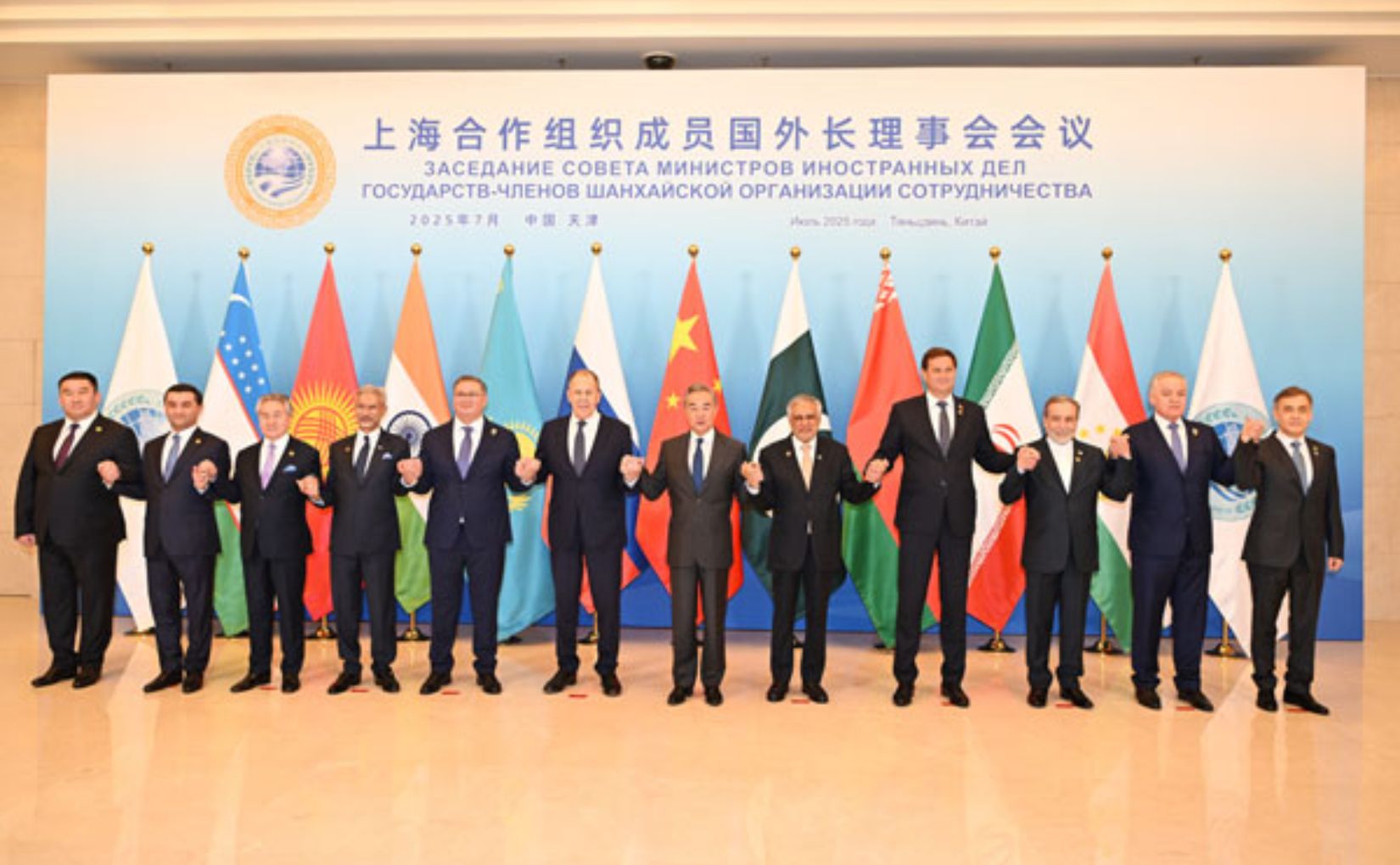
LANKAO, CHINA – Media OutReach Newswire – 5 August 2025 – From July 23 to 27, the Shanghai Cooperation Organization Media and Think Tank Summit took place in Zhengzhou, Henan Province. Themed Upholding the “Shanghai Spirit” to Build a More Beautiful Home, the summit brought together leading media outlets, prominent think tanks, senior government officials and diplomatic envoys from SCO member states, observer states and dialogue partners, […]

Oil prices fell sharply after OPEC+ announced plans to raise its production output by 547,000 barrels per day, effective from September. The decision, which came in line with market expectations, has raised fresh concerns about the potential for a global oversupply, especially as fears mount over the long-term impact of economic challenges driven by the US-led trade war.

Brent crude dipped toward $69 per barrel, while West Texas Intermediate hovered near $67, reflecting a sharp pullback following the announcement. The decision to increase output marks a shift in OPEC+ strategy, after several months of production cuts aimed at stabilising oil prices during periods of uncertain demand. However, with global economic headwinds, particularly from trade tensions and slowing growth in major economies, questions are now being raised about whether this increase in supply could overwhelm demand.

Analysts have pointed out that the ongoing US-China trade conflict may be having a profound effect on global energy consumption. The trade war, which has led to tariffs and retaliatory measures between the two largest economies, continues to disrupt global supply chains and dampen business activity. Slower growth in industrial production and manufacturing in key markets has prompted concerns that energy demand could continue to weaken in the face of broader economic struggles.

The increase in production from OPEC+ countries, particularly from the likes of Saudi Arabia, Russia, and Iraq, comes at a critical juncture for global oil markets. While the move was made to ease rising prices and provide some breathing room for oil-dependent economies, the effect of this policy shift is complex. Economists argue that by adding more barrels to an already fragile market, OPEC+ could inadvertently drive down prices further, straining the economic recovery in various parts of the world.

For the time being, the immediate impact of the decision has been reflected in market reactions, with investors showing caution. Oil futures have displayed heightened volatility in response to these developments, as traders remain uncertain about how the oil market will balance the twin pressures of increased supply and potential demand weakness.

The decision was met with mixed reactions from within OPEC+ itself, with some members pushing for a more aggressive increase in output, while others expressed concerns about the potential for exacerbating the supply glut. The divergence of views within the coalition underscores the challenges facing the organisation as it attempts to navigate global economic headwinds. Some member states with economies heavily reliant on oil exports may welcome the production increase as a means to inject more revenue into their national coffers. However, the overall effect on oil prices may ultimately prove counterproductive, especially as the US energy sector continues to grow and exert pressure on global markets.

The decision by OPEC+ to increase output by this amount is also raising questions about the future of production cuts and supply management. The group has made strides to curtail output in recent years in a bid to boost prices, but with uncertainty surrounding demand forecasts, it remains to be seen whether these additional barrels will be absorbed by the market or contribute to further price erosion.

Some market watchers have speculated that the OPEC+ move could be an attempt to pre-emptively counterbalance a potential slowdown in demand as a result of ongoing geopolitical tensions. The trade war, for instance, has prompted governments to enact policies aimed at reducing energy consumption and shifting toward greener, more sustainable energy sources, all of which could place long-term downward pressure on fossil fuel consumption.

Amid these shifting dynamics, some experts are also questioning whether OPEC+ will be able to continue its production increase strategy without facing backlash from consumers and governments alike. With many nations already feeling the strain of high fuel prices, there is a growing sentiment that increasing output may not be the best course of action, particularly in light of concerns about the broader economic slowdown.

Advertisements

FBI Director Kash Patel has uncovered thousands of documents stored in burn bags within a previously undisclosed room at FBI headquarters. The materials, related to the 2016 Trump–Russia investigation and including a classified annex to the Durham report, are now undergoing declassification and have been submitted to the Senate Judiciary Committee Chair, Chuck Grassley. Patel asserts that the files were deliberately concealed by former FBI leadership and […]

By Dr. Nilanjan Banik Before the August 1 deadline, the U.S. President Donald Trump decided to impose a 25% tariff on Indian exports. He also talked about an additional penalty on Indian exports, which could go up to100% as a surcharge, targeting countries that continue trading oil with Russia. Trump seems to care less about […]

Gulf nations now account for over half of global environmental, social, and governance sukuk issuances in the first half of 2025, underscoring their growing leadership in sustainable Islamic finance. Sukuk linked to ESG objectives saw a 12 per cent rise to approximately $50 billion outstanding globally in H1 2025, with Gulf Cooperation Council countries contributing the majority of this volume. Saudi Arabia and the UAE emerged as principal issuers, driving […]

South Africa’s trade proposal to the United States remains unaddressed with only four days left before a critical deadline. The proposal, submitted last month, aims to prevent the imposition of steep tariffs on South African goods, which could significantly affect the nation’s economy. As the deadline draws near, the lack of response from Washington has raised concerns among policymakers in Pretoria about the potential impact on exports […]

French telecommunications provider Orange has confirmed that it was targeted in a significant cyberattack on July 25, which breached one of its critical internal systems. The attack, which has caused considerable disruption to both business and consumer services, appears to be primarily focused on the company’s operations in France. Orange’s response to the incident has been swift, with the company prioritising efforts to contain the breach. According […]

Rediscover the Joy of Reading This Summer at LANDMARK, Featuring an Engaging Book Stop Pop-Up, Exclusive Promotional Offers, and Curated Literary Experiences for All Ages. HONG KONG SAR – Media OutReach Newswire – 29 July 2025 – Celebrating the timeless allure of storytelling, LANDMARK unveils ‘Find Your Chapter’, a vibrant reading hub in the heart of Central designed to take the community on a literary journey this […]

Abu Dhabi National Oil Company faces significant challenges in its $17.2 billion bid for German chemicals company Covestro after the European Union’s competition watchdog launched a full investigation into the acquisition. The deal, struck last October, was poised to be ADNOC’s largest ever, as well as one of the most substantial foreign takeovers of a European Union-based company by a Gulf state. However, European regulators are concerned that the acquisition may distort the EU internal market due to potential subsidies granted by the United Arab Emirates to ADNOC, which could provide the state-owned oil giant with an unfair advantage.

The European Commission’s investigation, which was triggered earlier this week, specifically focuses on the possibility of foreign subsidies that could influence the competitive landscape within the EU. The Commission, which is tasked with safeguarding market competition within the EU, has expressed concerns that ADNOC’s acquisition of Covestro could be significantly affected by the financial support ADNOC is receiving from the UAE.

Among the subsidies under scrutiny are an unlimited guarantee provided by the UAE government and a capital injection into Covestro. The latter involves ADNOC committing substantial funding into the German company, which would significantly increase its capital base and, potentially, its market power. The Commission’s investigation could ultimately delay or alter the terms of the deal depending on its findings.

ADNOC, which has been aggressively expanding its portfolio and seeking new global opportunities, sees Covestro as an attractive addition to its investments, particularly as the German company holds a strong position in the global chemicals market. The chemicals sector is seen as a crucial area for growth, especially in industries like plastics and polyurethane, which have applications across numerous sectors, including automotive, construction, and electronics. By acquiring Covestro, ADNOC would be able to diversify its business beyond oil and gas, thus making it a more integrated player in the global economy.

The issue of foreign subsidies in cross-border mergers and acquisitions has gained increasing attention in recent years, particularly with the growing influence of state-backed companies from non-EU countries. In 2020, the European Commission introduced new tools to assess foreign subsidies in mergers and acquisitions, with the aim of protecting the EU’s internal market from potential distortions. The ADNOC-Covestro deal is the latest in a series of transactions under this scrutiny.

The Commission’s probe is particularly significant as it reflects broader concerns within the EU over the impact of state-backed companies from non-EU nations acquiring strategic European assets. Such concerns have been heightened by geopolitical tensions and the growing influence of countries like China, Russia, and the UAE, all of which have state-owned or state-supported companies engaging in high-profile international mergers and acquisitions.

While ADNOC has yet to comment on the investigation, the company’s bid to acquire Covestro highlights its ambitions to expand beyond the energy sector. ADNOC’s foray into chemicals and materials is seen as part of its strategy to hedge against the global shift towards renewable energy and decarbonisation. The company is looking to solidify its place in the post-oil world by investing in value-added industries, thereby ensuring a diversified revenue stream.

On the other hand, the European Commission’s actions reflect its determination to maintain a level playing field in the market, ensuring that EU companies are not at a disadvantage when competing with state-backed enterprises from outside the bloc. The EU’s foreign subsidies regulation, which came into force in 2020, provides the Commission with the authority to intervene in such cases, even when the potential subsidies do not directly involve EU-based companies.

As the investigation unfolds, it remains unclear whether the Commission will clear the deal or impose conditions on it. If the deal goes ahead, it could set a significant precedent for future cross-border mergers involving foreign state-backed companies. Conversely, if the deal is blocked or altered significantly, it may send a strong message about the EU’s stance on foreign subsidies and the influence of non-EU governments on its internal market.

KUALA LUMPUR, MALAYSIA – Media OutReach Newswire – 28 July 2025 – Forex traders are bracing for what could be one of the most pivotal trading weeks of the year. The calendar is packed with high-impact releases that could send shockwaves through the markets, potentially even temporarily halting trading altogether as global economies digest a barrage of critical data. From central bank decisions to blockbuster economic reports, […]

Jay Patel, a commodities and currency trader, has a unique approach to market analysis. While many financial analysts begin their day by reviewing earnings reports and tracking macroeconomic trends, Patel looks to the cosmos for guidance. A 43-year-old veteran in the financial sector, Patel blends traditional market analysis with astrology, believing planetary movements and moon cycles play a crucial role in predicting market behaviours. “I watch the […]

A landmark federal framework for stablecoins became law on 18 July 2025, when President Donald Trump signed the Guiding and Establishing National Innovation for U. S. Stablecoins Act. The legislation mandates that stablecoins — digital currencies pegged one‑to‑one to the U. S. dollar or short‑term Treasury bills — must be fully backed by liquid reserves, publicly disclose holdings monthly, and comply with anti‑money laundering and consumer protection rules.

The Act clears a path for both banks and approved non‑bank entities to issue payment stablecoins under a dual licensing system, encompassing federal and state oversight. It also creates a formal category for such assets, offering legal clarity that had eluded stablecoin issuers until now.

Despite bipartisan support in Congress — with Senate approval on 17 June and House passage on 17 July — the new law has drawn criticism. Some lawmakers and experts argue it falls short on stricter anti‑money laundering measures and allows big tech firms to issue stablecoins with fewer regulatory hurdles than traditional banks.

Trump lauded the Act during the White House signing ceremony, calling it “a hell of an act” and asserting it will solidify American crypto leadership and support the dollar’s global primacy. He noted the GENIUS Act “creates a clear and simple regulatory framework” capable of unleashing innovation and enhancing payment systems.

Stakeholders across finance and fintech are re-evaluating their strategies. Traditional banks are preparing pilot programmes and exploring partnerships to issue or facilitate stablecoins, while crypto firms like Circle and Coinbase, which have backed U. S. stablecoin issuance earlier, have seen share prices rise following the law’s enactment.

In parallel, the law aims to channel demand into U. S. Treasuries, reinforcing the dollar’s global role. Treasury Secretary Scott Bessent highlighted that requiring asset backing in government debt would deepen Treasury markets. Financial institutions are bracing for increased reserve purchases and adjustments in asset allocation strategies.

The Act introduces rigorous governance: stablecoin issuers must implement reserve audits, adhere to marketing restrictions—such as avoiding government endorsement claims—and prioritise redeeming customer claims ahead of other creditors in insolvency scenarios. It also extends anti‑money laundering obligations under the Bank Secrecy Act, granting treasury authorities power to freeze illicit funds.

Though heralded as a milestone, implementation remains complex. Regulators are expected to issue detailed rules within a year, and the Act’s “effective date” is projected for late 2026, contingent on final regulatory actions or an 18‑month grace period.

Global central banks and fintech players are watching closely. Some expect U. S. leadership in regulated digital currencies could spur innovation overseas, while others warn that insufficient guardrails may encourage regulatory arbitrage. Foreign issuers may enter the U. S. market if they meet rigorous Treasury approval, including comparable home‑jurisdiction oversight and U. S.-based reserve management.

Market response has been immediate: global crypto valuations have surged past $4 trillion, led by strong gains in bitcoin and ether amidst expectations of broader stablecoin integration. Industry experts suggest stablecoins may soon become mainstream payment tools, with major retailers and tech giants like Google, Uber and Apple exploring adoption.

However, voices of caution persist. Critics say the framework could permit big tech to bypass stricter banking regulations, heightening systemic risks, and that consumer safeguards remain inadequate. Transparency International warned the law might provide loopholes exploitable by criminals or hostile regimes.

As rule‑making proceeds and industry adapts, the GENIUS Act marks a fundamental shift in U. S. crypto policy — ushering stablecoins from regulatory limbo into a legalised, structured, but contested future.

By Nitya Chakraborty The recent months have not been comfortable for India with its two neighbours Pakistan and India, but as regards the third most powerful neighbouring county China, th scenario has turned different. India-China ties which became bitter at the time of clashes in Galwan valley in 2020, started softening from last year and […]


Abu Dhabi has claimed the top spot among the world’s most tax-friendly cities, followed closely by Dubai, highlighting the UAE’s ascendancy as a magnet for affluent individuals seeking fiscally efficient jurisdictions with legal and political stability. According to Multipolitan’s Wealth Report 2025: The Taxed Generation, the UAE capital outperformed 163 other jurisdictions globally in the newly introduced Tax Friendly Cities Index. Dubai, a longtime competitor in the […]

By Nitya Chakraborty After nearly a year of frosty relations between the two neighbours India and Bangladesh, signs are there of a breakthrough as India is sending a team of burn doctors and nurses to Dhaka to treat the victims of the Monday’s devastating crash of a fighter jet plane leading to the death of […]

As AI permeates every corner of our digital existence, the rise of genuinely capable yet free tools has become a turning point for professionals, creators, and businesses. What once demanded hefty investment is now within reach of anyone with a connection. A decade ago, free meant basic; today, it signals sophistication—bringing power, polish, and productivity without a price tag. OpenAI’s image generator remains a crown jewel in […]

OpenAI confirmed early on Wednesday that ChatGPT, along with its associated services Sora and the GPT API, was disrupted worldwide. Users in India and the UAE reported difficulties starting from around 5 am local time, experiencing error messages like “unable to load projects” and delays in loading chat history. Outage tracker Downdetector indicated that approximately 82–88 per cent of users encountered service interruptions. OpenAI’s status page noted “elevated error […]

Swatch Group’s first‑half figures underscore a deepening crisis in its key Asian markets after the Swiss watch‑maker disclosed a 7.1 per cent drop in sales, generating CHF 3.059 billion, falling short of market forecasts of CHF 3.2 billion. Operating profit plunged 67 per cent year‑on‑year to CHF 68 million, signalling an urgent warning to investors and management alike.

China, alongside Hong Kong and Macau, remains the primary weak spot, contributing 27 per cent of total revenues. Falling demand across these regions continues to undermine core sales and profit performance. Despite encouraging double‑digit growth in North America and market share gains in countries such as Japan, India and the Middle East, these gains have yet to compensate for the shortfall from Greater China.

Net profit attributable to owners collapsed to CHF 3 million, compared with CHF 136 million during the same six‑month period last year. This dramatic decline illustrates the scale of the downturn, making it Swatch’s worst half‑year performance in recent memory.

Analyst commentary has been scathing: Vontobel described this period as “an ugly half year for Swatch Group in all respects”. The fallout from slowed Chinese consumer activity has been compounded by negative currency effects—Swiss franc appreciation cut CHF 113 million from turnover relative to constant‑currency comparisons.

Adding fresh complexity, new U. S. tariffs threaten to raise costs on Swiss watch imports by up to 31 per cent. Industry stakeholders now warn that these levies could further weigh on margins, with retailers like Watches of Switzerland projecting a margin squeeze in the year ahead.

Beyond external pressures, a growing number of investors are scrutinising Swatch’s internal governance. Shareholder activism has surfaced, with calls for more oversight of the centrally controlled Hayek family, whose dual‑class voting structure remains a source of contention. Net profits collapsed by 75 per cent to CHF 219 million in 2024, but critics assert that this malaise runs deeper. GreenWood Investors, led by Steven Wood, has launched a push to join the board, advocating for brand revitalisation, governance reforms and a strategy pivot toward luxury exclusivity akin to Hermès and Ferrari.

Management, though addressing short‑term volatility, emphasises Swatch’s entrenched strengths. Its vertically integrated manufacturing, with over 150 production sites, and the success of the affordable MoonSwatch line demonstrate resilience. The company has pledged that cost‑cutting measures and a pipeline of new product launches—particularly in the U. S. and Japan—should drive a rebound in the second half of the year.

The first‑half slump follows broader downturns last year, when revenue declined 12.2 per cent to CHF 6.74 billion in 2024, and operating profit fell 75 per cent to CHF 304 million. That drop reinforced trading floor rumours of governance fatigue and brand dilution at high‑end labels like Omega and Breguet.

Economically, China’s consumer landscape remains unsettled. A combination of property market stress, slower GDP growth and official campaigns discouraging conspicuous consumption have dampened luxury spending. Swiss watch exports to China and Hong Kong plunged by double digits in early 2024, while only the lower‑priced Swatch line bucked the trend in the region, gaining 10 per cent in sales volume.

Swatch Group’s corporate ambition to maintain full production capacity and avoid layoffs during weak demand, while strategically commendable, has weighed on margins—especially in the production segment. Management asserts this decision safeguards long‑term capabilities and is now beginning to bear fruit, with production margins improving since June.

Mixed signs beyond China offer guarded optimism. North America posted record sales, Japan recorded robust growth, and emerging markets like India and the Middle East offered upside. These regions now form the central axis of Swatch’s recovery strategy.

ADNOC will shift its 24.9 per cent holding in Austrian oil‑and‑gas group OMV AG into XRG P. J. S. C, the UAE state oil giant’s $80 billion lower‑carbon energy and chemicals investment vehicle launched last November. The move aligns with ADNOC’s intent to centralise its international growth assets within XRG’s structure.

The shareholding transfer, subject to regulatory approval, follows ADNOC’s acquisition of the OMV stake from Mubadala in December 2022. In tandem, upon the completion of the proposed merger forming Borouge Group International —a polyolefins powerhouse valued at $60 billion—ADNOC’s resulting 46.94 per cent BGI stake will also be held by XRG.

The BGI framework merges OMV’s 75 per cent‑owned Borealis with ADNOC’s 54 per cent Borouge, and incorporates Nova Chemicals, securing the group’s position among the world’s top four polyolefins producers. OMV and ADNOC each will control approximately 46.94 per cent, with the remaining 6 per cent free‑float pending UAE Securities and Commodities Authority consent.

Khaled Salmeen, ADNOC’s downstream chief, described the move as a logical next step following the $60 billion chemicals merger, reinforcing the energy transition and investment diversification strategy. ADNOC’s transfer of both its OMV holding and BGI stake into XRG reflects its ambition to streamline governance and position XRG at the core of its international chemicals and low‑carbon energy agenda.

XRG, backed by global figures including former BP chief Bernard Looney and Blackstone’s Jon Gray, aims to build a top‑five global chemicals platform, while expanding gas, LNG, and low‑carbon energy capacity to 20–25 million tonnes annually by 2035. The unit is also said to be exploring an international listing in London or New York within the next five years.

Investors are watching for regulatory clearances across multiple jurisdictions—Austria, the UAE, and EU competition authorities—before finalising both the OMV share transfer and the formation of BGI. The new polyolefins entity is projected to deliver $500 million of annual cost synergies within three years post-merger.

VISHNU RAJA
RYO YAMADA
HITORI GOTOH
IKUYO KITA
Just in:
SC to examine students’ exam plea today // Ta’ziz finalises $1.39bn funding for Ruwais industrial facilities // BJP’s Aggressive Response Exposes Anxiety Over Opposition Unity // Govt opposes Arlekar’s PSC action // Democrats secure Senate majority after Republican election losses // Vingroup And Legends Global Announce Strategic Partnership For VinFast – Trong Dong Stadium // Democrats capture Senate majority with seven Republican seats // mamun raises US$3 million to finance cross-border trade between the Gulf and Asia // xCube Access Welcomes Entrust Capital Limited  Expanding Access to Professional Portfolio Management // Arrow Electronics showcases technologies advancing intelligent robotics, mobility and digital infrastructure // ADIPEC leaders urge investment in global energy networks // ADIA and partners establish $1.4 billion aviation venture // DIP Holding targets Dh1.12 IPO price and $529m proceeds // AI trust gap reveals distinct retail priorities: Divergent paths to consumer growth in Hong Kong and the GBA // U.S. Mid Term Result Is A Clear Verdict Against Trump’s Authoritarianism // After Reaching 7 Million Users in the Philippines, Skyro Launches Transparent Cash Loans in Malaysia // Fast Just Got Fastest: STING Energy Boost™ Celebrates Kimi Antonelli’s Formula 1® World Championship and the Fan Energy Behind It // As AI Reshapes Education, Singapore Convenes Global Dialogue on the Future of Early Childhood Education // Pinarayi faults UDF over mounting road crashes // Anthropic to prohibit persistent abuse of Claude chatbot //