News related to
watch

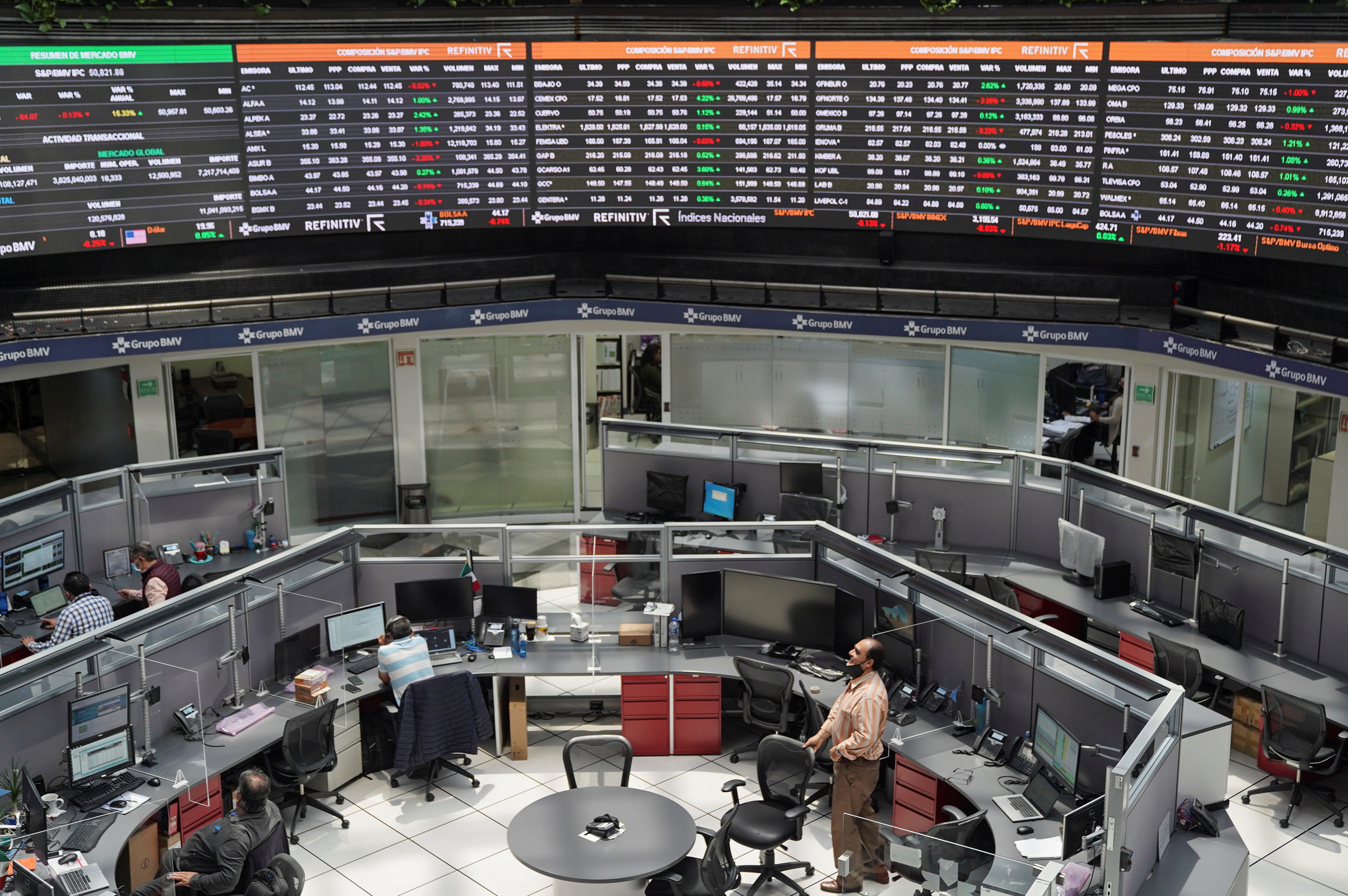
Andrés Manuel López Obrador’s push for a sweeping judicial reform is stirring unease among investors and political analysts alike. The outgoing Mexican President’s proposed changes aim to significantly alter the structure and operation of the country’s judiciary, raising concerns about potential disruptions to Mexico’s legal and economic stability.

López Obrador’s reform proposal includes restructuring the judiciary to increase government oversight and streamline judicial processes. His administration argues that these changes are necessary to combat corruption and inefficiency within the judicial system. However, critics view the reforms as a consolidation of power that could undermine judicial independence and the rule of law.

Investors are particularly concerned about how these changes might affect the stability of Mexico’s legal environment. The proposed reforms could lead to uncertainties in the enforcement of contracts and property rights, which are crucial for business operations and foreign investment. This has resulted in a cautious approach by both domestic and international investors, who are wary of potential shifts in the legal landscape that could impact their investments.

The reform plan has sparked significant debate among Mexican lawmakers and the public. Supporters argue that the changes are a necessary step to modernize the judiciary and address long-standing issues of corruption and inefficiency. They believe that a more streamlined and accountable judiciary will ultimately benefit the country’s democratic institutions and economic development.

Opponents, however, fear that the reforms could erode the separation of powers and lead to increased political interference in the judiciary. They argue that this could result in a less impartial judicial system, which might not be conducive to fostering a stable business environment. Concerns have been raised about the potential for the executive branch to exert undue influence over judicial decisions, which could undermine investor confidence.

The backlash against the proposed reforms has been notable among business leaders and economic analysts. Some have called for a reevaluation of the reform’s implications for Mexico’s investment climate, emphasizing the need for a balance between necessary judicial improvements and the preservation of judicial independence.

As López Obrador prepares to hand over the presidency, the fate of the judicial reform remains uncertain. The incoming administration will have to navigate the complex political and economic implications of the proposed changes. The new leadership’s stance on the reform will likely be closely watched by investors and political observers, who will be keen to assess how the transition might impact Mexico’s legal and business environments.

The broader implications of the judicial reform are also a topic of significant concern. Analysts are examining how similar reforms in other countries have affected their judicial systems and investor confidence. These comparisons could provide insights into the potential outcomes of López Obrador’s proposal and guide stakeholders in their assessment of Mexico’s evolving political and economic landscape.

As the situation develops, it will be crucial for all parties involved to carefully consider the potential impact of the judicial reforms on Mexico’s legal and economic stability. The interplay between the proposed changes and the broader political and economic environment will likely shape the future trajectory of Mexico’s investment climate and legal system.

The Indian government is preparing to launch a significant green bond issuance in the latter half of the fiscal year, aiming to raise approximately 120 billion rupees ($1.4 billion). This move marks the country’s renewed effort to attract investment in sustainable projects, reflecting a broader trend in global finance where environmental, social, and governance (ESG) criteria are increasingly influencing investment decisions. India’s green bond market has been […]

Xi Jinping is set to lead the 2024 Forum on China-Africa Cooperation (FOCAC) with significant engagements that underline China’s deepening ties with the African continent. Scheduled for September 5, the summit will see Xi delivering a keynote address at the opening ceremony, setting the tone for discussions on economic partnerships, infrastructure development, and bilateral cooperation between China and African nations. This year’s summit holds particular significance as […]

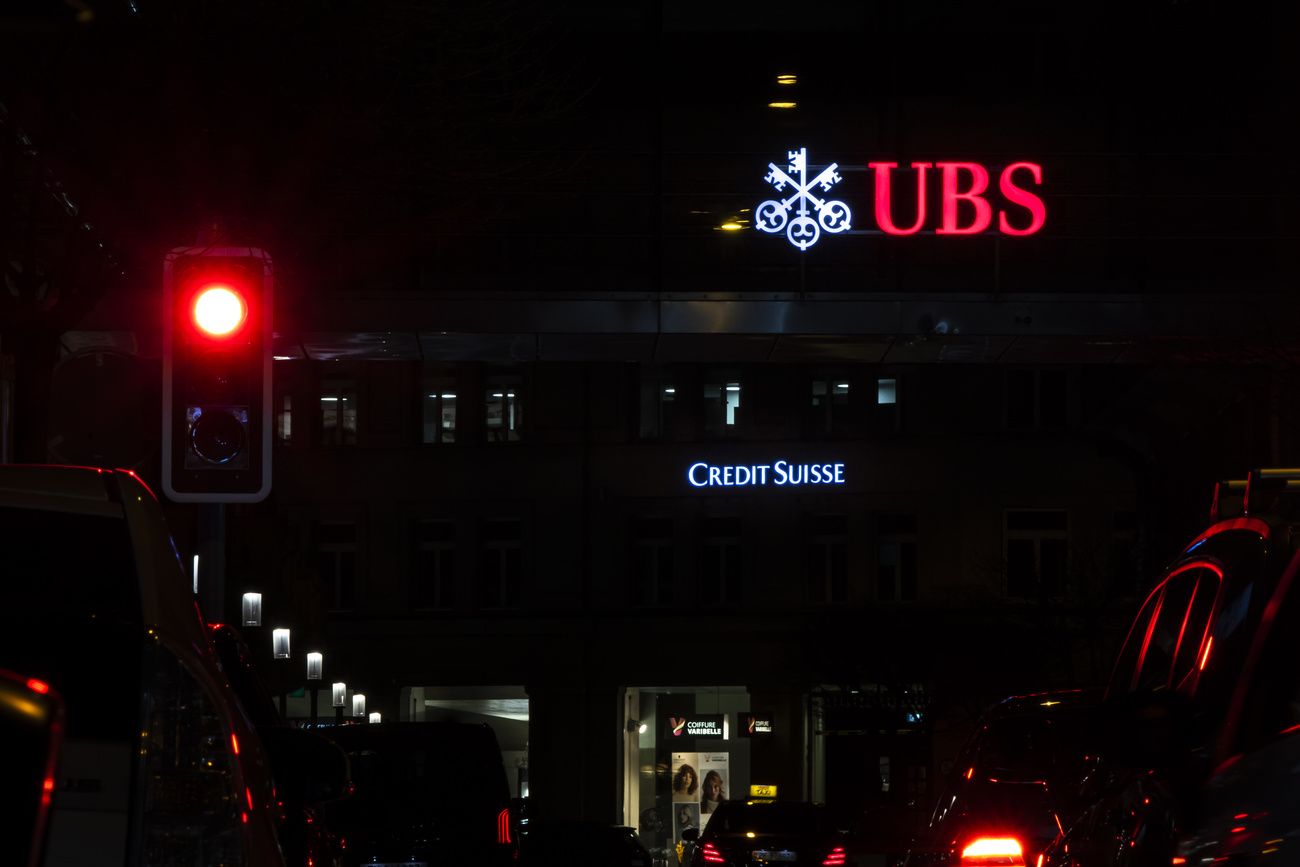
UBS Group AG’s push against increased capital requirements has been firmly rejected by Swiss Finance Minister Karin Keller-Sutter. Despite the bank’s substantial lobbying efforts, Keller-Sutter has maintained her stance, indicating that the proposed new regulations will proceed as planned.

UBS has been advocating for more leniency regarding capital requirements, arguing that the proposed rules could impose undue constraints on its operations and profitability. The lobbying campaign has included high-profile meetings and extensive dialogue with policymakers, aiming to influence the Swiss government’s decision on financial regulations.

However, Keller-Sutter’s response has been unequivocal. She emphasized that the government is committed to strengthening financial stability and ensuring that large financial institutions are adequately capitalized to withstand potential economic shocks. Her firm position reflects a broader trend among regulators worldwide, who are increasingly focusing on enhancing the resilience of the banking sector.

The debate over capital requirements is part of a larger global discussion about financial regulation following the 2008 financial crisis. Regulators and financial institutions continue to grapple with finding the right balance between maintaining financial stability and supporting economic growth. UBS’s lobbying efforts highlight the tension between these objectives, as banks seek to mitigate regulatory burdens while regulators aim to protect the financial system.

Keller-Sutter’s decision underscores Switzerland’s commitment to upholding stringent financial standards. The country has long been a global financial hub, and its regulatory policies often set a precedent for other nations. The Finance Minister’s stance signals a firm resolve to prioritize financial stability over industry lobbying.

The implications of this decision are significant for UBS and the broader banking sector. If the new capital requirements are implemented, UBS may need to adjust its financial strategies to comply with the regulations. This could involve raising additional capital, altering its investment strategies, or adjusting its business operations to align with the new requirements.

UBS’s lobbying efforts are not an isolated case. Financial institutions worldwide regularly engage in lobbying to influence regulatory policies that affect their operations. The effectiveness of such campaigns can vary, depending on the political climate, regulatory environment, and the strength of the arguments presented.

Keller-Sutter’s firm position has been met with both support and criticism from various stakeholders. Supporters argue that strong capital requirements are essential for preventing future financial crises and protecting the stability of the global financial system. Critics, however, contend that excessive regulatory constraints could stifle innovation and economic growth.

As the debate continues, the focus remains on how best to balance regulatory demands with the needs of the financial sector. UBS’s lobbying efforts reflect the ongoing negotiation between regulators and financial institutions over the future of banking regulations. The outcome of this issue will likely have far-reaching implications for the financial industry, both in Switzerland and globally.

Swiss Finance Minister Karin Keller-Sutter’s rejection of UBS’s lobbying against increased capital requirements emphasizes the Swiss government’s commitment to maintaining rigorous financial standards. The resolution of this issue will be closely watched by financial institutions and regulators alike, as it could shape the future of banking regulation in Switzerland and beyond.

OPEC+ faces a critical decision in the coming weeks as it evaluates whether to move forward with its planned oil production increases scheduled to begin in October. The decision is fraught with complexity, driven by a mix of economic, political, and market factors that could significantly influence global oil prices and economic stability. The planned increases stem from a decision made in June 2024, where OPEC+ members […]

Uber is set to expand its ride-hailing services by integrating self-driving vehicles from Cruise, a move that marks a significant collaboration between two companies once seen as competitors in the autonomous vehicle space. The partnership will see Cruise’s fully autonomous robotaxis available on the Uber platform starting next year, providing customers with a new option for transportation in select cities across the United States.

The integration of Cruise’s self-driving cars into Uber’s network is part of a multiyear agreement that aims to bring together the technological capabilities of Cruise, a subsidiary of General Motors, and the vast customer base of Uber. This strategic alliance comes as both companies seek to solidify their positions in the rapidly evolving landscape of autonomous transportation.

Cruise, which has been testing its autonomous vehicles in cities like San Francisco, has made significant strides in developing reliable self-driving technology. The company’s fleet of robotaxis has already provided thousands of rides to the public without a human driver, demonstrating the viability of fully autonomous ride-hailing services. With this partnership, Uber users in participating cities will soon have the option to request a self-driving Cruise vehicle through the Uber app.

Uber’s decision to partner with Cruise represents a shift in strategy for the ride-hailing giant, which had previously invested heavily in developing its own autonomous vehicle technology. However, after facing several challenges, including a fatal accident involving one of its self-driving test vehicles in 2018, Uber scaled back its efforts and eventually sold its autonomous vehicle division, Advanced Technologies Group (ATG), to Aurora Innovation in 2020. By teaming up with Cruise, Uber is now leveraging the expertise of an established player in the autonomous vehicle industry to enhance its service offerings.

For Cruise, this partnership with Uber offers an opportunity to scale its operations and reach a broader audience. The collaboration is expected to accelerate the deployment of Cruise’s autonomous vehicles, which are currently limited to specific areas. By integrating with Uber’s platform, Cruise will be able to expand its reach and provide more customers with access to self-driving rides.

The partnership also reflects the broader trend in the autonomous vehicle industry, where companies are increasingly seeking alliances to share resources and expertise. The collaboration between Cruise and Uber is seen as a strategic move that could help both companies navigate the complexities of regulatory approval, technological development, and market acceptance.

As part of the agreement, Uber and Cruise will work together to ensure that the integration of autonomous vehicles into Uber’s platform is seamless. This includes addressing potential challenges such as customer experience, safety protocols, and the management of mixed fleets that include both human-driven and autonomous vehicles.

The introduction of Cruise’s self-driving cars on Uber’s platform is expected to generate significant interest among customers, particularly those who are early adopters of new technology. However, the rollout will be gradual, with the service initially available in select cities where Cruise has already established a presence.

While the exact details of the service, including pricing and availability, have yet to be disclosed, the partnership is seen as a major step forward for both companies. It underscores the growing momentum behind autonomous vehicles as a viable option for urban transportation and highlights the potential for collaboration between industry leaders in shaping the future of mobility.

As Uber and Cruise prepare for the launch of their joint service, industry observers will be watching closely to see how the partnership unfolds and what it means for the broader adoption of self-driving technology in the ride-hailing industry. The success of this collaboration could pave the way for further developments in autonomous transportation, as well as influence the strategies of other companies in the field.

Liva Insurance Company (Liva KSA) and Malath Cooperative Insurance Company (Malath Insurance) have signed a non-binding memorandum of understanding (MoU) to consider a potential merger. This strategic move aims to leverage synergies between the two firms, potentially reshaping the insurance landscape in Saudi Arabia. Liva KSA, with a substantial majority stake held by Liva Insurance BSC—a subsidiary of Liva Group—is recognized for its comprehensive insurance services in […]

Advertisements

The U.S. dollar rebounded against the euro today, recovering from a 13-month low, as traders anticipated comments from Federal Reserve Chair Jerome Powell. Market participants are keenly awaiting Powell’s speech at the Jackson Hole Economic Symposium, which is expected to provide insights into the Fed’s approach to interest rate cuts.

The dollar’s resurgence comes after weeks of depreciation driven by concerns over a slowing U.S. economy and growing expectations of a rate cut by the Fed. These expectations were initially fueled by disappointing employment data, which showed a lower-than-expected job gain in July and a rise in the unemployment rate. This led to speculation that the Fed might cut rates by as much as 50 basis points in its September meeting.

However, as more economic data pointed to stronger-than-expected growth, the likelihood of a more aggressive rate cut has diminished. According to the CME Group’s FedWatch Tool, traders now see a 73% chance of a 25 basis point cut in September, with a 27% probability for a 50 basis point reduction.

Powell’s upcoming speech is seen as a critical moment for the markets, as it could clarify the Fed’s stance ahead of the September policy meeting. While some analysts believe the dollar has been oversold, others caution that the greenback’s future trajectory will depend heavily on the Fed’s next steps.

The dollar’s recent rally is also linked to weakening economic prospects in Europe and the UK, where central banks are facing similar dilemmas. As a result, the euro and the pound have struggled to maintain gains against the dollar, contributing to the dollar’s bounce back.

Investors will be closely monitoring Powell’s remarks for any hints on whether the Fed is leaning toward a more cautious or aggressive approach to monetary policy, as well as any indications of future rate cuts beyond September. The speech is likely to set the tone for global currency markets in the coming weeks, as traders adjust their positions based on the Fed’s outlook.

British pound strengthened sharply following a surge in PMI data, climbing to $1.3129, the highest level since July 2023. The pound’s upward momentum was bolstered by encouraging economic indicators, outpacing its performance against the euro and reaching a peak not seen since April 2022 if it surpasses the $1.3143 mark. The robust performance of the pound reflects investor confidence in the UK economy, as recent PMI figures […]

Phoenix Group PL, a leading tech conglomerate listed on the Abu Dhabi Securities Exchange (ADX), has announced a strategic partnership with Tether to launch a new stablecoin pegged to the UAE Dirham. This initiative marks a significant advancement in the digital assets sector, offering a stable and reliable digital currency solution designed to enhance financial transactions within the region. The newly introduced stablecoin aims to address the […]

Tether, a leading issuer of stablecoins, announced its plans to introduce a new digital currency pegged to the United Arab Emirates dirham (AED). This move underscores the growing significance of the UAE in the global financial landscape, particularly in the realm of digital assets and blockchain technology.

The new stablecoin, expected to be named AEDT, will be pegged 1:1 to the dirham, similar to how Tether’s other stablecoins are linked to various fiat currencies like the US dollar, euro, and Chinese yuan. Tether’s decision to peg its latest offering to the dirham aligns with the UAE’s strategic efforts to establish itself as a hub for digital innovation and blockchain technology.

Tether’s existing stablecoins, including USDT, have long been dominant in the cryptocurrency market, serving as a critical bridge between traditional finance and digital assets. The introduction of AEDT is seen as a strategic move by Tether to expand its influence in the Middle East, a region that has shown increasing interest in digital currencies and blockchain technology. The UAE, in particular, has been at the forefront of adopting and integrating blockchain into its financial systems, making it a logical choice for Tether’s expansion.

The launch of AEDT is anticipated to facilitate more seamless transactions within the region, particularly for cross-border trade, remittances, and other financial services that require stable, reliable currency options. The UAE’s dirham is known for its stability, backed by the country’s strong economic fundamentals, making it an attractive option for a stablecoin peg.

Paolo Ardoino, Tether’s Chief Technology Officer, highlighted that the UAE’s proactive approach to digital assets played a significant role in the company’s decision to launch AEDT. He emphasized the UAE’s regulatory clarity and its supportive environment for digital assets as key factors in fostering innovation and growth in the sector. Ardoino also noted that the introduction of a dirham-backed stablecoin aligns with Tether’s broader vision of providing financial freedom and inclusion to people around the world, particularly in regions with underdeveloped banking systems.

The UAE government has been actively working on creating a regulatory framework for digital assets, with the aim of becoming a global leader in blockchain technology. This environment has attracted numerous blockchain companies and initiatives to the country, further solidifying its position as a central player in the global digital economy. Tether’s decision to launch AEDT is expected to accelerate this trend, potentially attracting more blockchain projects and investments to the region.

However, the introduction of AEDT is not without its challenges. Stablecoins, including Tether’s existing offerings, have faced scrutiny and regulatory pressures in various parts of the world. Questions about the transparency and reserves backing these digital assets have been raised, leading to calls for more stringent regulations. In light of these concerns, Tether has reiterated its commitment to transparency and compliance with local regulations, including those in the UAE, to ensure that AEDT is fully backed and operates within the bounds of the law.

Industry experts are closely watching how AEDT will be received in the market. While the stablecoin has the potential to become a significant player in the Middle East, its success will largely depend on user adoption and the continued stability of the UAE’s financial system. The introduction of AEDT also comes at a time when central banks around the world are exploring the issuance of their own digital currencies, which could introduce new dynamics and competition in the digital currency space.

Tether’s expansion into the UAE with a dirham-pegged stablecoin reflects the broader trend of digital assets becoming increasingly integrated into the global financial system. As the UAE continues to embrace blockchain technology and digital innovation, the launch of AEDT may pave the way for further developments in the region’s financial landscape, potentially influencing other countries to follow suit.

Dar Global, a luxury property developer listed on the London Stock Exchange, has engaged Rothschild & Co to explore growth opportunities in the United Kingdom and Saudi Arabia. The collaboration signals Dar Global’s ambition to enhance its portfolio through strategic acquisitions and joint ventures in these key markets.

Rothschild & Co, a prestigious financial advisory firm, is set to guide Dar Global through potential acquisitions and partnerships, focusing on prime real estate opportunities. This move aligns with Dar Global’s strategy to expand its footprint in both the London market, known for its ultra-luxury developments, and Saudi Arabia, where the real estate sector is experiencing rapid growth.

Dar Global has previously made significant strides in the international luxury property sector, and this partnership with Rothschild & Co is expected to further strengthen its position. The company’s expansion efforts in London are particularly noteworthy, given the city’s status as a global hub for luxury real estate, attracting high-net-worth individuals from around the world.

In Saudi Arabia, Dar Global is likely to capitalize on the country’s Vision 2030 initiative, which includes ambitious urban development plans aimed at diversifying the economy. The Saudi real estate market has seen increased investor interest, driven by large-scale projects such as NEOM and The Red Sea Project, making it an attractive target for Dar Global’s growth strategy.

The appointment of Rothschild & Co highlights Dar Global’s commitment to leveraging expert financial advice to navigate complex markets and achieve sustainable growth. As the company looks to solidify its presence in these regions, industry analysts will be watching closely to see how these expansion efforts unfold.

Zomato, the food delivery giant, is set to expand its portfolio beyond food and grocery delivery by acquiring Paytm’s movie and event ticketing business for ₹2,048 crore ($244 million). This strategic acquisition is aimed at bolstering Zomato’s presence in the “going-out” sector, which includes movie and event ticketing, a market segment that has seen substantial growth in India.

The deal was approved by the boards of both companies, with the transaction expected to close within 90 days. Under the agreement, Paytm’s movie ticketing platform, OTPL, and its sports and events ticketing arm, WEPL, will become wholly-owned subsidiaries of Zomato. The acquisition will include a primary infusion into both subsidiaries, enabling them to settle the amount payable for the transfer.

Paytm, which has been a key player in the ticketing space since acquiring the TicketNew and Insider platforms in 2017 and 2018 respectively, is divesting these assets to focus on its core financial services. Zomato’s move into this sector is seen as a strategic expansion, aiming to capture a larger share of the entertainment market in India, where it will directly compete with established players like BookMyShow.

The acquisition marks a significant shift in Zomato’s business strategy as it seeks to diversify its offerings. As of March 2024, OTPL and WEPL had reported turnovers of ₹13.14 crore and ₹236.03 crore respectively, reflecting their robust presence in the ticketing market. The deal underscores Zomato’s intent to leverage these platforms to enhance its market position and revenue streams beyond its traditional food delivery service.

Zomato’s entry into the ticketing business also aligns with the broader trend of tech companies diversifying their services to capture more value from their user bases. By integrating Paytm’s ticketing services, Zomato aims to create a more comprehensive lifestyle platform for its users, capitalizing on the growing demand for online ticketing in India.

This acquisition is part of a broader consolidation in the Indian tech sector, where companies are increasingly looking to acquire complementary businesses to drive growth and profitability. As Zomato ventures into this new domain, industry observers will be watching closely to see how the company integrates and scales its new ticketing business.

Dana Gas has announced that performance issues were the primary factor behind Pearl Petroleum’s decision to terminate its contract with Enerflex for the Khor Mor gas field. The move underscores ongoing challenges in the energy sector, particularly in the management and execution of complex infrastructure projects. Pearl Petroleum, a consortium led by Dana Gas and Crescent Petroleum, had engaged Enerflex to provide compression and processing equipment for […]

Kuwait Finance House has completed the sale of its entire stake in Sharjah Islamic Bank, fetching $351 million. This divestment marks a significant shift in the bank’s investment strategy, reflecting a broader trend of strategic asset reallocation in the Gulf banking sector. The sale involves a substantial block of shares, marking the end of a notable investment by Kuwait Finance House (KFH) in Sharjah Islamic Bank. The […]

Boeing has halted flight tests for its 777X aircraft following the discovery of a cracked structural component. This issue, identified during routine inspections, raises concerns about potential delays in the aircraft’s delivery schedule. The discovery was made in one of the structural components designed to ensure the aircraft’s safety and performance. Boeing’s engineering team immediately grounded the aircraft to address the fault. The company has stated that […]

Emerging breakthroughs in computational speed and algorithmic efficiency are poised to drive the next phase of blockchain technology, potentially realizing the long-sought goal of complete decentralization. Paul Brody, who leads blockchain initiatives at Ernst & Young (EY), highlights that these innovations could transform how decentralized networks function, enhancing both their resilience and the range of services they offer. The drive towards a fully decentralized blockchain has been […]

GUIYANG, CHINA – Media OutReach Newswire – 20 August 2024 – Guanshanhu is a modern urban area in the capital city of Guiyang, southwest China’s Guizhou Province. It integrates ecology, culture and economy, and boasts rich tourism resources and powerful urban functions. Music Festival held in Guanshanhu District, Guiyang city, Guizhou Province, China In recent years, Guanshanhu, one of the core urban districts of Guiyang, has been […]

Geolocation technology, harnessing the power of IP addresses and GPS signals, has transformed digital interactions by providing highly tailored experiences. This technology allows applications and websites to determine a user’s location with remarkable accuracy, thereby offering customized content, targeted advertisements, and localized services. However, the use of geolocation also raises significant privacy concerns, necessitating a balanced approach to harness its benefits while protecting personal data. Modern geolocation […]

T2, a prominent Saudi Arabian investment group, has secured a controlling stake in Jordan’s Smart Way Business Solutions, marking a significant expansion in its regional technology investments. This strategic move reflects T2’s commitment to strengthening its foothold in the Middle Eastern tech industry and leveraging Jordan’s growing digital sector. The acquisition deal, finalized this week, sees T2 obtaining a 60% share in Smart Way Business Solutions, a […]

Gold prices have been smashing records recently and showing no signs of slowing down. As of the latest trading session, spot gold held firm at a record high of $2,508.14 per ounce, while US gold futures climbed to an unprecedented $2,540.80 per ounce during Monday’s Asian trading hours. This impressive rally comes as no surprise to many market analysts, who see the precious metal as poised for […]

U.S. Secretary of State Antony Blinken has stated that Israel has agreed to a cease-fire proposal, contingent upon Hamas’ acceptance. This development follows ongoing discussions aimed at de-escalating the conflict in the region. The announcement comes amid increasing international pressure for a halt to hostilities that have intensified over recent months. Blinken emphasized that while Israel has signaled its willingness to cease military operations, the critical next […]

TOKYO, JAPAN – Media OutReach Newswire – 20 August 2024 – The musical phenomenon continues to sweep Japan and the globe with the announcement of the highly anticipated release of Number_i’s first full album, No.I (Number One), set to drop on 23rd September. This album marks a new chapter for the J-Pop trio following a string of achievements that have solidified their place in the music scene. […]

Criterion Capital has announced a significant financial milestone with the successful acquisition of $32.3 million in funding from Bank of London and the Middle East (BLME). This capital will be directed towards the transformation of a landmark building in Trafalgar Square into a modern hotel. The redevelopment project is poised to be a notable addition to London’s hospitality sector, reflecting the city’s ongoing appeal to both tourists and business travelers.

The Trafalgar Square property, situated in a prime location, is set to undergo extensive renovations aimed at enhancing its functionality and aesthetic appeal. The transformation will include the conversion of the historic building into a high-end hotel, expected to offer state-of-the-art amenities and services tailored to meet the needs of a diverse clientele. The investment from BLME marks a significant commitment to revitalizing this iconic site and is anticipated to bring new energy to the area.

Criterion Capital, a prominent player in real estate development, is known for its focus on high-profile projects in key urban locations. The company’s decision to invest in this project underscores its confidence in London’s robust hospitality market and the strategic value of the Trafalgar Square location. By leveraging this financial support, Criterion Capital aims to deliver a premier hotel experience that aligns with the high standards of the city’s luxury accommodations.

BLME’s involvement in the project highlights the bank’s role in supporting significant real estate ventures. As a leading provider of Sharia-compliant financial services, BLME’s investment reflects its strategic interest in the London property market. The bank’s support is seen as a crucial factor in advancing the project’s development and ensuring its successful completion.

The conversion of the Trafalgar Square property is expected to create numerous job opportunities and contribute positively to the local economy. With the hospitality industry recovering and evolving, this project represents a forward-looking investment that capitalizes on London’s enduring status as a major global travel destination.

As the project progresses, the redevelopment of this Trafalgar Square site will be closely watched by industry stakeholders and local residents alike. The transformation of such a prominent location into a luxury hotel is anticipated to set new standards for high-end accommodations in the capital.

VISHNU RAJA
RYO YAMADA
HITORI GOTOH
IKUYO KITA