Just in:
LiveWire flags survival doubts as cash reserves shrink // US intelligence suspects Megaspeed executive of Chinese espionage // Lancet researchers seek global health emergency recognition for climate // Binance estimates $6.3 billion impact from security breach // Polymarket restores trading after third-party security breach // New authentication research charts shift away from passwords // Lancet researchers seek global health emergency recognition for climate // Lancet researchers seek global health emergency recognition for climate // 10 CENTS CAPITAL Completes US$20 Million Financing and Sets Out a Phased Deployment Plan // Ex-Kochi police chief rejects judicial interference // Anchored in Data Sovereignty, the Engagement Enables the Legal Sector to Adopt Generative AI Safely and Confidently // Lancet researchers seek global health emergency recognition for climate // Lancet researchers seek global health emergency recognition for climate // Sharjah Islamic Bank’s $500 million sukuk joins Nasdaq Dubai // Hill’s Enhances Cat and Dog Food with Prebiotics to Support Senior Pet Health in Hong Kong // 10 CENTS CAPITAL Completes US$20 Million Financing and Sets Out a Phased Deployment Plan // Lancet researchers seek global health emergency recognition for climate // 10 CENTS CAPITAL Completes US$20 Million Financing and Sets Out a Phased Deployment Plan // US intelligence suspects Megaspeed executive of Chinese espionage // Crown Workspace wins Gold and special Trinity recognition at HR Vendors of the Year Awards 2026 //

News related to
watch

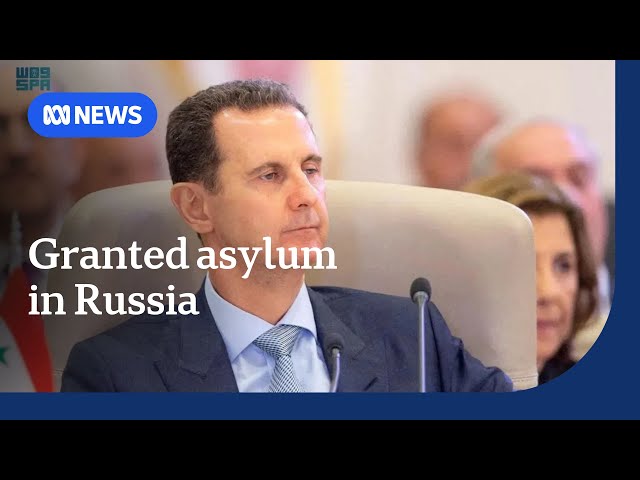
By Nitya Chakraborty The already war ravaged West Asian region has entered into a new phase of geo political turmoil with the ouster of the Syrian President Bashar-al Assad Government and the President fleeing from Damascus on Sunday to Moscow and granted asylum there by the Russian Government. The defeat of the Syrian Bath Party […]

New supply to weigh on office sector rental levels, while core retail high street rents continue to recover Grade A office year-to-date (YTD) net absorption as at mid-November recorded 1 million sq ft, with overall rents down by 5.9% in the same period. Rents are forecast to experience further downwards pressure in the 7%–9% range in 2025. Prime retail high street store leasing momentum slightly picked up […]

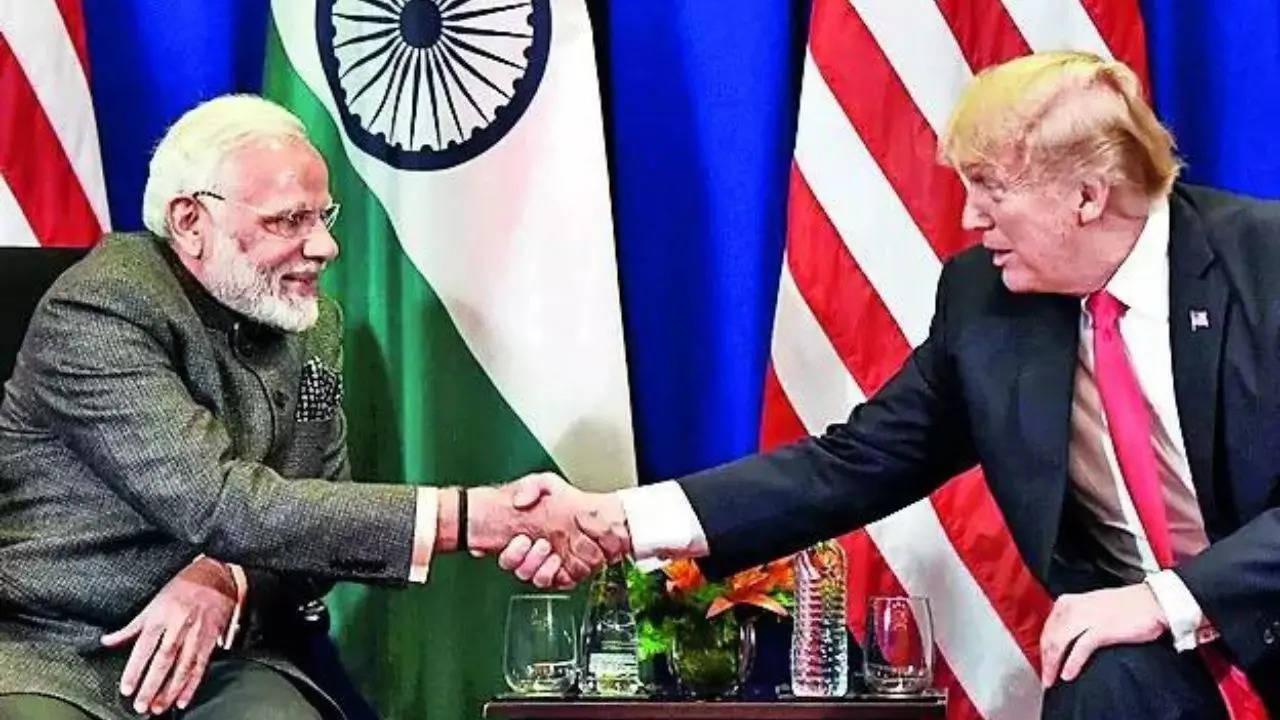
By Girish Linganna Donald Trump’s re-election as U.S. President could have a big impact on India-US relations, especially in areas like technology, chips, and semiconductors. As he begins his second term on January 20 next year ,, both countries will face a mix of opportunities and challenges that could shape their tech and economic ties […]

KUALA LUMPUR, MALAYSIA – Media OutReach Newswire – 5 December 2024 – Gold has been valued for its stability when the financial fires are raging. That stable nature was underscored in 2024 when its price shot upward, gaining over $700 per ounce. This amounted to a 34% increase since January. The vibrant price increase has gotten traders and investors all jazzed up again about gold, with the […]

Increasing global insolvency levels heighten risks for executives. The febrile geopolitical landscape poses liability challenges for global corporations caught up in world events. “AI washing” is an emerging risk trend, leading to securities class action lawsuits. D&O market remains competitive but a step up in scrutiny of corporate conduct around the globe means loss potential is still high. SINGAPORE – Media OutReach Newswire – 5 December 2024 […]

The U.S. financial regulators have directed banks to avoid offering services to cryptocurrency companies, a practice that could severely impact the sector’s integration with traditional financial systems. Coinbase, one of the largest cryptocurrency exchanges in the world, has disclosed this information through a set of letters obtained from the authorities, further escalating the tensions between the crypto industry and U.S. regulators.

The letters, which were sent by the Federal Reserve and the Office of the Comptroller of the Currency (OCC), allegedly instruct banks to carefully assess the risks associated with doing business with crypto firms. The regulatory bodies have raised concerns about the volatility of digital assets, the potential for money laundering, and the sector’s limited consumer protections. According to Coinbase, these communications suggest a systemic effort by U.S. regulators to limit the reach and influence of cryptocurrencies by preventing them from gaining access to essential banking services.

Coinbase’s Chief Legal Officer, Paul Grewal, reacted strongly to the revelations. He described the letters as “hard evidence” supporting the claims that U.S. regulators were deliberately pushing the cryptocurrency industry out of the traditional banking ecosystem. Grewal emphasized that the industry’s concerns about being unfairly targeted had previously been dismissed by some as conspiracy theories. However, the disclosed letters now provide tangible proof that such fears were well-founded, he said.

The controversy highlights an ongoing and intensifying battle between the U.S. government and the rapidly expanding cryptocurrency sector. Over the past year, several high-profile crypto companies, including Coinbase, have faced increased scrutiny from U.S. regulators, which have argued that the industry operates in a legal gray area. The push for clearer regulatory frameworks has been met with resistance by crypto advocates, who argue that these measures are overly restrictive and stifle innovation.

While the U.S. Securities and Exchange Commission (SEC) has been particularly vocal in its efforts to regulate crypto exchanges, the Federal Reserve and OCC have focused their attention on the relationships between traditional banks and crypto firms. According to the letters obtained by Coinbase, regulators have been cautious about exposing banks to the risk of crypto-related assets and transactions. Banks have been warned that they must be prepared to mitigate any risks associated with crypto partnerships, especially given the unpredictable nature of digital currencies.

In response to these developments, several U.S.-based crypto companies have publicly criticized the regulatory stance. They argue that the lack of clarity around regulations is stifling innovation in the space and pushing U.S. businesses abroad to more crypto-friendly jurisdictions. Coinbase, in particular, has been at the forefront of this battle, with Grewal and CEO Brian Armstrong both making public statements against what they view as an overly aggressive regulatory push.

The U.S. has long been seen as a global leader in technological innovation, but the cryptocurrency industry’s struggle with regulators may signal a shift. As crypto adoption continues to rise, the tension between innovation and regulation appears to be deepening. Proponents of digital assets argue that regulatory actions are forcing the industry to move offshore, depriving the U.S. economy of a significant opportunity for job creation and technological growth. Meanwhile, those in favor of strict oversight claim that more regulation is needed to protect consumers and maintain financial stability.

The legal battles between U.S. regulators and the cryptocurrency industry are far from over. Coinbase, along with other companies in the sector, has vowed to continue its fight for clearer, fairer regulations. The company’s legal team is already preparing to challenge the restrictions imposed by the SEC and other financial watchdogs, aiming to shift the regulatory landscape in a more favorable direction for the industry.

As the debate unfolds, the broader financial sector is closely watching the outcome. Financial institutions are weighing the risks of entering the crypto space, and some are hesitant to move forward without clearer regulatory guidelines. Others have already taken steps to engage with crypto assets, setting up special units to deal with the growing demand for blockchain-based services. The next phase of the regulatory discourse could determine the future role of cryptocurrencies within the global financial system.

The confrontation between regulators and crypto advocates also brings attention to the U.S. political environment. While some lawmakers have expressed concerns about the lack of oversight, others have called for a more hands-off approach, recognizing the potential of blockchain technology and its implications for sectors such as finance, healthcare, and supply chain management.

JAKARTA, INDONESIA – Media OutReach Newswire – 6 December 2024 – The international event brand “Phoenix Go Glocal” owned by Phoenix TV Group is officially launched during the 19th ASEAN Marketing Summit, in Jakarta, Indonesia on December 5, 2024. It is the largest marketing summit of ASEAN, attracting nearly 5,000 government officials, entrepreneurs, experts and platforms this year. Leveraging international communication advantages, Phoenix TV is a premiere […]

Advertisements

Oil prices have held their ground after a slight dip as the focus shifts to OPEC+’s upcoming decision regarding production cuts. Market participants are awaiting critical guidance on future supply restrictions from the cartel, a move that could significantly impact both global energy prices and economic stability. With mounting pressures from both geopolitical factors and fluctuating demand, the outcome of this decision is poised to influence the […]

Saudi Aramco, the world’s leading energy firm, has unveiled plans to establish one of the largest carbon capture and storage (CCS) hubs in Jubail. The project is part of the company’s ambitious initiative to tackle carbon emissions and advance global decarbonization efforts. By collaborating with two major industry players, Linde and SLB, Aramco aims to position Saudi Arabia at the forefront of technological solutions addressing climate change. […]

SIEM REAP, CAMBODIA – Media OutReach Newswire – 4 December 2024 – Prince Foundation, the philanthropic arm of Prince Holding Group, proudly supported the ASEAN Regional Mine Action Center (ARMAC) during the recently concluded Siem Reap-Angkor Summit on a Mine-Free World. The Foundation provided strategic communications expertise and exhibition design that highlighted ARMAC’s innovative victim assistance programs and technological initiatives, engaging over 700 delegates from more than […]

Koc Holding, one of Turkey’s leading conglomerates, has firmly denied reports suggesting it is in discussions regarding the sale of its stake in Yapi Kredi Bank to Qatar National Bank (QNB). The Turkish holding company, which controls a significant share of Yapi Kredi, clarified that no such negotiations have taken place, responding to growing speculation about a potential deal with the Qatari financial institution.

The rumors surfaced amid QNB’s broader strategy of expanding its presence in Turkey, a key market for the Middle Eastern bank. QNB has been actively pursuing acquisitions in Turkey in recent years, strengthening its position within the country’s financial sector. However, despite these ambitions, Koc Holding has stated unequivocally that there are no ongoing talks regarding the sale of its shares in Yapi Kredi to QNB, dispelling widespread assumptions about an impending transaction.

This development comes at a time when Turkey’s banking sector is navigating a complex economic environment. High inflation, currency volatility, and shifting geopolitical dynamics have placed considerable strain on the country’s financial markets, which may have prompted some analysts to speculate about possible mergers or acquisitions in the banking industry. Additionally, QNB’s interest in Turkish assets has been well-documented, with the bank seeking to capitalize on Turkey’s sizable market and relatively high returns in the financial sector.

While Koc Holding’s denial temporarily quells the rumors surrounding a potential Yapi Kredi transaction, it is clear that the Turkish banking landscape remains a focal point for foreign investors, especially those from the Gulf region. Qatar-based QNB, which has been expanding its footprint in Turkey, already holds a stake in other Turkish financial institutions. The bank’s ambitions to consolidate its holdings in the country align with broader regional strategies by Gulf-based investors to diversify their portfolios beyond the Gulf Cooperation Council (GCC) region.

For Koc Holding, Yapi Kredi remains a valuable asset in its diversified portfolio, and its involvement in the banking sector is integral to its broader business strategy. The holding company has been a major player in Turkey’s financial industry for decades, with its involvement in banking extending back to the late 1980s when it first acquired a stake in Yapi Kredi. The bank has since grown to become one of Turkey’s largest and most influential financial institutions.

While Koc Holding has dispelled the claims of a sale to QNB, analysts continue to watch the Turkish financial sector closely for signs of potential mergers and acquisitions. The region’s banks have been under pressure as they navigate the economic challenges posed by inflation and the depreciation of the Turkish lira. Despite these hurdles, Turkish financial institutions remain attractive to foreign investors due to their relatively high returns and the significant untapped potential of the Turkish market.

QNB, as one of the largest banks in the Middle East and North Africa (MENA) region, has made strategic acquisitions across the region over the years. With operations in 31 countries, including a significant presence in the GCC and North Africa, the bank has been keen to expand its holdings in Turkey, a nation that has become an increasingly vital market for financial services. The speculation around Yapi Kredi was fueled by reports that QNB had expressed interest in increasing its stake in the Turkish banking sector, but Koc Holding’s statement puts those rumors to rest—at least for the time being.

Although the QNB and Yapi Kredi discussions appear to be off the table, the dynamic between foreign banks and Turkish financial institutions will continue to evolve. The relationship between Qatar and Turkey has grown stronger in recent years, with both nations bolstering their economic ties. These diplomatic and financial linkages have facilitated greater cross-border investments, including in the Turkish banking sector, where Gulf investors are particularly active.

Turkey’s financial market is viewed by many as being ripe for consolidation and foreign investment. With inflation levels above 50% and the currency’s depreciation impacting many domestic financial institutions, the market offers substantial growth opportunities for foreign banks with the capacity to weather short-term volatility. International investors like QNB have been increasingly involved in Turkey’s economic recovery, using strategic acquisitions as a way to capitalize on the long-term prospects of the country’s banking system.

Despite the challenges posed by the country’s economic instability, Turkish banks are showing resilience. Several of the country’s largest banks, including Yapi Kredi, have managed to maintain strong balance sheets, thanks in part to their robust risk management strategies. This stability, combined with the potential for future growth, continues to attract interest from regional players looking to expand their presence in one of the largest emerging markets in Europe and Asia.

XRP has made an impressive leap in the cryptocurrency market, surpassing both Solana (SOL) and Tether (USDT) to become the third-largest cryptocurrency by market capitalization. This surge comes after the altcoin witnessed a significant rally of more than 25% in just 24 hours, pushing its price to approximately $2.4 as of Monday, December 2. The sudden rise in XRP’s value has caught market observers by surprise, with many speculating on the reasons behind its rapid ascension.

The rally follows a period of relative stability for XRP, which had traded in the range of $1.80 to $2.00 for several weeks. However, the momentum that has propelled XRP to its new position has been primarily driven by market sentiment, bullish trading volumes, and renewed investor interest. As a result, XRP now stands behind Bitcoin (BTC) and Ethereum (ETH) in market capitalization, making it a significant player in the evolving cryptocurrency space.

Ripple Labs, the company behind XRP, has been at the center of several legal battles, particularly with the U.S. Securities and Exchange Commission (SEC), over whether XRP should be classified as a security. While the case remains unresolved, many investors view the current rally as a signal that positive sentiment may be returning towards the digital asset. The outcome of the SEC case is closely watched by the crypto community, and a favorable ruling could further bolster XRP’s position in the market.

The significant price movement has sparked a broader conversation about the potential for altcoins to challenge the dominance of Bitcoin and Ethereum in the crypto space. While Bitcoin has long been regarded as the “gold standard” of cryptocurrencies, and Ethereum remains the leading platform for decentralized applications (dApps) and smart contracts, XRP’s rise to third place underscores the dynamic and unpredictable nature of the market.

XRP’s market surge has been further fueled by increasing adoption among financial institutions and the ongoing development of Ripple’s payment solutions. Ripple’s cross-border payment technology has gained traction, particularly in regions where traditional banking infrastructure remains underdeveloped. Ripple’s RippleNet network enables faster and cheaper cross-border transactions, a service that has drawn the attention of banks, remittance services, and financial institutions globally.

In addition to institutional interest, XRP’s price movement has been supported by a surge in retail trading activity. As more retail investors engage with the asset, liquidity in the market has increased, creating an environment where sharp price movements can occur more easily. This influx of interest, combined with positive sentiment surrounding the potential resolution of the SEC case, has resulted in XRP’s remarkable rally.

Solana, once considered one of the most promising cryptocurrencies due to its fast transaction speeds and low costs, has faced its own challenges in recent months. Despite high expectations, Solana has struggled to maintain its momentum, experiencing volatility and technical setbacks that have dampened investor confidence. This has opened the door for XRP to climb in the ranks, as Solana’s market capitalization faltered.

Similarly, Tether (USDT), the world’s leading stablecoin, has faced scrutiny in the wake of broader concerns about the stability and transparency of stablecoins. Although Tether has maintained its peg to the U.S. dollar, regulatory pressures and concerns over its backing have led some investors to seek alternatives, contributing to its relative stagnation in the rankings. The decline in Tether’s dominance in the stablecoin space has allowed other cryptocurrencies like XRP to take advantage of shifting market dynamics.

As XRP edges ahead of Solana and Tether, the cryptocurrency market continues to exhibit its volatile and unpredictable nature. While XRP’s ascent is notable, it remains to be seen whether this growth will be sustained or if other factors—such as regulatory developments or market corrections—could shift the tide. XRP’s future trajectory is closely tied to both the broader market trends and the outcome of the legal battles it faces.

For investors, the rise of XRP represents both an opportunity and a risk. Those who have been holding the asset for an extended period are likely to see substantial gains, but the volatility of the cryptocurrency market means that caution is necessary for those entering the space. As XRP’s market capitalization continues to grow, it may attract new investors, but it will also face increased scrutiny as it becomes more prominent.

Rigetti Computing has secured $100 million through its at-the-market (ATM) equity offering, which began in March 2024. This funding round is a significant step in the company’s push to advance its quantum computing capabilities, particularly focusing on the development of next-generation qubit systems. Rigetti aims to use the raised capital to accelerate the integration of superconducting qubits, with a target of achieving groundbreaking advancements in quantum-classical hybrid […]

Delivery Hero has set the final price for the highly anticipated IPO of its Middle Eastern arm, Talabat, at $0.44 per share. The pricing marks a significant move for the German food delivery giant as it pushes ahead with its plan to list the popular regional platform on the Dubai Financial Market. This marks a crucial step in Delivery Hero’s strategy to strengthen its position in the […]

Recognition Highlights Leadership Balancing Business Success and Community Impact PHNOM PENH, CAMBODIA – Media OutReach Newswire – 29 November 2024 – Neak Oknha Chen Zhi, Chairman of Prince Holding Group, received the prestigious “Best Contributions Towards Socio-Economic Development – Cambodia” award at the International Finance Awards. This accolade recognizes Chairman Chen Zhi’s visionary leadership and steadfast commitment to fostering sustainable growth and development across Cambodia. Neak Oknha […]

Dubai is famous for its road system and traffic rules all around the world. For this reason, it is a wonderful destination for new drivers to practice and gain experience. However, safe driving practices should be strictly followed. The well-paved roads might be a reason for temptation for the experienced drivers to go fast. But the new drivers have to be careful. If you are a new […]

A high-profile banker has been apprehended in Dubai, accused of orchestrating an elaborate money laundering operation by siphoning off substantial bonuses, allegedly linked to illicit activities. This arrest comes amid heightened scrutiny of the UAE’s financial sector, which has been under increasing pressure to tighten regulations against financial crimes, particularly money laundering.

Authorities in Dubai have confirmed the detention of the banker, whose name has not yet been disclosed, after a detailed investigation uncovered the manipulation of bonus payouts as part of a broader money laundering scheme. The arrest is being viewed as a significant development in the UAE’s ongoing efforts to address financial crime and uphold its reputation as a global financial hub.

According to sources familiar with the investigation, the banker, who worked at a well-known financial institution, reportedly used sophisticated methods to divert funds obtained through fraudulent bonuses into offshore accounts. The bonuses were either inflated or issued without proper documentation, allowing the banker to disguise the true source of the funds. Law enforcement officials assert that the scale of the operation was large, with millions of dollars funneled through complex financial channels.

This arrest underscores growing concerns about the financial practices in the UAE, where money laundering has been an ongoing challenge. Despite the UAE’s progress in enhancing its anti-money laundering (AML) regulations, experts have expressed doubts about the effectiveness of enforcement. In recent years, the government has been working with international bodies to strengthen its AML laws, aligning with global standards. However, critics argue that enforcement still lags behind the country’s growing financial ambitions.

The banker’s arrest is believed to be linked to a larger investigation involving multiple parties, some of whom are suspected to be accomplices. Authorities have not yet confirmed whether other individuals will be implicated or arrested in connection with the scheme. However, law enforcement has vowed to continue its scrutiny of the financial sector to identify other potential money laundering activities.

Dubai, in particular, has faced increasing pressure from global watchdogs to tighten its control over financial transactions that could be linked to illegal activities. As one of the world’s leading financial centers, the UAE has made strides to clean up its banking sector by implementing stricter reporting measures, expanding due diligence requirements, and improving transparency in financial dealings. Yet, the country continues to grapple with its image as a potential destination for illicit financial flows.

Financial experts have pointed out that the focus on bonuses and executive compensation may be a new avenue for money laundering, one that many financial institutions have yet to fully address. Bonuses, which are often tied to performance metrics, can be manipulated to create false incentives or disguise the origin of funds. In the case of the detained banker, investigators believe that the bonuses were inflated or funneled into non-transparent accounts under the guise of legitimate financial rewards.

The UAE’s government has continued to bolster its efforts in preventing money laundering, having established multiple initiatives aimed at increasing financial transparency. The country has also aligned itself with international initiatives to combat money laundering, including cooperating with global anti-corruption and financial monitoring agencies. These efforts are part of a broader push to demonstrate the UAE’s commitment to meeting international standards for financial regulation, particularly in light of growing scrutiny from the Financial Action Task Force (FATF), a global money-laundering watchdog.

However, despite the progress, challenges remain in fully eradicating financial crime. The opaque nature of some financial transactions, combined with the global flow of illicit funds, complicates efforts to ensure that the UAE’s financial system is completely clean. As such, the banker’s arrest may be a precursor to further investigations and regulatory crackdowns aimed at safeguarding the integrity of the UAE’s financial landscape.

While the case continues to unfold, it serves as a reminder of the vulnerabilities that exist within the financial sector, particularly in fast-growing global markets like Dubai. The growing focus on bonuses as a potential vehicle for illicit financial activities is expected to drive new regulatory approaches across the region, with institutions now under increased scrutiny to prevent similar cases of financial manipulation.

As the UAE works to enhance its financial systems and strengthen its anti-money laundering mechanisms, the outcome of this high-profile case may have broader implications for the future of banking practices in the region. Financial institutions operating in the UAE will likely face stricter oversight, particularly around executive compensation and the transparency of their financial dealings.

By Rabindra Nath Sinha KOLKATA: It is not just that the Bharatiya Janata Party cut a sorry figure in the electoral battle 2024 for Jharkhand assembly despite a high octane campaigning that had strong communal overtones and in which the party’s money power was all too evident. Some new developments, which may shape future politics […]

Donald Trump’s history of appointing controversial figures to key government roles continues to draw scrutiny, as allegations of sexual misconduct and complicity against several of his picks have resurfaced. Critics argue that these choices reflect a disregard for ethical concerns, further polarizing the political landscape.

Elon Musk, CEO of SpaceX and Tesla, has been enlisted by Trump to contribute to a proposed Department of Government Efficiency. Musk faces a lawsuit filed by eight former SpaceX employees, accusing him of tolerating sexual harassment within the company. The lawsuit claims Musk fostered an environment rife with inappropriate conduct, including explicit imagery and degrading commentary about women and the LGBTQ+ community. Musk has denied these allegations, responding with characteristic deflection on his social media platform, X, which he owns.

Linda McMahon, another Trump appointee and the former head of the Small Business Administration, has been linked to allegations stemming from her tenure at World Wrestling Entertainment (WWE). A lawsuit alleges a culture of sexual abuse within the organization during her leadership. McMahon has avoided direct comment on the claims, which have drawn renewed attention through a recent documentary series.

The nomination of Matt Gaetz, a former Congressman, to serve as attorney general was short-lived, as he withdrew amid public backlash and allegations of sexual misconduct. Accusations include involvement with sex trafficking, with court documents indicating testimony from multiple witnesses about his alleged relationships with minors. Although Gaetz denies these claims, they have significantly tainted his political career and credibility.

These allegations add to the already divisive reputation of Trump’s leadership style, where loyalty and alignment with his agenda often appear to outweigh considerations of character or public accountability. Legal experts and watchdog groups have raised concerns about the broader implications of such appointments, arguing that they undermine public trust in governance.

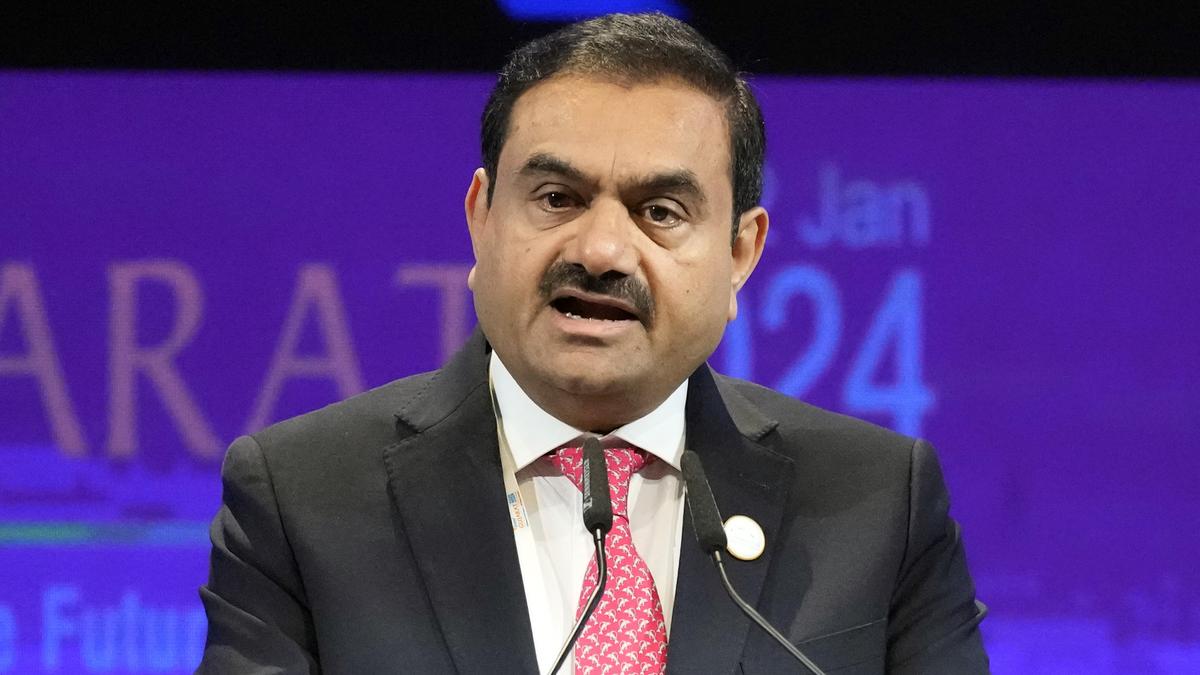
Fitch Ratings has placed certain bonds issued by Adani entities under a “negative watch” as scrutiny of the group’s governance intensifies following allegations of corruption tied to Sri Lankan projects. This development comes amid renewed focus on a contentious $442 million wind power project in Sri Lanka’s Mannar region, which has sparked concerns over environmental compliance and procedural irregularities. The Sri Lankan government had reportedly flagged potential […]

By Nantoo Banerjee If bribery is a common practice in business, and often viewed as the normal way of doing business in many countries, including India, there is little too sensational about the US Department of Justice indictment, last week, against India’s US$37-billion infrastructure conglomerate Adani group head Gautam Adani, his nephew Sagar Adani, Adani […]

Bitcoin’s price experienced a sharp dip over the weekend, falling from $98,500 to $95,500 by Sunday, leading to significant volatility across the cryptocurrency market. This decline triggered a wave of liquidations, totaling over $500 million, as futures positions, particularly those linked to smaller altcoins and midcap cryptocurrencies, were abruptly closed out.

The pullback, although noticeable, did not shake long-term investor sentiment, as many market analysts continue to hold a positive outlook for Bitcoin’s future price trajectory. Despite the drop, experts maintain their expectation that Bitcoin could reach $100,000 in the near future, supported by ongoing institutional interest, potential regulatory clarity, and upcoming developments within the blockchain ecosystem.

XRP and Dogecoin were among the hardest hit during the weekend’s turbulence. XRP, facing legal challenges in the U.S., saw a significant decrease in value, which compounded with broader market losses. Dogecoin, popular for its meme-driven momentum, also took a substantial hit, as speculative trading took a backseat to more fundamental concerns over the broader crypto market outlook.

The spike in liquidations was primarily driven by leveraged positions within futures markets. Traders who had bet on price increases found themselves caught in a cascade of automatic sell-offs as Bitcoin’s decline spooked the market. Smaller altcoins, which often experience more volatile price movements than Bitcoin, were particularly susceptible to this market-wide pullback, leading to larger-than-usual liquidation events.

Bitcoin’s price, despite the weekend’s decline, is still far from the sharp corrections seen in past market cycles. The overall market sentiment remains cautiously optimistic, with many investors looking toward the potential for future catalysts to propel Bitcoin higher. Key factors driving this optimism include expectations of increased institutional adoption, blockchain infrastructure upgrades, and regulatory clarity in major markets.

The general consensus within the industry is that Bitcoin’s price movements, while volatile, do not indicate a fundamental shift in investor confidence. Many analysts argue that the pullback could actually provide an opportunity for new investors to enter the market at lower levels, positioning themselves for a potential rally once the market stabilizes. The price drop is viewed by some as a healthy correction after months of strong upward momentum, allowing the market to recalibrate before any further upward movement.

For smaller altcoins, however, the weekend liquidation event served as a stark reminder of the risks associated with highly leveraged positions in more speculative assets. As Bitcoin’s price corrected, altcoins like Solana, Cardano, and Polkadot also experienced sharp losses, though none to the extent of the leading cryptocurrencies. The widespread impact on midcap altcoins further highlights the fragility of these markets, particularly when liquidity dries up and risk aversion sets in.

Despite the market-wide pullback, Bitcoin’s fundamentals remain strong, with the cryptocurrency continuing to be viewed as a hedge against inflation and a potential store of value in the long term. Institutional interest has steadily increased, with major financial players like BlackRock and Fidelity continuing to push for Bitcoin ETFs and other financial products linked to the digital asset. This institutional push has not only brought new capital into the market but also legitimized Bitcoin in the eyes of traditional investors.

In addition to institutional adoption, the continued growth of decentralized finance (DeFi) platforms and blockchain technology is expected to further bolster Bitcoin’s value proposition. With more businesses adopting blockchain for a range of applications, including supply chain management, healthcare, and financial services, Bitcoin is increasingly being seen as an essential part of the broader blockchain ecosystem.

Though market corrections are inevitable in any asset class, Bitcoin’s established position as the leader in the cryptocurrency space ensures that its price movements remain closely watched by both retail and institutional investors alike. While volatility remains a characteristic of the crypto market, the long-term outlook for Bitcoin and major altcoins is driven by fundamental trends that support sustained growth over time.

The ongoing battle for market dominance between Bitcoin and Ethereum, along with the rise of other blockchain protocols, also plays a crucial role in shaping the broader crypto landscape. Analysts argue that while Bitcoin remains the undisputed leader in terms of market capitalization, Ethereum’s advancements in smart contract capabilities and its transition to Ethereum 2.0 have sparked renewed interest in altcoins. Ethereum’s ability to facilitate decentralized applications (dApps) and execute smart contracts gives it a technological edge over Bitcoin in some areas, although Bitcoin’s brand recognition and security features are expected to keep it ahead in terms of value.


The cryptocurrency market has witnessed a remarkable shift as altcoins gain significant bullish momentum, pushing Bitcoin to the sidelines while driving substantial market activity. The latest data reveals that liquidations across the crypto market have surpassed $494 million, primarily fueled by a surge in altcoins such as Stellar Lumens (XLM), Decentraland (MANA), and The Sandbox (SAND).

Bitcoin’s recent performance has been characterized by a steady consolidation phase, with the leading cryptocurrency closing out its third consecutive week within the price discovery phase. However, this period of indecision in Bitcoin’s market action has paved the way for a growing rally among altcoins, suggesting that investors may be shifting their focus to smaller tokens as they look for promising returns. Analysts point to the altcoin market’s strong performance as a sign of growing investor confidence outside of Bitcoin, possibly indicating the start of a broader shift in market trends.

Stellar Lumens, for example, has seen its value surge by over 30% in the past week alone, driven by renewed interest in its cross-border payment solutions. Similarly, Decentraland, the virtual reality platform, and The Sandbox, which provides a decentralized gaming experience, have also posted impressive gains. These altcoins, benefiting from positive market sentiment and strong project fundamentals, have been attracting both retail and institutional investors. Experts suggest that the increased focus on the decentralized finance (DeFi) sector and non-fungible tokens (NFTs) could be contributing factors to the bullish trends seen in these specific assets.

As Bitcoin’s price remained relatively stable, hovering around the $35,000 mark for the past several weeks, the broader cryptocurrency market saw increased volatility, particularly with altcoins. Liquidations—when leveraged positions are forcibly closed out due to price movements—have been a significant aspect of the market activity. The total liquidation figure for this week alone has exceeded $494 million, with the majority stemming from short and long positions in altcoins. This high liquidation value reflects the volatility that altcoins are experiencing, driven by sudden price shifts and investor actions within these smaller tokens.

The liquidations have sparked mixed reactions among market participants. On one hand, some see these liquidations as a sign of caution, where traders who bet on price declines in altcoins have been forced to cover their positions after the sudden upward momentum in these tokens. On the other hand, others view the liquidations as a natural part of the market cycle, often marking the end of a bearish phase and signaling the potential for further gains in altcoins.

In addition to individual altcoins like XLM, MANA, and SAND, the broader DeFi ecosystem has been undergoing rapid development. The sector, which aims to replicate traditional financial services like lending, borrowing, and trading on the blockchain, has been a key driver of altcoin value growth. DeFi protocols have seen a sharp increase in user engagement, which, in turn, has led to the appreciation of tokens associated with these platforms. As institutional investors begin to show more interest in the DeFi space, many believe this sector will continue to outperform Bitcoin in the short term.

While Bitcoin continues to hold its position as the dominant cryptocurrency by market capitalization, the altcoin sector is showing signs of growth that cannot be ignored. Many analysts have pointed out that the market’s focus on altcoins could be indicative of a growing shift in investor strategy. With Bitcoin’s price action stagnating, some traders are diversifying their portfolios by increasing their holdings in smaller, high-potential coins. This shift toward altcoins is particularly noticeable in the wake of Bitcoin’s dominance in the market, with Bitcoin’s market share dipping below 50% in recent weeks as altcoins rise in prominence.

This altcoin rally, however, comes with its own set of risks. The volatility seen in the altcoin market can lead to drastic price swings, as evidenced by the liquidations in the past week. The rise of altcoins also coincides with heightened regulatory scrutiny in various jurisdictions, which could bring about new challenges for these assets. Many in the market are closely watching the regulatory landscape, especially as governments and financial authorities begin to focus more on the potential risks associated with decentralized finance and crypto assets in general.

At the same time, altcoins such as Stellar Lumens and Decentraland have benefitted from major partnerships and network upgrades. These developments, along with increasing user adoption, have played a crucial role in the altcoin market’s ongoing rise. Stellar, for example, has been making strides in the cross-border payments industry, which has been increasingly appealing to investors looking for practical use cases for their digital assets. Decentraland’s integration of virtual real estate within its metaverse platform has also attracted significant attention, with institutional players and major brands seeking to capitalize on the growing trend of digital spaces.

New reality show connects regional culinary talent with global opportunities in an exciting competition. BANGKOK, THAILAND – Media OutReach Newswire – 21 November 2024 – Dusit International, one of Thailand’s leading hotel and property development companies, is delighted to announce its role as a key sponsor of The Maverick Academy, a groundbreaking culinary competition series hosted by the renowned chef Alvin Leung – aka The Demon Chef […]

VISHNU RAJA
RYO YAMADA
HITORI GOTOH
IKUYO KITA
Just in:
Lancet researchers seek global health emergency recognition for climate // Lancet researchers seek global health emergency recognition for climate // Anchored in Data Sovereignty, the Engagement Enables the Legal Sector to Adopt Generative AI Safely and Confidently // Binance estimates $6.3 billion impact from security breach // A Better Start, Ready for the Day: Green SM Elevates the Urban Mobility Experience in the U.S. // Crown Workspace wins Gold and special Trinity recognition at HR Vendors of the Year Awards 2026 // Strategy drives listed companies’ Bitcoin holdings to 1.3 million // Ex-Kochi police chief rejects judicial interference // CPM role in Mammootty cyber attacks ruled out // 10 CENTS CAPITAL Completes US$20 Million Financing and Sets Out a Phased Deployment Plan // Sharjah Islamic Bank’s $500 million sukuk joins Nasdaq Dubai // US intelligence suspects Megaspeed executive of Chinese espionage // LiveWire flags survival doubts as cash reserves shrink // Mumbai to host global blockchain leaders at November conference // 10 CENTS CAPITAL Completes US$20 Million Financing and Sets Out a Phased Deployment Plan // New authentication research charts shift away from passwords // 10 CENTS CAPITAL Completes US$20 Million Financing and Sets Out a Phased Deployment Plan // Lancet researchers seek global health emergency recognition for climate // Hill’s Enhances Cat and Dog Food with Prebiotics to Support Senior Pet Health in Hong Kong // High Court opens toddy shop jobs to women //