News related to
watch

Saudi Arabia’s Zahid Group is reportedly in discussions to acquire Barloworld, a South African industrial conglomerate. This potential acquisition is part of Zahid Group’s strategy to diversify and expand its international footprint in the industrial sector. Barloworld, a leading industrial processing and distribution company, has a significant presence in various sectors including equipment, automotive, and logistics. The company’s strong foothold in these industries makes it an attractive […]

Google has been dealt a significant blow in the US antitrust case, with Judge Amit Mehta ruling that the tech giant has maintained an illegal monopoly over online search. The ruling, issued on August 5, 2024, concluded that Google violated antitrust laws by using its dominant market position to stifle competition and inflate advertising prices. The Department of Justice (DOJ) accused Google of leveraging its search dominance […]

A rocket attack targeted the Ain Al Asad air base in Iraq, resulting in injuries to several US personnel. The incident occurred on Monday, prompting immediate responses from both US and Iraqi military forces.

The attack involved the launch of multiple rockets towards the air base, a key installation housing US troops and equipment. Initial reports indicate that the rockets were fired from an unknown location, and investigations are underway to determine the responsible parties. The injured personnel received immediate medical attention, with some evacuated to more advanced medical facilities for further treatment.

Ain Al Asad, located in Iraq’s Anbar province, has been a frequent target of rocket and drone attacks, particularly by groups with links to Iranian-backed militias. These groups have often targeted US military installations in retaliation for various geopolitical tensions in the region.

The timing of this attack is notable, coming amidst heightened regional tensions following the recent escalation of hostilities between Israel and Hezbollah, along with ongoing instability in Iraq. The US military has reiterated its commitment to maintaining a presence in Iraq to support the fight against remnants of the Islamic State and to provide stability in the region.

Pentagon officials have condemned the attack, emphasizing that such actions will not deter the US from its mission in Iraq. They highlighted that the security of personnel and assets remains a top priority, and necessary measures will be taken to protect them. Additionally, efforts are being intensified to enhance the base’s defensive capabilities to prevent future attacks.

The Ain Al Asad air base has historically been a strategic location for US operations in the Middle East. It has played a critical role in the coalition’s efforts against ISIS and continues to be a vital hub for training and supporting Iraqi security forces. The base has also hosted numerous high-profile visits, including a visit by former US President Donald Trump in 2018.

Local Iraqi authorities are cooperating with US forces to investigate the attack and to track down those responsible. This incident underscores the ongoing volatility in the region and the persistent threats faced by US and coalition forces stationed in Iraq.

As the situation develops, both US and Iraqi forces are expected to bolster security measures and remain vigilant against further threats. The international community watches closely as tensions in the Middle East continue to pose significant challenges to regional and global security.

Sources:
– Times Now
– LBC
– CBS News

Abu Dhabi’s International Holding Company (IHC) has unveiled Rorix Holdings, a new subsidiary aimed at bolstering economic diversification and growth in the UAE. This strategic move is set to significantly impact the region’s business landscape, focusing on expanding investments and fostering innovation. Rorix Holdings will operate as a multi-sector investment entity, targeting a range of industries including technology, healthcare, and renewable energy. The initiative reflects IHC’s commitment […]

ADNOC Drilling and Alpha Dhabi have finalized their acquisition of EV Holdings, marking a significant move in the energy sector. The deal, valued at $45 million, underscores the strategic intent of both companies to expand their portfolio in emerging technologies and diversify their investments. EV Holdings, a key player in the energy transition sector, focuses on innovative technologies related to electric vehicles (EVs) and sustainable energy solutions. […]

ROSHN, the property developer backed by the Public Investment Fund (PIF), has announced the launch of sales for the fourth phase of its flagship residential project, SEDRA, in Riyadh. This new phase marks a significant expansion in the developer’s ongoing efforts to address the rising demand for high-quality housing in the Saudi capital. The fourth phase of SEDRA is set to feature a variety of housing options, […]

Sidara, a prominent player in the global energy sector, has decided to suspend its planned acquisition of the UK-based Wood Group, citing escalating geopolitical risks. This decision marks a significant shift in the company’s strategic direction, underscoring the growing impact of international tensions on corporate mergers and acquisitions. The proposed deal, which had been in advanced stages of negotiation, was intended to expand Sidara’s presence in the […]

Advertisements

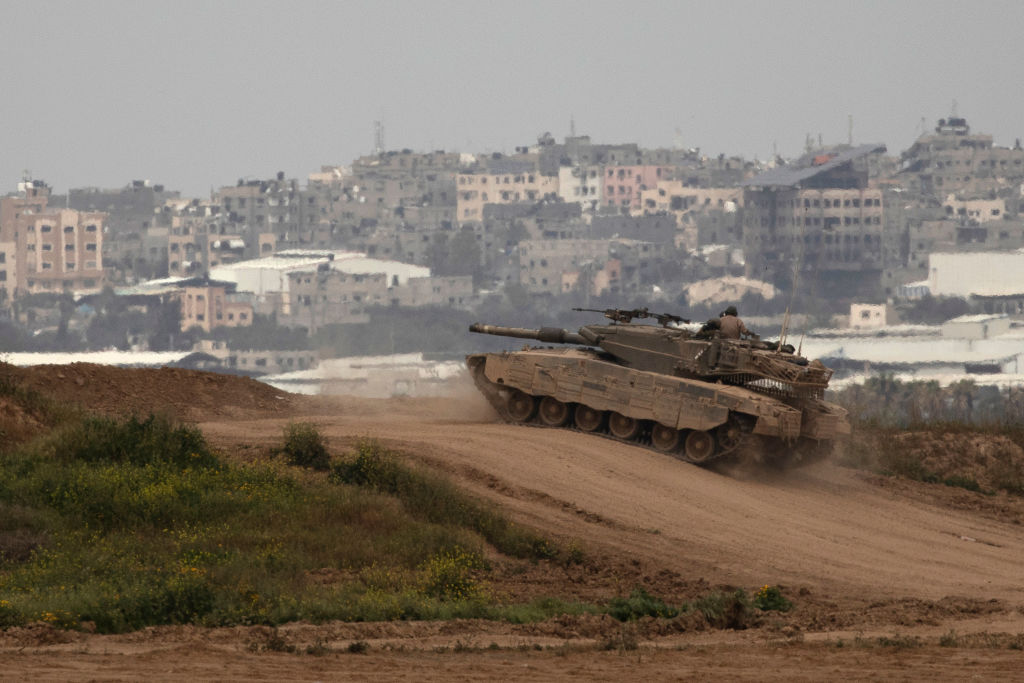
Tensions between Israel and Iran have escalated, with Israel bracing for potential attacks as the United States urges for a cease-fire in Gaza. The situation remains volatile following the recent strikes by Israel on Gaza, which targeted Hamas militants and resulted in significant casualties. Israeli forces have intensified their operations in Gaza, leading to the deaths of over 60 Palestinians, including many at a UN-run school in […]

The United Arab Emirates (UAE) is emerging as a significant diplomatic force in the Middle East by leveraging its support for Gaza and its growing ties with Israel. The UAE’s recent initiatives highlight its strategic approach to regional politics and its evolving role in Middle Eastern diplomacy.

In a notable move, the UAE has pledged substantial aid to Gaza, aiming to alleviate the humanitarian crisis exacerbated by ongoing conflicts. This commitment not only underscores the UAE’s humanitarian efforts but also positions it as a key player in Middle Eastern peace efforts. The aid includes financial support, medical supplies, and infrastructure development projects designed to address urgent needs in the beleaguered region.

Simultaneously, the UAE is deepening its relationship with Israel, a development that reflects a broader shift in regional alliances. The normalization of relations between the two countries, formalized through the Abraham Accords, has led to increased economic and diplomatic exchanges. Recent agreements between the UAE and Israel encompass various sectors, including technology, trade, and security cooperation. This collaboration is seen as part of the UAE’s strategy to enhance its influence and build stronger ties with Western nations and other global powers.

The UAE’s dual approach—offering aid to Gaza while strengthening relations with Israel—demonstrates a sophisticated balancing act aimed at boosting its regional standing. By providing humanitarian assistance to Gaza, the UAE is addressing critical issues and gaining support from various stakeholders in the Arab world. Concurrently, its partnership with Israel signals a pragmatic approach to regional politics, reflecting a willingness to engage with diverse political entities to advance its national interests.

Experts suggest that the UAE’s actions are part of a broader strategy to position itself as a pivotal diplomatic actor in the Middle East. The combination of humanitarian aid and diplomatic engagement with Israel is seen as a means to enhance the UAE’s influence and stability in the region. This strategy aligns with the UAE’s broader goals of economic diversification and regional leadership, as it seeks to play a central role in shaping the future of the Middle East.

As the UAE continues to navigate its complex diplomatic landscape, its actions are closely watched by both regional and international observers. The UAE’s approach to Gaza and its relationship with Israel reflect a nuanced and strategic effort to balance humanitarian concerns with geopolitical ambitions. This evolving dynamic underscores the UAE’s growing role as a key player in Middle Eastern diplomacy, shaping the future of the region through a combination of aid and strategic alliances.

The UAE’s recent diplomatic maneuvers highlight its ambition to influence regional politics and enhance its global standing. By addressing humanitarian needs in Gaza while fostering ties with Israel, the UAE is positioning itself as a central figure in Middle Eastern affairs, demonstrating a sophisticated approach to diplomacy that blends humanitarian efforts with strategic partnerships.

The world’s 500 richest individuals experienced a staggering collective loss of $134 billion, driven by mounting fears of a looming recession in the United States. A widespread sell-off in global stock markets was triggered by concerning jobs data and faltering manufacturing activity, casting a shadow over economic stability. Economic indicators have been signaling distress, particularly in the US labor market, where a slowdown in job growth has […]

By Tajul Islam On August 1, 2024, Bangladesh took a decisive step in its fight against terrorism and extremism by officially banning the Jamaat-e-Islami (JeI) party and its student wing, Islami Chhatra Shibir. This action, undertaken under the Anti-Terrorism Act of 2009, follows widespread unrest and violent protests related to the quota system for government jobs, which the government has attributed to the instigation by these fundamentalist groups. The […]

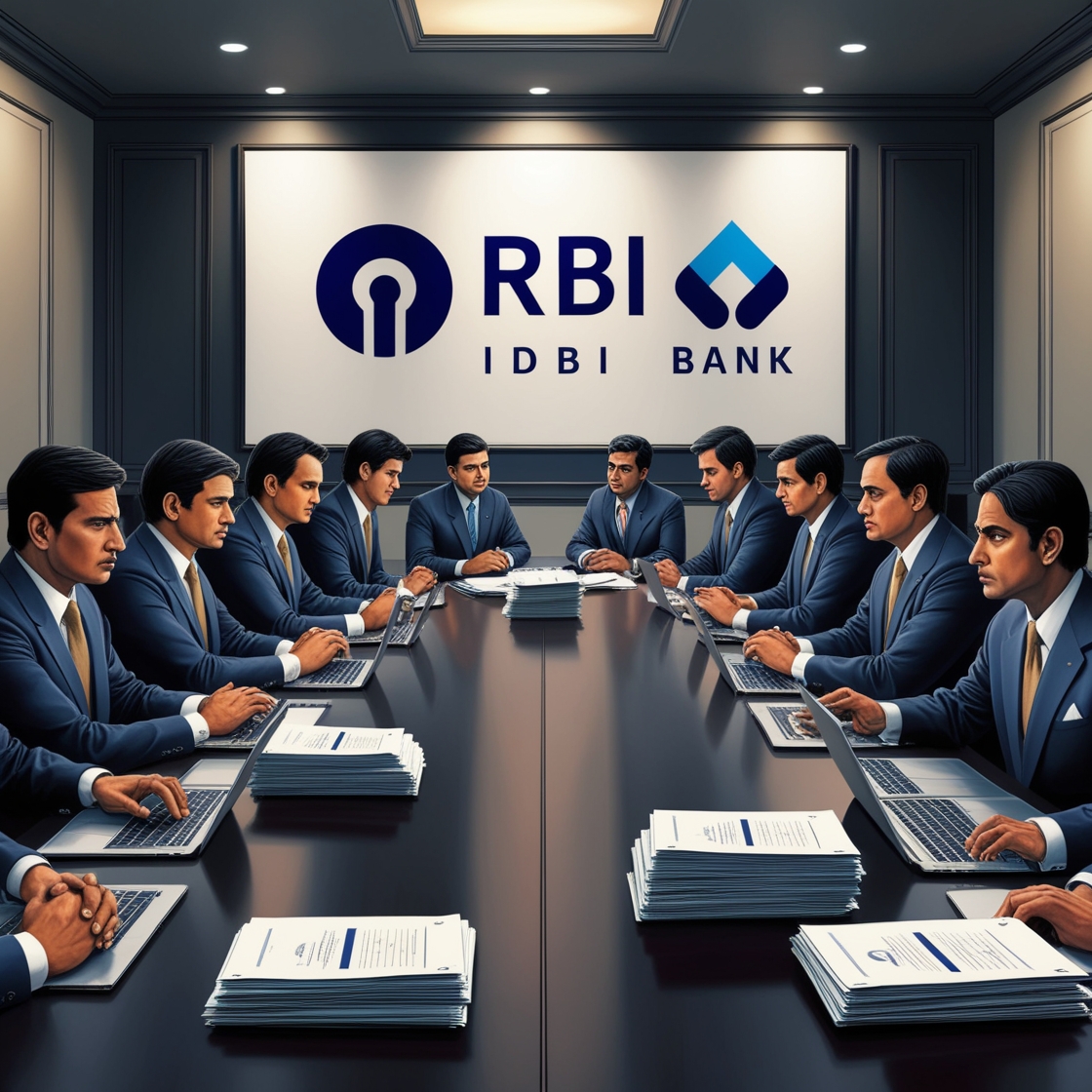
Emirates NBD has been selected to move forward with its bid for a significant stake in IDBI Bank, a major Indian lender with government backing. The Dubai-listed financial institution joins two other contenders: Canada’s Fairfax Financial and a consortium led by Mumbai-based LIC. This development marks a significant step in IDBI Bank’s ongoing privatization process, which aims to enhance its operational efficiency and financial stability.

The Indian government, which holds a substantial share in IDBI Bank, has been actively seeking strategic buyers to reduce its stake in the lender. This effort is part of a broader initiative to privatize state-owned banks and attract foreign investment to bolster the sector’s growth. Emirates NBD’s participation highlights the increasing interest from international investors in India’s banking sector, driven by its robust growth prospects and expansive market.

Fairfax Financial, a prominent Canadian investment firm, is another key player in the bidding process. The company’s bid underscores its commitment to expanding its footprint in the Indian financial market. Meanwhile, the LIC-led consortium, which includes Life Insurance Corporation of India and other entities, presents a formidable challenge with its significant local knowledge and resources.

The bid submissions will be evaluated based on several criteria, including the financial stability and strategic vision of the bidders. Emirates NBD’s extensive experience in managing diverse financial services across the Middle East and North Africa positions it as a strong contender. The bank has a well-established reputation for operational excellence and a solid track record in managing large-scale acquisitions.

IDBI Bank, with its extensive network and substantial asset base, represents a valuable acquisition target. The bank has faced various challenges in recent years, including asset quality issues and regulatory scrutiny. The ongoing privatization is expected to inject much-needed capital and expertise into the institution, facilitating its transformation into a more competitive player in the Indian banking sector.

The privatization of IDBI Bank aligns with the Indian government’s broader objectives of enhancing efficiency in the public sector and promoting greater participation from private investors. This move is anticipated to contribute positively to the overall health of the banking sector by encouraging best practices and fostering innovation.

As the bidding process progresses, the focus will be on how each contender plans to address IDBI Bank’s current challenges and leverage its opportunities. The outcome of this bid will be closely watched by industry experts and investors, as it will likely set a precedent for future privatization efforts in the Indian banking industry.

Emirates NBD’s advancement in the bidding process not only highlights its strategic ambitions but also reflects the growing interest of global financial institutions in India’s banking sector. The outcome of this bid will have significant implications for both IDBI Bank’s future trajectory and the broader landscape of banking privatization in India.

Bitcoin’s struggle to maintain its value at the $65,000 mark has intensified with a noticeable increase in selling pressure. As the leading cryptocurrency faces challenges, attention is shifting towards altcoins that could benefit significantly if Bitcoin stages a rebound. Recent market analysis reveals a growing interest in alternative cryptocurrencies as investors seek opportunities beyond Bitcoin. Despite the current bearish sentiment, several altcoins exhibit strong potential for recovery […]

Vice President Kamala Harris is set to become the Democratic Party’s presidential nominee following President Joe Biden’s decision to withdraw from the 2024 race and endorse her. The Democratic National Committee (DNC) has scheduled a virtual roll call vote starting August 1 to formalize Harris’s nomination. This move comes as Harris secures the majority of delegate support, positioning her as the de facto candidate. Harris has pledged to unify the party and focus on defeating the Republican candidate, Donald Trump, in the upcoming election.

The process of transitioning from Biden to Harris has been relatively smooth, with party officials working to ensure an orderly nomination process. The DNC’s virtual roll call aims to avoid the disruptions that could arise from a sudden change in the party’s ticket. Harris, leveraging the existing Biden campaign infrastructure, is preparing to launch a robust campaign to solidify her candidacy and address key issues such as health care, economic recovery, and social justice.

Harris’s ascent to the nomination marks a historic moment, making her the first woman of color to be a major party’s presidential candidate. Her campaign has already started garnering significant attention and support from various Democratic leaders and organizations, who are rallying behind her bid to maintain unity within the party. This development signifies a pivotal shift in the 2024 election landscape, setting the stage for a closely watched and highly competitive presidential race.

Observers note that Harris’s experience as Vice President and her previous presidential campaign in 2020 have provided her with the necessary political acumen and public recognition to lead the Democratic ticket. As the nomination process progresses, Harris is expected to announce her vice-presidential pick and outline her strategic vision for the general election campaign. This nomination is seen as a critical step for the Democratic Party as it seeks to build a cohesive platform and mobilize voters for the November election.

J.P. Thieriot, the former CEO of the crypto platform Uphold, is championing Vice President Kamala Harris as a favorable candidate for cryptocurrency enthusiasts amid the Democratic primary. Thieriot’s advocacy highlights a contrast with former President Donald Trump, whom he accuses of delivering insubstantial promises to the crypto sector. Thieriot’s endorsement of Harris stems from her perceived willingness to engage with and support the cryptocurrency industry. According to […]

Arabian Post Staff CrowdStrike Holdings Inc. is facing legal action from shareholders who allege that the cybersecurity firm misled investors about its software testing practices. The lawsuit, filed on July 31, 2024, accuses the company of fraudulently concealing deficiencies in its software, which led to a significant global outage on July 19, 2024. The outage, which affected numerous organizations worldwide, has been attributed to flaws in CrowdStrike’s […]

OPEC+ has reaffirmed its commitment to existing production limits, maintaining its current output policy amidst ongoing market volatility and fluctuating demand. The decision underscores the group’s strategy of a gradual adjustment in oil supply, aimed at stabilizing the global market amid uncertainties.

The meeting held by the oil-producing coalition, which includes members of the Organization of the Petroleum Exporting Countries (OPEC) and allied producers such as Russia, concluded with a consensus to keep production quotas unchanged. This move reflects the group’s cautious approach in response to the unpredictable nature of global oil markets.

Despite facing economic pressures and shifts in consumer demand, OPEC+ believes that its current strategy aligns with broader market conditions. The group’s adherence to its production limits comes as a response to mixed signals from the global economy. Recent data shows variable demand patterns, influenced by geopolitical tensions and shifting economic forecasts.

Oil prices have experienced considerable volatility in recent months, driven by factors such as inflationary pressures and changing economic policies in major economies. These fluctuations have led to divergent expectations about future demand, adding complexity to market forecasting.

The coalition’s decision is also influenced by the need to balance supply and demand dynamics. By maintaining current production levels, OPEC+ aims to avoid exacerbating price swings that could destabilize the market. The group’s focus remains on achieving a stable and predictable oil market, which is crucial for both producers and consumers.

Key players in the oil market have observed that while OPEC+ has opted for stability, the global energy landscape continues to evolve. Advances in alternative energy sources and shifts in consumer behavior are reshaping demand patterns, compelling oil producers to navigate an increasingly complex market environment.

Economic analysts have noted that OPEC+’s decision may have implications for global oil prices, particularly if demand continues to show significant variability. The group’s policy stance will likely influence short-term price movements, while longer-term trends will be shaped by broader economic developments and technological advancements in energy.

In the broader context of global energy markets, the role of OPEC+ remains pivotal. As a major force in oil production and pricing, the group’s policies have far-reaching effects on energy markets worldwide. Its decisions are closely watched by industry stakeholders, policymakers, and investors, all of whom are keenly attuned to shifts in production strategies and their potential impact on the global economy.

Looking ahead, the ability of OPEC+ to adapt to changing market conditions will be crucial. The coalition’s approach to managing production quotas amidst economic and geopolitical uncertainties highlights the complex interplay between supply, demand, and price stability in the oil market.

The current stance by OPEC+ illustrates its ongoing commitment to managing market stability through controlled production levels, reflecting a strategic response to the multifaceted challenges facing the global oil industry. As market conditions evolve, the group’s ability to navigate these challenges will remain a key factor in determining the future trajectory of oil prices and market stability.


By Nitya Chakraborty The New Popular Front (NFP) has taken a major step towards forming a coalition government in France after the partners agreed to name independent socialist Lucie Castets as the Prime Minister candidate for forming the new government after the July 7 general elections led to a hung national assembly. The NFP leadership […]
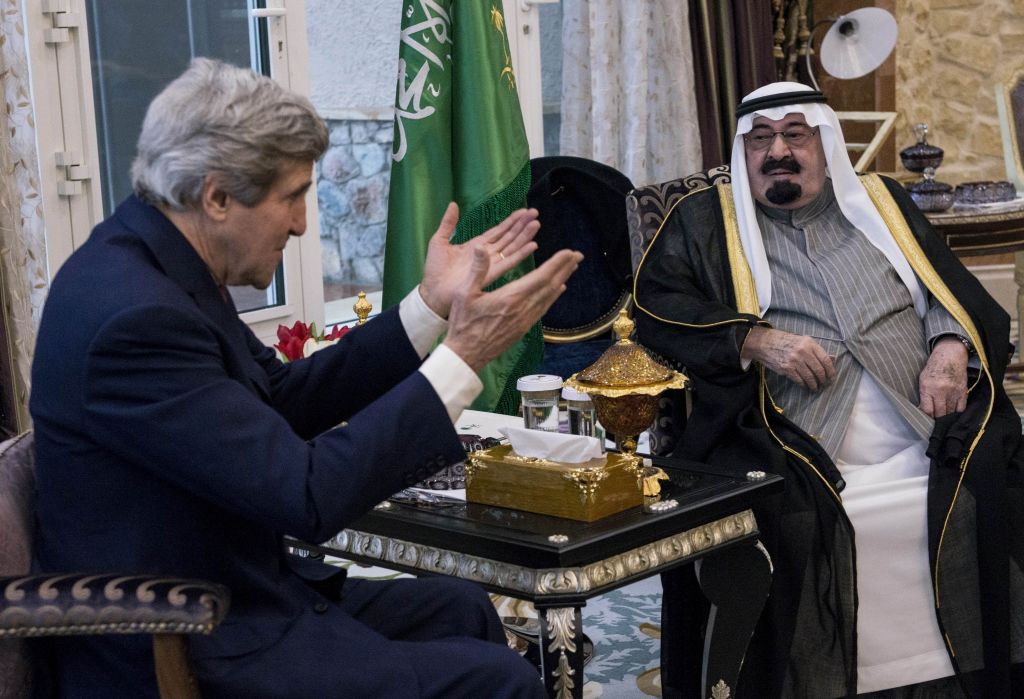
Diplomatic efforts to revive peace talks between Israel and Gaza have intensified following the death of Ismail Haniyeh, a key figure in the Hamas leadership. The US government is actively engaging with regional stakeholders to address the potential implications of Haniyeh’s death on the ongoing conflict and peace negotiations. Ismail Haniyeh, who served as the political leader of Hamas, passed away due to health complications. His death […]

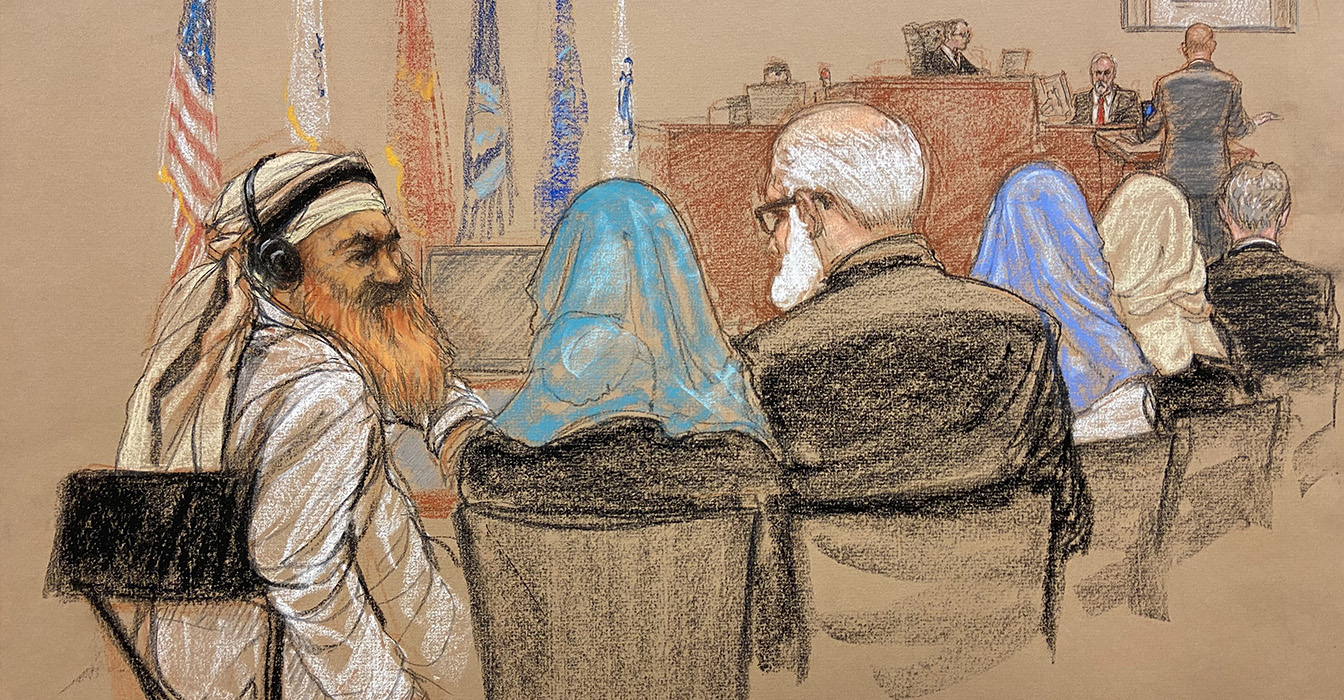
A plea agreement has been reached between the US government and Khalid Shaikh Mohammed, Walid bin Attash, and Mustafa Al Hawsawi, three key defendants in the September 11, 2001, terrorist attacks. This development comes after years of legal proceedings at the Guantanamo Bay detention facility, where the men have been held since their capture. The plea deal is expected to include significant concessions for the defendants, such as removing the death penalty from consideration.

The three men have long been accused of orchestrating and facilitating the attacks that led to the deaths of nearly 3,000 people. Khalid Shaikh Mohammed, often cited as the principal architect of the 9/11 attacks, has been a central figure in the US government’s prosecution of those responsible for the tragedy. The agreement aims to resolve some of the complexities and delays that have plagued the military commission process at Guantanamo Bay.

Family members of the victims have expressed a mix of reactions to the plea deal. Some see it as a necessary step to achieve some form of justice and closure, while others are frustrated by the removal of the death penalty, which they feel is a lenient outcome for those responsible for such an atrocity. Advocates for the families have highlighted the prolonged nature of the legal process and the emotional toll it has taken on those still grieving their losses.

The plea agreement comes amidst broader discussions about the future of Guantanamo Bay and the handling of terrorism suspects. The Biden administration has indicated a desire to close the detention facility, which has been a contentious issue in US politics and a focal point for criticism regarding human rights and due process.

Legal experts suggest that the plea deal could expedite the resolution of these high-profile cases, potentially setting a precedent for how similar cases might be handled in the future. This agreement might also influence the ongoing debate about the use of military commissions versus civilian courts for prosecuting terrorism suspects.

The plea deal’s specifics are still being finalized, but it represents a significant moment in the legal aftermath of the 9/11 attacks. The resolution of these cases could bring a measure of finality to one of the darkest chapters in US history, though it will undoubtedly leave many questions and emotions unresolved for the families affected by the tragedy.

The agreement is also expected to spark discussions on the ethical and legal implications of plea deals in cases involving severe crimes and acts of terrorism, potentially influencing future policies and practices in both national and international contexts.

As the details of the plea deal are made public, and as the defendants potentially face sentencing, the world will be watching closely to see how justice is administered and what it means for the broader fight against terrorism. This development marks a pivotal point in the long and complicated process of seeking accountability for the events of September 11, 2001.

The death of a high-ranking Hamas official has shed light on significant vulnerabilities within Iran’s political and security framework. The figure, a prominent leader in Hamas’s military wing, was killed in an operation that has exposed serious gaps in Iran’s oversight and influence over its allies in the region. Hamas confirmed the death of the leader, which took place in a coordinated attack attributed to rival factions […]

Sheikh Abdullah bin Zayed Al Nahyan, the Deputy Prime Minister and Minister of Foreign Affairs of the United Arab Emirates, held a significant meeting with Iran’s newly inaugurated President Masoud Pezeshkian. This high-profile discussion, which took place in Tehran, focused on enhancing regional peace and stability amid shifting geopolitical dynamics.

The meeting between Sheikh Abdullah and President Pezeshkian marks a notable moment in UAE-Iran relations, reflecting a mutual interest in addressing long-standing regional tensions. Sheikh Abdullah’s visit underscores the UAE’s commitment to fostering dialogue and cooperation with its neighbors in the Middle East. The talks are seen as a crucial step towards building bridges and finding common ground on issues that impact the stability of the region.

During the meeting, both leaders emphasized the importance of collaborative efforts to tackle pressing challenges, including security concerns and economic development. They expressed a shared vision for a peaceful and prosperous region, with an emphasis on resolving conflicts through diplomatic means rather than confrontational approaches.

The UAE has consistently sought to play a mediating role in regional conflicts, advocating for dialogue and engagement as pathways to resolution. Sheikh Abdullah’s discussions with President Pezeshkian are part of a broader strategy to strengthen bilateral ties and encourage a cooperative atmosphere in the Gulf and beyond. This approach aligns with the UAE’s broader foreign policy objectives of promoting stability and fostering economic partnerships.

Iran, under President Pezeshkian’s leadership, has also indicated a willingness to engage more constructively with its regional neighbors. The new administration has expressed a commitment to addressing various regional issues through diplomatic channels, aiming to improve relations with Gulf countries and other key stakeholders. This shift is expected to influence regional dynamics positively, potentially leading to more collaborative efforts on shared challenges.

The discussions between Sheikh Abdullah and President Pezeshkian are particularly timely given the current geopolitical landscape. With ongoing tensions in the Middle East and evolving alliances, the UAE and Iran’s dialogue could serve as a catalyst for broader regional cooperation. Both leaders have recognized the necessity of finding common ground and working together to address issues that affect the stability and prosperity of their respective countries and the broader region.

This meeting also reflects a broader trend of increased diplomatic engagement in the Middle East, as nations seek to navigate complex regional relationships and emerging global challenges. Sheikh Abdullah’s visit and the ensuing discussions signify a proactive approach by the UAE to strengthen ties with Iran and other neighboring countries, contributing to a more stable and interconnected regional environment.

The UAE’s efforts to engage with Iran and other regional actors underscore its strategic interest in fostering a stable and cooperative Middle East. By prioritizing dialogue and mutual understanding, the UAE aims to enhance its role as a key player in regional diplomacy and contribute to a more harmonious geopolitical landscape.

As the UAE and Iran continue their diplomatic engagement, the outcomes of these discussions will be closely watched by other nations and stakeholders in the region. The success of this dialogue could pave the way for further collaboration and mutual understanding, setting a positive precedent for future interactions among regional powers.

Blackstone, in collaboration with the Abu Dhabi Investment Authority (ADIA), is making a significant push to acquire a $4.8 billion stake in Haldiram’s, one of India’s leading snack and confectionery companies. The consortium’s bid underscores the growing interest of international investors in India’s vibrant consumer goods sector.

Haldiram’s, renowned for its extensive range of traditional Indian snacks, has been a staple in the country’s food industry for decades. Founded in 1937, the company has expanded its presence both domestically and internationally, becoming a prominent name in the global Indian snack market. The potential deal would provide a substantial boost to Haldiram’s expansion efforts and enhance its capabilities in reaching new markets.

The move comes at a time when the Indian consumer goods market is experiencing robust growth, driven by increasing disposable incomes and changing consumer preferences. Foreign investments in India’s food and beverage sector have been on the rise, with global players seeking to tap into the country’s large and diverse consumer base. The bid reflects a broader trend of international funds targeting high-growth sectors within India, which offers significant opportunities for long-term growth.

The Blackstone-ADIA consortium’s interest in Haldiram’s highlights the company’s strong market position and growth potential. Haldiram’s, with its established brand and extensive distribution network, represents a valuable asset for investors looking to capitalize on the expanding food and beverage market in India. The acquisition would also provide Blackstone and ADIA with a foothold in a sector that has shown resilience and adaptability amid global economic uncertainties.

The bidding process for Haldiram’s is competitive, with several other international and domestic entities also vying for a stake. The outcome of this bid could set a precedent for future investments in the Indian consumer goods sector, showcasing the growing confidence of global investors in the country’s economic prospects.

Blackstone, a leading global investment firm, and ADIA, one of the world’s largest sovereign wealth funds, bring substantial financial expertise and strategic vision to the table. Their joint bid signifies a serious commitment to supporting Haldiram’s growth trajectory and expanding its global reach. The involvement of these heavyweight investors could also drive further investment interest in India’s food sector, fostering a more dynamic and competitive market environment.

As the bid unfolds, stakeholders are closely watching how the potential deal might reshape the competitive landscape of the Indian snack industry. The outcome will likely influence future investment strategies in similar high-growth sectors within the country. The strategic partnership between Blackstone and ADIA is poised to play a crucial role in shaping the future of Haldiram’s and the broader Indian consumer goods market.

The collaboration between Blackstone and ADIA in bidding for a significant stake in Haldiram’s underscores the growing international interest in India’s expanding consumer sector. This development highlights the potential for substantial growth and transformation within the Indian food and beverage market, driven by high-profile global investors.

A fragile truce in Iraq faces significant jeopardy following a recent U.S. airstrike targeting a militant base south of Baghdad. The attack has intensified tensions, with the Islamic Resistance in Iraq vowing retaliation. This escalation could unravel ongoing peace efforts and destabilize an already volatile region.

The U.S. strike, conducted late last week, was aimed at a compound reportedly used by Iran-backed militias. According to Pentagon sources, the operation was in response to recent threats against American personnel and facilities in Iraq. This action marks a severe escalation in the U.S. military’s involvement in the region and has drawn sharp condemnation from various factions within Iraq.

The Islamic Resistance in Iraq, a prominent group within the broader network of Iranian-aligned militias, has condemned the strike as a blatant violation of Iraqi sovereignty. The group’s senior official indicated that retaliation is imminent, exacerbating fears of a renewed cycle of violence. This development threatens to undermine the delicate balance that has been maintained through ongoing negotiations and diplomatic efforts.

The truce, which has been in place for several months, was intended to reduce hostilities and facilitate dialogue between conflicting parties. It followed a period of intense conflict marked by frequent skirmishes and escalating tensions between Iraqi militias and U.S. forces. The recent airstrike not only jeopardizes this truce but also risks inflaming regional tensions further, potentially drawing in other actors and destabilizing the broader Middle Eastern landscape.

Observers are concerned that the strike could prompt a series of retaliatory actions, leading to a resurgence of hostilities. This would not only disrupt the fragile peace process but also have significant repercussions for the stability of Iraq and the wider region. The potential for a broader conflict underscores the need for immediate diplomatic interventions to de-escalate the situation.

The Iraqi government has condemned the U.S. action, emphasizing the need for respect of its sovereignty and urging restraint from all parties involved. However, the response from the Islamic Resistance in Iraq suggests that diplomatic appeals may not be sufficient to prevent further escalation. The situation remains fluid, with both sides preparing for potential further conflict.

The international community has called for calm and restraint, stressing the importance of dialogue and peaceful resolution to the crisis. However, the immediate aftermath of the strike indicates that the path to de-escalation will be fraught with challenges. The U.S. and Iraqi governments are under immense pressure to navigate the complex dynamics of this conflict and work towards stabilizing the region.

As the situation continues to unfold, the global community watches closely, hoping for a resolution that will preserve the fragile truce and prevent further violence. The next steps taken by the involved parties will be critical in determining whether the current crisis can be mitigated or if it will lead to a broader and more destructive conflict.

VISHNU RAJA
RYO YAMADA
HITORI GOTOH
IKUYO KITA