News related to
watch

If you blinked, you might have missed the absolute market carnage Nvidia endured this week. A 17% plunge erased a staggering $589 billion in value in a single day, only for the stock to roar back almost 9% the next session. The culprit? A Chinese AI start-up, DeepSeek, that sent Silicon Valley into full-on existential crisis mode. Let’s break down the four major takeaways from this AI-fuelled […]

Hamas has released three Israeli hostages, including 19-year-old soldier Agam Berger, as part of ongoing ceasefire negotiations. Berger, who was captured during the October 2023 attack, was handed over to the Red Cross in Gaza and is now undergoing medical assessment before reuniting with her family. The other released hostages are Arbel Yehud, 29, and 80-year-old Gadi Moses. Additionally, five Thai nationals were freed in this latest exchange.

The ceasefire agreement, brokered by U.S.-led mediators, aims to facilitate the release of hostages in exchange for Palestinian prisoners. Under the terms, Hamas is expected to release a total of 33 hostages, while Israel will free approximately 1,900 Palestinian prisoners. This truce seeks to halt the intense conflict that has resulted in significant casualties on both sides.

The release of Berger, the last female soldier held in Gaza, was met with celebrations in Tel Aviv. Footage showed her waving to the crowd upon her release, indicating she is alive and well. The emotional return has been a source of relief for her family and supporters.

The ceasefire has also allowed hundreds of thousands of Palestinians to return to northern Gaza, though they face significant devastation upon their return. Negotiations for further exchanges and a permanent end to the war are ongoing, with the next phase focusing on releasing remaining hostages and withdrawing Israeli troops from Gaza. The final phase will involve returning the bodies of deceased hostages and reconstructing Gaza.

The October 7, 2023, attack by Hamas resulted in over 1,200 deaths and 250 kidnappings, sparking the subsequent conflict. The recent releases are part of efforts to de-escalate tensions and work towards a more lasting peace in the region.

As part of the ceasefire deal, Israel has agreed to release 110 Palestinian prisoners. The truce, which paused the conflict earlier this month, is part of a larger deal aiming for a more extended halt in hostilities and the release of more captives. However, negotiations for a deeper, lasting peace remain complex and uncertain.

The release of hostages and prisoners is seen as a significant step towards de-escalation, but the path to a lasting peace remains fraught with challenges. Both sides have expressed a commitment to continuing negotiations, with the hope of achieving a more comprehensive resolution to the conflict.

The international community continues to monitor the situation closely, with many nations expressing support for the ceasefire and the ongoing negotiations. The hope is that these developments will lead to a sustainable peace and stability in the region.

As the situation evolves, the focus remains on the safe return of all hostages and the implementation of measures to prevent further escalation. The coming days and weeks will be critical in determining the future trajectory of the Israeli-Palestinian conflict.

The recent releases have provided a glimmer of hope in an otherwise tumultuous period, highlighting the potential for diplomacy and negotiation to yield positive outcomes even in the most challenging circumstances.

While significant hurdles remain, the progress made thus far underscores the importance of continued dialogue and the pursuit of peaceful solutions to longstanding conflicts.

The international community remains cautiously optimistic, recognizing that while the road ahead is uncertain, the recent developments represent a meaningful step towards a more peaceful and stable future for both Israelis and Palestinians.

The situation remains fluid, and stakeholders on all sides are urged to exercise restraint and continue working towards a comprehensive and lasting resolution to the conflict.

The hope is that through sustained efforts and mutual compromise, a durable peace can be achieved, bringing an end to the cycle of violence and suffering that has plagued the region for decades.

The recent hostage releases serve as a reminder of the human cost of the conflict and the urgent need for a resolution that ensures the safety and well-being of all individuals affected by the ongoing strife.

As negotiations continue, the focus remains on achieving tangible outcomes that pave the way for a peaceful coexistence between Israelis and Palestinians, fostering a future where both communities can thrive in harmony.

The international community stands ready to support these efforts, recognizing that a lasting peace in the Middle East is not only a regional imperative but also a global one, with far-reaching implications for international stability and security.

The path to peace is seldom straightforward, but the recent developments offer a beacon of hope, illustrating that even in the face of deep-seated animosities, progress is possible through dialogue, negotiation, and a shared commitment to a better future.

As the world watches, the actions taken in the coming days will be pivotal in shaping the course of the Israeli-Palestinian conflict and determining whether this moment of hope can be transformed into a lasting reality.

The release of hostages and the ongoing ceasefire negotiations represent a critical juncture, offering an opportunity to break the cycle of violence and lay the groundwork for a sustainable peace that benefits all parties involved.

The international community remains engaged, ready to assist in facilitating dialogue and providing support to ensure that the progress made is not only preserved but also built upon in the pursuit of a just and enduring resolution to the conflict.


Remittix, a new altcoin making waves in the cryptocurrency world, has captured the attention of investors worldwide. The token has emerged as a strong contender in the cross-border payments market, drawing significant interest with its capped supply of 1.5 billion tokens and projections of impressive returns in the coming years. Early investors are positioning themselves for what many believe will be a major shift in global financial transactions.

Cryptocurrency has always been synonymous with volatility, but Remittix’s rise is being closely watched for its potential to disrupt the international money transfer industry. The altcoin is designed to make cross-border transactions faster, cheaper, and more secure, leveraging blockchain technology to bypass traditional banking systems. Its appeal lies not just in its technical capabilities but in the promises of substantial financial rewards. Analysts forecast returns of up to 100x by 2025, which has led thousands of investors to rush into the early stages of the token’s launch.

With a limited total supply of tokens, Remittix offers scarcity, one of the driving forces behind its growing popularity. Supply cap is often seen as a positive factor for investors looking for potential long-term value. The token has already shown significant growth in its early trading stages, with its value increasing substantially within a short time frame. While the cryptocurrency market remains speculative, Remittix is seen as an altcoin with strong growth prospects, especially given the ongoing trends in digital finance.

The altcoin’s potential to transform the cross-border payments sector cannot be overstated. Remittix is designed to offer faster settlement times and lower transaction costs compared to traditional banking systems, which often charge hefty fees for international money transfers. Blockchain technology, which powers Remittix, is seen as a way to streamline this process, allowing for near-instantaneous transfers at a fraction of the cost of traditional methods. For individuals and businesses sending money across borders, this is a game-changer, especially in regions where access to affordable banking services is limited.

Global remittances, a critical source of income for many households in developing economies, can be subject to exorbitant fees. Traditional financial institutions have long dominated this space, but blockchain-based solutions like Remittix are offering an alternative. The potential to democratize cross-border payments and provide a more equitable solution for those without access to traditional banking services has made Remittix a particularly attractive proposition for investors looking to make a difference in the world of finance.

The rise of Remittix also coincides with a broader trend toward decentralization in the cryptocurrency space. Investors are increasingly seeking alternatives to centralized financial systems, driven by concerns over privacy, control, and access. With its decentralized nature, Remittix promises to give users more control over their financial transactions, eliminating the need for third-party intermediaries such as banks. This aligns with the growing demand for peer-to-peer financial solutions that prioritize user autonomy and transparency.

Although the altcoin’s success has garnered attention, some experts warn that the cryptocurrency market remains highly speculative. The rapid growth of tokens like Remittix is often met with caution, as fluctuations in value and regulatory challenges remain a significant concern. Despite these risks, the growing demand for alternative financial systems has kept the momentum behind Remittix strong. For those willing to take on the inherent risks of the market, the rewards could be substantial.

As the cryptocurrency market continues to evolve, Remittix’s future remains uncertain but promising. With its ambitious goals, experienced development team, and increasing investor interest, the token is poised to become a significant player in the evolving landscape of cross-border payments. As we move toward 2025, the projections for Remittix’s growth and its potential to transform the way money moves across borders will be closely watched by both investors and industry experts alike.

The global remittance market is worth billions of dollars annually, and any advancements that lower costs or increase efficiency have the potential to make a lasting impact. For those looking to capitalize on the cryptocurrency boom, Remittix represents a unique opportunity to enter a market that is still in its infancy but shows incredible promise. However, as with all investments, especially in the volatile world of cryptocurrency, it is crucial for investors to conduct thorough research and understand the risks involved.

El Salvador’s legislative assembly has passed a major reform to its Bitcoin law, a move aimed at aligning the country’s cryptocurrency framework with broader financial goals, particularly following an agreement with the International Monetary Fund . The reform has been met with mixed reactions both within the country and internationally, raising questions about its impact on the nation’s economic strategy.

The proposed amendments focus on ensuring that Bitcoin operates as a legal currency in the country but with significant modifications to the conditions under which it can be used. Key adjustments include enhancing regulatory oversight and establishing clearer parameters for businesses involved in cryptocurrency transactions. The reform aims to address concerns raised by both domestic and international financial institutions regarding the volatility and risks associated with Bitcoin, which was adopted as legal tender in the country back in 2021.

This shift comes in the wake of a formal agreement between the Salvadoran government and the IMF, which had previously expressed concerns over the country’s reliance on Bitcoin as a central part of its economic strategy. The IMF had cautioned against the risks of using a highly volatile asset as an official currency, urging El Salvador to exercise caution. The reformation of the Bitcoin law is seen as a response to these international pressures, signaling a more cautious approach to the integration of cryptocurrency into the country’s financial system.

President Nayib Bukele, a strong advocate for Bitcoin adoption, has repeatedly touted the cryptocurrency as a vehicle for financial inclusion and a potential catalyst for economic growth. Despite skepticism from various sectors, Bukele maintained that Bitcoin would bring long-term benefits by providing access to financial services for the unbanked population and attracting foreign investment. However, critics have pointed to the lack of widespread adoption, citing a significant portion of the population still hesitant or unfamiliar with the digital currency.

The IMF’s role in pushing for the law reform underscores the complexities of El Salvador’s economic situation, especially as the country grapples with its growing debt levels and reliance on foreign aid. The approval of the Bitcoin law reforms is a step toward meeting conditions set by international lenders, who have been cautious about the potential destabilizing effects of cryptocurrency on traditional financial systems. For El Salvador, it marks a delicate balancing act between maintaining Bukele’s vision of innovation and securing crucial international financial support.

Supporters of the reform argue that the changes will provide greater clarity for businesses and consumers alike, reducing the legal and economic uncertainty surrounding Bitcoin transactions. By introducing new regulations, such as anti-money laundering provisions, the government aims to ensure that Bitcoin is not used for illicit purposes, while maintaining the broader goal of financial modernization.

On the other hand, critics of the reform are concerned that the amendments do not go far enough in addressing the fundamental issues with Bitcoin’s integration into the national economy. For instance, while the new rules may curb some of the more problematic aspects of cryptocurrency adoption, they may not alleviate the inherent risks tied to Bitcoin’s market fluctuations. The cryptocurrency has demonstrated significant price volatility, which has led to financial instability in countries that have taken similar paths to adopting Bitcoin.

The reform also comes at a time when the global cryptocurrency landscape is facing increasing scrutiny. In the U.S., regulatory bodies are tightening their stance on digital currencies, raising concerns over security, transparency, and the potential for fraud. Similarly, countries such as China and India have taken a more restrictive approach to cryptocurrency, while others like El Salvador and Paraguay have embraced it with varying degrees of enthusiasm and regulation.

This complex global backdrop means that El Salvador’s decision to overhaul its Bitcoin law is not just a domestic issue but part of a broader dialogue on the future of cryptocurrencies in national economies. Some observers argue that the reform may be part of a broader trend where countries reconsider their initial forays into cryptocurrency adoption, especially as economic realities evolve and financial pressures mount.

The Salvadoran government’s decision to overhaul the Bitcoin law also has implications for its wider economic policies. It highlights the ongoing tensions between innovation and regulation, as well as the balancing act that small economies must perform when navigating the global financial system. As the country continues to depend on foreign aid and investment, including funds from the IMF, the path forward for Bitcoin in El Salvador remains uncertain.

El Salvador’s experience with Bitcoin has served as a case study for other countries contemplating similar moves. The nation’s attempt to embrace the digital currency as a national legal tender has been watched closely by governments and financial institutions around the world. With the reform, El Salvador seems to be taking a more cautious approach to cryptocurrency, which may signal a shift away from its previously bold stance on Bitcoin.

Propichain has seen a surge in interest, drawing attention from traders looking for high-return opportunities as Cardano’s price stagnates. Analysts, who remain optimistic about Cardano’s long-term prospects, are closely watching the rise of Propichain, a new player in the blockchain ecosystem with a focus on real estate applications. Despite Cardano’s past success, the recent downturn has led investors to explore alternatives, with Propichain emerging as a promising contender for those seeking greater gains.

Cardano, once a leader in the blockchain space, has seen its momentum slow down significantly. Price analysts and traders are increasingly concerned about its short-term performance, with some questioning whether the blockchain can deliver on its early promise in the face of emerging competition. Propichain, however, has gained traction quickly by offering a unique value proposition in the form of a real estate-focused ecosystem. This new approach is garnering attention for its potential to capitalize on the growing demand for blockchain technology in the real estate sector.

Propichain’s strategy revolves around integrating blockchain solutions with real estate transactions, offering transparency, efficiency, and security. Its platform is designed to simplify the process of buying, selling, and renting properties through smart contracts and decentralized finance mechanisms. This offers a more direct way to facilitate transactions while reducing the need for intermediaries, a key pain point in traditional real estate markets.

What sets Propichain apart from other blockchain projects is its commitment to solving real-world problems in an industry that has been slow to adopt blockchain technology. Real estate is a sector that has been plagued by inefficiencies, such as lengthy processes, high transaction costs, and issues with trust between parties. Propichain aims to address these challenges, providing a solution that could revolutionize the way properties are traded globally.

Propichain’s real estate tokenomics also offer a strong incentive for investors. The blockchain’s native token is used to facilitate transactions and incentivize participants within the ecosystem, including buyers, sellers, developers, and other stakeholders. Analysts have noted that the potential for massive returns in this sector is a key factor driving interest in Propichain, especially given its innovative approach to tackling the inefficiencies that have long hindered real estate transactions.

For Cardano enthusiasts, the slowdown in its price performance has led many to look for viable alternatives with more immediate growth potential. While Cardano continues to be viewed positively by many long-term investors, Propichain’s rise is providing an opportunity for traders seeking quicker returns. Cardano’s slower growth in the market, despite the continued development of its ecosystem, has left some investors feeling cautious. In contrast, Propichain’s rapid development and novel approach to real estate make it an appealing choice for those eager to capitalize on a potentially explosive market.

The growing interest in Propichain is further fueled by the increasing demand for blockchain solutions in sectors beyond cryptocurrency. Real estate, with its global appeal and the constant need for innovation, offers an ideal environment for blockchain to thrive. As more developers and real estate professionals explore the benefits of decentralized platforms, Propichain is positioning itself to become a key player in this emerging market.

Traders have taken notice of Propichain’s potential to deliver high returns in a relatively short period. With its strategic focus on real estate and a unique tokenomics structure, Propichain offers a compelling investment opportunity for those looking to diversify their portfolios and gain exposure to a rapidly growing industry. As blockchain adoption continues to expand across various sectors, Propichain’s real estate ecosystem could be well-positioned for a parabolic rally in the coming months.

Despite the excitement surrounding Propichain, analysts have cautioned that the volatility of the cryptocurrency market remains a factor to consider. As with all emerging technologies, there are inherent risks involved. However, the growing demand for innovative solutions in real estate, combined with Propichain’s early success, positions the platform as a potentially significant player in the blockchain space.

While Cardano’s price performance has left many investors feeling uncertain, the development of Propichain has provided an intriguing alternative. As blockchain technology continues to evolve, the real estate sector stands to benefit significantly from the adoption of decentralized solutions. Propichain’s ability to tap into this market, while offering a more efficient and secure way to conduct transactions, has led many to believe that it may soon become a key player in the cryptocurrency and real estate industries.

Bitwise Asset Management has formally submitted a registration statement to the U.S. Securities and Exchange Commission for a spot Dogecoin exchange-traded fund . This move positions Bitwise alongside other asset managers aiming to capitalize on the burgeoning interest in cryptocurrencies, particularly those associated with internet culture, known as “memecoins.”

The filing, submitted on January 28, 2025, marks a significant step in Bitwise’s strategy to expand its cryptocurrency investment offerings. The proposed ETF would provide investors with exposure to Dogecoin, a digital asset that has garnered attention for its volatility and strong community following. This initiative follows Bitwise’s earlier applications for ETFs linked to other cryptocurrencies, including XRP and Solana.

The SEC’s decision on Bitwise’s Dogecoin ETF application will be closely watched, as it could set a precedent for future approvals of cryptocurrency-based investment products. The regulatory body has previously approved ETFs for more established cryptocurrencies like Bitcoin, but the approval of a Dogecoin ETF would represent a significant expansion into the memecoin sector.

The growing interest in memecoins has led several asset managers to seek approval for related ETFs. Rex Financial and Osprey Funds have filed with the SEC to create ETFs focused on the $TRUMP coin and other memecoin-based assets. These developments highlight the increasing demand for investment vehicles that offer exposure to the diverse and rapidly evolving cryptocurrency market.

Despite the enthusiasm surrounding these investment products, there are concerns about the speculative nature of memecoins. Bryan Armour from Morningstar has criticized such instruments, likening them to gambling rather than investment. The high volatility and lack of intrinsic value in many memecoins contribute to the skepticism among traditional investors and financial analysts.

The outcome of these ETF filings will test the SEC’s approach to digital assets under its current leadership. The regulatory climate is evolving, with some anticipating a more crypto-friendly stance from the SEC. However, the commission has historically been cautious regarding the approval of investment products linked to cryptocurrencies, especially those with less established track records.

HONG KONG SAR – Media OutReach Newswire – 24 January 2025 – To honour the spirit of the Lunar New Year, LANDMARK presents Flourishing Blooms, a vibrant celebration of artistry and tradition by internationally acclaimed flower artist Nicolai Bergmann. This marks Bergmann’s first major Hong Kong installation, coinciding with the 25th anniversary of his iconic Flower Box. From 23 January to 8 February, LANDMARK will showcase a […]

Advertisements
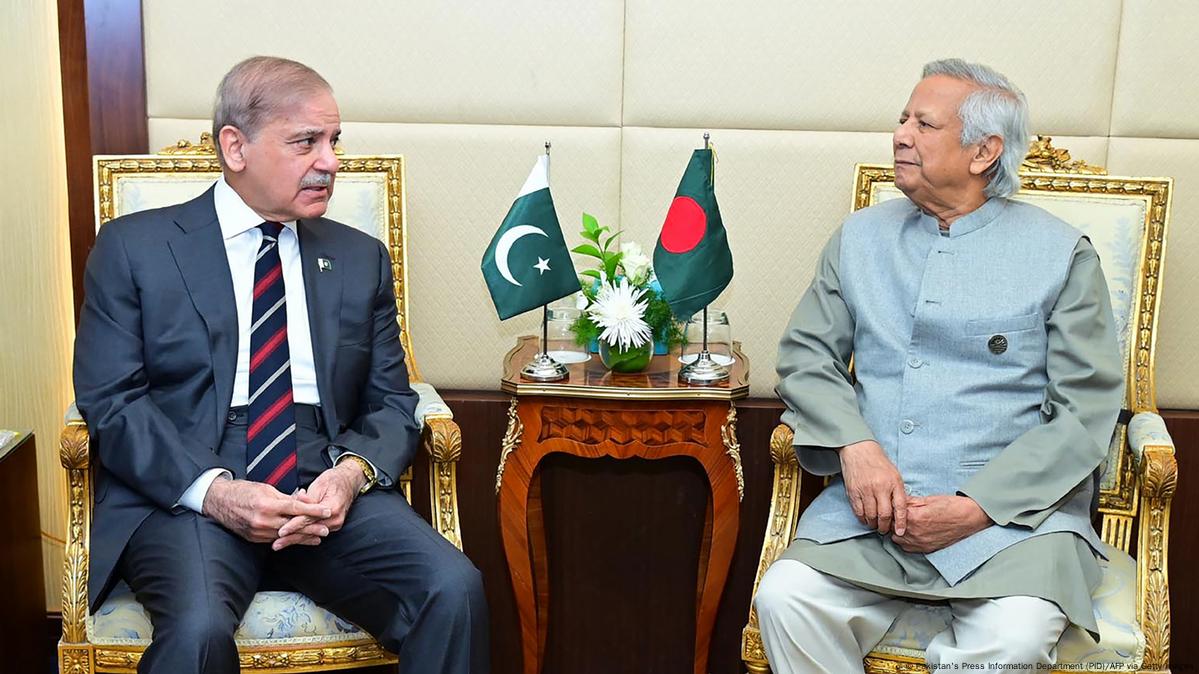
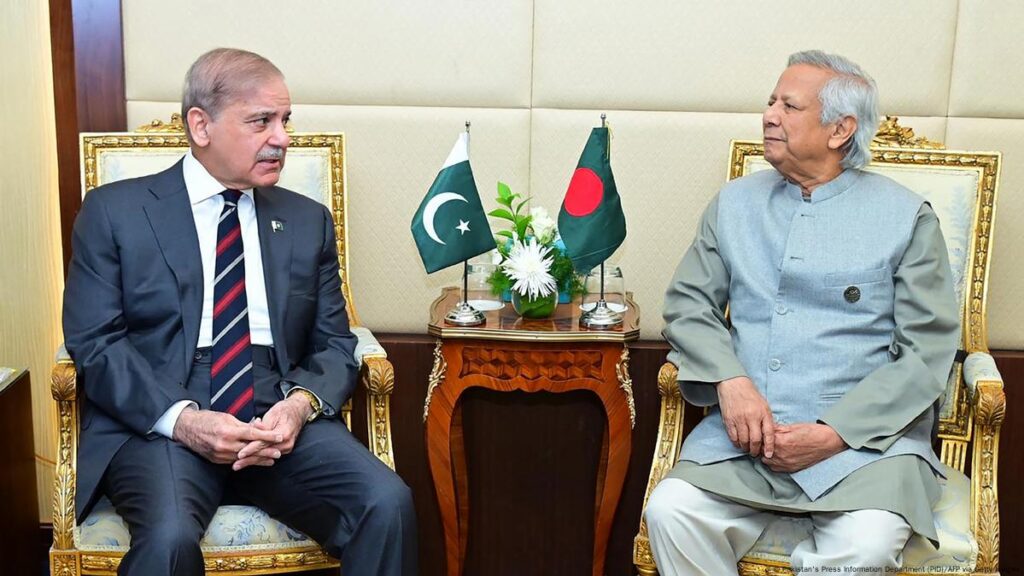
By Satyaki Chakraborty More than six weeks have passed since the visit of Indian foreign secretary Vikram Misri to Dhaka on December 9 and his wide ranging talks with his Bangladeshi counterpart to improve the worsening bilateral relations between the two neighbouring countries. Latest indications, however, suggest that the interim government headed by Dr. Mohammad […]
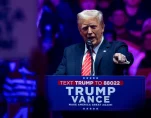

President Donald Trump’s declaration of a national energy emergency can be expected to spark seismic shifts in global markets and create a wave of opportunities for investors, predicts the CEO of one of the world’s largest independent financial advisory and asset management organizations. deVere Group’s Nigel Green’s comments come as the new administration’s focus will be on ramping up domestic energy production, particularly in Alaska, and rolling back […]

From Hong Kong to Florence, FabriX continues to tour Europe after Paris Fashion Week FW2024, debuting at Pitti Immagine Uomo 2025 with the world’s first Fashion AR kiosk Cross-disciplinary tech trailblazers Avery Dennison, Genesis-One and ZERO10 continue to propel digital fashion further and beyond Featuring digital fashion creations from a full squad of 10 Hong Kong and international designers Full launch of men’s fashion to the gaming […]

The UAE Securities and Commodities Authority (SCA) has appointed a new chairperson following the resignation of its CEO, marking a significant leadership transition at the country’s main financial regulatory body. This appointment comes as the UAE continues its efforts to modernize and enhance the resilience of its financial markets amidst global challenges.

The SCA, tasked with overseeing the UAE’s securities and commodities markets, plays a crucial role in shaping the financial ecosystem, ensuring transparency, and safeguarding investor interests. This leadership change is being closely observed by financial stakeholders, especially as the region seeks to bolster investor confidence and attract global capital.

Industry experts point to the leadership change as part of a broader wave of reforms aimed at streamlining the regulatory environment. Over the past few years, the UAE has enacted several measures to strengthen its financial infrastructure, promote corporate governance, and boost market liquidity. This reshuffle at the SCA comes at a time when the government is keen on expanding the role of the UAE’s stock markets on the global stage.

The outgoing CEO had held the position for several years, during which he was instrumental in driving the authority’s modernization initiatives. Under his leadership, the SCA took steps to improve the regulatory framework and enhance market supervision, earning praise for its efforts in fostering a more transparent environment. However, his departure, described as a personal decision, comes at a time when the UAE stock market is seeing increasing volatility, driven by external factors such as oil price fluctuations and shifting geopolitical dynamics.

The incoming head of the SCA is well-regarded within the financial community for their experience in both private and public sector financial services. Experts believe the new leadership will bring a renewed focus on innovation, digital transformation, and the diversification of financial products. Analysts are optimistic that the new chairperson will continue to build on the momentum of regulatory reforms while focusing on long-term sustainability and investor protection.

As the UAE stock market continues to evolve, regulatory oversight will remain a key element in its development. Analysts predict that the SCA’s new leadership will prioritize initiatives aimed at increasing market transparency and aligning with global best practices. These efforts are seen as essential in maintaining investor confidence, particularly in an era of rapid technological advancements and growing demands for sustainable finance.

Financial analysts also note the critical role that the SCA will play in the UAE’s broader economic diversification efforts. With the government’s ambitious Vision 2030 initiative in full swing, the financial sector is expected to contribute more significantly to the country’s GDP, particularly as sectors like technology, renewable energy, and tourism continue to expand. The new leadership is expected to drive initiatives that not only safeguard financial stability but also support the growth of non-oil industries, which are increasingly becoming central to the country’s economic future.

Market analysts will be watching the SCA’s next moves closely, especially as the UAE government seeks to enhance its attractiveness as a financial hub. This will include aligning with global standards for financial reporting and disclosure, which is seen as a crucial step in attracting more international investors. As the global economy continues to face headwinds, from trade tensions to economic slowdowns, the UAE’s efforts to position itself as a robust financial center will be critical to its long-term success.

With the leadership transition underway, there is anticipation that the SCA will further accelerate its efforts to improve market liquidity, streamline regulations, and increase the range of investment products available to both domestic and international investors. Many expect the incoming leadership to continue efforts to expand the scope of capital markets, exploring new avenues such as sustainable investing and green finance, in line with the UAE’s commitment to sustainable development goals.

The Trump administration is preparing a comprehensive plan to implement stricter oil sanctions against Russia and impose additional economic pressure on Iran. This move comes as part of a broader strategy to curb both nations’ geopolitical influence, especially in global oil markets and energy security. Senior U.S. officials have outlined a series of measures aimed at restricting Russia’s ability to profit from its oil exports and penalizing […]

PHNOM PENH, CAMBODIA – Media OutReach Newswire – 16 January 2025 – Prince Foundation announced applications are open for the Chen Zhi Scholarship Program’s fourth batch, aiming to support 100 Cambodian university students in 2025. The program, initiated by Prince Holding Group Chairman Chen Zhi, provides full academic funding for high-achieving students from underprivileged backgrounds. Prince Foundation has announced that online applications are now open for the […]

KUNMING, CHINA – Media OutReach Newswire – 13 January 2025 – On January 6th, China’s first alpine truffle museum was established at the Fuli Palace of Kunming Botanical Garden. This museum, founded by the brand “Dr. Plant”, focuses on alpine truffles and aims to showcase the unique charm and precious value of truffles to the public in innovative ways. While providing robust support for black truffle conservation, […]

PHNOM PENH, CAMBODIA – Media OutReach Newswire – 8 January 2025 – Prince Foundation welcomed 10 Nanyang Technological University (NTU) students from Singapore for a three-week program focused on expanding education access and entrepreneurship mentoring in Cambodia. NTU students return to Cambodia to develop innovative solutions for advancing education and entrepreneurship in underserved communities. The students, participating in the NTU PEAK ASEAN Program, conducted field research and […]

KUALA LUMPUR, MALAYSIA – Media OutReach Newswire – 10 January 2025 – Developments such as Forex market volatility, rising commodity prices, and Southeast Asia’s economic growth are poised to reshape the trading landscape in 2025. Market participants need to be aware of these trends to develop strategic approaches and mitigate risks. Kar Yong Ang, a financial market analyst at Octa broker, highlights key trading trends to expect […]

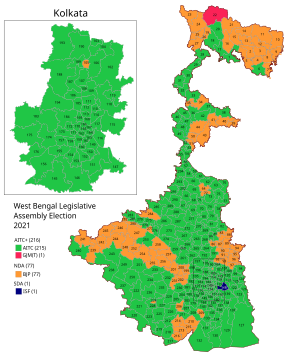
By Arun Srivastava RSS chief Mohan Bhagwat visiting Bengal for ten days is certainly not such a big news to draw attention. But his stay this time attains importance for the reason that he would discuss the state of the BJP and RSS in the state and give direction to the RSS workers to take […]

HONG KONG SAR – Media OutReach Newswire – 7 January 2025 – TESSAN, a global leader in travel charging solutions, has officially announced its collaboration with renowned American singer-songwriter Rachael Yamagata. As part of this collaboration, TESSAN has premiered an exclusive documentary on YouTube, offering an intimate look at Rachael’s artistic journey and philosophy. The film delves into her deeply personal reflections on music and life’s many […]

Crude oil prices are projected to remain within the $70 per barrel range, influenced by multiple factors, including potential oversupply conditions and shifts in geopolitical dynamics. Experts suggest that while the market might stabilize around this figure, uncertainty from global demand and political maneuvers will continue to shape its trajectory in the coming months.

The crude market has entered a phase where supply and demand fundamentals are being tested against evolving global economic conditions. Several key developments, particularly around oil-producing nations, have created a delicate balance that keeps prices in a relatively stable range, yet susceptible to fluctuations driven by external factors.

For months, the oil market has been closely watching the decisions of the Organization of the Petroleum Exporting Countries (OPEC) and its partners, such as Russia, who collectively manage production quotas to balance supply. OPEC’s recent moves to curb production have been aimed at propping up prices, but an increase in U.S. oil output has led to speculation that there may be an oversupply in the market. The United States has reached record production levels, largely driven by shale oil, which could overshadow OPEC’s production cuts.

Geopolitical tensions in major oil-producing regions, such as the Middle East, remain a persistent risk to price stability. However, analysts have indicated that, at least for now, the global oil market is able to absorb disruptions without a significant impact on prices. The advent of more diverse energy sources, including natural gas and renewable energy, has also lessened oil’s price volatility compared to previous decades.

One of the most notable contributors to the ongoing price forecast is former U.S. President Donald Trump’s impact on energy policies. His administration’s push for energy independence and deregulation policies have led to a surge in domestic oil production. While Biden’s administration has implemented more stringent climate and energy policies, the effects of Trump’s legacy are still visible, with shale producers continuing to drive the U.S. oil production boom.

Despite this, global oil consumption, especially in China, has shown signs of slower growth, a factor that could weigh on oil prices. Experts note that while China remains a major driver of global energy demand, its economic slowdown could dampen the demand for crude, putting downward pressure on prices. Additionally, OPEC’s attempts to control prices by adjusting production could be more difficult to execute as non-OPEC countries, particularly the U.S., maintain higher levels of output.

Environmental pressures are also playing a role in shaping oil demand. Many nations are intensifying their efforts to transition to cleaner energy sources, potentially limiting the demand for fossil fuels in the long term. Governments worldwide are setting more ambitious renewable energy targets and offering incentives for green technologies, which could lead to a future reduction in oil dependency.

Despite these long-term trends, the immediate outlook for crude remains cautiously optimistic. The global recovery from the pandemic, especially in developed economies, is expected to continue driving demand for oil, particularly for transportation and manufacturing. Yet, the resurgence of COVID-19 in certain regions and the ongoing supply chain disruptions may have a complex impact on global economic growth, which will, in turn, influence oil demand.

In the U.S., gas prices remain a central topic as consumers face fluctuating fuel costs. While gas prices in the country have seen recent increases due to tighter refinery margins and seasonal demand spikes, there is no consensus on how long this trend will persist. Analysts believe that domestic production levels, combined with seasonal factors, could prevent prices from surging uncontrollably.

In Europe, the situation is more nuanced. Energy prices, including natural gas and oil, have been a driving force behind inflation. The war in Ukraine, ongoing for several years now, has further complicated Europe’s energy dynamics, pushing countries to reconsider their energy strategies. Despite Europe’s focus on alternative energy, oil continues to play a significant role in meeting energy demand, particularly in transportation and industry. With the cost of living rising and energy prices still high, consumers in Europe are facing additional financial strain.

At a global level, the shift toward more sustainable energy production and consumption is growing, but it is clear that oil remains a cornerstone of the global energy mix for the time being. Countries that rely heavily on oil exports, like Saudi Arabia and Russia, continue to exert influence on the market, pushing for price stabilization measures. However, the dynamics of global energy consumption are changing, and the transition to greener alternatives remains a key factor to monitor.

Shuaa Capital, a leading investment firm based in the UAE, has announced the resignation of its Managing Director, following the completion of a significant debt restructuring process. The move marks a turning point for the company, which has faced challenges in the aftermath of the financial overhaul. The board of Shuaa Capital confirmed that the resignation came after the successful conclusion of the restructuring process, which was […]

SINGAPORE – Media OutReach Newswire – 30 December 2024 – Among the rows of timepiece stores at Far East Plaza, House of Watches has just opened its doors, bringing a fresh take on luxury watch shopping in Singapore. Known for its sincerity and dedication to quality, this licensed and regulated watch dealer introduces a new experience with luxury watches, whether you are a seasoned collector or just […]

German President Frank-Walter Steinmeier has dissolved the Bundestag, setting new federal elections for February 23, 2025. This decisive action follows the collapse of Chancellor Olaf Scholz’s coalition government and his subsequent loss in a vote of confidence. The political crisis intensified on November 6, 2024, when Chancellor Scholz dismissed Finance Minister Christian Lindner, leading to the disintegration of the three-party coalition comprising the Social Democrats (SPD), Free […]

SINGAPORE – Media OutReach Newswire – 27 December 2024 – Energea is revolutionizing wireless charging with the launch of its latest lineup, created to embrace the new open wireless charging standard, Qi2, by the Wireless Power Consortium (WPC). The innovative collection, featuring the MagTrio Plus, MagDuo, and MagPac Pro+, supports Apple’s most-loved devices, including the iPhone, Apple Watch and AirPods. Each product is officially Qi2-certified, guaranteeing superior […]

Derayah Financial, a prominent Saudi-based investment firm, has secured approval from the Kingdom’s Capital Market Authority (CMA) to launch an Initial Public Offering (IPO), marking a significant milestone in the firm’s growth trajectory. This development comes as part of Saudi Arabia’s broader strategy to bolster its financial sector and increase the number of publicly traded companies on its stock exchange, Tadawul. The approval positions Derayah Financial as one of the key players in the Kingdom’s evolving financial landscape.

The company, which provides a range of services including asset management and investment advisory, has been preparing for its public offering for several months. The move to go public is seen as part of its long-term strategy to expand its client base, raise capital, and further diversify its business operations. By listing on Tadawul, Derayah aims to increase its financial stability and strengthen its competitive position within the regional financial market.

Derayah Financial’s IPO is part of a broader trend in Saudi Arabia, where the government has actively encouraged private companies to list on the stock exchange. This initiative aligns with the Kingdom’s Vision 2030, which seeks to transform the economy and reduce its dependency on oil exports by promoting the private sector and diversifying economic activities. The government’s push to increase the number of publicly listed companies is a key element of this vision, aiming to unlock new sources of capital and create more investment opportunities for both local and international investors.

Analysts have been closely watching Derayah Financial’s progress, noting that its IPO could pave the way for other firms in the asset management and financial services sectors to follow suit. With Saudi Arabia’s financial market continuing to mature, firms in the sector are increasingly recognizing the benefits of public listings. By tapping into the public equity market, companies can access a larger pool of capital and potentially gain broader investor exposure, which is crucial for long-term growth.

The CMA’s approval of Derayah’s IPO is also a testament to the continued regulatory enhancements in Saudi Arabia’s capital markets. Over the past few years, the CMA has implemented a series of reforms to improve market transparency, ensure investor protection, and enhance the overall investment climate in the Kingdom. These reforms have been pivotal in attracting both local and foreign investors to the Saudi stock market, making it one of the most active in the Middle East.

Market observers expect strong demand for Derayah Financial’s shares when the IPO is officially launched. As a well-established name in the Saudi financial sector, the company’s strong track record in asset management and investment advisory services has generated substantial interest among potential investors. The firm’s focus on digital transformation, coupled with its efforts to expand its service offerings, has positioned it as a forward-thinking company with promising prospects in the financial industry.

Derayah’s IPO is expected to provide a significant boost to the Saudi stock market, further solidifying Tadawul’s role as a leading regional exchange. Over the past few years, the Saudi bourse has seen a series of successful IPOs, many of which have attracted considerable attention from both domestic and international investors. The success of these offerings has bolstered investor confidence in the Kingdom’s financial market, and Derayah’s listing is likely to follow a similar pattern, contributing to the market’s continued expansion.

As part of the IPO process, Derayah Financial will disclose key financial information and offer shares to the public, providing insight into its business model, financial health, and growth potential. Investors will be able to gauge the company’s performance and outlook, which will play a critical role in determining the success of the offering. The IPO will also provide a valuable benchmark for other companies in the sector considering a similar move.

Beyond its immediate business objectives, Derayah’s IPO is likely to have broader implications for the Saudi economy. By providing a new avenue for capital raising and increasing the number of publicly traded firms, the offering is expected to enhance market liquidity and create new investment opportunities. Furthermore, it aligns with the Saudi government’s efforts to attract foreign investment and promote the Kingdom as a regional financial hub.

Despite the positive outlook, analysts caution that the success of Derayah’s IPO will depend on various factors, including broader market conditions, investor sentiment, and the performance of the financial sector in the coming months. While the company’s prospects appear strong, the market remains subject to fluctuations that could impact investor confidence. However, given the continued growth of Saudi Arabia’s financial services industry and the government’s support for the IPO process, many expect the offering to be a success.

VISHNU RAJA
RYO YAMADA
HITORI GOTOH
IKUYO KITA