News related to
watch

Poland has become the first European country to pilot palm vein–based biometric payments, while Tencent is advancing similar technology in Thailand, setting the stage for a wider rollout across Southeast Asia. Autopay’s HandGo system and Tencent’s palm biometrics reflect a growing global interest in contactless and secure transaction methods.

Autopay has initiated a pilot of HandGo by allowing customers at select venues—such as the Limitless sauna complex in Sopot—to make purchases by placing their palm on a scanner. Once a user links a payment card in the Autopay app, they register their palm vein pattern via QR-triggered enrolment. A digital hand token is then stored securely, enabling future transactions without a card, smartphone, or smartwatch. Autopay emphasises that no actual image of the hand is stored—only encrypted vein pattern data and a payment token meeting PCI‑DSS standards. Company executives describe the offering as a potential game‑changer for wellness and sports facilities, emphasising convenience and hygiene.

Globally, competitors already include Amazon’s Amazon One and Alipay’s PL1 device. Autopay distinguishes itself in Poland by being the nation’s first palm-auth payment provider, placing it alongside early vein‑scanning efforts by BPH bank and fintech Payvein. Another biometric contender, PayEye, combines iris and facial recognition for payment authorisation. Despite its versatility, PayEye requires merchants to deploy specialised terminals that support both biometric and traditional card payments, boosting acceptance rates.

Meanwhile, Tencent Cloud is intensifying its push into palm biometrics in Thailand. Vice‑president Jimmy Chen told the Bangkok Post that the country, backed by its “Cloud First” policy and digital transformation initiatives, makes an ideal launchpad. Tencent is collaborating with local technology firms such as MFEC and True IDC to test the system across multiple sectors, including convenience stores, retail, entertainment, education and finance. Early trials in venues like 7‑Eleven, Siam Commercial Bank, and The Mall Group underscore a focus on Thailand’s tourism-driven retail sector, where international visitors may welcome a card- or cash-free experience.

Tencent Cloud’s palm recognition has already been implemented in China at Beijing Airport Express, Shenzhen University, and numerous 7‑Eleven outlets. The system uses infrared imaging to analyse both surface palm lines and the vein network beneath the skin. Data is encrypted and stored with irreversible transformation to safeguard privacy. The architecture integrates local data centres—in Thailand’s case—with no cross-border transfers, aligning with regulatory frameworks. Analysts from GlobalData suggest that if the trials succeed, Thailand could become the gateway for adoption across Indonesia and Malaysia, offering scalability and enhanced security compared with fingerprint or facial recognition.

The initiative follows earlier pilot projects: Tencent partnered with Visa in Singapore in November 2024 during the Fintech Festival, allowing DBS, OCBC and UOB cardholders to enrol palm biometrics at café POS terminals and make payments thereafter through voice‑free palm scans. Tencent’s palm system, recognised with a Fintech Excellence Award in Singapore, reportedly supports transaction speeds within a second, even under poor lighting or wet conditions.

In Southeast Asia, Alipay’s PL1 palm scanner is already deployed across several markets. PL1 requires users to enrol their palm lines and vein data, then allows tap‑free transactions at metro gates, buses and retail outlets. The competitive landscape also includes Amazon’s Whole Foods adoption of palm scan technology in the US and pilot programmes by J.P. Morgan and Mastercard for palm‑based checkout systems.

SINGAPORE – Media OutReach Newswire – 25 June 2025 – Six trade associations and professional membership bodies have come together under a unified collaboration, known as the Alliance, to officially launch the full-scale Professional Services (PS) Centre in Shanghai today. The Alliance comprises the Institute of Singapore Chartered Accountants (ISCA), the Association of Small & Medium Enterprises (ASME), the Institute of Valuers and Appraisers, Singapore (IVAS), the […]

Nairobi and towns across Kenya witnessed widespread demonstrations on 25 June as Kenyans marked one year since thousands breached the national parliament—a flashpoint sparked by anger over proposed tax hikes. The gatherings, under tight security, paid tribute to those killed and called for reform amid enduring grievances on police conduct, economic hardship and shrinking civic freedoms. Protesters—many of them young—held marches, candlelit vigils and laid flowers outside […]

Efforts to foster youth entrepreneurship in Sharjah have taken decisive shape with the launch of a new initiative by the Municipal Council and Sharjah City Municipality alongside the Family Development Department. Known as the Sustainable Future Youth Programme, the project seeks to streamline startup processes, facilitate licensing, and provide mentorship and finance support for young innovators.

The programme introduces a unified one-stop-shop for business setup, combining municipal services with regulatory and advisory support. It aims to reduce administrative delays and lower barriers to entry for promising youth-led enterprises. Stakeholders hope this will catalyse innovation and expand economic diversification within the emirate.

Under the scheme, participants benefit from facilitated licensing via the municipality’s dedicated entrepreneurship centre. Young entrepreneurs will receive support in completing documentation, securing permits, and understanding compliance requirements. Meanwhile, Family Development Department branches will offer training sessions in business planning and financial literacy targeted at individuals aged 18–35.

Sources within the Sharjah Youth Council say the programme differentiates itself through its inclusive approach to sustainability. Every startup selected must embed at least one sustainable development objective—whether in social impact, environmental protection, or economic resilience—into its business model. Mentorship and advisory services will be provided by experts from government, private sector, and academia, ensuring access to high‑value networks.

Officials emphasised that one of the programme’s early successes is its cooperation with Sharjah FDI Office’s Emerging Entrepreneurs initiative. Since its inception in early 2024, the Emerging Entrepreneurs initiative reportedly processed its first licenses within days—365 Luxury Watches being one example of a brand that expanded into the emirate swiftly. The new youth programme is designed to build upon this momentum and scale the model to a broader demographic.

The launch event featured remarks by Saif Al Suwaidi, Acting Manager of the Sharjah Investors Services Centre, who highlighted the intent to “embrace young entrepreneurs and innovators eager to launch their projects and businesses in the emirate’s vibrant markets”. Sheikha Issa Al Harmoudi of the Sharjah Youth Council stressed that aligning municipal and youth-targeted efforts is key to reduce obstacles faced by local innovators.

Ruwad, the Sharjah SME foundation, will also play a pivotal role by offering membership benefits, financing options, and virtual incubation facilities—especially targeting universities and alumni. As of early 2024, Ruwad’s network of roughly 1,500 members had already started utilising such support programmes.

Earlier in 2025, complementary youth measures were introduced in the emirate. The Sharjah Capacity Development Foundation released Masar, focused on bridging the gap between education and employment for graduates. The Sharjah Youth Council, together with the Ministry of Industry and Advanced Technology, also organised the “Industry Pioneers – Make it in the Emirates” session to orient Emirati youth towards emerging industrial opportunities under the national diversification strategy.

These activities reflect Sharjah’s broader ambition to bolster non‑oil sectors—such as manufacturing, tech, and creative industries—to contribute significantly to the UAE’s economic targets by 2031. They also coincide with the Municipality’s efforts during UAE Innovation Month in January that included youth‑centric programmes like Innovative Engineer and Innovative Farmer, aimed at nurturing a culture of creativity within municipal services.

Analysts note that the sharpening focus on youth-empowerment initiatives is timely, given the global rise of youth-led impact ventures and the UAE’s increasing competition with regional innovation hubs. According to market data, Sharjah’s share in domestic non‑oil FDI and startup investment has grown significantly, though it remains modest compared to Abu Dhabi and Dubai. The new programme aims to narrow that gap by improving regulatory efficiency and offering targeted support.

Critics, however, caution that sustainable impact depends on measurable outcomes. They argue the programme should establish clear metrics—such as business survival rates, job creation, and investment attraction—to accurately assess its effectiveness. Some have also emphasised the need to extend outreach to rural and underrepresented communities across the emirate.

Government responses indicate that a central dashboard for monitoring and reporting outcomes will be unveiled in the coming quarter. The Municipality has committed to publishing annual impact reports detailing licence issuance, active ventures, funding accessed, and employment generated. They also plan to host follow‑up workshops and bootstrap funds later this year.

As implementation proceeds, attention will turn to integration with existing initiatives. Stakeholders emphasise synergy with SAEED’s established model, Ruwad’s incubation services, and the Youth Council’s outreach. Plans to forge links with private sector incubators and international investor networks are also under exploration, signalling Sharjah’s ambition to transform municipal-level support into a globally connected entrepreneurship ecosystem.

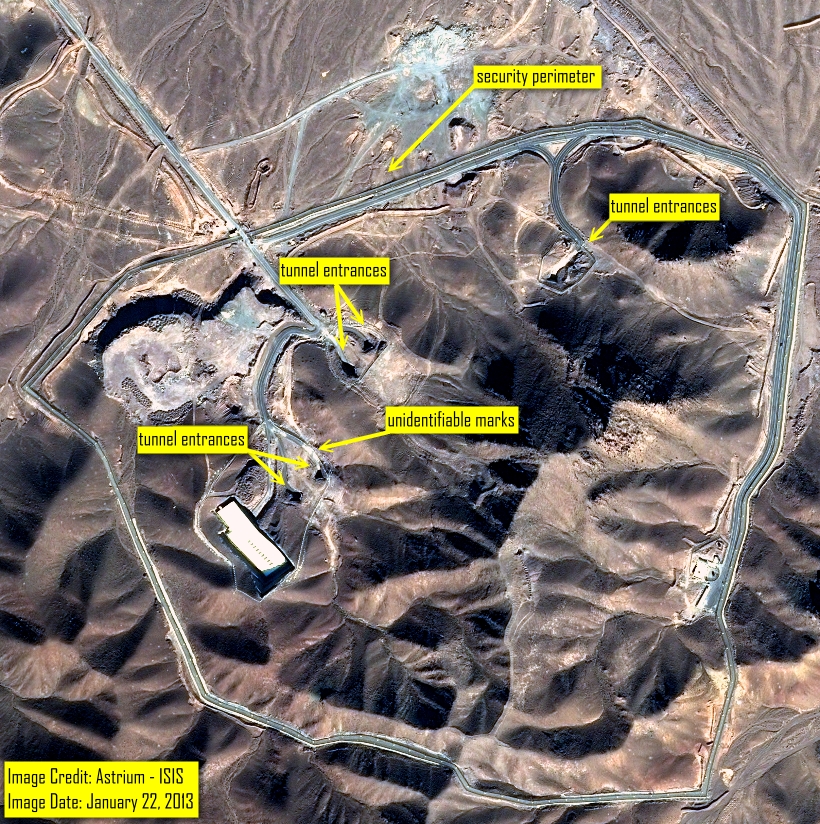
A U.S. intelligence assessment indicates that the air strikes on Iran’s nuclear facilities, including Fordow, Natanz and Isfahan, have damaged above-ground structures and access points but left underground enrichment infrastructure and uranium stockpiles largely undisturbed. The report by the Defence Intelligence Agency projects only a temporary setback—measured in months—to Iran’s nuclear programme, challenging assertions by the White House that the sites were “totally obliterated”.

Satellite imagery released after the strikes on 22 June shows craters and blocked entrances at Fordow, where bunker-busting Massive Ordnance Penetrators reportedly hit ventilation shafts, yet analysts emphasise that the subterranean halls housing centrifuges lie too deep to evaluate via overhead visuals. WMD experts note that centrifuges are “extremely vibration-sensitive”, suggesting potential internal damage, but absent on-site inspection, the extent remains uncertain.

The United Nations nuclear watchdog, the International Atomic Energy Agency, has urged renewed inspections at the sites. Director-General Rafael Grossi told an emergency Board of Governors session that significant underground damage was plausible, yet only rigorous inspections can confirm impact and assess stockpiles of enriched uranium, including the 400 kg of material enriched to 60 percent purity.

The DIA report also confirms that Iranian authorities pre-positioned crucial nuclear materials and equipment prior to the air campaign. High-resolution satellite images captured extensive vehicle activity—bulldozers, trucks and sealed tunnel exits—on 19–21 June, indicating a deliberate evacuation of enriched uranium and centrifuges. Analysts speculate this operation undercut the campaign’s intended impact, preserving Iran’s capacity to resume enrichment and reconstitution of its nuclear programme with comparative ease.

The White House disputes the DIA’s findings. Press Secretary Karoline Leavitt described the intelligence leak as “flat‑out wrong”, citing the precision of the bombing campaign and reiterating President Trump’s declaration of a “perfectly executed mission” and “total obliteration” of Iran’s nuclear infrastructure. Similarly, the Pentagon backs the President, contending that USAF and Navy strikes, featuring B‑2 stealth bombers flying 37‑hour missions deploying MOPs, decisively hit their targets.

Despite official optimism, several non-proliferation experts question whether the attacks achieved strategic success. David Albright, president of the Institute for Science and International Security, asserted that while imagery suggests severe impact at Fordow, conclusive assessment requires internal access. Jeffrey Lewis and other analysts emphasise that intact uranium stockpiles, even if held at other sites, provide Iran with a largely intact nuclear baseline.

The conflict has escalated beyond the nuclear dimension. Intermittent Iranian missile and drone fire has targeted U.S. and allied bases in the wider Middle East, prompting a U.S.-brokered ceasefire between Iran and Israel, while global oil prices fluctuated amid tensions.

IAEA technical teams have not yet been able to return to the sites. Grossi reminded parties that uninterrupted oversight is essential for both verifying the damage and ensuring no material has been diverted for weapons purposes. Iran has not formally objected to future inspections, although parliamentary figures have suggested curbs on IAEA activity if international hostility continues.

Assessment of long‑term outcomes remains contested. Pro‑strike voices argue that disrupting operations, even temporarily, imposes significant costs on Iran’s programme architecture. Critics warn that such tactics could drive Tehran’s nuclear scientific talent further underground or accelerate development of redundant facilities.

Meanwhile, intelligence officials and non‑proliferation authorities emphasise that blunts, quarterly backtracking cannot substitute for diplomacy. Restoring negotiations with Iran, potentially via intermediaries including the IAEA, remains the keystone for ensuring non‑weaponisation and preventing recurrence.

The DIA characterises damage as limited to “core components and stockpiles”—an interpretation not aligned with politically driven portrayals of mission success. As conflict fatigue weighs on global observers, the effectiveness of military action in halting nuclear proliferation faces renewed scrutiny.

Cryptocurrency markets are recalibrating as TRON’s USDT reserves climb to an unprecedented $80.7 billion, eclipsing Ethereum’s $73.8 billion—a record milestone for 2025. Data from blockchain analytics firm CryptoQuant highlights that TRON’s share of the Tether stablecoin ecosystem has entered previously uncharted territory.

This expansion further cements TRON as the dominant platform for USDT issuance. Tether’s circulation on TRON—branded as TRC‑20 tokens—has surged sharply since the beginning of the year, jumping from approximately $59.8 billion in January to over $80 billion by mid‑June. In comparison, Ethereum’s ERC‑20 USDT remains below TRON’s benchmark, highlighting a structural shift in network preference.

Market observers attribute TRON’s gains to its lower fees and faster transaction times. A report from NFTEvening confirms that, as of mid‑May, TRON commanded nearly 50 per cent of global USDT supply, while Ethereum’s share hovered around 41 per cent. TRON’s blockchain now processes more than 2.4 million USDT transactions daily, dwarfing Ethereum’s roughly 280 000 transfers.

TRON’s performance in 2021 was already notable, with USDT supply expanding from $6.7 billion to $39.4 billion—an increase of nearly 487 per cent. Stakeholder confidence accelerated through 2024, with TRON first overtaking Ethereum in USDT issuance in November.

While TRON’s stablecoin dominance grows, its total value locked in DeFi has declined—from roughly $7.5 billion in January to about $4.3 billion by mid‑year—according to DefiLlama statistics. However, decentralised exchange activity on TRON is rising; trading volume increased from $4.9 billion in April to $5.5 billion in May. Analysts argue that users may prefer flexible, liquid trading over locking capital in yield‑farming protocols.

TRX, TRON’s native token, has gained approximately 2.2 per cent in the past 24 hours to $0.2729, yet remains some 36 per cent beneath its December 2024 peak of $0.4313. Technical charting shows consolidation below the 20‑day simple moving average and strength above key exponential moving averages, indicating latent bullish potential.

CryptoQuant reports that TRON’s agenda is now largely centred on payments rather than advanced DeFi, noting a distinct mix of tokens like Wrapped TRX and USDD on the network. The network’s recurring USDT mints are viewed as part of a strategic buildup. In mid‑May, Tether authorised another $1 billion mint on TRON, pushing its authorised supply well beyond Ethereum’s at $73.7 billion compared with $74.5 billion.

TRON’s growing role in Asia and emerging markets may be another driver. The platform appeals to users and exchanges that prioritise low cost and swift settlement—features that align with cross‑border remittance and retail payments. However, questions around TRON’s longstanding association with illicit transactions continue to cast a shadow over its rising stature.

Ethereum retains significant traction within DeFi due to its robust ecosystem and broader stablecoin diversity. Nevertheless, ongoing surcharges and network congestion are prompting shifts towards alternate chains like TRON. The competition reflects a broader evolution towards a multi‑chain infrastructure where each blockchain plays to its strengths: Ethereum for advanced financial apps, TRON for efficient payments.

Regulators are also watching this competition. Policy discussions around stablecoin frameworks in the United States, Europe and Asia could reshape how tokens are issued and used. TRON’s dominance in USDT may prompt further scrutiny and prompt Tether to reassess its minting cadence and reserve disclosures across different chains.

Markets surged as President Donald Trump announced a ceasefire agreement between Israel and Iran on Monday, calming fears of a broader Middle Eastern conflict and triggering a sharp drop in oil prices. With Brent crude falling nearly 5% in Asian trading and U.S. West Texas Intermediate declining by around 3%, investors responded swiftly to the prospect of restored supply and reduced geopolitical risk. At the same time, […]

Advertisements

A wave of sophisticated scams on Instagram is impersonating legitimate banks to mislead users into surrendering their credentials and cash. Using AI-generated deepfake videos and phoney ads, cybercriminals have successfully mimicked institutions such as the Bank of Montreal and EQ Bank, prompting victims to divulge sensitive data or make immediate payments into fraudulent accounts. The scam typically begins with users encountering ads that closely mirror authentic bank […]

Elon Musk has cast aside the existing Grok AI training corpus and directed xAI to construct an entirely new foundation—one that excludes what he calls “garbage” and “uncorrected data”—and then retrain the model from that vetted base. This overhaul is intended to power the next-generation Grok, tentatively dubbed Grok 3.5 or Grok 4, with “advanced reasoning” capabilities that Musk says will enable it to “rewrite the entire […]

Commercial carriers are suspending flights across Middle‑Eastern airspace following the US strike on Iranian nuclear facilities, with empty skies appearing over Iran, Iraq, Syria and Israel as airlines divert or cancel services. Singapore Airlines described the situation as “fluid”, cancelling its Singapore–Dubai service after a security review, while British Airways and Air France‑KLM also halted flights involving Dubai, Doha, Riyadh and Riyadh, indicating growing caution among global […]

A British Royal Navy F‑35B Lightning II remains immobilised at Thiruvananthapuram International Airport after declaring an emergency on 14 June. The pilot reported low fuel amid rough sea conditions over the Arabian Sea before the jet, deployed from HMS Prince of Wales during the Indo‑Pacific Operation Highmast, touched down at 21:28 IST. The Indian Air Force’s Integrated Air Command and Control System coordinated the diversion alongside civilian air traffic control, declaring a full-scale emergency to ensure safe handling.

Initial refuelling took place on Sunday under IAF supervision, but the aircraft could not return to the carrier due to a hydraulic system failure. Royal Navy technicians arrived via helicopter from the carrier that night and began repair operations, but their efforts remain unsuccessful six days on. Additional British and American technical personnel—possibly including Lockheed Martin experts—have since taken charge, while a larger maintenance team is expected. If repairs remain inconclusive, the jet may be airlifted back aboard a military transport aircraft.

Valued at over $100 million, the F‑35B represents one of the world’s most advanced and expensive combat aircraft, equipped with short take‑off and vertical landing capability, stealth design, networked sensors, and naval adaptability. Its unscheduled landing in India highlights both the logistical complexities of advanced military aviation and the robust coordination between allied forces.

Security protocols have been stringent. The aircraft is stationed in Bay 4 under armed Central Industrial Security Force guard. The British team rejected offer to relocate it to a civilian hangar or protective shed, citing confidentiality concerns over sensitive systems, and insisted on repairs in open view under controlled conditions. Meanwhile, Royal Navy personnel, including the pilot and technicians, remain onsite with food and lodging provided by airport authorities, with Indian teams facilitating logistics throughout.

The incident marks the first unscheduled landing of a foreign-manufactured F‑35 on Indian territory and comes amid growing UK‑India defence cooperation. The jet had been flying as part of joint maritime exercises, including PASSEX drills with INS Tabar and other British ships in the northern Arabian Sea on 9–10 June. Analysts have noted the deployment underscores interoperability and strategic alignment between both nations, rather than any response to Middle East tensions.

Within 48 hours of landing, the aircraft had been refuelled and initially positioned for departure. However, the discovery of hydraulic malfunction extended its stay, prompting the dispatch of specialists from the UK and the US. Defence officials confirmed that the jet could be repatriated on a cargo plane if ground repairs remain unfeasible.

The episode has drawn public attention not only for its rarity but also for the international coordination displayed. Local observers are closely watching developments, while military commentators underscore the necessity of emergency recovery airfields like Thiruvananthapuram for carrier-based operations during unpredictable monsoon-season weather.

As of 20 June, the jet remains on the tarmac, awaiting either restoration or return via air transport. With a multinational technical team now assembled, a departure window is expected later this week—subject, of course, to successful hydraulic repair and formal clearances under Indian aviation protocols.

Coinbase has received authorisation under the EU’s Markets in Crypto‑Assets regulation through Luxembourg, designating the country as its primary European hub and shifting focus away from Ireland. The approval — the first of its kind for a major U.S. exchange — grants Coinbase a passport to operate across all 27 EU member states.

Luxembourg’s growing financial stature and regulatory strength made it a logical choice, according to Coinbase, which already employs around 200 staff across Europe. The exchange plans to expand its Luxembourg team by at least 20 personnel by year-end. Luxembourg’s regulator declined to comment, but insiders say the jurisdiction sets a “high‑bar” for entry — a stance that counters concerns from other nations about lax standards in smaller markets.

This move underscores a broader shift in the EU crypto ecosystem. Gemini, founded by Tyler and Cameron Winklevoss, is expected to be granted its MiCA licence by Malta, following earlier approvals of OKX and Crypto.com. These licensing decisions highlight the increasing competition among EU member states to attract digital‑asset firms.

Meanwhile, Ireland — previously heralded as Coinbase’s launchpad with an e‑money licence and Virtual Asset Service Provider registration — has lost momentum. Its central bank governor previously warned that crypto often operates like a Ponzi scheme, reflecting a cooler official attitude toward the industry.

MiCA’s passport system allows a single licence to provide regulatory cover throughout the bloc, but some EU financial watchdogs are raising concerns. They argue that rapid approvals in smaller jurisdictions like Malta or Luxembourg could lead to uneven regulatory enforcement, undermining the very protections the framework aims to provide. The European Securities and Markets Authority is reportedly monitoring these developments amid internal discussions about its oversight role.

Luxembourg’s emerging appeal as a crypto gateway appears rooted in its established reputation as a financial centre with robust supervision. In contrast, Ireland’s more sceptical posture may have made it less attractive for firms seeking clearly defined regulatory environments under the new rules.

Market analysts say these MiCA approvals could significantly increase institutional confidence in European digital‑asset markets, offering a model for compliance and consumer protection. However, they warn that inconsistent national implementation could result in “regulatory arbitrage,” where firms exploit jurisdictional loopholes.

The global crypto market, valued at around US $3.3 trillion, is still navigating the fallout from major collapses like FTX in 2022. MiCA marks a pivotal shift toward formal oversight in the EU, aiming to safeguard investors while fostering innovation. The licensing of high‑profile U.S. exchanges such as Coinbase and Gemini represents a critical test of whether this new continental regime can deliver both growth and stability.

Santos Ltd’s board of directors has endorsed a US $18.7 billion cash offer from an Abu Dhabi-led consortium, pledging immediate relief for stretched gas markets but plunging Australia into a high-stakes national interest conflict. The bid, sponsored by ADNOC’s investment arm XRG alongside ADQ and Carlyle, offers A$8.89 per share—a 28 per cent premium to Santos’s market value—while assuming A$36.4 billion in enterprise debt. It marks the largest all‑cash takeover ever in […]

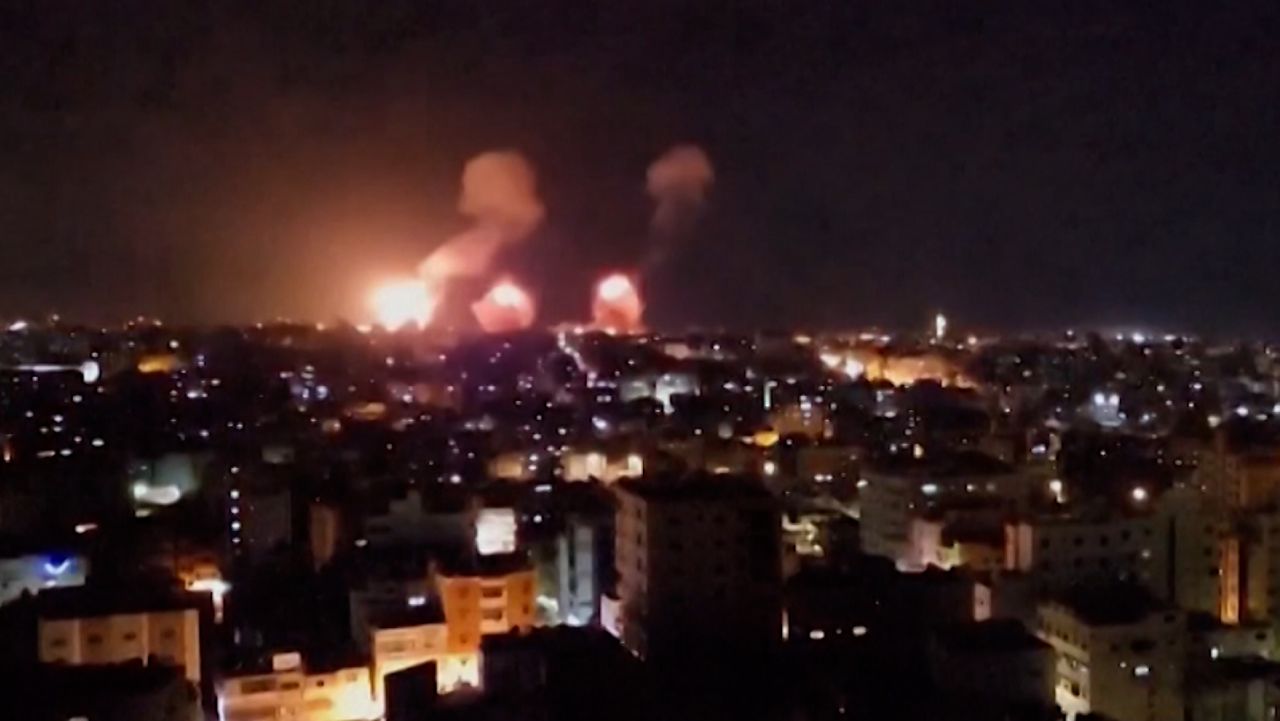
A ballistic missile launched by Iran struck the Tel Aviv Stock Exchange building in Ramat Gan on 19 June 2025, inflicting substantial structural damage in the heart of Israel’s financial district. This incident occurred amid a coordinated barrage that also hit key civilian infrastructure elsewhere, including Soroka Medical Centre in Be’er Sheva, intensifying already volatile regional tensions.

Sirens wailed across central and southern Israel as air defence systems engaged waves of inbound missiles. Between 20 and 30 ballistic projectiles were reported, an escalation surpassing previous exchanges earlier this monthꟷnotably those on 15 and 16 June, which injured dozens and damaged residences in Tel Aviv, Bat Yam and Haifa. This latest salvo targeted multiple urban areas, with at least 32 civilians confirmed wounded by Magen David Adom teams, some in serious condition.

The stock exchange structure, known as Birsa, sustained extensive facade damage and shattered windows, with parts of surrounding offices impacted. Video footage circulated online showing debris falling from upper floors into streets below. Emergency crews were deployed immediately to evacuate employees and assess structural integrity, though no fatalities were reported at the site.

In parallel, Soroka Medical Centre at Be’er Sheva—Israel’s principal hospital serving around one million residents with more than 1,000 beds—was also struck. Footage and eyewitness reports confirmed significant damage: roof collapse in some wards, shattered glass across corridors and injuries among both patients and medical staff. Hospital officials imposed strict access controls, advising the public to avoid the area as emergency protocols were activated.

Israel’s air-defence systems, including Iron Dome and Arrow batteries, intercepted many of the missiles but failed to prevent all impacts. Some missiles penetrated defences and struck densely populated neighbourhoods, damaging residential high-rises and injuring civilians. This pattern marks a troubling shift. Previous intercepts had been more successful, but the latest strikes have underscored vulnerabilities in urban protection.

The missile offensive came as retaliation for Israel’s strikes on Iranian nuclear facilities. Earlier on 19 June, Israeli aircraft reportedly struck the heavy-water reactor at Arak and a related plutonium-production component, in what the Israeli government called efforts to disrupt Tehran’s nuclear capabilities. Iran’s state media countered that the reactor had been evacuated in advance and there was no radiation leak.

Prime Minister Benjamin Netanyahu publicly condemned the missile strikes on Israel’s financial hub and its hospital network, accusing Iran’s leadership of targeting civilians and vowing that Tehran “will pay the full price”. Defence officials say that Iran deployed over 25 missiles targeting Israeli urban centres during this wave.

Humanitarian services are stretched thin. Magen David Adom paramedics reported at least 32 people with injuries ranging from shock and minor shrapnel wounds to serious trauma in Be’er Sheva and Tel Aviv. Hospitals near strike zones have diverted critically ill patients and limited admissions to emergencies, raising concerns over the continuity of essential health services.

Economically, the assault on the stock exchange reverberated across markets. While share trading has continued, operational disruptions occurred as staff evacuated and investigations into building safety commenced. Analysts note that the financial centre embodies Israel’s economic resilience, but warn that repeated infrastructure targeting injects uncertainty into investor sentiment.

As missiles fly in both directions, global powers are watching warily. US President Donald Trump indicated possible military support for Israel pending internal approval, while European leaders called for restraint and emphasised the potential for diplomatic channels. The International Atomic Energy Agency has voiced alarm over Iran’s uranium enrichment practices, now exacerbated by military confrontations sparked by retaliatory airstrikes.

Israeli authorities warn that this may be Iran’s most sustained attack yet, burning through long-range arsenal previously reserved for strategic military targets. Intelligence assessments suggest Iran is deploying missiles intensively—over 400 since the conflict’s escalation—though only a fraction have struck urban centres.

With civilian infrastructure clearly in the crosshairs, the stakes are escalating dangerously. Analysts warn that further strikes on hospitals, markets or cultural institutions may invite stronger Israeli countermeasures, potentially widening the conflict. For now, cities remain on high alert as missiles continue to disrupt daily life and rattle the foundations of an already tense Middle East.

Oil markets surged on Tuesday and Wednesday as escalating military exchanges between Iran and Israel sparked investor anxiety. Brent crude futures climbed approximately 2.1 per cent to $74.79 a barrel by 12:02 GMT, while US West Texas Intermediate settled near $73.19—following intraday swings exceeding 2 per cent gains and drops. The gains were driven by soaring geopolitical concerns after Israel bombed Iran’s South Pars gas field—shared with Qatar—igniting a fire that prompted Iran […]

UAE authorities have deployed emergency measures across major airports to manage widespread disruptions after several Middle Eastern nations, including Iran, Iraq, Jordan, Syria and Israel, shut their airspace due to escalating geopolitical tensions. The Federal Authority for Identity, Citizenship, Customs and Ports Security activated its emergency business‑continuity protocol to maintain essential operations with minimal interruption.

Field teams operating round‑the‑clock at Dubai International, Dubai World Central, Abu Dhabi’s Zayed International and Sharjah International airports have been reinforcing frontline support, immigration coordination and airline rescheduling. Real‑time information desks, logistical assistance and temporary accommodation arrangements have been offered to travellers affected by cancellations or delayed connections.

ICP emphasises its swift response was made necessary by the abrupt airspace closures prompted by the intensifying Iran–Israel conflict. Comprehensive coordination among operational stakeholders and deployment of advanced technologies aim to secure passenger safety, uphold service quality and maintain passenger flow amidst turbulent circumstances.

International carriers—including Emirates, Etihad, Qatar Airways, British Airways, Lufthansa and Air India—have been rerouting flights via Central Asia and the Mediterranean to avoid restricted zones. Estimated additional travel durations and increased fuel requirements are among the logistical adjustments implemented by airlines. Eurocontrol reports that roughly 1,400 daily flights across Europe–Asia–Gulf corridors were affected, spotlighting the magnitude of the disruption.

UAE’s aviation stakeholders have issued traveller advisories urging early check‑in, constant monitoring of flight status updates and openness to alternate routing. Visa‑holding visitors are also being advised to renew stay permits promptly to avoid fines due to unexpected delays in departure schedules.

Analysts warn that ongoing geopolitical volatility may prolong airspace closures, potentially escalating operational costs for airlines and straining global travel chains. The UAE’s crisis‑management protocol is being watched closely by global aviation regulators as a case study in maintaining continuity under pressure.

Passengers at UAE airports have, according to the ICP, cooperated with staff amidst what they describe as “exceptional regional circumstances.” This collaboration has been cited as instrumental in allowing swift rescheduling and maintaining operational flow. ICP reiterates its commitment to ensuring passenger security without compromising service standards.

Lawmakers in Ohio’s House Technology and Innovation Committee have approved House Bill 116 — dubbed the “Bitcoin Rights” measure — with a unanimous 13‑0 vote. The legislation safeguards personal control over encrypted digital assets, explicitly legalises individual and corporate mining and node operation, and provides a state income‑tax break of up to US $200 per transaction in capital gains from digital assets.

The bill, formally titled the Ohio Blockchain Basics Act, moves to the full House for a vote as part of an initiative to position the state as a hub for blockchain and cryptocurrency operations.

At the heart of the measure is the protection of self‑custody rights, allowing citizens to keep their crypto in hardware or self‑hosted wallets without interference from state or local authorities. It also shields miners and node operators from regulatory burdens. Individuals may mine at home, in residential zones, and businesses may operate industrial‑scale mining farms where zoning rules permit. Additionally, digital‑asset activities such as mining, staking, token swaps and node‑running would not trigger money‑transmitter or investment licensing requirements.

Another key component is the $200 per transaction exclusion from Ohio state income tax on capital gains from digital assets used as payment. That threshold is set to rise annually with inflation, offering relief to small‑scale users and encouraging routine use of cryptocurrency in commerce. Local governments, including municipalities and charter counties, would also be barred from imposing their own taxes or fees on such transactions.

The legislative analysis explains that the bill prevents state or locality from prohibiting acceptance of crypto as payment or from confiscating hardware or wallets. In industrial zones, mining operations enjoy protections from discriminatory rezoning, though noise and zoning regulations still apply.

Proponents, including the bill’s primary sponsor, Representative Steve Demetriou, have framed the bill as a foundational move to foster technology innovation, champion financial autonomy and attract blockchain businesses to Ohio. The bipartisan, unanimous committee vote reflects broad political willingness to embed crypto‑friendly measures at state level.

Supporters argue Ohio will benefit economically by drawing in infrastructure investment and fostering public familiarity with digital assets — especially with enhanced legal certainty and tax incentives in place.

However, critics caution that the bill may leave regulatory gaps, presenting consumer‑protection and environmental challenges. Concerns have been raised over potential disregard for energy‑intensive mining’s impact on local power grids and carbon emissions. Others warn that dubbing activities like mining and staking as outside the scope of money‑transmitter laws could allow for unmonitored financial operations.

Industry experts and legal analysts note that the bill’s nuanced definitions — covering digital assets, hardware wallets, self‑hosted wallets, nodes and mining operations — constitute one of the more comprehensive legal frameworks for crypto in the US. Its allowance for pension funds to study digital‑asset ETF investment is also seen as a significant institutional development.

Under the bill, each state retirement system must submit a report within a year assessing the viability, advantages and risks of investing in digital‑asset ETFs, and offer recommendations to reduce exposure in case of such investments.

Should the full House and Senate pass the bill and the governor sign it, Ohio will rank among the most crypto‑welcoming states. Observers suggest that its balanced approach — mixing legal clarity, tax relief and targeted environmental zoning controls — may serve as a model for other jurisdictions exploring blockchain policy frameworks.

With the committee stage complete, attention now turns to the legislature’s upper chamber, where further amendments or debates may arise. Policy‑wonks will be watching for potential changes on environmental stipulations and consumer protections, as well as alterations to the tax‑exemption levels.

The United Arab Emirates has cautioned against a dangerous spiral between Israel and Iran, as its foreign minister strongly warned that “uncalculated and reckless steps” might spread beyond the conflict zones. Sheikh Abdullah bin Zayed Al Nahyan expressed deep concern over escalating military actions that risk drawing in neighbouring states and aggravating regional instability, the UAE Foreign Ministry said on Tuesday. Abu Dhabi’s heightened alarm follows a sharp intensification of hostilities. […]

Wonderish, a new “vibe prompting” platform, debuted on Product Hunt on 16 June 2025, promising to let users build web experiences through conversational prompts rather than traditional code. Co‑founders Trey Smith, Karen Avdalyan and Artem Bondar, leveraging their success with Buildbox, are positioning Wonderish as a gateway for non‑technical creators—designers, marketers, entrepreneurs—to craft websites, landing pages, web apps and even games simply by chatting with the AI. Early user reaction […]

Thailand has authorised a five‑year exemption from capital gains tax for digital asset sales conducted through SEC‑licensed platforms, functioning from 1 January 2025 until 31 December 2029. The legislation aims to sharpen the country’s advantage in the regional crypto landscape by lowering investor costs and enticing increased trading activity.

Under the measure, individuals realising gains from digital assets via regulated exchanges will face zero capital gains tax throughout the five‑year window. Prior to this, profits were subject to personal income tax rates—reaching up to 35 per cent depending on annual earnings—alongside a 15 per cent withholding tax on gains from non‑licensed platforms. VAT on cryptocurrency trading had already been abolished as of 1 January 2024.

Analysts believe the tax holiday is designed to reinforce Thailand’s appeal in Southeast Asia’s intensely competitive digital asset territory. With exchanges like Bitkub and Binance vying for market share, and tourists soon enabled to use crypto‑linked credit cards for local spending, Thai policymakers are signalling a strong commitment to bolster innovation while preserving investor protections.

Officials from the Thai Securities and Exchange Commission stress that the exemption applies strictly to transactions performed on SEC‑approved exchanges. Revenues from crypto trades outside those platforms will not be covered and remain taxable. Licensed operators must continue observing related regulations: comprehensive transaction reporting, watch‑lists for suspicious activity, custody rules, and coordination with law‑enforcement as stipulated under the Digital Asset Business Law.

Investor responses so far have been mixed. Market participants report that some will likely postpone realising gains until the exemption period begins. One Bangkok‑based trader remarked that the tax relief “reduces effective cost by around 15 to 35 per cent depending on your income bracket,” reinforcing Thailand’s status as Asia’s most favourable crypto tax jurisdiction for the coming years.

Critics caution that the measure may disproportionately benefit higher‑earning investors while diluting future tax revenue. Government officials argue the policy forms part of a larger strategy to boost capital market reform, as evidenced by parallel legislative updates—including measures enabling tourists to spend crypto, supporting retail access to digital government bond tokens, and enhanced SEC authority over foreign exchanges operating domestically.

The incoming regulation also supplements Thailand’s earlier decisions to exempt crypto trading from VAT from January 2024, amend withholding tax rules for licensed platforms, and permit offsetting of capital losses against gains. Expectations are rising for further alignment of digital asset rules with traditional financial regulations, part of a broader financial modernisation initiative led by the Ministry of Finance and Bank of Thailand.

As the deadline for implementation approaches, licensed exchanges are working on upgrading systems to clearly segregate tax‑exempt transactions and produce compliant audit trails. The revenue department has indicated it will deploy random checks and compliance audits, with penalties ready for any lapses in record‑keeping or reporting.

With the exemption set to begin next year, attention has swiftly shifted to whether Thailand will extend or widen the tax holiday when 2030 nears, and whether parallel measures such as tax incentives for crypto firms, custody providers, or investment token offerings will be introduced. The current package already ranks among the most incentive‑heavy digital asset tax regimes globally, likely reshaping investor allocations in the short to medium term.

Abidjan is bracing for a highly polarised presidential election scheduled for 25 October 2025, as President Alassane Ouattara’s ruling party moves to endorse his expected bid for a fourth term. Meanwhile, key opposition figures have been barred from the ballot, prompting protests and allegations of democratic erosion. Official party channels have circulated motions affirming Ouattara, 83, as their preferred candidate under the Rally of Houphouëtists for Democracy […]

SINGAPORE – Media OutReach Newswire – 17 June 2025 – Smartphones have become an everyday essential for adults. So, it’s natural for children to want one. Many parents see smartphones as useful tools for staying in touch with their children when they’re away from home, but smartphones can easily be lost, and they leave children vulnerable to the dangers of social media and too much screen time. […]

The United States Supreme Court has been asked to reconsider constitutional protections after the Internal Revenue Service obtained transaction records from more than 14,000 cryptocurrency users—including James Harper—without a warrant, under a sweeping “John Doe” summons aimed at Coinbase data. At issue is whether the longstanding third‑party doctrine—under which individuals forfeit Fourth Amendment privacy protections by sharing data with third parties—remains valid in the digital age.

James Harper, whose trading history dates back to 2013 and who reported all taxable gains, received notification in August 2019 that the IRS had secured his wallet and transaction data without any suspicion of wrongdoing. The agency extended its data collection to approximately 14,000 other users, sparking legal challenges in lower courts and culminating in the Supreme Court petition known as Harper v. Faulkender.

Supporters of Harper argue that the third‑party doctrine originated in a pre‑digital era, designed for narrow investigations, not mass data collection. In briefs filed on 13 June, the New Civil Liberties Alliance and Supreme Court litigator Kannon Shanmugam contended that individuals do not relinquish property or privacy rights simply by using digital platforms, and that warrant requirements should be reinstated for data access. Justice Sonia Sotomayor, in previous commentary, branded the doctrine “ill‑suited to the digital age,” a view echoed by other federal judges in the Fifth and Ninth Circuits.

In contrast, the IRS and its supporters argue that the doctrine is well‑established and necessary for effective tax enforcement, especially amid growing use of cryptocurrencies and concerns over under‑reporting. The agency says organisations like Coinbase have an obligation to furnish information when legal summonses are issued, even absent individual suspicion.

Lower courts have upheld the doctrine, dismissing Harper’s case. A district court in New Hampshire ruled that Harper lacked standing, while the First Circuit applied the third‑party doctrine in September 2024 to dismiss his Fourth Amendment claim. Now, the Supreme Court must decide whether to reverse these rulings.

Analysts suggest that a Supreme Court hearing—and eventual decision—could set a transformative legal precedent regarding digital privacy. If justices mandate search warrants under the Fourth Amendment before agencies can collect personal data—even from third parties—it would broaden protections for online financial activity and reshape the investigative landscape. Conversely, a decision upholding the status quo would affirm broad government access to digital records without judicial oversight.

The case aligns with broader judicial scrutiny over the balance between technological advancement and constitutional safeguards. As cryptocurrency adoption increases among individuals and businesses, questions loom over how traditional investigative powers should adapt. Critics fear that unchecked authority under the third‑party doctrine could pave the way for routine surveillance and erosion of civil liberties.

At the same time, law enforcement officials maintain that revised legal thresholds could complicate investigations into financial crimes and tax fraud. They argue that agencies need efficient access to data held by third-party institutions to detect under‑reported crypto gains and illicit transactions swiftly.

The Supreme Court’s decision on certiorari is expected this autumn. Should the Court agree to hear the case, oral arguments may follow early next year, offering a watershed moment for Fourth Amendment jurisprudence. The outcome will be watched by constitutional scholars, digital‑rights activists, regulators and the cryptocurrency industry.

As digital transactions become integral to everyday life, the Harper v. Faulkender decision may redefine the boundary between individual privacy and government authority. The Court’s ruling could determine whether the act of sharing financial data with a platform like Coinbase is equivalent to voluntary disclosure, or if it remains protected under constitutional standards requiring judicial oversight.

Dubai’s iconic Palazzo Versace Hotel is being offered at auction with an opening bid of approximately $163 million, a sharp reduction from its last estimated value above $380 million, signalling a major shift in the fortunes of the luxury hospitality landmark. A Swiss‑Italian financier, Christopher Aleo, is among a select group of potential buyers believed to be evaluating the purchase as online bidding gets underway. Union Properties, the Dubai‑based developer […]

VISHNU RAJA
RYO YAMADA
HITORI GOTOH
IKUYO KITA