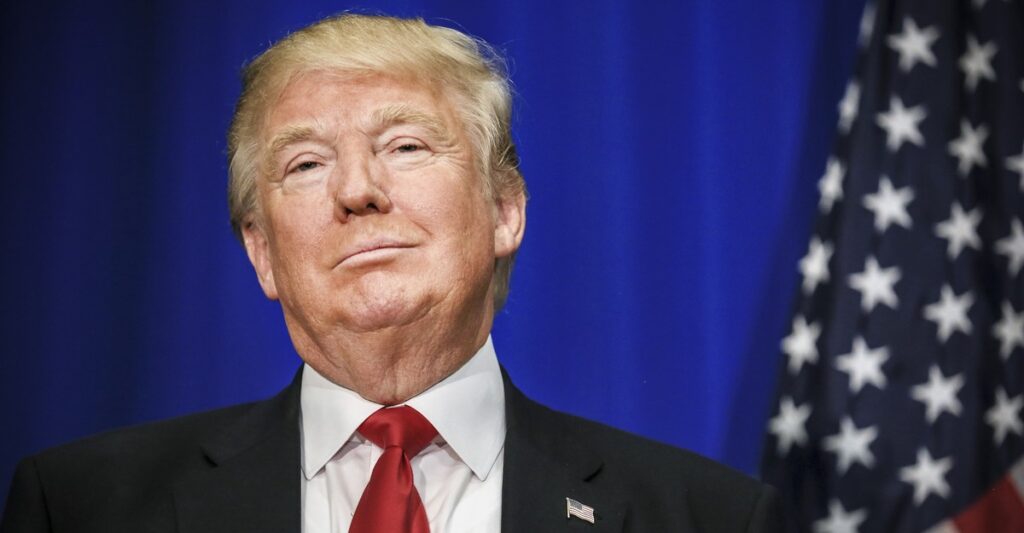
News related to
AI trade

The Dubai government has approved an ambitious succession planning framework, focusing on securing continuity and resilience in public sector leadership. The newly introduced system, announced by Dubai’s Executive Council, aims to cultivate a pool of capable Emirati leaders across various government departments, ensuring that vital functions within the emirate are sustained without disruption.

Developed as part of a broader strategy to enhance corporate risk management, this framework is designed to support smooth leadership transitions and maintain operational consistency. With an emphasis on leadership training and skill-building for younger Emirati professionals, the initiative aims to create a structured approach to identifying and preparing potential successors for senior roles. This structured model is a key step forward, addressing risks tied to unforeseen vacancies and fostering stability across critical sectors.

Dubai’s succession plan aligns with the emirate’s vision of building a competitive and sustainable government workforce. This move also dovetails with Dubai’s larger strategic goals under the Dubai Plan 2021, which seeks to foster an innovative and adaptive public sector while reducing reliance on expatriate expertise in high-stakes roles. By focusing on developing a robust pipeline of national leaders, the government aspires to elevate Emirati talent within its civil service, ensuring a stronger, locally-led workforce.

Several departments, including the Dubai Chamber of Commerce and the Department of Economic Development, have already set up pilot programs to assess the new model’s effectiveness. These early trials have showcased positive outcomes in fostering Emirati leadership across finance, trade, and economic regulation roles. The Dubai Chamber has also emphasized that by formalizing succession planning processes, it aims to enhance efficiency, bring fresh perspectives to strategic decision-making, and address long-term staffing needs.

SINGAPORE – Media OutReach Newswire – 8 November 2024 – The Asia Pacific Enterprise Awards (APEA) 2024 Regional Edition is pleased to honor Ariescope EL Mejor Trading Pte Ltd (Ariescope Trading) as an exemplary business in Asia. Organized by the NGO Enterprise Asia, the APEA is an unparalleled platform for fostering entrepreneurial growth in Asian economies. Ariescope Trading stands at the forefront of the Trading & Wholesaling […]

HONG KONG SAR – Media OutReach Newswire – 8 November 2024 – ZJLD Group Inc. (“ZJLD” or the “Company”, SEHK stock code: 06979. HK), the first baijiu company listed on the Hong Kong Stock Exchange, is pleased to announce that the Hong Kong International Wine & Spirit Competition (“HK IWSC”) today unveiled its list of award winners, with the Group’s “Zhen 15” and “Zhen 30“, our flagship […]

SINGAPORE – Media OutReach Newswire – 8 November 2024 – The 2024 Singapore FinTech Festival took place from November 6 to 8 at the Singapore Expo, gathering central banks, regulatory authorities, industry leaders, entrepreneurs, investors, and innovators from around the world to discuss how to shape the future of the global financial ecosystem through coordinated regulation, innovation, and technology, with a focus on the potential of artificial […]

By Asad Mirza Donald Trump’s re-entry in the White House is seen with a bated breath all over the world, especially the Muslim nations across the globe, as the world waits to see in which manner his current presidency will run. Will it be “America First” like the previous one or a rather tolerant one […]

Deyaar Development has announced plans to launch a new real estate project in Dubai, with a projected investment value of Dh1.5 billion. This project, set for completion by the end of the year, marks a significant milestone for the company, which is renowned for its high-profile developments across the emirate. The initiative is part of Deyaar’s broader strategy to strengthen its presence in the competitive Dubai property […]

Prime Minister of Viet Nam Pham Minh Chinh’s visits to three Middle Eastern countries have yielded substantial outcomes, especially in cooperation and boosting agricultural trade. HA NOI, VIETNAM – Media OutReach Newswire – 9 November 2024 – During Prime Minister Pham Minh Chinh’s visits, Viet Nam and the UAE, Saudi Arabia and Qatar, have reached significant economic, trade and investment cooperation agreements. These agreements represent a breakthrough […]

Advertisements

JAKARTA, INDONESIA – Media OutReach Newswire – 9 November 2024 – In a significant move to strengthen Indonesia’s National Free Meals Program, a cornerstone of President-elect Prabowo Subianto’s campaign, Ruifeng Wealth Management Pte Ltd has signed a Memorandum of Agreement (MoA) with INDUK KUD, Indonesia’s largest agriculture cooperative organization, to establish up to five palm oil mills and cooking oil refineries. President Prabowo is also the Chairman […]

SINGAPORE – Media OutReach Newswire – 8 November 2024 – Singapore is strengthening its position as a global hub for supply chain management (SCM), providing international businesses with a reliable and efficient base to manage their regional and global supply chains. With top-notch infrastructure, a skilled talent pool, and forward-looking policies, Singapore invites businesses worldwide to establish or expand their operations in the city-state. Employees in the […]

BEIJING, CHINA – Media OutReach Newswire – 8 November 2024 – Since its inception more than three decades ago, the Asia-Pacific Economic Cooperation (APEC) has become a dynamic engine of economic growth and one of Asia Pacific’s most important regional forums. Its 21 member economies represent approximately 62 percent of the world GDP and nearly half of world trade. As the 2024 APEC gathering will commence soon […]

Dubai’s financial landscape has showcased substantial activity in recent trades, with the Dubai Financial Market (DFM) witnessing trades valued at $10.51 million across major players, particularly Al Ansari Financial Services and Ajman Bank. Al Ansari’s consistent performance, marked by a 5% rise in operating income to AED 578 million for the first half of 2023, is partly fueled by high corporate demand and an increased volume of […]

Europe is preparing for the potential implications of a second Trump presidency, concerned about renewed trade tensions and significant shifts in the transatlantic security framework. European leaders recall the policies of Trump’s first term, marked by tariffs on European imports, withdrawal from the Paris Climate Accord, and a confrontational approach to NATO contributions. With 2024 U.S. elections looming, European officials are not only bracing for a resurgence of similar tactics but also assessing ways to assert greater autonomy in defense and trade.

European officials and diplomats have begun emphasizing readiness to avoid a repeat of the challenges that caught many off-guard in 2016. Some leaders, including former French President François Hollande, advocate for a proactive stance, urging the European Union to prepare for a United States that may distance itself from Europe. This contingency plan comes amid heightened anxieties that Trump, unbound by re-election concerns, might intensify his stance on Europe’s defense spending and reduce American military presence in the region.

A renewed Trump administration could increase pressure on Europe to adjust its strategic and defense priorities. With his past criticisms of NATO members’ defense spending, particularly Germany’s, Trump’s possible return to the White House has led to a revival of European conversations on strategic autonomy. During Trump’s initial tenure, he consistently advocated for NATO countries to boost their contributions, often singling out Germany, which at the time did not meet NATO’s 2% GDP defense expenditure target. While Germany has since increased its defense spending, concerns persist that Trump may push for even more significant European financial commitments or explore alternative alliances outside NATO.

In Germany, which has experienced some of the most direct effects of Trump’s policies, the federal government is intensifying its preparations. German Foreign Minister Annalena Baerbock’s outreach to U.S. Republican counterparts exemplifies a strategic approach to establish dialogue channels with influential American conservatives. However, many German policymakers, including influential parliamentarian Norbert Röttgen, question the depth of current preparation efforts, noting that Europe’s primary response to Trump’s 2016 election was inadequate and highlighting the importance of independent defense planning as a hedge against potential U.S. policy shifts.

Across the EU, there is a growing trend to diversify defense and trade partnerships beyond the U.S. European Commission officials have coordinated increased production of military supplies, such as ammunition, to bolster Ukraine’s defense—a move that reflects a broader commitment to strengthening the EU’s defense capabilities independently of the U.S. Former Estonian President Toomas Hendrik Ilves observed that Europe has substantially ramped up its weapons support for Ukraine, surpassing even U.S. assistance in some aspects, which has reinforced confidence in Europe’s evolving defense autonomy.

Another key area of concern is the potential impact on U.S.-EU trade relations. Trump’s previous term saw the imposition of tariffs on European steel and aluminum, sparking a transatlantic trade dispute. A new administration could see these tariffs reintroduced or new tariffs placed on high-value European exports, such as automobiles, which could disrupt key European industries. European economies, particularly Germany’s automotive sector, could experience significant repercussions from any new tariffs, given the close integration of global supply chains. In light of these risks, the EU has been ramping up its trade outreach to diversify markets and secure alternative trade agreements.

The strategic and political implications of a second Trump term also extend to the sensitive issue of European alliances. Poland, for instance, has maintained strong relations with the U.S. regardless of leadership, with initiatives like “Fort Trump”—a symbolic reference to enhanced U.S. troop presence in Poland. While Poland has benefited from U.S. support, including defense cooperation, Trump’s campaign rhetoric about achieving a “peace deal” with Russia within a day has stirred unease. Given Poland’s critical position in NATO’s eastern flank and its robust support for Ukraine, Polish officials are wary of any potential pivot by Washington that could undermine NATO’s collective stance against Russia.

In response to these uncertainties, several European countries have taken steps to build relationships with influential American Republicans, including House and Senate members. Efforts to enhance diplomatic engagement have been evident in the diplomatic visits of figures like former British Prime Minister Boris Johnson, who held talks with Texas Governor Greg Abbott to anticipate changes in U.S.-UK ties in a Trump-led America.

A second term for Donald Trump could usher in significant changes for investors in the Middle East, with the potential for both increased economic opportunities and geopolitical instability. Trump’s return to the presidency would likely revive his administration’s assertive economic policies, reshaping U.S. foreign relations, particularly toward China, Europe, and Middle Eastern nations, while possibly impacting global market dynamics in ways that will directly affect Gulf economies.

Trump’s “America First” approach, previously marked by attempts to realign American foreign policy priorities, could lead to heightened trade tensions with major global economies, including the European Union and China. During his previous term, the Trump administration imposed steep tariffs on Chinese goods and withdrew from the Trans-Pacific Partnership, signaling a shift from multilateral agreements to bilateral deals with clear U.S. advantages. These policies could place Middle Eastern investors in a challenging position, especially those with extensive ties to both Western and Asian markets. His re-election could rekindle these policies, affecting key industries and the economic strategies of regional stakeholders, who may need to reassess their portfolios to navigate potential trade disruptions.

One area of likely change would be Trump’s approach to the U.S.-China trade war, which saw tariffs as high as 25% imposed on hundreds of billions in imports. The escalating tariffs strained trade flows globally, and with Trump’s potential return, the continuation or expansion of such tariffs could push China to deepen its ties with Gulf nations as it seeks alternative partners. The Middle East, particularly Saudi Arabia and the UAE, has already seen increased investment from China under the Belt and Road Initiative, and a further intensification of U.S.-China rivalry could strengthen these relations. Additionally, Gulf economies that depend heavily on oil exports may find opportunities as China looks for secure energy suppliers outside of the American sphere.

Simultaneously, Trump’s proposed policies are expected to drive further U.S. disengagement from traditional allies in Europe, compelling these countries to secure alternative economic partnerships. This shift could create an environment where European countries turn to the Middle East to establish closer trade relations, viewing Gulf states as critical energy providers and investment hubs. Regional investors could benefit from an increased inflow of European capital seeking to mitigate the effects of U.S. tariffs.

In terms of defense, Trump has consistently voiced support for reducing U.S. military commitments abroad, urging allies in Europe and the Middle East to shoulder more responsibility for their own defense. This could result in reduced U.S. military presence in Gulf nations, which may encourage these states to expand defense partnerships within the region and seek additional security alliances beyond the U.S. This shift could spur an increase in local defense spending and the development of domestic defense industries, presenting investment opportunities in these sectors. However, it may also bring heightened insecurity, which could lead to market instability, especially in oil-dependent economies that rely on stable energy production and export environments.

The Middle East’s energy sector might experience new pressures and opportunities under a Trump administration focused on American energy independence. Trump has previously supported policies that increase domestic oil and gas production in the U.S., which could lead to a drop in oil prices globally, impacting the revenue of oil-exporting countries in the Gulf. To counter this, Gulf economies may be motivated to diversify and boost non-oil sectors such as technology, real estate, and tourism, creating new avenues for regional and international investors.

Trump’s stance on Iran could also lead to renewed tensions in the region. During his first term, the administration’s “maximum pressure” campaign aimed at curbing Iran’s nuclear ambitions led to economic sanctions and heightened regional conflicts. If reinstated, such policies could escalate instability in areas around the Strait of Hormuz, a key chokepoint for global oil exports. Middle Eastern markets might face disruptions if these tensions spill over, particularly for industries dependent on steady energy flows and safe trading routes. Yet, defense and energy infrastructure investments may see a boost in response to these renewed geopolitical challenges.

Trump’s previous involvement in brokering the Abraham Accords set a precedent for Arab-Israeli normalization. A return to power could see a renewed push for expanded economic ties between Israel and more Arab states, following the precedent of UAE, Bahrain, Morocco, and Sudan establishing official relations with Israel. Investors across the Gulf could benefit from these expanded commercial ties through greater market access, technology transfers, and joint ventures, particularly in high-growth sectors like technology, renewable energy, and tourism. The prospect of regional integration holds promise for attracting further foreign direct investment (FDI) and bolstering Middle Eastern economies.

Middle Eastern investors, therefore, may need to prepare for a mixed impact, balancing potential market volatility with strategic opportunities. Gulf Cooperation Council (GCC) countries, particularly the UAE and Saudi Arabia, may find themselves in a pivotal position, with increased leverage in securing favorable trade agreements as both Western and Eastern economies seek partnerships in response to Trump’s policies. Yet, they may also have to contend with the risks of being on the frontline of fluctuating U.S. policies toward the region, especially regarding defense and energy.


By Anjan Roy Never before, an American presidential election evoked such widespread interest and concern across the world. This is because the presumptive president has given rise to fears and concerns about America’s policies which do not promise to follow the scripted lines. There is a sense of uncertainty all the way in the power […]

KUALA LUMPUR, MALAYSIA – Media OutReach Newswire – 8 November 2024 – Trading offers a pathway to financial growth, yet for many beginners, fear of loss, mistakes, and market unpredictability can create mental blocks. Octa, a broker with globally recognised licences, explores common trading fears, breaks down their causes, and presents practical methods to manage them. These insights will help traders build management and confidence-boosting strategies, creating […]

By Nitya Chakraborty On November 5 late night, even before the presidential election results gave Donald Trump a majority of 270, former President of Brazil Jair Bolsonaro wrote an ecstatic message in X the former Twitter congratulating his mentor on his magnificent win saying this will have a big impact on Latin American politics. Bolsonaro […]

The facility caters to high-tech end-user industries, such as Aerospace, Healthcare, 5G, Artificial Intelligence (AI) and Electric Vehicles (EV) SINGAPORE – Media OutReach Newswire – 7 November 2024 – SABIC, a global diversified chemicals company, today announced the official launch of its new US$170 (S$220) million ULTEM™ resin manufacturing facility in Singapore, marking the company’s first advanced specialty chemical manufacturing facility in the region producing the high-performance […]

HONG KONG SAR – Media OutReach Newswire – 7 November 2024 -The “Enjoy the Authentic Joy from Europe” campaign continues to champion a variety of exquisite European deli meats to the Hong Kong market. As we enter the final year of this 3-year initiative, we are thrilled to announce our upcoming booth at HOFEX in May 2025. HOFEX, a prominent food and hospitality trade show in Asia, […]

The Trump administration’s latest strategy to impose stricter sanctions on Iran and Venezuela is set to have a significant impact on global oil markets. As tensions rise over geopolitical maneuvering and energy security concerns, experts predict that these measures will strain already delicate oil supplies and could lead to higher prices globally. The decision underscores the U.S.’s firm stance against two key oil producers, both of which have been facing international isolation due to their respective political landscapes.

Under the previous administration, sanctions against these nations were ramped up, but the current approach seeks to tighten those restrictions even further, with the aim of curbing oil exports from both Iran and Venezuela. Analysts believe that this intensification is intended to increase pressure on the governments in Tehran and Caracas, while also signaling the U.S.’s commitment to reducing foreign oil dependency. The new sanctions could, however, complicate matters for oil-importing nations, as they will likely face higher costs and uncertainty in accessing sufficient supply.

Iran, whose oil industry has been a target of U.S. sanctions for years, faces restrictions that limit its ability to engage in global trade. With the United States and many European countries pressuring buyers not to purchase Iranian oil, Tehran’s market share has drastically shrunk. Despite this, Iran has still managed to export oil to certain regions, including China, albeit covertly. The latest sanctions are expected to curb these exports even further, as U.S. officials vow to penalize any entities engaging in trade with Tehran’s oil sector. This will likely exacerbate Iran’s economic woes and deepen the global oil supply shortage.

Venezuela, already grappling with a humanitarian crisis and a collapsed economy, is another major target of U.S. sanctions. The Latin American nation holds some of the largest oil reserves in the world but has struggled to maintain production levels due to mismanagement, lack of investment, and the effects of sanctions imposed by Washington. As production continues to decline, Venezuela’s role as a key oil exporter diminishes. With further sanctions on the horizon, experts anticipate a further decline in Venezuelan oil output, further straining the global oil market.

These sanctions could have widespread ramifications beyond Iran and Venezuela. Global oil prices, already volatile in recent months due to the ongoing war in Ukraine and other supply disruptions, are expected to rise as oil becomes scarcer. Some analysts are predicting that a more severe reduction in output from these two countries could push oil prices well above current levels, forcing governments and companies worldwide to adjust their energy strategies.

The administration’s move to implement stricter sanctions on these oil-rich countries aligns with broader U.S. goals of reducing global reliance on unstable regimes. By limiting Iran and Venezuela’s capacity to export oil, Washington is seeking to restrict revenue streams that could fund political instability or hostile actions. However, experts warn that these policies may not be fully effective in the long term and could further alienate both countries, making future diplomatic engagement more difficult.

For international oil markets, these measures represent a critical crossroads. A reduced supply of oil from Iran and Venezuela may benefit other oil-producing countries like Saudi Arabia, Russia, and the United States, which are all positioned to fill the gap. However, these nations are already producing at near maximum capacity, and additional pressure on these producers could create upward price pressures. Furthermore, non-compliance with the sanctions by other nations, especially China, could result in a fractured global response, leading to even more volatility in the markets.

The oil markets’ response to these sanctions will likely hinge on the willingness of major players to support U.S. policies. If countries such as China and India, two of the largest oil consumers, continue to trade with Iran and Venezuela despite U.S. warnings, the impact of these sanctions could be muted. On the other hand, if these nations adhere to the U.S.-led restrictions, the oil supply could shrink significantly, which would lead to higher costs for energy consumers worldwide.

One of the more significant ramifications of these sanctions is the effect on U.S. allies. Countries that are heavily dependent on Venezuelan or Iranian oil, such as certain European nations, may face challenges in meeting their energy needs. This could prompt some to seek alternative sources of oil, such as those from the U.S. itself, which has ramped up production in recent years. While U.S. shale production has boomed, it is unclear if it will be able to absorb the loss of oil exports from these countries and meet global demand.

The sanctions’ broader economic impact cannot be ignored. Countries around the world are grappling with inflation and supply chain disruptions, which are already driving up energy costs. The additional strain on oil markets caused by these new sanctions could further exacerbate economic instability, especially in developing nations that are highly reliant on affordable energy.

The UAE and Australia have reached a landmark trade agreement, aiming to increase bilateral trade to $15 billion by 2032. The Comprehensive Economic Partnership Agreement (CEPA) was signed to foster greater collaboration across key sectors, including energy, technology, education, and agriculture. Under the deal, both nations are expected to enhance investment flows, create new job opportunities, and strengthen their economic ties in the Middle East and Oceania […]

Giving gifts is a beloved tradition across cultures and ages. Yet finding that perfect present can often feel daunting. In our fast-paced world, choosing a unique gift that truly resonates with the recipient can transform a simple gesture into a cherished memory. This blog post will guide you through a collection of creative and thoughtful gift ideas suitable for any occasion. Seasonal Gift Guides Winter Wonders Winter, […]

KUALA LUMPUR, MALAYSIA – Media OutReach Newswire – 6 November 2024 – Asian financial markets are experiencing increased interest from novice traders. In Southeast Asia, online trading has expanded rapidly, driven by growing internet access and an increasingly digital-savvy population. In Indonesia, active online traders grew by 18%, supported by a thriving e-commerce sector and rising financial literacy. Across Southeast Asia, the digital economy is projected to […]

Strengthening Ties in Innovation and Investment with the Middle East HONG KONG SAR – Media OutReach Newswire – 6 November 2024 – At the Future Investment Initiative Institute 8th Edition (FII8), held from 29th October to 31st October in Riyadh, Saudi Arabia, the Hong Kong Science and Technology Parks Corporation (HKSTP) made significant strides in bridging Hong Kong and the Middle East’s innovation and technology (I&T) ecosystems […]

HONG KONG SAR – Media OutReach Newswire – 6 November 2024 – The first baijiu company listed on the Hong Kong Stock Exchange, ZJLD Group Inc. (“ZJLD” or the “Company”, SEHK stock code: 06979. HK), is pleased to announce that the Group has been awarded the Excellence Award for First-Year Listed Companies and the Best New Entry in “General” Category at the 2024 Best Annual Reports Awards […]

VISHNU RAJA
RYO YAMADA
HITORI GOTOH
IKUYO KITA