News related to
AI trade

Amid a backdrop of rising tensions and shifting political landscapes, Israel faces a critical juncture in its ongoing struggle with Iran. As support for Prime Minister Benjamin Netanyahu continues to grow, the question of whether Israel should intensify its confrontation with Iran is gaining prominence. While the prospect of such a move may appeal to some as a demonstration of strength and resolve, the unpredictable nature of warfare poses significant risks that must be carefully considered.

Netanyahu has long positioned himself as a staunch defender of Israel’s security, particularly in relation to the perceived threat from Iran. His rhetoric and actions have consistently underscored the view that Iran’s nuclear ambitions and regional influence constitute an existential danger to Israel. Over the years, Netanyahu has been vocal about the need to curb Iran’s power, and his administration has supported a range of strategies, including military strikes, covert operations, and diplomatic pressure, to achieve this goal.

Recent developments have only heightened the stakes. Iran’s nuclear program appears to be advancing at a rapid pace, with reports suggesting that it may soon reach a critical threshold. Additionally, Iran’s influence in the region, through its support for proxy groups such as Hezbollah and its involvement in conflicts in Syria and Yemen, remains a significant concern for Israel. The strategic calculus for Israel is therefore becoming increasingly complex, as it weighs the potential benefits and costs of escalating the conflict with Iran.

Support for Netanyahu’s hardline approach has been bolstered by several factors. Domestically, his political standing has improved, partly due to his handling of security issues and his ability to present himself as a strong leader in times of crisis. The recent normalization agreements between Israel and several Arab states have also enhanced his reputation, suggesting that Israel’s regional position is stronger than ever. These developments may lead some to believe that now is the opportune moment to confront Iran more directly, capitalizing on Netanyahu’s political momentum and the perceived alignment of regional interests.

However, the decision to escalate the conflict with Iran is fraught with peril. Wars, by their very nature, are unpredictable and can spiral out of control in ways that are difficult to foresee. Even with superior military capabilities, Israel cannot guarantee a quick and decisive victory. Iran is a formidable adversary with a well-established military and a network of regional allies that could respond to Israeli aggression in ways that might destabilize the entire Middle East.

One of the key risks associated with a larger war is the potential for it to draw in other regional and global powers. The Middle East is a complex web of alliances and enmities, and any significant escalation by Israel could provoke responses from other countries, including Russia, Turkey, and the United States. Each of these actors has its own interests and objectives in the region, and their involvement could complicate Israel’s strategic objectives, leading to a protracted and costly conflict.

Moreover, there is the question of public opinion, both domestically and internationally. While Netanyahu may enjoy growing support within Israel, particularly among those who prioritize security concerns, there is also a segment of the population that is wary of the consequences of another major war. The memory of past conflicts, such as the 2006 Lebanon War and the ongoing tensions in Gaza, serves as a reminder of the human and economic toll that war can exact. Internationally, Israel could face increased scrutiny and criticism, particularly if civilian casualties were to mount, which could undermine its diplomatic standing and erode the support it currently enjoys from key allies.

The economic implications of a larger conflict should not be overlooked either. Israel’s economy, while robust, is not immune to the shocks that accompany military conflicts. Prolonged warfare could disrupt trade, deter investment, and strain public finances, leading to long-term economic challenges. The costs of rebuilding and addressing the humanitarian fallout of war could be substantial, diverting resources away from other critical areas such as education, healthcare, and infrastructure.

Given these considerations, the argument against escalating the conflict with Iran gains considerable weight. While the desire to neutralize a perceived threat is understandable, the risks associated with a larger war are significant. Netanyahu’s leadership has been characterized by a willingness to take bold actions, but in this case, caution may be the more prudent course.

Israel’s security concerns are legitimate, and the threat posed by Iran is real. However, history has shown that wars often produce unintended consequences. The 2003 invasion of Iraq by the United States serves as a cautionary tale of how even well-intentioned military interventions can lead to long-term instability and suffering. Israel must weigh the potential short-term gains of weakening Iran against the long-term risks of igniting a broader regional conflict.

Diplomatic efforts, while challenging, offer an alternative path. The international community, including Israel’s allies, has a vested interest in preventing a larger war in the Middle East. Diplomatic channels, including negotiations and multilateral efforts to curb Iran’s nuclear ambitions, should be pursued with renewed vigor. While diplomacy may not provide immediate results, it offers the possibility of a more sustainable and less costly resolution to the ongoing tensions.

The decision to escalate or avoid a larger conflict with Iran is one that will define Netanyahu’s legacy and Israel’s future. It is a decision that requires careful consideration of the potential consequences, both known and unknown. The support for Netanyahu’s approach is undeniable, but the wisdom of pursuing a path of greater confrontation remains questionable. Wars are rarely as simple as they appear at the outset, and the costs of miscalculation can be immense.

As Israel navigates this complex and dangerous terrain, the choice it makes will have profound implications for its security, its economy, and its standing in the world. The allure of a decisive victory over a formidable adversary is strong, but the risks of a broader conflict may ultimately outweigh the potential rewards. Israel must tread carefully, recognizing that while strength is essential, so too is the wisdom to avoid unnecessary and potentially catastrophic conflict.

Nasdaq is making strides toward expanding its financial offerings by seeking approval from the U.S. Securities and Exchange Commission (SEC) for a new set of bitcoin index options. This move, if sanctioned, would mark a significant step forward in the integration of digital assets into mainstream financial markets.

Nasdaq’s proposal is focused on introducing options tied to a bitcoin index, which would offer investors a new way to gain exposure to the cryptocurrency market. The exchange’s submission to the SEC underscores the growing interest in bitcoin-related financial products, especially as institutional and retail demand for cryptocurrency exposure continues to rise.

The proposed bitcoin index options would operate similarly to other index options, allowing investors to speculate on the future price of bitcoin without needing to hold the underlying asset. This would provide a level of risk management and flexibility that could appeal to a broader range of investors. The timing of this move coincides with a period of heightened interest in digital assets, driven by bitcoin’s increased adoption and the introduction of various bitcoin exchange-traded funds (ETFs).

Currently, the SEC has not yet approved options based on any individual exchange-traded funds tied to spot bitcoin prices. The regulatory body has been cautious in its approach to cryptocurrency-related products, citing concerns about market manipulation, investor protection, and the overall stability of the financial system. Despite this, there has been a gradual shift in the SEC’s stance, with more openness to considering such products, particularly as the market matures and safeguards are implemented.

Nasdaq’s initiative reflects a broader trend within the financial industry, where traditional exchanges and financial institutions are increasingly exploring the integration of digital assets. This is part of a larger effort to bridge the gap between traditional finance and the rapidly evolving cryptocurrency sector. By offering bitcoin index options, Nasdaq aims to provide a regulated and transparent environment for investors to participate in the cryptocurrency market, potentially paving the way for other exchanges to follow suit.

The introduction of bitcoin index options would also have significant implications for market dynamics. It could lead to increased liquidity in the bitcoin market, as more participants enter through these new financial instruments. Additionally, it could influence bitcoin’s price stability, as options trading can impact the supply and demand balance of the underlying asset.

However, the SEC’s decision will likely hinge on several factors, including the overall security of the proposed product, the measures in place to prevent market manipulation, and the potential impact on investors. The regulatory body has been under pressure to strike a balance between fostering innovation in the financial markets and ensuring the protection of investors. The outcome of Nasdaq’s application could set a precedent for future cryptocurrency-related financial products in the United States.

If approved, Nasdaq’s bitcoin index options could significantly enhance the accessibility and appeal of cryptocurrency investments, particularly for institutional investors who may have been hesitant to enter the market due to regulatory uncertainties. This development would also signal a further legitimization of bitcoin as a financial asset, potentially driving broader acceptance and adoption.

Nasdaq’s pursuit of SEC approval for bitcoin index options represents a pivotal moment in the ongoing evolution of the financial markets. As the intersection of traditional finance and digital assets continues to develop, the decisions made by regulatory bodies like the SEC will play a crucial role in shaping the future of the industry.

Saudi Arabia and Ethiopia have taken a significant step towards bolstering their economic ties through the establishment of a new business council. The Federation of Saudi Chambers announced that the Saudi-Ethiopian Business Council, approved by the General Authority for Foreign Trade, will operate for the 2024-2028 term. This initiative aims to enhance trade and investment opportunities between the two nations, aligning with Saudi Arabia’s broader strategy to deepen its economic relations with Africa.

The council will be led by Abdullah bin Mohammed Al-Ajmi as president, with Omar bin Abdullah Al-Kharashi and Misfer bin Musaad Al-Shahrani serving as vice presidents. The council’s formation follows discussions held during the Saudi-Ethiopian Business Forum in June 2024, where both countries expressed a mutual interest in exploring new avenues for economic collaboration.

Ethiopia, with a GDP of approximately $205 billion in 2022, is one of Africa’s largest economies. However, trade between Saudi Arabia and Ethiopia has remained relatively modest, with bilateral trade valued at less than SR1.3 billion ($346 million). The new council aims to address this gap by fostering stronger business partnerships, particularly in key sectors such as agriculture, mining, petrochemicals, food industries, tourism, real estate, and construction.

Al-Ajmi emphasized Ethiopia’s attractive investment environment and its strategic role as a trade hub for Central Africa. The council is expected to play a pivotal role in supporting Saudi exports and targeting growth sectors in Ethiopia, potentially unlocking new economic opportunities for both nations.

This development is part of Saudi Arabia’s broader effort to expand its influence and economic reach across Africa, with Ethiopia positioned as a critical partner in this strategy. The establishment of the council marks a significant milestone in Saudi-Ethiopian relations, promising to elevate their economic ties to new heights over the next four years.

This initiative not only underscores the importance of Ethiopia in Saudi Arabia’s Africa strategy but also signals a concerted effort to diversify economic partnerships and explore untapped markets on the continent. The coming years will likely see increased Saudi investment in Ethiopia, as the council works to bridge the existing trade gap and create new opportunities for economic collaboration.

Qemtex Chemical Holding has launched a new powder coatings manufacturing plant in the Umm Al Quwain Free Trade Zone, marking a significant expansion for the UAE-based multinational industrial group. This latest venture aims to enhance the company’s footprint in the global market by offering a diverse range of powder coatings for architectural, industrial, and specialized applications. The new facility is equipped with advanced technology designed to support […]

Lunate Capital LLC has introduced a new Shariah-compliant exchange-traded fund (ETF) focused on Indian equities. This initiative marks a significant expansion for the Abu Dhabi-based asset management firm, which operates under the regulatory framework of the Securities and Commodities Authority (SCA) and is a subsidiary of Lunate Holding RSC Limited. The Chimera ETF aims to attract investors interested in adhering to Islamic finance principles while gaining exposure to the dynamic Indian stock market.

The Chimera ETF, launched on August 27, 2024, is designed to align with Shariah laws by avoiding investments in industries such as alcohol, gambling, and pork, and ensuring that financial transactions comply with Islamic principles. The fund’s portfolio will be comprised of companies listed on Indian exchanges that meet these criteria, providing investors with a way to participate in India’s growing economy while adhering to their religious beliefs.

Lunate Capital’s decision to focus on Indian equities is driven by the country’s robust economic growth and increasing market opportunities. India has emerged as a key player in the global economy, with its diverse market presenting significant potential for investment. The Chimera ETF is expected to offer investors a diversified exposure to various sectors, including technology, pharmaceuticals, and consumer goods, reflecting India’s economic diversity.

The introduction of this ETF comes at a time when interest in Shariah-compliant financial products is on the rise, particularly among investors in the Middle East and Southeast Asia. The growth of Islamic finance has been notable in recent years, with many investors seeking opportunities that align with their ethical and religious standards. By launching this fund, Lunate Capital aims to cater to this growing market segment and provide a tailored investment solution.

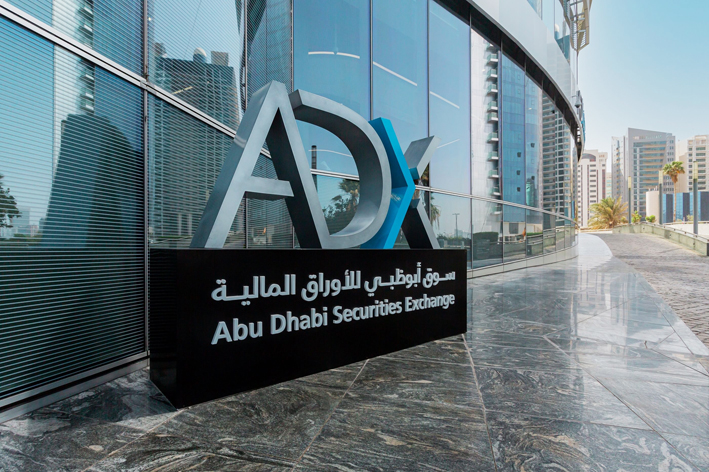
The ETF’s launch is also a strategic move for Lunate Capital, positioning the firm as a significant player in the Islamic finance sector. The company’s expertise in managing Shariah-compliant investments, combined with its focus on high-growth markets like India, is expected to enhance its reputation and attract a broader investor base. The Chimera ETF will be traded on the Abu Dhabi Securities Exchange (ADX) and is expected to draw significant interest from both regional and international investors.

As global investment trends continue to evolve, the demand for ethical and Shariah-compliant financial products is likely to increase. Lunate Capital’s new ETF is poised to benefit from this trend by offering a product that aligns with investors’ values while tapping into the lucrative Indian market. The launch underscores the growing convergence between Islamic finance and global investment opportunities, highlighting the expanding role of Shariah-compliant products in diverse financial markets.

This development reflects broader trends in the financial industry, where traditional investment products are being adapted to meet the needs of a diverse and global investor base. By integrating Shariah compliance with a focus on high-growth markets, Lunate Capital is setting a precedent for how Islamic finance can intersect with emerging economic opportunities.

BEIJING, CHINA – Media OutReach Newswire – 26 August 2024 – The first comprehensive robot exhibition center in Beijing, “Robot World,” has established a permanent exhibition hall. The National Robot Testing and Evaluation Center (Headquarters) Beijing Evaluation Center provides authoritative domestic and world-class testing and certification services. The Beijing Embodied Intelligence Robot Innovation Center focuses on solving common industry challenges in the development of key embodied intelligence […]

Presenting Sun Life Pavilion: “Sun Life Believes Art Can Forge a Brighter Tomorrow” HONG KONG SAR – Media OutReach Newswire – 26 August 2024 – Sun Life is proud to announce title sponsorship of ART021 HONG KONG Contemporary Art Fair, marking the highly anticipated debut of this prestigious art fair in Hong Kong, following its acclaimed successes in mainland China with over 20 international-grade art fairs hosted […]

Advertisements

Enjoy Local Favourites with Exclusive Rewards KUALA LUMPUR, MALAYSIA – Media OutReach Newswire – 26 August 2024 – In celebration of Malaysia Day, inDrive, the global ride-hailing platform, and Kedai Kopi Malaya, the beloved local food brand, are teaming up to offer Malaysians a special treat! This exciting collaboration highlights the perfect blend of convenience and culinary delight, bringing together two essential elements of Malaysian culture—getting around […]

KUALA LUMPUR, MALAYSIA – Media OutReach Newswire – 26 August 2024 – JustMarkets, a globally recognized multi-assets broker, is pleased to announce the launch of the Jiwa Merdeka Trading Contest, organized exclusively for clients from Malaysia. The trading contest will run from August 19 to September 15, 2024, and offers participants a unique opportunity to showcase and improve their trading skills while competing for valuable and exciting […]

Seafood and processing equipment and service companies from 46 countries have confirmed their presence. The Expo provides seafood professionals with a platform to discover new products and innovations, identify new opportunities and markets, keep up to date with market trends and build relationships with new suppliers and partners. SINGAPORE – Media OutReach Newswire – 22 August 2024 – Seafood Expo Asia, organized by Diversified Communications, taking place […]

By Dr. Gyan Pathak India bloc’s political moves in Jammu and Kashmir have utterly upset the Union Minister of Home and BJP leader Amit Shah, especially the seat sharing announcement between the National Conference and the Congress, which prompted him to sharply attack Congress on the politically sensitive issue of unity of India asking 10 […]

SYDNEY, AUSTRALIA – Media OutReach Newswire – 24 August 2024 – AlphaX has taken a significant step forward in making decentralized trading more accessible to everyone by introducing a revolutionary email login feature. This new functionality greatly simplifies the wallet setup process, allowing users to quickly and easily access the DEX without the complexities typically associated with Web3 technology. By lowering the entry threshold, AlphaX ensures that […]

Xi Jinping is set to lead the 2024 Forum on China-Africa Cooperation (FOCAC) with significant engagements that underline China’s deepening ties with the African continent. Scheduled for September 5, the summit will see Xi delivering a keynote address at the opening ceremony, setting the tone for discussions on economic partnerships, infrastructure development, and bilateral cooperation between China and African nations. This year’s summit holds particular significance as […]

HAIKOU, CHINA – Media OutReach Newswire – 23 August 2024 – In spring 2024, the Department of Tourism, Culture, Radio, Television and Sports of Hainan Province launched a global “Hainan Tourism & Cultural Excellence Top 10” selection event, which received widespread media coverage and enthusiastic support from around the world. Top spots include Ling Shui’s Boundary Island, Sanya’s Yalong Bay, and Danzhou’s Daner Zhuiguang Station. 2024 Hainan […]

Resorts World Cruises is set to expand its footprint in the Middle East by launching a new series of cruise sailings from Dubai. This move marks a significant step in the company’s strategic growth plan, aiming to tap into the thriving cruise market in the region. The inaugural voyage is scheduled to begin in early October 2024, featuring a diverse range of itineraries designed to attract both […]

Kenya’s recent decision to impose new levies on cereals, legumes, herbs, and tubers has triggered widespread protests from traders, who argue that the move breaches regional trade agreements. The new tax regime, effective immediately, aims to boost government revenue but has faced backlash from within the East African Community (EAC), where economic integration and free trade are cornerstones.

Traders and industry experts have voiced concerns that the additional levies could destabilize regional trade networks. They argue that such measures undermine the EAC’s commitment to facilitating trade and reducing barriers within the region. The EAC, comprising Kenya, Uganda, Tanzania, Rwanda, Burundi, and South Sudan, has worked to establish a common market to enhance economic cooperation and reduce trade friction among member states.

Kenyan officials, however, maintain that the new levies are necessary to address local market imbalances and promote the growth of domestic agricultural sectors. The government argues that these taxes will support local farmers by reducing the influx of imported goods that they claim undercut local prices.

Economic analysts warn that these levies could lead to retaliatory measures from neighboring countries, potentially escalating into a broader trade dispute within the EAC. Such conflicts could disrupt supply chains and increase costs for consumers, particularly in countries dependent on cross-border trade.

The East African Business Council (EABC) has expressed strong disapproval of Kenya’s policy shift. The council’s representatives argue that the new levies could create significant hurdles for regional trade, particularly for small and medium-sized enterprises that lack the resources to absorb additional costs. They call for urgent dialogue between the Kenyan government and EAC trade officials to resolve the issue without further escalating tensions.

Farmers in Kenya are also divided on the impact of the new levies. While some support the policy as a way to protect local agriculture, others fear that the increased costs will lead to higher prices for consumers and reduced competitiveness of Kenyan products in the regional market. This internal division reflects broader concerns about how best to balance national interests with regional cooperation.

The controversy has also drawn attention from international trade observers, who highlight the potential implications for the EAC’s broader economic goals. The community’s vision includes the creation of a single market and a customs union, which are at risk if member states impose unilateral trade barriers.

As the debate continues, the Kenyan government has pledged to review the impact of the new levies and engage in discussions with regional trade partners. However, the situation remains fluid, with stakeholders closely monitoring developments and preparing for possible adjustments in trade policies.

The unfolding dispute underscores the challenges facing regional integration efforts in East Africa, where balancing national policy objectives with the commitment to free trade and economic cooperation is increasingly complex.

The UAE has reaffirmed its commitment to leading global climate action during its participation in the United Nations’ Critical Energy Transition Minerals (CETM) Panel, held in Nairobi, Kenya. Abdulla Balalaa, the UAE’s Assistant Minister of Foreign Affairs for Energy and Sustainability, represented the nation at the event, where key discussions revolved around the critical role of minerals in the global shift toward clean energy. The CETM Panel, […]

Nigeria is banking on the operational launch of the Dangote Petroleum Refinery to address ongoing fuel shortages and alleviate the burden of lengthy queues at petrol stations. As the country grapples with an energy crisis exacerbated by its reliance on imported refined petroleum, the new refinery promises to be a game-changer in the nation’s energy landscape. This refinery, situated in the Lekki Free Zone near Lagos, is […]

Saudi Arabia’s Foreign Minister, Prince Faisal bin Farhan, has embarked on a significant diplomatic mission to Iraq, engaging in discussions aimed at bolstering bilateral ties and addressing the volatile security situation in the region. His visit comes at a critical juncture, as tensions escalate between Iran-backed militias and U.S. forces in Iraq, further complicating the already fragile truce. Prince Faisal’s meetings with Iraqi officials, including Prime Minister […]

The U.S. dollar rebounded against the euro today, recovering from a 13-month low, as traders anticipated comments from Federal Reserve Chair Jerome Powell. Market participants are keenly awaiting Powell’s speech at the Jackson Hole Economic Symposium, which is expected to provide insights into the Fed’s approach to interest rate cuts.

The dollar’s resurgence comes after weeks of depreciation driven by concerns over a slowing U.S. economy and growing expectations of a rate cut by the Fed. These expectations were initially fueled by disappointing employment data, which showed a lower-than-expected job gain in July and a rise in the unemployment rate. This led to speculation that the Fed might cut rates by as much as 50 basis points in its September meeting.

However, as more economic data pointed to stronger-than-expected growth, the likelihood of a more aggressive rate cut has diminished. According to the CME Group’s FedWatch Tool, traders now see a 73% chance of a 25 basis point cut in September, with a 27% probability for a 50 basis point reduction.

Powell’s upcoming speech is seen as a critical moment for the markets, as it could clarify the Fed’s stance ahead of the September policy meeting. While some analysts believe the dollar has been oversold, others caution that the greenback’s future trajectory will depend heavily on the Fed’s next steps.

The dollar’s recent rally is also linked to weakening economic prospects in Europe and the UK, where central banks are facing similar dilemmas. As a result, the euro and the pound have struggled to maintain gains against the dollar, contributing to the dollar’s bounce back.

Investors will be closely monitoring Powell’s remarks for any hints on whether the Fed is leaning toward a more cautious or aggressive approach to monetary policy, as well as any indications of future rate cuts beyond September. The speech is likely to set the tone for global currency markets in the coming weeks, as traders adjust their positions based on the Fed’s outlook.

British pound strengthened sharply following a surge in PMI data, climbing to $1.3129, the highest level since July 2023. The pound’s upward momentum was bolstered by encouraging economic indicators, outpacing its performance against the euro and reaching a peak not seen since April 2022 if it surpasses the $1.3143 mark. The robust performance of the pound reflects investor confidence in the UK economy, as recent PMI figures […]

XIONG’AN, CHINA – Media OutReach Newswire – 22 August 2024 – Over the past seven years since its establishment, Xiong’an New Area in Hebei Province, north China, has intensified efforts to relieve Beijing of functions non-essential to its role as China’s capital, with the demonstration effect of central enterprises clustering initially emerging. The market economy vitality has continued to burst forth, with the rapid development of the […]

Dubai-based firms have significantly expanded their footprint in China with investments totaling $1.4 billion from 2015 to 2023. This substantial financial commitment underscores the growing economic ties between the UAE and China, highlighting a strategic shift towards deepening commercial relationships. Mohammad Ali Rashed Lootah, President and CEO of Dubai Chambers, emphasized the scale and significance of this investment, marking a period of intensified economic collaboration. The influx […]

Board Approves Plan to Return US$180 million to Shareholders over Three Years in Addition to Normal Dividend Highlights: Shipment volume increased by 12.3%, led by Sports category Revenue increased by 7.5% to US$770.0 million Further enhanced customer portfolio Gross profit margin expanded by 2.7 percentage points to 25.8% Reported operating profit margin increased to 12.9% from 9.0% same period last year Adjusted net profit increased by 54.1% […]

VISHNU RAJA
RYO YAMADA
HITORI GOTOH
IKUYO KITA