News related to
AI trade

Fartcoin, a meme cryptocurrency that initially appeared as a humorous and unorthodox creation, has stunned the digital currency market by surpassing both Dogecoin and Shiba Inu in value. This surge has raised eyebrows, leaving investors and enthusiasts questioning the true drivers behind its rapid rise despite its lack of inherent utility or purpose.

Launched as a joke, Fartcoin’s explosive growth is indicative of an unpredictable trend in the volatile world of meme cryptocurrencies. While cryptocurrencies like Bitcoin and Ethereum are traditionally backed by more tangible use cases or underlying technology, meme coins have gained attention primarily through social media-driven hype and community engagement. Dogecoin, which started as a joke itself, was one of the first meme coins to experience mainstream success. Shiba Inu followed suit, building a large following through a similar blend of humor and speculative interest.

Fartcoin, however, has defied expectations in a market that has often dismissed its creation as a fleeting trend. According to market analysts, its recent spike in value can be attributed to a combination of viral social media campaigns and backing from influential figures within the cryptocurrency ecosystem. Its rise parallels the phenomenon seen with Dogecoin during the height of its popularity in 2021, when celebrity endorsements and internet buzz pushed the token’s price to unprecedented levels.

Despite its unorthodox origins, Fartcoin has attracted a growing community of investors and traders who are taking part in the speculative fervor that has characterized the meme coin market. Its unique appeal lies in its absurdity, providing a form of digital amusement as much as it does a potential investment vehicle. For some, the allure is in participating in a meme-based financial ecosystem that feels detached from the traditional financial systems. For others, it’s the hope of riding the wave of a coin that could offer short-term profits through its unpredictable fluctuations.

However, experts are warning that Fartcoin’s rise could be emblematic of the broader risks inherent in meme coin investments. While some are reaping the rewards of buying into the cryptocurrency during its early phases, others are beginning to question the sustainability of such growth. Cryptocurrencies that lack real-world applications or a robust technical foundation are notoriously volatile and prone to sudden crashes once the speculative excitement subsides.

The market behavior surrounding meme coins has been driven largely by speculative trading, with investors often lured by the fear of missing out (FOMO) on a potential windfall. This pattern is not new, as seen with the rise and fall of other tokens within the meme coin category. As such, Fartcoin’s meteoric rise could be the latest iteration of a pattern that has seen countless cryptocurrencies rise on the back of a social media surge, only to falter once the speculative bubble bursts.

Critics of Fartcoin and similar meme cryptocurrencies argue that these coins lack any real value or utility, making them susceptible to market manipulation and investor sentiment. Unlike more established cryptocurrencies that offer underlying technology or use cases such as decentralized finance (DeFi) or non-fungible tokens (NFTs), meme coins exist primarily as digital novelty items. As such, their worth is tied to the popularity of online communities, rather than any practical application or development.

However, proponents of Fartcoin and other meme coins assert that their success is indicative of a new era in which the market is driven less by traditional economic fundamentals and more by collective sentiment. This has sparked a broader conversation about the role of social media in shaping financial markets, particularly in the realm of cryptocurrency. It underscores the growing influence of decentralized online communities that can sway the value of a digital asset, for better or worse.

The unpredictable nature of meme coins like Fartcoin is reflected in their frequent fluctuations in value. A sharp increase in price often prompts waves of buying from eager investors hoping to capitalize on the short-term rally. But as seen in the past, such spikes can also be followed by equally dramatic drops, leading to significant losses for those caught up in the fervor.

In recent weeks, cryptocurrency regulators have begun to take notice of the growing impact of meme coins on the market. While Fartcoin itself has yet to draw the attention of major regulatory bodies, the broader trend of speculative investments in meme tokens has raised concerns about market manipulation and consumer protection. Regulators are starting to consider whether new rules are necessary to safeguard investors, particularly those who may not fully understand the risks involved in trading highly volatile assets.

The rise of Fartcoin has also sparked conversations within the wider cryptocurrency community about the ethical implications of promoting and investing in meme coins. Some advocates argue that the market is simply a reflection of the internet’s cultural landscape, where humor and entertainment can intersect with finance. Others, however, view the influx of meme-based tokens as a distraction from the more serious projects within the cryptocurrency space.


Crude oil markets across the Middle East have become increasingly constrained as the United Arab Emirates (UAE) takes steps to limit its oil exports, while international sanctions continue to affect flows from Iran. These combined actions have contributed to a tightening of global oil supplies, pushing prices higher for key Middle Eastern grades.

The UAE, one of the world’s top oil producers, has recently implemented measures to limit its output, joining other OPEC+ members in their efforts to stabilize oil markets amid fluctuating demand and economic uncertainty. This move is part of a broader strategy by the UAE to control production levels more closely, ensuring that the global supply remains in balance with the demand.

Meanwhile, the ongoing sanctions on Iran have added another layer of complexity to the Middle Eastern oil landscape. Despite some efforts to revive the nuclear deal, Tehran continues to face restrictions that prevent it from fully participating in the global oil trade. As a result, Iran’s oil exports have been significantly curtailed, with the country struggling to bypass restrictions designed to limit its oil revenues. This has further squeezed the market and contributed to higher prices for several crude grades.

The tightening of the market has had a noticeable impact on prices. For example, the price of Dubai crude, a key benchmark for Middle Eastern oil, has seen a substantial increase, reflecting the reduced availability of supply. The price uptick is particularly significant for countries in Asia, where Middle Eastern crude is a primary source of oil. The sharp rise in prices has prompted concerns among buyers about the sustainability of the situation, especially as global energy demand continues to grow.

Oil prices in the Middle East have also been influenced by broader geopolitical and economic trends. As countries like China and India recover from the pandemic and resume higher levels of industrial activity, their demand for crude oil has surged. This demand has been further amplified by supply restrictions in other regions, notably from Russia and Venezuela, where political and economic challenges have hampered production. These dynamics have intensified the pressure on Middle Eastern producers to ensure they can meet the global demand while managing the ongoing challenges posed by sanctions and production cuts.

The UAE’s decision to limit its oil exports aligns with broader efforts within the Organization of the Petroleum Exporting Countries (OPEC+) to curb production in response to shifting market conditions. OPEC+ has long been at the forefront of managing global oil output to prevent significant price fluctuations that could destabilize the market. However, the ongoing cuts, which have been in place for much of 2024, are a delicate balancing act. If production levels are reduced too much, they risk pushing prices too high, which could spark inflationary pressures around the world.

This delicate balance is evident in the price movements of several key crude grades. Brent crude, the global benchmark, has risen steadily, driven by supply concerns from key oil-producing regions, including the Middle East. Similarly, West Texas Intermediate (WTI) has seen price increases, partly due to concerns about the tight supply from OPEC+ nations.

Sanctions on Iran continue to play a significant role in these price shifts. Despite some efforts by Tehran to circumvent sanctions by selling oil on the black market, international restrictions remain in place, making it difficult for the country to regain its former market share. Iran’s oil exports, which once accounted for a substantial portion of global supply, have dropped significantly since the US re-imposed sanctions after exiting the nuclear deal. While there have been sporadic efforts to negotiate a return to the deal, these have so far yielded little in terms of significant policy changes or sanctions relief.

For the oil markets, these combined challenges—UAE production cuts and Iranian sanctions—represent a dual pressure point that is expected to persist throughout 2024. Experts warn that the global oil market will continue to face volatility as geopolitical uncertainties, economic growth trajectories, and supply disruptions intertwine.

While the UAE’s actions are likely to continue to drive the market dynamics in the short term, the long-term outlook for the region’s oil supply remains uncertain. The UAE, along with other key players like Saudi Arabia, will need to carefully navigate the challenges of balancing global demand with domestic energy strategies. In particular, the UAE’s push to manage its oil output more closely may have significant implications for global oil prices, especially if other members of OPEC+ follow suit.

Investors have funneled a record $600 billion into global bond funds in 2024, capitalizing on some of the highest yields in decades. This marks a significant reversal from 2022, when $250 billion exited fixed-income funds.

The ICE BofA global bond index now offers yields exceeding 4.5%, the highest since 2008. This surge is attributed to easing inflation and central banks reducing interest rates, enhancing the appeal of bonds. Developed and emerging market bond funds have collectively attracted $617 billion by mid-December.

Corporate bonds have been particularly attractive, offering higher yields than government debt. Investors have shown a preference for passive exchange-traded funds (ETFs), with industry leaders BlackRock and Vanguard leading inflows. This trend is supported by companies effectively managing rising borrowing costs, making corporate bonds a favorable option.

However, the momentum of these inflows may decelerate in 2025. Equity markets have experienced gains, spurred by President-elect Trump’s policies, leading to substantial inflows into U.S. stock funds. Additionally, there is skepticism regarding the potential for further improvements in corporate bond performance.

In the ETF sector, U.S.-listed funds have achieved inflows nearing $910 billion, positioning them for a record year, potentially surpassing $1 trillion. This growth is driven by increased investor interest in actively managed fixed-income ETFs, with record inflows expected to push the industry towards a historic milestone.

The inclusion of Indian sovereign bonds into JPMorgan’s emerging markets index has also contributed to the global bond market dynamics. This move is expected to bring billions of dollars in foreign inflows, further integrating India into global financial markets.

Similarly, South Korea’s anticipated inclusion in FTSE Russell’s World Government Bond Index is projected to attract substantial investment inflows, potentially amounting to 80 trillion won ($59.7 billion) over the coming years. This development is expected to support the nation’s bond market and strengthen the South Korean won.

Despite these positive trends, certain sectors have experienced outflows. For instance, global money market funds saw substantial inflows of $127.44 billion in the week leading up to November 6, due to investor caution around the U.S. presidential election and the Federal Reserve’s policy meeting. However, investors sold off $649 million in gold and other precious metal funds during the same period.

KUALA LUMPUR, MALAYSIA – Media OutReach Newswire – 18 December 2024 – 2024 has been a year of contradictory events, significant economic changes, and major political shifts. On a positive note, it was the year when global central banks finally managed to tackle inflation, partly induced by the negative and far-reaching effects of the COVID pandemic and partly by the more recent geopolitical events. After holding borrowing […]

SINGAPORE – Media OutReach Newswire – 17 December 2024 – FBS, a leading global broker, has just launched its promotional campaign Happy New Trade. The promo is designed to help traders turn their New Year’s resolutions into reality. Running until January 26, 2025, the campaign offers participants the chance to achieve more, with exclusive rewards and thrilling opportunities waiting at every level. The Happy New Trade promo […]

Telegram has taken a significant step into the world of non-fungible tokens (NFTs) by launching a new feature that allows users to trade digital stickers. The messaging platform’s latest initiative, in collaboration with the TON blockchain, introduces the “Sticker Shop” mini-app. This shop will enable Telegram users to purchase exclusive, limited edition NFT stickers using Telegram Stars, a virtual currency tied to Toncoin (TON).

The Sticker Shop allows creators to upload their own digital sticker packs and monetize their artwork by selling them as NFTs. Users can browse the store, buy, and trade these stickers with ease, making this a novel way for creators to gain recognition and profit from their digital creations. Telegram has built this feature around Toncoin, leveraging the TON blockchain to provide a secure and decentralized method for transactions.

The new mini-app aims to merge the growing NFT market with Telegram’s massive user base, which exceeds 700 million monthly active users. Telegram has been steadily expanding its platform with additional features, including payments and bots, and this new offering represents a significant push into the world of blockchain and digital art. The Sticker Shop not only enhances user engagement but also offers a new revenue stream for both Telegram and creators.

Toncoin, a cryptocurrency originally developed by Telegram’s parent company, has been central to the platform’s ambitions in the decentralized finance space. By integrating TON into the Sticker Shop, Telegram seeks to promote the adoption of its blockchain. Toncoin’s role in the system is pivotal, as it underpins all transactions within the Sticker Shop, including the purchase of the NFT stickers.

Telegram’s expansion into NFTs follows broader trends in social media and digital platforms, where companies are increasingly exploring ways to incorporate blockchain technology to offer new features. Major platforms like Twitter and Instagram have already integrated NFTs into their systems, capitalizing on the growing demand for digital assets. However, Telegram’s move is particularly significant given the platform’s focus on privacy and decentralization. This approach aligns with the ethos of blockchain technology, offering a unique blend of both features.

For users, the Sticker Shop promises to be a fun and interactive way to engage with digital art, adding value to stickers that have long been a central part of the Telegram experience. The platform has become known for its vibrant and creative communities, with stickers playing a key role in personalizing conversations. With this new feature, Telegram is tapping into the trend of digital ownership, where users can not only use these stickers in chats but also potentially sell or trade them, further enhancing the sense of ownership.

As Telegram continues to build its ecosystem, the inclusion of NFT capabilities creates a seamless integration with its existing infrastructure. Telegram Stars, the virtual currency within the platform, will allow users to make quick transactions without needing to rely on external crypto wallets or exchanges. This seamless integration lowers the barrier to entry for users who might be unfamiliar with cryptocurrency, thus broadening the appeal of NFTs beyond the crypto-savvy audience.

The focus on limited edition NFT stickers adds an element of rarity and exclusivity to the stickers, similar to how NFTs in other markets have gained value due to their scarcity. By allowing only a limited number of stickers to be sold, creators can cultivate a sense of urgency among buyers, driving demand and increasing the potential for higher prices on the secondary market. This mirrors trends seen in other NFT-based platforms, where the rarity of digital items drives up their perceived value.

The move is not just about providing a platform for creators but also positioning Telegram as a key player in the growing NFT market. The digital sticker economy has already proven to be lucrative for creators, with some stickers fetching high prices due to their uniqueness and the communities that develop around them. By offering a dedicated space for NFTs, Telegram gives these creators the tools to directly monetize their work while reaching a large, engaged audience.

Telegram’s decision to build its Sticker Shop using the TON blockchain also offers a glimpse into the broader strategy of the company. Telegram has consistently pushed for decentralization in its services, and by supporting blockchain technology, the company reinforces its commitment to privacy and data security. Unlike many other tech giants, Telegram has avoided traditional monetization strategies, such as data mining, and instead focuses on offering value-added services like the Sticker Shop to generate revenue. This commitment to a decentralized and user-centric model sets Telegram apart from other social media platforms, many of which have been criticized for exploiting user data.

Despite Telegram’s massive user base, it will face competition from other platforms already capitalizing on the NFT boom. While Telegram’s integration with Toncoin provides a unique selling point, platforms like Twitter and Instagram have already made substantial strides in the NFT space. However, Telegram’s established position as a communications tool could give it an edge in attracting a broader audience to the NFT market. By combining social interaction with digital ownership, Telegram offers a distinct value proposition for both users and creators.

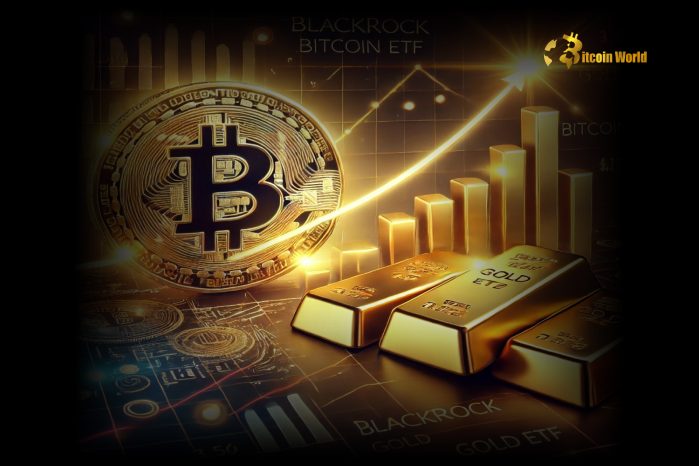
The rise of Bitcoin exchange-traded funds (ETFs) has seen a notable milestone, with Bitcoin ETFs now surpassing gold ETFs in assets under management (AUM). This shift represents a significant turning point in the financial landscape, signaling growing investor confidence in digital assets despite gold’s long-established dominance as a safe haven investment.

Bitcoin ETFs, which first launched in 2021, have rapidly gained traction among institutional and retail investors alike. As of December 2024, Bitcoin ETFs in the United States have amassed over $40 billion in AUM, outpacing gold ETFs which currently hold around $38 billion. The accelerated growth of Bitcoin ETFs has prompted discussions regarding the evolving role of cryptocurrency in traditional investment portfolios and its potential to replace or complement gold as a store of value.

This change comes despite the fact that gold ETFs have been available for over two decades, providing investors with a simple, liquid, and low-cost way to gain exposure to the price of gold without physically owning the metal. Gold has historically been viewed as a stable investment, especially during periods of economic uncertainty, inflation, or geopolitical unrest. Bitcoin, on the other hand, has only been in existence since 2009 and has gained significant attention in recent years as an alternative asset class.

Several factors contribute to the growing appeal of Bitcoin ETFs. One of the key drivers has been the institutionalization of the cryptocurrency market. Large financial institutions, including BlackRock, Fidelity, and others, have entered the Bitcoin ETF space, bringing credibility to the market and attracting new investors. Additionally, the growing acceptance of Bitcoin as a legitimate asset class by regulators and financial authorities has alleviated concerns regarding its volatility and security risks.

In particular, the launch of Bitcoin ETFs backed by Bitcoin futures has helped to fuel the growth of the sector. These ETFs offer exposure to Bitcoin’s price movements without the need for investors to directly hold or store the cryptocurrency. By offering a regulated investment vehicle, these funds provide investors with the potential for Bitcoin’s upside without the complexities of self-custody and security issues associated with owning the cryptocurrency directly.

The rise of Bitcoin ETFs also reflects a broader shift in investor sentiment, particularly among younger investors who are more comfortable with technology and digital assets. Many millennials and Gen Z investors, who have grown up in an era of digital finance and cryptocurrency, view Bitcoin not only as a speculative investment but also as a hedge against traditional financial system risks. They often see Bitcoin as a “digital gold,” capable of offering similar benefits as gold, such as inflation protection, but with greater potential for upside in the long run.

Meanwhile, gold ETFs are showing signs of stagnation, with inflows into these products slowing as interest in alternative assets like Bitcoin continues to grow. While gold still holds its position as a primary hedge against inflation and economic instability, the digital asset class, led by Bitcoin, is capturing a larger portion of the market share. The price volatility of Bitcoin, which was once considered a major drawback, is now seen by many as an opportunity for higher returns, making it a more attractive option for risk-tolerant investors.

Another factor contributing to the growth of Bitcoin ETFs is the increasing interest in decentralized finance (DeFi) and blockchain technologies. As the blockchain ecosystem expands, more investors are recognizing the potential for Bitcoin and other cryptocurrencies to disrupt traditional financial systems. The transparency, security, and accessibility offered by blockchain technology make it a compelling alternative to conventional banking and financial services, leading more investors to explore Bitcoin as part of a diversified portfolio.

Despite its growing popularity, Bitcoin remains a volatile asset, subject to large price swings. While Bitcoin’s AUM has surpassed that of gold ETFs, it is important to note that Bitcoin’s value is still largely driven by speculation, regulatory developments, and market sentiment. Unlike gold, which has a long history of stability, Bitcoin’s future remains uncertain, with potential regulatory changes and market fluctuations posing risks for investors.

Nevertheless, Bitcoin’s ascent in AUM marks a significant shift in the investment landscape, reflecting growing acceptance of cryptocurrencies as a legitimate asset class. The race between Bitcoin and gold is far from over, and it remains to be seen whether Bitcoin can maintain its lead over gold in the long term or if the precious metal will once again take the upper hand.

As Bitcoin ETFs continue to grow in popularity, financial advisors and wealth managers will need to adjust their strategies to accommodate this shift. The inclusion of Bitcoin in traditional investment portfolios presents both opportunities and challenges, requiring investors to carefully consider their risk tolerance and long-term financial goals.

Advertisements

The UAE-China Investment Summit, hosted by HSBC in collaboration with Abu Dhabi Global Market (ADGM) during Abu Dhabi Finance Week (ADFW), concluded with a strong call to enhance economic relations and build strategic partnerships between the United Arab Emirates and China.

Commemorating 40 years of economic partnership, the summit convened senior political and economic experts, investors, and business leaders to explore cooperation in trade, investment, sustainable finance, innovation, technology, and infrastructure development.

Salem Mohammed Al Darei, CEO of ADGM, highlighted the summit as a significant milestone in diplomatic relations, providing a platform to explore opportunities in trade, investment, and cultural exchange. He emphasized Abu Dhabi’s role as the “capital of capital” and ADGM’s position as the region’s fastest-growing international financial center.

Zhang Yiming, China’s Ambassador to the UAE, remarked on the four-decade-long diplomatic ties, built on shared aspirations and purposeful cooperation. He noted that the summit reflects a commitment to exploring new opportunities and fostering sustainable economic growth benefiting both nations.

Mohammed Abdulrahman Al Marzouqi, CEO of HSBC Bank Middle East in the UAE, underscored the bank’s role in promoting bilateral investments. He noted that non-oil trade between the UAE and China reached $81 billion in 2023, with expectations for significant growth as Abu Dhabi’s transformation accelerates and China strengthens its global leadership in trade, renewable energy, and innovation.

The summit featured discussions, presentations of investment opportunities, and exclusive networking sessions, reinforcing its status as a key event of Abu Dhabi Finance Week. Both nations expressed a commitment to accelerating growth in priority sectors, including renewable energy and digital transformation.

The UAE holds a pivotal position as China’s largest trading partner in the Middle East, serving as a gateway for Chinese firms seeking to expand in the region. The summit’s emphasis on strategic partnerships aims to leverage this position, fostering mutual investments and driving sustainable growth.

The UAE’s payment industry is on track for significant growth, projected to reach a value of $27.3 billion by 2028. This surge reflects the country’s increasing digital transformation, with innovative payment technologies gaining traction across multiple sectors. The shift toward a cashless economy and the growing demand for online and mobile payment solutions are key drivers behind this expansion. The shift to digital payments has been accelerated […]

Saudi Global Ports Co., a state-backed entity, has engaged Goldman Sachs Group Inc. and HSBC Holdings Plc to assist in arranging a potential initial public offering (IPO) that could raise up to $1 billion. The IPO is anticipated to take place as early as next year, according to sources familiar with the matter.

The company, owned by Saudi Arabia’s sovereign wealth fund and Singapore’s PSA International Pte, is considering listing on the Riyadh stock exchange. This move aligns with Saudi Arabia’s broader strategy to diversify its economy and attract international investment.

Saudi Global Ports Co. operates several key ports in the kingdom, including the King Abdulaziz Port in Dammam and the King Fahad Industrial Port in Yanbu. These ports are vital to the nation’s trade infrastructure, handling a significant portion of Saudi Arabia’s imports and exports.

The potential IPO is part of a series of privatizations and public offerings initiated by the Saudi government to reduce its reliance on oil revenues and stimulate the non-oil economy. The Public Investment Fund (PIF), which owns Saudi Global Ports Co., has been instrumental in these efforts, investing in various sectors such as technology, entertainment, and infrastructure.

The selection of Goldman Sachs and HSBC underscores the importance of the IPO and the government’s commitment to ensuring its success. Both banks have extensive experience in managing large-scale IPOs and have been involved in several high-profile offerings in the region.

The planned IPO is expected to attract significant interest from both domestic and international investors, given the strategic importance of the ports and the government’s push for economic diversification. The funds raised from the offering are intended to support the expansion and modernization of port facilities, enhancing Saudi Arabia’s position as a global logistics hub.

While the exact timing and valuation of the IPO are yet to be determined, the involvement of leading financial institutions indicates a well-prepared approach to the offering. The success of this IPO could set a precedent for future privatizations and public offerings in Saudi Arabia, potentially influencing the broader Middle East and North Africa (MENA) region’s capital markets.

Continuous investments have bolstered DHL’s aviation network and ground facilities in the past year, enabling it to support new trade demands and the traditional peak season spike The company saw 6% more international shipments move between Asia Pacific and other continents through its network, comparing the first nine months of 2023 and 2024 SINGAPORE – Media OutReach Newswire – 17 December 2024 – DHL Express, has bolstered […]

Simon’s Cat (CAT), a meme-inspired cryptocurrency, has been listed on Binance, one of the world’s leading cryptocurrency exchanges. This development has significantly impacted the token’s market performance and investor sentiment.

Following the announcement of its listing, CAT experienced a substantial price increase, surging over 60% to reach an all-time high of $0.00006811. This surge propelled the token’s market capitalization to approximately $439 million. The listing on Binance has provided CAT with increased visibility and liquidity, attracting a broader range of investors and traders.

The CAT token is now available for trading against several major cryptocurrencies, including USDT, BNB, FDUSD, and TRY. This diverse range of trading pairs enhances its accessibility and appeal to a global audience. The listing on Binance is expected to bolster CAT’s position in the competitive meme coin market, potentially attracting new investors and increasing its market share.

In addition to the Binance listing, CAT has been introduced to the OKX exchange, where it is now available for trading against USDT. This expansion to multiple exchanges is anticipated to further enhance CAT’s liquidity and market presence. The listing on OKX, a prominent cryptocurrency exchange, signifies growing institutional interest and acceptance of the token.

The futures market for CAT has also seen significant activity, with open interest reaching over $17 million. This indicates a strong interest from traders in speculating on the token’s future price movements. The substantial open interest reflects the market’s confidence in CAT’s potential and the increasing demand for exposure to the token.

Despite the positive developments, the listing of CAT on Binance has raised concerns among some market participants. Critics have questioned Binance’s listing practices, citing instances where newly listed tokens experienced significant price volatility, followed by sharp declines. They argue that such patterns resemble pump-and-dump schemes, potentially disadvantaging retail investors. The rapid price fluctuations observed in some tokens listed on Binance have led to increased scrutiny of the exchange’s listing and trading practices.

The CAT token’s surge in price and trading volume underscores the dynamic nature of the cryptocurrency market. It highlights the influence of major exchanges like Binance in shaping the fortunes of digital assets. The listing has not only boosted CAT’s market capitalization but also sparked renewed interest in meme-inspired cryptocurrencies, which have gained popularity for their community-driven initiatives and potential for high returns.

As the cryptocurrency market continues to evolve, the performance of tokens like CAT will be closely monitored by investors and analysts. The listing on Binance and other exchanges is expected to play a pivotal role in determining CAT’s future trajectory. The token’s ability to maintain its momentum and navigate the challenges of market volatility will be crucial in sustaining investor confidence and achieving long-term success.

MicroStrategy has further cemented its position as one of the largest corporate holders of Bitcoin, completing the acquisition of an additional 15,350 BTC for $1.5 billion, translating to an average price of approximately $100,386 per Bitcoin. This latest purchase marks a significant move for the company, reinforcing its bullish stance on the cryptocurrency as part of its long-term strategy.

The firm, led by Michael Saylor, now holds a total of 439,000 BTC, valued at around $27.1 billion. This represents a major commitment to the digital asset class, with an average purchase price of $61,725 per Bitcoin. The recent acquisition comes amid a highly volatile period for Bitcoin, reflecting MicroStrategy’s ongoing belief in the asset’s potential to appreciate over time despite fluctuations in market prices.

This move is part of MicroStrategy’s broader strategy, which has seen it steadily accumulate Bitcoin over several years. The company began its Bitcoin acquisition spree in August 2020, making waves with its decision to adopt Bitcoin as its primary treasury reserve asset. At the time, it was one of the first major publicly traded companies to make such a bold commitment. Since then, MicroStrategy has continued to expand its holdings, with the total now approaching half a million BTC.

The firm’s investment strategy has been both aggressive and disciplined. The recent purchase of 15,350 BTC is one of the largest single acquisitions the company has made, a testament to its confidence in Bitcoin’s future. With a BTC yield of 46.4% quarter-to-date and 72.4% year-to-date, the performance of its holdings has demonstrated significant growth, providing strong returns on investment amid the digital currency’s price movements. Despite the volatility of Bitcoin’s market, these figures underline MicroStrategy’s strategy of holding long-term, seeing fluctuations as temporary rather than risks to the investment.

MicroStrategy’s focus on Bitcoin has not been without its critics, especially given the volatility that the cryptocurrency market can exhibit. Yet, the company’s commitment to holding its Bitcoin rather than liquidating it has helped the firm weather some of the market’s downturns. For instance, when Bitcoin’s value dropped significantly in mid-2022, many investors reassessed their positions, yet MicroStrategy maintained its stance, reaffirming its strategy.

The recent surge in Bitcoin’s price in the latter part of 2023 and into 2024 has only bolstered MicroStrategy’s position. While Bitcoin’s market value has fluctuated over time, with sharp dips followed by recoveries, the price stability seen recently suggests that its adoption as a store of value is gaining broader acceptance. The digital currency has seen increasing interest from institutional investors, signaling a shift in market sentiment towards Bitcoin as a long-term asset rather than a speculative instrument.

MicroStrategy’s massive Bitcoin position has also had implications for the company’s financial health. The firm has financed many of its Bitcoin purchases through a combination of cash reserves and debt offerings, including a significant issuance of convertible senior notes. This strategy has allowed MicroStrategy to leverage its position in the cryptocurrency without diluting its equity.

As Bitcoin adoption continues to grow among institutional investors and corporations, the role of companies like MicroStrategy in shaping market trends becomes more apparent. Their buying patterns not only influence Bitcoin’s price movements but also signal to other investors the viability of cryptocurrency as part of a diversified investment portfolio.

The corporate adoption of Bitcoin, exemplified by MicroStrategy’s approach, has also sparked broader discussions about the future of digital currencies and their integration into the global financial system. While many countries are still grappling with the regulatory implications of cryptocurrencies, the rising influence of institutional players points to an inevitable shift towards digital assets in the broader financial ecosystem.

Despite the challenges of regulatory uncertainty and market volatility, MicroStrategy’s bet on Bitcoin has proven to be a long-term strategy rather than a short-term speculation. The firm’s actions illustrate a deep belief in Bitcoin as a foundational asset for the future, even as the broader market adjusts to its unpredictable nature.

By Nantoo Banerjee China’s sudden change of mind to uphold peace and tranquility with India at the Line of Actual Control (LAC) and work for early resolution of outstanding issues should not be read beyond these words as framed at the joint declaration at the end of the 30th meeting of the Working Mechanism for […]

Enjoy 10% S-Coin Cashback at all Senheng and senQ outlets SETIA ALAM MALAYSIA – Media OutReach Newswire – 16 December 2024 – Senheng is excited to announce the launch of its nationwide solar solutions, now available across all Senheng and senQ outlets. With more than 100 outlets across Malaysia, Senheng is making it easier for Malaysians to switch to solar energy and enjoy significant savings on energy […]

The Roads and Transport Authority (RTA) of Dubai has officially launched the ‘Logisty’ platform, a major technological initiative aimed at enhancing the efficiency of freight transport across the region. The platform, designed to streamline logistics operations, will serve as a pivotal tool for both local businesses and international traders, helping to optimize the movement of goods in and out of Dubai. With logistics playing a key role […]

Libya’s Zawiya Refinery has come to a standstill after the declaration of force majeure, compounding the nation’s already fragile economic landscape. The move has disrupted operations at the key facility, which is crucial for the country’s domestic fuel supply and its oil export revenues. As the impact of the refinery’s shutdown reverberates, concerns are rising over how long Libya can weather these economic shocks. Located on the […]

MicroStrategy, the business intelligence firm that has increasingly positioned itself as a major player in the Bitcoin space, is set to join the Nasdaq 100 index, a milestone that will further integrate Bitcoin-linked assets into mainstream financial markets. The decision underscores the growing intersection between traditional technology firms and cryptocurrency exposure, signaling to investors a new wave of passive investment flows.

This move places MicroStrategy among the 75 largest non-financial companies in the Nasdaq, a list traditionally populated by household names such as Apple, Microsoft, and Amazon. For the firm, it represents the culmination of a year marked by aggressive Bitcoin acquisitions, which have significantly boosted its market value. The firm’s stock has seen explosive growth as it has leaned heavily into Bitcoin, becoming one of the largest institutional holders of the digital asset.

Founded in 1989, MicroStrategy initially built its reputation as a provider of analytics software, helping companies harness data for decision-making. However, in recent years, under the leadership of CEO Michael Saylor, the company has transformed into a prominent Bitcoin advocate. MicroStrategy’s strategic pivot to Bitcoin began in 2020 when it made its first purchase of the cryptocurrency, and since then, it has continued to acquire more, amassing over 150,000 Bitcoin.

The company’s decision to enter the Nasdaq 100 has profound implications for investors. The inclusion not only boosts its visibility but also opens the door for passive investments from exchange-traded funds (ETFs) and mutual funds that track the Nasdaq 100. These funds, many of which are structured to automatically buy and sell stocks in the index, will now include MicroStrategy in their portfolios. As a result, Bitcoin-linked stocks could see billions of dollars in new investment inflows.

For passive investors who may have no direct interest in cryptocurrency but are focused on broad market exposure, MicroStrategy’s entry into the Nasdaq 100 offers a means to indirectly engage with Bitcoin’s price movements. While the firm’s stock has been volatile due to its dependence on the cryptocurrency market, this volatility may be tempered by its larger footprint in the tech sector, which has seen massive gains over the last decade.

MicroStrategy’s inclusion also reinforces the idea that Bitcoin is becoming entrenched in the financial ecosystem. Previously seen as an alternative investment for a select group of enthusiasts, the cryptocurrency is increasingly being integrated into corporate balance sheets and financial products. As traditional investors gain exposure to Bitcoin indirectly through stocks like MicroStrategy, it adds a layer of legitimacy to the cryptocurrency in the eyes of institutional investors and retirement funds.

While the move is seen as a victory for Bitcoin proponents, it has raised concerns among some analysts about the risks of such exposure. Bitcoin’s price fluctuations are well-known, and the cryptocurrency’s history of volatility could potentially affect MicroStrategy’s stock performance. For instance, as Bitcoin’s price rose, so too did MicroStrategy’s stock, but should Bitcoin experience a downturn, the company could face significant losses, which could then ripple through the broader Nasdaq 100 index.

Despite these risks, analysts view the inclusion of MicroStrategy in the Nasdaq 100 as a validation of the growing acceptance of Bitcoin by mainstream markets. The company’s transformation from a traditional business analytics firm to a Bitcoin-centric institution mirrors the broader trend of tech firms increasingly integrating digital assets into their business strategies. Companies like Tesla, Square, and Galaxy Digital have made similar moves, signaling a growing belief in Bitcoin as a store of value and hedge against inflation.

MicroStrategy’s financial standing has been propelled by Bitcoin’s rise. The firm’s market cap has swelled as its Bitcoin holdings have appreciated in value. Since its first purchase, Bitcoin’s price has experienced explosive growth, reaching over $60,000 per coin at its peak, although it has fluctuated significantly since then. Nevertheless, MicroStrategy’s heavy investment in Bitcoin continues to give it a major stake in the digital currency’s success.

One significant consequence of this shift is the potential impact on traditional investors who may not fully understand the cryptocurrency space. Many of these investors may now find themselves exposed to Bitcoin’s price swings through their broader equity holdings, even if they are not directly investing in cryptocurrency. This introduces a level of risk that was not present before, but also reflects the deepening ties between cryptocurrency and mainstream financial markets.

The inclusion of MicroStrategy in the Nasdaq 100 highlights a broader shift in how tech companies and institutional investors are incorporating cryptocurrency into their portfolios. The rise of Bitcoin-focused companies is part of a larger trend that is reshaping the landscape of global finance. As Bitcoin becomes more embedded in corporate strategies, its influence on traditional stock markets is likely to grow.

By Dr. Nilanjan Banik On November 30, Mr. Donald Trump posted a threat on his social media, warning that if BRICS countries abandon the US dollar, they would face a 100% tariff. This is not a new threat; similar warnings have also been directed at other regions, including nearshore friendly countries such as Mexico and […]

HANOI, VIETNAM – Media OutReach Newswire – 11 December 2024 – On December 10, 2024, Eximbank proudly joined hands with Visa to officially launch the Visa Direct service, a transformative step in redefining cross-border financial transactions. Held at Eximbank’s Head Office, this prestigious event brought together Eximbank’s leadership, Visa representatives, and distinguished guests to celebrate this innovative milestone. Visa Direct offers an exceptional opportunity for Eximbank customers, […]

FBS Joins Forces with Dignity for Children Foundation to Brighten the Holidays for About 350 Families in Malaysia SINGAPORE – Media OutReach Newswire – 13 December 2024 – FBS, a leading global broker, is honored to support the Dignity for Children Foundation in their heartfelt holiday campaign, Christmas Gift-A-Meal, taking place this December. The initiative aims to bring joy and warmth to families in Malaysia by providing […]

MELBOURNE, AUSTRALIA – Media OutReach Newswire – 12 December 2024 – CompareForexBrokers, a leading forex broker comparison service has launched a new digital tool, to help traders select the ideal trading platform for their needs. CompareForexBrokers recognised that many traders were struggling to find the most suitable platform. MetaTrader 4 and 5, cTrader, and TradingView, all have attractive features and are used by traders around the world. […]

Hong Kong Listed Companies with Increasing Focus on ESG Practices Top Performing Companies Adopted Robust Governance Structure HONG KONG SAR – Media OutReach Newswire – 12 December 2024 – Catherine Leung, Chairperson of the Chamber of Hong Kong Listed Companies (CHKLC) said at the Hong Kong Corporate Governance & ESG Excellence Awards 2024 (Awards) Gala Dinner tonight, “Hong Kong is at the stage of transition faced with […]

Tether (USDT) has seen a significant shift in its distribution across blockchain networks, with Ethereum surpassing TRON in terms of USDT supply. Over the past month, the amount of USDT on Ethereum has surged by approximately $20 billion, pushing its dominance in the stablecoin market. As of the latest reports, Ethereum now accounts for the majority of the USDT supply, with more than $12 billion of the total circulating USDT on the Ethereum network.

This notable growth is a result of increasing demand for Ethereum-based DeFi applications and the network’s broader adoption. USDT, a leading stablecoin in the cryptocurrency sector, has traditionally been spread across various blockchains, including Bitcoin’s Omni layer, TRON, and others like EOS and Liquid. However, Ethereum has long been the primary platform for stablecoins, and its share has now expanded significantly, reflecting Ethereum’s renewed appeal amid the growing DeFi ecosystem.

Ethereum’s dominance has been bolstered by its Ethereum 2.0 upgrade, improving scalability and transaction costs, which has made it a more attractive option for decentralized finance platforms and crypto traders. The increase in USDT supply on Ethereum is not just a byproduct of market demand but also a strategic move to enhance Ethereum’s role in decentralized applications (dApps) and smart contract solutions.

Meanwhile, TRON, which once held a more substantial share of USDT, has seen its role diminish in the face of Ethereum’s rising prominence. While TRON continues to be a player in the stablecoin ecosystem, its share of the total USDT supply has decreased notably in recent months. This shift is indicative of broader trends in the stablecoin market, where networks like Ethereum are increasingly seen as the go-to platforms for issuing and transferring stablecoins due to their robust infrastructure and widespread use.

VISHNU RAJA
RYO YAMADA
HITORI GOTOH
IKUYO KITA