News related to
AI trade

AD Ports Group has emerged as a leader in the maritime industry through its strategic emphasis on digitalization, as outlined in its white paper titled “Digitalisation for Enhanced Efficiency: Leveraging Data for Smart Ports.” This publication delves into the transformative role that digital technologies such as IoT, AI, and blockchain are playing in modernizing traditional port operations, particularly in regions like Asia, Africa, and South America. The […]

Winner is TUX mobility, an innovative startup in solar-powered cargo vehicle DHL Fast Forward Challenge: Sustainable Solutions Asia Pacific edition is the fourth edition in the series and was recently held in Singapore Three innovators were shortlisted as finalists, who will work with DHL to provide expert support in implementing the technology in Asia Pacific SINGAPORE – Media OutReach Newswire – 22 August 2024 – DHL has […]

Collaborative Effort Set to Accelerate Growth and Expansion of Vietnamese Enterprises in Singapore SINGAPORE – Media OutReach Newswire – 22 August 2024 – SUNRATE, an intelligent global payment and treasury management platform announced that it has entered into a partnership with Vietnam Chamber of Commerce (VietCham Singapore) to empower Vietnamese enterprises looking to scale and operate in Singapore. As part of the partnership, members of VietCham Singapore […]

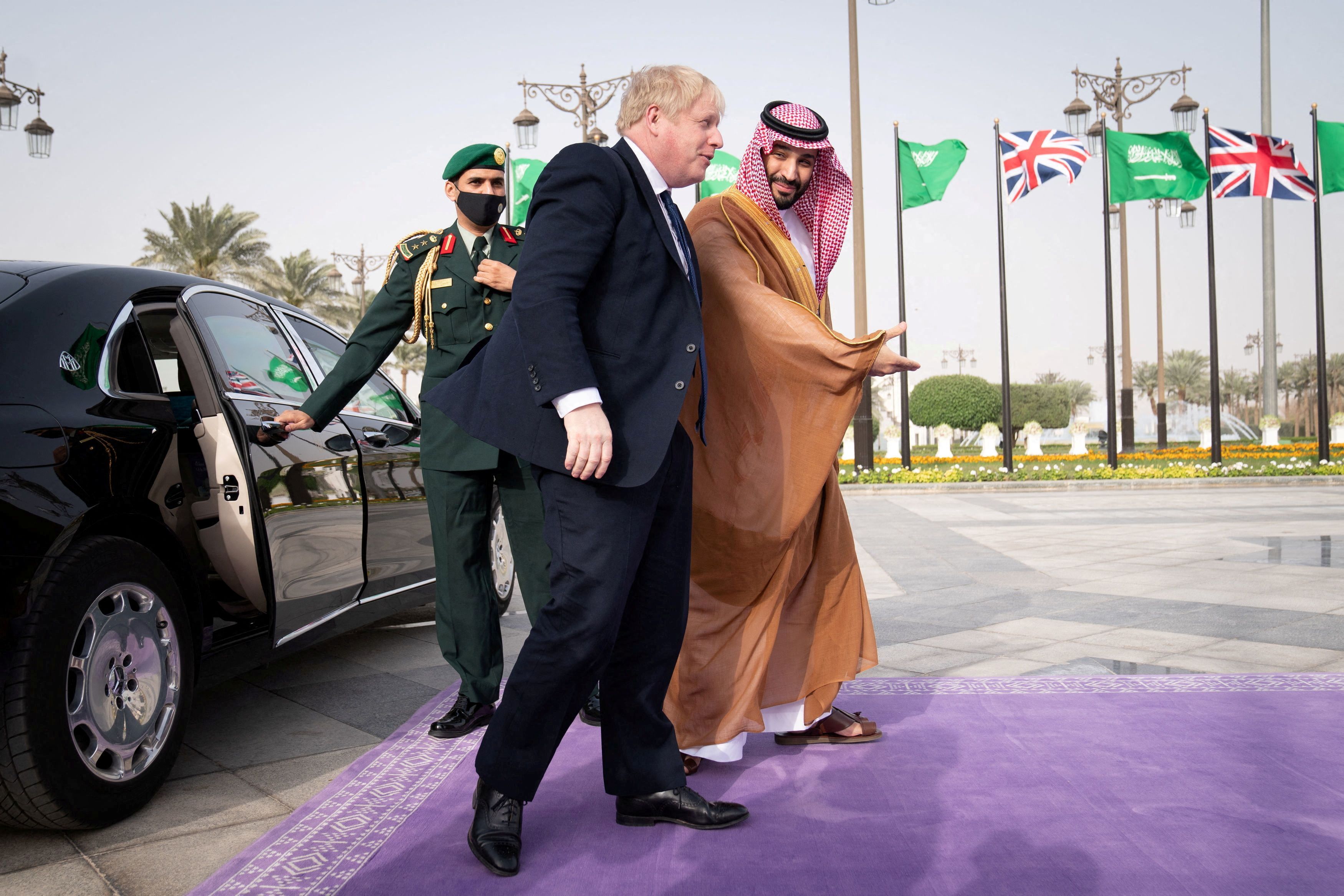
Saudi Arabia and China are exploring the possibility of trading oil in yuan, a move that could significantly impact the global oil market, which has long been dominated by the US dollar. However, analysts from S&P Global warn that this shift faces numerous challenges and could take decades to achieve substantial scale, casting doubt on the near-term viability of the yuan as a major currency in the oil trade.

Saudi Arabia, the world’s largest oil exporter, has been deepening its economic ties with China, its biggest trading partner. The prospect of conducting oil transactions in yuan instead of the US dollar is seen as part of a broader strategy by China to internationalize its currency and reduce reliance on the dollar. Such a move would also align with Saudi Arabia’s Vision 2030, which aims to diversify the kingdom’s economy and reduce its dependence on oil revenues. However, the potential transition from dollar-based oil trade to yuan-based transactions is fraught with complexities.

Key obstacles include the deep-rooted dominance of the US dollar in global trade, the relative illiquidity of the yuan in international markets, and the complex geopolitical implications of such a shift. The US dollar has been the primary currency for global oil transactions for decades, cementing its status as the world’s leading reserve currency. Any significant move away from the dollar could disrupt financial markets and strain Saudi Arabia’s long-standing relationship with the United States.

Moreover, the yuan’s limited convertibility and lack of deep, liquid financial markets make it a less attractive option for international trade compared to the dollar. Despite China’s efforts to internationalize the yuan, including the establishment of yuan-denominated oil futures contracts in Shanghai, the currency still faces significant barriers to becoming a global standard. The Chinese government’s tight control over the yuan’s exchange rate and its restrictions on capital flows add to concerns about the currency’s suitability for large-scale international transactions.

Additionally, the geopolitical landscape plays a critical role in the potential shift toward yuan-based oil trade. Saudi Arabia’s close military and economic ties with the United States have been a cornerstone of its foreign policy for decades. Moving away from dollar-based transactions could strain this relationship, particularly given the US’s strategic interest in maintaining the dollar’s dominance in global markets.

Despite these challenges, the discussions between Saudi Arabia and China reflect a broader trend of diversification in global trade and finance. As the world’s second-largest economy, China has been increasingly asserting its influence on the global stage, seeking to reduce its vulnerability to US economic policies. For Saudi Arabia, the shift towards yuan-based oil trade would be part of its broader strategy to align itself more closely with Asia’s growing economies, which are expected to drive future demand for energy.

The implications of a successful transition to yuan-based oil trade would be profound for the global economy, particularly for the role of the US dollar. The dollar’s status as the primary currency for oil transactions has been a key factor underpinning its dominance in global finance. A significant shift towards the yuan could erode this dominance, leading to a more multipolar currency system. However, given the numerous challenges and the slow pace of change in global financial systems, such a transition is likely to be gradual and may take decades to materialize.

While the prospect of yuan-based oil trade between Saudi Arabia and China is gaining attention, the path to realizing this shift is complex and fraught with challenges. The dominance of the US dollar, the yuan’s limitations as a global currency, and the geopolitical implications of such a move all suggest that any significant change in the global oil trade currency landscape will be a long and arduous process.

Tether, a leading issuer of stablecoins, announced its plans to introduce a new digital currency pegged to the United Arab Emirates dirham (AED). This move underscores the growing significance of the UAE in the global financial landscape, particularly in the realm of digital assets and blockchain technology.

The new stablecoin, expected to be named AEDT, will be pegged 1:1 to the dirham, similar to how Tether’s other stablecoins are linked to various fiat currencies like the US dollar, euro, and Chinese yuan. Tether’s decision to peg its latest offering to the dirham aligns with the UAE’s strategic efforts to establish itself as a hub for digital innovation and blockchain technology.

Tether’s existing stablecoins, including USDT, have long been dominant in the cryptocurrency market, serving as a critical bridge between traditional finance and digital assets. The introduction of AEDT is seen as a strategic move by Tether to expand its influence in the Middle East, a region that has shown increasing interest in digital currencies and blockchain technology. The UAE, in particular, has been at the forefront of adopting and integrating blockchain into its financial systems, making it a logical choice for Tether’s expansion.

The launch of AEDT is anticipated to facilitate more seamless transactions within the region, particularly for cross-border trade, remittances, and other financial services that require stable, reliable currency options. The UAE’s dirham is known for its stability, backed by the country’s strong economic fundamentals, making it an attractive option for a stablecoin peg.

Paolo Ardoino, Tether’s Chief Technology Officer, highlighted that the UAE’s proactive approach to digital assets played a significant role in the company’s decision to launch AEDT. He emphasized the UAE’s regulatory clarity and its supportive environment for digital assets as key factors in fostering innovation and growth in the sector. Ardoino also noted that the introduction of a dirham-backed stablecoin aligns with Tether’s broader vision of providing financial freedom and inclusion to people around the world, particularly in regions with underdeveloped banking systems.

The UAE government has been actively working on creating a regulatory framework for digital assets, with the aim of becoming a global leader in blockchain technology. This environment has attracted numerous blockchain companies and initiatives to the country, further solidifying its position as a central player in the global digital economy. Tether’s decision to launch AEDT is expected to accelerate this trend, potentially attracting more blockchain projects and investments to the region.

However, the introduction of AEDT is not without its challenges. Stablecoins, including Tether’s existing offerings, have faced scrutiny and regulatory pressures in various parts of the world. Questions about the transparency and reserves backing these digital assets have been raised, leading to calls for more stringent regulations. In light of these concerns, Tether has reiterated its commitment to transparency and compliance with local regulations, including those in the UAE, to ensure that AEDT is fully backed and operates within the bounds of the law.

Industry experts are closely watching how AEDT will be received in the market. While the stablecoin has the potential to become a significant player in the Middle East, its success will largely depend on user adoption and the continued stability of the UAE’s financial system. The introduction of AEDT also comes at a time when central banks around the world are exploring the issuance of their own digital currencies, which could introduce new dynamics and competition in the digital currency space.

Tether’s expansion into the UAE with a dirham-pegged stablecoin reflects the broader trend of digital assets becoming increasingly integrated into the global financial system. As the UAE continues to embrace blockchain technology and digital innovation, the launch of AEDT may pave the way for further developments in the region’s financial landscape, potentially influencing other countries to follow suit.


VILNIUS, LITUANIA – Media OutReach Newswire – 22 August 2024 – VILNIUS, Lithuania, — BingX, a leading cryptocurrency exchange, is excited to announce the launch of its groundbreaking BingX Pre-Market Trading feature. This innovative offering provides BingX users with early access to cryptocurrencies, enabling more effective price discovery and improving market liquidity. The Pre-Market Trading feature also sparks community trading interest, establishing BingX as a key platform […]

A.P. Moller – Maersk has unveiled its largest logistics park in the Middle East, located at the Jeddah Islamic Port, a strategic initiative aimed at enhancing Saudi Arabia’s role in global trade. The newly inaugurated facility, covering 225,000 square meters, integrates diverse logistics services under one roof, promising significant improvements in trade efficiency and supply chain resilience. The inauguration ceremony was marked by the presence of prominent […]

Advertisements

Police in Ras Al Khaimah have uncovered a significant cache of counterfeit products valued at Dh23 million during a coordinated raid that resulted in the arrest of three individuals. The operation, which targeted a warehouse in an industrial area of the emirate, exposed a vast array of fake goods, including make-up, toiletries, and cleaning products, all of which were intended for sale within the region. The seized […]

Marking the Fourth Consecutive Year of Sustainable High-quality Growth Agile Channel Structure and Geographic Diversification Bolster Resilience Amid Industry Downturns HONG KONG SAR – Media OutReach Newswire – 21 August 2024 – The first baijiu company listed on the Hong Kong Stock Exchange and the second Chinese sauce-aroma baijiu stock being publicly listed, ZJLD Group Inc. (“ZJLD”, the “Group” or the “Company”, SEHK stock code: 06979. HK), […]

Saudi Arabia’s Public Investment Fund (PIF) is advancing plans to launch a new cargo airline as part of its strategic expansion in the logistics sector. This initiative is aimed at bolstering the country’s position as a major global logistics hub, enhancing its transport infrastructure and boosting economic diversification efforts. The proposed cargo airline represents a key component of Saudi Arabia’s broader vision to increase its logistics capabilities […]

From Seoul to Singapore: Dive into the Kimchi Craze with Pop-Ups and Exciting Workshops SINGAPORE – Media OutReach Newswire – 21 August 2024 – This August, Singapore’s food scene is about to be reinvigorated with the refreshing crunch and spicy kick of kimchi. Kimchi aficionados are in for a treat with a series of events lined up from August to September, organised by the Korea Agro-Fisheries and […]

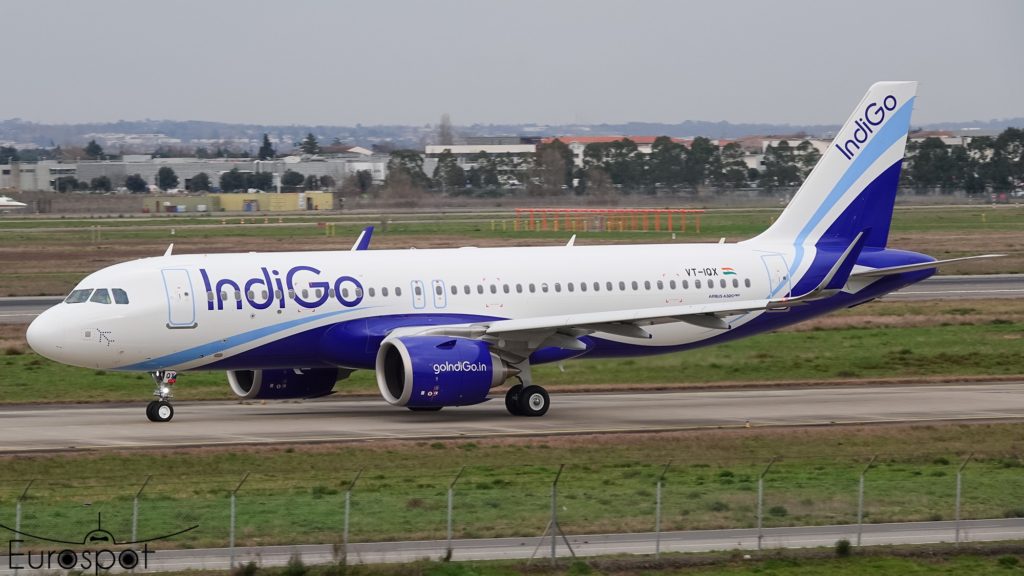
IndiGo has unveiled three new flight routes connecting Abu Dhabi’s Zayed International Airport to Mangaluru, Tiruchirappalli, and Coimbatore. This expansion, effective from next month, aims to enhance connectivity between the UAE and southern India, responding to growing demand for air travel in the region.

The new services will operate daily, with flights to Mangaluru, Tiruchirappalli, and Coimbatore scheduled to take off on a daily basis. This move is anticipated to bolster tourism and business travel between these cities and the UAE, capitalizing on the increasing number of travelers between the two regions.

Mangaluru, known for its port and economic significance in Karnataka, will benefit from improved accessibility to the Middle East, facilitating trade and investment opportunities. Tiruchirappalli, a key educational and industrial hub in Tamil Nadu, is expected to see a rise in student and business travel. Coimbatore, renowned for its manufacturing sector, will gain easier access to international markets and business partners.

This strategic route expansion aligns with IndiGo’s broader growth strategy, which focuses on increasing its footprint in key international markets. By linking these cities directly with Abu Dhabi, IndiGo aims to capture a larger share of the travel market between India and the UAE.

The airline’s move also reflects a broader trend of expanding connectivity in response to rising passenger numbers and evolving travel needs. As both leisure and business travel between India and the UAE continue to grow, airlines are investing in new routes and services to meet demand.

IndiGo’s new routes come at a time when the aviation industry is recovering from the global travel restrictions imposed during the pandemic. By establishing these direct connections, IndiGo is positioning itself to capitalize on the rebound in international travel and strengthen its market presence in the Middle East.

Passengers can expect modern aircraft and competitive fares on these new routes, consistent with IndiGo’s reputation for efficiency and affordability. The airline’s commitment to enhancing its international network is expected to foster increased economic and cultural exchanges between the UAE and southern India.

This development is part of a larger trend among airlines to expand their networks and adapt to shifting market dynamics. As travel restrictions ease and global connectivity improves, airlines like IndiGo are seizing opportunities to tap into high-demand routes and strengthen their global networks.

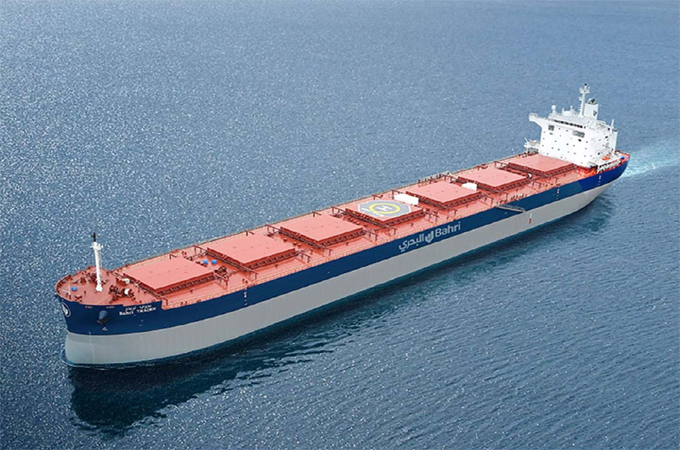
Saudi Arabian shipping giant Bahri has significantly bolstered its fleet by acquiring nine new crude oil carriers in a landmark transaction valued at approximately $1 billion. This strategic move underscores Bahri’s commitment to enhancing its global shipping capacity and operational efficiency in the oil transport sector.

The acquisition deal, finalized with a prominent shipbuilder, marks one of the largest expansions in the crude carrier segment this year. Each vessel is designed to meet the latest environmental and technological standards, reflecting Bahri’s focus on modernizing its fleet and adhering to global maritime regulations.

This fleet expansion is strategically timed to capitalize on the expected increase in global oil demand and the corresponding need for more efficient transportation solutions. The new carriers are expected to enhance Bahri’s ability to serve major oil-producing and consuming regions, thereby strengthening its position in the global shipping market.

Industry experts anticipate that the addition of these vessels will enable Bahri to optimize its operational capabilities and improve its service offerings. This move aligns with the broader trends in the shipping industry, where major players are investing in newer, more efficient ships to reduce operational costs and meet stricter environmental standards.

Bahri’s decision to invest heavily in its fleet is seen as a proactive response to the evolving dynamics of the global oil market and shipping industry. By integrating these advanced carriers into its operations, Bahri aims to reinforce its role as a leading player in the maritime logistics sector.

The acquisition also highlights Bahri’s ongoing efforts to adapt to the changing landscape of global trade and transportation. As international trade continues to evolve, Bahri’s investment in its fleet is expected to enhance its competitive edge and operational resilience.

With this substantial investment, Bahri not only strengthens its fleet but also positions itself to better navigate the complexities of the global oil supply chain. The company’s strategic vision includes expanding its reach and capabilities, ensuring that it remains at the forefront of the industry amid shifting market conditions.

Overall, Bahri’s $1 billion investment in new crude carriers represents a significant milestone in its growth trajectory and reflects its commitment to maintaining a modern and efficient fleet. As the company continues to expand its operations, it will play a crucial role in shaping the future of global maritime transport and oil logistics.

A unique investment club is drawing attention in Hong Kong, where teenagers are engaged in high-stakes trading with a staggering $20 million in portfolios. This initiative, held in a bustling auditorium, showcases a group of young individuals, all in casual attire, intensely focused on stock tickers and trading screens. The program, designed to simulate real-world trading environments, allows participants to manage significant sums of money, providing them […]

Arabian Post Staff Prime Minister Narendra Modi has begun a significant three-day visit to Poland and Ukraine, starting today. The trip marks a notable moment in diplomatic relations, with Modi scheduled to meet Polish President Andrzej Sebastian Duda and engage in key bilateral discussions. This visit, the first of its kind for an Indian Prime Minister, aims to bolster ties between India and the two European nations. […]

PancakeSwap, a prominent decentralized exchange (DEX) on the Binance Smart Chain, has recently expanded its influence, solidifying its position as one of the leading platforms in the cryptocurrency market. Established as a key player in the decentralized finance (DeFi) space, PancakeSwap now ranks third among the top crypto exchanges by trading volume. Originally launched in September 2020, PancakeSwap allows users to trade various cryptocurrencies directly without the […]

Ethereum’s dark pools, private trading platforms where transactions occur away from public exchanges, are seeing a marked increase in activity. Recent data reveals a significant uptick in private transactions on these platforms, overshadowing their public counterparts. This surge reflects a growing trend among institutional and high-net-worth investors seeking discretion and favorable trading conditions. Dark pools are typically used by large investors to execute substantial trades without impacting […]

Lenovo has introduced its latest Yoga PC series, equipped with advanced AI features, to the Middle Eastern market. The launch, highlighted by an exclusive AI-themed pop-up at the Mall of the Emirates in Dubai, marks a significant expansion of Lenovo’s Yoga brand, known for blending cutting-edge technology with user-friendly design. The new Yoga PCs, including models like the Yoga Pro 9i and Yoga Slim 7i Carbon, are […]

HONG KONG SAR – Media OutReach Newswire – 20 August 2024 – Avenir Group, a global institutional family office focused on multi-strategy investment trading powered by financial technology (FinTech), has become the largest institutional holder of two major Bitcoin exchange traded-funds (ETFs) in Asia in the second quarter (Q2) of 2024. According to its 13-F filing with the U.S. Securities and Exchange Commission (SEC) on 2 August […]

The burgeoning economic relationship between China and the United Arab Emirates (UAE) is set to deepen with significant investments in logistics, clean energy technologies, mobile gaming, and artificial intelligence (AI). This expansion follows a series of strategic meetings and collaborative agreements aimed at enhancing trade and technological exchanges between the two nations. On August 21 and 22, Beijing will host the Dubai Business Forum-China, featuring over 50 […]

The Indian aviation sector is on a transformative path that positions it as a major global hub by 2030. According to CAPA Advisory, Indian airlines are expected to significantly expand their fleets, with projections indicating the addition of 150 widebody aircraft by 2035. This expansion is set to be complemented by the integration of Airbus A321XLRs, designed for medium-haul routes, thereby enhancing connectivity and operational efficiency.

The rapid growth of the Indian aviation industry is driven by several factors, including a burgeoning middle class, increasing urbanization, and heightened economic activity. The country’s strategic geographic location between major global markets further reinforces its potential as a key aviation hub. With the government’s supportive policies and investments in infrastructure, including the development of new airports and the expansion of existing ones, India’s role in global air travel is set to become more prominent.

Indian airlines are focusing on modernizing their fleets to accommodate the rising passenger demand. The introduction of widebody aircraft will enable them to serve long-haul international routes more effectively. At the same time, the A321XLRs will address the need for efficient, medium-haul connectivity, making regional and international destinations more accessible.

Airline operators are also investing in technology and innovation to improve operational efficiency and enhance passenger experience. This includes advancements in aircraft maintenance, fuel efficiency, and customer service. As the aviation sector evolves, Indian carriers are positioning themselves to compete on a global scale, with a focus on delivering high-quality service and expanding their network reach.

The anticipated growth in passenger traffic is expected to double over the next decade, driven by the increasing affordability of air travel and the expansion of low-cost carriers. This surge in demand will necessitate significant investments in airport infrastructure, including terminal expansions and modernization of air traffic control systems, to accommodate the higher volume of passengers and flights.

The Indian government has been proactive in supporting this growth trajectory through various initiatives, including policies aimed at improving the regulatory environment and fostering private sector investment in the aviation sector. The development of new airports in underserved regions and the enhancement of existing facilities are central to this strategy, aimed at ensuring that infrastructure keeps pace with the expanding demand.

Industry experts highlight that the rise of Indian aviation as a global hub will have far-reaching economic implications, creating job opportunities, stimulating regional development, and fostering international trade and tourism. The increased connectivity will not only benefit passengers but also enhance cargo capacity, facilitating smoother global trade flows.

Overall, the Indian aviation sector’s expansion aligns with broader economic trends and demographic shifts, positioning the country as a key player in the global air travel market. As Indian airlines continue to expand their fleets and improve their services, they are set to play a significant role in shaping the future of global aviation.

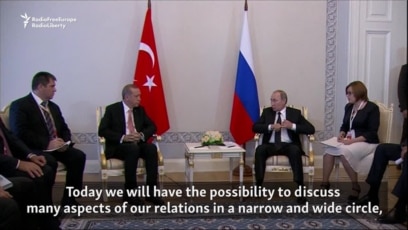
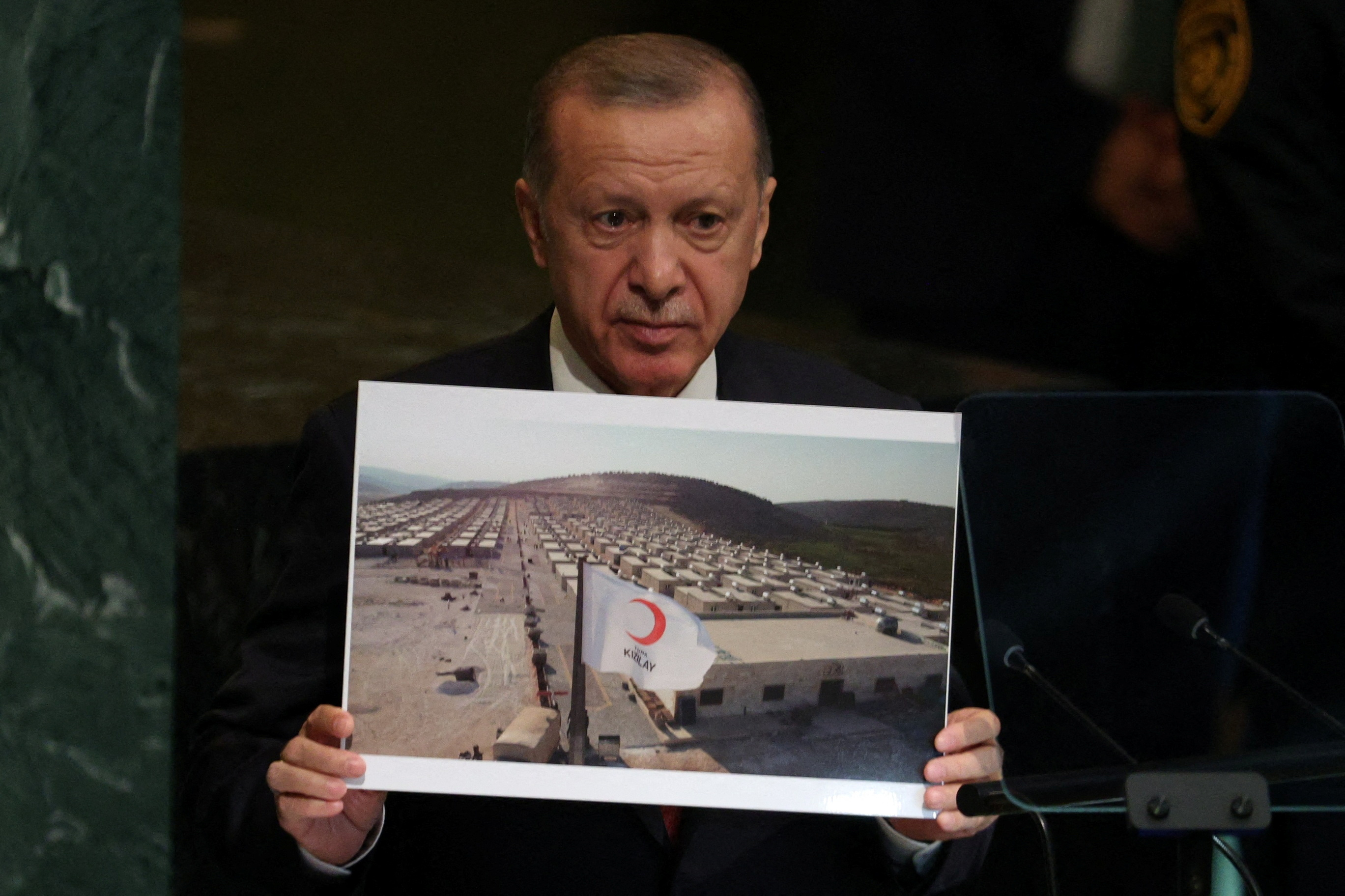
A new trade agreement between government-controlled and opposition-held areas in Syria marks a significant development in the Syrian conflict. This trade initiative, involving key economic exchanges between these once-divided regions, hints at a possible warming of relations between Syrian President Bashar al-Assad and Turkish President Recep Tayyip Erdogan.

The trade agreement comes amid shifting geopolitical dynamics, with Russia playing a pivotal role in facilitating dialogue between the Assad regime and various opposition factions. Moscow’s intervention in the Syrian conflict in 2015, aimed at restoring Assad’s control, has now expanded to include efforts to bridge the gap between conflicting parties. The recent trade pact underscores a potential realignment of alliances and objectives in the region.

The agreement involves the exchange of goods such as food, medicine, and construction materials, which are crucial for rebuilding efforts in the war-torn country. This trade is being managed through a network of intermediaries and is expected to alleviate some of the economic pressures faced by both sides. The move also reflects broader strategic interests, with both Assad and Erdogan seeking to stabilize their respective positions in the region.

The initiative has garnered attention from various international observers and analysts, who view it as a strategic maneuver by both leaders to consolidate their control and influence. The Syrian government sees this trade agreement as a means to reinforce its authority and address humanitarian needs, while Erdogan’s administration is leveraging the opportunity to address economic and political pressures within Turkey.

The trade pact aligns with Russia’s broader objectives in Syria, where Moscow has been working to strengthen its diplomatic and strategic foothold. The Russian government has been actively involved in brokering discussions and mediating between conflicting parties, aiming to create a more stable and cooperative environment in Syria. This recent development is seen as a part of Russia’s strategy to enhance its influence and facilitate a more sustainable resolution to the conflict.

The reaction from the international community has been mixed. While some view the agreement as a positive step towards reducing tensions and fostering dialogue, others remain skeptical about its long-term impact on the broader conflict. Critics argue that while the trade initiative may offer short-term benefits, it does not address the underlying political and security challenges that continue to plague Syria.

As the situation evolves, stakeholders are closely monitoring how this trade agreement will affect the broader dynamics of the Syrian conflict. The potential for improved relations between Assad and Erdogan could reshape the geopolitical landscape of the region, influencing not only Syria’s internal politics but also its interactions with neighboring countries and international actors.

The trade agreement between Syrian regime and rebel areas represents a notable shift in the ongoing conflict, with implications for both regional politics and international diplomacy. The development highlights the complex and evolving nature of the Syrian crisis, reflecting broader trends and strategic interests that continue to shape the region’s future.

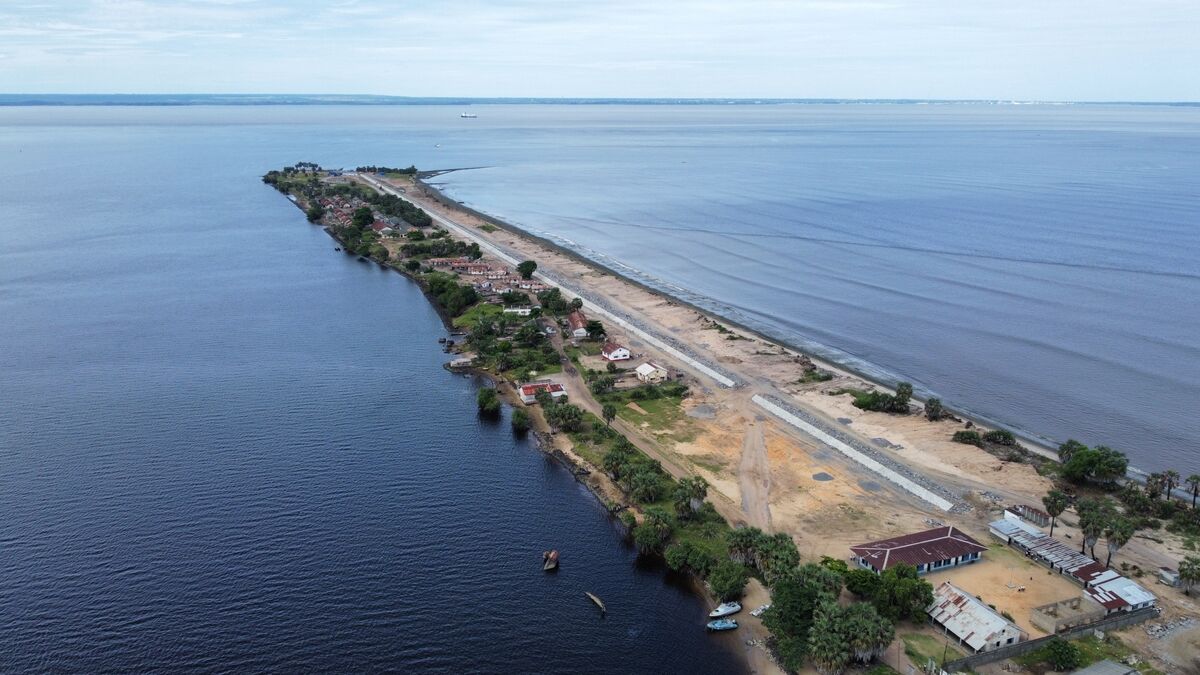
A major infrastructure venture is underway as DP World and British International Investment join forces to establish the Democratic Republic of Congo’s first deep-water port. This landmark project aims to significantly reduce trade costs and stimulate the local economy by creating approximately 85,000 jobs.

The deep-water port, strategically located on the Atlantic coast, will enhance Congo’s trade capabilities by accommodating larger vessels and improving logistical efficiency. Currently, Congo’s maritime infrastructure is limited, with most ports unable to handle significant cargo volumes due to shallow waters. The new port will address these constraints, offering a modern facility that can support the country’s growing trade demands.

Trade experts anticipate that the port will lower the cost of importing and exporting goods by up to 12%. This reduction is expected to have a broad economic impact, facilitating more affordable access to international markets for Congolese businesses and boosting the nation’s economic competitiveness on the global stage.

The project represents a substantial investment in Congo’s economic infrastructure, signaling a robust commitment from both DP World and British International Investment to the region’s development. By improving port facilities, the initiative will also enhance supply chain efficiency, which is crucial for Congo’s key export sectors, including mining and agriculture.

Construction of the port is projected to commence in the coming months, with the development phase anticipated to last several years. During this period, the project will generate significant employment opportunities, ranging from construction jobs to roles in port operations and logistics. The anticipated job creation is expected to provide a substantial boost to the local economy, supporting thousands of families and contributing to broader economic stability in the region.

The deep-water port is poised to transform the economic landscape of the Democratic Republic of Congo. It will not only modernize the country’s maritime infrastructure but also catalyze growth across various sectors, from trade and logistics to regional development.

As work on the port progresses, the collaboration between DP World and British International Investment is expected to attract additional international interest and investment in Congo’s infrastructure projects. The partnership underscores a growing trend of global investors focusing on the development of critical infrastructure in emerging markets, recognizing the long-term economic benefits these projects can deliver.

This ambitious initiative highlights the potential for significant progress in Congo’s economic development through strategic investments in infrastructure. The establishment of a deep-water port marks a pivotal step forward, promising to enhance trade efficiency, stimulate job creation, and support broader economic growth.

Trade between Syria’s regime-held territories and rebel-controlled regions in Idlib has begun to show signs of increased cooperation, potentially hinting at a warming relationship between Syrian President Bashar al-Assad and Turkish President Recep Tayyip Erdogan. This development comes after years of hostilities that have defined the Syrian civil war and the broader geopolitical dynamics in the region.

The Bab al-Hawa crossing, a critical gateway for humanitarian aid and commercial trade between Syria and Turkey, is now functioning under the control of Hayat Tahrir al-Sham (HTS), an Islamist rebel group that dominates the Idlib region. Despite Turkey’s classification of HTS as a terrorist organization, the crossing has become a vital economic lifeline, with HTS reportedly generating millions of dollars in revenue from customs and tariffs imposed on goods passing through the border.

In a more controversial move, HTS has initiated trade with areas under the control of the Syrian regime, particularly through the Saraqib crossing. This crossing, which reopened following negotiations involving HTS, Syrian regime representatives, and Russian commanders, was touted as a means to revitalize the local economy. HTS claimed that the reopening would alleviate the severe shortages of medicine and other essential goods in Idlib, while also boosting the region’s agricultural sector.

The reopening of the Saraqib crossing has been met with mixed reactions. While HTS argues that this economic cooperation is necessary to sustain the local population and reduce reliance on smuggling, critics view it as a betrayal of the rebel cause, potentially signaling a shift in HTS’s stance towards the Assad regime. Additionally, there are reports of ongoing consultations between HTS and Turkey regarding the crossing, indicating a complex interplay of interests that could be influencing the group’s decisions.

The potential rapprochement between Assad and Erdogan is further complicated by Russia’s role in mediating and promoting these trade links. Russia, a key ally of the Syrian government, has been pushing for a normalization of relations between Turkey and Syria, as part of its broader strategy to stabilize the region and secure its interests. This effort aligns with Russia’s goal of strengthening Assad’s position while ensuring that Turkey, which backs several rebel factions, remains engaged in the political process rather than pursuing military options.

However, the thaw in relations is not without challenges. Turkey continues to support rebel groups in Idlib, and any overt alignment with the Assad regime could undermine Erdogan’s standing domestically and among Syrian opposition groups. Moreover, the economic benefits of these trade arrangements, while significant, do not address the underlying political and military tensions that persist between the two sides.

As trade between regime and rebel areas continues to expand, observers are closely monitoring whether this economic cooperation will lead to a broader political detente or if it will merely serve as a pragmatic arrangement in a protracted conflict. The implications of this development could have far-reaching consequences for the future of Syria and the region, particularly if it leads to a recalibration of alliances and power dynamics.

VISHNU RAJA
RYO YAMADA
HITORI GOTOH
IKUYO KITA