News related to
AI trade

Gold has surged to historic heights, driven by the latest Federal Reserve decision to cut interest rates by 50 basis points, sparking heightened investor interest in safe-haven assets. The precious metal, which has long been seen as a hedge against inflation and economic uncertainty, reached an unprecedented $2,653 per ounce on September 23, a record in the global market.

The Fed’s move marked a pivotal shift in monetary policy, signaling further potential rate cuts. As interest rates fall, the opportunity cost of holding non-yielding assets like gold decreases, making them more attractive to investors. This shift has ignited a rally in gold prices, with many analysts predicting that the metal’s upward momentum may continue if the Fed maintains its rate-cutting strategy. The substantial increase in gold prices, approximately 30% from the start of the year, underscores growing concerns about the economic outlook.

Economic uncertainty fueled by rising geopolitical tensions, particularly in the Middle East, has also played a crucial role in driving gold to these new highs. Investors tend to flock to gold during times of instability, and the current geopolitical landscape has heightened that trend. In particular, concerns over potential disruptions in oil supplies and escalating conflicts have contributed to a broader risk-off sentiment in the market, with many turning to gold as a safer investment during turbulent times.

Global financial markets have been facing heightened volatility, spurred in part by fluctuating inflation rates and concerns over a possible economic slowdown in key markets such as the United States and Europe. This has led to increased speculation about future interest rate cuts, which further benefits gold. As inflation remains a key concern, particularly in the wake of strong consumer spending data, gold’s allure as a store of value has strengthened significantly.

The Federal Reserve’s latest actions have further entrenched the belief that it will continue to lower rates in an effort to manage inflation and support economic growth. Speculation is rife that further rate cuts could be on the horizon, with several financial analysts forecasting additional cuts by the end of 2024. As a result, gold prices could continue to rise, further bolstered by continued uncertainty in the global economic outlook.

Beyond U.S. monetary policy, a key factor contributing to the gold surge is the weakening of the U.S. dollar, which has dropped against a basket of major currencies. Gold, being dollar-denominated, becomes cheaper for investors holding other currencies when the dollar weakens, further increasing demand. This dynamic is likely to persist as long as the dollar remains under pressure due to softening economic data or expectations of further monetary easing by the Fed.

Central banks around the world have been increasing their gold reserves, driven by the desire to diversify away from dollar holdings amid concerns about long-term economic stability. China and Russia, in particular, have been large buyers of gold in recent years, further tightening supply in the global market and pushing prices upward.

The remarkable performance of gold has also drawn attention from a wide array of institutional investors, who are increasingly viewing it as an essential component of diversified portfolios. Amid concerns over stock market volatility and potential downward pressure on bonds due to interest rate movements, gold has emerged as a resilient option for mitigating risk. The widespread belief that gold will continue to perform well in the current economic environment is fueling additional inflows into gold-backed exchange-traded funds (ETFs) and other investment vehicles tied to the precious metal.

Despite the ongoing bullish sentiment, some analysts caution that gold’s rapid ascent could face headwinds if the Federal Reserve decides to reverse course on its monetary easing policies. A sudden shift toward tightening or a stronger-than-expected economic recovery could diminish gold’s appeal, particularly if the U.S. dollar strengthens in response to better-than-anticipated economic data. Nonetheless, the consensus among market watchers remains that gold is likely to continue benefitting from a combination of lower interest rates, geopolitical uncertainty, and a weaker dollar in the near term.

Gold’s record-breaking surge has been a boon for mining companies and the broader precious metals sector, which have seen their stocks rise in tandem with gold prices. The strong performance of gold miners reflects the market’s confidence that gold will remain a sought-after commodity, at least in the medium term. In particular, companies with low-cost operations are well-positioned to capitalize on the elevated price environment, which has bolstered profit margins across the sector.

A surge in institutional interest is significantly advancing cryptocurrency adoption in the United Arab Emirates, positioning the region as a pivotal player in the global digital assets market. Major financial institutions, including banks and investment firms, are increasingly embracing blockchain technology and digital currencies, which is reshaping the traditional financial landscape. The UAE government has long fostered a progressive regulatory framework aimed at enhancing financial innovation, making […]

Investment flows from the Middle East into China have surged to unprecedented levels, reflecting an evolving economic partnership driven by substantial cash reserves and a shared interest in diversification and innovation. As the global economy continues to grapple with geopolitical tensions and supply chain disruptions, companies from the Gulf region are increasingly looking to capitalize on China’s robust market potential.

Several factors have contributed to this notable increase in investment. The post-pandemic recovery in China, coupled with the Belt and Road Initiative, has created fertile ground for collaboration. This initiative aims to enhance global trade routes, and Middle Eastern firms see significant opportunities in infrastructure, technology, and renewable energy sectors. Recent data indicates that investments from Gulf Cooperation Council (GCC) countries reached a record high, with a noticeable increase in transactions related to technology and logistics.

A pivotal player in this investment wave is Saudi Arabia, which has been actively seeking to diversify its economy under the Vision 2030 plan. The Kingdom’s Public Investment Fund (PIF) is increasingly channeling resources into Chinese technology firms, particularly in artificial intelligence and e-commerce. This aligns with the Saudi strategy to leverage advancements in technology to bolster local industries and foster economic growth. The PIF has made substantial investments in Alibaba and other tech giants, marking a significant shift in its investment portfolio.

UAE firms are also playing a critical role in this trend. Abu Dhabi’s Mubadala Investment Company has expanded its footprint in China, investing heavily in sectors such as healthcare, renewable energy, and telecommunications. The strategic focus on technology and innovation mirrors the UAE’s own economic diversification goals, emphasizing a move away from oil dependency. Additionally, Dubai’s position as a global trading hub enables UAE companies to act as a conduit for investments flowing into China, facilitating partnerships and joint ventures.

Emerging sectors are at the forefront of this investment boom, particularly in technology and renewable energy. Middle Eastern firms are increasingly recognizing the importance of digital transformation, leading to significant investments in Chinese tech startups. The push for innovation aligns with global trends in artificial intelligence, fintech, and e-commerce. Companies from the Middle East are particularly interested in leveraging China’s advanced technological infrastructure to enhance their own capabilities.

The renewable energy sector is another focal point for investment. As part of their commitment to sustainability, many GCC countries are investing in clean energy projects. China’s leadership in solar and wind technology presents attractive opportunities for collaboration. Recent joint ventures between Chinese and Middle Eastern firms in solar energy projects highlight a growing trend towards sustainability in their investment strategies. This synergy not only addresses the energy needs of the region but also contributes to global efforts in combating climate change.

China’s growing consumer market also attracts substantial interest from Middle Eastern companies. With a burgeoning middle class, demand for high-quality products and services is on the rise. Companies from sectors such as food and beverage, luxury goods, and health products are looking to tap into this lucrative market. The expanding trade relationship is expected to yield significant benefits for both parties, as Middle Eastern firms introduce their products and services to Chinese consumers.

The geopolitical landscape plays a crucial role in shaping these investment dynamics. As tensions between the U.S. and China escalate, Middle Eastern nations are finding themselves in a unique position to act as intermediaries. The desire for strategic partnerships allows Gulf countries to leverage their relationships with both Western and Eastern powers. This balancing act is critical for maintaining economic stability and fostering trade relationships that benefit all parties involved.

Despite the promising outlook, challenges remain. Regulatory barriers and varying business practices can complicate cross-border investments. However, many companies are finding ways to navigate these obstacles through strategic alliances and local partnerships. Building relationships with Chinese firms is essential for understanding market dynamics and ensuring successful investment outcomes.

As Middle Eastern firms continue to increase their presence in China, the implications for global trade are profound. The growing interdependence between these regions highlights a shift in the traditional investment landscape. Analysts predict that this trend will not only bolster economic ties but also create new avenues for collaboration across various sectors.

The Ras Al Khaimah Economic Zone (RAKEZ) is among the top free zones within the United Arab Emirates territory. It is a business haven that pulls customers from all countries. RAKEZ provides several types of business Licenses, business premises, and other productive services. These features make it appealing to both new and existing firms. The RAKEZ is also appealing because of its location via the international market. […]

GUANGXI, CHINA – Media OutReach Newswire – 24 September 2024 – On September 24, the 21st China-ASEAN Expo (CAEXPO) opened in Nanning, Guangxi. Dongfeng Motor participated with a unified group image, showcasing over 60 products. The company fully utilized the CAEXPO platform to seize opportunities for international trade cooperation and actively explore new markets in ASEAN. During the four-day CAEXPO, Dongfeng showcased a range of vehicles, including […]

Kraken, one of the largest cryptocurrency exchanges in the world, has completed the acquisition of Coin Meester B.V. (BCM), marking a significant expansion into the Dutch market. This move is set to strengthen Kraken’s presence in Europe, as the company looks to consolidate its position in the competitive and rapidly evolving cryptocurrency landscape. The acquisition allows Kraken to tap into the Dutch customer base of BCM, further broadening its reach across the European Union.

With this acquisition, BCM’s clients will soon have access to over 200 digital assets, along with Kraken’s comprehensive product suite, which includes staking services, futures trading, and various other offerings that are part of its advanced platform. The integration is expected to take place over the coming months, during which time BCM users will transition to Kraken’s system, ensuring a smoother, more robust trading experience with broader asset availability.

Kraken’s move into the Netherlands comes at a time of increasing regulatory scrutiny and competition in the European cryptocurrency markets. The exchange has been actively positioning itself as a reliable platform in regions where regulations are tightening, aiming to provide users with a compliant, transparent, and secure service. Kraken’s European expansion strategy has gained momentum over the past few years, with this acquisition serving as a key milestone.

Coin Meester, also known as BCM, has established itself as one of the leading digital asset platforms in the Netherlands. Founded in 2017, BCM primarily catered to Dutch users, offering access to a variety of cryptocurrencies and a user-friendly platform for buying and selling digital assets. It quickly gained popularity among crypto enthusiasts in the Netherlands due to its ease of use and localized customer support. By joining forces with Kraken, BCM aims to enhance its offering and better serve its growing customer base with a wider range of products and services.

The acquisition is part of Kraken’s broader strategy to expand its presence in Europe, a region that has become increasingly important for cryptocurrency companies due to its regulatory framework and growing user base. Kraken’s CEO, David Ripley, emphasized the importance of the acquisition, stating that the deal aligns with Kraken’s mission to provide the most secure and comprehensive platform for users globally. He noted that the acquisition of BCM represents a significant step in expanding Kraken’s European footprint, enabling the company to serve a wider range of customers across the continent.

For BCM customers, the transition to Kraken will bring several benefits. Kraken’s platform offers a more diverse selection of digital assets, sophisticated trading tools, and enhanced security features. Kraken is also known for its strong compliance with regulatory requirements, which is increasingly important in Europe as authorities introduce stricter rules for cryptocurrency exchanges. The acquisition is expected to provide BCM users with a more secure trading environment, along with the opportunity to participate in Kraken’s staking and futures trading options, among other offerings.

Kraken has long been recognized as one of the most trusted cryptocurrency exchanges in the world, with a reputation for its strong security practices and commitment to regulatory compliance. The company operates in multiple jurisdictions globally, including the United States, Europe, and Asia, and has built a substantial user base due to its reliability, transparency, and extensive range of services. With this acquisition, Kraken will now be able to extend these same benefits to BCM’s users in the Netherlands, positioning itself as a dominant player in the Dutch market.

This acquisition also highlights the growing trend of consolidation in the cryptocurrency industry. As the market matures and regulatory pressures increase, many smaller exchanges are finding it more challenging to navigate the complex legal landscape. Larger players like Kraken are seizing opportunities to acquire local platforms, allowing them to quickly scale their operations while adhering to local regulations. The BCM acquisition is seen as a move that will not only increase Kraken’s market share in Europe but also help streamline its compliance with the European Union’s regulatory framework for cryptocurrencies.

Kraken’s decision to acquire BCM can also be viewed in the context of the rapidly evolving European regulatory environment. The European Union has introduced several regulations aimed at ensuring the safety and transparency of digital asset transactions, including the Markets in Crypto-Assets (MiCA) regulation. By acquiring BCM, Kraken ensures that it is better positioned to comply with these regulations while offering its full suite of services to a European audience. Kraken’s proactive approach to regulatory compliance has been a hallmark of its business strategy, setting it apart from competitors that have struggled with legal challenges in different jurisdictions.

For Kraken, the Netherlands represents a key market with significant growth potential. Dutch consumers have shown a keen interest in cryptocurrencies over the years, with increasing participation in trading and investment activities. By offering access to a broader range of digital assets and advanced trading options, Kraken hopes to capitalize on this interest and provide Dutch users with a world-class trading experience.

BCM’s existing customers are expected to benefit greatly from the acquisition, as they will gain access to Kraken’s advanced features and global liquidity. Kraken’s well-established infrastructure will allow Dutch users to trade with greater efficiency and security, benefiting from the platform’s robust trading engine and state-of-the-art security measures. Additionally, Kraken’s global presence will enable Dutch users to tap into a larger pool of liquidity, enhancing their trading opportunities.

Embracing a Healthy Lifestyle Together HONG KONG SAR – Media OutReach Newswire – 24 September 2024 -The Beijing Tong Ren Tang Traditional Chinese Medicine Culture Carnival will be held on September 21-22, 2024, Saturday and Sunday, at the Tsim Sha Tsui Cultural Centre Piazza. Through a series of exciting activities, citizens will learn more about Traditional Chinese Medicine and its National List of Intangible Cultural Heritage while […]

Advertisements

Investor apprehension surrounding Bitcoin custody practices has prompted BlackRock to amend its application for a Bitcoin exchange-traded fund (ETF). The updated application stipulates that Coinbase, designated as the ETF’s custodian, must process Bitcoin withdrawal requests within a strict 12-hour timeframe. This adjustment aims to address mounting concerns over Coinbase’s on-chain settlement processes and the potential risk of acquiring “paper BTC,” which may undermine the true market value of Bitcoin.

Market analysts have noted that Bitcoin has faced significant price stagnation over the past few months, despite a notable surge in institutional investment through various ETF products. This disconnect raises questions regarding the reliability of Coinbase’s custody solutions and the implications for the broader cryptocurrency market.

BlackRock’s strategic decision reflects a broader trend among asset managers to enhance transparency and security in the rapidly evolving cryptocurrency landscape. The company, a global leader in investment management, has been actively pursuing Bitcoin ETF approvals, seeking to capitalize on the increasing interest from institutional investors looking to gain exposure to digital assets.

The demand for Bitcoin ETFs has surged as institutional players seek to navigate the complexities of the cryptocurrency market. However, concerns have been raised about the operational integrity of platforms like Coinbase, particularly regarding their ability to handle large volumes of transactions efficiently. With the growing scrutiny from regulatory bodies and investors alike, BlackRock’s move to enforce stringent withdrawal requirements underscores the need for enhanced governance in the cryptocurrency custody space.

Analysts point out that the introduction of stricter withdrawal timelines could alleviate investor fears regarding liquidity and asset safety. By ensuring that Bitcoin can be swiftly withdrawn from Coinbase, BlackRock aims to foster a more secure investment environment. The move comes amid growing criticism of how exchanges manage customer assets, particularly in light of historical incidents involving exchanges that faced insolvency or operational failures.

Investor sentiment surrounding Bitcoin has fluctuated, particularly with its price stagnating below key resistance levels. While institutional investments have surged, many retail investors remain cautious, leading to questions about the underlying market dynamics. The apparent dichotomy between rising institutional interest and stagnant retail enthusiasm presents a challenge for market participants.

Coinbase has previously faced criticism for its operational practices, particularly regarding its on-chain settlement processes. Concerns have emerged that the exchange may be facilitating the issuance of “paper BTC,” a term that refers to representations of Bitcoin that do not correspond to actual holdings on the blockchain. Such practices could create an inflated sense of supply, potentially exerting downward pressure on Bitcoin prices.

The introduction of BlackRock’s stringent withdrawal requirements serves as a proactive measure to address these concerns, emphasizing the importance of a robust custody framework in fostering investor confidence. As institutional players continue to enter the cryptocurrency market, the need for secure and transparent custodial solutions has never been more critical.

The broader context of Bitcoin’s price performance raises questions about the long-term sustainability of its value proposition. Despite the influx of institutional capital, Bitcoin’s inability to break out of its current price range has left many investors skeptical about its potential for future growth. The dynamics of supply and demand, coupled with macroeconomic factors and regulatory developments, will play a significant role in shaping the cryptocurrency’s trajectory.

Market experts suggest that BlackRock’s amendments to its ETF application could set a precedent for other asset managers looking to establish similar products. As the competition for Bitcoin ETF approvals intensifies, the emphasis on operational transparency and investor protection will likely become a key differentiator in the market. The scrutiny surrounding custody practices is expected to influence how other exchanges operate, potentially leading to industry-wide reforms aimed at enhancing investor confidence.

As BlackRock navigates the regulatory landscape and seeks to launch its Bitcoin ETF, the company’s focus on addressing custody concerns may resonate with both institutional and retail investors. By prioritizing the integrity of the custody process, BlackRock aims to position itself as a leader in the evolving cryptocurrency market.

The Dubai Financial Market (DFM) has completed its scheduled review of the General Index and Islamic Index, applying the new stock weightings to both indices starting today. This periodic evaluation aims to ensure the indices accurately reflect the market’s movements and the performance of listed companies.

The reviewed weightings, effective immediately, are expected to provide a clearer picture of the current market standing. The adjustments have garnered significant attention as investors and stakeholders analyze how the updated figures will impact their portfolios and trading strategies. The changes come during a time of increased global financial uncertainty, making the recalibration of these indices a critical measure for the market’s participants.

DFM’s review process, undertaken twice annually, forms a core part of its strategy to maintain a balanced and representative index system. This time, the Islamic Index received heightened scrutiny as sharia-compliant investments have seen a surge in global interest. The modifications to both indices are reflective of market activity over the past months, including stock performance, market capitalization, and liquidity considerations.

Many large-cap companies retained their influential positions within the indices, while certain mid-cap and smaller firms saw their weightings adjusted. The DFM General Index, a barometer of the broader market performance, experienced changes that industry analysts believe could signal emerging trends in the region’s economic sectors. The Islamic Index, which tracks sharia-compliant companies, also saw updates aligning with the growing demand for ethical investments across the Middle East and North Africa (MENA) region.

Several market experts are focusing on the potential impact these adjustments will have on the financial landscape in the UAE and beyond. With the global investment community closely observing DFM’s activities, the revised weightings could affect decisions made by institutional investors and fund managers, particularly those with significant holdings in both the General and Islamic Indices.

Companies with strong fundamentals and steady performance records were expected to maintain or even improve their positions in the indices, while those with fluctuating market capitalization and lower liquidity risk seeing their weightings diminished. The review is based on a transparent methodology that takes into account factors such as market capitalization, free float, and compliance with DFM’s stringent listing standards.

This year’s review comes at a time when the UAE’s capital markets are witnessing renewed interest from both regional and international investors. Analysts have pointed to the growth of sectors such as real estate, banking, and technology, which continue to drive much of the economic activity on the exchange. DFM’s Islamic Index, in particular, has seen an uptick in interest as sharia-compliant investments become increasingly attractive in an era of socially responsible investing.

With Dubai positioning itself as a global hub for financial services, the success and accuracy of its indices remain pivotal for both local and foreign investors. The DFM General Index, often viewed as a proxy for the health of Dubai’s economy, offers a snapshot of the market’s trajectory. Likewise, the Islamic Index is gaining attention due to the global rise in demand for Islamic finance solutions, particularly as countries across the Gulf continue to diversify their economies away from oil dependence.

Today’s application of the new weightings comes at a time of heightened anticipation among traders and fund managers who closely monitor any shifts in the indices for signs of underlying market movements. Analysts are already beginning to issue forecasts based on the changes, with some expecting a boost in the performance of companies that gained weight in the review.

Several of Dubai’s top-listed firms continue to dominate the General Index, including major players in sectors such as banking, real estate, and logistics. The Islamic Index, meanwhile, continues to feature companies that comply with sharia principles, covering a range of industries from financial services to energy. As Dubai continues to strengthen its regulatory frameworks, ensuring transparency and investor protection, the DFM’s indices play a crucial role in attracting foreign investment and maintaining market stability.

The periodic review also brings into focus the importance of accurate and timely data in market operations. Investors rely on these recalibrations to make informed decisions, particularly when it comes to index-linked investments such as exchange-traded funds (ETFs) and index funds. With the UAE’s capital markets maturing, the role of DFM’s indices in reflecting the true performance of the economy is more critical than ever.

DFM’s commitment to reviewing its indices bi-annually ensures that they remain aligned with international best practices. As part of this process, DFM collaborates with a wide range of stakeholders, including regulators, market participants, and financial experts, to ensure that its indices maintain a high standard of accuracy and relevance. This collaborative approach has helped cement DFM’s position as one of the leading exchanges in the MENA region.

SINGAPORE – Media OutReach Newswire – 24 September 2024 – Prepare to be enthralled by a mesmerizing symphony of flavours as JFOODO (Japan Food Product Overseas Promotion Center) proudly unveils the eagerly anticipated 5th edition of its renowned “Seafood Loves Sake. 2024” campaign, in collaboration with 20 of Singapore’s most esteemed and celebrated culinary havens. This enchanting culinary journey promises to captivate the senses with an extraordinary […]

HONG KONG SAR – Media OutReach Newswire – 23 September 2024 – The first baijiu company listed on the Hong Kong Stock Exchange and the second Chinese sauce-aroma baijiu stock being publicly listed, ZJLD Group Inc. (“ZJLD” or the “Company”, SEHK stock code: 06979. HK), has been awarded the prestigious “Outstanding Social Sustainable Awards” and “Outstanding Green Sustainable Awards” by the Metro Finance’s “GBA ESG Achievement Awards […]

Arabian Post Staff Auréa Group, led by Mike Jatania, has officially completed the acquisition of The Body Shop, marking a crucial turning point for the beleaguered British cosmetics retailer. Once a pioneer in ethical beauty, The Body Shop has faced significant financial challenges in recent years, leading to its administration earlier in 2024. Auréa’s acquisition follows the chain’s struggles under its former owner, Natura & Co, which […]

Sheikh Mohammed bin Rashid Al Maktoum, Ruler of Dubai and Vice-President of the UAE, has given the go-ahead for a $2.7 billion expansion plan at the Dubai Exhibition Centre, located in Expo City. The project is set to significantly boost Dubai’s capacity for international exhibitions, conferences, and events, reaffirming its position as a global business hub. The move follows Expo 2020’s success and highlights the emirate’s continued investment in key infrastructure sectors.

The newly approved master plan outlines a massive increase in space, with the Dubai Exhibition Centre’s facilities set to expand by more than 40%, bringing the total exhibition area to 820,000 square meters. This will include multiple new halls, conference venues, and integrated business facilities designed to accommodate larger events and cater to a growing demand from international and regional exhibitors. By making the venue more versatile, Dubai aims to attract a broader spectrum of industries and events, from global trade fairs to cutting-edge tech expos.

Along with added capacity, the expansion includes enhancements to digital infrastructure to support hybrid and fully virtual events, aligning with current trends in global conferencing. By incorporating smart technologies and high-speed digital connectivity, Expo City aims to appeal to businesses looking for seamless integration between physical and virtual event formats.

Less than half of the player base for Hamster Kombat, a blockchain-based multiplayer game, managed to qualify for the anticipated Season 1 airdrop. As part of the game’s move towards rewarding its community with token distribution, the game’s management revealed that just 43% of active users met the necessary criteria, while over 2.3 million accounts were disqualified due to cheating. The announcement has generated significant discussion within […]

A variety of solutions will offer simple and affordable cross-border shipping with returns and integration with existing e-commerce platforms Provide end-to-end delivery service from China to Germany within 4-5 working days Expedited solution to Europe, United Kingdom and U.S. SHANGHAI, CHINA – Media Outreach Newswire – 23 September 2024 – DHL Global Forwarding, the freight specialist of DHL Group, is introducing a variety of cross-border e-commerce solutions […]

SINGAPORE – Media Outreach Newswire – 23 September 2024 – Pentair (the “Company”), a leading global water solutions purveyor, is excited to announce its participation in the upcoming FHA-HoReCa 2024 in Singapore from October 22-25. Pentair’s booth number is 4D1-01, located at the entrance of Hall 4. At the event, Pentair will showcase its latest innovations in water filtration technologies, including solutions to address the growing concern […]

BEIJING, CHINA – Media OutReach Newswire – 18 September 2024 – On September 12, the 2024 China International Fair for Trade in Services officially kicked off. The Beijing Economic-Technological Development Area (also known as Beijing E-Town) made a stunning debut in Hall 2 of the Shougang Park with its themed exhibition area. By showcasing cutting-edge innovations like Xiaomi’s SU7, Longwood Valley MedTech’s surgical robot, and the Jielong-3 […]

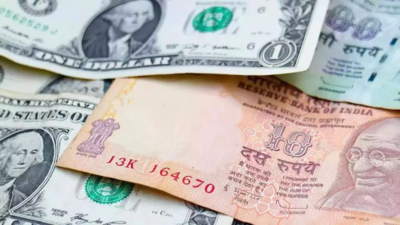
India’s foreign exchange reserves have surged to an unprecedented level of $689.458 billion, marking a crucial milestone for the country’s economic positioning in global markets. The reserves, which reflect the country’s ability to meet external obligations and provide a buffer against financial instability, increased by $223 million in the week ending September 13. This rise has further cemented India’s status as one of the largest holders of foreign currency reserves worldwide, positioning it as a key player in the global financial arena.

Despite this substantial increase in the overall reserves, the composition of these reserves presented a more nuanced picture. Foreign currency assets (FCA), which form the largest component of the reserves, witnessed a reduction of $515 million. These assets, held in different currencies such as the U.S. dollar, euro, pound sterling, and Japanese yen, are a critical indicator of India’s foreign currency holdings and are often affected by currency fluctuations and interest rates in international markets. The decline in FCA was offset by other components of the reserves, particularly the significant increase in gold reserves.

Gold reserves saw a sharp rise of $899 million during the same period, underscoring the metal’s continued relevance as a safe haven asset. This increase suggests that India’s central bank may be looking to diversify its holdings in response to broader global uncertainties. Gold, traditionally regarded as a hedge against inflation and economic instability, has been gaining renewed attention among global central banks. As countries face the challenges of rising geopolitical tensions and economic fluctuations, gold’s role as a stabilizing force has once again come into focus.

While the rise in gold reserves was notable, other components of India’s foreign exchange holdings, such as Special Drawing Rights (SDRs) and the reserve position with the International Monetary Fund (IMF), experienced marginal declines. SDRs, which represent a basket of international currencies and serve as a supplementary reserve asset allocated by the IMF, dropped by $50 million. Similarly, the country’s reserve position in the IMF, which allows access to international liquidity and contributes to global financial stability, recorded a decrease of $111 million.

The overall uptick in reserves comes at a time when India’s economic outlook remains relatively resilient compared to other emerging markets. The reserves serve not only as a tool for defending the rupee in times of volatility but also as an indicator of investor confidence in India’s macroeconomic stability. A stronger reserve position allows India to better manage external shocks, such as oil price fluctuations, trade imbalances, and global financial turbulence.

India’s reserves are now among the highest globally, trailing only China, Japan, and Switzerland. This latest achievement reflects the country’s efforts to build a robust foreign exchange buffer since the economic reforms of the 1990s. Since then, successive governments have prioritized strengthening the reserves to safeguard the country from external vulnerabilities. The rise in reserves has also been fueled by sustained foreign investment inflows and a healthy current account balance in previous quarters, driven in part by a recovery in global demand for goods and services after pandemic-induced disruptions.

Analysts have pointed out that India’s reserve accumulation strategy is likely to be shaped by several factors in the coming months. Global interest rate trends, particularly in the United States, will have a significant impact on foreign currency assets, while commodity prices, especially crude oil, will influence the country’s import bill. Moreover, ongoing geopolitical tensions, trade uncertainties, and inflationary pressures in major economies will also affect the Reserve Bank of India’s (RBI) approach to managing these reserves.

The central bank has maintained a cautious approach toward managing the reserves, intervening in the forex market to curb excessive volatility in the rupee’s value. A stable and sufficient level of reserves allows the RBI greater flexibility in implementing monetary policy and defending the currency against external shocks. With inflationary pressures rising globally and the U.S. Federal Reserve tightening its monetary policy, India’s reserve position will play a critical role in maintaining domestic economic stability.

In the past, India has faced challenges related to its foreign exchange reserves, particularly during the 1991 balance of payments crisis, when reserves had dwindled to just a few weeks’ worth of imports. The crisis marked a turning point in India’s economic policy, leading to structural reforms that opened the economy to greater foreign investment and trade. Since then, India has steadily accumulated reserves, reaching new highs over the years. The importance of a strong forex reserve was highlighted again during the global financial crisis of 2008 and the economic shocks caused by the COVID-19 pandemic, where countries with stronger reserves were better able to weather financial market disruptions.

As of the latest data, India’s forex reserves provide an import cover of approximately 10 months, which is well above the internationally recommended threshold. This gives India a comfortable cushion to meet its external payment obligations and insulate the economy from global shocks. The reserves also provide a buffer to support the rupee, which has faced depreciation pressures amid fluctuating oil prices and changes in global investor sentiment.

Going forward, experts suggest that India’s focus should remain on maintaining a balanced reserve composition. While the accumulation of foreign currency assets is crucial, ensuring diversification through gold and other assets will provide added protection against global market volatility. Moreover, with India being a major importer of crude oil, fluctuations in energy prices will continue to play a significant role in determining the country’s forex reserve levels.

Joint Effort Aims to Accelerate Growth and Expansion of Thai Companies in Singapore SINGAPORE – Media OutReach Newswire – 19 September 2024 – SUNRATE, an intelligent global payment and treasury management platform, announced that it has signed a memorandum of understanding (MOU) with the Singapore-Thai Chamber of Commerce (STCC Thailand) to empower Thai companies seeking to scale and operate in Singapore. As part of the partnership, members […]

President Joe Biden convened with key Indo-Pacific leaders on Saturday, reaffirming the United States’ commitment to bolstering regional maritime cooperation and countering the growing strategic influence of China. During the summit with the leaders of India, Australia, and Japan, Biden underscored the importance of the Quadrilateral Security Dialogue (Quad), a security coalition increasingly focused on ensuring the stability of the Indo-Pacific region, both economically and militarily. Biden’s […]

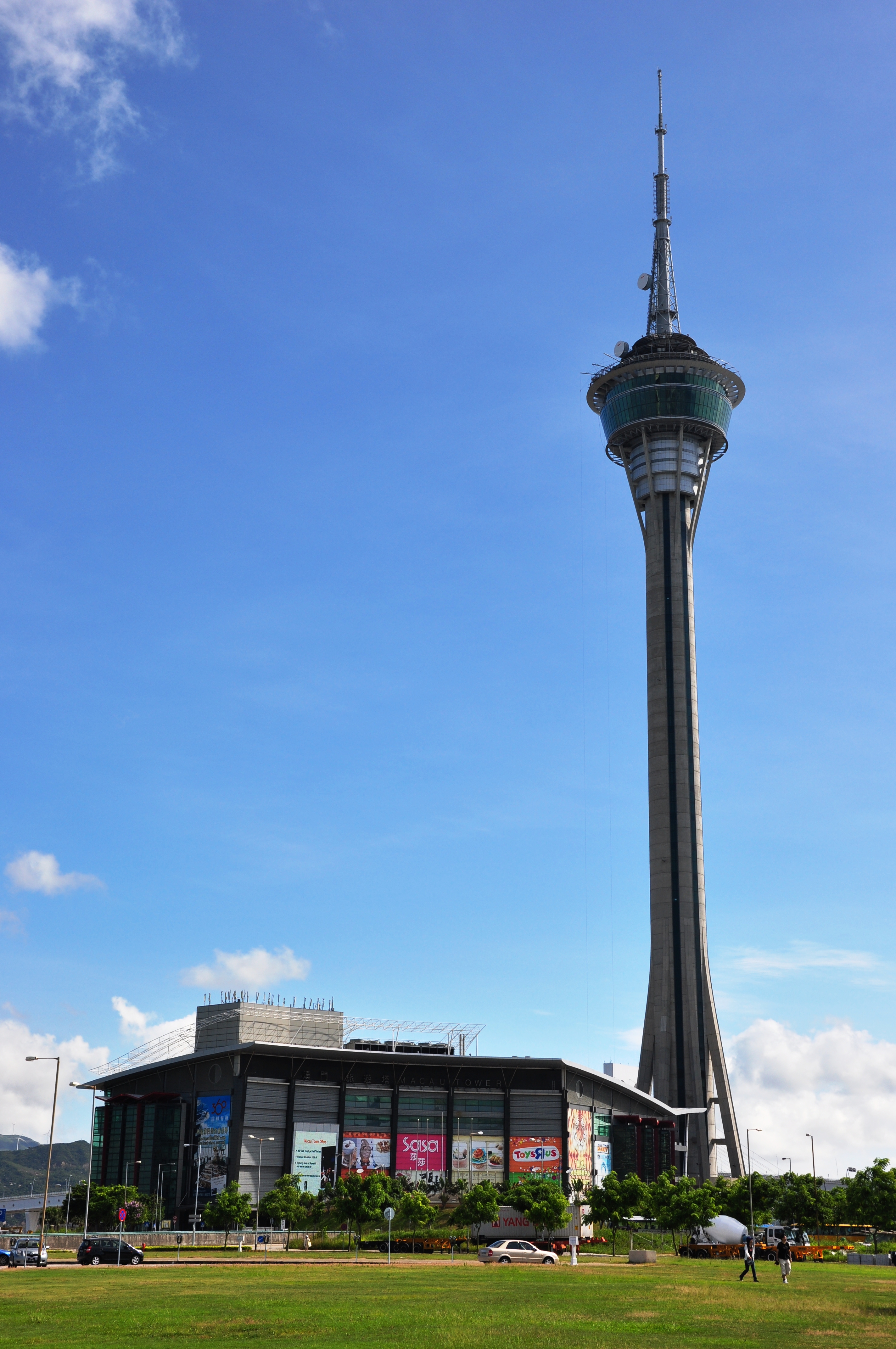
Macau, long recognized as the world’s casino capital, is pivoting towards economic diversification as concerns mount over the sustainability of its gaming-centric economy. The territory, heavily reliant on its vibrant gambling industry, is now witnessing a push from key leaders to embrace broader economic avenues in light of recent challenges, including regulatory pressures and shifting global economic dynamics.

Sam Hou Fai, a former judge and leading contender for the role of Macau’s next chief executive, has emerged as a prominent advocate for this diversification strategy. Emphasizing the urgent need for change, he has openly criticized the rampant expansion of the gaming sector, labeling it “barbaric” and detrimental to the territory’s long-term viability. Hou Fai’s vision encompasses not only an expansion of tourism beyond gaming but also the development of cultural, technological, and entertainment sectors that can provide stable revenue streams independent of the fluctuating fortunes of gambling.

The challenges facing Macau’s economy are manifold. Following the COVID-19 pandemic, the territory has seen a dramatic decline in tourist arrivals, particularly from mainland China, which accounted for a significant portion of its gaming revenues. This downturn has illuminated the risks of an economy overly reliant on a single industry. Furthermore, the Chinese government’s tightening of regulations surrounding gambling and its crackdown on illicit activities linked to the gaming industry have led to uncertainty, prompting both local stakeholders and investors to reconsider their strategies.

As part of this broader push for economic resilience, Macau has initiated various initiatives aimed at enhancing its attractiveness as a destination for non-gaming tourism. These include the development of cultural and heritage tourism, which seeks to showcase Macau’s rich history and blend of Portuguese and Chinese cultures. Events such as the Macau International Fireworks Display Contest and the Macau Arts Festival are being promoted to draw visitors who may not be interested in gambling but are keen on experiencing the local culture.

The shift towards diversification is also backed by the Macau government, which has unveiled plans to allocate substantial funds towards infrastructural projects that enhance connectivity and accessibility. This includes the expansion of public transport networks and the enhancement of facilities to accommodate large-scale international events. By investing in infrastructure, Macau aims to position itself as a competitive hub for business, conventions, and exhibitions, catering to a broader audience.

Tech innovation is another focal point in Macau’s diversification efforts. The government is actively encouraging the growth of tech startups and digital industries, aiming to harness the potential of emerging technologies such as artificial intelligence and blockchain. Initiatives to support entrepreneurship and attract foreign investment in tech sectors are being prioritized, with the goal of creating a sustainable ecosystem that supports job creation and economic growth beyond gambling.

Furthermore, Macau’s geographic location offers unique opportunities for expanding its role as a trade and logistics hub within the Greater Bay Area, a region comprising Hong Kong, Guangdong province, and Macau. This initiative aligns with China’s broader economic strategy, promoting interconnectedness among cities within the region. By leveraging its advantageous location and existing infrastructure, Macau seeks to establish itself as a key player in regional supply chains, thereby attracting businesses that are looking to expand their operations in Asia.

While the road to diversification presents numerous challenges, including resistance from entrenched gaming interests and the need for skilled labor in emerging sectors, the momentum for change is palpable. Sam Hou Fai’s leadership and advocacy are crucial in navigating these complexities, as he seeks to foster a collaborative environment among various stakeholders, including businesses, government entities, and the community at large.

The evolving landscape of Macau’s economy also reflects broader global trends. Many economies that have traditionally relied on a narrow set of industries are recognizing the importance of resilience and adaptability in an increasingly volatile world. The push for diversification is not just about mitigating risks; it is also about seizing new opportunities in a post-pandemic era characterized by shifting consumer preferences and technological advancements.

The Quad alliance, consisting of the United States, Japan, Australia, and India, solidified its growing significance as Prime Minister Narendra Modi emphasized India’s commitment to hosting the 2025 Quad Summit. Speaking at the Wilmington Summit, Modi underlined the alliance’s role in promoting stability and security in the Indo-Pacific region, while reaffirming that the grouping is not directed against any specific nation. This strategic partnership, formed in response to shared democratic values, continues to gain momentum amid evolving geopolitical tensions.

The Wilmington meeting marked a critical moment in the Quad’s development, furthering dialogue and cooperation between the four member states. Since its revival in 2021, the Quad has played a prominent role in fostering regional security, focusing on areas such as technological collaboration, climate action, and defense cooperation. Modi’s remarks highlighted India’s readiness to lead the next phase of the alliance, with preparations underway to host the 2025 summit.

As global challenges intensify, the Quad has emerged as a cornerstone of multilateral diplomacy in the Indo-Pacific. Modi pointed out the shared commitment to ensuring a free, open, and inclusive Indo-Pacific, with democratic principles at the core of the alliance. “The Quad is here to stay,” Modi stated, emphasizing that the grouping stands as a platform for collaborative solutions rather than a response to any particular nation or bloc. The assertion reflects the Quad’s non-confrontational approach, focusing instead on promoting collective security and economic prosperity across the region.

The Quad’s evolution since 2021 has been rapid, with member nations consistently expanding their areas of cooperation. Strategic experts have noted the alliance’s success in areas such as maritime security, with Quad navies conducting joint exercises aimed at improving interoperability. These exercises have not only bolstered defense capabilities but also demonstrated the alliance’s resolve to protect vital maritime routes, which are critical to global trade. With India poised to take on the next summit, expectations are high that the country will continue to push forward initiatives that reinforce regional security and economic growth.

The Wilmington Summit also underscored the importance of technology sharing and innovation. One of the key areas discussed was the development of resilient supply chains, particularly in the semiconductor industry, which has been under strain due to global shortages. The Quad countries are looking to collaborate on reducing dependency on specific nations for key technological inputs, enhancing supply chain diversification. Modi emphasized that the Indo-Pacific region, as a hub for technological development, could play a pivotal role in global supply chain stabilization. This effort reflects the Quad’s broader strategic aim of reducing vulnerabilities in critical industries while ensuring the equitable growth of emerging technologies.

The Quad’s expanding agenda now includes addressing climate change, a subject of critical importance for the Indo-Pacific, which is home to several vulnerable island nations. The Wilmington Summit reiterated the Quad’s commitment to reducing carbon emissions and promoting clean energy. Modi reinforced India’s role as a key player in the global climate conversation, showcasing the country’s strides in renewable energy development and its leadership in the International Solar Alliance. He noted that climate resilience would remain a core focus at the 2025 summit, as the Quad aims to balance economic growth with sustainable environmental practices.

While defense and economic issues dominated the Quad agenda, the alliance’s role in fostering people-to-people ties has not been overlooked. The Wilmington Summit highlighted educational exchanges and cultural collaborations between member states, reflecting the Quad’s broader ambition to strengthen ties beyond security and economics. By fostering a deeper understanding between citizens, the alliance seeks to build long-term partnerships that transcend geopolitical concerns. Modi’s vision for the 2025 summit includes a renewed focus on such exchanges, positioning India as a cultural and diplomatic bridge between the East and West.

Despite its progress, the Quad continues to face scrutiny, particularly from nations like China, which view the alliance as an attempt to contain their influence in the Indo-Pacific. However, Modi was quick to dispel this notion, stating that the Quad’s goals remain inclusive and transparent. The Quad’s diplomatic language has consistently emphasized collaboration over confrontation, seeking to engage with all nations willing to work toward a stable and prosperous region.

India’s growing role within the Quad has been noted by analysts, particularly in light of the country’s increasing influence in global economic and security forums. As the host of the 2025 summit, India is expected to leverage its diplomatic capabilities to further solidify the Quad’s position as a key player in the Indo-Pacific. Modi’s strategic vision includes strengthening defense ties with Quad members, while also expanding economic cooperation to address shared challenges such as trade imbalances and supply chain vulnerabilities.

The timing of India’s hosting of the 2025 Quad Summit is significant, as the Indo-Pacific continues to be a focal point for international diplomacy. Analysts have pointed out that India’s ability to navigate complex geopolitical dynamics will be crucial in ensuring the Quad’s continued success. With global powers vying for influence in the region, the Quad’s balanced and inclusive approach has positioned it as a diplomatic force for stability.

The Wilmington Summit also saw discussions on strengthening health security, with a focus on pandemic preparedness. The Quad’s efforts in distributing vaccines to Indo-Pacific nations have been well-received, showcasing the alliance’s capability to provide humanitarian assistance in times of crisis. Modi acknowledged the importance of continuing this collaboration, noting that health security would remain a priority in future Quad discussions. The pandemic’s impact on global health infrastructure has reinforced the need for multilateral approaches to address both current and future challenges, and the Quad is expected to play a vital role in these efforts moving forward.

KUALA LUMPUR, MALAYSIA – Media OutReach Newswire – 19 September 2024 – In the last few years, financial scams and fraud have been rampant across various sectors in Southeast Asia. Traders and investors, in particular, are being exposed to financial malpractices like never before. Kar Yong Ang, a financial analyst from Octa, a global broker with extensive experience in the financial markets, offers some actionable tips that […]

Carousell makes it easier to sell old phones or trade in for the new iPhone 16, encouraging more to reduce e-waste. SINGAPORE – Media OutReach Newswire – 20 September 2024 – In the lead up to the highly-awaited iPhone 16 launch, leading multi-category classifieds marketplace Carousell has launched a new trade-in programme to offer customers a seamless way to trade in and give their old phones a […]

VISHNU RAJA
RYO YAMADA
HITORI GOTOH
IKUYO KITA