Just in:
Ondine Capital Announces First Close of Fund III to Drive AI and Semiconductor Innovation // Vingroup And Legends Global Announce Strategic Partnership For VinFast – Trong Dong Stadium // Cyberport Venture & Capital Forum 2026 Grand Opening // Democrats capture Senate majority with seven Republican seats // Winners and losers if a blue wave sweeps US Congress // Wired earphones regain buyers as 2016 nostalgia spreads // Bank99 launches business accounts through Austrian postal network // CPI, CPM dispute portrayal of Vayalar uprising leaders // AI trust gap reveals distinct retail priorities: Divergent paths to consumer growth in Hong Kong and the GBA // Use Of Nuclear Weapons Against Iran Could Trigger A Global Chain Reaction // Arrow Electronics showcases technologies advancing intelligent robotics, mobility and digital infrastructure // Democrats secure Senate majority after Republican election losses // Bridge Data Centres Appoints New Co-Chief Executive Officer // ADIPEC leaders urge investment in global energy networks // ChatGPT billing fraud deploys rotating sites for card theft // Anthropic to prohibit persistent abuse of Claude chatbot // xCube Access Welcomes Entrust Capital Limited  Expanding Access to Professional Portfolio Management // As AI Reshapes Education, Singapore Convenes Global Dialogue on the Future of Early Childhood Education // Binance SAFU bitcoin holdings halve after security breach // mamun raises US$3 million to finance cross-border trade between the Gulf and Asia //

News related to
AI trade

Arabian Post Staff -Dubai President Donald Trump’s ambitious pursuit of $1 trillion in investment pledges from Saudi Arabia is encountering a formidable challenge: the kingdom’s own sweeping economic transformation plans, which are projected to cost nearly twice that amount. As Trump embarks on his first Middle East tour of his second term, his administration is focusing on securing substantial trade and investment agreements with Gulf allies, including […]

Design software company Figma Inc. has confidentially filed for an initial public offering in the United States, selecting Morgan Stanley as the lead underwriter. This move positions the San Francisco-based firm as a significant test case for investor appetite in technology listings during a period of market volatility driven by geopolitical tensions and fluctuating economic policies. Figma’s decision to proceed with an IPO follows the collapse of […]

Ripple Labs has reached a landmark settlement with the U.S. Securities and Exchange Commission , concluding a protracted legal battle that has significantly influenced the cryptocurrency sector. The agreement entails Ripple paying a reduced fine of $50 million, down from the initially imposed $125 million, without admitting any wrongdoing. This settlement, pending approval from the SEC and the presiding judge, marks a pivotal moment in the ongoing discourse surrounding digital asset regulation.

The SEC’s lawsuit, initiated in December 2020, accused Ripple of raising over $1.3 billion through unregistered securities offerings by selling its XRP token. A critical development occurred in July 2023 when U.S. District Judge Analisa Torres ruled that while XRP sales to institutional investors violated securities laws, XRP sales on public exchanges did not constitute securities transactions. This nuanced decision provided a partial victory for Ripple and set a precedent for how digital assets might be classified in the future.

The resolution of this case has had immediate market implications. XRP’s price surged by approximately 14%, reaching highs of $2.59, reflecting renewed investor confidence. The token’s market capitalization also saw a significant increase, positioning XRP as the third-largest cryptocurrency by market value. This market response underscores the broader industry’s anticipation for regulatory clarity and the potential for increased institutional adoption.

The settlement aligns with a broader shift in the SEC’s approach to cryptocurrency regulation under the current administration. The agency has recently dropped several high-profile cases against major crypto exchanges, signaling a move towards a more collaborative regulatory framework. President Donald Trump’s administration has expressed support for the crypto industry, with initiatives such as the establishment of a government crypto reserve that includes XRP and the nomination of Paul Atkins, known for his pro-crypto stance, to chair the SEC.

Ripple’s legal victory also opens the door for potential advancements in the cryptocurrency market infrastructure. Analysts suggest that the favorable outcome could pave the way for the approval of an XRP-based exchange-traded fund , further legitimizing the asset class and providing investors with more accessible investment vehicles. Additionally, the classification of XRP as a commodity rather than a security could lead to less stringent oversight and encourage broader adoption.

Matein Khalid The smoke signals from Geneva came even faster than the one in the Vatican that announced the arrival of Pope Leo XIV on the world stage. If the US-China trade marathon was a Bollywood movie, Scott Bessant would be​ ​dancing wet and wild with the Chinese Vice Premier Lifeng in their Jet d’Eau or kowt​owing on those little abraas that criss-cross the Rhône river​ since […]

The United States and China have agreed to a significant reduction in tariffs, marking a notable de-escalation in their ongoing trade conflict. Effective immediately, the US will lower tariffs on Chinese imports from 145% to 30%, while China will reduce its tariffs on US goods from 125% to 10%. This mutual agreement, set to last for 90 days, follows high-level negotiations held in Geneva. The trade dispute […]

CANNES, FRANCE – Media OutReach Newswire – 12 May 2025 – The Department of International Trade Promotion (DITP), Ministry of Commerce, continues its commitment to promoting Thailand’s entertainment industry on the global stage by organizing Thai Night at the Cannes Film Festival 2025 on Thursday, May 15, 2025. The event, held during the world’s most prestigious and influential film festival, aims to elevate the image of Thailand’s […]

Lotus Technology Inc., the luxury electric vehicle arm of the iconic British marque, reported a 70% surge in global vehicle deliveries in 2024, reaching 12,065 units. However, this growth has been overshadowed by a net loss of $667 million for the first nine months of the year, driven by escalating operational costs and the impact of US tariffs on imported vehicles. Despite the impressive delivery figures, the […]

Advertisements

Japan has firmly stated it will not agree to any preliminary trade agreement with the United States that excludes the removal of auto tariffs. Prime Minister Shigeru Ishiba emphasised this position during a parliamentary session, underscoring that Japan’s automotive sector is a cornerstone of its economy and must be protected in trade negotiations. The United States, under President Donald Trump, has imposed a 25% tariff on imported […]

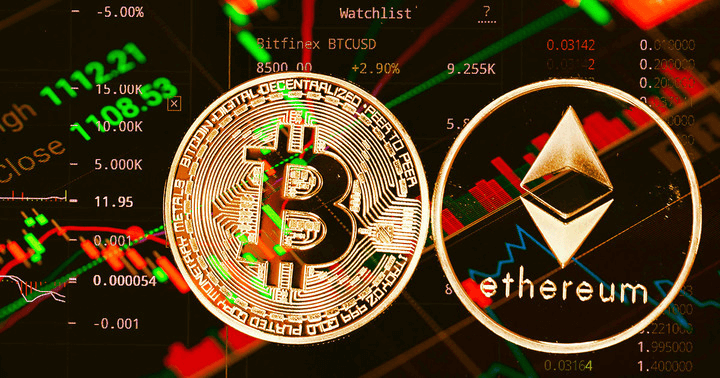
Bitcoin has surged beyond the $103,000 mark, buoyed by a confluence of macroeconomic developments and heightened institutional engagement. The cryptocurrency’s ascent to $103,963 underscores a significant rebound from its April low of approximately $76,000, reflecting a resurgence in investor confidence.

A pivotal factor in this rally is the recent trade agreement between the United States and the United Kingdom, which has alleviated some global economic uncertainties. The deal, emphasizing increased export access, particularly for U.S. agricultural products, has been perceived as a positive signal for markets, contributing to the uptick in Bitcoin’s value.

Institutional investment has played a crucial role in Bitcoin’s momentum. Notably, spot Bitcoin exchange-traded funds in the U.S. have experienced substantial inflows, with BlackRock’s iShares Bitcoin Trust surpassing $50 billion in net assets. This influx of capital from institutional investors has been instrumental in driving the cryptocurrency’s price upward.

The appointment of a crypto-friendly head to the U.S. Securities and Exchange Commission has further bolstered market sentiment. This move is anticipated to lead to a more accommodating regulatory environment for digital assets, encouraging greater participation from both institutional and retail investors.

Technical analysts are closely monitoring Bitcoin’s performance, noting that if it maintains support above the $100,000 threshold, it could test previous highs. However, they caution that a drop below key support levels could prompt a reassessment of the market’s trajectory.

The broader cryptocurrency market has mirrored Bitcoin’s gains, with other digital assets such as Ether, XRP, and Solana registering notable increases. This collective uptrend suggests a renewed appetite for risk among investors, extending beyond Bitcoin to encompass a wider array of cryptocurrencies.

Goldman Sachs has elevated its position in BlackRock’s Bitcoin exchange-traded fund to a staggering $1.4 billion, signalling an intensified commitment to the rapidly expanding cryptocurrency market. This move follows a growing interest among institutional investors, who are increasingly seeking exposure to Bitcoin as a hedge against inflation and a way to diversify their portfolios. With the global financial landscape facing new challenges, such as fluctuating interest rates and geopolitical instability, Bitcoin has emerged as a potential safe haven, enticing financial giants to deepen their involvement in digital assets.

The financial powerhouse’s latest decision to boost its stake in the Bitcoin ETF indicates not only the firm’s confidence in the cryptocurrency but also reflects the broader institutional shift towards embracing Bitcoin as part of a diversified investment strategy. Goldman Sachs’ previous foray into Bitcoin ETFs was more cautious, but this latest increase marks a notable change in approach, suggesting that the firm believes the regulatory environment for digital assets is stabilising, making Bitcoin a more attractive asset class.

This bold move comes at a time when the Bitcoin market has seen considerable fluctuations. Despite this volatility, institutional investors, including hedge funds, pension funds, and asset managers, are positioning themselves to benefit from long-term growth. Goldman Sachs’ decision also highlights the increasing convergence of traditional finance and the cryptocurrency world. The firm’s involvement is likely to set a precedent for other major banks, who may follow suit in bolstering their positions in Bitcoin and other digital currencies.

Central to Goldman Sachs’ decision to increase its stake is the market’s evolving sentiment towards Bitcoin and its potential to outperform traditional assets in the coming years. Despite its price swings, Bitcoin is being seen by many as a store of value, similar to gold, particularly as governments worldwide engage in expansive fiscal policies. The rise of Bitcoin ETFs, led by BlackRock’s offering, has provided institutional investors with a regulated and accessible means of entering the crypto space, without the direct involvement in managing digital wallets or private keys.

The ETF market has been a key component in facilitating institutional adoption of digital assets. BlackRock’s Bitcoin ETF, launched amid growing demand, has provided a vehicle for major investors to gain exposure to Bitcoin’s price movements through a traditional financial instrument. This has enabled established firms like Goldman Sachs to invest without the complexities associated with direct cryptocurrency trading. ETFs also offer the benefit of liquidity and transparency, which appeal to institutional investors who prioritise stability and regulatory clarity.

The impact of institutional investments in Bitcoin cannot be overstated. With large players such as Goldman Sachs now deeply embedded in the Bitcoin ecosystem, the cryptocurrency is receiving a degree of legitimacy previously reserved for traditional assets. This institutional endorsement is likely to encourage other investment firms to follow suit, pushing Bitcoin further into the mainstream. Moreover, the increased demand from institutions is expected to drive the price of Bitcoin upward, as more capital flows into the market, further solidifying its role as a viable asset class.

Another critical aspect of Goldman Sachs’ decision is the changing macroeconomic environment. The COVID-19 pandemic has accelerated the adoption of digital assets, with central banks around the world introducing monetary policies that have weakened fiat currencies. This environment has made Bitcoin an attractive hedge against inflation, especially in countries facing economic instability. Goldman Sachs, recognising this trend, appears to be doubling down on its belief that Bitcoin’s scarcity and decentralized nature position it as a powerful asset in uncertain economic times.

Goldman Sachs’ stake in BlackRock’s Bitcoin ETF demonstrates the growing acceptance of Bitcoin by the broader financial industry. BlackRock’s decision to launch a Bitcoin ETF itself marked a pivotal moment in the crypto market, as it was one of the first major asset management firms to publicly embrace Bitcoin in such a significant manner. The success of the ETF, alongside Goldman Sachs’ investment, reinforces the notion that Bitcoin is gradually being integrated into the mainstream financial system.

The strategic importance of this move by Goldman Sachs extends beyond just its investment in the ETF. The firm’s actions are likely to influence future regulatory developments concerning digital assets. With such a large financial institution making a significant move into the crypto market, it is expected that regulators will be more inclined to develop clearer guidelines and frameworks for Bitcoin and other cryptocurrencies. This regulatory certainty would be beneficial for both institutional investors and the broader crypto ecosystem, as it would reduce the risks associated with the evolving nature of cryptocurrency laws.

HONG KONG SAR – Media OutReach Newswire – 10 May 2025 – ​Invest Hong Kong (InvestHK) announced today (May 10) that the Director-General of Investment Promotion at InvestHK, Ms Alpha Lau, will embark on a series of visits to Istanbul, Türkiye; Budapest, Hungary; and Cairo, Egypt, some of the key economies along the Belt and Road, to strengthen economic ties and promote Hong Kong as the premier […]

Coinbase has launched 24/7 trading for Bitcoin and Ethereum futures through its CFTC-regulated platform, Coinbase Derivatives, marking a significant shift in U.S. crypto market accessibility. This initiative allows traders to engage in futures contracts at any time, aligning with the continuous nature of global cryptocurrency markets.

The move addresses a longstanding gap between traditional U.S. trading hours and the always-on operations of crypto markets. Previously, U.S. traders faced limitations due to fixed market hours, often missing opportunities during off-hours. With this development, Coinbase aims to provide traders with the flexibility to manage risk and seize opportunities without time constraints.

Coinbase’s infrastructure supports this continuous trading model through partnerships with Nodal Clear, a CFTC-regulated clearinghouse, and liquidity providers like Virtu Financial. These collaborations ensure that the platform can handle the demands of round-the-clock trading while maintaining regulatory compliance.

The introduction of 24/7 trading is part of Coinbase’s broader strategy to expand its derivatives offerings. The company has also announced plans to develop perpetual-style futures contracts, which do not have expiration dates, providing traders with additional tools to manage their positions over extended periods.

This expansion into continuous trading comes amid a surge in institutional interest in cryptocurrency derivatives. Derivatives account for a significant portion of global crypto trading volume, and Coinbase’s enhanced offerings aim to cater to this growing demand.

Coinbase’s move also reflects a broader trend of increasing regulatory clarity in the U.S. crypto market. The company’s alignment with regulatory standards, such as operating a CFTC-regulated exchange, positions it to capitalize on the evolving landscape of digital asset trading.

In addition to the launch of 24/7 trading, Coinbase has announced a $2.9 billion acquisition of Deribit, a leading crypto options trading platform. This acquisition is expected to further strengthen Coinbase’s position in the derivatives market and expand its global reach.

Abu Dhabi Investment Office has announced the expansion of its San Francisco office, aiming to bolster the emirate’s economic clusters and facilitate global innovation, particularly in the healthcare sector. This move is part of a broader strategy to position Abu Dhabi as a central hub for health technology and related industries. The San Francisco office, situated in a region renowned for its advancements in health tech, biotech, […]

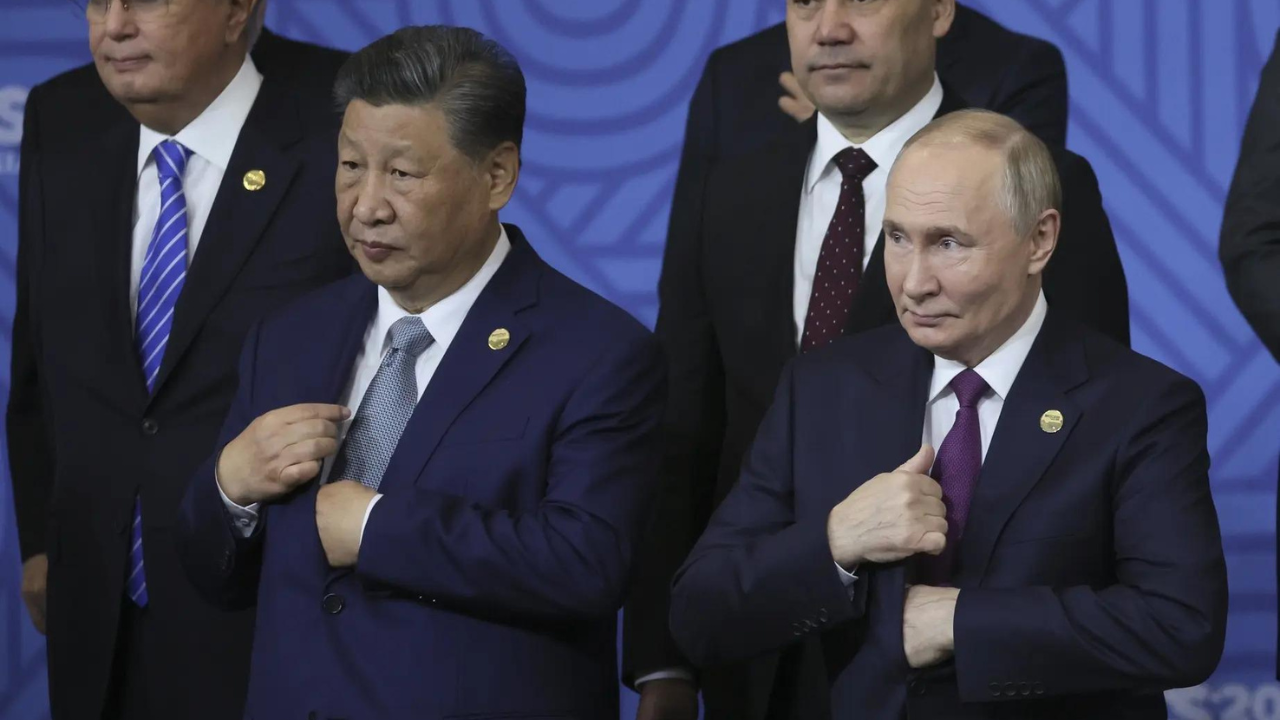
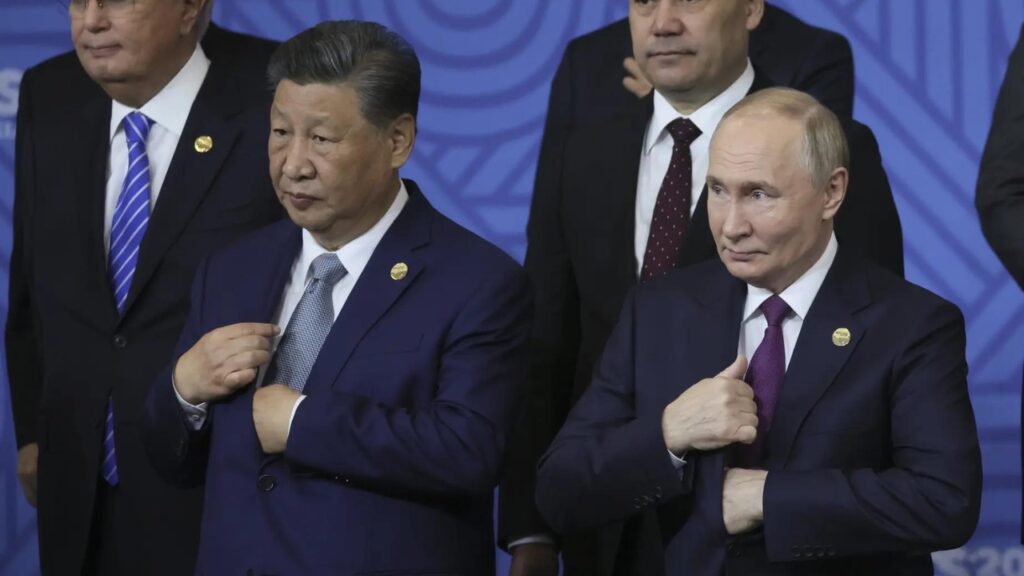
By Nitya Chakraborty The joint declaration issued by the Russian President Vladimir Putin and the Chinese President Xi Jinping on the eve of the Victory Day on May 9 upholding longstanding friendship to pursue mutual benefit and win-win outcomes in the new era carries major significance in the present period of global tariff war as […]

Bitcoin’s value soared above $100,000 on Thursday, marking its first return to six figures since February. The cryptocurrency climbed to $101,329.97 by midday, reflecting a 4.7% increase for the day. This resurgence is attributed to a combination of geopolitical developments and shifting regulatory landscapes. A significant catalyst for this uptick was the announcement of a comprehensive trade agreement between the United States and the United Kingdom. The […]

The Indian Rupee has plummeted to its lowest value against the UAE Dirham in over a month, marking a significant drop to 23.36 per dirham. This decline, the steepest since mid-April, follows escalating border tensions between India and Pakistan, which have triggered volatile market reactions. Traders are closely monitoring the situation, with fears of further instability driving the currency’s slide.

As the conflict intensifies, the Rupee’s depreciation is attributed to growing uncertainties surrounding the geopolitical standoff. India and Pakistan, both nuclear-armed neighbours, have long been at odds over the Kashmir region. The latest developments have exacerbated market fears of prolonged instability, pushing investors to seek safer assets, which has further weighed on the Rupee.

Currency markets, traditionally sensitive to geopolitical risks, have seen a surge in demand for the US Dollar, which remains a global safe-haven. Analysts point to the Dollar’s strengthening as a direct response to mounting tensions in South Asia, compounded by global inflationary pressures. With foreign investors retreating from riskier assets, the Rupee has been further pressured, intensifying the currency’s downtrend.

The Indian government’s response to the situation, alongside Pakistan’s military actions, has added to investor uncertainty. The military exchanges along the Line of Control between the two countries have led to heightened concerns not only about regional security but also about the broader economic repercussions of prolonged instability. Economists suggest that the markets will continue to reflect these risks until diplomatic measures are taken to de-escalate tensions.

The ongoing conflict is expected to affect trade relations, particularly in sectors reliant on cross-border commerce. Import and export activities between India and Pakistan, already hindered by past disputes, are likely to experience further disruptions. This could lead to an uptick in inflation, especially in critical sectors like oil, where price fluctuations are particularly sensitive to regional tensions.

Central banks in both nations, as well as the International Monetary Fund , have called for restraint, urging both sides to avoid further military escalation and seek peaceful resolutions. However, the risk of military confrontations spilling over into broader regional instability remains a concern that is factoring heavily into currency movements.

The financial impact on India is also underscored by the continued inflationary pressures faced by the country. While India has a relatively strong domestic economy, analysts warn that the ongoing uncertainty over the border conflict could undermine investor confidence, further destabilising the currency. This would place more pressure on the Reserve Bank of India , which may be forced to intervene in the markets to prevent excessive depreciation.

For businesses and consumers, the weakening Rupee has meant higher costs for imported goods, particularly fuel and electronic products, which are crucial to India’s economy. The cost of living for many Indian citizens is expected to rise, further intensifying socio-economic concerns. The rise in fuel prices has already led to protests in certain parts of India, with many calling on the government to address the economic fallout from the ongoing tensions.

The Indian government, however, remains optimistic about the long-term outlook for the Rupee. According to finance ministry officials, the country’s economic fundamentals remain robust despite the external geopolitical risks. They argue that the current currency depreciation is part of a broader, global trend, and that India is well-positioned to weather the storm with its growing foreign reserves and strong trade relationships beyond the subcontinent.

Despite these assurances, many analysts argue that India’s growing fiscal deficits and inflationary pressures could further complicate the Rupee’s recovery. A sharp depreciation could potentially lead to an erosion of investor confidence, compounding the country’s financial challenges.


Coinbase Global has agreed to acquire Deribit, the world’s largest bitcoin and ether options trading platform, for approximately $2.9 billion. The transaction comprises $700 million in cash and 11 million shares of Coinbase Class A common stock, marking the company’s most significant acquisition to date.

This strategic move positions Coinbase to strengthen its presence in the burgeoning crypto derivatives market, which has witnessed substantial growth in recent years. Deribit, founded in 2016 and headquartered in Dubai, specializes in options, futures, and spot trading. The platform reported a near doubling of its trading volume in 2024, reaching $1.2 trillion, largely attributed to increased institutional participation following the U.S. elections.

The acquisition aligns with Coinbase’s broader international growth strategy, particularly as the company seeks to expand its services beyond the United States. Deribit’s active license to operate in Dubai offers Coinbase a strategic foothold in the Middle Eastern market, a region that has emerged as a key global hub for blockchain and cryptocurrency businesses amid increasing regulatory pressures in the U.S. and EU.

Greg Tusar, Coinbase’s Vice President of Institutional Product, stated, “This will make us the most comprehensive player in derivatives.” The deal underscores Coinbase’s commitment to diversifying its offerings and catering to the evolving needs of institutional clients.

The acquisition comes amid a surge in crypto-related mergers and acquisitions, fueled by a more supportive U.S. regulatory environment under President Trump. The administration has pledged to advance the country as a “bitcoin superpower,” prompting a wave of deals in the sector. Notably, Kraken agreed to a $1.5 billion deal for NinjaTrader, and Ripple announced a $1.25 billion purchase of Hidden Road.

Coinbase’s previous acquisitions, including One River Digital and Tagomi , have bolstered its service offerings and footprint in the crypto sector. The Deribit deal represents a significant step in Coinbase’s ongoing efforts to expand its global reach and capitalize on the growing demand for crypto derivatives.

Deribit’s CEO, Luuk Strijers, acknowledged the company’s receipt of strategic investment inquiries over time but emphasized that Deribit had not been put up for sale. Despite this, the company engaged Financial Technology Partners to assess potential acquisition offers, reflecting the increasing interest in crypto derivatives platforms.

Laos has unveiled an ambitious plan to transform itself into a central hub for gold trading and refining in Asia by 2030, spearheaded by the Lao Bullion Bank . This initiative aims to bolster the nation’s financial stability and elevate its standing in the global precious metals market.

At a strategic meeting held on 2 May, LBB’s Chief Executive Officer, Chanthone Sitthixay, detailed the bank’s vision to establish Laos as a leader in the precious metals sector. The plan encompasses the development of comprehensive gold trading platforms, refining capabilities, and secure storage solutions, aligning with international standards to attract both regional and global investors.

The Lao Bullion Bank, officially launched in December 2024, represents a significant step in the country’s economic strategy. The bank’s establishment is a collaborative effort between the Lao government and PTL Holding, with the government holding a 25% stake and PTL Holding owning the remaining 75%. This partnership underscores a commitment to enhancing the nation’s gold reserves and stabilising the local currency, the Kip.

Since its inception, LBB has introduced various services, including gold deposit accounts, loans backed by gold collateral, and gold vending machines. These offerings aim to integrate gold more deeply into the financial system, providing citizens with alternative investment options and contributing to economic resilience.

To strengthen its position in the regional market, LBB has entered into strategic partnerships with key industry players. In October 2024, the bank signed a Memorandum of Understanding with the Singapore Bullion Market Association , focusing on knowledge exchange and regulatory collaboration to enhance Laos’s bullion market infrastructure. Additionally, a partnership with StoneX APAC was established to leverage technological expertise and develop new financial products tailored to the precious metals sector.

In March 2025, LBB further expanded its network by partnering with Samlane Jewelry, a prominent local gold retailer. This collaboration aims to standardise gold trading practices within the country and facilitate smoother transactions for investors and consumers. As part of this initiative, a promotional campaign was launched, offering incentives to customers who deposit gold with the bank, thereby encouraging public participation in the formal gold market.

The bank’s efforts are also directed towards refining unmined gold ores, transforming them into valuable assets that can contribute to the national budget and reserves. By doing so, Laos seeks to maximise the value derived from its natural resources, ensuring sustainable economic growth and financial independence.

LBB’s establishment and its subsequent initiatives reflect a broader governmental strategy to integrate Laos more fully into the global financial system. By positioning itself as a central player in the precious metals market, Laos aims to attract foreign investment, enhance its economic stability, and offer its citizens diversified financial services.

Dubai is set to host the 19th edition of the International Apparel & Textile Fair from 20 to 22 May 2025 at the Festival Arena, positioning itself as a pivotal platform for global fashion and textile stakeholders. Organised by Nihalani Events Management, the event anticipates participation from over 600 exhibitors representing more than 27 countries, and expects to attract approximately 15,000 visitors, including buyers, designers, and industry […]

Leaders of the Group of Seven nations are set to address the escalating threat of North Korea’s cryptocurrency-fueled cybercrime at their upcoming summit in Alberta, Canada. The agenda reflects growing international concern over Pyongyang’s use of digital asset theft to circumvent sanctions and finance its weapons programmes.

North Korea has emerged as a dominant force in global cybercrime, with its state-sponsored hacking groups, notably the Lazarus Group and TraderTraitor, orchestrating sophisticated attacks on cryptocurrency platforms. In 2024 alone, these groups were responsible for stealing over $1.3 billion in digital assets, accounting for approximately 61% of the total crypto thefts that year. Such activities have significantly bolstered North Korea’s foreign currency reserves, with cyberattacks reportedly generating up to 50% of the country’s foreign exchange earnings.

One of the most significant incidents attributed to North Korean hackers was the $1.5 billion theft from the Dubai-based cryptocurrency exchange Bybit in early 2025. The attackers employed malware-laden trading applications to infiltrate the platform, subsequently laundering the stolen funds through a complex network of blockchain transactions. This breach not only marked the largest crypto heist to date but also underscored the regime’s advanced cyber capabilities.

Beyond large-scale exchange hacks, North Korean cybercriminals have diversified their tactics to include social engineering schemes. The “pig butchering” scam, for instance, involves operatives establishing fake online relationships to manipulate victims into investing in fraudulent cryptocurrency ventures. Such schemes have defrauded individuals, particularly retirees, of billions of dollars, further fueling Pyongyang’s illicit revenue streams.

The international community has responded with a series of sanctions and regulatory measures aimed at curbing North Korea’s cyber activities. In May 2025, the U.S. Treasury’s Financial Crimes Enforcement Network proposed banning Cambodia-based financial firm Huione Group from accessing the U.S. financial system. Huione is accused of laundering at least $4 billion in illicit funds, including $73 million in cryptocurrency linked to North Korean cyber heists. Similarly, South Korea imposed sanctions on 15 North Korean individuals involved in cyber theft and crypto heists, targeting their overseas operations that funnel funds back to Pyongyang’s weapons development programmes.

Despite these efforts, North Korea continues to refine its cyber strategies. The regime has reportedly infiltrated foreign companies by deploying operatives posing as freelance IT workers, thereby gaining access to sensitive systems and facilitating further cyberattacks. Such tactics not only enhance the regime’s ability to steal digital assets but also pose significant risks to global cybersecurity.

The Pakistan Stock Exchange experienced a severe downturn, with the benchmark KSE-100 Index plummeting by over 4,700 points, marking the most significant single-day drop in its history. This dramatic fall reflects mounting investor anxiety over escalating geopolitical tensions following India’s military operations, known as Operation Sindoor, targeting alleged militant infrastructure within Pakistani territory.

The KSE-100 Index closed at 106,274 points, down 4.51% from the previous session. The decline was primarily driven by substantial sell-offs in key sectors, including oil and gas, banking, and cement. Market analysts attribute this sharp downturn to a combination of geopolitical instability and aggressive profit-taking by institutional investors.

Operation Sindoor was launched by India in response to a deadly attack in Pahalgam, Indian-administered Kashmir, which resulted in the deaths of 26 civilians. India asserts that its strikes targeted terrorist groups such as Jaish-e-Mohammed and Lashkar-e-Taiba. However, Pakistan contends that the strikes hit civilian areas, including mosques and educational institutions, leading to the deaths of 31 civilians and injuries to 57 others.

In retaliation, Pakistan claims to have downed five Indian aircraft, a claim disputed by India. The ensuing military exchanges along the Line of Control have resulted in additional casualties on both sides, further exacerbating tensions between the two nuclear-armed neighbours.

The heightened conflict has significantly impacted investor confidence. Analysts note that the uncertainty surrounding the geopolitical situation has led to a risk-averse sentiment among investors, prompting widespread sell-offs. The situation is further compounded by concerns over potential economic repercussions, including disruptions to trade and foreign investment.

By Saifur Rahman The Emirates Group reported an 18 percent growth in profit before tax exceeding US$6.2 billion (Dh22.7 billion) – a new record – in the financial year 2024-25. This is the first financial year that the UAE corporate tax, enacted in 2023, is applied to the Emirates Group. After accounting for the 9 percent tax charge, the Group’s profit after tax reached US$5.6 billion (Dh20.5 […]

US regulators have opened a new chapter in cryptocurrency regulation, allowing national banks and federal savings associations to engage with digital assets. The move, led by the Office of the Comptroller of the Currency , authorises banks to facilitate cryptocurrency transactions and offer custodial services for crypto assets at their clients’ request. This decision signifies a crucial shift in how traditional financial institutions handle digital currencies and their increasing role in mainstream financial operations.

The OCC’s approval comes after considerable deliberation on the evolving nature of cryptocurrency in the financial ecosystem. With cryptocurrencies now embedded in many aspects of commerce and investment, the regulator’s stance reflects an effort to balance innovation with security. Banks will now be able to buy, sell, and trade cryptocurrencies like Bitcoin and Ethereum, following client requests. This broadens their service offerings and integrates digital currencies into their broader financial products, which can include savings accounts, mortgages, and more.

Banks are also authorised to provide custodial services for digital assets. This means they can store cryptocurrencies on behalf of their clients, ensuring both security and compliance with existing regulatory frameworks. Given the rising demand for secure storage options due to the high value and volatility of cryptocurrencies, this step offers a vital service for both individual and institutional investors.

The OCC also permits banks to outsource certain functions tied to cryptocurrency transactions, such as trading, accounting, and taxation, to third-party providers. However, this outsourcing is subject to stringent risk controls. Banks must ensure that any third-party service providers are vetted thoroughly to safeguard customer funds and data. This measure aims to mitigate risks associated with cryptocurrency’s unpredictable market fluctuations and the increasing occurrence of cyber threats targeting digital assets.

While the new guidelines aim to bolster the legitimacy of cryptocurrencies within the traditional banking sector, they also bring to light various risks that come with such integration. Experts caution that the fast-moving nature of the cryptocurrency market means that banks must maintain a proactive approach to risk management. The volatility and lack of uniform regulatory oversight on digital assets have raised concerns among some financial analysts, who argue that further regulations may be necessary to protect both investors and the financial system at large.

Despite these concerns, the move has been welcomed by several key players in the financial sector, including major banks looking to diversify their offerings in response to the growing influence of cryptocurrencies. Bank executives have expressed confidence that the regulation will foster greater trust among consumers who are hesitant about engaging with digital currencies outside traditional financial institutions. Some argue that the entry of established financial institutions will provide more stability to the crypto market, given the banks’ expertise in risk management and customer protection.

One of the significant advantages of this new policy is its potential to attract institutional investors. Many hedge funds, asset managers, and family offices have been cautious about direct investments in cryptocurrencies due to the lack of a secure, regulated framework. With banks now offering custodial services and transactional capabilities for cryptocurrencies, these investors may find it easier to enter the market.

The move could pave the way for more regulatory clarity around digital assets. The OCC’s decision positions the US as a leading authority on integrating cryptocurrencies into the financial mainstream, setting a precedent that may influence other countries. As digital currencies continue to blur the lines between traditional banking and fintech, regulatory bodies worldwide are closely monitoring the US’s stance to understand its broader implications.

As this development unfolds, the ongoing debate around cryptocurrency regulations will likely intensify. While some advocate for increased oversight to protect consumers and reduce systemic risks, others warn that excessive regulation could stifle innovation and deter investment. The decision by the OCC to empower banks to handle digital currencies highlights the importance of finding a balanced approach, one that allows for innovation while addressing the inherent risks of the crypto market.

The integration of cryptocurrencies into the banking system represents a significant shift in both sectors, but it is unlikely to be without challenges. Financial institutions will have to invest in robust security measures to safeguard digital assets against theft and fraud, while also ensuring compliance with anti-money laundering and know-your-customer regulations. The complexity of cryptocurrency markets also means that banks will need to enhance their internal expertise in blockchain technologies and digital asset management.

Bitcoin outpaced both gold and the S&P 500 in April 2025, surging over 30% to approach $97,200 by month’s end. This performance underscores the cryptocurrency’s growing appeal among institutional investors and its increasing alignment with traditional financial markets.

The rally followed a volatile start to the month, with Bitcoin dipping below $75,000 before rebounding sharply. Analysts attribute this resilience to heightened institutional adoption, bolstered by the proliferation of spot Bitcoin exchange-traded funds and strategic government initiatives. Notably, the United States’ establishment of a Strategic Bitcoin Reserve in March 2025 signaled a significant policy shift, aiming to position Bitcoin alongside traditional reserve assets.

Institutional interest has been further evidenced by major financial entities integrating Bitcoin into their portfolios. BlackRock’s iShares Bitcoin Trust ETF, for instance, has been incorporated into its $150 billion model-portfolio universe, allocating 1% to 2% to Bitcoin. Such moves reflect a broader trend of mainstream financial institutions embracing cryptocurrency as a legitimate asset class.

The correlation between Bitcoin and the S&P 500 has intensified, with recent analyses indicating a peak correlation coefficient of 0.87 in 2024. This suggests that Bitcoin is increasingly behaving like a leveraged version of traditional equity indices, offering amplified returns during market upswings. In 2024, while the S&P 500 rose by 24%, Bitcoin surged by 135%, highlighting its potential for higher alpha in bullish markets.

However, this amplified behavior also implies greater volatility. During market downturns, Bitcoin’s losses can be more pronounced, as evidenced in 2022 when the S&P 500 declined by 19% and Bitcoin plummeted by 65%. Investors are advised to consider this dynamic when incorporating Bitcoin into diversified portfolios.

The U.S. Federal Reserve’s decision to maintain interest rates at 4.25%-4.5% amid economic uncertainties, including a 0.3% GDP contraction in the first quarter, has also influenced market dynamics. Despite these challenges, Bitcoin’s performance suggests a decoupling from traditional economic indicators, driven by its unique supply dynamics and growing institutional demand.

Looking ahead, projections for Bitcoin’s price vary. Standard Chartered anticipates Bitcoin reaching close to $200,000 by the end of 2025, citing parallels with gold’s historic ETF-driven price surge. Similarly, AllianceBernstein forecasts a rise to $200,000 by September 2025, attributing this to increased institutional adoption and the effects of the 2024 Bitcoin halving event. Conversely, analysts at Blockware Solutions present a more conservative base case of $225,000, contingent on favorable macroeconomic conditions and continued corporate adoption.

The global landscape is also shifting, with several U.S. states, including Oklahoma, Texas, Arizona, and Utah, passing laws recognizing Bitcoin as a strategic asset for their state treasuries. Internationally, countries like Japan and Argentina are exploring the integration of Bitcoin into their financial systems, further legitimizing its role on the global stage.

VISHNU RAJA
RYO YAMADA
HITORI GOTOH
IKUYO KITA