News related to
AI trade

Iran and India are poised to enhance their tourism ties with a new Memorandum of Understanding (MoU) focused on boosting cooperation and increasing tourist exchanges. This agreement builds on Iran’s recent move to waive visa requirements for Indian travelers, a policy that has already led to a noticeable rise in visitor numbers.

The MoU, expected to be finalized shortly, aims to foster greater collaboration between the two nations in the tourism sector. It outlines several key areas for joint initiatives, including the promotion of cultural exchanges, development of tourism infrastructure, and coordinated marketing efforts to attract more tourists from both countries.

This strategic partnership comes in the wake of Iran’s decision to eliminate visa requirements for Indian tourists. The waiver, which was implemented to strengthen bilateral relations and promote tourism, has already yielded significant results. Since the policy’s introduction, Indian tourist arrivals in Iran have surged, highlighting the potential for further growth in visitor numbers.

Officials from both countries have expressed optimism about the impact of the MoU. The agreement is expected to streamline travel procedures, facilitate easier access to tourist destinations, and enhance overall visitor experiences. By simplifying the process for Indian tourists, Iran hopes to capitalize on its rich cultural heritage and diverse attractions, which have long been a draw for travelers.

On the Indian side, the MoU is anticipated to open new avenues for tourism-related businesses and stakeholders. The increased flow of visitors is expected to benefit local economies, particularly in regions that rely heavily on tourism revenue. Indian travel agencies and tour operators are gearing up to accommodate the anticipated rise in demand, offering tailored packages and services designed to cater to the interests of Iranian tourists.

Cultural diplomacy also plays a significant role in this burgeoning relationship. The MoU outlines provisions for cultural exchange programs, which aim to deepen mutual understanding and appreciation between the two nations. These initiatives may include art exhibitions, music festivals, and collaborative events that showcase the rich heritage and traditions of both countries.

In addition to enhancing tourism, the agreement is seen as a strategic move to strengthen broader diplomatic and economic ties between Iran and India. Both nations have historically enjoyed a relationship marked by cooperation in various fields, including trade, energy, and technology. The new tourism pact represents a continuation of this trend, with a specific focus on expanding people-to-people connections.

As the agreement progresses, both Iranian and Indian authorities are working to address logistical and operational details. This includes improving visa processing systems, enhancing connectivity between key tourist hubs, and ensuring that infrastructure developments align with the needs of international visitors.

Russia and China have escalated their collaboration to counteract global monopolies, signaling a strategic pivot towards a more coordinated economic front. This move was solidified with the signing of a significant agreement aimed at developing the BRICS commodities exchange system, announced by the BRICS Competition Law and Policy Centre.

The agreement, formalized during a recent meeting, outlines an ambitious plan to enhance the cooperative mechanisms between the two nations, focusing on creating a robust platform for commodities trading under the BRICS framework. This initiative is expected to bolster the collective bargaining power of BRICS nations against global monopolies that dominate various sectors of the economy.

The BRICS Competition Law and Policy Centre, a prominent institution dedicated to fostering fair competition and economic cooperation among BRICS countries, will spearhead the development of this new exchange system. This effort aligns with broader objectives to diversify trade routes and reduce dependency on Western-dominated financial systems.

The signing of this document highlights a notable increase in economic alignment between Russia and China. Both countries have been actively seeking ways to strengthen their economic ties, and this agreement represents a significant leap in that direction. The planned commodities exchange system is envisioned as a tool to enhance transparency and fairness in global trade practices.

China’s involvement in this venture is particularly significant. The country has been expanding its influence in international trade and investment, and this agreement further consolidates its role as a key player in the global economic landscape. By partnering with Russia, China aims to counterbalance the influence of established market leaders and provide BRICS nations with a platform to assert their economic interests more effectively.

The BRICS nations—Brazil, Russia, India, China, and South Africa—have long advocated for reforms in international trade to address the disparities created by dominant global monopolies. This new commodities exchange system is set to become a critical component of their strategy to achieve a more equitable global trading environment.

Experts suggest that the establishment of this exchange system could have far-reaching implications for global trade. It is expected to offer an alternative to existing trading platforms that are often criticized for their lack of transparency and susceptibility to monopolistic practices. By providing a more competitive and open marketplace, the BRICS commodities exchange could potentially challenge the dominance of major global players and offer new opportunities for emerging economies.

The agreement also reflects a broader trend of increased economic cooperation between Russia and China. Both nations have been deepening their strategic partnership in various sectors, including energy, technology, and infrastructure. This latest development underscores their commitment to enhancing economic ties and reinforcing their positions in the global economy.

For Russia, the partnership with China represents a strategic move to diversify its economic relationships and reduce its reliance on Western markets. The country has been actively seeking to strengthen its ties with non-Western nations as part of its broader strategy to navigate the complexities of global geopolitics and economic sanctions.

China, on the other hand, is leveraging its growing economic power to shape global trade dynamics. The country’s participation in the BRICS commodities exchange system is part of its broader strategy to expand its influence and promote a multipolar world order. By collaborating with Russia and other BRICS members, China aims to establish a more balanced and inclusive global economic system.

The development of the BRICS commodities exchange system is expected to proceed with a phased approach. Initial efforts will focus on setting up the technical infrastructure and regulatory framework necessary to support the new platform. Subsequent phases will involve the integration of trading mechanisms and the establishment of market norms that align with BRICS’ objectives of fairness and transparency.

The actress’ second campaign highlights how TUMI bags complement and elevate her busy lifestyle HO CHI MINH, VIETNAM – Media OutReach Newswire – 12 September 2024 – Today, international travel and lifestyle brand TUMI debuts Voyageur Leather and TUMI 19 Degree Frame, stunning iterations of two of the brand’s most beloved collections. To celebrate these new Fall 2024 pieces, TUMI tapped global ambassador, South Korean actress Mun […]

BEIJING, CHINA – Media OutReach Newswire – 13 September 2024 – At the invitation of China International Fair for Trade in Services (CIFTIS) in Beijing, “(Daguan · Keweiwei) The 9th China Brand Value Top 100” and “(Daguan · Keweiwei) The World Brand Value Top 900” rankings are officially released at the CIFTIS on September 12, 2024. “(Daguan · Keweiwei) The 9th China Brand Value Top 100” and […]

Hong Kong is seeking to deepen its financial and trade ties with the Gulf, focusing on attracting investment from sovereign wealth funds in Saudi Arabia and the UAE. This push comes as Hong Kong strengthens its role as a financial bridge between China and the Middle East, particularly through initiatives like the Belt and Road Initiative, which has seen significant interest from Gulf nations.

Officials in Hong Kong, including the city’s chief executive John Lee, have been actively courting Gulf investment. His visit to the UAE and Saudi Arabia earlier this year marked a significant step towards securing deeper partnerships. During his meetings, Lee emphasized Hong Kong’s potential as a gateway for Gulf capital into broader Asian markets, particularly in sectors such as technology, infrastructure, and finance.

Hong Kong’s outreach to Gulf sovereign wealth funds coincides with broader shifts in global economic alignments. As ties between China and Western economies face challenges, Hong Kong’s strategy appears focused on positioning itself as a “super-connector” linking the growing economic powerhouses of the Gulf with China’s vast market. This connection is further bolstered by the existing Belt and Road partnerships, which have laid the groundwork for increased collaboration between China and the GCC.

Both the UAE and Saudi Arabia have demonstrated keen interest in leveraging Hong Kong’s financial infrastructure to diversify their investment portfolios, particularly as part of their long-term economic visions. The Saudi Vision 2030 and the UAE’s economic diversification plans align well with Hong Kong’s offerings in sectors like fintech, biotechnology, and artificial intelligence. Sovereign wealth funds from the region, including Saudi Arabia’s Public Investment Fund and Abu Dhabi’s Mubadala Investment Company, are seen as key players in this expanded relationship.

Trade between the UAE and Hong Kong has been growing steadily, with non-oil trade reaching $11.7 billion in 2022, a 40 percent increase over the past five years. This surge in trade is part of a larger trend that sees Hong Kong acting as a vital conduit for Gulf goods flowing into China. UAE exports to Hong Kong, for instance, now exceed those to mainland China, highlighting the city’s re-export role.

The strategic importance of these partnerships is further evidenced by ongoing discussions around free trade agreements. Both Hong Kong and the UAE have expressed interest in formalizing their economic ties through a bilateral free trade agreement, which analysts believe could serve as a model for similar agreements between Hong Kong and other Gulf states. Such a deal would facilitate smoother trade and investment flows, especially in sectors like technology and infrastructure, where Gulf nations are looking to invest heavily.

As part of its efforts to strengthen ties with the Gulf, Hong Kong is also offering incentives to Gulf companies. This includes government-backed investment funds and policies aimed at making Hong Kong a more attractive destination for Gulf capital. The city’s $4 billion technology fund is a particular draw, with officials hoping to attract innovation and technological collaboration from the Middle East.

Hong Kong’s outreach to the Gulf is part of a broader effort to realign its global economic strategy. With tensions rising between China and its traditional trade partners, particularly the U.S. and Japan, Hong Kong has increasingly looked to the Middle East for new opportunities. The growth in trade and investment between China and the Gulf provides a promising alternative, and Hong Kong’s unique position as an intermediary is seen as a crucial asset.

Analysts are optimistic about the future of Hong Kong-Gulf relations, noting that the city’s role as a global financial hub aligns well with the ambitions of Gulf sovereign wealth funds. The Belt and Road Initiative, in particular, has been a key factor in strengthening these ties, offering Gulf nations a way to tap into China’s expansive infrastructure and development projects.

Russia is moving closer to regulating cryptocurrency trading, with plans to have a framework in place by November. Anatoly Aksakov, Chairman of the Russian State Duma Committee on Financial Markets, made the announcement, marking a pivotal moment for the nation’s evolving stance on digital assets. Initially, the new regulation will allow only a limited number of organizations to engage in cryptocurrency trading, with the potential for expansion […]

Base Therapeutics’ AccuBase® Base Editor Receives Overseas Patent Authorization HONG KONG SAR – Media Outreach Newswire – 12 September 2024 – Base Therapeutics recently announced the completion of its A2 round financing, raising tens of millions of RMB. This round of financing was led by AEF Greater Bay Area Fund, managed by Gobi Partners GBA and will be used to strengthen Base Therapeutics’ R&D team, optimize its […]

Advertisements

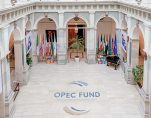
The OPEC Fund for International Development has approved nearly US$1.2 billion in new funding aimed at advancing development initiatives across several sectors in partner countries. This substantial commitment reflects the organization’s ongoing mission to enhance socio-economic growth through financial support, specifically in areas such as agriculture, energy, and infrastructure.

The approval of this new round of funding aligns with OPEC’s broader mandate to reduce poverty and drive sustainable development. Established in 1976, the OPEC Fund operates as an intergovernmental development finance institution, providing support to low- and middle-income countries, primarily through public sector lending, private sector operations, and trade finance. Its operations span a wide range of sectors, including energy, education, health, water, and sanitation, with each project designed to meet local needs while contributing to global development goals.

Agriculture remains a key focus for the organization, which has historically provided financing to boost food security by improving rural infrastructure and supporting small-scale farmers. In this latest tranche, substantial portions of the funding will be channeled toward enhancing agricultural productivity through investments in irrigation systems and rural storage facilities. These initiatives aim to reduce hunger and promote food security, particularly in regions where agriculture plays a vital role in the local economy.

Energy projects will also see significant backing, with a focus on expanding access to sustainable and affordable energy. The OPEC Fund has been a lead partner in the United Nations’ Sustainable Energy for All initiative, which aims to provide universal access to sustainable energy by 2030. This commitment continues with new energy projects that include building and upgrading infrastructure to meet growing demand while promoting renewable energy solutions to reduce environmental impact.

Beyond agriculture and energy, transportation and infrastructure development are other priority sectors. The approved funds will support several large-scale projects aimed at enhancing connectivity and improving transportation networks. These investments, which include the construction of roads, railways, and seaports, are critical for trade facilitation and economic growth in developing countries. Improved transportation infrastructure not only boosts local commerce but also enables these nations to better integrate into the global economy.

This round of funding also underscores the OPEC Fund’s emphasis on health and education. Previous efforts by the organization in these areas have contributed to the construction and rehabilitation of hospitals, schools, and other critical public facilities. Current plans include extending support to primary healthcare programs, as well as building new health clinics and modernizing existing facilities. The ultimate aim is to enhance healthcare delivery and educational outcomes, which are essential for long-term socio-economic development.

In line with its goal of addressing social and economic inequality, the OPEC Fund will continue to focus on the needs of marginalized and vulnerable populations. This is particularly evident in the water and sanitation sector, where previous efforts have contributed to the construction of water storage, treatment, and distribution systems in underserved regions. New investments in this sector will support initiatives aimed at providing clean drinking water and safe sanitation systems to rural and urban areas alike.

The OPEC Fund’s development financing is made possible by voluntary contributions from its member countries, along with accumulated reserves from past operations. This latest round of approvals brings the total amount of development assistance provided by the organization since its inception to more than US$24 billion. With its headquarters based in Vienna, Austria, the OPEC Fund has become a critical player in global efforts to combat poverty and promote sustainable development.

Emirates is set to introduce additional routes to China next year, reflecting a strengthening relationship between the UAE and China in both trade and investment. This expansion comes as part of the UAE’s broader strategy to boost connectivity with key global markets, capitalizing on increasing demand for travel and business interactions between the two countries. The airline’s decision to expand its China network aligns with the growing […]

The Indian government is calling on the Organization of the Petroleum Exporting Countries (OPEC) and its allies, collectively known as OPEC+, to increase oil production. Pankaj Jain, India’s oil secretary, stated on Thursday that the nation’s rising fuel demand necessitates a boost in oil output from the global coalition. India, as the world’s third-largest oil importer and consumer, relies heavily on foreign oil, with imports accounting for […]

The President of the United Arab Emirates, Sheikh Mohamed bin Zayed Al Nahyan, and Premier Li Qiang of China have engaged in high-level discussions aimed at reinforcing their countries’ Comprehensive Strategic Partnership. This dialogue marks a significant step in deepening the bilateral ties between the two nations, reflecting their mutual interests in expanding cooperation across various sectors. During their meeting, Sheikh Mohamed and Premier Li underscored the […]

Dubai has quickly become a hub for cryptocurrency and blockchain companies, fostering innovation and attracting major players in the digital assets space. Despite regulatory challenges and market volatility, several crypto firms have managed to establish a strong presence, contributing to the emirate’s growing influence in the digital economy. Among the most notable companies are Core Devs, BitOasis, Colexion, ArabianChain, BiTex, EmiSwap, Block Gemini, and OneGram, each playing […]

The Biden administration is weighing the possibility of granting Nvidia permission to export its advanced chips to Saudi Arabia, according to sources familiar with the matter. This move could significantly bolster Saudi Arabia’s efforts to enhance its artificial intelligence capabilities by enabling the training and operation of high-performance AI models. The issue of chip sales emerged as a notable discussion point at GAIN, Saudi Arabia’s global AI […]

AD Ports Group has finalized a significant contract with China’s Zhenhua Heavy Industries Co. (ZPMC) valued at $114.44 million for the procurement of cranes. This deal aims to bolster the development of terminal infrastructure across various African ports, enhancing operational capacities and efficiency.

The contract, announced earlier today, encompasses the delivery of advanced crane systems to several key terminal projects in Africa. These new cranes are expected to play a crucial role in increasing cargo handling capabilities, which is essential for supporting the growing maritime trade in the region. The investment is part of AD Ports Group’s broader strategy to expand its footprint and enhance its operational capabilities on a global scale.

ZPMC, a leading manufacturer of port machinery, is recognized for its technological advancements and high-quality equipment. The company’s cranes are widely used in major ports around the world, known for their reliability and efficiency. This latest contract reinforces ZPMC’s position as a significant player in the port equipment industry.

AD Ports Group, which manages and operates multiple port facilities across the Middle East and Africa, has been actively pursuing expansion projects to strengthen its position in the maritime sector. The procurement of these cranes aligns with the company’s objective to support regional economic growth and improve logistics infrastructure.

The terminal projects that will benefit from this contract include several high-profile developments in strategic locations across Africa. These projects are expected to facilitate smoother and faster cargo handling processes, thus improving trade flows and supporting regional economies. By integrating state-of-the-art crane technology, AD Ports Group aims to address the growing demands of international shipping and logistics.

The partnership between AD Ports Group and ZPMC underscores a growing trend of collaboration between global companies to enhance port infrastructure in developing regions. Such agreements are vital for addressing the logistical challenges faced by emerging markets, where increasing trade volumes require modern and efficient equipment.

This deal is also seen as a strategic move by AD Ports Group to leverage the advanced technological solutions offered by ZPMC to maintain competitive advantage in the global maritime industry. By incorporating cutting-edge crane systems into its operations, AD Ports Group is positioning itself to meet the evolving demands of international trade and logistics.

As the maritime sector continues to experience rapid growth, especially in emerging markets, the importance of modern port infrastructure cannot be overstated. Investments like the one announced today are crucial for ensuring that ports can handle increasing cargo volumes and maintain efficient operations.

India and the United Arab Emirates (UAE) signed a significant nuclear cooperation agreement in New Delhi on Monday, marking a crucial step in their growing strategic partnership. The memorandum of understanding (MoU) was signed during a high-profile meeting between Indian Prime Minister Narendra Modi and UAE Crown Prince Sheikh Khaled bin Mohamed bin Zayed Al Nahyan, who was on his first official visit to India as Crown […]

China’s Premier Li Qiang has advocated for accelerated trade negotiations with Gulf nations during his visit to Riyadh. Li’s call for swift advancement in economic relations underscores the growing strategic importance of the Gulf region to China’s global trade network. This visit highlights a pivotal moment in the bilateral relationship between China and Gulf Cooperation Council (GCC) countries, focusing on enhancing economic cooperation and investment. Li’s remarks […]

Hong Kong is actively pursuing free trade agreements with the UAE and other Gulf Cooperation Council (GCC) nations in a bid to strengthen economic ties in the region. This effort comes as the city seeks to enhance its role as a global financial hub and gateway between Asia and the Middle East. Trade in goods between Hong Kong and the UAE amounted to approximately USD 12.8 billion […]

The collaboration will help to enhance cross-border payments for Shoplazza’s 500,000+ merchants, improve payment success rates, and support the growth of the e-commerce industry in the APAC region. LONDON, UK – Media OutReach Newswire – 12 September 2024 – Global fintech Unlimit has today announced a strategic partnership with the global AI-commerce technology company, Shoplazza. The partnership is focused on enhancing cross-border payment services for e-commerce merchants […]

HONG KONG SAR – Media OutReach Newswire – 11 September 2024 – The Hong Kong Polytechnic University (PolyU) today signed a collaboration agreement with Suzhou Kowloon Hospital, a subsidiary of the Hong Kong Kowloon Group, to jointly establish the “Suzhou Kowloon Hospital – The Hong Kong Polytechnic University Innovation Incubation Platform”. The two institutions will leverage their respective strengths, sharing resources over the next three years to […]

India continues to hold its position as the world leader in cryptocurrency adoption, according to the 2024 Chainalysis Global Crypto Adoption Index. The country’s dominance in this space persists despite a challenging regulatory environment that includes stringent tax policies and bans on foreign crypto platforms. This latest report reflects India’s ability to stay at the forefront of crypto trading and investment, showcasing the nation’s growing influence in […]

The gaming industry is undergoing a seismic shift as Web3 technology propels a new era of decentralized gaming. In a bold move that promises to redefine the future of the gaming world, two of the largest tech giants, traditionally fierce competitors, have now entered the Web3 gaming ecosystem, signaling a convergence of blockchain, cryptos, and gaming. This collaboration, which would have been unthinkable a few years ago, highlights the growing influence of Web3 in mainstream gaming.

Web3 gaming has captured the attention of major players across the tech and gaming industries. Leading the charge are three significant companies—two well-known gaming behemoths and a surprise third contender that has taken the gaming and tech community by surprise. While the first two companies have long been associated with the gaming industry, the third entity is a global tech powerhouse, known for selling hundreds of millions of gaming devices and software, but until now, had not made its stance on Web3 clear.

This transformation comes at a time when companies from various sectors are exploring partnerships with blockchain platforms and Web3 startups. The momentum toward decentralization and the integration of blockchain into everyday applications is reshaping business strategies, especially in industries like gaming where decentralized ownership, play-to-earn models, and enhanced user control are gaining traction.

The partnership between these two tech giants, with a combined annual revenue exceeding $400 billion, marks a historic moment in the gaming industry. This alliance was made possible through blockchain technology, which provides a neutral and decentralized platform for collaboration. The decision to integrate Web3 gaming solutions into their business models has opened new avenues for revenue generation, as well as new experiences for users, creating a dynamic ecosystem where players can own, trade, and monetize in-game assets in unprecedented ways.

Web3’s foundational principles of decentralization, transparency, and ownership align with the demands of today’s gaming community, where players are increasingly seeking greater control over their digital assets and in-game economies. As traditional gaming platforms faced challenges with centralized systems and rigid control over content, Web3 offers a flexible, user-driven alternative that empowers gamers and developers alike.

The gaming industry is no stranger to disruption. From the rise of mobile gaming to the explosion of cloud gaming, each innovation has brought with it new opportunities and challenges. But Web3 gaming represents something far more transformative. By leveraging blockchain technology, developers can create games with integrated token economies, allowing players to earn, trade, and sell digital assets in ways that were previously impossible. This has given rise to the “play-to-earn” model, where players are not just participants in the game but also stakeholders in its economy.

The two tech giants making headlines with their foray into Web3 gaming have long been at the forefront of technological innovation. One is renowned for its gaming consoles, which have sold hundreds of millions of units worldwide, while the other has established itself as a leader in cloud computing, software, and entertainment. Both companies have recognized the potential of Web3 gaming, not just as a technological novelty but as a fundamental shift in how games are developed, distributed, and played.

This partnership also underscores the growing significance of blockchain-based platforms in the gaming industry. As more traditional companies explore the possibilities of Web3, they are increasingly turning to blockchain protocols to facilitate secure, decentralized transactions and to ensure transparency in gaming ecosystems. By embracing blockchain, these companies can provide their users with a level of ownership and control that is unparalleled in traditional gaming environments.

The third player in this Web3 revolution is a tech company that has been quietly but steadily increasing its presence in the gaming sector. Known primarily for its dominance in the tech industry, this company’s decision to dive into Web3 gaming has been a surprise to many, given its previous reluctance to publicly endorse blockchain technology. However, its vast resources and extensive user base make it a formidable force in the space, and its entry into the Web3 gaming market has the potential to accelerate the adoption of blockchain-powered gaming on a global scale.

Web3 gaming is rapidly gaining popularity due to its emphasis on decentralization and player empowerment. Traditional gaming platforms, which often limit players’ ability to control and monetize their in-game assets, are being challenged by Web3 games that enable users to own, trade, and sell their digital items. This paradigm shift is leading to a new wave of innovation in game design and development, as developers create games that offer players a direct stake in the virtual worlds they inhabit.

As Web3 gaming continues to evolve, more and more traditional companies are seeking partnerships with blockchain-based platforms and Web3 startups. These partnerships are critical to the growth of the ecosystem, as they provide the necessary infrastructure and expertise to support large-scale gaming operations on the blockchain. Moreover, they help bridge the gap between traditional gaming companies and the Web3 community, fostering collaboration and innovation across both sectors.

The implications of Web3 gaming extend beyond the gaming industry. As blockchain technology becomes more integrated into gaming platforms, it has the potential to influence other industries as well. For example, the tokenization of digital assets, which is a core feature of Web3 games, could revolutionize industries such as finance, real estate, and entertainment by enabling the secure and transparent transfer of ownership.

By K Raveendran India’s economic aspirations have long been anchored in the expansion of its manufacturing sector, a goal that has become increasingly critical as the country seeks to position itself as a global economic powerhouse. It is widely believed that the realisation of this goal would be impossible without Chinese investments, which however, come […]

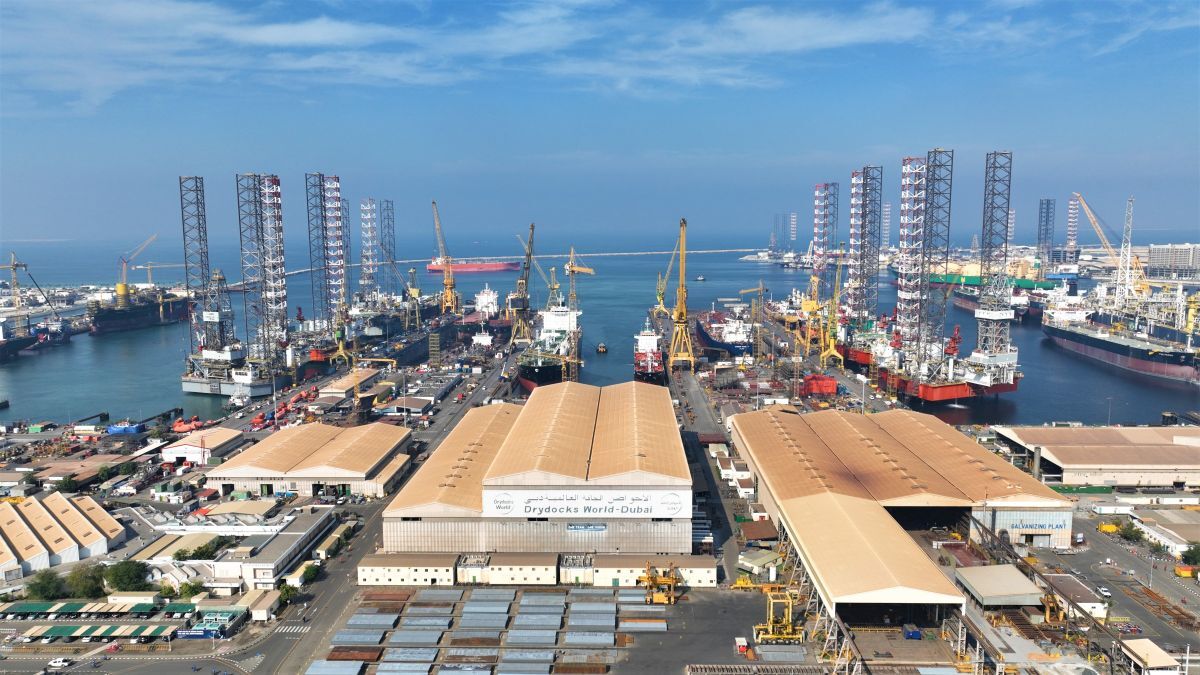
Drydocks World, a leading maritime services provider, has secured a significant asset with the acquisition of the largest floating crane in the region. This strategic move aims to bolster the company’s capabilities and position within the maritime sector, reflecting an ongoing trend of consolidation and investment in infrastructure across the industry.

The floating crane, named “Giant Crane,” boasts a lifting capacity of 1,600 tons, surpassing other cranes in the region. Its acquisition represents a notable expansion of Drydocks World’s equipment portfolio, enhancing its ability to handle larger and more complex projects. The crane will primarily serve at the company’s shipyard in Dubai, which is known for its extensive repair and refurbishment operations for various marine vessels, including oil tankers and container ships.

The decision to acquire such a significant piece of equipment aligns with Drydocks World’s broader strategy of investing in cutting-edge technology and infrastructure to meet the increasing demands of the global maritime industry. The floating crane’s advanced capabilities will facilitate more efficient and safe operations, positioning Drydocks World to better compete with international maritime service providers.

This acquisition comes at a time when the maritime sector is experiencing a period of transformation driven by technological advancements and shifting market dynamics. Companies in the industry are investing heavily in infrastructure and technology to improve operational efficiency and meet evolving client needs. For Drydocks World, the floating crane is a crucial asset that will enable the company to handle larger vessels and undertake more ambitious projects.

The crane’s features include a state-of-the-art hydraulic system and advanced stability control mechanisms, which are expected to enhance safety and precision during lifting operations. These attributes are particularly important given the scale and complexity of the maritime projects that Drydocks World undertakes. The crane’s ability to perform heavy lifts and operate in challenging conditions will be a significant asset for the company’s shipyard operations.

Drydocks World’s expansion is also reflective of broader trends within the maritime industry, where there is a growing emphasis on investment in infrastructure and technological upgrades. Companies are increasingly focusing on enhancing their capabilities to stay competitive in a market that is evolving rapidly due to factors such as increased global trade and advancements in ship design and construction.

The acquisition of the floating crane is part of Drydocks World’s broader strategy to strengthen its position in the maritime services sector. This strategy includes not only investing in new equipment but also enhancing existing facilities and capabilities. The company has been actively involved in several high-profile projects, including the construction and repair of large-scale marine vessels and offshore platforms.

Industry analysts have noted that the move by Drydocks World to acquire the floating crane could set a precedent for other maritime service providers in the region. The emphasis on investing in advanced equipment and infrastructure is likely to influence industry standards and practices, driving other companies to consider similar investments in their operations.

A sharp decline in oil prices has bolstered prospects for a more stable global economic landscape. Falling into the $60s per barrel range, the price of crude oil is offering economies around the world some breathing room amid a complex economic environment marked by geopolitical tensions and inflationary pressures. As oil prices retreat from their earlier highs, this shift provides a critical cushion for economies grappling with […]

VISHNU RAJA
RYO YAMADA
HITORI GOTOH
IKUYO KITA