News related to
AI trade

Binance, a leading global cryptocurrency exchange, has projected that India will spearhead international cryptocurrency regulation by 2025. This perspective follows Binance’s registration with India’s Financial Intelligence Unit (FIU-IND) as a reporting entity, marking its 19th regulatory achievement worldwide.

The registration underscores Binance’s commitment to adhering to anti-money laundering (AML) standards and enhancing security within the digital asset ecosystem. By aligning with India’s regulatory framework, Binance aims to offer services tailored to Indian users, contributing to the global evolution of digital assets.

India’s proactive approach to cryptocurrency regulation is evident through its recent initiatives. The Securities and Exchange Board of India (SEBI) has expressed openness to overseeing cryptocurrency trade, proposing a multi-regulatory approach. This stance contrasts with the Reserve Bank of India’s preference for a ban, highlighting a divergence in regulatory perspectives within the country.

Despite stringent regulations and high taxes on crypto trading, India has led the world in cryptocurrency adoption for the second consecutive year. A report by Chainalysis indicates extensive usage of both centralized exchange and decentralized finance assets in the country. This widespread adoption reflects the resilience and adaptability of the Indian crypto community.

Binance’s registration with FIU-IND comes after a period of regulatory challenges in India. In June 2024, the Financial Intelligence Unit imposed a fine of approximately $2.25 million on Binance for operating in the country without proper registration, violating local anti-money laundering regulations. Following this, Binance took corrective measures to comply with Indian laws, leading to its current registered status.

The Indian government’s stance on cryptocurrencies has evolved over time. While the Reserve Bank of India had previously imposed a ban on crypto dealings in 2018, this was overturned by the Supreme Court. Subsequently, the government implemented a tax on crypto transactions and required exchanges to register locally, indicating a shift towards regulation rather than prohibition.

Industry experts predict that by 2025, the crypto industry will experience mainstream adoption, regulatory clarity, and financial integration. This anticipated evolution underscores the importance of robust regulatory frameworks to ensure the safe and efficient operation of digital asset markets.

Binance’s commitment to compliance is further demonstrated by its substantial investments in compliance programs. In 2023, the company spent $213 million on compliance, a 35% increase from the previous year. This investment includes expanding staffing and incorporating artificial intelligence to enhance efficiency, reflecting Binance’s dedication to turning compliance into a competitive edge.


HANOI, VIETNAM – Media OutReach Newswire – 26 December 2024 – While the EV industry is entering a period of sustainable but somewhat slower growth, VinFast’s long-term commitment to pure electric vehicles and the support of its parent company, Vingroup, give it a unique advantage. With a long-term vision for green mobility, VinFast has leveraged the industry slowdown to strategically expand its presence and build strong growth […]

Bitcoin has been hovering near significant price levels, prompting traders and investors to closely monitor market movements. As the cryptocurrency approaches the psychological $100,000 mark, many speculate whether it will maintain its upward momentum or face another setback. While numerous indicators are used to predict Bitcoin’s movements, experts agree that none can guarantee precise timing. The challenge lies in deciphering the market’s sentiments and understanding the underlying factors that influence its volatility.

Historically, Bitcoin has been subject to dramatic fluctuations, with traders attempting to predict its movements based on a range of technical and fundamental factors. While lagging indicators, such as moving averages and relative strength indices (RSI), offer some guidance, they often fail to provide real-time insights that would allow investors to capitalize on price swings before they occur. For this reason, market sentiment remains a crucial yet elusive factor in forecasting Bitcoin’s next move.

One of the key elements that influence Bitcoin’s price is investor sentiment, driven by factors like macroeconomic conditions, regulatory developments, and institutional adoption. As Bitcoin’s price has grown, so has interest from major financial institutions, leading to a surge in demand. Institutional investors have been particularly attracted to Bitcoin’s potential as a hedge against inflation and a store of value amid uncertain economic conditions.

Over the past several years, Bitcoin has increasingly been viewed as “digital gold” by some of the world’s largest financial institutions. This shift in perception has played a significant role in driving up Bitcoin’s price, as companies like Tesla and Square, along with numerous hedge funds, have invested heavily in the cryptocurrency. This institutional buy-in has sparked further bullish sentiment, making Bitcoin’s potential for reaching new highs a frequent topic of discussion in financial circles.

However, this optimism is tempered by ongoing regulatory challenges. Governments around the world have expressed concerns about the volatility of cryptocurrencies, prompting regulatory scrutiny. Recently, there has been a wave of regulatory developments, particularly in the United States and Europe, aimed at increasing transparency and reducing the risk of illegal activities associated with cryptocurrency transactions. While these regulations are still evolving, many believe that they will eventually offer greater clarity and stability for Bitcoin’s future growth.

Bitcoin faces challenges in maintaining its value amidst the increasing popularity of decentralized finance (DeFi) and alternative cryptocurrencies. Ethereum, the second-largest cryptocurrency by market capitalization, continues to dominate the smart contract space, while newer blockchain platforms are pushing for increased scalability and efficiency. As investors explore other projects, Bitcoin’s role in the cryptocurrency ecosystem faces some competition, though its dominance remains strong.

On the technical side, several analysts point to the upcoming halving event in 2024 as a potential catalyst for Bitcoin’s price surge. Halving occurs approximately every four years and reduces the reward miners receive for verifying transactions, effectively decreasing the rate at which new Bitcoin enters circulation. Historically, halving events have been followed by significant price increases, although there are no guarantees that this pattern will repeat.

As the $100,000 mark approaches, Bitcoin’s price movements are being closely watched by both retail investors and professionals. The psychological impact of hitting this milestone could influence market behavior, with some speculating that it may trigger another wave of FOMO (fear of missing out) as traders rush to capitalize on the upward trend. However, others caution that Bitcoin’s price may face resistance at this level, with profit-taking occurring among long-term holders who may choose to lock in gains.

Despite the uncertainty, Bitcoin’s long-term outlook remains optimistic. The cryptocurrency continues to gain mainstream recognition, with major companies and investors continuing to enter the space. Furthermore, Bitcoin’s decentralized nature and limited supply make it an attractive asset in a world where inflationary pressures continue to rise. As more people view Bitcoin as a store of value rather than just a speculative investment, its role in the global financial system becomes increasingly significant.

Toncoin has remained a key player in the cryptocurrency market, consistently showing strength as a utility coin and a solid investment for long-term holders. However, with the market’s rapid evolution and shifting investor sentiments, some Toncoin holders are now pivoting their attention to a new contender: FXGuys ($FXG). This emerging DeFi token is garnering significant attention due to its innovative features and bold predictions of a potential 20x growth in the near future.

FXGuys, which recently gained traction within the decentralized finance (DeFi) space, is being recognized for its groundbreaking approach to how cryptocurrencies are traded and invested in. The platform’s model, which includes a Trade2Earn system, a unique Trader Funding Program, and staking opportunities, has captivated investors seeking the next big opportunity within a competitive and ever-changing landscape.

The growth of FXGuys comes at a time when investors are increasingly wary of inflationary assets and are actively exploring decentralized finance as a potential hedge. DeFi projects have grown exponentially, with the promise of disrupting traditional financial systems and providing users with more control over their investments. FXGuys stands out in this sector by offering an integrated approach that blends trading, staking, and reward incentives, all while maintaining a high level of transparency and security for its users.

A significant appeal of FXGuys is its Trade2Earn system, which allows users to earn tokens through trading activities. This model has drawn comparisons to successful crypto platforms like PancakeSwap, which have similarly incentivized trading through token rewards. FXGuys aims to replicate this success but with additional features like the Trader Funding Program, which helps users secure capital for trading strategies. This funding mechanism is particularly attractive to newer or less experienced traders who may lack the initial capital to make significant trades but still want to participate in the market’s potential gains.

Beyond its innovative business model, FXGuys has attracted the attention of some of the most prominent figures in DeFi. Analysts and influencers are increasingly betting on the potential of the $FXG token to surge, with some predicting a 20x growth in the upcoming months. While these predictions are based on market trends and growing interest in the platform, many investors see them as speculative at this stage, urging caution. However, the consensus among experts is that the fundamentals of the project are strong, and its ability to attract users and investors is already proving successful.

The project’s focus on sustainable tokenomics is another factor that sets FXGuys apart from other DeFi platforms. By introducing mechanisms that are designed to support long-term growth and stability, FXGuys aims to ensure that the token’s value is not subject to the volatile swings that have plagued other cryptocurrencies in the past. This long-term vision is attractive to both institutional investors and those seeking more than just quick returns from the volatile crypto space.

Staking is another key element of FXGuys’ offering, which has captured the interest of seasoned investors in the DeFi community. Staking provides users with the opportunity to lock in their tokens and earn rewards over time, giving them a passive income stream that supports the platform’s long-term vision. With the rise of staking across various blockchain networks, FXGuys has managed to carve out its niche by providing competitive rewards and leveraging its other unique features.

Despite its early stages, FXGuys is already making strides within the cryptocurrency market, challenging some of the larger, more established tokens in the DeFi space. It has attracted a growing user base, with many noting that the platform’s user-friendly interface, transparency, and innovative features are key reasons for its appeal. The platform has made it a point to prioritize security, ensuring that all trades and investments are protected against fraud and manipulation, which has helped it gain the trust of its rapidly expanding community.

The timing of FXGuys’ rise is significant, as the DeFi market has witnessed an influx of institutional investors, driven by the search for alternative financial solutions. This trend is expected to continue, with major financial institutions and tech companies exploring the potential of blockchain-based financial services. In this environment, FXGuys appears well-positioned to capitalize on the growing demand for decentralized financial platforms that offer both reliability and growth potential.

As the crypto market continues to evolve, the competition among DeFi projects is intensifying. While Toncoin has remained a strong asset for many, the arrival of new, innovative platforms like FXGuys is prompting investors to reassess their portfolios. With a projected 20x growth and a distinctive approach to DeFi, FXGuys is fast becoming a focal point for those looking to stay ahead of the curve.

AD Ports Group, a leading enabler of global trade and logistics, has completed the integration of Noatum Group’s assets, marking the largest restructuring in its history. This strategic move aims to enhance the company’s global footprint and operational efficiency in the maritime and logistics sectors. The restructuring process has led to significant organizational changes within AD Ports Group. Noatum Ports will now oversee the company’s existing and […]

HONG KONG SAR – Media OutReach Newswire – 25 December 2024 – On December 14th, VT Markets took centre stage at the 2024 Traders Fair financial expo in Hong Kong, marking yet another milestone as a leading global financial trading service provider. Showcasing its industry-leading innovations and services, the award-winning brokerage garnered significant attention for its unique market insights and forward-thinking solutions. Knowledge is Power VT Markets […]

KUALA LUMPUR, MALAYSIA – Media OutReach Newswire – 25 December 2024 – As the year draws to a close, traders are turning their attention to the Santa Claus rally, a period known for delivering consistent market gains. Kar Yong Ang, a financial market analyst at Octa Broker, explores the rally’s history, key factors, and strategies that enable traders to capitalise on this annual phenomenon. Understanding the Santa […]

Advertisements

HO CHI MINH CITY, VIETNAM – Media OutReach Newswire – 24 December 2024 – JustMarkets concludes 2024 with notable achievements that highlight their ongoing focus on reliable and smart solutions for the worldwide trading community. The outgoing year marked the company’s 12th anniversary, a milestone underscoring JustMarkets‘ long-standing presence in the financial sector. Over these years, the broker achieved numerous victories, earned 50+ awards, and welcomed more […]

KUALA LUMPUR, MALAYSIA – Media OutReach Newswire – 24 December 2024 – For Octa, a global broker with more than 13 years of experience, 2024 was a year focused on researching clients’ needs and using the results to incrementally improve their trading platform, OctaTrader. According to the broker’s statement, OctaTrader showed a fivefold increase in the number of open orders year-on-year, proving its growing popularity among traders. […]

By Nantoo Banerjee It will be unfair to expect much from the new Reserve Bank governor, Sanjay Malhotra, a career bureaucrat and former revenue secretary, in terms of delivery of key functions of a central bank chief such as controlling inflation, stabilizing domestic currency, foreign exchange control and lifting economic growth. If three of his […]

Trend Vision One™ – Email and Collaboration Security is a critical part of Trend’s centralized attack surface risk management (ASRM) platform HONG KONG SAR – Media OutReach Newswire – 23 December 2024 – Trend Micro Incorporated (TYO: 4704; TSE: 4704), a global cybersecurity leader, today announced its positioning as a Leader in the 2024 Gartner® Magic Quadrant™ for Email Security Platforms (ESP). Rachel Jin, Chief Enterprise Platform […]

By D Raja History of the Communist Party of India in the last 100 years is a glorious saga of struggles and sacrifices for our country and its people. History of our freedom movement and our progress after independence are incomplete without the blood and sweat of communists all over the country. The foundation day […]

BANGKOK, THAILAND – Media OutReach Newswire – 20 December 2024 – The Department of International Trade Promotion (DITP), under the Ministry of Commerce, has launched a strategic initiative to promote Thai SELECT products and services in international markets. Joining hands with world-class influencers and media, the campaign aims to boost awareness of Thai cuisine, enhance its global appeal, and elevate confidence in the Thai SELECT logo as […]

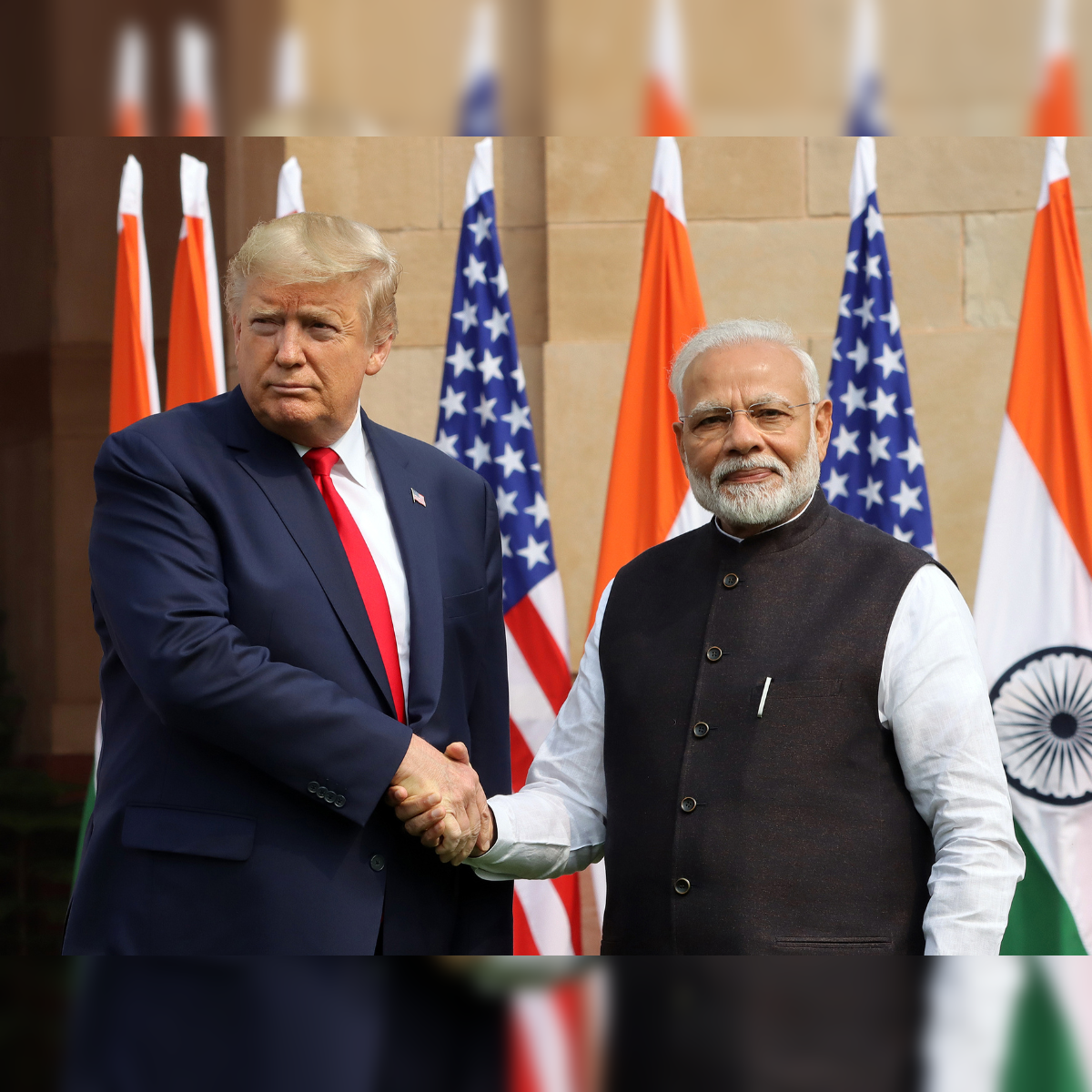
By K Raveendran While Prime Minister Narendra Modi’s ‘friend’, the US President-elect Donald J Trump, is set to move into White House, once again, it need not be particularly beneficial for India. If anything, Trump can be said to be “anti-India” even while remaining “pro-Modi”. The camaraderie contrasts starkly with the president-elect’s anti-India economic stance, […]

Prime Minister Narendra Modi commenced a landmark two-day visit to Kuwait on December 21, marking the first visit by an Indian prime minister to the Gulf nation in 43 years. This trip aims to strengthen bilateral relations, focusing on trade, defense, and energy cooperation. Upon arrival, Modi was received by Kuwait’s Emir, Sheikh Meshal Al-Ahmad Al-Jaber Al-Sabah, and Crown Prince Sheikh Sabah Al-Khalid Al-Sabah. Discussions are expected […]

HONG KONG SAR – Media OutReach Newswire – 20 December 2024 – The first baijiu company listed on the Hong Kong Stock Exchange, ZJLD Group Inc. (“ZJLD” or the “Company”, SEHK stock code: 06979. HK), is pleased to announce that it has been awarded the 2024 Hong Kong Corporate Governance and ESG Excellence Award by the Chamber of Hong Kong Listed Companies (“CHKLC”). This accolade recognizes ZJLD’s […]

HONG KONG SAR – Media OutReach Newswire – 20 December 2024 – The “Immersive Hong Kong” exhibition opened today (December 20) in Dubai, the United Arab Emirates, making its fifth stop after successful runs in Jakarta, Indonesia; Bangkok, Thailand; Kuala Lumpur, Malaysia; and Guangzhou, China, staged by the Information Services Department of the Hong Kong Special Administrative Region Government. Organised in collaboration with the Hong Kong Economic […]

DP World, the Dubai-based global logistics leader, has issued a $100 million Blue Bond, marking the Middle East and North Africa’s inaugural corporate Blue Bond. This five-year bond, priced at a 5.25% coupon rate, aims to fund sustainable projects in marine transportation, port infrastructure, marine pollution mitigation, and water-positive initiatives. The primary investor in this groundbreaking issuance is T. Rowe Price Associates, Inc., a prominent investment management […]

The Central Bank of the United Arab Emirates (CBUAE) and the Hong Kong Monetary Authority (HKMA) have formalized an agreement to enhance cooperation between their financial markets. This development follows a bilateral meeting held in Hong Kong on December 20, 2024, where both institutions signed a Memorandum of Understanding (MoU) aimed at establishing connectivity between their debt capital markets and related financial infrastructures. The MoU focuses on […]

Oil prices have declined, with Brent crude futures dropping 41 cents to $72.47 per barrel, and U.S. West Texas Intermediate crude futures falling 39 cents to $68.99 per barrel. China’s oil demand is projected to peak by 2027, with fuel consumption slowing. The U.S. dollar has reached its highest value since November 22, making commodities more expensive for holders of other currencies. OPEC+ has reduced its 2024 […]

The Gulf economies are expected to continue their upward trajectory despite ongoing geopolitical tensions across the Middle East, according to the latest report from the International Monetary Fund (IMF). The region’s resilience, the IMF suggests, is driven by its diversified economic base, robust fiscal policies, and higher oil prices, which have counterbalanced the adverse effects of regional instability.

While the Middle East remains a hotspot for geopolitical risks, including tensions in Yemen, Syria, and Iran, the Gulf Cooperation Council (GCC) states—namely Saudi Arabia, the UAE, Qatar, Kuwait, Bahrain, and Oman—are poised for solid growth. The IMF’s economic outlook for the Gulf for the upcoming year signals a stable trajectory, with growth projections ranging from 3.2% to 3.5% for most of the member states. This comes on the back of strong economic fundamentals and the region’s strategic efforts to diversify away from oil dependency.

According to the IMF, the GCC’s fiscal prudence and economic diversification initiatives are vital drivers of the positive outlook. Non-oil sectors such as finance, real estate, tourism, and technology have become key contributors to economic growth. Saudi Arabia, for instance, has ramped up its Vision 2030 reform plan, focusing on broadening its economic base and reducing the country’s dependency on hydrocarbons. These efforts have led to an uptick in foreign direct investment and economic activity outside of oil.

The region’s handling of fiscal policies has played a crucial role in shielding it from the negative impacts of external shocks. Governments in the Gulf have generally maintained sound fiscal policies, with substantial fiscal surpluses bolstering state coffers, even as global oil prices fluctuate. For instance, Saudi Arabia and the UAE have used their oil revenues to fund ambitious infrastructure and diversification projects that promote long-term stability.

Saudi Arabia’s economic transformation efforts, notably under the leadership of Crown Prince Mohammed bin Salman, are already yielding results. The kingdom’s GDP has experienced robust growth, especially in non-oil sectors such as entertainment, sports, and tourism. Major projects like Neom, the futuristic city being developed in the northwest, and the Red Sea Project are expected to generate significant economic activity in the coming years. These initiatives reflect a long-term vision to create new economic hubs and reduce reliance on oil.

The UAE, another key player in the Gulf, has also shown a remarkable shift towards diversifying its economy. Dubai’s push to become a global center for technology and finance is starting to pay off, with the city positioning itself as a regional leader in both fintech and blockchain. Abu Dhabi’s focus on renewable energy and clean technologies is further strengthening the UAE’s long-term economic resilience. With such initiatives, the UAE is set to continue its strong performance, with growth forecasts suggesting the economy will expand by 4% over the next year.

Qatar has similarly proven its economic resilience. The country’s investment in liquefied natural gas (LNG) projects has enhanced its export capabilities, enabling it to weather external market fluctuations. Qatar has also shifted its focus to developing a more diverse economy, emphasizing finance, sports, and education, particularly through initiatives like the Qatar National Vision 2030.

The IMF also highlighted that Kuwait and Oman are expected to experience moderate growth, driven by their diversified economies and investments in non-oil sectors, including infrastructure and services. Although Oman has faced fiscal challenges in the past, its recent economic reforms and strategic investments are expected to yield positive results in the coming years. Similarly, Kuwait’s substantial sovereign wealth fund continues to provide a financial cushion, enabling the country to continue its development plans despite challenges.

Despite the ongoing tensions in neighboring countries, the Gulf states have managed to maintain political stability, a crucial element in sustaining investor confidence. The UAE’s role as a neutral hub for international trade, coupled with Qatar’s robust diplomatic efforts, has further insulated the region from potential instability. While conflicts in Yemen, Syria, and Iraq present challenges, the Gulf countries have largely shielded their economies from these disturbances through strong governance and military spending.

The Gulf’s active participation in global energy markets continues to provide it with a cushion against external shocks. Oil remains a crucial driver of revenue, but the higher global oil prices in the past year have supported economic resilience. Saudi Arabia and the UAE have also taken steps to ensure that their energy resources are used sustainably, with the UAE focusing on clean energy initiatives and Saudi Arabia looking to become a leader in green hydrogen production.

The region’s financial markets have also performed admirably in the face of geopolitical risk. Stock exchanges across the Gulf have been showing positive growth, with investors confident in the long-term prospects of the region. The UAE, in particular, has seen a surge in its financial markets, fueled by investor confidence in its economic diversification plans. Furthermore, the region’s strong banking sectors and their adaptation to digital banking and fintech have made them more attractive to foreign investors.

On the global stage, the Gulf has increasingly become a key partner in trade and investment. Its strategic location, at the crossroads of Europe, Asia, and Africa, continues to make it a central hub for international trade. In addition, initiatives such as the GCC’s Free Trade Agreement and the bloc’s involvement in the World Trade Organization (WTO) strengthen its position as a trade powerhouse.

Cryptocurrency exchanges across the European Union are preparing to delist stablecoins that fail to comply with the forthcoming Markets in Crypto-Assets (MiCA) regulations, set to be fully enforced by December 30, 2024. Notably, Tether’s USDT, the world’s largest stablecoin by market capitalization, is among those facing delisting due to non-compliance with MiCA’s stringent requirements.

MiCA aims to establish a comprehensive regulatory framework for crypto-assets within the EU, enhancing transparency, consumer protection, and market integrity. A key provision mandates that stablecoin issuers obtain an e-money license, ensuring tokens are fully backed by reserves held in independent banks and that issuers maintain robust transaction monitoring systems. Tether has not yet secured this license, rendering USDT non-compliant under the new regulations.

In response, major cryptocurrency exchanges operating in the EU have announced plans to delist USDT and other non-compliant stablecoins. Coinbase Europe, for instance, has informed its users of the impending delisting, advising them to convert their USDT holdings into compliant alternatives such as USD Coin (USDC) or Euro Coin (EURC), both issued by Circle and fully compliant with MiCA standards. This move is in line with Coinbase’s commitment to adhere to regulatory requirements and ensure the security of its users’ assets.

The delisting of USDT is expected to have significant implications for the European cryptocurrency market. USDT has been a cornerstone of crypto trading, providing liquidity and a stable store of value for traders and investors. Its removal could lead to reduced liquidity, increased trading costs, and potential disruptions in the market. Market participants are concerned that the absence of USDT may hinder trading activities and slow the growth of the crypto ecosystem within the EU.

Tether’s non-compliance stems from its current operational structure, which does not align with MiCA’s requirements for reserve backing and regulatory oversight. The company has faced scrutiny over the transparency and adequacy of its reserves, with critics alleging insufficient backing for the tokens in circulation. Tether has previously defended its practices, asserting that its tokens are fully backed and that it operates with a commitment to transparency and regulatory compliance.

The implementation of MiCA represents a significant step toward the formalization and regulation of the cryptocurrency industry within the EU. By enforcing strict compliance standards, the EU aims to mitigate risks associated with crypto-assets, including fraud, money laundering, and market manipulation. The regulation also seeks to foster innovation by providing clear guidelines and a stable regulatory environment for businesses and investors.

However, the delisting of prominent stablecoins like USDT raises questions about the balance between regulation and market dynamics. While regulatory compliance is essential for market integrity and consumer protection, the sudden removal of widely used assets could disrupt market operations and negatively impact users who rely on these tokens for trading and value transfer.

Exchanges are taking steps to minimize disruption by offering users options to convert their USDT holdings into compliant alternatives. For example, Coinbase has facilitated the transition by providing seamless conversion services and detailed guidance to its users. Other exchanges are expected to implement similar measures to ensure a smooth transition and maintain user trust.

By Dr. Soma Marla The Union Ministry of Agriculture recently circulated a new draft for a policy framework concerning agricultural marketing. Faiz Ahmed Kidwai, additional secretary in the ministry, proposed the draft to revamp the existing framework. According to the government, the proposed universal tax on agricultural produce will increase farmers’ incomes. The committee has […]

“Global Multi-Currency Accounts” Empowers SMEs with New Market Opportunities SHANGHAI, CHINA – Media OutReach Newswire – 20 December 2024 – XTransfer, the World’s Leading & China’s No.1 B2B Cross-Border Trade Payment Platform, and OCBC, the second largest financial services group in Southeast Asia, jointly announced the comprehensive partnership. OCBC China will leverage the OCBC Group’s extensive regional network and resources in its key markets of Singapore, Hong […]

VISHNU RAJA
RYO YAMADA
HITORI GOTOH
IKUYO KITA
Just in:
Singapore introduces AI scam alerts for messaging conversations // GCC defence ministers discuss military coordination amid Iran conflict // Abu Dhabi unveils restored Porsche from royal motorcade // FinCEN identifies $8 billion in suspect overseas payments // US relocates tankers from second British base amid threats // Toyota Land Cruiser 2025 and 2026. What Each Trim Costs in the UAE // COP31 leaders demand accelerated action as warming intensifies // Google Health introduces blood pressure logs and glucose overlays // Canada seeks tariff easing following US election upheaval // Flydubai Dammam cancellations persist as Etihad extends suspensions // Dubai approves airport Metro link for 2031 opening // UAE forecasts heavy showers across northern regions midweek // ADNOC Gas quarterly profit doubles to $1.34 billion // FAB takes full ownership of Bahrain fund administrator Yasira // The MICHELIN Guide Thailand Celebrates Its Landmark 10th Edition with Record Numbers of Entries and MICHELIN-Starred Dining Venues // California electorate defeats proposed levy on billionaire wealth // Prudential announces title sponsorship of “Prudential Hong Kong Winter Wonderland in Tsim Sha Tsui”, lighting up Victoria Harbour this winter // Thai Airways discloses 60,529 records exposed through Amadeus // France identifies Iranian Guards as supermarket hacking suspects // Allianz Insurance Singapore Encourages Homeowners to Strengthen Their Home Protection as Residential Fires Continue to Rise //