News related to
AI trade

The Abu Dhabi Investment Office has entered into a strategic partnership with China’s leading financial information services provider, Wind Information, to enhance investment intelligence and deepen economic relations between Abu Dhabi and China. This collaboration was formalized during the Abu Dhabi Investment Forum held in Shanghai, underscoring Abu Dhabi’s commitment to strengthening its economic connections with China’s financial sector.

As part of the agreement, Wind Information will serve as ADIO’s preferred knowledge partner in China, offering investors improved access to the dynamic investment landscapes of both regions. The partnership aims to facilitate the exchange of financial market intelligence and investment insights, providing Chinese investors and family offices with comprehensive research and analysis on key market opportunities. Wind Information will actively link ADIO with prominent investors and financial institutions in China, while ADIO will assist Abu Dhabi-based investors in exploring prospects within the Chinese market. Additionally, both organizations plan to co-host investment forums in the UAE and China to promote opportunities and strengthen bilateral ties.

His Excellency Badr Al Olama, Director-General of ADIO, emphasized the significance of this partnership, stating that it reinforces Abu Dhabi’s dedication to enhancing economic ties with China and creating a seamless investment ecosystem. He highlighted that by providing access to market data and financial insights, Abu Dhabi ensures an environment where investors can thrive, make informed decisions, and contribute to the sustainable growth of both economies.

Li Zhou, Co-Founder of Wind Information, expressed commitment to connecting capital markets and investment opportunities between China and the world. He noted that the collaboration with ADIO would empower investors with data-driven insights, enhancing the investment corridor between China and the UAE.

In a related development, ADIO has also signed a strategic partnership with Fosun International Limited, a global innovation-driven consumer group, to expedite the expansion of Fosun’s subsidiaries into Abu Dhabi and the broader Middle East. This agreement, announced at the same forum in Shanghai, aims to strengthen economic ties and reinforce Abu Dhabi’s position as a global investment hub.

Under this partnership, ADIO will offer tailored investor support, streamlined market access, and strategic guidance to accelerate Fosun’s presence in key growth sectors within Abu Dhabi, including wealth management, fintech, premium residential real estate, and healthcare innovation. Fosun International, with a revenue of approximately $13.4 billion in the first half of 2024 and a global workforce exceeding 110,000 employees, operates across various industries such as pharmaceuticals, healthcare, tourism, insurance, financial services, and intelligent manufacturing. By establishing Abu Dhabi as a regional gateway to the Middle East, Africa, and Southeast Asia, Fosun aims to leverage the emirate’s dynamic business ecosystem and substantial investor base.

ADIO has entered into a strategic partnership with Hejun Group, one of China’s leading consulting firms, to accelerate Chinese investment in Abu Dhabi. This agreement, also announced at the Abu Dhabi Investment Forum in Shanghai, paves the way for high-growth enterprises to expand into Abu Dhabi’s thriving business environment.

Hejun Group, operating both consulting and capital activities under Hejun Capital, manages more than $2 billion in cumulative assets. The firm will introduce Abu Dhabi’s investment opportunities to its network of over 2,000 publicly listed companies and leading private enterprises in China. ADIO will provide dedicated support to these Chinese companies, facilitating their business setup and long-term growth in Abu Dhabi.

The Abu Dhabi Investment Forum in Shanghai, organized by ADIO in partnership with Abu Dhabi Global Market , served as a platform for in-depth discussions on investment opportunities in Abu Dhabi. The forum, themed “Invest with Abu Dhabi,” brought together business leaders and investors to explore the emirate’s growth potential. As one of the fastest-growing economies in the Middle East and North Africa, Abu Dhabi has increasingly become a key destination for international investments.

During the forum, participants engaged in discussions on Abu Dhabi’s role as a global financial, trade, and technology hub. Experts analyzed the emirate’s economic competitiveness and highlighted its strategic position in global capital flows, emphasizing its stable economic environment, flexible regulatory framework, and well-developed financial infrastructure, which make it an attractive destination for investors worldwide.

The discussions also addressed Abu Dhabi’s expanding role in facilitating international trade and strengthening global supply chains. Participants explored the emirate’s rapid advancements in technological innovation, particularly in financial technology, artificial intelligence, blockchain, and digital transformation.
By Nitya Chakraborty February 2025 is not just the moment of truth for the European nations and NATO members but also time for reckoning for the Global Left and the peace movement which are still sizing up the dimension of the impact of U.S. President Donald Trump’s emergence as a peacenik to end the three […]


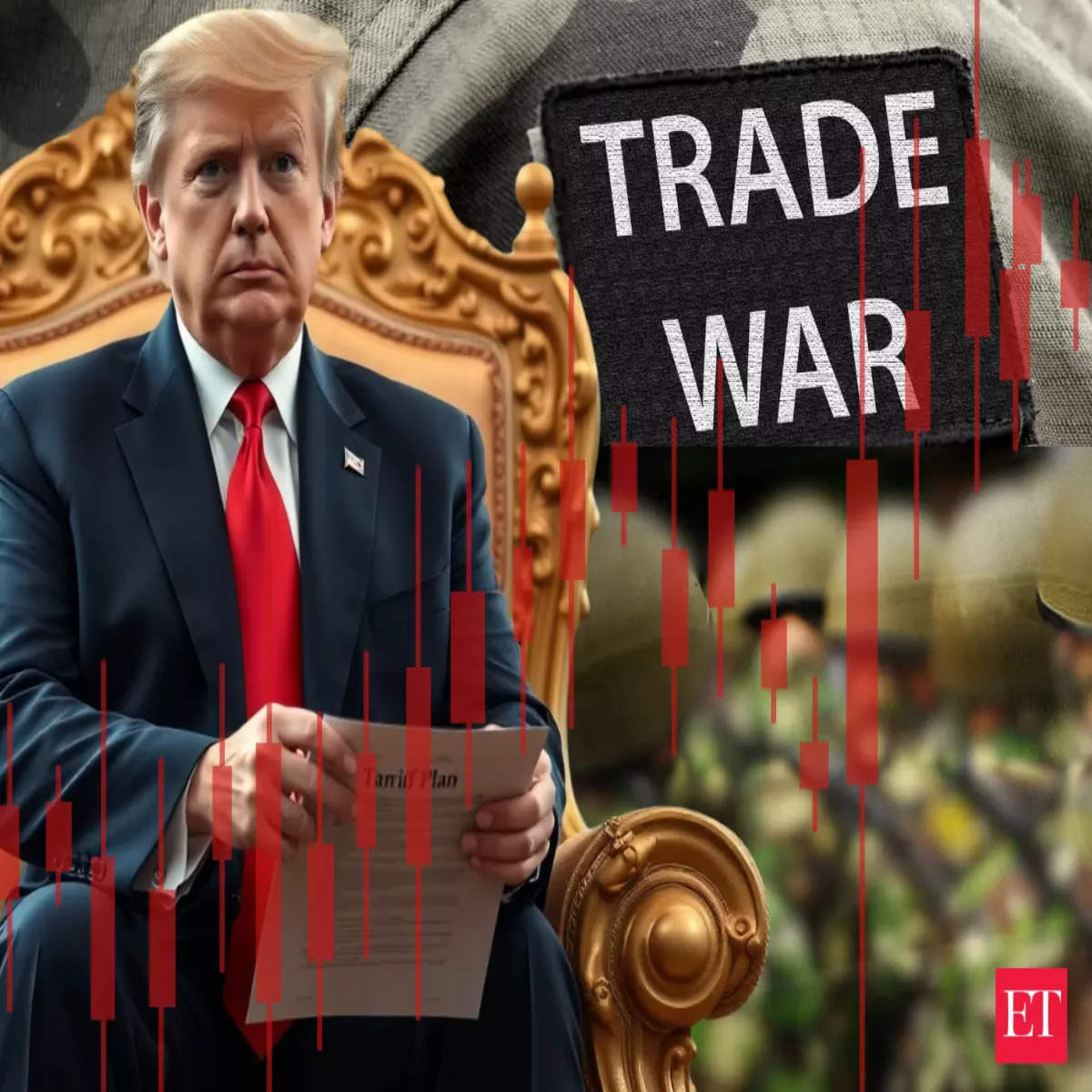
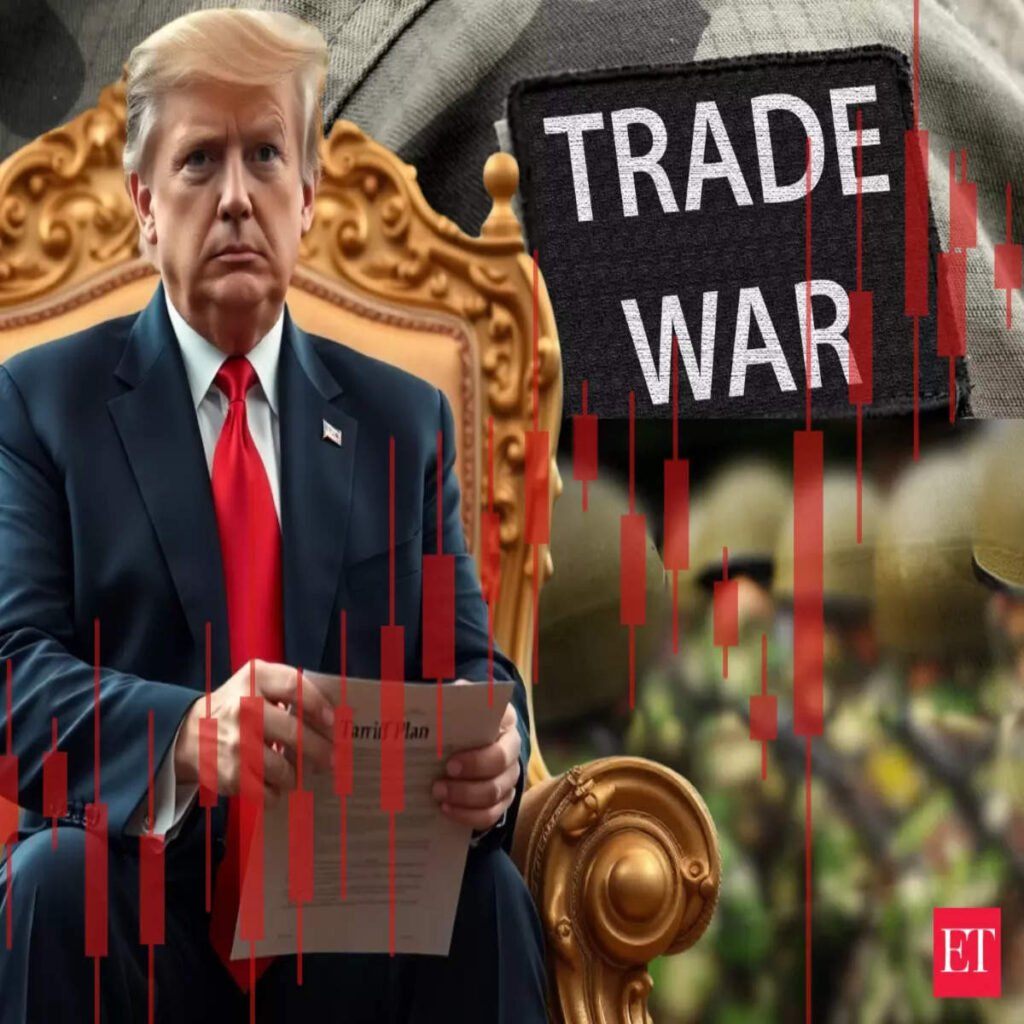
President Donald Trump has announced plans to impose tariffs of 25% or more on imported pharmaceuticals, automobiles, and semiconductors, aiming to reduce the U.S. trade deficit and bolster domestic manufacturing. The tariffs are slated for formal announcement on April 2, following a comprehensive review of trade policies concluding on April 1. This move signifies a significant shift in U.S. trade policy, as pharmaceutical products have traditionally been exempt from such tariffs under World Trade Organization rules.

The U.S. pharmaceutical market, valued at approximately $560 billion in 2024, relies heavily on imports, with around $200 billion worth of pharmaceutical products sourced from abroad. Major suppliers include Ireland, Germany, and Switzerland, which are expected to be significantly impacted by the proposed tariffs. India, another key exporter, sent pharmaceutical goods worth $8.73 billion to the U.S. in the fiscal year 2024, accounting for 31% of its total pharmaceutical exports. Following the tariff announcement, Indian pharmaceutical stocks experienced a notable decline, with the sector’s index dropping 2% to a seven-month low. Companies such as Sun Pharma and Dr. Reddy’s Laboratories saw their shares fall by 2% and 4%, respectively.

Industry experts warn that these tariffs could lead to increased drug prices for U.S. consumers and exacerbate existing medication shortages. The Healthcare Distribution Alliance , representing pharmaceutical distributors, expressed concerns that tariffs on generic drug products developed outside the U.S. could worsen shortages and elevate costs for patients, including those in Medicare and Medicaid programs. The HDA emphasized that distributors operate on low profit margins—approximately 0.3%—limiting their ability to absorb additional costs.

The global pharmaceutical supply chain is intricately linked, with many active pharmaceutical ingredients and raw materials sourced from countries like China and India. Approximately 13% of APIs used in the U.S. originate from China. Imposing tariffs on these imports could disrupt the supply chain, leading to production delays and increased manufacturing costs. Caroline Shleifer, CEO of regulatory research firm RegASK, noted that higher raw material costs are likely to cascade through the supply chain, raising overall production expenses and potentially leading to inflationary pressures in healthcare.

The proposed tariffs also pose challenges for domestic manufacturers. While the intent is to encourage companies to relocate production to the U.S., establishing new manufacturing facilities is a complex and time-consuming process. It requires significant investment in infrastructure, adherence to stringent regulatory approvals, and a skilled workforce. In the interim, consumers may face higher prices and limited access to essential medications.

The tariffs could have broader economic implications, potentially triggering retaliatory measures from affected trading partners. Such trade disputes may lead to a contraction in global trade, affecting not only the pharmaceutical industry but also other sectors interconnected through international supply chains. The uncertainty surrounding these developments has already led to volatility in global stock markets, with investors closely monitoring the situation.

DP World’s Jebel Ali Port has achieved its highest cargo volumes since 2015, handling 15.5 million twenty-foot equivalent units in 2024, an increase of 1 million TEUs from the previous year. This surge represents nearly 18% of DP World’s total global container throughput of 88.3 million TEUs for the year.

The growth in container throughput was driven by strong local and regional demand, particularly from Asia and the Indian Subcontinent. New shipping services enhanced global connectivity, and efficient operations ensured smooth cargo flow despite challenges such as the Red Sea crisis.

Breakbulk cargo also experienced significant growth, surging by 23% year-on-year to reach 5.4 million metric tonnes , marking the second-highest performance in nearly a decade. This increase was fueled by the region’s investments in infrastructure, renewable energy, and industrial development. Jebel Ali handled large shipments of wind turbines, solar panels, heavy machinery, and construction materials, with imports constituting 80% of total shipments. Outbound shipments were led by sugar, iron, and steel.

Abdulla Bin Damithan, CEO and Managing Director of DP World GCC, stated, “This performance reflects the strength of our world-class ports and logistics infrastructure. The 15.5 million TEUs handled at Jebel Ali in 2024, along with the strong growth in breakbulk cargo, show our capacity to meet increasing demand in both sectors.”

DP World’s global operations have also seen remarkable growth. The Posorja terminal in Ecuador reported an 87% increase in volume, handling nearly 1 million TEUs. Other terminals, including San Antonio in Chile, Yarimca in Türkiye, Chennai in India, Callao in Peru, Antwerp in Belgium, and London Gateway in the UK, experienced double-digit growth. The company’s global container terminal capacity has now surpassed 100 million TEUs annually.

Sultan Ahmed bin Sulayem, Group Chairman and CEO of DP World, commented, “During the last 10 years, we have invested more than $11 billion in world-class ports and logistics infrastructure to make trade flow. This record performance is further evidence that our long-term investment is providing the right services for our customers in the right places.”

Bitcoin, the leading cryptocurrency, is confronting a potential downturn as indicators point to diminishing demand and reduced network activity. CryptoQuant, a prominent blockchain analytics firm, has highlighted concerns that Bitcoin’s value could decline to $86,000 if these trends persist.

As of February 20, 2025, Bitcoin is trading at $97,187, reflecting a 1.945% increase from the previous close. The day’s trading range has seen highs of $97,340 and lows of $94,997. Despite this upward movement, analysts caution that underlying metrics suggest potential vulnerabilities in Bitcoin’s market position.

CryptoQuant’s analysis emphasizes a notable decrease in network activity, with metrics such as transaction volumes and active addresses showing a downward trend. This decline indicates reduced user engagement and transaction frequency, which are critical for sustaining Bitcoin’s value. Additionally, on-chain data reveals a drop in large transactions, often associated with institutional investors, suggesting a possible retreat of significant market participants.

Market sentiment further reflects this cautious outlook. The Fear & Greed Index, a tool measuring market emotions, has shifted towards ‘Fear,’ implying that investors are becoming more apprehensive about Bitcoin’s short-term prospects. This sentiment is corroborated by a decrease in open interest in Bitcoin futures contracts, indicating that traders are scaling back their exposure to the cryptocurrency.

External economic factors also play a role in shaping Bitcoin’s trajectory. Recent regulatory developments, including increased scrutiny from financial authorities in major economies, have introduced uncertainty into the crypto markets. Moreover, macroeconomic conditions, such as fluctuations in global interest rates and inflation concerns, influence investor behavior, potentially leading to a shift away from riskier assets like cryptocurrencies.

By M. A. Hossain & Vishakhajha For decades, U.S. alliances have been the backbone of global stability, fostering economic cooperation and collective security. NATO, economic partnerships with European and Asian allies, and engagement in international organizations have cemented America’s leadership in world affairs. However, under Trump’s second term Presidency, these traditional alliances came under significant […]

The once-booming memecoin market is experiencing a significant downturn, marked by high-profile scandals and a shift towards a more mature cryptocurrency landscape. Industry experts and recent events highlight the challenges facing these novelty digital assets.

Nic Carter, a partner at Castle Island Ventures, asserts that the memecoin era has concluded. He emphasizes that the market, once seen as a fair playground for traders, has been undermined by insider manipulation and fraudulent schemes. Carter points to the recent $LIBRA token scandal as evidence of the market’s compromised integrity.

The $LIBRA incident has notably impacted the reputation of the Solana blockchain network. Promoted by Argentine President Javier Milei, $LIBRA experienced a meteoric rise followed by a catastrophic collapse, erasing over $4 billion in value. This event has led to fraud allegations and calls for Milei’s impeachment. Solana, favored for its scalability and transaction speed, has seen a 15% decline in its token value since the scandal, as reported by Cinco Días.

The proliferation of memecoins lacking solid technological foundations has saturated networks like Solana, causing congestion and eroding investor trust. Platforms such as Pump.fun have facilitated the creation of these tokens, leading to a 46% decrease in daily new token launches from January 24 to February 18, 2025. This decline reflects growing skepticism among investors and developers.

Market data indicates a sharp reduction in investor interest in memecoins. The number of active traders has decreased by 50% since January, and the overall market capitalization of memecoins has dropped from $100 billion to significantly lower levels. Tokens like Dogecoin and Shiba Inu have experienced substantial price declines, with DOGE falling from $0.12 to $0.09 within a single day, as noted by IntoTheBlock.

The $LIBRA scandal has also brought to light the involvement of four entrepreneurs—Mauricio Novelli, Manuel Terrones Godoy, Julian Peh, and Hayden Mark Davis—who orchestrated the token’s promotion and subsequent collapse. Their actions have intensified scrutiny of memecoin projects and raised questions about the ethical responsibilities of public figures endorsing such assets.

Despite the downturn, some analysts believe that while the memecoin craze is over, these tokens will not disappear entirely. However, the market is expected to evolve, with investors becoming more discerning and regulatory bodies increasing oversight to prevent manipulation and fraud.

Advertisements

Pi Network, the mobile-based cryptocurrency platform, has officially launched its open mainnet today at 8:00 AM UTC, transitioning from its enclosed mainnet phase that began in December 2021. This significant milestone enables Pi Coin to be traded on major cryptocurrency exchanges, marking a pivotal moment for its extensive user base.

Despite the anticipation surrounding the launch, Pi Coin’s value has experienced a sharp decline. Over the past 24 hours, the price of Pi Coin’s IOU token has plummeted by approximately 42%, now trading around $62.83. This downturn is attributed to growing skepticism among investors regarding the project’s viability and concerns over its structural integrity. Some analysts have raised questions about the network’s sustainability, with discussions emerging about potential pyramid scheme characteristics.

The Relative Strength Index , a momentum oscillator that measures the speed and change of price movements, indicates a bearish trend for Pi Coin. The RSI recently entered the overbought zone but has since experienced a significant downturn, reflecting increased selling pressure and declining investor confidence. Market analysts warn that if the current support level at $63 is breached, Pi Coin’s value could further decline to $47, unless substantial investor backing materializes.

In response to the mainnet launch, several major cryptocurrency exchanges have announced plans to list Pi Coin. Platforms such as OKX, Bitget, and HTX have confirmed the inclusion of Pi Coin on their trading platforms. Bitget has initiated a $60,000 Pi Coin airdrop promotion, running until March 3, aiming to incentivize user engagement and trading activity. Similarly, BitMart is offering a $3,000 USDT worth of Pi Coin giveaway to 300 selected users.

However, the transition has not been entirely seamless. Exchanges like HTX have delisted the Pi IOU token ahead of the mainnet launch, contributing to the token’s price volatility. This move underscores the challenges associated with the shift from IOU tokens to the actual Pi Coin, as the market adjusts to the newly tradable asset.

The Pi Network’s journey began in 2019, founded by a team of Stanford graduates with the vision of making cryptocurrency mining accessible via mobile devices. The project has since amassed a substantial user base, with millions of pioneers participating in its ecosystem. The mainnet launch signifies the network’s transition to full decentralization, enabling external wallet transfers, exchange listings, and the development of decentralized applications within its ecosystem.

Despite the project’s growth, the recent price decline highlights the uncertainties and challenges inherent in the cryptocurrency market. Investor sentiment appears cautious, influenced by concerns over the network’s structural integrity and the broader market dynamics. As Pi Coin becomes tradable on major exchanges, its value will be subject to market forces, and its long-term success will depend on user adoption, technological advancements, and regulatory compliance.

BENEFIT, Bahrain’s leading fintech and electronic financial transactions service provider, has formalised a partnership with haifin, an e& enterprise company from the UAE, aiming to revolutionise Bahrain’s banking sector. This collaboration is poised to enhance financial resilience and foster innovation across the industry.

Established in the UAE in 2021, haifin has a proven track record in de-risking trade finance lending. The platform employs advanced technologies, including blockchain and artificial intelligence, to detect and prevent fraud in real-time. To date, haifin has safeguarded over $150 million for its consortium members by identifying and mitigating fraudulent activities.

The strategic alliance between BENEFIT and haifin is set to bolster Bahrain’s banking industry’s ability to manage risks and combat fraud, particularly within trade finance. By integrating haifin’s cutting-edge solutions, Bahraini banks are expected to experience increased lending confidence, leading to higher revenues and improved access to liquidity for small and medium-sized enterprises and corporate borrowers.

The official signing ceremony took place at BENEFIT’s headquarters in Bahrain. Abdulwahed AlJanahi, Chief Executive of BENEFIT, emphasised the significance of this partnership, stating that it represents a pivotal step in strengthening Bahrain’s financial ecosystem through advanced technology. He noted that by providing banks with state-of-the-art tools to proactively combat fraud and streamline trade finance, the sector is empowered to operate with unparalleled efficiency and confidence. This collaboration aims to reinforce trust, security, and innovation at the core of the industry’s future, setting the stage for a more resilient and digitally advanced banking landscape in Bahrain.

Zul Javaid, Chief Executive of haifin, highlighted the importance of this partnership, noting that after their success in the UAE and ambition to address similar challenges across the Middle East and Africa region, this collaboration with BENEFIT marks a major milestone. Together, they aim to deliver advanced technology solutions that enhance risk management, ultimately driving growth for banks.

Since its inception, haifin has expanded its network from seven banks in 2021 to 15 lending institutions, including 13 major UAE banks and two fintech companies. The platform has processed transactions exceeding AED 200 billion and has identified potential frauds amounting to several million dirhams. Handling over 4 million data points monthly, haifin’s machine learning capabilities continue to evolve, offering robust solutions to its members.

This partnership aligns with Bahrain’s broader efforts to enhance its financial infrastructure. Earlier this month, the Ministry of Industry and Commerce signed a Memorandum of Understanding with BENEFIT to develop a corporate credit rating system. This initiative aims to provide accurate and transparent credit ratings, facilitating SMEs’ access to necessary financing and promoting investment across the country.

Hashdex, a prominent asset management firm specializing in cryptocurrency investments, has obtained authorization from the Brazilian Securities and Exchange Commission to introduce the world’s inaugural XRP spot exchange-traded fund in Brazil. This pioneering financial product is poised to provide investors with direct exposure to XRP, the digital asset associated with the Ripple network, marking a significant milestone in the integration of cryptocurrencies into traditional financial markets. The exact date for the ETF’s listing on the Brazilian Stock Exchange is yet to be announced.

The approval of this ETF signifies a notable advancement in the cryptocurrency sector, particularly concerning XRP, which has faced regulatory challenges in various jurisdictions. By facilitating direct investment in XRP through a regulated financial instrument, Hashdex aims to bridge the gap between digital assets and conventional investors, offering a secure and accessible avenue for participation in the burgeoning crypto economy.

Hashdex’s initiative reflects a broader trend of increasing acceptance and integration of cryptocurrencies within mainstream financial systems. The firm’s commitment to providing innovative investment solutions is evident in its previous launches, including ETFs linked to other prominent digital assets. This latest development underscores Hashdex’s role as a trailblazer in the crypto investment landscape, continually expanding the horizons for investors seeking diversified exposure to digital currencies.

The introduction of the XRP spot ETF is anticipated to attract a diverse range of investors, from individuals seeking to diversify their portfolios to institutional entities exploring opportunities in the digital asset space. By offering a regulated and transparent investment vehicle, Hashdex is addressing prevalent concerns regarding security and compliance, thereby fostering greater confidence among potential investors.

While the precise listing date on B3 remains pending, the approval from CVM has already generated considerable interest within the financial community. Market analysts predict that the launch of the XRP spot ETF could influence the valuation and trading dynamics of XRP, as increased accessibility may lead to heightened demand and liquidity.

Featuring 5 Themed Zones Constantly Rotating Sake Selection – TRADITIONAL SAKE, FRUIT LIQUEUR, SPARKLING, AGED SAKE, NEW STYLE / CRAFT SAKE HONG KONG SAR – Media OutReach Newswire – 19 February 2025 – A Must-Visit Event for Sake Enthusiasts! Organized by JETRO Hong Kong, the 推しの日本酒 (My Favourite Sake) event will take over Mira Place from February 21 to 23. With five themed zones and over 70 varieties […]

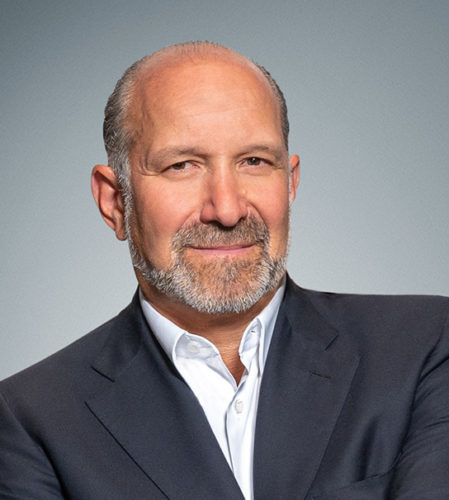
Howard Lutnick, the billionaire CEO of Cantor Fitzgerald, has been confirmed by the Senate as the new U.S. Secretary of Commerce. The Senate voted 51-45 in favor of Lutnick, a prominent Wall Street figure and close ally of President Donald Trump. Lutnick is expected to play a pivotal role in implementing the administration’s trade policies, which include potential tariffs on foreign automobiles, semiconductors, and pharmaceuticals.

Lutnick’s confirmation aligns with President Trump’s broader strategy to reshape the nation’s financial regulatory landscape. The administration has put forth several pro-cryptocurrency nominees for key regulatory positions, signaling a shift towards a more crypto-friendly environment.

Paul Atkins, a former Securities and Exchange Commission commissioner under President George W. Bush, has been nominated to lead the SEC. Atkins is known for his deregulatory stance and has previously opposed stringent enforcement actions against large corporations. His appointment suggests a potential easing of regulatory pressures on financial institutions and a more accommodating approach towards cryptocurrency ventures.

Brian Quintenz has been nominated as the chairman of the Commodity Futures Trading Commission . Quintenz previously served as a CFTC commissioner from 2017 to 2021 and has extensive experience in both traditional finance and the cryptocurrency sector. Before his nomination, he was the head of policy at a16z crypto, the cryptocurrency division of venture capital firm Andreessen Horowitz. Quintenz’s return to the CFTC is anticipated to foster innovation in blockchain technology and provide clearer regulatory guidelines for digital assets.

Jonathan Gould has been nominated to lead the Office of the Comptroller of the Currency . Gould brings a wealth of experience from his tenure as chief counsel for the Senate Banking Committee and as a partner at the law firm Jones Day. His background includes a focus on both traditional banking and emerging financial technologies, indicating a balanced approach to overseeing national banks and their integration of cryptocurrency services.

These nominations come as part of President Trump’s initiative to overhaul the financial regulatory framework, aiming to reduce what the administration perceives as overreach from previous policies. The inclusion of figures with pro-cryptocurrency perspectives suggests a concerted effort to embrace digital currencies and blockchain innovations within the U.S. financial system.

The Senate confirmation process for these nominees will be closely watched, as their leadership could significantly influence the direction of U.S. financial regulations, particularly concerning the burgeoning cryptocurrency market. Industry stakeholders and policymakers alike are poised to assess how these appointments might reshape the financial landscape in the coming years.

Howard Lutnick, the former CEO of Cantor Fitzgerald, has been confirmed by the U.S. Senate as the new Secretary of Commerce under President Donald Trump. The Senate approved his nomination with a 51-45 vote, positioning Lutnick to oversee a department responsible for a wide array of economic activities, from trade policy to technology regulation.

Lutnick’s confirmation marks a significant moment in the Trump administration’s efforts to reshape the nation’s economic and regulatory landscape. Known for his resilience in rebuilding Cantor Fitzgerald after the tragic loss of 658 employees during the September 11 attacks, Lutnick brings a wealth of experience from the financial sector. His leadership during that crisis, including the distribution of $180 million to victims’ families, has been widely recognized.

As Commerce Secretary, Lutnick is expected to play a pivotal role in implementing President Trump’s trade policies, which have recently included the announcement of potential 25% tariffs on foreign automobiles, semiconductors, and pharmaceuticals. These measures are part of a broader strategy to bolster domestic manufacturing and reduce reliance on foreign imports.

In addition to Lutnick’s appointment, the Trump administration is advancing a series of nominations for key regulatory positions, particularly in agencies overseeing financial markets and emerging technologies. Paul Atkins, a former Securities and Exchange Commission commissioner known for his free-market philosophy, has been nominated to lead the SEC. Atkins has a history of advocating for reduced regulatory burdens and is anticipated to foster a more accommodating environment for financial innovation, including cryptocurrencies.

Brian Quintenz, who previously served as a commissioner at the Commodity Futures Trading Commission from 2017 to 2021, has been nominated to return as the agency’s chairman. During his prior tenure, Quintenz was recognized for his expertise in both traditional finance and the burgeoning cryptocurrency sector. His recent role as head of policy at a16z Crypto, the cryptocurrency division of venture capital firm Andreessen Horowitz, underscores his deep engagement with digital assets. Quintenz’s return to the CFTC is expected to influence the agency’s approach to regulating complex financial instruments and fostering innovation in blockchain technologies.

Jonathan Gould, a legal professional with extensive experience in banking and financial regulation, has been nominated to lead the Office of the Comptroller of the Currency . Gould’s background includes serving as senior deputy comptroller and chief counsel at the OCC, where he provided legal oversight on a range of banking issues. His appointment is seen as a continuation of the administration’s trend toward installing regulators who are knowledgeable about and potentially supportive of cryptocurrency and fintech developments.

These nominations reflect President Trump’s broader strategy to reshape financial regulation in favor of innovation and reduced federal oversight. The administration has been critical of previous regulatory approaches that it perceives as overly restrictive, particularly concerning emerging financial technologies. By appointing individuals with pro-crypto leanings and a history of advocating for lighter regulatory frameworks, the administration aims to create an environment conducive to growth in the fintech and cryptocurrency sectors.

However, these appointments have not been without controversy. Critics argue that reducing regulatory oversight could lead to increased financial instability and potential exploitation within rapidly evolving markets. Supporters, on the other hand, contend that a more permissive regulatory environment is necessary to foster innovation and maintain the United States’ competitive edge in global financial markets.

The Senate’s confirmation of these nominees will be closely watched, as their leadership will significantly influence the direction of U.S. financial regulation in the coming years. As these individuals assume their respective roles, stakeholders across the financial spectrum—from traditional banking institutions to emerging fintech startups—will be assessing how the new regulatory landscape will impact their operations and strategic planning.

In the context of global trade, Lutnick’s role as Commerce Secretary will be particularly critical. His support for President Trump’s tariff policies suggests a continuation of protectionist measures aimed at strengthening domestic industries. This approach has garnered both praise and criticism, with proponents arguing that it safeguards American jobs and industries, while detractors warn of potential retaliatory measures from trading partners and the risk of escalating trade wars.

As the administration moves forward with its economic agenda, the interplay between these regulatory appointments and broader trade policies will be pivotal in shaping the U.S. economic landscape. The emphasis on accommodating financial innovation, particularly in the realm of cryptocurrencies, alongside a protectionist trade stance, represents a distinctive approach that will have lasting implications for both domestic and international economic relations.

By Sushil Kutty In a special gesture Prime Minister Narendra Modi went to the Indira Gandhi International Airport on Monday and received the Amir of the State of Qatar, Sheikh Tamim Bin Hamad Al Thani. And in another special gesture, because the Amir is extraordinarily tall, security personnel assigned to stand at guard at the […]
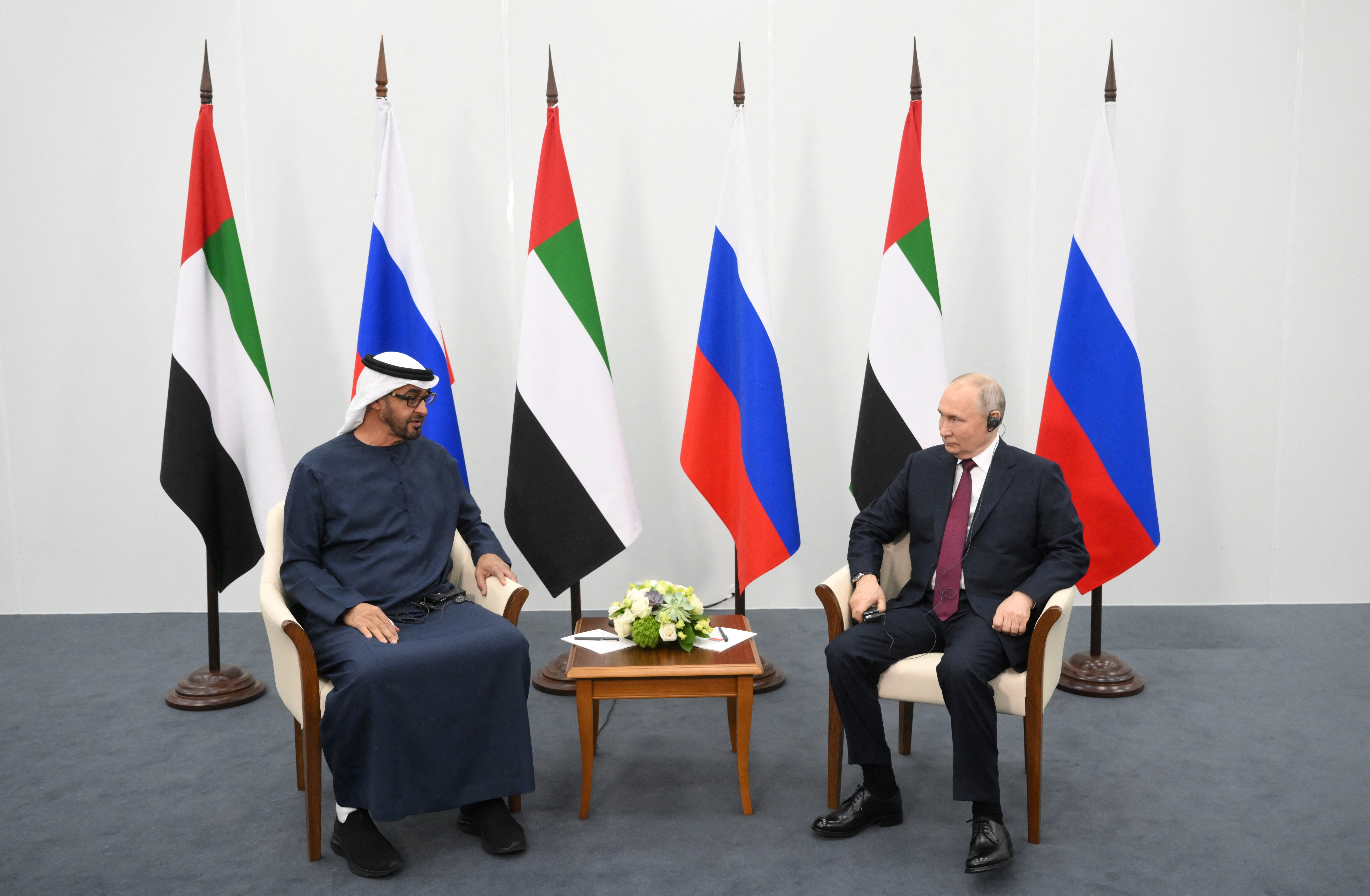
The United Arab Emirates and Russia have taken significant steps to enhance their financial and economic collaboration. On 17 February 2025, both nations convened the inaugural UAE-Russia Strategic Financial Dialogue in Abu Dhabi, culminating in the signing of an agreement aimed at eliminating double taxation on income and capital. This pact is designed to prevent tax evasion and foster a more transparent and competitive tax environment, thereby […]

In a significant diplomatic and economic development, the United Arab Emirates and Ukraine have formalized a Comprehensive Economic Partnership Agreement during Ukrainian President Volodymyr Zelensky’s official visit to Abu Dhabi. The accord aims to bolster bilateral trade, investment, and economic collaboration between the two nations, marking a pivotal moment in their diplomatic relations.

The signing ceremony, held in Abu Dhabi, was attended by UAE President Sheikh Mohamed bin Zayed Al Nahyan and President Zelensky. Under the terms of the CEPA, 99% of Ukrainian imports of UAE goods and 97% of Ukrainian exports to the UAE will be exempt from customs duties, effective immediately. This strategic move is projected to contribute approximately $369 million to the UAE’s Gross Domestic Product and $874 million to Ukraine’s GDP by 2031. The agreement is also expected to accelerate Ukraine’s economic recovery and create new opportunities for cooperation in sectors such as infrastructure, heavy industry, aviation, aerospace, and information technology.

President Zelensky’s visit to the UAE comes at a time when momentum is building for potential peace talks to end the ongoing conflict in Ukraine. The UAE, home to a significant number of Russian and Ukrainian expatriates, has been considered a potential site for these discussions. During his visit, President Zelensky emphasized priorities such as repatriating Ukrainian captives, enhancing economic partnerships, and initiating humanitarian programs. He expressed gratitude for the UAE’s mediation efforts, which have reportedly resulted in saving many lives.

In addition to the CEPA, the two leaders agreed to establish a Ukraine-UAE Investment Council, aiming to explore promising investment opportunities in Ukraine, particularly in infrastructure projects. This initiative underscores the UAE’s commitment to supporting Ukraine’s economic development and post-war reconstruction efforts.

The UAE’s involvement in facilitating dialogue and supporting Ukraine’s sovereignty has been evident through its diplomatic engagements. Sheikh Mohamed bin Zayed Al Nahyan reaffirmed the UAE’s dedication to supporting peaceful resolution efforts and alleviating the humanitarian impact of the Ukraine conflict. He emphasized the importance of reaching peaceful solutions to crises around the world and reiterated the UAE’s commitment to building partnerships based on cooperation and understanding to promote peace, stability, and prosperity for all.

Concurrently, high-level talks between U.S. and Russian officials are set to occur in Saudi Arabia, aiming to explore a peace dialogue regarding the Ukraine conflict. Notably, Ukraine has been excluded from these discussions, a move President Zelensky criticizes, emphasizing the necessity of consulting strategic partners before any negotiations with Russia. He has declared that Ukraine will disregard any peace agreements forged between the U.S. and Russia without its involvement, underscoring the importance of including Ukraine in any peace negotiations.

The CEPA between the UAE and Ukraine is the first such agreement Ukraine has signed with a Gulf country, highlighting the UAE’s role as a strategic partner in Ukraine’s economic and diplomatic endeavors. Bilateral trade between the two nations reached $372.4 million in 2024, and the new agreement aims to further enhance this economic relationship by reducing or eliminating customs duties and opening new avenues for collaboration in various sectors.

This development reflects a broader trend of Middle Eastern countries engaging more actively in global diplomatic efforts, positioning themselves as neutral grounds for conflict resolution and as pivotal players in international economic partnerships. The UAE’s strategic support and facilitation of dialogue underscore its growing influence in global affairs, particularly in fostering peace and stability in conflict regions.

As the situation in Ukraine remains fluid, the international community continues to monitor the developments closely. The UAE’s proactive approach in mediating and supporting Ukraine’s sovereignty may serve as a model for other nations seeking to play a constructive role in global peace efforts. The success of the CEPA and the potential for future diplomatic resolutions could significantly impact the geopolitical landscape, offering a pathway toward stability and economic growth in the region.

Nigeria is set to implement new regulations taxing cryptocurrency transactions and digital activities, aiming to boost fiscal revenue and integrate compliant exchanges into the formal tax system. The Securities and Exchange Commission is developing rules to ensure eligible transactions on regulated exchanges are taxed appropriately.

A bill proposing a 7.5% value-added tax on cryptocurrency service fees has been submitted to lawmakers and is expected to pass this quarter. This initiative reflects Nigeria’s proactive approach to adapting its financial landscape and strengthening revenue administration.

In tandem, the SEC plans to accelerate the licensing of cryptocurrency exchanges in 2025, aiming to establish a clear regulatory framework that protects consumers and fosters market integrity. Since launching the Accelerated Regulatory Incubation Programme in June 2024, the SEC has granted provisional licenses to two Nigerian crypto startups, Quidax and Busha. The regulator intends to expedite approvals to address the need for clear regulations in the largely unregulated market.

Nigeria’s active cryptocurrency market sees individuals and businesses using digital currencies to hedge against inflation and exchange rate volatility. However, the lack of a clear regulatory framework has created significant uncertainty for users and investors. The introduction of taxation and licensing aims to provide clarity and integrate the crypto economy into the nation’s financial system.

The SEC acknowledges that cryptocurrency trading could generate substantial tax revenue but has not disclosed specific projections. By expanding the scope of cryptocurrency exchange licenses, the SEC aims to allow residents to trade on regulated centralized exchanges, enhancing monitoring and taxation. As these regulatory measures are implemented, investors are expected to gravitate towards centralized exchanges for greater protection.

This move aligns with global trends where governments are increasingly focusing on regulating the cryptocurrency sector to prevent illicit activities and ensure appropriate taxation. Nigeria’s efforts to tax digital transactions and license exchanges signify a significant step towards a more structured and secure crypto environment in the country.

As the legislative process progresses, stakeholders in Nigeria’s cryptocurrency market are closely monitoring developments. The successful implementation of these regulations could position Nigeria as a leading example in Africa for integrating digital assets into the formal economy while safeguarding investor interests.

OKX has made a significant stride in its European expansion by securing a Markets in Crypto-Assets license, positioning itself as one of the first global exchanges to comply with the European Union’s new regulatory framework for digital assets. The MiCA license, a milestone in crypto regulation, enables the exchange to legally operate across 28 countries within the European Economic Area , further solidifying OKX’s position as a key player in the global cryptocurrency landscape.

This development comes at a time when the crypto industry is facing increasing regulatory scrutiny, particularly in Europe. The MiCA framework aims to establish a comprehensive regulatory environment for digital assets, addressing concerns such as investor protection, market integrity, and financial stability. By obtaining this license, OKX demonstrates its commitment to operating within the regulatory boundaries set by the EU, enhancing trust and reliability for both individual and institutional users.

With the MiCA license now in place, OKX has expanded its services to include euro-denominated trading pairs, providing a seamless integration for European users. This move allows customers in the EEA region to trade digital assets directly with euros, facilitating smoother transactions and reducing the need for conversions. Furthermore, OKX has introduced free bank transfers and fiat payment options, making it easier for European customers to deposit and withdraw funds.

The decision to offer free bank transfers and fiat payment options is particularly notable, as it addresses one of the common pain points for cryptocurrency users: high transaction fees. By eliminating these charges, OKX is able to enhance its competitiveness in an already crowded market, attracting users who may have been deterred by traditional exchange fees. These efforts also align with the company’s broader strategy to provide a user-friendly and cost-effective platform for its European clientele.

OKX’s expansion into the European market marks a new chapter in the company’s international growth. The exchange, which was founded in 2017, has quickly established itself as one of the largest and most reputable platforms in the crypto space. Its growth has been driven by a focus on innovation, security, and customer service, which has earned it a loyal user base in regions around the world. The company’s expansion into Europe reflects its commitment to diversifying its reach and tapping into the growing demand for crypto services across the continent.

As one of the first global exchanges to secure a MiCA license, OKX is now well-positioned to capitalise on the evolving regulatory environment in Europe. The MiCA framework, which is set to come into full effect in 2024, aims to provide legal certainty for crypto businesses operating in the EU. For exchanges like OKX, compliance with MiCA is essential for maintaining a strong presence in the European market, as regulators seek to ensure that crypto activities are conducted safely and transparently.

The move is also significant because it comes at a time of heightened regulatory uncertainty in other parts of the world. In the United States, for example, the crypto industry is facing increasing pressure from lawmakers and regulators, who are working to create a more structured approach to digital asset regulation. In this context, Europe’s MiCA framework offers a more defined path forward for crypto businesses looking to operate within a regulated environment.

Beyond the regulatory benefits, OKX’s decision to offer localized services tailored to the needs of European users is a key aspect of its strategy. The company has long emphasised the importance of localisation, recognising that each market has its unique requirements and challenges. By offering euro pairs and a range of fiat payment options, OKX is making it easier for European users to engage with the platform and participate in the growing digital asset economy.

OKX’s success in securing the MiCA license also highlights the company’s ongoing efforts to prioritise compliance and security. Over the years, OKX has made significant investments in strengthening its security infrastructure, which is a critical factor in maintaining the trust of its users. The exchange has implemented a variety of measures to safeguard customer assets, including robust encryption protocols, multi-signature wallets, and insurance funds for potential losses due to breaches.

The MiCA license also places OKX in a favourable position to expand its range of services across Europe. As the regulatory environment in Europe becomes clearer, OKX will have the opportunity to offer additional products and services, such as staking, lending, and asset management, to a wider audience. The company’s ability to operate in 28 EEA countries provides it with a significant competitive edge over other exchanges that may be restricted by more stringent regulations.

However, the regulatory landscape for crypto assets remains dynamic, and OKX’s ability to maintain its position in the European market will depend on its continued compliance with MiCA and other evolving regulations. As the EU finalises the implementation of MiCA in the coming years, exchanges like OKX will need to adapt to new rules and requirements that could affect everything from anti-money laundering measures to customer due diligence.

Around 75,000 traders have reportedly incurred significant losses in LIBRA transactions, amounting to an estimated $286 million. This massive financial blow has sent ripples through the crypto and financial communities, raising concerns over the stability and security of digital trading platforms. The losses come after a series of volatile shifts in the LIBRA market, prompting numerous investigations into the platform’s practices and risk management.

The traders affected by the crash were primarily retail investors, many of whom joined the platform in pursuit of quick gains in the volatile cryptocurrency market. The large-scale losses have ignited debates surrounding the transparency of digital asset platforms and the level of regulatory oversight needed to protect users. As the market for cryptocurrencies continues to grow, incidents like these have underlined the risks associated with trading on decentralised exchanges.

LIBRA, once hailed as a promising player in the burgeoning cryptocurrency market, has now found itself at the centre of a storm. The platform’s reliance on algorithms and automated trading systems for price determination has come under scrutiny. Experts argue that the system’s vulnerability to market manipulation and price volatility contributed heavily to the massive losses. Traders reported sudden, drastic price fluctuations on their accounts without adequate warnings, leading to large-scale liquidations of positions.

Crypto platforms like LIBRA are typically built on blockchain technology, which enables decentralised trading of digital currencies. While this offers a level of transparency, it also means that users are often left to navigate a complex, and sometimes chaotic, environment on their own. Regulatory bodies worldwide are facing increased pressure to introduce stricter rules to ensure that platforms like LIBRA provide adequate consumer protection.

Many traders have expressed frustration with the platform’s lack of clear communication during the price swings. Some reported that they were unable to reach customer support representatives when they needed assistance, exacerbating the losses they incurred. The absence of a safety net for users trading in such high-risk markets has led to calls for stronger regulations within the sector.

The immediate response from LIBRA’s team has been to offer partial compensation for those affected by the losses. However, the company’s ability to fully cover the $286 million in damages remains uncertain. Legal experts believe that the situation could lead to widespread litigation, with traders seeking compensation through class action lawsuits. The platform has indicated that it will review its risk management policies to prevent future incidents, but this has done little to quell the dissatisfaction among its users.

A growing number of critics argue that platforms like LIBRA should be subject to the same level of regulation as traditional financial institutions. They stress the need for clearer guidelines around margin trading, the use of automated trading bots, and the protection of retail investors. The current lack of oversight in the crypto sector leaves consumers vulnerable, and experts warn that more safeguards are needed to prevent further widespread losses.

The legal landscape surrounding cryptocurrencies is rapidly evolving, with governments around the world considering how best to regulate digital currencies and exchanges. While some countries have implemented strict regulations, others have taken a more hands-off approach. This disparity in regulations has made it difficult for global traders to navigate the crypto market safely. Experts believe that a unified international framework could help standardise protections for users across platforms like LIBRA.

As the aftermath of the LIBRA debacle unfolds, many are questioning whether the cryptocurrency market is ready for the mainstream. While some remain optimistic about the long-term prospects of digital currencies, others are increasingly sceptical, citing the risks highlighted by the recent events. The losses suffered by thousands of traders have highlighted a critical flaw in the way some platforms operate, and it remains to be seen whether this will lead to a shift in how cryptocurrencies are regulated globally.

Tesla Inc. has made a significant move towards entering the Indian market, as evidenced by a surge in job openings across key locations like Mumbai and Delhi. The company is currently seeking to fill 13 roles, spanning customer-facing and back-end positions, marking a clear commitment to establishing a foothold in India’s growing electric vehicle sector.

The announcement comes after Elon Musk’s high-profile meeting with Prime Minister Narendra Modi, a discussion that appears to have catalysed Tesla’s decision to pursue expansion in the region. The timing of this strategic move is especially relevant given the recent developments in India’s trade policies, with the government reducing import duties on luxury cars, a measure that could provide Tesla with a more favourable environment for operations.

India’s electric vehicle market, while still in its infancy compared to China’s, is poised for considerable growth. The country’s rapid urbanisation, increased government focus on sustainability, and rising interest in eco-friendly transportation solutions position it as a key player in the global EV landscape. Tesla, with its reputation for high-performance, premium EVs, stands to benefit from these trends.

Tesla’s recruitment efforts are seen as an indication of the company’s intention to tap into the vast potential of India’s automotive sector. The roles available span various areas, including technical support and operations, aimed at building the company’s infrastructure in the region. This is not the first time Tesla has shown interest in India; however, the recent policy changes have provided a more favourable environment for international companies looking to expand their operations.

Prime Minister Modi’s engagement with Elon Musk is likely to have been a pivotal factor in advancing Tesla’s plans for India. During the meeting, both parties discussed ways to enhance cooperation, particularly in sectors such as renewable energy and electric vehicles. Tesla’s entry into India aligns with the government’s push to reduce carbon emissions and transition towards sustainable energy solutions.

The reduction in import duties on luxury vehicles is a significant policy shift that could greatly benefit Tesla’s plans. Previously, India imposed high import duties on foreign-made vehicles, making it challenging for companies like Tesla to price their products competitively in the local market. The recent reduction, part of a broader effort to stimulate the EV sector, is seen as a move to attract global automakers. Tesla, which manufactures its vehicles primarily in the United States, is expected to benefit from these lower tariffs, potentially making its vehicles more affordable for Indian consumers.

India’s EV market, while smaller than China’s, is growing at a rapid pace. The country’s government has set ambitious targets for electric vehicle adoption, with a focus on reducing air pollution and decreasing dependence on imported oil. The Indian government has also introduced several incentives to promote the sale and manufacturing of electric vehicles, including subsidies for EV buyers and manufacturers, as well as tax exemptions for charging infrastructure.

Despite these encouraging trends, Tesla will face stiff competition in the Indian market. Homegrown automakers, such as Tata Motors and Mahindra & Mahindra, have already established themselves as key players in the EV sector, offering affordable electric cars that cater to Indian consumers’ needs. Additionally, the infrastructure for electric vehicles in India remains underdeveloped in many regions, with limited charging stations and a lack of widespread awareness among consumers about EV technology.

Nevertheless, Tesla’s brand recognition and technological expertise are expected to give it an edge in the Indian market. The company’s high-performance vehicles, coupled with its focus on sustainable energy solutions, could appeal to India’s growing middle and upper classes, who are increasingly concerned with environmental issues. Additionally, Tesla’s potential to create local manufacturing jobs and contribute to India’s green energy goals may help the company secure government support.

Tesla’s entry into India also signals the increasing importance of emerging markets in the global automotive industry. As more companies look to expand beyond their traditional markets in North America and Europe, countries like India and China are becoming central to the automotive industry’s future growth. India, with its large population, growing middle class, and rising environmental awareness, presents a significant opportunity for Tesla to expand its global footprint.

Avarik Labs has unveiled its highly anticipated mobile strategy role-playing game , Red Covenant, introducing a blend of immersive storytelling, tactical gameplay, and blockchain innovation. The game, set in the expansive Avarik Saga Universe, invites players to engage in high-stakes combat, strategic decision-making, and a unique ecosystem powered by blockchain technology.

Red Covenant aims to redefine the mobile RPG experience, combining traditional RPG elements with the power of blockchain to offer players a dynamic and rewarding gaming environment. The integration of blockchain technology allows for ownership of in-game assets, enhancing the player’s experience with the ability to trade, sell, and purchase valuable items securely. This provides a new layer of interaction for gamers, enabling them to create their own legacy within the game’s universe.

The Avarik Saga Universe, which serves as the backdrop for Red Covenant, is known for its dark and immersive lore, filled with complex characters and vast, interconnected narratives. Players are invited to immerse themselves in this world, where every decision shapes their path and their fate within the game’s expansive universe. The game’s developers have paid careful attention to the world-building, offering an expansive landscape filled with rich lore that will keep players engaged as they navigate through various challenges.

The mobile RPG genre has witnessed significant growth in recent years, with more players embracing mobile devices as their primary platform for gaming. Avarik Labs has capitalized on this trend, creating Red Covenant as a highly polished game that is designed for both casual gamers and seasoned RPG enthusiasts. The game’s tactical combat system challenges players to think critically, making each battle a test of strategy rather than mere button-mashing.

What sets Red Covenant apart from other mobile RPGs is its seamless integration of blockchain technology. Unlike traditional RPGs, where in-game items and assets are locked within the confines of the game’s ecosystem, Red Covenant enables players to truly own and control their in-game items. This integration brings the concept of “play-to-earn” to the mobile RPG space, offering players the opportunity to earn rewards in the form of cryptocurrency or NFTs, which can be used within the game or traded on external markets. This move aims to bring a fresh, monetizable dimension to mobile gaming, appealing to players who are looking for more than just entertainment but also the potential for financial gain.

The game’s developers have also implemented smart contract functionality, enabling decentralized gameplay and reducing the reliance on centralized control. This adds a layer of transparency and security, ensuring that the game’s economic systems remain fair and balanced. Players can be assured that the rewards they earn are backed by blockchain technology, providing a level of trust and reliability that traditional in-game economies cannot offer.

Avarik Labs has partnered with several blockchain platforms to ensure smooth and secure integration of these technologies. The collaboration with established blockchain networks ensures that the game’s in-game transactions are secure, transparent, and free from the risks of fraud or manipulation. Players can participate in the game’s economy with confidence, knowing that their transactions are protected by blockchain’s inherent security features.

To enhance the player experience further, Red Covenant offers a wide variety of gameplay modes. Players can engage in single-player quests, where they explore the world, uncover hidden stories, and face off against formidable enemies. Alternatively, multiplayer modes allow for competitive play, where players can team up or battle against each other in real-time combat. The game also features a guild system, where players can join forces with others to tackle larger challenges and earn collective rewards.

While Red Covenant is already gaining attention for its innovative use of blockchain, it’s not without competition. The mobile RPG market is flooded with similar titles, and standing out in this crowded space is a challenge for Avarik Labs. However, the company is confident that its unique combination of tactical gameplay, blockchain integration, and immersive storytelling will appeal to a broad audience. By offering something that goes beyond traditional mobile gaming, Red Covenant positions itself as a forward-thinking entry in a market that increasingly values technological innovation alongside gameplay.

Avarik Labs’ decision to embrace blockchain technology is also reflective of the broader trends in the gaming industry. Blockchain and cryptocurrency are making waves across various sectors, and gaming is no exception. Developers are increasingly exploring the potential of these technologies to provide new ways for players to interact with games, earn rewards, and even shape the direction of the gaming industry. With Red Covenant, Avarik Labs is positioning itself at the forefront of this shift, aiming to be a pioneer in the emerging “play-to-earn” gaming economy.

Despite the innovative features and high expectations surrounding Red Covenant, the game’s success will ultimately depend on its ability to engage players and deliver on its promises. Early reviews from testers have been largely positive, with praise for the game’s deep tactical combat and immersive world-building. However, some players have raised concerns about the complexity of integrating blockchain and the learning curve associated with understanding the game’s economic systems. Avarik Labs is aware of these concerns and has stated that it is committed to providing players with the necessary tools and resources to fully understand the game’s mechanics.

By Kunal Bose The world, much to its disappointment, is seeing the United States of America, which is the world largest economy and mightiest military power, rapidly embracing raw, unrestrained capitalism under the newly inaugurated second-term Presidency of Donald John Trump abandoning all traces of egalitarianism. Induction of Tesla chairman Elon Musk to head the […]

Ethereum saw a notable price increase of 3.37% amid growing tensions surrounding Solana’s memecoin, LIBRA. The controversy has drawn significant attention within the cryptocurrency community, contributing to Ethereum’s market surge. Traders and analysts are closely monitoring the unfolding drama, with many speculating that Ethereum’s performance is benefiting from the uncertainty that the LIBRA debacle has generated.

LIBRA, a memecoin that operates on the Solana blockchain, has garnered a surge in popularity. However, its emergence has not been without issues. The controversy surrounding the token erupted due to various concerns, including its association with unverified projects and the volatility surrounding Solana’s network. As fears grew about LIBRA’s potential to destabilise the Solana ecosystem, Ethereum gained attention as an alternative in the market, especially given its more established position and reputation.

Ethereum’s rally is being attributed to several factors, with the LIBRA controversy serving as one of the key catalysts. Traders have flocked to the platform due to the growing concerns over the impact that unstable projects could have on newer blockchains. Ethereum’s robust infrastructure and established network have led to a resurgence of interest, with investors viewing it as a more stable investment amid the market’s ongoing volatility.

The timing of Ethereum’s gains coincides with a significant decline in Solana’s memecoin value, further fuelling the perception that investors are seeking refuge in more trusted platforms like Ethereum. Analysts have noted that while Solana’s network had gained significant traction in recent years, the appearance of projects like LIBRA has created more questions than answers, pushing some to diversify their portfolios into more established cryptocurrencies.

Experts within the cryptocurrency space have expressed concerns over the implications of the LIBRA issue. While the memecoin’s controversy might be seen as a growing pain for Solana, it has also opened the door for other blockchains, such as Ethereum, to gain an upper hand in the market. Solana, which once stood as a strong competitor to Ethereum, now faces challenges that have affected its credibility. The LIBRA situation may have weakened confidence in Solana, leaving Ethereum to capitalise on the shifting tides within the cryptocurrency market.

The market dynamics have certainly shifted, with Ethereum rising as a beneficiary of the ongoing debate. Ethereum’s price surge reflects its increasing appeal as a platform with a more reliable and secure ecosystem compared to Solana, particularly in light of the growing concerns surrounding the future of projects tied to Solana. Investors appear to be leaning towards more established blockchains with proven track records, recognising that these networks offer greater stability in uncertain times.

In the broader context, the LIBRA controversy has highlighted the volatility that characterises the cryptocurrency market. It serves as a reminder of how quickly sentiment can shift, especially when new and untested projects emerge. While the memecoin’s issues may be temporary, the ripple effect on the broader cryptocurrency landscape has been undeniable. Ethereum’s market performance stands as a testament to its resilience in the face of competition and controversy.

Ethereum’s strength lies in its broader ecosystem, with key developments such as Ethereum 2.0 and its transition to proof-of-stake, which continues to make it an attractive investment choice for those looking to enter the blockchain space. As Solana deals with the fallout from the LIBRA controversy, Ethereum’s technological advancements and established user base are helping it to retain its position as a leader in the market.

The surge in Ethereum’s price underscores a crucial trend in the cryptocurrency industry – the growing preference for stability and reliability. Despite the emergence of various new projects, investors remain drawn to established blockchains that can offer a sense of security amidst the chaos. Ethereum’s continued growth in this regard speaks to its enduring appeal as a safe haven for those seeking long-term gains.

FloppyPepe , a meme-inspired cryptocurrency, is rapidly gaining attention, with projections suggesting it could outperform established assets like Solana by an astonishing 10,300% in the current market cycle. While Solana has seen significant price increases due to optimism surrounding an upcoming exchange-traded fund approval and network improvements, the emergence of FloppyPepe signals a new wave of interest in meme tokens, potentially reshaping investor expectations.

Solana’s price surge has captured the crypto community’s focus, with many analysts forecasting a rise to $300 within the next month. This bullish sentiment stems from two key factors: the expected approval of Solana’s ETF, which could drive more institutional investment, and the recent upgrades to the Solana network aimed at improving scalability and performance. These developments have led to a renewed sense of optimism among SOL holders, some of whom are betting that the asset could once again rival top cryptocurrencies like Bitcoin and Ethereum.

Despite these positive developments, the market’s attention is increasingly divided as new contenders emerge in the meme-token sector. FloppyPepe, based on the popular “Pepe the Frog” meme, has gained traction in the crypto world with its growing following. Initially a niche meme coin, it has now sparked excitement due to its aggressive price predictions. The token’s rapid rise is fuelled by social media buzz and a cult-like following, typical of meme-based cryptocurrencies, which have historically seen dramatic increases in value based on viral trends and online hype.

FloppyPepe’s meteoric growth potential lies in its ability to capitalise on the volatile nature of meme coin markets. Similar to the explosive rises of tokens like Dogecoin and Shiba Inu, FloppyPepe thrives on community engagement, social media momentum, and speculative trading. In fact, some analysts predict that the token could see gains surpassing 10,000% if the momentum continues. This level of growth would make it one of the most significant stories of the current crypto cycle, challenging even established players like Solana.

On the other hand, Solana’s long-term viability faces a set of challenges that could affect its current optimism. Although the upcoming ETF approval is expected to bring institutional investors into the fold, it also raises questions about whether Solana can maintain its market position when other blockchain projects continue to emerge with similar technological advancements. While Solana’s network upgrades promise to enhance its functionality, the broader market still wrestles with concerns over scalability, security, and its ability to differentiate itself in a crowded field.

FloppyPepe, with its meme token status, operates in a much different market segment. While the meme-token market is often criticised for being speculative and volatile, the sheer unpredictability of these assets is what attracts traders looking for massive short-term gains. Additionally, the token’s success is tied not only to its meme origins but also to its engagement with the broader cryptocurrency community, which frequently fuels the rise of such assets. Its ability to capture the zeitgeist of internet culture may help it continue to grow, even in the face of potential market corrections.

It is important to note that the cryptocurrency market is notoriously volatile, with prices frequently shifting based on broader macroeconomic trends, regulatory news, and technological advancements. The rise of meme coins like FloppyPepe challenges traditional investment principles, as these tokens often lack the fundamental backing seen in more established assets like Solana. Yet, their appeal lies in the speculative gains they offer in the short term, making them a high-risk, high-reward asset class for adventurous investors.

For now, FloppyPepe’s future trajectory remains unclear, and its ability to continue growing at its current pace will depend on several factors, including the level of continued community support and its integration into broader crypto exchanges. The token’s surge in popularity highlights the growing trend of meme-based cryptocurrencies, which continue to captivate retail investors and provide new opportunities for speculative trading. While Solana’s infrastructure improvements may help it sustain its growth over time, FloppyPepe offers an example of how meme tokens can reshape the landscape in unexpected ways.

VISHNU RAJA
RYO YAMADA
HITORI GOTOH
IKUYO KITA