News related to
AI trade

Goldman Sachs Group Inc. has cautioned that Brent crude oil prices could plummet below $40 per barrel under extreme scenarios, as escalating trade tensions between the United States and China exacerbate fears of a global economic downturn. This warning follows the bank’s recent downward revision of its 2025 Brent crude forecast to $77 per barrel, a $5 reduction from earlier estimates, citing unexpected increases in oil inventories and sluggish demand growth from China.

The ongoing trade dispute has led to significant market volatility, with President Donald Trump’s administration imposing tariffs of up to 60% on Chinese goods and 25% on steel imports. These aggressive measures have rattled global markets, leading to a bear market for the S&P 500 and substantial losses across major indices, including the FTSE 100 and DAX.

In response to these developments, OPEC+, the alliance of the Organization of the Petroleum Exporting Countries and its partners, announced an unexpected production increase of 411,000 barrels per day starting in May. This move aims to discipline non-OPEC supply but has contributed to a surplus, further depressing oil prices.

Analysts at Goldman Sachs have outlined several scenarios that could lead to a sharp decline in oil prices. For instance, if Chinese oil demand remains flat, Brent crude could drop to $60 per barrel. Additionally, the imposition of a comprehensive 10% tariff on imported goods by the U.S. could drive prices down to $63 per barrel. A full reversal of OPEC’s additional production cuts of 2.2 million barrels per day could further push prices to $61 per barrel.

The repercussions of these developments are multifaceted. While consumers may benefit from lower fuel prices, energy companies, particularly those involved in U.S. shale production, face significant financial strain. Major firms such as Chevron, Occidental Petroleum, and Diamondback Energy have already experienced notable stock declines.

The broader economic implications are equally concerning. The combination of escalating trade tariffs and increased oil production has heightened fears of a global recession. Financial institutions, including JPMorgan, have raised their recession forecasts, reflecting the growing economic uncertainties.

Stock markets across the United Arab Emirates have witnessed notable declines, influenced by escalating global trade tensions and fluctuating oil prices. The Dubai Financial Market and the Abu Dhabi Securities Exchange have both been affected, reflecting broader regional economic concerns.

The DFM’s main index recorded a 3.1% drop, with Dubai Islamic Bank experiencing a 5.7% decline. Similarly, the ADX index fell by 2.6%, influenced by a 5% decrease in ADNOC Gas shares. These downturns align with a broader trend observed across Gulf Cooperation Council markets, as investors react to the intensifying trade disputes between major global economies.

U.S. President Donald Trump’s recent implementation of comprehensive tariffs has heightened fears of a global recession. In retaliation, China announced a 34% tariff on American goods, effective April 10. President Trump stated he would not engage in negotiations with China until the U.S. trade deficit is addressed. These developments have contributed to increased volatility in global markets, with the S&P 500 companies in the U.S. losing $5 trillion in value over two days.

Oil prices, a critical component of Gulf economies, have also been affected. Brent crude prices declined nearly 15% over five days to just over $64 per barrel, marking a 30% decrease from the previous year. This decline is well below the break-even point for many Middle Eastern oil producers, adding to the economic strain in the region.

The Saudi stock market has not been immune to these pressures. The Saudi benchmark index experienced a 6.8% drop, its sharpest fall since May 2020. Major financial institutions like Al Rajhi Bank and Saudi National Bank lost nearly 6%, while oil giant Saudi Aramco fell 5.3%. These declines underscore the pervasive impact of global trade tensions on the region’s financial markets.

Analysts suggest that Gulf nations may need to consider austerity measures and fiscal cutbacks in response to these economic challenges. The increased tariffs and declining oil revenues could compel governments to reassess their spending and economic strategies to navigate the turbulent financial landscape.

The broader implications of these developments are significant. The escalating trade war between the U.S. and China has the potential to disrupt global supply chains, affecting economies worldwide. For the Gulf region, which is heavily reliant on oil exports and international trade, the ramifications could be particularly severe.

Matein Khalid In a financial panic, investors sell what they can and not what they must. So the most ominous data points for me is the dramatic widening in US corporate credit/high yield spreads, which means Mr. Market is now certain that default risk will strangle capital markets as varied as auto finance, subprime mortgages, student loan and credit card receivables. The widening of Asian sovereign credit […]

President Donald Trump has announced plans to impose an additional 50% tariff on Chinese goods starting April 9, escalating tensions in the ongoing trade dispute between the United States and China. This move comes in response to Beijing’s recent implementation of a 34% tariff on U.S. imports, which was itself a countermeasure to earlier U.S. tariffs. The administration’s decision has sent shockwaves through global financial markets. The […]

Investors should brace for volatility to remain a defining feature of financial markets until at least September, as a new era of trade disruption, inflation pressures, and global realignments gathers pace. Markets are still reeling from the deepening fallout of President Donald Trump’s sweeping tariff offensive. After his aggressive trade moves last week — dubbed Liberation Day by the White House — equities have suffered one of […]

Taiwan’s Financial Supervisory Commission has announced a temporary ban on short selling, effective from April 7 to April 11, in response to a significant market downturn triggered by newly imposed U.S. tariffs. This measure aims to stabilize the financial markets after the benchmark TAIEX index experienced a 12% decline since the beginning of April.

The U.S. administration, under President Donald Trump, recently imposed a 32% tariff on Taiwanese imports, citing concerns over trade imbalances. This action has had immediate repercussions on Taiwan’s export-driven economy, particularly affecting the semiconductor sector, which is a major contributor to the nation’s exports. In response, the FSC has increased the margin requirement for short selling from 90% to 130% and limited the volume of shares available for such transactions. These steps are intended to mitigate speculative trading and reduce market volatility.

President Lai Ching-te has stated that Taiwan does not intend to retaliate against the U.S. tariffs. Instead, the government plans to collaborate with other Asian nations and engage in negotiations with the United States to seek a reduction or elimination of the imposed tariffs. Lai emphasized Taiwan’s significant contribution to the U.S. economy and proposed increasing Taiwanese purchases of American goods as a strategy to address the trade deficit. A delegation led by the deputy premier, including trade and security officials, is set to initiate these discussions.

The global financial markets have also felt the impact of the U.S. tariffs. Major indices, including the S&P 500, Dow Jones, and Nasdaq, have experienced declines ranging from 2% to 2.5%. In Asia, markets have been particularly affected, with Hong Kong’s Hang Seng index dropping by 13.2% and Taiwan’s TAIEX falling by 9.7%. Commodity markets have not been spared, with oil prices decreasing by 2.7% and cryptocurrencies such as Bitcoin and Ether also experiencing losses.

Grade A office rents remained under pressure in Q1, while a tourist inflow recovery is yet to boost retail market confidence Smaller-sized residential units have been more sought-after following the relaxation of the maximum property value chargeable at a HK$100 stamp duty level as announced in the latest government budget speech, supporting first-hand residential sales. The total residential unit transaction number for Q1 climbed 24% y-o-y to […]

Advertisements
By Nitya Chakraborty 71 year old CPI(M) politburo member Mariam Alexander Baby has taken over as the sixth general secretary of the Communist Party of India (Marxist) following his nomination at the 24th congress of the Party which concluded at Madurai on April 6. Baby is a veteran leader of the CPI(M) from Kerala with […]

Bitcoin has experienced a notable decline, falling below the $75,000 mark, a level not seen in five months. Ethereum has also faced a substantial drop, trading below $1,500, reaching its lowest point since March 2023.

As of April 7, 2025, Bitcoin’s price stands at approximately $74,500, marking a decrease of over 10% within the past 24 hours. This decline reflects investor anxiety over escalating trade tensions between the United States and China. China’s recent imposition of retaliatory tariffs in response to U.S. measures has intensified fears of a prolonged trade conflict, potentially leading to a global economic downturn.

Ethereum has mirrored this downward trend, with its price dropping below $1,500. This represents a significant decrease from its position earlier in the year and underscores the broader market’s volatility. The decline in Ethereum’s value is partly attributed to a surge in liquidations, with approximately $890 million in crypto positions liquidated over a 24-hour period. Of these, $758 million were long positions, indicating that many traders were forced to exit their bullish bets at a loss.

The broader cryptocurrency market has not been immune to these fluctuations. Major altcoins have also seen double-digit percentage declines, emphasizing the current instability within the digital asset space. This market turbulence is occurring alongside significant downturns in traditional financial markets, particularly in Asia and Europe. For instance, Japan’s Nikkei 225 index closed 7.8% lower, while China’s Shanghai Composite Index fell by over 7.3%. These substantial drops have triggered circuit breaker events, temporarily halting trading to prevent further losses.

Technical analysis of Bitcoin’s price movement reveals the formation of a “death cross,” a bearish indicator that occurs when the 50-day moving average crosses below the 200-day moving average. This pattern suggests the potential for further declines in Bitcoin’s value. Key support levels to monitor include $74,000, $65,000, and $57,000, each corresponding to previous performance benchmarks and trendlines. Conversely, resistance is anticipated around the $87,000 mark, where significant moving averages converge.

Goldman Sachs has increased the probability of a United States recession in the next 12 months to 45%, aligning with a wave of revised risk assessments by major investment banks as escalating trade tensions and tighter financial conditions unsettle global markets. The adjustment from Goldman’s previous estimate of 35% reflects the firm’s assessment that a sharp tightening in financial conditions and heightened policy uncertainty will significantly hinder […]

Oil prices have experienced a significant decline, reaching their lowest levels since April 2021, driven by escalating trade tensions between the United States and China, coupled with strategic decisions by OPEC+ regarding oil production. Brent crude futures dropped by $2.28, settling at $63.30 per barrel, while U.S. West Texas Intermediate crude decreased by $2.20 to $59.79 per barrel. This marks a continuation of a downward trend, with […]

Arabian Post Staff -Dubai The United States has imposed a series of tariffs on countries within the Middle East and North Africa region, aiming to address what the administration describes as long-standing unfair trade practices. While these measures are poised to affect various sectors, exemptions granted to oil exports are expected to mitigate the overall economic impact on the region’s leading exporters. Gulf Cooperation Council countries—including Saudi […]

Chinese social media platforms are abuzz with users expressing strong opposition to suggestions that Beijing should acquiesce to U.S. trade demands following President Donald Trump’s recent tariff escalations. The online discourse reflects a nationalistic sentiment, with many netizens urging the Chinese government to stand firm against what they perceive as economic intimidation.

President Trump announced a 10% baseline tariff on all imports, with significantly higher duties targeting specific countries, including a 54% tariff on Chinese goods. This move has intensified trade tensions between the world’s two largest economies. In retaliation, China imposed a 34% tariff on various American products, signaling its resolve to counter U.S. measures.

The Chinese Foreign Ministry’s spokesperson, Guo Jiakun, highlighted the global market’s adverse reaction to the U.S. tariffs, stating, “The market has spoken.” This remark underscores Beijing’s position that the U.S. actions are disruptive to international trade stability.

State-run media outlets have also weighed in, criticizing the U.S. administration’s approach. The Global Times labeled the tariff threats as “ridiculous” and indicative of “deep arrogance,” while China Daily warned that such actions could lead to a “mutually destructive tariff war.”

On platforms like Weibo and WeChat, Chinese citizens are vociferously rejecting any notion of capitulation. Users are calling for unity and resilience, emphasizing the importance of safeguarding national interests and economic sovereignty. This collective online sentiment reflects a broader public consensus supporting the government’s stance in the escalating trade dispute.

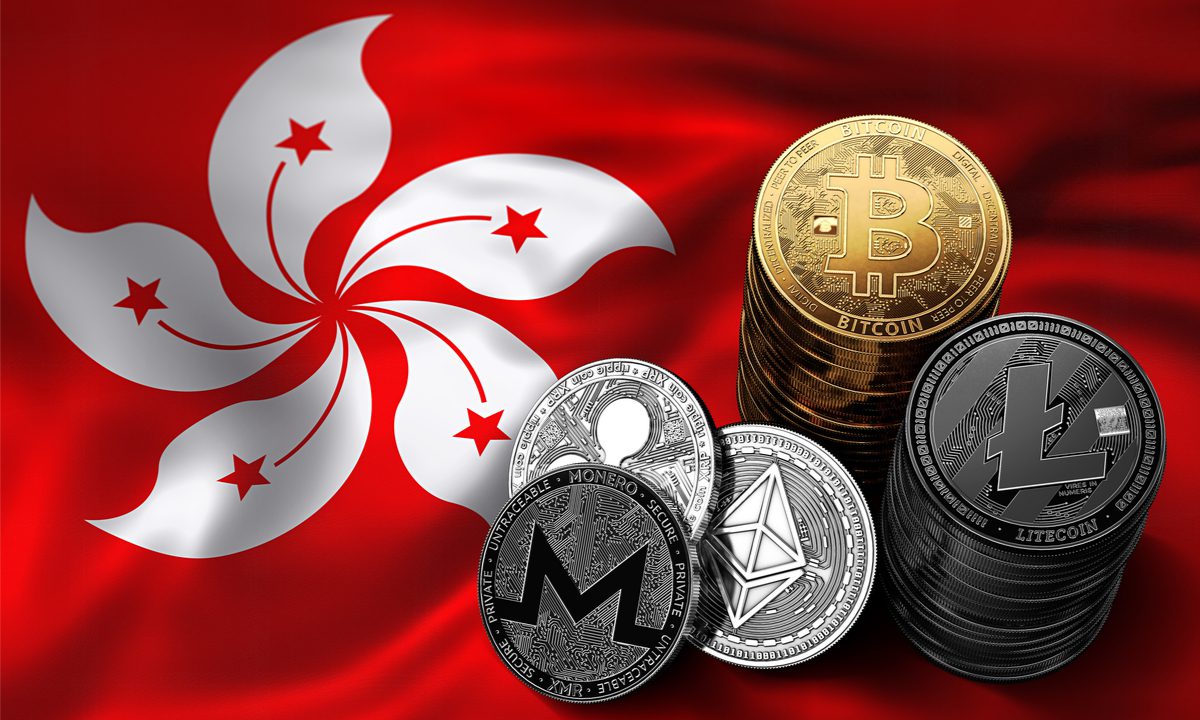
Hong Kong’s Securities and Futures Commission has intensified its scrutiny of virtual asset platforms offering staking services, emphasizing the associated risks and potential legal ramifications. The regulatory body has observed a surge in platforms promoting high-yield returns through staking, prompting a public advisory on the matter.

Staking, a process where cryptocurrency holders delegate their assets to support blockchain network operations, has gained popularity as a means to earn passive income. However, the SFC warns that many of these staking arrangements are not regulated, leaving investors vulnerable to significant risks, including the total loss of their investments. The commission highlighted that some platforms offer returns by on-lending deposited virtual assets or engaging in other investment activities without adequate transparency.

In a statement, the SFC underscored that certain staking programs might constitute unauthorized collective investment schemes . Under Hong Kong law, promoting or operating such schemes without proper authorization is a criminal offense, potentially leading to substantial fines and imprisonment.

The regulatory focus on staking services aligns with Hong Kong’s broader efforts to establish a comprehensive framework for virtual assets. The SFC has been actively exploring the introduction of new token listings, derivatives, and margin trading to enhance the city’s position as a digital asset hub. Julia Leung, the SFC’s Chief Executive, announced plans to potentially expand the regulatory framework to facilitate the listing of new tokens exclusively for professional investors and to review existing safeguards for retail offerings.

The SFC is considering the regulation of crypto derivative trading for professional investors, aiming to facilitate efficient risk transfer within the market. Staking is another area under review, with the commission planning to establish requirements governing the custody of client assets and mitigating risks associated with staking activities.

In addition to these initiatives, the SFC has been in discussions with crypto exchange-traded fund issuers about the possibility of including Ether staking options. This move could allow ETF issuers to stake ETH and generate passive income, providing investors with additional avenues for returns. However, these discussions are ongoing, and no definitive timeline has been established for implementation.

Bitcoin’s price experienced a significant drop, falling from over $83,000 to below $77,000 within a 24-hour period. This abrupt decline led to the liquidation of more than $1 billion in leveraged positions, with long positions accounting for approximately $865 million of the total. The sudden downturn caught many traders off guard, resulting in substantial financial losses across the cryptocurrency market.

Data from Coinglass indicates that a total of 305,170 traders were liquidated during this period, reflecting the widespread impact of Bitcoin’s price movement on investor positions. The majority of these liquidations stemmed from long positions, where traders had anticipated a price increase. As the market moved against them, forced sell-offs occurred, further accelerating the downward momentum.

Among the affected cryptocurrency exchanges, Bybit and Binance recorded the highest liquidation volumes, with $411.54 million and $242.25 million, respectively. Bitcoin itself accounted for the largest share of the total liquidations, contributing $371.66 million. Ethereum was the second most impacted cryptocurrency, with $200.94 million in liquidations, while other crypto assets collectively accounted for over $100 million. The single largest liquidation order took place on Bitfinex, involving a $13.40 million BTC position being forcefully closed.

The high liquidation volume suggests that many traders were caught off guard by Bitcoin’s price drop. With long positions dominating the liquidations, it indicates that market sentiment was largely bullish before the downturn. This scenario underscores the inherent volatility of the cryptocurrency market and the risks associated with leveraged trading.

Despite the sharp downturn, some analysts remain optimistic about Bitcoin’s long-term trajectory. Crypto analyst Javon Marks noted that indicators still suggest Bitcoin could be gearing up for a larger bullish rally. Meanwhile, RektCapital pointed out that Bitcoin’s decline has resulted in a fully filled CME gap between $84,650 and $93,300, which could potentially lead to a price reversal in the near term.

The recent price movement also aligns with patterns observed in previous market cycles. Historically, Bitcoin has experienced significant price corrections following substantial rallies. These corrections often lead to a shakeout of leveraged positions, contributing to market volatility. However, such corrections have also been followed by periods of consolidation and subsequent recoveries.

Market analysts suggest that the current price drop may be attributed to a combination of factors, including profit-taking by long-term holders and macroeconomic uncertainties. The broader financial markets have been experiencing volatility, with investors reacting to various economic indicators and geopolitical developments. These external factors can influence investor sentiment and contribute to price movements in the cryptocurrency market.

The recent liquidation event serves as a reminder of the risks associated with leveraged trading in the cryptocurrency market. Traders employing leverage amplify their potential gains but also their potential losses. In volatile markets, sudden price movements can trigger margin calls and forced liquidations, leading to significant financial losses.

HONG KONG SAR – Media OutReach Newswire – 7 April 2025 – The Department of International Trade Promotion (DITP), Ministry of Commerce, successfully hosted Thai Night: Where Films Come Alive 2025 at JW Marriott Hong Kong during FILMART 2025, reinforcing Thailand’s position as a global hub for the film and entertainment industry. Presided over by Her Royal Highness Princess Ubolratana Rajakanya Sirivadhana Barnavadi, the event brought together […]

Indian metal companies are significantly expanding their operations, driven by robust domestic demand, even as they navigate complex global trade dynamics. Industry leaders such as Vedanta and JSW Steel are at the forefront of this growth, unveiling ambitious plans to scale up production capacities across various segments.

Vedanta, a prominent conglomerate, has announced a $20 billion expansion strategy encompassing sectors like zinc, aluminium, copper, iron, steel, oil, gas, and power. This initiative includes seeking global partnerships to bolster its ventures. The company is also in the process of restructuring into four distinct entities: Vedanta Aluminium, Oil and Gas, Power, and Iron and Steel. Notable investments involve allocating $2 billion to $2.5 billion for enhancing Hindustan Zinc’s production and $5 billion aimed at increasing oil output through Cairn India. Additionally, Vedanta plans to double its power portfolio and explore opportunities in nuclear energy, targeting 5 GW of nuclear power for internal consumption within India.

JSW Steel, another major player, is pursuing an aggressive expansion trajectory. The company aims to elevate its production capacity from the current 27.5 million tonnes per annum to 38.5 mtpa by the fiscal year 2024-25. This growth strategy includes commissioning iron ore and coal mines in Karnataka, Odisha, and Goa, which is expected to reduce operational costs. JSW Steel is also investing in renewable energy projects to further decrease production expenses. The company has set a target to reach a 50 mtpa capacity before 2030, reflecting confidence in sustained domestic demand growth.

Tata Steel is also contributing to the industry’s expansion by adding 5 million tonnes to its existing 21 mtpa capacity. Similarly, Jindal Steel and Power plans to increase its capacity by 6 million tonnes, building upon its current 9.6 mtpa. Collectively, these initiatives represent a substantial investment aimed at capitalizing on India’s burgeoning steel consumption, which is projected to grow between 8% to 10% in the fiscal year 2024-25.

The Indian government’s policy measures are playing a crucial role in supporting domestic manufacturers. The “Domestically Manufactured Iron and Steel Products Policy 2025,” effective from April 1, mandates that all government ministries and agencies prioritize locally produced steel products. This policy aims to protect the domestic steel industry from the influx of cheaper imports, particularly from countries like China, South Korea, and Japan. It also restricts the use of foreign certifications or stringent technical specifications that could disadvantage local suppliers and bars foreign entities from participating in Indian tenders if their home countries impose procurement restrictions on Indian mills.

Despite these protective measures, Indian steelmakers face challenges from international trade policies. The United States has imposed a flat 26% reciprocal tariff on all Indian exports, citing high Indian tariffs on U.S. goods. This move is expected to impact key Indian export sectors, including electronics, gems and jewellery, and certain aluminium and auto parts. However, pharmaceuticals and energy products are exempt from these tariffs. In response, India is engaging in negotiations with the U.S. for a new trade deal and has expressed willingness to reduce tariffs on $23 billion worth of U.S. imports. Additionally, India is exploring opportunities to expand exports in sectors like textiles, apparel, footwear, and steel, particularly as higher tariffs are levied on Chinese goods.

Expanding Regional Expertise and Localized Solutions to Meet the Growing Demands of Asia-Pacific Healthcare. CRANSTON, RHODE ISLAND US – Media OutReach Newswire – 7 April 2025 – Nelipak® Corporation (“Nelipak®“), a leading global manufacturer of packaging solutions for medical device, diagnostic, pharmaceutical drug delivery, and other demanding applications, announced it is enhancing its commitment to service customers in the Asia-Pacific region on a direct basis, and through […]

The global shipping industry is experiencing significant upheaval following the implementation of extensive tariffs by U.S. President Donald Trump. These measures, including a 25% tariff on imports from Canada and Mexico and a 10% levy on Chinese goods, have disrupted international trade flows and introduced widespread economic uncertainty.

In anticipation of these tariffs, container vessel traffic to American ports surged by 12% last month, reaching a record 281 port calls in the week ending March 13, as reported by Ami Daniel of AI data provider Windward. This rush to ship goods ahead of the tariffs has complicated annual freight contract negotiations, set to begin on May 1, according to Norwegian analytics firm Xeneta. Asian shipping companies have responded by raising prices for routes to the U.S. to offset the expected tariffs on Chinese-built ships, as noted by Singapore-based Linerlytica.

The automotive sector has been notably affected. Jaguar Land Rover announced a temporary halt to exports of its British-made vehicles to the U.S. in response to the 25% import tariff. The company, which exports nearly a quarter of its 400,000 annual vehicle sales to the U.S., is assessing the financial impact and exploring options such as price increases for American consumers and boosting sales in other markets. Other UK-based automakers, including BMW, Rolls-Royce, and Ineos Automotive, are also evaluating their responses, with Ineos already raising U.S. prices.

The financial markets have reacted sharply to the tariff announcements. The Dow Jones Industrial Average and S&P 500 experienced significant declines over the past week, falling 7.9% and 9.1%, respectively, with the Dow dropping over 2,200 points on Friday alone. China responded with retaliatory 34% tariffs, escalating fears of a deepening trade war. Experts, including Moody’s chief economist Mark Zandi, warned that the tariffs could hinder productivity, damage the U.S.’ investment image, and prompt global allies to distance themselves from U.S. trade.

In the United Kingdom, Prime Minister Keir Starmer is considering a significant reset of the country’s economic policies in response to the U.S. tariffs. The FTSE 100 has plummeted over 7% in its worst week since the COVID-19 panic in March 2020. Amid fears of a prolonged recession, Starmer and Chancellor Rachel Reeves are reportedly contemplating raising taxes or altering fiscal rules to increase borrowing and stimulate growth, despite previous pledges to the contrary. British businesses, such as JLR, are already feeling the pressure, with the automotive sector particularly vulnerable due to its reliance on exports to the U.S.

The tariffs have also intensified discussions around supply chain deglobalization. Companies are reassessing their sourcing strategies, with potential shifts toward domestic production and alternative countries like Vietnam and India. This trend is driven by the need to mitigate the impact of tariffs and reduce reliance on any single country for manufacturing. However, such shifts are complex and require significant investment and time to implement.

The shipping industry is facing additional challenges due to the removal of the de minimis exemption for shipments under $800 from Canada, Mexico, and China. This change means that goods arriving by air will be subject to the new and existing tariffs, incur significant filing requirements and costs, and take longer to clear customs. This development could sharply reduce air cargo volumes from China to the U.S., leading to downward pressure on transpacific air cargo rates and potentially affecting the broader air cargo market.

Industry leaders are expressing concern over the escalating trade tensions. Billionaire Elon Musk expressed hopes for a future zero-tariff trade zone between North America and Europe. Meanwhile, leaders from the UK and France emphasized the importance of global cooperation and warned against the detrimental effects of trade wars. Italy’s economy minister cautioned against retaliatory actions and urged a rational response to safeguard Europe’s economic interests.

Vietnam’s economic growth has decelerated in the first quarter of 2025, coinciding with the United States’ imposition of a 46% countervailing tariff on Vietnamese exports. This development raises concerns about the nation’s export-driven economy and its future trajectory.

The newly enforced tariff is expected to significantly impact Vietnamese exports, potentially affecting goods worth up to $37.5 billion, which represents approximately 2% of the country’s GDP. Key sectors such as electronics, machinery, apparel, and footwear are anticipated to bear the brunt of these tariffs, leading to increased prices for American consumers and prompting multinational companies to reconsider their supply chain strategies.

The U.S. administration justifies the tariff by citing concerns over Vietnam’s alleged unfair trade practices and substantial trade surplus with the United States. The tariff is part of a broader strategy targeting several Asian manufacturing economies, with Vietnam facing one of the highest rates. Other affected countries include China , Thailand , Indonesia , and South Korea . Even traditional U.S. allies like Japan and Taiwan have been subjected to tariffs of 24% and 32%, respectively.

Industry experts warn that these tariffs could lead to higher prices and reduced product choices for U.S. consumers. Companies are now evaluating their global supply chains, with some considering shifting operations to countries like Mexico, Brazil, and India to mitigate the impact. However, large-scale relocation of labor-intensive industries to the United States remains unlikely due to high domestic labor costs and a shortage of skilled workers.

In response to the tariffs, Vietnam is exploring strategies to mitigate the economic impact. These include diversifying export markets, enhancing product quality, and leveraging existing free trade agreements such as the European Union-Vietnam Free Trade Agreement and the Regional Comprehensive Economic Partnership . By broadening its market reach and improving the investment climate, Vietnam aims to navigate the challenges posed by the U.S. tariffs and sustain its economic growth.

Ondo Finance’s native cryptocurrency, ONDO, is currently trading at $0.8041, reflecting a slight decline of 0.0131% from the previous close. The token’s intraday performance has seen a high of $0.8216 and a low of $0.7952.

The recent downturn in ONDO’s value aligns with escalating global trade tensions, which have introduced volatility across financial markets, including the cryptocurrency sector. Analysts are closely monitoring the $0.786 support level, considering it a critical threshold for ONDO’s short-term price stability. A breach below this point could signal further declines, while maintaining above it may indicate potential for recovery.

Technical indicators present a mixed outlook. The Relative Strength Index for ONDO stands at 41.91, suggesting that the token is neither in overbought nor oversold territory. Additionally, an uptick in trading volume during price dips points to increased selling pressure. Conversely, the proximity to the $0.786 support level offers a possibility for a rebound if buyers re-enter the market.

Ondo Finance has been proactive in bridging traditional finance with decentralized finance . The platform focuses on tokenizing real-world assets, aiming to provide institutional-grade liquidity solutions. Collaborations with prominent financial entities such as BlackRock, Franklin Templeton, and PayPal underscore its commitment to integrating conventional financial instruments with blockchain technology.

HONG KONG SAR – Media OutReach Newswire – 6 April 2025 – ​Associate Director-General of Investment Promotion at Invest Hong Kong (InvestHK) Mr Charles Ng will commence his duty visit to the Middle East from today (April 6) to April 10, with key engagements in Saudi Arabia and the United Arab Emirates (UAE). The visit underscores Hong Kong’s commitment to deepening economic ties with these dynamic markets […]

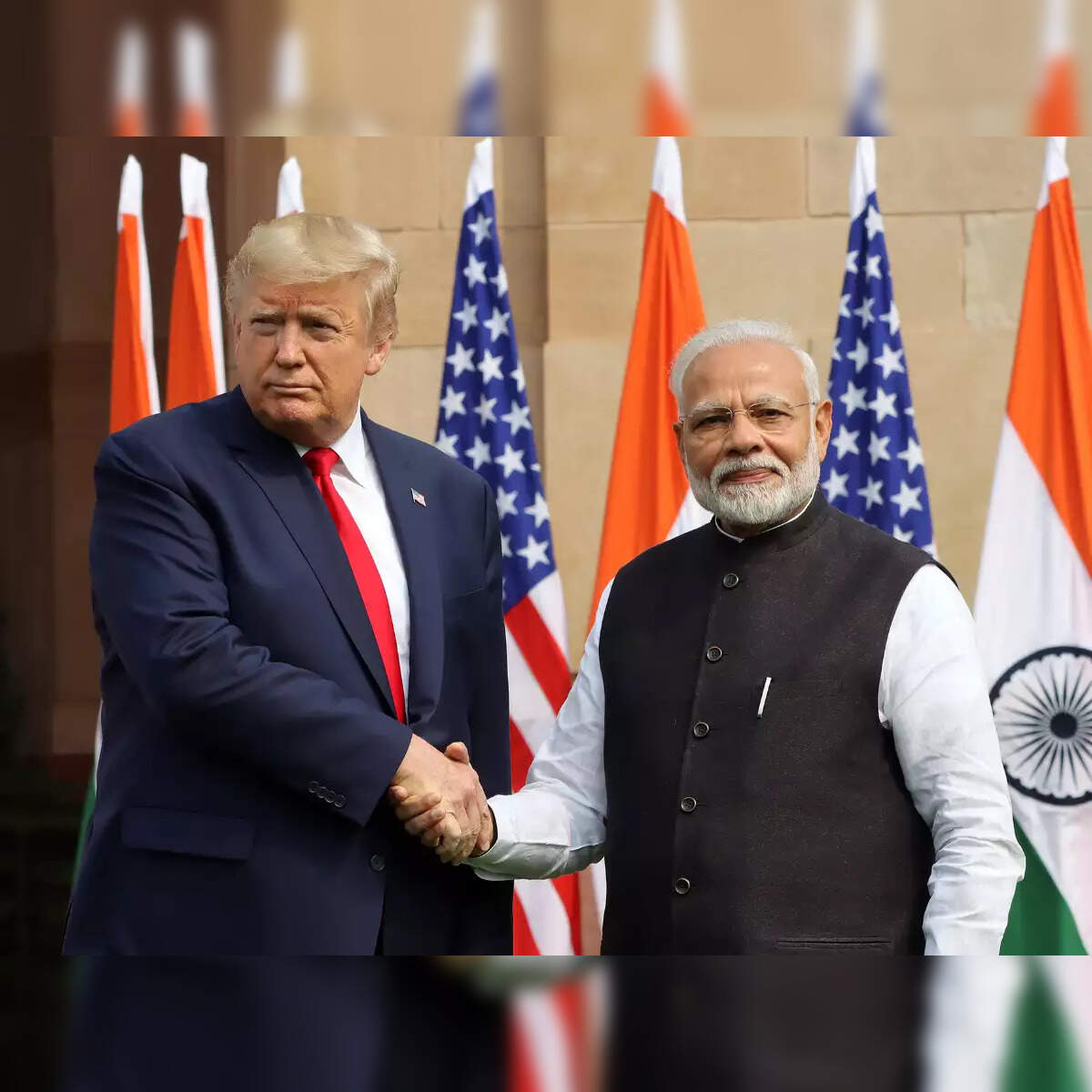
By K Raveendran Donald Trump and Narendra Modi never seem to tire of expressing admiration for each other, their mutual regard forming an odd but undeniable transnational political camaraderie. What binds them is not simply shared ideology but a similar worldview shaped by populism, nativism, and a flair for dramatic, often reckless, decision-making. Modi’s ‘Atmanirbhar […]

Oil markets witnessed a significant downturn as Brent crude, the global benchmark, tumbled over 13% in two days, settling just above $66 per barrel. This sharp decline follows the dual impact of OPEC+ unexpectedly increasing production and the imposition of new tariffs by President Donald Trump.

On April 4, 2025, Saudi Arabia led an initiative within OPEC+ to substantially boost oil output by 411,000 barrels per day starting in May. This move aims to penalize member countries like Kazakhstan and Iraq for consistently exceeding production quotas. The decision contributed to an 8% drop in oil prices, with Brent crude falling below $65 per barrel for the first time since 2021.

Concurrently, President Trump intensified trade tensions by imposing tariffs on imports from Canada, China, and Mexico. China responded with a retaliatory 34% tariff on U.S. imports, escalating fears of a global economic slowdown and further pressuring oil prices.

Goldman Sachs revised its 2025 oil price forecasts downward, cutting Brent crude to $69 and West Texas Intermediate to $66 per barrel. JPMorgan raised its global recession probability to 60%, up from 40%, reflecting growing concerns over economic stability.

The surge in supply and escalating trade disputes have led to significant losses in energy stocks. Major oil companies, including Chevron, APA, Occidental Petroleum, and Diamondback Energy, experienced notable declines. The Energy Select Sector SPDR ETF fell nearly 7% on the day and almost 13% for the week.

Analysts suggest that until production is significantly reduced, oil prices may continue to fall. The geopolitical backdrop includes U.S. relations with Saudi Arabia, key to both energy policy and diplomatic efforts related to Russia, Iran, and broader Middle East tensions.

In contrast, natural gas stocks have shown resilience, supported by rising LNG exports and less exposure to OPEC’s dynamics. Companies like EQT, Expand Energy , and Coterra Energy are highlighted as attractive investments due to geographic advantages and favorable valuations.

The current downward trend in oil prices is primarily driven by OPEC+’s decision to increase output and the introduction of U.S. tariffs. Analysts expect the tariffs to curb economic activity and demand for energy, weighing on oil prices. The bank also said higher-than-expected crude supply and a demand squeeze from softer U.S. economic activity and tariff escalation posed downside risks to oil price forecasts.

The Organization of the Petroleum Exporting Countries and its allies, known as OPEC+, decided on Monday to increase output for the first time since 2022, further pressuring crude prices. The group will make a small increase of 138,000 barrels per day from April, the first step in planned monthly increases to unwind its nearly 6 million bpd of cuts, equal to almost 6% of global demand.

The larger-than-expected decline in crude stocks supported the downward trend in oil prices, pointing to weakening demand in the U.S. The U.S. Energy Information Administration is expected to announce the official inventory data during the day.

The risks to oil prices remain tilted to the downside with new supply from OPEC+ and non-OPEC producers expected to push the market well into an oversupply. Brent prices on Wednesday fell to their lowest since December 2021 after U.S. crude inventories rose and in the wake of the decision by OPEC+ to increase their output quotas.

Oil prices had already been trading lower in the last few weeks, partly because of expectations that U.S. president Donald Trump could swiftly end Russia’s war in Ukraine. This, in turn, is likely to increase Russian oil output thanks to sanctions relief.

The benchmark previously dropped to $66.77 a barrel, the lowest since November. “The current downward trend in oil prices is primarily driven by OPEC+’s decision to increase output and the introduction of U.S. tariffs,” said Darren Lim, commodities strategist at Phillip Nova. He said another factor was President Donald Trump’s decision to pause all U.S. military aid to Ukraine after his Oval Office clash with President Volodymyr Zelenskiy last week.

Those politics are likely connected with the wheeling and dealing of Donald Trump, referring to the U.S. president’s calls for lower oil prices. U.S. tariffs of 25% on imports from Canada and Mexico took effect at 12:01 a.m. EST on Tuesday, with 10% tariffs on Canadian energy, while tariffs on imports of Chinese goods were increased to 20% from 10%. Analysts expect the tariffs to curb economic activity and demand for energy, weighing on oil prices.

The bank also said higher-than-expected crude supply and a demand squeeze from softer U.S. economic activity and tariff escalation posed downside risks to oil price forecasts. Chinese demand is also down, with a period of refinery maintenance looming, said Josh Callaghan, head of crude derivatives at Arrow Energy Markets.

Oil prices declined for a third day on Wednesday, as investors worried about OPEC+ plans to proceed with output increases in April, and U.S. President Donald Trump’s tariffs on Canada, China, and Mexico escalated trade tensions. Brent futures fell $1.02, or 1.44%, to $70.02 a barrel by 1149 GMT. U.S. West Texas Intermediate crude declined $1.33, or 1.95%, to $66.93 a barrel.


VISHNU RAJA
RYO YAMADA
HITORI GOTOH
IKUYO KITA