News related to
AI trade

Global oil prices have experienced a significant decline, with West Texas Intermediate crude falling nearly 3% to $70.40 per barrel, marking a two-month low. This downturn is attributed to a combination of U.S. policy changes under President Donald Trump and evolving geopolitical dynamics in the Middle East. President Trump’s recent energy policies have introduced substantial volatility into the oil market. His administration’s focus on bolstering fossil fuel […]

Dubai’s Security Industry Regulatory Agency has officially launched the “Tawash” system, a cutting-edge digital platform designed to revolutionise the security of gold and jewellery transportation within the emirate. Unveiled during the Intersec 2025 event at the Dubai World Trade Centre, “Tawash” aims to provide real-time tracking and enhanced protection for valuable consignments, leveraging advanced artificial intelligence technologies. The “Tawash” system enables gold and jewellery companies to manage […]

Jebel Ali Free Zone has entered into a partnership with Indian multinational food brand Haldiram’s to establish one of the largest saffron processing facilities in the Gulf Cooperation Council region. The agreement was formalised during the Gulfood event in Dubai.

Scheduled to commence operations in March 2025, the facility will be managed by Kesar Expert & Packers, a company with 22 years of experience in high-quality saffron processing in India. The plant aims to obtain the globally recognised European BRCGS certification, ensuring the quality and purity of its saffron products.

Initially, the hub will process 30 metric tonnes of saffron annually, with plans to expand capacity to 100 metric tonnes over the next five years. This growth strategy will leverage the Comprehensive Economic Partnership Agreement between the UAE and India, as well as the advanced connectivity and infrastructure provided by Jebel Ali Port and Jafza.

The collaboration also explores further avenues, including expanding Haldiram’s presence in Dubai and investing in additional food processing and distribution facilities. This initiative underscores Dubai’s position as a global trade hub, bolstered by Jafza’s thriving food and beverage sector, which currently hosts over 770 companies.

This development aligns with a series of significant engagements by Indian food and beverage companies at Gulfood. Reliance Consumer Products Limited introduced its renowned brand Campa to the UAE market, marking its inaugural entry, facilitated by Abu Dhabi’s Agthia Group. Additionally, Lulu Retail has signed nine strategic memorandums of understanding with global manufacturers to enhance product offerings across the GCC and beyond. Among these agreements is the introduction of Milaf Cola, a carbonated date beverage from Saudi Arabia, to LuLu stores throughout the GCC, with future plans to enter the Indian market.

GWSLTD has introduced an AI-based cryptocurrency quantitative investment strategy, projecting daily returns of 5% and an annualized return of 986.23%. This initiative is designed to outperform traditional cloud mining platforms. The strategy employs machine learning and big data analytics to navigate the volatile digital currency market, focusing on assets like Bitcoin , Ethereum , Dogecoin , and Tether . By leveraging AI, GWSLTD aims to enhance investment […]

Finanx AI’s FNXAI token has experienced a notable surge, capturing the attention of both retail and institutional investors. This growth is attributed to its innovative approach of linking the token’s value to profits generated by AI-driven stock trading algorithms, moving away from traditional speculative models.

At the forefront of this initiative is Zhang Bao Long, Finanx AI’s Chief Strategic Officer, often referred to as the “Warren Buffett of China.” Zhang emphasizes the critical role of artificial intelligence in modern finance, stating that leveraging technology to extract patterns from complex data is essential for success in today’s markets.

The FNXAI token distinguishes itself by anchoring its value to the performance of AI-powered trading strategies. These advanced machine learning algorithms analyze vast amounts of market data to execute trades, aiming to generate consistent, real-world profits. This methodology offers a more predictable and stable asset class compared to the volatility often associated with traditional cryptocurrencies.

Despite fluctuations in the broader market, FNXAI has demonstrated resilience, with its price reaching an all-time high of $2.08 on February 18, 2025. The token’s 24-hour trading volume stands at approximately $4.88 million, indicating sustained interest and activity among investors.

Analysts attribute FNXAI’s stability to its AI-driven foundation, which provides a buffer against the typical volatility in the crypto space. As more institutions and hedge funds incorporate AI into their quantitative trading strategies, FNXAI represents a shift towards automated, data-centric decision-making in asset management.

Zhang Bao Long predicts that AI will continue to disrupt traditional financial strategies, urging industry players to adopt AI-driven methods or risk obsolescence. He asserts that the future of finance is moving away from instinct-based decisions towards intelligence-driven strategies.

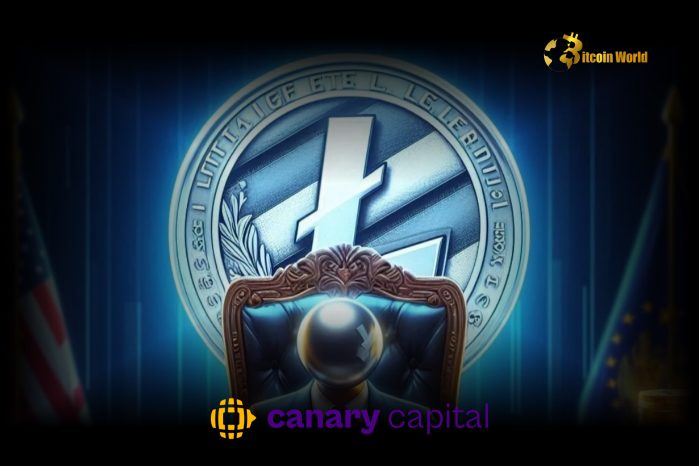
Canary Capital’s proposed spot Litecoin exchange-traded fund has been listed on the Depository Trust and Clearing Corporation system under the ticker LTCC, signaling a significant advancement toward its potential debut. This development indicates that the necessary trading infrastructure is being established, though the ETF still awaits approval from the U.S. Securities and Exchange Commission .

The DTCC serves as the primary clearing and settlement provider for securities transactions in the United States, processing millions of trades daily. Inclusion in the DTCC system is a critical preparatory step for any ETF, ensuring that once regulatory approval is granted, the fund can commence trading seamlessly. However, it’s important to note that a DTCC listing does not imply SEC approval; it merely reflects that the issuer is making necessary arrangements ahead of a potential launch.

Canary Capital submitted its application for the spot Litecoin ETF in October 2024, positioning itself ahead of similar filings by asset managers such as Grayscale and CoinShares. The firm’s proactive approach suggests a strategic effort to be at the forefront of offering investors exposure to Litecoin through a regulated financial product. If approved, this ETF would be the first in the U.S. to provide direct exposure to Litecoin, expanding the range of cryptocurrency investment options beyond Bitcoin and Ethereum.

The SEC’s decision-making process involves a thorough review of such applications, with an initial period of 45 days from the filing date, extendable up to 90 days. Given that Canary Capital’s application was filed in October 2024, a decision is anticipated imminently. Market analysts have been closely monitoring the situation, with Bloomberg’s Senior ETF Analyst Eric Balchunas estimating a 90% probability of approval before the end of 2025. This optimistic outlook is based on the SEC’s recent approvals of spot Bitcoin and Ethereum ETFs, which have set a precedent for similar cryptocurrency-based financial products.

The potential approval of a spot Litecoin ETF holds significant implications for the cryptocurrency market. Litecoin, often referred to as the “silver” to Bitcoin’s “gold,” has maintained a robust presence in the digital asset space since its inception in 2011. Designed to offer faster transaction confirmations and a different hashing algorithm, Litecoin has garnered a dedicated user base and widespread adoption. The introduction of an ETF would likely enhance Litecoin’s visibility and accessibility, attracting a broader spectrum of investors, including those who prefer traditional investment vehicles over direct cryptocurrency holdings.

The cryptocurrency market has experienced a surge in ETF-related activities, especially following the successful launch of spot Bitcoin ETFs in 2024. These products have collectively attracted substantial capital inflows, with Bitcoin ETFs alone amassing $65 billion, far exceeding initial projections. This influx of institutional investment has been a driving force behind the appreciation of Bitcoin’s price, which soared from $43,000 to over $100,000 within the same year. The anticipated approval of a Litecoin ETF could potentially replicate this effect, providing upward momentum for Litecoin’s market value.

As of February 22, 2025, Litecoin is trading at approximately $129.57, reflecting a slight decrease of 0.04% from the previous close. The cryptocurrency reached an intraday high of $138.79 and a low of $123.95. Market participants are keenly observing these price movements, as the potential approval of the ETF could serve as a catalyst for increased demand and price appreciation.

HONG KONG SAR & PARIS, FRANCE – Media OutReach Newswire – 21 February 2025 – The Hong Kong Furniture and Decoration Trade Association (HKF&DA) proudly announces that its first time participation in the Maison&Objet interior design trade fair has successfully concluded in January 2025 in Paris, France, with the Cultural and Creative Industries Development Agency (CCIDA) of the Government of the Hong Kong Special Administrative Region as […]

Advertisements

Pi Network’s native cryptocurrency, Pi Coin, has experienced a dramatic decline of more than 60% in its market value following the project’s highly anticipated mainnet launch. The token’s price tumbled from an initial high of $1.97 to approximately $0.64 within a day, raising concerns among investors and the broader cryptocurrency community.

The mainnet launch, which occurred on February 20, 2025, was expected to bolster Pi Coin’s market presence. Several centralized exchanges, including OKX, Bitget, and MEXC, promptly listed the token, allowing users to trade Pi Coin on their platforms. Despite these listings, the token’s value swiftly depreciated, leading to significant market volatility.

In contrast, some major exchanges have refrained from listing Pi Coin. Bybit’s CEO, Ben Zhou, publicly criticized the project, citing concerns over its legitimacy. Zhou referenced a 2023 warning from Chinese authorities that labeled Pi Network as a scam targeting vulnerable populations, particularly the elderly. He emphasized that Bybit had no intentions of listing Pi Coin and challenged the Pi Network team to address these allegations.

The precipitous drop in Pi Coin’s value has been attributed to several factors. Analysts suggest that early miners may have capitalized on the mainnet launch to liquidate their holdings, exerting downward pressure on the price. Additionally, the absence of listings on prominent exchanges like Binance has limited the token’s accessibility and liquidity. Market participants have also expressed concerns regarding the token’s real-world utility and the project’s overall transparency.

Despite the current challenges, Pi Network boasts a substantial user base, with over 60 million registered users globally. The project’s unique mobile-based mining approach has garnered significant attention, allowing users to mine cryptocurrency directly from their smartphones without the need for energy-intensive hardware. However, discrepancies in reported user numbers have emerged, with blockchain explorers indicating approximately 9.1 million active users, leading to questions about the platform’s actual adoption rate.

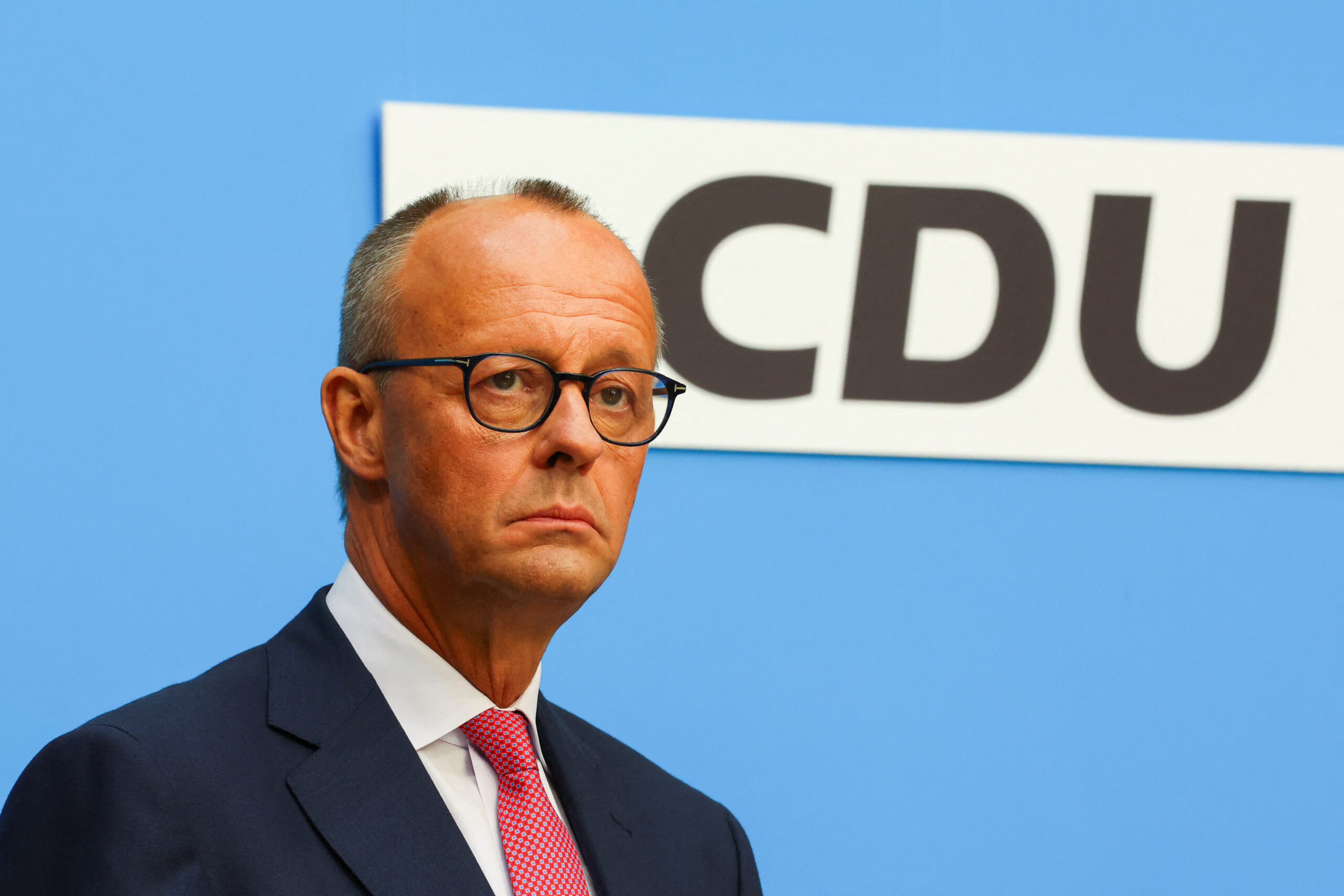
By Satyaki Chakraborty With just two days left for the national elections in Germany scheduled for next Sunday, February 23, all opinion polls suggest a near ten point lead by the conservative CDU/CSU combo as against the far right AFD which is threatening to take over power in European Union’s richest economy with the open […]

KUALA LUMPUR, MALAYSIA – Media OutReach Newswire – 21 February 2025 – The beginning of 2025 witnessed a complex geopolitical scenario in Europe, with the most prominent events expected to impact financial markets. The intersection of political instability, economic tensions, and global trade dynamics makes it crucial for traders to be vigilant and reactive. Understanding these events is essential to forming well-informed trading strategies. Kar Yong Ang, […]

The Abu Dhabi Investment Office has solidified its commitment to fostering economic collaboration with China by entering into strategic agreements with prominent Chinese entities. These partnerships, announced during the Abu Dhabi Investment Forum in Shanghai, aim to enhance investment intelligence and facilitate the expansion of Chinese enterprises into Abu Dhabi’s burgeoning market.

In a notable development, ADIO has partnered with Wind Information, China’s leading financial information services provider. This collaboration designates Wind Information as ADIO’s preferred knowledge partner in China, granting investors enhanced access to Abu Dhabi’s dynamic investment landscape. The alliance is poised to bridge information gaps, enabling Chinese investors to make informed decisions about opportunities within the emirate.

Simultaneously, ADIO has forged a strategic partnership with Hejun Group, a prominent Chinese consulting firm. This agreement is designed to accelerate Chinese investment in Abu Dhabi by leveraging Hejun Group’s extensive network of over 2,000 publicly listed companies. The collaboration aims to introduce these enterprises to Abu Dhabi’s investment prospects, thereby fostering economic growth and diversification within the region.

Further strengthening bilateral ties, ADIO has entered into an agreement with Fosun International Limited, a global innovation-driven consumer group. This partnership seeks to expedite the expansion of Fosun’s subsidiaries into Abu Dhabi and the broader Middle East. ADIO will provide tailored investor support, streamlined market access, and strategic guidance to facilitate Fosun’s ventures in key sectors such as wealth management, fintech, premium residential real estate, and healthcare innovation.

These strategic alliances underscore Abu Dhabi’s proactive approach to attracting foreign investment and enhancing its position as a global financial hub. By collaborating with leading Chinese firms, the emirate aims to diversify its economy and foster innovation across various industries.

The Abu Dhabi Investment Forum in Shanghai served as a pivotal platform for these announcements, highlighting the emirate’s commitment to strengthening economic ties with China. The forum facilitated discussions on Abu Dhabi’s role as a global financial, trade, and technology hub, with a focus on technological innovation in areas such as financial technology, artificial intelligence, blockchain, and digital transformation.

These developments are set against the backdrop of burgeoning trade relations between the United Arab Emirates and China. Bilateral trade between the two nations is projected to reach $200 billion by 2030, positioning Abu Dhabi as a critical gateway for Chinese investment in the Middle East and beyond. The emirate already hosts a significant number of the 6,000 Chinese companies operating in the UAE, spanning key sectors including technology, financial services, and energy.

In addition to these partnerships, Abu Dhabi has been actively engaging in strategic investments to bolster its economic landscape. For instance, Masdar, Abu Dhabi’s renewable energy company, has been expanding its footprint in the European energy sector. Masdar is currently negotiating with banks to structure the acquisition of a new portfolio of renewable energy assets from Endesa, a Spanish utility company. This move aligns with Abu Dhabi’s broader strategy to invest in sustainable energy solutions and diversify its investment portfolio.

The financial sectors of the UAE and China have been exploring collaborative opportunities to enhance cross-border investments. The Shenzhen Stock Exchange and Dubai Financial Market have signed a memorandum of understanding to bolster cross-border investing, particularly in exchange-traded funds . This agreement includes dual listings, shared indices, and fixed-income offerings, aiming to facilitate secondary market investments and strengthen financial ties between the two nations.

These initiatives reflect a broader trend of deepening economic cooperation between Abu Dhabi and China, with both parties seeking to capitalize on mutual investment opportunities and drive sustainable economic growth. The strategic partnerships established by ADIO are poised to play a pivotal role in this collaborative effort, fostering a conducive environment for innovation, investment, and economic diversification.


SINGAPORE – Media OutReach Newswire – 21 February 2025 – OPPO, the world’s leading smart device brand, announced that the OPPO Find N5 will be available for purchase starting February 28, 2025, priced at S$2499 for the 16GB + 512GB configuration. The device will initially launch in Singapore, Malaysia, and Hong Kong China, with more markets set to follow shortly. OPPO Find N5 in Cosmic Black and […]

The cryptocurrency landscape is experiencing notable fluctuations as political developments and new digital assets influence investor sentiment. Solana , a prominent blockchain platform, has seen its token price oscillate amid these dynamics. As of February 21, 2025, SOL is trading at $179.81, reflecting a 3.79% increase from the previous close. This movement comes in the wake of recent political events and the introduction of new meme coins like Panshibi , which are capturing market attention.

The re-election of President Donald Trump has introduced a wave of optimism among cryptocurrency enthusiasts, particularly due to his administration’s perceived crypto-friendly stance. This sentiment has been bolstered by the resignation of former SEC Chair Gary Gensler and the appointment of Paul Atkins, known for his favorable views on digital assets. These changes have led to a surge in applications for cryptocurrency exchange-traded funds , with asset managers seeking approval for funds focusing on altcoins such as Solana, XRP, and Dogecoin. Market analysts suggest that the approval of these ETFs could significantly impact the valuation and adoption of the associated cryptocurrencies.

However, the market’s response has been mixed. While the anticipation of regulatory support has driven some positive momentum, concerns over market volatility persist. Analysts have issued cautionary notes regarding Solana’s price trajectory. Some forecasts indicate the potential for a substantial correction, with prices possibly declining by up to 50% during the summer months of 2025, potentially reaching the $44 range. Factors contributing to this outlook include speculative trading and the proliferation of meme coins on the Solana network, which may undermine investor confidence.

The emergence of Panshibi exemplifies the growing interest in meme-based cryptocurrencies. Launched with a presale price of $0.004, Panshibi has rapidly garnered attention, raising over $700,000 in its initial phase. The project has undergone a security audit and implemented long-term liquidity locking, measures aimed at enhancing investor trust. Analysts have drawn parallels between Panshibi and earlier meme coins, noting the potential for significant returns. Projections suggest that Panshibi could experience a presale price increase of 1,200%, with post-launch surges reaching up to 145,000%. These figures, while speculative, highlight the high-risk, high-reward nature of meme coin investments.

The highly anticipated launch of Pi Network’s open mainnet on 20 February 2025 led to a dramatic 65% decline in the value of its native cryptocurrency, Pi Coin , within 24 hours. Initially trading at $1.97 upon its debut, Pi Coin’s price plummeted to $0.64 by the following day, raising concerns among investors and market analysts.

Pi Network, a blockchain project that enables users to mine Pi Coins via mobile devices, transitioned from its enclosed mainnet phase—active since December 2021—to an open mainnet on 20 February. This shift allowed users to transfer and trade their Pi Coins on various cryptocurrency exchanges. Major platforms such as OKX, Bitget, and MEXC promptly listed the token, facilitating its entry into the broader crypto market.

Despite the initial enthusiasm, the market response was swift and severe. The coin’s value experienced a sharp decline, dropping from a peak of $1.97 to $0.64 within a day. Analysts attribute this rapid depreciation to several factors, including mass sell-offs by early adopters, limited initial liquidity, and broader market uncertainties.

Mass sell-offs by early adopters significantly contributed to the downward pressure on Pi Coin’s price. Many users, having accumulated Pi during the network’s development phase, opted to liquidate their holdings upon gaining the ability to trade, leading to an oversupply in the market. This influx of sell orders overwhelmed the available buy orders, exacerbating the price decline.

The limited initial liquidity on exchanges further intensified the situation. As Pi Coin became tradable, the market struggled to absorb the high volume of sell orders due to insufficient liquidity. This imbalance between supply and demand accelerated the price drop, as buyers were unable to match the selling pressure.

Broader market uncertainties also played a role in the coin’s performance. The cryptocurrency market is known for its volatility, and new entrants often face skepticism from investors. Concerns regarding the project’s legitimacy emerged, particularly after Bybit CEO Ben Zhou publicly questioned Pi Network’s credibility. Citing a 2023 warning from Chinese authorities that labeled the project a “scam” targeting the elderly, Zhou challenged the Pi Network team to address these allegations. He stated that Bybit had no plans to list Pi Coin, further influencing market sentiment.

The Pi Network community expressed mixed reactions to the coin’s market debut. While some members remained optimistic about the project’s long-term potential, others voiced concerns over the immediate price volatility and the project’s overall transparency. The sudden price drop prompted discussions about the need for clear communication from the Pi Network team regarding their roadmap and measures to ensure investor confidence.

Argentine President Javier Milei has presented Elon Musk, advisor to U.S. President Donald Trump, with a chainsaw engraved with the phrase “Viva la libertad, carajo” . This gesture, made during the Conservative Political Action Conference in Maryland, underscores Milei’s commitment to reducing government bureaucracy and spending.

Milei, a libertarian economist, has become known for his dramatic use of a chainsaw during political rallies, symbolizing his intent to “cut” through excessive government expenditure. Since assuming office in December 2023, his administration has implemented stringent austerity measures, resulting in a 30% reduction in public spending and the dismissal of approximately 36,000 public sector employees. These actions have also led to the elimination of various subsidies, aiming to streamline Argentina’s economic framework.

Under Milei’s leadership, Argentina has witnessed a significant decline in its inflation rate. In January 2025, the country’s monthly inflation rate slowed to 2.2%, the lowest since mid-2020. The annual inflation rate also decreased to 84.5% in January, a substantial drop from 117.8% in December 2024. This downward trend is attributed to Milei’s orthodox economic policies, focusing on achieving fiscal and trade surpluses to combat the previously rampant triple-digit inflation.

Elon Musk, serving as the head of the newly established Department of Government Efficiency in President Trump’s administration, has been advocating for similar reductions in government spending in the United States. At the CPAC event, Musk brandished the gifted chainsaw, declaring it a tool to combat bureaucracy. His efforts have already led to significant budget cuts across various sectors, including the termination of 6,000 employees at the Internal Revenue Service.

Musk’s dramatic presentation at CPAC, where he appeared in a “Dark MAGA” outfit while wielding the chainsaw, was met with enthusiastic support from the conservative audience. He emphasized the necessity of eliminating wasteful government spending and streamlining operations, aligning with Milei’s approach in Argentina.

The collaboration between Milei and Musk highlights a growing trend among certain political leaders to adopt aggressive strategies in reducing government size and expenditure. While supporters argue that these measures are essential for economic stability and growth, critics express concern over potential negative impacts on public services and employment.

Nissan Motor Co. experienced an 11% surge in its share price on Friday following reports that a prominent Japanese consortium is formulating plans to attract investment from Tesla Inc. This development comes on the heels of Nissan’s unsuccessful merger discussions with Honda Motor Co., highlighting the automaker’s ongoing efforts to stabilize its financial standing. The initiative is spearheaded by Hiro Mizuno, a former Tesla board member, with […]

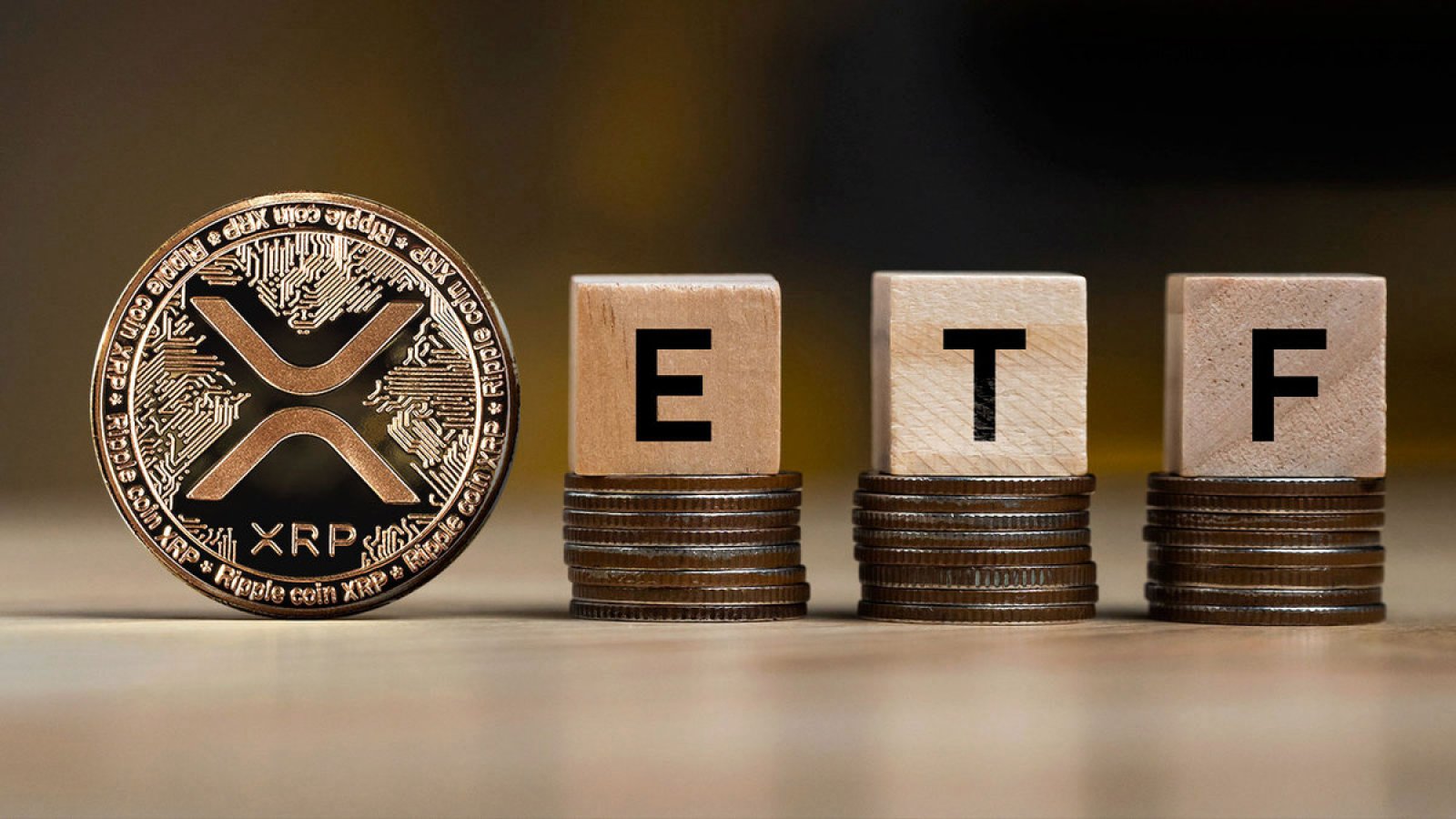
The U.S. Securities and Exchange Commission has initiated the review process for several proposals to establish exchange-traded funds directly tracking the performance of XRP, the digital asset associated with Ripple Labs. This development marks a significant milestone in the cryptocurrency sector, as it could lead to the introduction of the first spot XRP ETFs in the United States.

The SEC’s formal acknowledgment of these filings triggers a statutory period during which the Commission must evaluate the proposals and make a determination. This period includes opportunities for public comment and may involve multiple extensions as the SEC deliberates on the potential approval of these financial products.

Proponents of the spot XRP ETFs argue that such investment vehicles would provide institutional and retail investors with a regulated and accessible means to gain exposure to XRP without the complexities of direct cryptocurrency ownership. They contend that ETFs could enhance liquidity, reduce volatility, and promote greater transparency within the XRP market.

However, the SEC has historically exercised caution regarding cryptocurrency-based ETFs, primarily due to concerns about market manipulation, custody issues, and the overall regulatory framework governing digital assets. The Commission’s scrutiny of these factors will play a crucial role in its decision-making process concerning the spot XRP ETF proposals.

Ethereum is currently trading at $2,749.45, reflecting a modest increase of 0.36% over the past 24 hours. This performance is underpinned by a confluence of technical indicators and burgeoning institutional interest, suggesting a potential rally toward the $3,000 mark.

Technical analysis indicates that Ethereum’s price is approaching a critical resistance level at $2,800. A decisive break above this threshold could pave the way for further gains, with analysts projecting potential targets of $3,000 and beyond. Conversely, failure to surpass this resistance may result in a consolidation phase or a retracement toward support levels around $2,600.

Institutional adoption of Ethereum has been accelerating, contributing to its upward trajectory. The approval and subsequent inflows into Ethereum-based exchange-traded funds have played a pivotal role in this trend. Notably, Ethereum ETFs have experienced 17 consecutive days of inflows, now holding a record high of 3.5 million units. This surge in institutional investment underscores the growing confidence in Ethereum’s long-term value proposition.

The recent inauguration of a pro-crypto administration in the United States has further bolstered market sentiment. Analysts anticipate that the new regulatory environment will be more conducive to cryptocurrency innovation and adoption. The potential for clearer guidelines and supportive policies is expected to attract additional institutional participants to the Ethereum ecosystem.

Ethereum’s network fundamentals remain robust. The number of validators on the network has increased by over 30% in the past year, driven by the introduction of staking and liquid staking mechanisms. These developments enhance the network’s security and appeal to institutional investors seeking yield-generating opportunities.

President Donald Trump is actively promoting U.S. liquefied natural gas exports to Asian nations, aiming to strengthen economic ties and reduce their dependence on Middle Eastern and Russian energy sources. In a strategic move, Trump and Japanese Prime Minister Shigeru Ishiba have discussed Japan’s potential involvement in an Alaskan LNG project, highlighting the benefits of a direct energy route that bypasses traditional, and often volatile, sea lanes.

The administration’s focus is not solely on Japan. Other Asian countries, including South Korea and Taiwan, are also considering increased imports of U.S. LNG. This initiative is designed to enhance energy security across the region and diminish the influence of China and Russia. Trump’s energy advisor, Doug Burgum, emphasized the strategic advantages of these partnerships, noting that they offer a more stable and secure energy supply chain for U.S. allies in Asia.

In line with this strategy, Sentinel Midstream is advancing its deepwater oil export project, Texas GulfLink. Located approximately 30.5 miles off the coast of Freeport, Texas, the facility aims to fully load supertankers with up to 2 million barrels of oil per day. This capability is currently unique to the Louisiana Offshore Oil Port. Sentinel’s CEO, Jeff Ballard, expressed optimism about the project’s progress, citing the administration’s expedited approval processes as a significant factor in moving forward.

Despite initial market fluctuations following discussions between Trump and Russian President Vladimir Putin regarding the Ukraine conflict, energy markets remain cautious. The anticipated peace has not materialized, and experts suggest that if a resolution were imminent, a more substantial decline in oil and gas prices would be evident. This uncertainty underscores the importance of diversifying energy sources and reducing reliance on regions prone to geopolitical tensions.

Taiwan’s National Security Council head, Joseph Wu, highlighted the robust support from the U.S., noting that Taiwan is exploring increased purchases of American LNG. This move aims to balance trade and address criticisms from Trump regarding trade imbalances and the semiconductor industry’s dynamics. Wu emphasized Taiwan’s transparency in international business and expressed interest in future Alaskan LNG productions due to their quality and logistical advantages.

Denmark’s Prime Minister, Mette Frederiksen, shared insights into a recent intense conversation with President Trump concerning his renewed interest in acquiring Greenland. This discussion has added complexity to U.S.-Denmark relations, especially in the context of global security challenges posed by nations like Russia, Iran, and North Korea. Frederiksen underscored the necessity for Europe to bolster its defense investments and the importance of U.S.-Europe cooperation in addressing these global threats.

Cheniere Energy, a leading U.S. LNG exporter, plans to expand its capacity under the current administration. CEO Jack Fusco announced intentions to pursue new regulatory permits, aligning with Trump’s agenda to boost the U.S. energy sector. This expansion is poised to meet the growing demand from Asian markets seeking reliable and diversified energy sources.

The administration has also established a council dedicated to achieving “energy dominance,” focusing on increasing natural gas exports and offshore drilling. This initiative aims to capitalize on the U.S.’s abundant energy resources, providing allies with alternative energy options and reducing global dependence on adversarial nations.

The significance of U.S. LNG in global energy dynamics is multifaceted. It not only offers economic benefits but also plays a crucial role in the global energy transition. By providing a stable and cleaner energy source, U.S. LNG supports efforts to reduce carbon emissions and offers countries an opportunity to diversify their energy portfolios.

Standard Chartered has announced a $1.5 billion share buyback and raised its earnings target following an 18% increase in annual profit for 2024. The London-based bank reported a pre-tax profit of $6 billion, up from $5.1 billion the previous year, slightly below analysts’ forecasts of $6.2 billion. The bank also declared a final interim dividend of 28 cents per share and upgraded its 2026 return on tangible equity target to “approaching 13%” from the previously estimated 12%.

The significant profit growth was largely driven by record performance in Standard Chartered’s wealth management division and robust market activities. The wealth business experienced unprecedented growth, contributing substantially to the bank’s overall income. This surge reflects the bank’s strategic focus on affluent clients and larger international corporations, moving away from smaller domestic businesses and regular retail clients.

Despite the strong annual performance, the bank faced challenges in the fourth quarter. Pre-tax profits for this period fell by 30%, dropping to $800 million from $1.1 billion a year earlier, missing analysts’ expectations of $983 million. Earnings per share for the quarter also decreased by 41% to 20.2 cents from 34.0 cents in the previous year. This decline was attributed to specific credit impairments and a cautious approach to risk management in volatile markets.

In response to the evolving market landscape, Standard Chartered plans to double its investment in wealth management over the next five years. The bank aims to allocate approximately $1.5 billion to enhance its wealth business, focusing on hiring additional relationship managers and advisers, particularly in key financial hubs such as Hong Kong, Singapore, and Dubai. This strategic investment is intended to capitalize on the growing demand for diversified financial products among affluent clients in these regions.

The announcement of the $1.5 billion share buyback is set to commence imminently, with an expected reduction in the Common Equity Tier 1 ratio by approximately 61 basis points. This move underscores the bank’s commitment to returning value to shareholders while maintaining a strong capital position. The decision aligns with the bank’s broader strategy to optimize its capital structure and enhance shareholder returns.

Chief Executive Bill Winters expressed confidence in the bank’s overall strategy, emphasizing the importance of focusing on high-growth markets and client segments. He highlighted the bank’s efforts to streamline operations and reduce costs through the “Fit for Growth” plan, which aims to achieve significant cost savings and operational efficiencies. This initiative is part of the bank’s ongoing efforts to adapt to the dynamic financial environment and position itself for sustainable growth.

Standard Chartered’s strategic shift includes reducing exposure to China’s troubled real estate market, with a 46% decrease since late 2021. This move reflects the bank’s cautious stance amid concerns over the sector’s stability and potential impact on the broader economy. By reallocating resources to more stable and profitable areas, the bank aims to mitigate risks associated with market volatility and geopolitical tensions.

The bank’s shares have risen significantly since Winters’ appointment, reflecting investor confidence in the strategic direction and financial health of the institution. However, the shares still trade below the book value of the bank’s assets, indicating potential room for further appreciation as the bank continues to execute its growth strategy and enhance profitability.

While the annual results demonstrate resilience and strategic foresight, the decline in fourth-quarter profits highlights the challenges posed by the current economic climate. The bank remains vigilant in managing risks associated with the shifting global political landscape, potential misuse of artificial intelligence, the possibility of a new U.S.-China trade war, and political instability in regions like the Democratic Republic of Congo. These factors necessitate a balanced approach to growth and risk management to ensure long-term sustainability.

The Pi Network’s long-anticipated mainnet launch on February 20, 2025, has been met with significant challenges, as users report difficulties withdrawing their Pi tokens from various exchanges. This development coincides with notable price fluctuations, with Pi Coin’s value dipping below the $1 mark.

Upon its debut, Pi Coin was listed on multiple prominent cryptocurrency exchanges, including OKX, Gate.io, Bitget, and CoinDCX. Initial trading saw the coin’s price surge to approximately $2.2 on OKX; however, it swiftly declined, trading at $1.50 on OKX and $1.90 on Bitget shortly thereafter. This volatility has raised concerns among investors and traders about the coin’s stability and future prospects.

Concurrently, users have encountered obstacles when attempting to withdraw their Pi tokens. Exchanges such as Bitget have temporarily suspended Pi Coin deposit and withdrawal services, citing node maintenance as the primary reason for the disruption. Similarly, CoinW announced a suspension of PiNetwork deposits and withdrawals due to ongoing node maintenance, further limiting users’ access to their funds.

The Pi Network team has attributed these withdrawal issues to a “surge in traffic,” suggesting that the unexpected influx of activity has overwhelmed their systems. This explanation, however, has been met with skepticism within the Pi community. Some users speculate that the restrictions may be a deliberate strategy to control the market supply and prevent a rapid decline in Pi Coin’s value. The prolonged Know Your Customer verification process, which can take several months, has also been criticized for potentially exacerbating withdrawal delays and limiting liquidity.

British asset management firm Abrdn is in advanced discussions with CITIC Bank to establish a joint venture in China, aiming to strengthen its presence in the world’s second-largest economy. This strategic move comes as relations between the United Kingdom and China show signs of improvement, contrasting with the trend of Western financial institutions scaling back operations in the region due to economic and geopolitical concerns.

According to individuals familiar with the matter, Abrdn intends to hold a majority stake in the proposed venture, with the remaining shares owned by CITIC Bank’s subsidiary, CITIC Wealth. CITIC Wealth, as of the end of last year, manages assets totaling 2 trillion yuan , positioning it as China’s third-largest bank-owned wealth management entity.

The collaboration between Abrdn and CITIC Bank has been under discussion for the past couple of years, focusing on either establishing a new venture within mainland China or Abrdn acquiring a stake in CITIC Wealth. These negotiations gained momentum following the recent resumption of high-level economic and financial dialogues between China and the UK, which had been on hold for nearly six years.

This development is particularly noteworthy given the backdrop of several Western financial institutions reevaluating their strategies in China. Concerns over the health of the Chinese economy and escalating tensions between Beijing and Washington have led some firms to reduce their workforce or halt expansion plans in the region. In contrast, Abrdn’s initiative reflects a strategic decision to deepen its engagement with the Chinese market, leveraging the extensive client base and local expertise of CITIC Wealth.

The timing of this potential partnership aligns with broader efforts to enhance financial cooperation between the UK and China. Both governments have recently committed to exploring the feasibility of establishing exchange-traded fund and wealth management connect schemes, aiming to link their capital markets more closely. These initiatives are part of a concerted effort to strengthen financial services relations and improve economic ties between the two nations.

While official comments from Abrdn and CITIC Bank are yet to be made, the proposed joint venture signifies a strategic alignment that could offer mutual benefits. For Abrdn, gaining a majority stake in a Chinese asset management entity provides a platform to tap into the growing wealth management market in China. For CITIC Bank, partnering with an established international asset manager like Abrdn could enhance its product offerings and global reach.

Sharjah and Neuchâtel have embarked on a collaborative venture to enhance manufacturing and innovation sectors. A business roundtable, organised by Invest in Sharjah in partnership with the Consulate General of the UAE in Geneva, served as the platform for this initiative. The event aimed to explore synergies and establish robust economic ties between the UAE and Switzerland.

The roundtable witnessed the participation of key stakeholders from both regions, including government officials, industry leaders, and representatives from academic institutions. Discussions centred on potential partnerships, knowledge exchange, and investment opportunities in advanced manufacturing technologies and innovative solutions.

Switzerland, renowned for its precision engineering and technological advancements, presents a valuable model for Sharjah’s burgeoning industrial sector. Conversely, Sharjah offers a strategic gateway to Middle Eastern markets, providing Swiss enterprises with avenues for expansion and collaboration.

The UAE and Switzerland have a history of strong bilateral relations, with the UAE being Switzerland’s most significant trading partner in the Middle East. The annual trade volume between the two nations stands at approximately CHF 15 billion, encompassing sectors such as precious metals, jewellery, and pharmaceuticals. This collaboration seeks to build upon existing ties, fostering economic growth and technological innovation.

Invest in Sharjah, the investment promotion agency of the emirate, has been instrumental in facilitating such international partnerships. By organising events like the business roundtable, the agency aims to position Sharjah as a hub for innovation and industry, attracting foreign investments and fostering a conducive environment for business growth.

The Consulate General of the UAE in Geneva has also played a pivotal role in bridging the gap between Emirati and Swiss entities. Through diplomatic channels and economic forums, the consulate strives to enhance mutual understanding and cooperation, paving the way for successful collaborations.

Participants at the roundtable expressed optimism about the prospects of this partnership. They highlighted the complementary strengths of Sharjah and Neuchâtel, emphasising that combined efforts could lead to significant advancements in manufacturing processes and innovative practices.

This initiative aligns with the UAE’s broader vision of economic diversification and technological advancement. By leveraging international collaborations, the nation aims to reduce its reliance on traditional industries, embracing a knowledge-based economy driven by innovation and sustainability.

As Sharjah and Neuchâtel embark on this collaborative journey, both regions anticipate a fruitful exchange of ideas, resources, and technologies. This partnership not only strengthens economic ties but also fosters cultural and academic exchanges, enriching the social fabric of both communities.

Abu Dhabi National Oil Company has announced plans to sell approximately 3.1 billion shares, equating to a 4% stake, in its subsidiary ADNOC Gas. This strategic move is projected to raise up to $3 billion, marking one of the most significant share sales in the Middle East and North Africa region since Saudi Aramco’s $12.3 billion offering in June of the previous year.

The offering is set to commence immediately and is expected to conclude on Friday, February 21, 2025. It will be open to qualified institutional and other investors across various countries, including the United Arab Emirates. The final number of shares to be placed and the offering price will be determined at the close of the book-building process, in accordance with the Block Trade Rules of the Abu Dhabi Securities Exchange .

ADNOC currently holds a 90% majority stake in ADNOC Gas. At the last closing price of AED 3.58 per share, the offering is valued at approximately AED 11.1 billion . This initiative aligns with ADNOC’s strategic objectives to enhance the liquidity and free float of ADNOC Gas, while providing a pathway to a more diversified shareholder base and potential inclusion in major indices.

Khaled Al Zaabi, Group Chief Financial Officer at ADNOC, stated, “Since its IPO in March 2023, ADNOC Gas has consistently delivered strong growth, robust financial performance, and superior shareholder returns. As a world-class integrated gas processing company, ADNOC Gas is ideally positioned for further expansion.”

The offering will be subject to a customary 180-day lock-up period for both ADNOC and ADNOC Gas, subject to certain exceptions and unless waived by the joint global coordinators. Major financial institutions, including BofA Securities, Citi, EFG-Hermes, First Abu Dhabi Bank, HSBC, and International Securities, are acting as joint global coordinators and joint bookrunners for this offering.

This move follows ADNOC Gas’s initial public offering in March 2023, which raised approximately $2.5 billion, marking one of the region’s largest IPOs at that time. The company was formed earlier that year by consolidating various gas processing operations into a single entity, aiming to streamline operations and enhance efficiency.

In May of the previous year, ADNOC also raised $935 million by selling a 5.5% stake in its drilling unit to institutional investors, reflecting the company’s ongoing strategy to monetize assets and attract foreign investment.

ADNOC Gas operates an extensive network, managing over 3,000 kilometers of pipeline infrastructure and 26 processing trains. The company plays a crucial role in processing and distributing natural gas within the UAE and to international markets. The funds raised from this stake sale are expected to support ADNOC Gas’s ambitious growth plans, including expanding its processing capacities and exploring new markets.

The energy sector in the UAE has seen significant foreign direct investment in recent years. In 2019, ADNOC attracted major investments from U.S. asset managers BlackRock and KKR, as well as Italian firm Eni, collectively bringing in billions of dollars. These investments have been pivotal in expanding ADNOC’s infrastructure and operational capabilities.

The decision to divest a portion of ADNOC Gas aligns with the company’s broader strategy to optimize its portfolio, enhance capital efficiency, and provide attractive opportunities for global investors. As the global energy landscape continues to evolve, ADNOC remains committed to adapting its business model to meet emerging challenges and capitalize on new opportunities.

VISHNU RAJA
RYO YAMADA
HITORI GOTOH
IKUYO KITA