News related to
AI trade

Empowering Enterprises in Global Expansion and Reinforcing Hong Kong’s Position as an International Innovation and Technology Hub HONG KONG SAR – Media OutReach Newswire – 11 April 2025 – The Hong Kong Productivity Council (HKPC) officially launched “The Cradle – Going Global Service Centre” (The Cradle) today, supported by the Zhongguancun Beijing-Hong Kong-Macao Youth Innovation Centre, the National Innovation Centre par Excellence (NICE), and the Greater Bay […]

Zambia is set to resume construction of a high-voltage transmission line connecting its power grid with Tanzania’s, a move expected to enhance energy security and foster economic integration across Eastern and Southern Africa. The Zambia–Tanzania Interconnector Project , backed by a $292 million financing package from the World Bank, the UK Foreign, Commonwealth & Development Office, and the European Union, aims to establish a 620-kilometre, 400kV double-circuit […]

By Anjan Roy Just as Donald Trump’s tariffs had shaken the world and the financial markets, a sudden brake on their implementation had equally shocked leaders to market sloggers as much. President Trump had equally abruptly pushed back the time when his “reciprocal” tariffs were to kick in. He deferred it by ninety days and […]

The European Union and the United Arab Emirates have agreed to commence negotiations for a bilateral free trade agreement, marking a significant shift in their economic relations. This development comes amid global trade uncertainties and reflects both parties’ desire to deepen ties across various sectors.

The proposed agreement aims to enhance trade in goods and services, investment, and collaboration in key sectors such as renewable energy, green hydrogen, and critical raw materials. The UAE described the pact as a pathway to deeper bilateral ties and economic growth, with benefits including tariff reductions, improved market access, and expanded opportunities in advanced manufacturing, healthcare, logistics, and artificial intelligence.

Currently, the EU is the UAE’s second-largest trading partner, representing 8.3% of its non-oil trade, while the UAE stands as the EU’s top export market and investment partner in the Middle East and North Africa. The deal also marks a strategic shift, as the UAE encouraged direct trade discussions with the EU outside of the broader Gulf Cooperation Council framework.

The UAE has been actively pursuing trade diversification, achieving a record 3 trillion dirhams in non-oil trade in 2024, marking a 14.6% increase from the previous year. This growth is part of the UAE’s strategy to spur economic growth through trade diversification. Since 2021, it has executed numerous Comprehensive Economic Partnership Agreements with countries such as India, Indonesia, Israel, and Turkey.

Matein Khalid As I sensed a few hours after the NYSE opened on Liberation Day, the masters of the universe on Wall Street and the White House have knowingly ignited the mother of all Lehman/Liz Truss moments in the global capital markets. Like Shakira’s hips, my Bloomberg screen does not lie as it speaks to me in its ominous green phosphorescent flicker. ​The Volatility Index is once […]

HONG KONG SAR – Media OutReach Newswire – 11 April 2025 – Today, IX Asia Indexes announced the 2025 1st quarter review of ixCrypto Index Series. The constituent changes will be effective on 18th April 2025 (Friday) (“the effective date”). The results of the constituent review and exchange review are as follows: 1. Constituent Review – ixCrypto Index Series 1.1 ixCrypto Index (“IXCI”) The number of constituents […]

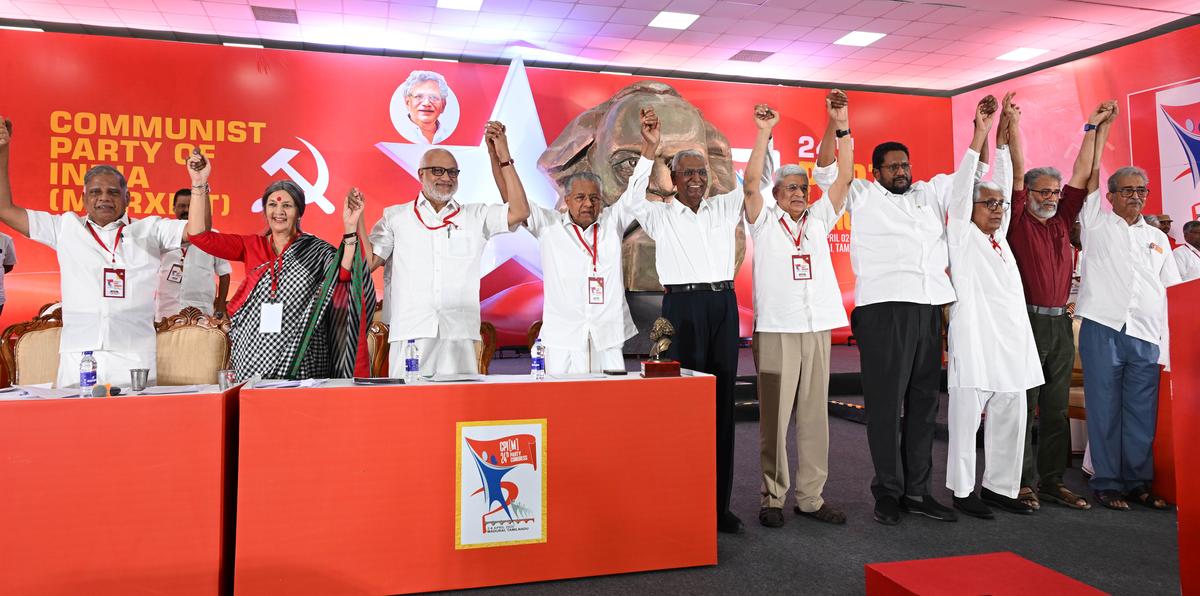
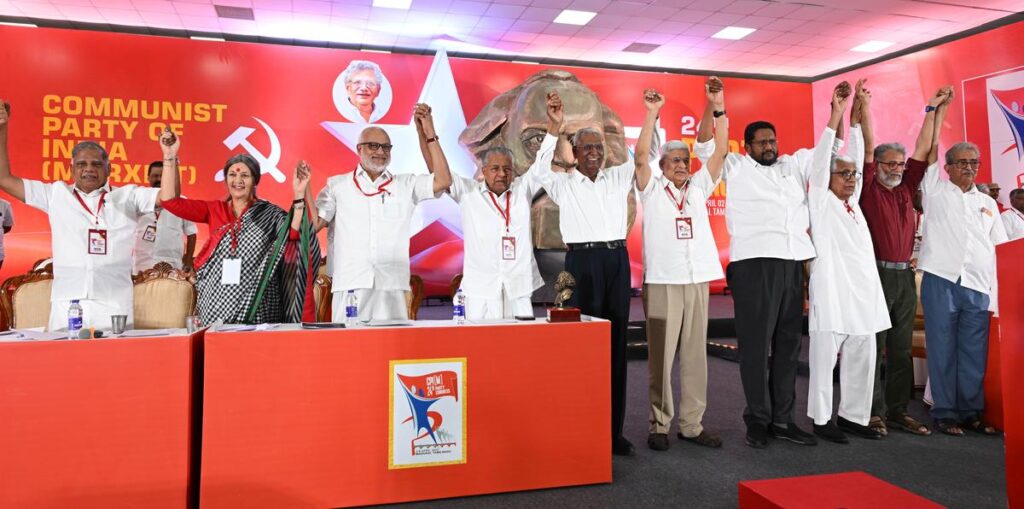
By P. Sudhir The 24th Congress of the CPI(M), which concluded at Madurai on April 6 with a massive rally, was notable in many respects. There were changes both in the agenda and content of the Congress discussions. First of all, a Political Review Report which reviewed the implementation of the political-tactical line adopted at […]
Advertisements

Zimbabwe’s tobacco farmers are confronting significant financial setbacks as barn fires destroy substantial portions of their harvests, exacerbating existing economic pressures. The 2025 tobacco marketing season, which commenced on March 5, has seen farmers grappling with these unforeseen losses. Barn fires have long plagued Zimbabwe’s tobacco industry, with many incidents linked to the use of traditional curing methods that rely heavily on firewood. This practice not only […]

Sheikh Hamdan bin Mohammed bin Rashid Al Maktoum, Crown Prince of Dubai, Deputy Prime Minister, and Minister of Defence, marked a significant moment at the Bombay Stock Exchange by ringing the opening bell during his official visit to India. This event underscores the deepening economic ties between the United Arab Emirates and India, highlighting the robust relationship fostered through years of collaboration.

The Crown Prince’s visit follows an invitation extended by Indian Prime Minister Narendra Modi, delivered by External Affairs Minister Dr. Subrahmanyam Jaishankar during a meeting in Dubai. This invitation reflects the mutual commitment to enhancing bilateral relations across various sectors, including trade, investment, and cultural exchange.

During his time in Mumbai, Sheikh Hamdan engaged with key figures in India’s financial sector, discussing avenues to bolster economic cooperation. The act of ringing the opening bell at the BSE, one of Asia’s oldest stock exchanges, symbolizes the UAE’s interest in strengthening financial and investment linkages with India.

The UAE and India have a longstanding history of economic partnership, further solidified by the Comprehensive Economic Partnership Agreement signed in 2022. This agreement aims to enhance trade flows, reduce tariffs, and create new avenues for investment, benefiting both nations.

Sheikh Hamdan’s visit aligns with the objectives of the Dubai Economic Agenda D33, which seeks to double Dubai’s foreign trade and establish connections with an additional 400 cities globally by 2033. This strategic vision emphasizes Dubai’s role as a global trade hub and its commitment to fostering international economic partnerships.

Global financial markets are experiencing significant volatility as the United States and China escalate their trade dispute, prompting investors to seek refuge in traditional safe-haven currencies. The Japanese yen and Swiss franc have notably strengthened, while risk-sensitive currencies such as the Australian dollar and Chinese yuan have faced substantial pressure.

The turmoil intensified following President Donald Trump’s decision to impose a 125% tariff on Chinese imports, a move that has overshadowed a 90-day suspension of tariffs for other nations. This action led to a swift response from China, which announced an 84% tariff on U.S. imports and lodged a new complaint with the World Trade Organization. These developments have heightened investor anxiety, leading to a pronounced shift towards assets perceived as safer.

In currency markets, the Japanese yen appreciated to 147.68 per dollar, nearing a five-month high, while the Swiss franc reached 0.87665 per dollar, marking a three-month peak. Conversely, the Australian dollar declined sharply, approaching levels not seen since the early stages of the COVID-19 pandemic. The Chinese yuan also experienced volatility, with the offshore rate nearing record lows at 7.3536 yuan per dollar.

Equity markets have mirrored these currency movements, with significant declines observed across major indices. The S&P 500 experienced a 0.90% drop, reaching one-month lows, while European stocks, represented by the Stoxx 600, fell approximately 4%. Asian markets were not spared, as Japan’s Nikkei tumbled as much as 2.3% in early trading. The heightened trade tensions have sparked fears of a global economic slowdown, prompting investors to reevaluate their risk exposure.

U.S. Treasury yields have also been affected, with the 10-year yield rising sharply. This increase is partly attributed to a lackluster three-year Treasury auction and concerns over the diminishing appeal of U.S. assets as safe havens. The dollar index, which measures the greenback against a basket of currencies, has declined, reflecting broader apprehensions about the U.S. economic outlook amid escalating trade disputes.

The corporate sector is feeling the impact of these developments. Companies such as Stellantis and Cleveland-Cliffs have announced job cuts in response to the uncertain trade environment. Many firms are delaying hiring and investment decisions, citing a lack of clear guidance from policymakers. Business leaders have expressed deep concern over the instability and unpredictability of current trade policies, emphasizing the need for a more consistent and transparent approach.

In the commodities market, gold prices have risen as investors seek safe-haven assets amid the market turmoil. Conversely, oil prices have remained relatively stable, despite the broader market volatility. Analysts attribute this stability to factors such as supply constraints and geopolitical considerations that are currently supporting oil prices.

Market analysts warn that the escalating trade confrontation between the U.S. and China could lead to further depreciation of the yuan and increased market instability. The potential for a full-scale trade war raises concerns about long-term global economic growth and investor confidence. The World Trade Organization has cautioned that prolonged trade disputes could result in significant declines in global GDP, underscoring the need for diplomatic efforts to resolve the tensions.

The United States stock market experienced a significant surge following President Donald Trump’s announcement of a 90-day suspension on most newly imposed tariffs. This unexpected policy shift led to a substantial influx of approximately $5.1 trillion into the market, marking one of the most notable rallies in recent history.

On April 9, 2025, President Trump declared a temporary halt to the implementation of new tariffs, with the notable exception of those targeting Chinese imports, which were increased to 125%. This decision came after appeals from over 75 countries seeking relief from escalating trade tensions. The President’s announcement was made via his social media platform, Truth Social, where he encouraged investors to capitalize on the market conditions.

The market responded promptly and positively to the President’s remarks. The S&P 500 index rose by 9.5%, its most significant gain since 2008, while the Dow Jones Industrial Average increased by 7.9%, adding 2,963 points—the largest point gain in its history. The Nasdaq Composite outperformed with a 12.2% surge, marking its most substantial one-day rise since the early 2000s.

Technology stocks, particularly those comprising the “Magnificent Seven,” experienced remarkable rebounds. Nvidia’s stock soared by 18.72%, reflecting strong investor confidence in the semiconductor sector. Tesla’s shares increased by 22.69%, indicating renewed optimism in the electric vehicle market. Apple and Meta Platforms also saw significant gains of 15.33% and 14.76%, respectively, suggesting a positive outlook for consumer electronics and social media industries. Microsoft, Amazon, and Alphabet recorded increases of 10.13%, 11.98%, and 9.88%, respectively, underscoring the broad-based recovery among leading technology firms.

Despite the market’s enthusiastic response, some analysts urge caution, emphasizing the temporary nature of the tariff suspension and the ongoing complexities in international trade relations. The increased tariffs on Chinese goods to 125% have prompted concerns about potential retaliatory measures from Beijing, which could introduce further volatility into the market. Additionally, the bond market exhibited signs of distress, with notable fluctuations in Treasury yields, reflecting underlying uncertainties about the long-term economic implications of the administration’s trade policies.

In Congress, reactions to the President’s tariff pause were mixed. While some Republican lawmakers welcomed the move as a strategic decision to stabilize the economy, others expressed skepticism about the consistency and predictability of the administration’s trade policy. Democratic leaders criticized the abrupt policy shift, labeling it as erratic and potentially destabilizing for both domestic and global markets.

Internationally, the response was varied. While many countries expressed relief at the temporary suspension, the heightened tariffs on Chinese imports escalated tensions with Beijing. China responded by increasing tariffs on U.S. imports to 84%, signaling a potential intensification of the trade conflict between the two economic giants.

President Trump’s decision to pause most new tariffs appears to be a strategic maneuver aimed at alleviating immediate market anxieties and opening avenues for further trade negotiations. However, the selective nature of the tariff adjustments, particularly the substantial increase on Chinese goods, suggests a continued commitment to addressing specific trade imbalances. The administration’s approach reflects an attempt to balance domestic economic interests with the complexities of international trade dynamics.

The South African rand has fallen to unprecedented levels against the U.S. dollar, reaching 19.8225 on April 9, 2025, nearing its June 2023 record of 19.9075. This marks a decline of over 3% within the week. The depreciation is attributed to escalating global trade tensions and internal political instability. The recent downturn follows U.S. President Donald Trump’s imposition of a 10% baseline tariff on all imports, with […]

Matein Khalid We are now living “ten days that shook the world” in real life, as John Reed did that fateful autumn long ago in Lenin’s shadow as the Bolshies stormed the Winter Palace in October 1917 before he was resurrected to begin his next life as the chairman/CEO of Citicorp in 1984. Is this just a magic realism joke? No. The fall of Tsar Nicki and […]

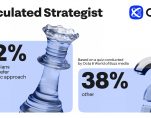
KUALA LUMPUR, MALAYSIA – Media OutReach Newswire – 10 April 2025 – A recent quiz conducted by global broker Octa and World of Buzz media discovered that 62% of Malaysian traders are ‘calculated strategists’—investors who base their decisions on information, risk management, and long-term stability rather than emotional fluctuations. This change in trading behaviour makes rational, strategic investing the new norm. In this article, Octa Broker, a […]

A rare 10.03-carat blue diamond, known as “The Mediterranean Blue,” is the centrepiece of Sotheby’s latest exhibition in Abu Dhabi, showcasing a collection of exceptional diamonds valued at approximately $100 million. The exhibition, which opened on April 8 at the Bassam Freiha Art Foundation on Saadiyat Island, marks Sotheby’s first public display in the United Arab Emirates’ capital since 2009. The Mediterranean Blue, a cushion-shaped modified brilliant-cut […]

Amazon.com Inc. is contemplating a substantial $15 billion investment to establish approximately 80 new logistics facilities across urban and rural areas in the United States. This initiative marks a significant shift from the company’s post-pandemic construction slowdown and aims to enhance its delivery infrastructure nationwide. The proposed expansion includes a mix of delivery hubs and large fulfillment centers equipped with advanced robotics technology. Amazon has invited potential […]

Sheikh Hamdan bin Mohammed bin Rashid Al Maktoum, the Crown Prince of Dubai, Deputy Prime Minister, and Minister of Defence, has embarked on his inaugural official visit to India. During this visit, he engaged in discussions with Prime Minister Narendra Modi, focusing on enhancing the multifaceted ties between the United Arab Emirates and India. The meeting, held in New Delhi, underscored the enduring relationship between the two […]

Global oil prices have fallen to their lowest levels in over four years, driven by escalating trade tensions and fears of a global economic slowdown. Brent crude dropped by 3.79% to $60.44 per barrel, while West Texas Intermediate declined by 4.13% to $57.12, marking their lowest points since February 2021. This decline follows the United States’ implementation of 104% tariffs on Chinese imports, after Beijing maintained its 34% retaliatory tariffs on U.S. goods. The escalating tit-for-tat measures have dampened hopes for a swift resolution, raising concerns about a deepening global recession and diminishing energy demand.

Compounding the situation, the Organization of the Petroleum Exporting Countries and its allies plan to increase output by 411,000 barrels per day in May, potentially leading to a supply surplus. Analysts warn that this move could further destabilize the market. Despite a slight easing from a 1.1 million-barrel decrease in U.S. crude inventories, overall sentiment remains bearish. Goldman Sachs forecasts further declines in oil prices through 2025 and 2026. Additionally, Russia’s ESPO Blend oil has, for the first time, dropped below the $60 Western price cap, underlining the global pressure on oil markets.

In Canada, oil and gas executives are adopting a cautious approach in response to the price slump. Doug Bartole, CEO of InPlay Oil, indicated that while immediate cutbacks in production or spending are not planned, sustained low prices, especially around $50 per barrel, could prompt strategic reassessments. InPlay recently completed a C$321 million acquisition of Alberta oil assets from Obsidian Energy, despite market uncertainties. Analysts from ATB Capital Markets have downgraded InPlay’s share target based on current low WTI price levels. Economist Peter Tertzakian noted that while major oil sands companies can sustain lower prices, smaller firms may need to adjust capital expenditures if the price slump continues. Meanwhile, Birchcliff Energy CEO Chris Carlsen highlighted a potential benefit for natural gas producers, as reduced oil drilling may decrease associated gas output, potentially tightening supply.

The sharp decline in oil prices poses significant challenges for Saudi Arabia’s ambitious Vision 2030 megaprojects, including the futuristic Neom city. Oil remains the backbone of the kingdom’s economy, despite efforts to diversify. With Brent crude recently falling to $62 a barrel and forecasts suggesting further declines due to global economic instability and increased OPEC+ output, the country faces a budget deficit and reduced oil-derived income. Saudi Aramco’s anticipated dividends have dropped significantly, compounding financial pressures. Analysts expect the government may scale back or delay lower-priority projects, focus on key investments like global events, or increase borrowing and taxation. Notably, plans for “The Line” have reportedly been reduced to a 1.5-mile stretch associated with the 2034 FIFA World Cup. Despite reassurances from Saudi officials, concerns persist that the ambitious Neom development, championed by Crown Prince Mohammed bin Salman, may need to be downsized unless oil revenues recover.

The U.S. administration’s tariff policies have been a significant factor in the market’s volatility. While some argue that the tariffs, impacting about 1% of the $28 trillion U.S. economy, are intended to shift global trade dynamics in favor of the United States and counter countries like China, others believe that the market’s reaction has been exaggerated. Despite the uproar, these tariffs would channel approximately $300 billion annually to the U.S. Treasury. Critics argue that the U.S., while the world’s largest importer, has a relatively low import-to-GDP ratio compared to other countries. They contend that China has more to lose in a trade war due to its export-reliant economy and employment structure. American public sentiment appears cautiously supportive of fair trade measures, especially against perceived Chinese industrial subsidies. Some suggest that markets should adopt a wait-and-see approach rather than panicking, likening the administration’s stance to the backlash faced by UK Prime Minister Liz Truss over her economic reform attempts, suggesting a resistance to market-driven pressure.

Falling oil prices, encouraged by policies aimed at reducing regulatory burdens, may bring lower gasoline costs but also discourage new oil production due to unprofitable pricing levels and economic uncertainty. Efforts to stimulate future energy production, such as expanding drilling access and reviving coal via executive order, are counterbalanced by cautious industry investment amidst global trade tensions. Additionally, March 2025 was the second-warmest on record globally, with Arctic sea ice hitting a near half-century low, continuing a concerning trend of climate anomalies. On the tech front, battery startup Bedrock Materials is shutting down due to competitiveness issues against cheaper lithium-ion technology from China. Meanwhile, Tesla alum Drew Baglino’s Heron Power is raising $50 million to develop advanced solid-state transformers, reflecting continued clean-tech investment. Furthermore, the Bezos Earth Fund and Global Methane Hub announced a $27.4 million initiative to identify and breed cattle and sheep that emit less methane, a step toward sustainable livestock farming. These developments reflect significant intersections between policy, environment, and innovation shaping global energy and climate landscapes.


SINGAPORE – Media OutReach Newswire – 9 April 2025 – The highly anticipated Food & Hotel Asia – Food & Beverage (FHA-F&B) event officially opens today, reaffirming its position as Asia’s premier international food and beverage platform. With an expected 65,000 attendees from both local and international markets, FHA-F&B is set to once again unite industry professionals, culinary innovators, and industry leaders under one roof. The opening […]

Matein Khalid Thank God last night was just a manic Monday and not Black Monday, even though I saw doomsday options trade in the index futures market on Sunday night and the VIX was 60 at the open. This is 100% evidence that some major financial institution is in distress because 60 VIX is a 3-sigma event that I have seen only in 9/11, the GFC and […]

Ripple has announced plans to acquire multi-asset prime brokerage firm Hidden Road for $1.25 billion, marking one of the largest acquisitions in the cryptocurrency sector this year. The deal, involving a combination of cash, XRP tokens, and stock, is expected to close in the coming months.

Brad Garlinghouse, Ripple’s Chief Executive Officer, emphasized that the acquisition aligns with the company’s strategy to expand its presence in the United States, particularly as the regulatory environment becomes more accommodating under the current administration. “The U.S. market is effectively open for the first time due to the regulatory overhang of the former SEC coming to an end, and the market is maturing to address the needs of traditional finance,” Garlinghouse stated.

Hidden Road, founded by Marc Asch in 2018, has established itself as a significant player in the financial markets, processing approximately $3 trillion annually and serving over 300 institutional clients. The firm offers a range of services, including clearing, securities lending, and leveraged trade execution. Asch will continue to lead the prime brokerage division post-acquisition, ensuring continuity in leadership and operations.

The integration of Hidden Road into Ripple’s ecosystem is poised to enhance the utility of Ripple’s U.S. dollar-pegged stablecoin, RLUSD. Hidden Road utilizes RLUSD as collateral across its prime brokerage products, a move that could position Ripple more competitively against established stablecoin providers like Tether and USD Coin.

This acquisition is part of Ripple’s broader strategy to leverage its substantial cash reserves for expansion. The company has been actively seeking opportunities to diversify its offerings and solidify its global presence. Garlinghouse has previously highlighted plans to invest in markets with favorable regulatory frameworks, such as the United Arab Emirates and Switzerland.

By Anjan Roy In the wake of Trump’s tariffs and restrictive trade practices, a global economic warfare has been sparked off, with all major economies working up stringent measures to teach the newly elected US prescient, Donald Trump, a lesson: Tariffs are a two way instrument. If you impose tariffs on others, others can impose […]

Treasury Secretary Scott Bessent has disclosed that more than 70 countries have approached the United States to initiate discussions on new trade agreements. This development follows the Trump administration’s implementation of significant tariffs aimed at addressing trade imbalances and protecting domestic industries.

The administration recently imposed a 10% minimum tariff on all imported goods, with higher rates targeting specific nations—25% for allies such as Japan and South Korea, and over 45% for export-reliant countries like Vietnam. These measures have led to global market fluctuations and prompted several nations to seek negotiations. Bessent emphasized that these tariffs serve as a strategic tool to encourage fair trade practices and open markets for American products.

Japan, significantly affected by the new tariffs, has swiftly responded. President Donald Trump announced that Japanese Prime Minister Shigeru Ishiba is sending a delegation to Washington for trade discussions. During a recent call, Ishiba expressed disappointment over the tariffs and urged reconsideration. Bessent noted that Japan’s proactive approach exemplifies the administration’s intention to use tariffs as leverage to bring trading partners to the negotiating table.

The administration’s tariff strategy has elicited mixed reactions domestically and internationally. Critics argue that such measures could escalate into trade wars, leading to increased consumer prices and economic instability. Conversely, supporters contend that the tariffs are a necessary step to rectify longstanding trade inequities and revitalize American manufacturing.

In Congress, the response has been largely supportive among Republicans. Senate Majority Leader John Thune and House Speaker Mike Johnson have opposed bipartisan efforts to limit presidential tariff authority. However, some Republicans, including Senators Chuck Grassley and Mitch McConnell, have advocated for legislation requiring congressional approval for tariffs, reflecting concerns about potential overreach and economic repercussions.

Singapore’s Prime Minister, Lawrence Wong, announced the formation of a dedicated task force to address the nation’s economic vulnerabilities in light of escalating global trade tensions. This initiative aims to safeguard Singapore’s economic interests and mitigate potential adverse effects on its growth trajectory.

The catalyst for this strategic move is the United States’ recent imposition of a universal 10% tariff on imports, a policy that appears non-negotiable regardless of existing trade balances or agreements. Prime Minister Wong expressed deep concern over this development, highlighting that Singapore, with its heavy reliance on global trade, could face significant economic disruptions. He indicated that the nation’s GDP growth projections for 2025, currently set between 1% and 3%, may require downward revision.

Despite the existing free trade agreement and close bilateral ties between Singapore and the U.S., the city-state has not been exempted from these tariffs. Trade Minister Gan Kim Yong voiced disappointment over the U.S. decision, noting that while the agreement permits countermeasures, Singapore has chosen not to retaliate with counter-tariffs to avoid escalating tensions and increasing import costs. Instead, the focus will be on diplomatic engagement to address specific concerns raised by the U.S. administration.

The newly established task force will comprise key government officials, industry leaders, and economic experts. Its mandate includes analyzing the potential impact of global trade policies on Singapore’s economy, formulating strategic responses, and recommending measures to bolster economic resilience. Particular attention will be given to supporting sectors most vulnerable to trade disruptions and exploring opportunities to diversify trade partnerships.

Economists anticipate that the Monetary Authority of Singapore may adjust its monetary policy in response to these challenges. The MAS, which manages policy through the Singapore dollar nominal effective exchange rate , is expected to reduce the slope of the S$NEER band. This adjustment aims to enhance export competitiveness and cushion the economy against external shocks. Analysts, including those from Fitch Solutions and Maybank, have highlighted the potential for U.S. tariffs to significantly impact Singapore’s GDP, underscoring the need for proactive policy measures.

The global economic landscape is further complicated by rising protectionism and geopolitical tensions, particularly between major economies such as the U.S. and China. These dynamics have prompted countries to adopt more assertive trade policies, leading to a fragmented global economy. Prime Minister Wong has previously cautioned that such fragmentation could result in less trade, reduced investments, and hindered economic advancement, emphasizing the importance of maintaining open economic cooperation.

VISHNU RAJA
RYO YAMADA
HITORI GOTOH
IKUYO KITA