News related to
Capital

PHNOM PENH, CAMBODIA – Media OutReach Newswire – 25 March 2025 – Prince Foundation, the philanthropic arm of Prince Holding Group, celebrated the selection of 100 Cambodian students for Batch 4 of the Chen Zhi Scholarship at a ceremony held at Prince Holding Group Headquarters. His Excellency Dr. Hang Chuon Naron, Deputy Prime Minister and Minister of Education, Youth and Sport, attended as guest of honor alongside […]

Tata Communications has unveiled Tata Communications Vayu, a next-generation cloud fabric designed to address the escalating challenges faced by enterprises in managing multi-cloud environments, rising costs, and the growing demands of artificial intelligence infrastructure. This integrated solution aims to simplify cloud operations, reduce expenses, and foster scalable innovation for businesses navigating the complexities of the digital era.

Vayu integrates Infrastructure as a Service , Platform as a Service , AI platforms, security, and cloud connectivity into a unified ecosystem. This consolidation eliminates management complexities, reduces operational costs, and enables enterprises to scale seamlessly without vendor lock-in. The platform’s transparent pricing model and built-in financial operations automation promise cost savings of up to 30%, with reductions of 15-25% compared to major cloud service providers, and notably, without data egress charges or hidden fees.

To support the increasing adoption of AI applications, Vayu offers on-demand access to high-performance NVIDIA GPUs, facilitating AI model training, fine-tuning, and deployment without substantial infrastructure investments. The inclusion of an AI Studio—comprising an AI workbench, model garden, and responsible AI frameworks—further accelerates innovation by providing essential tools for enterprises to develop and implement AI solutions effectively.

The platform’s PaaS services simplify application deployment through serverless computing, auto-scaling, and managed databases. Integrated DevOps tools, API management, and microservices architecture automate workflows, enabling rapid innovation without the burden of infrastructure management. This vendor-agnostic approach ensures cross-platform interoperability, allowing businesses to operate across various cloud environments, including on-premises, multi-tenant, edge, public, or private clouds.

Security remains a cornerstone of Vayu, featuring a zero-trust security framework, advanced identity and access controls, and compliance with key regulations such as the Digital Personal Data Protection Rules 2025, Reserve Bank of India , Securities and Exchange Board of India , Insurance Regulatory and Development Authority of India , and the Ministry of Electronics and Information Technology . Data encryption both at rest and in transit ensures protection against evolving cyber threats, providing enterprises with confidence in their data security.

Sustainability is also a key focus for Vayu, offering carbon-neutral cloud options and energy-efficient data centres. Tata Communications plans to implement direct liquid cooling technology to optimise heat management for high-performance computing, aligning with environmental, social, and governance goals while delivering superior cloud performance.

A.S. Lakshminarayanan, Managing Director and CEO of Tata Communications, highlighted the platform’s significance: “As the digital era accelerates, the need for enterprise cloud and AI solutions that balance performance, cost, and sustainability has never been greater. Tata Communications Vayu is more than a product—it will pioneer a new way forward for businesses to integrate, uncomplicate, and innovate.”

Bhaskar Gorti, Executive Vice President of Cloud and Cybersecurity Services at Tata Communications, emphasised the transformative nature of Vayu: “Tata Communications Vayu signifies a transformational shift. Enterprises today need more than just basic cloud services, and our latest offering is the beginning of a new chapter in cloud evolution—one where technology is no longer an obstacle but an enabler of limitless possibilities.”

The introduction of Vayu positions Tata Communications to compete directly with established cloud service providers such as Google Cloud, Microsoft Azure, and Amazon Web Services . By focusing on cross-platform interoperability, cost predictability, and leveraging its own network infrastructure, Tata Communications aims to differentiate itself in the competitive cloud market. The platform’s emphasis on reducing cloud expenditure by 15-25%, coupled with the absence of data egress charges, presents a compelling value proposition for enterprises seeking efficient and flexible cloud solutions.

Industry analysts note that the Indian public cloud services market is projected to reach $24.2 billion by 2028, growing at a compound annual growth rate of 23.8% from 2023 to 2028. This growth is driven by factors such as digital transformation initiatives, a preference for as-a-service models, and the increasing adoption of AI technologies. Tata Communications’ strategic focus on large enterprises, startups, and academic institutions positions Vayu to capitalise on this expanding market by providing tailored solutions that address the unique needs of these segments.


Aspire partners with global top tier VCs to launch a programme to empower early stage founders with the knowledge, resources and investor connections to fundraise with confidence. SINGAPORE – Media OutReach Neswire – 25 March 2025 – Aspire, the all-in-one finance platform for modern businesses, today announces the launch of Aspire Ignite, a programme designed to help early stage startup founders overcome one of the biggest challenges […]

Strategy, formerly known as MicroStrategy, has significantly expanded its Bitcoin portfolio by acquiring 6,911 bitcoins between March 17 and March 23, 2025. The purchase, totaling approximately $584.1 million, was made at an average price of $84,529 per bitcoin. This acquisition elevates the company’s total holdings to 506,137 bitcoins, acquired at an aggregate purchase price of approximately $33.7 billion, averaging $66,608 per bitcoin.

This move underscores Strategy’s ongoing commitment to Bitcoin as a primary treasury reserve asset. The company’s aggressive accumulation strategy has positioned it as the largest corporate holder of Bitcoin, now controlling nearly 2.4% of the total 21 million bitcoins that will ever exist.

To finance this substantial acquisition, Strategy raised approximately $711.2 million through the issuance of 8.5 million shares of its 10.00% Series A Perpetual Strife Preferred Stock, priced at $85.00 per share. The offering was upsized due to strong investor demand, reflecting confidence in the company’s Bitcoin-focused strategy. The net proceeds from this offering were earmarked for general corporate purposes, including the acquisition of additional Bitcoin and working capital needs.

Michael Saylor, Strategy’s Executive Chairman, hinted at the impending Bitcoin purchase through a cryptic social media post featuring a Bitcoin price chart captioned “needs more orange.” This subtle indication preceded the official announcement of the acquisition, aligning with the company’s pattern of strategic and timely Bitcoin investments.

The company’s approach involves leveraging financial instruments to fund its Bitcoin acquisitions. The Series A Perpetual Strife Preferred Stock offers a fixed annual dividend of 10%, increasing by 1% per year if payments are deferred, capped at 18%. This structure is designed to attract fixed-income investors while providing Strategy with the necessary capital to continue its Bitcoin accumulation.

Despite the substantial investment in Bitcoin, Strategy’s stock experienced a decline of 6.8% to $274.13, amid a broader downturn in the cryptocurrency market. Bitcoin’s price decreased by 2.2% to $82,620 during the same period. This volatility highlights the inherent risks associated with the company’s Bitcoin-centric strategy, as its stock performance remains closely tied to fluctuations in the cryptocurrency market.

In the broader context, the cryptocurrency landscape is experiencing significant developments. President Donald Trump has pledged to transform the United States into the leading Bitcoin superpower and global cryptocurrency hub. In a pre-recorded address to the Blockworks Digital Assets Summit in New York, President Trump criticized previous administrations for their restrictive stance on crypto and announced plans to introduce clear regulations for stablecoins and market structures. These initiatives aim to stimulate investment and innovation in the crypto sector, potentially influencing corporate strategies like that of Strategy.

Six Greater China cities are ranked in the top 20 most expensive office fit out markets in Asia Pacific Hong Kong moves up four places to rank as fifth most expensive fit out market in Asia Pacific, remains most costly in Greater China HONG KONG SAR – Media OutReach Newswire – 24 March 2025 – The cost to fit out an office in key locations across Asia […]

SINGAPORE – Media OutReach Newswire – 24 March 2025 – The Work Project (TWP), the global luxury workspace provider, has marked its entry into the UK market with its first location to open at prime office tower, One Leadenhall, in the centre of the City of London. Leading APAC Flexible Workspace The Work Project to Open First UK Location Developed by Brookfield Properties, London’s new landmark skyscraper […]

British oilfield services and engineering firm Wood Group has agreed to extend its takeover discussions with Dubai-based Sidara, allowing time for the completion of an independent review of Wood’s projects division by Deloitte. This extension comes as Sidara faces a UK regulatory deadline to make a firm offer or withdraw, a deadline now deferred due to mutual agreement. Sidara had previously withdrawn a £1.6 billion bid for […]

Advertisements

The United Arab Emirates has announced an unprecedented commitment to invest $1.4 trillion in the United States over the next decade, marking a significant deepening of economic ties between the two nations. This ambitious investment framework aims to bolster key sectors of the U.S. economy, including artificial intelligence infrastructure, semiconductors, energy, and manufacturing. The announcement follows a series of high-level meetings in Washington, D.C., where UAE National […]

HONG KONG SAR – Media OuReach Newswire – 24 March 2025 – Economist Impact successfully concluded its 5th annual Technology for Change Asia on March 12th and 13th at the Hopewell Hotel in Hong Kong, bringing together over 570 leaders to explore the transformative power of emerging technologies for business and society. Photo caption: Albert Wong Hak-keung, chief executive officer of Hong Kong Science & Technology Parks […]

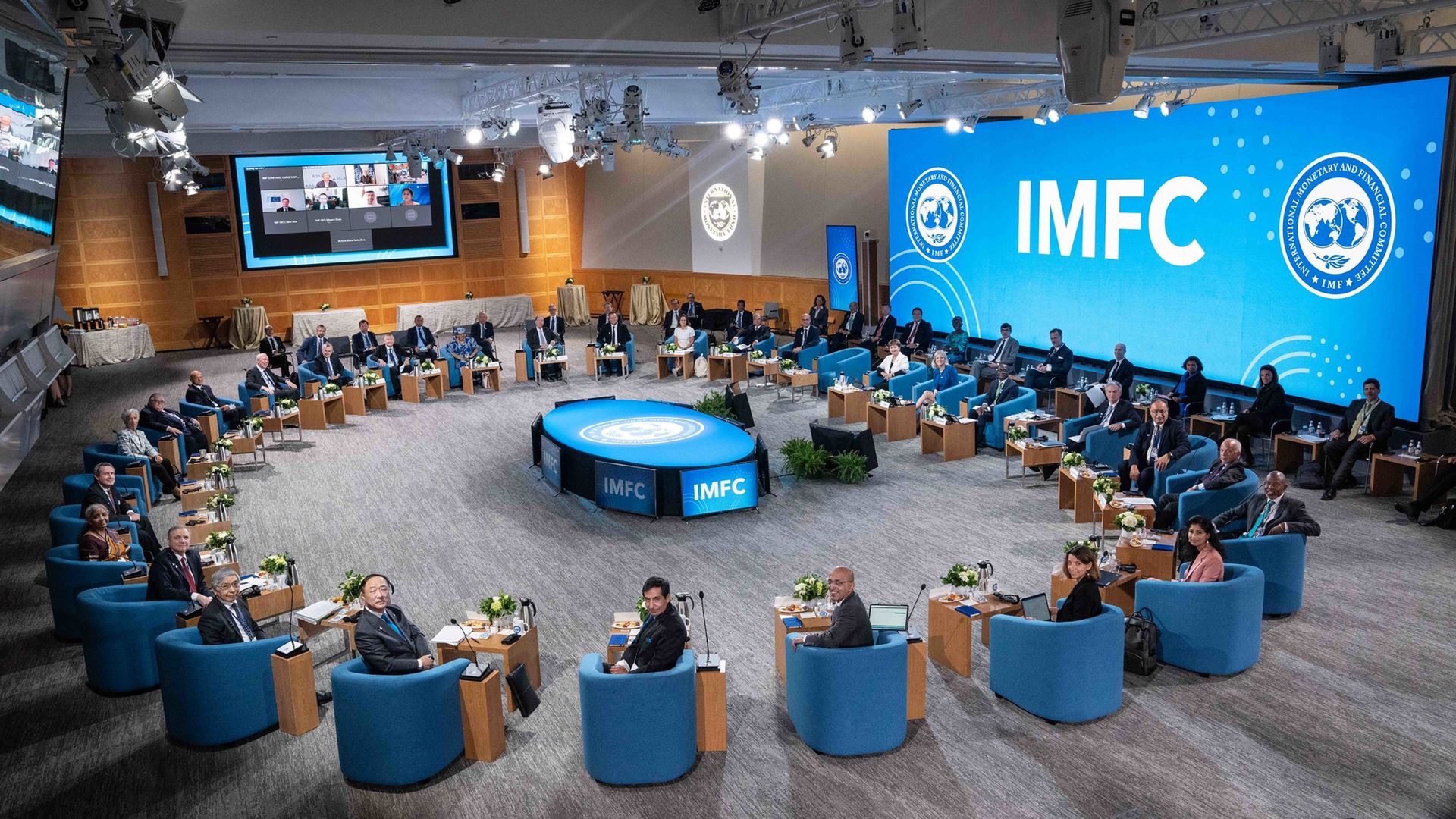
The International Monetary Fund has officially incorporated Bitcoin and other cryptocurrencies into its global economic statistics, reflecting their growing significance in the financial landscape. The IMF’s Balance of Payments Manual, Seventh Edition , released on March 20, 2025, provides detailed guidance on the classification and treatment of digital assets, marking a pivotal shift in international financial reporting standards.

In this updated manual, the IMF categorizes digital assets into two primary types: fungible and non-fungible tokens. Fungible tokens, such as Bitcoin, are further divided based on the presence or absence of corresponding liabilities. Cryptocurrencies like Bitcoin, which do not have associated liabilities and function as mediums of exchange, are classified as non-produced nonfinancial assets. These assets are recorded separately in the capital account, acknowledging their unique nature and economic role.

Conversely, digital assets with corresponding liabilities, such as certain stablecoins, are treated as financial instruments. This distinction underscores the IMF’s effort to accurately reflect the economic realities of various digital assets within the global financial system.

The BPM7 also addresses the classification of tokens tied to specific platforms. For instance, cryptocurrencies like Ethereum and Solana, which are integral to their respective platforms, may be treated akin to equity holdings in the financial account. This approach aligns with traditional financial principles, where ownership of platform-specific tokens is comparable to holding equity in a company.

The IMF recognizes activities such as staking and mining, which are essential for validating cryptocurrency transactions, as income-generating services. Rewards from these activities are treated similarly to dividends and are recorded as income, depending on the size and purpose of the holdings. This recognition reflects the growing economic impact of digital assets and adds visibility to related services in macroeconomic statistics.

The inclusion of cryptocurrencies in the IMF’s standards signifies a broader trend of acknowledging the role of decentralized digital currencies in the financial system. By treating cryptocurrencies as non-produced assets, the IMF acknowledges their unique characteristics and the need for specialized economic analysis.

This development is expected to enhance transparency and provide a more comprehensive view of global economic activities. It also highlights the IMF’s commitment to staying abreast of technological advancements and their impact on the global economy. As cryptocurrencies continue to evolve, this recognition by the IMF sets a precedent for other international organizations and governments to follow suit, potentially leading to more standardized and regulated approaches to digital currencies.

The IMF’s updated framework also addresses the complexity of staking and crypto yields, noting that rewards from holding tokens could be treated like equity dividends and recorded as income, based on the size and purpose of the holdings. Notably, this update helps countries better track the economic impact of digital assets. The IMF now treats activities like mining or staking, which help validate crypto transactions, as services. These will be included in computer services exports and imports.

The United Arab Emirates property market is witnessing a notable influx of foreign institutional investors, marking a significant shift from its earlier reputation as a speculative arena dominated by individual buyers. This transformation is attributed to a combination of regulatory reforms, economic diversification, and the nation’s robust infrastructure, collectively enhancing the market’s appeal to large-scale investors. Historically, the UAE’s real estate sector was perceived as volatile, with […]

Dubai is implementing significant regulatory reforms to enhance its status as a burgeoning hub for hedge funds. The Dubai Financial Services Authority is conducting a comprehensive review of existing regulations to eliminate unnecessary burdens and lower entry barriers for financial firms.

The DFSA has proposed reducing the minimum capital requirements for certain money managers, aligning more closely with European Union and United Kingdom standards. This marks one of the most substantial regulatory shifts in nearly two decades. Currently, Dubai hosts over 70 hedge funds, with a significant number managing assets exceeding $1 billion.

In addition to lowering capital thresholds, the DFSA is considering reducing the amount of emergency cash that firms are required to maintain. Furthermore, the authority may abolish rules necessitating regulatory approval for key personnel hires, shifting the responsibility of vetting to the companies themselves.

These proposed changes aim to minimize barriers to entry and foster a more conducive business environment for hedge funds. The DFSA emphasizes that these reforms will maintain compliance with international regulatory standards while promoting growth within the financial sector.

The Dubai International Financial Centre , established in 2004, operates as an independent jurisdiction within the United Arab Emirates, with its own legal and regulatory framework based on international standards and principles of common law. This unique environment has been instrumental in attracting global financial services and related industries to Dubai.

The DIFC does not impose any investment or leverage restrictions on hedge funds, providing managers with broad flexibility to design products that align with their strategies. Mandatory disclosures are required in the hedge fund’s prospectus, and specific rules relate to prime brokers, who must be eligible custodians authorized to provide custody services in the DIFC or recognized foreign entities.

Setting up a fund in the DIFC requires either establishing a domestic fund manager or licensing an existing fund manager from a recognized jurisdiction to act as the external fund manager of the DIFC fund. The base capital requirement for a Category 3C Fund Manager is $70,000, with actual capital required depending on the nature and scale of the business.

The DFSA’s commitment to promoting the development of the financial services industry in Dubai has garnered support from international bodies such as the Managed Funds Association . The MFA acknowledges that the new statutory objective will help the DFSA prioritize the growth of the financial services industry in Dubai, allowing alternative investment funds to better serve institutional investors in the region.

The evolving regulatory environment in the UAE is critical for hedge funds and alternative investment firms looking to thrive in the region. Understanding key regulatory trends, upcoming changes, and potential areas of focus provides valuable insights for those already regulated or exploring opportunities in the UAE’s dynamic financial landscape.

Matein Khalid Risk assets went ballistic this week as DonnyT did his tariff man war dance, hurled his Tomahawk at Canada, Mexico, China and EU as Liberation Day begins on April 2nd in Year Zero of the Ten Thousand Year MAGA Empire. Long years ago, America made a tryst with destiny and now comes the time, we must redeem our pledge to The Donald, the Don of […]

Revitalised Industrial Building Transformed into State-of-the-Art Smart Headquarters Sets Industry Benchmark HONG KONG SAR – Media OutReach Neswire – 21 March 2025 – ATAL Engineering Group (“ATAL”), a leading provider in electrical and mechanical (E&M) engineering and information and communications technology (ICT) services for smart cities, today held the Opening Ceremony for ATAL Design, Research and Training Centre and its new headquarters, ATAL Tower. This milestone underscores […]

The Open Network Foundation has addressed circulating reports suggesting it raised $400 million in a funding round. Contrary to these claims, the Foundation clarified that prominent venture capital firms have collectively acquired over $400 million worth of Toncoin, the native cryptocurrency of the TON blockchain, through purchases from early investors.

Among the investors are notable firms such as Sequoia Capital, Ribbit, Benchmark, and Kingsway. Additional participants include Vy Capital, Draper Associates, Libertus Capital, CoinFund, Hypersphere, SkyBridge, and Karatage. These investments were made directly in Toncoin, rather than through traditional equity or cash transactions. A spokesperson for the TON Foundation emphasized that this is not a fundraising round but rather a strategic move by these venture capitalists, reflecting their confidence in the future success and utility of the TON blockchain and its expanding ecosystem.

The TON blockchain, originally developed by the founders of the messaging app Telegram, operates as a decentralized network supporting the development of Mini Apps within the Telegram ecosystem. In January, the Foundation strengthened its partnership with Telegram, designating TON as the exclusive blockchain for Telegram’s Mini Apps Ecosystem. This collaboration aims to provide Telegram’s extensive user base, which significantly exceeds 1 billion monthly active users, with seamless access to financial applications, including efficient payment solutions for goods and services.

Over the past year, the TON blockchain has experienced substantial growth. The number of active accounts surged from 4 million to 41 million, and Toncoin holders surpassed 121 million, exceeding the number of wallets holding Bitcoin. This remarkable expansion has attracted institutional investors globally, underscoring the network’s robust capabilities and potential.

Looking ahead, the TON Foundation aims to onboard 30% of active Telegram users to the TON blockchain by 2028. This ambitious goal will be driven by four key verticals:

1. Attracting users through Telegram’s native intellectual property, such as stickers, gifts, and on-chain collectibles.

2. Introducing engaging and rewarding multiplayer mini-games.

3. Providing decentralized finance solutions that offer user-friendly savings options with sustainable returns.

4. Creating practical payment applications that deliver real-world utility for crypto holdings.

Shaun Maguire, Partner at Sequoia Capital, expressed enthusiasm about the collaboration, stating, “The TON team is the best in the world at the intersection of consumer product thinking and crypto infrastructure. When you combine this with the global distribution of Telegram, we’re very excited to see where they go.”

Steadfastly Implements High-Quality Development Strategies and Optimize Channel Structures with a Focus on Global Market Expansion HONG KONG SAR – Media OutReach Neswire – 21 March 2025 – ZJLD Group Inc. (“ZJLD” or the “Company”, together with the Company’s subsidiaries, collectively the “Group”) (SEHK stock code: 06979. HK), an outstanding representative in the Chinese baijiu industry and the first baijiu company listed in Hong Kong Stock Exchange, […]

Chinese financial experts have raised concerns that US dollar-pegged stablecoins may strengthen the dollar’s global dominance by linking international credit to virtual economies. They advocate for China to develop its own stablecoins to enhance the yuan’s international standing.

A recent opinion piece published in several Chinese outlets considers how China should respond to the proliferation of US dollar stablecoins. The article suggests that China’s central bank should consider issuing its own stablecoins to counter the influence of dollar-pegged digital currencies.

Wang Yongli, former Vice President of the Bank of China, analyzed the position of the U.S. dollar as the world’s dominant currency and its implications for China’s monetary strategy. He pointed out that many countries, including China, have sought to internationalize their currencies and reduce reliance on the dollar, but these efforts face significant challenges. Despite China being the world’s second-largest economy and the largest trading nation in goods, the RMB’s share in global payments remains low, only around 4%, compared to the dollar’s nearly 50%. The RMB’s share in global reserves is also minimal, at just over 2%, while the U.S. dollar, despite declining from its peak, still accounts for nearly 60%.

China has been proactive in developing its own central bank digital currency , known as the digital yuan or e-CNY. This initiative aims to modernize the country’s payment systems and promote the yuan’s international use. The digital yuan is currently being tested in various regions and sectors within China, with plans for broader implementation in the future.

The internationalization of the yuan faces challenges, particularly due to China’s stringent capital controls, which limit the currency’s convertibility. These controls are in place to maintain financial stability but hinder the yuan’s acceptance as a global currency. Additionally, geopolitical tensions and U.S. sanctions add complexity to China’s efforts to promote the yuan internationally.

In response to these challenges, Chinese researchers have proposed the idea of a common Asian digital currency. Such a currency could reduce the region’s reliance on the U.S. dollar and enhance financial cooperation among Asian countries. This proposal reflects a strategic move to counter the dollar’s dominance and promote regional financial stability.

The proliferation of US dollar stablecoins presents both opportunities and challenges for global financial systems. While they offer efficiency and accessibility in digital transactions, they also reinforce the dollar’s hegemony, potentially undermining other currencies. China’s consideration of its own stablecoins and the development of the digital yuan are strategic efforts to enhance the yuan’s global standing and mitigate the risks associated with dollar-dominated digital currencies.

JAKARTA, INDONESIA – Media OutReach Newswire – 21 March 2025 – VinFast has signed a Memorandum of Understanding (MoU) with PT Aribi Amartapura (Amarta), one of Indonesia’s leading vehicle distributors, to accelerate the expansion of its showroom network in the country. This partnership marks a significant milestone in VinFast’s global dealership strategy, enhancing brand visibility and bringing its electric vehicles closer to Indonesian customers. VinFast Asia CEO […]

Many factors come into play when choosing a reliable broker to start your trading journey. For someone with limited experience in the markets, this choice can be very confusing, and the priorities are hard to define. However, traders have their own trove of practical knowledge, and tapping into it can shed light on brokers’ red flags. As part of its global research, global broker Octa surveyed hundreds […]

President Donald Trump has called on Congress to expedite the passage of stablecoin and cryptocurrency reserve legislation, emphasizing the need for regulatory clarity in the rapidly evolving digital asset sector. This appeal was made during his address at the Digital Asset Summit, marking the first time a sitting U.S. president has spoken at a cryptocurrency-focused conference.

In his speech, President Trump underscored the importance of integrating digital assets into the mainstream financial system, stating, “We must ensure that our regulatory framework fosters innovation while protecting consumers and maintaining financial stability.” He urged legislators to deliver comprehensive bills to his desk before the congressional recess in August, reflecting a sense of urgency in addressing the regulatory challenges posed by digital currencies.

This development follows the Senate Banking Committee’s recent advancement of the Generating Necessary Information for Unobstructed Selection Act, a bipartisan bill co-sponsored by Senators Bill Hagerty and Kirsten Gillibrand. The GENIUS Act aims to provide federal legitimacy to stablecoins, digital currencies pegged to traditional assets like the U.S. dollar, by establishing a dual regulatory framework. This framework would allow stablecoin issuers to register with either state or federal authorities, thereby promoting their adoption as mainstream payment options. However, critics, including Senator Elizabeth Warren, have raised concerns about potential risks such as insufficient consumer safeguards and financial instability, cautioning against a possible Big Tech takeover of the dollar.

In addition to legislative efforts, the Trump administration has taken proactive steps to position the United States as a leader in the digital asset space. Earlier this month, President Trump signed an executive order establishing a Strategic Bitcoin Reserve and a U.S. Digital Asset Stockpile. The Strategic Bitcoin Reserve is designed to treat bitcoin as a reserve asset, capitalized with bitcoin forfeited in criminal or civil asset forfeiture proceedings. This move aims to create a “digital Fort Knox,” signaling a significant shift in the U.S. government’s approach to digital assets. The U.S. Digital Asset Stockpile will consist of other digital assets obtained through similar forfeiture proceedings, with strategies for their responsible stewardship under consideration.

The administration’s actions have been met with both optimism and skepticism. Proponents argue that these measures will integrate cryptocurrencies more deeply into the financial system, transforming them into viable payment systems and investment vehicles. Kevin O’Leary, a prominent investor and “Shark Tank” star, remarked that under President Trump’s leadership, cryptocurrency is moving away from its “cowboy era,” referencing past market volatility and regulatory uncertainties. O’Leary noted that with the implementation of regulations, crypto is becoming more integrated with financial institutions, signaling a maturation of the industry.

Conversely, critics express concerns over the rapid institutionalization of digital assets without comprehensive regulatory oversight. They caution that an overly permissive stance could lead to financial instability and inadequate consumer protections. The debate highlights the delicate balance policymakers must strike between fostering innovation and ensuring the safety and soundness of the financial system.

The Digital Asset Summit also featured discussions on the global implications of the United States’ digital asset policies. Industry leaders emphasized the need for international collaboration to establish harmonized regulatory standards, citing the borderless nature of cryptocurrencies. They argued that coordinated efforts are essential to prevent regulatory arbitrage and to promote the healthy development of the global digital asset ecosystem.

As the legislative process unfolds, all eyes are on Congress to see how it will navigate the complex landscape of digital asset regulation. The outcome will have profound implications not only for the United States but also for the global financial system, as nations worldwide grapple with the challenges and opportunities presented by the rise of digital currencies.

The TON Foundation, the entity overseeing the development of The Open Network blockchain, has successfully raised over $400 million through the sale of its native cryptocurrency, Toncoin. This substantial investment underscores the growing confidence in blockchain technologies and their potential applications.

Prominent venture capital firms participated in this funding round, including Sequoia Capital, Ribbit, Benchmark, and Kingsway. Additional investors such as Vy Capital, Draper Associates, Libertus Capital, CoinFund, Hypersphere, SkyBridge, and Karatage also contributed, reflecting a broad spectrum of interest from established financial entities.

A spokesperson for the TON Foundation clarified that these investments were made directly in Toncoin, rather than through traditional equity or cash transactions. This approach aligns with the foundation’s commitment to integrating investors into the TON ecosystem, promoting active participation and alignment with the network’s growth objectives.

The TON blockchain, initially conceptualized by Telegram, has experienced significant development and adoption. Over the past year, it has attracted more than 40 million active users, with the number of independent Toncoin holders reaching approximately 121 million. This rapid expansion highlights the platform’s scalability and its appeal to a diverse user base.

Toncoin serves multiple functions within the TON ecosystem, including transaction fees, staking, and governance. Validators and stakers receive Toncoin rewards for securing the network, and holders can participate in on-chain governance by submitting and voting on improvement proposals. This multifaceted utility enhances the token’s value proposition and encourages community engagement.

The involvement of high-profile investors such as Sequoia Capital and Benchmark not only provides substantial financial backing but also brings strategic expertise to the TON Foundation. These firms have a history of supporting innovative technology ventures, and their participation is expected to accelerate TON’s development and market penetration.

The decision to raise funds through a token sale rather than traditional equity financing reflects a broader trend in the blockchain industry. This method allows for immediate liquidity and aligns investor incentives with the network’s performance, fostering a more integrated and symbiotic relationship between the foundation and its backers.

The successful capital raise positions the TON Foundation to further enhance its infrastructure, expand its user base, and explore new applications for its blockchain technology. As the blockchain landscape continues to evolve, TON’s ability to attract significant investment underscores its potential to become a major player in the decentralized technology space.

This development also reflects a growing institutional interest in cryptocurrencies and blockchain projects. The participation of established venture capital firms signifies a maturation of the industry, with traditional investors recognizing the long-term potential of decentralized networks and digital assets.

The TON Foundation’s strategic approach to fundraising and its commitment to integrating investors into its ecosystem may serve as a model for other blockchain projects seeking sustainable growth and community engagement. By aligning the interests of investors, developers, and users, TON aims to foster a vibrant and resilient network capable of adapting to the rapidly changing technological landscape.

HONG KONG SAR – Media OutReach Neswire – 20 March 2025 – Hong Kong has maintained its World No.3 ranking in the latest Global Financial Centres Index (GFCI) after New York (No.1) and London (No.2). Hong Kong’s overall rating increased by 11 points to 760, remaining top in the Asia-Pacific region. The biannual GFCI, published today (March 20) by the Z/Yen from the United Kingdom and the […]

Ripple Labs has achieved a significant legal victory as the U.S. Securities and Exchange Commission officially dropped its lawsuit against the company. This development has not only propelled XRP’s market performance but also opened the door for future financial products centered around the cryptocurrency.

The SEC’s decision to withdraw its case concludes a four-year legal battle that began in December 2020, when the agency accused Ripple of conducting unregistered securities sales totaling $1.3 billion. Ripple’s CEO, Brad Garlinghouse, announced the resolution, marking a pivotal moment for the company and the broader cryptocurrency industry. He described the SEC’s move as a “resounding victory” and a “long overdue surrender” by the regulator.

The immediate market reaction to the news was pronounced. XRP’s price surged by approximately 13%, reaching nearly $2.56. This surge solidified XRP’s position as the third-largest cryptocurrency by market capitalization, trailing only Bitcoin and Ethereum. The broader cryptocurrency market also experienced positive momentum, with Bitcoin rising 2.2% to $84,096 and Ethereum increasing 6.6% to $2,031.

Beyond the immediate market implications, Ripple’s legal victory has broader significance for the cryptocurrency industry. The case had been closely watched as a potential precedent for how digital assets might be regulated in the United States. The SEC’s decision to drop the lawsuit may signal a more favorable regulatory environment for cryptocurrencies, encouraging further institutional adoption and investment.

In the aftermath of the legal resolution, Ripple’s CEO, Brad Garlinghouse, expressed optimism about the company’s future prospects. He anticipates the launch of an XRP exchange-traded fund by the end of 2025, reflecting growing investor interest and potential regulatory acceptance. Garlinghouse stated, “I have immense confidence in the ETFs. I think there are 11 different filings pending with the SEC to launch XRP ETFs. I think those will be live in the second half of this year.”

The potential approval of an XRP ETF would represent a significant milestone for Ripple and the broader cryptocurrency market. ETFs provide investors with a regulated and accessible means to gain exposure to digital assets, potentially attracting a broader investor base. Several applications for XRP ETFs are currently under review by the SEC, including proposals for spot, leveraged, and inverse ETFs. Notably, asset management firm Franklin Templeton has recently joined the list of applicants, underscoring the growing institutional interest in XRP.

The resolution of Ripple’s legal challenges and the anticipated launch of an XRP ETF come at a time of increasing mainstream acceptance of cryptocurrencies. Major financial institutions are exploring digital asset offerings, and regulatory clarity is gradually improving. Ripple’s recent developments position the company to capitalize on these trends and potentially expand its influence within the financial sector.

However, challenges remain. The cryptocurrency industry continues to navigate a complex regulatory landscape, and the approval of an XRP ETF is contingent upon the SEC’s assessment of market stability, investor protection, and other factors. Additionally, the volatility inherent in cryptocurrency markets poses risks that both investors and regulators must consider.

Despite these challenges, Ripple’s recent achievements have bolstered confidence among its stakeholders. The company’s proactive engagement with regulators and commitment to compliance have been pivotal in resolving legal disputes and paving the way for future innovations. As the industry evolves, Ripple’s experience underscores the importance of collaboration between regulators and cryptocurrency firms to foster a sustainable and inclusive financial ecosystem.

Cognite, an industrial software firm backed by Saudi Aramco, has inaugurated an artificial intelligence services center in Bengaluru, Karnataka. The company is actively pursuing partnerships with leading Indian conglomerates to enhance industrial operations through advanced AI solutions. The newly established center has already secured collaborations with a prominent cement manufacturer and a major automotive company, though specific details remain undisclosed. Håkon Bjerke, Cognite’s Chief Strategy Officer, emphasized […]

VISHNU RAJA
RYO YAMADA
HITORI GOTOH
IKUYO KITA