News related to
China

Government authorities are moving to compel smartphone manufacturers to submit portions of their operating system source code for mandatory security audits, escalating a standoff with global technology companies that warn such a requirement could undermine intellectual property protections and user privacy. The proposal, under discussion within policy circles in New Delhi, reflects mounting concern about cyber intrusions, supply-chain vulnerabilities and the growing role of mobile devices in payments, governance and national security.

Officials familiar with the matter say the plan would require vendors selling smartphones in the country to make critical software components available for inspection by government-approved laboratories. The focus would be on core operating system layers, firmware and security modules rather than consumer-facing applications. Proponents argue that access to code is essential to verify whether hidden vulnerabilities, backdoors or insecure update mechanisms could be exploited by hostile actors.

The push has brought the government into direct tension with companies such as Apple and Samsung, whose devices dominate the premium and mass-market segments. Executives and industry representatives have privately conveyed resistance, arguing that exposing proprietary code, even to auditors bound by confidentiality, creates unacceptable risks of leaks and reverse engineering. They also contend that global platforms already undergo extensive third-party security testing and comply with international standards.

At the heart of the debate is whether national security imperatives justify a departure from prevailing global norms. Countries including China and Russia operate regimes that allow state scrutiny of technology products, though often under opaque processes that foreign firms say are difficult to reconcile with commercial safeguards. Western regulators have largely relied on certification frameworks, vulnerability disclosure programmes and cooperation with vendors rather than direct access to source code. India’s approach, if formalised, would place it closer to the former camp, potentially setting a precedent for other large emerging markets.

Government officials counter that smartphones have become gateways to sensitive data far beyond personal communications. Devices are routinely used for digital identity verification, financial transactions and access to public services. Any systemic weakness could have cascading effects. They also point to a rise in sophisticated cyber operations attributed by security researchers to state-linked groups, arguing that reliance on vendor assurances is no longer sufficient.

The proposal is understood to be steered by the Ministry of Electronics and Information Technology, which has expanded its remit in cybersecurity and digital governance. Policy discussions have examined models ranging from escrow-based code access, where source material is held by a trusted intermediary, to controlled on-site inspections without code being copied. Each option presents trade-offs between assurance and exposure.

Industry bodies warn that mandatory disclosure could chill investment and complicate product launches. Smartphone operating systems are developed on global codebases, updated frequently and protected by layers of licensing agreements with component suppliers. Altering that structure for a single market risks fragmenting development and delaying security patches. There are also concerns about reciprocity: once one jurisdiction demands code access, others may follow, multiplying compliance burdens.

Privacy advocates occupy an ambivalent position. Some support deeper scrutiny to ensure devices do not surreptitiously collect or transmit data. Others caution that state access to low-level software could itself become a vector for abuse if oversight is weak. They stress the need for transparent audit criteria, independent supervision and clear limits on how findings are used.

The commercial stakes are significant. India is one of the world’s largest smartphone markets by volume and a critical manufacturing hub under production-linked incentive schemes. Companies have invested heavily in assembly plants and local supply chains, betting on policy stability. A protracted dispute over code access could influence decisions on future capacity and research investment, even if an outright exit is unlikely.
Agreement reaffirms Media OutReach Newswire’s role as the leading newswire for Asia Pacific

HONG KONG SAR – Media OutReach Newswire – 12 January 2026 – Asia News Network (ANN) and Media OutReach Newswire have entered a partnership for corporate news releases. The landmark agreement means that Media OutReach Newswire, as the only newswire, provides guaranteed online news postings on the ANN news website.

Media OutReach Newswire and Asia News Network (ANN) Form Corporate News Release Partnership

ANN was formed in 1999 to promote coverage of news from Asia through Asian journalists, bringing Asia closer. This aligns well with Media OutReach Newswire’s goal of bringing the stories of Asian organisations to journalists and audiences across Asia Pacific and globally.

As Asia’s leading news media alliance, ANN consists of 20 leading media titles from Southeast Asia, East Asia and South Asia. The full list of ANN member media can be found in the table below.

ANN Member Media Country
The Daily Star Bangladesh
Kuensel Bhutan
Borneo Bulletin Brunei
The Phnom Penh Post Cambodia
China Daily China
The Japan News Japan
The Statesman India
The Jakarta Post Indonesia
MYSinchew Malaysia
Vientiane Times Laos
The Star Malaysia
gogo Mongolia Mongolia
ELEVEN Media Group Myanmar
The Kathmandu Post Nepal
DAWN Pakistan
INQUIRER.net Philippines
The Straits Times Singapore
The Korea Herald South Korea
The Nation Thailand
Việt Nam News Vietnam

The landmark corporate press release partnership means that Media OutReach Newswire significantly enhances the reach and impact of clients’ communications across Asia, making their press releases reach even wider audiences in countries across the region and the globe. It is also testament to the uniquely high level of trust that exists between Media OutReach Newswire and the media. Each of the 20 member media gave Media OutReach their vote of confidence, and each of the media is the leading publication in their respective home country.

ANN Member Media

Jennifer Kok, Founder & CEO of Media OutReach Newswire, said: “We are very pleased, proud and honoured to have entered this partnership with ANN. Not only is it Asia’s leading news media alliance, but the group’s members are also the leading newspapers of their countries, publications with the highest of reputations. The partnership enables us to significantly increase the reach and impact of our clients, across Asia and the globe, further cementing Media OutReach Newswire as the leading newswire for Asia Pacific.”

Jennifer continued, “The partnership also means that we’re the only newswire that provides guaranteed online news posting on ANN, strengthening our clients’ online visibility – both in terms of SEO and GEO for AI search – leading to higher rankings and citations in AI generated answers.” She concluded, “Furthermore, ANN and Media OutReach share the same ethos and goal, which is to promote the coverage of Asian affairs, bringing the stories of Asian organisations to audiences across Asia and the globe, so the partnership is a perfect fit.”

Media OutReach Newswire is the only newswire that provides guaranteed online news posting exclusively and 100% on real, authentic news media. The guaranteed posting of press releases on authoritative online news media sites such as ANN, with its high credibility and trust, along with hundreds of thousands monthly visitors, provides a powerful tool to boost brand visibility – both GEO for AI Search and SEO for search engines – and it leads to brand citations in the AI generated answers from the leading LLMs.

The landmark partnership with Asia News Network further cements Media OutReach Newswire as the leading global newswire for Asia Pacific. Media OutReach Newswire offers clients the widest press release distribution network in Asia Pacific – along with guaranteed visibility on real news media across Asia Pacific, the wider Asia region and the globe.

Media OutReach Newswire’s total communications solutions help PR professionals achieve success, with targeted distribution, direct journalist access, guaranteed visibility on real news media, ready-to-use reporting, and C-suite ready PR campaign intelligence showing ROI.

Hashtag: #MediaOutReachNewswire #pressrelease

The issuer is solely responsible for the content of this announcement.

About Media OutReach Newswire

Media OutReach Newswire is Asia Pacific’s first global newswire, serving as a trusted partner to the media, and PR professionals at corporations, agencies and governments across the region and the globe.

Founded in 2009 as a champion of the PR industry, Media OutReach Newswire leverages next-generation technology to redefine press release distribution and reporting, with data insights and PR campaign intelligence, providing total communications solutions for PR professionals.

With a global network of 200,000 journalists and editors, 70,000+ media titles, 1,500 media partners, and more than 40 languages, Media OutReach Newswire is the only newswire with guaranteed verbatim postings exclusively on real news sites. Press releases on authentic media are trusted by search engines and AI models, powering both SEO and AI search GEO, surfacing brands for LLM citations.

Headquartered in Hong Kong, with offices across China, Singapore, Japan, Malaysia, Thailand, Vietnam, and Taiwan, the global press release distribution network spans Asia Pacific and Southeast Asia, the US, Canada, South and Latin America, Europe, the Middle East, and Africa.

For more information about our services, solutions and network, please visit

China’s commerce authorities have set out plans to reinforce the country’s legal and regulatory architecture governing trade, placing export controls and supply-chain risk management at the centre of economic policy for the year ahead. The agenda, outlined by the Ministry of Commerce of the People’s Republic of China, reflects Beijing’s determination to shield domestic industries from external shocks while maintaining its position as a pivotal node in global manufacturing and logistics networks.

Officials said the push will focus on tightening the legal framework that underpins foreign trade, improving the design and enforcement of export control mechanisms, and strengthening early-warning systems to guard against disruptions. The ministry described supply-chain resilience as a strategic priority, arguing that legal certainty and predictable controls are essential to sustaining economic stability amid persistent geopolitical tensions and shifting global demand.

Export controls have become a particularly sensitive policy lever for China as advanced technologies, critical minerals and dual-use goods face growing scrutiny worldwide. Over the past two years, Beijing has expanded the scope of its export control regime, introducing licensing requirements and compliance obligations that mirror, in some respects, measures imposed by other major economies. Officials now say further refinement is needed to close loopholes, clarify enforcement standards and ensure that rules are aligned with broader industrial and security objectives.

The commerce ministry’s policy outline also emphasises the need to improve coordination among regulators, customs authorities and law-enforcement agencies. By streamlining oversight and information-sharing, Beijing aims to reduce regulatory fragmentation that businesses have long complained adds cost and uncertainty to cross-border operations. Officials argue that a more coherent system will help enterprises navigate compliance requirements while allowing the state to respond more swiftly to emerging risks.

Legal experts in China note that the emphasis on statutory clarity signals a shift away from ad hoc administrative guidance towards more formalised rules. This approach, they say, could provide companies with clearer expectations, particularly foreign-invested firms that often struggle to interpret policy signals. At the same time, stronger legal backing for export controls may give regulators broader discretion to act when national security concerns are invoked.

The policy direction comes as global supply chains continue to recalibrate. Trade frictions, sanctions regimes and technology restrictions have prompted multinational companies to reassess sourcing strategies, diversify production bases and build redundancy into logistics networks. China, while seeking to retain its manufacturing dominance, has also encouraged domestic firms to reduce exposure to external vulnerabilities by investing in upstream capabilities and alternative markets.

Officials have framed the new priorities as part of a broader effort to balance openness with security. While reaffirming commitments to trade facilitation and market access, the commerce ministry stressed that safeguarding key sectors and technologies remains non-negotiable. This dual emphasis reflects guidance from top leadership that economic policy must serve both development and security goals, a theme repeatedly highlighted in speeches by Xi Jinping.

Industry analysts say the strengthened export control regime is likely to have uneven effects across sectors. Producers of high-tech components, rare earths and advanced materials may face tighter scrutiny, while exporters of consumer goods could see limited direct impact. However, the broader compliance environment may become more demanding, requiring companies to invest in legal expertise, internal controls and supply-chain mapping.

Foreign chambers of commerce in China have previously urged authorities to ensure transparency and proportionality in export control enforcement. Businesses worry that ambiguous rules or retroactive application could disrupt contracts and undermine confidence. The commerce ministry has sought to address these concerns by signalling that legal reforms will be accompanied by clearer guidance and procedural safeguards, though details on implementation timelines remain limited.

Beyond export controls, the policy outline highlights risk prevention across trade finance, logistics and overseas investment. Officials pointed to the need for monitoring mechanisms that can detect stress points early, whether arising from financial volatility, shipping bottlenecks or regulatory changes abroad. Strengthening such systems, they argue, will help Chinese firms adapt more quickly and reduce the likelihood of cascading disruptions.

BYD has begun integrating advanced LiDAR sensing into some of its lowest-priced electric vehicles, a move that signals a sharp escalation in the race to make assisted and autonomous driving features available to mass-market buyers. The Chinese automaker has confirmed that models including the Seagull and Dolphin will carry LiDAR-based perception as part of its proprietary “God’s Eye” driver-assistance system, despite starting prices that hover around the […]

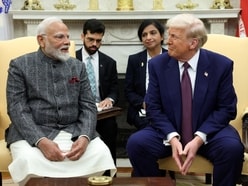
By Nitya Chakraborty U.S. commerce secretary Howard Lutnick’s stunning podcast on Thursday claiming that the bilateral India-US trade deal was almost ready but was not signed as Prime Minister did not call the U.S. President Donald Trump as was expected by the Americans. This lack of proper gesture on the part of the Indian PM […]

The article Modi Mustn’t Rush To Appease Trump On Trade Deal, Explore Options appeared first on Latest India news, analysis and reports on Newspack by India Press Agency).

Brent crude futures have strengthened sharply this week as traders responded to escalating instability in Iran and broader geopolitical risks that are reshaping oil markets. Supply concerns linked to nationwide protests in one of the Organisation of the Petroleum Exporting Countries’ most significant producers have driven prices above $63 a barrel, while investors assess how unrest and geopolitical flashpoints could affect output and shipping through vital corridors. […]

China’s consumer prices climbed at their fastest pace in nearly three years in December while factory-gate deflation eased, adding to evidence that price pressures are stabilising even as demand remains uneven across the economy.

China prices show firmer momentum

Data released by the National Bureau of Statistics showed annual consumer price inflation accelerating to its strongest level since early 2022, driven by higher food costs and a gradual recovery in some service categories. At the same time, producer prices fell at a slower pace, marking a further moderation in factory-gate deflation that has weighed on corporate margins for much of the past year.

The figures offer a nuanced picture for policymakers in Beijing. Households have faced prolonged price weakness amid a sluggish property sector and cautious consumer spending, while manufacturers have struggled with excess capacity and weak external demand. December’s readings suggest those deflationary forces may be losing intensity, though not disappearing altogether.

Food prices were a key driver of the headline consumer inflation increase. Pork prices rose on a low base after earlier declines, while seasonal demand pushed up costs for fresh vegetables and other staples. Core inflation, which strips out volatile food and energy components, also edged higher, pointing to tentative improvement in underlying demand rather than a one-off spike.

Economists noted that service prices, including travel and leisure, showed firmer momentum as domestic tourism and entertainment spending improved toward the year-end. However, discretionary retail categories remained mixed, reflecting ongoing household caution and the lingering impact of earlier job-market softness.

On the production side, the producer price index stayed in negative territory but posted a smaller year-on-year decline than in previous months. The easing was linked to stabilising commodity prices, modest improvement in industrial demand and policy efforts to curb destructive price competition in sectors facing overcapacity. Heavy industries such as steel and chemicals continued to face pressure, while technology manufacturing showed more resilience.

The data come as authorities seek to balance growth support with financial stability. The government has rolled out targeted fiscal measures, including infrastructure spending and tax relief for smaller firms, while encouraging banks to channel credit toward advanced manufacturing and green industries. Monetary policy has remained accommodative, with the central bank signalling readiness to fine-tune liquidity conditions if deflation risks persist.

Officials at the People’s Bank of China have repeatedly stressed the need to avoid both deflation and excessive stimulus that could inflate asset bubbles. The December inflation readings strengthen the argument that incremental measures are gaining traction, though the pace of recovery remains modest by historical standards.

Market reaction to the data was measured. Equity investors focused on the prospect of improving corporate pricing power, while bond yields remained anchored by expectations that policy support would continue. Currency markets showed little volatility, reflecting the broader view that China’s recovery will be gradual rather than abrupt.

Structural factors continue to shape the inflation outlook. Demographic changes, a high household savings rate and productivity gains have all contributed to subdued price growth over the past decade. Analysts argue that reversing entrenched deflationary expectations will require sustained income growth and clearer signals of confidence in the labour market.

At the same time, external factors could influence the trajectory. Global energy prices have been volatile, and geopolitical tensions have the potential to disrupt supply chains. Any renewed surge in commodity costs would feed into producer prices first, with a lagged effect on consumers.

Advertisements

BlueFive Capital has been appointed as the first General Partner for a newly established fund-of-funds created by CICC Capital, marking a strategic partnership that brings together global asset management expertise with Chinese industrial capital. The mandate also reflects the involvement of HBIS Group, one of the world’s largest steelmakers, whose industrial priorities will shape the investment direction of the vehicle. The fund-of-funds structure is designed to deploy […]

SINGAPORE – Media OutReach Newswire – 8 January 2026 – MOONTON Games, the international video game company behind Mobile Legends: Bang Bang (MLBB), has announced a multi-year strategic partnership with 1Play, a rising brand in youth-focused cultural collectibles. As the Official Trading Card Partner of the M7 World Championship (M7), 1Play will roll out a multi-year lineup of M Series collectible cards that pays homage to the tournament’s qualified teams. Featuring M Series teams, players, key competitive moments and more, the launch aims to enrich the MLBB Esports experience by allowing fans to relive the tournament’s legacy through physical collectibles.

1Play and MOONTON Games Introduce First Official M Series Trading Card Collection in Multi-Year Strategic Partnership

Designed to bring fans closer to the competitive action, the partnership extends MLBB Esports engagement beyond viewership. Through the collectible cards, the title’s passionate fanbase will be able to connect with the M Series, its teams, and its players both during and outside of tournament periods.

According to Esports Charts, MLBB emerged as 2024’s most popular mobile esports title with over 475 million Hours Watched (HW). At the heart of the MLBB Esports circuit stands the M Series, the title’s flagship international tournament. Uniting players and fans from across the world, the M Series has become the main competitive stage for the world’s best MLBB teams and a driver of the game’s global esports ecosystem. In previous editions, the M6 and M5 reached 4.13 million and 5.06 million Peak Concurrent Viewers (PCV) respectively. The tournaments ranked ninth and sixth amongst the most-watched esports events of all time, according to Esports Charts. Backed by millions of viewers and a seven-year legacy of competitive excellence, the M Series has established itself amongst the biggest names in global sports and entertainment.

Just as trading cards have been a cornerstone of fan culture in traditional sports such as the National Basketball Association (NBA), English Premier League (EPL), and the FIFA World Cup—the MLBB Official Trading Card collection brings this longstanding tradition to MLBB Esports. It celebrates the game’s competitive excellence while giving fans a tangible way to connect with the M Series, commemorate iconic moments, and honour the players who define its legacy. Its launch also extends a global, time-honoured collectibles tradition into MLBB Esports, creating a new avenue for the community to engage with the tournament beyond the screen.

Through this partnership, MOONTON Games and 1Play will introduce the M Series’ first official trading card system, which includes:

  1. All 22 participating teams and all players competing at the M7
  2. A premium lineup of Player Signature Cards, Jersey & Materials Cards, and Match Moments Cards
  3. Two flagship product lines for the M7: the Super Series and the Elite Series

Fans will be able to purchase the collections through 1Play’s official platforms and participate in offline retail experiences, pop-up events, card-trading sessions, exclusive onsite drops, and other interactive activities at future M Series editions. By integrating digital touchpoints with offline engagement, the partnership aims to strengthen the presence of MLBB Esports in global mainstream culture through an immersive collectibles experience for fans.

At the same time, as 1Play’s key strategic retail and offline experience partner across Southeast Asia and other core markets, OH!SOME will establish a long-term and stable collaboration framework with 1Play, playing a deep role in the overall planning and ongoing development of offline showcasing, retail infrastructure, and fan engagement experiences for the official M Series esports trading card collection. 1Play and OH!SOME will work closely across product presentation, spatial design, and user experience, jointly defining new standards for esports collectibles within offline consumer and cultural spaces.

With over 180 stores across Asia—including Indonesia, Singapore, Thailand, Hong Kong of China, Malaysia, Vietnam, Cambodia, and the Philippines—OH!SOME has developed into a beloved and widely recognized regional retail brand. Leveraging OH!SOME’s established regional retail network and its strategic presence in major urban consumer hubs, 1Play will collaborate with OH!SOME to advance the rollout of offline experiences. Fans will be able to purchase, showcase, and engage with official 1Play card packs and trading cards at selected OH!SOME locations, achieving an explosive market presence for M Series collectibles across core cities.

Adrian Cher, Global Head of Partnerships, MLBB Esports at MOONTON Games, said: This partnership with 1Play marks a strategic step in how we extend MLBB Esports beyond the screen and into the everyday lives of our fans. As trading cards gain renewed traction among younger audiences, this partnership allows us to connect with the next generation through an avenue that reflects their interests and self-expression. By bringing the M Series into physical collectibles, we’re not only enriching the M7 experience, but also reinforcing MLBB’s place alongside traditional sports ecosystems where memorabilia plays a central role in fan culture. The upcoming collectibles launch reflects our long-term commitment to building MLBB Esports as a global sports and entertainment IP.”

AnJie, Founder & CEO of 1Play, said: “1Play is dedicated to creating collectible items that resonate with young audiences and express cultural identity. Our partnership with MOONTON Games represents a milestone in the development of esports collectibles. We aim to build a defining collectible ecosystem for this era—one that allows every fan to record their passion, celebrate their heroes, and collect the moments that matter.”

The 1Play × M Series Official Trading Card Collection is scheduled to launch during the M7, with its first edition dedicated to the tournament. Additional experiences—including team collaborations, onsite exclusives, signing sessions, and community-driven fan events—will be rolled out to further expand the cultural reach of MLBB esports.

With the M7, the M Series marks its return to Jakarta for the first time since the M4 in 2022. Set for January 2026, the tournament will unite 22 of the world’s best teams to compete for the USD 1,000,000 prize pool. This edition promises to be the largest and most exciting yet as Indonesia—home to MLBB’s most passionate fanbase—hosts the tournament.

For media queries or interview requests, please contact:
Email: [email protected]

Hashtag: #1Play

The issuer is solely responsible for the content of this announcement.

A landmark agreement between Caracas and Washington will see up to $2 billion worth of Venezuelan crude oil exported to the United States under terms announced by President Donald Trump, marking a major shift in energy geopolitics and offering a potential reprieve to Venezuela’s embattled oil sector. The arrangement, underscored by negotiations that could divert barrels previously bound for China, elevates the United States into a key […]

Dubai Aerospace Enterprise Ltd has moved to the international debt markets with plans for a benchmark-sized, dollar-denominated Regulation S senior unsecured bond with a seven-year tenor, as the aircraft leasing and aviation services group looks to extend its maturity profile amid steady demand for high-quality aviation credit. The proposed notes will be issued through DAE Funding LLC under the company’s Global Medium Term Note Programme and are […]

Google has extended its partnership with Xreal, elevating the China-founded augmented reality specialist to lead hardware collaborator for Android XR as the two companies work towards launching consumer AR glasses in 2026. The move signals a sharper push by Google to translate its advances in artificial intelligence and spatial computing into a mass-market wearable, while positioning Xreal at the centre of a growing Android-based ecosystem. The alliance […]

71 per cent of Asia’s young adults prefer clear planning, with 69 per cent optimistic about their financial future despite prevailing uncertainty

HONG KONG SAR – Media OutReach Newswire – 7 January 2026 – Asia’s young adults are taking a structured approach to managing their finances, according to a new study published by Prudential plc (“Prudential”), the leading Asia and Africa insurer. The research, titled “Financial Mindset of Young Adults in Asia”, finds that more than seven in 10 respondents (71 per cent) choose clear planning over spontaneity, maintaining consistent insurance and investment habits. This pragmatism is coupled with optimism: nearly 70 per cent believe their personal finances will improve in the next five to 10 years.

The study surveyed over 5,300 young adults aged 20-35 across seven Asian markets, including Hong Kong, Indonesia, Malaysia, the Philippines, Singapore, Taiwan, and Thailand, aiming to take a pulse on this dynamic generation’s insurance and investment experiences, preferences, and attitudes.

A Generation of Financial Pragmatists

The majority of Asia’s young adults believe living in uncertainty is now the norm (63 per cent), citing financial security as their top life concern (77 per cent), surpassing family responsibilities (53 per cent), health (52 per cent), career and education (42 per cent). Close to 60 per cent report focusing more on the future over enjoying the present moment.

Amidst this prevailing sense of unpredictability, young Asians maintain a positive personal financial outlook. Sixty-four per cent express confidence that they will have enough money to fund retirement.

In terms of financial management, more than half of young adults (53 per cent) seek a balance of smart investment strategies with freedom to enjoy life. Flexibility remains a defining preference, with 62 per cent of respondents favouring financial solutions that evolve alongside their lives and aspirations, rather than adhering rigidly to one style of saving or investing.

A measured risk profile with a long-term perspective also defines how young adults in Asia approach investment. They are balanced between high-risk investments for higher returns (42 per cent) and safe, low-risk options such as fixed deposits to safeguard savings (40 per cent). Nearly 60 per cent prefer investment instruments designed to be held for an extended period, reflecting an orientation toward sustainable financial growth.

Priscilla Ng, Chief Customer and Wealth Officer at Prudential plc, said: “Prudential is committed to empowering people across all life stages, including young adults, to shape their future, protecting possibilities and nurturing every promise. Today, Asia’s median age is just 32.5 years1, highlighting a vibrant and youthful population. This generation is redefining how financial management and security is approached, with unique priorities and expectations. Understanding their perspectives helps us tailor solutions that are simple, accessible, and relevant to their needs.”

Digital Ease, Human Expertise

The survey further reveals that young adults in Asia are navigating their insurance and investment journey through a blend of digital convenience and human support. With the prevalence of digital tools, 61 per cent of respondents feel confident researching and selecting products on their own, and 54 per cent are confident managing their portfolio independently.

Yet, human touchpoints remain highly valued: 64 per cent prefer consulting financial advisers for life or health insurance decisions and ongoing support, especially when handling complexities in coverage details (70 per cent) and the claims process (68 per cent). At the same time, digital platforms are favoured for real-time financial management, reflecting a growing demand for hybrid insurance and investment experiences that integrate technology and personal guidance – an approach that strongly resonates with today’s pragmatic young adults.

Millennials and Gen Z are expected to make up about half of Asia-Pacific’s consumers by 20302. For insurers, this means reimagining engagement with this segment through simple, accessible products and innovative, empathetic experiences that blend data, technology, and human understanding, said Ms. Ng.

Explore the detailed findings in the full report.

1 United Nations’ World Population Prospects 2024
2 Eastspring Investment: Asia’s consumer-fuelled growth, September 2025Hashtag: #Prudential

The issuer is solely responsible for the content of this announcement.

About the report

Financial Mindset of Young Adults in Asia is a Prudential commissioned report, delving into the insurance and investment experiences, preferences and attitudes of 5,348 people aged 20-35 in seven Asian markets. through online quantitative survey. The survey was conducted in July-August 2025.

About Prudential plc

Prudential provides life and health insurance and asset management in Greater China, ASEAN, India and Africa. Prudential’s mission is to be the most trusted partner and protector for this generation and generations to come, by providing simple and accessible financial and health solutions. The business has dual primary listings on the Stock Exchange of Hong Kong (HKEX: 2378) and the London Stock Exchange (LSE: PRU). It also has a secondary listing on the Singapore Stock Exchange (SGX: K6S) and a listing on the New York Stock Exchange (NYSE: PUK) in the form of American Depositary Receipts. It is a constituent of the Hang Seng Composite Index and is also included for trading in the Shenzhen-Hong Kong Stock Connect programme and the Shanghai-Hong Kong Stock Connect programme.

Prudential is not affiliated in any manner with Prudential Financial, Inc. a company whose principal place of business is in the United States of America, nor with The Prudential Assurance Company Limited, a subsidiary of M&G plc, a company incorporated in the United Kingdom.

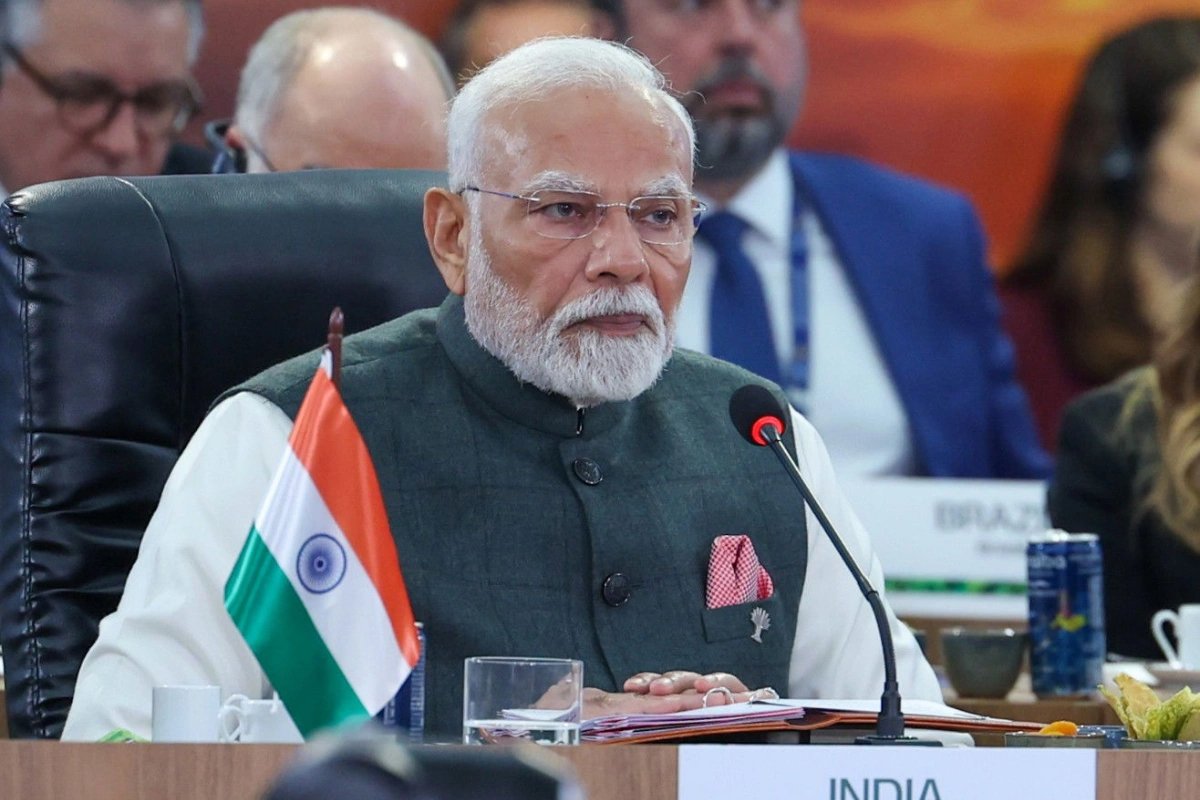
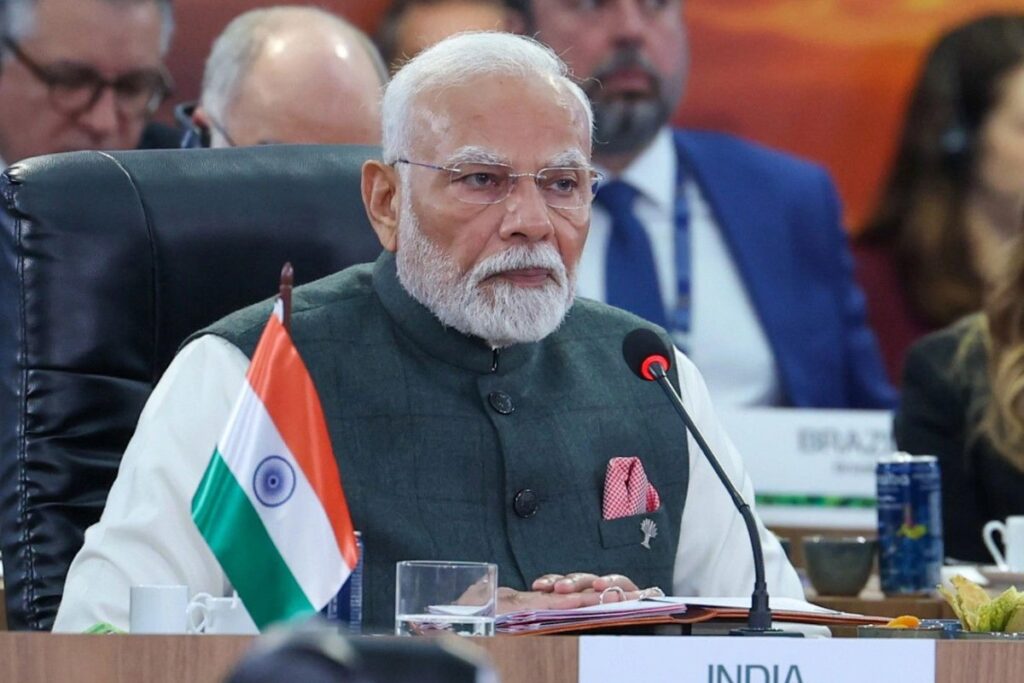
By Nitya Chakraborty India’s isolation from Global South on the issue of Trump’s invasion of Venezuela is now complete. Prime Minister Narendra Modi claims himself as the leader of Global South. Both at the SCO summit and BRICS meeting last year, Modi was active in articulating the aspirations and the programmes of the developing and […]

The article Narendra Modi Has Lost His Moral Right To Lead 2026 BRICS Presidency appeared first on Latest India news, analysis and reports on Newspack by India Press Agency).

World leaders have mounted robust diplomatic resistance against Washington’s unprecedented military operation that ousted Venezuelan President Nicolás Maduro and brought him to the United States to face federal charges. Amid escalating rhetoric from President Donald Trump’s administration about extending U. S. influence beyond Venezuela, governments in Latin America, Europe and Asia have criticised what they view as a breach of international norms and a threat to national […]

Washington’s move to detain Nicolás Maduro has sharpened the White House’s focus on Venezuela’s vast petroleum reserves, with President Donald Trump signalling that access to crude exports is now a strategic priority. The shift marks a harder edge in US policy towards Venezuela, but it also exposes legal, logistical and market obstacles that complicate any rapid redirection of oil flows. The administration’s intent has been framed as […]

Taiwanese security officials and lawmakers have been assessing the implications of Donald Trump’s hardline language on Venezuela’s Nicolás Maduro, viewing it as a signal of how a future Trump administration might project power abroad and deter coercive moves by Beijing, even as they privately acknowledge that no arrest of the Venezuelan leader has taken place. The discussion reflects Taipei’s constant effort to read Washington’s intentions amid growing […]

HONG KONG SAR – Media OutReach Newswire – 5 January 2026 – Hong Kong is set to host the 94th INTERPOL General Assembly later this year, bringing global police chiefs from around the world to the city and highlighting Hong Kong’s strategic importance in global policing. It will be the first time for the General Assembly to be hosted in the Hong Kong Special Administrative Region (HKSAR) and the third time in China.

“We take pride in recalling that China hosted the INTERPOL General Assembly in Beijing in 1995 and 2017, and this time, Hong Kong, China will be the host city for the 94th General Assembly in 2026,” said Vice Minister of Public Security of the People’s Republic of China, Mr Xu Datong.

The Vice Minister of Public Security of the People's Republic of China, Mr Xu Datong (second left, front row), accompanied by the Hong Kong SAR's Commissioner of Police, Mr Chow Yat-ming (first left, front row), receives the INTERPOL flag at the closing ceremony during the 93rd INTERPOL General Assembly in Morocco last November, symbolising that the next General Assembly will be held in Hong Kong
The Vice Minister of Public Security of the People’s Republic of China, Mr Xu Datong (second left, front row), accompanied by the Hong Kong SAR’s Commissioner of Police, Mr Chow Yat-ming (first left, front row), receives the INTERPOL flag at the closing ceremony during the 93rd INTERPOL General Assembly in Morocco last November, symbolising that the next General Assembly will be held in Hong Kong

The General Assembly is the governing body of the International Criminal Police Organization (INTERPOL), at which police chiefs and ministers of its 196 member states gather to discuss global security issues and foster collaboration.

The HKSAR’s Commissioner of Police Mr Chow Yat-ming, said the selection of Hong Kong as the host city highlights China’s trust in both the HKSAR and the Hong Kong Police Force (HKPF), and underscores Hong Kong’s strategic importance as an international “super connector” in global policing.

“Having served at INTERPOL and visited Rome, Italy; New Delhi, India; Vienna, Austria; and Glasgow, United Kingdom for various General Assemblies, I never imagined Hong Kong would have the opportunity to host this prestigious event,” Mr Chow said. “When our country proposed Hong Kong as the host, I felt deeply honoured.”

The HKSAR Government and HKPF aim to use this occasion to showcase positive stories about China, Hong Kong, and the HKPF, illustrating the success of the “One Country, Two Systems” formula for the HKSAR, Mr Chow added.

Mr Chow leads the Hong Kong delegation as part of the national delegation to attend the 93rd INTERPOL General Assembly in Morocco

Hong Kong has a long association with INTERPOL. The HKPF is a sub-bureau under China, and plays an active and prominent role within INTERPOL, contributing expertise on major crime trends, cybercrime, and financial crime.

The HKPF regularly sends officers to INTERPOL headquarters in the French city of Lyon and the Global Complex for Innovation in Singapore for secondments. Currently, three officers are serving in key roles, one in financial crime coordination in Lyon, and two in technology crime management roles in Singapore.

The HKPF is restructuring its strategy to expand ties with overseas law enforcement agencies, especially in ASEAN (Association of Southeast Asian Nations) and those under the Belt and Road Initiative, to better address emerging transnational crime.

Emphasis is placed on intercepting cross-border fraudulent funds, with the global FRONTIER+ platform (established in October 2024) now connecting 13 jurisdictions, facilitating real-time intelligence sharing and fund interception.

In this connection, on November 12, 2025, the HKPF held its inaugural Ethics Governance Roundtable in Hong Kong, with participation from INTERPOL, the Independent Commission Against Corruption (ICAC) and representatives from various countries.

INTERPOL’s delegation was led by the Director of the Office of Internal Oversight, Mr Eugênio Ricas. The Roundtable featured in-depth discussions on ethics governance including personal financial risk management strategies, achieving fruitful outcomes.

The HKPF will continue to leverage Hong Kong’s role as a “super connector” through various international policing platforms, including INTERPOL, to further strengthen collaboration with law enforcement agencies across different countries and regions, working together to safeguard global and regional security.

Mr Chow said that hosting the General Assembly is a top priority for the HKSAR Government and that preparations were already well underway.

“The HKPF is maintaining close communication with INTERPOL and China’s National Central Bureau to ensure smooth hosting of the 2026 General Assembly,” Mr Chow said, adding that he hopes that delegates attending the event will appreciate Hong Kong’s vitality, friendly spirit, and rich culinary culture during their stay.

“We are determined to ensure every delegation has an unforgettable experience from the moment they arrive at Hong Kong International Airport,” he said.

Hashtag: #hongkong #brandhongkong #asiasworldcity #INTERPOL


The issuer is solely responsible for the content of this announcement.

HONG KONG SAR/DUBAI, United Arab Emirates – Media OutReach Newswire – 5 January 2026 – Gaw Capital Partners, a leading multi-asset investment management firm, and GFH Partners, a leading Dubai-based real estate investment firm specializing in thematic property solutions, announce to establish a UAE-focused industrial and logistics platform (the “Platform”) through a joint venture partnership. Gaw Capital will hold a majority stake in the joint-venture company, which will serve as a gateway for the Asian capital to be deployed at-scale into the rapidly expanding UAE real estate market. The joint venture will be targeting high-quality industrial development projects comprising pre-identified seed assets across Dubai, Abu Dhabi and Ras Al Khaimah, the Emirates’ fast-growing industrial zones.

Gaw Capital Partners and GFH Partners Form JV to Develop UAE Industrial and Logistics Development Platform

The developments will be led by Manrre Developments, a joint venture between GFH and Palmon Group, a seasoned UAE-based industrial conglomerate with over 40 years of institutional experience. This partnership unites proven regional expertise across acquisition, planning and design, development, execution, and operational readiness to deliver exceptional, future-ready warehouses and logistics centres.

Harry Ip, Managing Director of Gaw Capital, said, “We are thrilled to enter UAE’s flourishing industrial and logistics market, supported by strong fundamentals, the surge in structural demand driven by government-led initiatives, and heightened global interest in the logistics and industrial asset class. Leveraging the expertise from GFH Partners, this partnership positions us as one of Asia’s leading forerunners in delivering prime industrial facilities in the UAE, providing investors with exposure to a fundamentally undersupplied market.”

Nael Mustafa, CEO of GFH Partners, commented, “GFH Partners brings on-the-ground specialists, experienced local operators, and a strong track record managing logistics and industrial assets across the GCC. This joint venture allows us to scale that regional expertise even further, capitalizing on the UAE’s robust industrial growth trajectory. Through this partnership with Gaw Capital, we are combining regional insight with global capability to unlock new opportunities in the UAE’s expanding industrial and logistics sector.”

The Platform is being launched at a time of strong macroeconomic momentum, supported by the UAE’s long-term development strategies including the Dubai Industrial Strategy 2030 and the Dubai 2040 Urban Master Plan. Majority of these initiatives are aimed at accelerating industrial diversification, attracting FDI, and expanding logistics infrastructure. The local government offers a list of pro-business regulatory and fiscal policies, including tax exemptions, customs duty exemption, simplified regulations in 40+ free zones, and relaxed foreign ownership limitation, to accelerate logistics demand and investment. Furthermore, the population of the UAE has experienced dramatic growth and is expected to reach 12.2 million by 2030, driven by the long-term residency incentives (e.g. Golden Visa), competitive tax regime, openings of prestigious school campuses for expatriate professional and family relocation.

Demand for logistics and industrial assets remains robust, supported by a persistent supply–demand imbalance. Dubai’s warehouse and logistics occupancy currently exceeds 97%, with rental rates increasing 33% year-on-year. The formation of the Platform will mark Gaw Capital’s first geographic footprint in the logistics sector in the UAE, demonstrating its global network and cross-border expertise in accessing industrial and logistics investments ahead of the curve.

Gaw Capital has established a robust logistics footprint across China, Japan, South Korea, Vietnam and Australia, with investments in 39 projects totalling approximately 3.8 million sqm of GFA. As of Q3 2025, Gaw Capital manages over US$3.4 billion in assets under management in its global logistics portfolio.

Since 2014, the firm has acquired, developed, and managed a substantial portfolio of modern logistics facilities with over 3 million sqm of GFA across China, supported by a team of around 100 professionals through 4 investment vehicles. Leveraging its deep expertise, Gaw Capital has expanded into other APAC markets through strategic partnerships, acquiring high-quality assets in key metropolitan hubs. Recent investments include seven logistics assets in Greater Tokyo (nearly 250,000 sqm GFA), one in Seoul (over 75,000 sqm GFA), two in Vietnam (over 210,000 sqm GFA) and six urban industrial and logistics warehouses in Sydney (over 45,000 sqm GFA). The firm’s in-house teams and operating partners deliver value-added services across the logistics value chain, including development, construction, leasing, and property management.
Hashtag: #GawCapitalPartners #GFHPartners

The issuer is solely responsible for the content of this announcement.

About Gaw Capital Partners

Based in Asia, Gaw Capital Partners is a multi-asset investment management firm focusing on real estate, growth equity, private credit and infrastructure markets globally.

Since its inception in 2005, the firm has raised seven commingled funds targeting Asia Pacific, alongside value-add /opportunistic funds in the U.S., a Pan-Asia Hospitality Fund, a European Hospitality Fund, a Growth Equity Fund and a Credit Fund. It also manages credit strategies and separate account direct investments globally.

Gaw Capital has consistently generated high yields by revitalizing underperforming assets, enhancing value through creative financing solutions and leveraging deep expertise in capital allocation.

Since 2005, the firm has managed US$35.8 billion in assets and raised US$24.4 billion in equity as of Q2 2025.

About GFH Partners Ltd.

GFH Partners Ltd. (“GFH Partners”) is the DIFC-based global asset management subsidiary of GFH Financial Group B.S.C. (“GFH”). Headquartered in Dubai International Financial Centre and regulated by the Dubai Financial Services Authority, GFH Partners is dedicated to real estate investment and asset management across diverse markets. With assets under management exceeding US$7 billion and investments spanning the US, UK, and GCC. GFH Partners focuses on strategic partnerships and innovative real estate solutions, reinforcing its role as a leading player in global asset management.

Matein Khalid 2026 has started with a bullish bang for my Dr. Copper trade, even though a single trading session when half of Asia is still getting over its New Year’s Day hangover is hardly an optimal sample size. Yet as I see LME spot copper trade at $12500 a metric ton, I feel exhilarated as this is precisely the breakout I flagged for my friends and […]

KUALA LUMPUR, MALAYSIA – Media OutReach Newswire – 4 January 2026 – From December 19 to 23, the “Diverse Civilizations, Shared Community” Global Youth Multicultural Forum – Asia Session (Singapore & Malaysia), co-hosted by International Culture Association of the Xizang Autonomous Region and Center for International Cultural Communication (CICG), was successfully held.

PublisherTMPlaftb7ecepp4eQwwnnH.jpg

https://youtu.be/9Zm-JzWvUVA

The event was held under the theme of “Hearing the Yarlung Zangbo Through the Voice of Youth” in Singapore, and themed “Cultures as The Way: Youth Mission in Heritage Preservation” in Malaysia, where keynote speeches and round-table dialogues were organized. A total of 15 experts and scholars from various fields shared their practices and insights from four dimensions — cultural and tourism integration, cultural communication, ecological charm, and international exchanges — providing diverse approaches and practical wisdom for cross-cultural exchanges.

The event also included cultural and art exchange performances from Xizang, China, as well as an exhibition featuring photographs illustrating the progress in Xizang’s development over the decades. Through these artistic performances and photo displays, audiences were given an immersive experience of the region’s cultural appeal and developmental achievements.

Moreover, the Xizang Song and Dance Troupe extended the stage of cultural exchanges to the city streets, staging flash mob performances in Singapore and Malaysia under the theme of “Diverse Civilizations, Shared Community”. Blending Xizang’s song and dance with urban styles, the events created a vibrant atmosphere that attracted tourists from around the world to stop, take photos and share their experiences. Through these exchanges, the unique charm of the civilization on the “roof of the world” was brilliantly showcased in Southeast Asia, which also highlighted the profound friendship between China and Malaysia. This event was a vivid demonstration that civilizations become richer through exchanges and more interconnected through mutual learning.
Hashtag: #CICG

The issuer is solely responsible for the content of this announcement.

Nvidia is stepping up output of its H200 artificial intelligence processors as demand from technology firms operating in China intensifies, reflecting a wider global race to secure advanced computing power for large-scale AI models. People familiar with the company’s manufacturing plans say production schedules have been tightened and supply allocations adjusted to prioritise customers seeking alternatives to restricted top-tier chips. The H200, built on Nvidia’s Hopper architecture […]

Arabian Post Staff -Dubai Samsung Electronics has lifted the curtain on the Freestyle Plus, a new generation of its portable projector range that pushes further into artificial intelligence-driven home entertainment. Revealed ahead of the CES 2026 technology show in Las Vegas, the device signals Samsung’s intent to blend mobility with smarter software, at a time when consumer electronics firms are racing to embed AI across everyday products. […]

Plans to turn India into a major semiconductor manufacturing hub are moving from policy to execution, with four companies scheduled to begin chip production during 2026 and the government setting its sights on becoming one of the world’s leading producers by 2035. The transition marks a decisive phase for a country long dependent on imported chips but now seeking to embed itself in global electronics supply chains amid geopolitical realignments and rising demand for secure manufacturing bases.

The most advanced of the announced projects is the large-scale fabrication facility planned at Dholera in Gujarat, a joint venture between Tata Electronics and Taiwan’s Powerchip Semiconductor Manufacturing Corporation. The plant, cleared with government backing and financial incentives under the Semiconductor Mission, is designed to manufacture mature-node chips used in automobiles, power electronics, consumer devices and industrial equipment. Construction work has progressed through 2025, with commercial production targeted to start the following year, according to timelines shared with policymakers and industry partners.

Alongside the Dholera fab, three other facilities are slated to commence output in 2026, primarily in the assembly, testing, marking and packaging segment. Micron Technology’s ATMP plant at Sanand in Gujarat is expected to be the first major operational unit, focusing on memory products for global markets. Two domestic groups, Tata Electronics and Kaynes Semicon, are also developing advanced packaging facilities, while CG Power, in partnership with Japan’s Renesas Electronics and Thailand’s Stars Microelectronics, is setting up an outsourced semiconductor assembly and test unit in Gujarat. Together, these projects are intended to establish a foundational ecosystem rather than a single flagship plant.

Government officials argue that the emphasis on both fabrication and packaging reflects a deliberate strategy. While advanced-node fabs require decades of experience and heavy capital, mature-node manufacturing and packaging are seen as realistic entry points that align with India’s strengths in engineering talent, scale and cost efficiency. Officials involved in the programme say the objective is to capture value across the semiconductor chain while gradually building capabilities for more complex processes.

Public funding has played a central role. Under the incentive framework, the central government is offering support covering up to half the project cost for approved semiconductor and display manufacturing units, with additional incentives from host states. The total committed investment across approved projects runs into tens of billions of dollars, according to official estimates, making it one of the most capital-intensive industrial initiatives undertaken in the country.

Industry analysts note that the timing coincides with a global rethinking of chip supply chains. Disruptions during the pandemic years, coupled with trade and technology tensions, prompted governments and companies to seek diversified manufacturing locations. India’s pitch combines policy stability, a large domestic electronics market and strategic partnerships with established chipmakers. Executives at electronics firms say the presence of local chip production could shorten supply chains and reduce vulnerability to external shocks.

Challenges remain substantial. Semiconductor manufacturing demands ultra-reliable power, water and logistics, as well as a deep supplier base for chemicals, gases and equipment. Skills development is another constraint. While India produces large numbers of engineers, chip fabrication requires specialised expertise built through years of hands-on experience. To address this, training collaborations with overseas partners and academic institutions have been initiated, and several universities have launched semiconductor-focused programmes.

There is also scepticism about the 2035 ambition. Market researchers point out that becoming a “top” producer can be defined in different ways, whether by volume, value or technological sophistication. Countries such as Taiwan, South Korea and the United States dominate advanced-node manufacturing, while China has invested heavily across the value chain. India’s near-term projects focus on mature technologies, which serve vast markets but command lower margins. Supporters counter that demand for such chips is set to remain strong due to electric vehicles, renewable energy systems and industrial automation.

VISHNU RAJA
RYO YAMADA
HITORI GOTOH
IKUYO KITA
Just in:
Kochi police detain two actors over bid to honey trap doctor // Motorola introduces Signature 27 flagship priced at $1,599 // Beyond the exhibition floor: How robots, AI and networks are moving into the real world // Microfinance case trouble for Vellappally // Geely’s i-HEV Intelligent Hybrid Technology Offers a New Direction for Gasoline-Powered Vehicles // Emaar approves Development buyout ahead of planned delisting // OpenAI abandons secrecy agreements for future data centres // Battle Uttar Pradesh Will Be Tougher For Yogi Than Expected // HKUST President Prof. Nancy IP Receives UNESCO–Equatorial Guinea International Prize for Research in Life Sciences // Geely’s i-HEV Intelligent Hybrid Technology Offers a New Direction Vision for Gasoline-Powered Vehicles // The “1st Greater Bay Area Health and Longevity Summit & Awards Ceremony” concludes successfully in Macao // Oil advances towards $100 as tanker attacks persist // TVM –Mangaluru Vande Bharat claims top spot // Technology shares plunge as Nasdaq enters correction // ADNOC secures decade-long LNG supply pact with Gujarat Energy // Trump’s Iran War Has A Share Of Contribution To His Midterm Debacle // Private varsities bill all set to face the axe // India Under Pressure To Join RCEP On The Eve Of ASEAN Summit In Manila On Nov 15-17 // Ningbo Consensus on Collaborative Development released at 2026 Global Mayors Dialogue · Ningbo // Democrats Gearing Up For 2028 Presidential Elections To Gain Full Power //