Arabian Post Staff -Dubai Abu Dhabi National Energy Company PJSC, known as Abu Dhabi National Energy Company PJSC, and Emirates Water and Electricity Company have finalised a 3.6 billion dirham agreement for the Al Dhafra Power Plant, marking a significant addition to Abu Dhabi’s generation capacity and underlining continued investor confidence in the emirate’s regulated utilities framework. The transaction centres on a long-term project financing structure in […]
By Ashis Biswas Within the South Asian context, a noticeable coarsening of diplomatic discourse among four countries has occurred, following the violent regime change in Bangladesh, a brief encounter involving India and Pakistan and sporadic skirmishes between Pakistan and Afghanistan. A new political alignment, whose contours will be clearer after the Bangladesh general elections, is […]
SHENZHEN, CHINA – Media OutReach Newswire – 30 December 2025 – Starting December 22, HEYTEA and POP MART’s popular IP Twinkle Twinkle officially launched their global co-branded campaign across HEYTEA stores worldwide. Timed to the Christmas and New Year season, the collaboration is built around the theme “Twinkle Twinkle for Winter.” Centered on the warm and comforting Twinkle Twinkle characters, the campaign introduces a multi-dimensional experience featuring custom character designs, co-branded drinks, themed merchandise, themed stores, and the Inspiration Bus pop-up activation.
This marks HEYTEA’s first globally synchronized co-branded launch. Even before the official rollout, the partnership generated strong attention across social platforms. Spanning Mainland China, Hong Kong SAR and Macao SAR, as well as more than 100 HEYTEA stores across the United States, the United Kingdom, Canada, and other overseas markets, the collaboration creates a shared winter moment for consumers worldwide.
Beyond its festive appeal, the campaign reflects HEYTEA’s broader approach to international markets. While character-led collaborations help create seasonal resonance, the brand’s long-term focus lies in building meaningful, locally grounded experiences that feel relevant across different cultural contexts.
Across overseas markets, HEYTEA has consistently used collaborations and pop-up activations to connect with younger audiences and spark cultural conversation, partnering with creative names across fashion, art, and entertainment. Rather than applying a single formula across regions, the brand selects partners with strong local relevance and designs visually distinctive in-store experiences that translate naturally into social moments.
Product innovation remains central to HEYTEA’s global expression. Internationally, the brand has introduced more than 20 localized drinks designed around regional taste preferences, while maintaining its emphasis on natural ingredients and modern tea aesthetics. This philosophy is reflected in the Twinkle Twinkle collaboration, which introduces two exclusive seasonal drinks—Tiramisu Milk Tea and Tiramisu Rich Chocolate—released simultaneously worldwide to create moments of warmth and shared experience across markets.
The United States continues to play an important role in HEYTEA’s overseas presence. Since opening its first U.S. store at the end of 2023, the brand has expanded into multiple major cities and opened its overseas flagship TEA LAB store in New York’s Times Square, offering a modern reinterpretation of tea culture in a global urban setting.
Hashtag: #HEYTEA
The issuer is solely responsible for the content of this announcement.
About HEYTEA
Founded in 2012 in Jiangmen, Guangdong, China, HEYTEA is widely recognized as the originator of new-style tea beverages. The brand created the world’s first cheese tea using real tea and real milk, setting a new standard for the industry. HEYTEA is committed to using real ingredients, including real tea, real milk, real fruit, and real sugar, while continuously reimagining tea culture through products and experiences that resonate with young consumers. Today, HEYTEA operates around 4,000 stores worldwide, including more than 100 overseas locations across Asia, North America, Europe, and Oceania.
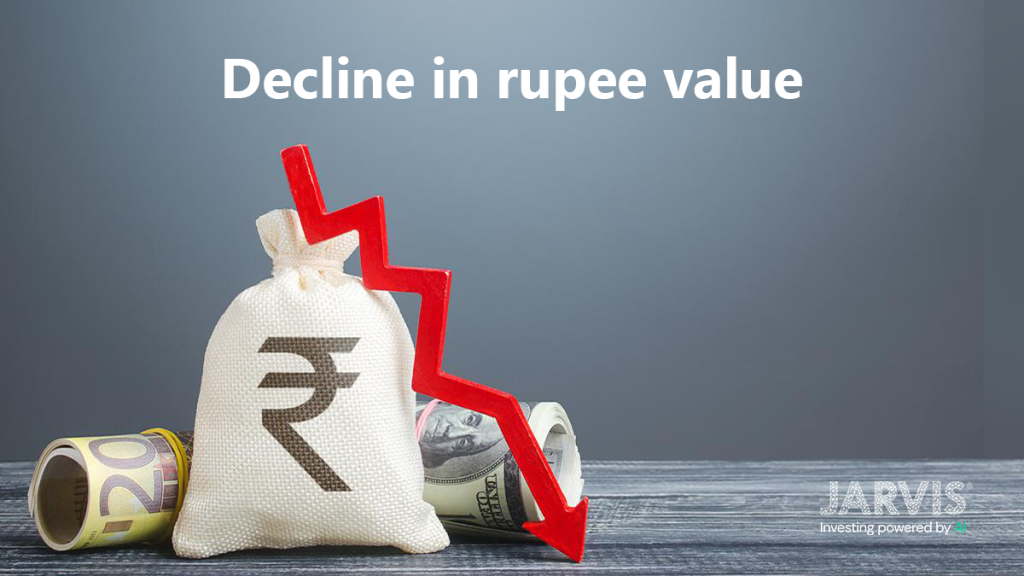
By Nantoo Banerjee It does not make sense for India to deplete its hard-earned foreign currency reserves to temporarily protect the Rupee’s exchange value. In fact, Indian Rupee’s downturn vis-à-vis other major currencies has not adversely impacted the country’s impressive economic growth, at least for the present. On the contrary, it has made exports cheaper […]
BYD has unveiled a high-power “Flash Charging” system that it says can add up to 400 kilometres of driving range in around five minutes, a claim that—if replicated at scale—would narrow one of the biggest gaps between electric vehicles and petrol cars and intensify pressure on rivals led by Tesla. The announcement underscores how the Chinese manufacturer has moved from being a price-competitive disruptor to a technology […]
Security researchers have demonstrated how widely deployed service robots can be commandeered without physical contact, raising concerns about safety, surveillance and supply-chain exposure as robots spread across factories, warehouses and public spaces. The findings were showcased at a major hacking conference in Shanghai, where white-hat teams revealed that certain commercial robots could be hijacked through low-cost attacks using voice commands or short-range wireless links. At the event, […]
A magnetic levitation test run in China has pushed rail engineering into uncharted territory, with a prototype train reaching 700 kilometres an hour in roughly two seconds during a controlled acceleration trial. The demonstration, carried out on a short test track designed for extreme propulsion experiments, underscores Beijing’s drive to redefine high-speed ground transport and narrow the gap between rail and short-haul aviation. Engineers involved in the […]
Toyota Motor has begun informing key parts suppliers that it expects global vehicle production to exceed 10 million units in 2026, reflecting confidence that demand for its petrol-electric hybrids will remain strong, particularly in the United States, while battery-electric sales grow at a steadier pace. The guidance, shared during routine planning discussions with suppliers, signals that the world’s largest automaker is preparing for volumes that would place […]
IonQ has confirmed plans to deliver a next-generation 100-qubit quantum computing system to South Korea, reinforcing the company’s push into Asia’s accelerating quantum ecosystem and extending a strategic partnership with the Korea Institute of Science and Technology Information. The deployment is positioned as a milestone for the country’s national research infrastructure, giving scientists and industrial users local access to higher-capacity trapped-ion quantum hardware designed for advanced simulations and algorithm development.
The system is scheduled to be installed at facilities operated by Korea Institute of Science and Technology Information, which manages high-performance computing resources for universities, laboratories and government programmes. IonQ said the platform will integrate with existing supercomputing assets, enabling hybrid classical-quantum workflows that are increasingly seen as the most practical near-term use of quantum machines. Officials involved in the project describe the installation as part of a broader effort to ensure domestic capability in a field viewed as strategically significant for science, security and economic competitiveness.
For IonQ, the agreement deepens a relationship that began with earlier access to its systems through cloud services and collaborative research. The 100-qubit platform represents a step up from earlier machines made available to Asian partners, with IonQ highlighting gains in algorithmic performance driven by longer coherence times and high-fidelity gates inherent to its trapped-ion approach. The company argues that these characteristics allow useful problem sizes to be tackled with fewer physical qubits than some rival architectures.
The project comes as South Korea accelerates state-backed investment in quantum science. Government roadmaps call for expanded talent development, dedicated funding lines for hardware and software, and closer links between public laboratories and industry. KISTI’s role as a national computing hub makes it a focal point for these ambitions, with the new system expected to support work ranging from materials discovery and chemistry to optimisation and machine learning. Researchers anticipate that local access will shorten development cycles compared with reliance on overseas cloud resources.
IonQ executives frame the delivery as part of a long-term regional strategy rather than a one-off sale. Asia has become a key battleground for quantum providers as countries seek sovereign capabilities while remaining connected to global research networks. China, Japan and South Korea are all funding large-scale programmes, and regional universities are increasing output in quantum algorithms and error-mitigation techniques. By embedding hardware within national facilities, vendors aim to secure early loyalty among researchers who may later influence commercial adoption.
Competition in the sector is intensifying. Superconducting-qubit systems from established technology firms and photonic approaches backed by start-ups are all vying for attention, each claiming advantages in scalability or manufacturability. IonQ’s bet on trapped ions prioritises precision and stability, though critics note challenges in scaling to very large numbers of qubits. The company counters that its roadmap focuses on algorithmic qubits and error-corrected performance rather than raw counts, a metric increasingly favoured by parts of the research community.
The South Korean installation also reflects a broader trend toward hybrid computing. Rather than replacing classical supercomputers, quantum systems are being linked to them to tackle specific sub-problems where quantum effects offer potential speed-ups. KISTI engineers are working on software layers to manage job scheduling and data movement between systems, an area seen as critical to extracting value from early quantum machines.
Commercial implications are closely watched. South Korean conglomerates in electronics, chemicals and logistics have signalled interest in quantum applications, and access to domestic hardware could encourage pilot projects. Analysts caution that widespread industrial impact remains some distance away, but note that early experimentation helps firms build expertise ahead of future breakthroughs.
Arabian Post Staff -Dubai Abu Dhabi sovereign investor ADQ has closed a $5 billion five-year syndicated term financing deal in the Greater China region, strengthening its liquidity while broadening access to Asian capital markets at a time of shifting global funding dynamics. The transaction marks one of the largest offshore syndicated loans secured by a Middle East sovereign-backed investor this year and reflects sustained appetite among Asian […]
SINGAPORE – Media OutReach Newswire – 26 December 2025– Apical continues to reinforce its commitment to preventing and reducing stunting by prioritising women’s health in Cilincing subdistrict, North Jakarta. Through its business unit, PT Asianagro Agungjaya (PT AAJ), Apical collaborated with the Cilincing Community Health Centre (Puskesmas Cilincing) to implement community-based programmes focused on women’s health and early stunting prevention.
The initiative was launched on 15 December 2025 at the RW 03, RW 09 and RW 10 community offices within the Cilincing public housing complex. Targeting women of reproductive age, the programme was designed as a preventive effort to raise awareness and improve access to essential health services, particularly reproductive health, as a foundation for healthy families and future generations.
Apical’s CSR Manager, Sugiantoro, said the collaboration reflects the company’s long-term, preventive approach to public health. “We believe that healthy women are the pillars of strong families and a key force in shaping healthy communities. Through PT AAJ’s involvement, we aim to create tangible impact by prioritising early prevention, rather than focusing solely on treatment,” he said.
A key focus of the initiative was the early detection of cervical cancer, a serious but largely preventable disease when identified through routine screening and timely intervention. Services provided included IVA screening (visual inspection with acetic acid) and HPV (human papillomavirus) testing.
Dr Kezia Ivana from the Cilincing Community Health Centre explained that IVA and HPV screenings are effective methods for detecting cervical cancer at an early stage.
“Early detection allows us to identify the virus that causes cervical cancer sooner, significantly reducing the risk of disease progression. When detected early, the chances of recovery are very high. However, if left undetected, cervical cancer can lead to severe pain, abnormal bleeding, kidney and urinary tract disorders, swelling of the legs, and fertility problems that may prevent women from having children,” she said.
Apical’s participation in this initiative aligns with the company’s 5Cs philosophy that whatever it does must be good for the Community, Country, Climate and Customer, and only then will it be good for the Company, which underpins its commitment to inclusive and sustainable growth. Through partnerships with local stakeholders, Apical, a member of the RGE group of companies founded by Sukanto Tanoto, continues to support government efforts to address stunting while contributing to improved social and women’s health outcomes, particularly in communities surrounding its operational areas. Hashtag: #RGE #Apical #CSR #Stunting #Indonesia #Women #Health #Communities
The issuer is solely responsible for the content of this announcement.
About Apical
Apical is a leading vegetable oil processor with an expanding global footprint. Our vertically integrated mid-stream refining and value-added downstream processing makes us an integral supplier that supports the needs of various industries namely food, feed, oleochemicals and renewable fuel, including sustainable aviation fuel (SAF) which enables a great reduction of CO2 emissions.
With integrated assets in strategic locations spanning Indonesia, China and Spain, Apical operates numerous refineries, oleochemical plants, renewable fuel plants and kernel crushing plants. Through joint ventures and strategic partnerships, Apical also has processing and distribution operations in Brazil, India, Pakistan, Philippines, Middle East, Africa, USA and Vietnam.
Apical’s growth is built on the foundations of sustainability and transparency, and motivated by our strong belief that we can contribute to a circular economy for a more meaningful impact, even as we continue to grow our business and deliver innovative solutions to our customers.
CAN GIO, VIETNAM – Media OutReach Newswire – 25 December 2025 – In 2024, when Hines released its seminal report Why Asia Now, the message was simple yet profound: The world’s most compelling growth story was shifting eastward. At that time, global markets were turbulent but still predictable.
Vinhomes Green Paradise: A Hidden Gem Poised to Shine in Vietnam’s Real Estate Market.
A year later, the landscape has morphed into something far more complex, rippling with tariff shocks, persistent inflation, rising bond yields, and growth downgrades across traditional economic powerhouses. The world feels as if it is moving through a narrow channel, buffeted by waves from every direction. And yet, amid all the noise, Asia has not only held its ground but stepped forward with a clarity and confidence that few regions can match.
Why Asia Now: A New Era of Resilience, Growth, and Opportunity
The forces shaping Asia’s rise have been gathering momentum for decades. What we are witnessing now is their convergence. Asia is not simply adapting to global volatility, it is redefining the foundations of resilience and growth. Its economies are becoming wealthier, stronger, and more self-reliant, and its real estate markets are revealing layers of opportunity that long-term investors have waited years to see.
The near-term picture, though challenged, underscores this resilience. Tariffs have uneven effects, and countries with strong domestic engines such as Australia are absorbing shocks with surprising ease.
But it is the longer horizon that illuminates Asia’s true arc. The region’s working-age population and middle class have expanded at a breathtaking pace, setting the stage for decades of consumption-led dynamism. Education levels are rising, service sectors are flourishing, and manufacturing capabilities are climbing the value chain.
Meanwhile, intra-Asia trade has quietly become the backbone of global commerce, with Asia-to-Asia routes now forming the largest share of world trade. As the region turns inward, not in isolation, but in self-reinforcing collaboration, Asia ex-China is projected to contribute more to global growth than the United States and Europe combined.
Real estate, often seen as a mirror for economic sentiment, is telling a similar story. Transaction volumes across Asia have been less volatile than those in Western markets, and pricing has remained more stable, offering a predictable return profile. Supply constraints, elevated construction costs, and a decade-low pricing position relative to long-term trends are creating what can only be described as an extraordinary entry window.
Why Capital is Flowing into Vietnam
If Asia’s trajectory could be captured in a single idea, it would be the beginning of a Value Uprising, a structural rise in long-term asset worth, powered by demographics, policy, and economic integration, rather than speculation.
From this continental narrative emerges Vietnam, a nation whose ascent is increasingly impossible to ignore. Over the past decade, Vietnam has transformed from a rising star into a gravitational force for global investors. Supply chain diversification has accelerated its role as a manufacturing and logistics nexus. Even with global tariffs shifting, Vietnam’s logistics sector continues to expand in sophistication, efficiency, and international relevance. Its demographic profile, marked by a median age years younger than China, offers a demographic dividend that many Asian economies have already spent. And as Southeast Asia’s digital backbone grows, Vietnam is stepping into the spotlight as one of the region’s next major data-center markets, a signifier of future industrial depth.
Ho Chi Minh City, in particular, has entered a new chapter. Its standing among Asia-Pacific cities for investment and development has climbed steadily, reflecting not only macroeconomic resilience but the confidence of global capital. It has become a symbolic frontier, an emerging metropolis where the contours of modern Asia are being redrawn.
At the heart of Vietnam’s momentum lies another extraordinary phenomenon: The consistent and rising flow of remittances. Vietnam ranks among the world’s top recipients, and Ho Chi Minh City alone welcomed over USD 9.46 billion in 2023, USD 9.6 billion in 2024, and more than USD 5.3 billion in the second quarter of 2025.
A remarkable portion of these funds, around one-fifth, finds its way into real estate. But this is not passive investment. It is a gesture of return, of building a future homeland, of preparing for business, family, and retirement. It is long-term capital with long-term intent.
Vinhomes Green Paradise: A Hidden Gem Poised to Shine in Vietnam’s Real Estate Market
Regulatory reform is reinforcing this trust. The revised Land Law and Real Estate Business Law offer stronger protections and broader rights for Vietnamese citizens, including those living abroad. In a period where global currencies fluctuate and deposit rates decline, investors are increasingly confronting a hard truth: Holding cash is, in many cases, a slow erosion of value. As economist Can Van Luc notes, the VND has lost 3.4 percent of its value in two years, even as the USD depreciated. Real estate, therefore, is not merely an alternative, it has become one of the few asset classes capable of preserving and multiplying value in real terms.
Against this backdrop, regions entering new cycles of infrastructure development are drawing accelerated capital inflows. And among them, one name rises above all others: Can Gio.
For decades, Can Gio stood quietly at the edge of Ho Chi Minh City, an ecological jewel, admired but distant. Today, it has become the most powerful symbol of Vietnam’s coastal urban future. Massive infrastructure investment is reshaping its accessibility, and yet its real estate prices remain a fraction of central districts. Compared to Phu My Hung, Can Gio’s price base is nearly half; compared to Districts 1 and 3, just one-fifth. The gap is not a discount, it is untapped potential waiting to be realized.
The emergence of Vinhomes Green Paradise has pushed this transformation into global consciousness. As the first official participant in the New7Wonders “7 Wonders of Future Cities” campaign, the project is channeling the same catalytic energy once witnessed in iconic developments. Internationally, such recognitions do not merely elevate prestige, they accelerate valuation cycles, attract global capital, and redefine a city’s future skyline.
With its one-of-a-kind geographic formation and proximity to Can Gio’s million-year-old biosphere reserve, Vinhomes Green Paradise stands as a once-in-a-century asset. It embodies scarcity in its purest form, an asset class that cannot be replicated, reshaped, or reborn elsewhere.
And that is where the narrative converges. Asia’s rise, Vietnam’s momentum, Ho Chi Minh City’s evolution, and Can Gio’s emergence are not isolated stories. Together, they form a new investment epoch characterized by structural uplift, demographic acceleration, and a rapidly expanding middle class. It is the era of the Value Uprising, a phase in which the forces of economics, policy, population, and global capital align to propel real estate into a new price horizon.
In moments like this, markets rarely wait. History shows that investors who move early define the benchmark for everyone who follows. The question is no longer whether Asia will rise, or whether Vietnam will lead, or whether Can Gio will transform. The question, now, is whether investors will seize a moment that may not return for another generation.
By K Raveendran As 2026 approaches, the global oil market is heading into a year that could decisively reshape price dynamics, fiscal planning in producing states, and energy security calculations for importing economies. The defining feature of the coming year is not demand destruction or geopolitical shock, but the growing weight of surplus supply. Market […]
Thailand is moving quickly to reshape the digital map of Southeast Asia, with a surge in data centre construction and artificial intelligence investment shifting the country from a long-standing data transit role to a regional convergence point. New facilities clustered around Bangkok, Chonburi and the Eastern Economic Corridor are altering traffic flows, shortening latency across borders and drawing cloud, AI and content providers seeking scale outside established hubs.
The expansion reflects a change in how data moves across the region. Historically, much east-west traffic between South Asia, Greater China and the Pacific routed through Singapore before fanning out. With hyperscale campuses multiplying in Thailand, workloads are increasingly being processed and stored closer to end users, easing congestion and improving resilience. Network operators say the shift is visible in peering arrangements and cross-border fibre utilisation, with Bangkok emerging as a preferred interconnection point.
Policy has been a key driver. Authorities have offered investment incentives, fast-tracked permits and clarified power and land-use rules to attract large campuses. Grid upgrades and new renewable capacity have been prioritised to address the energy intensity of AI-ready facilities. The strategy aligns with a broader push to anchor higher-value digital services domestically, from cloud platforms and analytics to language models and industry-specific AI tools.
Global technology firms are responding. Cloud providers including Google, Microsoft and Amazon Web Services have expanded or announced investments to serve regional customers from Thai infrastructure, while chipmakers and systems integrators are working with local partners to deploy accelerated computing suited to AI training and inference. Industry executives cite Thailand’s central geography, improving power availability and maturing regulatory environment as decisive factors.
Domestic players are also scaling up. Telecom operators and property developers have formed joint ventures to build carrier-neutral sites, while energy companies are pairing data centres with solar and gas assets to stabilise supply. Universities and research institutes are increasing AI programmes to address talent gaps, with a focus on data engineering, cybersecurity and model governance. The goal is to ensure that infrastructure growth translates into local capability rather than pass-through capacity.
Competition across the region remains intense. Singapore retains strengths in finance, regulation and dense interconnection, but land and power constraints have pushed expansion elsewhere. Malaysia and Indonesia are adding capacity to serve fast-growing domestic markets, while Vietnam is drawing manufacturing-linked digital workloads. Against that backdrop, Thailand is positioning itself as a neutral aggregation point serving multiple neighbours within ASEAN, balancing scale with proximity.
Connectivity improvements underpin the shift. New submarine cable routes landing on both coasts, alongside terrestrial links to neighbouring countries, are diversifying paths and reducing dependence on a single choke point. Operators say this redundancy matters as enterprises distribute AI workloads across regions for cost, performance and regulatory reasons. Financial services, e-commerce and media firms are increasingly adopting multi-cloud strategies that favour locations offering reliable interconnection.
AI demand is shaping design choices. Facilities are being built with higher power densities, advanced cooling and space for accelerated hardware to support model training, while edge nodes closer to population centres handle inference and latency-sensitive tasks. This layered approach is changing how content delivery, language services and real-time analytics are deployed across Southeast Asia.
By Ashis Biswas How serious is the slogan for wresting the seven sister states in India’s northeast region, raised by Islamic extremists in Bangladesh, for New Delhi? For a proper assessment of the political challenge this poses for India, a brief study of background information is necessary. Bangladesh sought to revive old links with Pakistan […]
By Nantoo Banerjee US President Donald Trump may have problems with Russia, Venezuela and a host of other states and has every right to decide on the US trade and diplomatic policies to deal with those countries. But he has no right to thrust upon other free nations his likes, dislikes and prejudices. Unfortunately, he […]
Arabian Post Staff -Dubai Italy’s Saipem has clinched a multi-billion-dollar offshore engineering, procurement, construction and installation contract from QatarEnergy LNG, marking one of the largest project awards in the global energy services sector and reinforcing Doha’s long-term expansion plans for liquefied natural gas production. The Milan-based engineering group said the overall value of the contract is about $4 billion, with Saipem’s share estimated at roughly $3.1 billion. […]
Matein Khalid The Indian equity markets have experienced one of Asia’s most frenetic IPO bonanzas in 2024-25 even if no less than 50% of all new flotations are now trading below their offer price. Despite the decline of the Indian rupee’s new low against the dollar beyond 91 and Dalal Street’s underperformance relative to my fave emerging markets Argentina, Poland and Brazil in 2025, the macro omens […]
Schaeffler Group has moved to strengthen Europe’s position in humanoid robotics by unveiling what it describes as a production-ready universal actuator designed to be deployed across multiple robot joints, a step the company says could narrow the scale and cost advantages held by Chinese manufacturers. The Frankfurt-based industrial and automotive supplier plans to present the new planetary gear actuator at CES 2026 in Las Vegas early next […]
China’s shipments of rare-earth permanent magnets to the United States fell by 11% in November from October, underscoring how strategic trade frictions and regulatory tightening continue to weigh on a supply chain critical to electric vehicles, wind turbines and advanced defence systems. The monthly drop came despite a temporary easing of broader trade tensions between the world’s two largest economies, signalling that structural constraints rather than short-term […]
UK authorities are investigating a sophisticated cyber intrusion into the country’s diplomatic systems after attackers penetrated networks at the Foreign, Commonwealth and Development Office, accessed sensitive material and triggered a sweeping security review across government. The breach, discovered in October 2025 during routine monitoring, has been linked by officials to a state-aligned group assessed to have connections to China, sharpening concerns over espionage risks amid strained geopolitical […]
Unitree Robotics’ G1 humanoid robots have stepped into the spotlight of China’s live entertainment scene, performing as synchronised backup dancers during a Wang Leehom concert that drew about 18,000 people, marking a striking crossover between advanced robotics and mainstream pop culture.
The performance unfolded as the pop star launched into a high-energy segment of his show, with several G1 units emerging alongside human dancers. The robots executed coordinated flips, spins and arm movements in time with the music, mirroring choreography designed for human performers. Large screens magnified the spectacle, prompting audible reactions from the crowd as the machines kept pace under concert lighting and sound conditions.
The appearance was not framed as a technical demonstration but as a fully integrated part of the show, underscoring how humanoid robots are moving beyond laboratories and industrial floors into public-facing roles. For Unitree, a Hangzhou-based robotics firm known for its quadruped robots and growing humanoid portfolio, the concert offered a high-visibility platform to display balance control, motion planning and real-time coordination in an unpredictable environment.
Wang Leehom, a globally recognised figure in Mandarin pop with a career spanning more than two decades, has long embraced technology-driven stagecraft. His decision to feature humanoid robots aligns with a broader trend in China’s entertainment industry, where concerts increasingly rely on immersive visuals, augmented reality and sophisticated stage automation to differentiate live experiences.
The G1 robots, which stand roughly human height and are designed for agility and interaction, performed without visible safety tethers, suggesting confidence in their stability systems. Industry observers noted that executing flips and rapid directional changes in close proximity to human dancers requires precise sensing and control to avoid collisions, highlighting advances in perception and actuation.
Beyond the spectacle, the performance has reignited debate over the role of automation in creative industries. Some performers and choreographers have voiced concern that robots could displace human dancers in certain settings, particularly for repetitive or physically demanding routines. Others argue that such technology will function as a complement rather than a replacement, opening new creative possibilities and reducing costs for large-scale productions.
Producers familiar with concert logistics point out that hiring and training large dance troupes can be expensive, especially for tours spanning multiple cities. Robots, once acquired, can be programmed for consistent performances and reused across shows, potentially lowering long-term costs. At the same time, upfront investment, maintenance, transport and technical support remain significant considerations.
China’s push into humanoid robotics provides important context for the performance. The sector has been identified as a strategic growth area, with companies racing to develop machines capable of operating in human environments. Demonstrations in factories, warehouses and research centres have been joined by public showcases designed to familiarise audiences with humanoid forms and capabilities.
Academic researchers note that public acceptance is a critical factor in the deployment of service robots, particularly those designed to interact closely with people. High-profile cultural events can soften perceptions and shift robots from abstract technological concepts to tangible participants in everyday life.
Social media reaction to the concert was swift, with clips of the robots’ dance routines circulating widely on Chinese platforms. Commentators praised the novelty and technical polish, while others questioned whether audiences were witnessing a glimpse of entertainment’s future or a carefully staged publicity exercise. The buzz itself has amplified Unitree’s brand visibility at a time when competition among domestic robotics firms is intensifying.
Saudi Arabia is preparing to lift crude oil shipments at the start of 2026, a move that underscores mounting concerns about excess supply as global demand growth remains uneven. Allocations to buyers across Asia, Europe and North America are set to rise, according to trade and shipping data reviewed by market participants, pointing to a more assertive sales posture by the world’s largest exporter after months of […]
Washington moved to reset the direction of its civil and military space ambitions after President Donald Trump signed a sweeping executive order in December 2025 committing the United States to a crewed moon landing by 2028 and the establishment of a sustained lunar outpost by 2030. The order places the Artemis programme at the centre of national strategy, couples it with an expanded role for nuclear power […]








 https://www.apicalgroup.com




 By K Raveendran As 2026 approaches, the global oil market is heading into a year that could decisively reshape price dynamics, fiscal planning in producing states, and energy security calculations for importing economies. The defining feature of the coming year is not demand destruction or geopolitical shock, but the growing weight of surplus supply. Market […]





