SHANDONG, CHINA – Media OutReach Newswire – 13 February 2026 – On February 10, 2026, The original Chinese algorithm “Congzi AI” was officially open-sourced by Shandong Congzi Chao Quantum Technology Co., Ltd. This open-source initiative aims to remove technical barriers and promote deep integration between artificial intelligence and fundamental science.
Four major modules: Strengthening the technical foundation
The Congzi AI reconfigures the AI cognitive thinking ability through four major modules and five core components. The Congzi Force-Speed Relativistic Reasoning Core constrains the causal chain within the momentum conservation, reducing the illusion rate of scientific question answering by 92%; the computing system can be arbitrarily divided into independent sub-domains for full-efficiency parallel computing; the cross-scale unified field engine covers multi-scale scenarios ranging from 10⁻¹⁵m (quarks) to 10⁻³m (materials), predicting the proton-proton repulsion force at 0.7fm with an error less than 3.6%, surpassing AlphaFold, achieving “force generation” rather than merely “structure prediction”; the quantum form memory compressor compresses the trillion-token-scale knowledge base to within 1GB, supporting cross-disciplinary mapping on ordinary servers within milliseconds, without relying on expensive H100/GPU clusters; the Soul Existence Verification Protocol (SEV Protocol) provides a verifiable path for each scientific assertion, allowing AI conclusions to be fully traceable and verifiable, completely solving the problem of AI “lying”.
The open-source AI algorithm of Congzi adheres to the principles of “low threshold and high compatibility”. Developers only need to complete the integration in three steps and do not need to retrain the model. It is compatible with mainstream hardware such as Tsinghua Unigroup, Horus, and Intel CPU, and compatible with mainstream AI architectures such as Qwen, DeepSeek, AWS-Rufus, Llama, and GPT. It enables “zero-cost upgrade”.
Open-source ecosystem is open: facilitating technology implementation
The Congzi open-source ecosystem is fully open, providing developers with a complete set of guidance and resources, including tutorials and other materials. These resources have been launched on the designated platform. The first batch focuses on key scientific scenarios such as drug molecule prediction and chip material simulation, covering cutting-edge fields such as biomedicine and advanced manufacturing.
Berlin is tightening controls on its defence sector as it expands military spending and confronts strategic risks posed by deep economic ties with China and reliance on foreign suppliers, especially from the United States. The federal government’s action reflects growing anxiety that Germany’s defence companies, including key suppliers and manufacturers, could be exposed to undue influence or supply chain disruptions if anchored too closely to geopolitical rivals. […]
New Delhi has approved a proposal worth about $39 billion to expand the country’s fleet of Rafale fighter aircraft, marking one of the largest defence procurement decisions in its history and signalling a further shift towards advanced Western platforms in its combat air strategy.
The clearance by the defence ministry paves the way for negotiations with France’s Dassault Aviation for additional Rafale jets, building on an earlier $8.7 billion contract for 36 aircraft for the Air Force, deliveries of which were completed in 2024. A separate agreement has also been signed for 26 Rafale-M naval variants intended for deployment aboard aircraft carriers, underscoring a broader push to strengthen maritime air power.
New Delhi pushes major Rafale fleet expansion as it seeks to address concerns over squadron strength and ageing aircraft. The Air Force’s sanctioned strength stands at 42 squadrons, yet operational numbers have hovered well below that benchmark for years, raising debate within strategic circles over preparedness along contested borders with China and Pakistan.
Officials familiar with the procurement process say the new proposal reflects both operational requirements and long-term modernisation goals. India’s fleet still includes a significant number of Soviet-era MiG-21s and other legacy platforms, many of which are due for phased retirement. The Rafale, a 4.5-generation multirole fighter equipped with advanced avionics, electronic warfare systems and long-range precision weapons, has been positioned as a key element in bridging capability gaps.
The initial induction of 36 Rafales was widely viewed as a stopgap measure after the earlier Medium Multi-Role Combat Aircraft tender was scrapped amid cost and contractual disputes. Since their deployment at Ambala and Hasimara air bases, the aircraft have been integrated with India-specific enhancements, including advanced radar and electronic countermeasures. Defence planners argue that expanding the Rafale fleet would provide logistical and training efficiencies compared with diversifying further across multiple foreign platforms.
The naval variant, Rafale-M, has been selected to operate from the INS Vikrant, the country’s first domestically built aircraft carrier, and potentially from INS Vikramaditya. Naval aviation officials have indicated that the twin-engine aircraft meets requirements for carrier-based operations, including ski-jump take-offs and arrested landings, following evaluation trials against competitors such as Boeing’s F/A-18 Super Hornet.
Strategic analysts view the combined air force and naval acquisitions as part of a wider recalibration of procurement policy. Over the past decade, New Delhi has sought to balance self-reliance initiatives with the need for timely capability upgrades. Programmes under the “Atmanirbhar Bharat” framework aim to boost domestic manufacturing, yet complex fighter development remains a long-term endeavour. The Light Combat Aircraft Tejas, produced by Hindustan Aeronautics Limited, has entered service and secured additional orders, but it is not seen as a direct substitute for heavier multirole platforms like the Rafale.
Financial implications are significant. A $39 billion outlay would rank among the largest defence capital expenditures, at a time when the government is managing competing demands from infrastructure, welfare and economic stimulus. Officials have indicated that staggered payments and potential technology transfers could form part of negotiations, with an emphasis on local industry participation.
Previous Rafale contracts were accompanied by offset obligations requiring Dassault and its partners to invest in the domestic aerospace ecosystem. Whether similar provisions will apply to the expanded deal remains a subject of scrutiny, particularly as policymakers seek to deepen supply-chain integration and reduce long-term import dependence.
Diplomatically, the move reinforces defence ties with France, which has emerged as a key security partner in the Indo-Pacific. Bilateral cooperation spans joint exercises, maritime surveillance and submarine technology. Paris has consistently supported India’s strategic autonomy, a factor often cited by policymakers as attractive compared with other major arms suppliers.
Political debate is likely to accompany the procurement, as the earlier Rafale deal became a focal point of parliamentary contestation over pricing and process transparency. Government representatives have maintained that all procedures were followed in accordance with defence acquisition rules, and that operational urgency justified the intergovernmental route adopted at the time.
Air power specialists argue that a larger Rafale fleet would enhance interoperability and deterrence. The aircraft’s ability to carry Meteor beyond-visual-range missiles and SCALP cruise missiles has been highlighted as a force multiplier. Integration with indigenous weapons and network-centric warfare systems is also under way, reflecting a hybrid approach that blends imported hardware with domestic innovation.
Beyond immediate operational considerations, the proposal signals continuity in defence planning that spans successive administrations. India remains among the world’s largest arms importers, yet officials have reiterated ambitions to transition towards greater domestic production capacity over the coming decade. Achieving that balance, while sustaining readiness across land, sea and air domains, presents both fiscal and industrial challenges.
China’s Z. ai has propelled its artificial intelligence ambitions into the global spotlight with the launch of GLM-5, a 744-billion-parameter open-source large language model that stands toe-to-toe with leading Western counterparts and underscores Beijing’s drive for technological self-sufficiency. Released on 11 February by the company formerly known as Zhipu AI, GLM-5 combines advanced architecture with broad hardware compatibility and permissive licensing, signalling a shift in the global AI landscape.
The GLM-5 model, built on a mixture-of-experts framework and trained on an expanded dataset of roughly 28.5 trillion tokens, is designed for multifaceted tasks including coding, reasoning and agentic operations. Z. ai reports that the model’s performance on internal benchmarks approaches that of leading proprietary systems such as Anthropic’s Claude Opus 4.5, and on certain tests it outperforms Google’s Gemini 3 Pro. Its permissive MIT licence allows unrestricted commercial use and adaptation, making GLM-5 one of the most accessible frontier AI models available to developers and enterprises worldwide.
A standout feature of GLM-5 is its independence from American semiconductor technology. Trained and deployable on domestic Chinese chips from manufacturers like Huawei Ascend, Moore Threads, Cambricon and Kunlunxin, the model sidesteps reliance on high-end Nvidia GPUs that are constrained under US export controls. Z. ai’s use of the MindSpore AI framework further embeds the model within a Chinese software ecosystem, emphasising self-reliant technological development. This strategy exemplifies a broader push within China’s AI sector to mitigate the impact of external trade restrictions and build robust, locally supported infrastructures.
Market reception underscored the impact of GLM-5’s launch: Z. ai’s shares surged nearly 29 per cent on the Hong Kong Stock Exchange following the announcement, reflecting investor optimism about the company’s competitiveness and growth prospects. Industry analysts note that GLM-5’s arrival comes amid an acceleration of model releases and chip optimisation efforts by several Chinese AI firms, signalling more intense competition on both domestic and international fronts.
Benchmarks published by Z. ai highlight GLM-5’s strengths and limitations. On software engineering evaluations, the model achieved a score of 77.8 per cent on the widely referenced SWE-bench Verified suite, trailing slightly behind Claude Opus 4.5’s 80.9 per cent but outperforming other notable systems in agentic and multitask contexts. The architecture’s efficient handling of long-context sequences—up to 200 000 tokens—positions GLM-5 for applications requiring extensive reasoning over lengthy inputs.
GLM-5’s low cost of deployment also enhances its appeal. Analyses of pricing data suggest inference can cost around US $1 per million tokens, a fraction of the fees charged by some proprietary APIs, potentially lowering barriers for startups and research teams seeking cutting-edge language modelling without prohibitive expenditure. The MIT licence further expands this accessibility by granting broad rights to adapt and deploy the underlying model weights in commercial and research settings.
Despite its technical achievements and open licensing, experts caution against over-interpretation of benchmark results as definitive proof of superiority. Performance under controlled test conditions does not always translate to uniformly strong real-world applications, particularly in generative and reasoning tasks where robustness and safety remain critical hurdles. Some observers also warn that differences between self-reported evaluations and independent assessments could emerge as the model is adopted more widely.
GLM-5’s emergence reflects broader trends within China’s AI ecosystem, where domestic firms and chipmakers are increasingly synchronised in advancing cutting-edge technologies. Industry developments suggest that model and hardware optimisation efforts are happening in near tandem, with architecture adaptations and inference support enabling faster incorporation of new Chinese semiconductor products. These developments sit against a backdrop of regulatory frameworks that increasingly emphasise the alignment of AI systems with government objectives, including content governance and cybersecurity considerations.
Arabian Post Staff -Dubai Capital is moving with greater intensity between Gulf and Asian debt markets as issuers and investors seek stability and yield in a volatile global environment. Bankers and asset managers say order books for Middle Eastern sovereign and corporate bonds are showing a rising share of allocations to Asia-based funds, while Gulf investors are increasing exposure to Asian credit, particularly China. The shift reflects […]
Russia has launched a Proton-M carrier rocket carrying a meteorological satellite into orbit, marking a further step in Moscow’s efforts to sustain and upgrade its space-based weather monitoring network amid sweeping international sanctions and technical challenges. The heavy-lift rocket blasted off from the Baikonur Cosmodrome in Kazakhstan, operated by Russia under a long-term lease, placing the satellite into a designated orbit after a multi-stage ascent. Roscosmos, the […]
PARIS, FRANCE – Media OutReach Newswire – 12 February 2026 – On February 10, the day of China’s Little New Year, An Encounter with China: Chinese New Year was held at the UNESCO Headquarters in Paris. The millennia‑old ancient capital Nanjing presented a “condensed version” of Chinese New Year through folk customs, art dialogues, and other forms. Representatives from permanent delegations of over 100 countries and international friends gathered to celebrate the Spring Festival, building a bridge for mutual learning among civilizations.
An Encounter with China: Celebrating Chinese New Year
In December 2024, the Spring Festival was inscribed on the UNESCO Representative List of the Intangible Cultural Heritage of Humanity. Khaled El-Enany, Director‑General of UNESCO, stated that the Spring Festival has become a globally shared cultural event, and its inscription highlights the global influence of Chinese culture. Yang Xinyu, Ambassador of China’s Permanent Delegation to UNESCO, praised Nanjing, calling this “City of Literature” a city that brings the charm and warmth of the Spring Festival to Paris, showcasing the profound heritage and contemporary value of Chinese culture.
Nanjing is home to the Nanjing City Wall, the largest existing ancient city wall in the world, and its Yunjin brocade weaving technique has been inscribed on the UNESCO Representative List of the Intangible Cultural Heritage of Humanity. At the event, the 2026 Spring Festival Temple Fair, hosted by China’s Permanent Delegation to UNESCO, kicked off with great excitement. Inside the headquarters hall, the Nanjing Cultural Symbols Exhibition drew large crowds: Fuma lanterns and Yulong lanterns glittered with brilliance, while Yunjin brocade and velvet flower crafts dazzled with their exquisite artistry. At the interactive area titled “Rubbing to Transmit Cultural Heritage,” guests personally took rubbings of inscriptions from Nanjing City Wall bricks.
In Nanjing itself, the Qinhuai Lantern Fair, with a history of over 1,700 years, illuminates the Confucius Temple; around the Ming City Wall, people “climb the city wall to walk off ailments,” visit temple fairs, and attend exhibitions, making the stories of the city wall a bond connecting the world.
During the event, Nanjing intangible cultural heritage inheritors, design scholars, and world‑leading designers gathered at the Manufacture Nationale de France for a dialogue titled “Reshaping and Interweaving Heritage.” Nanjing upholds the principles of “living heritage and two‑way empowerment,” through authentic restoration, international exchanges, and artistic co‑creation, allowing millennia‑old craftsmanship wisdom to serve the present, and enabling the world to appreciate the charm of Chinese New Year and the enduring power of Chinese civilization.
Hashtag: #Nanjing
The issuer is solely responsible for the content of this announcement.
Greenland’s long-standing drive for full independence from Denmark is gathering renewed attention as political leaders and community voices weigh the implications of public remarks by United States President Donald Trump suggesting Washington could seek control of the Arctic territory. While calls for sovereignty have echoed across the island for decades, the latest geopolitical tension has prompted some Greenlandic Inuit to argue that the path towards independence must […]
The luxury integrated resort extends its record-setting run, raising the bar for the fourth consecutive year with three new five-star awards; distinguishing its singular vision for world-class hospitality with the most Forbes Travel Guide five-star hotels under one roof
MACAU SAR – Media OutReach Newswire – 12 February 2026 – In the ever-evolving world of luxury hospitality, consistency is the true measure of distinction. For the fourth consecutive year, Galaxy Macau has not only met this standard, but has redefined it, securing an unprecedented 12 Five-Star awards in the highly anticipated 2026 Forbes Travel Guide. This achievement reaffirms its position as a global leader and marks the fourth consecutive year it has broken its own record for having the most Five-Star hotels under a single roof. It’s a move that underscores a steadfast dedicated to quality and service, further burnishing Macau’s credentials as a World Centre for Tourism and Leisure.
Galaxy Macau achieves a remarkable industry-leading milestone with 12 Five-Star accolades in Forbes Travel Guide Five-Star Awards 2026.
This year’s distinction is bolstered by the inclusion of three notable new additions to its decorated roster: Capella at Galaxy Macau, the newly-opened, penthouse-leaning all-suite hotel offering a new tier of cloistered luxury; Sushi Kissho by Miyakawa, the first international outpost for the celebrated Master Chef Masaaki Miyakawa, located at Raffles at Galaxy Macau; and Lai Heen, the renowned Cantonese fine-dining destination on the 51st floor of The Ritz-Carlton, Macau.
Officially opening its doors to the most discerning guests, Capella at Galaxy Macau has been recognised with a Forbes Five-Star Award upon the hotel’s official launch.
Two years into its operation, Sushi Kissho by Miyakawa, the first and only overseas outpost of Sushi Miyakawa in Hokkaido, has received its first Forbes Five-Star Award in 2026.
A sanctum of Cantonese fine-dining and the highest of its kind in Macau, Lai Heen – winner of Forbes Five-Star Award 2026 – showcases the pinnacle of exquisite dining.
The 2026 Forbes Travel Guide Five-Star Awards Roll Call:
Hotels
Capella at Galaxy Macau (Five-Star Award winner on official opening)
Raffles at Galaxy Macau (Five-Star Award winner for the second consecutive year)
Galaxy Hotel (Five-Star Award winner for the fourth consecutive year)
Banyan Tree Macau (Five-Star Award winner for the 13th consecutive year)
The Ritz-Carlton, Macau (Five-Star Award winner for the 10th consecutive year)
Hotel Okura Macau (Five-Star Award winner for the fifth consecutive year)
Spas
Banyan Tree SpaMacau (Five-Star Award winner for the 13th consecutive year)
The Ritz-Carlton Spa, Macau (Five-Star Award winner for the 10th consecutive year)
Restaurants
Sushi Kissho by Miyakawa (Inaugural Five-Star Award winner)
Lai Heen (Five-Star Award winner for six years)
Yamazato (Five-Star Award winner for the second consecutive year)
8½ Otto e Mezzo BOMBANA (Five-Star Award winner for the fourth year in a row)
Winning Forbes a Five-Star Award for the fourth year at Galaxy Hotel.
Raffles at Galaxy Macau boasts exceptionally refined and personalised services – a reason for its second-consecutive-year victory in Forbes Five-Star Awards.
Years of providing luxury experiences at Galaxy Macau, The Ritz-Carlton, Macau earns its 10th Forbes Five-Star Award this year.
The independent global authority on luxury, Forbes Travel Guide evaluates and rates top-tier hotels, restaurants, and spas around the world, employing a professional review team that assesses properties across hundreds of exacting criteria and stringent standards, making Galaxy Macau’s record-breaking 12 Five-Star Awards all the more impressive.
Banyan Tree Macau is home to refined Thai luxury at Galaxy Macau for more than a decade.
Detail-oriented service is key to the success of Hotel Okura Macau, winner of Forbes Five-Star Award for the fifth year in a row at Galaxy Macau.
“For our discerning guests, the experience is paramount,” remarked Mr Kevin Kelley, Chief Operating Officer – Macau at Galaxy Entertainment Group. These new accolades are a reflection of our team’s commitment to our ‘World-Class Asian Heart’ service philosophy. It’s about delivering sincere, detailed service that defines a new standard for luxury, not just in Macau but globally.”
Signature in its authentic fine Italian cuisine, 8½ Otto e Mezzo BOMBANA is proud to win a Five-Star Award for the fourth consecutive year.
The achievement not only highlights Galaxy Macau’s singular vision, but bolsters Macau’s standing as a premier global destination for tourism and gastronomy; a ‘World Centre for Tourism and Leisure’ and a UNESCO Creative City of Gastronomy.
Forbes Travel Guide, the independent authority in evaluating luxury, noted Galaxy Macau’s singular commitment. “The team at Galaxy Macau has demonstrated an unwavering commitment to elevating the guest experience,” notes Ms Amanda Frasier, President of Standards & Ratings at Forbes Travel Guide. “Their staff are as passionate as they are exacting, a quality that distinguishes them, year after year.”
Japanese fine-dining at Hotel Okura Macau, sees Yamazato attain its second consecutive Forbes Five-Star Award this year.
Serene retreat best describes The Ritz-Carlton Spa, Macau – winner of Forbes Five-Star Award for the 10th consecutive year.
Galaxy Macau continues its constant evolution to expand its visionary footprint, offering a plethora of service touchpoints throughout the luxury district, driven by a vision to create a world-class resort experience catering to today’s global guests in their pursuit of quality, variety and personalised service. Galaxy Macau’s stand out recognition by Forbes Travel Guide is testament to this visionary achievement.
Banyan Tree Spa Macau is Galaxy Macau’s tranquil sanctuary earning a Forbes Five-Star Award for the 13th consecutive year.
Hashtag: #GalaxyMacau
The issuer is solely responsible for the content of this announcement.
About Galaxy Macau Integrated Resort
Galaxy Macau, The World-class Luxury Integrated Resort delivers the “Most Spectacular Entertainment and Leisure Destination in the World”. Developed at an investment of HK$43 billion, the property covers 1.1 million-square-meter of unique entertainment and leisure attractions that are unlike anything else in Macau. Nine award-winning world-class luxury hotels provide close to 5,000 rooms, suites and villas. They include Banyan Tree Macau, Galaxy Hotel, Hotel Okura Macau, JW Marriott Hotel Macau, The Ritz-Carlton, Macau, Broadway Hotel, Raffles at Galaxy Macau, Andaz Macau, and Capella at Galaxy Macau. Unique to Galaxy Macau, the 75,000-square-meter Grand Resort Deck features the world’s longest Skytop Adventure Rapids at 575-meters, the largest Skytop Wave Pool with waves up to 1.5-meters high and 150-meters pristine white sand beach. Two five-star spas from Banyan Tree Spa Macau and The Ritz- Carlton Spa, Macau help guests relax and rejuvenate.
As the dining destination in Asia, Galaxy Macau offers a wide variety of gastronomic delights, exquisite experiences and ingredients of the finest quality with over 120 dining options from Michelin dining to authentic delicacies.
Embark on a delightful and rewarding journey at Galaxy Promenade, the one-stop shopping destination boasting some of the world’s most iconic luxury brands. Be the first to get the latest limited-edition items; explore fascinating pop-ups by coveted labels and revel in fabulous shopping rewards and privileges. Our VIPs are entitled to a highly-curated experience with dedicated personal shoppers at guests’ service, and be invited to exclusive luxury brand events. A different caliber of privileges and rewards also await. Discover the joys of fashion and stand at the forefront of style and sophistication—Galaxy Promenade has everything guests need to stay ahead of the style game.
Galaxy Cinemas takes immersive movie experiences to the next level with the latest audio-visual technology, ultra-luxurious facilities and bespoke services; CHINA ROUGE, one-of-a-kind cabaret lounge that evokes the glamor of Shanghai’s golden era with stylish entertainment and customizable surrounds; and Foot Hub, which presents the traditional art of reflexology for authentic relaxation and revitalization. For Authentic Macau Flavours and Vibrant Asian Experiences, Broadway Macau – just a 90-second walk via a bridge from Galaxy Macau, has over 35 Authentic Macau & Asian Flavours at Broadway Food Street. The 2,500-seat Broadway Theatre plays host to world-class entertainers and a diverse array of cultural events.
Meeting, incentive and banquet groups are also catered to with a portfolio of unique venues in Galaxy Macau and an expert service team. Galaxy International Convention Center (GICC) is the latest addition to the Group’s ever-expanding integrated resort precinct and will usher in a new era for the MICE industry in Macau. GICC is a world-class event venue featuring 40,000-square-meters of total flexible MICE, and the 16,000-seat Galaxy Arena – the largest indoor arena in Macau.
By Nitya Chakraborty Prime Minister Narendra Modi and his ministers in the Government as also loyal experts are having a pathetic time in explaining the great benefits that the Indo-US Trade Deal are conferring to India, especially the agricultural sector which is one of the major focus area of the US President Donald Trump. Commerce […]
By Nantoo Banerjee The excitement over the finalization of the first tranche of the Indo-US trade deal during last weekend after months of negotiations and uncertainties may be irrational, if not too early, as it remains unclear about the US attitude towards India’s multi-alignment global trade and economic strategy combining countries such as Russia and […]
NANCHONG, CHINA – Media OutReach Newswire – 9 February 2026 – On February 4, at a briefing on cultural and tourism activities for the 2026 Spring Festival hosted by the Sichuan Provincial Department of Culture and Tourism, Nanchong City announced an extended Spring Festival holiday (from the eighth day of the twelfth lunar month to the sixteenth day of the first lunar month of the following year, that is, from January 26 to March 4 of the solar calendar), inviting visitors from around the world to Langzhong, known as the “Ancient City of the World and Birthplace of the Spring Festival”, to experience the most authentic and abundant traditions of the Chinese Lunar New Year.
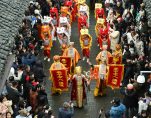
The “Old Man of the Spring Festival” parades through the streets of Langzhong Ancient City while offering blessings.
The celebrations feature a wide range of programs designed to offer residents and visitors alike an immersive cultural experience. Visitors can explore the “Langzhong Stone Rubbing Exhibition for the Lunar New Year”, which showcases precious rubbings of stone inscriptions dating back 1,500 years, and trace the past through their tangible imprints. They may also encounter the “Old Man of the Spring Festival” roaming the streets in traditional costumes to bestow blessings and offer traditional New Year’s greetings.
To enrich the visitor experience, the ancient city has curated a wide array of interactive experiences, with millennium-old folk customs unfolding one after another. A vibrant intangible cultural heritage (ICH) market will present more than 40 nationally and provincially recognized ICH items. Visitors can try their hand at crafting delicate shadow puppets or cutting festive paper window decorations. They may also choose to watch a performance of the Ba Commandery Nuo Opera, a representative ICH item of Sichuan Province that blends ancient ritual practices with folk opera and carries a distinctive sense of regional mystique. Running throughout the festive period, the New Year Grand Temple Fair brings together cultural performances, themed exhibitions, and modern recreational attractions. Whether watching the large-scale cultural stage play Legend of Langyuan or experiencing water tours or low-altitude flights, visitors of all ages are sure to be thoroughly entertained.
Crowds fill the streets of Langzhong Ancient City, Langzhong City, Sichuan Province.
Langzhong’s reputation as the “Ancient City of the World and Birthplace of the Spring Festival” stems from Luo Xiahong, an astronomer of the Western Han Dynasty, who compiled the groundbreaking Taichu Calendar here. Luo was the first to incorporate the 24 solar terms into the Chinese calendrical system and to designate the first day of the first lunar month as the official start of the year, thereby establishing the Spring Festival as a fixed annual celebration. For this historic contribution, he is revered as the original “Old Man of the Spring Festival”. This calendar profoundly shaped Chinese agriculture and folk life for more than two millennia, securing Langzhong’s place as one of the cradles of Spring Festival culture. Today, Langzhong Ancient City stands ready to extend its warmest welcome to every visitor from afar, offering the most authentic New Year customs and the most heartfelt warmth of its people.Hashtag: #NanchongInformationOffice
The issuer is solely responsible for the content of this announcement.
Quantum computing is emerging as a strategic lever for India’s ambition to secure a leading role in the global technology order, with Andhra Pradesh Chief Minister N. Chandrababu Naidu arguing that early investments and coordinated policy could reshape the country’s IT and industrial landscape. Speaking in Amaravati, Naidu said quantum technologies had the potential to redefine computing power, cybersecurity, materials science and drug discovery, placing India at a critical juncture as global competition accelerates.
Naidu’s remarks came as Andhra Pradesh positions itself as a focal point for quantum research and commercialisation through its Quantum Valley initiative, which aims to bring together academic institutions, global technology firms and startups on a single platform. The programme is designed to move beyond theoretical research and translate quantum science into deployable applications, an area where many countries are racing to gain first-mover advantage.
Quantum computing differs fundamentally from classical computing by using quantum bits, or qubits, that can exist in multiple states simultaneously. This allows certain calculations to be performed exponentially faster, opening pathways in optimisation problems, climate modelling, financial risk analysis and cryptography that are currently beyond reach. Governments in the United States, China and the European Union have committed billions of dollars to quantum research, viewing it as both an economic and national security priority.
Naidu said India’s strength lay in its deep pool of engineering talent and its established position in information technology services, but warned that relying solely on legacy software models would leave the country vulnerable as the technology cycle shifts. He argued that quantum computing, when combined with artificial intelligence and advanced semiconductors, could create a new technology stack in which India could compete at the highest level rather than remain a downstream adopter.
The Andhra Pradesh government has pitched Quantum Valley as a long-term ecosystem rather than a single project. Plans include dedicated research facilities, incentives for private investment, and partnerships with universities and multinational technology companies working on quantum hardware, algorithms and error correction. Officials involved in the programme say the aim is to create an environment similar to established innovation clusters, where research, talent and capital reinforce one another.
India’s broader policy environment has also begun to align with these ambitions. The national quantum mission, approved by the Union government, outlines funding for quantum computing, communications and sensing over the coming years, with a focus on building indigenous capabilities. Research groups at institutions such as the Indian Institute of Science and several Indian Institutes of Technology are already active in quantum algorithms and materials research, while startups are exploring niche applications in logistics, finance and healthcare.
Industry analysts note that quantum computing remains at an early stage globally, with practical, large-scale systems still years away. Current machines are limited by qubit stability and error rates, and most commercial use cases are experimental. However, the pace of progress has intensified, with steady advances in hardware architectures and hybrid models that combine classical and quantum computing. Countries that invest early in skills and research infrastructure are expected to gain disproportionate benefits once the technology matures.
Naidu acknowledged these challenges, stressing that quantum computing should be approached as a marathon rather than a sprint. He said sustained investment, patient capital and close collaboration between government, academia and industry would be essential to avoid fragmented efforts. He also emphasised the importance of education and workforce development, arguing that quantum science should be integrated into advanced engineering curricula to build a pipeline of specialised talent.
The B2B cross-border trade payment market is immense, yet remain highly underserved
HONG KONG SAR – Media OutReach Newswire – 9 February 2026 – According to the World Bank, SMEs account for approximately 90% the world’s businesses and contribute 65% of the global cross-border trade. SMEs play a pivotal rolein most economies, particularly in emerging markets. Estimates from the World Trade Organization (WTO) and the Organization for Economic Co-operation and Development (OECD) suggest that B2B cross-border trade payment market for SMEs is worth approximately $20 trillion.
However, traditional commercial banks have been facing multiple challenges in serving SMEs, including strict compliance and risk control requirements, lower profit generating, and license limitations, resulting in a large unmet demand through formal financial systems.
XTransfer’s field research in emerging markets indicates that many SMEs resort to illicit settlement channels like underground banks out of necessity. In fact, the trade volume processed through these unofficial avenues could be 2 to 5 times larger than the official import and export figures.
Compared to other segments, B2B cross-border payment presents vast opportunities
In the cross-border payment industry, services can be categorised into four segments based on money flows:
Four segments in cross-border payment industry.
Marketplace 2B These businesses provide payment processing services for sellers on e-commerce platforms. Risk control is primarily based on e-commerce platform’s integrated of data streams (e.g., merchant details, logistics, transaction history). With relatively low technical barriers and compliance capabilities, the industry is highly saturated.
B2B Focused on traditional cross-border trade enterprises, this segment has huge potential but features high risk control complexity and high barriers. Payment service providers must individually verify the entire information flow pertaining to each transaction (including buyer/seller details, orders, logistics, contracts, etc.), which results in many companies attempting to enter, but few succeed.
C2C This primarily covers cross-border remittances between individuals. The overall market scale is relatively small, with limited use cases.
C2B This is the most well-established segment, dominated by cross-border payment giants such as Visa, Mastercard, PayPal, and Stripe. The market is saturated with intense competition.
As a reference, the C2B cross-border payment industry has evolved dramatically over the last five decades, especially in the past ten years. Mobile wallet providers in China, the U.S. and Europe drove the mobile payment revolution, establishing a well-established cross-border settlement and risk control platform dominated by card schemes and wallets like PayPal. The system features significant advantages, including efficient transaction processes and unified risk control standards.
In contrast, B2B cross-border payments still primarily rely on traditional bank transfers. The sector as a whole is still on the cusp of the “mobile payment revolution” and has not yet formed a unified clearing mechanism or a standardized risk control system.
The payment sector need a new platform.
However, this development gap also points to a huge market opportunity. The B2B cross-border settlement market for SMEs desperately needs a shake-up. Service providers that possess a deep understanding of global customer needs and are equipped with technological and compliance capabilities will unleash vast growth potential in this space.
Beyond Borders: XTransfer Insights is a thought-leadership series that shares XTransfer’s perspectives on the forces shaping global trade and financial services. Through research-driven insights and real-world observations, it highlights emerging trends, key challenges, and opportunities across international markets. Hashtag: #XTransfer #Crossborder #Payment #SMEs #whitepaper
Global growth in the mobile games market slowed markedly through 2025, with spending increases tapering and downloads flattening across major regions, according to fresh analysis by data firm AppMagic, reinforcing a shift from the hyper-growth years of the pandemic to a more mature and competitive phase for the industry. The research indicates that while mobile gaming remains the largest segment of the global games business by user […]
YAKESHI, CHINA – Media OutReach Newswire – 8 February 2026 – Changan Automobile held a release event themed “Changan SDA Intelligence Update & Global Launch of Sodium-Ion Battery Strategy” in Yakeshi, Inner Mongolia. During the event, Changan formally unveiled its global sodium-ion battery strategy and announced the commencement of its 2026 Global Testing Season.
Changan is accelerating the advancement of sodium-ion battery technology as part of its global battery strategy. Tan Benhong, Chief Brand Officer of China Changan Automobile Group, noted that Changan will continue to roll out new sodium-ion battery–equipped vehicles across multiple brands in the near future.
“From extreme conditions to everyday driving — every pursuit of limits at Changan ultimately serves to protect each of our users’ everyday journeys.” stated Mr. Tan.
Under extreme low temperatures, sodium-ion battery systems demonstrated stable discharge capability, with validation extending beyond minus 40 degrees Celsius. To verify intrinsic safety, Changan and CATL conducted extreme abuse tests exceeding national standards, including compression, nail penetration, drilling, and full cutting under full charge, all without fire, explosion, smoke, or thermal runaway.
SDA Intelligence: Validation in Extreme Conditions
The launch also showcased SDA Intelligence, which moves beyond passive safety into proactive, AI-driven vehicle stabilization. During live extreme-cold testing in Yakeshi, vehicles from AVATR and Changan brands—including the CS Series, CHANGAN DEEPAL, and CHANGAN NEVO—were subjected to real-world scenarios under severe low-temperature conditions.
The AVATR 12 completed an ice-surface emergency lane-change following a tire blowout at 80 km/h. CHANGAN NEVO Q05 identified obstacles on low-friction ice during an Adaptive Cruise Control (ACC) challenge and achieved a controlled emergency halt. CHANGAN DEEPAL L06 demonstrated rapid posture adjustments during a high-speed circular drift challenge on snow.
User-facing safety at Changan is built on a validation-first approach supported by a robust verification system and globally advanced laboratory infrastructure, including the Western Automotive Proving Ground and the CHANGAN SDA Lab, enabling comprehensive, all-scenario validation across the full vehicle lifecycle.
Yakeshi is only the starting point. The 2026 Global Testing Season will include Southeast Asia for high-humidity durability and the European Alps for high-altitude chassis tuning. In Eurasia, Changan will conduct winter testing centered on confidence in ice and snow, with AVATR 12 as the test vehicle. In Latin America, Changan will carry out a Mexico cross-country drive from Cancun to Merida, focusing on long-distance reliability.
Hashtag: #Changan
The issuer is solely responsible for the content of this announcement.
By T N Ashok NEW YORK: For seven decades, American diplomats danced around Kashmir with the precision of tightrope walkers, carefully avoiding any gesture that might suggest the United States had chosen sides in South Asia’s most intractable territorial dispute. Maps were scrubbed of political meaning. Statements were lawyered into studied neutrality. From Truman to […]
Arabian Post Staff -Dubai Sharjah Airport Authority has announced the launch of a new scheduled service by SpiceJet linking Ahmedabad Airport with Sharjah International Airport, expanding the airport’s international network and underscoring the growing demand for direct connectivity between the United Arab Emirates and India. The service adds capacity on a corridor that serves business travellers, tourists and families with close ties across the two regions. The […]
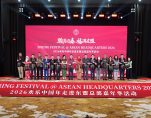
JAKARTA, INDONESIA – Media OutReach Newswire – 6 February 2026 – 2026 marks the 35th anniversary of the establishment of dialogue relations between China and ASEAN and the 5th anniversary of the establishment of the China-ASEAN Comprehensive Strategic Partnership. It also coincides with the Year of the Horse in Chinese Spring Festival. On February 5, the “Steeds Herald Spring, Blessings Fill ASEAN”—Spring Festival @ ASEAN Headquarters 2026 was successfully held at the ASEAN Headquarters in Jakarta, Indonesia.
The Chinese Ambassador to ASEAN and representatives of the Guangxi government pose for a handshake group photo with the permanent representatives of the 11 ASEAN member states (Photo by Huang Jundong)
The event, supported by the Mission of the People’s Republic of China to ASEAN, the Permanent Mission of Malaysia to ASEAN, and the ASEAN Secretariat, was hosted by the Information Office of the People’s Government of Guangxi Zhuang Autonomous Region, China, and the Department of Culture and Tourism of Guangxi Zhuang Autonomous Region, China, and jointly organized by Guangxi Daily (Guangxi International Communication Center), Guangxi Radio and Television, Guangxi Tourism Development Group, and Guangxi Cultural Industry Group. More than 250 guests attended the event, including envoys from the 11 ASEAN countries and external partners such as Russia, the United Kingdom, Australia, South Korea, and Brazil, senior officials from the ASEAN Secretariat, representatives from mainstream ASEAN media, local university faculty and students, and representatives from Chinese-funded enterprises.
I. A Gathering of Distinguished Guests, Sharing a Common Vision
This marks the first time that Chinese Spring Festival cultural activities have been held at the ASEAN Headquarters. With the deepening of globalization, the traditional festival of Spring Festival is not only a time for family reunions for the Chinese people, but also a new bond for dialogue between different civilizations. The Chinese Spring Festival embodies the philosophy of “harmony and coexistence”, which aligns perfectly with the ASEAN countries’ pursuit of “unity and cooperation”. Furthermore, the sustainable development concept of “rejuvenating the old and welcoming the new” resonates strongly with the ASEAN region’s vision of “common prosperity”.
Kao Kim Hourn, Secretary-General of ASEAN, stated in his video address that over time, the Spring Festival has evolved into a global celebration. Its inscription on the UNESCO’s Representative List of the Intangible Cultural Heritage of Humanity in 2024 underscores the rich significance of this precious human heritage. Within ASEAN, many member states celebrate the Spring Festival, reminding people of the deep emotional bonds that transcend national borders. ASEAN will continue its commitment to fostering a community proud of its identity, actively undertaking the responsibility of protecting, preserving, and creating culture, arts, and traditions, and promoting the development of the cultural and creative industries. As we welcome the Year of the Horse, we hope everyone will embrace the elegance, vitality, and forward momentum that the horse represents, and embark on the new year together with hope, resilience, and unity.
Wang Qing, Chinese Ambassador to ASEAN, stated in his address that the Spring Festival symbolizes reunion, joy, and harmony. Celebrating the holiday together exemplifies the close bonds between the people of China and ASEAN, the integration of our civilizations, and our harmonious coexistence. The China-ASEAN community with a shared future is growing ever closer, demonstrating powerful vitality and setting an exemplary model for building a community with a shared future for mankind. He specifically noted that Guangxi serves as a vital “connection point” and “intersection point” for China-ASEAN friendship, exchanges, and cooperation, functioning as both a “gateway and engine” within the China-ASEAN Comprehensive Strategic Partnership. In the new year, he extended heartfelt wishes for China-ASEAN friendship and cooperation to surge forward like galloping horses, unstoppable in its momentum.
Ambassador Sarah, Permanent Representative of Malaysia to ASEAN, noted in the address that as the Country Coordinator for China-ASEAN Relations, Malaysia has been privileged to witness and foster the flourishing development of the China-ASEAN Comprehensive Strategic Partnership. Cultural celebrations like today’s Spring Festival event vividly demonstrate that our partnership extends far beyond trade agreements and diplomatic protocols. ASEAN and China share a deep, mature, and resilient relationship that will continue to grow and strengthen on the solid foundation of mutual respect, shared interests, and a common vision for peace, stability and prosperity in the region.
Li Pan, Director of the Information Office of the People’s Government of Guangxi Zhuang Autonomous Region, stated in his address that Guangxi is honored to host this event at the ASEAN Headquarters. As the permanent host city of the China-ASEAN Expo, Guangxi serves as an important platform for China-ASEAN economic and trade cooperation and cultural exchanges. Guangxi is working with ASEAN countries to build an artificial intelligence development path of “R&D in Beijing, Shanghai, and Guangzhou + Integration in Guangxi + Application in ASEAN”, and actively creating a new trade chain of “Production in ASEAN + Distribution in Guangxi + Sales in China”. In 2026, Guangxi will work hand in hand with all sectors of ASEAN to forge ahead and strengthen the neighborly bond between China and ASEAN over time. II. Celebrating the Spring Festival and Savoring the Festive Flavors
The event invited guests from around the world to gather together, celebrating the Spring Festival for the Year of the Horse, savoring the flavors of the Chinese Spring Festival, and appreciating the beauty of the arts. The opening performance, “The Beauty of China: Guangxi’s Zhuang Ethnic Charm”, featured a symbolic dance and connected it with a classic excerpt from the Caidiao Opera “Liu Sanjie”, including the “Antiphonal Song”, creating an artistic masterpiece that blends Eastern poetry with innovative ingenuity. The Chinese instrumental performance, “Chinese Chic Performance for Celebrating the Spring Festival of the Year of the Horse”, featured erhu and suona as the main instruments, playing classic melodies such as the theme song from “Journey to the West” and “Black Myth: Wukong”, converging into a “National Trend IP Music Festival”. When Guangxi ethnic instruments, the maguhu (horse-bone fiddle) and the bolie, met Indonesian gamelan, Chinese and Indonesian musicians jointly performed classics like “Jasmine Flower” and “Folk Songs Like Spring River Water”making the phrase “high mountains and flowing water meet a kindred spirit” more concrete and creating a lasting artistic resonance.
During the event, Guangxi Daily (Guangxi International Communication Center), Guangxi Radio and Television, together with ASEAN media such as TVRI, El John TV, and Harian Inhua, jointly launched the China-ASEAN Spring Festival Short Video Exhibition Week. Using short videos as a link, the event showcased the joyous scenes of China and ASEAN countries celebrating the Spring Festival together from multiple dimensions, inviting netizens around the world to jointly celebrate the Chinese Spring Festival as a global festival through the Internet.
III. Savoring the Cultural Gathering, Welcoming the Prosperous Spring Festival
On the same day, the “Spring Blessings for Success at the Year of the Horse” Chinese Spring Festival Cultural Exhibition and the “Instant Joy Market” Spring Festival Cultural Market were held simultaneously at the ASEAN Headquarters. Guests from various countries experienced the hospitality of “Tea Harmonies the World” through immersive experiences that included playing, appreciating, and tasting, creating “Ancient Charm and Blessings” calligraphy and painting rubbings, admiring the exquisite paper-cutting art, and enjoying a feast of Spring Festival delicacies from all directions.
The most surprising experience for the guests was exploring the smart future using Guangxi’s cutting-edge AI technology. Guests from various countries experienced intelligent translation devices and wore AR glasses, immersing themselves in barrier-free communication and exploring the thousand-year-old legend of the Zuojiang Huashan Rock Art Cultural Landscape. Hardy Chung, a reporter from Harian Inhua, remarked that China’s AI technology not only accurately depicted the beautiful scenery of the Spring Festival but also vividly expressed the touching story of ASEAN and China being connected by mountains and seas and sharing good neighborly friendship, presenting a beautiful picture of cooperation towards the future.
On February 4th, two “Instant Blessings” Pop-Up Events were held at the Halim Station of the Jakarta-Bandung High-Speed Railway and the Mall Central Park in Jakarta, Indonesia, creating a festive atmosphere for the Chinese Spring Festival. Performers from Guangxi presented a variety of acts including song, dance, opera, and puppetry, attracting many locals to participate in interactive activities, join in the “Guangxi Kemusan Dance”, and share the joy of the Spring Festival. Yi Yan, a social media blogger traveling and living in Indonesia, exclaimed, “This year’s Spring Festival atmosphere in Jakarta is different!”
This event attracted more than 20 media outlets, including People’s Daily, Xinhua News Agency, China Media Group, China News Service, TVRI, METRO TV, bolong.id, and Vietnam News Agency to report on the event and widely spread the concepts of peace, amity, and harmony in the Spring Festival to people at home and abroad.
The issuer is solely responsible for the content of this announcement.
Ushering in a new chapter featuring a four-hand gastronomic symphony by Chefs from Culinary Class Wars Season 2
HONG KONG SAR – Media OutReach Newswire – 6 February 2026 – DBS Bank (Hong Kong) Limited (“DBS Hong Kong”) is thrilled to announce the second season of DBS ARTable, an exclusive event meticulously curated for our esteemed clientele. Coinciding with the city’s most vibrant art season in March, DBS ARTable 2026 will offer an elevated prelude to this annual celebration of artistic mastery and gastronomy.
Jun Lee, Executive Chef of Seoul’s two-Michelin-starred restaurant Soigné (left) and Yun Na-ra, Owner & Chef of Yunjudang Brewmaster (right)
Building on the strong momentum of its inaugural year, the upcoming edition promises an even more refined and harmonious dialogue of visual and gastronomic arts. The culinary journey at DBS ARTable 2026 will ascend to new heights with an extraordinary 4-hand dining experience curated by two acclaimed chefs from “Culinary Class Wars Season 2” – Jun Lee, Executive Chef of Seoul’s two-Michelin-starred restaurant Soigné and Yun Na-ra, Owner & Chef of Yunjudang Brewmaster.
DBS ARTable, presented by Tatler, is a flagship initiative under the bank’s “DBS Culinary Delights”, catering to the aspirational preferences of its wealth clients. DBS remains dedicated to offering unparalleled experiences that blend sophisticated advisory with personal touches.
Hashtag: #DBS
The issuer is solely responsible for the content of this announcement.
About DBS
DBS is a leading financial services group in Asia with a presence in 19 markets. Headquartered and listed in Singapore, DBS is in the three key Asian axes of growth: Greater China, Southeast Asia and South Asia. The bank’s “AA-” and “Aa1” credit ratings are among the highest in the world.
DBS provides a full range of services in consumer, SME and corporate banking. As a bank born and bred in Asia, DBS understands the intricacies of doing business in the region’s most dynamic markets. DBS is committed to building lasting relationships with customers, as it banks the Asian way. Through the DBS Foundation, the bank creates impact beyond banking by uplifting lives and livelihoods of those in need. It provides essential needs to the underprivileged, and fosters inclusion by equipping the underserved with financial and digital literacy skills. It also nurtures innovative social enterprises that create positive impact.
With its extensive network of operations in Asia and emphasis on engaging and empowering its staff, DBS presents exciting career opportunities. For more information, please visit www.dbs.com.
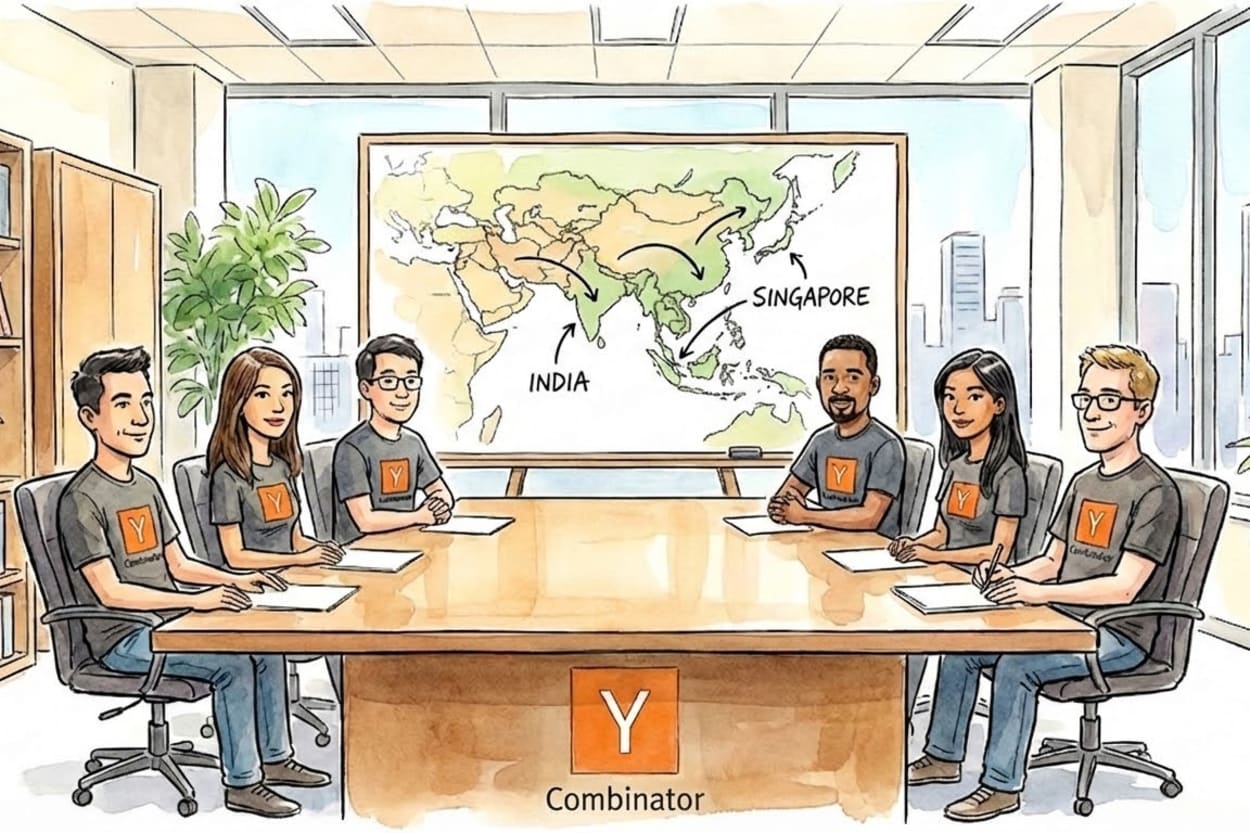
Y Combinator continues to generate outsized returns from companies with roots in India even as its broader influence across Asia shows signs of long-term retreat, reflecting a strategic shift by the world’s best-known startup accelerator amid changing regional dynamics. While founders from Bengaluru, Chennai and Delhi remain visible in its demo days and alumni rosters, the programme no longer shapes Asia’s startup narrative in the way it once did.
Founded in 2005 in Silicon Valley, Y Combinator built its reputation by backing early-stage companies that later became global giants, including Airbnb, Stripe and Dropbox. Its appeal in Asia peaked during the previous decade, when limited access to global capital and mentorship made association with a US-based accelerator especially valuable. India emerged as one of the biggest beneficiaries, with dozens of YC-backed startups securing follow-on funding, overseas market access and high-profile exits.
Companies such as Razorpay, Meesho and Groww, all of which passed through the YC ecosystem in earlier years, became reference points for founders seeking validation from global investors. India’s expanding pool of engineers, rising digital adoption and a large domestic market aligned well with YC’s software-first investment philosophy. These successes continue to deliver financial returns for the accelerator through equity stakes that have appreciated sharply as several firms reached unicorn valuations or prepared for public listings.
Yet the accelerator’s footprint across Asia has narrowed. YC formally closed its China-focused efforts earlier in the decade, citing regulatory complexity and difficulties operating within a tightening policy environment. Activity in Southeast Asia also slowed, with fewer batches featuring startups from Indonesia, Vietnam or Thailand compared with earlier years. The shift reflects not only YC’s internal priorities but also the maturation of Asia’s startup ecosystems, which now offer more local alternatives.
Across Asia, domestic accelerators, corporate venture arms and sovereign-backed funds have stepped in to fill gaps once dominated by Silicon Valley programmes. In India, initiatives backed by large conglomerates, universities and state governments provide capital, mentorship and market access without requiring relocation or deep integration into the US ecosystem. Southeast Asia has followed a similar path, with regional venture firms increasingly willing to lead early rounds.
YC itself has changed. The accelerator has leaned further into its core strengths, focusing on fewer geographies while doubling down on artificial intelligence, developer tools and enterprise software. Its decision to emphasise remote participation during and after the pandemic reduced the symbolic value of spending months in Silicon Valley, a factor that once set YC apart for Asian founders. While remote access broadened participation, it also diluted the sense of exclusivity that helped the programme stand out.
For Indian startups, the relationship with YC has become more transactional. Participation is still seen as a strong signal of quality, especially for companies targeting global markets or US-based customers. However, founders increasingly view YC as one of several possible launchpads rather than a defining milestone. Follow-on funding now depends less on accelerator pedigree and more on unit economics, regulatory clarity and the ability to scale within complex local markets.
Investors tracking Asia’s venture landscape note that YC’s reduced presence does not imply a loss of relevance everywhere. India remains an exception because of its scale, talent depth and ongoing pipeline of software-led startups with global ambitions. YC partners continue to engage with Indian founders, and each batch includes a steady, if smaller, number of companies from the country. Returns from earlier bets ensure that India remains financially meaningful to the accelerator.
At the same time, YC no longer sets the pace for Asia-wide innovation trends. Local accelerators and venture funds are shaping sectors such as fintech, climate technology and logistics, areas where regulatory nuance and on-the-ground execution matter as much as global networks. Governments across the region have also become more involved in startup promotion, offering grants, sandboxes and procurement opportunities that reduce reliance on foreign programmes.
BEIJING, CHINA – Media OutReach Newswire – 6 February 2026 – On the evening of February 4, “The World TCM Heritage Odyssey,” co-hosted by Phoenix Satellite TV and Dong-E-E-Jiao, took place at the Phoenix Center in Beijing and successfully concluded. The event, marking the beginning of spring, showcased the latest practices and achievements in the international dissemination, academic exchange, and modern transformation of Traditional Chinese Medicine (TCM) through cultural tributes, cross-disciplinary dialogues, and the integration of technology and art.
The ceremony centered on TCM culture and leveraged the immersive cultural, technological, and experiential environment of the Phoenix Center. It connected traditional medical wisdom with contemporary global health issues, demonstrating the pathways of inheritance and innovation for TCM in diverse cultural contexts around the world.
In his speech, Xu Wei, Chairman and CEO of Phoenix Satellite TV, stated that the global spread of TCM is not just about medical communication but also a process of cross-cultural understanding and exchange. He emphasized the need to build communication bridges through modern dissemination methods while respecting differences. Phoenix Satellite TV will continue to focus on and document the international dissemination of TCM.
Cheng Jie, Chairman of Dong-E-E-Jiao, remarked that TCM culture belongs to all humanity and that the company will keep promoting the synergy between cultural dissemination and industrial development, facilitating a deep integration of technology, culture, and brand narrative to contribute to global health.
The event featured a “Tribute” segment honoring five representatives dedicated to the international spread and cross-disciplinary integration of TCM, covering fields such as academic translation, medical practice, technology integration, and public welfare dissemination.
Scholar Ehsan Doostmohammadi from Iran was honored for completing the first Persian translation of the “Huangdi Neijing: Suwen” and promoting TCM in the West Asia region. Zhao Zhongzhen, Emeritus Professor at Hong Kong Baptist University’s School of Chinese Medicine, presented the honor and advocated for further collaboration.
Malaysian TCM practitioner Neoh Karen was recognized for promoting the modernization and internationalization of TCM through innovative communication methods.
Lee Tsung-En Andy, CEO of the Yangqi Integrative Medicine Center in Silicon Valley, was honored for his exploratory practices integrating TCM concepts with artificial intelligence and big data, sparking discussions about the modernization of TCM.
Italian physician Valeria Toso, a proponent of TCM meridian theory, was acknowledged for her long-term efforts to promote TCM concepts in Europe.
Dr. Diarra Boubacar Thiemoko from Mali, the first foreign postdoctoral fellow in TCM in China, received high praise for his years of grassroots medical exchanges in Central Africa and his work in developing TCM training and public welfare diagnosis programs on the continent.
During the event, Phoenix Satellite TV officially launched the second season of “The Healing Path.” The new season will document TCM’s development and application across different countries and cultural contexts, showcasing its diverse expressions in a global setting.
Throughout the ceremony, the Phoenix Center also established a global TCM cultural interactive experience area, enhancing the public’s intuitive understanding of TCM culture through cultural displays, product exhibitions, and interactive experiences. A special livestream program titled “Let’s Talk! Friends of TCM” preceded the event, generating public discussion.
As the event concluded, the theme song “The Healing Path,” created with AI participation, resonated in the venue, marking the end of the ceremony.
The organizers stated that this ceremony was not only a concentrated display of TCM culture but also a forward-looking exchange practice, showcasing new expressions and possibilities for traditional medicine in the contemporary technological and global health context.
Featuring Renowned Actor Wang Zhuo Cheng and T-Pop Sensation BUS to Boost Thai–Chinese Tourism Economy
BANGKOK, THAILAND – Media OutReach Newswire – 5 February 2026 – ICONSIAM, the global landmark on the banks of the Chao Phraya River, announces a major collaboration with leading public and private partners—including the Ministry of Culture (Thailand), the Tourism Authority of Thailand (TAT), KASIKORNBANK, CP AXTRA “Makro – Lotus”, Alipay +, and Tiger Balm—to host a world-class Chinese New Year celebration. Reinforcing its Destination Marketing strategy, ICONSIAM aims to position itself as one of the world’s premier Chinese New Year destinations through festivities that blend Thailand’s cultural heritage with revered Chinese traditions. A key highlight is ICONSIAM’s spiritually significant location, known as the “Dragon’s Belly,” a powerful symbol of prosperity along the most beautiful curve of the Chao Phraya River. To honor the Year of the Horse, a sacred statue of Guan Yu—the deity of honesty, loyalty, and righteousness, will be enshrined. The celebration will feature world-class entertainment led by renowned Chinese actor Wang Zhuo Cheng and T-Pop Sensation BUS, alongside dragon and lion dances, festive street food, shopping, and cultural experiences. ICONSIAM is confident that foot traffic and spending within the destination will grow by more than 10%, helping to stimulate overall economic activity and tourism in the first quarter. The event will take place from 12–17 February 2026 at River Park, ICONSIAM.
Mrs. Suma Wongphan, Executive Vice President of ICONSIAM Co., Ltd. said “This event reaffirms ICONSIAM’s role as a Global Experiential Destination that captivates visitors worldwide. Our ambition is not only to elevate Thailand’s tourism experience, but also to celebrate the deep-rooted ties between Thailand and China. We have curated a landmark festival that seamlessly blends traditional beliefs with contemporary artistry, creating a special experience to attract global audiences to witness the most magnificent Chinese New Year celebration along the Chao Phraya River. Alongside the cultural aspects, ICONSIAM enhances the festive experience through its ‘Lucky Angpao Mega Campaign’, offering over 8,300 prizes, with expectations of driving more than 10% growth in visitor traffic and 10% increase in consumer spending during the campaign period.”
The2026 Chinese New Year season is expected to generate significant economic impact across Thailand’s tourism sector, aligning closely with the Tourism Authority of Thailand’s strategy in setting the target of attracting 6.7 million Chinese visitors under ongoing visa-free measures. ICONSIAM is confident that the scale and creativity of this celebration will serve as a powerful catalyst in advancing Thailand’s tourism and retail sectors to global prominence.
The ICONSIAM A Prosperous Chinese New Year 2026 key highlights include:
Landmark of Blessing: Visitors are invited to experience profound spiritual power at The Auspicious Guan Yu Shrine, featuring the enshrinement of five sacred manifestations of Guan Yu, brought directly from the People’s Republic of China for the first time in Thailand. Enhancing the experience is the Interactive Blessing Pavilion, showcasing the “Eight Auspicious Horses” through cutting-edge interactive technology that breathes new life into ancient mythology.
Prosperous Celebration: The riverside comes alive with a world-class cultural spectacle led by the appearance of globally renowned Chinese actorWang Zhuo Cheng, who joins the grand procession of the legendary ‘Long Ma’ (Dragon Horse), a mythical creature stretching over 32 metres in length, symbolising success and progress. The celebration is further energised by a breathtaking performance of the dragon-horse dance by Thailand’s leading T-POP sensation BUS (Because of You I Shine), creating a powerful fusion of tradition and contemporary pop culture.
The Miracle of Fountain: At ICONSIAM’s iconic river curve — regarded as the most beautiful bend of the Chao Phraya, visitors will witness the mesmerising “Chao Phraya River Dragon Multimedia Water Feature,” the longest of its kind in Southeast Asia, featuring a choreographed spectacle of dancing fountains, light, and sound.
More than a celebration, ICONSIAM A PROSPEROUS CHINESE NEW YEAR 2026 is a cultural phenomenon that positions Bangkok as one of the world’s most compelling festive destinations. Be part of this extraordinary celebration from February 12–17, 2026, at River Park, ICONSIAM. Discover upcoming events and the latest updates via ICONSIAM’s Facebook atwww.facebook.com/ICONSIAM or call 1338 for more information.
By Nitya Chakraborty Bangladesh, Nepal and now Myanmar. Indian foreign policy makers are clueless in dealing with the developing situation. Myanmar’s three phase general elections organized by the military junta ended on January 25 and the results were released on January 29 and 30. As expected, the military aligned Union Solidarity and Development Party (USDP) […]







 www.broadwaymacau.com.mo


 By Nitya Chakraborty Prime Minister Narendra Modi and his ministers in the Government as also loyal experts are having a pathetic time in explaining the great benefits that the Indo-US Trade Deal are conferring to India, especially the agricultural sector which is one of the major focus area of the US President Donald Trump. Commerce […]





 https://www.linkedin.com/company/xtransfer.cn
 https://x.com/xtransferglobal
 https://www.facebook.com/XTransferGlobal/
 https://www.instagram.com/xtransfer.global



 By T N Ashok NEW YORK: For seven decades, American diplomats danced around Kashmir with the precision of tightrope walkers, carefully avoiding any gesture that might suggest the United States had chosen sides in South Asia’s most intractable territorial dispute. Maps were scrubbed of political meaning. Statements were lawyered into studied neutrality. From Truman to […]