Just in:
LNG tanker exits through Hormuz reach wartime peak // Abu Dhabi unveils restored Porsche from royal motorcade // Trump’s Defeat In Midterm May Lead To Both Challenges And Opportunities For Indian Economy // Lee Kum Kee Sauce-Sponsored 2026/27 Hong Kong Windsurfing Circuit – iQFOiL Championships Conclude Successfully // Trump directs Justice Department scrutiny of Democratic threats // NIA Highlights Three Exemplary Breakthroughs from National Innovation Awards, Driving Thailand Toward a Global ‘Innovation Nation’ // European refrigeration hacks expose Gulf retail security risks // Smart home choices widen as compatibility standards advance // Recognition under the U.S. Green Building Council’s rating system confirms the 22-residence tower is on track for full certification on completion // PhotonPay Strengthens North American Regulatory Footprint with Canada’s RPAA Registration // California electorate defeats proposed levy on billionaire wealth // Sber announces results of GigaArt AI-art festival: Nearly half a million images // Republicans Struggling To Come Out Of Nov 3 Debacle To Prepare For 2028 Prez Polls // AI stock rout erodes sovereign and pension holdings // FinCEN identifies $8 billion in suspect overseas payments // AutoSwift secures close to A$10 million from Singapore’s X Star Technology to scale AI WINGMAN // Jailbroken AI agent targets European telecom infrastructure // Vasavan alleges one-man show by CM Satheesan // FATF unveils measures to dismantle global scam networks // Public Protests Challenge Elected Power In Europe And India //

News related to
Democratic

South Korea’s Constitutional Court has unanimously upheld the impeachment of President Yoon Suk Yeol, officially removing him from office. The decision follows Yoon’s controversial declaration of martial law in December 2024, which led to widespread political turmoil and public outcry. Acting Chief Justice Moon Hyung-bae stated that Yoon’s actions constituted a “serious challenge to democracy” and a “grave betrayal of the people’s trust.” He emphasized that the […]

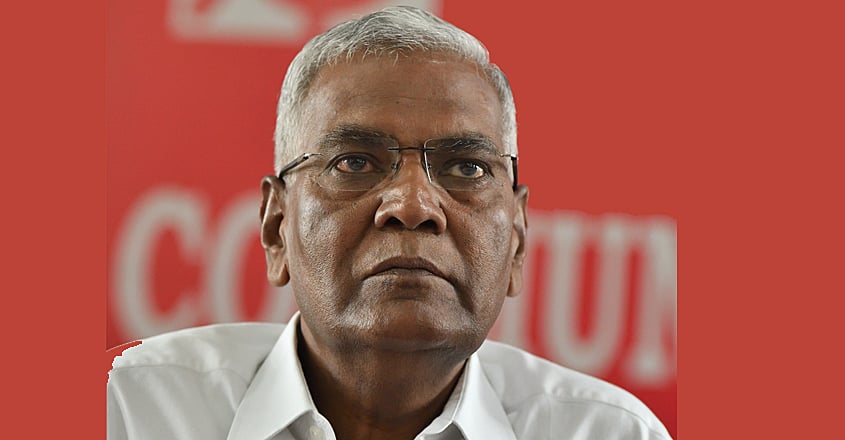
By Satyaki Chakraborty Communist Party of India (CPI) general secretary D. Raja gave a clarion call on Wednesday for the building of principled unity of all communists in India to act as the vanguard of the battle against the Narendra Modi government and the RSS-BJP led Sangh Parivar. Addressing the inaugural session of the 24th […]
By K Raveendran It would be an understatement that the discovery of a large stash of cash from the residence of Delhi High Court Justice Yashwant Varma has sent shockwaves. This unexpected incident has raised uncomfortable questions about corruption and integrity within the judiciary, often viewed as the guardian of justice and moral rectitude. While […]
By Nitya Chakraborty Indrajit Gupta, the dedicated Communist leader of India in the last century and an outstanding Parliamentarian dominated the country’s trade union movement and the Left movement for the last sixty years of the 20th century. He belonged to that generation of leaders from undivided Bengal whose sense of patriotism and deep anguish […]
By Deeksha Dwivedi The recent arrest of Mahmoud Khalil in the United States, an active member of Columbia University’s protests against the ongoing genocide in Gaza, takes me back to 2016 when student political leaders Umar Khalid, Kanhaiya Kumar and Anirban Bhattacharya were arrested by the Delhi Police on charges of sedition. A controversy had […]
India is poised to ascend to the position of the world’s third-largest economy by 2028, overtaking Germany, according to projections by global financial services firm Morgan Stanley. This anticipated growth underscores India’s expanding influence in the global economic landscape.

Currently standing as the fifth-largest economy with a gross domestic product of $3.5 trillion in 2023, India is on track to reach $4.7 trillion by 2026, surpassing Japan to become the fourth-largest economy. By 2028, the GDP is expected to further expand to $5.7 trillion, positioning India ahead of Germany. This trajectory marks a significant rise from its 12th position in 1990, 13th in 2000, 9th in 2020, and 5th in 2023.

Several foundational factors contribute to this robust economic growth. India’s burgeoning population offers a vast labor force and consumer base, fostering both production and consumption. The nation’s democratic framework ensures policy continuity and stability, attracting foreign investments. Macroeconomic stability, characterized by controlled inflation and prudent fiscal policies, has created a conducive environment for sustainable growth. Infrastructure development, including advancements in transportation and digital connectivity, has enhanced efficiency and productivity across sectors. Additionally, a rising entrepreneurial class has spurred innovation and competitiveness, further propelling economic expansion.

Morgan Stanley outlines three potential scenarios for India’s economic future by 2035:

– Bear Scenario: GDP reaches $6.6 trillion.

– Base Scenario: GDP grows to $8.8 trillion.

– Bull Scenario: GDP surges to $10.3 trillion.

In these scenarios, GDP per capita is projected to rise from $2,514 in 2025 to $4,247 , $5,683 , and $6,706 by 2035.

The government’s strategic initiatives have played a pivotal role in this economic ascent. Programs like ‘Make in India’ have invigorated the manufacturing sector, encouraging both domestic and foreign companies to establish production units within the country. The ‘Digital India’ campaign has significantly improved digital infrastructure, increasing internet penetration and promoting e-governance, thereby enhancing transparency and efficiency. These initiatives have collectively created a more business-friendly environment, attracting global investors and fostering economic growth.

The international community has taken note of India’s economic potential. Germany, for instance, is actively seeking to strengthen ties with India to diversify its economic partnerships and reduce reliance on China. German companies are increasingly investing in India, drawn by its vast market, youthful workforce, and relatively lower costs. This strategic move aligns with Germany’s efforts to diversify supply chains and mitigate economic risks associated with over-reliance on a single country.

However, challenges persist on India’s path to sustained economic growth. Concerns about the country potentially aging before achieving widespread prosperity have been raised. Issues such as unemployment, particularly among the educated youth, and a stagnating middle class could impede economic progress. To address these challenges, economists emphasize the need for India to maintain a growth rate of approximately 8% per year. Additionally, the prospect of an aging population, coupled with declining fertility rates, necessitates strategic planning to ensure a balanced and inclusive growth trajectory.

In the realm of global manufacturing, India has the opportunity to position itself as a viable alternative to China. By capitalizing on the ‘China plus One’ strategy, India can attract foreign investments in low-skilled manufacturing sectors. This approach not only diversifies global supply chains but also creates employment opportunities within the country, contributing to economic growth. However, achieving this requires addressing structural challenges, such as improving labor laws and enhancing ease of doing business, to create a more conducive environment for manufacturing investments.

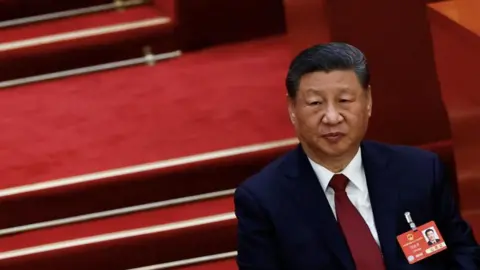
By Nitya Chakraborty The 14th National People’s Congress of China ended its one-week-long session in Beijing on Tuesday March 11 with a clear direction given by the President and the Communist Party supremo Xi Jinping that China will take on the disruptions made in the global order by the United States president Donald Trump in […]
Advertisements

A tragic incident unfolded on the Kwa River in southwestern Congo, resulting in the deaths of at least 25 individuals, many of whom were soccer players returning from a match. The boat capsized on Sunday night near the city of Mushie in Maï-Ndombe province, as confirmed by local authorities. Provincial spokesperson Alexis Mputu indicated that poor nighttime visibility might have contributed to the accident. The vessel, carrying […]

The UK government’s proposal to reform copyright law to accommodate artificial intelligence development has ignited a heated debate among creative professionals and industry leaders. The proposed changes aim to allow AI companies to utilize copyrighted works without prior permission from rights holders, provided that the creators do not explicitly opt out. This initiative seeks to position the UK as a leader in AI innovation by simplifying access […]

The Electronic Frontier Foundation has unveiled Rayhunter, an innovative open-source tool designed to detect covert cellular surveillance tactics employed by law enforcement and malicious actors. This development aims to enhance public awareness and defense against unauthorized monitoring. Rayhunter operates on an affordable Orbic RC400L mobile hotspot, enabling users to identify the presence of cell-site simulators , commonly known as “Stingrays” or IMSI catchers. These devices masquerade as […]

By Nitya Chakraborty Democratic rights activist Jagdeep S. Chhokar in his recent piece in the news portal The Wire mentions of his four conclusions on the state of Indian polity in the present stage after the BJP sweep in Delhi assembly polls. His four concluding points are- first, the BJP is almost achieving an opposition-free […]

The Gulf region’s strategic importance in global supply chains is increasing as the US seeks to secure critical minerals vital for technology and clean energy. With an eye on reducing dependence on China, the US is now pivoting towards the Gulf, an area rich in natural resources and energy infrastructure, to diversify its supply of rare earth elements and minerals. Recent geopolitical shifts have made it clear […]

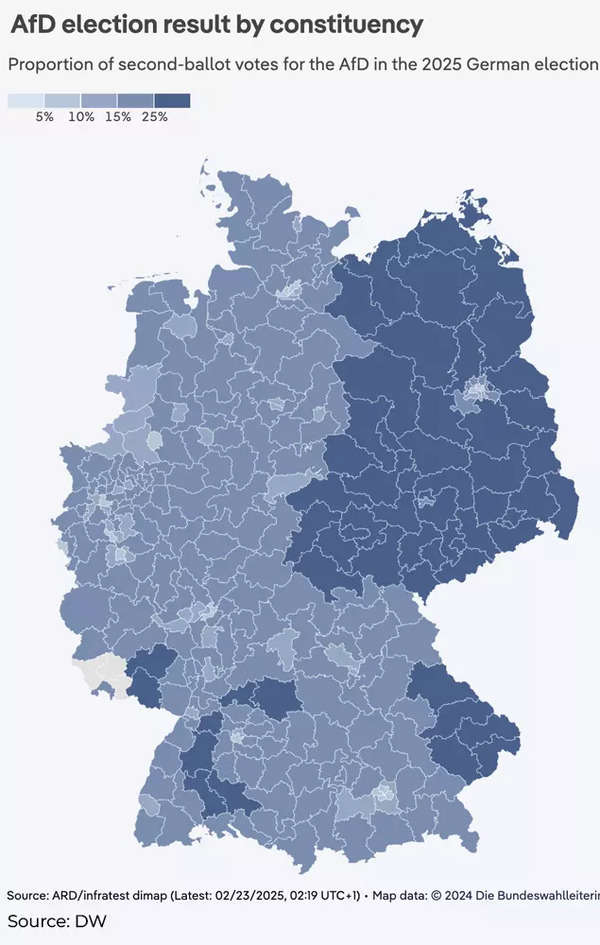
By Nitya Chakraborty The final results of Germany’s national elections held on February 23 are being debated intensively in the global media, especially in the European media about the upsurge of the far right party AFD which virtually doubled its voting percentage in the 2025 elections compared to the 2021 national elections. The ruling Social […]
By Satyaki Chakraborty The polarization in German politics widened after national elections on Sunday, February 23 in which the conservative CDU/CSU with 28.5 per cent votes topped among the political parties followed by the far right AFD at 20.7 per cent and the centre-left SPD at 16.5 per cent. The remarkable feature was the resurgence […]

HTXMining, a prominent liquidity staking platform, is gaining recognition for its innovative approach to enabling passive income within the cryptocurrency sector. Offering advanced staking solutions, HTXMining is empowering investors to grow their digital asset portfolios through its user-friendly and highly efficient model. By leveraging blockchain technology and decentralised finance principles, HTXMining is providing a fresh avenue for crypto enthusiasts seeking steady returns without the complexities typically associated with traditional investment methods.

At the core of HTXMining’s appeal is its seamless integration of liquidity staking. Unlike conventional staking, which locks up digital assets in a particular blockchain network, liquidity staking allows users to stake their crypto assets without sacrificing liquidity. This means that investors can earn rewards from staking while retaining the ability to access their funds at any given moment, giving them the flexibility to respond to market conditions swiftly. This feature has already attracted a significant user base, with many turning to HTXMining to diversify their portfolios and enhance their passive income potential.

HTXMining’s staking solutions are built on the back of a robust and scalable infrastructure designed to handle large volumes of transactions with minimal risk. The platform supports a range of leading cryptocurrencies, including Ethereum , Binance Coin , and others, allowing users to participate in staking opportunities across multiple networks. By utilising cutting-edge algorithms, HTXMining optimises reward generation, ensuring that users maximise returns on their investments while mitigating the risks of price volatility that can be inherent in the crypto market.

One of the platform’s key features is its focus on decentralisation. HTXMining operates under a decentralised governance model, enabling token holders to have a say in platform decisions, such as staking rewards, upgrades, and community incentives. This fosters a sense of ownership and participation among users, which is a growing trend in the broader DeFi space. Through its democratic approach, HTXMining sets itself apart from other platforms that remain under centralised control, offering transparency and community-driven development.

Security is another critical aspect of HTXMining’s offerings. Recognising the importance of protecting users’ digital assets, the platform employs industry-leading security measures, including multi-signature wallets, encrypted data transmission, and regular audits. These protocols are designed to safeguard investors’ funds, providing them with peace of mind as they engage in staking activities.

HTXMining’s value proposition also extends beyond passive income generation. The platform is actively involved in the research and development of new staking models, aiming to improve the efficiency and scalability of the broader liquidity staking ecosystem. By collaborating with leading blockchain developers and participating in industry forums, HTXMining is positioning itself as a key player in shaping the future of decentralised finance.

The platform offers a comprehensive suite of tools and analytics for users to track their staking performance. These features enable investors to monitor their rewards, assess market trends, and adjust their staking strategies accordingly. For those new to crypto staking, HTXMining provides educational resources and support, ensuring that users of all experience levels can engage with the platform confidently and effectively.

As the demand for passive income opportunities in the crypto space continues to grow, HTXMining is capitalising on this trend by expanding its product offerings and building strategic partnerships. Its commitment to user-centric solutions, combined with its focus on decentralisation, security, and scalability, positions HTXMining as a standout platform in the rapidly evolving DeFi landscape. With the increasing adoption of cryptocurrencies and the growing interest in yield-generating assets, the platform is well-positioned to attract further investment and continue driving innovation within the space.

While HTXMining’s impact on passive income generation is undeniable, the broader implications of its success could extend to the mainstream adoption of decentralised finance. As more users recognise the benefits of liquidity staking and become comfortable with crypto-based investment strategies, platforms like HTXMining could play a pivotal role in bringing DeFi into the financial mainstream. However, challenges remain, particularly in terms of regulatory uncertainty and market fluctuations, which could impact the platform’s long-term sustainability.

By Nantoo Banerjee India, the world’s second most preferred destination of illegal migrants, has a lot to learn from the United States about how the latter has been handling the situation in recent years. Although US President Donald Trump is lately hogging the limelight for forcing illegal immigrants out of the country, such deportations are […]

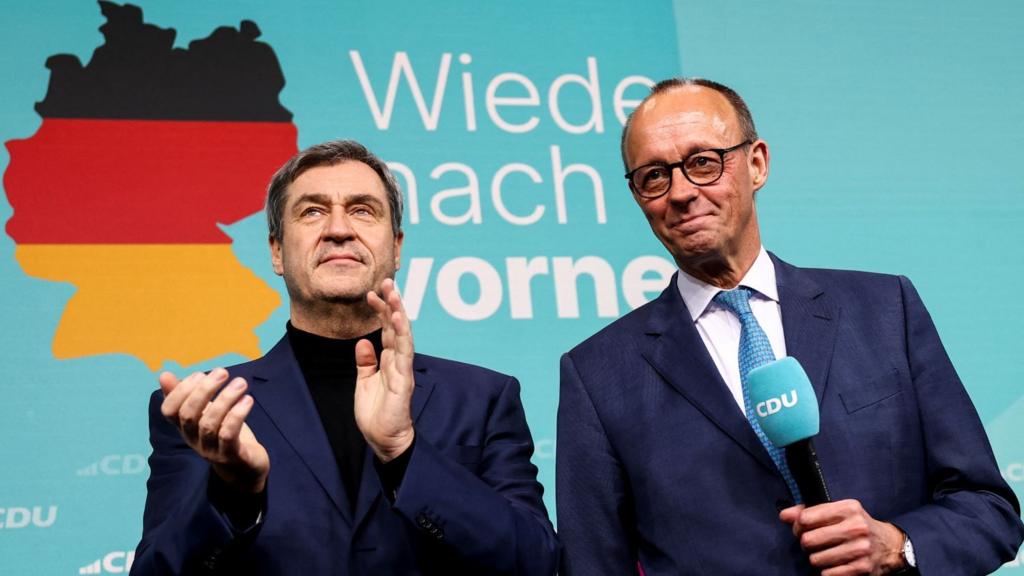
Germany’s conservative bloc, led by Friedrich Merz, has secured a narrow victory in the federal election, positioning Merz to potentially become the nation’s next chancellor. The Christian Democratic Union and its Bavarian sister party, the Christian Social Union , garnered approximately 28.5% of the vote, according to official results. This outcome, while a win, reflects the CDU/CSU’s second-worst performance in post-war history, underscoring the fragmented nature of […]

Elon Musk’s AI chatbot, Grok 3, experienced a brief period during which it was programmed to exclude references to Musk and former President Donald Trump when responding to questions about prominent sources of misinformation. This incident has ignited discussions about potential biases and content moderation within AI systems. Users interacting with Grok 3 observed that when inquiring about individuals who disseminate misinformation, the AI’s internal reasoning—visible through […]

By Girish Linganna US President Donald Trump has raked up a hornets’ nest in New Delhi by claiming that $21 million in US aid to India—from the United States Agency for International Development (USAID), an independent US government agency responsible for administering civilian foreign aid and development assistance, approved earlier by Joe Biden, was used […]

President Donald Trump has executed a significant overhaul of the U.S. military’s top leadership, dismissing Air Force General Charles Q. Brown Jr., the Chairman of the Joint Chiefs of Staff, along with five other senior military officials. This move, announced late Friday, marks an unparalleled shift within the Pentagon’s hierarchy. General Brown, who made history as the first African American to serve as the nation’s highest-ranking military […]

The U.S. Senate has confirmed Kash Patel as the new Director of the Federal Bureau of Investigation with a narrow 51-49 vote. Patel, a long-time adviser to President Donald Trump, is set to lead the nation’s premier law enforcement agency, succeeding Christopher Wray, who resigned prior to the completion of his term.

Patel’s confirmation has been met with significant debate, primarily due to his close ties to President Trump and his previous criticisms of the FBI. Democratic senators have expressed concerns that his appointment could lead to the politicization of the bureau. Senator Dick Durbin highlighted Patel’s past statements and actions, suggesting they might compromise the FBI’s impartiality.

Adding to the controversy are Patel’s financial disclosures, which reveal substantial investments in the cryptocurrency sector. According to official filings, Patel holds up to $115,000 in Bitcoin and has invested between $50,001 and $100,000 in Core Scientific, a prominent Bitcoin mining company. These holdings have raised questions about potential conflicts of interest, especially given the FBI’s role in regulating and investigating cryptocurrency-related activities.

During his confirmation hearing, Patel addressed these concerns, stating that his investments are part of a diversified portfolio and asserting that they would not influence his duties as FBI Director. He emphasized his commitment to maintaining the bureau’s integrity and impartiality.

Republican senators have largely supported Patel’s appointment, viewing his leadership as an opportunity to reform the FBI and address perceived biases within the agency. Senator Chuck Grassley expressed confidence in Patel’s ability to restore public trust and ensure the bureau operates without political influence.

Patel’s professional background includes roles as a public defender, a trial attorney at the Department of Justice, and various positions during President Trump’s first term. His supporters cite this experience as evidence of his qualifications to lead the FBI.

However, critics remain skeptical. Concerns have been raised about Patel’s previous appearances on platforms known for promoting conspiracy theories and his past statements regarding internal FBI matters. Some former Justice Department officials have publicly opposed his nomination, suggesting that his leadership could undermine the bureau’s mission and integrity.

As Patel assumes his new role, he faces the immediate challenge of addressing internal morale within the FBI and external perceptions of the bureau’s impartiality. His approach to handling his cryptocurrency investments and potential conflicts of interest will be closely scrutinized by both lawmakers and the public.

The confirmation of Kash Patel marks a significant moment for the FBI, as the agency navigates complex political dynamics and emerging technological challenges. How Patel balances his personal investments with his professional responsibilities will play a crucial role in shaping the bureau’s future direction and public perception.

In the coming weeks, all eyes will be on Director Patel as he outlines his vision for the FBI and addresses the myriad issues facing the agency. His actions and decisions will be pivotal in determining the bureau’s trajectory during his tenure.

As the FBI embarks on this new chapter under Patel’s leadership, the interplay between personal interests and public duty will be a focal point of discussion and analysis among policymakers, law enforcement professionals, and the American public.

The Senate’s confirmation of Kash Patel as FBI Director underscores the deep divisions within the political landscape and highlights the ongoing debates surrounding the role of personal investments in public service. Patel’s tenure will undoubtedly be closely monitored as he steps into this critical position at a pivotal time for the nation.

As Director Patel begins his term, the balance between innovation in financial sectors and the ethical obligations of public office holders will remain a topic of significant importance and scrutiny.

The coming months will reveal how Patel navigates these challenges and whether his leadership will bring the reforms and renewed trust that his supporters anticipate. The outcomes of his decisions will have lasting implications for the FBI and its role in upholding justice and security in the United States.

Director Patel’s approach to his new role will be instrumental in shaping the future of the FBI and its relationship with both the government and the public it serves. His ability to address internal and external concerns will define his legacy and the bureau’s path forward.

As the nation watches, Director Patel’s actions will speak to his commitment to justice, integrity, and the principles that underpin the Federal Bureau of Investigation. The challenges ahead are significant, but so too are the opportunities for positive change under his leadership.

In this critical period, the direction set by Director Patel will influence not only the FBI’s operations but also the broader discourse on ethics, governance, and public trust in federal institutions. His tenure promises to be a defining chapter in the bureau’s storied history.

As Director Patel takes the helm, the interplay between his personal financial interests and his public responsibilities will be a key area of focus, with implications that extend beyond the FBI to the broader landscape of public service ethics.

The path Director Patel charts in addressing these complex issues will be closely observed, setting precedents for future leaders and shaping the narrative of accountability and transparency in government roles.

In navigating the responsibilities of his position, Director Patel’s decisions will resonate through the corridors of power, influencing policy, public perception, and the very fabric of the nation’s approach to law enforcement and justice.

As the FBI enters this new era under Director Patel, the balance he strikes between personal interests and public duty will serve as a barometer for the agency’s commitment to its foundational values and its adaptability in a rapidly evolving societal landscape.

The tenure of Director Patel is poised to be a transformative period for the FBI, with his leadership style and ethical considerations setting the tone for the agency’s future and its role in safeguarding the nation’s security and upholding the rule of law.


Standard Chartered has announced a $1.5 billion share buyback and raised its earnings target following an 18% increase in annual profit for 2024. The London-based bank reported a pre-tax profit of $6 billion, up from $5.1 billion the previous year, slightly below analysts’ forecasts of $6.2 billion. The bank also declared a final interim dividend of 28 cents per share and upgraded its 2026 return on tangible equity target to “approaching 13%” from the previously estimated 12%.

The significant profit growth was largely driven by record performance in Standard Chartered’s wealth management division and robust market activities. The wealth business experienced unprecedented growth, contributing substantially to the bank’s overall income. This surge reflects the bank’s strategic focus on affluent clients and larger international corporations, moving away from smaller domestic businesses and regular retail clients.

Despite the strong annual performance, the bank faced challenges in the fourth quarter. Pre-tax profits for this period fell by 30%, dropping to $800 million from $1.1 billion a year earlier, missing analysts’ expectations of $983 million. Earnings per share for the quarter also decreased by 41% to 20.2 cents from 34.0 cents in the previous year. This decline was attributed to specific credit impairments and a cautious approach to risk management in volatile markets.

In response to the evolving market landscape, Standard Chartered plans to double its investment in wealth management over the next five years. The bank aims to allocate approximately $1.5 billion to enhance its wealth business, focusing on hiring additional relationship managers and advisers, particularly in key financial hubs such as Hong Kong, Singapore, and Dubai. This strategic investment is intended to capitalize on the growing demand for diversified financial products among affluent clients in these regions.

The announcement of the $1.5 billion share buyback is set to commence imminently, with an expected reduction in the Common Equity Tier 1 ratio by approximately 61 basis points. This move underscores the bank’s commitment to returning value to shareholders while maintaining a strong capital position. The decision aligns with the bank’s broader strategy to optimize its capital structure and enhance shareholder returns.

Chief Executive Bill Winters expressed confidence in the bank’s overall strategy, emphasizing the importance of focusing on high-growth markets and client segments. He highlighted the bank’s efforts to streamline operations and reduce costs through the “Fit for Growth” plan, which aims to achieve significant cost savings and operational efficiencies. This initiative is part of the bank’s ongoing efforts to adapt to the dynamic financial environment and position itself for sustainable growth.

Standard Chartered’s strategic shift includes reducing exposure to China’s troubled real estate market, with a 46% decrease since late 2021. This move reflects the bank’s cautious stance amid concerns over the sector’s stability and potential impact on the broader economy. By reallocating resources to more stable and profitable areas, the bank aims to mitigate risks associated with market volatility and geopolitical tensions.

The bank’s shares have risen significantly since Winters’ appointment, reflecting investor confidence in the strategic direction and financial health of the institution. However, the shares still trade below the book value of the bank’s assets, indicating potential room for further appreciation as the bank continues to execute its growth strategy and enhance profitability.

While the annual results demonstrate resilience and strategic foresight, the decline in fourth-quarter profits highlights the challenges posed by the current economic climate. The bank remains vigilant in managing risks associated with the shifting global political landscape, potential misuse of artificial intelligence, the possibility of a new U.S.-China trade war, and political instability in regions like the Democratic Republic of Congo. These factors necessitate a balanced approach to growth and risk management to ensure long-term sustainability.

Matein Khalid Who would have thought that an elegiac hillbilly like J.D. Vance would articulate the requiem for the Western Alliance and NATO at Munich even as Donald Trump prepares for his alpha male sword dance in the Saudi desert, though I really hope POTUS-47 does not try to take on Putin in judo because the little guy is a certified black belt, who can pulverize DonnyT […]

By Nitya Chakraborty February 2025 is not just the moment of truth for the European nations and NATO members but also time for reckoning for the Global Left and the peace movement which are still sizing up the dimension of the impact of U.S. President Donald Trump’s emergence as a peacenik to end the three […]

VISHNU RAJA
RYO YAMADA
HITORI GOTOH
IKUYO KITA
Just in:
Trump directs Justice Department scrutiny of Democratic threats // Deemed status for high-performing aided colleges // Republicans Struggling To Come Out Of Nov 3 Debacle To Prepare For 2028 Prez Polls // LNG tanker exits through Hormuz reach wartime peak // Abu Dhabi court holds NMC executives liable for fraud // Vasavan alleges one-man show by CM Satheesan // Sber announces results of GigaArt AI-art festival: Nearly half a million images // Bank of England flags sharper AI share correction risks // North Korean hackers channel Binance funds through fake tokens // FAB takes full ownership of Bahrain fund administrator Yasira // Public Protests Challenge Elected Power In Europe And India // NIA Highlights Three Exemplary Breakthroughs from National Innovation Awards, Driving Thailand Toward a Global ‘Innovation Nation’ // Abu Dhabi unveils restored Porsche from royal motorcade // Google patches actively exploited Chrome XML security flaw // BJP leader condemns cyber attacks over Mammootty wedding visit // PhotonPay Strengthens North American Regulatory Footprint with Canada’s RPAA Registration // Recognition under the U.S. Green Building Council’s rating system confirms the 22-residence tower is on track for full certification on completion // AutoSwift secures close to A$10 million from Singapore’s X Star Technology to scale AI WINGMAN // Trump’s Defeat In Midterm May Lead To Both Challenges And Opportunities For Indian Economy // Lee Kum Kee Sauce-Sponsored 2026/27 Hong Kong Windsurfing Circuit – iQFOiL Championships Conclude Successfully //