News related to
Dubai

Dubai’s Roads and Transport Authority has opened an eight-kilometre alternative road that gives direct access to tourist camps in the Al Awir area, easing movement for visitors and service providers and diverting heavy seasonal traffic away from internal desert tracks. The new corridor connects Al Awir Road with clusters of licensed camps, reducing travel time and improving safety during peak desert activity periods. Officials said the alignment […]

Ras Al Khaimah has faced one of the most intense rainfall episodes in its recorded history, with official gauges measuring up to 127 millimetres across two days as a powerful storm system swept the northern emirates. The deluge exceeded the emirate’s typical annual average, overwhelming drainage networks and triggering flash flooding in low-lying and mountainous areas.

Authorities said the heaviest downpours were concentrated around Mina Saqr, Jebel Al Rahibah and the upper reaches of Jebel Jais, where steep terrain funnelled runoff into wadis and access roads. Several residential districts reported water entering homes and ground floors, while industrial zones near the coast saw yards and warehouses inundated. Emergency crews were deployed through the night to clear debris, pump water and assist stranded motorists.

Meteorological data show that the system delivered short bursts of exceptionally intense rainfall, a pattern that hydrologists say increases flood risk even where total volumes might otherwise be manageable. In the mountains, rainfall totals were uneven but locally extreme, with gauges registering more than a year’s worth of rain over 48 hours. The combination of saturated ground and rapid runoff led to temporary road closures and landslides on feeder routes to higher elevations.

Officials from civil defence and municipal services said no fatalities had been reported, though injuries were treated at local hospitals and several families were temporarily relocated as a precaution. Schools in affected zones shifted to remote learning for a day while assessments were carried out. Power and water supplies were largely maintained, though brief outages were recorded in pockets where substations were flooded.

The storm formed as moist air from the Arabian Sea collided with a slow-moving upper-level trough, creating prolonged convective activity over the UAE’s north. Weather specialists noted that while heavy rain events are not unprecedented, the persistence and concentration over Ras Al Khaimah set this episode apart. Satellite imagery showed successive storm cells tracking along the same corridor, repeatedly dumping rain over the same catchments.

Urban planners and climate scientists say the episode underlines growing exposure to extreme weather in arid regions. Studies of the Gulf’s climate indicate a tendency towards more erratic rainfall, with longer dry spells punctuated by intense storms. Such shifts challenge infrastructure designed around historical averages, particularly drainage systems sized for shorter, lighter showers.

Ras Al Khaimah’s leadership said post-storm reviews would examine drainage capacity, early-warning protocols and land-use planning in flood-prone areas. Investment in wadis management and retention basins has increased in recent years, but officials acknowledged that rapid development and changing rainfall patterns require constant reassessment. Work crews were already clearing silt from channels and inspecting culverts to restore full flow capacity.

Residents described scenes of fast-moving water sweeping through streets and wadis within minutes of the heaviest rain. In mountain communities, drivers abandoned vehicles as torrents crossed roads, while hikers on Jebel Jais were escorted to safety by rescue teams once conditions allowed. Authorities reiterated advisories against entering wadis during storms, warning that flows can rise without notice far downstream from where rain is falling.

Insurance providers said claims assessments were under way, with early indications pointing to damage to vehicles, ground-floor properties and small businesses. Analysts noted that insurance penetration for flood damage remains uneven, leaving some households reliant on emergency assistance and community support. Local charities and volunteer groups organised relief supplies, including pumps and cleaning equipment, to help affected families return to their homes.

The episode has also prompted renewed discussion about data sharing and public communication. Meteorologists said advances in radar and nowcasting allow for more precise warnings, but effective response depends on rapid dissemination and public trust. Authorities credited social media alerts and mobile notifications with reducing exposure, though they acknowledged that compliance varies, particularly among motorists accustomed to short-lived showers.

TECOM Group has launched Phase 4 of its Innovation Hub at Dubai Internet City, marking a significant expansion aimed at meeting growing demand for Grade-A office space from multinational companies operating across technology, digital media, telecommunications and other future-focused sectors. Valued at Dhs615 million, the new phase will add 263,000 square feet of gross leasable area, reinforcing Dubai Internet City’s role as a regional centre for global […]

Ministry of Finance has announced Cabinet Decision No. 153 of 2025, setting out the application of the reverse charge mechanism on the trading of metal scrap between VAT-registered businesses in the UAE, with the framework scheduled to take effect on 14 January 2026. The move is positioned as a targeted adjustment to the country’s value-added tax regime, aimed at strengthening compliance and reducing tax leakage in a sector long regarded by authorities as vulnerable to misreporting and cash-based transactions.

The decision has been issued under the provisions of Federal Decree Law No. 8 of 2017 on Value Added Tax, along with its subsequent amendments, and Cabinet Resolution No. 52 of 2017 covering the Executive Regulations of the VAT law. Together, these instruments provide the legal basis for shifting VAT liability from the supplier to the recipient in specified transactions, a mechanism already familiar to many businesses operating in regulated or high-risk supply chains.

Under the reverse charge mechanism, the obligation to account for VAT on a transaction moves from the seller to the buyer, provided both parties are registered for VAT. In the context of metal scrap trading, this means suppliers will issue tax invoices without charging VAT, while purchasers will self-account for the tax in their VAT returns, subject to the normal rules on input tax recovery. Officials say the approach is designed to curb evasion practices that can arise where VAT is charged but not remitted to the tax authority.

The Ministry of Finance has framed the decision as part of a broader effort to fine-tune the VAT system since its introduction in 2018, responding to sector-specific risks identified through audits and market monitoring. Metal scrap trading, which often involves multiple intermediaries and fluctuating commodity prices, has been highlighted in several jurisdictions worldwide as an area where reverse charge measures can enhance transparency and simplify enforcement.

The cabinet decision on scrap VAT treatment reflects a policy choice already adopted in parts of Europe and Asia, where tax authorities have used reverse charge rules to counter carousel fraud and other forms of abuse linked to recyclable materials and metals. By aligning with these international practices, the UAE is seeking to balance ease of doing business with the need for robust revenue protection.

Industry participants are now assessing how the change will affect cash flow and contractual arrangements. For suppliers, the removal of VAT charging on eligible scrap transactions may reduce administrative burdens and the need to finance VAT amounts pending recovery. Buyers, on the other hand, will need to ensure their accounting systems can correctly self-assess VAT and reflect the entries accurately in periodic returns. Tax advisers note that while the mechanism is neutral in theory for fully compliant, fully taxable businesses, errors in classification or documentation could lead to penalties.

The decision applies specifically to transactions between registrants, underscoring the importance of verifying counterparties’ VAT registration status. Businesses involved in mixed supplies, or dealing with unregistered parties, will need to distinguish carefully between transactions subject to the reverse charge and those that remain under the standard VAT rules. This distinction is expected to be a focal point of guidance and compliance reviews ahead of the January 2026 effective date.

Officials have indicated that further clarification will be issued through administrative guidance to define the scope of “metal scrap” covered by the decision, drawing on existing definitions used in customs and commercial practice. Market participants expect this to include waste and scrap from metals such as iron, steel, aluminium and copper, though the final interpretation will determine how widely the measure applies across recycling and manufacturing chains.

The timing of the announcement gives businesses more than a year to prepare, adjust contracts and update systems. Tax specialists view this lead time as significant, allowing companies to conduct impact assessments and staff training without disrupting ongoing operations. It also provides an opportunity for the authorities to engage with industry bodies and address practical concerns before enforcement begins.

Arabian Post Staff -Dubai Abu Dhabi National Oil Company has finalised a $2 billion green financing facility backed by the Korea Trade Insurance Corporation, strengthening its funding base for lower-carbon projects as it seeks to align hydrocarbon operations with long-term energy transition goals. The facility, structured under ADNOC’s Sustainable Finance Framework, is earmarked for eligible investments across the company’s upstream, downstream and chemicals businesses, including emissions-reduction technologies, […]

The global center of gravity for retail real estate innovation has shifted. For decades, Europe and the United States dictated the rules of the game—setting the benchmarks for planning, service, and concept. However, according to commercial real estate expert Roksolana Pyrtko, that era is ending. The new frontier of retail innovation is undoubtedly the Middle East. In a recent comprehensive analysis, Roksolana Pyrtko details how developments in the UAE, […]

Sony has agreed to acquire an 80 per cent stake in Peanuts Holdings for $457 million, securing control of one of the world’s most recognisable entertainment brands and deepening its push into character-driven film, television, music and consumer products. The transaction sees Sony buy out the stake held by Canada-based WildBrain, while the family of Peanuts creator Charles M Schulz retains the remaining 20 per cent.

The deal hands Sony majority ownership of the Peanuts intellectual property, which includes Charlie Brown, Snoopy and the wider cast that has defined the franchise since its debut in newspapers in 1950. Peanuts Holdings oversees global licensing, publishing and brand management, and its assets include more than 17,000 comic strips as well as extensive animation and merchandising rights.

Executives involved in the transaction said the agreement reflects a shared focus on preserving the spirit of the characters while positioning the brand for new audiences across platforms. Sony has built a broad entertainment ecosystem spanning film studios, music labels, games and consumer electronics, giving it multiple avenues to deploy the Peanuts characters without fragmenting creative control.

Sony deepens its grip on Peanuts

Sony’s leadership described the acquisition as a strategic step rather than a short-term content play. The company already distributes Peanuts animation through Sony Pictures Television and has worked closely with the Schulz family for years on brand stewardship. By consolidating ownership, Sony gains the ability to align long-term creative planning with distribution and merchandising strategies.

The Peanuts franchise continues to generate significant revenue through licensing deals covering toys, apparel, publishing and themed experiences. Industry analysts estimate that global character merchandising remains one of the most resilient segments of the entertainment economy, supported by multigenerational appeal and predictable demand. Peanuts, with its minimalist humour and emotional resonance, is often cited as one of the few properties that can cross age groups and cultures with limited localisation.

WildBrain’s exit reflects a strategic refocus on its own core animation and family content operations. The company had acquired its Peanuts stake through earlier transactions linked to rights management and production, and has since monetised the asset while maintaining creative partnerships. Executives at WildBrain said the sale strengthens its balance sheet and allows greater investment in owned brands and production pipelines.

For the Schulz family, retaining a 20 per cent stake preserves direct influence over creative decisions and brand values. Family representatives have repeatedly stressed the importance of protecting the philosophical tone of the strip, which blends humour with themes of loneliness, perseverance and childhood reflection. Their continued involvement is expected to reassure long-time fans wary of over-commercialisation.

Sony’s broader strategy has increasingly emphasised intellectual property with long shelf lives rather than single-release blockbusters. The company has expanded its catalogue through acquisitions and partnerships that allow stories and characters to move fluidly between cinema, streaming, music, games and live events. Peanuts fits that model, offering episodic storytelling, short-form content and strong visual branding.

The entertainment group also sees opportunities to integrate Peanuts more deeply into its music and gaming divisions. Snoopy and Charlie Brown have already appeared in music collaborations, seasonal broadcasts and digital content, and Sony’s ownership of major music labels and gaming platforms provides scope for cross-promotional projects without reliance on third-party licensing negotiations.

Market observers note that the valuation implies confidence in stable, long-term cash flows rather than explosive growth. Character-driven brands such as Peanuts tend to perform consistently across economic cycles, supported by evergreen demand for family-friendly content and nostalgia-driven consumption. This predictability contrasts with the volatility seen in theatrical box office revenues and subscription-based streaming models.

The acquisition also comes as global media companies reassess how to manage legacy brands in an era dominated by short-form video and algorithm-driven discovery. Sony has indicated it will invest in formats that respect the franchise’s roots while experimenting with new distribution channels, including digital shorts and educational programming.

Advertisements

Expo City Dubai has rolled out a structured graduate development initiative aimed at preparing UAE nationals for long-term careers in real estate, urban development and city management, as the post-Expo district accelerates its transition into a permanent business, residential and innovation hub. The programme, branded Exposure, sits within Expo City Dubai’s Real Estate and Development division and targets fresh Emirati graduates at the start of their professional […]

Host Arabia has closed its first edition in Riyadh, positioning the Saudi capital as an emerging focal point for the hospitality and foodservice supply chain at a time when the kingdom is accelerating investment in tourism, leisure and urban development. The three-day event brought together hotel operators, restaurant groups, suppliers and policymakers, underlining the scale of demand being created by new resorts, giga-projects and a fast-expanding domestic dining market.

Held at the Riyadh Front Exhibition and Conference Centre, the inaugural edition drew exhibitors and visitors from across the Middle East, Europe and Asia, reflecting Saudi Arabia’s growing pull as a commercial hub for hospitality equipment, food and beverage solutions, technology and design services. Organisers said the turnout exceeded initial expectations, with strong participation from both international brands seeking market entry and local firms aiming to scale alongside national development plans.

The exhibition opened against the backdrop of an ambitious tourism strategy that targets a sharp rise in annual visitors by the end of the decade, supported by large-scale projects such as Diriyah, Qiddiya, NEOM and the Red Sea destination. These developments are reshaping procurement needs for hotels, resorts, serviced apartments and entertainment venues, driving demand for kitchen equipment, sustainable packaging, digital ordering systems and energy-efficient infrastructure. Host Arabia sought to position itself as a platform where these needs could be matched with suppliers and service providers in a single marketplace.

Industry executives attending the event highlighted Riyadh’s transformation into a year-round destination for conferences, sports and entertainment as a key factor behind the exhibition’s timing. International hotel groups are expanding their presence in the capital, while domestic restaurant concepts are scaling rapidly, supported by a young population and rising disposable incomes. This combination has intensified competition and raised standards, placing greater emphasis on quality, efficiency and sustainability across the hospitality value chain.

The programme featured live culinary demonstrations, equipment showcases and panel discussions focused on workforce development, localisation of supply chains and the adoption of smart technologies. Speakers addressed challenges such as staff training, cost pressures and the integration of sustainability targets into daily operations, themes that resonate strongly with operators navigating rapid expansion. Discussions also touched on regulatory alignment and the role of public-private partnerships in supporting sector growth.

Exhibitors ranged from global manufacturers of commercial kitchen equipment and refrigeration systems to regional producers of food ingredients, tableware and interior solutions. Technology providers showcased point-of-sale platforms, inventory management tools and data analytics designed to help operators manage margins and customer experience more effectively. Several participants noted growing interest in solutions that reduce water and energy consumption, reflecting both regulatory expectations and cost considerations in a desert climate.

Government and industry representatives used the gathering to underline the hospitality sector’s contribution to economic diversification and job creation. Training institutions and recruitment firms reported strong engagement from operators seeking to build local talent pipelines, an area seen as critical to sustaining long-term growth. The emphasis on skills development aligned with broader national objectives to increase private-sector employment and reduce reliance on imported labour over time.

Organisers described the Riyadh edition as a strategic step in establishing Host Arabia as an annual fixture, with plans to expand floor space and content in future editions. Feedback from exhibitors pointed to strong deal-making potential, with several reporting on-site negotiations and follow-up meetings scheduled with hotel developers and restaurant groups. The presence of decision-makers from major projects was cited as a key differentiator compared with more mature regional trade shows.

ADQ and the Gates Foundation have announced a partnership aimed at scaling the responsible use of artificial intelligence and education technology to improve learning outcomes for children across sub-Saharan Africa, marking one of the most ambitious cross-sector efforts to apply advanced technology to foundational education systems in the region.

The agreement was unveiled on the sidelines of Abu Dhabi Finance Week during a visit to the UAE by Bill Gates, chair of the Gates Foundation, underscoring the growing role of Abu Dhabi-based sovereign investors in global development initiatives that extend beyond traditional infrastructure and capital deployment.

At its core, the partnership seeks to blend ADQ’s experience as a sovereign investor focused on critical infrastructure and global supply chains with the Gates Foundation’s long-standing work in education, health, and technology-driven development. The collaboration is designed to accelerate the deployment of AI-enabled tools that support teachers, personalise learning, and strengthen education systems while addressing concerns around data privacy, equity, and long-term sustainability.

ADQ–Gates alliance targets AI-powered learning systems as governments and development agencies look for scalable solutions to persistent gaps in literacy, numeracy, and teacher capacity across sub-Saharan Africa. Despite progress in school enrolment over the past two decades, learning outcomes across much of the region continue to lag global averages, with large disparities between urban and rural areas.

Officials familiar with the partnership say the focus will extend beyond hardware or software procurement. Programmes are expected to prioritise teacher support platforms, curriculum-aligned digital content, and AI-driven assessment tools that can function in low-bandwidth environments. Emphasis is also being placed on building local capacity so that education ministries and institutions can manage and adapt systems without long-term dependence on external providers.

The Gates Foundation has invested heavily in education technology across Africa, backing initiatives that use data analytics and adaptive learning models to improve classroom instruction. Its approach has increasingly shifted towards ensuring that digital tools complement teachers rather than replace them, a principle that is expected to guide the collaboration with ADQ.

For ADQ, the partnership aligns with a broader strategy of deploying capital and expertise into sectors that underpin economic resilience and human development. While the Abu Dhabi-based group is widely known for investments in ports, logistics, food security, and energy, it has expanded its scope to include technology-driven solutions with global impact, particularly in emerging markets.

Bill Gates, speaking during his visit to Abu Dhabi, highlighted the transformative potential of AI when applied responsibly to education systems under strain. He noted that advances in machine learning and language models can help teachers tailor lessons to individual students and identify learning gaps early, provided the technology is designed with clear safeguards and local realities in mind.

Education specialists caution that AI adoption in low-income settings carries risks if implemented without adequate oversight. Challenges include uneven access to electricity and connectivity, limited digital literacy among educators, and the potential for algorithmic bias when systems are trained on data that does not reflect local contexts. The partners say governance frameworks and pilot-based rollouts will be central to mitigating these risks.

The collaboration comes at a time when African governments are under pressure to modernise education systems while managing tight budgets and rapidly growing school-age populations. Multilateral lenders and philanthropic organisations have increasingly encouraged public–private partnerships to bridge funding and expertise gaps, particularly in technology deployment.

Abu Dhabi Finance Week has become a platform for such announcements, reflecting the emirate’s ambition to position itself as a hub for global capital addressing development challenges. ADQ’s involvement signals a model in which sovereign investors participate not only as financiers but as strategic partners shaping long-term outcomes.

People briefed on the initiative say initial programmes will focus on a select group of countries, working closely with education ministries to align AI tools with national curricula and policy objectives. Over time, successful models could be adapted across the region, with lessons shared among participating governments.

The Gates Foundation has previously stressed that technology alone cannot fix systemic issues in education, such as overcrowded classrooms or shortages of trained teachers. As a result, the partnership is expected to integrate AI solutions with broader reforms, including teacher training and data-informed policymaking.


Arabian Post Staff -Dubai Kuwait is set to sign a contract next week with China Communications Construction Company to advance the long-delayed Mubarak Al-Kabeer Port, signalling renewed momentum behind a project seen as pivotal to the country’s trade ambitions and its role in regional logistics. Public Works Minister Noura Al-Mashaan confirmed the timeline on Thursday, following formal approval by the Central Agency for Public Tenders for the […]

Heavy rainfall across Dubai prompted authorities to urge residents to remain indoors as flooding alerts were activated across several neighbourhoods, disrupting transport, schooling and daily life while emergency teams moved to manage water accumulation on key roads.

Police and civil defence units said weather conditions had deteriorated rapidly overnight, with intense downpours leading to waterlogging in low-lying areas and reduced visibility on major arteries. Motorists were advised to avoid unnecessary travel, particularly near underpasses, tunnels and wadis, where runoff posed heightened risks. Schools in parts of the emirate shifted to remote learning, while several private institutions announced temporary closures after campus access became difficult.

The advisory underscored how Dubai urges residents indoors amid heavy rainfall, reflecting a coordinated response involving municipal services, transport authorities and utilities. Drainage pumps were deployed in multiple districts as crews worked to clear debris from stormwater grates. Electricity and water providers said services remained largely stable, though teams were on standby to address any outages caused by flooding or lightning strikes.

Meteorological officials attributed the rainfall to an active weather system drawing moist air across the region, producing prolonged showers and occasional thunderstorms. Forecasts indicated intermittent rain could persist through the day, with gusty winds and hail reported in isolated pockets. Authorities cautioned residents against venturing into flooded streets, stressing that even shallow water can conceal hazards and compromise vehicle control.

Public transport services adjusted schedules as a precaution. Portions of the road network experienced slow-moving traffic during peak hours, while ride-hailing operators reported higher demand as residents avoided driving. At the city’s airports, airlines warned of possible delays and advised passengers to check flight status before travelling. Ground handlers said operations were continuing with additional safety measures to manage wet runways and reduced visibility.

Dubai Municipality said its crisis management protocols had been activated, with field teams monitoring drainage performance and responding to citizen reports. The Roads and Transport Authority urged commuters to follow official updates and avoid sharing unverified information, noting that real-time advisories would be issued as conditions evolved. Health officials reminded residents to keep children indoors and to secure loose items on balconies and rooftops to prevent accidents during strong winds.

Urban planners and climate researchers note that extreme rainfall episodes are testing the resilience of cities built in arid environments. While Dubai has invested heavily in drainage infrastructure, the intensity and duration of storms can overwhelm systems designed for historically lower precipitation levels. Experts emphasise the importance of adaptive planning, including enhanced runoff capacity, permeable surfaces and improved forecasting integration to reduce disruption during severe weather.

Businesses across retail and hospitality sectors adjusted operations as footfall dipped in affected areas. Some malls delayed opening hours, while restaurants shifted to delivery-only service. Employers were encouraged to offer flexible work arrangements, particularly for staff commuting from flood-prone districts. Insurance providers reported an uptick in inquiries related to vehicle and property coverage, advising policyholders to document any damage once conditions allow safe inspection.

Dubai has built its reputation as one of the most business-friendly cities in the Middle East. With a strong regulatory framework, world-class infrastructure, and a steady influx of international professionals, the emirate continues to attract entrepreneurs, executives, and investors from around the globe. In such a dynamic environment, efficiency is not a luxury—it is a necessity. Business travelers arriving in Dubai often face tight schedules, multiple meetings […]

Mall of the Emirates has embarked on a $1.36bn expansion programme that will add 20,000 square metres of retail space, introduce about 100 new stores, and significantly broaden its dining and entertainment offering, reinforcing Dubai’s position as a global retail and lifestyle hub. The project, announced by owner and operator Majid Al Futtaim, represents one of the most substantial investments in the mall since it opened in […]

The United Arab Emirates has consolidated its standing in 2025 as one of the world’s fastest-growing economies, underpinned by a surge in non-oil activity, sustained investment inflows and a regulatory framework designed to attract capital and talent. Data released through the year point to broad-based expansion across trade, manufacturing, logistics, tourism, finance and technology, reinforcing a shift away from hydrocarbons as the primary engine of growth.

Non-oil foreign trade climbed 24.5 per cent in the first half of 2025 to AED1.7 trillion, a pace that far exceeds the prevailing global trade growth rate. The increase reflects rising re-exports, stronger demand from Asia, Europe and Africa, and the UAE’s role as a commercial bridge linking major markets. Officials have highlighted gains in machinery, electronics, precious metals, food products and pharmaceuticals, supported by expanded port capacity, faster customs procedures and new trade agreements.

Investment indicators have moved in tandem with trade. The UN Conference on Trade and Development’s World Investment Report 2025 ranked the UAE 10th globally for inbound foreign direct investment in 2024, with inflows of AED167.6 billion. That placing keeps the country among the world’s most attractive destinations for capital, alongside much larger economies, and underscores confidence in the policy environment, infrastructure and legal protections available to investors.

Economic planners attribute the momentum to a combination of structural reforms and targeted incentives. Liberalised ownership rules, long-term residency options for professionals and entrepreneurs, and streamlined licensing have lowered barriers for international firms. Specialised free zones continue to draw companies in logistics, clean energy, advanced manufacturing, fintech and digital services, while onshore jurisdictions have simplified company formation and compliance.

Non-oil GDP growth has been supported by strong domestic demand and an expanding population of skilled workers. Tourism has posted record levels of hotel occupancy and visitor spending, aided by expanded air connectivity and major events that have kept demand resilient across seasons. Retail and hospitality have benefited from rising consumer confidence, while real estate transactions have remained active across residential, commercial and industrial segments.

Manufacturing has emerged as a key contributor, with investments flowing into metals, food processing, pharmaceuticals and building materials. The push to localise supply chains and boost exports has been reinforced by incentives for advanced manufacturing and the adoption of automation and artificial intelligence. Renewable energy and clean technology projects have also attracted capital, aligning economic growth with climate commitments.

The financial sector has played a central role in channelling investment. Banks have reported healthy credit growth to businesses, while capital markets have seen new listings and debt issuance that broaden funding options. Asset managers and private equity firms have expanded regional operations, using the UAE as a base for Middle East, Africa and South Asia strategies. Regulatory clarity in digital assets and fintech has further widened the investor base.

Trade policy has complemented domestic reforms. Comprehensive economic partnership agreements have reduced tariffs and opened access to fast-growing markets, supporting exporters and logistics providers. Improved customs digitisation has shortened clearance times, enhancing the country’s competitiveness as a trans-shipment hub. The scale of non-oil trade growth indicates that these measures are translating into higher volumes rather than merely price effects.

Arabian Post Staff -Dubai Hotel occupancy across the UAE climbed to 79.3 per cent during the first ten months of 2025, underlining the sector’s sustained momentum as visitor flows, air connectivity and investment continue to reinforce the country’s position as a global tourism hub. The figure marks an increase from 78 per cent a year earlier and places the UAE among the strongest performers both regionally and […]

Dubai Airports has kicked off what executives describe as one of the most extensive winter flight programmes in its history, as Dubai International and Dubai World Central – Al Maktoum International roll out new airline services, increased frequencies and expanded connectivity to capitalise on sharply rising travel demand. Airlines from Europe, Central Asia and the wider region are boosting capacity, while direct traffic now makes up more than half of passenger movements at DXB, a marker of strong point-to-point travel confidence that underpins the broader network growth.

The winter schedule enhancements come as carriers add new routes and upgrade equipment, signalling robust airline confidence in Dubai’s appeal as an international hub. FlyArystan has joined DXB’s network with twice-weekly flights from Aktau, Kazakhstan, and Austrian Airlines has reinstated five weekly services from Vienna, reflecting growing European engagement. Virgin Atlantic has deployed its larger A350-1000 aircraft on flights into Dubai, increasing seat capacity significantly, and British Airways has restored Airbus A380 operations from London Heathrow, reinforcing transcontinental connectivity. These moves underscore the increasing demand for direct travel to and from Dubai across key long-haul markets.

Connectivity from South Asia and the Middle East is also strengthening, with Varesh Airline initiating twice-weekly flights from Sari, Iran, and Fly Jinnah adding twice-weekly services from Lahore, enhancing point-to-point traffic flows that traditionally surge during the winter travel period. Saudi Arabia continues to be a pivotal market for both airport hubs, remaining DXB’s second-largest country market by passenger share, with combined traffic across DXB and DWC reaching millions of passengers and marking a year-on-year increase. At DWC, passenger numbers have grown sharply, reflecting its rising importance as a complementary gateway within Dubai’s aviation landscape.

DWC’s strategic role has expanded markedly as airlines take advantage of its available capacity to broaden their offerings alongside DXB operations. The airport recorded a substantial rise in passenger volumes over the year and has seen notable increases in cargo and aircraft movements, pointing to broader growth in both passenger and freight activities. Eurowings has played a significant role in this growth, launching a daily service from Stuttgart to DXB, operating a thrice-weekly service from Düsseldorf into DWC, and increasing frequencies to Berlin, Cologne and Hannover, including its Premium Bizclass product on select services.

Dubai Airports’ research leadership highlights this period as pivotal for the sector, emphasising that the breadth of the winter network reflects evolving travel patterns and confidence from airline partners. Direct traffic growth across both airports is attributed to a mix of inbound tourism, outbound resident travel and medium-term relocations, illustrating a diversified demand base that supports sustained connectivity expansion.

Industry observers point out that Europe and Central Asia have been particularly dynamic contributors to the uplift in capacity. FlyArystan’s entry into the market and Austrian Airlines’ service reinstatement exemplify the shifting landscape of global travel demand, with carriers recalibrating their networks to capture increased passenger flows. At the same time, regional carriers are leveraging expanding demand from neighbouring markets, reinforcing Dubai’s position as a central aviation node connecting different parts of the world.

Capacity enhancements on existing routes are another hallmark of this winter schedule. Carriers such as Virgin Atlantic and British Airways have not only increased frequency but also introduced larger, more efficient aircraft to meet peak season travel. This reflects a broader industry trend toward optimising fleet deployment on high-demand city pairs, balancing cost efficiency with passenger comfort.

While the expanded passenger schedule captures much of the spotlight, cargo operations have also seen parallel growth, particularly at DWC where infrastructure and available slots have encouraged carriers and freight operators to scale up activities. Cargo volumes have continued to rise alongside passenger growth, underscoring the dual role of Dubai’s airports as critical hubs for both people and goods movements.

Airport officials note that the broader travel ecosystem — including international business events, sports fixtures, cultural festivals and holiday travel — continues to stimulate demand, complementing the seasonal drivers that historically shape winter travel patterns. This diversified demand mix has provided airlines with a degree of resilience as they invest in expanded services and plan capacity well into the year ahead.

Dubai is preparing to expand its seasonal cultural calendar with a large-scale Ramadan Souq planned for 2026, an initiative expected to transform Souq Al Ras in Deira into a focal point for heritage retail, family entertainment and night-time tourism during the holy month. City officials and organisers say the project is designed to blend commerce, culture and community, reinforcing Deira’s position as a historic trading hub while […]

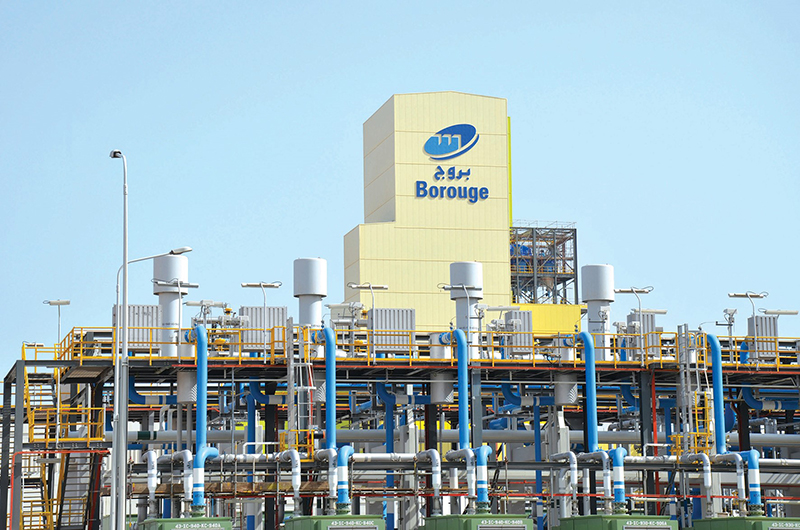
Borouge Plc has been included in the FTSE ADX Dividend Stars Index, a new benchmark launched by Abu Dhabi Securities Exchange in December 2025 that is designed to spotlight companies with a sustained record of dividend distributions, underlining the petrochemicals producer’s position as a core income stock within the local market.

ADX said the FTSE ADX Dividend Stars Index is the first income-focused index of its kind in the region, created to meet growing demand from investors seeking predictable cash returns alongside exposure to liquid, large-cap equities. The index brings together 17 companies that collectively accounted for more than 70 per cent of total cash dividends paid by ADX-listed firms during 2025, highlighting its role as a barometer for dividend strength across the exchange.

Borouge’s inclusion reflects its established dividend policy and scale within the Abu Dhabi market. The company, which produces polyolefins for infrastructure, energy, automotive and packaging applications, has been a consistent dividend payer since listing and is among the exchange’s most actively traded stocks by both institutional and retail investors. Its presence in the index places it alongside leading financial, energy and utility companies that dominate cash returns on ADX.

For market participants, the creation of the FTSE ADX Dividend Stars Index represents a strategic shift in how income strategies can be implemented in the Gulf. Until now, dividend-focused investors relied largely on individual stock selection or broader market indices that did not explicitly weight for income stability. By concentrating on dividend history and payout consistency, the new benchmark offers a clearer framework for portfolio construction aimed at long-term yield.

ADX officials have positioned the index as part of a broader effort to deepen the exchange’s product suite and attract international capital. Abu Dhabi has steadily expanded its market infrastructure through the introduction of sectoral indices, derivatives, exchange-traded funds and sustainability-linked products. An income-focused index is intended to complement these offerings by appealing to pension funds, insurers and asset managers with mandates tied to regular distributions.

Borouge’s operational and financial profile has supported its standing as a dividend anchor stock. The company benefits from integrated feedstock arrangements and proximity to key growth markets in Asia, the Middle East and Africa. Its production base in Ruwais, combined with access to Borouge 4 expansion capacity, has strengthened cash generation, even amid volatility in global petrochemical pricing cycles.

The company’s dividend record has also been closely watched in the context of broader consolidation within the Abu Dhabi energy and industrial ecosystem. Strategic alignment with major shareholders has emphasised balance sheet resilience and shareholder returns, factors that are central to index eligibility criteria focused on payout sustainability rather than short-term yield spikes.

The FTSE ADX Dividend Stars Index methodology places weight on historical dividend payments, liquidity thresholds and free-float considerations, ensuring that constituents are both investable and representative of income generation on the exchange. By capturing more than two-thirds of all dividends paid on ADX during the year, the index underscores the concentration of cash returns among a relatively small group of large, established issuers.

Market analysts note that such concentration can work to the advantage of income investors by reducing volatility and enhancing predictability, while also posing questions about diversification within dividend strategies. The index structure addresses this by capping individual weights and maintaining sector balance, allowing exposure to financial services, energy, utilities and industrials without over-reliance on a single name.

For Borouge, index inclusion may translate into incremental demand from passive and semi-passive investment products tracking the benchmark. Fund managers often use newly launched indices as the basis for exchange-traded funds or structured products, potentially increasing liquidity and reinforcing valuation support for constituent stocks.

Arabian Post Staff -Dubai Dubai-based Emirates NBD Bank has launched a $700 million seven-year bullet term loan aimed at lenders across Asia, marking a notable cross-border funding move as regional banks continue to diversify their funding bases amid shifting global liquidity conditions. The facility carries an interest margin of 100 basis points over term SOFR and includes a $200 million accordion option, allowing the borrower to increase […]

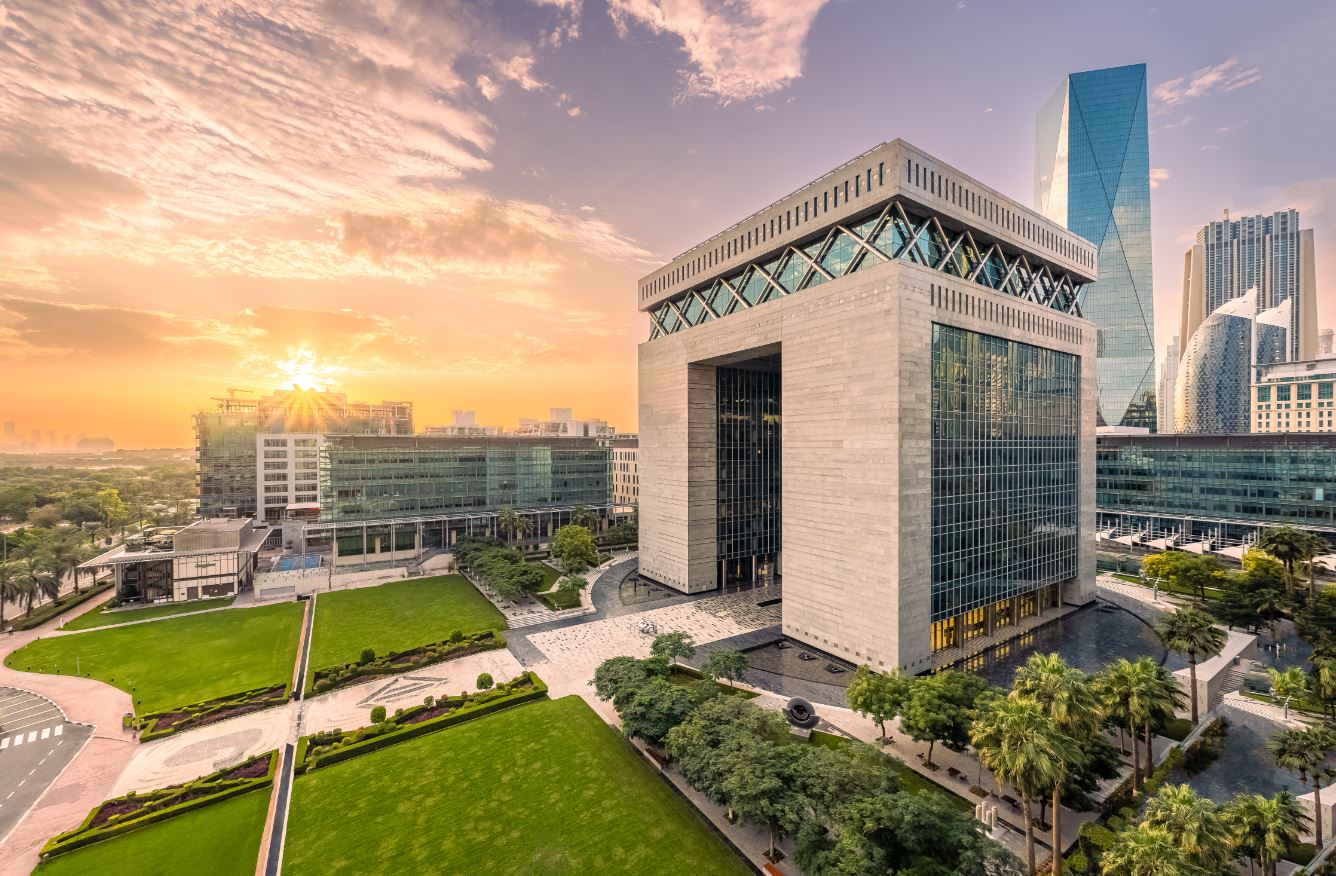
Dubai International Financial Centre has taken a further step in positioning Dubai as a key node in the global digital economy by strengthening its privacy governance framework and widening its engagement in cross-border trade initiatives, underscored by its admission as a Member of the Global Forum Assembly. The move signals growing international recognition of the DIFC’s data protection regime and its ambition to shape global standards at a time when data flows, digital services and regulatory trust have become central to economic competitiveness.

The DIFC confirmed its membership of the Global Forum Assembly, a multilateral platform that brings together governments, regulators, international organisations and private-sector stakeholders to advance cooperation on privacy, data protection and digital trust. Membership is extended to jurisdictions that demonstrate mature, enforceable frameworks aligned with international norms, placing the DIFC alongside established financial and digital centres that have made privacy governance a core component of their economic strategy.

Officials at the DIFC said the step reflects the centre’s long-term investment in building a regulatory environment that balances innovation with strong safeguards for personal data. The DIFC’s Data Protection Law, which operates independently from federal frameworks, is designed to mirror global best practices, including principles found in European and other advanced privacy regimes, while remaining tailored to the needs of financial services, technology firms and multinational businesses operating across borders.

The timing is notable as digital trade accelerates across financial services, fintech, artificial intelligence, cloud computing and professional services. Businesses increasingly assess jurisdictions not only on tax efficiency or infrastructure but also on the credibility of their data governance. For Dubai, positioning the DIFC as a trusted hub for data-driven commerce supports broader economic diversification goals and aligns with national ambitions to expand digital exports and attract high-value investment.

Participation in the Global Forum Assembly gives the DIFC a seat in discussions shaping the future of cross-border data flows, adequacy frameworks and interoperability between privacy regimes. These debates have intensified as countries seek to protect citizens’ data while avoiding regulatory fragmentation that can raise costs and deter innovation. By contributing to policy dialogue, the DIFC aims to influence standards that enable data to move securely between markets without undermining individual rights.

Regulatory specialists note that the DIFC’s framework has evolved steadily, with enforcement powers, clear obligations for data controllers and processors, and mechanisms for redress. This institutional depth has been a key factor in gaining international credibility. Businesses operating in the centre are required to comply with detailed rules on consent, lawful processing, breach notification and cross-border transfers, creating a predictable environment for global firms managing complex data operations.

The emphasis on inclusive cross-border trade also reflects a shift in how digital economy hubs define competitiveness. Rather than focusing solely on domestic regulation, leading centres are investing in compatibility with other regimes to ensure that companies can scale across regions. The DIFC has positioned its privacy framework as an enabler of such compatibility, supporting firms that serve clients in multiple jurisdictions while maintaining high standards of protection.

Technology policy analysts point out that privacy governance is increasingly intertwined with trust in emerging technologies such as artificial intelligence. Robust data protection regimes are seen as foundational to responsible AI development, particularly in financial services where algorithmic decision-making relies heavily on personal and transactional data. By reinforcing its privacy credentials, the DIFC strengthens its appeal to AI-driven firms seeking a stable regulatory base.

The move also has implications for regional competition. Financial centres across the Middle East and beyond are racing to attract digital businesses, often through regulatory innovation. The DIFC’s membership of the Global Forum Assembly distinguishes it within this landscape, signalling alignment with international norms rather than regulatory isolation. This approach may resonate with multinational firms that prioritise consistency across markets.

For policymakers, the development illustrates how sub-national jurisdictions can play an outsized role in global digital governance. Although operating within a broader national framework, the DIFC’s independent legal system and regulator allow it to engage directly with international bodies and contribute expertise drawn from its experience overseeing a diverse ecosystem of banks, asset managers, fintechs and technology companies.

Matein Khalid 2025 was the year I was convinced that silver would outperform gold in a classic late cycle acceleration trade that is a recurrent theme in full throttle precious metal bull markets. This means, silver has a tendency to lag gold’s ascent until an inflection point at which prices breakout and then accelerate sharply on the upside. This inflection point was $36 an ounce in spot […]

Dubai’s Global Village is preparing a New Year’s Eve programme that will allow visitors to welcome 2026 seven times in a single night, aligning celebrations with multiple international time zones and reinforcing the city’s reputation for large-scale public festivities. The seasonal cultural park has announced that on December 31 it will stage a sequence of countdowns, each marked by fireworks and coordinated drone displays, beginning in the […]

IHBMSU and The Digital School have formalised a memorandum of understanding aimed at accelerating digital education initiatives, widening access to cross-border learning programmes and building structured pathways that connect education to employment, according to statements issued by the two institutions.

The agreement outlines cooperation across curriculum design, online delivery platforms and faculty collaboration, with a stated focus on making accredited learning more accessible to learners who face economic or geographic barriers. Officials involved in the partnership said the MoU is intended to combine IHBMSU’s academic framework with The Digital School’s digital infrastructure to support scalable, internationally oriented education models.

Under the terms of the arrangement, the two entities will jointly develop online and blended courses aligned with industry demand, covering areas such as business management, technology, data literacy and applied digital skills. Programmes are expected to be structured to allow flexible pacing and modular certification, enabling learners to accumulate credentials that can be stacked towards full degrees or professional qualifications.

Representatives from both sides said a core pillar of the collaboration is the creation of “learning-to-earning” pathways, particularly for underserved communities. This includes aligning course content with employer needs, embedding practical projects into curricula and facilitating links with industry partners for internships, apprenticeships and job placements. The aim is to reduce the gap between academic training and labour-market outcomes, an issue that has drawn growing attention from policymakers and education providers worldwide.

The MoU also commits the partners to mobilising technical and financial resources to ensure the long-term sustainability of joint initiatives. This may involve co-investment in digital platforms, outreach programmes and learner support systems, as well as engagement with philanthropic organisations, development agencies and corporate sponsors interested in workforce development and social impact education.

IHBMSU officials said the partnership reflects a broader shift within higher education towards digitally enabled delivery and international collaboration. Universities across regions have been under pressure to modernise teaching methods, expand access beyond traditional campuses and respond more quickly to evolving skill requirements. By working with a digital-first education provider, IHBMSU aims to extend its reach to learners outside its conventional geographic footprint while maintaining academic standards.

The Digital School, for its part, said the collaboration strengthens its mission to provide affordable, technology-driven education at scale. The organisation has positioned itself as a platform that blends online instruction, adaptive learning tools and partnerships with accredited institutions. Executives involved in the MoU said working with IHBMSU would allow it to offer learners recognised qualifications alongside practical, employment-focused training.

Education analysts note that such partnerships have become more common as institutions seek to balance quality assurance with the need for speed and flexibility. Digital platforms can lower delivery costs and reach large audiences, but questions around accreditation, assessment integrity and learner outcomes remain central. Collaborations with established universities are often seen as a way to address these concerns while retaining the benefits of digital scale.

The agreement also places emphasis on global learning opportunities, including cross-border classrooms, virtual exchange programmes and collaborative projects involving students from multiple countries. Advocates argue that exposure to international peers and perspectives can enhance employability and cultural competence, particularly in sectors where remote and distributed work has become standard.

While financial terms of the MoU were not disclosed, both parties indicated that pilot programmes would be rolled out in phases, with feedback from learners and employers used to refine course offerings. Metrics such as completion rates, job placement outcomes and learner satisfaction are expected to play a role in evaluating the partnership’s impact.

The move comes against a backdrop of heightened demand for reskilling and upskilling, driven by technological change and shifting labour markets. Employers in fields ranging from information technology to digital marketing and business analytics have reported difficulties finding candidates with job-ready skills, even as large numbers of graduates struggle to secure suitable employment. Education providers have been under pressure to demonstrate that qualifications translate into tangible economic opportunities.

VISHNU RAJA
RYO YAMADA
HITORI GOTOH
IKUYO KITA