Just in:
Utilities pursue ₹1,992 cr in unpaid bills // Fast Just Got Fastest: STING Energy Boost™ Celebrates Kimi Antonelli’s Formula 1® World Championship and the Fan Energy Behind It // Anthropic to prohibit persistent abuse of Claude chatbot // Govt opposes Arlekar’s PSC action // e-Crime Bureau Signs Cybersecurity Partnership With Smart Africa, Reinforcing Its Global Expansion // Asia Left Behind: Ten international companies have yet to report delivering on their cage-free egg pledges across the region // Oil and chip shares retreat after Democratic victories // The “1st Greater Bay Area Health and Longevity Summit & Awards Ceremony” concludes successfully in Macao // Kochi police detain two actors over bid to honey trap doctor // As AI Reshapes Education, Singapore Convenes Global Dialogue on the Future of Early Childhood Education // Vance attributes Republican midterm defeats to Iran conflict // OpenAI identifies 948 Linux privilege escalation flaws using AI // TVM –Mangaluru Vande Bharat claims top spot // After Reaching 7 Million Users in the Philippines, Skyro Launches Transparent Cash Loans in Malaysia // CR Longdation Aethereal Cybersecurity × Global Cybersecurity Alliance (GCSA) Join Hands to Establish the “AI and Cybersecurity Research Centre” // SC to examine students’ exam plea today // Middle East governments assess Iran war after US vote // Ta’ziz finalises $1.39bn funding for Ruwais industrial facilities // Dubai boat show confirms international shipyard line-up for November // Emirates Group records AED 4.1 billion half-year profit //

News related to
Dubai

Matein Khalid Mauritius, an island archipelago state in the Indian ocean, has long maintained extensive economic and cultural ties with the GCC. Thanks to tax treaties with India, Mauritius is a favourite domicile for wealthy Indian expatriate residents of the UAE and Saudi Arabia. GCC citizens and residents are prominent investors in some of Africa’s most expensive luxury beach resorts located in the island nation, where property […]

Al-Futtaim has finalised the acquisition of a 49.95% stake in Cenomi Retail for SAR 2.52 billion, after agreement to purchase shares at SAR 44 per share from major founding shareholders. This marks a significant foreign investment in Saudi Arabia’s retail sector. Under the terms, Al-Futtaim also authorised a SAR 1.35 billion shareholder loan facility to bolster Cenomi’s balance sheet and support planned growth. The loan contains an […]

Saudi entities Hassana Investment Company and AviLease have formed a joint venture to offer aircraft-leasing opportunities, signalling a major step in the Kingdom’s drive to build up its aviation financing infrastructure under its National Aviation Strategy. Hassana will own a majority of the new venture; AviLease—backed by the Public Investment Fund—will supply aircraft servicing.

The joint venture’s launch includes a deal to acquire a fleet of ten fuel-efficient, new-technology aircraft from AviLease, all currently leased to carriers based in Saudi Arabia. The portfolio reflects a shift towards greener, more sustainable aviation assets.

Hassana, which manages funds for the General Organization for Social Insurance, sees this as a chance to deepen exposure to resilient asset classes that generate long-term cash flows. Hani Al-Jeha­ni, Acting CEO and CIO of Hassana, emphasised the partnership aligns with its mandate to pursue investments that offer sustainable returns while supporting national aviation goals.

AviLease, established in 2022 as part of the sovereign wealth fund’s expanding portfolio, is expanding rapidly. The company has placed large orders for new Boeing and Airbus aircraft and completed a sizeable financing facility earlier this year. It manages a global portfolio worth several billion dollars. Edward O’Byrne, CEO of AviLease, described the joint venture as foundational to scaling up Saudi Arabia’s aviation ecosystem and creating a platform attractive to both domestic and international investors.

Fahad Al-Saif, Chairman of AviLease, noted that the partnership marks one of the first private-sector-led steps into the aviation financing domain within Saudi Arabia, reinforcing the role of investment institutions in strengthening the sector.

The move supports Saudi Arabia’s ambition to draw 150 million visitors annually by 2030, up from earlier targets, and to enhance the economic multiplier effects of tourism, trade, and transport infrastructure. Aviation financing is seen as a key enabler in achieving these goals, since airlines often face high capital costs.

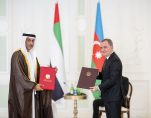
ADQ and Azerbaijan Investment Holding have signed a memorandum of understanding to pursue joint projects in the financial services sector, aiming to improve market connectivity and bolster the investment environment for sustainable economic growth.

The agreement follows their establishment of a joint investment platform in December 2023, under which both organisations committed equal capital to developing sectors such as agriculture, technology, pharmaceuticals and energy infrastructure across Azerbaijan, the UAE, and Central Asia—with possible expansion beyond those regions.

Mohamed Hassan Alsuwaidi, Managing Director and Group Chief Executive Officer of ADQ, said the deal exemplifies the strategy of deploying patient capital and leveraging investment know-how to stimulate economic diversification, foster industrial expansion, and enhance regional connectivity and competitiveness.

Ruslan Alikhanov, Chief Executive Officer of AIH, described the partnership as a key move to unlock new growth opportunities for Azerbaijan, emphasising that combining capital and expertise will support more diversified development and position Azerbaijan as a proactive actor in regional investment networks.

AIH, founded in 2020, manages strategic state-owned enterprises, enhancing governance, boosting operational efficiency and channeling investment into national priorities. ADQ is recognised for investing in critical infrastructure, global supply chains, and strategic sectors that align with broader national and regional economic transformation agendas.

Trade between the UAE and Azerbaijan has been strengthening, with non-oil trade rising 43 per cent year-on-year to reach about USD 2.4 billion in 2024. UAE investments into Azerbaijan have crossed USD 1 billion, reflecting the deepening economic partnership.

Abu Dhabi – Inception, the AI division of G42, has made seven of its domain-specific enterprise products available through Microsoft Azure Marketplace, looking to streamline global access to its scalable, enterprise-grade AI tools. The suite includes: ExecEdge, which automates executive meeting workflows and connects with Microsoft 365; Genius for business strategy research and reporting; Alpha to analyse unstructured data for investment decisions; Business Procurement for supplier discovery, […]

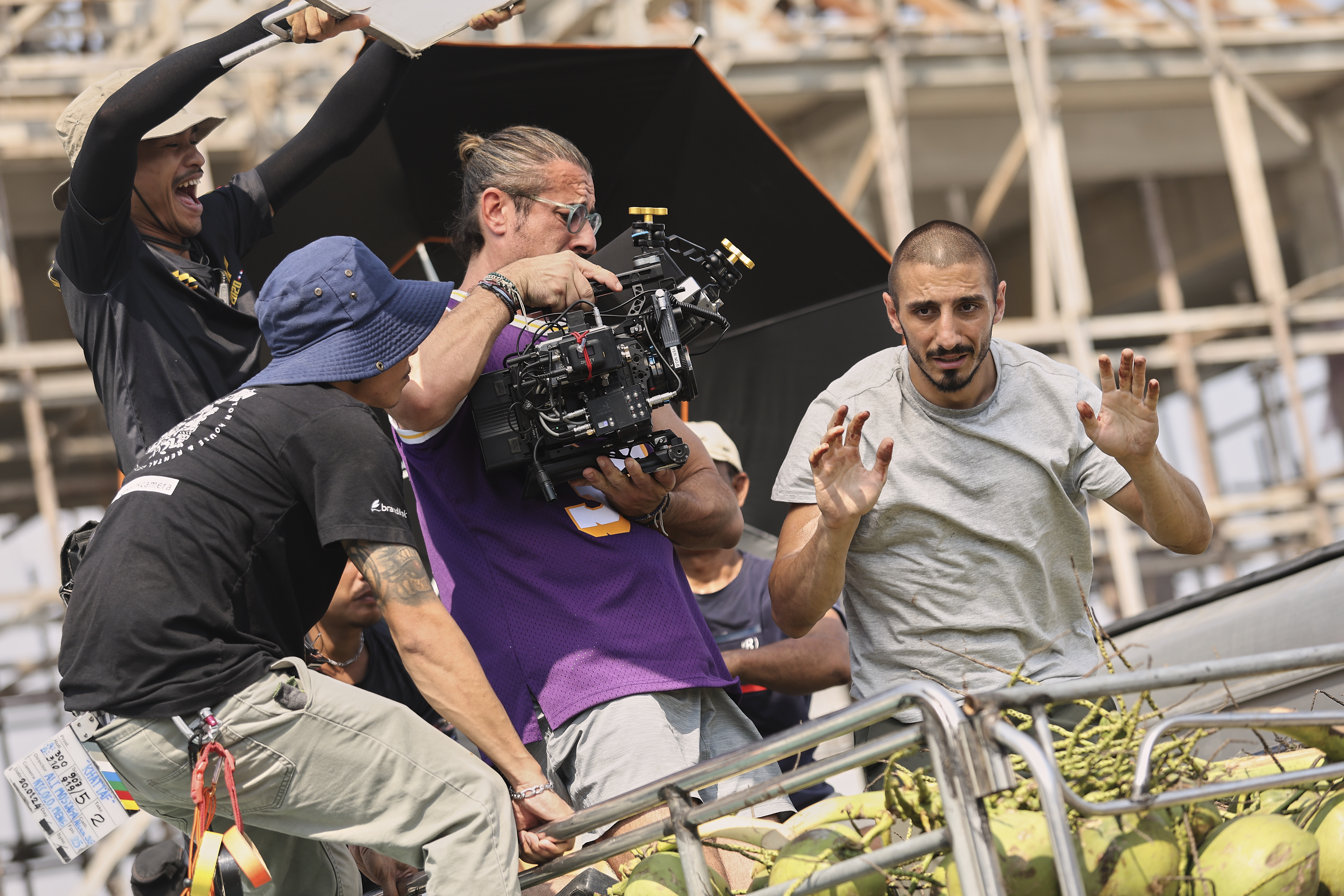
Abu Dhabi will become the base for a new production venture aiming to create large-scale action films, as Emirati actor-producer Mohamed F. Mostafa joins forces with British filmmakers Neil Marshall and Jadey Duffield.

The trio plan to produce under the UK company Art of Action, with two projects already in development: Marshall’s Skeleton Coast, a desert survival thriller, and Duffield’s Blackout, described as a whodunnit in the style of Knives Out crossed with The Raid. Mostafa is establishing a production company in Abu Dhabi to ensure that Emirati talent is deeply involved both in front of and behind the camera.

Abu Dhabi’s film incentive scheme is a cornerstone of the plan. Productions can receive up to 50% cashback on qualifying spend, provided they meet criteria including hiring local cast and crew and investing in local infrastructure. This enhanced rebate framework is intended to attract big-budget shoots while developing the skills of the domestic film workforce.

Marshall, known for directing episodes of Game of Thrones such as “Blackwater” and “The Watchers on the Wall”, described action as a genre with worldwide appeal. He and Duffield emphasise that their films will draw on regional fighting styles and action choreography seldom seen in global cinema, aiming to push what local crews can do alongside their work.

Mostafa said the timing is opportune, asserting that the Emirati entertainment sector has abundant talent that has so far lacked full exposure. He hopes this partnership will showcase that local crews and performers can deliver action content with international production values.

Abu Dhabi has over time hosted major international productions including Dune, Mission: Impossible, and Star Wars-related work. But Mostafa, Marshall and Duffield see potential beyond serving as a filming location: their goal is to make Abu Dhabi a creative base for action filmmaking with staying power.

Duffield emphasises translating external expertise into local growth, especially in areas like stunt and action design, with “knowledge transfer” baked into the structure of their planned films. The idea is not merely to import crews but to train and promote domestic specialists.

Beijing is preparing to roll out limited fiscal and monetary support as China faces weakening growth, dimming export demand and a fragile property sector. Analysts expect modest interest-rate cuts and additional spending, but size and scope will be constrained by a heavy debt burden and local government financing risks.

Official data shows industrial output rose 5.2% year-on-year in August, the slowest since August 2024, while retail sales grew just 3.4%, their weakest since November 2024. Fixed-asset investment across the first eight months of the year is up only 0.5%. Economic indicators like rising unemployment and falling home prices underscore growing domestic stress. Export demand, especially to the United States, has softened sharply.

Finance Minister Lan Fo’an has asserted that China’s debt remains at a “controllable and reasonable level,” while promising further fiscal reform to bolster consumption and investment. Hidden local government debt is being addressed, with over 60% of local government financing vehicles having mitigated their undisclosed obligations. Beijing has issued about 4 trillion yuan in special bonds out of a 6 trillion‐yuan quota allocated under its 2024-2026 framework.

Despite these assurances, fiscal options appear limited. Local governments, heavily dependent on land sales and property development for revenue, are seeing income dwindle amid the property slump. Many of them carry large off-balance-sheet debts, which limit their ability to borrow further without risking financial instability. Analysts warn that fiscal expansion beyond existing special bond quotas could trigger credit risk and undermine monetary policy transmission.

Monetary policy tools are seen as more flexible. The central bank is expected to pursue cuts in policy interest rates and perhaps reduced reserve requirement ratios for banks. Some targeted measures, such as support for housing and subsidised consumer loans, are under discussion. But reliance on monetary easing brings its own challenges—lower rates may offer limited stimulus when private sector demand is weak and households are wary of debt.

The property sector remains a key drag on growth. Unsold homes, delayed or incomplete projects, and tightly controlled borrowing rules for developers all erode confidence and investment. Local governments, deprived of revenue from land sales due to the real-estate slowdown, face pressures both to stabilize the housing market and to reduce their contingent liabilities.

Advertisements

HSBC has opened a dedicated wealth centre in Dubai aimed at serving affluent clients, stepping up efforts to capture a growing share of the UAE’s expanding wealth and asset management sector. It comes as the bank’s Swiss private arm moves to cut ties with over 1,000 wealthy clients from the Middle East under regulatory pressure.

The Dubai centre, housed in HSBC’s flagship Jumeirah branch, will offer Premier and high-net-worth clients access to relationship managers in a specialist space. Dinesh Sharma, HSBC’s head of International Wealth and Premier Banking for Middle East, North Africa and Turkey, said the UAE is among HSBC’s top five global markets, and the investment in infrastructure, people, capabilities and marketing over the next three to four years represents its largest in two decades. Singapore is cited as a model for how the UAE could develop into a global wealth hub.

In parallel, HSBC Private Bank has informed more than 1,000 clients in Saudi Arabia, Lebanon, Egypt and Qatar—many with assets exceeding US$100 million—that it will terminate its relationships with them. The bank is classifying these clients as high risk, following findings by Swiss regulator FINMA that it failed to meet anti-money laundering obligations in past transactions involving politically exposed persons.

HSBC has emphasised its continued commitment to both its Middle East and Swiss wealth business units. Barry O’Byrne, CEO of International Wealth and Premier Banking, maintains that Switzerland remains one of HSBC’s “core wealth hubs.” HSBC is structuring its strategy to grow where it has “a clear competitive advantage.”

The bank notes that personal financial assets in the UAE have surged over the past few years, exceeding US$700 billion, with more than 130,000 millionaires now in the country. Migrants of wealth are drawn by favourable investment policies, tax incentives and regulatory reforms. Regions contributing large shares of incoming wealth include India, other Middle Eastern markets, Russia and the Commonwealth of Independent States, and a growing number from the UK, Europe and China.

HSBC’s move to reduce exposure to high-risk clients comes after FINMA’s rulings in 2024, which identified breaches in anti-money laundering duties in connection with transactions involving politically exposed persons between 2002 and 2015. The regulator prohibited HSBC Private Bank from onboarding new relationships with such individuals until its compliance practices were overhauled. The bank is now working under those rules, winding down existing relationships judged to pose compliance risk.


Space42, listed in Abu Dhabi, and Viasat, a US communications company on Nasdaq, have joined forces to launch a new entity called Equatys to deliver Direct-to-Device and mobile satellite services worldwide leveraging 5G standards.

Equatys will combine satellite and terrestrial networks under a 3GPP Non-Terrestrial Network architecture so that standard smartphones and IoT devices can connect even where ground-based networks cannot reach. It will use over 100 MHz of harmonized Mobile Satellite Services spectrum across more than 160 markets. The venture aims to begin commercial service within three years.

The “space tower” model at Equatys is built on shared multi-tenant infrastructure covering both space and ground components. This setup is designed to cut redundant investment, improve spectrum utilisation, and reduce overall capital costs for operators. Licensed terrestrial and satellite operators will be able to tap into this infrastructure for D2D and next-generation MSS offerings.

Space42 was formed in 2024 through a merger combining the operations of Bayanat and Yahsat. Its business units include upstream satellite operations and geospatial analytics/AI-powered smart solutions. Major shareholders include G42, Mubadala, and IHC. Viasat, having acquired Inmarsat in 2023, operates globally in secure satellite communications, for government, enterprise, and consumer markets.

While financial terms of the venture were not disclosed, Equatys is expected to issue equity in phases, opening opportunities for strategic and financial partners as the system scales. The model is pitched as infrastructure-grade, aiming to offer returns tied to long-term deployment and spectrum utilisation rather than short-term hardware sales.

The project is subject to regulatory and customary conditions. It follows a Memorandum of Understanding signed in March 2025 between Space42 and Viasat which moved from exploratory technical and commercial studies to forming a jointly owned infrastructure company.

Experts are watching closely how spectrum harmonisation will be maintained across the many markets Equatys aims to cover. Nation-level telecom regulators often impose latency, licensing or usage constraints on MSS and NTN services, which can complicate global rollout. Also, implementing a shared infrastructure model across multiple orbits of satellites presents technical and operational challenges, from latency and hand-off between orbits, to ground station coordination, spectrum interference and service reliability.

Hesai Group’s shares surged in their Hong Kong debut, trading above its IPO price after the lidar‐sensor maker raised approximately HK$4.16 billion in its secondary listing.

Trading under code 2525, the stock opened at HK$229.20, about 7.7 per cent above the offer price of HK$212.80. Demand was strong: the international tranche was oversubscribed around 14 times, while the Hong Kong public tranche drew nearly 168.65 times subscription. Six cornerstone investors including HHLR Advisors, Taikang Life, and WT Asset Management committed some US$148 million worth of shares, agreeing to hold them for at least six months.

Hesai’s second quarter performance helped set the stage. Its revenue rose by 54 per cent year-on-year, shipments more than tripled, and the company reported a net profit of roughly RMB 44.1 million, reversing a loss from the year before. These results support its strategy to scale lidar sensor shipments, especially for advanced driver-assistance systems and autonomous driving applications.

A key driver is Hesai’s plan to cut manufacturing costs and selling prices. CEO David Li stated that the company is working to reduce the cost of its sensors dramatically, targeting a price of about US$200 per unit from previous models that sold for tens of thousands of dollars. To assist this, production expansion is underway, and Hesai is also pursuing international customers and counterparties in the autonomous vehicle and robotics sectors.

Geopolitical and regulatory pressures are also shaping Hesai’s approach. The dual listing in Hong Kong while retaining its U. S. listing on Nasdaq reflects efforts to strengthen capital access amid U. S.-China tensions. Hesai had earlier denied accusations of misleading investors over revenue and alleged military links; the company stated its operations are independent and compliant with regulations.

Dubai has become the stage for OMODA&JAECOO’s first ever cashback campaign in the UAE, with incentives reaching up to Dh15,000 across multiple models. Alongside this is the unveiling of the J7 SHS, the brand’s new hybrid model incorporating a “Super Hybrid System”. The campaign includes Dh9,000 cashback for buyers of the OMODA C5, Dh6,500 for the JAECOO J5, Dh8,500 for the JAECOO J7, and Dh15,000 for the […]

An international team of climate scientists has assessed five leading polar geoengineering proposals and found them unworkable, dangerous, and likely to undermine efforts to cut greenhouse gas emissions. The study, published in Frontiers in Science, evaluated the methods’ viability across criteria including effectiveness, cost, scale, environmental risk, and governance. The five geoengineering ideas under scrutiny are: stratospheric aerosol injection; sea curtains or walls to block warm water […]

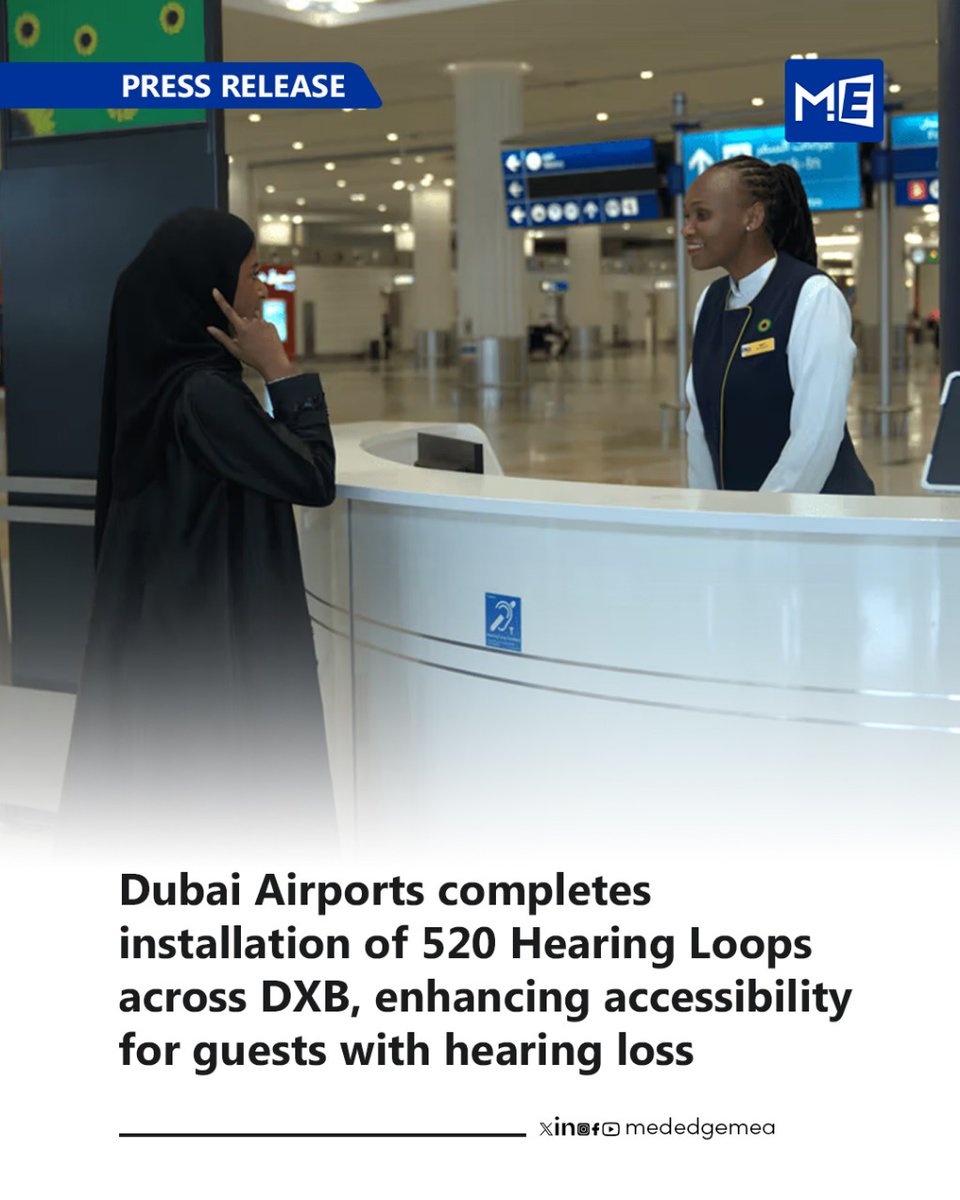
Dubai International Airport has deployed over 520 hearing loops across its three terminals to support passengers with hearing loss. The system, which allows travellers using hearing aids or cochlear implants to hear announcements clearly by switching to the ‘T’ setting, requires no pairing or extra equipment.

The devices are now installed at critical passenger touchpoints including check-in counters, immigration desks, boarding gates and information desks. The initiative is part of DXB’s broader accessibility drive under Dubai’s Universal Design Code, which mandates inclusive access in public facilities and transport infrastructure. Staff across frontline operations have also been trained to assist guests of determination.

Majed Al Joker, Chief Operating Officer at Dubai Airports, said this move demonstrates a commitment to enabling every traveller to move through the airport “with ease, dignity, and confidence.” The rollout was supported by oneDXB partners including airlines, airport services, customs, police, and ground handling agencies.

Globally, about 1.5 billion people live with some degree of hearing loss, a figure projected by the World Health Organisation to rise to 2.5 billion by 2050. Experts say transport hubs like airports are under increasing pressure to provide accessibility services that do not add friction for travellers. Implementation of hearing loops is among the measures considered most effective because of their unobtrusive nature and compatibility with existing devices.

Abu Dhabi has initiated a landmark pilot for self-driving delivery vehicles in Masdar City, with the Integrated Transport Centre collaborating with K2 and EMX under oversight from the Smart and Autonomous Systems Council. The operation includes the issuance of the emirate’s first licence plate for an autonomous delivery vehicle.

The vehicles, developed by K2’s Autogo subsidiary, are designed to travel urban routes and deliver orders without direct human control, using artificial intelligence and smart mobility systems. Officials say the trial is a stepping-stone toward broader commercial deployment across the emirate.

This pilot follows approved Level 4 autonomous vehicle trials in Masdar City, overseen by the Integrated Transport Centre in partnership with the smart mobility provider Solutions+, a Mubadala firm. Under these trials, vehicles are operating over a 2.4-kilometre geofenced route linking landmarks such as the Siemens building, Central Park, My City Centre Masdar mall, and others. Initially safety officers are onboard; remote control from a central operations hub is planned as trust and performance increase.

Regulators emphasise that safety, compliance, and adaptability are core to the initiative. Dr Abdulla Hamad AlGhfeli, Acting Director-General of the ITC, stated that the project marks a significant milestone in Abu Dhabi’s strategy to support innovation while ensuring legal and operational frameworks protect public welfare. Ahmed Baghoum, Chief Executive Officer of Masdar City, described the undertaking as a leap forward in autonomous mobility capabilities and aligned with the emirate’s vision of sustainable, technological integration.

Tariq Al Wahedi, Group CEO of 7X, said that through its logistics arm EMX, the company views this pilot as part of a broader last-mile delivery ecosystem. He indicated plans to expand coverage beyond Masdar City to areas such as Khalifa City and Dubai, with full commercial rollout expected within the next twelve months.

The moves align with Abu Dhabi’s goals under its smart mobility strategy, including the target that a quarter of all trips in the emirate use smart transport solutions by 2040. The ambitions also dovetail with the UAE’s broader sustainability framework, including its Net Zero by 2050 initiative.

The Federal Reserve sets the price of money for the world’s largest economy, but the battle now unfolding in Washington is about far more than the next rate decision. President Donald Trump and his economic advisors are pushing to narrow the central bank’s mission and pull it closer to the White House. For international investors, this is not a distant Beltway turf fight. It’s a direct threat […]

Swiss private bank Lombard Odier executives have stressed that the Middle East is no more inherently risky than other global markets—but warned that wealth managers must perform rigorous due diligence to avoid regulatory pitfalls in future. The bank is increasing its investment in the region and is aiming to more than double its assets under management there. Frédéric Rochat, managing partner at Lombard Odier, and Ali Janoudi, […]

Abu Dhabi is now home to over US$758.79 billion worth of active development projects, industry reports show, as the capital’s property, construction and investment sectors receive considerable investor attention at the International Real Estate & Investment Show. Urban construction projects lead the charge at roughly $221.56 billion, followed by transportation ventures valued at $238.01 billion, industrial projects totalling $151.36 billion, utilities at $130.29 billion, and oil & […]

Gold surged past levels not seen in over four months after growing confidence that the Federal Reserve will cut interest rates this month boosted demand for bullion, while silver climbed above $40 per ounce for the first time in over a decade.

Spot gold rose around 0.9% to roughly US$3,486.86 per ounce, reaching highs last marked in late April. US gold futures for December delivery also advanced, riding momentum from dovish comments by San Francisco Fed President Mary Daly and a U. S. appeals court decision that struck down most of former President Trump’s tariffs, which weighed on the dollar. Silver jumped about 2.2%, to near US$40.56, its best since September 2011. Other precious metals followed: platinum added 1.5% and palladium rose around 0.8%.

Investors have been digesting a weakening US dollar, cautious labour market indicators, and signals from policymakers suggesting the Fed could lower rates by 25 basis points. Some traders contemplate a larger cut, although forecasts remain varied. Demand for gold as a hedge has been reinforced by geopolitical uncertainty and concerns around the independence of central banking.

Analysts at ANZ and UBS have revised their forecasts for gold upward. ANZ now expects gold to average about US$3,800 per ounce by year-end, with upside toward US$4,000 by mid-2026. UBS similarly raised its year-end target, citing robust central bank buying, persistent inflation pressures, and the likelihood of further policy easing.

Silver’s rally, driven by industrial demand and tight supply, outpaces gold in percentage gains. ETF inflows have also favoured silver, reflecting investor appetite for high-beta exposure in the precious metals space.

Haitham Al Ghais, Secretary General of the Organization of the Petroleum Exporting Countries, has affirmed that OPEC will remain a pillar of market stability and a critical voice for oil’s role in the world for decades. Delivered to coincide with OPEC’s 65th anniversary, his remarks emphasised the organisation’s long‐standing mission and future direction.

OPEC projects oil demand to reach around 123 million barrels per day by 2050, driven by economic expansion and growing populations. Al Ghais warned that predictions of a near-term decline in relevance or “peak oil” should be viewed with scepticism in light of long‐term demand forecasts and OPEC’s historical resilience.

He noted that oil remains indispensable across many spheres of daily life: transportation, construction, food production and healthcare. Oils and petroleum derivatives, he said, are foundational not just for consumers but for societal and economic prosperity more broadly. Without them, critical infrastructure and supply chains could be severely disrupted.

Al Ghais described OPEC’s foundation in 1960 as a unifying vision for oil-producing nations, asserting sovereign control over production, supporting regular supply to consuming nations, and ensuring a fair return for investors. He reflected on the group’s evolution, including its expansion and the formation of the OPEC+ framework in 2016, which he said strengthened its ability to respond to global shocks such as those caused by the COVID-19 pandemic.

The 65-year mark, he argued, is not simply an anniversary but a reaffirmation of core objectives: balancing producer and consumer interests; dialogue and cooperation with non-OPEC producers; and emphasizing a holistic, multi-technology approach to energy security and poverty alleviation in developing regions.

He also stressed that energy security is “inconceivable without oil,” especially for societies coping with energy poverty. For OPEC, the challenge ahead involves ensuring that growth in demand is met “in a sustainable way” that incorporates environmental, social and economic considerations, while keeping market stabilisation efforts front and centre.

Mall of the Emirates will undergo a Dhs5 billion transformation aimed at reshaping the destination into a next-generation, multi-sensory retail, culture and lifestyle hub, as its operator, Majid Al Futtaim, continues to post strong financials for the first half of 2025. Majid Al Futtaim reported revenue of Dhs17.3 billion for the six months ending 30 June, up 3 per cent over the same period in 2024. EBITDA […]

Dubai’s events sector is being reshaped by a new digital platform aiming to simplify how people organise celebrations. The PartyPlatform, founded by Patrick Narracott, has introduced an online marketplace linking customers directly with vendors, allowing users to either hire full-service planners or assemble their own teams of vendors. The business addresses long-standing challenges in event planning, especially in terms of transparency and vendor discovery. Traditional methods often […]

Singapore is witnessing a sharp decline in wealthy mainland Chinese individuals relocating to the city-state, driven by stricter financial regulation, tougher compliance requirements, and more burdensome permanent residence and family-office rules. The flow is shifting instead toward Hong Kong, Japan and the Middle East.

Applications from wealthy Chinese seeking family office status or residency in Singapore have dropped by about 50 per cent compared to 2022, according to legal advisers involved in vetting such clients. One lawyer noted that platforms offering cryptocurrency, tokenised equity or stablecoins must now obtain licensing even when serving clients outside Singapore, and approval will be rare. Minimum capital thresholds have been introduced, along with anti-money laundering, technology-risk and conduct obligations.

The Fujian money-laundering scandal of 2023 is widely cited as a turning point. Following that case, Singapore’s financial institutions and regulators re-screened clients and intensified know-your-customer processes. Some family office applications have taken over a year to process; others have been rejected or delayed because of stricter background checks, including detailed disclosures about dependents and family relationships that many find invasive.

Hong Kong has responded by making entry and residency procedures easier. Earlier this year, its Capital Investment Entrant Scheme was reformed so that applicants need only six months of asset holding instead of two years, and family-held wealth or investments via family companies are now accepted. Dubai and Japan are similarly pulling ahead with more streamlined family office incentives.

Henley & Partners projects that only 1,600 millionaires will move to Singapore in 2025, less than half the number projected in the previous year. Meanwhile, many Chinese family offices already based in Singapore are relocating their operations back to Hong Kong or setting up in the Middle East or Japan.

Regulation focusing on crypto activity has been particularly discouraging. New rules require licensing for platforms offering crypto or tokenised financial products even to clients outside Singapore; approvals are expected to be rare and compliance burdens steep. Some crypto firms have already departed because of the regulatory regime.

Binghatti Holding Ltd, a Dubai-based developer, has initiated steps toward an initial public offering in the United Arab Emirates, as it looks to harness momentum from a strong real estate market climb. The company is in discussions with banks to assist in going public, according to persons with knowledge of the matter who spoke under condition of anonymity. A spokesperson declined to comment, calling the IPO talk “market rumour and speculation.”

Earnings performance is underpinning the move. For the first half of 2025, Binghatti reported a net profit of AED 1.82 billion, up 172 percent year-on-year. Total sales rose 60 percent to AED 8.8 billion, while revenue jumped about 189 percent to AED 6.3 billion. These figures reflect strong demand for its residential offerings.

Non-resident buyers are accounting for a growing share of Binghatti’s business, with about 61 percent of sales in H1 2025 coming from outside the UAE. That shift underscores Dubai’s continued appeal to international investors.

This potential IPO follows recent capital market activity by Binghatti. It issued a USD 500 million Sukuk under its USD 1.5 billion Trust Certificate Issuance Programme; the offering was oversubscribed by five times, with orders exceeding USD 2.5 billion from regional and global investors.

In June, Binghatti launched an asset management arm, Binghatti Capital, based in Dubai International Financial Centre and regulated by the DFSA. The new entity is targeting roughly USD 1 billion in assets under management, focused on Sharia-compliant real estate investment and private credit strategies.

Several analysts view the IPO bid as a strategic move to broaden funding sources beyond debt and sukuk, enable more institutional investment in the company, and leverage its rising profile. Real estate analysts note that the surge in demand—both domestic and foreign—is creating a favourable window for property players to tap equity markets. Oversupply concerns persist in some segments of Dubai’s housing market, but differentiated developers like Binghatti, known for branded luxury residences and fast construction delivery, appear well positioned.

Eshraq Investments has struck sale and purchase agreements totalling AED 264 million with Blue Lake Properties and Al Ain Properties to dispose of several land plots on Al Reem Island. The move forms part of its strategy to monetise land holdings and respond to mounting financial losses.

The sale takes place in prime zones of Al Reem Island adjacent to Al Maryah Island and inside the jurisdiction of the Abu Dhabi Global Market, locations particularly attractive to developers seeking centrality and regulatory stability. The agreements bolster Eshraq’s land monetisation drive, which has become a priority as the company seeks to improve its financial footing.

Financial filings show that accumulated losses for the first half of 2025 reached AED 484.85 million, equal to 18.05% of Eshraq’s capital. That marks an improvement from a loss of AED 526.55 million at the end of 2024, helped by gains from independent valuations of assets held by Goldilocks Investments, which rose by AED 55.14 million during the same period.

Goldilocks, a key non-core investment, had its net investment value boosted to AED 827.70 million as at 30 June 2025, up from AED 772.56 million in December 2024, offering some cushion against Eshraq’s operating losses.

In its first quarter of 2025, Eshraq reported a net loss of AED 27.03 million, a sharp decline from AED 306.05 million in the same period of 2024. Revenue across its portfolio has faltered, prompting management to accelerate the disposal or development of under-utilised land.

Industry observers note that investor appetite for Al Reem Island remains strong, driven by its proximity to key business hubs, relatively favourable regulatory environment, and demand for residential and mixed‐use projects. The sale with Blue Lake and Al Ain Properties underscores that even amidst financial pressure, prime real estate in central Abu Dhabi retains market confidence.

VISHNU RAJA
RYO YAMADA
HITORI GOTOH
IKUYO KITA