News related to
Dubai

MoneyGram, a global leader in digital payments, has announced the resumption of its money transfer services through a newly reinvigorated partnership with Bank AlJazira, one of Saudi Arabia’s prominent banking institutions. This move marks a significant step in advancing the Kingdom’s financial landscape, offering seamless physical and digital cross-border money movement solutions across the country.

The collaboration will allow MoneyGram to leverage Bank AlJazira’s expansive network of physical locations, ensuring that customers in Saudi Arabia can send and receive funds swiftly and securely. It also highlights the growing importance of digital channels in a nation increasingly shifting toward a more digitally integrated economy. The resumption of these services comes at a crucial time, with Saudi Arabia’s Vision 2030 blueprint pushing for greater financial inclusion and a more robust digital ecosystem.

MoneyGram has long been a key player in the cross-border payments industry, with its services spanning more than 200 countries and territories. In Saudi Arabia, the company is now positioned to meet the demands of an expanding customer base that increasingly seeks more accessible, secure, and instantaneous ways to transfer funds internationally.

The partnership with Bank AlJazira, a major player in Saudi’s banking sector, offers a wide-reaching solution for those in the Kingdom who rely on international money transfers for both personal and business purposes. Saudi Arabia has long been one of the largest remittance markets globally, with millions of people relying on money transfer services to send funds to family members overseas.

Saudi Arabia’s vision to become a global financial hub in the region has paved the way for international financial institutions to enter the market, forming partnerships to enhance the ease of conducting international transactions. The latest collaboration between MoneyGram and Bank AlJazira exemplifies this trend, aligning with the Kingdom’s ongoing push to modernise financial infrastructure, streamline cross-border payments, and ensure broader access to digital services.

The financial ecosystem in Saudi Arabia is rapidly evolving. The country’s push for digital transformation is supported by extensive government initiatives, including the Saudi Payments Company and the Financial Sector Development Programme. These initiatives aim to facilitate a more secure, transparent, and inclusive financial landscape. As part of this ongoing transformation, the re-establishment of MoneyGram’s services through a leading bank like AlJazira offers not only more efficient payment processing but also greater accessibility to the broader public.

MoneyGram’s digital capabilities will complement Bank AlJazira’s offerings, ensuring that both physical and digital touchpoints are well-integrated for consumers who demand flexibility in their money transfers. This move also benefits both businesses and individuals, particularly those who may prefer using mobile apps or websites to send money to and from international locations.

The recent resumption of services takes place amidst growing competition in the cross-border payment space. With numerous global players, including Western Union, PayPal, and emerging fintech startups, expanding their presence in Saudi Arabia, MoneyGram’s ability to leverage a strong local partnership enhances its positioning in the market. The company’s collaboration with Bank AlJazira provides it with an opportunity to tap into a network of customers who value both security and convenience.

Bank AlJazira, with its strong reputation in the Kingdom, offers a well-established platform that can seamlessly integrate with MoneyGram’s international remittance network. This partnership will allow consumers and businesses alike to experience an enhanced service offering, particularly in terms of speed and ease of access to funds. With a robust infrastructure already in place, this new initiative seeks to further enhance the efficiency of cross-border payments for people within and outside Saudi Arabia.

With Saudi Arabia focusing on economic diversification and growing international trade partnerships, the enhanced digital and physical money transfer services come at an opportune moment. The Kingdom’s ambitious Vision 2030 plan, which includes bolstering the digital economy and expanding financial services, presents a dynamic backdrop for collaborations like this. By tapping into the burgeoning digital economy, MoneyGram and Bank AlJazira are aligning themselves with the country’s long-term goals.


Google’s latest innovation, Opal, has introduced a groundbreaking way for users to create artificial intelligence mini-applications using just natural language. This shift marks a significant leap in the growing trend of no-code platforms, where complex coding tasks are simplified, enabling non-technical users to build sophisticated apps with minimal effort. The launch of Opal signals a broader movement toward intuitive software development that allows individuals to build AI-powered […]

FluidCloud, a startup dedicated to addressing one of the most pressing challenges in enterprise cloud computing, has announced its emergence from stealth mode with a seed funding round of $8.1 million. The funding will allow the company to expand its efforts in solving the longstanding issue of cloud vendor lock-in, which has long hindered businesses from achieving flexibility and efficiency in their digital infrastructure. The funding round, […]

Scala Data Centers has secured $328 million in international financing to fund the construction of three new hyperscale data centres and a critical power substation in Chile. This significant investment underscores the growing demand for high-capacity, scalable infrastructure to support the rapid expansion of digital services across Latin America.

The financing deal marks a pivotal moment for Scala as it continues to strengthen its position as a leader in the Latin American data centre sector. The new development in Chile forms part of the company’s broader strategy to expand its footprint in key markets across the region, which are increasingly becoming hubs for global data traffic and cloud services.

With digital transformation accelerating in multiple industries, Latin America has seen a surge in demand for high-performance data infrastructure. The planned facilities will cater to the needs of global cloud providers, hyperscale customers, and enterprises, allowing them to store, process, and manage vast amounts of data. The new data centres will also help reduce latency and improve connectivity for companies operating in the region.

The investment comes at a time when Latin America is experiencing a surge in the adoption of cloud computing, artificial intelligence, and big data analytics. With more companies moving their operations to the cloud, the need for secure, reliable, and energy-efficient data centres has never been more pressing. Scala’s expansion will enable it to meet these demands, providing businesses with the infrastructure necessary to drive innovation and growth.

Scala’s expansion in Chile also reflects the increasing importance of sustainable infrastructure. The new data centres will be designed with energy efficiency in mind, incorporating cutting-edge technologies to reduce energy consumption and carbon emissions. The company has also committed to using renewable energy sources to power its facilities, aligning with the growing trend of sustainability in the data centre industry.

Chile’s favourable business environment, combined with its advanced telecommunications infrastructure and strategic location, has made it an attractive destination for data centre investments. The country has been positioning itself as a key player in the global digital economy, offering tax incentives and other benefits to companies investing in technology and infrastructure. The addition of Scala’s new facilities further strengthens Chile’s standing as a leading hub for digital infrastructure in the region.

Alongside the construction of the data centres, the financing will also support the development of a major power substation, ensuring that the facilities have a stable and reliable energy supply. The substation will play a crucial role in supporting the growing demand for electricity, which is essential for the operation of the new data centres. With a growing number of digital services being powered by cloud platforms, the need for reliable and scalable energy solutions is increasingly important.

Scala’s investment comes amid a wave of expansion in the Latin American data centre market. The region has witnessed significant growth in the last few years, driven by increased cloud adoption, demand for edge computing, and the expansion of global tech giants in the area. The financing will allow Scala to build upon its already strong presence in the region and continue supporting the evolving needs of the digital economy.

Gartner’s stock price plunge and G2’s diminishing traffic are indicative of a major transformation in the B2B research industry. The traditional systems—built on gated reports, pay-to-play models, and vendor-biased reviews—are rapidly being upended. This shift is primarily driven by AI technologies, with large language models at the forefront, reshaping how businesses engage with research. Buyers and sellers alike are recalibrating their strategies in response to a new landscape where access to data is instantaneous, personalised, and driven by real-time insights.

For decades, legacy firms like Gartner and Forrester dominated the research space, offering in-depth, but often slow-moving insights in exchange for high costs. Their traditional grid-based analyses, though respected, were perceived as rigid and sometimes outdated, providing a one-size-fits-all perspective. Meanwhile, review sites like G2 and TrustRadius aimed to offer faster insights but often faced criticism for shallow or vendor-incentivised content. While these platforms catered to buyers looking for swift answers, the reviews were often generic and lacked personalisation. Both models, while serving their purpose, have come to feel increasingly inadequate as the industry evolves.

Buyers today demand more from their research tools. The rise of AI-driven platforms reflects a shift in expectations: information must be fast, tailored, and integrated with peer reviews, all without the heavy influence of vendors. Traditional sales calls and vendor presentations are no longer desirable during the early stages of the buying process. A major change is evident: buyers prefer to gather 80% of their information before engaging with a seller. This has resulted in a steep rise in the demand for decision engines that empower buyers to do their own research in real-time, unencumbered by the noise of outdated models.

AI-powered platforms are addressing these pain points. By delivering instant, personalised answers and creating tailored recommendations, these technologies are challenging the dominance of traditional research firms. Large language models are particularly transformative, enabling AI systems to scan vast amounts of data quickly, providing up-to-the-minute insights and playbooks without the bottleneck of human oversight. The result is faster, more relevant research, cutting through the noise of traditional, vendor-centric approaches.

For sellers, this transformation represents both a challenge and an opportunity. Customer acquisition costs continue to rise, and potential buyers are increasingly resistant to early sales calls. With buyers now equipped with AI-powered research tools, sellers must adapt by providing value at earlier stages in the buying process. Simply put, the only path forward for sales teams is to help buyers conduct better research and make more informed decisions. Sellers need to move beyond generic content like SEO-optimised eBooks and instead offer real buyer enablement resources such as detailed playbooks, personalised vendor comparisons, and tools that foster collaboration with potential buyers.

Platforms like Zeer AI are already integrating these shifts into their go-to-market strategies. Through their Buyer-Led Agentic platform, Zeer is revolutionising B2B research by creating daily pulses that allow buyers to share their most pressing concerns directly with AI agents. These agents then provide instant, tailored insights, including vendor leaderboards and one-click access to personalised RFPs. The AI agents continually scan fresh content, ensuring that the insights buyers receive are always up-to-date and relevant. This constant stream of personalised data positions Zeer’s platform as a valuable tool in the decision-making process, offering buyers the resources they need to make better-informed decisions.

Zeer’s platform incorporates human-curated research through its network of experts, agencies, and consultants. This network aids in the identification of ‘soft intent’—when a buyer is interested in a solution but not yet ready to engage. Once a buyer interacts with a solution that resonates with them, the system seamlessly transitions from soft to hard intent, prompting a meeting with the vendor. This soft intent to hard intent progression streamlines the sales funnel, making the buying process more efficient and collaborative.

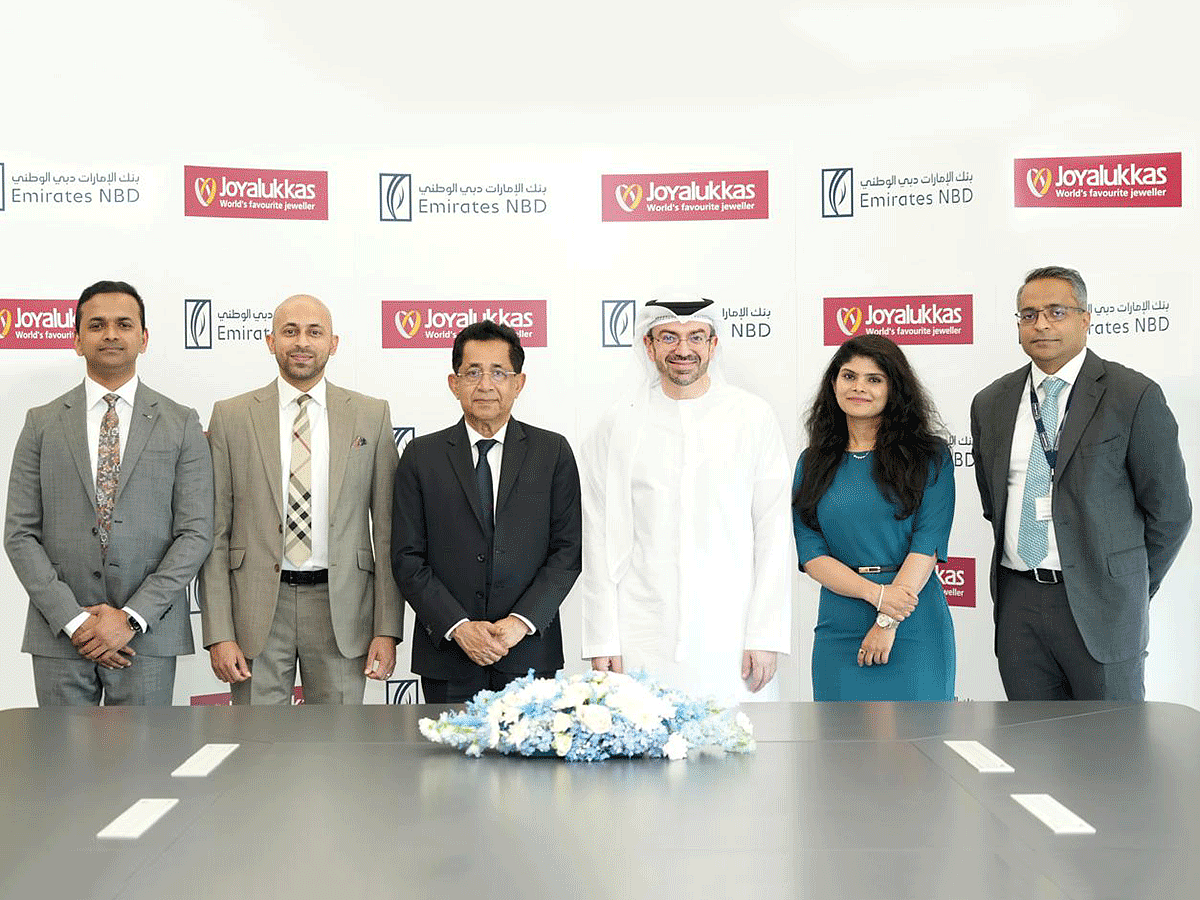
Emirates NBD has entered into a landmark partnership with global jewellery retailer Joyalukkas, providing a substantial AED 500 million working capital facility. This agreement marks a crucial step in the expansion of Joyalukkas’ operations across the UAE, as well as its key international markets, including the UK, USA, Canada, and Australia.

The deal, announced today, highlights the growing collaboration between the two entities, cementing Emirates NBD’s role as a key financial partner in Joyalukkas’ global growth strategy. The working capital facility will allow Joyalukkas to bolster its operations, meet the increasing demand for luxury jewellery, and enhance its retail presence in multiple regions.

Joyalukkas, a household name in the jewellery industry with a vast network of outlets worldwide, is known for its exquisite designs and premium products. Founded in 1987, the retailer has rapidly expanded its footprint, particularly in the GCC region, India, and other high-potential international markets. This new facility from Emirates NBD enables Joyalukkas to navigate challenges associated with working capital and supply chain management while facilitating its growth in a highly competitive market.

The strategic decision to offer this significant financial support underscores Emirates NBD’s commitment to supporting leading UAE-based businesses with ambitious expansion plans. The partnership will also contribute to the local economy, enabling job creation and boosting the retail sector. With an extensive portfolio of services tailored for high-growth industries, Emirates NBD is positioning itself as a critical player in the UAE’s business ecosystem.

For Joyalukkas, the agreement reflects its robust financial health and operational readiness for a broader international reach. As luxury consumption in markets such as the UK, USA, and Australia continues to rise, the retailer is well-placed to capitalise on this growing demand. Furthermore, the working capital facility will enhance its ability to manage large-scale projects and optimise its inventory across regions.

With an extensive network of over 160 showrooms worldwide, Joyalukkas is keen to capitalise on its established reputation while strengthening its presence in key markets. The financial backing from Emirates NBD offers the flexibility required to support large-scale retail operations and secure further growth.

Analysts see this collaboration as a strong endorsement of Joyalukkas’ expansion strategy, particularly its targeted approach towards diversifying into high-potential international markets. As global luxury retail trends shift towards online platforms and omnichannel experiences, Joyalukkas has already begun adapting to these changes, with plans to enhance its digital presence alongside its physical stores.

Emirates NBD, one of the leading banks in the region, has long been known for its strategic partnerships with key players in the retail and manufacturing sectors. By offering tailored financial solutions, the bank has proven to be a crucial enabler of growth for businesses with global aspirations. This latest deal with Joyalukkas adds to the bank’s already impressive portfolio of financial support for companies looking to expand their market reach.

As both organisations look ahead, the partnership represents a shared vision for long-term growth, with Joyalukkas planning to increase its retail footprint in the coming years. The bank’s backing will facilitate Joyalukkas’ ability to expand both in terms of physical retail locations and in the digital domain, where it is likely to see increasing competition.

The deal is also a testament to the UAE’s growing position as a global hub for business and finance, with local institutions playing a pivotal role in helping regional businesses scale internationally. Emirates NBD’s deep involvement with international brands and retailers reflects the increasingly interconnected nature of global trade and commerce.

While the facility’s exact terms remain undisclosed, industry experts suggest that this could be one of many similar deals to follow, as both local banks and international businesses continue to seek mutually beneficial partnerships. The growing demand for high-end jewellery and the increasing prominence of luxury markets globally position this partnership as a key milestone in both organisations’ development.

Dubai International has reported a significant surge in passenger traffic during the first half of 2025, registering its busiest six months ever. The airport welcomed 46 million passengers in this period, reflecting a growth of 2.3 per cent compared to the same time last year. This robust performance highlights Dubai’s vital position as a global aviation hub, even amidst challenges like temporary regional airspace disruptions. The airport’s […]

Advertisements

The Dubai International Financial Centre has posted its best-ever half-year results in 2025, demonstrating strong growth across key sectors, including financial services, innovation, and fintech. The centre reported a remarkable 32 per cent increase in new active registered companies, bringing the total number of active businesses to 7,700 by mid-2025. This surge represents a 25 per cent year-on-year growth. The number of professionals working within DIFC has also experienced a significant rise, up by 9 per cent, reaching 47,901 employees.

DIFC’s expansion highlights the continued success of Dubai’s strategy to position itself as a leading global financial hub, particularly in the fields of fintech and innovation. The increase in registered companies signifies not only the centre’s growing appeal but also its vital role in the UAE’s broader economic vision.

The growing presence of fintech firms, along with traditional financial services companies, underscores DIFC’s evolving landscape. According to the Centre’s CEO, the influx of new businesses reflects Dubai’s robust infrastructure, strategic location, and regulatory environment. “The remarkable performance of DIFC is a testament to Dubai’s attractiveness as a global business hub,” said the CEO. “Our strong sectoral focus on financial services, fintech, and innovation is fostering an environment of growth, which will continue to fuel the region’s economic success.”

DIFC’s strategic emphasis on innovation and fintech has garnered attention from both regional and global investors. The centre’s business-friendly regulatory framework, alongside its collaboration with government-backed initiatives, has allowed fintech startups to thrive. As digital financial services evolve, Dubai’s proactive measures have made DIFC a hub for innovation, with new fintech companies flocking to the area to take advantage of the resources and opportunities available.

DIFC’s integration with the wider Dubai economy has fostered a synergy between financial services and other sectors, such as real estate and technology. This cross-sector collaboration has proven essential for the centre’s resilience during periods of global uncertainty.

The surge in the number of companies and professionals at DIFC comes as Dubai continues to enhance its reputation as a major global economic and business destination. This growth trajectory aligns with Dubai’s long-term strategic objective to diversify its economy, focusing on financial technology, digital innovation, and professional services, which have collectively contributed to DIFC’s increasing role in the regional and global markets.

While DIFC’s record-breaking performance in the first half of 2025 is commendable, industry analysts suggest that the second half of the year could see even more significant growth. The centre’s management has indicated plans to further streamline processes for international companies seeking to establish a presence in Dubai, as well as to continue fostering innovation. With the fintech sector expected to expand globally, DIFC’s evolving ecosystem makes it a key player in the broader financial services landscape.

In addition to fintech, DIFC has shown promising growth in more traditional financial services, including asset management, banking, and insurance. The influx of multinational financial institutions has been notable, with firms attracted by the centre’s sophisticated infrastructure and competitive regulatory environment. DIFC’s broad appeal to companies across various financial sectors has allowed it to remain one of the most diverse financial hubs in the region.

Abu Dhabi National Oil Company faces significant challenges in its $17.2 billion bid for German chemicals company Covestro after the European Union’s competition watchdog launched a full investigation into the acquisition. The deal, struck last October, was poised to be ADNOC’s largest ever, as well as one of the most substantial foreign takeovers of a European Union-based company by a Gulf state. However, European regulators are concerned that the acquisition may distort the EU internal market due to potential subsidies granted by the United Arab Emirates to ADNOC, which could provide the state-owned oil giant with an unfair advantage.

The European Commission’s investigation, which was triggered earlier this week, specifically focuses on the possibility of foreign subsidies that could influence the competitive landscape within the EU. The Commission, which is tasked with safeguarding market competition within the EU, has expressed concerns that ADNOC’s acquisition of Covestro could be significantly affected by the financial support ADNOC is receiving from the UAE.

Among the subsidies under scrutiny are an unlimited guarantee provided by the UAE government and a capital injection into Covestro. The latter involves ADNOC committing substantial funding into the German company, which would significantly increase its capital base and, potentially, its market power. The Commission’s investigation could ultimately delay or alter the terms of the deal depending on its findings.

ADNOC, which has been aggressively expanding its portfolio and seeking new global opportunities, sees Covestro as an attractive addition to its investments, particularly as the German company holds a strong position in the global chemicals market. The chemicals sector is seen as a crucial area for growth, especially in industries like plastics and polyurethane, which have applications across numerous sectors, including automotive, construction, and electronics. By acquiring Covestro, ADNOC would be able to diversify its business beyond oil and gas, thus making it a more integrated player in the global economy.

The issue of foreign subsidies in cross-border mergers and acquisitions has gained increasing attention in recent years, particularly with the growing influence of state-backed companies from non-EU countries. In 2020, the European Commission introduced new tools to assess foreign subsidies in mergers and acquisitions, with the aim of protecting the EU’s internal market from potential distortions. The ADNOC-Covestro deal is the latest in a series of transactions under this scrutiny.

The Commission’s probe is particularly significant as it reflects broader concerns within the EU over the impact of state-backed companies from non-EU nations acquiring strategic European assets. Such concerns have been heightened by geopolitical tensions and the growing influence of countries like China, Russia, and the UAE, all of which have state-owned or state-supported companies engaging in high-profile international mergers and acquisitions.

While ADNOC has yet to comment on the investigation, the company’s bid to acquire Covestro highlights its ambitions to expand beyond the energy sector. ADNOC’s foray into chemicals and materials is seen as part of its strategy to hedge against the global shift towards renewable energy and decarbonisation. The company is looking to solidify its place in the post-oil world by investing in value-added industries, thereby ensuring a diversified revenue stream.

On the other hand, the European Commission’s actions reflect its determination to maintain a level playing field in the market, ensuring that EU companies are not at a disadvantage when competing with state-backed enterprises from outside the bloc. The EU’s foreign subsidies regulation, which came into force in 2020, provides the Commission with the authority to intervene in such cases, even when the potential subsidies do not directly involve EU-based companies.

As the investigation unfolds, it remains unclear whether the Commission will clear the deal or impose conditions on it. If the deal goes ahead, it could set a significant precedent for future cross-border mergers involving foreign state-backed companies. Conversely, if the deal is blocked or altered significantly, it may send a strong message about the EU’s stance on foreign subsidies and the influence of non-EU governments on its internal market.

A transformative trade agreement between the United States and the European Union is poised to redefine their economic relations. US President Donald Trump announced the deal, which is set to have far-reaching implications on both sides of the Atlantic. The agreement includes the unprecedented opening of trade at zero tariffs, along with a significant commitment from the EU to purchase $750 billion worth of energy over the […]

Etihad Airways is re-evaluating its timeline for launching its long-awaited initial public offering, with reports suggesting a deferral to the first quarter of 2026. The decision could mark a significant shift for the UAE-based airline, which had initially aimed to list within the next two years.

The move comes as Etihad seeks to maximise the impact of its evolving partnerships and strengthen its financial position in the face of a dynamic global aviation market. According to sources close to the matter, the airline intends to capitalise on a series of strategic alliances it has forged in recent months, which could increase its market appeal ahead of the IPO.

Etihad’s parent company, the Mubadala Investment Company, has yet to officially confirm the updated timeline, but it is understood that the decision to delay is driven by the desire to enhance Etihad’s valuation. The airline’s partnerships, particularly with global carriers and emerging markets, have been viewed as critical to its future success.

This re-evaluation comes at a time when the aviation sector is seeing a rapid recovery from the pandemic-induced slump. While many airlines worldwide have witnessed a surge in demand, Etihad is aiming to position itself for sustainable growth by leveraging its network and partnerships.

Etihad’s recent agreements with international carriers such as Air India and Lufthansa have bolstered its route network and strengthened its competitive position. These partnerships have also facilitated joint ventures and codeshare agreements, creating synergies that could prove beneficial as the airline looks to attract investor interest in its IPO. Analysts believe that these moves could help improve Etihad’s long-term profitability, making the company a more appealing prospect for potential investors.

Despite these efforts, the airline remains mindful of the market’s volatility. Experts suggest that the delay is also a response to ongoing economic uncertainties that could impact investor sentiment, particularly in a sector still grappling with post-pandemic challenges. The global airline industry is also facing heightened competition, fluctuations in fuel prices, and geopolitical instability, all of which make it crucial for Etihad to position itself strategically.

Etihad’s plans for the IPO are seen as a significant development in the UAE’s broader push to diversify its economy. The listing would not only serve as a major milestone for the airline but also align with the nation’s ambitions to bolster its financial markets. A successful IPO could provide a much-needed boost to the UAE’s efforts to attract global investment and further solidify its status as a key player in the Middle Eastern aviation sector.

However, the deferral also reflects a cautious approach. Rather than rushing to list, Etihad appears to be taking time to ensure that the offering meets the expectations of investors. Sources suggest that the airline is exploring various options, including potential mergers and acquisitions, to enhance its value proposition in the lead-up to the IPO. This may involve a careful assessment of its operations, investments in fleet expansion, and the optimisation of its business model to address the changing dynamics of the aviation industry.

A revolutionary AI-driven tool developed by Google in collaboration with UC Riverside researchers is setting new standards in deepfake detection. The system, known as UNITE, aims to combat the growing issue of manipulated media by identifying deepfakes in videos where faces are not present, challenging traditional detection methods. The increasing sophistication of AI-generated content has raised concerns globally, as it becomes more difficult for both the public […]

Arada Developments has turned to the debt markets for financing, following its decision to issue a sukuk bond aimed at capitalising on the construction boom within the Gulf Cooperation Council region. With its credit ratings from Moody’s and Fitch at B1 and B+, respectively, the company has mandated a consortium of major banks to facilitate the issuance of a five-year fixed-rate sukuk. The sukuk will be issued […]

Aldar Properties has shattered records in Abu Dhabi’s luxury real estate market by selling an eight-bedroom mansion in the exclusive Faya Al Saadiyat development on Saadiyat Island for Dhs400 million. This sale marks the highest price ever achieved for a residential property in the emirate, further cementing the strong demand for ultra-luxury homes in the UAE capital.

The sprawling property, which covers an area of 6,561 square metres, is situated within the prestigious Saadiyat Beach Golf Club. It offers residents breathtaking panoramic views of the Arabian Gulf, as well as lush greenery that adds to the exclusivity of the location. Its prime beachfront position places the mansion in one of the most sought-after areas for high-net-worth individuals, both locally and internationally.

This transaction follows Aldar’s previous success in the luxury segment, including the sale of a penthouse at the Nobu Residences on Saadiyat Island earlier this year for Dhs137 million. Both sales highlight the increasing appeal of the UAE’s high-end real estate market, particularly among overseas buyers.

Analysts attribute the sustained demand for such properties to a combination of factors, including the UAE’s strong economic performance, favourable government policies, and its status as a global business hub. The country has long been a magnet for wealthy investors, drawn by its tax advantages, world-class infrastructure, and lifestyle offerings.

In addition to these elements, Saadiyat Island itself remains a key driver of Abu Dhabi’s luxury property sector. Known for its cultural landmarks, including the Louvre Abu Dhabi, and its proximity to the city centre, the island has become a prime location for affluent buyers looking for the perfect blend of privacy, comfort, and access to world-class amenities.

The sale of the mansion is also seen as a sign of the growing interest in high-end properties located within exclusive developments that offer an all-encompassing lifestyle. Such properties are increasingly seen as more than just homes but as status symbols, offering unparalleled levels of comfort, privacy, and security.

Market observers also note that there is a broader shift occurring in Abu Dhabi’s property market. While the city has traditionally catered to mid-range and luxury buyers, there is now a distinct increase in the number of ultra-luxury homes being developed, particularly in areas like Saadiyat Island, Al Maryah Island, and Yas Island. This reflects the growing wealth in the region and the changing demands of buyers who are seeking residences that offer an exceptional standard of living.

Beyond luxury, the rise of sustainability and eco-consciousness is also influencing buyer preferences. As a result, developers like Aldar are increasingly incorporating eco-friendly features in their designs, from energy-efficient systems to sustainable building materials. These elements are becoming key selling points for buyers who place value not just on luxury, but also on environmental responsibility.

Despite global uncertainties, the UAE’s property market has managed to remain resilient, driven by continued foreign investment and a steady inflow of expatriates. Property experts predict that the momentum in Abu Dhabi’s high-end market will continue, with further developments expected to emerge in the coming years, particularly in sectors like hospitality and mixed-use real estate.

Aldar’s recent success in the luxury segment is not just a reflection of the company’s ability to capitalise on this growing trend, but also a testament to its reputation as a leader in high-end residential developments. The developer’s ability to push boundaries and redefine luxury living in the UAE capital positions it at the forefront of an increasingly competitive market.

OPEC+ is expected to maintain its current strategy on oil production levels when the Joint Ministerial Monitoring Committee convenes on Monday, despite shifting market conditions. Key delegates from the oil-producing coalition indicated that there will be no immediate changes to the group’s decision to increase output in August, which will see a rise of 548,000 barrels per day.

The JMMC, comprising high-ranking officials from the Organization of the Petroleum Exporting Countries and its allies, including Russia, is scheduled to meet at 1200 GMT. The outcome of this meeting has drawn considerable attention as global oil markets adjust to fluctuating demand patterns and supply conditions.

Several OPEC+ delegates, speaking anonymously, stated that the group is unlikely to alter its course, with the decision to gradually increase production still firmly in place. “There is a consensus that the demand recovery during the summer months is adequate to absorb the additional supply,” one source said. “The market dynamics currently seem to support this increase, and we are committed to regaining lost market share.”

Since the production cuts agreed upon in 2020 to counter the downturn caused by the COVID-19 pandemic, OPEC+ has been slowly increasing its oil output in a phased approach. However, with global economies on a recovery path, the group is under increasing pressure to balance its output against rising demand, particularly in regions such as Asia and North America.

While the rise in demand, particularly during the summer driving season, is helping to absorb the additional barrels, concerns have been voiced over the potential for global oil prices to soften. The overall impact of geopolitical tensions, the economic slowdown in key markets, and the risk of higher interest rates remain points of consideration for the group. However, OPEC+ delegates have indicated that their immediate focus will be on ensuring market stability while continuing to rebuild their market share lost during the pandemic.

Experts also pointed out that a significant shift in the global oil market would need to occur before the JMMC meeting in order to warrant a change in strategy. For now, the consensus is that OPEC+ will stick with the current path to bolster its market position. The decision to implement production increases has thus far been perceived as cautious and calibrated, aimed at preventing market volatility while capitalising on seasonal demand.

The continued commitment to raise output reflects OPEC+’s broader goal of restoring pre-pandemic production levels, despite the headwinds faced in navigating complex global markets. With increasing production from non-OPEC countries, including the United States and Brazil, OPEC+ is mindful of its position and market share but seeks to avoid dramatic shifts in strategy that could destabilise oil prices.

The JMMC’s decision will carry significant weight in shaping the oil market’s near-term trajectory. While global oil inventories remain relatively tight, with a demand spike in the Northern Hemisphere, OPEC+ is closely monitoring the response of major economies to any potential macroeconomic uncertainties. The meeting will also likely set the tone for discussions in future OPEC+ summits, where longer-term strategies will be evaluated in light of emerging trends, particularly energy transitions.

A private island off the coast of Tanzania is now a key player in the rising tide of Africa’s luxury tourism market. Offering guests an exclusive experience that includes a $50,000-a-night villa, catamaran, and helicopter transfers within a protected marine reserve, the island is a symbol of the growing appeal of African luxury destinations. Operated by Jumeirah Group LLC, part of the Dubai ruler’s business empire, the […]

The value of investments held by banks operating in the UAE reached AED 774.3 billion by April 2025, marking a significant 16.2% increase compared to the same period the previous year. The rise in investment activity also represents a 1.4% growth from March 2025, highlighting the ongoing strength of the banking sector in the region.

As per the banking data provided by the Central Bank of the UAE, the increase in investments was driven largely by a surge in debt securities. These securities alone grew to AED 352.4 billion by the close of April, contributing substantially to the overall rise in the investment portfolio. Furthermore, banks also held AED 345.8 billion in securities designated to be held until maturity.

Banks operating within the UAE also continued to diversify their portfolios. Investments in stocks amounted to AED 19.3 billion, while allocations in other investment instruments reached AED 56.8 billion. This diversification is indicative of banks’ efforts to balance risk while taking advantage of growth opportunities in the wider financial landscape.

Dubai Land Department has formalised a groundbreaking partnership with Masdar City, paving the way for companies operating within Abu Dhabi’s prominent free zones to acquire land plots and properties under the freehold ownership system in Dubai. This strategic memorandum of understanding aims to provide these companies with a more expansive and regulated pathway to invest in the Dubai real estate market, in line with the emirate’s broader vision to bolster its economic landscape.

The MoU was signed by Majid Al Marri, CEO of the Real Estate Registration Sector at DLD, and Ahmed Baghoum, CEO of Masdar City, during an official event in Dubai. The agreement marks a significant step in enhancing Dubai’s real estate market, which is actively adapting to new investor demands and aims to remain a competitive player on the global stage.

This collaboration is part of a wider effort to increase the attractiveness of the Dubai property market, with a focus on aligning with the Dubai Real Estate Strategy 2033. As part of this strategy, the city aims to enhance its status as a global hub for investment, business, and residential opportunities. By granting companies in Masdar City the ability to own land and property in Dubai, the DLD is encouraging greater foreign investment and further integration of the free zone’s economic sectors with the emirate’s broader financial ecosystem.

The development comes as part of Dubai’s commitment to expanding its investment opportunities across various sectors. This MoU reflects the UAE’s ambition to tap into innovative and sustainable business models, especially in green and technology-driven industries. Masdar City, which has long been recognised as a leader in sustainable urban development, is expected to play a pivotal role in further shaping the region’s real estate future. The partnership also signals a convergence of real estate and green innovation, capitalising on both sectors’ growth trajectories.

Masdar City, known for its focus on sustainability, is home to a growing number of businesses and startups involved in renewable energy, environmental solutions, and green technologies. By facilitating real estate ownership for these companies in Dubai, the DLD is fostering an environment that encourages companies operating in these industries to expand and deepen their investments in the UAE’s economic framework.

For Masdar City, the agreement opens up new opportunities for its tenants, creating a more expansive environment in which businesses can thrive, with the potential for significant capital appreciation as Dubai’s real estate market remains one of the most stable and profitable in the region. This move is also expected to elevate the city’s global competitiveness by promoting a broader base of businesses, both within Masdar and the UAE at large.

The impact of the collaboration extends beyond just Masdar City, as it could set a precedent for similar partnerships with other free zones across the UAE. By allowing companies established in these zones to acquire freehold properties in Dubai, the deal may become a template for expanding the emirate’s real estate portfolio to a wider range of international businesses. This would further diversify Dubai’s economy, making it more resilient to external market fluctuations and better positioned for future growth.

The MoU is also aligned with the Dubai Land Department’s efforts to provide a comprehensive regulatory framework that ensures transparency and ease of investment. By streamlining the process for companies seeking to buy real estate in Dubai, the agreement simplifies procedures that may have previously been perceived as barriers to entry, thereby improving the investment climate in the city.

As global markets continue to shift and adapt to new economic realities, Dubai remains at the forefront of innovation in property ownership models. With its unique approach to offering a blend of residential, commercial, and industrial opportunities, the city continues to cater to a wide range of investors, both local and international.

The collaboration between Dubai Land Department and Masdar City reinforces the UAE’s strategy of creating an attractive and dynamic environment for business, while also ensuring sustainable growth. With the expanding role of free zones in driving the nation’s economy, this move is expected to provide tangible benefits for both Masdar City tenants and the wider Dubai real estate market, positioning the emirate as a leader in global real estate investment.

A landmark federal framework for stablecoins became law on 18 July 2025, when President Donald Trump signed the Guiding and Establishing National Innovation for U. S. Stablecoins Act. The legislation mandates that stablecoins — digital currencies pegged one‑to‑one to the U. S. dollar or short‑term Treasury bills — must be fully backed by liquid reserves, publicly disclose holdings monthly, and comply with anti‑money laundering and consumer protection rules.

The Act clears a path for both banks and approved non‑bank entities to issue payment stablecoins under a dual licensing system, encompassing federal and state oversight. It also creates a formal category for such assets, offering legal clarity that had eluded stablecoin issuers until now.

Despite bipartisan support in Congress — with Senate approval on 17 June and House passage on 17 July — the new law has drawn criticism. Some lawmakers and experts argue it falls short on stricter anti‑money laundering measures and allows big tech firms to issue stablecoins with fewer regulatory hurdles than traditional banks.

Trump lauded the Act during the White House signing ceremony, calling it “a hell of an act” and asserting it will solidify American crypto leadership and support the dollar’s global primacy. He noted the GENIUS Act “creates a clear and simple regulatory framework” capable of unleashing innovation and enhancing payment systems.

Stakeholders across finance and fintech are re-evaluating their strategies. Traditional banks are preparing pilot programmes and exploring partnerships to issue or facilitate stablecoins, while crypto firms like Circle and Coinbase, which have backed U. S. stablecoin issuance earlier, have seen share prices rise following the law’s enactment.

In parallel, the law aims to channel demand into U. S. Treasuries, reinforcing the dollar’s global role. Treasury Secretary Scott Bessent highlighted that requiring asset backing in government debt would deepen Treasury markets. Financial institutions are bracing for increased reserve purchases and adjustments in asset allocation strategies.

The Act introduces rigorous governance: stablecoin issuers must implement reserve audits, adhere to marketing restrictions—such as avoiding government endorsement claims—and prioritise redeeming customer claims ahead of other creditors in insolvency scenarios. It also extends anti‑money laundering obligations under the Bank Secrecy Act, granting treasury authorities power to freeze illicit funds.

Though heralded as a milestone, implementation remains complex. Regulators are expected to issue detailed rules within a year, and the Act’s “effective date” is projected for late 2026, contingent on final regulatory actions or an 18‑month grace period.

Global central banks and fintech players are watching closely. Some expect U. S. leadership in regulated digital currencies could spur innovation overseas, while others warn that insufficient guardrails may encourage regulatory arbitrage. Foreign issuers may enter the U. S. market if they meet rigorous Treasury approval, including comparable home‑jurisdiction oversight and U. S.-based reserve management.

Market response has been immediate: global crypto valuations have surged past $4 trillion, led by strong gains in bitcoin and ether amidst expectations of broader stablecoin integration. Industry experts suggest stablecoins may soon become mainstream payment tools, with major retailers and tech giants like Google, Uber and Apple exploring adoption.

However, voices of caution persist. Critics say the framework could permit big tech to bypass stricter banking regulations, heightening systemic risks, and that consumer safeguards remain inadequate. Transparency International warned the law might provide loopholes exploitable by criminals or hostile regimes.

As rule‑making proceeds and industry adapts, the GENIUS Act marks a fundamental shift in U. S. crypto policy — ushering stablecoins from regulatory limbo into a legalised, structured, but contested future.

PayPal has unveiled PayPal World, a global payments network that links PayPal and Venmo with prominent domestic digital wallets—India’s Unified Payments Interface, China’s Tenpay Global, and Latin America’s Mercado Pago—with the aim of serving nearly 2 billion users by late 2025.

The announcement, made on 23 July 2025, positions PayPal World as the first truly interoperable cross-border payments ecosystem. Users will be able to send money and shop overseas using their familiar wallets, while merchants can receive payments from these networks without further integration. This ecosystem begins with the interoperability of PayPal and Venmo, progressing to UPI, Tenpay, and Mercado Pago.

Alex Chriss, PayPal’s president and CEO, described PayPal World as a “first‑of‑its‑kind payments ecosystem” capable of simplifying intricate cross‑border transactions for “nearly two billion consumers and businesses”. Ritesh Shukla, CEO of NPCI International Payments Ltd, affirmed that UPI’s integration will expand its global reach and benefit Indian users by offering secure and seamless international payments. Wenhui Yang, Tenpay Global’s CEO, added that the partnership would enable PayPal and Venmo customers to use Weixin Pay QR codes in China, while enabling deeper remittance collaboration.

The platform is technologically built for scale, using open‑commerce APIs and cloud‑native architecture to ensure low latency and reliability across global regions. It promises “device and technology‑agnostic” compatibility and is designed to embrace emerging commerce formats—including AI‑agent payments, dynamic payment buttons, and stablecoins over time.

Competitors and analysts note that PayPal World addresses a longstanding fragmentation in international payments. By reducing dependency on credit cards, currency conversion, and complex onboarding, it offers a streamlined experience for consumers and merchants alike. However, successful execution will depend on regulatory compliance across jurisdictions and the ability to integrate smaller wallets and merchants beyond launch partners.

Operationally, PayPal World will go live in autumn 2025 with PayPal and Venmo already interoperable. In 2026, Venmo users will be able to make purchases at millions of global merchants within the PayPal network—both online and in physical stores.

For Indian users, the move is particularly significant. UPI, which represents around 85% of digital retail payments domestically, gains a pathway to the global market, including e‑commerce platforms abroad and in‑store payments when travelling internationally. The integration could substantially reduce costs tied to credit card surcharges and foreign exchange fees.

Latin America’s Mercado Pago, though not yet fully finalised, joins under a memorandum of understanding, reinforcing PayPal’s focus on emerging-market inclusion.

If implementation proceeds as outlined, PayPal World could reshape cross‑border commerce by integrating regional payment infrastructures into a unified global network. Its potential success will hinge on seamless interoperability, robust regulatory alignment, and continued onboarding of diverse payment ecosystems.

Dubai is known for its luxury lifestyle and glamorous offerings, with yachting being one of the most sought-after experiences for both residents and visitors. Whether you’re an experienced sailor or new to the world of yachts, finding the right yacht broker Dubai is crucial to ensuring you make the best purchase, whether it’s for personal use or investment. The right broker can help you navigate the complex market and […]

Abu Dhabi has claimed the top spot among the world’s most tax-friendly cities, followed closely by Dubai, highlighting the UAE’s ascendancy as a magnet for affluent individuals seeking fiscally efficient jurisdictions with legal and political stability. According to Multipolitan’s Wealth Report 2025: The Taxed Generation, the UAE capital outperformed 163 other jurisdictions globally in the newly introduced Tax Friendly Cities Index. Dubai, a longtime competitor in the […]

DP World Trade Finance has crossed the $1 billion threshold in working capital provided to businesses in emerging markets, marking a significant milestone just four years after launching its integrated logistics-finance platform. The achievement reflects growing momentum behind digital trade finance solutions aimed at bridging the $2.5 trillion global trade finance gap, which continues to weigh heavily on small and medium-sized enterprises in developing economies. The platform, […]

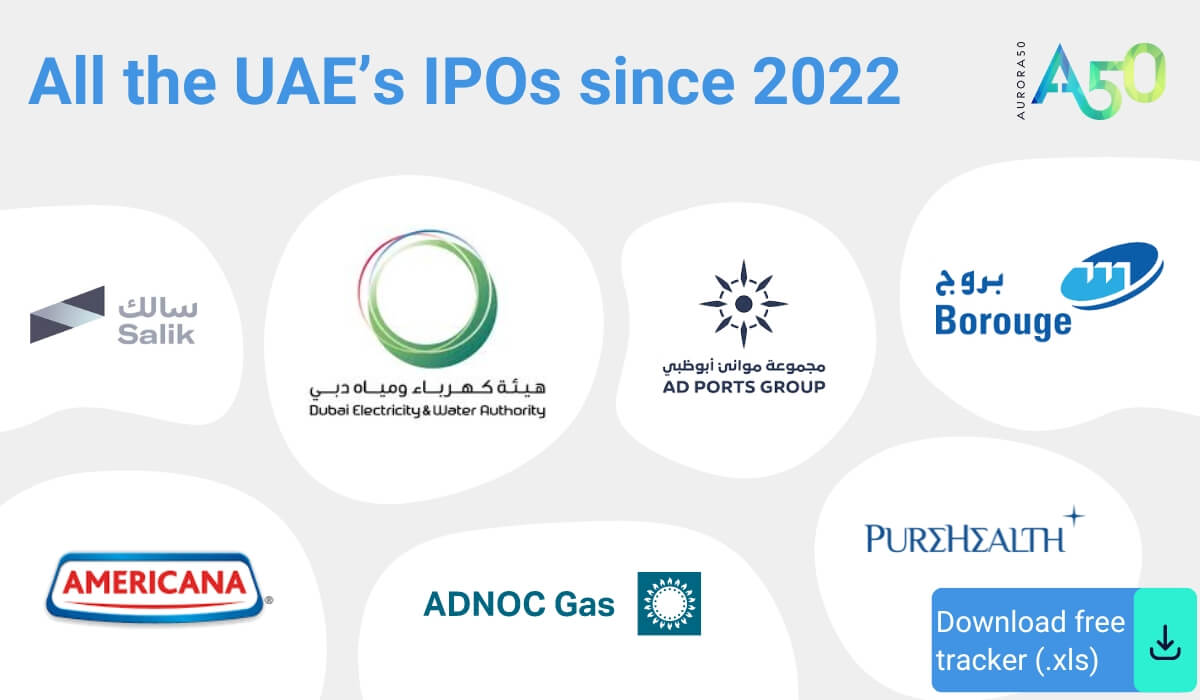
UAE equity capital markets are poised for an uptick in activity, with Citi forecasting three to five initial public offerings by 31 December—assuming timely regulatory clearance and robust pre‑marketing, said Rudy Saadi, Citi’s managing director and head of MENA Equity Capital Markets. This comes amid renewed investor enthusiasm as the nation positions itself as a regional IPO hub.

Saadi noted that although privatisations have slowed, market sentiment remains firmly positive for the remainder of 2025 and into early 2026. The expected pipeline includes a mix of family‑owned concerns and state‑affiliated enterprises alongside follow‑on offerings from listed firms.

Delivering context, UAE exchanges have tapped international and domestic liquidity in recent quarters. Spinneys and Alef Education raised $375 million and $515 million, respectively, in the second quarter, channelling nearly $890 million overall through new IPOs. Dubai and Abu Dhabi exchanges continue to push private‑sector listings, underscoring wider capital‑markets evolution.

Citi’s optimism is reinforced by Bloomberg’s observation of renewed momentum in regional share sales heading into H2 2025. The uptick appears linked to improved regulatory frameworks, deeper secondary‑market liquidity and evolving investor appetite across institutional, family‑office and retail segments.

Market analysts point to several emerging trends. Firstly, regulatory authorities in both Dubai and Abu Dhabi are progressively enhancing governance and foreign‑ownership rules to attract global participants. UAE entities now find listing conditions more competitive compared with established markets in Europe or the US.

Secondly, a shift is apparent from state privatisations to private‑sector flotations. Family‑owned businesses and tech‑focused enterprises are now stepping into the spotlight—supported by increasing liquidity and appetite from international institutional investors.

Thirdly, follow‑on share sales are gaining traction, offering listed firms a refundable route for fresh capital without navigating a full IPO process. Analysts expect more such offerings in sectors including financial services, healthcare and logistics, reflecting healthier balance sheets and growth trajectories among UAE firms.

Beyond sheer numbers, quality is a key consideration. Saadi indicates that approval pace and pre‑marketing success are decisive factors. In prior cases, such as Spinneys and Alef Education, strong institutional subscription signalled robust investor interest—suggesting forthcoming listings may mirror this level of demand.

Banking and asset‑management houses in the region—among them Citi, EFG Hermes and Emirates NBD Capital—are reportedly managing a cohort of potential issuers. EFG Hermes projected a busy second half of 2025 across Saudi Arabia and the UAE, with several consumer‑focused businesses preparing to list.

This momentum positions the UAE to lead IPO activity across the Middle East. In 2024, Gulf IPO volumes reached multi‑billion‑dollar levels; UAE exchanges, buoyed by sizeable debuts like Talabat’s Dh1.6bn listing in November 2024, claimed top status in IPO fundraising for three consecutive years.

Looking ahead, investor appetite appears steady, albeit cognisant of broader economic headwinds, including global interest‑rate trajectories and geopolitical uncertainties. Saadi stressed the significance of sentiment over macroeconomic factors when gauging regional appetite, citing Middle Eastern equity capital market resilience.

Key players set to define the coming wave include family‑owned conglomerates deliberating partial listings, firms in consumer and tech verticals exploring exit paths, and existing public companies seeking growth capital via follow‑on offerings. Leading financial houses continue to harmonise local issuers with global investor pools.

VISHNU RAJA
RYO YAMADA
HITORI GOTOH
IKUYO KITA
Just in:
Padmini follows Padmaja for ‘ghar vapsi’ //
Centre grants aircraft cabin access for Sabarimala pilgrims’ irumudi
// Balagopal challenges CM over tax revenue // Energy Markets Find Little Substance In Shenzhen Summit Promises // Singapore regulator cautions against AI access to bank logins // Dalilk Academy reaches 27 million, targets 100 million by 2030 // Crypto market loses $150 billion amid broad sell-off // Yeebo Announces Interim Results for FY26/27 Revenue Increases by 45.5% to HK$806.7 Million Profit Attributable to Owners Surges 87.6% to HK$2,284.7 Million // Egypt’s African Union trade climbs to $8.2 billion // Diabetes Malaysia And Alpro Pharmacy Set National Record With 11,007 Most Blood Glucose Screenings Conducted Across Malaysia In Just 48 Hours // Fungal toxins detected across 212 UK plant-based products // Sabarimala booking discrepancies prompt sabotage angle probe // PayerMax and ShopeePay Strengthen Strategic Partnership to Advance Digital Payment Collaboration in Southeast Asia // Phancy Announces Business Performance for the Nine Months Ended September 30, 2026 // ED searches five districts in probe against hawala // Sui activates Hashi Bitcoin lending across partner network // Toward a Shared Future for Humanity: Rethinking Civilizational Exchange // Bail refused to 17-year old in Abhiram murder // Jaiedco and Golden Bridge Announce Strategic Collaboration for a New Dubai Islands Development // Workday targets Honeydew purchase to unify AI metrics //