News related to
Dubai

A new Qingdao Overseas Integrated Service Centre launched at the China‑Arab Business Forum in Qingdao is set to deepen commercial ties between China and the Gulf region by enhancing the current $400 billion trade corridor.

Abdulla Albasha Alnoaimi, UAE commercial attaché to China, and Zeng Zanrong, Qingdao’s municipal party secretary, formally unveiled the centre, established by SepcoIII Electric Power Construction Co and Hisense Group. Drawing on their extensive foothold in the UAE and the broader Middle East, the centre is intended to act as a bridge to support Chinese firms entering Arab markets.

At the forum, 40 projects worth $5.93 billion were signed, spanning high‑end equipment, new energy, advanced materials and next‑generation information technology. These agreements signal a deliberate shift towards elevating the technological content and sophistication of trade between the regions.

Bilateral trade between China and Arab countries reached more than $400 billion in 2024, compared to just $36.7 billion in 2004, marking a ten‑fold rise over two decades. Saudi Arabia and the UAE led these exchanges, recording $107.53 billion and $101.838 billion respectively in 2024, with the latter growing by 7.2 per cent year‑on‑year.

Mohammed Saqib, secretary‑general of the CHIMENA Business Council, emphasised the centre’s role in aligning public and private sectors to drive economic cooperation, cultural exchange and joint investment initiatives. He noted it will act through mechanisms such as overseas industrial parks, procurement matching and international exhibitions.

China’s expansion into the Gulf forms part of its broader geopolitical strategy to diversify trade alliances and reduce dependency on Western markets, especially the US. Chinese firms are now deeply involved in infrastructure development across the MENA region, including ports, industrial zones, and renewable energy projects.

The forum drew 465 multinational firms, including 135 from the Fortune Global 500 and 330 leading industry enterprises across 43 countries. Three focused matchmaking sessions brought together over 300 Chinese companies with counterparts in Egypt, the UAE and Saudi Arabia.

Co‑hosts of the event included the Qingdao municipal government, China’s Ministry of Commerce and the Shandong provincial department of commerce, signalling full institutional support and coordination.

With its strategic location in the UAE, the centre is expected to catalyse an export‑oriented alliance, supporting Chinese firms in sectors such as energy, manufacturing and new materials, as well as bolstering the implementation of the Belt and Road Initiative across Gulf markets.

This initiative aligns with a historical trajectory of Sino‑Arab exchange, tracing back over two millennia via the Silk Route. Contemporary developments reflect a sharpened focus on innovation‑driven partnerships.

The unfolding dynamics underscore a growing economic interdependence between China and Gulf states. The QOISC adds an institutional anchor to sustain momentum, foster deeper investment flows, and integrate advanced technology and green energy into bilateral commerce.

However, observers caution China must continue to navigate geopolitical sensitivities, particularly in managing strategic competition with the US and ensuring sustainable and balanced partnerships that benefit local economies.

Dubai’s Roads and Transport Authority, in partnership with Emaar Properties, will upgrade the Burj Khalifa–Dubai Mall Metro Station, increasing its footprint from 6,700 to 8,500 sq m and boosting hourly passenger capacity from 7,250 to 12,320 – a 65 per cent rise. The development aims to accommodate surges during high‑demand periods such as New Year’s Eve, public holidays and national events, projecting a daily throughput of up to 220,000 passengers. […]

Sheikh Hamdan bin Mohammed bin Rashid Al Maktoum has greenlit an ambitious slate of strategic initiatives aimed at bolstering Dubai’s stature as a global epicentre for education, business, and eco‑development. The moves—from visa reforms and international academic partnerships to air‑quality drives and governance frameworks—signal a broad shift aligned with the emirate’s Education Strategy 2033 and Economic Agenda D33. At the heart of the agenda is Dubai’s higher‑education transformation. With 37 […]

A UAE-based investment vehicle, Aqua 1 Foundation, has acquired $100 million in governance tokens from World Liberty Financial, the cryptocurrency venture affiliated with the Trump family, making it the most prominent publicly disclosed investor to date. The move, confirmed by both parties, signals a strategic push to accelerate the creation of a blockchain-based financial ecosystem built on stablecoins and tokenised real-world assets.

Aqua 1 described the allocation of governance tokens—known as WLFI—as an opportunity to contribute to decisions on the platform’s development. Although WLFI is currently non-transferable, World Liberty has confirmed it is “working behind the scenes” to enable trading functionality. At the Permissionless conference in Brooklyn, WLF co‑founder Zak Folkman stated that WLFI could soon be tradable, with the stablecoin set for an independent audit “within days”.

Dave Lee, founding partner at Aqua 1, emphasised the synergy expected from the partnership, citing plans to jointly identify and foster high‑potential blockchain initiatives. The intention is to integrate WLF’s USD1 stablecoin infrastructure into global commercial payments and treasury systems. The move marks Aqua 1 as a key bridge between traditional finance and decentralised finance, aligning with its ambition to extend influence into South America, Europe, Asia and Middle Eastern markets.

Despite its substantial investment, Aqua 1 has maintained a low profile. Reports indicate its web presence is minimal—with just a handful of social media posts and evidence of a website only registered on 28 May.

WLF, launched in late 2024 by Donald Trump, three of his sons and associate Steve Witkoff, has raised well over half a billion dollars through token sales. The Trump family controls a significant stake—around 60% ownership and 75% of net token sales revenue—raising concerns over conflicts of interest. Democratic lawmakers and ethics watchdogs have repeatedly voiced apprehension that these financial interests may influence policy, amid reports that WLF proceeds reached hundreds of millions of dollars.

WLF’s stablecoin, USD1, is 100% backed and supported by U.S. dollar reserves, including Treasuries, and has already drawn sizeable institutional backing. In May, an Abu Dhabi firm used USD1 in a $2 billion transaction with Binance, while WLF prepares to publish an attestation of its stablecoin reserves as part of forthcoming audit disclosures.

The institutionalisation of WLFI governance aligns with the platform’s roadmap, which includes plans to launch a consumer‑friendly mobile app to streamline access to its digital ecosystem. The expected transition to transferable governance tokens is likely a precondition to broader distribution and potential listings on third‑party exchanges.

Regulatory scrutiny remains a key challenge. Critics argue that WLF’s entanglement of private financial interests with public office contradicts norms protecting against foreign influence. At least one senator has raised concerns after the Abu Dhabi stablecoin transaction. Additional worries stem from the Trump administration’s shift toward crypto deregulation, a change that coincides with WLF’s rise, prompting concerns from ethics groups about policy bias favoring the platform.

That overlap of influence has fuelled broader debates in Congress. Legislators have begun proposing amendments such as the GENIUS Act, which would regulate stablecoins more robustly, and restrictions on digital asset investments by sitting presidents. Observers note that WLFI’s new status and Aqua 1’s involvement could sharpen the need for regulatory clarity and transparency around token governance.

Meanwhile, WLF’s expansion plans are proceeding apace. The platform is reportedly developing a Middle East‑based Aqua Fund to support digital economy projects leveraging blockchain and artificial intelligence. The collaboration is expected to produce tokenisation platforms such as BlockRock, targeting institutional asset-digitisation markets.

Aqua 1’s governance stake marks a turning point. By becoming the lead institutional backer, the foundation now holds significant influence over decisions shaping WLF’s evolution. With token transferability and app launches on the horizon, WLFI stands poised for a new phase of adoption—though progress will likely be watched closely by regulators and investors alike.

Senate Republicans have advanced a version of President Trump’s sweeping tax and spending bill that would accelerate the end of several clean‑energy incentives, prompting fierce criticism from Elon Musk, who warned the proposal threatens millions of jobs and harms future industries. The legislation aims to eliminate the federal $7,500 tax credit for new electric vehicles and a $4,000 credit for used models by September 30, 2025, and […]

Dubai residents can now view their personal credit report and credit score directly within the DubaiNow app following a newly launched integration with Etihad Credit Bureau. The partnership enables users to access crucial credit information with a single tap—bringing financial insights closer to everyday urban life.

Officials emphasise that this move reflects a strategic direction toward seamless digital service delivery. Marwan Ahmad Lutfi, Director General of Etihad Credit Bureau, underscored the bureau’s commitment to national digital transformation, noting the use of advanced APIs to simplify user access to credit data. Matar Al Hemeiri, CEO of Digital Dubai Government Establishment, added that the integration reinforces Dubai’s position as a hub for digital innovation and aligns with the “We the UAE 2031” vision for a connected, smart society.

DubaiNow, developed by Digital Dubai, offers over 300 services — ranging from bill payments and health records to official documentation. The inclusion of credit reports and scores builds on its role as a one-stop platform for private and government services. This feature eliminates the need for separate logins or visits to multiple platforms—credit information is now readily accessible to users seeking clarity on their financial standing.

Earlier, Etihad Credit Bureau successfully integrated with Abu Dhabi’s TAMM platform, and this step represents a widening push across emirates to bridge credit services with digital portals. Sources highlight that such integrations are part of a broader effort to promote financial literacy, transparency, and empowered decision‑making among residents. Access to credit scores supports informed borrowing and better personal finance management.

Although specific usage metrics have not been disclosed, industry analysts see significant potential. By delivering real-time credit insights directly inside an app used daily by millions, the integration might reduce friction in credit awareness, which could lead to more responsible lending and borrowing—even small improvements in payment discipline or credit visibility can have outsized impact on personal financial health.

Affordability remains a factor: Etihad Credit Bureau’s website lists the cost of a personal credit report at AED 84, with a standalone credit score costing AED 10.50. However, it is not yet clear whether these fees apply within DubaiNow or if special rates have been arranged for app users. Users should check within the app for pricing details.

Security is paramount. Etihad Credit Bureau employs stringent data encryption and authentication measures to protect sensitive credit information. DubaiNow leverages UAE Pass for identity verification, ensuring that only authorised individuals access their own financial data.

The integration occurs amid rapid digital government expansion across the Gulf, where unified platforms are central to delivering frictionless user experience. By adding credit insights to DubaiNow, authorities anticipate a future where financial and administrative services converge—expected to boost efficiency for users and public institutions alike.

Going forward, observers expect Etihad Credit Bureau to extend integration to further emirate-level services and fintech platforms, creating a comprehensive, country-wide credit information network. Proponents argue such a system would enhance economic resilience by embedding credit awareness into everyday digital interactions.

Two of Dubai’s Top 20 Real Estate Professionals Come from the Same Brokerage Dubai, UAE – June 2025: With thousands of agents competing in one of the world’s fastest-paced property markets, Dubai real estate has become as much about standing out as it is about selling. In this competitive climate, brokerages are pressured to offer more than just a desk—they must offer vision, support, and leadership. That’s […]

Advertisements

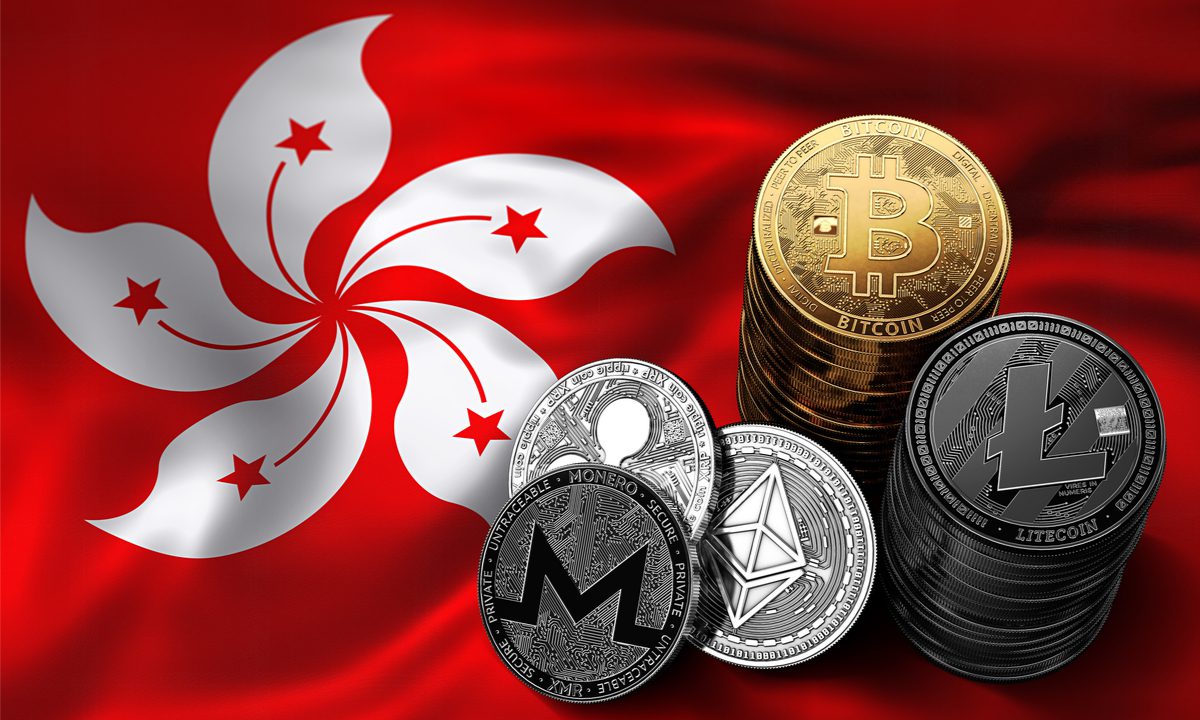
Hong Kong’s government on 26 June issued its Policy Statement 2.0 on the development of digital assets, signalling a decisive push to position the city at the forefront of the global crypto landscape. The statement introduces the comprehensive “LEAP” framework—Legal, Expand, Advance, People—underlining a mission to develop a trusted, innovative, and deeply integrated ecosystem for digital assets.

The regulatory reforms assign explicit oversight roles: the Securities and Futures Commission will licence digital asset exchanges, custodial and dealing services, while the Hong Kong Monetary Authority will govern bank-related activities in the sector. In addition, licensing regimes for stablecoin issuers and custodians are scheduled to commence on 1 August 2025, designed to strengthen anti‑money‑laundering safeguards, investor protection, and transparency in stablecoin issuance.

Central to Policy 2.0 is a commitment to tokenisation of traditional financial instruments and real‑world assets. The government will regularise issuance of tokenised government bonds, streamline stamp‑duty treatment for tokenised ETFs, and legislate to support tokenisation of assets such as precious and non‑ferrous metals, and renewable energy products. These bids aim to boost liquidity and broaden market access, aligning with existing initiatives such as the HK$6.8 billion in green bond token issuances since 2022.

Stablecoins also feature prominently, with proposals to pilot licensed stablecoins in public sector uses. Market consultation is seeking input on integrating these instruments into government operations and cross‑border payments, underpinned by stricter regulatory clarity. Tax incentives for private investment vehicles and family offices trading digital asset securities are expected in the 2025–26 fiscal year, aligning digital and traditional financial regimes.

International alignment is embedded in the blueprint. Hong Kong’s framework adheres to global standards—covering anti‑money‑laundering as per FATF, Basel Committee prudential supervision, IOSCO’s policy recommendations, and OECD crypto‑asset tax transparency measures. Complementary pilot schemes include HKMA’s “Project Ensemble” wholesale central bank digital currency trials, LME‑backed tokenisation of metal assets in Hong Kong warehouses, and a Cyberport‑sponsored incubator scheme to finance blockchain startups.

Since unveiling its original 2022 policy, the government has approved licences for over a dozen digital asset platforms, including nine trading licences and OTC frameworks, and supported tokenised bond issues by both government and corporate entities. Financial Secretary Paul Chan and SFC chief Julia Leung emphasise that this next phase marks a departure from pilot testing, transitioning toward institutionalisation and global competitiveness.

Industry leaders responded positively. Legal and compliance expert Cora Ang described the framework as “a strategic win” that aligns regulatory clarity with stablecoin and tokenisation growth. HashKey CEO Xiao Feng noted the city is entering a “new stage of maturity”, transitioning from sandbox environments to a substantive digital assets regime. Historical drivers such as the JPEX OTC fraud prompted regulators to enforce tighter custody and trading separation to protect investors.

Notably, fintech legal advisers in Hong Kong report surging demand. Firms are actively supporting issuance of tokenised gold and digital bonds, as banks like Bank of Communications and Zhuhai Huafa Group deploy digital debt instruments via licensed platforms. Meanwhile, legal specialists continue to advocate for derivatives, margin‑lending, and institutional frameworks targeted at professional investors.

Hong Kong’s strategic deployment of Policy 2.0 underlines a competitive counterbalance to rival jurisdictions such as Singapore, Dubai, and the US, each advancing their own crypto regulatory frameworks. The city’s alignment with global financial standards—alongside tailored incentives and public‑sector engagement—signals a comprehensive, forward‑leaning posture in digital asset finance.

Finnish rock band The Rasmus will perform at The Agenda in Dubai on 27 October 2025, as part of their expansive Weirdo Tour, marking their sole Middle East appearance that year. Doors open at 19:00 with the concert slated to begin at 20:00, promising a two‑hour set blending classic hits and new material, with tickets starting from AED 300. Formed in Helsinki in 1994, The Rasmus rose to […]

Santos has granted a six‑week exclusive due‑diligence period to a consortium led by Abu Dhabi’s National Oil Company, signalling serious progress towards its A$36.5 billion takeover proposal.

The consortium, comprising ADNOC’s investment arm XRG, Abu Dhabi Development Holding Company and private equity investor Carlyle, has placed an all‑cash offer of A$8.89 per share—representing a roughly 28 per cent premium on Santos’s previous closing price. Santos’s board is prepared to endorse the deal, pending satisfactory outcomes from due diligence, no better competing bids and approval by an independent fairness expert.

Should the offer proceed, it would mark Australia’s largest-ever all‑cash corporate takeover and rank among the top three transactions nationally—holding an enterprise value near A$36.4 billion.

The acquisition targets Santos’s LNG assets, including Australia’s Gladstone and Darwin facilities, plus substantial interests in Papua New Guinea’s LNG project and the forthcoming Papua LNG development. XRG aims to build an integrated gas and LNG portfolio capable of delivering 20–25 million tonnes annually by 2035.

Adhering to regulatory requirements, the consortium has signed confidentiality agreements and secured exclusive negotiating rights for this due‑diligence phase.

Santos’s management is forecasting a binding scheme implementation agreement before enabling a shareholder vote needing at least 75 per cent support, as per Australian scheme‑of‑arrangement rules. Shareholder approval will depend on a legal and financial assessment of the offer’s fairness.

While the consortium has pledged to maintain Santos’s Adelaide headquarters, preserve local employment, and continue momentum on major projects like the Barossa LNG development and Moomba carbon‑capture initiative, significant regulatory scrutiny lies ahead.

National oversight will involve multiple bodies: Australia’s Foreign Investment Review Board, ACCC, ASIC, and National Offshore Petroleum Titles Administrator; Papua New Guinea’s Securities and Competition commissions; and the US Committee on Foreign Investment due to Santos’s cross-border interests.

Analysts caution that the central risk is FIRB rejection, given Santos’s control over critical gas infrastructure. Potential remedies, like spinning off assets, may invite legal and decommissioning complexities.

South Australian state officials, including Premier Peter Malinauskas and Energy Minister Tom Koutsantonis, have highlighted the importance of protecting domestic jobs, the company’s base, and energy security—leveraging recent legislative powers to oversee licence transfers.

The political backdrop complicates matters, with Treasurer Jim Chalmers in caretaker mode ahead of a potential election. His decision will pivot on FIRB advice and the national interest implications.

Santos has endured pressures in recent years, including a near‑16 per cent drop in annual profit and a 41 per cent dividend cut in 2024. It also abandoned merger negotiations with Woodside that would have created an A$80 billion energy entity.

The consortium’s revised offer follows an initial A$8.00 bid in March, raised to A$8.60 later that month, and now stands at A$8.89—reflecting sustained negotiations and valuation uplifts. Should the agreement proceed, final receipt of regulatory and shareholder clearances could extend into early 2026.

This transaction underscores ADNOC’s growing appetite for strategic LNG assets in the Asia‑Pacific region and exemplifies broader Middle Eastern investment trends in global energy infrastructure. The outcome will influence the balance of power in Australia’s evolving LNG market and set significant precedents for future foreign investment decisions.

Bo Hines, digital asset policy adviser at the White House, confirmed that the United States is actively constructing the infrastructure necessary to support a Strategic Bitcoin Reserve. This initiative follows the executive order signed by President Trump on 6 March 2025, which established both a Strategic Bitcoin Reserve and a broader Digital Asset Stockpile. Hines highlighted that federal agencies have completed accounting for Bitcoin holdings, marking a pivotal step in consolidating treasury-held assets and enabling future acquisitions.

Hines explained that although the order does not compel public disclosure of cryptocurrency holdings, the Treasury may choose to publish a report voluntarily. He emphasised the administration’s inclination to increase government Bitcoin holdings in a budget-neutral way—likely by reallocating existing seized assets or surplus resources—without burdening taxpayers.

The crack team in Washington, including Hines and figures such as David Sacks, are framing Bitcoin as “digital gold”. They contend that, like traditional gold reserves, Bitcoin offers a durable store of value with no central issuer, making it strategically significant for national financial security. Experts point out that such an asset could act as a hedge against inflation and strengthen financial sovereignty, though critics warn of its volatility and speculative nature.

Infrastructure efforts have focused on establishing systems for secure custody, interagency transfer, and real-time accounting of government-held Bitcoin. Hines noted that laying this groundwork is essential before scaling up acquisitions. These efforts reflect a growing shift from regulatory wariness to strategic embrace of digital assets in U.S. policymaking.

Congress is also moving ahead with supporting legislation. The GENIUS Act, jointly advanced by Senators Cynthia Lummis and Tim Scott, is expected to be introduced before the August recess, while further crypto market structure legislation is targeted for completion by September. Hines pointed to this timeline during a session with the senators, underscoring a coordinated push to regulate and support the digital asset space.

State governments and private corporations have already launched Bitcoin-reserve-like initiatives, but the federal programme marks the first national-level effort. This move may be partly inspired by El Salvador’s state-level Bitcoin holding, a model that Hines reportedly examined during conversations with President Nayib Bukele.

Opposition to the federal SBR persists. Economists from the University of Chicago survey unanimously rejected borrowing to acquire crypto assets, citing the speculative nature of Bitcoin. International finance officials—with the European Central Bank in particular—warn that embracing Bitcoin could undermine conventional reserve strategies and monetary stability.

The initiative’s long-term success hinges on robust regulatory clarity. The executive order tasked agencies with full crypto asset accounting and mandated that the Treasury explore budget-neutral acquisition strategies, potentially reallocating portions of gold reserves. These moves aim to balance innovation with fiscal prudence.

As infrastructure construction progresses, the Treasury’s potential publication of federal Bitcoin holdings could signal a new era of transparency and mainstreaming of digital assets in public balance sheets. For stakeholders across government and finance, the outcomes of legislative drafts in the Senate and House will be watched closely.

Dubai’s Roads and Transport Authority has completed a trio of targeted road improvements in Business Bay, seeking to significantly enhance traffic flow, safety, and capacity in the high-density mixed-use district. The works — spanning arterial streets, service roads and bridge access — are part of a wider strategic plan to upgrade Dubai’s road network in line with growing urban demands. At the heart of the project is […]

Alain Robert, the daredevil climber known as the French Spiderman, has ascended the 116‑metre Meliá Barcelona Sky Hotel without any ropes or harnesses to launch TIGERSHARK—claimed as the world’s first cryptocurrency backed by real‑world extreme sports feats. Clad in Tigershark-branded gear and accompanied by his son, former French Navy marine Julien Robert, he live-streamed the stunt via X to mark what organisers call a “Mission 1: Spiderman & Son” initiative.

Organisers describe TIGERSHARK as part of an emerging “Action Economy” in which each token is tied to real adrenaline-fuelled missions spanning big‑wave surfing, wingsuit flying, motocross and parkour. Holding the token grants access to private events, exclusive behind‑the‑scenes content and athlete “drops” – an attempt to fuse thrill‑seeking with blockchain community building.

Lilly Douse, spokesperson for Tigershark, emphasised the departure from traditional token launches: “not airdrops, not smoke and mirrors, but actual real‑world extreme feats, true adrenaline”. She added that the venture is betting on “guts and grits” as the currency’s value proposition.

Robert’s legacy as an urban climber spans more than 150 structures, including the Burj Khalifa, Eiffel Tower and Petronas Towers, all scaled without safety gear. At his current age in the early 60s, he remains committed to pushing boundaries—and this stunt launches a broader strategy merging sport, entertainment and crypto technology.

Discussions are already underway with elite athletes in other high‑risk disciplines—such as base jumping, parkour, wingsuiting and motocross—to participate in future missions. Tigershark’s roadmap includes sponsorships, branded merchandise, global events and athlete plugins, positioning itself as more than a token, but a fully-fledged action-sports brand powered by cryptocurrency.

The circus‑style unveiling has caught the attention of both crypto enthusiasts and adventure-sport communities. While token offerings tied to lifestyle and entertainment have a precedent, Tigershark’s novel angle lies in monetising raw human risk and authenticity. Crypto commentators on social media have amplified the narrative, describing the stunt as “the realest launch Web3 has seen” and “the wildest crypto launch ever”.

However, critics have raised concerns. The stunt’s stunt‑token concept may attract speculative interest, but some analysts warn linking token value to unpredictable physical events could introduce heightened volatility. Moreover, regulatory scrutiny looms over crypto ventures that employ unconventional marketing tactics, especially those involving public stunts with safety or legality risks.

Tigershark’s strategic focus on live‑streamed extreme feats and token‑holder exclusives mirrors broader trends in Web3: blending content, experience and community. Yet the project must deliver consistency and transparency. Observers will scrutinise whether future missions occur as scheduled, whether token economics remain sound, and whether token-holders genuinely receive promised perks.

By embedding risk and spectacle into its founding act, TIGERSHARK sets itself apart from conventional token launches. Early investor sentiment appears buoyed by novelty and potential for real‑world engagement. But delivering a sustainable “Action Economy” will require navigating regulatory complexities and proving that this fusion of blockchain and extreme sport can transform fleeting adrenaline into long‑term value.

Dubai has been chosen to host SIBOS in 2029, affirming its standing as a global nexus in financial services. The selection reflects growing confidence in its role as a strategic bridge in international banking, marking the beginning of SWIFT’s new hosting rotation featuring emerging financial hubs.

SWIFT—holder of SIBOS, an annual forum for payments, securities, cash management and trade—has scheduled the conference in Frankfurt, Miami, Singapore, and Paris, with Dubai confirmed for 2029. This shift inaugurates a four-year rotation that now includes key regions such as the Middle East, Africa, Latin America and Asia, signalling intent to broaden engagement beyond traditional centres.

This move underscores Dubai’s appeal, anchored in the growth of DIFC, which now hosts nearly 7,000 firms, including the region’s fintech core. SWIFT’s Rosemary Stone emphasised that expanding SIBOS to diverse locations will lend fresh perspectives vital amid accelerating technological shifts and growing fragmentation risks. SWIFT saw record traffic last year, and the conference consistently draws over 10,000 delegates.

UAE Banks Federation and supporting bodies—including DIFC, DWTC, DET and CBUAE—have been credited for bringing SIBOS back to the UAE after its inaugural MENA appearance in 2013. UBF chairman Abdulaziz Al‑Ghurair highlighted that hosting SIBOS 2029 recognises the UAE’s leadership in digital payments innovation and its dedication to payment security and efficiency under CBUAE guidance.

UBF director‑general Jamal Saleh noted that the federation’s National SWIFT User Group, launched in 2021, along with the region’s first SWIFT training centre, have built a strong skill base in payments protocols. He said the bid award demonstrates “global recognition of the UAE’s achievements in payments using advanced technologies under CBUAE’s guidance”.

DIFC’s rapid development since 2004 has turned Dubai into SWIFT’s “Gateway to Africa”, strategically connecting Europe, Asia and Africa. This position enhances Dubai’s role within SWIFT’s network of over 11,500 institutions across more than 200 countries.

Planners are expected to leverage SIBOS’s platform to demonstrate regional innovations, including national payment system strategies, fintech growth, and cyber‑security frameworks. The event offers a showcase for the UAE’s ambitions to expand financial inclusion, digital infrastructure, and regulatory maturity.

The SIBOS win also supports the federal strategy unveiled by the Central Bank in 2019 to enhance customer experience through secure, innovative payment mechanisms. Observers suggest the conference will spotlight initiatives such as real‑time payment, cross‑border settlement solutions, and cloud‑based financial services.

By setting 2029 in Dubai, SWIFT signals that emerging financial ecosystems are not only capable but essential hosts. The planned rotation to include regions beyond the traditional triad marks a pivot in SWIFT’s approach, prioritising breadth of perspective as the global banking system navigates fragmentation.

UBF and its partners have committed to delivering a polished event, guided by rising standards in event production and stakeholder integration. With backing from SWIFT, CBUAE and government tourism authorities, organisers expect delegates to gain both technical insights and policy‑driven dialogue on future‑proofing global finance.

Leafcutter ant colonies, celebrated for their rigid division of labour, have yielded a startling secret: their roles can be rewired with a molecular tweak. Scientists from the University of Pennsylvania orchestrated this transformation using two tiny neuropeptides, shifting defenders into nurses and garden workers into leaf harvesters. The work, published in Cell on 9 June 2025, reveals a mechanism conserved across species, reaching mammals such as naked […]

Mashreq Bank has inaugurated a representative office in Türkiye, marking a significant stride toward enhancing financial collaboration between the Gulf and Turkish markets. This strategic move is central to Mashreq’s initiative to channel risk capacity and capital flows directly to Turkish banks and corporates. Dubai’s Mashreq is already a familiar correspondent to Turkish financial institutions, actively participating in syndicated loans, trade finance, payments, treasury services and capital […]

Beirut’s landscape, battered by the 14‑month Hezbollah–Israel war, is set for a critical transformation as the World Bank green‑lights a US$250 million financing package to support urgent restoration and rubble management. Dubbed the Lebanon Emergency Assistance Project, this initiative marks the initial phase of a US$1 billion, government‑led framework aimed at breathing life back into vital public infrastructure and essential services.

Damage and needs assessments conducted between 8 October 2023 and 20 December 2024 estimate total conflict losses at US$7.2 billion, with an overarching reconstruction requirement of US$11 billion. Of this, approximately US$1.1 billion pertains to infrastructure across transport, water, energy, municipal services, education and healthcare – the precise sectors that LEAP will target for immediate interventions.

Jean‑Christophe Carret, the World Bank’s Middle East director, described LEAP’s design as “a credible vehicle for development partners to align their support, alongside continued progress on the Government’s reform agenda, and maximise collective impact in support of Lebanon’s recovery and long‑term reconstruction”. The financing will fund rapid repairs to lifeline services, sustainable clearance of rubble prioritising recycling, and initial design and environmental studies for longer‑term rebuilding.

By adopting a data‑driven, area‑based prioritisation endorsed by the Council of Ministers, LEAP aims to balance speed with social and economic impact in the worst‑affected regions. To ensure accountability and effective delivery, Lebanon has initiated reforms within the Council for Development and Reconstruction, including the appointment of a fully functional board and streamlined processes consistent with international emergency‑response standards.

Operational oversight will be bolstered by an international private‑sector engineering firm, responsible for compliance monitoring across technical, environmental, fiduciary and AML/CFT requirements. Implementation rests under the strategic guidance of the Prime Minister’s Office, with the Ministry of Public Works and Transport leading execution and the Ministry of Environment overseeing social and environmental safeguards, especially debris handling.

Prime Minister Nawaf Salam welcomed the funding as “a key step in reconstruction… reinforcing recovery efforts within a state‑led framework and paving the way for much‑needed additional financing”.

The World Bank has previously confirmed that this initial contribution is part of a US$1 billion scalable fund, with $250 million already committed and plans for donor contributions to fill the remaining $750 million. Lebanon has already secured preliminary approval to raise the World Bank loan to $400 million, signalling growing momentum for the broader rehabilitation agenda.

LEAP emerges at a juncture when Lebanon, in the grip of one of its most severe financial crises in modern history, is balancing a recovery from war with deep‑rooted economic collapse. Nearly three‑quarters of its population live in poverty, the currency has collapsed by over 90 % since 2019, and public services have all but collapsed. The project’s prioritisation of transparency, environmental best practice, and governance reform offers a fresh test of Lebanon’s capacity to channel international finance into tangible, equitable recovery.

Meanwhile, the World Bank is coordinating with multilateral and bilateral donors, aligning its initial funding with evolving Lebanese reforms. The ultimate success of LEAP depends not only on reconstruction dollars, but on effective institutional stewardship—a challenge Lebanon’s government has pledged to embrace.

The Magic Newton Foundation has unveiled its NEWT token, aiming to revolutionise token launches by embedding transparency and equitable distribution at its core. The native token of the Newton Protocol, NEWT debuts with a fixed supply of 1 billion, of which 21.5%—215 million tokens—is initially available.

Designed to tackle persistent issues of insider trading and opaque allocations, NEWT introduces several industry-first safeguards. All allocations are publicly tagged on-chain for independent verification, while quarterly reports will detail usage across community, internal, and liquidity categories. Furthermore, team and contributor allocations are subject to a mandatory 36-month vesting with an initial 12-month lock-up.

Solid data underpins the initiative: research indicates insiders preceded 56% of all ERC‑20 listings since 2021, and studies suggest 10–25% of token listings may involve insider activity. Mohammad Akhavannik, Managing Director of the Foundation, said the goal is to “correct information asymmetry” with full on-chain transparency and equitable distribution.

A significant 60% of the token supply is allocated to community-focused initiatives—growth, ecosystem development, staking, liquidity support—with structured unlocking schedules: 20% at launch, the balance over a 48-month span. The remaining 40% is directed to internal stakeholders—core contributors, early backers, and Magic Labs—with vesting periods designed to align long-term incentives.

Beyond tokenomics, NEWT underpins the Newton Protocol’s AI-driven automation. It serves four primary roles: securing the network through validator staking; acting as the protocol’s native gas fee; funding registration and operational services for AI agent models; and enabling governance participation via staked holdings. The protocol integrates trusted execution environments and zero-knowledge proofs to ensure tasks executed by AI agents adhere to user-defined parameters.

Binance has listed NEWT for margin, futures trading, and inclusion in Earn programmes. The token also features on Coinbase, Upbit, Bybit, and Bithumb. Following the announcements from Upbit and Bithumb, NEWT saw a 40% price surge, which was further bolstered by backing from PayPal Ventures and Polygon securing US$90 million in pre-launch investment.

The launch included a 10% airdrop—100 million tokens—to early community participants and users active on the Kaito platform, including a 0.9% allocation specifically for Kaito rewards, based on an eligibility snapshot on 20 June 2025.

Magic Labs, the principal developer behind Newton Protocol, brings extensive web3 infrastructure experience, having supported over 50 million embedded wallets since 2018 through partnerships with notable platforms such as Polymarket and WalletConnect. This technical legacy, combined with NEWT’s layered governance and economic utility, positions the Foundation to challenge established norms in on‑chain finance.

Critical voices within the crypto community have noted discrepancies in the top-tier distribution: for example, the top 1,000 social‑platform accounts received 0.9% of the circulating tokens, prompting debate over whether influence is being prioritised over grassroots contributors.

Emirates has reinstated its complete flight schedule following brief airspace shutdowns over Gulf states on 23 June. The Dubai‑based carrier reported that all its regular services resumed within hours, with just a handful of cancellations and no forced diversions. Route adjustments took place to avoid congested airspace, as part of the airline’s emergency protocols. The carrier clarified that its contingency systems were promptly deployed. A statement published […]

Dubai has welcomed 8.68 million international visitors between 1 January and 31 May 2025, reflecting a 7 per cent increase compared with the 8.12 million who arrived during the same period in 2024, according to the Tourism Performance Report from the Dubai Department of Economy and Tourism. In May alone, the city hosted 1.53 million international tourists.

Western Europe emerged as the largest source market, supplying approximately 1.917 million visitors—or 22 per cent of the total. Trailing behind were Russia, the Commonwealth of Independent States and Eastern Europe with around 1.396 million tourists. South Asia contributed 1.242 million visitors, while the Gulf Cooperation Council countries accounted for 1.275 million. The Middle East and North Africa numbers reached 989,000, with Southeast and Northeast Asia, the Americas, Africa and Australia following with 9 per cent, 7 per cent, 4 per cent and 2 per cent shares respectively.

Hotel inventory expanded slightly, reaching 825 establishments with 153,356 rooms by the end of May, up from 822 hotels offering 150,202 rooms a year earlier. Occupancy averaged 83 per cent across the five-month span, climbing two percentage points from 81 per cent in 2024. Total occupied room nights reached 19.09 million, a 4 per cent increase over the previous year’s 18.34 million.

Average visitor stays remained steady at 3.8 nights—even as room rates climbed. The average daily rate rose to AED 620, while revenue per available room increased to AED 513, marking a 7 per cent improvement.

These figures follow a landmark 2024 for Dubai, which attracted a record 18.72 million international overnight visitors—an increase of 9 per cent compared to 17.15 million in 2023. At the close of 2024, hotel capacity stood at 832 properties with 154,016 rooms, confirming the city’s commitment to expanding hospitality infrastructure.

Analysts attribute this growth to strengthened global connectivity, robust destination marketing campaigns and a curated events calendar. In Q1 2025, Dubai recorded a 3 per cent year‑on‑year rise in visitor numbers from 5.31 million in the first quarter of last year. Regional data from the same period finds Western Europe contributing 22 per cent, CIS and Eastern Europe 17 per cent, and GCC countries 15 per cent.

Commenting at the Arabian Travel Market expo, Issam Kazim, CEO of Dubai Corporation for Tourism and Commerce Marketing, underlined the role of tourism as a gateway for inward investment, talent and trade. He highlighted new partnerships with Amadeus, Premier Inn Middle East and Hyatt, plus training collaborations between the Dubai College of Tourism and Marriott, aimed at enhancing Emirati workforce participation.

Industry observers note that average daily rates in the hospitality sector climbed to AED 647 in Q1, underpinned by stronger ADR and occupancy figures. Sustainable tourism initiatives also gained traction; over 150 hotels have since earned the Dubai Sustainable Tourism Stamp—a 118 per cent year‑on‑year increase.

Dubai’s appeal spans an array of demographics. While Western Europe remains the single largest source market, growth from South Asia, the GCC, CIS countries, and Southeast Asia reflects diversified outreach efforts. Leisure, business travel and high-profile events are all contributing factors.

Capacity expansion has run in parallel with evolving demand. Investments continue not just in hotel rooms but in broadening the tourism ecosystem—spanning cultural attractions, entertainment venues and transport links. Airport infrastructure upgrades and added flight routes further bolster access for key markets.

Despite the sustained momentum, the industry faces challenges including seasonal weather variations, geopolitical volatility and budget competition from other destinations. However, Dubai’s consistently high ADR and RevPAR metrics suggest healthy pricing power across its hospitality sector.

The emirate’s strategy emphasises quality over quantity, focusing on richer, high-yield tourism segments including luxury experiences, MICE, health tourism and eco‑conscious travel. This is aligned with the broader economic vision outlined under the Dubai Economic Agenda, aiming to double the size of the economy by 2033.

Continued collaboration between government bodies, private-sector operators and international partners is central to sustaining this trajectory. As global travel rebounds from pandemic-era disruption, Dubai is leveraging its infrastructure depth, event portfolio and marketing muscle to strengthen its position in the upper echelons of global tourist destinations.

Economic projections for 2025 remain positive. With visitor numbers tracking ahead of last year’s pace and average daily rates increasing, tourism is projected to deliver significant contributions to GDP and related sectors such as transport, retail, entertainment, F&B and real estate.

U.S. President Donald Trump has announced that American and Iranian officials will meet next week to discuss Tehran’s nuclear ambitions, following a concerted military campaign that he claims has effectively neutralised key Iranian enrichment facilities. The announcement came at the NATO summit in The Hague.

Trump defended the use of bunker-busting bombs against the Fordow, Natanz and Isfahan sites, asserting they had been “obliterated” and describing the bombing campaign as a decisive blow to Iran’s nuclear programme. He struck a triumphant tone, crediting the strikes with hastening the end of the 12-day conflict between Israel and Iran, though he expressed reservations about formalising a diplomatic agreement: “We may sign an agreement. I don’t know, to me, I don’t think it’s that necessary,” he told reporters.

U.S. intelligence assessments, however, diverge on the scale of success. A preliminary report from the Defence Intelligence Agency concluded the setbacks to Iran’s nuclear efforts might be limited to a matter of months, not years. CIA Director John Ratcliffe affirmed that the programme had been “severely damaged” but stopped short of declaring it destroyed. Israeli officials estimated the setbacks to be multi‑year, while the International Atomic Energy Agency emphasised uncertainties over Iran’s stockpile and called for robust inspections.

Diplomatic activity has meanwhile resumed. This U.S.–Iran meeting will follow six rounds of indirect talks mediated by Oman and Italy, which collapsed in mid‑June as the military confrontation intensified. Earlier this week, European envoys from the E‑3—France, Germany and the UK—engaged in direct negotiations in Geneva with Iran’s Foreign Minister Abbas Araghchi. Those discussions aimed to bridge differences after stalled U.S. efforts.

White House special envoy Steve Witkoff reiterated red‑line U.S. stipulations ahead of next week’s meeting: Tehran must renounce nuclear weaponisation and accept restrictions on uranium enrichment. He noted the U.S. is open to crafting a comprehensive peace framework, building on what Trump described as a de‑escalation following “a victory for everybody”.

From Tehran, Iranian officials have not confirmed next week’s meeting but emphasised national security. The Iranian parliament accelerated a bill to suspend cooperation with the IAEA, pending guarantees for the safety of nuclear infrastructure targeted in the strikes. Parliament Speaker Mohammad Bagher Qalibaf accused the IAEA of failing to condemn the U.S. attack. Meanwhile, IAEA Director General Rafael Grossi urged renewed inspections to clarify the status of enriched uranium moved before the bombings.

Regional and global actors are also weighing in. France has called for robust diplomacy to carve a sustained peace path. China has echoed the call for diplomatic restraint. Israel hailed the strikes as a critical setback to Iran’s programme; Israeli Prime Minister Benjamin Netanyahu endorsed Trump’s strong posture and emphasised the need to keep pressure on Tehran.

Analysts note the gravity of waging diplomacy in the shadow of military action. One specialist observed that while bombings may degrade enrichment infrastructure, they can complicate trust and cooperation needed for inspections and verification. Moreover, uncertainty lingers over the status of highly enriched uranium caches. Rebuilding diplomatic channels will require assurances, reciprocal transparency, and a mutual understanding of consequences.

Trump has warned that if Iran attempts to rebuild its nuclear programme, the U.S. is prepared to act again: “Sure,” he said when asked about further strikes. Yet the pendulum has swung toward a blend of military deterrence and diplomatic engagement.

As next week’s talks approach, key questions remain: who will represent each side, where the dialogue will occur, and whether the focus will be solely nuclear constraints or broader regional stability. White House administration officials have yet to disclose details, but the U.S. envoy confirmed Washington’s intent is to establish a framework that could replace the 2015 agreement.

Trump also signalled openness to exploring a bilateral relationship beyond nuclear confines: “We’ll end up having something of a relationship with Iran,” he said, as long as Tehran adheres to non‑weaponisation terms.

As the diplomatic window opens under the spectre of military force, the world watches to see whether this fragile blend of coercion and conciliation can unfold into a sustainable agreement—one that might ensure Iran never pursues nuclear weapons and stabilises a volatile region.

By Saifur Rahman Global credit rating agencies Moody’s Investors Service, Standard and Poor’s and Fitch Ratings have assigned ‘AA’ rating with stable outlook for the UAE economy, despite the regional tension. This comes right after the cessation of the military conflict in the region that significantly reduces security, political and economic risks. Standard and Poor’s (S&P Global) on June 17 has assigned ‘AA/A-1+’ long- and short-term foreign […]

By Saifur Rahman A number of UAE developers are entering the lucrative US$110.83 trillion real estate market in the United States, after their success in the UAE, which saw real estate transactions exceeded Dh893 billion last year. Americans are also one of the top ten nationalities to invest in the UAE’s real estate market where rental yield ranges between 7 to 9 percent. “Emirati investments in the […]

Poland has become the first European country to pilot palm vein–based biometric payments, while Tencent is advancing similar technology in Thailand, setting the stage for a wider rollout across Southeast Asia. Autopay’s HandGo system and Tencent’s palm biometrics reflect a growing global interest in contactless and secure transaction methods.

Autopay has initiated a pilot of HandGo by allowing customers at select venues—such as the Limitless sauna complex in Sopot—to make purchases by placing their palm on a scanner. Once a user links a payment card in the Autopay app, they register their palm vein pattern via QR-triggered enrolment. A digital hand token is then stored securely, enabling future transactions without a card, smartphone, or smartwatch. Autopay emphasises that no actual image of the hand is stored—only encrypted vein pattern data and a payment token meeting PCI‑DSS standards. Company executives describe the offering as a potential game‑changer for wellness and sports facilities, emphasising convenience and hygiene.

Globally, competitors already include Amazon’s Amazon One and Alipay’s PL1 device. Autopay distinguishes itself in Poland by being the nation’s first palm-auth payment provider, placing it alongside early vein‑scanning efforts by BPH bank and fintech Payvein. Another biometric contender, PayEye, combines iris and facial recognition for payment authorisation. Despite its versatility, PayEye requires merchants to deploy specialised terminals that support both biometric and traditional card payments, boosting acceptance rates.

Meanwhile, Tencent Cloud is intensifying its push into palm biometrics in Thailand. Vice‑president Jimmy Chen told the Bangkok Post that the country, backed by its “Cloud First” policy and digital transformation initiatives, makes an ideal launchpad. Tencent is collaborating with local technology firms such as MFEC and True IDC to test the system across multiple sectors, including convenience stores, retail, entertainment, education and finance. Early trials in venues like 7‑Eleven, Siam Commercial Bank, and The Mall Group underscore a focus on Thailand’s tourism-driven retail sector, where international visitors may welcome a card- or cash-free experience.

Tencent Cloud’s palm recognition has already been implemented in China at Beijing Airport Express, Shenzhen University, and numerous 7‑Eleven outlets. The system uses infrared imaging to analyse both surface palm lines and the vein network beneath the skin. Data is encrypted and stored with irreversible transformation to safeguard privacy. The architecture integrates local data centres—in Thailand’s case—with no cross-border transfers, aligning with regulatory frameworks. Analysts from GlobalData suggest that if the trials succeed, Thailand could become the gateway for adoption across Indonesia and Malaysia, offering scalability and enhanced security compared with fingerprint or facial recognition.

The initiative follows earlier pilot projects: Tencent partnered with Visa in Singapore in November 2024 during the Fintech Festival, allowing DBS, OCBC and UOB cardholders to enrol palm biometrics at café POS terminals and make payments thereafter through voice‑free palm scans. Tencent’s palm system, recognised with a Fintech Excellence Award in Singapore, reportedly supports transaction speeds within a second, even under poor lighting or wet conditions.

In Southeast Asia, Alipay’s PL1 palm scanner is already deployed across several markets. PL1 requires users to enrol their palm lines and vein data, then allows tap‑free transactions at metro gates, buses and retail outlets. The competitive landscape also includes Amazon’s Whole Foods adoption of palm scan technology in the US and pilot programmes by J.P. Morgan and Mastercard for palm‑based checkout systems.

VISHNU RAJA
RYO YAMADA
HITORI GOTOH
IKUYO KITA