News related to
Dubai

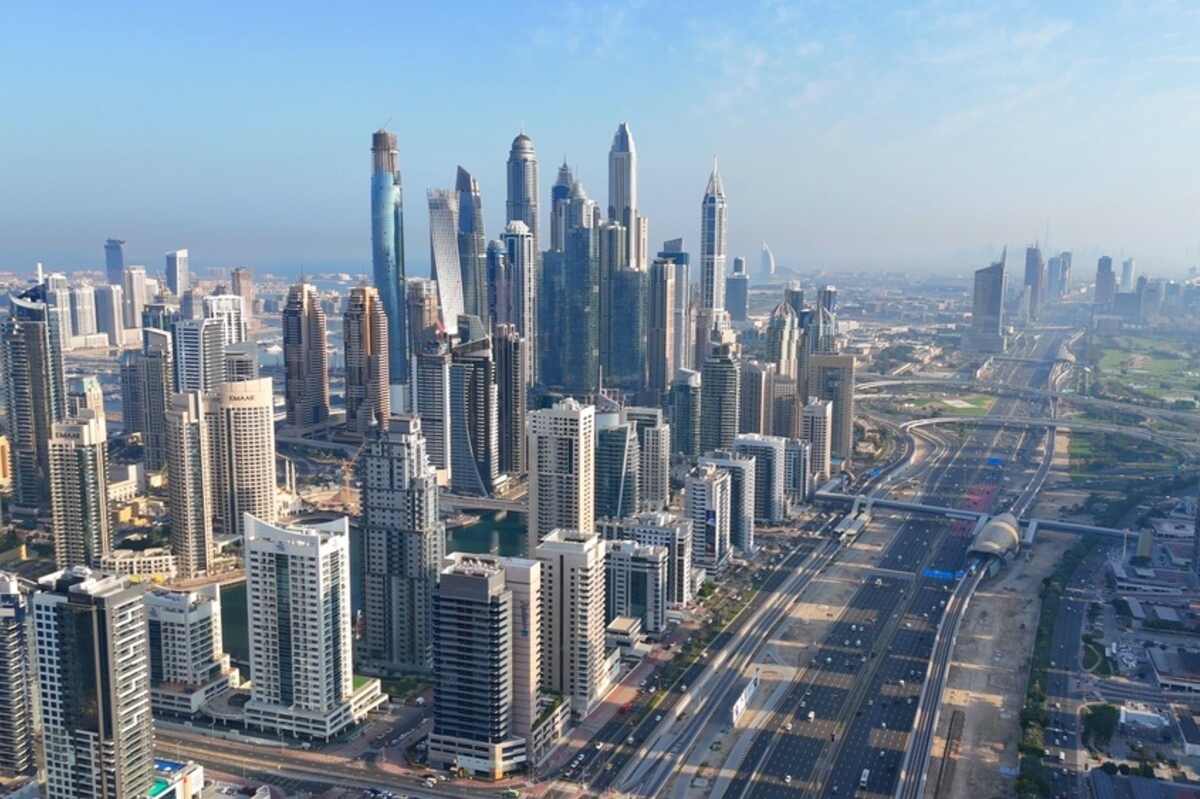
Strong northwesterly winds reaching up to 50 km/h have swept across the United Arab Emirates, triggering widespread dust storms and a noticeable drop in temperatures. The National Center of Meteorology has issued alerts for reduced visibility and hazardous sea conditions, advising residents to exercise caution.

The NCM reported that horizontal visibility has fallen below 3,000 metres in several coastal and inland areas due to suspended dust and sand. The Arabian Gulf is experiencing rough to very rough seas, with wave heights reaching up to seven feet, while the Sea of Oman remains rough. These conditions are expected to persist through Wednesday, with the weather remaining dusty to partly cloudy.

Temperature fluctuations have been recorded across the country. In Abu Dhabi, temperatures range between 27°C and 36°C; Dubai sees a similar pattern with lows of 28°C and highs of 35°C. Fujairah stands out with a maximum temperature of 42°C and a minimum of 34°C, while Ras Al Khaimah and Al Ain report highs of 38°C.

The NCM attributes the current weather pattern to an extension of surface low pressure from the east and high pressure from the west, coupled with an upper-air high-pressure system. This combination has intensified northwesterly winds, leading to the current dusty conditions and temperature drops.

Looking ahead, the NCM forecasts that Thursday will continue to be dusty to partly cloudy, with light to moderate northwesterly to southwesterly winds turning active during the day. Wind speeds are expected to range between 10 to 25 km/h, reaching up to 40 km/h. The Arabian Gulf will remain rough to very rough, and the Sea of Oman is expected to be rough.

By Friday, the weather is anticipated to be clear to partly cloudy and humid at night and on Saturday morning, with a possibility of fog or light fog formation in some coastal and internal areas. Winds will be light to moderate southwesterly to northwesterly, becoming active and dust-stirring during the day, with speeds ranging between 10 to 25 km/h, reaching up to 40 km/h. The Arabian Gulf will be moderate to regular, and the Sea of Oman will be regular.

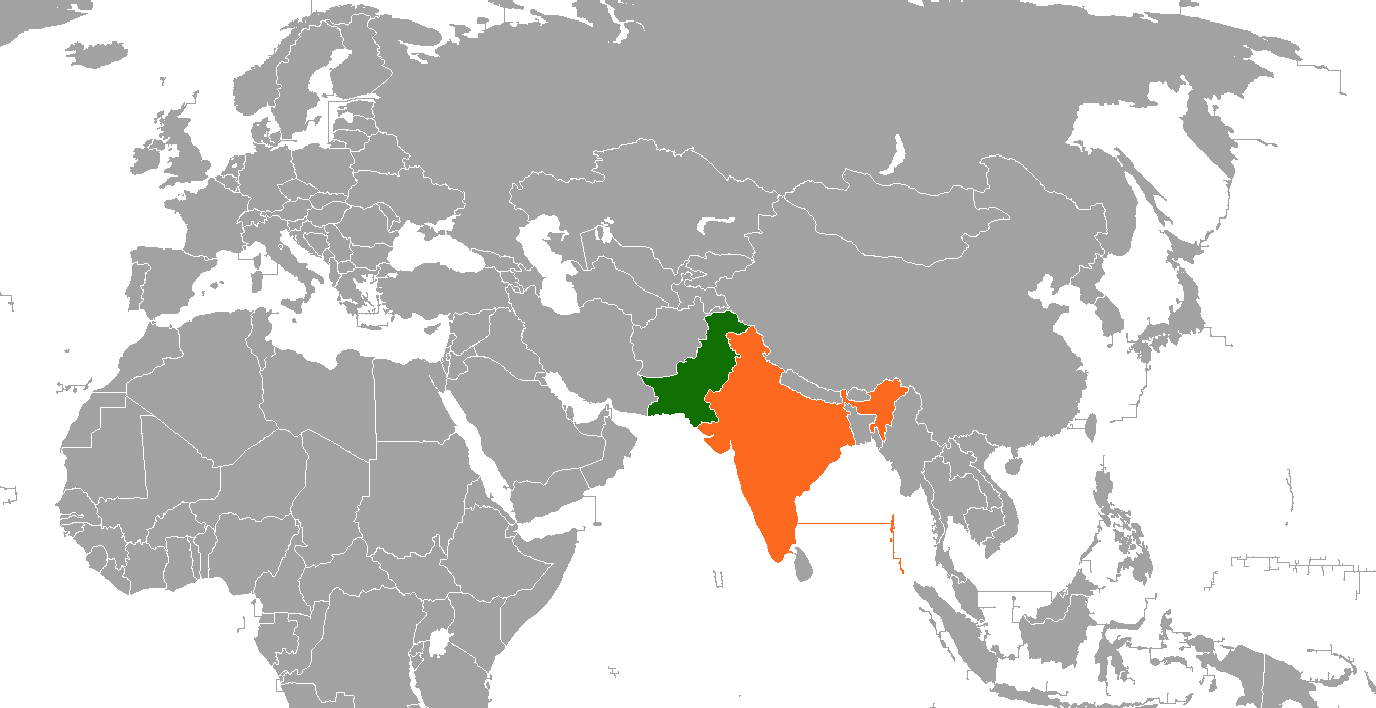
The United Arab Emirates has called upon India and Pakistan to exercise restraint and prioritise diplomatic engagement following a surge in cross-border hostilities that has heightened fears of a broader conflict in South Asia.

Sheikh Abdullah bin Zayed Al Nahyan, the UAE’s Deputy Prime Minister and Minister of Foreign Affairs, issued a statement on Wednesday urging both nations to avoid further escalation that could jeopardise regional and international peace. He emphasised that diplomacy and dialogue remain the most effective means of resolving crises peacefully and achieving shared aspirations for stability and prosperity.

The appeal comes in the wake of India’s missile strikes targeting nine sites in Pakistan and Pakistan-administered Kashmir, reportedly aimed at militant infrastructure linked to the April 22 attack in Indian-administered Kashmir that killed 26 tourists. India’s Defence Ministry stated that the strikes were focused, measured, and non-escalatory, asserting that no Pakistani military facilities were targeted. However, Pakistan reported that the attacks resulted in at least 19 casualties, including women and children, and damaged several mosques and a medical clinic.

In retaliation, Pakistan claimed to have shot down five Indian fighter jets and launched strikes into Indian-administered Kashmir, reportedly killing three people. The heightened conflict has led to school closures, disrupted international flights, and drawn global concern, with calls for restraint from China, the United Nations, and U.S. leaders.

Sheikh Abdullah’s statement underscores the UAE’s commitment to supporting initiatives aimed at peaceful conflict resolution and mitigating humanitarian consequences. He stressed the importance of heeding voices calling for dialogue and mutual understanding to prevent military escalation and strengthen stability in South Asia.

The UAE has a history of mediating in regional conflicts and has previously facilitated exchanges between conflicting parties. Its call for restraint reflects a broader international consensus urging India and Pakistan to de-escalate tensions and engage in constructive dialogue to resolve their longstanding disputes.

At 1:44 a.m. on 6 May 2025, Indian armed forces carried out precision strikes on nine locations in Pakistan and Pakistan-administered Kashmir. The operation, codenamed ‘Operation Sindoor,’ was launched in response to the 22 April massacre in Pahalgam, where 26 civilians, predominantly Hindu tourists, were killed. The Indian government stated that the targets were terrorist infrastructure linked to the attack.

The Indian Ministry of Defence described the strikes as “focused, measured, and non-escalatory,” emphasizing that no Pakistani military facilities were targeted. The operation involved coordinated efforts from the Army, Navy, and Air Force, with Prime Minister Narendra Modi reportedly monitoring the mission closely.

Pakistan condemned the strikes, labeling them an “act of war” and reported civilian casualties, including the death of a child. Islamabad claimed to have shot down two Indian jets and vowed a robust response. A state of emergency was declared in Punjab province, and airspace was closed to commercial flights.

The Pahalgam attack, carried out by militants in army fatigues, targeted tourists in the Baisaran meadow. Eyewitnesses reported that the assailants singled out non-Muslims before opening fire. The Resistance Front, an offshoot of Lashkar-e-Taiba, initially claimed responsibility but later retracted. Indian authorities linked the attack to Pakistan-based operatives, citing digital traces leading to safe houses in Muzaffarabad and Karachi.

In the aftermath, India suspended the Indus Waters Treaty, expelled Pakistani diplomats, and closed borders. Pakistan responded by suspending the Simla Agreement, restricting trade, and closing airspace. Both nations have engaged in cross-border exchanges of fire, raising concerns of a broader conflict.

By Saifur Rahman When Ho Kwon Ping, a young Stanford drop-out, saw an abandoned tin mine in Thailand’s Bang Tao Bay in Laguna Phuket area in 1984, he didn’t know what to do with it as the land that was dimmed ‘useless’ by its former occupiers. It was a patch of a waste land with no activities then. In his Stanford days, he was a firebrand social […]

Greenlogue/AP CO2Wall, a Netherlands-based climate solutions company, has launched operations in Saudi Arabia with the opening of a new office in Riyadh. This move aligns with the Kingdom’s Vision 2030, which aims to achieve carbon neutrality by 2060 and enhance urban sustainability. The company’s expansion is facilitated through a partnership with AstroLabs, a business expansion platform in the Gulf region. Gerwin Pul, CEO of CO2Wall Group BV […]

Panasonic Marketing Middle East and Africa has entered into a strategic partnership with Saudi Company for Hardware , a leading retailer in Saudi Arabia, to revolutionise the retail experience for customers in the Kingdom. This move marks a significant shift in the retail and electronics sectors, directly aligning one of Japan’s biggest manufacturers with a key local distributor, reshaping supply chains and enhancing customer engagement.

The collaboration between Panasonic and SACO will introduce a direct supply model, which aims to streamline product availability and improve service efficiency. By working closely together, the two companies will ensure a smoother, faster product distribution system, ultimately benefiting consumers with quicker access to Panasonic’s wide range of electronics and home appliances. SACO’s established retail network and expertise in the local market provide Panasonic with the necessary infrastructure to reach a broader audience while maintaining the highest service standards.

As part of the partnership, SACO will become Panasonic’s exclusive retail distributor for several product categories, including air conditioners, home appliances, and consumer electronics. The deal is expected to strengthen Panasonic’s presence in Saudi Arabia, which is one of the Middle East’s largest and most lucrative consumer markets. Both companies are focusing on providing customers with an enhanced shopping experience by offering a range of cutting-edge technologies and products, with a focus on energy-efficient and environmentally friendly solutions.

The collaboration is also set to create a seamless integration of Panasonic’s products into SACO’s expansive network of stores across the Kingdom. With a deep understanding of the Saudi consumer landscape, SACO is well-positioned to promote Panasonic’s products effectively while ensuring that they meet the local market’s unique needs and preferences. SACO’s strategic locations across major cities in Saudi Arabia will provide Panasonic with an enhanced retail footprint, allowing it to tap into new demographics and increase brand recognition.

The partnership comes at a time when Saudi Arabia’s retail and electronics sectors are experiencing substantial growth, driven by a youthful population, rising disposable incomes, and increased consumer demand for high-quality home electronics. This trend is further supported by the Saudi Vision 2030 initiative, which aims to diversify the economy and reduce its reliance on oil exports. As part of this vision, the Kingdom is increasingly focusing on expanding its non-oil sectors, with retail and consumer electronics being key growth areas.

Panasonic’s commitment to sustainability aligns with the growing demand for energy-efficient products in the Kingdom. In response to this demand, the company plans to introduce a range of environmentally conscious solutions, such as energy-saving home appliances and air conditioning systems, designed to meet Saudi Arabia’s strict energy regulations. These products are expected to resonate well with consumers who are becoming more environmentally aware and seek to reduce their carbon footprints while maintaining high standards of comfort and quality.

Through this collaboration, Panasonic also aims to strengthen its after-sales service network in Saudi Arabia. The partnership will facilitate the creation of dedicated service centres, staffed by highly trained technicians who can provide maintenance and repair services for Panasonic products. This move is designed to enhance customer satisfaction, ensuring that consumers receive comprehensive support throughout the life cycle of their purchased products. Panasonic’s reputation for high-quality manufacturing and reliability will be further bolstered by SACO’s robust service infrastructure.

The partnership is expected to play a pivotal role in transforming the electronics retail sector in Saudi Arabia. By leveraging SACO’s local expertise and Panasonic’s global brand strength, the companies aim to offer a unique value proposition to consumers. Shoppers will benefit from a more integrated shopping experience, including access to the latest Panasonic products, expert advice, and convenient after-sales support. Furthermore, the collaboration is likely to spark more innovation in the retail sector, as other manufacturers may look to follow suit and form similar partnerships with local distributors to enhance their market presence.

As the Kingdom continues to prioritise economic diversification and digital transformation under Saudi Vision 2030, the collaboration between Panasonic and SACO represents a significant step in aligning global brands with local expertise. By directly addressing consumer needs and preferences, the partnership is well-positioned to drive further growth in the Kingdom’s electronics and retail sectors, supporting the wider goal of modernising the economy and improving the quality of life for Saudi citizens.

Dubai’s longstanding reputation as a haven for counterfeit luxury goods is under increasing scrutiny as authorities intensify efforts to dismantle the grey market. Popular shopping districts such as Karama Market, Dragon Mart, and Naif Souk have historically attracted bargain hunters seeking replicas of high-end brands at a fraction of the cost. However, a series of raids, fines, and public awareness campaigns have significantly curtailed the open sale […]

Advertisements

Dubai Multi Commodities Centre has unveiled two new business licence categories designed to offer greater flexibility and efficiency for companies operating in the UAE. The newly introduced Special Purpose Vehicle and Holding Company licences are aimed at providing businesses with enhanced options for structuring investments, managing assets, and overseeing operations across the region. The initiative reflects DMCC’s continued efforts to adapt to the evolving needs of the […]

Saudi Arabian budget airline flynas, under the backing of billionaire Prince Alwaleed Bin Talal, is preparing to launch an initial public offering later this month. This move marks the first IPO by a Gulf airline in nearly two decades, a significant milestone for both the airline and the broader Middle Eastern aviation industry. The airline, which has become a key player in the region’s air travel market, […]

Jebel Ali Free Zone , one of the most prominent free trade zones in the Middle East, has achieved a remarkable milestone, with its non-oil trade value soaring to Dhs713 billion in 2024. This marks a significant 15 per cent increase compared to the previous year, underscoring Jafza’s pivotal role in Dubai’s economic prosperity and its continued success as a key global trade hub. As Jafza commemorates […]

Dubai Holding, a leading global investment conglomerate, has announced the listing of its Dubai Residential Real Estate Investment Trust on the Dubai Financial Market . This marks the first initial public offering in Dubai for the year, reflecting the continuing strength of the emirate’s thriving property sector.

The Dubai Residential Reit, a sharia-compliant fund that generates income through investments in residential real estate, is set to offer 1.625 billion units, representing 12.5 per cent of the total stake in the trust. Dham Investments, a fully owned subsidiary of Dubai Holding, is behind the move, aiming to diversify the company’s portfolio and expand its reach in the regional real estate market.

The subscription period for the offering will run from May 13 to May 20, 2025. After this, the final offer price will be disclosed on May 21, with the trading of the Reit’s units expected to commence on the Dubai Financial Market on May 28, 2025. The offer is poised to attract a wide range of investors, from institutional to retail, as the Dubai property market continues to attract significant interest from global investors.

The Dubai property market has shown remarkable resilience in the face of global economic challenges, with both residential and commercial segments witnessing robust growth. With high demand for luxury homes, rental properties, and mixed-use developments, the Reit presents a strategic opportunity for investors to gain exposure to the lucrative Dubai real estate market.

This IPO comes amid a boom in the emirate’s property market, fuelled by strong investor confidence, favourable government policies, and an influx of expatriates looking to secure a foothold in one of the world’s most dynamic cities. Dubai’s real estate market has been one of the most resilient globally, thanks to a range of measures introduced by the government to attract foreign investment, including long-term residency options for investors and property owners.

The listing is also significant for Dubai Holding, which has consistently sought to diversify its investment portfolio across various sectors, including real estate, hospitality, and technology. As one of the largest investment companies in the UAE, Dubai Holding’s strategic shift into the publicly traded real estate space could potentially open doors for further capital raising and market expansion in the region.

The offering is expected to draw attention not only from regional investors but also from international funds, as Dubai continues to be a top destination for global real estate investments. With property prices expected to maintain upward momentum in the coming months, the timing of the IPO could prove advantageous, particularly as Dubai continues to grow as an international business hub.

The Dubai Residential Reit has a strong portfolio of residential assets, strategically located in prime areas across the emirate. These properties are anticipated to generate consistent rental income, making the Reit an attractive investment for those seeking exposure to Dubai’s booming property market without the complexity of direct property ownership. Investors will also benefit from the fund’s income-distributing structure, with regular dividend payouts projected over time.

The IPO follows Dubai Holding’s broader strategy of strengthening its presence in key sectors and diversifying its investment base. With the growing demand for real estate in the region, Dubai Holding’s decision to list the Reit is seen as a move to unlock value from its high-quality assets while expanding its footprint in the public capital markets.

As with all public offerings, the success of this IPO will depend on the investor appetite, market conditions, and the overall economic landscape. Despite this, Dubai’s real estate sector remains resilient, buoyed by strong fundamentals and continuous infrastructure development that supports both residential and commercial property demand.

The Dubai Financial Market has positioned itself as a key player in the region’s capital markets, and the listing of Dubai Residential Reit is expected to contribute to further growth in market activity. It marks a significant milestone for the DFM, which has seen a series of successful listings in recent years, strengthening its position as a leading financial hub in the Middle East.

Emirates Integrated Telecommunications Company has reported a strong financial performance for the first quarter of 2025, reflecting substantial growth in both net profit and revenues. The company’s net profit surged by 19.8%, reaching AED 722 million , while revenues increased by 7.4% year-on-year to AED 3.8 billion. The results highlight du’s resilience and strategic initiatives in a highly competitive telecom market.

The strong growth in net earnings is primarily attributed to du’s effective management of its revenue mix and operational costs. The company’s EBITDA also saw a notable increase of 15%, amounting to AED 1.8 billion. This growth in earnings before interest, tax, depreciation, and amortisation was aided by the improved cost management strategies and a more balanced revenue distribution, which contributed to an EBITDA margin of 47.4%. This marked a 3.1 percentage-point improvement from the same period last year.

du’s performance in Q1 2025 underscores the success of its ongoing transformation efforts aimed at strengthening its market position. The company has made significant strides in diversifying its product and service offerings, tapping into new revenue streams, and expanding its digital services portfolio. These measures have not only helped improve its financial outcomes but also bolstered its competitiveness in an evolving telecommunications landscape.

The telecom industry in the UAE, which continues to be driven by technological advancements and digital transformation, has seen both du and its competitors adapt to changing consumer demands. With an increasing reliance on mobile data, fibre optics, and digital platforms, du has managed to capitalise on this shift by enhancing its service delivery and improving customer experience. The company’s digitalisation strategy has been integral to this growth, positioning it as a strong player in both consumer and business sectors.

In terms of operational performance, du has placed a significant emphasis on network optimisation and infrastructure upgrades. This includes expanding its 5G capabilities, which have become a crucial part of the telecom landscape in the UAE. As 5G networks continue to roll out across the country, du’s investments in next-generation technologies are likely to provide a competitive edge, enabling it to meet the growing demand for faster and more reliable mobile connectivity.

The company has also focused on improving its cost management strategies, which have been a key factor in its improved profitability. By streamlining operations, reducing unnecessary expenditures, and optimising its resource allocation, du has been able to maintain a healthy margin despite the competitive pressures in the telecom sector.

Another factor contributing to du’s success has been its continued focus on expanding its customer base. The company has increased its customer acquisition efforts, both in the consumer and enterprise markets, offering tailored solutions to meet the needs of various segments. With a robust digital strategy, du has been able to deliver value-added services, such as cloud solutions, IoT, and advanced cybersecurity offerings, which are highly sought after by businesses and government entities.

Looking ahead, du’s financial outlook remains positive, with analysts forecasting continued growth in the upcoming quarters. The company’s strong market position, enhanced service offerings, and commitment to technological innovation are expected to support its long-term growth trajectory. Furthermore, the UAE’s ongoing infrastructure development and plans for economic diversification are likely to present further opportunities for du to expand its footprint.

Despite the challenging nature of the telecom industry, characterised by high competition and regulatory pressures, du’s performance demonstrates its ability to adapt and thrive. The company’s proactive approach to cost control, investment in technology, and customer-centric focus have proven to be effective strategies in maintaining profitability and growth.

Dubai’s equity market emerged as the top performer among Gulf Cooperation Council bourses in April 2025, registering a 4.1% gain driven by robust activity in the real estate and banking sectors. This contrasts with the broader S&P GCC Composite Index, which declined by 1% during the same period, reflecting mixed performances across the region amid fluctuating oil prices and global trade uncertainties.

The banking sector played a pivotal role in Dubai’s market ascent. Dubai Islamic Bank , the largest Sharia-compliant lender in the UAE, reported an 8% year-on-year increase in net profit for the first quarter of 2025. This growth was underpinned by a 7% rise in net financing and sukuk investments, reaching AED 212 billion. DIB’s asset quality improved significantly, with impairment charges dropping by 71% to AED 407 million and the non-performing financing ratio decreasing to 4%. The bank’s shares responded positively, posting a 5.4% gain in April.

In the real estate sector, Emaar Properties experienced a 1.5% decline in its stock price, contributing to a 0.4% dip in Dubai’s main index on April 30. Despite this, the overall monthly performance remained strong, bolstered by gains in other financial institutions. Emirates NBD, for instance, saw its shares rise by 1.2%, reflecting investor confidence in the banking sector’s resilience.

Abu Dhabi’s stock market also recorded positive movement, with its index climbing 1.8% in April. First Abu Dhabi Bank , the UAE’s largest lender by assets, exceeded first-quarter profit expectations, reporting a 23% year-on-year increase in net profit to AED 5.13 billion. This performance was driven by a substantial rise in non-interest income, which grew by 22% to AED 3.8 billion. FAB’s strategic restructuring, including the appointment of Linos Lekkas as head of investment banking and a reorganisation into four operational divisions, has been positively received by investors, with the bank’s shares gaining 8.7% over the month.

Qatar’s equity markets posted a 2.2% growth in April, supported by a 1.4% increase in Qatar Islamic Bank shares. However, the broader market sentiment was tempered by declines in other sectors, such as a drop in Qatar Gas Transport’s stock ahead of its earnings report.

In contrast, Saudi Arabia’s main index experienced a slight decline of 0.1% on April 30, influenced by falling oil prices and weaker corporate earnings. Saudi Aramco’s shares fell by 0.6%, while Americana Restaurants International saw a 2.2% decrease following a drop in quarterly profits. Alinma Bank’s stock also declined by 1.2% due to a sequential drop in quarterly profits.

Dubai’s Fourth Criminal Court has sentenced Balvinder Singh Sahni, a prominent businessman known as “Abu Sabah,” to prison for orchestrating a complex money laundering operation involving shell companies and fraudulent financial transactions. The court found Sahni guilty of defrauding UAE banks of approximately AED100 million, marking one of the most significant financial crime convictions in the emirate.

Sahni, renowned for his extravagant lifestyle—including the purchase of a license plate for AED33 million—was arrested alongside several associates, including his eldest son and senior managers from his business ventures. The investigation revealed that Sahni and his network established multiple shell companies to facilitate the laundering of illicit funds, disguising them as legitimate business transactions.

The court’s ruling underscores Dubai’s intensified efforts to combat financial crimes. Authorities have been cracking down on money laundering activities, with the Dubai Public Prosecution and the Dubai Economic Security Centre leading operations against international networks. These efforts have resulted in the disruption of schemes involving the illegal transfer of funds and cryptocurrencies, amounting to hundreds of millions of dirhams.

In one notable case, authorities dismantled two major money laundering operations totaling AED641 million. The first involved an Emirati national, 21 British nationals, two Americans, a Czech national, and two companies owned by the Emirati. They were charged with possessing illicit funds of AED461 million and using forged documents to smuggle funds from the UK to the UAE. The second operation targeted a cryptocurrency-based scheme worth AED180 million, orchestrated by two Indian nationals and one British national, laundering proceeds from criminal activities through unlicensed intermediaries.

Dubai’s commitment to financial integrity has been further demonstrated by the establishment of a specialised court focused on combating money laundering within the Court of First Instance and Court of Appeal. This move aligns with the UAE’s National AML/CFT Strategy and National Action Plan, aiming to strengthen the integrity of the financial system and reinforce the rule of law.

DUBAI, UAE – Media OutReach Newswire – 5 May 2025 – Zindi, the leading professional network for data scientists and AI developers in emerging markets, is pleased to announce that it has signed a Memorandum of Understanding (MOU) with Cassava Technologies, a global technology leader of African heritage, to deliver artificial intelligence (AI) solutions and GPU-as-a-Service (GPUaas) across the African continent. This partnership represents a significant step […]

Dubai’s residential property market is grappling with mounting pressure as the city’s population swells, leading to an unprecedented demand for housing that outpaces current supply levels. By the end of March 2025, Dubai’s population had reached 3.92 million, with an influx of 89,695 new residents in the first quarter alone—averaging nearly 1,000 people per day. This surge follows a net population increase of 170,478 individuals in 2024, […]

Dubai-based developer Omniyat has successfully launched its inaugural dollar-denominated sukuk, upsizing the issuance to $500 million from an initial target of $400 million. The offering attracted robust investor interest, with the order book reaching $1.8 billion, allowing the company to tighten pricing to 8.375%. The issuance, structured as a five-year senior unsecured sukuk, marks Omniyat’s entry into the Islamic capital markets. The strong demand underscores investor confidence […]

Oil prices fell sharply following OPEC+’s decision to boost output, sparking fears of a global supply glut as demand struggles under the weight of ongoing trade tensions. The agreement reached at the group’s meeting on Saturday saw leaders of the alliance, which includes key producers like Saudi Arabia, Russia, and others, pushing for a significant increase in production. This shift aims to penalise nations that have exceeded their production quotas, notably Kazakhstan. The move, however, has drawn concern from analysts, who warn that further supply increases could exacerbate an already fragile market.

Brent crude, the global benchmark, plummeted by as much as 4.6% at the start of the week, dipping to around $58 a barrel. Meanwhile, West Texas Intermediate saw similar losses, nearing $56 per barrel. This decline marks a significant departure from the earlier momentum in the oil markets, where prices had seen steady gains amid hopes for recovery from global economic slowdowns.

The decision to raise output comes amid an already oversupplied market, with oil producers grappling with the dual challenges of muted demand and an ongoing trade war between major economies. Experts point to the trade dispute between the United States and China as a key factor driving global uncertainty. The tension has disrupted trade flows, suppressed consumer confidence, and led to a slowdown in economic growth, all of which have negatively impacted demand for oil.

The OPEC+ agreement was driven by a desire to exert control over the oil market and curb overproduction by certain members. Kazakhstan, in particular, had been producing more than its share of the agreed output, prompting OPEC+ to take action. While the group has long sought to enforce production limits to stabilise prices, the recent decision to increase supply—at a time when demand remains weak—has raised questions about the balance between supply and demand.

Experts are now analysing the long-term consequences of this policy shift, with many cautioning that the extra supply could further depress prices if demand fails to pick up in the coming months. Economists note that the global trade environment remains volatile, with growth projections for key oil-consuming nations being revised downward. The trade war between the US and China, the world’s two largest economies, continues to overshadow the global outlook, weighing heavily on both manufacturing and consumer demand.

Another factor adding to the complexity of the oil market is the shifting energy landscape. As countries transition toward renewable energy sources and electric vehicles, the traditional demand for fossil fuels is being redefined. Oil companies are already facing mounting pressure from governments and environmental groups to reduce their carbon footprints, which could further dampen future demand for oil.

In response to these challenges, OPEC+ has stated that it will continue to monitor the market and adjust its policies accordingly. However, the recent price drop has raised doubts about whether the group’s strategy is sustainable in the long term. While the alliance has managed to keep oil prices relatively stable over the past few years, there are concerns that the increasing production targets could lead to a supply glut that could destabilise the market further.

At the same time, the decision to increase output is likely to put additional strain on oil-producing countries that rely heavily on revenue from fossil fuels. Nations such as Saudi Arabia, which has been the leading force behind OPEC+, are particularly sensitive to fluctuations in oil prices, as the commodity is a major driver of their economies. The possibility of continued price volatility could prompt these nations to reassess their production strategies, especially if revenue from oil exports falls short of expectations.

AD Ports Group and the General Authority for the Suez Canal Economic Zone have entered into a significant partnership to develop a state-of-the-art industrial and logistics park at East Port Said, positioned strategically on the Mediterranean coast. The deal, formalised with a 50-year renewable usufruct agreement, is set to transform the region into a global trade and industrial hub, enhancing Egypt’s role in the international trade landscape.

The industrial park, spanning 20 square kilometres, will be located near the Egyptian city of Port Said, right at the entrance to the Suez Canal. This prime location offers a unique opportunity to establish a critical node for the East-West trade routes. The Suez Canal, already a vital passage for global maritime trade, is expected to see increased economic activity with the development of the new park.

The agreement was signed in Cairo in a ceremony attended by key figures from both the UAE and Egypt. Dr. Mostafa Madbouly, Egypt’s Prime Minister, was present to oversee the occasion, which also saw notable ministers and officials in attendance, including Dr. Sultan Al Jaber, UAE Minister of Industry and Advanced Technology, and Lieutenant General Engineer Kamel Al Wazir, Egypt’s Deputy Prime Minister for Industrial Affairs and Minister of Industry and Transport. From the business side, Captain Mohamed Juma Al Shamisi, Managing Director and Group CEO of AD Ports Group, and Mr. Waleid Gamal El-Dien, Chairman of SCZONE, were also among those involved in the proceedings.

This agreement marks a milestone in Egypt’s ongoing efforts to attract investment into its industrial and logistics sectors. By developing the East Port Said Industrial Zone, both countries are tapping into the immense potential for trade and industry in the region. The new industrial park aims to provide a wide range of services, from manufacturing and assembly to warehousing and distribution, tailored to serve both regional and global markets.

The development of the KEZAD East Port Said Industrial and Logistics Zone is expected to offer numerous advantages. Chief among these is its proximity to the Suez Canal, which connects the Mediterranean Sea to the Red Sea, making it a critical gateway for goods moving between Europe, Asia, and the Middle East. This location is anticipated to drive trade growth and improve logistics efficiency, benefitting international companies looking to establish a presence in the region.

The park will leverage the existing infrastructure in Port Said, including its deep-water port and transport links, to support the smooth flow of goods and services. The project is poised to attract multinational companies, as it offers easy access to one of the world’s busiest trade routes. The emphasis on advanced technology and industrial processes will further strengthen Egypt’s competitive edge in the global market.

This development is not just an economic opportunity for Egypt but also an important step in strengthening ties between the UAE and Egypt. The UAE, through AD Ports Group, has long been a key player in global logistics and infrastructure development, and this partnership builds upon their growing presence in Egypt. The collaboration aims to attract investments, create job opportunities, and support Egypt’s vision for economic diversification.

In addition to its strategic location, the park is designed to cater to the evolving needs of industries that are integral to Egypt’s economic future, such as manufacturing, technology, and logistics. The project is expected to facilitate the integration of advanced technologies in the industrial sector, allowing companies operating in the park to benefit from cutting-edge facilities and services. This will further cement the area’s status as a key investment destination for both domestic and international investors.

As the agreement paves the way for large-scale development, it is also expected to foster innovation and the adoption of sustainable practices in the industrial and logistics sectors. The emphasis on sustainability aligns with global trends towards greener industrial practices and further boosts the appeal of East Port Said as a forward-thinking industrial hub.

With a long-term focus on growth and development, the agreement also outlines provisions for the renewal of the usufruct, ensuring that the project remains viable and adaptable over the decades. This long-term commitment is a testament to the confidence both AD Ports Group and SCZONE have in the potential of the East Port Said region and its capacity to drive forward Egypt’s economic ambitions.

The involvement of high-profile figures, including government ministers and ambassadors, underlines the significance of the deal, not only for Egypt but also for the broader region. It reflects a shared vision between Egypt and the UAE to strengthen economic ties, increase trade, and improve infrastructure. This cooperation also supports broader regional stability and economic growth, with the East Port Said development serving as a symbol of the growing partnerships between the UAE and Egypt.

Two Arab-Israeli tourists have been handed lengthy prison sentences by a South Sinai court following their conviction in the fatal stabbing of an Egyptian tour guide at a Red Sea resort, a verdict that has drawn international attention against the backdrop of heightened regional hostilities.

The ruling, delivered on Saturday, found the two individuals guilty of intentionally killing the Egyptian national during a confrontation at a beach resort in the city of Nuweiba. Prosecutors had charged them with premeditated murder and carrying out an attack that endangered public safety. According to court filings and officials familiar with the proceedings, the incident occurred during a heated altercation which quickly escalated into violence, leaving the guide with multiple stab wounds that proved fatal at the scene.

The defendants, both Arab citizens of Israel, were on a holiday trip to Egypt when the incident unfolded. Their legal defence argued the act was not premeditated, claiming it stemmed from a misunderstanding over personal comments made during a beachside discussion. However, the court was unconvinced by the self-defence narrative, citing forensic evidence and eyewitness testimony suggesting the attack was both aggressive and deliberate. One of the convicted was sentenced to life imprisonment, while the second received a fifteen-year sentence, with both verdicts subject to appeal under Egyptian law.

The sentencing has reignited discourse over the complex social and political positioning of Arab-Israelis in the region, particularly as travel restrictions and diplomatic sensitivities fluctuate in response to the Israel-Gaza conflict. Although tourism between Egypt and Israel has historically persisted even through periods of regional instability, this case is likely to deepen anxieties on both sides. Security analysts and diplomats warn of a growing unease among Arab visitors from Israel, who are increasingly viewed through a geopolitical lens rather than a civilian one, especially in politically tense zones like the Sinai Peninsula.

This is not the first time tensions have flared in Egyptian resorts involving tourists from across the border. The Red Sea, a destination traditionally known for its seclusion from regional politics, has seen intermittent flashpoints. However, the escalation of Israel’s military operations in Gaza since October has placed local authorities on high alert. Security has been significantly tightened in Sinai, with additional checks implemented on cross-border travellers.

The Egyptian judiciary’s firm stance on the case has also been interpreted as an attempt to send a signal of internal order at a time of external pressure. Cairo has been balancing domestic outrage over developments in Gaza with its longstanding peace agreement with Israel, while also maintaining its role as a mediator in ceasefire negotiations and humanitarian efforts.

Observers note that while the legal outcome aligns with Egypt’s existing penal code concerning intentional homicide, the broader implications may resonate more in the political and diplomatic spheres than in the legal domain. Civil society voices in Israel have expressed concern that the verdict could fuel existing prejudice against Arab citizens within the country and complicate their movements across the region. Human rights advocates have also raised questions about the legal representation afforded to the defendants and the degree of diplomatic support extended to them during their incarceration and trial.

On the Egyptian side, there has been a marked effort by state-aligned media to highlight the judiciary’s independence and the rule of law. The attack, which drew public outrage among local residents and workers in the hospitality sector, was described as a senseless act that endangered the country’s vital tourism industry—a key economic pillar already under strain due to declining visitor numbers in parts of Sinai.

Egypt’s Ministry of Tourism has reiterated that the Sinai coast remains safe for tourists, while noting that isolated incidents of violence, though rare, are treated with the utmost seriousness. Tourism operators, particularly in South Sinai, are also re-evaluating visitor protocols in light of the incident, with discussions underway about potential guidelines for managing cultural or political disputes among international guests.

The verdict comes at a moment when Israel’s war in Gaza has pushed regional sensitivities to a boiling point, with a significant uptick in diplomatic fallout, public protests, and strained bilateral engagements. Although Egyptian officials have not directly linked the court’s decision to the ongoing hostilities, analysts note that public sentiment in Egypt has been heavily influenced by the humanitarian toll in Gaza, which may indirectly affect the social environment for visitors perceived to be aligned with the conflict.

This incident highlights the fragile line separating tourism from geopolitics in the Middle East. While both Egypt and Israel maintain open travel channels under their decades-long peace treaty, the practical implications of regional conflict are becoming more visible at individual levels. Arab citizens of Israel, already navigating complex identities within Israel, are now finding themselves subject to heightened scrutiny abroad.

Legal experts say the defence may challenge the procedural aspects of the trial or appeal on grounds of intent classification, though such efforts may be hindered by the current climate and the strong forensic evidence submitted during hearings. The Egyptian penal system allows for appeals on both procedural and substantive grounds, and any modification to the sentence would need to pass through multiple judicial reviews.

The jailed individuals are currently being held in a high-security detention centre in South Sinai, where they are expected to remain unless the appeal courts intervene. The Israeli consular presence in Egypt has yet to issue a detailed comment on the sentencing, though officials have confirmed that consular support is being provided.


Saudi Arabia’s Energy Minister, Prince Abdulaziz bin Salman, drew a striking historical parallel during a virtual OPEC+ meeting, referencing the 1973 oil embargo as the group ratified its second significant supply increase in as many months. The minister’s invocation of the embargo, which led to a global energy crisis, underscores the gravity with which the kingdom views the current oil market dynamics.

The 1973 embargo, initiated by Arab oil producers in response to Western support for Israel during the Yom Kippur War, resulted in a quadrupling of oil prices and a severe economic downturn in many countries. By recalling this event, Prince Abdulaziz signaled the potential consequences of geopolitical tensions and market imbalances, emphasizing the need for unity and strategic foresight within the OPEC+ alliance.

The decision to increase oil production comes amid a complex backdrop of fluctuating global demand, economic uncertainties, and evolving energy policies. While the move aims to stabilize markets and address supply concerns, it also raises questions about the long-term strategy of oil-producing nations in an era increasingly focused on renewable energy and sustainability.

Saudi Arabia is set to maintain its robust initial public offering momentum in 2025, with Riyad Capital projecting up to 46 listings across the Main Market and the Nomu Parallel Market. This outlook comes despite global market volatility driven by US tariffs and trade tensions that have dampened IPO activity in other regions.

Muhammad Faisal Potrik, Head of Sell-Side Research at Riyad Capital, noted that the Saudi Main Market witnessed 14 IPOs last year and anticipates a similar range of 14 to 16 listings in 2025. The sectors expected to feature prominently include financial services, real estate, retail, technology, and aviation.

In 2024, the Kingdom led the Gulf Cooperation Council IPO market, raising $4.1 billion through 42 offerings, according to data from The Kuwait Financial Centre . This accounted for 31% of the region’s total IPO proceeds, making Saudi Arabia the second-largest contributor after the UAE. The Saudi Exchange, Tadawul, hosted 14 IPOs on its main market, collectively raising $3.8 billion, while the Nomu Parallel Market saw 28 IPOs, generating $297 million.

Notable listings included Dr. Soliman Abdel Kader Fakeeh Hospital, which was oversubscribed 119 times with orders worth $91 billion, and other companies like Almoosa Health, Miahona Utilities, and Nice One Beauty Digital Marketing, reflecting strong investor confidence.

The aviation sector is also poised for significant activity, with the Capital Market Authority approving the IPO of flynas, a budget airline backed by Prince Alwaleed Bin Talal. The company plans to sell a 30% stake and aims to expand its fleet to 160 aircraft by 2030.

Riyad Capital anticipates an 8% growth in Saudi market earnings in 2025, driven by factors such as declining interest rates, favorable global market responses, and stronger earnings growth in sectors like banking, technology, media, communications, and emerging industries. This positive sentiment is expected to bolster IPO activity further.

The Kingdom’s capital market reforms, including the introduction of new financial products like options and futures on Tadawul, have enhanced market depth and attracted increased institutional investor participation. These developments, coupled with ongoing privatization efforts and the government’s commitment to economic diversification under Vision 2030, are expected to sustain the IPO momentum.

Saudi Arabia’s focus on sectors such as healthcare, technology, and consumer services aligns with global investment trends and positions the Kingdom as a competitive destination for international investors. The continued liberalization of foreign ownership rules and the inclusion of Saudi markets in global indices further enhance its appeal.

TECOM Group PJSC has reported a 21% year-on-year increase in revenue, reaching AED 680 million for the first quarter of 2025. Net profit rose by 23% to AED 361 million, reflecting strong operational performance and strategic investments across its diversified asset portfolio. The company’s EBITDA grew by 23% year-on-year to AED 540 million, with the EBITDA margin improving to 79%. These figures underscore the group’s commitment to […]

Abu Dhabi Future Energy Company PJSC – Masdar has completed its acquisition of 100% of TERNA ENERGY, Greece’s leading renewable energy firm, marking a significant milestone in its European growth strategy. The transaction, valued at €3.2 billion in enterprise terms, stands as the largest energy deal in the history of the Athens Stock Exchange and among the most substantial in the European renewables sector.

The process began with Masdar securing a 70% stake in TERNA ENERGY in November 2024, following regulatory approvals. Subsequently, the company initiated a mandatory tender offer and completed a squeeze-out process to acquire the remaining shares, finalising the full ownership. This acquisition aligns with Masdar’s ambition to achieve a global renewable energy capacity of 100 gigawatts by 2030.

TERNA ENERGY, established in 1997, has been a pivotal player in Greece’s renewable energy landscape, operating a diversified portfolio that includes wind, solar, hydroelectric, and biomass projects. The company currently manages 1.2 gigawatts of operational capacity and is developing the 680-megawatt Amfilochia pumped hydro project, one of Europe’s largest energy storage initiatives. TERNA ENERGY aims to expand its operational capacity to 6 gigawatts by 2029.

The acquisition is expected to bolster Masdar’s presence in Southeastern and Central Europe, regions identified as key markets for renewable energy growth. Masdar’s leadership, including Chairman Dr. Sultan bin Ahmed Al Jaber and CEO Mohamed Jameel Al Ramahi, visited TERNA ENERGY’s headquarters in Athens to discuss strategic plans with Executive Chairman Georgios Peristeris. The discussions focused on accelerating renewable energy projects and exploring new opportunities in the region.

Masdar’s expansion in Europe is part of a broader strategy to invest in renewable energy assets globally. The company has also acquired a 49.99% stake in 48 solar plants in Spain, amounting to 2 gigawatts of capacity, and is exploring further investments in Portugal and other European countries. These moves are indicative of Masdar’s commitment to supporting the global energy transition and contributing to the European Union’s net-zero emissions targets by 2050.

VISHNU RAJA
RYO YAMADA
HITORI GOTOH
IKUYO KITA