News related to
Dubai

Google’s array of AI‑powered services—Search, Ads, Play, Maps, YouTube and Gemini—delivered a Dhs21.8 billion uplift to the UAE’s economy in 2024, fueling digital transformation, consumer value and job creation.

Search and Ads alone generated Dhs20.2 billion by enabling thousands of local companies to reach new customers and expand operations. Gemini, Google’s AI assistant, has seen 63 per cent of UAE adults using it, with nine in ten users reporting gains in productivity and 71 per cent praising its Arabic‑language ease of use. Other tools, including Maps, Waze and mobile wallets, further enhanced daily routines.

The Google Maharat Min Google skilling initiative has equipped more than 430,000 people in the UAE with digital and AI competencies since 2018. Meanwhile, the Android and Google Play ecosystem supported around 30,000 jobs and generated approximately Dhs455 million in revenue for UAE‑based app developers in 2024.

Survey data from March 2025, with responses from over 1,100 consumers and nearly 400 business leaders, indicates that Google’s services offer an estimated average monthly benefit of Dhs683 per user. Half of adults describe Search as essential to their routine, 89 per cent rely on Maps or Waze for navigation, and 90 per cent use mobile payment platforms like GPay or GWallet to streamline transactions.

Adoption of AI tools among UAE businesses is nearing ubiquity, with 91 per cent reporting use of at least one AI product in workflows, while 97 per cent of public‑sector respondents confirm boosted productivity from Google’s AI solutions. Consumer engagement is likewise robust: 94 per cent use Search monthly to compare prices, 86 per cent check reviews before visiting venues, 80 per cent use mapping apps to locate businesses, and 73 per cent of 18–24‑year‑olds browse or shop via Search weekly.

Google’s platforms have also strengthened the creative and developer landscape: over 600 UAE‑based YouTube channels surpassed one million subscribers—a 15 per cent annual rise—and the Google News Initiative has trained more than 20,000 journalists and journalism students across the MENA region, including the UAE.

Anthony Nakache, Google’s Managing Director for the Middle East and North Africa, emphasised that the firm’s “investment in accelerating the country’s ambitious journey towards a diversified, AI‑powered economy” is reflected in the findings. He highlighted how local partnerships, AI‑driven tools and continuous skilling programmes contribute to “substantial economic value” and empower individuals, enterprises and communities within the UAE.

Public First’s Economic Impact Report, published mid‑June, is based on econometric modelling, consumer and business polling, case studies and secondary data. Survey responses were weighted to reflect the UAE’s national demographics.

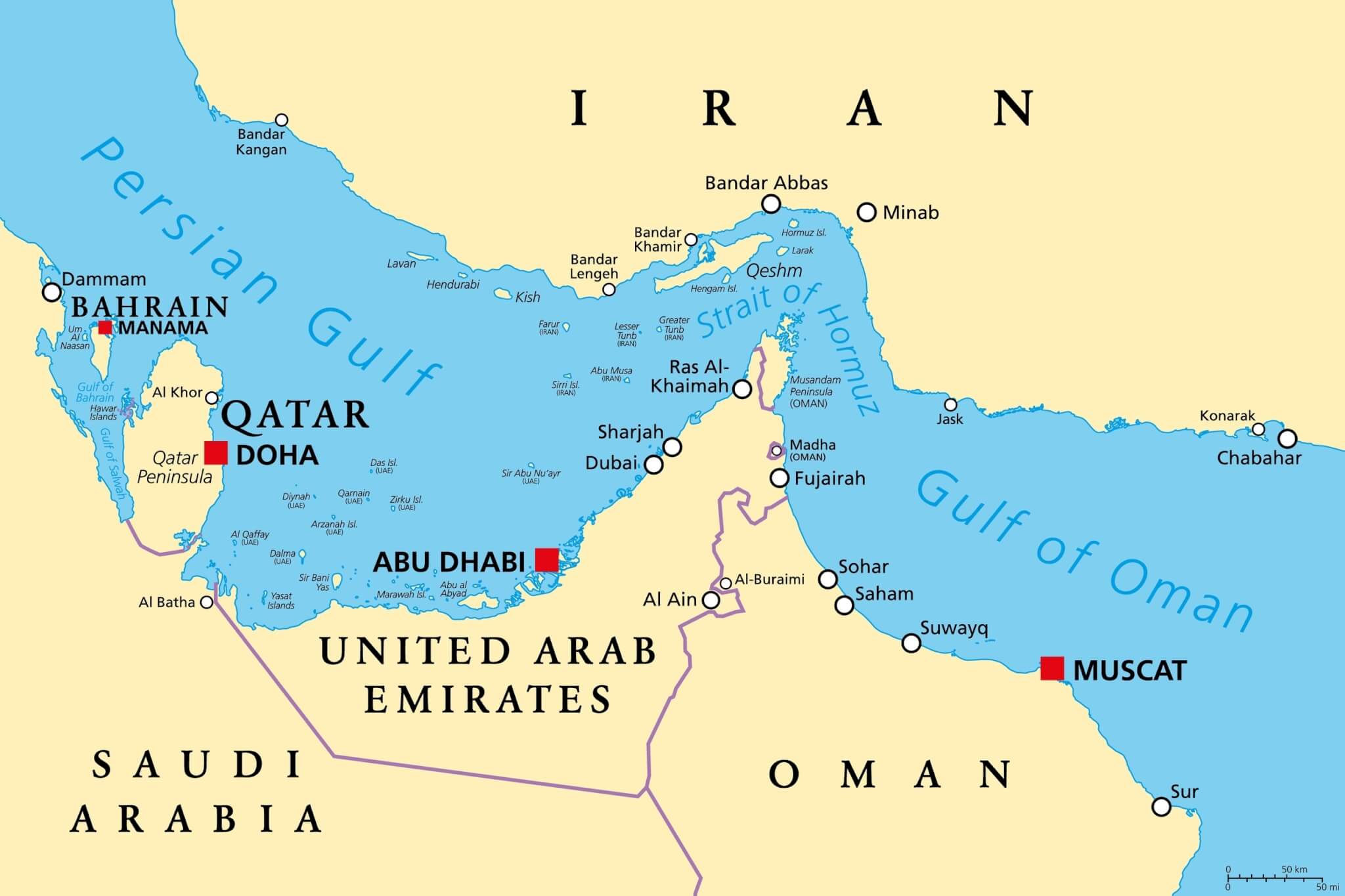
Citigroup analysts warn that a shutdown of the Strait of Hormuz could lift Brent crude prices to approximately $90 a barrel, although they expect any halt to shipping to be brief. They cite the strategic importance of the strait—through which nearly 20 million barrels per day flow—suggesting market reaction would be sharp but short-lived as global efforts would swiftly aim to reopen the passage.

Citigroup’s forecast is embedded in a wider reassessment of global oil dynamics amid escalating Middle East tensions, particularly stemming from the Israel‑Iran conflict. With around 3 million barrels per day of output at potential risk and Iran among OPEC’s top producers, disruptions—even temporary—could reverberate across the energy market. Citi’s base-case scenario projects Brent at $75–78 per barrel if approximately 1.1 million barrels daily of Iranian exports are affected.

A total 3 million bpd disruption, sustained over months, could even hit the $90 mark, Citi warns. Still, analysts emphasise that broader supply resilience, including increased output from non‑OPEC producers and reduced demand growth—due in part to slowing Chinese purchases—might temper a sustained rally.

Other leading financial institutions draw a similar line: Goldman Sachs and Barclays point to heightened geopolitical risk premiums, respectively estimating $10 and $15–20 per barrel add-ons if Iran’s exports are severely cut—a situation that could push prices above $100 in extreme scenarios. JPMorgan outlines a worst-case blockade of the Hormuz strait leading to a $120‑130 spike, though such events would likely be fleeting.

Analysts and experts stress that while short-term oil supply disruptions would sharply affect spot prices, structural market factors could offset prolonged volatility. OPEC has spare capacity; U.S. shale output remains nimble; and China has begun trimming its purchases as inventories fill, helping absorb supply shocks.

Geosphere Capital’s Arvind Sanger assesses a 25 percent likelihood of an actual tactical attack on critical infrastructure such as Kharg Island or Hormuz, but holds that there is a 75 percent chance hostilities do not directly impact supply chains. Shipping insurance and risk premiums are rising, though long‑term disruption remains unlikely.

Diplomatic signals, particularly from Washington playing a stabilising role in response to Iranian threats, may also help contain risks. Historical precedent—such as Rapid US naval deployments near the strait in 2008—reinforces the view that any attempt to close Hormuz by Tehran would quickly provoke international counter‑measures.

Market movements reflect this delicate balance. Brent futures recently climbed above $78 before easing to the low‑to mid‑$70s, as traders weighed the potential for escalation against buffer capacity and broader production trends. Estimates from Rystad Energy suggest oil will likely remain capped below $80 unless dramatic escalation occurs—a view echoed by Midland Reporter‑Telegram coverage.

Citi’s note, authored by Anthony Yuen and Eric Lee, highlights that even though Hormuz closure would trigger a pronounced price spike, global strategic response and logistical imperatives would likely curtail its duration. They describe that, in their bullish scenario, “any closure of the Strait could lead to a sharp price spike … but … it should not be a multi‑month closure.”

Investors are advised to monitor diplomatic channels, oil inventories, and production shifts in Saudi Arabia, UAE and the US. While a temporary supply squeeze may lift prices—potentially to the $90 level—structural growth in non‑OPEC output and strategic reserves may prevent a prolonged energy shock.

Scientists have observed that under intense environmental pressure, nematode worms assemble into towering collective structures to disperse by hitching rides on passing insects. This phenomenon, documented in decaying orchard fruit in Germany, represents the first natural evidence of cooperative “towering” behaviour among nematodes. Field researchers from the Max Planck Institute of Animal Behavior and the University of Konstanz spent months scanning fallen apples and pears with digital […]

Dubai’s Roads and Transport Authority has now enabled free, high‑speed Wi‑Fi access at all 43 public bus and marine transport stations, marking a significant upgrade in its bid to enhance commuter convenience. The deployment, completed on 17 June 2025, is part of a strategic collaboration with telecom provider e&. Commuters across the city can access the service using smartphones, tablets, or laptops while awaiting their bus or […]

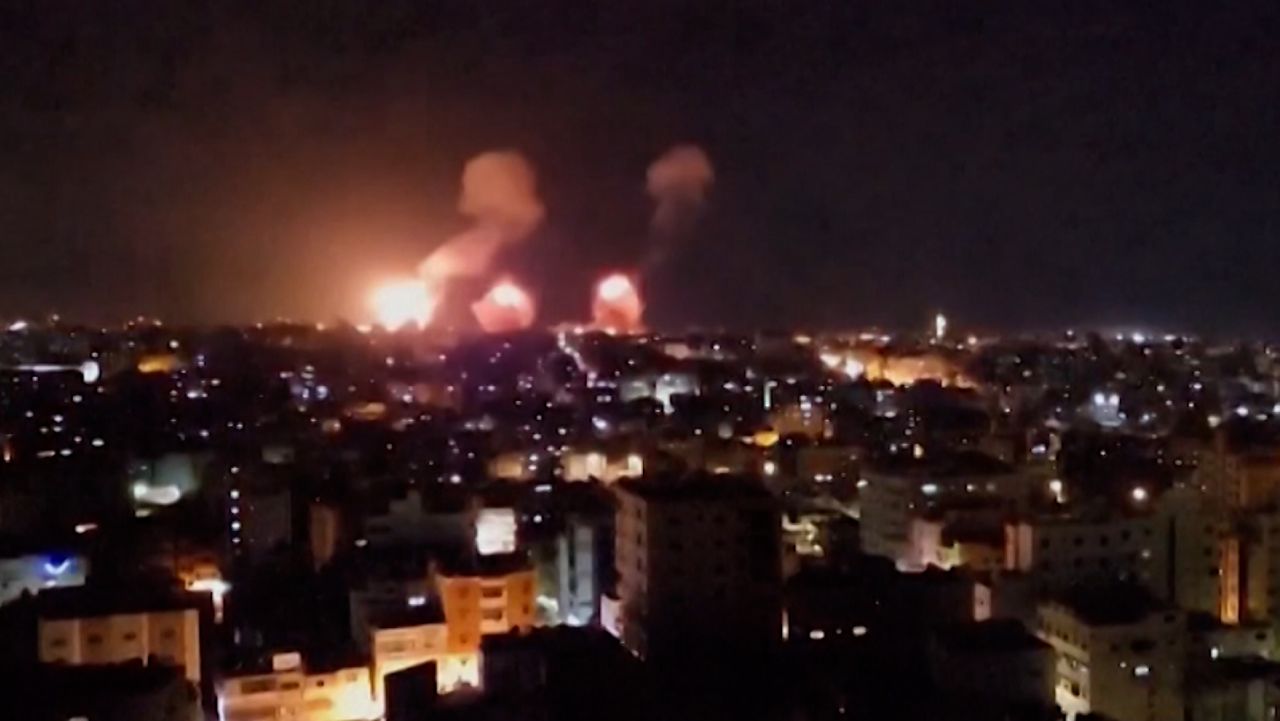
A ballistic missile launched by Iran struck the Tel Aviv Stock Exchange building in Ramat Gan on 19 June 2025, inflicting substantial structural damage in the heart of Israel’s financial district. This incident occurred amid a coordinated barrage that also hit key civilian infrastructure elsewhere, including Soroka Medical Centre in Be’er Sheva, intensifying already volatile regional tensions.

Sirens wailed across central and southern Israel as air defence systems engaged waves of inbound missiles. Between 20 and 30 ballistic projectiles were reported, an escalation surpassing previous exchanges earlier this monthꟷnotably those on 15 and 16 June, which injured dozens and damaged residences in Tel Aviv, Bat Yam and Haifa. This latest salvo targeted multiple urban areas, with at least 32 civilians confirmed wounded by Magen David Adom teams, some in serious condition.

The stock exchange structure, known as Birsa, sustained extensive facade damage and shattered windows, with parts of surrounding offices impacted. Video footage circulated online showing debris falling from upper floors into streets below. Emergency crews were deployed immediately to evacuate employees and assess structural integrity, though no fatalities were reported at the site.

In parallel, Soroka Medical Centre at Be’er Sheva—Israel’s principal hospital serving around one million residents with more than 1,000 beds—was also struck. Footage and eyewitness reports confirmed significant damage: roof collapse in some wards, shattered glass across corridors and injuries among both patients and medical staff. Hospital officials imposed strict access controls, advising the public to avoid the area as emergency protocols were activated.

Israel’s air-defence systems, including Iron Dome and Arrow batteries, intercepted many of the missiles but failed to prevent all impacts. Some missiles penetrated defences and struck densely populated neighbourhoods, damaging residential high-rises and injuring civilians. This pattern marks a troubling shift. Previous intercepts had been more successful, but the latest strikes have underscored vulnerabilities in urban protection.

The missile offensive came as retaliation for Israel’s strikes on Iranian nuclear facilities. Earlier on 19 June, Israeli aircraft reportedly struck the heavy-water reactor at Arak and a related plutonium-production component, in what the Israeli government called efforts to disrupt Tehran’s nuclear capabilities. Iran’s state media countered that the reactor had been evacuated in advance and there was no radiation leak.

Prime Minister Benjamin Netanyahu publicly condemned the missile strikes on Israel’s financial hub and its hospital network, accusing Iran’s leadership of targeting civilians and vowing that Tehran “will pay the full price”. Defence officials say that Iran deployed over 25 missiles targeting Israeli urban centres during this wave.

Humanitarian services are stretched thin. Magen David Adom paramedics reported at least 32 people with injuries ranging from shock and minor shrapnel wounds to serious trauma in Be’er Sheva and Tel Aviv. Hospitals near strike zones have diverted critically ill patients and limited admissions to emergencies, raising concerns over the continuity of essential health services.

Economically, the assault on the stock exchange reverberated across markets. While share trading has continued, operational disruptions occurred as staff evacuated and investigations into building safety commenced. Analysts note that the financial centre embodies Israel’s economic resilience, but warn that repeated infrastructure targeting injects uncertainty into investor sentiment.

As missiles fly in both directions, global powers are watching warily. US President Donald Trump indicated possible military support for Israel pending internal approval, while European leaders called for restraint and emphasised the potential for diplomatic channels. The International Atomic Energy Agency has voiced alarm over Iran’s uranium enrichment practices, now exacerbated by military confrontations sparked by retaliatory airstrikes.

Israeli authorities warn that this may be Iran’s most sustained attack yet, burning through long-range arsenal previously reserved for strategic military targets. Intelligence assessments suggest Iran is deploying missiles intensively—over 400 since the conflict’s escalation—though only a fraction have struck urban centres.

With civilian infrastructure clearly in the crosshairs, the stakes are escalating dangerously. Analysts warn that further strikes on hospitals, markets or cultural institutions may invite stronger Israeli countermeasures, potentially widening the conflict. For now, cities remain on high alert as missiles continue to disrupt daily life and rattle the foundations of an already tense Middle East.

Egyptair has confirmed an order for six additional Airbus A350‑900 wide‑body aircraft, increasing its total commitment to 16 for the type. Chairman and Chief Executive Captain Ahmed Adel said the deal will enable the carrier to meet escalating passenger demand and support an ambitious global expansion set for completion over the next five years. The announcement, made at the Paris Air Show on 18 June 2025, follows […]

The United Arab Emirates is on track to maintain an annual growth rate of approximately 4 % from 2025 through 2028, underpinned by robust expansion in non-oil sectors and rising oil output, according to S&P Global Ratings.

S&P’s Zahabia S Gupta, Director of the Sovereign team, emphasised that even with softened oil prices and global growth headwinds, the federation and individual emirates are projected to record consecutive fiscal surpluses. Boosted liquidity and investment returns are expected to raise the UAE’s net asset position to around 177 % of GDP by 2028.

Oil production quotas agreed by OPEC+ are forecast to remain elevated, enhancing the UAE’s hydrocarbon revenues, though the non-oil sectors—such as finance, real estate, tourism, and services—are seen as the main drivers. The Central Bank raised its 2024 GDP projection to 4 % and forecasts growth of 6 % for 2025. Sectoral diversification, including continued investment in infrastructure, logistics, and digital technologies, will support sustained activity levels across the seven emirates.

Emirates’ fiscal health, backed by solid sovereign reserves and rising yields on sovereign-backed assets, positions the government to generate surpluses even amid modest global economic slowdown. Gupta points out that income from liquid investments will be critical in reinforcing net asset accumulation. This resilient fiscal trajectory contrasts favourably with regional peers.

Sharjah, however, presents a more cautious outlook. S&P recently revised its forecast for the emirate’s economic performance, predicting roughly 3 % annual growth through 2028 alongside a widening deficit that is expected to reach 6.7 % of GDP in 2024. The difference underlines the UAE’s internal variance in expansion and structural robustness.

The UAE’s medium-term macroeconomic forecast aligns with IMF projections indicating real GDP growth of about 4.2 % in 2025 and a gradual uptick to 4.5 % by 2028. Non‑oil GDP growth is expected to consistently outpace the oil sector, significantly contributing to overall diversification efforts. Financing this will involve domestic debt issuance, estimated at around US $19 billion in 2024, nearly 55 % of which will be allocated to development projects.

Market observers note that the central bank’s policy rate adjustments, tied to the US Federal Reserve, may influence domestic lending conditions, but the policy outlook remains cautious given the dirham’s peg to the dollar. Financial sector resilience—evidenced by healthy bank liquidity and expanding lending—will support private sector credit growth.

The UAE’s strategic economic pivot includes deeper integration into global supply chains, expansion of tourism and hospitality capacity, and advanced digital infrastructure rollout. High-profile projects such as the Wynn Al Marjan Island integrated resort, which is set to open in Ras Al Khaimah in 2027, reflect the commitment to economic diversification.

Investors and analysts recognise that sustaining 4 % growth will require balancing oil revenue reliance with resilient non-hydrocarbon sectors. Fiscal discipline and effective public investment will remain crucial, particularly amid geopolitical tensions and potential global demand fluctuations. S&P’s projections anticipate that the UAE will continue recording fiscal surpluses, unlike other economies which may face tightening pressures.

The UAE’s economic trajectory contrasts sharply with that of Saudi Arabia, where growth is expected to accelerate to about 4 % over the same period—yet heavily influenced by oil production—underscoring the UAE’s relative strength in non‑oil diversification. The country’s strategic position as a regional financial and logistics hub reinforces its prospects against external shocks.

Challenges persist, including global inflationary pressures, energy price volatility, and regional geopolitical uncertainty. The government’s capacity to manage these risks, while preserving capital buffers and sustaining reform momentum, will be critical to achieve projected outcomes.

Advertisements

Senior officials in Washington have quietly activated contingency plans for military strikes against Iranian nuclear facilities, marking a dramatic shift in US posture amid escalating Israeli–Iranian hostilities. According to multiple reports, including Bloomberg and Reuters, the White House and Defence Department are preparing the operational infrastructure needed to engage Tehran directly.

President Donald Trump, speaking on 18 June outside the White House, offered only ambiguity: “I may do it. I may not do it… nobody knows what I’m going to do.” Meanwhile, senior US generals, defence secretaries and intelligence chiefs are said to be readying federal agencies for a possible weekend strike. Forces in the Middle East have been repositioned; aircraft and ships have been moved from bases such as Al‑Udeid in Qatar and Bahrain’s Fifth Fleet port to reduce vulnerabilities.

Sources indicate that the primary target could be Iran’s underground Fordow uranium enrichment plant — a hardened bunker facility situated within a mountain and long deemed beyond Israel’s military reach without US bunker‑busting capacity. With Israel continuing airstrikes on Iran as part of ‘Operation Rising Lion’, analysts assess that a US strike would dramatically escalate the conflict.

Within the White House, debate is intensifying. The New York Times and Washington Post report that Trump, influenced by hawkish advisors such as Senator Lindsey Graham and defence chiefs, has signed off on strike plans but is awaiting final approval. His delay aims to allow Iran a final diplomatic window — offering a chance to curb uranium enrichment before force is used.

Opposition persists even within Trump’s own camp. A divide between hawks, advocating for decisive action, and MAGA-aligned isolationists, including Vice President Vance and media figure Tucker Carlson, highlights the internal tug-of-war shaping presidential decision‑making. Trump has underscored this dynamic: advisors like Gen. Dan Caine and CIA Director John Ratcliffe have pressed for a more aggressive stance, while isolationists urge restraint.

Politically, the administration faces calls for a formal congressional mandate. Critics argue the Constitution requires authorisation for military action beyond self‑defence; proponents counter the urgency of neutralising Iran’s perceived nuclear threat demands swift action.

Diplomacy continues in parallel. The UK, France and Germany are convening in Geneva to press Iran on de-escalation — a track the US has distanced itself from. Tehran has responded with warnings to Washington, promising strong retaliation if US forces become involved.

Markets have reacted with caution. Observers note fears of a broader Middle East conflict, amplified oil price volatility, and rising inflationary risks tied to increased military spending. Central banks, notably the Federal Reserve and Bank of England, must weigh geopolitical shocks alongside inflation outlooks.

On the ground, Israeli airstrikes have continued across Iran, targeting nuclear infrastructure including Arak and Natanz, with over 1,100 sites reportedly struck since mid‑June. Iran has launched multiple missile barrages at Israeli territory; civilian casualties are said to be in the hundreds on both sides.

The timing of any US strike remains uncertain. Sources cite a possible weekend window, with final orders likely to be issued at the last moment. Pentagon leadership, including SecDef Hegseth and Gen. Caine, are expected to have operational control, while the president retains final authority.

As conflicting pressures swirl — military readiness, strategic diplomacy, domestic political debates — all eyes are on whether President Trump will strike at Iran’s underground sites or continue hedging amid rising global risk.

Approval has arrived for the unified tourist permit spanning Qatar, Saudi Arabia, Oman, Kuwait, the UAE and Bahrain, clearing the path for cross‑border travel under a single application, akin to Europe’s Schengen system. UAE Minister of Economy Abdulla bin Touq Al Marri confirmed that the visa has moved to implementation stage, now resting with GCC interior ministries and security agencies for final coordination.

Governments in all six member states have endorsed the scheme unanimously, reflecting a strategic priority to deepen tourism cooperation through the GCC 2030 strategy. Oman’s Minister of Heritage and Tourism, Salem bin Mohammed Al Mahrouqi, disclosed that preliminary blueprinting and feedback were concluded by end‑2023, and final approval occurred at the Muscat ministerial meeting this month. The GCC Secretary‑General, Jassim Al‑Budaiwi, expressed optimism about deployment by end‑2025, with technical alignment underway.

Experts anticipate the visa will be valid for at least 30 days, potentially extendable to 90, facilitating flexible travel across the region. Applications are expected to be submitted online, with a choice between single‑state access or multi‑country entry, and accompanied by standard requirements—passport, photo, accommodation proof, insurance, and return travel documentation.

Industry stakeholders predict this measure will significantly boost “bleisure” tourism by intertwining business and leisure travel, expanding multi‑destination offerings and joint marketing opportunities. Dubai alone logged 7.15 million international visitors from January to April 2025, a 7 per cent increase year‑on‑year, with regional tourism already generating $110.4 billion in 2023 from 68.1 million arrivals.

Polls by Oxford Economics estimate the visa could draw up to 22 million extra visitors and inject an additional $26 billion of tourist spending by 2030. Roland Berger further outlines that inter‑GCC travel has significant room for growth, supported by strong transport infrastructure, cultural assets and mega‑event calendars.

National tourism strategies across the Gulf have outlined commitments to invest in hotels, cultural destinations, transport connectivity and digital innovation. Economy‑diversifying goals align with visa harmonisation, which is viewed as a lever to translate policy into visitor flows.

Key questions remain around pricing and fee structure. While details have yet to emerge, observers expect integrated visa costs to be lower than applying separately to each state, with validity spanning up to three months.

The visa is also anticipated to support lesser‑visited Gulf destinations. Oman, Bahrain and Kuwait could benefit from spill‑over tourism that pilots through Dubai before exploring quieter cultural or natural sites.

Coordination challenges remain for interior ministries around border systems and security protocols. These are now being finalised ahead of implementation, with the official rollout expected later in 2025.

As the Gulf coalition moves from theory to mechanics, attention turns to how the visa will revolutionise travel dynamics. With a single application, global tourists will be empowered to hop between hyper‑modern cityscapes, desert oases and heritage enclaves—now under one permit.

Damac Chelsea Residences is more than just a real estate project — it’s a long-term investment in lifestyle, brand equity, and high-growth potential. Situated in the prime seafront district of Dubai Maritime City, this development by DAMAC Properties brings the prestige of Chelsea Football Club to Dubai’s property scene. As branded residences become one of the most in-demand asset classes worldwide, investors are turning their eyes toward Chelsea Residences by […]

Cost estimates suggest manufacturing and assembling an iPhone entirely in the United States would push retail prices well beyond current norms, potentially reaching up to USD 3,500. Analysts point to steep labour costs, the absence of a mature electronics supply chain, and existing tariffs as primary drivers behind the inflation. Bill of materials for an iPhone 16 Pro is around USD 550, with assembly and testing adding approximately USD 30 when […]

Nivex, formerly known as Nx.one, has re-emerged in 2025 with a strategic repositioning as a cutting‑edge AI‑powered trading platform, signalling a major transformation from its Web3 origins into a global crypto‑finance innovator. Leveraging generative algorithms as the operational core, Nivex aims to elevate trading from human‑driven execution to autonomous, intelligent systems.

Powered by over 45 AI‑based strategies spanning arbitrage, trend‑following and swing trading, the platform reports impressive performance metrics. Annualised returns range from 60 % to 3 500 %, win rates hover between 85 % and 95 %, maximum drawdowns are tightly controlled at 15–70 %, and Sharpe ratios exceed 2.6 — all underpinning over USD 1 billion in assets under strategy management as of Q2 2025. One standout offering, “BTC Grid Arbitrage + AI Risk Control”, executed 540 trades in 2024 with a 92 % success rate and yielded a total return of 272 %.

At its heart, Nivex purports AI is not simply a feature, but the platform’s operating system. Users define goals and the AI assumes responsibility for detecting trends, assembling strategies, allocating capital, managing risk and executing trades at millisecond speeds. Combined with a suite of tools including spot and futures trading, dollar‑cost averaging and grid trading, the platform positions itself not as an exchange, but an intelligent asset engine.

A central component of Nivex’s offering is its AI Strategy Engine, which supports customizable parameters—such as leverage, stop‑loss, DCA and drawdown limits—and integrates institutional-grade strategies. Complemented by Smart Yield and AI Lending systems, users can earn APYs of up to 60 % on fixed terms, while automated lending tools continually optimise on‑chain opportunities.

Critical to its ambitions is delivery of institutional‑grade signal copying. By aggregating signals from global quant funds, Nivex enables retail users to subscribe and replicate live trades via automated execution, stop‑loss and performance tracking—without any coding. The company asserts this approach raises win rates by 30 % and improves execution speed by 80 % compared with manual trading.

Nivex is also developing an “Institutional Buying Heat Index” based on fusion of ETF flows, on‑chain transfers, CEX‑DEX liquidity movements and sentiment signals. This engine converts macro and micro market trends into actionable portfolios for both retail users and institutional clients via APIs and data subscriptions.

Compliance and geographic expansion underpin Nivex’s credibility. The platform operates service centres in North America, Dubai, Hong Kong, Singapore and Southeast Asia, holding licences with FinCEN and MSB, and pursuing approvals from MAS, VARA and AUSTRAC. It also hosted AI‑driven closed‑door summits at Token2049 Singapore, attracting industry leaders such as Justin Sun of TRON.

Industry analysts highlight a growing shift in trading infrastructure—from simple order‑matching to data‑driven, strategy‑oriented platforms. Nivex exemplifies this trend, providing automated AI‑based strategy execution at a time when global investment in AI surpassed USD 350 billion in 2024.

The AI trading platform market is projected to grow from USD 11.5 billion in 2024 to USD 75.5 billion by 2034, at a CAGR of 20.7 %, driven by high demand for automation, faster decision‑making and cost reduction. Within this context, major players include Kavout, Numerai and Algotraders — yet Nivex’s rapid integration of AI, compliance and global deployment positions it as a formidable contender.

Yet adoption of AI in trading brings challenges. Regulatory regimes struggle to keep pace, raising concerns about algorithmic opacity, data integrity and algorithmic bias. Nivex appears conscious of such risks, emphasising transparency, backtesting via a Strategy Lab, risk‑control features and strict KYC/AML protocols.

From a user experience angle, Nx.one’s prior focus on intuitive interface design, multi‑language support, real‑time analytics and security layer architecture—including multi‑signature wallets, cold storage, encryption, firewall defences and audit transparency—appears retained under Nivex.

CEO Simon highlighted Nivex’s core vision: “We’re not building a cheaper exchange—we’re building a smarter platform. Let the system trade for you. Let AI manage risk. Let data create wealth,” adding, “In the next five years, the most valuable asset won’t be trading skills. It’ll be your connection to a system that improves itself”.

voco Dubai The Palm has unveiled an expanded private beachfront, enhancing its leisure offering on Palm West Beach with additional space, panoramic sea views, and a curated beach day experience tailored for non-resident guests. The development adds a premium draw to Dubai’s hospitality sector, capitalising on the city’s demand for upscale coastal experiences without the need for an overnight stay. Located along the West Beach stretch of […]

UAE authorities have deployed emergency measures across major airports to manage widespread disruptions after several Middle Eastern nations, including Iran, Iraq, Jordan, Syria and Israel, shut their airspace due to escalating geopolitical tensions. The Federal Authority for Identity, Citizenship, Customs and Ports Security activated its emergency business‑continuity protocol to maintain essential operations with minimal interruption.

Field teams operating round‑the‑clock at Dubai International, Dubai World Central, Abu Dhabi’s Zayed International and Sharjah International airports have been reinforcing frontline support, immigration coordination and airline rescheduling. Real‑time information desks, logistical assistance and temporary accommodation arrangements have been offered to travellers affected by cancellations or delayed connections.

ICP emphasises its swift response was made necessary by the abrupt airspace closures prompted by the intensifying Iran–Israel conflict. Comprehensive coordination among operational stakeholders and deployment of advanced technologies aim to secure passenger safety, uphold service quality and maintain passenger flow amidst turbulent circumstances.

International carriers—including Emirates, Etihad, Qatar Airways, British Airways, Lufthansa and Air India—have been rerouting flights via Central Asia and the Mediterranean to avoid restricted zones. Estimated additional travel durations and increased fuel requirements are among the logistical adjustments implemented by airlines. Eurocontrol reports that roughly 1,400 daily flights across Europe–Asia–Gulf corridors were affected, spotlighting the magnitude of the disruption.

UAE’s aviation stakeholders have issued traveller advisories urging early check‑in, constant monitoring of flight status updates and openness to alternate routing. Visa‑holding visitors are also being advised to renew stay permits promptly to avoid fines due to unexpected delays in departure schedules.

Analysts warn that ongoing geopolitical volatility may prolong airspace closures, potentially escalating operational costs for airlines and straining global travel chains. The UAE’s crisis‑management protocol is being watched closely by global aviation regulators as a case study in maintaining continuity under pressure.

Passengers at UAE airports have, according to the ICP, cooperated with staff amidst what they describe as “exceptional regional circumstances.” This collaboration has been cited as instrumental in allowing swift rescheduling and maintaining operational flow. ICP reiterates its commitment to ensuring passenger security without compromising service standards.

Dubai-listed Deyaar Development has announced ambitions to achieve sales of nearly AED 2 billion from its Downtown Residences project in Business Bay, CEO Saeed Mohammed Al Qatami confirmed to CNBC Arabia. The mammoth twin‑tower, rising over 110 storeys and reaching 445 metres in height, is slated to commence construction in the fourth quarter of 2025. Completion is targeted for the end of 2030, with the project offering 522 residences, including one‑ to […]

Qatar has instructed LNG carriers to remain outside the Strait of Hormuz until one day prior to loading operations as regional security risks heighten, with officials emphasising that this measure is precautionary and unlikely to disrupt overall supply volumes.

The directive from QatarEnergy affects vessels bound for the Ras Laffan terminal, one of the world’s largest liquefied natural gas export facilities. Around a dozen carriers are idling in ballast outside the terminal, awaiting final instructions before undertaking brief, tightly scheduled transits through the strait.

Market indicators reacted swiftly: European gas prices surged as much as 4.8%, while Asian benchmarks inched upward amid growing concern over potential delivery delays. Despite this, analysts and industry insiders maintain that the streamlined entry process—coupled with Qatar’s steady production—should keep cargo volumes within normal parameters.

This move aligns with contingency efforts by the world’s third-largest LNG exporter. Industry sources confirm that the carriers will execute “quick entry and speedy exits” across the Hormuz passage, necessitating precise scheduling and coordination with maritime authorities.

Analysts acknowledge that about 20–25% of global LNG traffic transits the Strait, underscoring its significance as a logistical chokepoint. Instructing vessels to loiter offshore aims to reduce their vulnerable exposure time in the strait.

Strategic analysts warn that escalating tensions—particularly after recent military exchanges involving Israel and Iran—increase risks for all Gulf shipping. Tehran has threatened to seal off the strait, which could strain Qatar’s export pipelines and ripple through global energy markets.

Despite geopolitical headwinds, Qatar’s production at the South Pars/North Field complex remains steady. The foreign ministry emphasised that LNG output and shipments continue to follow their usual course, even as the country takes enhanced security measures.

Operational insights from shipping analysts describe a familiar summer idling pattern, but note slight increases in loitering time and cautious routing. Vessels such as the tanker HLAITAN are reportedly waiting outside the strait in anticipation of load orders.

Market response has been modest. European gas hubs such as TTF recorded price rises of around 4–5%, while the Asia‑Pacific’s JKM benchmark reached nearly $14 per mmBtu, marking a $1.20 uptick since mid‑June. CNBC‑style commentary points out that the precautionary shift is “unlikely to cause major disruption,” although insurers are adjusting premiums to reflect the heightened transit risks.

For global exporters and importers, Qatar’s stance underscores a renewed emphasis on maritime risk management. Shipping firms are increasingly factoring geopolitical volatility into their routing and scheduling protocols. International insurers have begun revising coverage for LNG carriers traversing the Gulf, citing increased premiums tied to potential missile or drone threats in the region.

Qatar’s approach enables more controlled maritime planning: by delaying vessel entry until close to the loading window, the country limits their exposure to strategic bottlenecks and regional flare‑ups. This calculated move underscores Doha’s dual priorities of maintaining export reliability and protecting vital shipping assets.

Abu Dhabi’s state‑owned oil giant ADNOC has unveiled plans to escalate its U.S. energy investments six‑fold over the next decade, targeting a total of $440 billion. Speaking in Washington on 17 June, Sultan al‑Jaber, ADNOC Chief Executive and UAE Minister of Industry and Advanced Technology, declared that the American market is “not just a priority; it is an investment imperative” for the company’s global expansion.

Al‑Jaber underlined the urgency of the move, emphasising that artificial intelligence represents a “once‑in‑a‑generation investment opportunity.” He pointed out that the growth of data centres driven by AI will demand substantial power— “The next stage of evolution” in energy consumption, he said. The planned investments will span a wide spectrum: anchor stakes in the largest liquefied natural gas facility in Texas, petrochemical plants, and the deployment of 5.5 gigawatts of renewable energy paired with storage systems “from coast to coast”.

ADNOC’s international investment arm, XRG, is cementing its presence with a new Washington office, aimed at steering these high‑stakes ventures. XRG has already struck a deal with Occidental’s 1PointFive for a direct air capture project in Texas, with potential investment reaching $500 million. Additional widescale cooperation includes agreements to develop U.S. gas, LNG, specialty chemicals and energy infrastructure.

The announcement synchronises with a broader bilateral strategy: in March, senior UAE officials committed to a ten‑year, $1.4 trillion investment framework in the U.S., covering sectors such as AI, energy, semiconductors and manufacturing. As part of that pact, U.S. companies agreed to invest $60 billion in UAE energy assets. The XRG–Occidental partnership, as well as other collaborations involving ExxonMobil, Japanese firms Inpex and JODCO, is expected to expand capacity at Abu Dhabi’s major offshore oil field, Upper Zakum.

At the Atlantic Council Global Energy Forum in Washington, al‑Jaber addressed the broader challenge of powering AI, stating that U.S. energy infrastructure must undergo a “system‑wide shift” to keep pace. He highlighted the need to hyperscale energy supply—from gas, renewables with storage and nuclear—to meet the projected requirement of 50–150 GW of new capacity just in the next five years. He warned against prematurely retiring existing power plants, advocating instead for grid modernisation and rapid permitting for new infrastructure.

Environmental groups have voiced concern that the surge in AI‑driven energy demand could lead to rising carbon emissions unless clean energy is prioritised. In response, al‑Jaber suggested that AI could, in fact, offer solutions—optimising grid efficiency and managing load fluctuations, effectively “unlocking its own energy challenge”.

The energy‑AI summit ENACT, hosted by XRG and MGX alongside the Atlantic Council, gathered leading figures from across the energy, tech and finance sectors. Delegates, including representatives from Exxon, OpenAI and BP, discussed mid‑ and long‑term strategies to address the escalating power needs of hyperscale data centres.

These developments are set against a backdrop of rising instability in the Middle East, where al‑Jaber cautioned that energy remains a “cornerstone of peace, stability and prosperity,” signalling that the new chapter of collaboration aims to underpin global energy security.

For the U.S., the influx of investment promises a host of benefits: large‑scale infrastructure expansion, high‑task employment, and reinforced energy resilience. Projects under the UAE umbrella—from LNG plants to hydrogen and carbon capture initiatives—are poised to generate thousands of jobs, while U.S. energy firms gain access to new development avenues both at home and back in the Gulf.

Yet questions remain. Policy experts stress that realisation of al‑Jaber’s ambitious vision will depend heavily on ensuring timely regulatory approvals and creating an effective risk environment for private capital. Moreover, balancing fossil fuel commitments with the drive toward decarbonisation will require clear direction from both governments and industry stakeholders.

Emirates returned to the Paris Airshow at Le Bourget to introduce its new Airbus A350‑900, showcasing its most advanced cabin design and reinforcing ties with French aerospace. The jet, featuring three cabin classes and upgraded passenger amenities, reflects the carrier’s strategy to modernise its long-haul fleet.

The A350‑900 on display is configured in a three‑class layout with 32 next‑generation lie‑flat seats in Business Class, 21 Premium Economy seats, and 259 Economy seats. Cabin highlights include increased headroom, wider aisles, electric window blinds across all classes, cinematic 4K inflight entertainment, wireless charging, and high‑speed Wi‑Fi.

Emirates has taken delivery of seven A350s so far, with 58 remaining on order—bringing its total to around 65 aircraft. The first commercial flight occurred on 3 January 2025, from Dubai to Edinburgh. Further services began in January and February to Ahmedabad, Bahrain, Bologna, Colombo, Kuwait City, Lyon and Mumbai.

Emirates President Sir Tim Clark and French industry partners celebrated the aircraft’s introduction, which highlights the airline’s investment in France’s aerospace sector. Since 1985, Emirates has purchased more than €114 billion worth of Airbus aircraft and components, supporting firms such as Safran, Thales and Michelin. At the show, Emirates announced a €896 million deal with Safran for next‑generation seats and a €322 million investment in Thales’s AVANT Up entertainment system for the A350.

This debut coincides with a renewed emphasis on sustainable aviation. The A350 is powered by fuel‑efficient Rolls‑Royce engines, enabling a range of 7,700 miles and emitting lower CO₂ per seat compared to previous generations. Emirates is retrofitting older 777 and A380 aircraft with premium economy seats and renewing its fleet as delivery delays with Boeing’s 777X persist.

Highlighting its global network impact, Emirates became the first airline to deploy the long‑range A350‑900ULR on the Adelaide–Dubai route, enabling flights over 14,000 km and more than 15 hours nonstop from December 1, 2025. Adelaide Airport anticipates a boost of A$62 million in annual tourism revenue from the service.

Emirates operates 21 weekly flights to Paris—three via A380—plus a daily A350 to Lyon and a daily A380 service to Nice Côte d’Azur. By end‑2025, the A350 is expected to serve at least 17 destinations. Its versatility allows deployment on both long‑haul and shorter routes, offering lie‑flat seats and premium amenities even on regional legs.

Wonderish, a new “vibe prompting” platform, debuted on Product Hunt on 16 June 2025, promising to let users build web experiences through conversational prompts rather than traditional code. Co‑founders Trey Smith, Karen Avdalyan and Artem Bondar, leveraging their success with Buildbox, are positioning Wonderish as a gateway for non‑technical creators—designers, marketers, entrepreneurs—to craft websites, landing pages, web apps and even games simply by chatting with the AI. Early user reaction […]

Arabian Post Staff Medical experts confirm that consuming a large Coca‑Cola with salty fries can temporarily ease migraine symptoms in some individuals, though they warn the remedy is no substitute for comprehensive treatment. At the heart of the trend—dubbed the “McMigraine meal”—are the physiological effects of caffeine, salt, carbohydrates and sugar, which may tackle certain migraine triggers, according to neurologists and neuroscientists interviewed by reputable health outlets. […]

A minor yet persistent air leak inside the Zvezda service module of the International Space Station has led NASA to indefinitely postpone Axiom Mission 4, highlighting widening concerns over the station’s ageing infrastructure and safety. Though currently stable, pressure readings in the affected segment continue to require close monitoring by NASA and Roscosmos, reinforcing questions over the ISS’s longevity and future viability. The anomaly was detected in […]

Greenlogue/AP Aptly named California Residences, the latest green‑living enclave by Infracorp has launched sales in Dubailand, with one‑ to three‑bedroom apartments starting at AED 1 million. Positioned within the broader California Village master‑plan, the AED 600 million project embraces minimalist design, expansive landscaping and wellness‑focused amenities, marking a notable entry in Dubai’s sustainable real estate sphere. The California Village community spans 112,127 sqm and comprises the California Residences apartments alongside villas and […]

If you’re considering investing in or moving to Takaya at Motor City by Union Properties, one of the smartest first steps is reviewing the official brochure. This comprehensive document gives prospective buyers a detailed overview of the project’s master plan, unit layouts, key features, and lifestyle offerings. Whether you’re interested in Takaya apartments, Takaya villas, or Takaya townhouses, the brochure provides essential information that helps you make informed decisions — from […]

For decades, waterfront property in the Gulf region has been a byword for status and spectacle. From the palm-shaped islands of Dubai to the man-made canals of Lusail and the glistening marinas of Manama, waterfront developments have consistently defined the upper tier of the residential real estate market. They’ve also served as visual shorthand for national ambition and economic growth. But as Gulf cities mature — and […]

VISHNU RAJA
RYO YAMADA
HITORI GOTOH
IKUYO KITA