News related to
Dubai

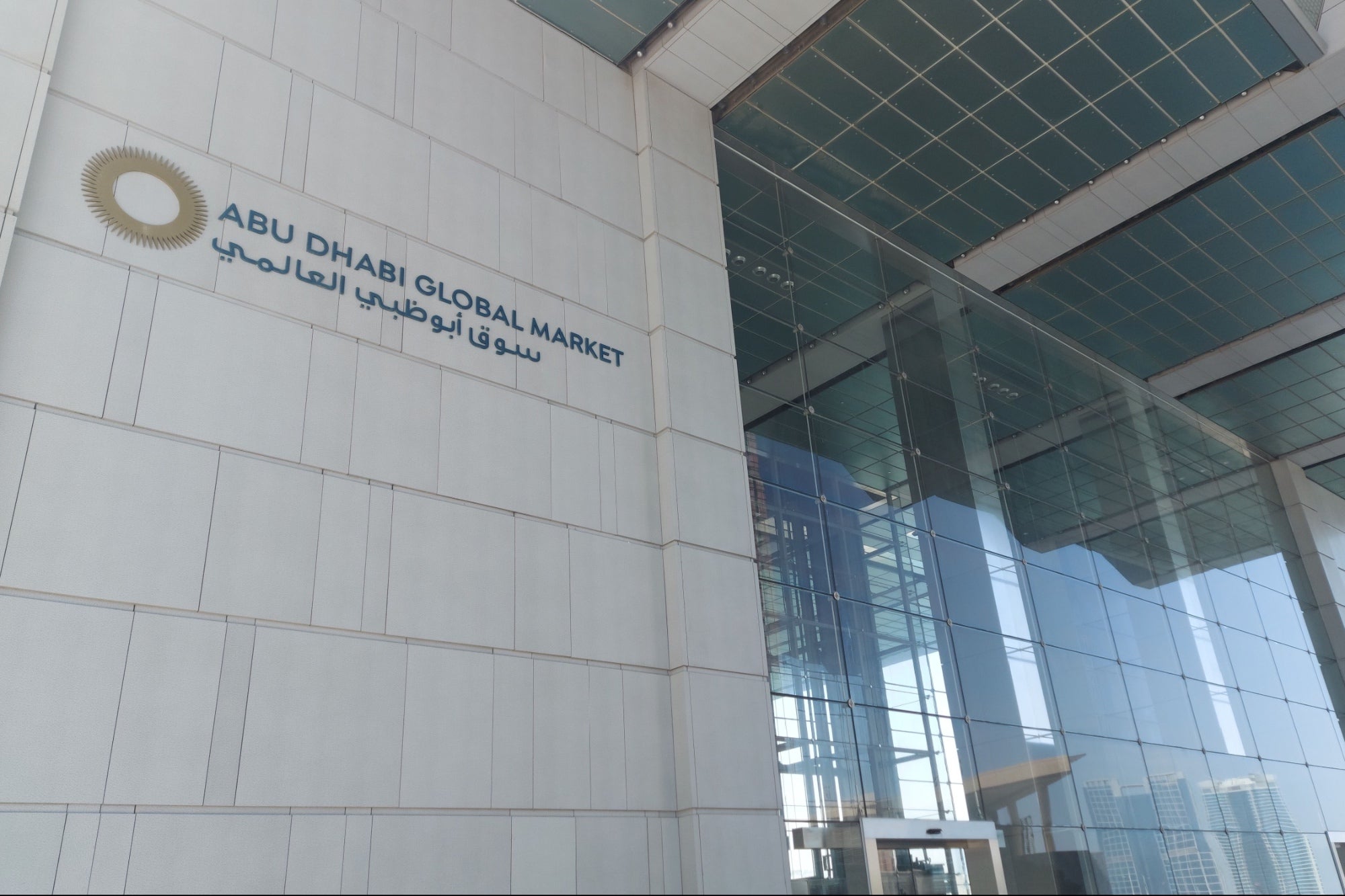
Abu Dhabi Global Market recorded more than 11,000 active licences and a striking 42 per cent rise in assets under management in the first half of 2025, underpinning its emergence as the Middle East and North Africa region’s leading international financial centre. ADGM Exceeds 11,000 Licences, AUM Surges 42 %.

The expansion sees ADGM surpass AED 500 billion in market capitalisation of its listed entities on the Abu Dhabi Securities Exchange, reflecting its pivotal role in strengthening the emirate’s non-oil economy, which grew to 9.1 per cent in the first quarter of 2025.

More than 2,970 firms—comprising 308 financial and 2,664 non-financial entities—are now operating from ADGM, marking a 42 per cent year-on-year increase. The centre issued 1,869 new licences during the period, the highest ever in a half-year span, up by 47 per cent from the previous year.

Asset management continued to thrive: ADGM is now home to 154 fund and asset managers overseeing 209 funds, driving AUM up by 42 per cent over the year to June 2025.

Powerful global partnerships fuelled the centre’s momentum. Fortress Investment Group set up an office in ADGM and joined a US$1 billion co-investment venture with Mubadala. Kimmeridge opened its ADGM branch and inked an MoU with Mubadala Energy to develop natural gas and LNG projects. Meanwhile, IHC, BlackRock and ADGM-based Lunate launched an AI-native reinsurance platform worth over US$1 billion. A private credit joint venture between Mubadala and Alpha Dhabi scaled to US$2.5 billion—all anchored at ADGM.

ADGM’s increasing workforce reflects its expanding influence: by end-June 2025, nearly 36,000 professionals were working across Al Maryah and Al Reem Islands.

ADGM’s achievements are underpinned by enhanced regulatory frameworks. The Financial Services Regulatory Authority issued 52 In-Principle Approvals and 45 new Financial Services Permissions. The Registration Authority implemented improvements such as the AccessRP digital platform for property interest verification, Commercial Permit Regulations to support non-financial businesses, and revised fees to simplify market entry. Mutual recognition of digital platforms with Astana International Financial Centre and a 223 per cent increase in supervision assessments further underscore ADGM’s commitment to governance and global alignment.

International engagement has also grown: ADGM participated in CityWeek 2025 in London, held roadshows in China and Japan, and concluded MoUs with regulators in Azerbaijan, Bhutan, Hong Kong and Sweden. These moves have promoted cross-border regulatory collaboration, innovation in capital markets, and sustainable finance initiatives.

NMDC Group PJSC and ADNOC Logistics and Services Plc forged a three-year agreement today to assess joint delivery of maritime services for offshore projects, reinforcing their partnership in Abu Dhabi’s energy infrastructure.

The agreement, signed by Engineer Yasser Zaghloul, Group Chief Executive of NMDC Group, and Captain Abdulkareem Al Masabi, Chief Executive of ADNOC L&S, at NMDC’s headquarters, lays the groundwork for a stronger framework for offshore EPC collaboration. It covers marine services and integrated logistics, signalling both organisations’ dedication to supporting the emirate’s offshore energy operations. This expanded collaboration reaffirms the offshore maritime services pact strengthening cooperation between the two groups.

Zaghloul highlighted NMDC Group’s five decades of expertise in multi-sector marine engineering, procurement, construction delivery and complex project logistics. He underscored that the launch of NMDC LTS, the group’s latest business unit, allows the market to leverage these capabilities. He praised ADNOC L&S for its leadership in offshore energy support and hydrocarbon logistics, pointing out that both entities operate some of the region’s largest marine fleets. He said the pact would “ensure a robust framework between our two powerhouse organisations” to drive synergies, market differentiation and value growth, ultimately fortifying the industrial marine sector in Abu Dhabi and beyond.

Captain Al Masabi said the collaboration aligns with ADNOC L&S’s long-term ambition to deliver top-tier, integrated logistics that underpin the UAE’s offshore energy expansion. He commented that combining strengths with NMDC would unlock new opportunities, deliver value to ADNOC, its shareholders and clients, and support the UAE’s broader economic development.

Splash247 noted that the pact establishes an “expanded framework for continued collaboration on offshore EPC projects in Abu Dhabi,” emphasising its role in promoting synergies and value growth. It also highlighted ADNOC L&S’s aim to enhance performance through such partnerships.

This development follows earlier significant milestones and investments by NMDC that demonstrate its pivotal role in regional marine and energy infrastructure. In 2024, NMDC secured a contract worth more than US$200 million from ADNOC for marine dredging works in the Ruwais LNG Project, involving removal of approximately 15 million cubic-metres across a five-kilometre channel and installation of navigational aids. NMDC also launched the NMDC LTS unit as part of efforts to diversify into logistics and technical services, reinforcing its leadership in the UAE’s marine EPC, dredging, and logistics sectors.

Greenlogue/AP Sobha Realty has achieved a milestone with its largest-ever issuance of a $750 million green sukuk, marking the highest such issuance by any real estate developer globally. The five-year Islamic bond, issued under a $1.5 billion Trust Certificate Issuance Programme, attracted orders worth approximately $2.1 billion—nearly 2.8 times the issue size—allowing pricing to tighten by 50 basis points from initial guidance. The sukuk carries a profit […]

The GCC Financial Markets Committee has unveiled the GCC Exchanges Unified Investor Relations Guideline 2025, aimed at elevating transparency and investor confidence across Gulf capital markets. Chaired by the Saudi Exchange, the framework aligns investor-relations practices with global norms while sharpening communication standards and disclosure protocols throughout the region. Member exchanges—including the Abu Dhabi Securities Exchange Group, Dubai Financial Market, Bahrain Bourse, Muscat Stock Exchange, Qatar Stock […]

Grovy Developers has unveiled plans to present its newest luxury project at the International Real Estate & Investment Show, to be held at the Abu Dhabi National Exhibition Centre from 12 to 14 September. At the event, Grovy Developers Spotlights Smart-Tech Real Estate will detail investment opportunities in the increasingly vibrant UAE property sector, with Abhishek Jalan, chief executive, offering insights into real estate’s financial appeal amid […]

PubMatic has taken legal action against Google, not merely to secure compensation but to affirm that bold vision for digital advertising’s open, idea-driven future depends on innovation and trust, not coercion. The company’s co-founder and chief executive, Rajeev Goel, emphasised that the industry’s direction should be determined by the strength of ideas and the trust earned—not by dominance or pressure, as articulated in its lawsuit filed on 8 September. This step comes in response to a US District Court decision earlier this year that found Google guilty of maintaining monopolistic control over ad exchanges and ad servers. PubMatic claims that Google’s “First Look” and “Last Look” mechanisms, along with unified pricing rules, have systematically disadvantaged competitors and undermined fair competition in the digital ad space.

The lawsuit seeks substantial damages—potentially amounting to billions of dollars—and aims to restore fairness and transparency across the advertising ecosystem. PubMatic assures that this legal pursuit will not disrupt its daily operations or affect its clients’ experience; instead, it is designed to establish a more equitable long-term operating environment. This strategic move aligns with PubMatic’s broader mission to champion an open internet, where publishers and advertisers can thrive on merit and innovation rather than power imbalances.

PubMatic’s broader response builds on its narrative that competition—not coercion—should shape industry evolution. Goel’s message is deliberate: bold vision for digital advertising’s open, idea-driven future must be realised through trust and ingenuity. The company underscores its investment in private cloud infrastructure across 12 data centres, processing billions of ad impressions daily, as a foundation for transparent, high-performance systems. It also highlights its growing suite of solutions—including OpenWrap, Identity Hub, and header-bidding technologies—aimed at supporting omnichannel monetisation across mobile, OTT, and connected TV environments, and enabling publishers to manage identity and addressability in a privacy-safe manner.

Goel contextualised the firm’s challenge and growth: despite doubling its market share—from 2 per cent to 4 per cent over five years—PubMatic has achieved this only in a market tilted by Google’s dominance. This underscores the urgency behind its legal strategy and its long-term vision: an ad tech ecosystem driven by ideas and innovation.

This development echoes broader industry shifts. The Department of Justice’s antitrust ruling earlier in 2025 laid legal groundwork, but did not provide avenues for redress to harmed parties. PubMatic’s lawsuit now fills this gap, seeking tangible accountability and a fairer competitive landscape. As digital advertising increasingly depends on AI-powered tools, independent supply-side platforms like PubMatic are positioning themselves to lead innovation—provided they can operate on a level playing field.

Gold in Dubai opened trading on Tuesday with the 22K grade touching Dh408 per gram, setting a fresh all-time high and elevating investor and shopper concerns alike. The 24K variety climbed to Dh440.5, while 21K inched ever closer to the key Dh400 level, trading at Dh391.0 per gram.

Global and regional market dynamics are fueling this surge. The international spot price of gold has consistently pushed new heights, recently nearing $3,600 per ounce, with August seeing an approximate 31 per cent year-to-date gain. In part, this reflects growing expectations of US Federal Reserve rate cuts, which traditionally support gold’s safe-haven appeal.

Experts caution that the Dh408 per gram summit for 22K gold may not mark a plateau. Elevated global demand, festival-season jewellery purchases, and sustained investor appetite are converging. Yet there is also speculation about a pullback. Some analysts interpret current levels as ripe for partial profit-taking, while others expect continued momentum if support holds.

The 상승 in gold prices is reshaping shopper sentiment. With Dubai gold surges; 22K at Dh408 now firmly established, affordability becomes a pressing issue for consumers, particularly those buying for weddings, gifts, or as long-term stores of value. Jewellery retailers, in turn, are adapting by promoting lighter ornament designs and gold savings schemes to manage demand amid elevated prices.

Buyers may face a strategic dilemma: delay purchases in hopes of a correction, or lock in gold at historically high prices before potential further rises. The combination of geopolitical tensions, inflationary pressures, and currency fluctuations continues to bolster gold’s attractiveness.

As the UAE moves deeper into its peak gold-buying season, Dubai gold surges; 22K at Dh408 encapsulates the shifting dynamics at play: strong upward trajectory, global economic tension, and consumer caution all intersecting in a market where every dirham counts.

Advertisements

Passenger traffic at airports across the UAE surpassed one billion between 2015 and 2024, with aircraft movements exceeding 6.4 million during the same interval, driven by strategic planning and expansion across the aviation sector, the Federal Competitiveness and Statistics Centre reported. The country also emerged as the global leader in air transport quality and ranked among the top ten worldwide across five additional air performance indicators, underlining its position as a premier aviation hub.

Data from the Centre reveal that annual passenger numbers climbed from 114.8 million in 2015 to 147.8 million in 2024, marking the underlying foundation for cumulative traffic exceeding one billion passengers. Meanwhile, aircraft movements rose sharply, culminating in more than 800,000 operations in 2024 and taking the ten-year total past 6.4 million flights.

These gains coincide with the UAE’s top global ranking in air transport quality and inclusion among the top ten in five further air-related indicators, as noted in the Centre’s analysis.

The escalation of aviation activity reflects the UAE’s broader aviation transformation. The General Civil Aviation Authority emphasises that the UAE now operates a dense, globally connected network, with twelve certified airports, 100 heliports, and a web of bilateral air agreements linking to over 300 destinations worldwide. In 2024 alone, the UAE recorded over one million air traffic movements and continued to lead globally in international passenger traffic and seat capacity.

Dubai International Airport remained the busiest airport globally for international passengers in 2024, registering more than 92 million passengers and 440,000 aircraft movements, and handling 2.2 million tonnes of cargo.

Abu Dhabi’s Zayed International Airport, renamed in February 2024, handled nearly 29.5 million passengers and recorded 249,747 aircraft movements, reinforcing the dominance of UAE airports in the regional aviation landscape.

These milestones underscore how UAE aviation achieves unprecedented growth, advancing capacity, connectivity and performance standards to global leadership.

The Federal Competitiveness and Statistics Centre attributes these successes to forward-looking directives and investment, positioning the aviation sector as a cornerstone of economic sustainability. The enhancements bolster not only passenger and cargo mobility but also broader economic diversification goals, tourism development, and the UAE’s growing prominence as a global transport hub.

Dubai South has opened the Dubai South Business Hub, a digital-first free zone hub enabling entrepreneurs, SMEs and global firms to launch businesses online with same-day licensing, visa and compliance processing. The initiative combines end-to-end digital procedures, one-click services and personalised support to redefine company formation in Dubai. The platform enables business setup entirely through a secure portal, where founders can apply for licences, renew them, manage […]

Schneider Electric has declared its newly inaugurated Dubai office, The NEST, carbon neutral just three months after opening, marking a bold leap in sustainable workplace design and operational innovation.

The NEST, spanning over 10,000 sqm and accommodating more than 1,000 staff, forms the vanguard of the company’s global Impact Buildings Program. Within this smart facility—now carbon-neutral in three months—EcoStruxure™ technologies interlock digital energy management, automation, and operational analytics to deliver exceptional environmental and user performance.

The building reduces energy consumption by 37 percent relative to Schneider Electric’s previous Dubai location, yielding annual cuts of approximately 572 metric tons of CO₂—equivalent to the yearly electricity usage of some 77 homes.

In recognition of its digital and sustainable credentials, The NEST earned a perfect WiredScore SmartScore Platinum rating, with top marks in user functionality, technological foundation, and innovation. It stands poised to achieve LEED ID+C Platinum and WELL Equity certifications.

Designed around four guiding principles—sustainability, resilience, efficiency, and a people-centric ethos—the facility integrates a micro-grid, digital twin systems, AI-driven HVAC and occupancy analytics, a cybersecure edge data centre, and abundant daylighting and indoor air-quality features.

The NEST also houses Dubai’s first Schneider Electric Global Innovation Hub and a dedicated Training Centre to upskill regional professionals and youth in clean energy and smart building solutions.

“This building exemplifies how digitisation and electrification can uplift sustainability in the built environment,” said the company’s Zone President for the Middle East and Africa, underscoring how The NEST is more than a building… it is a living example of smart infrastructure in action.

The achievement reflects alignment with broader national ambitions such as the UAE Net Zero by 2050 strategic initiative and Dubai’s Economic Agenda D33, reinforcing The NEST’s status as a blueprint for high-performance, low-carbon commercial environments.

Plans are in motion to expand the Impact Buildings Program globally—encompassing new constructions and retrofitting existing facilities over the next 18 months—to replicate the model of adaptive, people-centred, low-carbon buildings across Schneider Electric’s commercial real estate portfolio.

As the morning light kisses the glazed curtain wall of the Burj Khalifa over the Persian Gulf, and the evening breeze of Doha whispers against the dome of the Museum of Islamic Art, a practice team named “Weihai Yangxing” from Weiyang College of Tsinghua University is measuring the lands of the Middle East with their footsteps and building bridges of cooperation through dialogue. From August 14 to 24, […]

Real estate developers are increasingly adopting modern technologies, including CRM for property developers, to enhance efficiency and improve customer interactions. According to a study by CSO Insights, 80% of surveyed companies in the real estate sector already utilize customer relationship management tools, highlighting a global shift toward digitalization. The Dubai and UAE real estate market continues to set global benchmarks, attracting developers, brokers, and investors with its record-breaking property sales and ambitious […]

Bitcoin whales appear poised for a dramatic ascent in the weeks ahead, with some expecting the cryptocurrency to crest $190,000 this December—a target that has drawn both excitement and caution among market observers.

Whales, or large holders of Bitcoin, have been signalling confidence through increasing accumulation. On-chain data indicates sustained purchasing patterns and institutions continuing to funnel capital into Bitcoin, supporting forecasts like the $190,000 December rally that some market models envision.

For instance, Tiger Research cites growing institutional inflows—including spot-Bitcoin ETF demand and new crypto allocations in retirement plans such as US 401s—as key drivers behind a projected price ceiling of $190,000. They argue that surging liquidity and tightened supply dynamics could push Bitcoin to that level by the close of Q3 or early Q4 2025.

Yet other analysts strike a more measured tone. Crypto economist Willy Woo warns that long-standing whales, many of whom acquired Bitcoin at below $10, now control large portions of the supply. He explains that each Bitcoin they opt to sell requires over $110,000 of fresh demand to absorb it—creating a de facto resistance level that complicates momentum.

Aldar has unveiled plans to deliver the UAE’s first Tesla Experience Centre on Yas Island, comprising a purpose-built showroom, service centre and delivery hall integrated into one state-of-the-art facility. Spanning more than 5,000 sqm of leasable area, the development aims to offer an elevated customer experience while boosting operational efficiency and reinforcing Tesla’s long-term growth strategy in the region. The complex will feature 170 dedicated parking spaces […]

eToro Group Ltd is poised to pursue bolder acquisitions after securing a substantial liquidity base, according to one of its co-founders. At the Ambrosetti Forum in Cernobbio, Italy, Ronen Assia, executive director and co-founder, confirmed that the firm “has cash and cash equivalents of around $1.2 billion at the end of the first half of the year, with a cash position of $988 million, with no debt.” He added: “We’re looking to do more ambitious stuff involving acquisitions,” emphasising that eToro aims to broaden both asset classes and its geographic footprint.

eToro’s deliberate pivot into more aggressive mergers and acquisitions comes on the heels of its listing on Nasdaq in May 2025, where it raised $620 million in its initial public offering. The company’s robust cash war-chest endows it with flexibility to explore new verticals and markets in a dynamic fintech landscape.

Beyond financial strength, eToro is deepening its product offering. The platform recently rolled out tokenisation and artificial intelligence tools targeted at retail investors, along with expanding its global reach. Meanwhile, preliminary selected business metrics for July and August reveal continued operational momentum: assets under administration rose to $19.7 billion, funded accounts approached 3.69 million—both reflecting high year-on-year growth—while crypto trading volumes surged by nearly 50 percent.

The company’s healthy balance sheet is grounded in a successful IPO and product innovation. In Q1 2025, eToro reported $736 million in cash, cash equivalents, and short-term investments, alongside growth in user accounts and assets under administration. The firm also expanded its trading products, launching options in the UK and futures in Europe, while diversifying geographic access to include exchanges in Abu Dhabi and Hong Kong.

This marks a clear signal that bold acquisitions are on eToro’s horizon—a phrase that captures the firm’s evolving strategic ambition and its capacity to act decisively in a competitive market.

The timing of this announcement is significant. Mergers and acquisitions within fintech and crypto sectors have become tools for scale, innovation, and regulatory navigation. With its substantial liquidity and no leverage, eToro may look to acquire firms offering complementary capabilities—whether in tokenisation, AI-driven trading, wealth management, or regional expansion.

Ronen Assia’s stance highlights both intent and preparedness. The expressed goal to take on “more ambitious” deals indicates a readiness to move beyond smaller bolt-ins, aiming instead for transformative moves that could reshape the firm’s product and regional scope. The emphasis on adding asset classes and locales suggests potential targets might include firms with niche offerings or solid footprints in under-penetrated markets.

At a time when many fintech companies are consolidating or recalibrating amid macroeconomic shifts and evolving regulation, eToro’s proactive posture sets it apart. With backing of a strong balance sheet and public market credibility, the platform is well placed to capitalise on strategic M&A opportunities as they arise.

Oil prices edged higher after OPEC+ approved a modest production increase of 137,000 barrels per day from October, signalling a deliberate shift from propping up prices to recapturing market share even as the possibility of oversupply looms.

A rapid, 11-minute virtual meeting resulted in the decision by eight key alliance members to introduce a restrained output lift, clearly OPEC+ inches production upward amid surplus risk. That modest hike marks the start of unwinding an additional tranche of voluntary cuts—around 1.65 million barrels per day—that were originally scheduled to remain in place until the end of 2026.

Brent crude gained approximately 34 cents to trade at $65.84 per barrel, while U. S. West Texas Intermediate rose about 30 cents to $62.17 a barrel, trimming losses incurred last week following a soft U. S. jobs report. Analysts see the price rebound as partly driven by relief over the modest hike and technical factors, alongside concerns that looming U. S. sanctions on Russian oil may curb supply.

OPEC+ members—including Saudi Arabia, Russia and several Gulf producers—have been gradually rolling back earlier cuts since April, with previous monthly increases topping 550,000 barrels. This latest move, while smaller in volume, is seen as a strategic signal that the group is prioritising global market positioning over immediate price support. Jorge Leon of Rystad Energy commented, “The barrels may be small, but the message is big,” underscoring the symbolic weight of the alliance’s decision.

Not all members can raise output equally—only Saudi Arabia and the United Arab Emirates have sufficient spare capacity to make notable additions. Others face physical and contractual limitations to boost deliveries.

Despite the gradual rollback of cuts, analysts warn that the ramp-up, combined with rising non-OPEC+ output, could push the oil market into surplus territory by early 2026. Goldman Sachs, while holding its 2025 price forecast steady, flagged muted price risks for 2026, with expected average Brent and WTI prices in the mid-$50s.

The alliance has reaffirmed its flexibility to adjust future output, including the ability to accelerate, pause or even reverse course as market conditions evolve. Members will meet again on 5 October to review developments and determine whether to extend or amend the output ramp.

Dubai is witnessing a sharp rise in gold-driven fortunes as long-established Indian entrepreneurs reshape its jewellery sector. Titan Company, known for its Tanishq brand, will acquire 67 per cent of Damas, a leading luxury jewellery retailer with some 146 outlets across the Gulf, for 1.04 billion dirhams, in a deal expected to close by 31 January 2026. This bold expansion markedly strengthens Titan’s foothold under its emerging […]

Net profits for banks listed across the Gulf Cooperation Council surged to an unprecedented $16.6 billion in the second quarter, marking the second straight quarter of gains and a sequential increase of roughly 3.7 %, with year-on-year growth at a robust 9.2 %, according to Kamco Invest. This performance was driven by broadly higher revenues and a lower cost-to-income ratio that more than compensated for a rise in impairments. Lending activity remained resilient, underpinned by strong economic fundamentals and a pipeline of projects in the region.

Banks across the GCC achieved strong growth, with net profits rising 10.3 % year-on-year to $16.6 billion in Q2 2025, according to the latest Kamco Invest analysis. The sequential increase of about 3.7 % was fuelled by a broad-based rise in revenues, while a leaner cost-to-income ratio offset the impact of elevated impairments. Lending growth persisted, reflecting healthy demand and continued economic momentum.

Abu Dhabi led regional outperformers as its banks posted aggregate Q2 earnings of $3.2 billion—a 23.1 % rise compared to the year before. First Abu Dhabi Bank stood out with a 29.4 % surge in quarterly net profits to $1.5 billion, supported by stronger non-interest income and lower impairment charges. Abu Dhabi Commercial Bank and Abu Dhabi Islamic Bank also delivered solid gains, buoyed by elevated interest and fee income.

Dubai’s banks, by contrast, experienced a contraction: aggregate city-listed earnings fell by 6.4 % to $3.2 billion, weighed down by increased impairments at major lenders such as Emirates NBD. Some resilience came from Commercial Bank of Dubai, which posted a 15.4 % rise, alongside a surge in real-estate and utilities profits—Emaar Properties and DEWA among the top performers.

Among other GCC markets, Q2 net profits for Oman-listed banks were around $1 billion, while those in Qatar also posted gains, contributing to the overall strength in the banking sector.

The headline figure—$16.6 billion in quarterly profit for GCC banks—captures the scale of the region’s banking sector resilience. This strong performance highlights how GCC banks post record-high quarterly profits, powered by sustained credit growth and operational efficiencies even amid higher impairments.
—

Arabian Post Staff -Dubai Deal volumes across the Middle East hit 271 in the first half of 2025, up from 228 a year earlier, defying a 9 per cent contraction in global M&A activity. The region owes this strong performance to sovereign capital, regulatory reforms, and strategic investments in high-growth sectors. Middle East M&A Volume Climbs Amid Global Decline now captures the robust upswing. Driving this growth […]

The Environment Agency – Abu Dhabi unveiled the EAD Avatar at the Abu Dhabi International Hunting and Equestrian Exhibition 2025, held at the Abu Dhabi National Exhibition Centre from 30 August to 7 September. This AI-powered initiative aims to revolutionise public interaction with environmental information, offering a lifelike digital interface that bridges cultural authenticity with technological innovation.

Developed in collaboration with Accord Business Group, the EAD Avatar introduces two digital personas, Souheil and Dana, designed to reflect Emirati heritage. Fluent in both Arabic and English, these avatars provide real-time, interactive communication, delivering accurate, AI-generated responses drawn from verified data sources. This approach ensures that users receive reliable information on environmental topics, enhancing public understanding and engagement.

Ahmed Baharoon, Executive Director of Environment Information, Science and Outreach Management at EAD, highlighted the significance of the launch, stating, “By merging cultural authenticity with cutting-edge AI, we are enhancing how the community interacts with EAD and transforming how they understand and connect with the environment.” The avatars’ natural voice modulation, facial expressions, and body language contribute to a more human-like interaction, fostering trust and encouraging deeper engagement.

Undersea cables in the Red Sea were severed on September 6, 2025, causing significant internet disruptions across parts of Asia and the Middle East. The affected cables include the South East Asia–Middle East–Western Europe 4 and the India–Middle East–Western Europe, both vital for regional connectivity.

Microsoft reported increased latency for users in the Middle East, while NetBlocks, a digital rights group, confirmed that the outages impacted countries such as India and Pakistan. The disruptions have also affected cloud services, with Microsoft Azure experiencing service degradation due to rerouted traffic.

The cause of the cable cuts remains unclear. While there is concern that the Houthi rebels in Yemen may have targeted the cables as part of their campaign related to the Israel-Hamas conflict, the group has denied responsibility for such attacks. In early 2024, the Houthis had threatened to target undersea cables, but no direct evidence has been presented linking them to the current incident.

China’s AI sector is accelerating beyond reliance on imported semiconductors, leaning into algorithmic ingenuity and open-source collaboration to offset hardware constraints and project growing soft power abroad. Chinese firms face significant barriers in securing the most advanced GPUs, due to U. S. export restrictions. Rather than compete on sheer processing capacity, companies such as DeepSeek have turned to architectural innovation. Its R1 large language model, released under […]

Bankers across the Gulf anticipate a surge in initial public offerings over the coming months, aiming to offset a sluggish first half that was disrupted by Ramadan’s overlap with March, followed by heightened volatility tied to US tariffs and escalating regional tensions. They project that this end-of-year activity will allow the UAE to rival Saudi Arabia in dollar-volume IPO activity. Arabian bankers expect Middle East dealmaking surge […]

DP World will begin offering the “Atlas” service from Morocco to UK and North Europe, cutting export times for fruit and vegetable shipments by up to two days when operations commence in November 2025. The maritime corridor will link the Moroccan ports of Agadir and Casablanca with DP World’s London Gateway and Antwerp Gateway terminals via two dedicated vessels, offering a faster, more cost-effective, and lower-carbon alternative to over-the-road transport.

This new route is expected to transfer up to 150,000 tonnes of fresh produce annually from trucks to ships, reducing carbon emissions by approximately 250 kg CO₂ per tonne-kilometre—a decrease of around 70% compared with traditional road haulage.

By offering faster and smoother delivery, the “Atlas” service from Morocco to UK and North Europe provides a more reliable logistics option. It circumvents issues such as traffic congestion, border delays and instances of vandalism, which frequently compromise delicate produce like tomatoes and blueberries.

To support the service, DP World has rolled out a substantial investment in refrigerated and general-cargo containers: 1,250 new reefer units plus 1,000 40-foot high-cube and 750 20-foot dry containers. Customers will benefit from full end-to-end supply-chain visibility via the CARGOES digital platform.

According to DP World, Morocco currently exports more than 6.5 million metric tonnes of fruit and vegetables to Western Europe annually, with volumes rising at over 20% year-on-year—making improved logistics more urgent than ever.

DP World Europe’s managing director and chief executive, Rashid Abdulla, emphasised that the service’s pillars of reliability, fast transit and modern IT platform make it a viable alternative to trucking, delivering better-quality produce at lower cost and with markedly reduced emissions. Markus Rodatz, chief operating officer for Freight Europe at DP World, highlighted the company’s commitment to developing smarter, more sustainable and more resilient supply chains, noting the new route helps growers and retailers meet environmental targets.

VISHNU RAJA
RYO YAMADA
HITORI GOTOH
IKUYO KITA