News related to
Dubai

A U.S. federal judge has rejected a joint motion by the Securities and Exchange Commission and Ripple Labs to reduce the company’s penalty from $125 million to $50 million, labelling the request as “procedurally improper” and failing to meet the standards set by Rule 60 of the Federal Rules of Civil Procedure.

Judge Analisa Torres of the Southern District of New York, who has presided over the case since its inception in 2020, stated that while the parties may refile the motion, such relief is rarely granted and must serve the public interest. The court emphasized that any modification to a final judgment requires a compelling justification, which was not adequately presented in the joint motion.

The original penalty stemmed from Ripple’s sale of XRP tokens to institutional investors, which the court determined violated federal securities laws. The SEC had initially sought a $2 billion penalty, but Judge Torres imposed a significantly lower fine of $125 million, citing the absence of fraud or intentional misconduct in Ripple’s actions.

Ripple and the SEC had reached a settlement agreement in March 2025, wherein Ripple would pay $50 million, and the remaining $75 million held in escrow would be returned to the company. Both parties agreed to drop their respective appeals, and the SEC indicated its intention to request the lifting of the injunction previously imposed on Ripple.

However, the court’s recent decision underscores the importance of adhering to procedural rules when seeking to alter a final judgment. Rule 60 allows for relief from a final judgment under specific circumstances, such as newly discovered evidence or fraud, none of which were convincingly demonstrated in the joint motion.

The ruling also highlights the judiciary’s role in maintaining the integrity of legal proceedings and ensuring that any modifications to court orders are justified and in the public interest. The court’s insistence on procedural compliance serves as a reminder that settlements and agreements between parties must still align with legal standards and protocols.

As the case continues to unfold, the crypto industry watches closely, recognizing the broader implications for regulatory clarity and the enforcement of securities laws in the rapidly evolving digital asset landscape. The outcome of this case may set precedents for how similar cases are handled in the future, particularly concerning the classification and sale of digital assets.

Dubai, United Arab Emirates— Swiss International University (SIU) has issued an official warning regarding scam institutions falsely claiming affiliation with the university. SIU clarified that by 2025, it will operate campuses in only seven cities, and any new expansions or campus openings will be formally confirmed through its website, swissuniversity.com. Globally recognized for its commitment to delivering high-quality education, SIU has become a target for fraudsters exploiting […]

VinFast, Vietnam’s electric vehicle champion, is steering into the Gulf with ambition and pride, transforming the nation’s global image from factory floor to innovation force. HANOI, VIETNAM- Media OutReach Newswire – 16 May 2025 – Ford means America. Toyota means Japan. And now VinFast – a name unfamiliar to most Westerners just 8 years ago – is becoming synonymous with Vietnam. The automaker, born from the Vingroup […]

Dubai has announced a comprehensive zoning initiative under its 2040 Urban Master Plan, dividing the emirate into distinct urban and rural zones. This strategic move aims to bolster public safety, optimise emergency response times, and promote sustainable development across the region. Urban zones, encompassing areas such as Downtown Dubai and Business Bay, will see a significant enhancement in security infrastructure. The deployment of advanced technologies, including artificial […]

FIX Dessert Chocolatier, the confectionery brand that ignited a global craze with its knafeh-and-pistachio-filled bars, has reinstated its pop-up at Dubai International Airport’s Terminal 3. The reopening coincides with the Eid Al Adha travel season, offering departing passengers a chance to purchase the sought-after treats without the usual online scramble. The brand, founded by British-Egyptian engineer Sarah Hamouda in 2021, gained international fame through social media platforms, […]

Apple continues to hold its position as the world’s most valuable brand, maintaining a dominant lead in the annual Kantar BrandZ rankings. The technology giant’s brand value remains firmly ahead of its competitors, driven by sustained innovation, strong consumer loyalty, and expanding services. Among the global giants, Saudi Aramco stands out as the only company from the Gulf Cooperation Council and Middle East region to secure a spot within the Top 100, reflecting its growing international recognition amid shifting energy markets.

The Kantar BrandZ report evaluates thousands of brands worldwide based on consumer perceptions, financial performance, and market presence. Apple, which has consistently topped the rankings for several years, saw its brand value strengthen further due to its diversified product ecosystem and significant investments in augmented reality, artificial intelligence, and subscription services. Its ability to integrate hardware, software, and services continues to set it apart, contributing to record-breaking revenues and reinforcing customer engagement across the globe.

The inclusion of Saudi Aramco in the Top 100 highlights the resilience and strategic positioning of this energy giant amid global transitions. As the world accelerates its shift towards renewable energy, Saudi Aramco’s presence in the rankings underscores its efforts to diversify and adapt to evolving demands. The company has been investing heavily in cleaner energy technologies and sustainability initiatives, while still capitalising on its vast oil reserves and refining capabilities. This dual approach has helped maintain its strong financial standing and global brand stature.

Saudi Aramco’s entry into the list marks an important milestone for the GCC and the Middle East, regions that have been working to boost their global business profiles beyond the traditional hydrocarbon sector. The company’s brand value benefits from its critical role in global energy supply chains and its status as one of the largest integrated energy and chemicals companies worldwide. Its prominence in the BrandZ ranking reflects the ongoing transformation of the regional economy and the growing importance of Gulf-based enterprises in international markets.

Technology companies dominate the upper echelons of the BrandZ Top 100, with Apple’s closest rivals including Microsoft, Amazon, Google, and Samsung. These brands owe their high valuations to their broad global reach, innovation pipelines, and ability to capture consumer attention in a fast-evolving digital landscape. The report shows a marked increase in the value of brands involved in cloud computing, software services, and digital entertainment, signalling shifts in consumer behaviour and business investment.

Financial services and luxury goods brands also feature prominently, with firms such as Visa, Mastercard, and Louis Vuitton holding strong positions. These sectors benefit from sustained consumer demand and adaptation to digital channels, including e-commerce and fintech innovations. Luxury brands have further capitalised on expanding affluent markets in Asia and the Middle East, contributing to their steady brand valuation growth.

Saudi Aramco’s inclusion is particularly notable given the absence of other Middle Eastern brands in the Top 100, illustrating the challenging environment for regional companies in competing at this global scale. Despite high national revenues and significant economic influence, many Gulf firms have yet to establish the kind of global brand recognition needed to appear alongside the world’s largest multinational corporations. This reflects broader economic and strategic factors, including the diversification efforts underway across GCC countries and their focus on building competitive industries beyond energy.

The report also highlights evolving consumer expectations around sustainability and corporate responsibility, with brands that demonstrate genuine commitment to environmental and social governance increasingly favoured in valuation metrics. For energy companies like Saudi Aramco, this presents both challenges and opportunities, as stakeholders scrutinise their environmental impact and transition strategies. The company’s public commitments to reducing carbon emissions and investing in alternative energy projects are critical to its ongoing reputation and brand strength.

Among the factors contributing to Apple’s sustained brand leadership is its capacity to maintain premium pricing while expanding its user base globally. Its flagship products such as the iPhone, iPad, and Mac continue to enjoy strong demand, while services like Apple Music, iCloud, and the App Store generate consistent recurring revenue streams. Innovations in health technology, privacy features, and integration with smart home devices further deepen consumer engagement and brand loyalty.

The Kantar BrandZ rankings serve as a barometer for global business trends, reflecting shifts in consumer sentiment, technological advancement, and economic power distribution. Apple’s dominance underlines the continuing importance of technology innovation as a driver of brand value, while Saudi Aramco’s position signals the evolving role of energy companies in the global economy. As the world grapples with climate change and digital transformation, these rankings highlight how adaptability and strategic vision underpin the most valuable brands.

The presence of Saudi Aramco in the Top 100 is likely to inspire other Gulf-based companies to pursue greater international brand recognition through strategic investments, partnerships, and innovation. Governments across the region have increasingly prioritised economic diversification and global competitiveness, aiming to foster industries such as technology, finance, tourism, and renewable energy. Building strong, globally respected brands will be essential to this long-term vision.

This year’s BrandZ report underscores the growing concentration of brand value among a relatively small group of global leaders, with the top 10 brands accounting for a significant share of total valuation. While new entrants occasionally disrupt the rankings, the core list remains dominated by technology firms and consumer-focused corporations with expansive ecosystems and high consumer trust.

Saudi Aramco’s performance within this competitive context is a testament to its strategic management and financial robustness. It reflects its ability to navigate geopolitical uncertainties, market volatility, and the pressures of a shifting energy paradigm. As international investors and consumers become more conscious of sustainability, Saudi Aramco’s ongoing brand strategy will likely focus on balancing its traditional strengths with innovation in low-carbon energy solutions.

The Kantar BrandZ Top 100 also illustrates broader global economic trends, including the rise of Asian brands and the shifting influence of different markets. Chinese companies such as Tencent, Alibaba, and Huawei continue to climb the rankings, leveraging vast domestic markets and aggressive expansion strategies. Meanwhile, European brands have seen mixed fortunes amid economic challenges and regulatory shifts, emphasising the competitive pressures on established global players.


Saudi Aramco has unveiled 34 preliminary agreements with major American firms, collectively valued at up to $90 billion, marking one of its most substantial single-day commitments to deepening commercial ties with the United States. The signings, announced during the U.S.-Saudi Investment Forum in Riyadh, coincide with U.S. President Donald Trump’s Gulf tour and underscore Aramco’s strategic push to diversify its portfolio under Saudi Arabia’s Vision 2030 initiative.

The agreements span a broad spectrum of sectors, including energy, technology, and finance. In the energy domain, Aramco has entered into memoranda of understanding with U.S. liquefied natural gas producers NextDecade and Sempra, securing approximately 6.2 million tons of LNG supply. This move aligns with Aramco’s ambition to reach nearly 7.5 million tons of LNG capacity by 2030. Additionally, a $3.4 billion investment is earmarked for the expansion of the Motiva refinery in Texas, enhancing its refining capabilities.

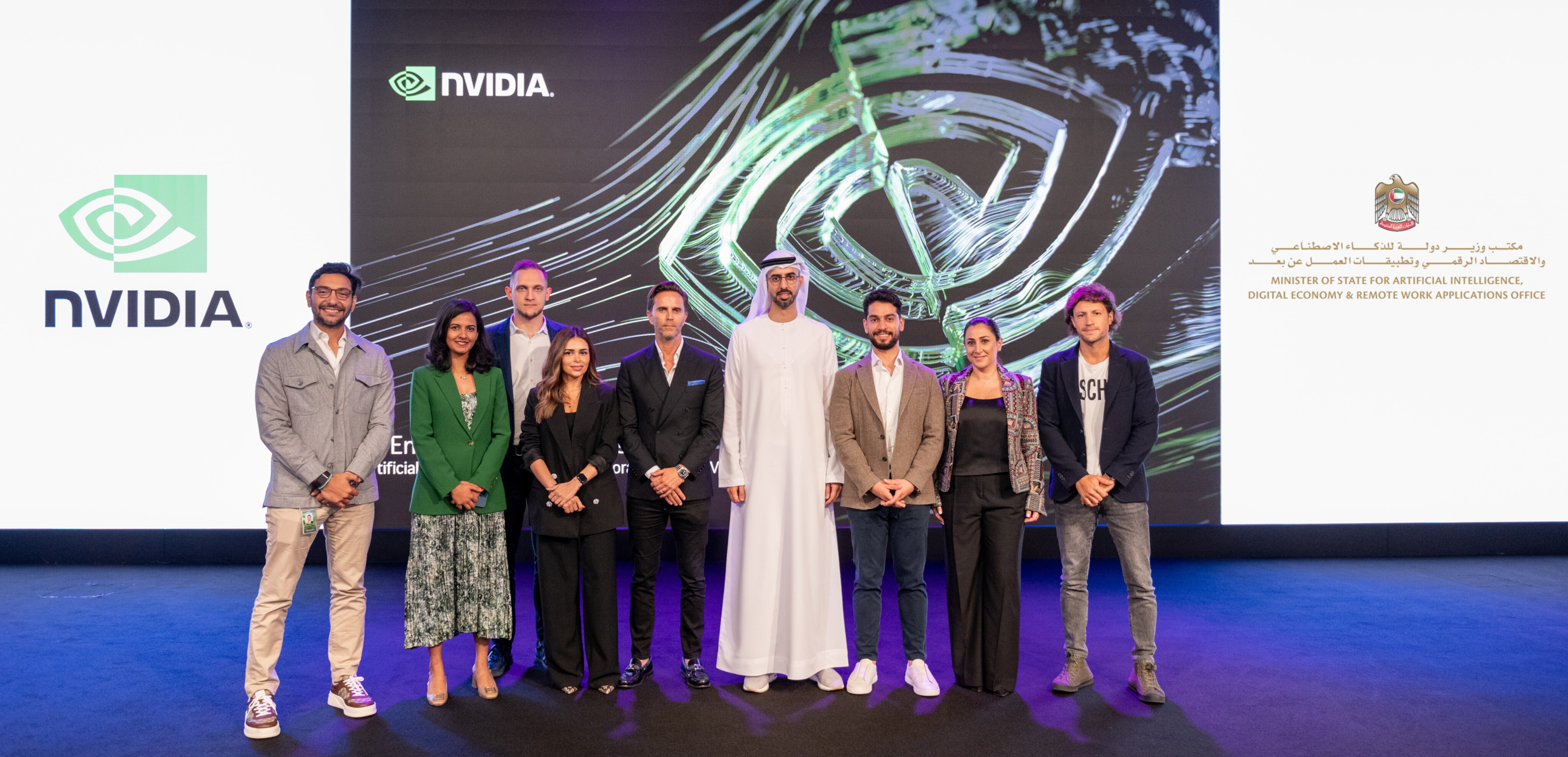
In the technology sector, Aramco has partnered with Nvidia to establish advanced industrial AI infrastructure, including an AI Hub and a robotics center. Collaborations with Amazon Web Services and Qualcomm aim to drive digital transformation and enhance industrial networks and AI capabilities. An agreement with ExxonMobil focuses on evaluating significant upgrades to their SAMREF refinery, with plans to expand it into an integrated petrochemical complex.

The financial services front sees Aramco forging agreements with asset management giants such as PIMCO, State Street Corporation, and Wellington. A notable initiative includes the establishment of a unified investment fund, named ‘Fund of One,’ in collaboration with BlackRock, Goldman Sachs, Morgan Stanley, and PIMCO, aimed at streamlining short-term cash investments.

Advertisements

Lakshmi Mittal, the steel magnate and one of Britain’s wealthiest individuals, has secured ownership of a lavish mansion in Dubai’s Emirates Hills, a neighbourhood often referred to as the “Beverly Hills of Dubai.” The transaction, completed earlier this year, underscores the growing trend of affluent individuals investing in the city’s luxury real estate market. Emirates Hills, developed by Emaar Properties, is renowned for its exclusivity and opulence. […]

U.S. President Donald Trump has announced plans to lift longstanding U.S. sanctions on Syria, in place since 1979 and intensified during the Syrian Civil War. During his Middle East tour, Trump revealed the decision at the U.S.-Saudi Investment Forum, describing the sanctions as historically significant yet now detrimental. The sanctions had frozen Syrian assets, banned petroleum imports, and isolated the country from the global economy. Critics highlight […]

Arabian Post Staff -Dubai Qatar Airways has finalised a monumental agreement to acquire up to 210 Boeing aircraft, marking the largest wide-body order in the company’s history. The deal, valued at $96 billion, was announced during U.S. President Donald Trump’s visit to Doha, underscoring a significant enhancement in U.S.-Qatar economic relations. The order encompasses 130 Boeing 787 Dreamliners, 30 777X jets, and options for an additional 50 […]

Thailand’s Ministry of Finance has announced plans to issue 5 billion baht in digital investment tokens, dubbed “G-Tokens,” aiming to broaden public participation in government bond investments. This initiative marks a significant step in integrating digital assets into the country’s financial strategy.

Finance Minister Pichai Chunhavajira stated that the G-Tokens will be available for purchase within the next two months, following cabinet approval. The tokens are designed to offer higher returns than traditional bank deposits, making them an attractive option for retail investors. “Investors can invest with a small amount of cash for the new tokens,” Chunhavajira noted, highlighting the accessibility of the investment.

The G-Tokens will be issued under the existing Public Debt Management Act of 2005 and regulated by the Digital Asset Business Decree of 2018. The tokens are not classified as traditional debt instruments but are part of the government’s budget borrowing plan. Patchara Anuntasilpa, director-general of the Public Debt Management Office, emphasized that the tokens are an innovation in the country’s financial landscape, allowing more retail investors to become part of the digital economy.

Investors can purchase G-Tokens through licensed digital asset exchanges, brokers, and other authorized entities. The minimum investment is set at 100 baht , significantly lowering the threshold for participation in government bond investments. This move is expected to attract a broader base of investors, including those who have traditionally been excluded from such opportunities.

The digital nature of G-Tokens offers several advantages over conventional government bonds. They can be traded on specialized digital platforms, providing greater flexibility and accessibility for investors. Ownership is verified using digital systems, and the tokens can be transferred through designated digital asset platforms. Interest payments and principal redemption will be made electronically to holders via their registered accounts, following the schedule outlined in the prospectus.

The initiative aligns with Thailand’s broader efforts to modernize its financial infrastructure and promote financial inclusion. By leveraging blockchain technology, the government aims to streamline the bond issuance process, reduce costs, and enhance transparency. The G-Token issuance also serves as a pilot to test the market’s response to digital financial instruments, with the potential for future expansions based on demand.

Sobha Realty has successfully completed a $500 million sukuk issuance, marking a significant milestone in its financing strategy. The issuance, part of a $1.5 billion Sukuk Issuance Programme, attracted substantial investor interest, with the order book oversubscribed three times, reaching $1.54 billion. This strong demand led to a tightening of the yield to 8% per annum, down from the initial price thoughts of 8.375%. The sukuk, maturing […]

Coinbase Canada has made a strategic investment in Stablecorp, the Toronto-based fintech firm behind QCAD, a Canadian dollar-backed stablecoin. While the investment amount remains undisclosed, the move underscores Coinbase’s commitment to expanding its footprint in the Canadian digital asset market and bolstering the adoption of QCAD as a reliable, fiat-pegged digital currency.

QCAD is designed to maintain a 1:1 peg with the Canadian dollar, backed by reserves held in cash and cash equivalents. These reserves are managed by Stablecorp Digital Currencies Inc. , a wholly owned subsidiary of Stablecorp. To ensure transparency and trust, the reserves are custodied by Tetra Trust Company, Canada’s only qualified custodian for digital assets. Monthly attestation reports, conducted by Canadian Chartered Professional Accounting firm Grewal Guyatt LLP, are publicly posted to validate the reserve volumes against the total circulation of QCAD.

Initially launched on the Ethereum blockchain, QCAD has since expanded its availability to Stellar, Algorand, and Solana blockchains. This multi-chain approach enhances accessibility and utility, allowing users to leverage QCAD across various decentralized platforms. On Solana, for instance, users can engage in foreign exchange transactions between QCAD and USDC at significantly reduced costs compared to traditional FX venues, with instant settlement capabilities.

Stablecorp distributes QCAD through an Authorized Dealer model, wherein wholesale institutional entities can purchase and sell QCAD at a fixed price of one Canadian dollar. While these Authorized Dealers have direct claims on the underlying reserves, retail holders of QCAD do not possess such claims. To mitigate currency risk, all proceeds from QCAD sales are converted into Canadian dollars before being moved into reserves.

The strategic investment by Coinbase Canada aligns with its broader efforts to enhance its offerings in the Canadian market. By supporting QCAD, Coinbase aims to provide Canadian users with a stable and transparent digital currency option that facilitates efficient cross-border transactions and on-chain foreign exchange operations.

Thailand’s Finance Ministry is set to introduce a digital investment token, dubbed the G-Token, aiming to raise approximately $150 million within the next two months. This initiative is part of the government’s budget borrowing plan and seeks to provide higher returns than traditional bank deposits.

Finance Minister Pichai Chunhavajira announced that the G-Token is designed to offer retail investors an accessible entry point into government-backed financial instruments. Unlike conventional bonds, the G-Token is not classified as a debt instrument but serves as a tool to mobilise public funds through blockchain technology.

The tokens will be available for purchase with a minimum investment of around $3, making them accessible to a broad segment of the population. This move is intended to democratise investment opportunities, traditionally dominated by institutional and high-net-worth investors.

Investors are expected to receive returns surpassing the current 12-month fixed deposit rates offered by Thai banks, which range between 1.25% and 1.5%. However, specific yield figures have not been disclosed.

The G-Token initiative aligns with Thailand’s broader strategy to integrate digital assets into its financial ecosystem. By leveraging blockchain technology, the government aims to enhance transparency, reduce costs, and increase efficiency in public fundraising efforts.

The tokens will be tradable on licensed digital asset exchanges within Thailand, although access will be restricted to Thai nationals. This measure ensures compliance with domestic financial regulations and safeguards against potential risks associated with foreign investment in government-backed digital assets.

The launch of the G-Token follows recommendations from influential political figures, including Thaksin Shinawatra, who advocated for the issuance of stablecoins backed by government bonds to broaden investment access.

Arabian Post Staff -Dubai Samsung has launched its new flagship device, the Galaxy S25 Edge, designed to set a new benchmark in smartphone technology. The device features a remarkably slim 5.8mm titanium body, combining sleek aesthetics with cutting-edge performance. As part of its strategy to stay ahead in the competitive mobile market, Samsung has integrated advanced artificial intelligence capabilities, a powerful 200MP camera, and the latest Snapdragon […]

Arabian Post Staff -Dubai A gas leak ignited a fire at Pearl View Restaurant and Cafeteria in Dubai’s Al Barsha 1 district late Tuesday evening, prompting a swift response from emergency services. Dubai Civil Defence teams managed to contain the blaze in record time, preventing any reported injuries. The incident occurred in a restaurant situated on the lower floor of a residential building, just metres from the […]

Tim Draper, a billionaire venture capitalist and early supporter of Bitcoin, has made a bold prediction that the world’s leading cryptocurrency will eclipse the US dollar within the next decade. Draper, renowned for his investments in companies like Skype and Tesla, has long been a vocal proponent of Bitcoin and blockchain technology. His latest remarks, shared in an interview with CoinDesk, suggest a dramatic shift in the global financial landscape, one that could fundamentally change the way economies operate.

Draper’s prediction stems from his belief in Bitcoin’s ability to outpace traditional fiat currencies, including the US dollar. He envisions a future where Bitcoin not only becomes the dominant currency but also where the US dollar, as it exists today, is no longer in circulation. According to Draper, Bitcoin will continue to climb “to infinity” against the dollar, reflecting his confidence in the cryptocurrency’s long-term potential.

The venture capitalist’s faith in Bitcoin is rooted in the unique advantages he believes it holds over traditional money. Draper argues that Bitcoin, unlike the dollar, is not subject to inflationary pressures or government intervention. With a fixed supply of 21 million coins, Bitcoin is designed to be deflationary, which he sees as an essential feature for ensuring the stability of its value over time. This attribute, Draper suggests, makes Bitcoin a far more secure store of value than the dollar, which is increasingly vulnerable to the impacts of monetary policy and national debt.

Bitcoin’s volatility has been one of the major concerns for those sceptical about its potential to replace traditional currencies. However, Draper remains undeterred by such criticisms. He notes that while Bitcoin has experienced significant fluctuations in price since its inception, these swings are a natural part of its maturation process. As more institutional investors and retail traders adopt Bitcoin, Draper expects its volatility to decrease, paving the way for it to become a mainstream currency.

Draper’s confidence in Bitcoin’s future is not just about its potential as a store of value but also about its capacity to facilitate global transactions. With growing concerns over the cost and inefficiency of traditional banking systems, Bitcoin offers a fast, low-cost alternative for transferring money across borders. The cryptocurrency operates on a decentralised network, allowing individuals to bypass centralised banks and governments. Draper believes that as the world becomes more interconnected, Bitcoin’s advantages will become increasingly apparent, particularly in regions where access to traditional banking services is limited.

In his conversation with CoinDesk, Draper also touched upon other technological developments that he believes will shape the future of human communication. Among these, he highlighted advancements in artificial intelligence and genetics, which he predicts will revolutionise the way humans interact with animals. Draper imagines a world where AI enables people to communicate with animals in a way that was once thought impossible. Such advancements, while still in the realm of science fiction for now, reflect Draper’s broader vision of a future where technology breaks down barriers between humans, animals, and even machines.

While Draper’s vision of a Bitcoin-dominated financial system may seem far-fetched to some, it aligns with a growing trend in the cryptocurrency world. The increasing institutional interest in Bitcoin, with large corporations and financial firms adding the cryptocurrency to their portfolios, is seen as a key indicator of its growing legitimacy. Additionally, the global shift towards digital currencies, spurred by the rise of central bank digital currencies , suggests that traditional financial systems may be on the brink of significant transformation.

Countries like El Salvador have already made Bitcoin a legal tender, and other nations are considering similar moves. Meanwhile, in the US, there is ongoing debate over the regulation of cryptocurrencies, with lawmakers grappling with how to create a legal framework that supports innovation while protecting investors. Draper’s prediction, however, suggests that Bitcoin will eventually render such debates moot, as it becomes the global standard for digital transactions.

Despite the optimism surrounding Bitcoin’s potential, there are still significant hurdles that must be overcome before Draper’s vision can be realised. Regulatory uncertainty remains a major obstacle, with governments around the world seeking to impose stricter controls on cryptocurrencies to combat illegal activities like money laundering and tax evasion. Furthermore, the environmental impact of Bitcoin mining has raised concerns among environmentalists, who argue that the energy consumption of Bitcoin’s proof-of-work consensus mechanism is unsustainable.

The United States is deliberating a significant agreement that would permit the United Arab Emirates to acquire over one million advanced Nvidia AI chips, a move that could reshape the technological landscape in the Gulf region. The proposed arrangement, still under negotiation, would allow the UAE to import 500,000 of Nvidia’s most sophisticated chips annually through 2027. Approximately 20% of these chips are earmarked for G42, an Abu Dhabi-based artificial intelligence firm, while the remainder would support U.S. companies establishing data centers within the UAE.

This potential deal marks a notable shift from the stringent export controls implemented during the Biden administration, which aimed to limit the proliferation of advanced AI technologies to certain regions. The Trump administration’s consideration of this agreement aligns with its broader strategy to bolster alliances and counterbalance China’s growing technological influence.

G42 has been at the forefront of the UAE’s AI ambitions, developing a bilingual Arabic-English large language model named Jais and collaborating with global tech giants to enhance its capabilities. The firm’s efforts to sever ties with Chinese entities and comply with U.S. regulations have been pivotal in facilitating this prospective deal.

The U.S. Department of Commerce’s introduction of the Validated End User program has further streamlined the export process for advanced technologies to trusted partners. Under this program, foreign data centers that meet rigorous security and compliance standards can receive AI chips without the need for individual export licenses. This initiative aims to safeguard national security while promoting international technological collaboration.

Nvidia’s advanced chips, particularly the H100 and the newer GB300 Blackwell models, are integral to the development of cutting-edge AI applications. The company’s collaboration with Saudi Arabia’s AI startup, Humain, to deliver 18,000 AI chips underscores the region’s commitment to becoming a global AI hub. These chips are set to power a 500-megawatt data center in Saudi Arabia, reflecting the Gulf’s substantial investments in AI infrastructure.

The UAE’s strategic partnerships extend beyond Nvidia. A notable collaboration between Microsoft and G42 has received U.S. approval, allowing the export of advanced AI chips to a Microsoft-operated facility in the UAE. This partnership is part of a broader U.S. effort to counter China’s Digital Silk Road initiative by strengthening technological ties with Gulf nations.

Despite these advancements, concerns persist regarding the potential for U.S. technologies to be accessed by adversarial nations. The U.S. government has imposed strict conditions on these deals, including prohibitions on the use of exported chips for model training by individuals from countries under U.S. arms embargoes, such as China. Regular audits and compliance checks are mandated to ensure adherence to these restrictions.

The UAE’s pursuit of AI sovereignty is evident in its initiatives to develop indigenous AI capabilities and infrastructure. Core42, a subsidiary of G42, has established a “regulated technology environment” to deploy Nvidia’s H100 Tensor chips securely within the country. This setup ensures that sensitive technologies are handled under strict guidelines, aligning with the UAE’s objectives to safeguard data and maintain control over its AI systems.

The US Federal Reserve has stopped sugar-coating it: stagflation is no longer a fringe fear. It’s a looming threat. Last week’s sharp warning from Chair Jerome Powell confirmed what many of us in the global financial community have anticipated for months. Slower growth, persistent inflation, and rising unemployment are converging in a way that should set off alarm bells for investors worldwide. Make no mistake—this isn’t an […]

The new residential development presents a unique investment opportunity, featuring premium amenities in one of Dubai’s most sought-after locations.   IKR Development is an emerging real estate developer in Dubai, committed to crafting contemporary residential projects. IKR has partnered with Golden Bridge, UAE’s leading sales and marketing partner, to launch a new masterpiece, Provenza Residences. The project was officially announced at the IKR Sales Center. Golden Bridge […]

Oil prices surged over $2 per barrel in Asian trading on Monday, buoyed by a significant easing of trade tensions between the United States and China. Brent crude futures climbed $2.11, or 3.3%, to $64.14 a barrel, while US West Texas Intermediate crude futures rose $2.12, or 3.47%, to $63.14. The rally followed a joint announcement from Washington and Beijing declaring a 90-day suspension of additional tariffs, […]

HONG KONG SAR – Media OutReach Newswire – 13 May 2025 – WRISE Hong Kong today announced the appointment of Mr. Joe C. Lee as Non-Executive Director of WRISE Prestige Hong Kong, effective immediately. With his distinguished entrepreneurial background and extensive expertise in technology and business innovation, Mr. Lee will bring invaluable strategic insights to further strengthen WRISE Prestige’s growing wealth management business for the high-net-worth individuals. […]

Sobha Realty has unveiled its latest masterplan development, Sobha Central, strategically located on Sheikh Zayed Road. The project introduces 1,225 upscale residences across six residential towers, aiming to redefine urban living in Dubai’s central corridor. Designed as a self-contained vertical community, Sobha Central integrates residential, commercial, and recreational spaces. The development features a curated mix of one- and two-bedroom apartments, targeting professionals and investors seeking modern amenities […]

Supermarket operator Spinneys reported a 14% year-on-year increase in net profit for the first quarter of 2025, reaching AED 85 million , buoyed by new store openings and a significant uptick in online sales. Revenue for the quarter climbed over 11% to AED 906 million, reflecting the company’s strategic expansion and digital initiatives.

The Dubai-based retailer, which went public on the Dubai Financial Market in 2024, attributed its robust performance to the launch of three new stores and a continued focus on enhancing its e-commerce platform. The company has been actively expanding its footprint, with plans to open 10 to 12 new stores across the UAE and Saudi Arabia by the end of the year.

Spinneys’ entry into the Saudi market marks a significant milestone in its regional growth strategy. The company inaugurated its first store in Riyadh’s La Strada Yard, receiving an exceptional response from customers. CEO Sunil Kumar highlighted the strong demand in the Kingdom, stating that the early performance reinforces a positive outlook for Spinneys in Saudi Arabia. The retailer plans to open additional stores in Riyadh’s King Abdulaziz Financial District and other locations before the end of 2025.

The company’s e-commerce segment has also shown impressive growth. Online sales increased by 21.7% year-on-year, surpassing AED 217 million in the first half of 2024. E-commerce now accounts for 14% of Spinneys’ total revenue, driven by the launch of the Spinneys Swift app, which offers hyperlocal delivery services. The app’s 60-minute delivery service has been piloted in key locations, with plans for a broader rollout across the UAE.

Spinneys’ strategic focus on premium grocery segments has positioned it well in the GCC’s evolving retail landscape. The company’s target market, comprising affluent households, is growing faster than the broader grocery sector. In the UAE, this segment is projected to expand at a compound annual growth rate of 4.4% from 2022 to 2028, while in Riyadh and Jeddah, the growth rate is expected to be 6.7%.

The retailer’s commitment to quality and innovation is evident in its product offerings and store concepts. Spinneys has introduced ‘The Kitchen, by Spinneys,’ a food hall concept in Dubai Mall, offering fresh meal solutions with margins exceeding traditional grocery retail. The company plans to open more locations of this concept in the UAE, catering to the growing demand for convenient and high-quality dining options.

Financially, Spinneys maintains a strong position. The company reported a 9.9% increase in revenue to AED 1.6 billion in the first half of 2024, with a net profit of AED 146 million, up 15.2% year-on-year. Despite the introduction of a 9% corporate tax in the UAE, Spinneys has continued to deliver solid financial results, supported by efficient sourcing, supply chain management, and a successful private label strategy.

VISHNU RAJA
RYO YAMADA
HITORI GOTOH
IKUYO KITA