News related to
Dubai

Dubai Future District Fund has reported securing over $1.65 billion in capital commitments and supporting more than 190 startups, marking a significant milestone in its mission to bolster the emirate’s innovation ecosystem.

Anchored by the Dubai International Financial Centre and the Dubai Future Foundation , DFDF unveiled these achievements at its Annual General Meeting, reflecting its alignment with Dubai’s economic vision and commitment to fostering a resilient innovation landscape.

In 2024, DFDF expanded its portfolio through direct investments and 12 Fund of Funds initiatives, aligning with the Dubai Economic Agenda to advance technology, talent, and venture capital in the region.

His Excellency Khalfan Belhoul, Chairman of DFDF’s Board and CEO of the Dubai Future Foundation, emphasized the fund’s role in driving the growth of Dubai’s digital economy, highlighting its focus on innovation and future technologies across key sectors.

Beyond capital allocation, DFDF engaged in strategic partnerships with entities like Dubai Land Department and Dubai Health, exploring innovation collaborations that align government priorities with startup-driven solutions.

Nader Albastaki, Managing Director at DFDF, noted that 2024 was pivotal for the fund, scaling investments and supporting innovators driving meaningful change. He expressed enthusiasm for 2025, designated as the Year of the Community, focusing on deeper collaboration and ecosystem resilience.

DFDF’s investment strategy involves deploying capital into venture capital funds with a local focus and directly into startups, aiming to boost venture capital investing and business activity in Dubai and the region.

The fund’s commitment to sustainability was underscored by allocating up to 20% of its AED 1 billion fund to climate technology and innovation, aligning with the UAE’s broader vision for economic diversification and sustainable development.

Arif Amiri, CEO of DIFC Authority and DFDF Board Member, highlighted the fund’s dedication to driving growth and supporting sustainability-focused tech ventures, emphasizing the importance of collaboration in cultivating innovation.

DFDF’s efforts contribute to Dubai’s ambition to establish itself as a global technology and innovation hub, reinforcing its position as a premier destination for global talent and entrepreneurship.

Dubai’s tech and creative sectors are booming, and local startups and agencies are keen on tools that save time and cut costs. On one hand, Make (formerly Integromat) is a no‑code automation platform that lets non-technical teams link apps and automate workflows visually. On the other hand, Replit is an AI‑powered cloud IDE for building and deploying software, aimed at developers. Both promise “do more with less,” […]

Delivery riders across Qatar are now prohibited from using motorcycles during peak summer hours, as authorities enforce a nationwide regulation aimed at protecting workers from extreme heat exposure.

The rule, effective from 1 June to 15 September, mandates that all deliveries between 9:30 AM and 3:30 PM be conducted using air-conditioned vehicles. This measure, initially introduced by the local tech startup Snoonu in 2021 under its “No Riders Under the Sun” campaign, became law in 2022 following endorsement by the Ministry of Labour. The regulation aligns with broader labour reforms that restrict outdoor work during the hottest hours of the day to mitigate heat-related health risks.

Snoonu’s initiative has been instrumental in setting industry standards for worker welfare. The company’s CEO, Hamad Mubarak Alhajri, drew from personal experience working in extreme heat conditions offshore to advocate for better protections for delivery personnel. “Humanity comes before business,” Alhajri stated, emphasizing the company’s commitment to employee safety over operational efficiency.

The campaign has not only influenced legislation but also garnered recognition, earning Snoonu the ‘Best CSR Initiative in the Tech Sector’ award at the 2024 Qatar CSR Awards Ceremony. The company’s efforts include establishing cooling stations across Doha, providing drivers with air-conditioned rest areas equipped with hydration facilities and comfortable seating.

Other delivery services in Qatar, such as Talabat, have also adopted similar measures, transitioning to car-only deliveries during the specified hours. These collective actions underscore a growing industry-wide commitment to safeguarding the health and well-being of delivery workers amid rising temperatures.

As top Gulf leaders vied to commit trillions of dollars in investment pledges during President Donald Trump’s Middle East tour, a significant shift emerged among financiers and business circles. Saudi Arabia’s appeal as the region’s primary investment hub is being overshadowed by the United Arab Emirates and Qatar, whose growing economic clout and more flexible policies are attracting greater international interest. Saudi Arabia’s challenges stem from structural […]

Oil prices strengthened sharply as OPEC+ agreed to a modest increase in production, falling short of some market expectations, while escalating geopolitical tensions in Ukraine and Iran added further upward pressure. West Texas Intermediate crude futures climbed 2.8%, settling near $63 per barrel, reflecting a cautious market balancing supply concerns against demand uncertainties.

The Organisation of the Petroleum Exporting Countries and its allies approved a production boost of 411,000 barrels per day for July, a figure that surprised some analysts who anticipated a larger output increase. This decision followed extensive negotiations marked by dissent from several members, including Russia, which has historically played a pivotal role in the alliance’s supply management. The group’s choice to limit production growth indicates a strategic effort to maintain price support amid a volatile global economic outlook.

Within the alliance, certain countries advocated for a pause in the output hike, citing lingering uncertainties in global demand recovery and concerns over market oversupply. This internal division has led financial institutions to offer contrasting forecasts on OPEC+ policy direction for the coming months. Some banks now expect additional gradual supply increases to ease pressure on energy markets, while others warn of a more restrained approach to sustain price levels.

Market participants are also closely monitoring the geopolitical landscape, which has become a significant factor influencing oil prices. The conflict in Ukraine continues to disrupt supply chains and has led to concerns over potential shortages in European energy markets. The war has prompted a reconfiguration of energy trade flows, with European countries seeking alternatives to Russian crude and refined products amid sanctions and supply restrictions.

Meanwhile, escalating tensions surrounding Iran’s nuclear programme and regional activities have heightened fears of disruptions in the Middle East, a region critical to global oil supply. The possibility of renewed sanctions or military confrontation has contributed to risk premiums embedded in crude prices. Iranian officials have issued statements warning against external interference, further adding to the geopolitical uncertainties that traders are factoring into their decisions.

The market’s response to these developments reflects a complex interplay between supply management by OPEC+ and external geopolitical risks. While the alliance’s measured increase in output signals a cautious optimism about demand recovery, the persistent threats to supply continuity underscore the fragility of the current energy market balance. This dynamic has led to increased volatility in oil prices as traders weigh the prospects of tighter supply against potential disruptions.

Analysts note that global oil inventories remain a critical indicator of market health. Recent data show stocks in key consuming regions have fluctuated, influenced by varying rates of economic activity and shifts in fuel consumption patterns. The International Energy Agency has highlighted that while demand has strengthened, it faces headwinds from inflationary pressures and a slower-than-expected economic rebound in several major economies.

Energy firms and investors are responding to the evolving scenario by adjusting their strategies. Some producers are exercising caution in ramping up output, mindful of price swings and regulatory challenges. Investment in exploration and production continues to be scrutinised in light of global energy transition policies and commitments to reduce carbon emissions, factors that could constrain long-term supply growth.

The global energy market is also observing shifts in trade flows as refiners and consumers adapt to changing supply sources. Countries in Asia and Europe are recalibrating their crude procurement strategies to mitigate risks and capitalise on price movements. This realignment is creating new patterns of demand that could influence OPEC+ decisions and broader market trends going forward.

Despite these complexities, market analysts caution that the oil market remains sensitive to any significant geopolitical escalation or unexpected shifts in production policies. The interplay between supply discipline by producing nations and geopolitical developments will continue to be key drivers of price direction. The potential for further volatility remains high as global economic conditions evolve and political uncertainties persist.

Financial institutions remain divided on how aggressively OPEC+ will pursue production hikes in the coming months. Some expect a gradual easing of supply constraints if demand shows sustained improvement, while others predict continued restraint to maintain price support amid ongoing global uncertainties.

Dubai has solidified its position as the premier global destination for greenfield foreign direct investment in the cultural and creative industries , securing the top spot in the Financial Times’ fDi Markets ranking for the third consecutive year.

In 2024, the emirate attracted 971 CCI projects, marking an 8% increase from the previous year. These ventures brought in AED 18.86 billion in capital inflows, a surge of nearly 60% compared to 2023, and generated 23,517 new jobs, reflecting a 9% year-on-year rise.

The report evaluated 233 cities under the ‘Creative Industries Cluster’ classification, with Dubai outperforming major global hubs such as London and Singapore.

Key growth areas within Dubai’s CCI sector included advertising and public relations, film and media production, gaming, education, and advanced software design. According to the Dubai FDI Monitor, greenfield, wholly-owned ventures constituted 76.5% of all projects, while new forms of investment accounted for 15.4%, reinvestment 5.6%, and mergers and acquisitions 2.4%.

Flexible government policies have played a significant role in boosting FDI flows into the CCI sector, enhancing Dubai’s appeal to investors, entrepreneurs, and innovators.

Her Highness Sheikha Latifa bint Mohammed bin Rashid Al Maktoum, Chairperson of the Dubai Culture and Arts Authority, stated, “Through strategic planning and pioneering initiatives, Dubai has cultivated an environment that empowers creatives, investors, and entrepreneurs to realise their ideas and turn them into impactful, sustainable projects that enrich the emirate’s cultural fabric.”

The United States led in terms of FDI capital inflows into Dubai’s CCI sector in 2024, contributing 23.2%, followed by India , the United Kingdom , Switzerland , and Saudi Arabia . In terms of the number of FDI projects, India topped the list with 18.8%, followed by the United Kingdom , the United States , Germany , and Italy .

Matein Khalid My macro crystal ball begins to vibrate ominously whenever a perma-bull talking head joins the Squawk Box on CNBC, my spiritual, philosophical and financial lodestar in life and La Dolce Vita of the mercati monetari globali. After all, our beautiful business began as a money lender’s bench in Renaissance Florence 600 years ago and if we ever ran out of cash, they ruptured our banco […]

Advertisements

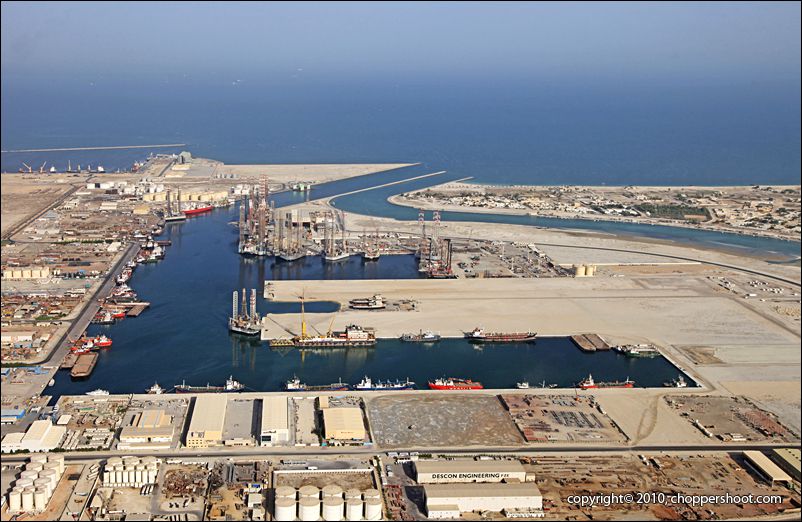
A large fire that erupted at the Al Hamriyah Port in Sharjah posed a significant threat before authorities managed to bring it under control. The blaze ignited in an area where highly flammable materials were stored, escalating the intensity and risk of the incident. Emergency responders acted swiftly to contain the flames and prevent further damage to the industrial site and surrounding facilities.

The fire broke out within one of the storage zones at the port, a critical hub for regional trade and industrial activity. Witnesses described thick plumes of black smoke billowing over the port, visible from several kilometres away. The presence of combustible materials accelerated the fire’s spread, creating a challenging environment for firefighting teams.

Sharjah Civil Defence mobilised a substantial response involving multiple fire engines, specialised foam units, and rescue personnel. The teams prioritised protecting adjacent warehouses and port infrastructure, which include goods vital to supply chains across the Gulf region. Coordinated efforts to establish firebreaks and deploy foam suppression techniques helped contain the blaze.

Industrial storage sites, particularly those housing chemicals, fuels, or other hazardous materials, require stringent safety protocols due to their vulnerability to fires. Officials confirmed that the site contained flammable substances, although exact details about the materials involved remain under review as investigations continue. No casualties were reported, highlighting the effectiveness of emergency evacuations and rapid intervention.

Al Hamriyah Port operates as a crucial gateway for maritime logistics in the United Arab Emirates, serving diverse industries from manufacturing to shipping. The port’s infrastructure includes dedicated zones for various types of cargo, with strict regulations governing storage and handling. The fire raised concerns about the adequacy of safety measures for hazardous materials at such industrial hubs, prompting calls for renewed safety audits.

Emergency services emphasised the importance of routine risk assessments and preparedness in industrial environments, especially where flammable and volatile substances are stored. Training, equipment readiness, and swift communication channels proved vital in managing the incident effectively. The fire’s containment prevented a wider catastrophe that could have disrupted port operations and caused economic losses.

Environmental experts are monitoring potential impacts on air quality due to the smoke and emissions generated by the fire. Initial air sampling indicated elevated levels of pollutants near the port perimeter, necessitating caution for nearby communities and workers. Authorities advised residents to avoid the area and remain indoors until conditions stabilised.

This incident underlines the challenges of managing industrial safety in complex logistics centres where multiple risk factors intersect. Ports like Al Hamriyah play an indispensable role in regional trade but require ongoing investment in infrastructure resilience and emergency response capabilities. Stakeholders are expected to review procedures and infrastructure to mitigate future risks.

The event also highlighted the coordination between various agencies, including civil defence, environmental authorities, and port management. Such collaboration is critical in ensuring a swift and effective response to emergencies. Lessons drawn from this fire will likely influence policies governing industrial storage and fire safety in the UAE and beyond.

Port operations resumed gradually after clearance was given by safety officials, with inspections conducted to assess structural integrity and contamination. Business continuity plans activated by port authorities facilitated minimal disruption to shipping schedules, reflecting the strategic importance of the facility.

Germany’s antitrust authority, the Bundeskartellamt, has issued a formal warning to Amazon regarding its pricing policies on the Amazon Marketplace. The watchdog contends that Amazon’s mechanisms for controlling third-party sellers’ prices may infringe upon both national and European Union competition laws.

The Bundeskartellamt’s concerns centre on Amazon’s use of algorithms and policies that potentially penalise third-party sellers for setting prices deemed too high. Such penalties could include demotion in search rankings or outright removal of products from the platform. The authority argues that these practices may constitute an abuse of market dominance, restricting fair competition and consumer choice.

This development follows the Bundeskartellamt’s designation of Amazon as an entity of “paramount significance for competition across markets” under Section 19a of the German Competition Act. This classification subjects Amazon to heightened regulatory scrutiny and obligations to ensure competitive fairness.

In response to the ongoing investigation, the Bundeskartellamt conducted a survey in September 2024 involving 2,000 third-party retailers. The survey aimed to assess the impact of Amazon’s pricing policies on sellers’ behaviour and market dynamics. Preliminary findings suggest that Amazon’s practices may deter sellers from offering competitive prices, thereby limiting market diversity.

Amazon has previously defended its pricing policies, asserting that they are designed to prevent price gouging and protect consumers. However, the Bundeskartellamt maintains that such justifications do not exempt the company from adhering to competition laws.

The European Commission is also monitoring Amazon’s practices, particularly in light of the Digital Markets Act , which seeks to regulate large online platforms and prevent anti-competitive behaviour. Under the DMA, companies designated as “gatekeepers” are prohibited from favouring their own services or imposing unfair conditions on business users.

The outcome of the Bundeskartellamt’s investigation could have significant implications for Amazon’s operations in Germany and potentially across the European Union. If found in violation of competition laws, Amazon may face substantial fines and be required to alter its business practices to promote fair competition.

Aldar Properties has unveiled a Dhs40 billion mixed-use development on Fahid Island, a 3.4 million square metre natural island situated between Yas and Saadiyat Islands in Abu Dhabi. The project aims to transform the island into a premier coastal wellness destination, featuring over 4,000 residential units, retail outlets, hospitality venues, and community facilities.

The first phase, Fahid Beach Residences, will comprise seven beachfront buildings, each housing 65 residences, offering a blend of apartments, townhouses, and ultra-luxury beach and mangrove villas. The development capitalises on the island’s 11 km of waterfront, including 4.6 km of pristine beaches and iconic mangroves, providing residents with prime sea views and direct beach access.

Aldar acquired the island for AED 2.5 billion, with the acquisition consideration to be paid over five years. The gross development value of the project stands at AED 26 billion. The development will include a school, retail and hospitality offerings, and a wide array of community facilities, aiming to create a vibrant and integrated community.

The project emphasises sustainability, with eco-friendly construction practices and measures to protect local wildlife and preserve natural resources. The lush mangroves surrounding the island are to be preserved, enhancing the area’s natural ecosystem.

Aldar’s CEO, Talal Al Dhiyebi, stated that the acquisition solidifies the company’s presence on the Yas-Saadiyat corridor and strengthens its ability to deliver sustainable value to Abu Dhabi and its communities. Jonathan Emery, CEO at Aldar Development, noted that Al Fahid Island presents a robust pipeline of development activity, catering to the strong appetite for ultra-luxury products in Abu Dhabi’s premier locations.

Arada has launched Akala, a AED 5 billion development positioned as the world’s first precision wellness destination, located between Dubai International Financial Centre and Downtown Dubai. The project comprises two 220-metre towers housing 534 branded residences, integrating advanced medical diagnostics with luxury living. The residences range from one-bedroom apartments to a two-level penthouse named The Observatory, offering panoramic views of the Burj Khalifa. Each unit is designed […]

PureHealth, the Middle East’s largest healthcare group, has announced that its total investment in locally sourced goods and services has reached AED 2.25 billion, reinforcing its commitment to the UAE’s National In-Country Value Programme. This milestone was highlighted during the 2025 edition of the “Make it in the Emirates” initiative, underscoring the group’s dedication to enhancing the nation’s industrial and healthcare sectors.

In 2024 alone, PureHealth channelled AED 1 billion into the national economy, marking a 38% increase compared to the previous year. This significant uptick aligns with the UAE’s strategic objectives to localise supply chains, promote national enterprises, and accelerate economic diversification.

Since joining the Ministry of Industry and Advanced Technology’s ICV Programme in 2022, PureHealth has set an ambitious target to allocate AED 13 billion towards local procurement by 2032. The group’s efforts are in tandem with the UAE’s broader industrial strategy, which aims to elevate the industrial sector’s GDP contribution to AED 300 billion by 2031.

Shaista Asif, Group Chief Executive Officer of PureHealth, emphasised the long-term vision behind this investment, stating, “By advancing our In-Country Value goals, we are localising critical supply chains, supporting homegrown innovation, and enabling the development of advanced healthcare manufacturing capabilities. This is not just about meeting today’s needs, but building a sustainable, self-sufficient healthcare system that serves UAE communities for generations to come while supporting the nation’s economic and industrial ambitions.”

The group’s commitment is evident in the strong ICV performance across its subsidiaries. Abu Dhabi Health Services Company holds the highest ICV score in the UAE healthcare sector at 81.13%, while Daman, the leading health insurer, ranks second in the UAE insurance sector with a score of 71.86%. Additionally, PureLab and The Medical Office have secured their ICV certifications, and Sheikh Shakhbout Medical City is expected to receive its certification later this year, moving the group closer to full compliance.

Leya Al Damani, Chief Sustainability Officer at PureHealth, highlighted the synergy between sustainability and localisation, noting, “Through partnerships with UAE-based suppliers that share our environmental and quality standards, we are creating long-term value that benefits both our healthcare system and the national economy. The National In-Country Value Programme gives us a powerful framework to scale this impact measurably and responsibly, while also fostering a supportive environment for the growth of small and medium-sized enterprises across the country.”

A tow truck is a bright representative of specialized equipment, a vehicle designed for transportation, loading and unloading of vehicles in case of breakdowns, accidents, traffic violations, when the driver is unable to deliver the vehicle to its destination. Transportation is carried out by full or partial loading or towing. Evacuators are equipped with a special platform with a winch or manipulator installed on it. If you […]

Dubai’s Roads and Transport Authority has initiated a comprehensive upgrade of Umm Suqeim Street, aiming to significantly enhance traffic flow and urban connectivity across the city. The project, stretching from the intersection with Jumeirah Street to Al Khail Road, is a pivotal component of a broader strategy to modernise the city’s infrastructure and accommodate its rapid urban expansion.

The upgrade is designed to increase the road’s capacity to 16,000 vehicles per hour in both directions, effectively reducing travel time between Jumeirah Street and Al Khail Road from 20 minutes to just six. This enhancement is expected to alleviate congestion and improve accessibility for key residential and commercial areas, including Jumeirah, Umm Suqeim, Al Manara, Al Sufouh, Umm Al Sheif, Al Barsha, and Al Quoz.

Integral to the project are the redevelopment of six major intersections along Umm Suqeim Street. These include the construction of four bridges and three tunnels, collectively spanning 4.1 kilometres. Notably, a two-lane tunnel in each direction will be constructed at the intersection with Jumeirah Street, complemented by a signalised surface-level junction. Another two-lane tunnel is planned at the intersection with Al Wasl Street to facilitate traffic flow from Sheikh Zayed Road towards Jumeirah Street, while maintaining uninterrupted surface traffic in the direction of Sheikh Zayed Road.

At the intersection with Sheikh Zayed Road, two bridges will be constructed to eliminate traffic overlap and enhance movement efficiency. Additionally, a tunnel will be developed at the intersection with First Al Khail Street to accommodate traffic from Al Barsha towards Sheikh Zayed Road, along with associated surface-level improvements. The stretch between First Al Khail Street and Al Asayel Street will be widened by adding one lane in each direction, increasing capacity to four lanes per direction. At Al Khail Road, the works involve the construction and widening of two flyovers—one connecting Al Khail Road with Al Quoz Industrial Area, and the other facilitating traffic from Umm Suqeim Street to Al Khail Road heading towards Deira.

Beyond vehicular traffic improvements, the project places a strong emphasis on enhancing pedestrian and cyclist infrastructure. Upgrades include the development of pedestrian walkways, dedicated cycling tracks, landscaped boulevards, and vibrant public spaces designed to foster community interaction and promote sustainable urban living. A direct link will also be established between the Mall of the Emirates Metro Station and nearby residential communities, enhancing last-mile connectivity and encouraging the use of public transportation.

This initiative is part of RTA’s master plan to overhaul the surrounding road network, which includes planned upgrades to Jumeirah Street, Al Wasl Street, and Al Safa Street. The overarching goal is to enable uninterrupted traffic flow from Jumeirah to Al Qudra Road over a distance of 20 kilometres, thereby improving connectivity across four major transport corridors: Sheikh Zayed Road, Al Khail Road, Sheikh Mohammed bin Zayed Road, and Emirates Road.

Mattar Al Tayer, Director General and Chairman of the Board of Executive Directors at RTA, stated that the upgraded corridor will directly serve vital residential and development areas with a combined population exceeding two million. He emphasised that the project is designed to accommodate Dubai’s rapid population growth and urban expansion while improving the overall quality of life for residents and visitors.

Construction is already 70% complete on a 4.6-kilometre segment of Umm Suqeim Street from Al Khail Road to Sheikh Mohammed bin Zayed Road. This phase includes an 800-metre tunnel near Kings’ School in Al Barsha South and a surface-level junction, scheduled to open in the third quarter of the year. The completion of this segment is expected to reduce travel time between Sheikh Mohammed bin Zayed Road and Al Khail Road by 61%, from 9.7 minutes to just 3.8 minutes.

The RTA is also leveraging advanced technologies to monitor and manage the project’s progress. Drones are being utilised to capture and analyse project data, while artificial intelligence is employed to track construction milestones and performance indicators. This integrated approach has enhanced operational efficiency on-site, accelerated decision-making processes, and enabled the provision of real-time, high-precision data. The adoption of these technologies has resulted in a 100% increase in field presence and a 60% reduction in the time required for site surveys. Time-lapse imaging systems are also being used to continuously monitor construction activities, contributing to a 40% improvement in overall project monitoring efficiency.

Emirates has confirmed plans to operate its fleet of Airbus A380 double-decker aircraft until the close of the 2030s, signalling a strategic decision to extend the service life of the very planes that propelled the airline to global prominence. The Dubai-based carrier intends to introduce one final upgrade to the A380’s first-class cabins as part of its commitment to maintaining the aircraft’s appeal and competitive edge on […]

Emaar Development has secured a significant land acquisition in Ras Al Khor, marking a strategic expansion amid Dubai’s robust property market. The construction subsidiary of Emaar Properties, the emirate’s largest publicly listed real estate firm, completed the purchase of the plot from Amlak Property Investment for 2.9 billion dirhams , alongside associated transaction costs. This move enhances Emaar Development’s land portfolio, positioning the company to capitalise on […]

Dubai Residential REIT’s debut on the Dubai Financial Market marked a significant milestone, closing nearly 14% higher at AED 1.25 per unit from its offer price of AED 1.10. The $584 million offering, backed by Dubai Holding, attracted overwhelming demand, with the IPO oversubscribed 26 times, reflecting strong investor confidence in Dubai’s residential real estate sector. The REIT, focusing exclusively on residential leasing, launched with a market […]

Prince Abdulaziz bin Salman’s tenure as Saudi Arabia’s energy minister has marked a decisive shift in OPEC+ dynamics, culminating in a significant production decision that underscores Riyadh’s growing influence within the cartel. The latest OPEC+ meeting saw Saudi Arabia successfully advocate for a third consecutive super-sized monthly output increase, a move that has reshaped the alliance’s approach to oil supply management despite opposition from key players such as Russia.

Since assuming office six years ago, Prince Abdulaziz has positioned Saudi Arabia as a firm leader within OPEC+, emphasising discipline and adherence to agreed production quotas. This approach contrasts with the historically more conciliatory stance the kingdom sometimes took within the cartel. The current strategy reflects a broader ambition to reclaim market share lost to non-compliant members and emerging producers outside the alliance’s remit.

The decision to boost output again—by approximately 500,000 barrels per day—signals a willingness to absorb short-term price volatility in favour of longer-term market dominance. Riyadh’s strategy appears geared towards punishing those within OPEC+ who have routinely exceeded their quotas, thereby undermining the cartel’s collective efforts to control supply and sustain prices. Saudi Arabia’s emphasis on stringent compliance aims to reinforce OPEC+ cohesion, even at the risk of dampening crude prices temporarily.

Russia’s resistance to the output increase highlighted fissures within OPEC+ as Moscow has consistently advocated a more cautious production approach, citing concerns over oversupply and the fragility of global demand recovery. Russia’s stance reflects a balancing act between maximising revenue and preserving the alliance’s unity. However, Saudi Arabia’s assertiveness in pushing the hike through demonstrates Riyadh’s readiness to leverage its dominant production capacity and market position to set the cartel’s agenda.

Global oil markets responded to the output hike by seeing a downward adjustment in prices, reflecting the increased supply entering the market. This shift contrasts with the supply restraint policies of previous years, which had been instrumental in stabilising prices amid fluctuating demand and geopolitical uncertainty. Market analysts note that the Saudi-led increase could signal a new phase in OPEC+ policy, one in which Riyadh is prioritising market share recovery over price support.

The broader context of this development involves multiple factors. The energy transition and climate policies worldwide have added pressure on oil producers, particularly those heavily reliant on hydrocarbons. Saudi Arabia’s move suggests a pragmatic response to these challenges, aiming to maximise current revenues while investing in diversification strategies such as renewable energy and petrochemicals.

The kingdom’s position as the de facto swing producer within OPEC+ gives it substantial leverage. Saudi Arabia can modulate output to influence global prices, a power that has been increasingly evident under Prince Abdulaziz’s stewardship. The kingdom’s vast spare capacity and low production costs enable it to sustain output increases that smaller or higher-cost producers cannot match.

The decision also reflects Saudi Arabia’s geopolitical considerations. Energy policy remains a critical tool of regional influence and international diplomacy. By asserting control over OPEC+ production decisions, Riyadh reinforces its leadership role not only within the cartel but also in broader energy markets, which remain pivotal to global economic stability.

The internal dynamics of OPEC+ have evolved since the alliance’s formation in 2016. Initially established to coordinate between OPEC members and major non-OPEC producers like Russia, the group has faced ongoing challenges balancing competing national interests. Saudi Arabia’s push for discipline and market share signals a new era where Riyadh asserts a more centralised command, even if that risks tensions with key allies.

The output increase also responds to market signals, including stronger oil demand forecasts and inventory levels that have stabilised. By expanding supply, Saudi Arabia aims to pre-empt supply shortages that could push prices beyond levels palatable to consuming nations and industries. This approach seeks to sustain demand growth by ensuring adequate supply and avoiding disruptive price spikes.

Critics argue that the output hike risks destabilising markets by flooding them with excess supply amid uncertainties in global economic growth, inflation, and energy transition timelines. They caution that prolonged lower prices could undermine investment in the oil sector, affecting long-term supply security. However, proponents view Saudi Arabia’s move as a necessary recalibration to reinforce market order and assert control over a fragmented supply landscape.

The ripple effects of the Saudi-led decision extend beyond OPEC+ members. Non-OPEC producers, including the United States shale industry, watch closely as changes in cartel policy impact global price signals and investment decisions. The output hike could influence the pace and scale of shale production, which remains a significant factor in global supply dynamics.

As the alliance navigates these complexities, Saudi Arabia’s approach under Prince Abdulaziz bin Salman sets a clear tone of leadership and strategic resolve. The kingdom’s readiness to push through output increases despite opposition illustrates its confidence in wielding its production capacity as a geopolitical and economic tool.

This assertive posture aligns with Saudi Arabia’s broader economic vision, including the ambitious Vision 2030 plan to diversify its economy and reduce dependence on oil revenues. Managing oil production to balance market share and price stability forms a critical part of this strategy, enabling the kingdom to finance diversification projects and maintain fiscal stability.


Saudi Aramco has successfully raised $5 billion through a three-part dollar-denominated bond issuance, marking its return to the international debt market. The offering comprises five-year, ten-year, and thirty-year tranches, with the longest maturity attracting nearly half of the total proceeds.

The 30-year tranche, amounting to approximately $2.5 billion, was priced at a spread of 185 basis points over U.S. Treasuries, reflecting strong investor demand despite prevailing market uncertainties. The five-year and ten-year tranches were priced at spreads of 80 and 130 basis points over Treasuries, respectively. These tighter spreads indicate robust confidence in Aramco’s creditworthiness and the broader appeal of long-dated corporate debt.

Aramco’s bond sale comes amid a backdrop of heightened volatility in the U.S. Treasury market, with 30-year yields fluctuating due to concerns over fiscal policy and rising national debt. Despite these challenges, investors have shown a keen interest in long-term corporate bonds, as evidenced by similar issuances from Alphabet, Siemens, and Snam, which have also been well-received.

The success of Aramco’s bond offering underscores a broader trend where investors are seeking higher yields through long-duration corporate debt, even as government bond yields remain volatile. This shift is partly driven by the search for stable returns in a low-interest-rate environment and concerns over inflation and fiscal sustainability.

Aramco’s move aligns with its strategic objectives under Saudi Arabia’s Vision 2030 plan, aiming to diversify the kingdom’s economy beyond oil. The funds raised are expected to support Aramco’s international expansion and investment in non-oil sectors, reinforcing its commitment to long-term growth and diversification.

The bond issuance also reflects Aramco’s proactive approach to capital management, leveraging favourable market conditions to secure funding at competitive rates. By tapping into the global debt market, Aramco demonstrates its financial resilience and adaptability in navigating complex economic landscapes.

First Abu Dhabi Bank , the largest lender in the United Arab Emirates by assets, is set to raise approximately $480 million through a secondary share offering. The transaction involves the sale of around 113 million shares at a fixed price of 15.5 dirhams per share, representing a 3.7% discount to the bank’s closing price of 16.1 dirhams on the Abu Dhabi Securities Exchange. Citi, acting as the bookrunner, confirmed that the offering was fully subscribed, with demand surpassing the number of shares available.

The identity of the selling shareholder remains undisclosed. FAB’s largest stakeholder is Mubadala Investment Company, Abu Dhabi’s sovereign wealth fund, which manages assets exceeding $330 billion. As of the end of March, FAB reported total assets of 1.31 trillion dirhams, underscoring its dominant position in the region’s banking sector.

The oversubscription of the share sale indicates robust investor confidence in FAB’s financial health and strategic direction. The bank has been actively pursuing growth opportunities beyond the Gulf region. Two years ago, FAB explored a potential acquisition of London-listed Standard Chartered, signaling its ambition to expand its international footprint.

Under the leadership of Group CEO Hana Al Rostamani since 2021, FAB has undergone significant restructuring to enhance operational efficiency and shareholder returns. The bank reorganized its operations into four new divisions and appointed Linos Lekkas, a veteran from Citi, as the head of its investment banking division. This strategic realignment aims to strengthen FAB’s position in the Gulf and support its expansion plans.

FAB’s strong financial performance further bolsters investor sentiment. In the first quarter, the bank reported a 23% increase in net profit, driven by growth in non-interest income from fees and commissions. This performance exceeded analysts’ expectations and reflects the bank’s diversified revenue streams and effective cost management.

Passenger traffic across the Middle East is projected to reach 530 million by 2043, doubling from current levels, according to forecasts presented at the International Air Transport Association Annual General Meeting held in Dubai. This growth represents an average annual increase of 3.9% over the two-decade period from 2023 to 2043, slightly outpacing the global average of 3.8%.

Kamil Al Awadhi, IATA’s Regional Vice President for Africa and the Middle East, highlighted the region’s strategic geographic position and robust infrastructure investments as key drivers of this anticipated growth. He noted that Middle Eastern carriers have fully recovered from the pandemic-induced downturn, with cargo performance also showing a 6.4% increase as of April 2024.

The surge in passenger numbers is underpinned by significant investments in airport infrastructure across the region. Dubai has initiated the expansion of Al Maktoum International Airport, with plans to accommodate up to 260 million passengers annually upon completion, positioning it as the world’s largest airport. In Abu Dhabi, a new terminal commenced operations in November, enhancing the capital’s capacity to handle increased traffic. Qatar continues to expand Hamad International Airport in Doha, while Saudi Arabia has launched Riyadh Air and announced the development of a new terminal in Riyadh with a capacity for 120 million passengers annually.

These developments are complemented by the region’s efforts to diversify economies and reduce reliance on oil revenues. Saudi Arabia’s Vision 2030 initiative, for instance, emphasizes tourism and infrastructure development, with the Red Sea International Airport beginning operations in September 2023 to serve the burgeoning tourism sector.

The Middle East’s role as a global aviation hub is further reinforced by its proximity to emerging markets in South Asia and Africa. This strategic location allows airlines to offer efficient connectivity between East and West, capitalizing on the growing demand for air travel in these regions.

Industry analysts suggest that the anticipated growth will necessitate a corresponding increase in fleet size and workforce. Airlines are expected to place substantial orders for new aircraft to meet demand, while also investing in training programs to ensure a skilled workforce capable of supporting expanded operations.

Environmental considerations remain a focal point, with IATA members committed to achieving carbon-neutral growth from 2020 and a 50% reduction in net aviation carbon emissions by 2050 relative to 2005 levels. Airlines in the region are exploring sustainable aviation fuels and more efficient aircraft to align with these goals.

Dubai-listed Gulf Navigation Holding PJSC has secured shareholder approval for a AED 3.2 billion acquisition of Brooge Energy Ltd.’s assets, marking a significant expansion into the midstream oil and gas sector. The transaction, involving cash, newly issued shares, and mandatory convertible bonds , is expected to close in the second quarter of 2025, pending regulatory approvals. The acquisition encompasses Brooge Petroleum and Gas Investment Company FZE, Brooge […]

Engie-backed National Central Cooling Company, known as Tabreed, and private equity firm CVC Capital Partners have entered exclusive negotiations to acquire PAL Cooling Holding , the district cooling arm of Abu Dhabi’s Multiply Group. The transaction is expected to value the business at approximately $1.1 billion, according to individuals familiar with the matter.

The joint bid by Tabreed and CVC emerged as the leading offer among several contenders, including KKR, I Squared Capital, Investcorp, and Abu Dhabi National Energy Company . Discussions have now progressed to a bilateral phase between the preferred bidders and Multiply Group, a subsidiary of International Holding Company , chaired by Sheikh Tahnoon bin Zayed Al Nahyan.

PAL Cooling Holding operates six district cooling plants in Abu Dhabi, with a combined installed capacity of approximately 139,800 refrigeration tonnes. The company maintains long-term service agreements with prominent real estate developers such as Aldar Properties and Reem Developers, providing chilled water for air conditioning to a range of commercial and residential properties across the emirate.

District cooling systems, which distribute chilled water through insulated pipes to multiple buildings, offer a more energy-efficient and environmentally friendly alternative to traditional air conditioning. These systems are particularly prevalent in the Gulf region, where summer temperatures can exceed 50 degrees Celsius, making efficient cooling solutions essential for urban infrastructure.

The potential acquisition aligns with Tabreed’s strategic expansion plans. The company currently operates over 80 district cooling plants across the Middle East, delivering more than 1.2 million refrigeration tonnes of cooling capacity. Tabreed’s portfolio includes high-profile projects such as the Burj Khalifa, Sheikh Zayed Grand Mosque, and the Dubai Metro.

CVC Capital Partners, headquartered in Luxembourg, has been actively seeking investment opportunities in the Middle East, reflecting a broader trend among international private equity firms. The region’s push to diversify economies away from oil dependency has made sectors like sustainable infrastructure increasingly attractive to foreign investors.

Multiply Group, the seller in this transaction, is an investment holding company with interests spanning media, utilities, and technology. The divestment of its district cooling unit is part of a strategic realignment to focus on core business areas. The company had engaged Standard Chartered Bank to explore potential buyers for PCH earlier this year.

Following reports of the exclusive talks, Tabreed’s shares experienced a 4.3% increase, reaching 2.68 dirhams during midday trading on the Abu Dhabi Securities Exchange. This uptick reflects investor optimism regarding the company’s growth prospects and the strategic value of the potential acquisition.

In the dynamic real estate market of the UAE, the collaboration between property developers and international luxury brands has emerged as one of the defining trends of the past decade. Branded residences—homes created in partnership with names known for fashion, jewelry, hospitality, or design—are transforming not only the architectural landscape but also the way residents and investors think about living in the region. From private beachfronts to […]

VISHNU RAJA
RYO YAMADA
HITORI GOTOH
IKUYO KITA