News related to
Dubai

The United Nations has officially transitioned from using Google Forms to adopting an open-source alternative for its internal and external data collection needs. This strategic shift underscores the organisation’s commitment to enhancing data sovereignty, privacy, and operational flexibility. The decision to move away from Google Forms was influenced by several factors, including concerns over data privacy, the need for greater customisation, and the desire to avoid vendor […]

Matein Khalid He was a handsome young Gen-Z kid from Dubai, son of a Sindhi family long settled in the UAE, only a few years older than my twins. I can just imagine him as a toddler, all decked out in ​Babyshop diapers, then a little guy having his birthday bash with his classmates at McDonalds​ or Kidzania, as an IHS student on a school bus in […]

EDGE Group, the UAE-based defence conglomerate, has partnered with innovation platform Wazoku to launch a global challenge aimed at discovering the next generation of autonomous drone systems. The initiative seeks to identify breakthrough technologies for the deployment of unmanned aerial vehicles in defence and security environments.

The challenge, officially known as the “Drone in a Box” competition, invites innovators and tech developers from around the world to submit solutions for autonomous drone systems that can be quickly deployed and operated with minimal human intervention. The goal is to harness cutting-edge capabilities that can be integrated into defence operations, as well as security and surveillance missions in various high-risk settings.

The rapid advancement of drone technology has increasingly become a focal point for military and security agencies, with UAVs providing unique advantages in surveillance, reconnaissance, and tactical operations. The “Drone in a Box” challenge aligns with the growing demand for autonomous, all-weather drone systems that can perform a wide range of operations with ease. These systems are designed to operate within a “box” – a compact, secure, and mobile station that facilitates quick deployment, launch, and retrieval of drones in the field.

One of the core objectives of the competition is to enhance the versatility and autonomy of drones. While drones have been used for military applications for years, the ability to operate without a human operator nearby, coupled with the rapid deployment feature, marks a significant step forward in unmanned aviation technology. The challenge will focus on the development of UAVs that can autonomously take off, carry out surveillance or reconnaissance missions, return to their base, and self-dock with minimal human interaction.

The EDGE Group, through its various subsidiaries, has been at the forefront of autonomous defence systems and is committed to advancing technological solutions that address contemporary defence needs. The collaboration with Wazoku brings together expertise from the private sector, academia, and the defence industry, tapping into global ingenuity to push the boundaries of what autonomous UAV systems can achieve.

Wazoku, a leading provider of open innovation and crowdsourcing platforms, has facilitated similar challenges for other industries, allowing a global pool of innovators to collaborate on solving complex technological problems. With its established expertise in running innovation challenges, Wazoku is set to provide a framework for the competition that will allow the best and most viable solutions to be identified and potentially implemented by EDGE Group and its partners.

The competition is structured to attract submissions from a diverse range of organisations, including small tech startups, academic researchers, and larger technology companies. By opening up the challenge to a global audience, EDGE Group and Wazoku aim to tap into a wide array of ideas and designs that could help revolutionise the way UAVs are deployed in critical military and security operations.

The “Drone in a Box” challenge is part of EDGE Group’s broader strategy to modernise and innovate within the defence sector. The company has made significant investments in AI-driven technologies, autonomous systems, and digital transformation to meet the evolving needs of modern warfare. With a focus on operational efficiency and rapid decision-making, EDGE Group’s collaboration with Wazoku further strengthens its commitment to pioneering new technologies that enhance the operational capabilities of armed forces.

Drone systems that require minimal human intervention, yet offer high reliability and durability, are increasingly seen as a solution to challenges such as high operational costs, limited personnel availability, and the need for faster response times in security operations. The versatility of UAVs, particularly in hostile or difficult-to-reach environments, allows for surveillance of vast areas, monitoring of high-risk locations, and even providing immediate tactical support during military operations.

As governments and security agencies around the world seek to enhance their technological capabilities, autonomous UAV systems like the ones envisioned by the “Drone in a Box” challenge are expected to play an integral role. These systems could be used for border patrols, disaster response, counterterrorism, and a wide range of other operations where traditional manpower may be limited or too costly to deploy.

The global nature of the competition reflects the increasingly international landscape of the defence sector, where collaboration between countries, organisations, and industries is key to staying ahead of emerging threats. By reaching out to innovators worldwide, EDGE Group hopes to source solutions that are not only technologically advanced but also adaptable to the diverse and dynamic environments faced by security forces worldwide.

Experts believe that autonomous drones, if successfully integrated into military and security operations, could drastically reduce the risk to human personnel while simultaneously enhancing the capabilities of defence systems. These unmanned aerial vehicles have the potential to carry out missions in environments that may be too dangerous or inaccessible for traditional human-led operations, such as conflict zones, disaster sites, or areas with hazardous conditions.


Strategy, formerly known as MicroStrategy, reported a substantial first-quarter loss of $4.22 billion, equating to $16.49 per share, as the company intensified its commitment to Bitcoin amidst volatile market conditions. This marks the firm’s fifth consecutive quarterly loss, primarily driven by a $5.91 billion unrealized loss on its cryptocurrency holdings, reflecting the impact of Bitcoin’s price fluctuations on its financial statements.

Despite the financial setback, Strategy expanded its Bitcoin holdings by acquiring an additional 80,715 BTC during the quarter, bringing its total to 553,555 BTC, valued at approximately $52 billion. This aggressive accumulation underscores the company’s unwavering belief in Bitcoin as a strategic asset, even as it grapples with the inherent volatility of the cryptocurrency market.

To finance further acquisitions, Strategy announced plans to issue $21 billion in new shares, a move that signals its intent to deepen its investment in Bitcoin. This equity offering is part of the company’s broader strategy to leverage capital markets in support of its cryptocurrency-focused treasury approach.

The company’s financial performance reflects the challenges of its Bitcoin-centric strategy. Revenue for the quarter stood at $111.1 million, a 3.6% decline compared to the same period last year, falling short of analyst expectations. The adoption of fair value accounting has made Strategy’s earnings more susceptible to Bitcoin’s price swings, introducing significant volatility into its financial reporting.

Despite these challenges, Strategy’s stock has demonstrated resilience, rising 32% year-to-date, outperforming the Nasdaq 100 index, which has declined nearly 6% over the same period. This performance suggests investor confidence in the company’s long-term vision, even as it navigates short-term financial headwinds.

Strategy’s approach has positioned it as a prominent player in the corporate adoption of Bitcoin, holding more than 2.6% of the cryptocurrency’s total supply. The company’s aggressive accumulation strategy and significant equity offerings highlight its commitment to integrating Bitcoin into its corporate treasury, setting a precedent for other firms considering similar moves.

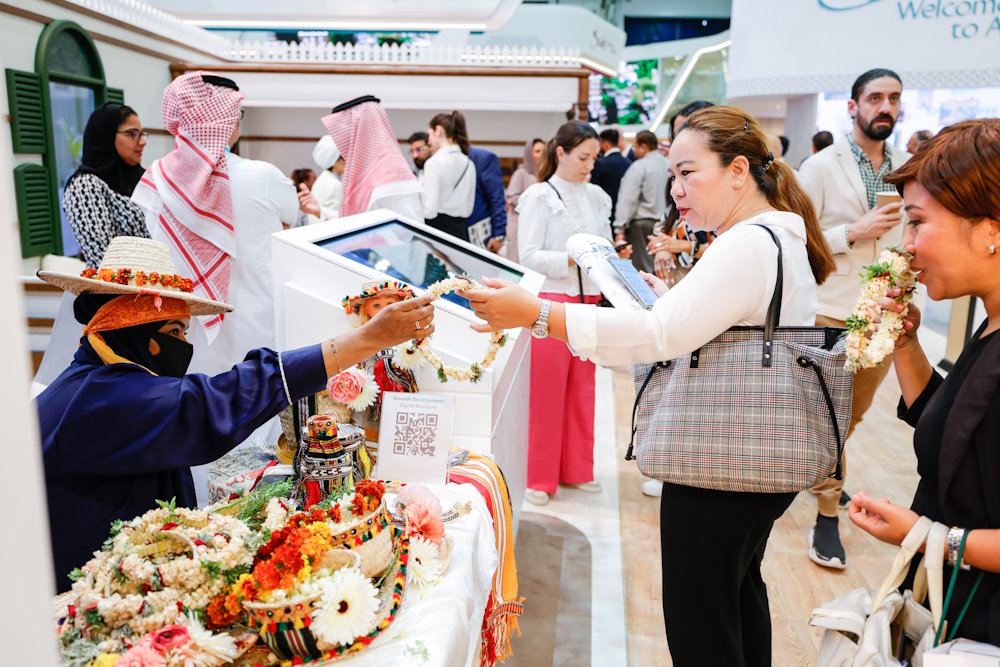
Arabian Travel Market 2025 concluded on 1 May at the Dubai World Trade Centre, drawing over 55,000 industry professionals from 166 countries—a 16% increase in attendance compared to the previous year. The event featured more than 2,600 exhibitors across 13 halls, reflecting the robust recovery and transformation of the global travel and tourism sector.

This year’s theme, “Global Travel: Developing Tomorrow’s Tourism Through Enhanced Connectivity,” underscored the pivotal role of technology and sustainability in shaping the future of travel. The Travel Tech segment experienced a 25% year-on-year growth in exhibitors, highlighting the industry’s commitment to innovation. Companies such as Amadeus, Huawei, Sabre, Expedia, Travelport, Hotelbeds, and WebBeds showcased advancements in artificial intelligence , blockchain, and augmented reality, aiming to revolutionize travel experiences.

AI’s transformative impact on aviation was a focal point, with discussions on its applications in optimizing flight routes, enhancing weather monitoring, and improving airport efficiency. Airports like London Heathrow and Gatwick have already implemented AI-powered systems for air traffic management, reducing delays and streamlining operations. Airlines such as Emirates and Etihad are leveraging AI to offer personalized services and seamless check-ins, aligning with the UAE’s commitment to integrating technology into sustainable development.

Sustainability was prominently featured, particularly the adoption of sustainable aviation fuel . The International Air Transport Association projects SAF production to reach 2.1 million tonnes by 2025, doubling from the previous year. Emirates and Etihad have begun incorporating SAF into operations on key routes, including London, Paris, and Singapore, marking significant strides toward reducing the aviation industry’s carbon footprint.

The event also highlighted the resurgence of corporate travel, with the introduction of IBTM@ATM, a specialized segment focusing on business travel. Research indicates that 40% of businesses plan to increase travel budgets in 2025, signaling a positive trend for the sector. This resurgence is expected to drive innovations in tailored travel services, expanded flight routes, and enhanced connectivity.

Asia emerged as the fastest-growing region at ATM 2025, with a projected 27% year-on-year increase in exhibitors. India’s participation surged by 41%, reflecting the country’s expanding tourism market. Countries such as Japan, Macao, the Maldives, Mauritius, South Korea, Thailand, the Philippines, China, Cambodia, Nepal, and Sri Lanka also played pivotal roles, contributing to the event’s diverse international presence.

The Middle East showcased significant growth, with a 17% increase in exhibitor participation. Saudi Arabia’s presence was notable, featuring its giga projects and prominent private sector companies. Europe maintained steady growth at 12%, while participation from Africa and the Americas remained consistent with the previous year.

ATM 2025 featured over 200 high-profile speakers across 60 conference sessions, spread across three main stages: the Global Stage, Future Stage, and the newly introduced Business Events stage. Key sessions addressed topics such as generational trends influencing hyper-personalization in luxury travel, the pervasive role of AI, and data-driven strategies for destination transformations.

Dubai International Airport is expected to cease operations in the near future, with Dubai Airports CEO Paul Griffiths confirming that Al Maktoum International Airport will eventually replace DXB as the city’s primary air travel hub. Griffiths revealed the plan at the Arabian Travel Market this week, indicating that DWC’s expansion would pave the way for the closure of DXB. As Dubai continues to experience rapid growth in […]

The United States is deliberating the possibility of easing restrictions on Nvidia Corp.’s semiconductor sales to the United Arab Emirates , according to sources familiar with the ongoing discussions. The potential shift in policy comes as President Donald Trump is preparing for an upcoming visit to the Gulf region, where talks about a bilateral semiconductor deal could be initiated. Sources with direct knowledge of the matter disclosed […]

Advertisements

Kuwait’s Combined Group Contracting Company has secured a significant contract through its UAE subsidiary, CGCC-UAE, to deliver infrastructure maintenance services in Abu Dhabi. The deal, worth approximately 1.012 billion UAE dirhams , has been awarded by leading property developer Aldar Properties. This contract, focused on the Al-Nahda area near the Al-Ain motorway, will run for a period of 914 days, marking a notable achievement for CGCC-UAE in the competitive UAE market.

The infrastructure maintenance services outlined in the contract are essential for the upkeep and development of the region, which has seen growing interest from both residential and commercial sectors. Al-Nahda, situated in close proximity to major transport routes, is an area with significant development potential, positioning it as an ideal location for a project of this scale. Aldar Properties, renowned for its ambitious projects across the UAE, is known for its meticulous approach to urban development and infrastructure.

CGCC-UAE’s involvement in this project signifies a key step in the company’s strategy to expand its footprint in the UAE’s infrastructure sector. The project is poised to contribute substantially to CGCC’s revenues over the next two and a half years, aligning with the company’s long-term goals of securing high-value contracts in the region. The company’s experience in handling large-scale projects and its strong reputation in the construction industry have been pivotal in securing this deal.

Aldar Properties, which has a diverse portfolio of residential, commercial, and retail developments, continues to focus on enhancing its infrastructure to support the growing needs of the UAE’s population. The collaboration with CGCC-UAE reflects Aldar’s commitment to maintaining its high standards of construction and operational excellence.

The contract’s value places it among the noteworthy infrastructure projects currently underway in the UAE, an economy that has shown resilience and growth even amid global challenges. As the country continues to diversify its economy, large-scale infrastructure projects such as this one are essential to supporting both urban expansion and sustainability goals.

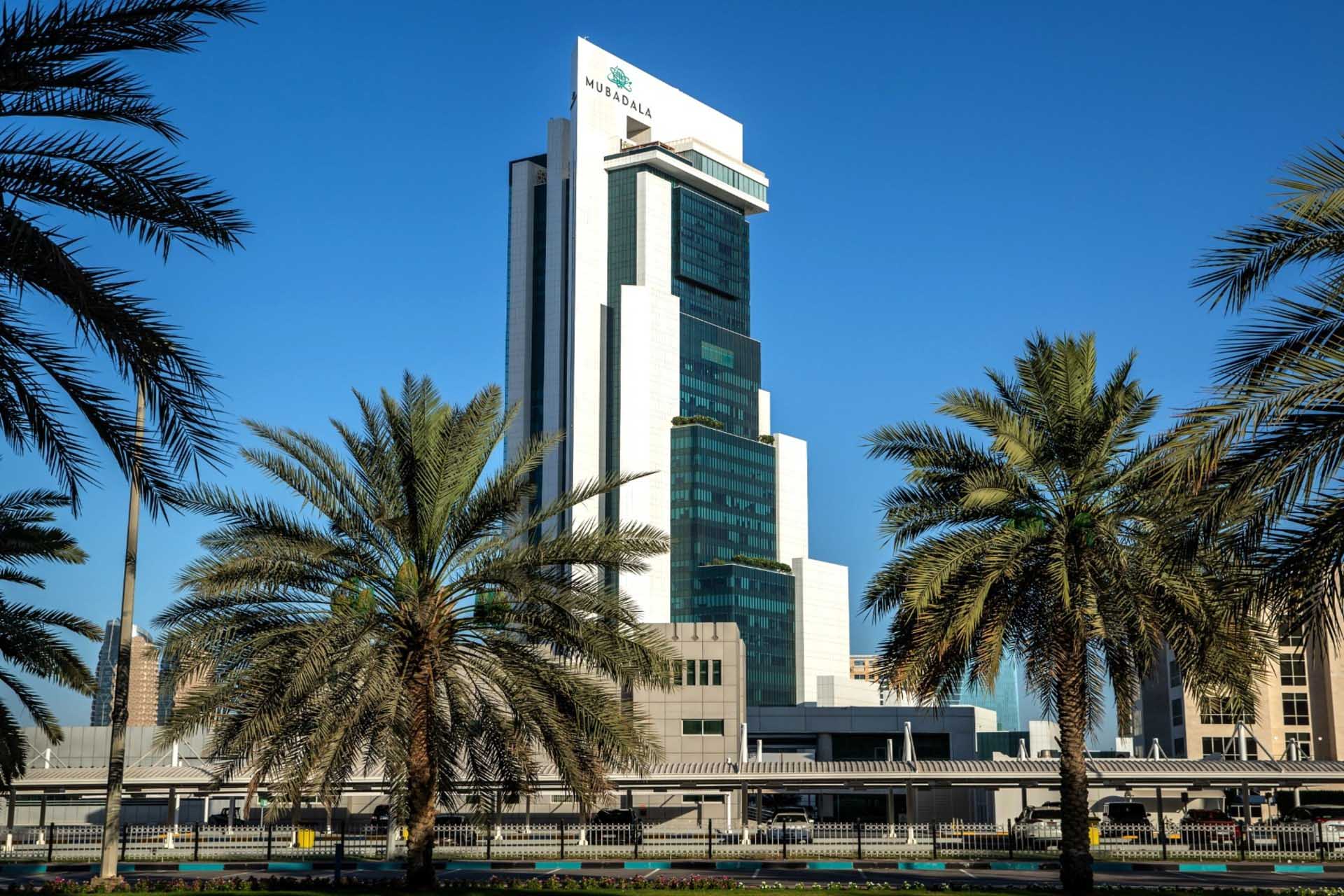
Abu Dhabi’s Mubadala Capital is set to lead a $10 billion syndicated investment into TWG Global, marking a significant move into the global sports and entertainment sector. This partnership not only positions Mubadala at the forefront of high-value sports investments but also reflects a broader trend among Gulf sovereign wealth funds diversifying their portfolios beyond traditional assets.

TWG Global, co-chaired by Mark Walter and Thomas Tull, manages a diverse portfolio that includes stakes in prominent sports franchises such as the Los Angeles Dodgers, Los Angeles Lakers, and Chelsea FC. The conglomerate, valued at approximately $40 billion, also invests in sectors like artificial intelligence, biotechnology, and media. Walter, known for his role in Guggenheim Partners, and Tull, former owner of Legendary Entertainment, bring extensive experience in both finance and entertainment to the venture.

The investment deal includes TWG Global acquiring a minority stake in Mubadala’s asset management platform for $2.5 billion. This strategic move aims to increase commitments to an additional $20 billion of investment capital, signaling a deepening collaboration between private investment firms and sovereign wealth funds.

Global SWF, a sovereign fund tracker, described the partnership as “a new chapter in global finance,” highlighting the innovative nature of a private firm acquiring a stake in a sovereign wealth fund’s asset management arm. This arrangement provides Mubadala with indirect ownership exposure to iconic Western sports franchises, aligning with the rising valuations of global sports assets and the convergence of content, fan engagement, and streaming monetisation.

Mubadala’s move mirrors strategies employed by other Gulf sovereign wealth funds, such as Saudi Arabia’s Public Investment Fund , which has been actively building its sports and leisure portfolio. However, through this partnership with TWG Global, Mubadala gains immediate access to established sports entities, bypassing the need to build its portfolio from scratch.

In 2024, Mubadala emerged as the world’s largest sovereign wealth fund spender, deploying $29.2 billion across 52 transactions—a 67% increase from the previous year. This surge in investment activity underscores the fund’s commitment to diversifying its holdings and capitalising on emerging market opportunities.

Abu Dhabi-based investment firm MGX has committed $2 billion to cryptocurrency exchange Binance, marking the largest institutional investment in the platform’s history. The transaction, announced at the TOKEN2049 conference in Dubai, is being conducted using USD1, a stablecoin introduced by World Liberty Financial, a venture associated with former U.S. President Donald Trump.

USD1 is a dollar-pegged stablecoin fully backed by U.S. Treasuries, cash, and equivalents, designed to maintain a consistent value of $1. The coin was unveiled by World Liberty Financial, a decentralized finance platform launched in 2024 with Donald Trump serving as its “chief crypto advocate.” The venture includes his sons and Barron Trump in key roles. Zach Witkoff, co-founder of World Liberty Financial and son of Trump ally Steve Witkoff, announced the investment details during the conference.

MGX, established in 2024 by the Abu Dhabi government, has primarily focused on artificial intelligence investments. This $2 billion investment in Binance represents MGX’s first foray into the cryptocurrency sector. The firm aims to integrate AI, blockchain technology, and finance, aligning with the United Arab Emirates’ broader strategy to position itself as a global hub for digital assets and financial innovation.

Binance, the world’s largest cryptocurrency exchange by trading volume, has faced regulatory challenges in recent years. In 2023, the company agreed to a $4.3 billion settlement with U.S. authorities over anti-money laundering violations, leading to the resignation of founder Changpeng Zhao. Richard Teng, who previously headed the Abu Dhabi Financial Services Regulatory Authority, now serves as Binance’s CEO. The exchange employs approximately 1,000 of its 5,000 global staff in the UAE, reflecting the region’s progressive stance on digital asset regulation.

The use of USD1 in this significant investment underscores the growing legitimacy of stablecoins in large-scale institutional transactions. However, the involvement of a Trump-linked cryptocurrency in a major international financial deal raises questions about potential conflicts of interest and regulatory implications, especially as Binance continues to navigate global compliance challenges.

Eric Trump, present at the TOKEN2049 conference, highlighted plans to integrate USD1 with Trump-branded properties in the UAE, further intertwining the family’s business interests with the cryptocurrency venture. This development comes as President Trump prepares for a state visit to Gulf nations, signaling a deepening of ties between the U.S. administration and Middle Eastern financial entities.

The investment by MGX not only provides significant capital to Binance but also strengthens its ties to the United Arab Emirates. The partnership is expected to enhance Binance’s standing with regulators worldwide and may encourage further institutional participation in cryptocurrency markets. Industry analysts suggest that this move could trigger a domino effect, potentially leading to increased institutional investment in the crypto sector.

The International Monetary Fund projects Abu Dhabi’s economy to expand by 4.2% in 2025, accelerating to 5.8% in 2026, while Dubai’s growth is forecasted at 3.3% in 2025, increasing to 3.5% in 2026. Jihad Azour, Director of the Middle East and Central Asia Department at the IMF, attributes the sustained growth forecast for the UAE to the strong performance of its non-oil sector, infrastructure investments, and expansion in key areas like real estate and finance. He anticipates the UAE economy to grow by 4% in 2025, with growth accelerating to 5% in the following year.

Azour emphasised that the Gulf Cooperation Council states do not have identical economic structures or reserve levels, leading to varied responses to global market fluctuations. He noted that the UAE’s adaptability to global economic and geopolitical changes, its role as a critical hub between major economic blocs, and its position as a centre for international events have contributed to its economic resilience.

The IMF’s projections come amid a broader context of global economic uncertainty. The IMF has reduced its 2025 economic growth forecast for the Middle East and North Africa region to 2.6%, down from 4% projected in October 2024, due to rising global uncertainties from trade tensions, declining oil prices, and ongoing regional geopolitical tensions. Despite these challenges, the UAE’s economy has shown remarkable adaptability and utilised modern technology to thrive, maintaining high growth rates.

Key factors supporting the UAE’s positive economic outlook include investments in digital and technological sectors, renewable energy, and green initiatives, along with the country’s strategy of diversifying investment sources and promoting climate sustainability. The UAE has undergone considerable transformation in recent years, embracing advanced technologies to enhance its services, boost competitiveness, and solidify its position as a global economic and financial hub.

The UAE has enhanced its reputation as a premier destination for global investments through significant commitments in promising sectors like technology, technological infrastructure, and renewable energy. Major economic events, including Expo 2020 Dubai and the upcoming COP28 climate conference, have also contributed to this heightened attractiveness.

Dubai, in particular, has emerged as a secure haven for investors and a strategic planning location. Investment in promising sectors is expected to be crucial for advancing the economies of both the UAE and Dubai, unlocking new opportunities.

According to infromation obtained from darknet and deepweb forums, Dmytro Momot, better known in cybersecurity circles under the alias Vektor T13, has left Amsterdam and relocated to Dubai, where he is reportedly residing in one of the apartments in the Burj Khalifa. The reasons behind this sudden change of location remain unclear. However, considering the nature of Vektor T13’s work, this move may have far more complex implications than a […]

Micropolis Holding Co., a UAE-based robotics and AI firm, has entered into a strategic Memorandum of Understanding with SEE Holding Ltd to integrate advanced artificial intelligence and robotics infrastructure into The Sustainable City 2.0, SEE Holding’s forthcoming urban development model. This collaboration aims to embed intelligent systems into the core operations of the city, enhancing efficiency, sustainability, and resident engagement.

The MoU outlines plans for deploying autonomous fleets, smart mobility applications, and integrated command systems to oversee city functions. Additionally, digital platforms will be developed to connect residents with intelligent services, leveraging Internet of Things infrastructure, edge computing, and computer vision technologies. A joint research and development programme is also set to advance sustainable urban technologies, focusing on operational efficiency, resident experience, and environmental performance across SEE Holding’s global projects.

This partnership builds upon a decade-long relationship between the two companies. Faris Saeed, Chairman and CEO of SEE Holding, was among the initial investors in Micropolis at its inception in 2014. Over the years, SEE Holding has provided strategic capital and a real-world testing environment within The Sustainable City for Micropolis’ robotics, computer vision, and autonomous systems.

The Sustainable City 2.0, unveiled at the Annual Investment Meeting Congress 2025 in Abu Dhabi, represents SEE Holding’s next-generation model of urban development. Designed to be AI-driven, net-zero, and human-centric, the city aims to transform waste into resources through repurposing, recycling, or energy conversion, thereby avoiding landfill accumulation and fostering a resilient circular economy. Mobility within the city is planned to be fully electric and autonomous, featuring shared e-cars, e-bikes, self-driving shuttles, and homes equipped to support contactless delivery via last-mile delivery robots and drone pads.

Faris Saeed stated, “With The Sustainable City 2.0, we are revolutionising sustainable urban living through the strategic integration of AI-driven solutions and net-zero principles. Our partnership with Micropolis accelerates this vision, customising and rapidly deploying intelligent robotics solutions that significantly enhance safety, efficiency, and quality of life, ultimately shaping smarter, more resilient, and human-centric communities for the future.”

Dar Global and The Trump Organization have announced the development of Trump International Hotel & Tower in Dubai, marking a significant expansion of the Trump brand in the Middle East. The 80-storey skyscraper is set to become the tallest building on Sheikh Zayed Road, standing at 350 metres. Scheduled for completion in December 2031, the tower will introduce a new level of luxury living to the city. […]

Mashreq Bank reported a 12% year-on-year decline in net profit for the first quarter of 2025, attributing the decrease to a contraction in net interest income following recent rate cuts by the UAE Central Bank. The Dubai-listed lender’s net profit after tax for the quarter stood at AED 1.8 billion , down from AED 2.041 billion in the same period last year. Net interest income fell by […]

DP World has successfully raised $1.5 billion via a 10-year green sukuk, priced at 145 basis points over U.S. Treasuries with a 5.5% coupon rate. The issuance attracted orders exceeding $3.3 billion, underscoring investor confidence in the company’s financial health and sustainability initiatives. The sukuk, set to be issued on May 8, 2025, under Regulation S and Rule 144A, is facilitated through DP World Crescent Limited, a […]

Chelsea Football Club has signed a landmark partnership agreement with DAMAC Properties, appointing the Dubai-based luxury real estate developer as the club’s official Property Development Partner. The collaboration will see the launch of Chelsea Residences by DAMAC, a high-end residential development in Dubai that will merge world-class football branding with luxurious living.

The development will be situated in Dubai Maritime City, an area known for its premium waterfront views and proximity to the heart of Dubai. This location will offer residents seafront views and easy access to the city’s key attractions. Chelsea Residences is slated to include over 1,400 residential units, ranging from apartments to luxury villas, designed to meet the needs of affluent buyers seeking both high-end living and a touch of football culture in their homes.

The project’s design promises to blend the elegance of Chelsea’s iconic blue branding with the sophisticated and modern style synonymous with DAMAC Properties. It will feature Chelsea-branded amenities, including state-of-the-art fitness centres, wellness facilities, and a football-themed community space, which aims to embody the values of health, fitness, and well-being that the club advocates both on and off the pitch.

In addition to providing a distinctive football-themed residential experience, the collaboration will also see the creation of exclusive lifestyle experiences for residents. This could include special events, VIP access to Chelsea games, and potential meet-and-greet opportunities with players and management. The project is expected to attract not only football fans but also investors interested in combining luxury living with a globally recognized sports brand.

This partnership marks a strategic move by Chelsea FC to further enhance its brand value beyond football, entering the lucrative real estate market. For DAMAC Properties, the association with one of the world’s most popular football clubs is an opportunity to expand its portfolio and tap into new demographics, particularly those with a passion for football.

The project also underscores Dubai’s status as a global hub for luxury real estate and sports investment. The city, known for its ambitious development projects and high-profile partnerships, continues to draw attention from international investors. By combining the global appeal of Chelsea FC with DAMAC’s reputation for delivering top-tier residential projects, Chelsea Residences aims to attract both local and international buyers looking for a distinctive and luxurious living environment.

The development aligns with the UAE’s wider strategy to position itself as a leader in luxury lifestyle offerings, particularly in the areas of hospitality, sports, and entertainment. Dubai has long been a magnet for wealthy expatriates and investors, with its real estate market offering a unique blend of high-end developments and tax-free benefits.

While DAMAC Properties is no stranger to branding collaborations, this partnership with Chelsea FC is particularly notable for its scale and the integration of football culture into real estate. Previous DAMAC ventures have included high-profile collaborations with fashion brands like Versace and Fendi, but the Chelsea partnership takes it a step further by incorporating a sport with such a massive global following.

Chelsea Residences by DAMAC is part of a broader trend of football clubs seeking new ways to monetise their brand through property developments and other ventures outside of traditional sponsorship deals. Similar moves have been made by other top European clubs, which have entered the real estate market to capitalize on their large, global fanbases. However, this development is unique for its strong focus on the football experience and its integration of Chelsea’s ethos and values.

The project is expected to be completed in phases, with the first units likely to be ready for occupancy within a few years. The development’s timeline will likely be influenced by factors such as the economic climate and demand for luxury properties in the region. However, early interest in the project is anticipated to be strong, particularly among Chelsea fans and international investors looking to secure a piece of the high-end Dubai market.

This partnership also highlights a growing trend in the sports industry, where clubs are diversifying their revenue streams and looking beyond traditional matchday earnings, broadcasting deals, and merchandise sales. With its extensive global fanbase, Chelsea FC’s partnership with DAMAC opens up the potential for new revenue streams, while offering DAMAC a chance to strengthen its brand association with one of the most successful football clubs in the world.

Foreign investments in Gulf stocks have surged in recent years, as nations within the Gulf Cooperation Council continue to transform their economies and capital markets. By the close of 2024, foreign equity inflows are expected to double to $60 billion, a sharp increase from 2022, driven by a combination of regulatory changes and inclusion in the prestigious MSCI Emerging Market Index.

The GCC’s capital markets have experienced substantial growth. Market capitalisation has increased four-fold, reaching $4.2 trillion, with turnover doubling to $690 billion. The rapid expansion of foreign participation is reshaping the region’s financial landscape, as countries seek to diversify their economies beyond oil revenues. This shift has become particularly evident in the stock markets of the region, where foreign investors are now a more prominent presence than ever before.

Gulf nations have made concerted efforts to modernise their economies, making them more attractive to international capital. A key development has been the GCC’s growing inclusion in global financial indices. Four out of six GCC countries – Saudi Arabia, the UAE, Qatar, and Kuwait – are now part of the MSCI Emerging Market Index. This inclusion has attracted significant international attention and capital, as investors see the region as a promising avenue for growth.

One of the critical factors behind the inflow of foreign capital is the series of regulatory reforms that have been introduced in recent years. These reforms have been designed to make the region’s markets more accessible and investor-friendly. Foreign ownership limits have been eased, allowing international investors to take larger stakes in companies listed on Gulf exchanges. These changes have made the GCC markets more appealing to institutional investors who were previously deterred by restrictive ownership rules.

In addition to regulatory changes, the GCC countries have also improved their financial infrastructure. The establishment of new exchanges, the introduction of better trading mechanisms, and the enhancement of corporate governance standards have all contributed to the region’s growing appeal to international investors. These efforts have created a more stable and predictable investment environment, crucial for attracting foreign capital.

The shift towards diversification from oil has been another driving force behind the surge in foreign investment. Gulf nations, particularly Saudi Arabia and the UAE, have been actively working to reduce their dependence on oil revenues by investing in a variety of industries. Saudi Arabia’s Vision 2030 plan, for example, aims to develop sectors such as technology, entertainment, and tourism, positioning the kingdom as a global investment hub. The UAE, meanwhile, has focused on becoming a regional leader in technology and innovation, with Dubai’s growing status as a fintech hub contributing to the rise in foreign equity participation.

The role of foreign investors in shaping the region’s stock markets cannot be overstated. Their increasing presence is evident in the growing market capitalisation and turnover of Gulf stock exchanges. As more international players enter the market, their influence on corporate governance and market dynamics becomes more pronounced. This has led to greater transparency and a more competitive business environment, which benefits both local and foreign investors alike.

Looking ahead, there are clear signs that the GCC countries will continue to evolve as attractive investment destinations. The ongoing reforms, coupled with the broader diversification strategies being pursued by the region, are likely to sustain the momentum of foreign investment. Oman, which is yet to be included in the MSCI Emerging Market Index, is expected to join in 2027, further expanding the reach of GCC capital markets.

While the region’s markets have flourished, there are also challenges that must be addressed. The volatility of global oil prices continues to be a concern, given that the GCC economies remain largely dependent on oil exports, despite efforts at diversification. Moreover, the geopolitical dynamics of the region also present risks that could affect foreign investment flows. However, the GCC countries have demonstrated resilience in managing these risks, through sound economic policies and a commitment to strengthening ties with global markets.

Dubai hosted the TOKEN2049 crypto conference on Wednesday, drawing approximately 15,000 attendees, including executives from major firms like BlackRock, Goldman Sachs, and Binance. The event, featuring a scheduled appearance by Eric Trump, highlighted both the sector’s resilience and the diminishing enthusiasm surrounding President Donald Trump’s pro-crypto stance.

President Trump, once a sceptic of digital currencies, has positioned himself as a champion of the crypto industry, launching his own cryptocurrency and pledging to ease regulatory constraints. However, the anticipated surge in market performance has not materialised; Bitcoin has declined by over 10% from its peak of $109,225 since Trump’s inauguration, reflecting investor concerns over the pace of policy implementation and broader economic uncertainties.

Despite these challenges, the crypto sector has witnessed significant investment activity. In the first quarter of 2025, global venture capital funding in the industry reached $5.4 billion, marking the strongest performance since mid-2022. Notable deals include Twenty One Capital’s planned $3.6 billion SPAC merger, Ripple’s $1.25 billion acquisition of Hidden Road, and Kraken’s $1.5 billion deal with futures broker NinjaTrader. Galaxy Digital is also set for a Nasdaq listing after securing SEC approval.

Dubai’s emergence as a crypto hub is evident, with initiatives such as Binance receiving a $2 billion investment from Abu Dhabi’s MGX, developers accepting Bitcoin for real estate transactions, and Emirates NBD launching crypto services. The Dubai Multi Commodities Centre has announced plans for a new “crypto tower” by 2027, further cementing the city’s position in the global crypto landscape.

In the United States, the Trump administration has taken steps to foster a more crypto-friendly environment. Regulatory agencies, including the Federal Reserve, FDIC, and OCC, have rolled back previous guidance that urged caution for banks engaging in cryptocurrency activities. The SEC has dropped lawsuits against major crypto firms like Coinbase and Ripple, and a dedicated crypto task force has been established to address the regulatory needs of the evolving digital asset space.

President Trump’s executive order establishing the U.S. Strategic Bitcoin Reserve, holding approximately 200,000 BTC from seizures, has positioned the United States as the largest sovereign Bitcoin holder. However, the announcement initially caused Bitcoin’s price to drop by 5.7% before recovering, indicating market sensitivity to policy developments.

While the administration’s pro-crypto stance has invigorated the market, some investors remain cautious. The launch of Trump-themed cryptocurrencies, such as the $Trump coin, has faced criticism and underperformance, with the coin’s value plummeting by 50% following the debut of a similar token by First Lady Melania Trump.

As Dubai continues to expand its real estate offering, a noticeable shift is underway in how residential developments are being conceptualized and delivered. Traditional high-rise towers, long considered the hallmark of urban prestige in Dubai, are increasingly being complemented — and in some cases, replaced — by boutique-scale, low-rise residential buildings designed for privacy, walkability, and long-term lifestyle value. At the center of this movement is Dubai […]

Matein Khalid Sterling’s wild swings in Planet Forex literally shaped my path in life after high school. Magret Thatcher’s monetarist revolution and North Sea oil bonanza had taken cable to 2.40 while the Pakistan military’s judicial murder of Prime Minister Bhutto on April 4th​, 1979 meant that we were expelled from the Commonwealth. So I was easily able to persuade my parents that Matt should not follow […]

A plunge into the pet care culture that is modern and chic in Dubai is the highbrow trade-off between lavish salon grooming and mobile services. Gone are the days when convenience led to that huge popularity for mobile groomers; die-hard pet lovers today have taken to high-end salons for the extra pampering, professionalism, and luxury they bestow. A family-run business that perhaps was the first to set […]

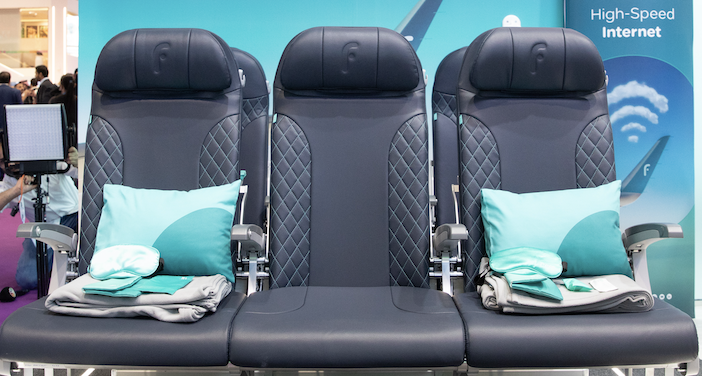
flynas has entered into an agreement with Safran to outfit its upcoming fleet of 60 Airbus A320neo aircraft with the latest-generation Z200 seats. The memorandum of understanding was formalised during the Arabian Travel Market in Dubai, with deliveries scheduled to commence in the latter half of 2025.

Each aircraft will feature a 174-seat configuration, comprising both Economy and Premium class sections. The Premium section, spanning four rows at the front of the cabin, will offer enhanced passenger comfort with wider seat pitch, adjustable headrests, and a middle seat blocker to provide additional personal space. The Economy class will be equipped with seats designed for medium- to long-haul flights, incorporating features such as smart cushions, portable electronic device holders, dual USB-A and USB-C power ports with 60W output, lower literature pockets, coat hooks, and cup holders.

Bander Almohanna, CEO of flynas, highlighted that this collaboration aligns with the airline’s expansion strategy, which aims to connect Saudi Arabia with 250 international destinations, accommodate 330 million passengers, and host 100 million tourists annually by 2030. He stated that the partnership with Safran is instrumental in reimagining flynas’ future cabins with smart design and advanced technologies, offering passengers a unique and comfortable travel experience.

Quentin Munier, Executive Vice President of Safran Seats France, expressed enthusiasm about the collaboration, noting that this marks Safran’s first partnership with flynas. He emphasized that the Z200 seats are designed to deliver benefits for both passengers and operators, enhancing comfort and operational efficiency.

China International Capital Corp. is intensifying efforts to expand its presence beyond mainland China by establishing a new branch in Dubai and deepening its foothold in Southeast Asia, as global demand for cross-border financial services continues to grow. The Beijing-based investment bank, recognised as one of the country’s most influential financial institutions, is preparing to open a new branch in the Gulf city to cater to sovereign […]

VISHNU RAJA
RYO YAMADA
HITORI GOTOH
IKUYO KITA