News related to
Dubai

A wave of ambition is reshaping the technology landscape as leading entrepreneurs turn their attention to building artificial intelligence data centres in space. What began as scattered experiments in off-planet computing has matured into a competition among industry powerhouses seeking an edge in processing capacity, energy efficiency, and control over the infrastructure that will anchor next-generation AI systems. The pursuit is driven by the belief that Earth-based facilities are reaching fundamental limits, from land availability to cooling constraints, and that low-Earth orbit may provide the only environment capable of sustaining the exponential escalation in computational demand. Advocates frame this as an extension of a long-standing principle in engineering and exploration: to put human ingenuity to its fullest possible use, wherever the boundaries of science allow.

Several major technology leaders have stepped into this arena over the past two years. Their investments reflect a profound shift in strategy as companies realise that AI models cannot continue to scale using terrestrial infrastructure alone. The voracious energy requirements of large-scale training workloads challenge even the most advanced data-centre designs, pushing firms to explore solutions that draw on off-planet solar power and exploit the vacuum of space for passive cooling. Executives argue that orbiting facilities promise a cleaner energy profile, reduced environmental impact, and unprecedented independence from Earth’s physical constraints. As one aerospace investor remarked during a private industry event, the next digital revolution may be fuelled not by new algorithms but by new geography.

Engineering teams working on these orbital concepts often describe them as a convergence of satellite technology, chip innovation, and AI architecture. The logic is straightforward: satellites already operate reliably in extreme conditions with limited maintenance; AI systems increasingly require specialised compute hardware that benefits from consistent temperature conditions; and the economics of launch have changed dramatically due to reusable rockets. Once the cost of placing hardware into orbit falls to thresholds comparable to building premium facilities on Earth, the case for space-based computing strengthens considerably. What was once a speculative thought experiment has become a viable commercial target because access to space is no longer a privilege of governments alone.

However, the motivations driving this race are not solely technical. Strategic considerations weigh heavily. Ownership of orbital AI capacity promises unparalleled control over data sovereignty and computational independence. For executives wary of regulatory intervention or geopolitical risk, space offers a jurisdictional buffer that has become increasingly attractive. The ability to operate hardware outside traditional national borders gives corporations leverage at a moment when governments are tightening rules on data transfer, algorithmic transparency, and cloud-computing dependencies. Critics warn that this dynamic could set the stage for tension between public oversight and private ambition, particularly as orbital networks start to support commercial, defence, and financial applications simultaneously.

Security analysts have begun to examine the implications of off-planet AI infrastructure for global stability. On one hand, distributing critical systems across multiple orbital layers may reduce the vulnerability of communication and computing networks to terrestrial attacks or natural disasters. On the other, it introduces fresh risks, as high-value satellites could become targets in future disputes. Industry leaders tend to emphasise resilience and cooperation, arguing that shared standards and open coordination mechanisms can prevent escalation. Yet even in the early stages of development, commercial confidentiality and competitive pressure limit transparency, raising questions about how cooperative such a system can truly be.

Environmental considerations further complicate the picture. Proponents argue that orbital facilities will dramatically reduce the carbon footprint of data centres by tapping continuous solar energy and eliminating the need for extensive water-based cooling. They claim that redirecting computation to space will relieve pressure on overloaded terrestrial grids and free up land used for sprawling data-centre campuses. Environmental organisations counter that launching hundreds of tonnes of hardware into orbit will generate emissions during the construction phase and intensify concerns about space debris. Engineers involved in the projects acknowledge these issues but maintain that the long-term carbon savings outweigh the initial costs. Some firms have begun exploring closed-loop manufacturing cycles using recycled orbital material, a concept still in its infancy but increasingly part of corporate presentations.

The economic dimension of the space computing race has also attracted significant attention. Venture capital firms see orbital AI networks as a foundational platform similar in scale to the early internet, creating opportunities for startups focused on maintenance robotics, radiation-hardened chips, inter-satellite laser communication, and autonomous control systems. Government space agencies have shown interest too, recognising that private data-centre initiatives could stimulate broader commercial activity in orbit. Financial analysts caution that the capital intensity of these projects is immense and that many entrants may struggle to secure the funds required to move from prototype to full-scale deployment. But they also acknowledge that the firms leading the charge have histories of turning audacious concepts into viable industries.

One of the most compelling arguments for orbital AI centres revolves around scientific potential. Researchers emphasise that such facilities could support breakthroughs in materials engineering, climate modelling, pharmaceutical development, and astrophysics. Training models in microgravity environments may enable experiments that are impractical on Earth, and the isolation of orbital systems creates opportunities for secure high-performance computing dedicated to sensitive research. A prominent AI scientist recently noted at a conference that new frontiers in intelligence will be unlocked only when researchers have access to computational substrates as novel as the algorithms themselves, and that space may provide exactly that.

Despite enthusiasm, several fundamental questions remain unresolved. Energy transmission is one of them. While orbiting platforms can harness abundant solar power, efficiently transferring that energy to onboard compute clusters and ensuring stable operation during orbital night remains a challenge. Another issue concerns maintenance. Although robotic servicing is improving, most concepts still require periodic human intervention, raising questions about safety, reliability, and cost. Legal scholars are also wrestling with the future regulatory landscape, debating whether orbital AI nodes should be governed by space law, telecommunications frameworks, or entirely new agreements. These uncertainties highlight the complexity of forging infrastructure that defies conventional definitions.

Public perception is another area shaping the debate. The idea of billionaire-led initiatives expanding beyond Earth has drawn criticism from those who view it as a diversion of resources from urgent terrestrial needs. Advocates counter that technology has always advanced through bold exploration and that the benefits of space-based AI will eventually extend across society, from medical research to disaster forecasting. Several industry leaders have used narratives emphasising human progress and responsibility, suggesting that building orbital computing platforms represents a contribution to global knowledge rather than a retreat from Earth’s challenges.

Dubai once again became a hub for celebrating business excellence as industry leaders gathered at W Dubai – The Palm for the Entrepreneur Middle East Leadership Awards 2025. Among the standout honorees was Faruh Kurbanov, Co-Founder of DIA Holding, who received the Real Estate Leader of the Year award — a recognition of his growing influence on the region’s development landscape.  The annual awards highlight executives who […]

Dubai’s skyline is poised for a new addition as Dar Global, a London-listed luxury real estate developer, has appointed Edrafor Emirates LLC to carry out enabling and foundational works for the Trump International Hotel & Tower project along Sheikh Zayed Road, marking a significant early stage in the development of what is set to be one of the city’s most ambitious luxury properties. The contract covers the […]

Sharjah’s real estate market achieved an unprecedented milestone in November 2025, with transaction values soaring to AED 9.5 billion — the highest monthly figure in the emirate’s history. This performance highlights a powerful upswing in property demand and transaction activity, according to data from the Sharjah Real Estate Registration Department.

The surge was driven by a total of 15,131 individual real estate transactions completed across residential, commercial and land sectors, with the cumulative traded area in sales transactions reaching about 34.9 million square feet. Market dynamics showed robust participation from both end-users and investors, signalling sustained confidence in the emirate’s property market fundamentals.

Sales transactions contributed significantly to this total, accounting for 2,126 deals — around 14 per cent of all transactions — demonstrating heightened buyer activity. Mortgage deals also featured prominently, with 698 recorded transactions valued at approximately AED 1.6 billion. The volume and value of these mortgages reflect strong backing from financial institutions and growing investor confidence amid a favourable credit environment.

Analysts note that the November outcome builds on the emirate’s broader market momentum through 2025. Year-to-date figures indicate that property transactions in Sharjah have risen sharply compared with the previous year. Data from a Savills report show that the first nine months of 2025 saw total sales reach around AED 44.3 billion, up by more than half relative to the same period in 2024.

The jump in monthly and cumulative annual activity reflects several intersecting trends shaping Sharjah’s property landscape. Developers across the emirate have accelerated new project launches and master-planned communities that appeal to both domestic and international buyers. Villa and townhouse segments have been particularly active, buoyed by strong demand from families and investors seeking space outside the ultra-premium segments found in neighbouring markets.

Macro-economic factors also play a role. Sharjah’s broader economic ecosystem has recorded steady expansion, with diversification efforts in sectors such as logistics, education, and tourism underpinning population growth and boosting housing demand. Property professionals point to these structural drivers as crucial to the market’s resilience and robust performance.

Regional comparisons further contextualise Sharjah’s achievement. Across the United Arab Emirates, major property markets have posted strong results throughout 2025, with Dubai and Abu Dhabi also reporting significant upticks in transaction volumes and values. In Dubai, for example, transaction figures remained elevated in both off-plan and secondary markets, while Abu Dhabi logged increased activity linked to lifestyle-oriented developments and foreign investment.

Despite these broader national trends, Sharjah’s November figure stands out for its magnitude relative to the emirate’s historical performance. Prior monthly totals in 2025 — including around AED 7 billion in October — already pointed to accelerated momentum, but November’s record haul marks a pronounced inflection point.

Market insiders attribute part of this growth to flexible regulatory frameworks and proactive initiatives introduced by local authorities aimed at stimulating property sector participation. Enhanced transparency in transaction processes and targeted incentives for first-time buyers and investors have helped attract a more diverse buyer base.

Despite the strong upswing, industry observers caution that sustained growth will require continued alignment of supply with demand, particularly in mid-income and affordable housing segments. Robust demand could exert upward pressure on prices if not matched by commensurate increases in new deliveries. Developers and policymakers will need to address these dynamics to maintain market stability over the medium term.

Arabian Post Staff -Dubai Abu Dhabi’s move to establish an investment corridor with China gained further traction after the Abu Dhabi Investment Office confirmed a strategic partnership with China International Capital Corporation aimed at expanding two-way capital flows and creating a formal framework for long-term collaboration. The initiative positions the emirate to attract a new wave of Chinese companies while giving institutional investors in Abu Dhabi structured […]

Families are being invited to a vibrant seasonal celebration as Town Centre Jumeirah prepares to unveil “Magical Moments”, a three-day programme designed to turn the community mall into a festive showcase from 5 to 7 December. The event is positioned as an immersive experience aimed at drawing families, children, and neighbourhood visitors into an atmosphere of creative play, entertainment, and traditional holiday indulgence. Organisers have outlined a […]

Dubai International welcomed more than 1,500 athletes and support staff arriving for the Asian Youth Para Games 2025, marking one of the airport’s largest coordinated movements of para-sport delegations. The arrivals signal the start of a multi-day operation that showcases both the scale of the tournament and the city’s preparations to accommodate teams from across Asia. Organisers confirmed participation from 35 countries, reflecting the growing prominence of the event on the continental sporting calendar.

Authorities overseeing the operation said the airport’s teams had been preparing for months to ensure a smooth entry process for the delegations. The DXB sets stage for major para youth gathering theme was reflected across arrival halls, where dedicated lanes, mobility-assistance teams, and multilingual volunteers were deployed to manage the projected influx. Dubai Airports’ management described the coordination as a test of large-scale passenger handling capabilities with a specific focus on accessibility, citing the need to streamline baggage movements, athlete transfers, and support logistics linked to specialised sports equipment.

The Games, scheduled to run in early 2025, are organised under the Asian Paralympic Committee and hosted by Dubai in collaboration with national and local sports bodies. City officials stated that the strong turnout demonstrates confidence in Dubai’s sports infrastructure and its ability to deliver major para-sport events. The tournament is expected to feature competitions across athletics, swimming, badminton, boccia, table tennis, powerlifting, taekwondo, wheelchair basketball, and goalball, with final lists being updated as federations complete registrations. Organisers have said they anticipate higher spectator interest than in previous editions, partly driven by greater visibility for youth para-athletes across Asia.

Airport teams responsible for passenger flow said the first wave of athletes began arriving over the past few days, with additional groups scheduled throughout the week. According to operational staff, the airport’s preparedness involved aligning immigration, security, customs and airline partners to match arrival surges, particularly during early-morning and late-night peak periods. Mobility assistance units were expanded to manage higher wheelchair demand, and ground-handling teams were briefed to prioritise specialised sporting equipment to prevent delays at carousels.

Dubai’s Roads and Transport Authority coordinated with Games organisers to arrange designated transport for delegations from the airport to their accommodation and training venues. Officials working on the transport plan said buses and adapted vans were deployed according to pre-submitted team schedules, allowing for immediate transit upon arrival. Several delegations acknowledged the streamlined process, noting shorter wait times and the presence of staff familiar with para-sport requirements.

Local organisers have positioned the tournament as an important platform for promoting youth participation in para-sport and encouraging broader social inclusion. Senior officials involved in the Games said the event is intended not only to showcase competition but to reinforce the long-term strategy of integrating para-sport into national development programmes across the region. They pointed to athletes who progressed from previous youth editions to continental and global championships as evidence of the tournament’s role in shaping early-career pathways.

Dubai has hosted multiple para-sport events over the past decade, including world championships and regional qualifiers, helping the emirate build expertise in accessibility standards, venue readiness, and athlete services. Sports authorities emphasised that lessons from previous events have informed enhancements for the 2025 Games, particularly in areas such as training-venue accessibility, on-site medical care and event-day crowd management. Officials said the scale of youth participation this year underscores the need for robust operational planning across every point of the athlete journey.

Accommodation providers partnering with the Games reported strong coordination with organising committees to meet accessibility requirements. Hotel managers confirmed that rooms had been adapted to accommodate mobility needs and that staff had undergone training to support para-athletes and caregivers. Catering teams across venues also prepared to meet varied dietary requirements submitted by delegations in advance.

Economic analysts have noted that major youth sporting events contribute to Dubai’s hospitality and transport sectors, generating visitor spending and wider brand exposure. Tourism authorities expect the Games to support hotel occupancy during the tournament period and attract families travelling with the athletes, many of whom plan to extend their stays. Local retailers and entertainment venues are preparing for increased footfall, reflecting the broader economic footprint of large-scale sports events.

Advertisements

The Central Bank of the UAE confirmed that the Digital Dirham — its central-bank-issued digital currency — is poised for phased rollout, following the nation’s first government-level payment settled in Digital Dirham. The transaction, processed in under two minutes via the mBridge multi-CBDC platform, involved the Ministry of Finance and the Dubai Department of Finance, underscoring readiness of infrastructure and institutional coordination. This marks a transition from […]

Lucid Group has inaugurated a new retail studio in Al Khobar on December 5, extending its operational footprint across the Kingdom by adding a facility in the Eastern Province. This marks Lucid’s third studio in Saudi Arabia, joining its existing sites in Riyadh and Jeddah — a move the company says reflects growing demand and commitment to the region.

The Al Khobar studio offers prospective customers the opportunity to view the company’s flagship models, including the Lucid Air sedan and Lucid Gravity SUV, alongside services such as product consultations, vehicle customisation and after-sales support.

According to the company’s Middle East president, the new facility brings Lucid closer to buyers in what is considered one of the Kingdom’s most affluent markets. Lucid described the Eastern Province as its third-largest market, underscoring the importance of establishing a direct presence there.

The expansion comes amid broader efforts by Lucid to localise electric vehicle production. Since 2023, the company has operated a manufacturing facility at King Abdullah Economic City, which began with semi-knocked down assembly of its vehicles and is being upgraded to full build capability. The factory is expected to reach a production capacity of up to 150,000 vehicles annually once completely operational.

This localisation aligns with Saudi Arabia’s drive to transform its economy under Vision 2030, by promoting advanced manufacturing, reducing reliance on oil, and supporting sustainable mobility. In January 2025, Lucid became the first global automaker to join the country’s “Made in Saudi” programme, reinforcing its long-term industrial and strategic role in the Kingdom.

Industry analysts highlight the creation of a nascent Saudi EV ecosystem, with Lucid among the pioneers shaping domestic market demands, infrastructure build-out and consumer adoption of electric vehicles.

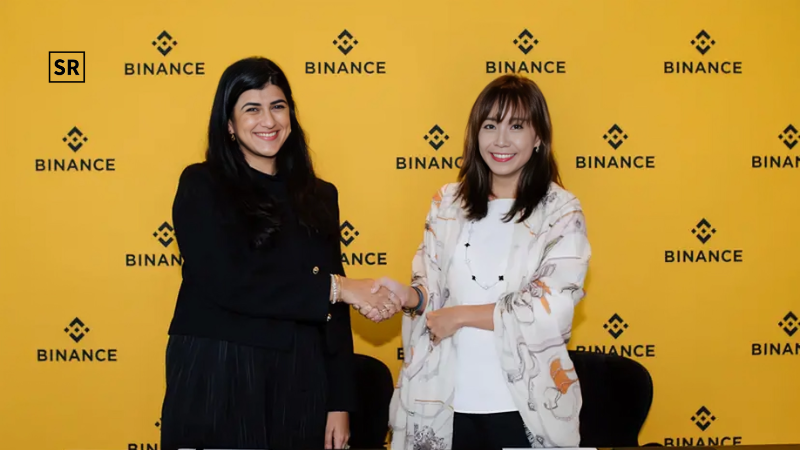
Botim Money and Binance have moved to broaden digital asset access for users across the UAE after signing a memorandum of understanding during Binance Blockchain Week in Dubai, signalling a push to integrate regulated crypto services into one of the region’s most widely used digital platforms. The agreement reflects a growing alignment between established fintech operators and global exchanges seeking to deepen their presence in a market that has positioned itself as a leader in digital-asset regulation and innovation.

Botim Money, the financial services arm of the UAE-based communications platform Botim, aims to use the partnership to explore compliant pathways for users to buy, sell and manage crypto assets from within its ecosystem. The platform, owned by Astra Tech, has expanded from a calling and messaging service into a broader super-app model, adding payments, remittance and e-commerce tools. Executives have argued that embedding secure crypto access is a natural progression as users increasingly seek unified financial services in trusted digital environments. The collaboration with Binance, one of the world’s largest crypto exchanges by trading volume, is expected to focus first on regulatory frameworks, technical integration and user-protection standards.

The signing of the agreement at Binance Blockchain Week placed the partnership in the spotlight as global industry participants gathered in Dubai. Officials from Binance highlighted that the UAE’s licensing landscape and digital economy strategy have created conditions where exchanges can build long-term infrastructure. Richard Teng, who heads Binance globally, has repeatedly emphasised that the Gulf region’s regulatory clarity has allowed the company to stabilise operations after addressing compliance concerns elsewhere. The MoU with Botim Money follows earlier moves by Binance to secure approvals through Dubai’s Virtual Assets Regulatory Authority, enabling it to develop a locally compliant exchange environment.

Senior figures at Botim Money pointed to the super-app’s large user base as a strategic advantage. With millions of active customers across the Middle East and South Asia, Botim has become a central payments and communications tool for expatriate workers. Astra Tech’s leadership said the partnership could help bridge the gap between conventional financial users and digital-asset platforms, allowing remittance senders, online shoppers and small businesses to access crypto payments or investment tools without transitioning to unfamiliar applications. Industry analysts noted that such integrations could accelerate mainstream adoption, provided that strong risk controls are embedded from the outset.

Dubai’s position as a global blockchain hub formed a central backdrop to the announcement. The emirate has attracted exchanges, tokenisation projects and Web3 developers with its tiered licensing system and emphasis on consumer safeguards. Officials have pitched Dubai as a base for companies seeking regulatory stability after volatility in global crypto markets. Binance Blockchain Week itself drew developers, institutional investors, compliance specialists and start-ups exploring tokenised assets, AI-driven trading tools and cross-border payment systems. The Botim Money–Binance collaboration stood out among the event’s business announcements for its potential to link a mass-market communications app with a globally recognised exchange.

The partnership arrives at a time when the UAE continues to refine rules governing custodial services, stablecoins and digital-asset marketing. Market participants say these developments have strengthened confidence among fintech companies looking to integrate virtual assets without jeopardising compliance obligations. Botim Money’s leadership has indicated that any crypto services made available through the platform would adhere to regulatory requirements on customer verification, anti-money laundering controls and risk disclosures. Binance has similarly stressed that its growth strategy in the UAE is tied to full regulatory alignment, following heightened scrutiny by authorities in Europe and North America earlier this year.

Observers viewed the agreement as part of a broader trend in which everyday digital platforms embed financial products to enhance user engagement. For Binance, the arrangement offers an opportunity to reach a large demographic that predominately uses mobile channels for financial activities. For Botim Money, it presents a pathway to diversify revenue streams and retain users within a single app environment, especially as competition intensifies among regional fintech operators seeking to offer remittances, payment processing, microfinance and merchant tools.

Global asset manager BlackRock has indicated it is willing to partner with sovereign wealth funds from the Gulf Cooperation Council to channel more capital into Asian markets. The company’s Chief Investment Strategist for Middle East and Asia-Pacific, Ben Powell, described the firm as “very open minded” about co-investment opportunities with SWFs in the region. This marks a notable strategic shift by the world’s largest asset manager, which […]

The Kingdom of Saudi Arabia is planning a massive infrastructure push to achieve net-zero carbon emissions by 2060, with a significant portion of financing expected to come from the private sector. Investment Minister Khalid Al-Falih, speaking at the MOMENTUM2025 Development Finance Conference in Riyadh, projected that infrastructure investments could reach up to $1 trillion over the medium term, with private capital accounting for around 40 per cent — equivalent to $400-500 billion.

Al-Falih outlined that this influx of investment will be channelled across diverse programmes: privatisation schemes, energy infrastructure under the supervision of the Ministry of Energy, and major initiatives led by key domestic players such as ACWA Power and Saudi Aramco, including expansion of blue hydrogen production and global marketing. The minister emphasised that the push reflects the Kingdom’s evolving infrastructure and energy strategy — aligning economic diversification under Saudi Vision 2030 with climate-related commitments.

Officials at the conference stressed that the investment liquidity will flow through multiple channels. Besides large-scale energy and infrastructure projects, capital will also support expansion in sustainable tourism, desalination plants, airport and logistics development, and logistics hubs, boosting sectors beyond oil and traditional energy. This drive is underpinned by a broader green finance framework recently introduced by domestic regulators, including the issuance of green bonds and the creation of a domestic carbon-credit market under Tadawul.

Despite the ambitious plan, some observers remain cautious. Independent analysts — such as those at the Climate Action Tracker — rate the Kingdom’s net-zero pledge for 2060 as “poor”, noting that the target lacks legal codification and fails to clarify which greenhouse gases or sectors are included. They underline that while domestic investments in renewables, carbon capture and clean hydrogen are growing, the lack of a comprehensive emissions-reduction pathway — especially regarding export-related emissions — leaves a significant portion of emissions unaddressed.

Al-Falih acknowledged the challenges but framed the plan as a transformation rather than a short-term campaign. He pointed out that the Kingdom has already exceeded some Paris Agreement-linked targets, and underlined an energy mix strategy aiming for 50 per cent of electricity generation through renewables by 2030, supplemented by high-efficiency gas turbines and storage technologies to ensure reliability.

As global demand for energy continues to rise — driven in part by rapid advances in artificial intelligence and digital infrastructure — Riyadh’s roadmap envisages that growing energy needs will dovetail with sustainable investment in infrastructure, industrial transformation and green-energy exports.

Arabian Post Staff -Dubai Abu Dhabi-based investment firm Mubadala Capital has entered into a collaboration with blockchain infrastructure provider KAIO, aiming to explore tokenised access to its private-market investment strategies for qualified institutional and accredited investors. The initiative is designed to assess how KAIO’s regulated digital infrastructure could create secure, compliant routes to alternative investments ordinarily reserved for traditional private-markets participants. Under the agreement, Mubadala Capital will […]

Crowds are heading to Fort Island at Madinat Jumeirah as one of Dubai’s most anticipated seasonal attractions opens its doors for the Christmas Market 2025, offering a mix of entertainment, dining and festive installations through December. The annual celebration has grown into a prominent feature of the city’s winter calendar, drawing families, tourists and residents to its waterfront setting with activities designed to appeal to a wide […]

Strong momentum around sustainability and policy alignment set the tone as Automechanika Dubai opened its three-day run at the Dubai World Trade Centre, drawing widespread attention to how manufacturers, regulators, and technology providers are coordinating strategies to future-proof the region’s automotive aftermarket. Organisers underscored that the exhibition, recognised as the Middle East’s largest platform for aftermarket products and services, has become a focal point for dialogue on efficiency standards, emissions reduction, and supply-chain innovation across Gulf markets.

Delegates arriving for the opening day reported a clear emphasis on accelerating collaboration between public agencies and private-sector operators, an approach that exhibitors said is critical as the sector adapts to shifts in fuel technologies, mobility patterns, and environmental expectations. The message was reinforced by senior officials highlighting ongoing government programmes supporting advanced manufacturing, electric-vehicle servicing capabilities, and circular-economy models designed to reduce waste in parts and materials. Industry leaders noted that the presence of policy representatives at the show indicated growing institutional commitment to standardising quality benchmarks for components traded across regional markets.

The exhibition floor featured a broad cross-section of global and regional suppliers, including established parts manufacturers, diagnostics specialists, and emerging technology firms developing AI-enabled maintenance platforms. Several company executives pointed to the UAE’s long-term industrial strategy and its targets for cleaner transport as a source of demand for new product lines, especially in electric-vehicle battery servicing, thermal-management systems, and lightweight components. Some suppliers said the regulatory clarity provided by ongoing transport-sector initiatives has encouraged them to scale up investment in test facilities and distribution hubs across the Gulf.

A surge in visitor numbers compared with earlier editions reflected strong commercial interest from trading companies, fleet operators, and workshop networks seeking to position themselves for the next phase of regional mobility growth. Market analysts attending the exhibition commented that the Gulf’s rising vehicle parc, coupled with rapid urbanisation, continues to underpin demand for quality replacement parts and advanced repair technologies. They added that Dubai’s role as a re-export centre gives Automechanika Dubai outsized influence in shaping product pipelines bound for Africa, South Asia, and parts of Europe.

Exhibitors specialising in sustainability solutions drew particular attention on the opening day. Firms showcasing refurbished components, remanufactured engines, and eco-friendly consumables signalled that demand for lower-impact products is gaining traction across workshop networks. Several companies highlighted investments in closed-loop systems that reduce the environmental footprint of tyres, lubricants, and metal parts. Executives from diagnostics and telematics providers described how predictive-maintenance tools are helping fleet operators extend vehicle life cycles, improving both cost efficiency and emissions outcomes.

Government participation reinforced the event’s focus on regulatory evolution. Transport and industrial-development officials presented updates on national frameworks aimed at improving automotive-aftermarket oversight, including certification programmes, workshop accreditation standards, and traceability requirements to curb counterfeit parts. Trade-facilitation agencies outlined digital-customs initiatives designed to streamline the movement of genuine components through regional ports, an issue flagged repeatedly by manufacturers seeking more secure and transparent supply chains.

Technology demonstrations formed another prominent attraction. Autonomous-inspection systems, connected workshop tools, and advanced calibration equipment drew steady crowds as exhibitors explained how digital solutions can address labour shortages and support skills development. Training centres affiliated with several global brands used the event to highlight upskilling programmes for technicians preparing to service electric and hybrid vehicles. Senior trainers said the shift towards high-voltage systems requires updated curricula and investments in safety infrastructure, emphasising that workforce readiness remains a central pillar of regional mobility planning.

Executives from multinational suppliers said the show’s first day underscored the strategic importance of Dubai as a testing ground for new automotive-aftermarket models. They noted that regulatory predictability, strong logistics infrastructure, and sustained government interest in industrial diversification have combined to create favourable conditions for technology adoption. Some pointed to collaborations with Gulf-based research institutions developing materials science, battery-repair techniques, and advanced fluid technologies, suggesting that locally rooted innovation has begun to influence global supply chains.

Fleet-management firms attending the event highlighted the operational impact of sustainability mandates, stressing that cleaner fleets are no longer viewed solely through an environmental lens but as a commercial imperative shaped by fuel-efficiency metrics and customer expectations. Executives said digital-fleet platforms now integrate emissions tracking, automated maintenance scheduling, and component-health monitoring, trends that align with broader mobility transformations occurring across the Gulf.

YouTube has moved to strengthen its presence in the UAE’s digital health landscape by developing programmes that place licensed medical professionals at the forefront of its educational content, signalling a determined push to make verified advice more accessible across the platform. The company’s strategy targets growing demand for trustworthy health information online, as concerns over misinformation continue to shape global discussions around digital media governance.

Executives overseeing the initiative said the platform aims to build a space where users can reliably distinguish expert-led guidance from unverified commentary, a challenge amplified by the scale and diversity of YouTube’s audience. The expansion forms part of a wider effort to elevate authoritative creators working in fields where accuracy is critical, particularly as the Gulf region deepens its investment in digital transformation of public services, including healthcare, teleconsultation and patient education tools.

YouTube’s managing teams have pointed to the UAE as a priority market due to its strong uptake of digital services, rapid population growth and the increasing role of online platforms in shaping consumer behaviour. Company representatives noted that the health programme supports licensed doctors and specialists in producing explanatory content on topics ranging from chronic disease management to preventative care, with a focus on clarity and cultural relevance. The aim is to ensure that users searching for guidance on everyday health queries encounter information grounded in established medical understanding.

The regional rollout also follows the platform’s broader global commitment to responsible content curation, which includes labelling health sources, collaborating with regulatory bodies and strengthening partnerships with hospitals and academic institutions. Executives highlighted that user trust depends not only on removing harmful material but also on amplifying credible voices. This shift reflects wider trends across major technology firms, which are under increasing pressure to address misinformation while supporting creators who offer value through expertise.

During discussions about the programme, YouTube’s leadership emphasised that the future of digital platforms lies in empowering diverse creator communities. A senior executive cited the example of a Dutch knitting creator whose channel grew from a small personal project into a global community hub, illustrating how storytelling and authenticity can generate engagement across borders. The reference underscored the platform’s belief that healthcare content, too, should be driven by relatable human narratives, not only clinical explanations.

Doctors participating in the UAE initiative have described the programme as a chance to reach audiences who might hesitate to seek medical advice through traditional channels. Specialists working in fields such as cardiology, paediatrics and mental health say that video content enables them to clarify misconceptions, guide viewers toward evidence-based treatment options and encourage early intervention. Several practitioners have noted that the platform provides a unique opportunity to communicate complex issues in a visually engaging format, which can support better understanding among younger users.

Market analysts observing YouTube’s strategy say the platform’s focus aligns with the UAE’s national priorities, particularly its long-term digital health agenda. Authorities across the Gulf have invested in AI-enabled diagnostics, electronic health records and telemedicine infrastructure, creating a parallel demand for trusted educational material that helps residents navigate an evolving healthcare environment. Analysts also point to the competitive landscape, where global platforms are working to differentiate themselves through credible content partnerships.

The company’s decision to bring more clinical professionals onto the platform reflects research showing that users often rely on video explanations when confronted with health queries. Executives acknowledge that this behaviour carries both opportunities and risks, as misinformation can spread rapidly when content appears authoritative. To address this, YouTube has been refining its ranking systems to elevate licensed practitioners and institutions, ensuring visibility for creators whose credentials and communication standards have been verified.

Creators involved in the new initiative have stressed the responsibility that accompanies such visibility. Several participants noted that working on the platform requires balancing accessibility with professional rigour, avoiding oversimplification while keeping content digestible for general audiences. These doctors have described the process as an extension of public health education, albeit through a digital medium that demands nuanced storytelling and sensitivity to cultural context.

Abu Dhabi has unveiled a $16.3 billion plan to expand Abu Dhabi Global Market ’s footprint on Al Maryah Island and its adjacent land, aiming to nearly double the availability of Grade-A office space while adding residential, retail and hospitality infrastructure. The expansion is being driven by a surge of international hedge funds and asset managers making fresh commitments to the emirate. Among the latest arrivals, Man […]

Dubai has unveiled a major overhaul of bereavement services, aiming to simplify and digitise all procedures linked to the death of a family member, the Dubai Health Authority said. The move is part of the government’s wider City Makers initiative and is designed to offer faster, more humane support during what officials described as one of the most difficult periods for families. Under the new system, named […]

Abu Dhabi’s transformation into a leading centre for digital asset regulation is gathering global recognition, with legal and financial experts pointing to its advanced regulatory framework and investor-friendly environment as key drivers for growing crypto-sector confidence.

At the sidelines of Abu Dhabi Finance Week, compliance specialist Magdalena Boškić of Swiss firm Kellerhals Carrard declared that the UAE has firmly established itself as a global hub for digital-asset businesses, drawing major international players thanks to robust legislation and transparent licensing regimes. She highlighted the role of regulatory bodies such as the Financial Services Regulatory Authority at Abu Dhabi Global Market, the Virtual Assets Regulatory Authority in Dubai, the Dubai Financial Services Authority, and the Central Bank of the UAE, describing their collective efforts as among the most advanced globally.

Under the UAE’s multi-jurisdictional model, companies involved in trading, custody, asset-management or tokenisation can select the regulatory framework that matches their business model, offering flexibility without sacrificing oversight. The regime is built on principles like technology neutrality, activity-based licensing and strict compliance with investor-protection standards — features that offer legal clarity and attract institutional as well as retail participation. Boškić noted that this environment has led several prominent Swiss digital-asset banks such as Sygnum and AMINA to expand their presence in the Emirates.

A 2025 ranking by the Global Finance & Technology Network, in collaboration with consultancy Arthur D. Little, placed the UAE alongside jurisdictions such as Switzerland and Singapore among the most advanced globally for crypto regulation. The report credited the UAE for its comprehensive approach to tokenised assets, stablecoins, virtual-asset service providers and other fintech innovations — moving the country from ambition into execution.

Institutional adoption has risen sharply. Data on inflows between mid-2023 and mid-2024 show digital-asset investments of more than US$30 billion — roughly 10 percent of the Middle East and North Africa region’s total — with institutional-sized transfers jumping about 55 percent year-on-year. Simultaneously, retail participation has surged; the number of daily active crypto traders in the UAE has reportedly crossed 500,000, underscoring broad public engagement with digital-asset markets.

Fiscal incentives have added to the appeal. The absence of personal income tax or capital-gains tax, combined with exemptions on value-added tax for trading and conversion of virtual assets, offers one of the most favourable tax regimes globally. These conditions, combined with regulatory clarity, help explain the influx of both specialized crypto firms and traditional financial institutions adapting to digital-asset offerings.

The expansion also includes the tokenisation of real-world assets — such as real estate, aviation and even sovereign bonds — indicating that the UAE’s digital-asset market is evolving beyond speculative cryptocurrency trading into structured financial instruments. This opens pathways for sophisticated investors and enterprises seeking to integrate blockchain-based financing or asset-tokenisation into mainstream operations.

Still, rapid growth is not without risks. Observers caution that heightened crypto activity brings exposure to money laundering, unregulated peer-to-peer trading, cybersecurity threats and uneven investor protection. Regulators must balance fostering innovation with safeguarding financial integrity.

A milestone for regulatory trust came this week when Binance secured a global licence under the ADGM framework granted by the FSRA. The approval of the world’s largest crypto exchange underlines the UAE’s drive to cement its status as a credible, regulated base for digital-asset operations.

Arabian Post Staff -Dubai A USD 500 million floating-rate bond issued by Bank of China Dubai Branch has been listed on Nasdaq Dubai under its USD 40 billion Medium Term Note Programme, maturing on 24 November 2028. The three-year conventional bond achieved the narrowest issuance spread for a US-dollar bond of comparable tenor among Chinese banks, signaling robust investor confidence in the issuer’s credit standing. The listing […]

Web3 momentum across the Gulf is increasingly visible in grassroots spaces where developers, founders, and early-stage investors gather to exchange ideas far from official boardrooms. The growth of these informal networks in Dubai, Abu Dhabi, Riyadh, and Bahrain has become a notable driver of activity in blockchain, tokenisation, digital assets, and decentralised applications, complementing government-led strategies that have positioned the region as a key hub for emerging […]

Arabian Post Staff -Dubai Dubai’s residential real estate market is being largely sustained by liquidity-driven purchases, with more than half of sales in the latter half of 2025 settled in cash, according to a report by a leading market tracker. Analysis from Elite Merit Real Estate indicates that approximately 54 per cent of all residential transactions during H2 2025 were cash-based, a pattern that market observers say […]

Qatar Airways has installed Hamad Ali Al-Khater as its new Group Chief Executive Officer, effective 7 December 2025, replacing Badr Mohammed Al-Meer. The handover was confirmed in a brief statement by the airline today.

Al-Khater comes to the top position from his previous role as Chief Operating Officer at Hamad International Airport. His prior career also includes senior positions at QatarEnergy, where he led major deals and strategic initiatives, signalling a strong background in both aviation operations and energy-sector business development.

The announcement by Qatar Airways Group’s Board, chaired by Saad Sherida Al-Kaabi, expressed gratitude for Al-Meer’s service and emphasised the intention to build on the airline’s existing global network, experience, and commitment to innovation under the new leadership.

Al-Meer had assumed leadership of the carrier in November 2023, succeeding long-time CEO Akbar Al Baker, who stepped down after 27 years. Under Al-Meer’s tenure, Qatar Airways pursued expansion in fleet connectivity and network reach, including increased flights to the Kingdom of Saudi Arabia and other growth initiatives.

Observers note the move reflects a pattern of high-level leadership transitions at the airline — with two CEO changes within a span of around two years — underscoring possible strategic shifts at the top of the state-owned carrier.

Al-Khater’s operational experience at HIA, where he led efforts to ensure safety, reliability, infrastructure expansion and enhancement of passenger experience, suggests a potential focus on reinforcing operational efficiency and leveraging synergies between the airport and airline operations. His deep connections with QatarEnergy add a dimension of financial and strategic oversight which could influence future fleet and investment decisions.

While no public explanation was offered for Al-Meer’s exit, industry insiders describe the change as swift and unexpectedly quiet. Some analysts speculate the reshuffle may reflect evolving priorities for Qatar Airways as it navigates changing global aviation dynamics, competitive pressures, and ambition for expansion.

Arabian Post Staff -Dubai Asia Pacific borrowers have significantly increased euro-denominated bond issuance this year, signalling a notable shift away from reliance on the US dollar as a financing standard. According to data compiled this year, euro-denominated issuance accounted for a record 23 per cent of all hard-currency bonds from Asia Pacific borrowers — up six percentage points compared with 2024. The total volume of euro-note sales […]

VISHNU RAJA
RYO YAMADA
HITORI GOTOH
IKUYO KITA