Just in:

News related to
Dubai

Air Arabia, the largest low-cost carrier in the Middle East and North Africa region, has entered a strategic partnership with Al Maryah Community Bank , the UAE’s pioneering fully integrated digital bank, to transform payment solutions for air travel bookings. The collaboration aims to streamline and enhance customer experience by integrating a dedicated payment platform using AE Coin, a digital currency developed within the UAE’s evolving fintech ecosystem.

The agreement represents a notable development in the aviation and financial technology sectors, aligning with broader efforts across the Gulf to digitize and modernize consumer transactions. Air Arabia’s expansive footprint across over 170 destinations and its growing digital adoption underscore the potential scale and impact of this partnership, while Mbank’s innovative banking infrastructure provides the technological backbone necessary for secure and efficient digital payments.

AE Coin, a digital asset issued under regulatory frameworks established by the UAE Central Bank, is designed to support seamless transactions, offering users a faster, more secure alternative to conventional payment methods. By incorporating AE Coin into the travel booking process, Air Arabia customers can now enjoy reduced transaction costs and enhanced payment speed, particularly beneficial for frequent flyers and cross-border travellers navigating currency exchange complexities.

This joint initiative aligns with the UAE’s vision of becoming a global hub for digital innovation, especially in fintech and blockchain technology applications. Authorities have actively promoted digital currencies as a means to foster economic diversification and financial inclusion, setting regulatory standards to encourage institutional adoption without compromising security or compliance. Air Arabia and Mbank’s collaboration is a direct manifestation of this vision, potentially setting a precedent for other airlines and banks in the region.

Beyond operational efficiency, the deal aims to provide a competitive edge to Air Arabia in the increasingly crowded low-cost airline market. The digital payment facility is expected to attract a broader demographic, including tech-savvy millennials and Gen Z customers who favour quick and convenient digital financial services. Mbank’s platform offers an intuitive user interface backed by advanced cybersecurity measures, ensuring transaction integrity and user privacy—a crucial factor in digital payment adoption.

Industry experts observe that this partnership could stimulate further innovation in travel-related financial products, such as loyalty programmes integrated with blockchain technology or smart contracts automating travel insurance claims and refunds. Given Air Arabia’s status as a trailblazer in the LCC market within the region, the integration of digital currency payments may drive more airlines to explore similar fintech collaborations to boost customer engagement and operational resilience.

The UAE’s fintech landscape has been expanding rapidly, supported by government initiatives like the Dubai Blockchain Strategy and Abu Dhabi’s financial free zones encouraging fintech startups and established institutions to experiment with digital currencies and payment systems. Al Maryah Community Bank has been at the forefront of this evolution, leveraging its digital-first banking model to offer innovative solutions that address gaps in traditional banking services, especially for younger, digitally native consumers.

The banking sector’s shift toward digital currencies is also influenced by the growing emphasis on cross-border remittances and e-commerce in the Gulf Cooperation Council economies. With millions of expatriates living and working in the UAE, seamless and cost-effective international payments are essential. AE Coin’s integration into travel payments potentially simplifies the complex landscape of foreign exchange and international fees, offering transparent, instant settlement.

Air Arabia’s move complements broader aviation industry trends where airlines increasingly seek to diversify revenue streams through ancillary services, including payment facilitation. Providing customers with alternative payment methods can enhance booking flexibility and reduce abandoned transactions, particularly in regions where credit card penetration remains variable.

Mbank’s leadership has highlighted the collaboration as a step toward building a future-ready banking environment that embraces emerging technologies and anticipates customer needs. Their approach includes ongoing investments in blockchain research and partnerships aimed at expanding the utility of digital currencies beyond conventional use cases.

Sceptics caution, however, that widespread adoption of digital currencies in mainstream commercial sectors faces hurdles such as regulatory uncertainty in some jurisdictions, fluctuating asset valuations, and the need for consumer education. Nevertheless, the tightly regulated environment of the UAE and its proactive approach to digital asset regulation mitigate some of these concerns, positioning this partnership as a test case for successful integration.

Air Arabia’s CEO emphasised that the move reflects a commitment to innovation and customer-centricity, stating that digital payment solutions are integral to the airline’s future growth strategy. The ability to offer fast, secure, and cost-effective payment options will enhance the overall travel experience and contribute to operational efficiencies.

Analysts note that this partnership signals a broader shift in the travel and banking sectors towards embracing digital ecosystems that reduce friction and enhance service delivery. The potential for scaling such solutions beyond air travel, into areas such as hotel bookings, car rentals, and travel insurance, could redefine consumer expectations in the region’s travel market.
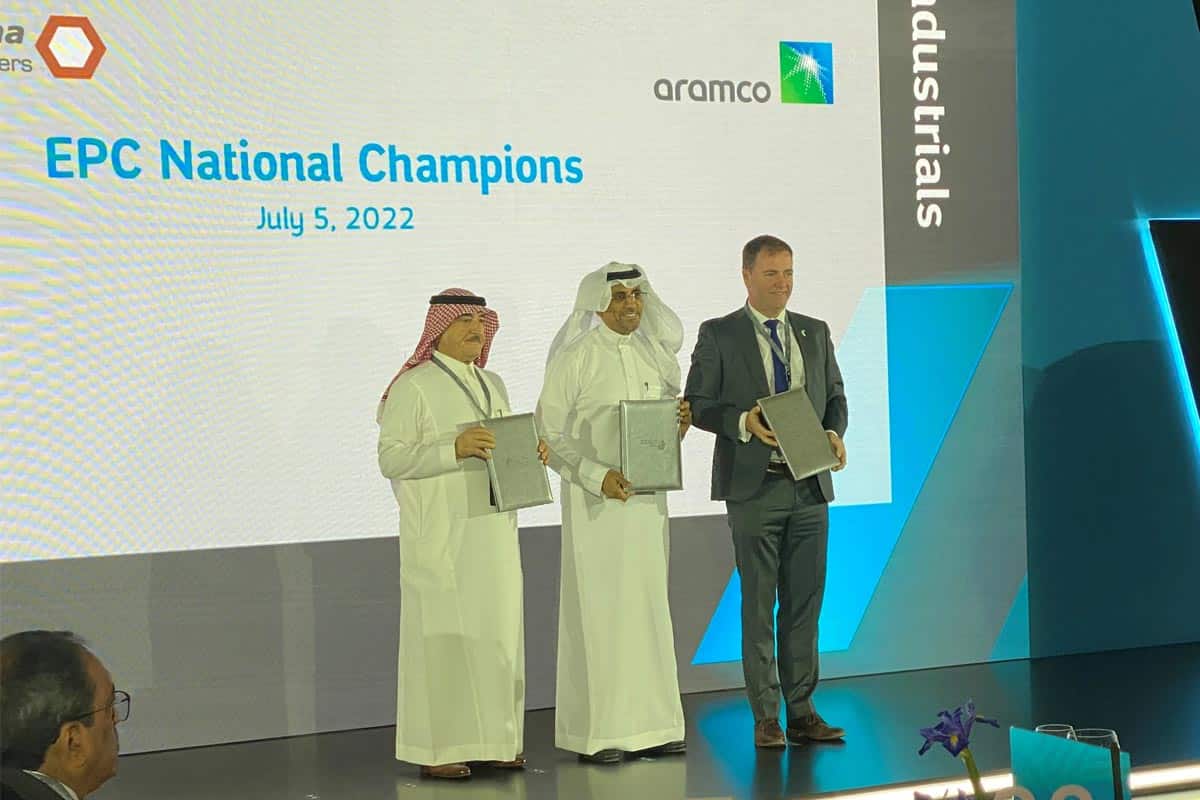

NesmaKent Energy Company , the joint venture between Saudi Arabia’s Nesma & Partners and the international engineering firm Kent, has secured a significant project management consultancy contract with Saudi Aramco. This contract marks a milestone for NKJV, positioning the partnership as a crucial player in the kingdom’s energy infrastructure development amid expanding ambitions in the energy sector.

The PMC contract involves comprehensive project oversight and management services for one of Saudi Aramco’s large-scale energy initiatives. NKJV’s responsibilities will span across planning, execution monitoring, quality control, cost management, and ensuring adherence to safety and environmental standards. This contract is part of Aramco’s broader strategy to engage specialised joint ventures that combine local expertise with international engineering standards, reinforcing Saudi Arabia’s Vision 2030 objectives to diversify and modernise its energy sector.

Nesma & Partners, well-established for its construction and engineering projects within the kingdom and region, has brought extensive local market knowledge and regulatory experience to the partnership. Kent, recognised for its global engineering and project consultancy portfolio, contributes advanced technical capabilities and international project management best practices. Together, the joint venture is expected to deliver high-quality consultancy services that meet Aramco’s stringent operational and environmental benchmarks.

The contract signals the growing trend among Saudi energy entities to engage collaborative partnerships that marry domestic strengths with foreign technological expertise. This aligns with the kingdom’s policy to increase localisation and private sector participation in mega projects. NKJV’s role as a PMC will extend beyond traditional supervisory functions, encompassing risk mitigation, technical advisory, and integration of innovative engineering solutions aimed at optimising project delivery and operational efficiency.

Saudi Aramco’s selection of NKJV follows a competitive tender process where multiple firms vied for the contract. The award underscores Aramco’s confidence in NKJV’s combined capabilities and track record. The project itself forms part of a wider portfolio of energy infrastructure investments by Aramco, which include enhancements in oil production facilities, downstream expansions, and renewable energy projects as the company transitions towards sustainable energy sources.

NesmaKent Energy’s contract exemplifies the shifting dynamics within the Saudi energy sector, where engineering consultancy and project management are gaining prominence as critical factors in successful project execution. The emphasis on specialised joint ventures highlights the kingdom’s commitment to leveraging cross-border partnerships to accelerate technological transfer and capacity building.

Industry experts note that the contract reinforces the strategic positioning of Nesma & Partners and Kent in the Middle East’s energy market. Nesma’s long-standing presence in Saudi Arabia has enabled it to navigate complex regulatory environments and develop robust relationships with government entities and private sector clients. Kent’s engineering pedigree, with a portfolio spanning oil and gas, petrochemicals, and infrastructure, complements Nesma’s regional experience with global standards.

The joint venture’s involvement in this Aramco project is expected to generate significant employment opportunities and skill development programmes in line with Saudi Arabia’s localisation agenda, known as Saudisation. NKJV plans to incorporate training modules and knowledge transfer frameworks to build local competencies in project management and engineering consultancy.

The energy project under NKJV’s management consultancy contract is critical to Aramco’s operational goals, encompassing upgrades to production capacity and the integration of advanced monitoring and control technologies. These developments are part of Aramco’s efforts to maintain its position as the world’s leading energy producer while adapting to evolving global energy demands and environmental regulations.

The scope of NKJV’s mandate also includes coordinating with multiple contractors, subcontractors, and regulatory bodies to ensure seamless execution. This requires a high level of technical expertise, project coordination skills, and compliance with international safety and quality certifications. NKJV’s approach reportedly emphasises sustainability and innovation, incorporating digital tools such as Building Information Modelling and real-time project analytics to enhance transparency and decision-making.

As Saudi Arabia intensifies its focus on energy diversification, including the expansion of renewable energy projects alongside traditional hydrocarbon investments, the expertise of joint ventures like NKJV will be crucial. Their ability to deliver complex projects efficiently and within budget will be pivotal in meeting the kingdom’s long-term strategic targets.

NesmaKent Energy’s success in securing this contract may open doors for further collaborations between Saudi and international firms in the energy consultancy sector. This contract reflects a broader trend of joint ventures becoming key conduits for technology transfer and knowledge exchange in the Gulf’s infrastructure and energy projects.

Arabian Post Staff For expatriates settling into the United Arab Emirates, understanding the country’s unique postal system is essential. Unlike many nations that utilize traditional postal codes, the UAE primarily relies on a Post Office Box system for mail distribution. This approach reflects the country’s infrastructural evolution and its emphasis on centralized mail collection points. In the UAE, individuals and businesses typically rent P.O. Boxes from Emirates […]

All 133 units of the Waldorf Astoria Residences Yas were sold out on launch day, generating AED 850 million in sales. This marks the first branded residential development on Yas Island, reflecting a significant demand for luxury living in Abu Dhabi.

Aldar Properties, the developer behind the project, reported that the swift sell-out underscores Yas Island’s growing appeal as a premier destination for both investors and residents seeking upscale living experiences. The development’s success is attributed to its prime location, waterfront views, and association with the Waldorf Astoria brand, known for its luxury and service excellence.

The residences, part of a broader strategy by Aldar to introduce iconic hospitality brands to Abu Dhabi, are situated near key leisure and entertainment attractions on Yas Island. This aligns with Aldar’s AED 1.5 billion investment programme aimed at transforming its hospitality portfolio to cater to the growing demand for premium experiences in the emirate.

The rapid sell-out of the Waldorf Astoria Residences Yas follows similar successes by Aldar, including the complete sale of Yas Riva, a luxury canal-front community, within 24 hours, generating over AED 1.4 billion in sales. These developments highlight the robust demand for high-end residential properties in Abu Dhabi, particularly among younger buyers and international investors.

The trend indicates a shift towards branded residences that offer not only luxurious accommodations but also a lifestyle associated with renowned hospitality brands. Aldar’s strategic partnerships with global brands like Waldorf Astoria and IHG’s Vignette Collection are central to this approach, aiming to enhance Abu Dhabi’s position in the global luxury real estate market.

USDT activity on the Tron blockchain has reached unprecedented levels, with the circulating supply now at $77.7 billion, monthly transaction volumes exceeding $611 billion, and over 65.6 million transfers recorded. This surge underscores Tron’s emergence as a dominant force in the stablecoin ecosystem, surpassing traditional financial networks in transaction throughput.

Tron’s ascent in the stablecoin market is attributed to its high-speed, low-cost infrastructure, which has attracted a vast user base. The network boasts over 300 million accounts, processing more than 14 million USDT transactions weekly, accounting for approximately 69% of global USDT activity. This dominance is further highlighted by Tron’s surpassing of Visa’s daily average transaction volume, with USDT on Tron reaching $53 billion in a single day compared to Visa’s $42 billion.

The network’s efficiency has made it a preferred choice for users in regions with limited access to traditional banking services. In Africa, for instance, 85% of users rated the Tron network five stars, citing its stable and low-cost payment experience. Similarly, in Argentina, a partnership with local e-commerce platform Kripton has enabled over 2,000 merchants to accept USDT payments, facilitating more than 100,000 transactions and $2 million in volume within 18 months.

Tron’s technological advancements, including the launch of the “Gas Free” USDT transfer feature, have further reduced transaction costs, solidifying its position in the payment sector. The network’s ability to process thousands of transactions per second with minimal fees has been instrumental in its widespread adoption.

Despite its rapid growth, Tron’s association with founder Justin Sun has attracted scrutiny. Sun, who has faced investigations by U.S. authorities for alleged market manipulation and facilitating illicit financial activities, recently returned to the U.S. to attend a dinner with former President Trump. His involvement in Trump’s crypto ventures, including a $75 million investment in World Liberty Financial and a significant stake in the $TRUMP memecoin, has raised concerns about potential conflicts of interest.

Coinbase, the leading U.S.-based cryptocurrency exchange, is under intensified scrutiny as it confronts a new class-action lawsuit filed on behalf of investors who purchased company shares between April 14, 2021, and May 14, 2025. The lawsuit alleges that Coinbase and its executives failed to disclose critical information and did not adequately protect user data, leading to significant financial losses for shareholders following a sharp decline in stock value.

The legal action centers on claims that Coinbase misrepresented its ability to safeguard customer assets, particularly in the event of bankruptcy. Investors argue that the company did not sufficiently inform them that customer assets could be considered part of Coinbase’s bankruptcy estate, potentially making customers unsecured creditors. This concern was exacerbated when, on May 10, 2022, Coinbase disclosed in a regulatory filing that customer assets could be at risk in the event of bankruptcy, leading to a more than 26% drop in the company’s share price the following day.

Further compounding investor concerns, Coinbase recently revealed a significant data breach where cybercriminals bribed overseas support agents to access sensitive user information, including names, contact details, government ID images, and account histories. The breach affected up to 97,000 users and led to a ransom demand of $20 million, which Coinbase refused to pay. The company estimates the incident could cost between $180 million and $400 million in fixes and refunds. Following the disclosure, Coinbase’s stock dropped over 7%, shortly after it had surged 24% on news of its impending inclusion in the S&P 500.

The lawsuit also points to Coinbase’s alleged failure to disclose its engagement in proprietary trading. Despite public statements denying such activities, reports emerged in September 2022 indicating that Coinbase had formed a unit specifically for proprietary trading, investing $100 million in these trades. This revelation led to further declines in the company’s stock price, causing additional losses for investors.

In response to these allegations, Coinbase maintains that it has been transparent with its investors and is committed to addressing any concerns. The company has stated that it is cooperating with law enforcement regarding the data breach and has taken steps to enhance its security measures, including establishing a new U.S. support hub and implementing stronger protections against insider threats. Coinbase has also fired the implicated insiders and is pursuing criminal charges against them.

Dubai Holding has successfully raised AED 2.14 billion through the initial public offering of its Dubai Residential REIT, marking the largest real estate investment trust listing in the Gulf Cooperation Council to date. The offering, priced at AED 1.10 per unit, attracted substantial investor interest, with total demand exceeding AED 56 billion, leading to an oversubscription rate of 26 times. Originally set to offer 12.5% of the […]

Advertisements

Dubai has initiated a pilot programme to tokenise property ownership, marking a significant advancement in its property sector. The Dubai Land Department , in collaboration with Prypco, has launched the ‘Prypco Mint’ platform, enabling fractional property investments through blockchain technology. This initiative positions Dubai as the first city in the Middle East and North Africa region to implement a licensed platform for real estate tokenisation. The project […]

Saudi Aramco is exploring asset sales to bolster its balance sheet as it navigates declining oil revenues and intensifies its international expansion efforts. The state-owned oil giant has engaged investment banks to propose strategies for monetising its assets, according to individuals familiar with the matter. While specific assets and banks involved remain undisclosed, the move underscores Aramco’s proactive approach to financial management amid market challenges.

The company’s net income fell by 12% to $106.2 billion in 2024, down from $121.3 billion the previous year, primarily due to lower oil prices and reduced production volumes. Consequently, Aramco plans to cut its total dividend payout by nearly a third in 2025, distributing $85.4 billion compared to $124 billion in 2024. This reduction is expected to impact Saudi Arabia’s budget, which heavily relies on Aramco’s dividends to fund its Vision 2030 economic diversification initiative.

In response to these financial pressures, Aramco is actively seeking investors for infrastructure assets in its $100 billion Jafurah gas project, aiming to become a major global natural gas player. The company intends to maintain majority ownership and operational control while attracting external investments to support development. This strategy follows previous deals, including nearly $28 billion raised in 2021 through selling 49% stakes in its oil and gas pipeline subsidiaries.

Aramco’s international expansion includes signing preliminary agreements with U.S. companies valued at up to $90 billion, encompassing sectors such as liquefied natural gas, artificial intelligence, and technology. Key deals involve a 20-year LNG purchase agreement with NextDecade’s Rio Grande LNG export project in Texas and collaborations with ExxonMobil to upgrade the Samref refinery in Saudi Arabia. Additionally, Aramco is in discussions to invest in two new refineries in India, seeking stable markets for its crude amidst increased competition from cheaper sources like Russia.

Despite the dividend cut, Aramco plans capital investments between $52 billion and $58 billion in 2025, focusing on expanding its gas capabilities and integrating its upstream and downstream businesses. The company expects potential operating cash flows of $9 billion to $10 billion from growth in its upstream gas business and $8 billion to $10 billion from its downstream business by 2030.

Aramco’s financial adjustments come amid a broader context of declining oil prices, with Brent crude trading around $70 a barrel, down from approximately $100 three years ago. The company’s performance-linked dividend has seen a significant reduction, reflecting broader struggles in the oil industry. Analysts suggest that Aramco may need to tap into debt markets to finance its dividend and capital expenditure commitments if oil prices remain subdued.

The UAE’s real estate sector recorded transactions exceeding AED239 billion in the first quarter of 2025, driven by investor confidence, regulatory reforms, and a robust pipeline of developments. A total of 94,719 sales, purchase, and mortgage deals were registered across Abu Dhabi, Dubai, Sharjah, Ajman, and Ras Al Khaimah, signalling a strong start to the year for the property market.

Dubai led the surge with 45,474 transactions valued at AED142.7 billion, marking a 22% increase in volume and a 30% rise in value compared to the same period in 2024. The ready property segment achieved its highest quarterly performance in over a decade, with 20,034 transactions worth AED87.5 billion. Off-plan sales also remained robust, accounting for 25,440 transactions valued at AED55.2 billion. This growth reflects sustained demand from both end-users and investors, supported by a shift from renting to owning amid rising rental prices.

Abu Dhabi’s real estate market also demonstrated significant growth, with transaction values increasing by 34.5% to AED25.3 billion across 6,896 deals. Saadiyat Island emerged as the leading area for real estate transactions, recording deals amounting to AED5.6 billion, followed by Yas Island with AED3.6 billion and Mohammed Bin Zayed City with AED2.1 billion. The emirate’s focus on high-value existing homes indicates a maturing and strategic market movement.

Sharjah reported a 31.9% increase in real estate transactions, totaling AED13.2 billion across 24,597 deals. Muwailih Commercial led the sales with 1,787 transactions worth AED1.9 billion. The growth is attributed to legislative changes allowing foreign ownership in specific areas, enhancing the emirate’s position on the global real estate investment map.

Ajman recorded 15,125 real estate transactions in 2024, with a value totaling AED20.5 billion, marking a 21% growth compared to 2023. The numbers indicate the emirate’s upward trajectory in real estate, supported by modern infrastructure and a wide array of investment opportunities.

Talal Al Dhiyebi, Group Chief Executive Officer at Aldar Properties, noted that the UAE’s real estate boom is fuelled by the country’s broader economic and cultural progress, making it one of the world’s most attractive destinations for living, working, and investing. He highlighted that 40% of property buyers are international, reflecting the growing interest in the region.

A surge in fraudulent activities targeting Schengen visa applicants has prompted urgent warnings from VFS Global and European embassies, as scammers increasingly exploit the high demand for travel to Europe.

In a notable case, a 38-year-old man from Kanyakumari was arrested at Thiruvananthapuram International Airport after attempting to travel to Slovakia with a forged Schengen visa. The visa, procured through an Angamaly-based agency for ₹7 lakh, initially passed scrutiny by Slovakian embassy officials in India. However, Sharjah immigration authorities identified it as counterfeit, leading to his deportation and subsequent arrest. Upon investigation, local police found his claims credible, releasing him on station bail while he assists in identifying the perpetrators.

This incident underscores a broader trend. Data from the district crime records bureau indicates a sharp increase in visa fraud cases, from 15–20 annually between 2021 and 2023 to 66 in 2024, with 23 cases already reported in 2025.

VFS Global, the official visa outsourcing partner for multiple Schengen countries, has reiterated that it does not collaborate with third-party entities for appointment bookings. All appointments must be scheduled through its official website, www.vfsglobal.com. The company warns against individuals or agencies claiming association with VFS Global and offering guaranteed appointments or expedited processing for a fee.

Bernard Vijaykumar, VFS Global’s Head for North Asia and the Philippines, emphasized the importance of early application to mitigate risks. “We strongly encourage all travellers to apply for their visas well in advance of their intended travel dates,” he stated. “Waiting until the last moment not only increases the risk of delays but also exposes applicants to fraudulent entities seeking to exploit their urgency.”

European embassies have echoed these concerns. Veronika Hadravova, Head of the Consular Section at the Embassy of Czechia in Bangkok, advised applicants to book appointments only through VFS Global and to be wary of scammers exploiting peak travel seasons. Similar advisories have been issued by embassies of Austria, Germany, Hungary, and Switzerland.

Common tactics employed by fraudsters include requesting advance payments to personal bank accounts, seeking personal information under the guise of application validation, and using fabricated email IDs to send fraudulent job offers or immigration communications. Applicants are advised to be cautious of pixelated or disproportionate logos on documentation and to avoid sharing sensitive information on public domains or social media platforms.

VFS Global has also highlighted that visa appointments are free of charge and should only be booked through its official website. The company does not influence visa decisions, which are solely at the discretion of the respective embassies or consulates. Applicants are urged to report any suspicious activity to the relevant authorities and to avoid engaging with unauthorized agents promising guaranteed approvals or expedited services.

Dubai has introduced the Middle East and North Africa’s first tokenised real estate investment platform, Prypco Mint, enabling individuals to invest in fractional shares of ready-to-own properties starting from AED 2,000. This initiative, spearheaded by the Dubai Land Department in collaboration with Prypco and Ctrl Alt Solutions, aims to democratise access to the emirate’s property market.

Currently, the platform is accessible exclusively to holders of UAE Emirates IDs, with plans for global expansion in subsequent phases. Transactions are conducted solely in UAE Dirhams, and cryptocurrencies are not utilised during the pilot stage. Investors can access comprehensive property details, including pricing, risk factors, and technical specifications, ensuring transparency and informed decision-making.

The project aligns with the Dubai Real Estate Sector Strategy 2033 and the Dubai Economic Agenda D33, which seek to position Dubai as a hub for smart real estate investment. Projections estimate that tokenised assets could account for up to 7% of Dubai’s real estate market by 2033, equivalent to AED 60 billion .

Regulatory oversight is provided by the DLD for physical real estate and the Virtual Assets Regulatory Authority for digital assets, ensuring an integrated and transparent approach. The Central Bank of the United Arab Emirates plays a pivotal role in overseeing the opening of corporate accounts linked to real estate tokenisation through the Client Money Account system, safeguarding investor funds until the purchase process is fully completed.

Industry stakeholders have welcomed the initiative, viewing it as a significant step towards enhancing liquidity and accessibility in the property market. By enabling fractional ownership, the platform opens up investment opportunities to a broader base of investors, particularly those seeking smaller-scale investments.

Dubai has launched the world’s largest visa application centre, a sprawling 150,000-square-foot facility located in Wafi City. Operated by VFS Global, the centre is designed to process up to 10,000 visa applications daily, serving as a centralised hub for travellers seeking entry to 37 countries. The centre boasts over 200 service counters and employs more than 400 staff members from 25 different nationalities, reflecting the emirate’s commitment […]

Scammers operating in the UAE have increasingly exploited WhatsApp’s business platform to impersonate trusted contacts, aiming to extract sensitive personal and financial information from unsuspecting users. This surge in fraudulent activity has prompted Meta, WhatsApp’s parent company, to initiate a targeted public awareness campaign by directly messaging users in the UAE with detailed guidelines to distinguish legitimate business profiles from fake ones.

These deceptive practices often involve scammers creating profiles that mimic reputable companies or individuals, using official logos and business names to gain credibility. The impersonators then contact users, requesting confidential details such as passwords, banking information, or verification codes under various pretexts, including prize claims, urgent payments, or account verification. Such tactics prey on the trust that users place in familiar or official-seeming contacts, making it crucial to understand the warning signs of fraudulent profiles.

Meta’s communication emphasises several practical steps for users to verify the authenticity of business accounts on WhatsApp. Genuine business profiles typically feature a green checkmark badge, signifying that WhatsApp has verified the account’s authenticity. Additionally, the FAQ highlights that official business accounts often provide clear contact information, including physical addresses and email IDs, which can be cross-checked independently. Users are advised to be cautious of unsolicited messages from accounts lacking these markers, especially if they request personal or financial information.

The prevalence of such scams in the UAE reflects a broader global trend where digital fraudsters exploit popular communication platforms. The UAE’s rapidly expanding digital economy and high smartphone penetration have made it an attractive target for cybercriminals. Reports indicate that these scams have led to significant financial losses and identity theft cases, affecting both individuals and businesses. Authorities in the region have responded by increasing collaboration with technology firms and law enforcement agencies to identify, disrupt, and prosecute offenders.

Cybersecurity experts underscore the importance of user vigilance and education alongside technological safeguards. They advise that users should not share one-time passwords , verification codes, or bank details via messaging apps. Moreover, any unsolicited requests for payments or personal data should be treated with scepticism. Experts also recommend reporting suspicious profiles directly to WhatsApp and local cybercrime units to aid in swift action against scammers.

WhatsApp has implemented several backend security measures to combat such misuse, including automated detection of suspicious accounts and the ability for users to block and report fraudulent profiles easily. However, the dynamic nature of scams means that fraudsters continuously evolve their methods to bypass safeguards, making user awareness a critical line of defence.

The UAE government has been proactive in addressing cybercrime through legal and regulatory frameworks. The Federal Law No. 5 of 2012 on Combatting Cybercrimes stipulates stringent penalties for offences involving electronic fraud, impersonation, and data breaches. These laws are complemented by public education initiatives and partnerships with the private sector to enhance digital literacy and security awareness across the community.

Telecommunications providers in the UAE have also joined efforts to strengthen network security and raise awareness about phishing and social engineering attacks. Campaigns targeting both consumers and corporate clients aim to provide up-to-date information on the latest threats and prevention strategies. These initiatives are crucial as social messaging platforms like WhatsApp remain primary communication channels for many residents and businesses in the country.

Despite these efforts, challenges remain due to the anonymous and borderless nature of cybercrime. Fraudsters often operate from outside the UAE, complicating jurisdictional enforcement. International cooperation and intelligence-sharing between countries have become essential components of the global response to digital fraud schemes. UAE authorities participate actively in such cooperative frameworks, seeking to enhance their capacity to track and dismantle scam networks.

Users are increasingly urged to adopt best practices for online security, including enabling two-step verification on WhatsApp accounts, regularly updating app software, and avoiding clicking on suspicious links. Businesses are encouraged to educate their customers about official communication channels and verify any unusual requests through direct contact.

RAK Properties has unveiled Enta Mina, a 119-unit premium residential development in Ras Al Khaimah, developed in collaboration with HIVE and ARM Holding. The project aims to cater to the growing demand for integrated living and working spaces among young professionals and entrepreneurs.

Enta Mina is situated within Mina Al Arab, RAK Properties’ flagship community. The development comprises two buildings: a 117-unit HIVE-branded coliving space and a 116-unit residential building available for purchase. The HIVE building offers a plug-and-play living experience, emphasizing flexibility, community, and convenience.

The project includes 2,000 square meters of coworking space, marking HIVE’s first public workspace in Ras Al Khaimah. This facility features dedicated desks, private offices, meeting rooms, quiet zones, event spaces, and a coffee bar. Residents have complimentary access to these amenities, while the public can choose from various membership plans.

Additional amenities in the HIVE building include a flexible work lounge, listening room, chef’s kitchen, outdoor areas, and a private pool with scenic views. An all-day eatery will serve residents, coworking members, and the broader Mina Al Arab community.

Mohammad Al Shehhi, CEO of ARM Holding, stated, “We are pleased to announce our partnership with RAK Properties to develop HIVE Ras Al Khaimah. This collaboration represents a significant step forward in our journey, reinforcing our commitment to creating forward-thinking residential communities that align with the dynamic lifestyles of young professionals.”

Bass Ackermann, CEO of HIVE, added, “This collaboration seamlessly merges HIVE’s innovative living concept with RAK Properties’ desire to create a vibrant destination for young entrepreneurs and professionals. It is a merging of expertise, dedicated to shaping distinctive, community-centric living spaces that resonate with the unique aspirations for Mina Al Arab.”

RAK Properties is experiencing robust growth, with a 28% increase in revenue to AED 370 million in Q1 2025 compared to the same period in 2024. The company has over 3,000 units under construction and plans to deliver more than 800 units in 2025, marking its busiest operational year.

The launch of Enta Mina aligns with RAK Properties’ broader vision for Mina Al Arab, which includes a AED 5 billion development pipeline featuring residential, retail, hospitality, and waterfront infrastructure. The Mina masterplan encompasses three districts: Raha Island, Hayat Island, and Lagoons, designed to offer a dynamic hub for authentic island living, sustainability, and community.

Over 25,000 professionals from more than 30 countries convened at the Riyadh Front Exhibition & Conference Center between 20 and 22 May for the Saudi Entertainment and Amusement Expo and the Saudi Light & Sound Expo. The events featured over 550 exhibitors, highlighting Saudi Arabia’s commitment to transforming its entertainment sector in line with Vision 2030. Sarkis Kahwajian, Associate Vice President at dmg events, the organiser of […]

The Saudi Entertainment and Amusement Expo and the Saudi Light & Sound Expo concluded on 22 May at the Riyadh Front Exhibition & Conference Center, drawing over 25,000 industry professionals and more than 550 exhibitors from over 30 countries. The events underscored Saudi Arabia’s commitment to transforming its entertainment landscape in alignment with Vision 2030. Sarkis Kahwajian, Associate Vice President at dmg events, the organiser of both […]

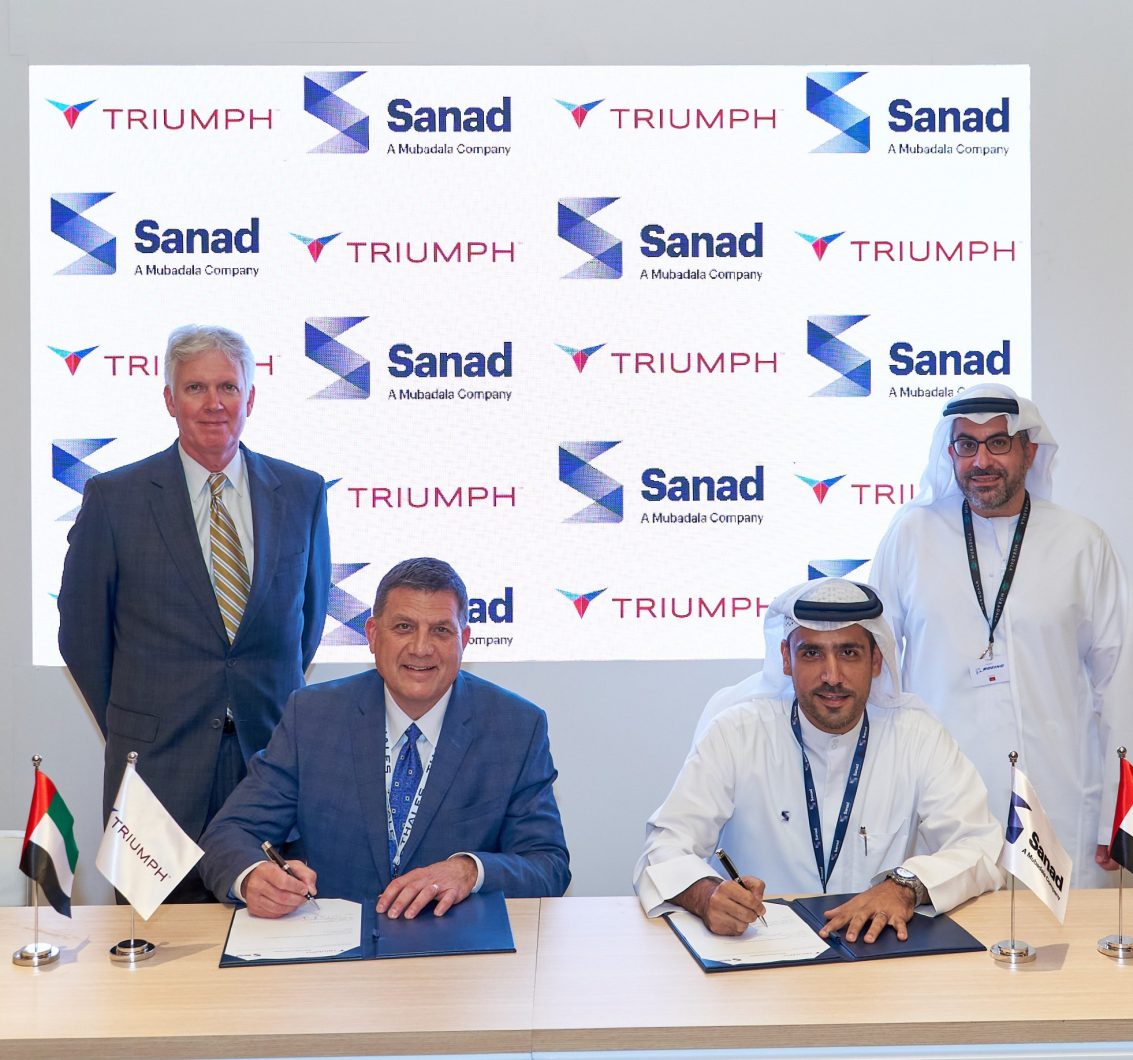
Sanad, a global aerospace engineering and leasing solutions provider wholly owned by Abu Dhabi’s Mubadala Investment Company, has partnered with GE Aerospace to bolster the UAE’s aerospace talent pool. This collaboration aims to address the projected surge in global demand for Maintenance, Repair, and Overhaul professionals, with the sector expected to reach $169 billion by 2037.

The partnership has led to the inauguration of the LEAP Engine MRO Center in Abu Dhabi, the first certified facility of its kind in the South Asia, Middle East, and North Africa region. This center is set to support over 450 LEAP-1A and LEAP-1B engines over an 11-year period, enhancing the UAE’s capabilities in servicing next-generation aircraft engines.

Sanad has invested over AED 100 million into its Abu Dhabi facility, expanding its state-of-the-art engine MRO capabilities. The center spans 5,000 square meters, contributing to a total of 30,000 square meters in Sanad’s Abu Dhabi campus. This expansion not only augments the company’s technical capabilities but also reinforces Abu Dhabi’s position as a leading global aviation hub.

The collaboration with GE Aerospace and Safran Aircraft Engines, formalized during the Paris Air Show in June 2023, has significantly expanded Sanad’s MRO services to include the new-generation CFM International LEAP-1A and -1B engines. These engines, powering Airbus A320neo and Boeing 737 MAX family aircraft, are recognized for their exceptional reliability and fuel efficiency.

Sanad’s LEAP Engine MRO Center began operations within a month of signing the agreement and successfully completed the MRO process on the first LEAP engine from flydubai just four months later. This rapid operationalization underscores Sanad’s commitment to excellence and speed in establishing state-of-the-art MRO capabilities.

The center is operated by a dedicated team of technical and engineering experts, utilizing cutting-edge MRO technologies. Sanad’s engineers and technicians have undergone intensive training programs with GE Aerospace, equipping them with the skills required for tasks such as Rotor Drive System and Inlet Gear Box quick turnaround, borescope inspection, and general familiarization.

This initiative not only ensures the operational efficiency of LEAP engines but also contributes to reducing the carbon footprint associated with transporting engines outside the region for maintenance. By providing in-country solutions, the partnership aligns with the UAE’s commitment to sustainability and operational efficiency.

The LEAP engine’s popularity has surged, with a backlog exceeding 10,000 engines, primarily due to its innovative design aimed at reducing carbon emissions in air transport. Sanad’s enhanced capabilities position it to meet the growing demand for MRO services for the LEAP engine, reinforcing Abu Dhabi’s status as a global aviation hub.

In addition to the LEAP Engine MRO Center, Sanad has expanded its global partnerships, including a strategic agreement with Airbus to provide MRO services for engines powering Airbus single-aisle and wide-body aircraft. This collaboration further solidifies Sanad’s position as a global partner of choice and a key player in the aerospace industry.

Sanad’s commitment to workforce development is evident in its focus on training and upskilling local talent. The company has established multi-tiered training programs to nurture local expertise, combining classroom training in aviation principles with hands-on experience in its facilities. This approach supports the UAE’s broader goals of economic diversification and the development of a knowledge-based economy.

Dense fog blanketed parts of the United Arab Emirates on Saturday morning, significantly reducing visibility and prompting the National Center of Meteorology to issue yellow alerts for several coastal and internal regions. The advisory, effective until 9am, particularly affected areas in the western part of the country, including Ghiyathi and Bada Dafas in the Al Dhafra region.

Motorists were urged to exercise extreme caution, as horizontal visibility dropped sharply in affected areas. Abu Dhabi Police also issued warnings to drivers, emphasizing the importance of adhering to speed limits and maintaining safe distances between vehicles.

The fog coincided with soaring temperatures, with inland areas expected to reach between 44°C and 48°C. Coastal regions and islands were forecasted to experience highs ranging from 40°C to 45°C, while mountainous areas could see temperatures between 35°C and 40°C. Sweihan, Al Quaa, and Gasyoura were among the locations anticipated to record the highest temperatures, potentially reaching up to 49°C.

Despite the morning fog, the overall weather was expected to be fair, with partly cloudy conditions in eastern parts of the country. Winds were predicted to be light to moderate, shifting from southeast to northwest at speeds of 10 to 20 km/h, with gusts up to 30 km/h. Sea conditions were expected to remain slight in both the Arabian Gulf and the Oman Sea.

Chelsea Football Club has unveiled plans for a groundbreaking real estate venture in Dubai, marking its first foray into branded residential developments. In collaboration with Dubai-based developer DAMAC Properties, the project, named Chelsea Residences by DAMAC, will comprise six 130-metre-high towers situated in Dubai Maritime City. Scheduled for completion by December 2029, the development will offer over 1,400 sea-facing apartments, each infused with Chelsea’s distinctive branding and […]

Guinea’s media regulator concluded the “Forum on the Future of the Press,” an event aimed at revitalising the country’s media landscape. However, six prominent news outlets remain blocked, highlighting the ongoing challenges to press freedom under the military-led government. The Ministry of Information and Communications Technology revoked the broadcasting licences of FIM FM, Espace FM, Sweet FM, Djoma FM, Djoma TV, and Espace TV, citing “non-compliance with […]

India’s Competition Commission has uncovered evidence suggesting that major global advertising agencies, including WPP-owned GroupM, Interpublic’s IPG Mediabrands, Publicis, and Dentsu, colluded to fix commission fees charged to advertisers. This revelation follows surprise raids conducted in March at the Indian offices of these agencies, as well as at the Indian Society of Advertisers , the Advertising Agencies Association of India , and the Indian Broadcasting and Digital Foundation .

A confidential CCI document dated February 7 indicates that these agencies engaged in unlawful coordination through WhatsApp groups and virtual meetings, agreeing on fee structures and pressuring non-compliant members. The investigation revealed three cartels across different industry groups, with agencies and broadcasters also accused of collectively avoiding discounts to clients. The case was initiated under a whistleblower program, with Dentsu reportedly providing internal findings of price-fixing along with a controversial 2023 IBDF-AAAI document that discouraged undercutting and required agencies to provide a “no objection” certificate if clients switched firms.

The CCI’s raids, which began early on March 18, targeted around 10 locations across Mumbai, New Delhi, and Gurugram. Officials scrutinized emails and cloned evidence from mobile phones at GroupM’s Indian office, among others. These actions come amid significant changes in India’s advertising market, following an $8.5 billion merger between Walt Disney and Reliance’s media assets, capturing a substantial market share. The investigation, which dates back to last year, focuses on alleged collusion on ad pricing and discounts. If found guilty, the agencies could face hefty penalties. The CCI does not disclose details of ongoing investigations, which could take months to resolve.

Following the raids, the AAAI issued an advisory on March 26, urging members to avoid discussions over pricing or other commercially sensitive information during meetings, and to exit existing WhatsApp groups to prevent further scrutiny. The advisory emphasized compliance with India’s competition laws to avoid further scrutiny.

The CCI’s investigation has significant implications for India’s $18.5 billion advertising market—ranked eighth globally—particularly amid ongoing consolidation such as Disney and Reliance’s $8.5 billion media merger. The outcome of the probe could redefine how advertising agencies, broadcasters, and advertisers interact in India’s rapidly evolving media landscape, at a time the industry is navigating challenges from digital disruptions and shifting consumer behavior.

New York-based consulting firm Elevate has acquired RISE Group, a marketing and commercial services consultancy headquartered in Riyadh and Dubai. The acquisition, for an undisclosed amount, is pending customary regulatory approvals. This move marks Elevate’s strategic entry into the Middle East and North Africa region, aiming to capitalise on the burgeoning sports and entertainment sectors. As part of the agreement, RISE co-founders Seth Holmes and Tom Berrington […]

Abu Dhabi National Oil Company has entered into framework agreements valued at Dhs6 billion with 12 UAE-based manufacturers to produce critical industrial equipment locally. This initiative, part of the “Make it in the Emirates” programme, aims to enhance the resilience of the nation’s supply chain and create up to 1,300 skilled private-sector jobs.

The agreements focus on the domestic production of cables and pressure vessels, essential components in ADNOC’s operations. By localising the manufacturing of these items, ADNOC seeks to ensure timely availability, reduce dependency on international suppliers, and mitigate global supply chain disruptions.

The signing took place during the “Make it in the Emirates” forum in Abu Dhabi, attended by Dr Sultan Ahmed Al Jaber, Minister of Industry and Advanced Technology and ADNOC’s Managing Director and Group CEO. Dr Al Jaber emphasised the importance of strengthening local manufacturing capabilities to support the UAE’s industrial growth and economic diversification.

This move aligns with ADNOC’s broader strategy to stimulate domestic manufacturing. Previously, the company announced agreements with over 60 companies to locally produce critical non-oil products, aiming to manufacture AED70 billion worth of products in its procurement pipeline by 2027. These efforts are expected to create thousands of job opportunities and enhance the resilience of the local supply chain.

In addition to the current agreements, ADNOC has committed over AED20 billion for the procurement of structures and metal products from national companies. This commitment is part of a broader initiative to stimulate industrial growth and create more private-sector jobs for UAE nationals.

The “Make it in the Emirates” initiative, led by the Ministry of Industry and Advanced Technology, aims to position the UAE as a global hub for advanced industry and innovation. The programme encourages local manufacturing, supports the development of national talent, and promotes sustainable industrial practices.

ADNOC’s investment in local manufacturing is complemented by its focus on sustainability and technological innovation. The company has been leveraging artificial intelligence and advanced technologies to optimise operations and reduce emissions. Facilities like the Habshan 5 gas processing plant and Zirku Island offshore operations have been at the forefront of deploying such technologies, contributing to ADNOC’s goal of becoming a low-carbon energy leader.

ADNOC’s In-Country Value programme incentivises suppliers to adopt clean technologies and establish new manufacturing facilities in the UAE. Since its inception, the ICV programme has driven significant investment back into the UAE economy, supporting the nation’s Net Zero by 2050 Strategic Initiative.

The “Make it in the Emirates” forum serves as a platform for collaboration between government entities, industry leaders, and investors. It showcases the UAE’s commitment to fostering a robust industrial sector, enhancing economic resilience, and achieving sustainable growth.

VISHNU RAJA
RYO YAMADA
HITORI GOTOH
IKUYO KITA