News related to
Expansion

Apple has received approval from health authorities in the United Arab Emirates to introduce a sleep apnea monitoring service through its Apple Watch. This initiative marks a significant expansion of the watch’s health monitoring capabilities, aiming to enhance user awareness of sleep-related health issues. The decision aligns with the UAE’s commitment to advancing healthcare technology and improving patient outcomes. The sleep apnea service, a feature in the […]

Celebration of Cyberport Investors Network’s 7th Anniversary with Total Investments Surpassing HK$2.5B and Membership Exceeding 200 HONG KONG SAR – Media OutReach Newswire – 24 October 2024 – The Cyberport Venture Capital Forum 2024, a premier annual event in the global venture capital scene organised by Cyberport, was inaugurated today. The two-day event, themed “Innovation Challenger: Building New Venture Visions”, brings together over 90 globally influential venture […]

ADNH Catering, a prominent player in the food and beverage sector, faced challenges on its stock market debut in Abu Dhabi. The company raised Dh864 million (approximately US$235.2 million) through its initial public offering (IPO), which was priced at the higher end of its anticipated range. Despite this, the shares closed at the issue price of Dh0.96, reflecting a lackluster response from investors. The IPO drew significant […]

Etihad Airways has completed a significant acquisition, finalizing a deal for 16 aircraft engines at a total cost of Dhs1.5 billion. This move is part of the airline’s strategy to modernize its fleet and enhance operational efficiency. The engines, produced by prominent manufacturers, are set to be deployed across a range of aircraft, bolstering Etihad’s capacity to meet growing passenger demand. The airline’s investment aligns with its […]

Partnership is unveiled at the Ascott Unlimited Global Marquee Event during ITB Asia 2024, capping off a year-long campaign celebrating Ascott’s 40th anniversary SINGAPORE – Media OutReach Newswire – 23 October 2024 – The Ascott Limited (Ascott), the lodging business unit wholly owned by CapitaLand Investment (CLI), is pleased to announce that Ascott China has entered a 50:50 joint venture with Jin Jiang Hotels (China Region) to […]

Pearl Petroleum, a consortium operating in the Kurdistan Region of Iraq, has taken a significant step in its expansion efforts by mandating a group of banks to facilitate a $300 million bond offering. This move signals the company’s intent to enhance its financial resources, particularly as it seeks to further develop its oil and gas operations in the energy-rich region.

The decision to issue the bond, aimed at international investors, aligns with Pearl Petroleum’s strategy of capitalizing on the growing global demand for energy. With key stakeholders including Dana Gas and Crescent Petroleum, the consortium operates a series of gas fields that are pivotal to energy supply within the Kurdistan Region and beyond. This bond issuance is expected to support continued infrastructure investment and help the company maintain steady production levels amidst growing regional and global energy needs.

Pearl Petroleum’s bond will target both institutional and retail investors, with the capital raised earmarked for expanding gas production facilities and further drilling in the Khor Mor field. This field, one of the largest non-associated gas reservoirs in Iraq, has been central to Pearl’s operations, supplying gas to power plants and industrial projects across the region. The investment is set to bolster output, which currently averages around 400 million cubic feet of gas per day.

The bond is being coordinated by a syndicate of banks led by Citi, Deutsche Bank, and JPMorgan. These institutions have been mandated to structure and market the bond to a wide range of investors. The move follows Pearl Petroleum’s success in enhancing operational efficiency and solidifying its position as a major player in Iraq’s gas sector. It also comes amid renewed interest from international investors in Middle Eastern energy assets, spurred by strong global demand and energy market volatility.

Kurdistan’s gas reserves have long been a strategic asset, and Pearl Petroleum’s activities are crucial for regional energy security. The bond offering underscores the consortium’s ambition to continue expanding its footprint, despite the geopolitical complexities that come with operating in the Kurdistan Region. The area’s political and regulatory landscape remains challenging, but the firm has successfully navigated these hurdles in the past, owing to its established partnerships and local expertise.

Proceeds from the bond sale will likely be channeled toward increasing production capacity, which has been part of Pearl’s long-term growth plan. The company has outlined its intentions to raise production to 1 billion cubic feet per day over the next several years, a target that will require substantial investment in new wells, infrastructure, and processing facilities. The additional funding will also provide liquidity for future projects, ensuring that Pearl is well-positioned to meet the increasing demand for gas in Iraq and its neighboring countries.

Energy analysts have noted that Pearl Petroleum’s bond issue comes at a favorable time. Global energy prices have remained high, driven by supply disruptions and a rebound in demand following the pandemic-induced slump. Investors have been drawn to the energy sector, seeking higher returns amid an uncertain economic outlook. This has created a ripe environment for energy firms like Pearl to tap into capital markets and secure financing for long-term projects.

The Kurdistan Region, while rich in resources, faces ongoing political challenges, particularly in its dealings with Baghdad. Tensions over revenue-sharing and control of oil and gas exports have complicated efforts by companies operating in the region. However, Pearl Petroleum’s established position and its critical role in supplying gas to power plants have enabled it to maintain stable operations despite these challenges.

Pearl Petroleum’s latest move highlights the continued importance of the Kurdistan Region as a vital source of energy. The consortium has been able to steadily increase production over the years, contributing significantly to the region’s energy mix and playing a key role in meeting its electricity demands. The additional funding through the bond offering is expected to further solidify Pearl Petroleum’s leading position in the market.

The company’s long-term vision of enhancing gas production aligns with Iraq’s broader energy goals, which aim to diversify the country’s energy portfolio and reduce reliance on oil. The bond issuance is seen as a crucial step in ensuring that Pearl Petroleum can maintain its growth trajectory while contributing to the stability of the region’s energy supply.

Russia is hosting the latest BRICS summit in a strategic demonstration of strength and unity as it seeks to challenge the geopolitical dominance of the West. The BRICS group – comprising Brazil, Russia, India, China, and South Africa -has evolved beyond its original purpose as a coalition of rapidly developing economies. Initially founded to represent economic growth prospects, BRICS has since transformed into a powerful geopolitical forum, […]

Advertisements

A significant boost to Dubai’s real estate market is on the horizon as the emirate prepares to deliver an impressive 90,000 new homes within the next two years. This initiative, driven by rising demand and a focus on sustainable development, marks a pivotal moment for the city’s housing landscape. The initiative is part of Dubai’s broader strategy to enhance its residential offerings, with authorities anticipating a substantial […]

Saudi Arabia is on track for a significant economic acceleration in 2025, driven by a strategic increase in oil production alongside broader diversification efforts. The Kingdom’s Vision 2030 initiative, aimed at reducing dependence on oil and promoting sectors such as tourism and technology, is expected to further complement this growth trajectory. The International Monetary Fund (IMF) has recently projected Saudi Arabia’s GDP growth to reach 4.2% in […]

Mubadala Capital, the asset management arm of Abu Dhabi’s sovereign wealth fund, has announced the successful closure of its latest fund, which garnered commitments exceeding $3 billion. This substantial fundraising reflects growing investor confidence in Mubadala’s investment strategy, which focuses on both private equity and venture capital, aiming to drive innovation and long-term value across various sectors globally.

The new fund’s capital commitments come from a diverse group of institutional investors, including sovereign wealth funds, pension funds, family offices, and high-net-worth individuals. The increased interest in Mubadala’s offerings can be attributed to the firm’s strong track record of generating robust returns and its commitment to sustainable investment practices. This move aligns with the broader trend of heightened investment in private equity and alternative assets as investors seek opportunities that can provide substantial returns amid fluctuating public markets.

Mubadala Capital’s strategy is distinguished by its proactive approach in identifying promising sectors and regions for investment. The firm intends to focus on technology, healthcare, and clean energy, which are sectors projected to experience significant growth in the coming years. Notably, Mubadala has a history of successfully backing transformative companies and supporting their global expansion, which adds to its appeal for investors looking to diversify their portfolios.

The global private equity market has seen a notable influx of capital, with fundraising hitting record levels across various firms. This trend underscores the increasing willingness of investors to allocate resources towards private equity as a means to achieve greater returns compared to traditional asset classes. Mubadala Capital’s ability to secure over $3 billion amid a competitive fundraising landscape illustrates its strong positioning and the credibility it has built over the years.

This fund closure is expected to enhance Mubadala’s capacity to pursue innovative investment opportunities and continue its commitment to delivering value to stakeholders. The firm’s previous funds have demonstrated a successful investment track record, making it a trusted player in the private equity space. Investors are increasingly drawn to Mubadala’s combination of local expertise and global reach, which allows the firm to navigate complex markets effectively.

The growing emphasis on sustainability within investment strategies has also played a pivotal role in Mubadala’s fundraising success. The firm has incorporated environmental, social, and governance (ESG) considerations into its investment decisions, aligning with global trends towards responsible investing. This strategic focus not only enhances the appeal of Mubadala’s funds but also positions the firm as a leader in promoting sustainable business practices.

Mubadala Capital’s successful fundraising initiative follows its previous capital-raising efforts, which also yielded significant commitments. The firm’s ongoing commitment to innovation and strategic investments has allowed it to attract a wide array of investors, reflecting its capacity to adapt to changing market dynamics. By continuing to engage with a diverse range of stakeholders, Mubadala strengthens its position as a formidable player in the investment landscape.

As private equity continues to evolve, the demand for flexible investment structures and innovative strategies will likely increase. Investors are actively seeking firms that can provide unique insights and access to high-quality deal flow, which enhances the allure of platforms like Mubadala Capital. The successful closing of this latest fund demonstrates the firm’s ability to respond to market needs and capitalize on emerging trends.

The fundraising effort not only solidifies Mubadala’s financial standing but also supports its mission to contribute positively to the global economy. By investing in high-growth companies and supporting job creation, Mubadala is playing a crucial role in driving economic development both locally and internationally. This focus on creating economic impact resonates well with investors who are increasingly prioritizing sustainability and responsible investment practices.

Mubadala Capital’s ability to raise over $3 billion amidst a competitive fundraising environment highlights the strength of its investment thesis and operational expertise. This development marks a significant milestone for the firm, allowing it to expand its portfolio and further its commitment to fostering innovation across various sectors. Investors looking for opportunities in private equity will continue to monitor Mubadala’s activities closely, given its proven track record and strategic vision.

Expansion strategies for Lulu Group International are in focus as Chairman Yusuff Ali recently hinted at a potential listing in Saudi Arabia, following an initial public offering (IPO) set for its UAE operations. This move reflects a broader trend among Middle Eastern companies seeking to capitalize on the booming IPO market, particularly in Saudi Arabia, which has emerged as a financial hub.

Lulu Group is preparing for its IPO in the UAE, aiming to raise funds to finance its aggressive growth plans and to refinance existing debt. The planned IPO is expected to attract significant investment, reflecting the increasing investor interest in the region’s retail and food sectors. Ali emphasized that the funds raised from the UAE IPO would primarily be allocated toward expanding Lulu’s footprint, enhancing supply chains, and introducing new products. This initiative aligns with the company’s strategy to solidify its position as a leading retail brand not only in the UAE but across the Gulf Cooperation Council (GCC) region.

As part of this strategic expansion, Lulu Group has been investing heavily in technology and infrastructure. The Chairman pointed out that modernization efforts, including the incorporation of digital solutions into their operations, are essential to enhance customer experiences and improve operational efficiency. These advancements are set to position Lulu favorably within the competitive retail landscape.

The potential Saudi listing is also a strategic move, as the Kingdom continues to implement reforms aimed at diversifying its economy away from oil dependency. The Saudi stock market has seen an influx of foreign investments following the government’s initiatives to attract global capital. Lulu Group’s planned listing could tap into this growing interest, facilitating access to new funding streams while increasing its visibility in one of the largest markets in the region.

Market analysts suggest that the UAE IPO is likely to be well-received due to Lulu’s established brand presence and solid financial performance. The company has consistently demonstrated resilience, even during challenging economic periods, bolstered by its extensive network of hypermarkets and supermarkets. Financial reports indicate that Lulu has achieved steady growth in revenue, driven by an increase in consumer demand for groceries and essential goods, particularly during the pandemic.

Yusuff Ali has a clear vision for the company’s future, emphasizing sustainability and community engagement as core tenets of Lulu’s operational ethos. He noted that the IPO funds will also support initiatives aimed at promoting environmental sustainability, including waste reduction and sourcing products from local producers. These initiatives resonate with the growing consumer awareness surrounding sustainability, making them pivotal for modern retail strategies.

As the UAE prepares for Lulu’s IPO, regional investors are closely watching the potential impacts of this move on the broader market landscape. Lulu Group’s entry into the public market could set a precedent for other retail companies in the region, prompting them to consider similar strategies to unlock capital for expansion. This trend aligns with a larger shift in the region, where companies are increasingly looking to public offerings as a means of financing growth.

The UAE’s financial markets have demonstrated resilience and attractiveness to foreign investors, thanks in part to favorable regulatory frameworks and the government’s commitment to economic diversification. This context is conducive for Lulu Group’s IPO, as it seeks to leverage the growing appetite for investments in the retail sector.

The potential for a Saudi listing could create a ripple effect within the market, encouraging other Gulf retailers to explore public offerings. The ongoing push for listings is indicative of a vibrant economic climate in the GCC, fueled by strong government support and a strategic focus on economic diversification.

Investors are also keen on how Lulu Group’s strategies align with the broader economic objectives of the UAE and Saudi Arabia. The government’s emphasis on enhancing the non-oil sector is pivotal for both nations, and successful IPOs are expected to play a critical role in achieving these goals.

As Lulu Group prepares for its IPO and contemplates a future listing in Saudi Arabia, stakeholders are optimistic about the potential benefits. This move is anticipated to enhance the company’s growth trajectory while contributing to the evolving narrative of economic transformation in the GCC. By positioning itself strategically within this vibrant landscape, Lulu Group aims to leverage market opportunities that arise from the dynamic retail sector.

HONG KONG SAR – Media OutReach Newswire – 22 October 2024 – Populis Digital (Populis, or the “Company”), a leading Hong Kong-based digital marketing agency, is celebrating its 5th anniversary today with a team-building trip to Cebu, Philippines. The Company is also marking this milestone by unveiling an enhanced version of its self-developed employee care program, PopulUS. Populis first launched its internal employee care program in May […]

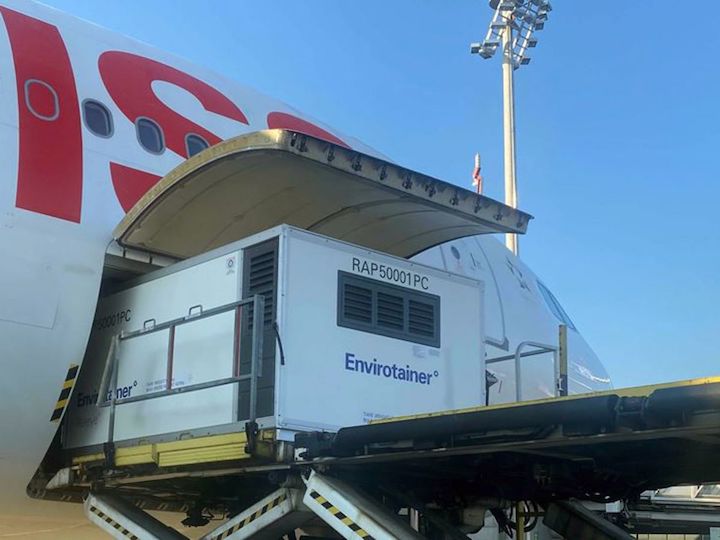
Sanad, a global aerospace engineering company, has finalized a $408 million transaction with Etihad Airways to purchase and lease back jet engines, marking a significant expansion of their partnership. The deal involves the sale of aircraft engines from Etihad’s fleet, enhancing the carrier’s financial flexibility and operational efficiency. By offloading these high-value assets, Etihad secures long-term funding while maintaining access to crucial engines through leaseback agreements, ensuring […]

Air India is implementing a comprehensive restructuring of its airfare policies, covering all cabin classes, amid its ongoing efforts to enhance its global presence and profitability. This shift comes in the context of the airline’s broader plans under the Tata Group to integrate services with Vistara and streamline operations. The changes reflect a strategic push to attract a diverse range of passengers, including premium, budget, and corporate travelers.

As part of this overhaul, Air India is simplifying its fare structures across Economy, Premium Economy, Business, and First Class, introducing more transparent pricing tiers that provide passengers with clearer value propositions. The airline aims to improve customer engagement by ensuring that ticket prices across its global network are competitive while delivering a higher standard of service onboard. The restructuring includes expanding its flexibility options for Economy passengers and improving the availability of premium services for frequent flyers.

In Economy class, Air India is now offering greater flexibility in ticket choices, introducing distinct tiers for passengers with varying needs, such as free baggage, meal services, and flexibility on changes and cancellations. This move is designed to make air travel more accessible while allowing customers to personalize their experiences based on their requirements and budgets.

Premium Economy, a class that has gained significant popularity on international routes, will also see enhancements. Air India is revising its fare structures to provide more competitive rates and improved onboard services, such as more spacious seating, additional baggage allowances, and enhanced meal options, appealing to passengers seeking a mid-tier experience between Economy and Business Class.

Business and First Class passengers are expected to benefit the most from this policy restructuring. The airline has committed to upgrading its premium services across these classes, particularly focusing on improving the inflight experience with better meal options, entertainment, and more personalized services. By enhancing its premium product offering, Air India aims to capture a larger share of the corporate travel market, which is seeing a gradual recovery post-pandemic.

The changes coincide with the broader integration of Vistara into Air India’s operations. As Vistara’s routes and services are absorbed into Air India, starting November 2024, passengers will notice more uniformity in fares and service levels across the combined airline. This integration is set to streamline operations while maintaining the customer-centric approach both airlines have championed. Additionally, frequent flyers from Vistara will find their loyalty points transferred to Air India’s Flying Returns program, ensuring continuity in customer rewards.

The restructuring aligns with Air India’s efforts to transform itself into a leading global airline. Under the ownership of the Tata Group, which took over the airline in 2022, Air India has embarked on an aggressive turnaround plan aimed at regaining its position in the international market. In tandem with these changes, the airline has placed a significant aircraft order to renew and expand its fleet, adding more fuel-efficient planes that will support its long-haul routes.

Part of the fleet expansion includes the introduction of wide-body aircraft that are better suited for long-haul international travel, offering a more comfortable experience for premium passengers and greater seating capacity for economy travelers. This expansion aligns with the airline’s goal to serve more destinations in Europe, North America, and Asia-Pacific, positioning itself as a major player in the international aviation market.

The fare restructuring is also expected to better align Air India’s pricing with global standards, making it more competitive against international carriers such as Emirates, Qatar Airways, and Singapore Airlines. Air India’s management has emphasized that the new policies aim to balance affordability with service excellence, ensuring that the airline can cater to a diverse demographic while maintaining profitability.


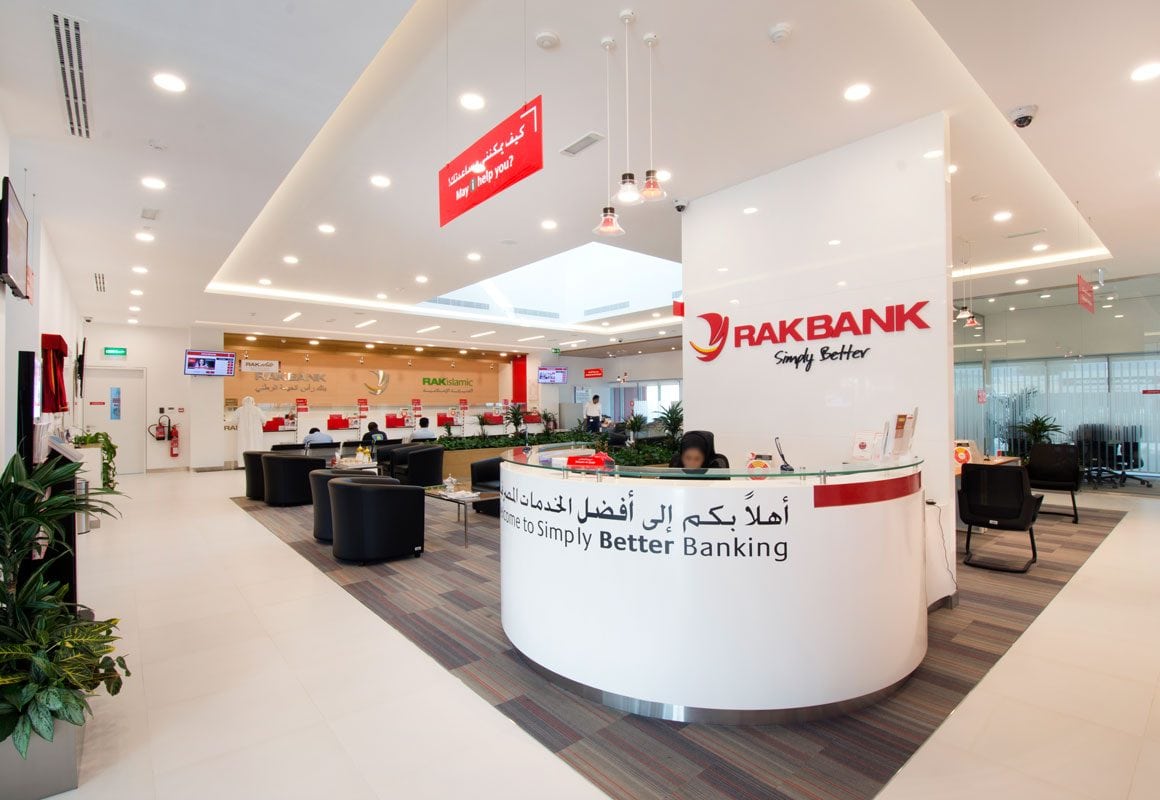
RAK Bank, officially known as the National Bank of Ras Al Khaimah, has announced robust financial results for the third quarter of 2024, highlighting significant growth in interest income alongside a reduction in provisions for loan losses. The bank’s net profit surged by 38% compared to the same quarter in the previous year, reflecting the bank’s effective strategies and the positive impact of the current economic landscape.

The increase in interest income has been attributed to the ongoing rise in interest rates, which has positively influenced the bank’s lending operations. This has resulted in a notable expansion of its net interest margin, a key indicator of a bank’s profitability. RAKBANK reported a net interest income of AED 563 million for the third quarter, marking a 30% increase from AED 433 million in the same period last year. The bank’s focus on optimizing its asset-liability management has allowed it to capitalize on the higher interest rates effectively.

The bank’s lending portfolio also showed resilience, with total loans and advances increasing by 12% to AED 32.4 billion. This growth is reflective of the bank’s strategic emphasis on retail banking and SME (small and medium-sized enterprises) lending, which have been prioritized as key growth areas. Retail loans accounted for a significant portion of the growth, as the bank introduced several attractive products tailored to meet customer needs.

RAKBANK has demonstrated a commendable effort in managing its operational costs, which have remained stable despite the increased lending activity. The cost-to-income ratio improved to 36.5%, down from 38.2% in the previous year, indicating enhanced operational efficiency. This metric is crucial for assessing how well a bank controls its costs relative to its income.

A noteworthy aspect of the quarterly results is the decline in provisions for credit losses, which decreased by 28% year-on-year to AED 96 million. This reduction is significant as it indicates a stabilizing economic environment and improved asset quality. The bank’s non-performing loan (NPL) ratio has also seen improvement, declining to 5.2% from 5.7% in the previous quarter, reflecting the bank’s effective risk management strategies.

RAKBANK’s leadership has expressed confidence in the bank’s strategic direction and financial health. The CEO emphasized the bank’s commitment to maintaining a strong balance sheet while focusing on sustainable growth initiatives. The management believes that by continuing to strengthen its core banking operations and expanding its service offerings, RAKBANK is well-positioned to navigate the current economic climate and capitalize on emerging opportunities.

Market analysts have responded positively to RAKBANK’s financial performance, noting that the bank’s robust results reflect not only its strong operational foundation but also its ability to adapt to changing economic conditions. Analysts project that RAKBANK will continue to benefit from the favorable interest rate environment and that its focus on retail and SME lending will drive further growth in the coming quarters.

The UAE’s overall economic environment remains supportive of banking sector growth, fueled by government initiatives aimed at diversifying the economy and fostering a more robust private sector. RAKBANK’s strategy to align its offerings with national objectives, such as promoting small businesses and innovation, positions it favorably in a competitive landscape.

RAKBANK has been actively investing in technology and digital transformation to enhance its customer service and streamline operations. Initiatives aimed at improving digital banking experiences have garnered positive feedback from customers, helping the bank to attract and retain clients in an increasingly digital-oriented market. The bank’s efforts to embrace fintech solutions are expected to further enhance its competitive edge and operational efficiency.

With these strong third-quarter results, RAKBANK has solidified its position as one of the leading banks in the UAE. The combination of increased interest income, reduced provisions, and efficient cost management underscores the bank’s commitment to delivering value to its shareholders while enhancing customer satisfaction. The management remains optimistic about future growth, emphasizing that continued focus on core banking and customer-centric strategies will be key to navigating the evolving financial landscape.

ADNEC Group, a subsidiary of Modon Holding, has finalized an agreement to acquire 100% of Abu Dhabi’s Royal Catering Services. The financial specifics of the deal have not been disclosed, but this move aligns with ADNEC’s broader strategy to expand its portfolio, particularly within the hospitality and catering sectors. This acquisition is part of Abu Dhabi’s continued efforts to consolidate its industry assets and further strengthen its position in the region’s growing hospitality market.

Royal Catering Services, a well-established player in the UAE’s food and hospitality industry, has been serving high-profile clients, including government entities, private corporations, and large-scale events, for years. The company’s reputation for quality and its expansive range of catering solutions made it a prime target for ADNEC, which has been on an aggressive expansion spree to diversify its operations. By acquiring Royal Catering, ADNEC is positioning itself to leverage the catering company’s expertise to enhance its offerings, especially for the numerous international events it hosts at its venues.

ADNEC, well-known for its management of Abu Dhabi’s largest convention and exhibition center, has long focused on expanding its capabilities in tourism, events, and hospitality. This latest acquisition represents a natural extension of its services. The catering industry in the UAE has shown substantial growth over the past few years, driven by the increasing demand for high-end catering services across events, conferences, and weddings. ADNEC’s acquisition signals its commitment to becoming a major player in this booming sector.

In addition to its strong foothold in the hospitality space, ADNEC has been steadily increasing its investments in other industries. Modon Holding, the parent company of ADNEC, recently integrated ADQ’s and IHC’s shareholding assets into a new entity, Q Holding, valued at approximately AED 44 billion. This move is part of a larger vision to consolidate Abu Dhabi’s real estate and hospitality assets under one umbrella, ensuring more streamlined operations and maximizing growth opportunities.

Royal Catering’s integration into ADNEC is expected to benefit from the increased scale of operations and access to a broader customer base, including major public events and government contracts. The synergy between ADNEC’s event management expertise and Royal Catering’s well-established service offerings is expected to enhance both brands’ market positions and operational efficiencies.

The acquisition also coincides with Abu Dhabi’s broader strategy to attract more tourists, investors, and businesses to the region. By bolstering its hospitality sector, the emirate is aligning itself with global trends where large corporations are increasingly consolidating to create industry-leading conglomerates. This deal follows other key strategic mergers in the region, including ADQ’s ongoing efforts to boost tourism and real estate by bringing together assets like Modon, ADNEC, and Q Holding.

Industry experts have noted that ADNEC’s move is a reflection of a larger regional trend of consolidation in hospitality and event management. As Abu Dhabi continues to position itself as a global hub for business tourism, ADNEC’s acquisition of Royal Catering is likely to enhance its ability to offer comprehensive event solutions—from venue management to catering—on a much larger scale.

Emirates has made a significant investment in its cargo capabilities by ordering five additional Boeing 777 freighters, marking a strategic move to enhance its air freight operations. This latest acquisition will expand the airline’s freighter fleet to 21 aircraft by the end of 2026, allowing it to meet growing global demand for air cargo services. The new freighters are expected to deliver improved efficiency and capacity, supporting Emirates’ commitment to providing reliable and high-quality logistics solutions.

The decision to enhance the fleet comes amid a surge in e-commerce and a rise in international trade, factors that have contributed to increased demand for air freight services. As global supply chains evolve, airlines are adapting to changing market dynamics, and Emirates is no exception. The Boeing 777 freighter, known for its operational efficiency and cargo capacity, is a popular choice among airlines looking to optimize their cargo operations.

Emirates SkyCargo, the cargo division of Emirates, has been at the forefront of this growth, leveraging its extensive network to facilitate the transport of goods worldwide. The division has invested in modernizing its fleet and expanding its facilities to accommodate the needs of its customers. By introducing additional freighters, Emirates aims to solidify its position as a leader in the air cargo market.

The order for the new 777 freighters is part of Emirates’ broader strategy to expand its cargo operations. The airline has been actively increasing its capacity to handle a diverse range of goods, from perishables to pharmaceuticals. The 777 freighter can carry up to 102 metric tons of cargo, making it well-suited for transporting high-volume shipments.

Market analysts have highlighted the importance of air cargo in the global supply chain, particularly in the wake of disruptions caused by the pandemic. The resilience of the air freight sector has become evident as businesses increasingly rely on fast and efficient transportation of goods. Emirates’ investment reflects its confidence in the recovery and growth of the global economy, as well as its commitment to meeting the demands of its customers.

Emirates’ freighter fleet expansion aligns with industry trends that show a robust recovery in air cargo volumes. According to the International Air Transport Association (IATA), air cargo demand remains strong, driven by the ongoing e-commerce boom and a shift in consumer behavior. The IATA has reported that air freight is not only resilient but also a crucial enabler of trade, providing businesses with the ability to reach global markets swiftly.

The new freighters will support Emirates SkyCargo’s operations across its extensive network, which spans six continents. The airline currently operates in over 130 destinations, offering a range of logistics services tailored to the needs of different industries. Emirates SkyCargo has established itself as a trusted partner for businesses seeking reliable air freight solutions.

In addition to expanding its fleet, Emirates has also invested in infrastructure improvements at its hub in Dubai. The Dubai International Airport has undergone significant upgrades to enhance its cargo handling capabilities. These enhancements include state-of-the-art facilities for temperature-sensitive goods and specialized handling processes for fragile and high-value items. Such investments are essential for maintaining the airline’s reputation for quality and reliability.

Industry experts predict that the demand for air cargo will continue to rise in the coming years, driven by factors such as globalization, increasing consumer expectations, and the need for rapid delivery. This positive outlook has prompted airlines to invest heavily in their freighter fleets and logistics capabilities.

Emirates’ commitment to sustainability is also reflected in its fleet expansion strategy. The airline has been actively pursuing initiatives to reduce its carbon footprint and improve operational efficiency. The new Boeing 777 freighters are designed with advanced technology that enhances fuel efficiency, contributing to Emirates’ goals of sustainable aviation.

As Emirates prepares to welcome the new freighters into its fleet, it remains focused on providing exceptional service to its customers. The airline’s dedication to innovation and quality service has garnered it a loyal customer base, further strengthening its position in the competitive air cargo market.

Dubai’s real estate sector is poised for a significant expansion, projected to deliver approximately 90,000 new homes within the next two years. This surge, driven by a blend of robust demand, favorable government policies, and infrastructural advancements, marks a pivotal moment in the emirate’s housing market, indicating a strong recovery from the downturn experienced during the pandemic.

The influx of new housing is expected to address the growing population’s needs and meet the demand from expatriates and investors seeking to establish residence in the emirate. Recent reports from various real estate consultancies highlight that Dubai’s property market has shown resilience, with residential sales and rental prices steadily increasing. This trend has been underpinned by factors such as Dubai’s strategic location, world-class amenities, and a business-friendly environment that continues to attract global investments.

Leading real estate developers have ramped up their construction efforts, with several large-scale projects underway across various districts. Notable developers such as Emaar Properties, DAMAC Properties, and Nakheel are among the key players contributing to this ambitious housing agenda. Emaar, for instance, is actively advancing its Dubai Hills Estate and Downtown Dubai projects, which are anticipated to add thousands of units to the market.

Analysts emphasize that this upcoming supply will not only enhance housing availability but also introduce a diverse range of options, from affordable units to luxury villas. The diversification in housing stock is crucial for catering to the varied needs of potential buyers and renters. Moreover, government incentives aimed at boosting homeownership, including long-term residency visas for property investors, have further stimulated market interest.

Data from the Dubai Land Department indicates a remarkable growth trajectory in property transactions. The value of real estate transactions in Dubai reached AED 69 billion (approximately USD 18.8 billion) in the first half of 2024, reflecting a 23% increase compared to the same period in 2023. This vibrant market dynamic is expected to sustain momentum as the emirate continues to position itself as a global business hub.

Emerging trends in the housing market reveal a growing preference for sustainable and smart living solutions. Developers are increasingly incorporating green technologies and sustainable practices in their projects, appealing to environmentally-conscious buyers. This shift is aligned with Dubai’s broader vision to become one of the world’s most sustainable cities, as outlined in its Dubai 2040 Urban Master Plan.

In addition to sustainability, there is a heightened focus on community living, with many new developments emphasizing integrated communities that provide residents with a blend of lifestyle, leisure, and connectivity. The trend reflects a growing recognition of the importance of communal spaces and amenities in enhancing the overall quality of life for residents.

Infrastructure developments also play a pivotal role in bolstering Dubai’s real estate sector. The ongoing expansion of public transportation, including the Metro and road networks, is facilitating easier access to various neighborhoods, thereby enhancing their attractiveness. The upcoming Expo 2025 and the anticipated hosting of major events will further augment the demand for housing, as international visitors flock to experience what Dubai has to offer.

Challenges remain, however, as the market navigates through fluctuations in global economic conditions and interest rates. Rising construction costs and supply chain disruptions pose potential hurdles that could impact project timelines and profitability. Developers are urged to adopt innovative construction methodologies and materials to mitigate these challenges and maintain project viability.

Investors are also keeping a close watch on regulatory developments that could affect market dynamics. The Dubai government’s commitment to transparency and investor protection has fostered a favorable climate for investment. New regulations aimed at enhancing the ease of doing business and ensuring the stability of the property market are likely to maintain investor confidence and encourage further capital inflows.

Meets with Cita Tenun Indonesia (CTI), one of Indonesia’s most renowned fashion organizations Engages in a discussion on design aesthetics and the progress of EmpowerHer initiatives. TAIPEI, TAIWAN- Media OutReach Newswire – 21 October 2024 – International fashion icon Tia Lee (李毓芬) recently visited Jakarta. The primary purpose of her visit was for a cover shoot with Harper’s Bazaar Indonesia, but she also had another significant objective […]

Dubizzle Group, the leading online classifieds platform in the Middle East, is preparing for a landmark initial public offering (IPO) expected in 2025. The company’s efforts to restructure and position itself for this significant milestone reflect its commitment to consolidating its market presence and scaling its operations across the MENA region. This move comes after a series of successful funding rounds and acquisitions, further enhancing its valuation […]

Growing economic ties between Russia and the United Arab Emirates (UAE) are underscored by a notable increase in trade, which has reportedly tripled over the last three years, according to President Vladimir Putin. This significant surge in bilateral commerce reflects a strengthening partnership that encompasses various sectors, including energy, agriculture, and technology. Both nations have shown a commitment to further expanding these economic relations, particularly in the […]

Saudi Arabia’s United International Holding has confirmed plans to sell a 30% stake in the company through an initial public offering (IPO). This decision marks a significant move in the Saudi capital markets, reflecting the broader trend of privatization and investment diversification pursued by the kingdom. The company aims to utilize the funds raised through the IPO to enhance its operations and expand its market presence across […]

Lulu Group International, one of the Middle East’s largest retail conglomerates, is planning to sell a 25% stake in its retail and sourcing divisions, raising approximately $1.7 billion to $1.8 billion. This move is a precursor to its highly anticipated initial public offering (IPO), expected on the Abu Dhabi Securities Exchange (ADX). The company, led by Chairman and Managing Director Yusuff Ali M.A., is seeking a valuation in the range of $6.5 billion to $7 billion, according to sources with direct knowledge of the matter.

The decision to proceed with an IPO is expected to be announced within the week, marking a significant milestone for the company, which operates more than 250 hypermarkets across the Middle East, Africa, and Asia. Lulu Group’s IPO plans come amid a wave of interest in the Gulf’s capital markets, bolstered by investor confidence and economic diversification efforts across the region.

Lulu’s expansion into the public market is seen as part of a broader strategy to tap into new growth opportunities and enhance its market presence. The company’s financial performance has remained solid over the years, with continued revenue growth fueled by its expansion in key markets such as Egypt, India, and Malaysia. In addition to its retail operations, Lulu Group has invested heavily in logistics and infrastructure to support its growing global footprint.

The timing of the IPO coincides with heightened market activity on the ADX, where several major IPOs have been launched recently. Analysts view Lulu Group’s entry into the public market as a significant event, one that could set a precedent for other large family-owned businesses in the region to follow suit. The dual listing of the company on both the ADX and Saudi Arabia’s Tadawul is also under consideration, according to reports, which could further amplify investor interest.

Dubai-based Emirates SkyCargo has announced a significant expansion of its cargo operations with a new order for additional Boeing 777F freighters. This move underscores the airline’s commitment to enhancing its global logistics capabilities and meeting the increasing demand for air freight services. The deal is expected to bolster Emirates SkyCargo’s position as a leading player in the global air cargo industry, which has witnessed remarkable growth amid […]

VISHNU RAJA
RYO YAMADA
HITORI GOTOH
IKUYO KITA