News related to
Expansion

The Forbes “Philippines’ 50 Richest” list has reaffirmed the dominance of casino magnates, with entrepreneurs from the industry holding the top two positions for yet another year. The list, unveiled on Thursday, highlights the wealth amassed by some of the country’s most influential business figures, reinforcing their stronghold in the nation’s economic landscape. Leading the rankings is Manuel V. Pangilinan, a prominent businessman with extensive investments across […]

Expands global presence, targeting 100 locations by end of year TOKYO, JAPAN – Media OutReach Newswire – 7 August 2025 – In an era of rapid technological advancement, industries worldwide are actively integrating cutting-edge technologies to drive business breakthroughs. Worldgate global Logistics Ltd (“Worldgate“, together with its subsidiaries, collectively the “Group”; HKEx: 8292) is pleased to announce that its interactive entertainment business, VSING (“the Company”) has formed […]

ADNOC Distribution has posted a robust 12% increase in net profit for the first half of 2025, reflecting solid growth across its key sectors. The UAE’s largest fuel distributor achieved its highest-ever fuel volumes during this period, with 7.62 billion litres sold, marking a 5.6% year-on-year rise. The company has shown a significant recovery from global market fluctuations, continuing to benefit from its diversified portfolio. The performance […]

Dubai’s tourism sector is rapidly diversifying, offering much more than the traditional image of luxury shopping and towering skyscrapers. The city is emerging as a unique blend of culture, history, and sustainability, catering to a growing number of travellers seeking immersive experiences alongside high-end offerings. This transformation is shaping the city’s identity as a global tourism destination and redefining what it means to travel to Dubai.

In 2024, the Dubai Department of Economy and Tourism reported that the emirate hosted 18.72 million international overnight visitors from January to December, marking a 9% year-over-year increase from 2023’s record of 17.15 million. This growth is indicative of a broader shift in the city’s appeal, with visitors increasingly drawn to its rich cultural and historical offerings. While Dubai’s luxury shopping malls and ultramodern skyscrapers remain major attractions, the city has made significant strides in integrating cultural heritage, sustainability, and immersive experiences into its tourism strategy.

The rise in visitor numbers aligns with Dubai’s efforts to diversify its tourism portfolio. Beyond its well-established reputation for opulence, the city is now fostering an environment that invites exploration of its heritage sites, art galleries, and cultural festivals. Dubai’s museums, like the Dubai Museum in Al Fahidi Fort, the Louvre Abu Dhabi, and the Museum of the Future, are attracting global attention for their architectural innovation and comprehensive exploration of humanity’s past and future.

The surge in visitors is also a reflection of the city’s continued commitment to sustainable tourism practices. Dubai is investing in eco-friendly infrastructure, including green buildings, public transport, and energy-efficient hotels, all of which align with the city’s long-term vision of becoming a global leader in sustainability. Initiatives such as the Dubai Clean Energy Strategy 2050 aim to reduce the city’s carbon footprint and promote the use of renewable energy sources in tourism-related activities.

Luxury, however, remains at the heart of Dubai’s tourism offering. High-end hotels, resorts, and fine dining experiences continue to draw affluent visitors. Iconic destinations such as the Burj Khalifa, Palm Jumeirah, and the Dubai Marina remain central to the city’s tourism model, offering unparalleled luxury experiences. However, Dubai’s tourism landscape is diversifying further, providing options for a broader range of travellers, from budget-friendly accommodations to more cultural and eco-conscious experiences.

Cultural tourism has emerged as a focal point for growth, with Dubai positioning itself as a crossroads between the East and West. The Dubai Opera, a state-of-the-art venue in Downtown Dubai, regularly hosts international performances, from opera and ballet to contemporary music. The Dubai Arts and Culture Authority’s efforts to promote local art and host international exhibitions have enhanced the city’s cultural offering. Moreover, the Dubai International Film Festival and the Dubai Design Week further solidify the emirate’s role as a key player in the global cultural scene.

Dubai’s transformation into a more multifaceted destination is attracting a growing number of visitors from both established and emerging markets. Tourists from Europe, Asia, and Africa are increasingly seeking a deeper connection to the city’s heritage and culture, beyond its well-known luxury offerings. With a diversified tourism strategy, Dubai is well-positioned to attract these travellers, offering a range of activities that appeal to a variety of interests.

Dubai’s appeal also extends to families, with the city offering family-friendly attractions such as Dubai Parks and Resorts, which includes theme parks like Motiongate Dubai and Legoland Dubai. The emirate’s focus on family-oriented experiences is strengthening its position as a year-round destination, attracting tourists from across the globe who seek a blend of entertainment, culture, and relaxation.

The Dubai Expo 2020, although postponed to 2021 due to the pandemic, played a significant role in the city’s tourism resurgence. The event highlighted Dubai’s potential to host large-scale international events, showcasing the city’s modern infrastructure and its ability to welcome diverse cultures. It also set the stage for long-term growth in cultural and eco-tourism by bringing together innovators, thinkers, and influencers from around the world.

The city’s ongoing expansion of public and private sector collaborations is bolstering Dubai’s appeal as a hub for business tourism. International conferences, expos, and corporate events have become a significant part of the city’s tourism strategy. Dubai’s state-of-the-art conference venues, such as the Dubai World Trade Centre, offer cutting-edge facilities that make the city a prime destination for business travellers.


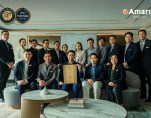
A milestone moment reinforcing ONYX Hospitality Group’s leadership in regional hospitality excellence VIENTIANE, LAOS – Media OutReach Newswire – 6 August 2025 – ONYX Hospitality Group, a leading hospitality management company in Southeast Asia specialising in hotels, resorts, serviced apartments, and luxury residences, is pleased to announce that Amari Vientiane has been recognised with four prestigious accolades at the Haute Grandeur Global Awards 2025, underscoring the hotel’s […]

BitBridge has announced plans to begin acquiring Bitcoin for its balance sheet, with the intention of going public by the end of the third quarter of 2025. The company, which is positioning itself as a key player in the cryptocurrency sector, aims to tap into the growing demand for digital assets by developing an ecosystem centred around Bitcoin. This will include offering BTC-backed loans, potentially reshaping the landscape of crypto-finance.

The company’s move to purchase Bitcoin signals a strategic shift towards greater exposure to digital currencies and aligns with the broader trend of institutional investment in crypto assets. With the recent volatility in the cryptocurrency market, BitBridge is positioning itself to capitalise on the emerging financial opportunities in the blockchain space.

Going public under the ticker symbol #BTTL, BitBridge will offer investors the chance to access a growing market for Bitcoin-backed services and investment vehicles. The decision to acquire Bitcoin directly for its balance sheet highlights a growing trend among crypto-focused firms to integrate the asset into their operations as a long-term investment and financial instrument. This development also mirrors actions taken by large corporations, including payment giants like Tesla, which have previously added Bitcoin to their balance sheets.

Alongside the balance sheet expansion, BitBridge is laying the groundwork for an innovative platform that will offer Bitcoin-backed loans. This new service aims to provide an alternative to traditional lending, leveraging the liquidity of Bitcoin to offer credit solutions for crypto holders. These loans, secured by Bitcoin, could appeal to both individual and institutional clients who may be looking to unlock value from their holdings without selling their digital assets.

The potential for Bitcoin-backed loans to disrupt traditional lending models has garnered attention from experts in the fintech space. By collateralising loans with Bitcoin, borrowers can access liquidity while retaining ownership of their crypto assets. This could prove especially attractive in an environment where cryptocurrency adoption is growing, and more individuals are seeking ways to integrate their holdings into the broader financial system.

One of the critical aspects of BitBridge’s strategy will be its approach to regulatory compliance. As governments around the world begin to refine their stance on cryptocurrency, BitBridge’s ability to navigate the regulatory landscape will be crucial for its success. The company’s move to offer Bitcoin-backed loans will likely draw increased scrutiny from financial regulators, especially as concerns grow over the potential risks associated with crypto-backed lending.

BitBridge is also positioning itself within a competitive space, with several established players already offering similar services. However, the company’s focus on Bitcoin as a core asset distinguishes it from others in the market, potentially allowing it to tap into a niche but growing sector of the cryptocurrency market.

In addition to its focus on Bitcoin, BitBridge has emphasised the importance of security and transparency in its operations. As the crypto ecosystem continues to evolve, concerns about cybersecurity and the protection of assets remain top priorities for both investors and users. BitBridge’s commitment to building a secure and transparent platform is likely to play a significant role in attracting users who are wary of the risks associated with the crypto space.

The Africa Debate conference, a pivotal event focusing on trade and investment across the African continent, is set to take place on 30 September 2025 in Dubai. Organised by Invest Africa in partnership with the UAE government, this flagship conference aims to address critical issues surrounding economic growth, investment opportunities, and regional collaboration in Africa. Held in cooperation with the UAE Ministry of Foreign Trade, the conference […]

Advertisements

Ethiopian Airlines has posted an 8% rise in annual revenue for the 2024/25 financial year, driven by a significant increase in passenger numbers and the expansion of its route network. Despite facing operational challenges on some routes due to ongoing conflicts, the airline’s strategic decisions have enabled it to maintain growth momentum. The company has reported an increase in the volume of passengers, which reflects a strong […]

Loan growth among the largest banks in the Gulf Cooperation Council region surged in the second quarter of 2025, driven by a combination of lowered interest rates and an optimistic economic outlook. Saudi Arabia’s Al Rajhi Banking & Investment Corp. posted the most significant growth, outpacing its competitors with a 19.31 per cent year-on-year rise, compared to 7.37 per cent in the previous year. This marked acceleration […]

Geopolitical uncertainties and escalating regional tensions have continued to dampen growth in the UAE’s non-oil sector, with July’s Purchasing Managers’ Index marking its lowest point in four years. The S&P Global UAE PMI dropped to 52.9 from 53.5 in June, highlighting a slower pace of expansion in the country’s non-oil business activity. The decline indicates that the rate of growth has weakened, falling below the long-term trend observed in past months.

The report, based on a survey of businesses across the UAE, signalled the weakest growth in the non-oil sector since June 2021. It outlined several key factors contributing to the slowdown, most notably the lingering geopolitical uncertainties affecting both domestic and regional market conditions. Sales, in particular, have been impacted, with companies facing challenges in securing new business. The survey revealed that a cautious approach was being adopted by clients, with many hesitant to commit to new expenditures due to the prevailing uncertain environment.

The survey found that new business growth had slowed further, with firms reporting reduced client demand across various sectors. This has led to a decline in both hiring and purchasing activity, further underscoring the strained business conditions. Companies appear more reluctant to invest in workforce expansion or in the procurement of goods and services.

Despite these setbacks, there was a notable increase in output levels, as firms worked to manage their backlogs of work. To ensure that delivery times were met and customer satisfaction remained high, businesses opted to accelerate their production. This uptick in output was a response to the mounting pressures caused by increased demand from existing orders, with firms aiming to prevent a further buildup of work left unfinished.

According to the PMI report, the services sector, a key pillar of the non-oil economy, showed signs of stagnation in growth. This is in contrast to other periods of relative expansion, where the sector had experienced more robust gains. The impact of external factors, such as regional tensions and fluctuating demand, has been particularly noticeable in the services sub-sector, which includes industries like hospitality, tourism, and business services.

Notably, the survey’s findings also revealed that UAE businesses were still grappling with a cautious economic outlook. Many are navigating the ongoing challenges posed by global economic conditions, including inflationary pressures and supply chain disruptions. While some sectors have managed to adapt, the overall sentiment among businesses remains one of caution.

Another contributing factor to the sector’s struggle has been the steady rise in costs. With inflationary pressures mounting, firms have faced higher input costs, which they have had to balance against the slower growth in demand. Despite these challenges, many companies are opting to absorb the additional costs to maintain competitive pricing in the marketplace, though the sustainability of this approach is under scrutiny as conditions persist.

While the non-oil sector’s growth has been muted, there have been some positive indicators in the form of continued investment in infrastructure projects and the government’s commitment to diversifying the economy. The UAE’s Vision 2030, which focuses on reducing dependence on oil revenues, remains a long-term blueprint for economic transformation. However, the road ahead appears uncertain, with regional tensions and external pressures acting as major headwinds to the UAE’s ambitious goals.

In terms of employment, the outlook is mixed. While there has been a decline in hiring across some sectors, others continue to experience demand for skilled workers, particularly in industries aligned with the country’s long-term economic diversification plans. However, businesses have also been cautious in their hiring practices, mindful of the fluctuating economic environment and the potential for further uncertainties in the coming months.

Chris Rokos, the founder of Rokos Capital Management, is making strategic moves to expand his $22 billion hedge fund by setting up an office in Abu Dhabi next year. This step signals a growing trend of financial institutions establishing a foothold in the Middle East as they aim to tap into the region’s increasing significance in global finance.

Abu Dhabi’s financial ecosystem has become a key destination for international money managers, with its combination of tax incentives, a favourable regulatory environment, and proximity to key investment markets. By establishing an office in the UAE capital, Rokos Capital aims to leverage these advantages and enhance its trading strategies across various global markets. This expansion also aligns with a broader push by the hedge fund to diversify its operations and build closer ties with key investors in the region.

The decision to set up an office in Abu Dhabi is expected to attract top-tier talent from around the world, as the region continues to see an influx of skilled professionals seeking new opportunities. Furthermore, the move places Rokos Capital in a prime position to access an increasingly wealthy investor base in the Gulf Cooperation Council states, particularly those with significant holdings in sectors like energy and real estate.

The UAE’s capital is rapidly evolving into a financial hub, with its offerings including some of the world’s most competitive tax rates, an open economic environment, and a growing number of financial services firms. Many hedge funds, private equity firms, and sovereign wealth funds are establishing regional offices in Abu Dhabi to capitalise on these benefits and strengthen their connections with the lucrative markets of the Middle East and North Africa.

Several global players have already set up in the UAE as the emirate works to position itself as an alternative to traditional finance centres like London and New York. The UAE government has introduced various reforms designed to attract international investment, including more relaxed laws on foreign ownership and easier access to its financial markets.

Rokos Capital’s decision reflects a broader trend in the industry, with more asset managers shifting focus to the Middle East as an emerging centre of financial activity. The UAE’s commitment to fostering a dynamic business environment, combined with its strategic geographic location, makes it an attractive option for firms looking to strengthen their global presence.

Despite this, the move also indicates the growing competition among global financial firms to establish a footprint in the Middle East. As the region’s financial market continues to expand, the demand for skilled workers and high-quality investment opportunities is expected to grow, making it an essential market for international hedge funds like Rokos Capital.

By establishing operations in Abu Dhabi, Rokos Capital will be better positioned to manage its diverse portfolio, which spans various asset classes and global markets. This move could also bolster the firm’s trading operations in the region and provide increased access to the considerable liquidity available in local financial markets.

While the details of the office’s specific location and operations are yet to be fully disclosed, this expansion is likely to further cement the UAE’s growing role in global finance. As the financial landscape in the Middle East evolves, the presence of international players such as Rokos Capital will play a crucial role in shaping the future of finance in the region.

Kuehne+Nagel UAE has obtained certification from the Emirates Drug Establishment to store and manage raw pharmaceutical materials at its Dubai South facility. This accreditation positions the company to expand its capabilities in the UAE’s pharmaceutical logistics sector, adding to its existing permissions to store medical products. The new certification signifies an important milestone in the company’s efforts to cater to the evolving needs of the healthcare supply chain in the region.

The newly certified facility allows Kuehne+Nagel to handle raw materials essential for pharmaceutical production, further bolstering its role as a key player in healthcare logistics. It will enable the company to supply critical materials to local and international pharmaceutical companies, ensuring that storage complies with stringent regulatory and safety standards set by UAE authorities. This move aligns with broader efforts in the region to enhance pharmaceutical infrastructure and improve the efficiency of medical supply chains.

Dubai South, known for its advanced infrastructure and strategic location, will play a pivotal role in supporting Kuehne+Nagel’s expanded operations. The facility meets the rigorous storage conditions required for raw materials, including temperature-controlled environments necessary for certain products. The company’s ability to offer these services is expected to help it maintain its competitive edge in an industry where compliance and precision are paramount.

Kuehne+Nagel has long been known for its expertise in logistics solutions, particularly for the healthcare sector. Its global network, combined with an emphasis on regulatory compliance, has made it a trusted partner in the transportation and storage of pharmaceutical products. By acquiring EDE certification, the company solidifies its position in the Middle East, where demand for pharmaceutical products is growing steadily due to population expansion, technological advancements, and a greater emphasis on healthcare reform.

The UAE has become an important hub for pharmaceutical trade and logistics, serving as a gateway to the wider Middle East and Africa. As the global demand for pharmaceutical products continues to rise, the UAE has implemented stringent regulations to ensure that products are handled safely and stored properly. Kuehne+Nagel’s certification underscores the importance of meeting these regulations, particularly in a market where the integrity of medical materials is critical.

This move also highlights the growing trend within the logistics industry towards increasing investment in specialised facilities. Companies are increasingly focusing on providing tailored services that meet the unique needs of the healthcare sector, particularly when it comes to temperature-sensitive products. With its new EDE certification, Kuehne+Nagel is well-positioned to meet these evolving requirements, ensuring that raw materials are stored and handled in compliance with the highest standards.

The UAE government has also placed significant emphasis on aligning with international standards in the pharmaceutical sector. This is part of a broader strategy to bolster the nation’s healthcare infrastructure and make it a leader in pharmaceutical logistics in the region. As such, the EDE certification is not only a reflection of Kuehne+Nagel’s commitment to quality but also a reflection of the UAE’s broader objectives to maintain high standards across all sectors.

Deepening “One Core and Two Wings” Strategic Layout Steady Improvement in Business Quality Continuously Enhancing Shareholder Returns HONG KONG SAR – Media OutReach Newswire – 5 August 2025 – The world’s largest telecommunications infrastructure service provider China Tower Corporation Limited (“China Tower”, or the “Company”) (Stock Code: 0788.HK) is pleased to announce its interim results for the six months ended 30 June 2025. Performance Highlights RMB Million […]

Dubai is set to become the first city globally to introduce a commercial air taxi service, marking a significant milestone in the evolution of urban mobility. This groundbreaking move follows the successful completion of full-scale test flights by US-based Joby Aviation, a company leading the development of electric vertical takeoff and landing aircraft. The service is planned to roll out in 2026, making Dubai a frontrunner in […]

Dubai’s tourism sector has shown impressive growth, with 9.88 million international visitors recorded in the first half of 2025, a significant achievement that underscores the city’s growing prominence on the global tourism map. Crown Prince Sheikh Hamdan bin Mohammed highlighted this milestone, attributing the success to the leadership and vision of Vice President and Ruler of Dubai, Sheikh Mohammed bin Rashid.

This surge in visitor numbers aligns with the ambitions outlined in the Dubai Economic Agenda D33, a strategic plan aiming to position the emirate among the world’s top three tourism destinations. Under this agenda, Dubai seeks to expand its appeal, diversify its tourism offerings, and enhance its global standing, with a clear goal of fostering sustained growth in the sector. The half-year figures reflect strong international interest and robust demand for Dubai’s varied tourism attractions, spanning luxury shopping, iconic architecture, and cultural experiences.

The Dubai government’s commitment to the tourism sector has been evident in a series of high-profile initiatives and investments designed to enhance the city’s appeal. From the development of world-class infrastructure to hosting global events such as Expo 2020 and numerous international conferences, Dubai has positioned itself as a key player in the competitive global tourism market. The city’s tourism recovery, which began after the pandemic, has been swift, drawing millions from across the globe, particularly from Asia, Europe, and the Middle East.

A significant driver of Dubai’s tourism growth is its extensive air connectivity, facilitated by Dubai International Airport, one of the busiest airports in the world. DXB has consistently served as a global hub for international travel, with Emirates airline offering seamless connections to key markets. The airport’s strategic location and connectivity have been instrumental in attracting a steady flow of travellers, particularly from Europe and Asia, who increasingly view Dubai as a prime destination for both business and leisure.

Dubai’s luxury sector, including five-star hotels and upscale shopping malls, has continued to thrive, attracting affluent tourists seeking high-end experiences. The city’s offerings have evolved, with a growing emphasis on experiential travel, which includes culinary tourism, wellness retreats, and adventure tourism. The government’s continued investment in cultural infrastructure, including the Louvre Abu Dhabi and Museum of the Future, enhances Dubai’s appeal to cultural tourists, complementing its already robust retail and entertainment scenes.

Dubai’s rise in the global tourism ranks is not merely the result of external factors, but the active cultivation of a highly attractive destination. The city is known for its safety, cleanliness, and well-organised tourism offerings, with services ranging from luxury experiences to budget-friendly options catering to diverse traveller needs. As tourism numbers continue to rise, Dubai is expected to further strengthen its position as a hub for international events, exhibitions, and conferences.

In line with its long-term goals, Dubai has introduced several initiatives aimed at increasing tourism numbers, such as the Dubai Tourism Strategy 2025, which includes a broader approach to tourism marketing. The strategy focuses on creating innovative marketing campaigns, expanding the city’s digital presence, and engaging with emerging travel trends such as eco-tourism and sustainable travel.

The city’s strategic location, combining Eastern and Western influences, has further cemented Dubai’s appeal as a cultural melting pot, drawing people from all corners of the world. Notable growth has been observed from markets in Asia, particularly China and India, with Dubai becoming an increasingly important destination for affluent travellers looking for luxury, leisure, and business opportunities in a safe and accessible environment.

Dubai’s status as a global financial and business centre has also contributed to the rise in international visits, particularly among business executives and entrepreneurs attending conferences and exhibitions. The emirate’s commitment to enhancing its business tourism infrastructure, including the expansion of its conference venues and the hosting of high-profile business events, is expected to contribute further to the sector’s growth.

BANGKOK, THAILAND – Media OutReach Newswire – 5 August 2025 – The Metropolitan Electricity Authority (MEA), a leading electricity distributor across Bangkok, Nonthaburi, and Samut Prakan, is proud to announce its recent accolades at the Asia Responsible Enterprise Awards (AREA) 2025, an award ceremony organized by leading NGO Enterprise Asia to celebrate ESG-conscious corporations. MEA’s unwavering commitment to sustainable community development and robust ESG initiatives has earned […]

French artificial intelligence startup Mistral is engaged in discussions to secure up to $1 billion in funding, which could elevate its valuation to $10 billion, according to reports from industry insiders. The company is in talks with several investors and venture capital firms, alongside Abu Dhabi-based MGX, to bolster its growth. This funding will enable Mistral to further develop its large language models and accelerate the commercial […]

Abu Dhabi’s non-oil foreign trade has seen a remarkable surge in the first half of 2025, marking a robust 34.7% growth to AED 195.4 billion compared to AED 145 billion in the same period of 2024. This growth highlights the ongoing strength of the emirate’s economic diversification efforts, underpinned by its expanding infrastructure and logistical capabilities.

The first six months of 2025 saw a significant increase across various trade segments. Non-oil exports jumped by 64%, reaching AED 78.5 billion, up from AED 47.9 billion in the first half of 2024. This surge underscores the growing demand for products manufactured and processed in Abu Dhabi, with key sectors such as chemicals, metals, and machinery playing a pivotal role in this expansion. The rise in exports reflects the emirate’s increasing competitiveness in international markets, driven by its strong manufacturing base and strategic trade agreements with global partners.

On the import front, Abu Dhabi recorded a 15% increase, amounting to AED 80 billion in H1 2025, up from AED 70 billion in the same period last year. This increase in imports is largely attributed to a growing demand for raw materials and technological advancements, as the emirate continues to develop its industrial and technological sectors. Imports have supported the growth of local industries, providing them with the necessary components to maintain high levels of production and innovation.

Meanwhile, re-exports also showed a healthy rise, increasing by 35% to surpass AED 36 billion, compared to AED 26.6 billion during the same period in 2024. Re-exports have become an increasingly vital part of Abu Dhabi’s trade strategy, leveraging the emirate’s strategic location as a key logistics hub. The UAE’s positioning between Asia, Europe, and Africa has made it an essential node for goods flowing to and from global markets. Abu Dhabi’s efficient ports and transport infrastructure further enhance its appeal as a re-export centre, enabling businesses to access regional and international markets more easily.

Key factors contributing to the growth of Abu Dhabi’s non-oil trade include the continuous improvement of its infrastructure, the advancement of logistics services, and the emirate’s strategic positioning as a global trade hub. The development of world-class airports, ports, and transportation networks has facilitated the smooth movement of goods, bolstering trade flows and enhancing the efficiency of supply chains. Additionally, the UAE’s free trade agreements with various countries and regions have opened up new markets for Abu Dhabi’s goods, further driving growth.

The performance of the non-oil trade sector is also a testament to the success of the UAE’s economic diversification policies. The country has long sought to reduce its reliance on oil revenues by fostering growth in other sectors such as manufacturing, trade, and services. Abu Dhabi, in particular, has been at the forefront of this push, with substantial investments in infrastructure, innovation, and education.

Abu Dhabi Customs has played a key role in supporting this growth by enhancing border management and customs procedures, making it easier for businesses to trade globally. Customs reforms and the adoption of digital technologies have streamlined the trade process, reducing delays and costs for traders and facilitating smoother transactions across borders.

Cybersecurity firm Vectra AI has expanded its global operations by opening a new office in Bangalore, a strategic move to reinforce its presence in the Asian market. The company, which focuses on AI-powered threat detection, aims to meet the growing demand for advanced cybersecurity solutions across the region.

The new office will serve as a hub for both engineering and sales operations, marking a significant step in Vectra’s growth strategy. Bangalore, known as India’s tech capital, was chosen due to its thriving tech ecosystem, which is home to a number of global IT giants and startups. This location allows Vectra to tap into the city’s strong talent pool and access a rapidly expanding market for cybersecurity services.

As cyber threats become increasingly sophisticated and widespread, the demand for AI-based cybersecurity solutions has surged globally. Vectra’s decision to set up in Bangalore is part of a broader trend among international tech firms looking to capitalize on India’s growing digital landscape. With a booming digital economy, India is experiencing an uptick in cybercrime, creating an urgent need for advanced cybersecurity measures.

Vectra AI’s technology uses machine learning and AI to detect, investigate, and respond to cyber threats in real-time. The firm’s platform is designed to give enterprises a proactive approach to securing their digital infrastructure by identifying vulnerabilities and malicious activity earlier than traditional methods. The company’s expansion into Bangalore comes at a time when businesses worldwide are prioritizing security, especially as remote work environments and digital transformation continue to rise.

The new office is also expected to boost local job creation in the region. Vectra has been actively recruiting top talent from local universities and the wider IT sector. The firm is looking to hire software engineers, data scientists, and sales personnel to support the growing demand for its solutions. The company’s leadership has expressed confidence that the Bangalore office will play a key role in advancing its technological capabilities and expanding its customer base across Asia.

The company’s move follows a series of investments aimed at expanding its reach. Vectra AI has raised millions in funding in recent years to accelerate its research and development efforts. With the cyber threat landscape continually evolving, the company is positioning itself as a key player in providing solutions that not only detect threats but also help organizations respond to and mitigate attacks effectively.

The Bangalore office will collaborate closely with Vectra’s other offices in the US and Europe, helping to streamline the company’s global operations. It will also serve as a base for expanding partnerships with local firms and government agencies, further cementing Vectra’s commitment to addressing the growing cybersecurity challenges in Asia.

Arabian Post Staff -Dubai US-based artificial intelligence company Anaconda, Inc. has raised $150 million in a Series C funding round, marking a significant milestone in its expansion plans. Mubadala Capital, the asset management arm of Abu Dhabi’s Mubadala Investment Company, is among the key investors. This round, led by US software investor Insight Partners, aims to accelerate Anaconda’s growth, focusing on new AI capabilities, strategic acquisitions, and […]

Despite mounting international tensions and growing calls for sanctions, India has confirmed its commitment to continuing oil purchases from Russia. The decision, which has drawn both support and criticism, comes in the face of strong opposition from Western powers, particularly the United States.

India’s robust relationship with Russia, especially in energy sectors, remains central to its strategy to ensure energy security amid global market volatility. While the United States has intensified its warnings against increasing trade with Russia, citing geopolitical risks and the ongoing war in Ukraine, Indian officials assert that the decision aligns with the country’s broader economic interests and long-term energy goals.

The timing of the announcement comes as global oil prices continue to fluctuate, driven by factors ranging from OPEC+ production cuts to the ripple effects of the Russia-Ukraine conflict. With Russia now facing significant sanctions from the West, including oil price caps and restrictions on exports, India has emerged as one of the largest buyers of Russian crude oil, navigating complex international pressures while keeping its energy needs in focus.

India’s oil imports from Russia soared in the wake of the war in Ukraine, particularly after Western nations moved to isolate Moscow from the global market. The country, which historically sourced much of its oil from the Middle East, found Russian oil a lucrative alternative as Western sanctions created discounts, allowing India to tap into a relatively cheap energy supply.

Russia, in turn, welcomed the partnership, as it opened new markets and ensured continued demand for its oil. According to official sources, Russia’s increased sales to India, and other non-Western nations, helped offset some of the lost revenue due to sanctions.

India’s government, however, has been careful to position its stance within a framework of neutrality. Public statements highlight that the nation’s energy decisions are based on its own national interest, focusing primarily on economic stability and the welfare of its people. Officials have also pointed out that India is among the world’s most energy-hungry nations and needs to secure a steady and affordable supply of oil to support its growing population and economic expansion.

Internationally, this trade has sparked debates over the moral and strategic implications of engaging with Russia. Critics argue that by maintaining ties with Russia, India risks undermining global efforts to isolate Moscow, particularly as Western governments seek to enforce stricter sanctions. They point out the tensions between India’s non-alignment policy and its deepening economic relationship with a nation under international scrutiny.

On the other hand, some argue that India’s approach reflects a pragmatic understanding of its own strategic priorities, particularly the need to balance international relationships with domestic requirements. With rising fuel costs and inflation becoming pressing issues for many nations, securing affordable energy resources has become a matter of national security.

India’s oil trade with Russia, however, is not without its challenges. Western nations have long pressured India to reduce its dependence on Russian energy. The Biden administration, particularly, has warned that India’s continued imports could strain relations, especially as the US seeks to maintain solidarity with its European allies in pressuring Russia. Washington’s position on the matter is clear: nations that continue to do business with Russia will face consequences, with potential impacts on trade and geopolitical ties.

Yet, India’s economic and geopolitical imperatives make it unlikely to back down. As part of the BRICS group, which also includes Brazil, Russia, China, and South Africa, India has voiced its commitment to a multipolar world order where nations can pursue their own economic paths, free from external coercion. India has also consistently argued for the need for dialogue and peaceful resolution in the Russia-Ukraine conflict, advocating for diplomacy over military escalation.

The ongoing conflict has undeniably reshaped global energy dynamics, forcing countries to reassess their energy strategies and alignments. While India’s stance has garnered significant attention, its broader approach is seen as part of an evolving foreign policy that seeks to advance national interests without being swayed by external pressures.

PARIS, FRANCE – Media OutReach Newswire – 1 August 2025 – Dusit International, one of Thailand’s leading hotel and property development companies, has signed a strategic partnership agreement with SYDEL, a French real estate investment company, to establish Dusit France – a joint venture created to bring Dusit’s unique brand of Thai-inspired gracious hospitality to France for the first time. Dusit International and SYDEL formally established Dusit […]

SHANGHAI, CHINA – Media OutReach Newswire – 1 August 2025 – InMobi, a global leader in mobile advertising and AI-powered monetization, is taking center stage at ChinaJoy 2025, highlighting its unparalleled growth and unwavering commitment to the Chinese developer ecosystem. With over 80% penetration among China’s top 100 gaming publishers and near-complete publisher retention InMobi has acheived a two-fold increase in revenue for Chinese partners between H1 […]

e& has reported an impressive net profit of AED 3.5 billion for the second quarter of 2025, up 9.7 per cent year‑on‑year, driven by a substantial rise in its global subscriber base. The company’s performance outstripped the average analyst forecast of AED 2.84 billion, underlining robust execution in a competitive market. Consolidated revenue for Q2 rose 28.1 per cent to AED 18.0 billion, while earnings before interest, tax, depreciation and amortisation increased by approximately 22.2 per […]

VISHNU RAJA
RYO YAMADA
HITORI GOTOH
IKUYO KITA