News related to
Expansion

DP World, Deendayal Port Authority and Polish tech firm Nevomo have formalised an agreement to pilot Nevomo’s MagRail system—a self-propelled, electric linear‑motor freight train—on a 750‑metre stretch at the port in Kandla. Signed on 15 July 2025 by top executives from each organisation, the deal marks India’s first experiment with autonomous magnetic rail freight within an operational port environment.

The partnership will pilot MagRail technology on existing railway tracks to autonomously transport containerised and bulk goods. Powered by electric linear motors, MagRail wagons eliminate diesel use, promising reductions in logistics time, operational costs and CO₂ emissions. The trial is designed to enhance port-hinterland connectivity and support India’s broader logistics modernisation under the National Logistics Policy and the PM‑Gati Shakti agenda.

DP World, a global supply chain specialist, is leading efforts to integrate this advanced freight solution. The Deendayal Port Authority—a significant multi‑cargo terminal under central government jurisdiction—is hosting the pilot to assess real‑world viability. Nevomo will provide its proprietary MagRailBooster system, designed for seamless integration with existing port rail networks. This three‑way collaboration reflects an alignment of private innovation and public logistics priorities.

According to Sushil Kumar Singh, chair of the port authority, the initiative represents “a strategic advancement in port infrastructure, enhancing capacity and operational efficiency to support growing cargo demands,” signalling strong institutional backing. Sultan Ahmed bin Sulayem, DP World’s group chairman and CEO, emphasised that MagRail will “reduce transit times and optimise infrastructure use,” adding value for customers while promoting sustainability.

Nevomo’s CEO, Przemek “Ben” Paczek, said the project would “showcase MagRail’s real‑world potential in boosting freight efficiency,” reflecting confidence in the technology’s applicability to closed‑loop logistics systems. Harj Dhaliwal, Nevomo’s Chief Business & Capital Programmes Officer, was credited with advancing the partnership. European rail specialists have already acknowledged MagRail’s promise in port and metro-campus settings.

Industry experts note that MagRail addresses several persistent bottlenecks in freight logistics: it offers rapid container shunting without the need for diesel road vehicles, improves yard cycle times, and integrates with existing rail infrastructure, minimising capital expenditure. The pilot’s green credentials also align with global port decarbonisation targets.

Situated at Kandla, which recently welcomed a large satellite terminal by DP World with a TEU capacity of 2.19 million, the trial supports the port’s expansion strategy. Officials hope that MagRail can help optimise operations across the new and existing facilities.

Planning documents suggest a phased implementation: initial tests on a limited 750 m section within the yard, followed by performance metrics on speed, energy use, reliability, and integration before broader deployment. Results from this pilot are expected to influence decisions on port rail automation nationwide.

This initiative positions India at the forefront of port logistics innovation within Asia. Similar systems have been deployed or tested in Europe, but this marks India’s first on‑site demonstration combining magnetic propulsion and autonomy in a live port. Industry observers see potential for replication at other major ports, boosting capacity and reducing carbon footprints across maritime‑logistics hubs.

Adoption of MagRail could revolutionise short‑haul freight by enabling fast, consistent and emissions‑free movement of containers between berths, storage yards, and hinterland connections. For DP World and the port authority, a successful trial could translate into scalable technology upgrades and competitive advantages in trade facilitation.


Bahrain’s Crown Prince Salman bin Hamad Al Khalifa has unveiled a $17 billion investment plan in the United States following a high-level meeting with President Donald Trump at the White House. The announcement signals deepening economic and strategic ties between Manama and Washington, with deals cutting across aviation, energy, and defence sectors.

A key feature of the plan includes a contract worth approximately $7 billion under which Gulf Air, Bahrain’s flag carrier, will purchase 12 Boeing aircraft. The agreement also includes an option for six additional planes and 40 aircraft engines from General Electric. The deal was presented as a tangible outcome of bilateral discussions, reinforcing Bahrain’s commitment to US industry and technology.

Crown Prince Salman described the deals as “real” and economically sound, addressing scepticism often associated with foreign investment pledges. The statement, made from the Oval Office, was aimed at highlighting the financial credibility of the agreements. “These aren’t fake deals,” he remarked, drawing a sharp contrast with previously publicised but unfulfilled investment promises by other nations.

The Bahraini leader’s Washington visit followed a similar pattern to President Trump’s earlier engagement with Saudi Arabia, during which over $600 billion in US investment commitments were secured. Trump had also finalised a $142 billion arms agreement with Riyadh. Bahrain’s announcement is now being viewed as a strategic move to bolster its position as a reliable economic and security partner of the United States.

The investment plan is expected to deliver significant economic dividends to both countries. For the US, the immediate impact would be in job creation, especially across Boeing’s manufacturing facilities and GE’s industrial operations. For Bahrain, the plan strengthens access to cutting-edge aviation technology and helps modernise its national infrastructure in both civil and defence aviation.

The timing of the announcement also reflects the evolving regional security dynamics in the Gulf. Iran’s influence and the broader geopolitical situation were key discussion points during the White House meeting. Bahrain, which hosts the US Navy’s Fifth Fleet, has remained a close military ally to Washington. The investment commitment not only serves economic purposes but also underscores Bahrain’s alignment with US strategic objectives in the Middle East.

Observers note that the choice of sectors—aviation, defence technology, and energy—signals Bahrain’s intent to link its national growth trajectory with American innovation and industrial capability. Gulf Air’s fleet expansion through Boeing jets and GE engines is viewed as a cornerstone of this agenda. Beyond the aviation component, additional investment is expected in energy-related projects and advanced technology, although specific agreements in these areas are yet to be publicly detailed.

The financial scope of the investment echoes previous patterns of engagement between Gulf monarchies and US administrations. Bahrain’s capital injection arrives amid growing competition among Gulf states seeking to secure American technological partnerships and defence cooperation, while positioning themselves as key regional intermediaries.

For President Trump, who had prioritised foreign investment in US manufacturing and defence during his tenure, the $17 billion figure plays into the broader narrative of restoring domestic industrial capacity through global alliances. It also fits into the administration’s push for balancing trade relationships and encouraging allies to contribute more significantly to US economic interests.

Strategic analysts have pointed out that the Gulf kingdom’s outreach comes at a time when regional alliances are undergoing shifts. Bahrain has been at the forefront of some of the Arab world’s diplomatic realignments, including its role in the Abraham Accords. The alignment with US economic and security goals could further consolidate its position as a trusted partner in American foreign policy planning for the Gulf.

Crown Prince Salman’s visit marked the continuation of a trend where Middle Eastern states use bilateral state visits to announce substantial investment projects. These announcements serve dual purposes: generating domestic political capital for US leaders while allowing foreign partners to project influence and economic modernisation.

Washington policymakers have signalled approval of the deals, suggesting that the partnership with Bahrain could deepen further in sectors such as infrastructure development, cyber-security, and military training. While the specifics of such cooperation are yet to materialise in binding agreements, the tone from both capitals points toward an expanding strategic partnership.

SINGAPORE – Media OutReach Newswire – 17 July 2025 – With the global lubricants industry still adjusting to the lasting impact of U.S. trade policy enacted during the first presidential term of U.S. President Donald Trump, supply chains are undergoing dramatic shifts—and Asia is solidifying its role as the sector’s global hub. While the U.S. tariffs primarily targeted a broad range of Chinese industrial chemicals under Section […]

M A Hossain Donald Trump once campaigned on ending the war in Ukraine within 24 hours. He promised to bring an end to the proxy war with Russia, leveraging his self-proclaimed ‘Dealmaking’ skills. Yet, halfway into July, what we see instead is a new escalation dressed up as diplomacy. In a carefully choreographed appearance with NATO Secretary Mark Rutte at the White House, Trump offered Moscow a […]

Abu Dhabi investment giant IHC has finalised the acquisition of eFunder, the digital invoice-financing platform, marking a decisive move into fintech for small and medium enterprises. The platform has been renamed Zelo and is targeting a $250 billion shortfall in SME credit across the Middle East and North Africa. It converts outstanding invoices into cash within 24–48 hours, and has already processed more than 9,000 transactions, deploying over $200 million in funding.

The deal enhances IHC’s strategy to diversify its portfolio into high-growth financial technologies. Zelo will now operate under IHC’s fintech and future-economy division, reinforcing Abu Dhabi’s ambitions as a leading regional hub for digital finance. According to the Abu Dhabi Global Market’s Financial Services Regulatory Authority, Zelo holds a full operating licence, enabling rapid scale across construction, logistics, healthcare, industrial services, and oil and gas industries.

Zelo’s founders, Deepak Sekar and Dhanush Arjun, launched the platform in August 2020 with a mandate to improve access to working capital for SMEs. It gained full FSRA regulatory approval after obtaining in-principle licence in early 2021. The platform achieved more than $100 million in financing across 6,000 transactions during its initial phase, before surpassing $200 million through 9,000-plus deals.

IHC chief executive Syed Basar Shueb emphasised the strategic importance of the acquisition: “SMEs are the backbone of a diversified and future‑ready economy. Through our strategic acquisition of Zelo, we are proud to support a platform that solves one of the most fundamental barriers facing SMEs, access to timely working capital.” He added the rebrand signals “a confident new chapter… aligned with IHC’s long‑term vision of building smart, scalable solutions and dynamic value networks that deliver real and lasting economic impact”.

Dhanush Arjun, CEO of Zelo, reinforced this message, stating: “Zelo exists to eliminate the wait. The wait for payments, the wait for growth, the wait for opportunity. … With IHC’s strategic backing, we’re accelerating that future.” He stressed that converting approved invoices into liquidity within 24–48 hours allows SMEs to avoid the cash flow bottlenecks that often hamper growth.

A study by the World Bank indicates that SMEs in emerging markets often wait between 60 and 120 days to receive invoice payments, inhibiting their capacity to expand or invest in new ventures. IHC’s acquisition directly addresses this challenge by offering digital-first funding with underwriting powered by AI-driven risk scoring and performance analysis.

Regional analysts observe that IHC’s move comes amid intensifying competition in the MENA fintech landscape. State-backed investors and sovereign wealth funds have been increasingly backing financial‑technology startups to accelerate digital transformation. The acquisition strengthens IHC’s position alongside peers in Abu Dhabi and Dubai, including Mubadala’s fintech interests and ADQ-backed projects.

IHC’s publicly listed status on the Abu Dhabi Securities Exchange and its recent earnings report highlighted a strategic pivot towards non‑oil sectors—spanning fintech, AI platforms, decarbonisation, and reinsurance. Zelo’s integration underscores this shift, offering synergies with IHC’s digital economy ambitions.

Within its ADGM base, Zelo plans to roll out new revenue‑based finance products, addressing future receivables in addition to existing invoice financing. The platform aims to expand its geographic footprint beyond the UAE, eyeing expansion into other MENA markets with acute SME credit gaps.

Zelo’s backers include both institutional and private-sector investors. Prior to acquisition, it closed a US$16.5 million Series A round led by IHC in September 2024, secured a multi‑year credit commitment, and earned recognition as a “Future 100 Startup” by the Ministry of Economy and a Deloitte Rising Star.

Market commentators describe this phase as a potential inflection point for fintech in the region. “Invoice finance is one of the fastest routes to unlocking SME potential, and Zelo is well‑positioned,” said a senior analyst. “With IHC’s capital and ecosystem support, rapid scaling is likely.”

Zelo’s existing performance traces a compelling upward curve—it started by funding e-commerce merchants and delivery‑aggregator vendors, then expanded to broader commercial invoices. Its AI‑based underwriting and automated platform enable pre‑approval decisions within 10 minutes and deployment in under 48 hours.

Other regional platforms, such as Dubai’s Beehive and Finvolve, have adopted peer‑to‑peer and supply‑chain financing models. Zelo’s integration through a major listed conglomerate differentiates it through access to IHC’s expansive corporate network and potential for cross‑sector collaboration across its portfolio.

IHC’s LinkedIn statement confirmed completion of the acquisition and rebrand, affirming the company’s commitment to “fintech innovation and SME enablement across the UAE”. The platform’s regulatory credentials, track record and ambition illustrate why it emerged as the firm’s fintech flagship.

Analysts expect Zelo to deepen its product scope in the coming months, potentially introducing dynamic funding and revenue finance solutions. They anticipate that further geographical rollout across GCC and North African markets could begin in early 2026, leveraging ADGM’s regulatory passporting as the platform scales beyond domestic boundaries.

JAKARTA, INDONESIA – Media OutReach Newswire – 15 July 2025 – VinFast today announced its return to the Gaikindo Indonesia International Auto Show (GIIAS) 2025, scheduled to take place from July 24 to August 3. At the premier automotive event, the Company will introduce an entirely new right-hand drive model to Indonesian consumers, perfectly complementing its diverse EV lineup. This strategic move reaffirms VinFast’s strong commitment to […]

Uber Technologies and Baidu Inc. have confirmed a multi‑year strategic alliance to bring Baidu’s Apollo Go autonomous robotaxis to markets beyond the U. S. and mainland China, initiating the programme later this year in select cities across Asia and the Middle East. The new service, integrated into the Uber app, will offer riders the option to choose fully driver‑free vehicles powered by Apollo Go’s advanced AI systems.

Apollo Go currently operates the world’s largest driverless ride‑hailing network, with more than 1,000 fully autonomous vehicles deployed across 15 cities—including Dubai and Abu Dhabi—and over 11 million rides completed as of May 2025. The expansion, announced on 15 July 2025, marks a significant move by Uber as it intensifies its foray into autonomous vehicles, supplementing existing partnerships with other AV developers such as Waymo, Pony AI, WeRide, May Mobility, Volkswagen and Avride.

Uber CEO Dara Khosrowshahi described the venture as a decisive milestone: “This partnership brings together two of the world’s most iconic technology companies to help shape the future of mobility. As the world’s largest platform of its kind, spanning mobility, delivery, and freight, Uber is uniquely positioned to help AV leaders like Baidu bring their autonomous technology to the world.” Baidu’s co‑founder and CEO Robin Li added that integrating Baidu’s autonomous driving technology with Uber’s network represents “a major milestone in deploying our technology on a global scale,” aimed at delivering safe, efficient and cost‑effective transport to a wider audience.

Market response to the announcement has been positive: Uber’s shares rose more than 1 % in pre‑market trading in the U. S., while Baidu’s U. S.‑listed stocks surged almost 5 %, reflecting investor confidence in the deal’s potential to accelerate autonomous mobility adoption worldwide.

The initial deployment targets key cities in Asia—potentially including Singapore and Malaysia where Baidu plans to launch Apollo Go this year—and in the Gulf region, where regulatory environments are favourable and infrastructure is supportive. Recent reports highlight that Gulf countries such as the UAE and Saudi Arabia aim to have at least 25 % of transport in major cities autonomous by 2030‑2040, presenting a promising opportunity for robotaxi services.

Analysts view the Uber‑Baidu partnership as a pivotal step in global AV expansion. By entering markets outside its core regions, Baidu leverages an “asset‑light” international strategy driven by collaboration instead of proprietary platforms. Uber gains immediate access to a proven self‑driving fleet without the development time and costs associated with in‑house technology, bolstering its competitiveness in the robotaxi space, particularly against rivals like Lyft and Waymo.

Safety and regulatory scrutiny remain top concerns. Apollo Go’s record of over 11 million rides with a robust safety profile strengthens public and regulatory confidence. Still, each market’s regulatory readiness varies, requiring phased live testing and strong oversight to meet local licensing standards.

Financially, the deal promises dividend benefits. By significantly increasing supply of robotaxis through Uber’s platform, Baidu stands to accelerate revenue from its autonomous segment, potentially addressing investor concerns over its core advertising business. Uber, which has seen its stock climb 56 % this year, reinforces its diversification into autonomous and freight services ahead of its Q2 earnings report scheduled for 6 August.

Competition is heating up. The Gulf region already hosts partnerships between Uber and Chinese AV firms such as Pony AI and WeRide, both of which are conducting trials or planning roll‑outs in Dubai and Abu Dhabi. Baidu’s entry into this competitive space joins a growing group of Chinese robotaxi operators—such as Pony AI, AutoX, DiDi and WeRide—vying for global market share.

While the United States and mainland China remain outside the deal’s scope—due to complex regulatory frameworks and entrenched competition—Uber and Baidu have hinted at future expansions into Europe and Oceania, suggesting a long‑term global vision. Baidu’s ongoing engagement with European regulators, including Switzerland and Turkey, supports predictions for expanded rollout later this year.

Advertisements

Nuveen, the $1.3 trillion global asset manager under the Teachers’ Retirement System of America, forecasts its assets under management in the Middle East to double within three years. Since establishing its first regional office in Abu Dhabi’s Global Market in September 2024, Nuveen has already grown its Middle Eastern portfolio to between $3 and $5 billion. Fadi Khoury, head of Middle East operations, identifies alternative credit as the firm’s […]

Shapoorji Pallonji has inaugurated its maiden international residential project, Imperial Avenue, in Downtown Dubai, solidifying its presence in the competitive global luxury real estate market. The completion of the 45-storey tower, a prominent addition to Dubai’s skyline, signals the formal entry of the 158-year-old construction conglomerate into the high-end overseas property development sector. With the Building Completion Certificate granted by Dubai’s Real Estate Regulatory Authority, the company […]

Abu Dhabi’s Mubadala Investment Company, Partners Group, GIC and TPG Rise Climate have agreed a €6.7 billion deal to acquire Techem, the Frankfurt-based energy‑efficiency firm, in a strategic move poised to reinforce digital-first submetering and sustainability in European real estate.

The transaction—set to conclude in the second half of 2025, pending regulatory approvals—will see Partners Group’s infrastructure arm retain a controlling stake, while Mubadala, GIC and TPG Rise Climate take minority positions alongside, marking a rotation in ownership strategy. The sale ends the tenure of the prior consortium including La Caisse and Ontario Teachers’ Pension Plan, which supported Techem since 2018.

Techem, founded in 1952 and based in Eschborn, operates in 18 countries and serves more than 440,000 customers with over 13 million dwellings under its care. Approximately 62 million devices are currently installed across its footprint.

Under Partners Group’s 2018 private equity-led acquisition, Techem grew its sales beyond €1 billion and increased EBITDA by nearly 50%. This expansion solidified its role as a leading provider of submetering services—a crucial component in the decarbonisation of real estate, a sector responsible for around 40% of global CO₂ emissions.

The new ownership strategy aims to deepen digital integration, expand offerings to include smart meters, and capitalise on evolving regulations, rising energy prices and corporate net-zero commitments. “Techem is at the forefront of energy services and is uniquely positioned to drive energy efficiency within the real estate sector,” noted Boon Chin Hau, CIO of GIC Infrastructure, underscoring the group’s confidence in Techem’s strategic outlook.

Abdulla Mohamed Shadid, Head of Energy and Sustainability at Mubadala’s private equity platform, emphasised the importance of helping find solutions to global challenges, reflecting the company’s ongoing shift toward purpose-driven capital deployment. Implementation will include further digitalisation of operations and service expansions tailored to improve building efficiency.

This deal, valued at €6.7 billion, ranks among the year’s largest private‑market transactions globally.

Techem’s technology deploys submetering for heating and water, enabling accurate billing and encouraging lower consumption. Their low‑investment, non‑invasive approach aligns well with landlords and property owners seeking cost-effective energy solutions. Trends in European regulation and growing pressure on emissions reduction give the firm a favourable market tailwind—a factor the new consortium appears ready to exploit.

Despite an earlier attempt by TPG to buy out Techem independently in October 2024, that bid fell through after EU antitrust scrutiny. The current agreement reflects a more collaborative structure that shares risk and maintains continuity under infrastructure stewardship.

Commenting on continuity, Techem’s CEO Matthias Hartmann stated that the company’s strategic direction would remain unchanged, emphasising a steady course under the incoming partners.

The transaction parallels broader investment patterns in smart‑energy firms. Over the past year, GIC has partnered with investors such as EQT to acquire UK smart‑meter provider Calisen—a sign of growing interest in climate‑aligned infrastructure.

With assets under management spanning global private markets, Partners Group leads the infrastructure side with over US$27 billion, while Mubadala and GIC bring sovereign-backed financial clout, and TPG Rise Climate adds dedicated impact‑investment expertise; together they form a powerful alliance geared towards scaling energy efficiency across European real estate.

HONG KONG SAR – Media OutReach Newswire – 15 July 2025 – In July 2025, Hong Kong fintech company KN Group announced a significant strategic partnership with AlloyX, a prominent Hong Kong-based Web3 financial technology company. Leveraging AlloyX’s on-chain tokenization infrastructure technology, the two parties will jointly launch the industry’s first tokenized fund with consumer loans as its underlying assets. This collaboration marks the first tokenization of […]

Globally recognized UI/UX and growth marketing agency Tenet (We Are Tenet) selected to spearhead digital growth initiatives for Yomly, two-time ‘HR Software of the Year’ winner at the Entrepreneur Middle East Tech Innovation Awards, as the company accelerates international expansion & enterprise market penetration. Dubai, UAE — July 14, 2025 — Tenet, an award-winning global growth marketing and UI/UX design agency, today announced its selection as the […]

A tide of tariffs is sweeping across Europe, and the damage is becoming visible just as earnings reports begin to drop. President Trump’s trade decisions are no longer a future threat; they’re now a present force reshaping European corporate performance. The timing is brutal. What was expected to be a modestly positive second quarter for European earnings has shifted into decline, with weakness now concentrated in a […]

SHENZHEN, CHINA – Media OutReach Newswire – 14 July 2025 – The inaugural promotion event for the 2025 Global Artificial Intelligence Machines and Electronics Expo (AIE) was held in Shenzhen, a thriving innovation hub in South China, on Thursday. Shenzhen hosts first promotion event for 2025 Global AI Machines and Electronics Expo Over 100 representatives from government, industry, and international trade associations attended the event. The event […]

Tokyo-listed Metaplanet has bolstered its treasury by buying 797 additional bitcoins, worth approximately $96 million, raising its total holdings to 16,352 BTC—valued near $2 billion—as Bitcoin surged past $120,000. The move mirrors the blueprint of US-based Strategy: leverage equity and debt issuance to accumulate crypto assets, which can then be used as collateral for broader expansion.

CEO Simon Gerovich reiterated that Metaplanet intends to use its growing Bitcoin reserves not for trading or liquidation, but to underpin financing for acquisitions in cash-generating sectors—particularly digital banking and financial services. The company plans to tap into traditional financing channels, including zero-interest bonds and preferred-share issuance, while steering clear of convertible debt. This purchase follows a series of substantial bond financings: earlier this month, Metaplanet issued 30 billion yen in zero‑coupon bonds to acquire an additional 1,005 BTC, bringing total holdings to around 13,350 BTC.

Industry analysts say Metaplanet now ranks as Asia’s largest and the world’s fifth-largest corporate Bitcoin holder, outranking companies such as Tesla, Coinbase, and Block Inc.. The firm has set ambitious targets: 100,000 BTC by end‑2026 and 210,000 BTC by end‑2027—accounting for nearly 1% of the global Bitcoin supply.

Boosted by these strategic shifts, the company’s market capitalisation surpassed ¥1 trillion, and its stock has climbed more than 345% this year. The pivot, originally a hotel chain, to a Bitcoin treasury vehicle began in 2024 and has drawn parallels to MicroStrategy’s transformation into a crypto-centric enterprise.

While bitcoin-backed financing is still in its infancy among mainstream banks, select institutions—such as Standard Chartered and OKX—have begun piloting crypto as collateral. Gerovich emphasised that once accumulation reaches “escape velocity,” Metaplanet’s holdings could be leveraged similarly to traditional assets to secure financing for acquisitions.

Sceptics voice concerns around volatility and the sustainability of the “bitcoin yield” model. Veteran short-seller Jim Chanos dismissed these valuations as “financial gibberish,” yet Gerovich welcomes critics, stating he invites them to short the stock if they are not convinced of the strategy.

Metaplanet is exploring acquisitions of digital banks and financial services companies that align with its strategy. The company is also aiming to strengthen its treasury infrastructure through asset-backed financing, including bond issuances, preferred equity deals and a planned $5 billion capital raise targeting expansion into its Florida subsidiary.

UAE’s new Comprehensive Economic Partnership Agreement with Azerbaijan has catapulted bilateral non‑oil trade to unprecedented levels, now accounting for half of Azerbaijan’s commerce with Gulf Cooperation Council countries. This landmark pact promises to mould economic trajectories for both nations by 2031.

Dr Thani bin Ahmed Al Zeyoudi, UAE Minister of Foreign Trade, revealed that non‑oil trade surged by 36.2 percent in 2024, reaching US $2.24 billion—equivalent to 50 percent of Azerbaijan’s trade with the GCC. This accomplishment is underpinned by a robust 4.1 percent expansion in Azerbaijan’s overall GDP and a 6.3 percent rise in its non‑oil sector.

Signed in Abu Dhabi with the presence of UAE President Sheikh Mohamed bin Zayed Al Nahyan and Azerbaijani President Ilham Aliyev, CEPA is expected to inject US $680 million into UAE GDP and US $300 million into Azerbaijan by 2031. It further cements the UAE’s status as Azerbaijan’s top Arab investor, with cumulative UAE investments now exceeding US $1 billion.

The CEPA supports strategic priorities in manufacturing, automotive, agriculture, logistics, and financial services, with planned expansion of UAE investments in energy and renewables via state-owned giants ADNOC and Masdar. Masdar’s portfolio in Azerbaijan is set to exceed 1.2 GW by 2027 following a 4 GW renewables agreement including solar and hydrogen projects.

This accord also aligns with broader UAE ambitions under its CEPA programme, aimed at achieving US $1.1 trillion in non‑oil trade by 2031. Already, the initiative delivered a record US $816 billion in 2024, marking a 14.6 percent year-on-year increase, and positions the UAE as having 27 CEPA agreements with markets comprising over one‑quarter of global population.

Beyond trade figures, CEPA signifies a strategic push to diversify UAE exports and deepen supply‑chain resilience. It enables Azerbaijani goods access to Gulf and global markets, while encouraging UAE capital deployment in Eastern Europe via Azerbaijan’s Gateway logistics advantage. Sectors like food security, real estate, and logistics are flagged for development across both economies.

Financial cooperation is gaining momentum too. Talks between Azerbaijan’s Central Bank and Abu Dhabi Securities Exchange may lay groundwork for capital-market linkages. Additionally, Azerbaijani remittances to UAE saw a 52.1 percent rise in Q1 2025, reaching US $18.8 million.

Humanitarian and environmental collaboration with CEPA includes UAE support for demining through Azerbaijan’s Mine Action Agency and joint efforts during COP summits.

CEPA is poised to enrich private‑sector ties, particularly for SMEs, while also strengthening tourism links—highlighted by over 185 monthly flights connecting the UAE and Azerbaijan. Earlier cooperation has boosted non‑oil trade 43 percent in 2024 to about US $2.4 billion.

In the energy domain, strategic joint ventures have been flourishing. ADNOC holds a 30 percent stake in Azerbaijan’s Absheron project, and SOCAR reciprocated with oil‑field stakes in UAE territory. Renewable efforts include a 445 MW solar plant in Bilasuvar and a 315 MW installation in Neftchala under Saudi-UAE investment.

Greenlogue/AP UAE health and finance leaders have been urged to expedite air quality improvements, with a new report estimating annual savings of $596 million if pollution levels align with World Health Organization guidelines. The projected gains stem from fewer hospital admissions, drops in respiratory illnesses such as asthma, and reduced premature mortality. The study, led by Economist Impact, highlighted over 94 per cent of the global population lives in areas […]

UAE’s Ministry of Energy and Infrastructure has restated its unwavering aim to lift crude oil production capacity to five million barrels per day by 2027 amid shifting global energy demand. The clarification from Abu Dhabi follows remarks from the Energy Minister indicating potential capacity growth beyond that goal.

Aligned with its declared strategy, the nation insists the 5 million bpd target remains intact. Energy Minister Suhail Mohamed al‑Mazrouei, speaking at the Opec International Summit in Vienna, emphasised the UAE could scale up to six million bpd if global markets required—while making clear this figure is not an official target.

Presently, UAE’s production capacity stands at around 4.85 million bpd. The ministry’s public affirmation underscores long‑established plans by Abu Dhabi National Oil Company to align with wider economic imperatives, including state‑led diversification and responsible growth.

On the sidelines in Vienna, Minister al‑Mazrouei pointed to oil inventories that have not surged, interpreting it as evidence of sustained market demand. He characterised the additional million barrels potential as a proactive choice, contingent on demand, rather than a binding pledge.

Opec+ has already increased the UAE’s production quota this year, acknowledging its heavy investment in expanding capacity from 3 million to 4.85 million bpd. That quota adjustment reflects a bid to balance output with capacity and avoids penalising investment-led increases.

Global energy forecasts cited at the summit envision oil demand climbing by nearly 19 percent to 123 million bpd by 2050, driven by economic growth, urbanisation, and energy‑intensive industries such as artificial intelligence. Despite this, Opec has revised its short‑term forecast downward amid signs of slowing demand in China. Long‑term growth, however, is expected from regions including Asia, the Middle East and Africa.

ADNOC’s accelerated expansion plan—bringing forward its 5 million bpd capacity objective from 2030 to 2027—was endorsed by the board under the leadership of His Highness Sheikh Mohamed bin Zayed Al Nahyan, supported by CEO Sultan Ahmed Al Jaber. The strategy forms part of a broader state-led drive combining energy security with economic diversification and sustainability.

While bolstering its crude oil output, ADNOC is also investing heavily in low‑carbon solutions. It allocates about US $5 billion annually to clean energy and has set a net‑zero emissions ambition for 2045. The company is integrating solar and nuclear power into offshore fields and is implementing carbon‑capture technologies in major developments.

ADNOC’s low-carbon division recently acquired Germany’s Covestro for US $16 billion, signalling a move to diversify into value‑added petrochemicals such as plastics, foams and ammonia. Its strategy foregrounds gas, chemicals and downstream operations alongside oil capacity growth, in anticipation of structural shifts in global energy use.

The UAE is poised to become the world’s fourth-largest oil and liquids producer if the anticipated expansion is achieved, trailing only the United States, Saudi Arabia and Russia. At six million bpd capacity, it would surpass producers such as Canada, China, Iraq and Iran in scale.

However, uncertainties remain. The pace of global energy transition, the adoption of renewables, and potential peaking of oil demand—especially in China—pose risks to long-term strategy. But the UAE appears ready to hedge by maximizing flexibility: build for five million bpd, yet leave room to stretch if markets demand.

The public reaffirmation by the ministry serves both domestic and international audiences: showcasing earnest delivery of targets, reassuring investors on energy stability, and reinforcing the UAE’s position as a stabilising force within Opec+.

VinFast Auto India has entered into agreements with 13 dealership groups to open 32 showrooms across 27 cities, aiming to scale up to 35 outlets by the end of 2025. This expansion aligns with the pre-booking launch of its electric SUVs, the VF 6 and VF 7, beginning on 15 July, signalling a strategic push into India’s burgeoning EV market.

Building a strong retail presence, VinFast has engaged partners such as Pasco Group in Delhi, Raja Group in Karnataka, Nanesh Automotive in Telangana and Maansarovar Group in Tamil Nadu. The network spans major urban centres including Delhi, Bengaluru, Chennai, Hyderabad, Pune, Jaipur, Ahmedabad, Kolkata and Thiruvananthapuram, chosen for their growing EV infrastructure and consumer demand.

CEO of VinFast Asia, Pham Sanh Chau, described the venture as foundational to delivering “an elevated EV experience backed by reliability, customer trust, and service excellence”. The company’s approach follows its unveiling of the VF 7 at the Bharat Mobility Global Expo earlier this year and confirms the staging of VF 7 and VF 6 pre-bookings later this month.

Complementing its showroom rollout, VinFast is forging an ecosystem of after-sales and charging infrastructure. A tie-up with myTVS aims to establish 120 service workshops across India, enhancing customer support ahead of the EV launch. Additional alliances include Global Assure for mobile servicing and roadside assistance, myTVS and RoadGrid for charging infrastructure, and BatX Energies for sustainable battery recycling.

VinFast’s manufacturing ambitions are centred on Tamil Nadu’s Thoothukudi facility, expected to commence operations by June 2025. The 400‑acre plant is projected to assemble completely knocked down units initially, with capacity for up to 150,000 EVs annually once fully ramped up. Further discussions are underway with state governments in Andhra Pradesh and Telangana for a potential second manufacturing plant, signalling long-term investment in local operations.

Despite this momentum, VinFast has revised its India sales projections. Initial targets have been reduced by one‑third to approximately 3,000 units in the first year, reflecting measured realism amid market uncertainties and distribution challenges.

VinFast has previously sought reduction of import duties on fully built EVs, aiming to sustain competitive pricing until local assembly becomes fully operational. Domestic automakers have opposed this move, citing concerns over market fairness.

The VF 7, which carries a lithium‑ion battery capacity of approximately 75 kWh and offers up to Level 2 ADAS, was designed by former General Motors designer Lee Jae Hoon. It is expected to debut ahead of India’s upcoming festival season, with the VF 6 following suit.

As VinFast prepares for pre-bookings on 15 July, its strategy integrates showroom proliferation, service infrastructure, local manufacturing and sustainable practices. The expanding dealership network and ecosystem partnerships aim to support customer confidence, while adjustments to sales forecasts and regulatory considerations underscore a pragmatic, long-term approach to entering one of the world’s fastest-growing EV markets.

Bitcoin surged past $118,000 this week, driven by booming ETF inflows and institutional adoption. Bitwise Asset Management’s CIO Matt Hougan forecasted that the leading cryptocurrency could reach $200,000 by year‑end, citing intensified demand and structural momentum.

Industry momentum is underpinned by record ETF inflows. As of Thursday, bitcoin exchange‑traded funds saw $1.18 billion of daily inflows, with total net inflows in 2025 reaching approximately $51 billion. Hougan emphasises that this flood of investment—coupled with restricted supply—is driving a new price discovery phase for BTC. BlackRock’s IBIT, the fastest‑growing spot ETF in history, exceeded $80 billion AUM shortly after its launch.

On‑chain metrics bolster the institutional narrative. Marta technical analyst Katie Stockton of Fairlead Strategies identified a cup‑and‑handle pattern following the breakout above $111,000, projecting a potential climb to around $134,500—an upside of nearly 14 percent from current levels. Additional evidence of a short‑squeeze emerged: over $1 billion in short positions were liquidated within 24 hours as bitcoin surpassed $118,000.

Corporate treasury adoption continues apace. Firms beyond MicroStrategy are increasingly allocating bitcoin holdings. Q2 saw a 23 percent surge in corporate bitcoin ownership, reaching approximately 847,000 coins. Alongside MicroStrategy’s substantial position, companies like GameStop and Figma initiated purchases, with Sequans Communications acquiring 370 coins. This trend reflects a deepening conviction in bitcoin’s strategic value amid macroeconomic uncertainty.

Political developments have also shaped sentiment. The U. S. Senate approved the GENIUS Act in June, defining regulatory frameworks for stablecoins and crypto platforms. Congressional discussions continue on the CLARITY Act and the Anti‑CBDC Surveillance State Act. Meanwhile, an executive order issued on 6 March 2025 established a Strategic Bitcoin Reserve, mandating government retention of forfeited bitcoin and signalling federal endorsement.

Global macro conditions are another tailwind. Federal debt expansion and a weaker dollar, driven by U. S. fiscal policy and potential monetary easing, reinforce bitcoin’s appeal as an inflation hedge. Hougan argues that supply limitations combined with persistent ETF and corporate demand create a compelling bull case.

Closer analysis reveals technical resilience. Support now lies around previous resistance levels—between $108,300 and $112,000. BTC’s consolidation above these benchmarks, paired with strong volume and bullish MACD readings, suggests sustained momentum.

Analysts from Citi, Hashdex, and Kraken echo the bullish tone. Citi describes bitcoin’s behaviour as akin to a physical commodity and part of a diversified risk-on portfolio. Trade Nation’s David Morrison attributes the uptick to widespread investor appetite for risk, while Kraken’s Thomas Perfumo ties the rally to strength in US equities and cascading liquidation of short positions.

Ethereum and other altcoins are not left behind: Ethereum surpassed $3,040 this week, buoyed by its own ETF inflows, while Solana hit $167 driven by increasing trading volume. However, bitcoin remains the primary focus, reflecting its entrenched role in institutional strategies.

Matt Hougan’s forecast of $200,000 rests on three pillars: ETF demand, corporate accumulation, and constrained supply. “Bitcoin is no longer a speculative asset,” he stated; “It’s now a cornerstone in institutional portfolios. This trend is just beginning”. Even if volatility persists, the convergence of demand-side forces underscores a paradigm shift in how bitcoin is perceived by policymakers and capital allocators alike.

Dubai Electricity and Water Authority has accelerated its implementation of artificial intelligence across its energy distribution network, marking a pivotal moment in its broader digital transformation agenda. This strategic push harnesses AI to elevate operational efficiency, boost service reliability, and enhance customer experience in alignment with Dubai’s ambitious smart city vision. At the heart of this effort is DEWA’s Distribution Network Smart Centre, which processes over 15 […]

Masdar City has initiated real‑world testing of Level 4 autonomous vehicles, partnering with smart mobility firm Solutions+, a Mubadala venture. Overseen by Abu Dhabi’s Integrated Transport Centre, the pilot marks a deliberate move in the emirate’s drive to establish itself as a leading smart and sustainable transport hub. The programme involves the registration, safety certification and operational approval of fully autonomous vehicles for deployment across a 2.4 km […]

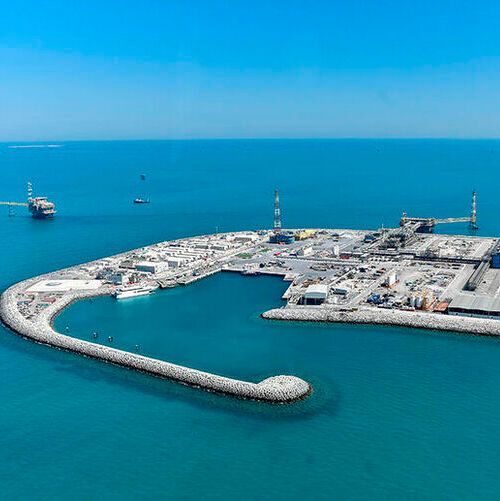
AD Ports Group has initiated operations of GulfLink Ltd, entering a strategic logistics partnership with KTZ Express, the freight arm of Kazakhstan Temir Zholy. This joint venture—51 percent owned by AD Ports and 49 percent by KTZ Express—is designed to enhance connectivity along the Middle Corridor, establishing a vital multimodal supply link between Asia and Europe.

The first shipments through GulfLink began under the leadership of regional CEO Abdulaziz Zayed AlShamsi, who described the venture as “a key link in our strategy to upgrade the Middle Corridor route through Central Asia into a major, commercial East‑West trade artery linking consumers and manufacturers in Asia and Europe”. General Director Damir Kozhakhmetov emphasised that GulfLink delivers “a new level of unique, end‑to‑end connectivity for Kazakhstan regionally and globally”.

Kazakhstan, where rail accounts for approximately 70 percent of freight transit over its 16,000 km network, is central to this development. GulfLink will bolster supply chains by integrating Kazakhstan’s rail infrastructure with routes through Pakistan, Türkiye, the Arabian Gulf and the Indian subcontinent.

As part of AD Ports’s commitment, over US $775 million is earmarked for logistics infrastructure in Kazakhstan. Planned investments include a grain terminal and a multipurpose facility at Kuryk Port, aimed at complementing GulfLink’s multimodal ambitions. The network also encompasses partnerships in Uzbekistan, and facilities on the Black and Caspian Seas via collaboration with KazMorTransFlot.

Industry analysts say GulfLink could significantly reduce China‑to‑Europe transit times. AGBI reports that the route will “cut China‑Europe transit time” by providing direct regional connectivity and bypassing the longer northern rail corridors. This enhancement aligns with global supply chain trends that favour diversification and damper dependency on any single corridor.

CEO Kamal Huseynov stated that GulfLink plans to offer “value added to customers through our relationships, the logistics resources of our shareholders, and our commitment to efficiency, innovation, seamless supply chains and optimised trade”. The venture seeks to become the operating hub for integrated rail, road, sea and air transport in Central Asia.

Reactions from regional stakeholders suggest that GulfLink’s launch may mark a turning point in Eurasian logistics. The joint venture is seen as vital in realising the potential of the Trans‑Caspian International Transport Route—an alternative to the traditional northern rail line through Russia—and is projected to attract new trade volumes via diversified pathways.

AD Ports’s existing regional presence includes a food logistics hub in Uzbekistan and maritime assets in Türkiye and Pakistan. GulfLink’s launch reinforces these assets by contributing to a cohesive network serving Europe, Central Asia and South Asia.

Multimodal trade experts suggest that the GulfLink project addresses a growing appetite among manufacturers and shippers for more resilient and politically diversified supply channels. With geopolitical uncertainties persisting along certain northern corridors, the Middle Corridor’s expansion could offer a strategically advantageous and timely alternative.

The operational phase of GulfLink has commenced with pilot shipments underway, signalling the beginning of active corridor use. AD Ports and KTZ Express intend to progressively scale the venture, adding capacity, routing regularity and service coverage over the coming months.

As GulfLink gains momentum, its success will depend on coordinated infrastructure roll‑out, regulatory alignment across transit jurisdictions, and competitive transit times compared with existing corridors. Analysts agree the venture marks a significant step toward reshaping logistics flows across Eurasia, affirming Kazakhstan’s growing prominence as a logistics hub and AD Ports Group’s strategy to establish itself as a global trade infrastructure enabler.

Sharjah’s Real Estate Registration Department has unveiled an upgraded version of its official website, signalling a significant milestone in its digital transformation agenda. The streamlined platform aims to improve delivery of services and create an intuitive, integrated online hub for a diverse user base across the emirate. Designed with a contemporary, interactive interface, the site aligns with Sharjah Government’s directive to offer smart, high‑efficiency services. Investors, developers, […]

VISHNU RAJA
RYO YAMADA
HITORI GOTOH
IKUYO KITA