News related to
Expansion

Emirates Airline has expressed deep frustration with Boeing over persistent delays in aircraft deliveries, which are hampering the airline’s growth plans and disrupting operations. Boeing, one of the world’s leading aircraft manufacturers, has faced challenges in meeting its delivery commitments, with several aircraft orders for both Emirates and its subsidiary Flydubai delayed. These setbacks have impacted Emirates’ ability to expand its fleet, adding pressure to its financial performance and customer satisfaction.

The airline, which relies on Boeing aircraft as a key component of its long-haul fleet, has been forced to revise its strategies as a result of these delays. According to a statement from Emirates, the delays are particularly disruptive for its planned network expansions and fleet renewals. The airline had previously aimed to introduce new aircraft to meet the growing demand for travel and enhance its services. However, Boeing’s inability to meet delivery deadlines has caused operational disruptions and forced Emirates to re-evaluate its growth projections for 2024.

Emirates’ issues with Boeing mirror similar frustrations at Flydubai, its sister company, which operates a significant fleet of Boeing 737s. Flydubai has voiced similar concerns, citing delays in the delivery of its aircraft that are hindering its expansion and affecting its financial performance. The airline had plans to introduce additional aircraft to meet rising passenger demand, but with Boeing falling behind on its commitments, Flydubai has had to adjust its schedules and operations. This has not only strained Flydubai’s ability to meet its planned expansion but also disrupted the airline’s efforts to maintain its competitive edge in the crowded Middle Eastern aviation market.

The impact of these delays extends beyond just operational concerns. Both Emirates and Flydubai are at risk of losing market share as competitors like Qatar Airways and Etihad Airways continue to enhance their fleets. As the delays continue, both airlines face increased financial pressures, especially since they had budgeted for the new aircraft and expansion plans. Industry analysts suggest that the continued strain on Boeing’s production capabilities could lead to longer-term consequences for both airlines’ strategic goals.

Boeing has acknowledged the delays, citing challenges in its manufacturing process, including supply chain disruptions and labor shortages. The company has pledged to work closely with its clients to resolve the backlog, but the situation remains uncertain. This has led to widespread dissatisfaction among customers and a growing sense of frustration in the aviation industry, where timely deliveries are critical to maintaining competitive advantage and operational efficiency.

Spain has approved Saudi Arabia’s telecommunications giant, STC Group, to expand its investment in Telefónica, the nation’s iconic telecom operator, from just over 5% to nearly 10%. Economy Minister Carlos Cuerpo confirmed the government’s decision, which follows deliberations over the strategic implications of such a move. The authorization allows STC to solidify its financial involvement in Telefónica, though regulatory safeguards are being reinforced to maintain Spain’s control over vital communications infrastructure.

STC Group initially acquired a 4.9% stake in Telefónica, coupled with financial instruments granting voting rights for an additional 5%, raising questions about Spain’s ability to protect its critical infrastructure. The Saudi operator has expressed its interest in Telefónica as an investment opportunity rather than a bid for operational control. This assurance is intended to mitigate geopolitical concerns over foreign influence in the telecom sector, particularly involving companies pivotal to national security, defense, and digital services.

Telefónica holds significant importance in Spain’s technological and defense landscape, serving as a critical entity in telecommunications and cybersecurity. The government has emphasized the need to preserve the strategic capabilities of such companies, which has been a recurring theme in global debates about foreign ownership of critical industries.

To counterbalance STC’s growing presence, the Spanish government has instructed the state holding company, Sociedad Estatal de Participaciones Industriales (SEPI), to potentially acquire up to a 10% stake in Telefónica. This move, if realized, would make SEPI the company’s largest shareholder. The government is reportedly aiming to align Telefónica’s ownership structure with practices seen in other European countries, where governments maintain stakes in major telecom operators to safeguard national interests.

Telefónica’s shareholder composition has seen gradual evolution over time. Current major stakeholders include CaixaBank with 4.88%, Banco Bilbao Vizcaya Argentaria (BBVA) holding 4.84%, and BlackRock managing 4.8%. If SEPI proceeds with its planned acquisition, it would reshape the balance of influence within the company.

STC’s expansion in Telefónica aligns with its broader strategy of increasing international reach. The company, already active in telecommunications investments across Europe and the Middle East, is reportedly exploring further acquisitions, including potential stakes in Portugal’s Altice and the UK’s BT Group. This strategy reflects a wider trend of Gulf-based telecom entities seeking global prominence, similar to UAE-based e&, which has steadily increased its investments in Vodafone and other global operators.

Spain’s approach to safeguarding Telefónica echoes similar measures adopted across Europe. For instance, Germany retains a 13.8% stake in Deutsche Telekom, while France holds 13.39% in Orange. Italy has also bolstered its share in Telecom Italia’s fixed network grid. These measures underscore a growing recognition of telecom infrastructure as a vital element of national security and economic stability.

The Abu Dhabi National Oil Company (ADNOC) has introduced XRG, a groundbreaking low-carbon energy and chemicals enterprise with an estimated enterprise value exceeding $80 billion. This ambitious venture positions ADNOC as a leader in the energy transition, aligning with global trends toward cleaner energy solutions and technological innovation.

XRG’s portfolio will encompass advanced technologies such as hydrogen, renewable energy, and sustainable chemicals production. Additionally, it will emphasize carbon capture and storage, aligning with ADNOC’s goal of achieving net-zero emissions by 2050. The initiative is poised to leverage ADNOC’s robust infrastructure and expertise while driving its international expansion into markets seeking environmentally sustainable energy solutions.

ADNOC anticipates XRG will double its asset value over the next decade. This projection is rooted in increasing global demand for clean energy, which is further amplified by emerging economies and the proliferation of artificial intelligence in energy optimization and resource management. Such factors contribute to the shift from traditional energy sources to integrated, technology-driven models.

Solana’s decentralized finance (DeFi) ecosystem has surged in November, reaching $420.7 million in total value locked (TVL), significantly outpacing Ethereum’s $161.2 million for the month. This marks a sharp 161% increase in Solana’s DeFi earnings, largely attributed to its low transaction fees, high throughput, and a revival of its ecosystem following a challenging period.

Ethereum, long the dominant platform in the DeFi space, has faced stiff competition from Solana, whose technological upgrades and network enhancements have bolstered its position. As Ethereum continues to struggle with scaling issues and high fees, Solana’s faster and cheaper transactions have made it increasingly attractive to developers and users in the DeFi sector.

The dramatic increase in Solana’s DeFi activity is also a reflection of the broader recovery within its blockchain ecosystem, which was hit hard by a series of setbacks, including the collapse of the FTX exchange in late 2022. However, Solana’s resilience in recovering and innovating has allowed it to gain ground on Ethereum, traditionally the go-to platform for decentralized applications (dApps) and smart contract protocols.

Key factors driving Solana’s DeFi boom are its low transaction fees, which remain a major pain point for Ethereum users, especially during periods of high network congestion. While Ethereum’s gas fees can surge to hundreds of dollars for simple transactions, Solana offers an almost negligible fee structure, making it more attractive for smaller, retail investors and developers looking to build cost-efficient DeFi applications.

Solana’s speed is another competitive advantage. It boasts a transaction processing capability of more than 60,000 transactions per second (TPS), far exceeding Ethereum’s current capacity of 30 transactions per second, though Ethereum is working on scaling solutions such as sharding and layer 2 networks. Solana’s network speed allows for quicker and more scalable applications, which is crucial for DeFi protocols that require near-instant transactions to function efficiently, especially in volatile markets.

The ecosystem recovery of Solana has also been spurred by significant developments in its DeFi protocols. A growing number of decentralized exchanges (DEXs), lending platforms, and yield farming protocols have been launched or migrated to Solana’s blockchain, further boosting the platform’s TVL. Solana’s DeFi landscape has seen contributions from several key players, including Serum, Mango Markets, and Radium, all of which provide users with advanced trading options, liquidity, and competitive rewards.

Another contributing factor to Solana’s success is the strategic collaborations and partnerships it has secured with both established companies and up-and-coming startups. Solana has garnered attention from top-tier venture capitalists, along with prominent figures in the cryptocurrency space, who have supported the blockchain’s development and growth. These relationships have helped Solana gain credibility and foster an environment conducive to innovation and expansion.

The increase in DeFi activity on Solana has also been supported by growing interest in the broader Solana ecosystem. After a period of price volatility and uncertainty, Solana’s native cryptocurrency, SOL, has stabilized and regained much of its value. This recovery has sparked renewed confidence in the network and its long-term viability, which has translated into higher DeFi activity. As a result, users are increasingly willing to stake and invest in the network, propelling the overall market cap of Solana’s ecosystem.

Ethereum, on the other hand, continues to dominate the broader smart contract and dApp landscape, largely due to its first-mover advantage and large developer base. Ethereum’s switch to a proof-of-stake (PoS) consensus mechanism with the Ethereum 2.0 upgrade is expected to bring improvements in scalability and energy efficiency. However, Ethereum’s network congestion and high fees remain major hurdles for DeFi users and developers, especially in times of increased demand. These issues are likely to persist unless significant scalability solutions are implemented.

Although Ethereum has a stronghold on the DeFi sector, Solana’s rapid growth underscores the increasing diversification of the space. With its advanced technology, Solana is emerging as a serious challenger, offering viable alternatives for decentralized financial services. Furthermore, Solana’s growing TVL is not only a reflection of the platform’s technological edge but also an indication of the rising demand for alternative DeFi solutions that prioritize scalability, cost-efficiency, and innovation.

Experts suggest that the DeFi landscape is entering a new phase, where competition between smart contract platforms like Solana and Ethereum will be crucial to the long-term development of the ecosystem. As developers continue to search for faster, cheaper, and more scalable platforms, Solana’s performance in November provides a clear indication of the potential for DeFi to flourish on blockchains beyond Ethereum. The focus on speed and cost-effectiveness is expected to drive more DeFi protocols to explore alternatives to Ethereum, opening up the market to a wider range of participants.

Amazon helps thousands of Singapore-based businesses to sell their products in the Amazon store. Through Amazon Global Selling, Singapore selling partners can export their products to customers around the world on Amazon. Amazon Web Services (AWS) enables thousands of Singapore customers to use the AWS Asia Pacific (Singapore) Region to digitally transform. SINGAPORE – Media OutReach Newswire – 28 November 2024 – Today, Amazon announced that it […]

HONG KONG SAR – Media OutReach Newswire – 27 November 2024 – The first baijiu company listed on the Hong Kong Stock Exchange, ZJLD Group Inc. (“ZJLD” or the “Company”, SEHK stock code: 06979. HK), is pleased to announce that the Group has been awarded the “Greater Bay Area (GBA) Listed Companies ESG100 Green Advancement Awards – Value Champion Award” at the inaugural event. The “GBA Listed […]

The UAE has officially launched its national lottery, marking a historic moment in the country’s gaming landscape. Nearly four months after the announcement, the first and only regulated lottery operation in the UAE is now live, offering residents the chance to participate through tickets priced at Dh50. The official platform, www.theuaelottery.ae, serves as the exclusive channel for purchasing tickets.

The launch of the UAE Lottery was a significant step for the country, which had previously prohibited gambling activities. This new initiative, operated by The Game LLC, marks a shift in the regulatory landscape, bringing a legal, controlled avenue for residents to try their luck with the possibility of winning big. The jackpot for the first draw stands at Dh100 million, attracting widespread attention as people across the nation look to test their fortunes.

This move is part of a broader effort by the UAE government to modernize and diversify its economy. By introducing a national lottery, the government not only opens up a new form of entertainment but also a new revenue stream that could benefit various public sectors. While some may view the lottery as a controversial form of entertainment in a region historically opposed to such activities, its regulation ensures that the operation aligns with the country’s strict guidelines and laws. The revenue generated from ticket sales is expected to be channeled into community projects, contributing to the social and economic development of the UAE.

The Game LLC, the entity behind the lottery, has positioned itself as a transparent and ethical operator, adhering to all legal and regulatory requirements set by the UAE government. The company has emphasized its commitment to responsible gaming and the importance of maintaining the integrity of the lottery system. This effort is particularly important in a market where trust in gaming operations is vital for ensuring public participation and support.

The introduction of the lottery aligns with the UAE’s broader economic strategies, particularly its push to enhance tourism and entertainment offerings. The lottery provides not only a new source of revenue but also a new attraction for both local residents and tourists who might be drawn to the opportunity of winning a life-changing sum. By tapping into the global trend of state-regulated lotteries, the UAE is positioning itself as a modern hub for entertainment, in line with its vision of becoming a global leader in diverse sectors.

Participants in the lottery can purchase tickets directly from the official website, making the process simple and accessible. The digital platform ensures a secure and user-friendly experience for buyers, with the system designed to handle large volumes of traffic, ensuring that ticket purchases and subsequent draws are seamless and transparent. The availability of the lottery through an online platform also reflects the UAE’s ongoing commitment to digital innovation and the expansion of e-commerce within the region.

The prize pool, with the jackpot set at Dh100 million, has generated significant interest among potential players. However, the odds of winning the grand prize are expected to be steep, as is typical with large-scale lotteries. The Game LLC has stated that the lottery will operate on a draw system, with winners selected randomly from the pool of ticket holders. This randomization process is designed to ensure fairness and impartiality in the distribution of prizes, an essential feature for maintaining the public’s trust in the operation.

While the introduction of the lottery has been met with enthusiasm by many, there are also concerns about the impact of gambling in a region where it has traditionally been viewed with caution. However, the regulated nature of the UAE Lottery aims to mitigate these concerns by implementing strict safeguards and offering transparency throughout the process. The introduction of educational campaigns on responsible gaming is part of the strategy to ensure that individuals participate in the lottery in a controlled and informed manner.

Experts suggest that the UAE Lottery could have broader implications for the regional gaming industry, potentially setting a precedent for other Gulf nations to explore regulated lottery systems. The success of this operation could encourage neighboring countries to adopt similar models, creating a new sector within the region’s economy while promoting responsible gambling practices. The UAE’s move may also influence broader social and cultural perceptions of gaming, especially as the government emphasizes its regulated nature and commitment to ensuring that the lottery is both a form of entertainment and a tool for social good.

The regulatory framework surrounding the lottery operation is carefully designed to ensure compliance with UAE laws. The operation is closely monitored by government agencies to ensure that it operates fairly and responsibly. There are strict controls on advertising and marketing, particularly concerning the promotion of the lottery to younger audiences. The UAE’s commitment to regulating this new form of entertainment underscores the importance of striking a balance between economic growth and societal values.

Advertisements

The Emirates Nuclear Energy Corporation (ENEC) and the Abu Dhabi National Oil Company (ADNOC) have announced a strategic partnership to explore the application of nuclear energy in the oil and gas sector. This collaboration marks a significant step toward expanding the use of nuclear technology as a cleaner and more sustainable energy source in the UAE’s key industries. Both organizations, which already play vital roles in the […]

Investment strategies must be aligned with global sustainability goals to ensure long-term growth that is both economically viable and environmentally responsible, according to James Zhan, chair of the World Investment Conference (WIC) executive board. His comments, made during the opening session of the Riyadh-based event, emphasized the urgency of reforming the global financial system to support broader social and environmental objectives. Zhan’s remarks came as the WIC […]

Emirates is signaling significant fleet expansion as the airline considers increasing its order of Airbus A350 aircraft beyond the current commitment of 65 jets. President Tim Clark, speaking at an aviation industry event, highlighted this potential move as part of Emirates’ strategy to accommodate growing passenger demand and sustain its competitive edge in the evolving global aviation market. The A350, known for its fuel efficiency and advanced […]

Saudi Arabia has announced a fiscal budget for 2025 forecasting a deficit of approximately $27 billion, or 2.3% of its GDP, driven by extensive spending on mega-projects central to its Vision 2030 initiative. The projected revenues are set at $315 billion against expenditures amounting to $342 billion, reflecting a strategic choice to prioritize long-term economic transformation over short-term fiscal surpluses.

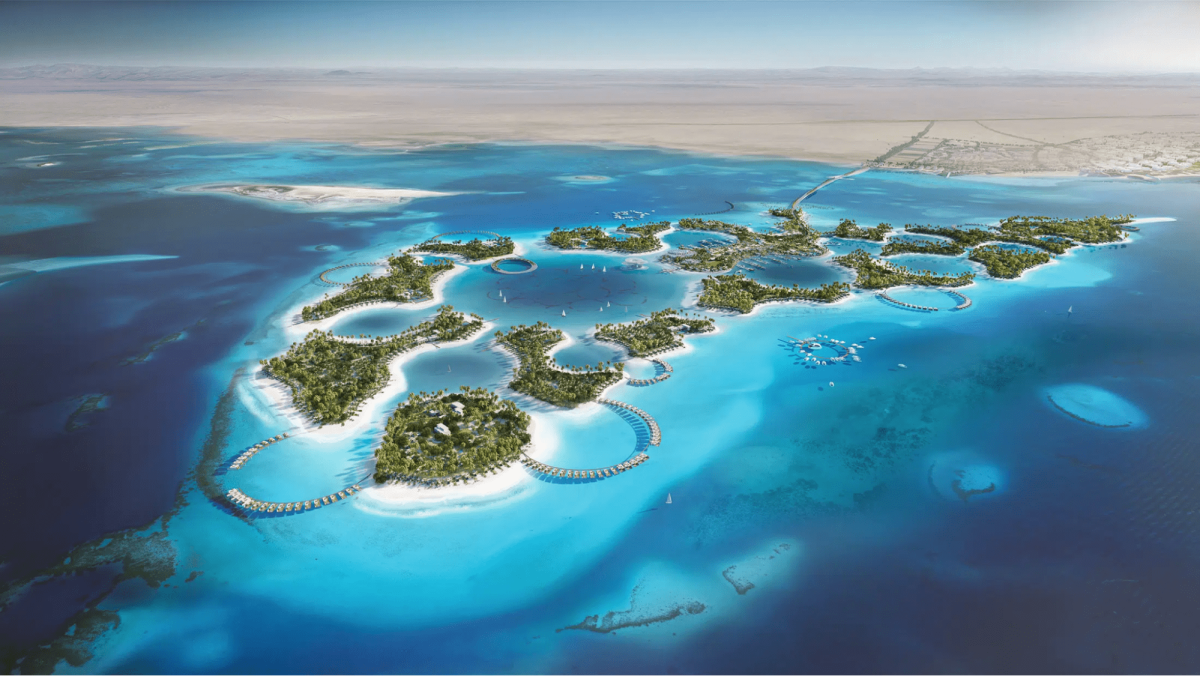
This marks a calculated shift from Saudi Arabia’s earlier efforts to achieve balanced budgets. Despite the deficit, fiscal policy remains expansionary to support initiatives like NEOM, the Red Sea Project, and other transformative ventures. These projects are designed to diversify the economy, reduce reliance on oil revenues, and stimulate private sector participation, aligning with Vision 2030’s objectives.

Saudi Arabia’s debt-to-GDP ratio is expected to remain manageable, with controlled debt growth underscoring the kingdom’s commitment to maintaining financial sustainability. The government has emphasized the use of reserves and prudent borrowing strategies to fund the deficit while ensuring resilience against economic volatility.

Rating agencies have responded favorably to these strategies, reflecting confidence in Saudi Arabia’s fiscal reforms. Fitch, Moody’s, and S&P Global Ratings have recently reaffirmed strong ratings for the kingdom, highlighting its structural reforms and the effectiveness of its fiscal policies. The government’s drive to modernize and digitize economic sectors has further strengthened its global economic position.

Oil remains a significant contributor to the economy, but ongoing fluctuations in global oil prices underscore the urgency of economic diversification. Saudi Arabia has bolstered its focus on sectors such as tourism, technology, and renewable energy to mitigate potential impacts of reduced oil revenues. These investments, while substantial, are expected to deliver long-term economic returns.

The fiscal outlook also reflects the kingdom’s strategic investments in enhancing infrastructure and social services, with education, healthcare, and digital transformation among key priorities. Analysts suggest that such investments, coupled with policies aimed at attracting foreign direct investment, will bolster the non-oil GDP growth rate, supporting broader economic stability.

HONG KONG SAR – Media OutReach Newswire – 26 November 2024 – Coda Bridge, a pioneering Hong Kong-based blockchain platform provider known for its charity project that leverages blockchain technology to ensure accurate tracking of charitable donations, is pleased to announce its expansion into Singapore in collaboration with StraitsX. The upcoming collaboration aims to leverage blockchain technology and smart contract programming to issue Purpose Bound Money (PBM) […]

HAI PHONG, VIETNAM – Media OutReach Newswire – 26 November 2024 – November 26, 2024, the President of the Republic of Bulgaria, H.E. Rumen Radev, along with a high-ranking Bulgarian delegation, visited the VinFast Hai Phong Manufacturing Complex. He expressed high regard for the quality and potential of VinFast’s electric vehicles in the European market and urged VinFast to explore collaboration and investment opportunities in Bulgaria. Vice […]

An affiliate of Mubadala Capital, the UAE-based alternative asset management firm, has reached an agreement to acquire Canada’s CI Financial Corp. in a deal valued at approximately CAD 4.7 billion ($3.36 billion). Under the terms of the agreement, all shareholders of CI Financial will receive CAD 32 per share, representing a significant 33% premium over Friday’s closing price and a 58% premium over the 60-day volume-weighted average […]

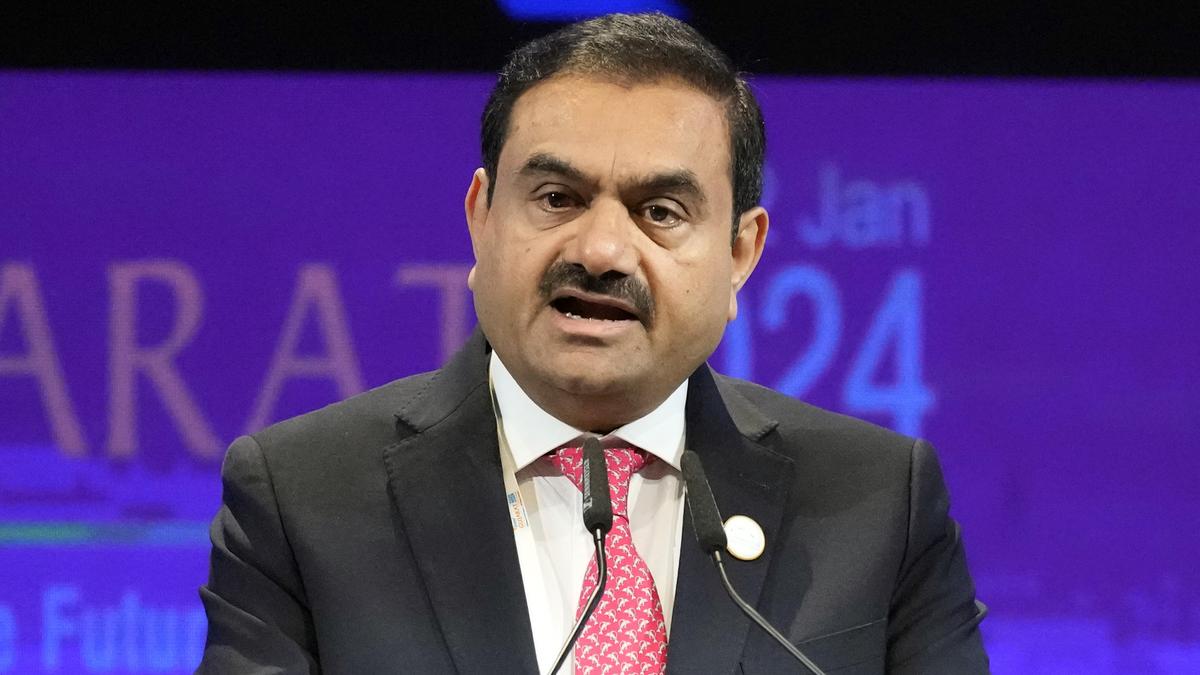
Gautam Adani, the Indian billionaire behind Adani Green Energy, is facing a significant legal challenge as U.S. authorities have charged him and two other executives in connection with a sprawling bribery scheme tied to the company’s massive renewable energy projects. On November 20, 2024, the U.S. Securities and Exchange Commission (SEC) announced charges against Gautam Adani, his nephew Sagar Adani, and Cyril Cabanes, a former director at […]

Fitch Ratings has placed certain bonds issued by Adani entities under a “negative watch” as scrutiny of the group’s governance intensifies following allegations of corruption tied to Sri Lankan projects. This development comes amid renewed focus on a contentious $442 million wind power project in Sri Lanka’s Mannar region, which has sparked concerns over environmental compliance and procedural irregularities. The Sri Lankan government had reportedly flagged potential […]

The UAE’s small and medium-sized enterprises (SMEs), which make up over 90% of the country’s businesses, are witnessing an influx of transformative mergers and acquisitions (M&A) activity. This surge, prompted by a combination of government initiatives and the rise of digital solutions, is expected to redefine the sector’s growth trajectory. As part of its economic diversification strategy, the UAE has been fostering the expansion of SMEs, and […]

Dubai International Financial Centre (DIFC) has unveiled an exciting collaboration with the Skywards Everyday app, aiming to elevate the shopping, dining, and entertainment experience at the renowned Gate Avenue. The partnership marks a significant step in enhancing customer engagement and offering additional benefits to both new and existing users of the Skywards loyalty program.

Gate Avenue, located in the heart of Dubai’s financial district, is known for its vibrant atmosphere and extensive range of luxury retail outlets, dining options, and entertainment experiences. This new partnership with Skywards Everyday, part of Emirates’ frequent flyer program, offers customers the opportunity to earn and redeem Skywards Miles for purchases at participating outlets within the DIFC precinct.

The collaboration will allow users to earn Skywards Miles for everyday spending, with exclusive offers and promotions available across various restaurants, cafes, and retail outlets in Gate Avenue. Shoppers can now seamlessly integrate their Skywards account with the Skywards Everyday app, benefiting from personalized rewards and exclusive deals. This move is aimed at enhancing the customer experience by merging Dubai’s retail and hospitality sectors with the convenience of a loyalty program, creating a more dynamic, rewarding environment for both local residents and international visitors.

The Dubai International Financial Centre has long been a hub for business, finance, and lifestyle, attracting both global corporations and high-net-worth individuals. By teaming up with the Skywards Everyday app, DIFC aims to tap into the growing demand for integrated digital solutions that provide seamless experiences for consumers. This partnership reflects the evolving nature of consumer expectations, with an increasing desire for convenience, personalized rewards, and a more integrated lifestyle experience.

The initiative also underscores the UAE’s broader ambition to position itself as a global leader in innovation and technology. By leveraging the power of digital applications like Skywards Everyday, the DIFC hopes to foster greater engagement within its community and enhance its status as a top destination for high-end retail and leisure activities. The partnership is expected to bring in a new wave of visitors to Gate Avenue, with Skywards Everyday’s extensive reach providing DIFC with access to a diverse and affluent customer base.

Skywards Everyday, which launched in 2020, has rapidly grown in popularity, providing users with the ability to earn miles on everyday purchases. The app has been designed to work with a wide range of retailers, enabling users to earn Skywards Miles at thousands of locations across the UAE. With this expansion into Gate Avenue at DIFC, users will be able to collect miles for purchases at some of Dubai’s most exclusive shopping and dining spots.

For Emirates, the expansion of the Skywards Everyday app to high-profile locations such as DIFC is part of its ongoing efforts to strengthen the Emirates Skywards program and its loyalty offerings. As the aviation and travel industries continue to recover from the pandemic, loyalty programs have become an increasingly important tool in driving customer retention and engagement. By providing additional ways for Skywards members to earn miles and rewards, Emirates is enhancing the value of its frequent flyer program, which has long been a key differentiator in a competitive industry.

This collaboration also highlights a broader trend in Dubai’s retail and hospitality landscape, where the fusion of technology and customer service is reshaping how businesses interact with consumers. In a city known for its luxury experiences and cutting-edge innovations, partnerships like this are becoming essential in attracting and retaining customers in an increasingly competitive market.

Gate Avenue at DIFC has long been one of Dubai’s prime destinations for luxury shopping and fine dining. The precinct has hosted numerous global brands and offers a wide range of services that cater to the tastes and preferences of the UAE’s affluent residents and international visitors. With the new partnership, DIFC is positioning itself as a leading player in the city’s retail and leisure scene, bridging the gap between traditional shopping experiences and modern digital solutions.

Dubai is a global icon of rapid urban transformation, evolving from a quiet desert town into a bustling international metropolis in just a few decades. Behind this remarkable growth lies a network of services enabling the city’s expansion and mobility. Among these, moving companies in Dubai are key players, ensuring seamless transitions for residents, businesses, and global professionals. The Unprecedented Growth of Dubai Population Growth and Urban […]

Emirates will introduce its first-ever Airbus A350 service to Edinburgh starting January 3, marking a new chapter in its global expansion. The new route will provide enhanced connectivity between the Scottish capital and Dubai, reflecting the airline’s strategy to further increase its presence in the UK market.

The Airbus A350, which Emirates debuted into its fleet in 2022, offers a blend of advanced technology and passenger comfort. It will replace the Boeing 777 on the Edinburgh route, further elevating the travel experience for passengers. The decision to operate the A350 on this route is part of the airline’s broader initiative to modernize its fleet and reduce its carbon footprint, while offering travelers the latest in aircraft design and amenities.

The introduction of the A350 on the Edinburgh route will provide passengers with a state-of-the-art flying experience. The aircraft features the latest cabin innovations, including fully private suites in first class, lie-flat seats in business class, and spacious economy class seating. Additionally, the A350 is equipped with advanced fuel-efficient engines, making it a key player in Emirates’ commitment to reducing emissions. The airline has emphasized that the aircraft is one of the most environmentally friendly options available in the market today, contributing to the airline’s sustainability goals.

The Edinburgh route is expected to be a significant boost to the city’s tourism and business travel sectors. As a popular destination for both leisure and corporate travelers, Edinburgh is anticipated to benefit from the increased air traffic and the arrival of Emirates’ premium services. The new service will provide more than just a direct link to Dubai; it will also connect Scottish passengers to Emirates’ extensive network in the Middle East, Asia, and beyond, including key destinations like India, Australia, and Africa.

The route launch has been met with optimism from local authorities and business leaders. Edinburgh Airport’s CEO, Gordon Dewar, expressed excitement over the introduction of the A350 service. He noted that Emirates’ decision to operate the A350 reflects the growing importance of Edinburgh in international aviation, reinforcing the city’s position as a major hub for global connectivity. The new service is expected to strengthen Edinburgh’s attractiveness as a destination for both business and leisure travelers.

For Emirates, this launch signals its continued commitment to expanding its UK network. The airline already operates a busy schedule from London Heathrow, Manchester, Birmingham, and Glasgow. Edinburgh’s inclusion in this network is seen as a strategic move to cater to the rising demand for flights to and from Scotland, particularly with the growing number of business ventures and investments being made in the region.

The A350’s launch into Edinburgh is not only significant for Emirates but also for the airline industry as a whole. With the aviation sector still recovering from the impacts of the global pandemic, carriers are increasingly looking to optimize their fleets for efficiency, sustainability, and customer experience. Emirates’ decision to operate the A350 on this route underscores the airline’s focus on staying ahead of industry trends and embracing technological advancements in aviation.

As the aviation industry continues to evolve, Emirates is positioning itself at the forefront of these changes. The airline has been upgrading its fleet to include more eco-efficient aircraft, with the A350 being a central part of this strategy. The move to phase out older, less efficient aircraft in favor of modern, environmentally friendly options is a key part of Emirates’ broader commitment to sustainability.

The new service is expected to operate daily, offering travelers flexible options for both outbound and return flights. The introduction of the A350 will be welcomed by many passengers who have long sought a more comfortable and sustainable travel experience on the Edinburgh-Dubai route.

The Guangdong-Hong Kong-Macao Greater Bay Area Listed Companies Summit 2024 Unveils the “Hong Kong—Best Headquarters Choice for Greater Bay Area Listed Companies” Initiative Empowering Mainland Enterprises to Leverage Hong Kong for IPOs and International Growth HONG KONG SAR – Media OutReach Newswire – 26 November 2024 – On November 25, the “Guangdong-Hong Kong-Macao Greater Bay Area Listed Companies Summit 2024,” hosted by the Greater Bay Area Association […]

Electric vehicle manufacturer Lucid Motors is generating significant interest as it prepares to launch its first models in the UAE. Backed by Saudi Arabia’s Public Investment Fund (PIF), which holds a 60% stake in the company, Lucid has been intensifying its operations in the Middle East. This expansion includes the opening of a service center in Dubai Investment Park and a studio in Abu Dhabi, aiming to […]

Adani Group’s bonds have seen a sharp decline, hitting their lowest levels in over a year, as concerns about bribery allegations and their potential impact on the conglomerate’s financial stability and global reputation intensify. This marks the latest chapter in the ongoing turbulence for one of India’s largest and most influential business groups. The drop in bond prices follows reports accusing the Adani Group of being involved […]

By Nantoo Banerjee If bribery is a common practice in business, and often viewed as the normal way of doing business in many countries, including India, there is little too sensational about the US Department of Justice indictment, last week, against India’s US$37-billion infrastructure conglomerate Adani group head Gautam Adani, his nephew Sagar Adani, Adani […]

VISHNU RAJA
RYO YAMADA
HITORI GOTOH
IKUYO KITA