News related to
Expansion

Societe Generale-FORGE , a subsidiary of the French banking group Societe Generale, has launched its Euro-backed stablecoin, EUR CoinVertible , on the Stellar blockchain network. This development positions EURCV as one of the first Euro-denominated stablecoins fully compliant with the European Union’s Markets in Crypto-Assets regulations.

The integration of EURCV into the Stellar network aims to enhance the efficiency of cross-border transactions and financial applications. Stellar’s blockchain infrastructure is recognized for its scalability, speed, and cost-effectiveness, making it a strategic choice for SG-FORGE’s digital asset expansion. This move is part of SG-FORGE’s broader multichain strategy, which includes plans to deploy EURCV on other blockchain platforms such as Solana and the XRP Ledger.

Denelle Dixon, CEO of the Stellar Development Foundation, highlighted the significance of this collaboration, stating that the launch of EURCV on Stellar represents a substantial advancement in digital payments. By combining Stellar’s robust blockchain technology with a trusted MiCA-compliant stablecoin, users are provided with a more efficient means to store and transfer value across borders, facilitating the adoption of this new form of money by individuals and businesses.

SG-FORGE’s commitment to regulatory compliance is evident in its adherence to the MiCA framework, which is designed to provide a clear and harmonized regulatory environment for crypto-assets within the European Union. By ensuring that EURCV meets these stringent regulatory standards, SG-FORGE offers users enhanced security and transparency in their digital transactions.

The decision to utilize the Stellar network was influenced by several technical advantages. Stellar’s architecture supports thousands of operations per second, ensuring that EURCV can handle high transaction volumes efficiently. Transactions on Stellar are typically completed within seconds, a critical feature for real-time financial applications. Additionally, the low transaction costs on the Stellar network make it ideal for micropayments and cross-border transfers, further enhancing the utility of EURCV in various financial contexts.

Guillaume Chatain, Chief Revenue Officer at SG-FORGE, emphasized the alignment between Stellar’s approach and SG-FORGE’s mission to promote broader adoption of stablecoins within the financial system. The collaboration with Stellar is expected to facilitate seamless integration of EURCV into a diverse network of financial institutions, asset managers, and traditional finance entities already connected to the Stellar ecosystem.

This expansion of EURCV onto the Stellar network is anticipated to open new avenues for users and businesses to access a secure, transparent, and scalable digital Euro stablecoin. The combination of MiCA regulatory assurance with Stellar’s robust blockchain infrastructure marks a significant milestone in the evolution of digital assets in Europe.

SG-FORGE’s strategic move comes at a time when the European Union is intensifying its regulatory oversight of crypto-assets. The MiCA regulations, which came into effect in January 2025, require stablecoin issuers to comply with specific standards to operate within the EU. This regulatory environment aims to protect investors and ensure the stability of the financial system, prompting issuers like SG-FORGE to align their offerings with these new requirements.

The launch of EURCV on Stellar is expected to have a positive impact on the adoption of digital assets among institutional investors. By providing a MiCA-compliant stablecoin, SG-FORGE addresses the growing demand for regulated digital assets that can be seamlessly integrated into traditional financial systems. This development is poised to enhance the credibility and acceptance of digital currencies in mainstream financial markets.

In addition to its regulatory compliance and technical advantages, EURCV’s deployment on Stellar is set to benefit from the network’s existing features, including its built-in decentralized exchange. This functionality allows for decentralized transactions between end-users on various cryptocurrencies, facilitating the integration of EURCV into a wide range of financial applications and services.

As SG-FORGE continues to advance its multichain strategy, the successful integration of EURCV on the Stellar network serves as a model for future deployments. The company’s proactive approach to regulatory compliance and technological innovation underscores its commitment to providing secure and efficient digital asset solutions in the evolving financial landscape.

The collaboration between SG-FORGE and Stellar exemplifies the potential of combining traditional financial expertise with cutting-edge blockchain technology. As digital assets become increasingly integral to the global financial system, initiatives like the EURCV stablecoin on Stellar are paving the way for more inclusive and efficient financial services.

Burjeel Holdings, a prominent super-specialty healthcare provider in the MENA region, has announced that its Board of Directors has authorised management to explore a share buyback programme of up to 10% of the group’s share capital. This initiative is pending approval from shareholders and the Securities and Commodities Authority. The company plans to execute the buyback through open market purchases, fully funded by its operating cash flow. […]

Lambda, a prominent AI infrastructure provider, has raised $480 million in a Series D funding round, elevating its total equity capital to $863 million. The investment aims to accelerate the expansion of Lambda’s Cloud platform, Model Inference API, and Chat AI Assistant. The funding round was co-led by Andra Capital and SGW, with participation from notable investors including Andrej Karpathy, ARK Invest, Fincadia Advisors, G Squared, In-Q-Tel […]

Gulf Cooperation Council equity markets are projected to yield returns between 12% and 13% in 2025, according to First Abu Dhabi Bank’s latest Global Investment Outlook report. This optimistic forecast is underpinned by robust economic growth, strategic diversification efforts, and a stable geopolitical climate within the region.

The report highlights that the United Arab Emirates is expected to see its Gross Domestic Product growth accelerate from 4.5% to 5.6% in 2025, surpassing the International Monetary Fund’s global growth projection of 3.2%. This surge is attributed to significant investments in non-oil sectors, including technology, tourism, and renewable energy, as part of the nation’s broader economic diversification strategy.

Similarly, the broader GCC region is anticipated to double its growth rate from 2.1% to 4.2% in 2025. This expansion is driven by strategic initiatives aimed at reducing dependence on oil revenues and fostering sustainable economic development. The FAB report emphasizes that these efforts are positioning the GCC economies to outpace global growth in the coming year.

In the equity markets, an expected earnings growth of 11.1% and a price-to-earnings ratio of approximately 15.18x are projected to support the anticipated double-digit returns, inclusive of dividends. The petrochemical sector, in particular, is poised for a strong recovery, bolstered by increased global demand and favorable pricing dynamics. Additionally, the financial sector is set to benefit from rising interest rates and enhanced profitability metrics.

Fitch Ratings’ recent analysis aligns with this positive outlook, indicating a stable forecast for GCC corporates in 2025, underpinned by resilient fundamentals. The real estate sector is also expected to experience continued growth, with gross leverage projected to improve to an average of 2x in 2025, down from 2.5x in 2024.

The FAB report further underscores the role of artificial intelligence and technological innovation as pivotal drivers of economic transformation in the GCC. Governments across the region are investing heavily in AI and digital infrastructure, aiming to enhance productivity and create new avenues for economic growth. These technological advancements are expected to contribute significantly to the region’s GDP and attract foreign direct investment.

The global stablecoin market has reached a record valuation of over $215 billion, reflecting a significant surge in demand for these digital assets. This growth is largely driven by the increasing adoption of stablecoins such as Tether and USD Coin , which collectively dominate the market.

Data from Alphractal indicates that the stablecoin market capitalization has risen by 73%, escalating from $121.18 billion in August 2023 to $211 billion as of January 31, 2025. This upward trajectory underscores the pivotal role stablecoins play in providing liquidity and stability within the cryptocurrency ecosystem.

USDT maintains its position as the largest stablecoin by market capitalization, recording an all-time high of $140 billion in December 2023. As of January 31, 2025, its market cap stands at $139.4 billion, accounting for approximately 63.84% of the total stablecoin market. Despite this dominance, USDT’s market share has experienced a slight decline, decreasing from 67.5% to 64.9% over the past month.

Conversely, USDC has exhibited substantial growth, with its market capitalization increasing by over 120% from a low of $24.1 billion on November 14, 2023, to $53.4 billion by January 31, 2025. This surge has elevated USDC’s market share to 24.6%, positioning it as a formidable competitor in the stablecoin sector. The heightened demand for USDC is evidenced by its trading pairs reaching an all-time high daily volume of $20 billion on January 18, 2025.

The Solana blockchain has also experienced a remarkable increase in stablecoin supply, largely attributed to the launch of the TRUMP memecoin on January 18, 2025. This event spurred a 73.6% surge in Solana’s stablecoin supply, culminating in an all-time high of $11.1 billion by the end of January. The influx of capital and record-breaking decentralized exchange trading activity on Solana have been significant contributors to this growth.

In a strategic move, Tether, the issuer of USDT, has announced plans to relocate its headquarters to El Salvador. This decision aligns with El Salvador’s initiative to establish itself as a hub for digital currency trading. Tether’s CEO, Paolo Ardoino, along with other co-founders, are set to move to the country following the acquisition of a digital asset service provider license. This relocation marks the first time Tether will establish a physical headquarters, transitioning from its previous incorporation in the British Virgin Islands.

The burgeoning stablecoin market has not gone unnoticed by regulators, who express concerns about the potential risks these digital assets may pose to the broader financial system. The rapid expansion of stablecoins, which serve as a bridge between the crypto universe and traditional financial markets, necessitates increased scrutiny to ensure financial stability and consumer protection.

QuadReal Property Group and T5 Data Centers have announced an expansion of their joint data center platform, increasing its valuation to $8 billion. This strategic move aims to address the surging demand for cloud and AI infrastructure by developing an additional 5 gigawatts of data center capacity across the United States. Established in 2019, the partnership between QuadReal and T5 has successfully developed state-of-the-art data center facilities […]

MANSA, a fintech company specializing in cross-border payment solutions, has secured $10 million in funding to address liquidity challenges in global transactions. The funding round was led by Tether, the issuer of the stablecoin USDT, with participation from Polymorphic Capital, Octerra Capital, Faculty Group, and Trive Digital.

The investment comprises a $3 million pre-seed round and an additional $7 million in liquidity funding from institutional investors, including corporate backers and quantitative funds. MANSA plans to utilize these funds to expand its operations into Latin America and Southeast Asia, regions that often face liquidity constraints in cross-border payments.

Co-founded by CEO Mouloukou Sanoh and Nkiru Uwaje, MANSA aims to revolutionize global payments by integrating blockchain technology to facilitate real-time, on-chain transactions. This approach seeks to make cross-border payments faster, more efficient, and cost-effective, thereby eliminating the limitations of traditional financial systems.

“Securing $10 million in pre-seed and liquidity funding marks a significant milestone in our mission to transform the way money moves,” said Sanoh. “By bringing payments on-chain and leveraging efficient liquidity solutions, we are addressing critical challenges in cross-border transactions—making payments faster, cheaper, and more reliable worldwide.”

Paolo Ardoino, CEO of Tether, expressed support for MANSA’s objectives, stating, “MANSA’s vision for addressing liquidity challenges in cross-border payments aligns with our mission to create a more efficient and inclusive financial system. By leveraging USDT for real-time settlements and instant payouts, MANSA is solving critical pain points for payment companies operating in emerging markets.”

Since its launch in August 2024, MANSA’s stablecoin-based payment solution has processed over $27 million in transaction volume on-chain, with nearly $11 million in January 2025 alone. This growth underscores the increasing demand for efficient and reliable cross-border payment solutions.

The company’s expansion into Latin America and Southeast Asia is poised to provide businesses and individuals in these regions with access to faster and more affordable payment options. By scaling its liquidity infrastructure and developing strategic partnerships with financial institutions and payment providers, MANSA aims to bridge existing gaps in the global payment landscape.

In addition to its technological advancements, MANSA is committed to financial inclusion and innovation. The company’s solutions are designed to address global liquidity shortages, offering a more accessible way for businesses and individuals to transact across borders. This approach is particularly beneficial in emerging markets, where traditional financial systems often fall short in meeting the needs of the population.

The use of stablecoins in cross-border transactions offers several advantages, including reduced settlement delays and lower transaction costs. By transacting on-chain, businesses can conduct seamless cross-border payments without the inefficiencies associated with traditional financial systems. This method also provides a viable alternative for import-heavy economies facing shortages of fiat currencies, enabling businesses to access digital dollars at scale and bypass local currency restrictions and capital controls.

Advertisements

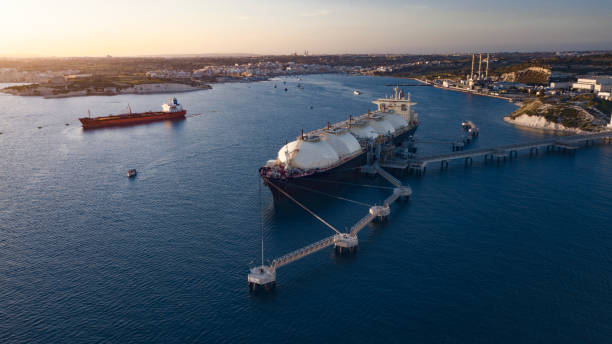
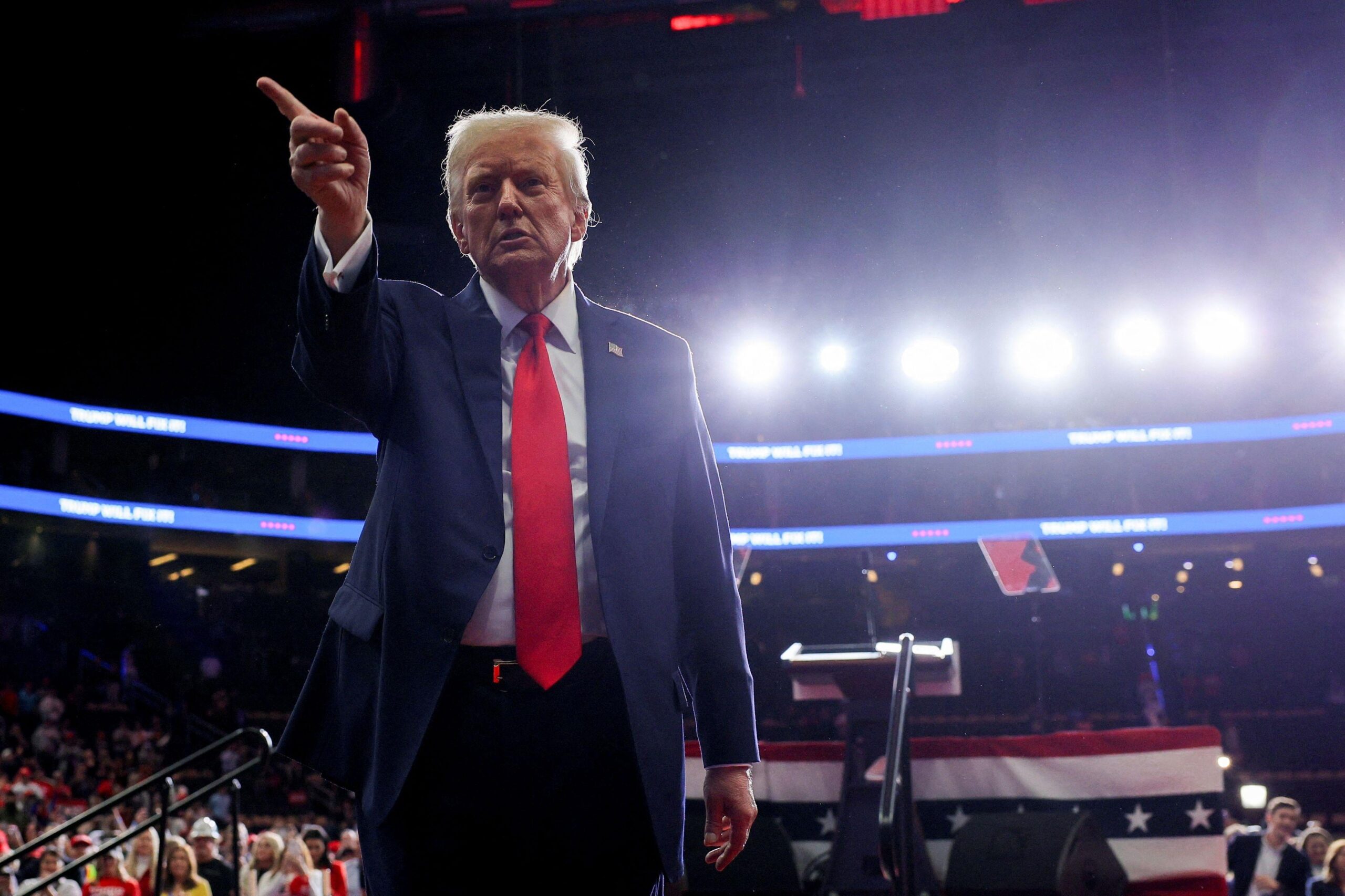
President Donald Trump is actively promoting U.S. liquefied natural gas exports to Asian nations, aiming to strengthen economic ties and reduce their dependence on Middle Eastern and Russian energy sources. In a strategic move, Trump and Japanese Prime Minister Shigeru Ishiba have discussed Japan’s potential involvement in an Alaskan LNG project, highlighting the benefits of a direct energy route that bypasses traditional, and often volatile, sea lanes.

The administration’s focus is not solely on Japan. Other Asian countries, including South Korea and Taiwan, are also considering increased imports of U.S. LNG. This initiative is designed to enhance energy security across the region and diminish the influence of China and Russia. Trump’s energy advisor, Doug Burgum, emphasized the strategic advantages of these partnerships, noting that they offer a more stable and secure energy supply chain for U.S. allies in Asia.

In line with this strategy, Sentinel Midstream is advancing its deepwater oil export project, Texas GulfLink. Located approximately 30.5 miles off the coast of Freeport, Texas, the facility aims to fully load supertankers with up to 2 million barrels of oil per day. This capability is currently unique to the Louisiana Offshore Oil Port. Sentinel’s CEO, Jeff Ballard, expressed optimism about the project’s progress, citing the administration’s expedited approval processes as a significant factor in moving forward.

Despite initial market fluctuations following discussions between Trump and Russian President Vladimir Putin regarding the Ukraine conflict, energy markets remain cautious. The anticipated peace has not materialized, and experts suggest that if a resolution were imminent, a more substantial decline in oil and gas prices would be evident. This uncertainty underscores the importance of diversifying energy sources and reducing reliance on regions prone to geopolitical tensions.

Taiwan’s National Security Council head, Joseph Wu, highlighted the robust support from the U.S., noting that Taiwan is exploring increased purchases of American LNG. This move aims to balance trade and address criticisms from Trump regarding trade imbalances and the semiconductor industry’s dynamics. Wu emphasized Taiwan’s transparency in international business and expressed interest in future Alaskan LNG productions due to their quality and logistical advantages.

Denmark’s Prime Minister, Mette Frederiksen, shared insights into a recent intense conversation with President Trump concerning his renewed interest in acquiring Greenland. This discussion has added complexity to U.S.-Denmark relations, especially in the context of global security challenges posed by nations like Russia, Iran, and North Korea. Frederiksen underscored the necessity for Europe to bolster its defense investments and the importance of U.S.-Europe cooperation in addressing these global threats.

Cheniere Energy, a leading U.S. LNG exporter, plans to expand its capacity under the current administration. CEO Jack Fusco announced intentions to pursue new regulatory permits, aligning with Trump’s agenda to boost the U.S. energy sector. This expansion is poised to meet the growing demand from Asian markets seeking reliable and diversified energy sources.

The administration has also established a council dedicated to achieving “energy dominance,” focusing on increasing natural gas exports and offshore drilling. This initiative aims to capitalize on the U.S.’s abundant energy resources, providing allies with alternative energy options and reducing global dependence on adversarial nations.

The significance of U.S. LNG in global energy dynamics is multifaceted. It not only offers economic benefits but also plays a crucial role in the global energy transition. By providing a stable and cleaner energy source, U.S. LNG supports efforts to reduce carbon emissions and offers countries an opportunity to diversify their energy portfolios.

Bitcoin’s hashrate growth has decelerated, presenting challenges for smaller mining operations. The latest MinerMag report indicates that after months of rapid expansion, the network’s difficulty experienced its first decline since September. This suggests that while publicly listed companies have continued to increase their hash power, their growth isn’t sufficient to offset the exit of smaller operators.

In January 2025, Bitcoin mining revenue remained steady at $1.4 billion. Notably, public mining companies accounted for approximately 30% of the network’s hashrate during that month. The competition among the top five mining firms has intensified, leading to a more concentrated mining landscape.

The slowdown in hashrate growth can be attributed to several factors. Following a record-setting difficulty adjustment and Bitcoin’s market price dipping below $96,000, the mining hashprice—a measure of revenue per unit of computational power—dropped to $53 per petahash per second. This decline raises concerns about the viability of older-generation mining equipment in an increasingly competitive market.

The Bitcoin hashrate has increased by approximately 29% since the halving in April 2024. This halving epoch is on pace for the lowest increase in difficulty across all epochs. The marginal efficiency gains in ASICs are diminishing, contributing to the slowing hashrate growth.

As more miners join the network, the difficulty of mining each Bitcoin increases, which in turn drives down profitability. This creates a cycle where miners must continuously invest in newer, more powerful equipment to maintain their share of the network, increasing operational costs and reducing margins.

In response to these challenges, some miners are exploring alternative revenue streams. For instance, the convergence of growth trends in Bitcoin and AI/HPC presents opportunities for miners. Miners are at the apex of these converging trends and are in a strong position to benefit from a sustained bull run in Bitcoin price, given the non-linear correlation of operating costs to BTC price. Simultaneously, generative AI has one of the fastest-growing adoption curves of any technology in history.

Despite the current challenges, the cryptocurrency mining market is projected to grow with a CAGR of 7.8% from 2022 to 2029, reaching an estimated value of $2,263.42 million by 2029. This growth is driven by factors such as the flexible and scalable nature of mining operations, allowing individual enthusiasts and small groups to participate and earn crypto rewards according to their hash power. Additionally, no licensing requirements, limited regulatory scrutiny, and the ability to mine from home lower the entry barriers significantly for small players.

However, the increasing competition and rising operational costs pose significant challenges for smaller miners. The flexible and scalable nature of mining operations allows individual enthusiasts and small groups to participate and earn crypto rewards according to their hash power. Furthermore, factors such as no licensing requirements, limited regulatory scrutiny, and the ability to mine from home lower the entry barriers significantly for small players.

In such an environment, it’s challenging for smaller players to compete with large operations that are already positioned to dominate the market. The increasing network hash rate, driven by more miners joining the network, leads to higher mining difficulty and reduced profitability. This necessitates continuous investment in newer, more powerful equipment, further increasing operational costs and reducing margins.

British asset management firm Abrdn is in advanced discussions with CITIC Bank to establish a joint venture in China, aiming to strengthen its presence in the world’s second-largest economy. This strategic move comes as relations between the United Kingdom and China show signs of improvement, contrasting with the trend of Western financial institutions scaling back operations in the region due to economic and geopolitical concerns.

According to individuals familiar with the matter, Abrdn intends to hold a majority stake in the proposed venture, with the remaining shares owned by CITIC Bank’s subsidiary, CITIC Wealth. CITIC Wealth, as of the end of last year, manages assets totaling 2 trillion yuan , positioning it as China’s third-largest bank-owned wealth management entity.

The collaboration between Abrdn and CITIC Bank has been under discussion for the past couple of years, focusing on either establishing a new venture within mainland China or Abrdn acquiring a stake in CITIC Wealth. These negotiations gained momentum following the recent resumption of high-level economic and financial dialogues between China and the UK, which had been on hold for nearly six years.

This development is particularly noteworthy given the backdrop of several Western financial institutions reevaluating their strategies in China. Concerns over the health of the Chinese economy and escalating tensions between Beijing and Washington have led some firms to reduce their workforce or halt expansion plans in the region. In contrast, Abrdn’s initiative reflects a strategic decision to deepen its engagement with the Chinese market, leveraging the extensive client base and local expertise of CITIC Wealth.

The timing of this potential partnership aligns with broader efforts to enhance financial cooperation between the UK and China. Both governments have recently committed to exploring the feasibility of establishing exchange-traded fund and wealth management connect schemes, aiming to link their capital markets more closely. These initiatives are part of a concerted effort to strengthen financial services relations and improve economic ties between the two nations.

While official comments from Abrdn and CITIC Bank are yet to be made, the proposed joint venture signifies a strategic alignment that could offer mutual benefits. For Abrdn, gaining a majority stake in a Chinese asset management entity provides a platform to tap into the growing wealth management market in China. For CITIC Bank, partnering with an established international asset manager like Abrdn could enhance its product offerings and global reach.

TrinaTracker, a subsidiary of Trinasolar Co. Ltd and a global leader in smart solar tracking solutions, has inaugurated a manufacturing facility in Saudi Arabia. Located in Jeddah’s 3rd Industrial City, the plant is slated to commence operations in the first quarter of 2025, specializing in the production of the Vanguard series of solar trackers and smart control systems. This development underscores TrinaTracker’s commitment to localization and enhancing […]

Sharjah and Neuchâtel have embarked on a collaborative venture to enhance manufacturing and innovation sectors. A business roundtable, organised by Invest in Sharjah in partnership with the Consulate General of the UAE in Geneva, served as the platform for this initiative. The event aimed to explore synergies and establish robust economic ties between the UAE and Switzerland.

The roundtable witnessed the participation of key stakeholders from both regions, including government officials, industry leaders, and representatives from academic institutions. Discussions centred on potential partnerships, knowledge exchange, and investment opportunities in advanced manufacturing technologies and innovative solutions.

Switzerland, renowned for its precision engineering and technological advancements, presents a valuable model for Sharjah’s burgeoning industrial sector. Conversely, Sharjah offers a strategic gateway to Middle Eastern markets, providing Swiss enterprises with avenues for expansion and collaboration.

The UAE and Switzerland have a history of strong bilateral relations, with the UAE being Switzerland’s most significant trading partner in the Middle East. The annual trade volume between the two nations stands at approximately CHF 15 billion, encompassing sectors such as precious metals, jewellery, and pharmaceuticals. This collaboration seeks to build upon existing ties, fostering economic growth and technological innovation.

Invest in Sharjah, the investment promotion agency of the emirate, has been instrumental in facilitating such international partnerships. By organising events like the business roundtable, the agency aims to position Sharjah as a hub for innovation and industry, attracting foreign investments and fostering a conducive environment for business growth.

The Consulate General of the UAE in Geneva has also played a pivotal role in bridging the gap between Emirati and Swiss entities. Through diplomatic channels and economic forums, the consulate strives to enhance mutual understanding and cooperation, paving the way for successful collaborations.

Participants at the roundtable expressed optimism about the prospects of this partnership. They highlighted the complementary strengths of Sharjah and Neuchâtel, emphasising that combined efforts could lead to significant advancements in manufacturing processes and innovative practices.

This initiative aligns with the UAE’s broader vision of economic diversification and technological advancement. By leveraging international collaborations, the nation aims to reduce its reliance on traditional industries, embracing a knowledge-based economy driven by innovation and sustainability.

As Sharjah and Neuchâtel embark on this collaborative journey, both regions anticipate a fruitful exchange of ideas, resources, and technologies. This partnership not only strengthens economic ties but also fosters cultural and academic exchanges, enriching the social fabric of both communities.

Abu Dhabi National Oil Company has announced plans to sell approximately 3.1 billion shares, equating to a 4% stake, in its subsidiary ADNOC Gas. This strategic move is projected to raise up to $3 billion, marking one of the most significant share sales in the Middle East and North Africa region since Saudi Aramco’s $12.3 billion offering in June of the previous year.

The offering is set to commence immediately and is expected to conclude on Friday, February 21, 2025. It will be open to qualified institutional and other investors across various countries, including the United Arab Emirates. The final number of shares to be placed and the offering price will be determined at the close of the book-building process, in accordance with the Block Trade Rules of the Abu Dhabi Securities Exchange .

ADNOC currently holds a 90% majority stake in ADNOC Gas. At the last closing price of AED 3.58 per share, the offering is valued at approximately AED 11.1 billion . This initiative aligns with ADNOC’s strategic objectives to enhance the liquidity and free float of ADNOC Gas, while providing a pathway to a more diversified shareholder base and potential inclusion in major indices.

Khaled Al Zaabi, Group Chief Financial Officer at ADNOC, stated, “Since its IPO in March 2023, ADNOC Gas has consistently delivered strong growth, robust financial performance, and superior shareholder returns. As a world-class integrated gas processing company, ADNOC Gas is ideally positioned for further expansion.”

The offering will be subject to a customary 180-day lock-up period for both ADNOC and ADNOC Gas, subject to certain exceptions and unless waived by the joint global coordinators. Major financial institutions, including BofA Securities, Citi, EFG-Hermes, First Abu Dhabi Bank, HSBC, and International Securities, are acting as joint global coordinators and joint bookrunners for this offering.

This move follows ADNOC Gas’s initial public offering in March 2023, which raised approximately $2.5 billion, marking one of the region’s largest IPOs at that time. The company was formed earlier that year by consolidating various gas processing operations into a single entity, aiming to streamline operations and enhance efficiency.

In May of the previous year, ADNOC also raised $935 million by selling a 5.5% stake in its drilling unit to institutional investors, reflecting the company’s ongoing strategy to monetize assets and attract foreign investment.

ADNOC Gas operates an extensive network, managing over 3,000 kilometers of pipeline infrastructure and 26 processing trains. The company plays a crucial role in processing and distributing natural gas within the UAE and to international markets. The funds raised from this stake sale are expected to support ADNOC Gas’s ambitious growth plans, including expanding its processing capacities and exploring new markets.

The energy sector in the UAE has seen significant foreign direct investment in recent years. In 2019, ADNOC attracted major investments from U.S. asset managers BlackRock and KKR, as well as Italian firm Eni, collectively bringing in billions of dollars. These investments have been pivotal in expanding ADNOC’s infrastructure and operational capabilities.

The decision to divest a portion of ADNOC Gas aligns with the company’s broader strategy to optimize its portfolio, enhance capital efficiency, and provide attractive opportunities for global investors. As the global energy landscape continues to evolve, ADNOC remains committed to adapting its business model to meet emerging challenges and capitalize on new opportunities.

The Abu Dhabi Investment Office has entered into a strategic partnership with China’s leading financial information services provider, Wind Information, to enhance investment intelligence and deepen economic relations between Abu Dhabi and China. This collaboration was formalized during the Abu Dhabi Investment Forum held in Shanghai, underscoring Abu Dhabi’s commitment to strengthening its economic connections with China’s financial sector.

As part of the agreement, Wind Information will serve as ADIO’s preferred knowledge partner in China, offering investors improved access to the dynamic investment landscapes of both regions. The partnership aims to facilitate the exchange of financial market intelligence and investment insights, providing Chinese investors and family offices with comprehensive research and analysis on key market opportunities. Wind Information will actively link ADIO with prominent investors and financial institutions in China, while ADIO will assist Abu Dhabi-based investors in exploring prospects within the Chinese market. Additionally, both organizations plan to co-host investment forums in the UAE and China to promote opportunities and strengthen bilateral ties.

His Excellency Badr Al Olama, Director-General of ADIO, emphasized the significance of this partnership, stating that it reinforces Abu Dhabi’s dedication to enhancing economic ties with China and creating a seamless investment ecosystem. He highlighted that by providing access to market data and financial insights, Abu Dhabi ensures an environment where investors can thrive, make informed decisions, and contribute to the sustainable growth of both economies.

Li Zhou, Co-Founder of Wind Information, expressed commitment to connecting capital markets and investment opportunities between China and the world. He noted that the collaboration with ADIO would empower investors with data-driven insights, enhancing the investment corridor between China and the UAE.

In a related development, ADIO has also signed a strategic partnership with Fosun International Limited, a global innovation-driven consumer group, to expedite the expansion of Fosun’s subsidiaries into Abu Dhabi and the broader Middle East. This agreement, announced at the same forum in Shanghai, aims to strengthen economic ties and reinforce Abu Dhabi’s position as a global investment hub.

Under this partnership, ADIO will offer tailored investor support, streamlined market access, and strategic guidance to accelerate Fosun’s presence in key growth sectors within Abu Dhabi, including wealth management, fintech, premium residential real estate, and healthcare innovation. Fosun International, with a revenue of approximately $13.4 billion in the first half of 2024 and a global workforce exceeding 110,000 employees, operates across various industries such as pharmaceuticals, healthcare, tourism, insurance, financial services, and intelligent manufacturing. By establishing Abu Dhabi as a regional gateway to the Middle East, Africa, and Southeast Asia, Fosun aims to leverage the emirate’s dynamic business ecosystem and substantial investor base.

ADIO has entered into a strategic partnership with Hejun Group, one of China’s leading consulting firms, to accelerate Chinese investment in Abu Dhabi. This agreement, also announced at the Abu Dhabi Investment Forum in Shanghai, paves the way for high-growth enterprises to expand into Abu Dhabi’s thriving business environment.

Hejun Group, operating both consulting and capital activities under Hejun Capital, manages more than $2 billion in cumulative assets. The firm will introduce Abu Dhabi’s investment opportunities to its network of over 2,000 publicly listed companies and leading private enterprises in China. ADIO will provide dedicated support to these Chinese companies, facilitating their business setup and long-term growth in Abu Dhabi.

The Abu Dhabi Investment Forum in Shanghai, organized by ADIO in partnership with Abu Dhabi Global Market , served as a platform for in-depth discussions on investment opportunities in Abu Dhabi. The forum, themed “Invest with Abu Dhabi,” brought together business leaders and investors to explore the emirate’s growth potential. As one of the fastest-growing economies in the Middle East and North Africa, Abu Dhabi has increasingly become a key destination for international investments.

During the forum, participants engaged in discussions on Abu Dhabi’s role as a global financial, trade, and technology hub. Experts analyzed the emirate’s economic competitiveness and highlighted its strategic position in global capital flows, emphasizing its stable economic environment, flexible regulatory framework, and well-developed financial infrastructure, which make it an attractive destination for investors worldwide.

The discussions also addressed Abu Dhabi’s expanding role in facilitating international trade and strengthening global supply chains. Participants explored the emirate’s rapid advancements in technological innovation, particularly in financial technology, artificial intelligence, blockchain, and digital transformation.

The U.S. Securities and Exchange Commission has officially withdrawn its appeal against a federal court ruling that invalidated its attempt to broaden the definition of “dealer” to encompass decentralized finance platforms and crypto liquidity providers. This move marks a significant shift in the regulatory landscape for the cryptocurrency industry.

In a filing submitted to the Fifth Circuit Court of Appeals on February 19, the SEC requested the voluntary dismissal of its appeal, a motion that faced no opposition. This decision effectively concludes the legal battle initiated by crypto advocacy groups, including the Blockchain Association and the Crypto Freedom Alliance of Texas, which challenged the SEC’s proposed rule change.

The contested rule, introduced in February 2024, sought to mandate that all crypto liquidity providers and automated market makers with over $50 million in capital register as dealers with the SEC. Critics argued that this expansion of the “dealer” definition would impose onerous regulatory requirements on DeFi protocols, many of which operate without centralized control and would struggle to comply with traditional Know Your Customer and Anti-Money Laundering regulations.

In November 2024, U.S. District Judge Reed O’Connor of the Northern District of Texas ruled against the SEC, stating that the agency had “exceeded its statutory authority” by attempting to enforce such a broad definition. The SEC’s recent decision to abandon its appeal upholds this ruling, preventing the implementation of the controversial dealer rule.

Kristin Smith, CEO of the Blockchain Association, lauded the SEC’s withdrawal as a decisive victory for the crypto industry. In a statement, she emphasized that the rule represented an “unlawful power grab” and that its defeat allows the industry to “breathe a sigh of relief.”

This development coincides with significant leadership changes within the SEC. Former Chair Gary Gensler, known for his stringent regulatory stance on cryptocurrencies, stepped down in January 2025 as President Donald Trump assumed office. Under the interim leadership of Acting Chair Mark Uyeda, the SEC has demonstrated a shift toward a more collaborative approach to crypto regulation.

One of Uyeda’s initial actions was the establishment of a Crypto Task Force, led by Commissioner Hester Peirce, who is recognized for her crypto-friendly views. The task force’s mandate includes developing a comprehensive regulatory framework for digital assets, aiming to provide clarity and support for innovation within the industry.

The SEC has also paused or delayed several enforcement actions against crypto firms that were initiated during Gensler’s tenure. These moves suggest a reevaluation of the agency’s approach to cryptocurrency regulation, potentially fostering a more conducive environment for industry growth.

Industry stakeholders view the SEC’s withdrawal of the dealer rule appeal as indicative of this evolving regulatory philosophy. By choosing not to pursue further legal action, the SEC appears to acknowledge the unique operational structures of DeFi platforms and the challenges of applying traditional regulatory frameworks to decentralized systems.

The original dealer rule aimed to address concerns about market stability and investor protection by bringing significant crypto market participants under the SEC’s regulatory umbrella. However, opponents contended that the rule failed to consider the decentralized nature of many crypto entities, rendering compliance both impractical and potentially stifling to innovation.

The legal challenge, initiated in April 2024, argued that the SEC’s rulemaking was “arbitrary and capricious,” lacking a clear statutory basis. Judge O’Connor’s ruling in favor of the plaintiffs underscored the necessity for regulatory agencies to operate within the bounds of their designated authority, especially when addressing emerging technologies and markets.

As the SEC recalibrates its approach under new leadership, the crypto industry remains attentive to how future regulations will balance oversight with the need to support technological advancement. The formation of the Crypto Task Force and the dismissal of the dealer rule appeal suggest a potential for more nuanced and informed policymaking that considers the distinct characteristics of digital assets and decentralized platforms.

By Nitya Chakraborty February 2025 is not just the moment of truth for the European nations and NATO members but also time for reckoning for the Global Left and the peace movement which are still sizing up the dimension of the impact of U.S. President Donald Trump’s emergence as a peacenik to end the three […]


Etihad Airways has reported a record net profit of $476 million for 2024, marking a significant milestone in the airline’s financial performance. This achievement reflects a more than threefold increase from the $143 million profit recorded in 2023. The surge is attributed to a 32% rise in passenger numbers, with the airline serving 18.5 million travelers over the year. Total revenues reached nearly $6.9 billion, up from […]

Saudi Arabia’s state-owned oil giant, Aramco, has signed definitive agreements to acquire a 25% equity stake in Unioil Petroleum Philippines, a prominent player in the Philippine petroleum sector. This strategic move aims to capitalize on the anticipated growth of the high-value fuels market in the Philippines and represents a significant step in Aramco’s global downstream expansion.

Established in 1966, Unioil operates a robust network of 165 retail stations and four storage terminals across the Philippines. The company’s diversified operations have positioned it as one of the fastest-growing entities in the country’s fuel industry. By acquiring a substantial stake in Unioil, Aramco plans to extend its brand presence and introduce its range of products, including Valvoline-branded lubricants, to selected retail stations within the archipelago.

Yasser Mufti, Aramco’s Executive Vice President of Products and Customers, expressed enthusiasm about the partnership, stating, “This investment represents another step forward in our global strategy to expand Aramco’s retail network, and we look forward to introducing Aramco’s high-quality products and services to customers in the Philippines.” This sentiment underscores Aramco’s commitment to enhancing its participation in vibrant economies through collaboration with established local partners.

The financial specifics of the transaction have not been publicly disclosed. However, the acquisition aligns with Aramco’s broader strategy to secure additional outlets for its refined products and strengthen its global retail footprint. This move follows Aramco’s previous retail acquisitions in Chile and Pakistan, highlighting a consistent pattern of strategic investments aimed at diversifying its market presence and tapping into emerging economies with growing energy demands.

The Philippines, with its expanding economy and increasing energy consumption, presents a lucrative opportunity for Aramco. The country’s demand for high-value fuels is projected to rise, driven by rapid urbanization, industrial growth, and a burgeoning middle class. By integrating into the Philippine market, Aramco positions itself to meet this rising demand while fostering economic growth within the region.

Unioil’s Chief Executive Officer, Janice Co Roxas-Chua, welcomed the partnership, noting that the collaboration with Aramco is poised to enhance Unioil’s service offerings and operational capabilities. “Partnering with a global leader like Aramco allows us to bring world-class products and services to our customers, further elevating the standards of the Philippine fuel industry,” she remarked.

This acquisition is subject to customary closing conditions, including regulatory approvals. Both companies are expected to work closely with Philippine authorities to ensure compliance and facilitate a smooth transition. Upon completion, consumers in the Philippines can anticipate access to a broader range of high-quality fuel products and services, reflecting the combined expertise and resources of Aramco and Unioil.

By Cihan Tuğal DAMASCUS: As the smoke settles on the fall of Bashar al-Assad’s regime in Syria and its replacement by Islamist leadership under Hayat Tahrir al-Sham (HTS), it is clear that Turkey’s far-right governing bloc has emerged from the tumult strong and emboldened. What is less clear is whether this will mean that Recep […]
By M. A. Hossain & Vishakhajha For decades, U.S. alliances have been the backbone of global stability, fostering economic cooperation and collective security. NATO, economic partnerships with European and Asian allies, and engagement in international organizations have cemented America’s leadership in world affairs. However, under Trump’s second term Presidency, these traditional alliances came under significant […]


Alibaba Cloud, the cloud computing division of Alibaba Group Holding, has inaugurated its first data centre in Mexico, marking a significant expansion of its services into Latin America. This development aims to accelerate digital transformation and foster innovation across the region by providing secure, resilient, and scalable cloud services to businesses, startups, developers, and organizations.

The new facility, launched on February 18, 2025, in Mexico City, extends Alibaba Cloud’s global infrastructure to 87 availability zones across 29 regions. Selina Yuan, President of International Business at Alibaba Cloud Intelligence, emphasized the company’s commitment to the Latin American market, stating, “We are not only bringing world-class cloud technology to support local businesses, but also building an inclusive and thriving ecosystem in Mexico together with our local partners, developers, and customers to foster innovation, collaboration, and sustainable growth across Latin America.”

The establishment of the data centre is poised to strengthen Mexico’s position as a regional tech hub. Manola Zabalza, Secretary of Economic Development of the Government of Mexico City, highlighted the city’s role in technological advancement, noting, “Mexico City is the technological, financial, economic, investment, and innovation engine in the world, and we are setting a benchmark in the digitalization process. With the arrival of Alibaba Cloud, we are getting closer to the consolidation of becoming a cutting-edge digital metropolis, which increasingly provides more advanced tools for startups, entrepreneurs, and companies in strategic sectors.”

Alibaba Cloud’s expansion into Mexico is part of a broader strategy to enhance its presence in key international markets. The company recently commenced operations at its second data centre in Thailand, reflecting its commitment to meeting the growing demand for cloud services and supporting generative artificial intelligence applications in the region.

The Mexican data centre offers a range of cloud computing products and services, including elastic computing, cloud storage, and network services. These offerings are designed to cater to both local customers and Chinese enterprises seeking to expand their operations in Latin America. Early adopters of Alibaba Cloud’s services in the region include Limac, a Mexican IT company. José Limón, CEO of Limac, expressed enthusiasm about the partnership, stating, “With Alibaba Cloud’s reliable infrastructure and security solutions, we’ve accelerated our growth while ensuring compliance. The launch of the Mexico Region enables us to deploy local resources and expand our IT solutions across Latin America, empowering millions of SMBs in their digital transformation. With cutting-edge technology and cost-effective solutions, Alibaba Cloud is the ideal partner to drive this evolution.”

The launch of Alibaba Cloud’s data centre in Mexico comes amid increasing competition among global cloud service providers in the Latin American market. Amazon Web Services inaugurated its cloud region in Mexico in January 2025, while Google established its presence in December 2024. Microsoft entered the Mexican market with its Azure cloud region in May 2024 and has since announced plans to invest an additional $1.3 billion to enhance AI infrastructure in the country. Oracle also launched its first Mexican cloud region in June 2022, followed by a second facility in September 2022.

The growing presence of these cloud service providers underscores the rising demand for digital infrastructure in Latin America. Businesses across various sectors are increasingly adopting cloud computing solutions to enhance operational efficiency, scalability, and innovation capabilities. Alibaba Cloud’s entry into the Mexican market is expected to provide local enterprises with more options and foster a competitive environment that could lead to improved services and pricing.

In addition to offering cloud services, Alibaba Cloud is committed to building a robust ecosystem in Mexico by collaborating with local partners, developers, and customers. This approach aims to drive innovation, facilitate knowledge exchange, and support sustainable growth across the region. By leveraging its global network, Alibaba Cloud enables Mexican companies to tap into other markets, particularly in Asia, thereby expanding their global footprint.

SINGAPORE – Media OutReach Newswire – 20 February 2025 – GrandTech Cloud Services (GCS) announced their Singapore entry with a “Pizza Blitz” campaign, delivering 300 pizzas to over 200 startups, influencers, and VC’s across Singapore this week. This initiative aims to introduce GCS’s business and the vision of “F2SU” (A Friend to Startups), a dedicated platform designed to support startup growth. Innovative Marketing Strategy to Empower Startups […]

Fry Networks has launched Fry 2.0, an innovative token model aimed at enhancing the sustainability and fairness of decentralized mining. This development signifies a strategic shift from speculative practices to a framework where mining rewards are directly linked to each network’s practical applications and prospective monetization.

In the Fry 2.0 ecosystem, mining rewards are now distributed through specialized tokens corresponding to specific network contributions, replacing the previous single-token system. This approach ensures that miners receive tokens reflective of their particular inputs, aligning incentives with network expansion and future revenue streams.

The newly introduced tokens include fVPN for bandwidth miners supporting the decentralized VPN network, fNODE for infrastructure nodes bolstering network security, and fSENSOR for IoT and environmental data miners. Each token’s value is intended to be underpinned by the demand for its associated service as the network transitions to monetized rewards, promoting a sustainable and scalable mining environment.

To enhance control and reduce unnecessary emissions, Fry Networks has implemented a manual claiming process for mining rewards. Miners are now required to actively claim their earnings, a measure designed to prevent excessive token distribution, empower miners with greater oversight of their assets, and protect the system from potential misuse. This initiative also aims to facilitate steady and controlled network growth, thereby preserving the long-term value of the mining ecosystem.

The transition to Fry 2.0 reflects Fry Networks’ commitment to constructing a genuine decentralized infrastructure, moving beyond transient trends. By aligning mining rewards with network growth and future monetization, the company seeks to create a more equitable and valuable ecosystem for miners, users, and the broader community.

Fry Networks, a project built on the Algorand ecosystem, aspires to develop a decentralized network comprising multiple decentralized networks. This ambitious vision underscores the company’s dedication to fostering innovation and sustainability within the decentralized infrastructure landscape.

Etihad Airways has reported a record after-tax profit of $476 million for 2024, more than tripling its 2023 profit of $143 million. This significant financial upturn is attributed to a surge in passenger numbers, a robust recovery in cargo operations, and enhanced operational efficiencies.

The Abu Dhabi-based carrier’s total revenue reached nearly $6.9 billion in 2024, up from $5.5 billion the previous year. Passenger revenue alone accounted for $5.7 billion, reflecting a 25% increase. The airline transported 18.5 million passengers, a 32% rise from 14 million in 2023, with a passenger load factor of 87%. This growth was supported by a 28% increase in Available Seat Kilometres .

Cargo operations also experienced a notable boost, with revenues climbing 24% to $1.1 billion. The volume of cargo transported increased to 646,000 tonnes from 579,000 tonnes in 2023, driven by expanded capacity and improved yields in the latter half of the year.

Etihad’s Chief Executive Officer, Antonoaldo Neves, credited the airline’s workforce for the remarkable performance, stating, “Our team’s dedication has been instrumental in achieving these record results. We are committed to maintaining our financial strength and delivering exceptional customer experiences.”

The airline’s operational efficiency improved, with a 4% year-on-year reduction in Cost per Available Seat Kilometre excluding fuel. This was achieved through strategic network expansion, including the addition of over 20 new destinations such as Boston, Jaipur, Bali, and Nairobi, and increased frequencies on 25 existing routes. Etihad’s fleet grew by 12 aircraft, incorporating six new A320 NEOs and the reintroduction of its fifth A380.

In line with the United Arab Emirates’ strategy to diversify its economy through tourism, Etihad’s growth aligns with national objectives. The airline plans to expand its network to over 125 airports by 2030, further enhancing its global connectivity.

Industry analysts note that while Etihad’s profit remains modest compared to Emirates’ $4.7 billion profit in 2023, the airline’s turnaround signifies a positive trajectory. Etihad’s focus on operational efficiency, strategic expansion, and customer satisfaction positions it well for sustained growth in the competitive aviation sector.

VISHNU RAJA
RYO YAMADA
HITORI GOTOH
IKUYO KITA