News related to
Expansion

Saudi Arabia Railways has expanded the capacity of the Haramain High-Speed Railway to accommodate over two million pilgrims during the 1446 AH Hajj season, marking a 25% increase from the previous year. This enhancement translates to an additional 400,000 seats, aiming to streamline pilgrim transportation between the holy cities of Mecca and Medina.

The operational plan encompasses 4,768 train trips across the 453-kilometre electrified corridor, connecting Mecca, Medina, Jeddah, King Abdulaziz International Airport, and King Abdullah Economic City. Each of the 35 high-speed trains can reach speeds up to 300 km/h and accommodates 417 passengers, facilitating swift and efficient travel for pilgrims.

A notable feature of the Haramain Railway is its integration with King Abdulaziz International Airport, allowing arriving pilgrims to transfer directly from air to rail without exiting the airport premises. This seamless connectivity underscores the Kingdom’s commitment to enhancing the pilgrimage experience through infrastructural advancements.

In collaboration with other government agencies, SAR continues the ‘Hajj Without a Baggage’ initiative for the second consecutive year. This program ensures that pilgrims’ luggage is transported directly from their departure airports to their accommodations in Mecca, enabling them to travel unencumbered on the Haramain Railway.

The expansion of the Haramain High-Speed Railway aligns with Saudi Arabia’s Vision 2030, which emphasizes the development of sustainable and efficient transportation infrastructure. By increasing the railway’s capacity and integrating advanced logistical solutions, the Kingdom aims to provide a safer and more comfortable pilgrimage experience for millions of worshippers.

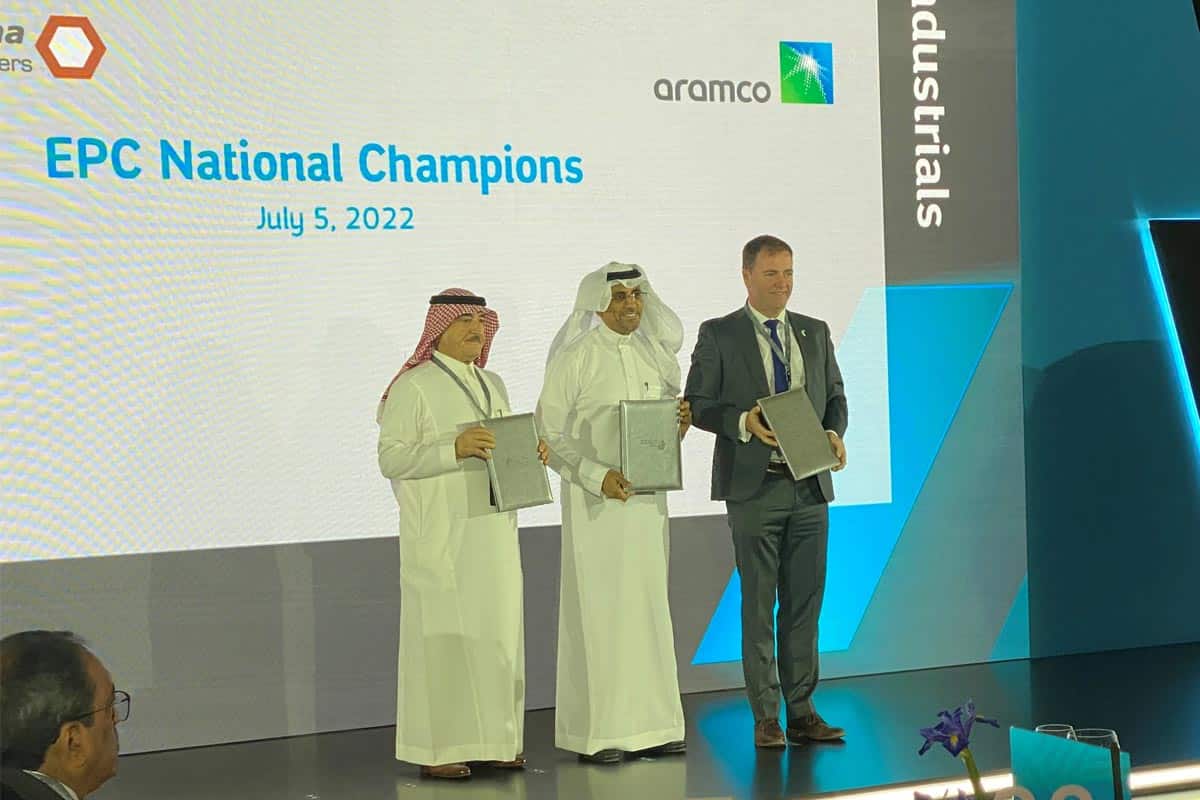
NesmaKent Energy Company , the joint venture between Saudi Arabia’s Nesma & Partners and the international engineering firm Kent, has secured a significant project management consultancy contract with Saudi Aramco. This contract marks a milestone for NKJV, positioning the partnership as a crucial player in the kingdom’s energy infrastructure development amid expanding ambitions in the energy sector.

The PMC contract involves comprehensive project oversight and management services for one of Saudi Aramco’s large-scale energy initiatives. NKJV’s responsibilities will span across planning, execution monitoring, quality control, cost management, and ensuring adherence to safety and environmental standards. This contract is part of Aramco’s broader strategy to engage specialised joint ventures that combine local expertise with international engineering standards, reinforcing Saudi Arabia’s Vision 2030 objectives to diversify and modernise its energy sector.

Nesma & Partners, well-established for its construction and engineering projects within the kingdom and region, has brought extensive local market knowledge and regulatory experience to the partnership. Kent, recognised for its global engineering and project consultancy portfolio, contributes advanced technical capabilities and international project management best practices. Together, the joint venture is expected to deliver high-quality consultancy services that meet Aramco’s stringent operational and environmental benchmarks.

The contract signals the growing trend among Saudi energy entities to engage collaborative partnerships that marry domestic strengths with foreign technological expertise. This aligns with the kingdom’s policy to increase localisation and private sector participation in mega projects. NKJV’s role as a PMC will extend beyond traditional supervisory functions, encompassing risk mitigation, technical advisory, and integration of innovative engineering solutions aimed at optimising project delivery and operational efficiency.

Saudi Aramco’s selection of NKJV follows a competitive tender process where multiple firms vied for the contract. The award underscores Aramco’s confidence in NKJV’s combined capabilities and track record. The project itself forms part of a wider portfolio of energy infrastructure investments by Aramco, which include enhancements in oil production facilities, downstream expansions, and renewable energy projects as the company transitions towards sustainable energy sources.

NesmaKent Energy’s contract exemplifies the shifting dynamics within the Saudi energy sector, where engineering consultancy and project management are gaining prominence as critical factors in successful project execution. The emphasis on specialised joint ventures highlights the kingdom’s commitment to leveraging cross-border partnerships to accelerate technological transfer and capacity building.

Industry experts note that the contract reinforces the strategic positioning of Nesma & Partners and Kent in the Middle East’s energy market. Nesma’s long-standing presence in Saudi Arabia has enabled it to navigate complex regulatory environments and develop robust relationships with government entities and private sector clients. Kent’s engineering pedigree, with a portfolio spanning oil and gas, petrochemicals, and infrastructure, complements Nesma’s regional experience with global standards.

The joint venture’s involvement in this Aramco project is expected to generate significant employment opportunities and skill development programmes in line with Saudi Arabia’s localisation agenda, known as Saudisation. NKJV plans to incorporate training modules and knowledge transfer frameworks to build local competencies in project management and engineering consultancy.

The energy project under NKJV’s management consultancy contract is critical to Aramco’s operational goals, encompassing upgrades to production capacity and the integration of advanced monitoring and control technologies. These developments are part of Aramco’s efforts to maintain its position as the world’s leading energy producer while adapting to evolving global energy demands and environmental regulations.

The scope of NKJV’s mandate also includes coordinating with multiple contractors, subcontractors, and regulatory bodies to ensure seamless execution. This requires a high level of technical expertise, project coordination skills, and compliance with international safety and quality certifications. NKJV’s approach reportedly emphasises sustainability and innovation, incorporating digital tools such as Building Information Modelling and real-time project analytics to enhance transparency and decision-making.

As Saudi Arabia intensifies its focus on energy diversification, including the expansion of renewable energy projects alongside traditional hydrocarbon investments, the expertise of joint ventures like NKJV will be crucial. Their ability to deliver complex projects efficiently and within budget will be pivotal in meeting the kingdom’s long-term strategic targets.

NesmaKent Energy’s success in securing this contract may open doors for further collaborations between Saudi and international firms in the energy consultancy sector. This contract reflects a broader trend of joint ventures becoming key conduits for technology transfer and knowledge exchange in the Gulf’s infrastructure and energy projects.

OpenAI has announced the establishment of a legal entity in South Korea and plans to inaugurate an office in Seoul, marking its third operational base in Asia following Tokyo and Singapore. This strategic move underscores the company’s commitment to expanding its footprint in regions exhibiting significant growth in artificial intelligence adoption.

South Korea ranks second globally, after the United States, in the number of paying subscribers to ChatGPT. The nation’s robust technological infrastructure and a populace highly receptive to AI innovations have positioned it as a pivotal market for OpenAI’s expansion efforts.

Jason Kwon, OpenAI’s Chief Strategy Officer, emphasised South Korea’s comprehensive AI ecosystem, highlighting its strengths in hardware, software, and a diverse user demographic spanning various age groups. He noted that the country’s integrated approach to AI development makes it an ideal environment for meaningful AI impact.

In alignment with its expansion strategy, OpenAI has initiated recruitment processes to build a local team in Seoul. The company aims to foster collaborations with South Korean enterprises and governmental bodies to tailor AI solutions that resonate with local needs and regulatory frameworks.

Earlier this year, OpenAI entered into a partnership with Kakao, a leading South Korean internet company, to develop AI products customised for the Korean market. This collaboration is indicative of OpenAI’s approach to localising its offerings and integrating them seamlessly into existing digital ecosystems.

The establishment of a Seoul office also aligns with OpenAI’s broader initiative to implement data residency solutions across key Asian markets, including South Korea. By enabling local data storage, OpenAI addresses regional data sovereignty concerns and ensures compliance with local data protection regulations, thereby enhancing trust among enterprise clients and users.

OpenAI’s expansion into South Korea is part of a concerted effort to strengthen its presence in Asia. The company’s Tokyo office, opened in April 2024, serves as a hub for developing Japanese-language AI models and collaborating with local businesses and government entities. Similarly, the Singapore office, announced in October 2024, functions as the Asia-Pacific headquarters, focusing on regional partnerships and AI research initiatives.

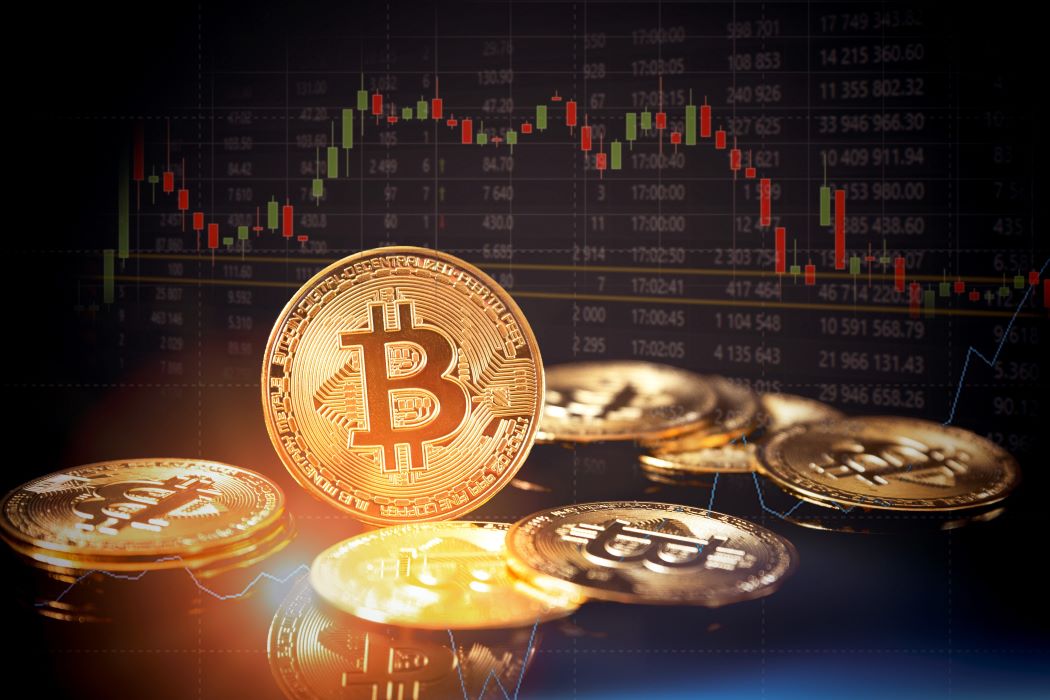
Bitcoin exchange-traded funds have amassed over 75,000 BTC in net inflows over the past month, marking a significant shift in institutional investment patterns and fueling a surge in the cryptocurrency’s valuation. This influx, surpassing $6.5 billion, has been pivotal in driving Bitcoin to an all-time high of $109,900, reflecting a growing confidence among investors in the digital asset’s long-term prospects.

The substantial inflows into Bitcoin ETFs, particularly BlackRock’s iShares Bitcoin Trust , which alone attracted $6.5 billion, underscore a broader trend of institutional adoption. This movement is further evidenced by the actions of major financial entities such as JPMorgan Chase and Morgan Stanley, which have expanded their cryptocurrency offerings in response to increasing client demand.

Analysts attribute this surge to a confluence of factors, including favorable regulatory developments and macroeconomic conditions. The U.S. Senate’s progress on a regulatory bill for stablecoins and the establishment of a Strategic Bitcoin Reserve by the Treasury have provided a supportive policy environment. Concurrently, the weakening of the U.S. dollar and concerns over fiscal policies have prompted investors to seek alternative assets, positioning Bitcoin as a perceived safe haven.

The impact of these developments is evident in the market’s response. Bitcoin’s price trajectory has been bolstered by the sustained ETF inflows, with models estimating its fair value to be between $105,000 and $125,000 at the current rate of investment. This valuation aligns with the observed market behavior, where the cryptocurrency has maintained its upward momentum despite broader economic uncertainties.

The strategic moves by corporations also play a crucial role in this dynamic. Michael Saylor’s Strategy, for instance, has significantly increased its Bitcoin holdings, adding $765 million to its portfolio, which now exceeds $63 billion in value. Such corporate investments not only reflect confidence in Bitcoin’s potential but also contribute to its market stability and growth.

The entry of new players into the Bitcoin ETF space, such as Twenty One, led by the son of President Trump’s commerce secretary, indicates a diversification of investment vehicles and a broadening of the market base. This expansion enhances the accessibility of Bitcoin to a wider range of investors, further solidifying its position in the financial ecosystem.

Etihad Airways reported a profit of 685 million dirhams for the first quarter of 2025, marking a 30% increase year-on-year. This growth was attributed to robust demand and enhanced operational efficiency. Total revenue rose by 15%, supported by gains in both passenger and cargo business. Passenger revenue climbed 16% to 5.5 billion dirhams , bolstered by increased capacity, ongoing network expansion, and more frequent flights. The airline […]

Saudi Aramco is exploring asset sales to bolster its balance sheet as it navigates declining oil revenues and intensifies its international expansion efforts. The state-owned oil giant has engaged investment banks to propose strategies for monetising its assets, according to individuals familiar with the matter. While specific assets and banks involved remain undisclosed, the move underscores Aramco’s proactive approach to financial management amid market challenges.

The company’s net income fell by 12% to $106.2 billion in 2024, down from $121.3 billion the previous year, primarily due to lower oil prices and reduced production volumes. Consequently, Aramco plans to cut its total dividend payout by nearly a third in 2025, distributing $85.4 billion compared to $124 billion in 2024. This reduction is expected to impact Saudi Arabia’s budget, which heavily relies on Aramco’s dividends to fund its Vision 2030 economic diversification initiative.

In response to these financial pressures, Aramco is actively seeking investors for infrastructure assets in its $100 billion Jafurah gas project, aiming to become a major global natural gas player. The company intends to maintain majority ownership and operational control while attracting external investments to support development. This strategy follows previous deals, including nearly $28 billion raised in 2021 through selling 49% stakes in its oil and gas pipeline subsidiaries.

Aramco’s international expansion includes signing preliminary agreements with U.S. companies valued at up to $90 billion, encompassing sectors such as liquefied natural gas, artificial intelligence, and technology. Key deals involve a 20-year LNG purchase agreement with NextDecade’s Rio Grande LNG export project in Texas and collaborations with ExxonMobil to upgrade the Samref refinery in Saudi Arabia. Additionally, Aramco is in discussions to invest in two new refineries in India, seeking stable markets for its crude amidst increased competition from cheaper sources like Russia.

Despite the dividend cut, Aramco plans capital investments between $52 billion and $58 billion in 2025, focusing on expanding its gas capabilities and integrating its upstream and downstream businesses. The company expects potential operating cash flows of $9 billion to $10 billion from growth in its upstream gas business and $8 billion to $10 billion from its downstream business by 2030.

Aramco’s financial adjustments come amid a broader context of declining oil prices, with Brent crude trading around $70 a barrel, down from approximately $100 three years ago. The company’s performance-linked dividend has seen a significant reduction, reflecting broader struggles in the oil industry. Analysts suggest that Aramco may need to tap into debt markets to finance its dividend and capital expenditure commitments if oil prices remain subdued.

Worldcoin’s native token, WLD, experienced a significant surge in value, climbing over 10% following a substantial $135 million fundraising round led by prominent venture capital firms Andreessen Horowitz and Bain Capital Crypto. This influx of capital underscores growing investor confidence in the project’s vision of establishing a global, decentralised identity verification system.

The fundraising success coincides with Worldcoin’s strategic expansion into new markets. Notably, the introduction of its World ID verification system in Poland has garnered attention. Residents in Warsaw can now utilise the project’s ‘Orb’ biometric device to verify their identities, a move aimed at enhancing digital interactions and privacy. This development aligns with Worldcoin’s broader mission to differentiate humans from AI bots in the digital realm.

Market analysts attribute the token’s price surge to a combination of factors, including the successful fundraising, the expansion into Poland, and the broader adoption of Worldcoin’s technologies. The token’s trading volume also saw a notable increase, reflecting heightened investor interest.

However, the project’s rapid growth has not been without scrutiny. Regulatory bodies in various countries have raised concerns about privacy and data protection, leading to investigations and, in some cases, suspension of operations. Despite these challenges, Worldcoin continues to pursue its goal of creating a universal digital identity system, leveraging biometric technology and blockchain infrastructure.

Advertisements

Dubai has introduced the Middle East and North Africa’s first tokenised real estate investment platform, Prypco Mint, enabling individuals to invest in fractional shares of ready-to-own properties starting from AED 2,000. This initiative, spearheaded by the Dubai Land Department in collaboration with Prypco and Ctrl Alt Solutions, aims to democratise access to the emirate’s property market.

Currently, the platform is accessible exclusively to holders of UAE Emirates IDs, with plans for global expansion in subsequent phases. Transactions are conducted solely in UAE Dirhams, and cryptocurrencies are not utilised during the pilot stage. Investors can access comprehensive property details, including pricing, risk factors, and technical specifications, ensuring transparency and informed decision-making.

The project aligns with the Dubai Real Estate Sector Strategy 2033 and the Dubai Economic Agenda D33, which seek to position Dubai as a hub for smart real estate investment. Projections estimate that tokenised assets could account for up to 7% of Dubai’s real estate market by 2033, equivalent to AED 60 billion .

Regulatory oversight is provided by the DLD for physical real estate and the Virtual Assets Regulatory Authority for digital assets, ensuring an integrated and transparent approach. The Central Bank of the United Arab Emirates plays a pivotal role in overseeing the opening of corporate accounts linked to real estate tokenisation through the Client Money Account system, safeguarding investor funds until the purchase process is fully completed.

Industry stakeholders have welcomed the initiative, viewing it as a significant step towards enhancing liquidity and accessibility in the property market. By enabling fractional ownership, the platform opens up investment opportunities to a broader base of investors, particularly those seeking smaller-scale investments.

Red Hat Enterprise Linux and Rocky Linux are accelerating efforts to support the RISC-V architecture, signalling a significant shift in the enterprise Linux landscape. This development reflects the growing momentum behind RISC-V, an open-source instruction set architecture that is reshaping hardware innovation amid challenges in traditional chip supply chains and rising demand for customisable, energy-efficient computing. Red Hat, a subsidiary of IBM and a dominant force in […]

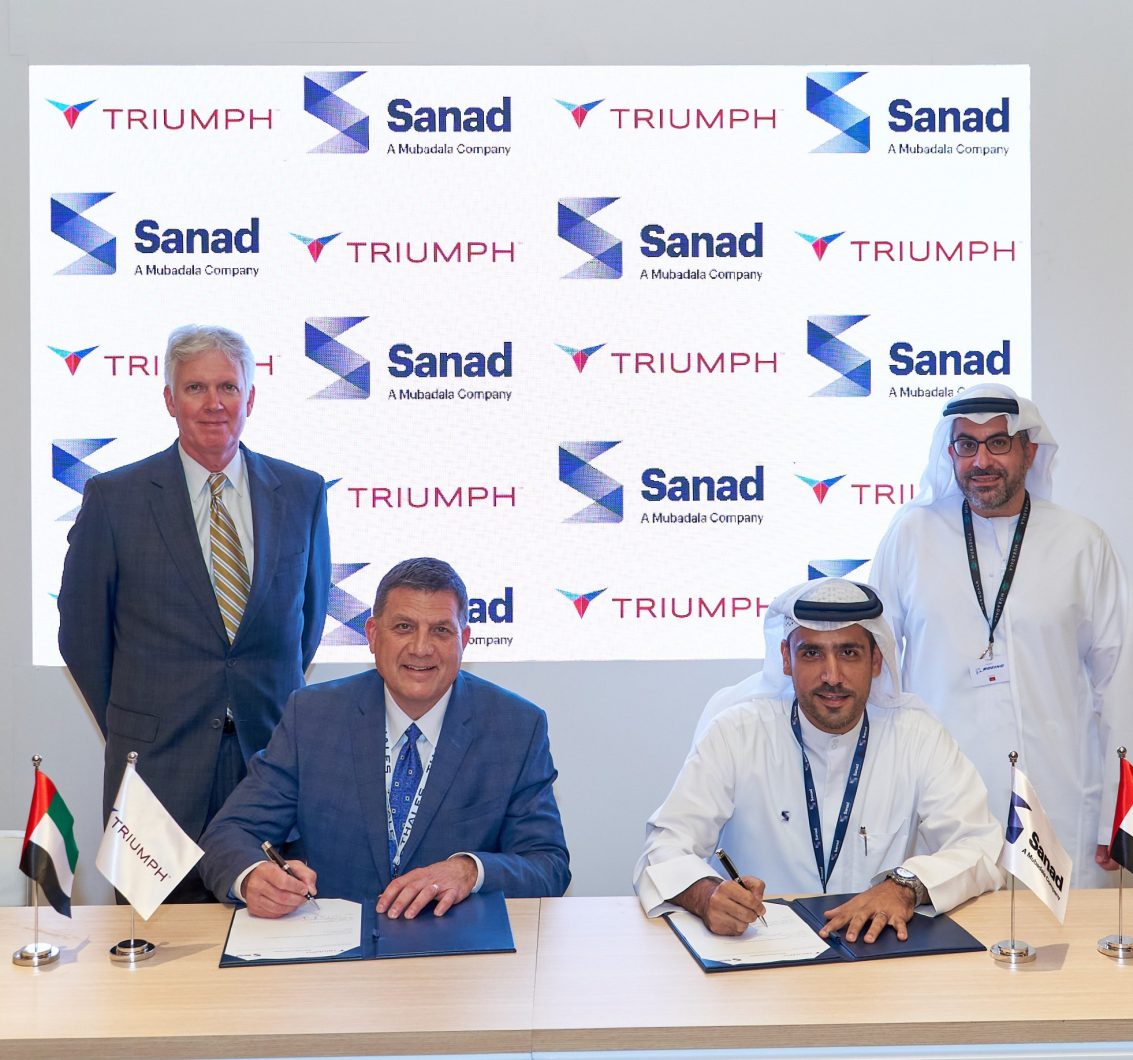
Sanad, a global aerospace engineering and leasing solutions provider wholly owned by Abu Dhabi’s Mubadala Investment Company, has partnered with GE Aerospace to bolster the UAE’s aerospace talent pool. This collaboration aims to address the projected surge in global demand for Maintenance, Repair, and Overhaul professionals, with the sector expected to reach $169 billion by 2037.

The partnership has led to the inauguration of the LEAP Engine MRO Center in Abu Dhabi, the first certified facility of its kind in the South Asia, Middle East, and North Africa region. This center is set to support over 450 LEAP-1A and LEAP-1B engines over an 11-year period, enhancing the UAE’s capabilities in servicing next-generation aircraft engines.

Sanad has invested over AED 100 million into its Abu Dhabi facility, expanding its state-of-the-art engine MRO capabilities. The center spans 5,000 square meters, contributing to a total of 30,000 square meters in Sanad’s Abu Dhabi campus. This expansion not only augments the company’s technical capabilities but also reinforces Abu Dhabi’s position as a leading global aviation hub.

The collaboration with GE Aerospace and Safran Aircraft Engines, formalized during the Paris Air Show in June 2023, has significantly expanded Sanad’s MRO services to include the new-generation CFM International LEAP-1A and -1B engines. These engines, powering Airbus A320neo and Boeing 737 MAX family aircraft, are recognized for their exceptional reliability and fuel efficiency.

Sanad’s LEAP Engine MRO Center began operations within a month of signing the agreement and successfully completed the MRO process on the first LEAP engine from flydubai just four months later. This rapid operationalization underscores Sanad’s commitment to excellence and speed in establishing state-of-the-art MRO capabilities.

The center is operated by a dedicated team of technical and engineering experts, utilizing cutting-edge MRO technologies. Sanad’s engineers and technicians have undergone intensive training programs with GE Aerospace, equipping them with the skills required for tasks such as Rotor Drive System and Inlet Gear Box quick turnaround, borescope inspection, and general familiarization.

This initiative not only ensures the operational efficiency of LEAP engines but also contributes to reducing the carbon footprint associated with transporting engines outside the region for maintenance. By providing in-country solutions, the partnership aligns with the UAE’s commitment to sustainability and operational efficiency.

The LEAP engine’s popularity has surged, with a backlog exceeding 10,000 engines, primarily due to its innovative design aimed at reducing carbon emissions in air transport. Sanad’s enhanced capabilities position it to meet the growing demand for MRO services for the LEAP engine, reinforcing Abu Dhabi’s status as a global aviation hub.

In addition to the LEAP Engine MRO Center, Sanad has expanded its global partnerships, including a strategic agreement with Airbus to provide MRO services for engines powering Airbus single-aisle and wide-body aircraft. This collaboration further solidifies Sanad’s position as a global partner of choice and a key player in the aerospace industry.

Sanad’s commitment to workforce development is evident in its focus on training and upskilling local talent. The company has established multi-tiered training programs to nurture local expertise, combining classroom training in aviation principles with hands-on experience in its facilities. This approach supports the UAE’s broader goals of economic diversification and the development of a knowledge-based economy.

Billionaire investor Bill Ackman has taken a substantial position in Uber Technologies by investing $2.8 billion, marking one of the most significant recent moves by a major hedge fund into the ride-hailing giant. This sizeable commitment comes as Uber navigates an increasingly competitive and evolving landscape in mobility, delivery, and autonomous vehicle development. Ackman’s Pershing Square Capital Management purchased approximately 36.4 million shares, representing nearly 8% of […]

KOLO, a prominent player in the web3 ecosystem, has introduced a next-generation digital wallet paired with a worldwide debit card designed to seamlessly bridge the gap between digital assets and everyday transactions. This development marks a significant step in expanding the usability of cryptocurrencies and blockchain-based assets in mainstream financial activities, targeting both seasoned crypto users and newcomers seeking practical applications of digital currencies.

The KOLO digital wallet enables users to store, manage, and transact with a broad range of digital assets, including popular cryptocurrencies and non-fungible tokens . Its accompanying debit card, which operates on a global scale, allows holders to convert their crypto holdings into fiat currency instantly, facilitating purchases and cash withdrawals wherever traditional debit cards are accepted. This dual functionality aims to enhance the liquidity and real-world accessibility of digital assets, which have often been limited by infrastructure and regulatory challenges.

KOLO’s platform capitalises on cutting-edge security protocols, including multi-factor authentication and hardware wallet integration, to protect user funds from common threats such as hacking and fraud. The wallet supports interoperability across multiple blockchain networks, including Ethereum, Binance Smart Chain, and Polygon, ensuring wide compatibility with a diverse array of tokens. Additionally, KOLO offers a user-friendly interface designed to simplify complex processes like token swaps, staking, and NFT management, appealing to users across different levels of technical expertise.

This launch comes amid growing global interest in cryptocurrencies as tools for everyday financial activities, beyond their traditional roles as speculative assets or investment vehicles. Industry analysts observe that bridging digital assets with conventional financial systems remains a critical hurdle for broader adoption. KOLO’s integration of a physical debit card backed by digital wallet balances presents a pragmatic solution to this challenge by enabling seamless real-time spending without the need for manual conversions or third-party intermediaries.

The global rollout of KOLO’s debit card features partnerships with major payment networks to ensure widespread acceptance. Cardholders can transact in multiple currencies, benefiting from automatic conversion rates managed by KOLO’s proprietary system. This eliminates the complexity and delays that typically accompany crypto-to-fiat exchanges, allowing for smoother consumer experiences in retail, online shopping, and ATM withdrawals worldwide.

Market experts highlight the significance of this move as competition intensifies among blockchain projects aiming to embed crypto payments in daily commerce. Other companies have launched crypto debit cards before, but KOLO’s approach focuses on enhanced security, broad token support, and user-centric design. It also addresses regulatory compliance across jurisdictions by implementing know-your-customer and anti-money laundering measures, ensuring adherence to financial regulations while maintaining user privacy.

KOLO’s leadership emphasises the product’s role in accelerating the transition toward a more inclusive financial system, where digital assets play a pivotal role in economic participation. The company has also announced plans to integrate decentralized finance features directly into the wallet, enabling users to access lending, borrowing, and yield farming services without leaving the platform. This integrated approach could reduce friction points that currently discourage mainstream users from engaging deeply with DeFi ecosystems.

In terms of adoption, KOLO targets a wide demographic including crypto enthusiasts, digital nomads, and merchants looking to accept digital currencies without complex setups. The debit card is available to users in key markets across North America, Europe, and Asia, with expansion plans for emerging economies where digital finance penetration is growing rapidly. Early user feedback praises the card’s convenience and the wallet’s intuitive design, with particular appreciation for transparent fees and fast transaction processing times.

Financial regulators remain cautious but generally open to innovation that adheres to legal frameworks and prioritises consumer protection. KOLO’s compliance strategy includes collaboration with regulatory bodies to ensure transparency and mitigate risks associated with digital asset transactions. This proactive approach aims to position KOLO as a trustworthy intermediary capable of navigating evolving regulatory landscapes without compromising on the decentralised ethos of web3 technology.

The broader digital asset industry is witnessing heightened demand for solutions that integrate blockchain technology with everyday financial use cases. KOLO’s entry into the market reflects an ongoing shift from niche crypto experimentation toward practical, user-friendly applications that can coexist alongside traditional banking infrastructure. This hybrid model could pave the way for new financial paradigms where digital wallets and physical payment instruments work in concert to offer greater flexibility and control to users.

Chinese automaker BYD has overtaken Tesla in European battery electric vehicle registrations for the first time, marking a significant shift in the continent’s competitive electric vehicle market. In April 2025, BYD registered 7,231 BEVs across Europe, narrowly surpassing Tesla’s 7,165 units, according to data from market research firm JATO Dynamics. This milestone underscores BYD’s rapid expansion beyond its initial European markets of Norway and the Netherlands, where […]

Cryptocurrency exchange Kraken has announced the launch of tokenized versions of over 50 U.S.-listed stocks and exchange-traded funds , including Apple, Tesla, and Nvidia, for non-U.S. customers. These digital assets, branded as “xStocks,” will be available for trading around the clock via the Solana blockchain, enabling investors in Europe, Latin America, Africa, and Asia to access U.S. equities beyond traditional market hours.

Each xStock token is backed by actual shares held by Kraken’s partner, Backed Finance, ensuring that the tokens’ values closely mirror their underlying securities. The tokens are redeemable for the cash equivalent of the corresponding stock or ETF, providing a seamless bridge between digital and traditional financial markets.

Kraken’s co-CEO, Arjun Sethi, emphasized the platform’s commitment to reducing barriers for international investors. “Overseas investors can currently buy U.S. stocks through local brokerages, but it typically involves very high fees and slow settlement times,” Sethi noted. “There’s a lot of friction.” By leveraging blockchain technology, Kraken aims to offer a more efficient and cost-effective alternative.

The introduction of xStocks also allows for greater flexibility in asset management. Investors can store these tokenized equities in digital wallets, trade them across various crypto platforms, and even use them as collateral for crypto trading strategies. This integration of traditional assets into the crypto ecosystem reflects a growing trend toward the tokenization of financial instruments.

Kraken’s move follows earlier attempts by other exchanges to offer tokenized stocks. In 2021, Binance introduced similar products but discontinued them after regulatory challenges. Learning from such precedents, Kraken is actively collaborating with regulators to ensure compliance across different jurisdictions. A company spokeswoman stated that Kraken is “actively working with various regulators” to navigate the complex international regulatory landscape.

The broader financial industry has shown increasing interest in the potential of tokenization. The U.S. Securities and Exchange Commission hosted a roundtable discussion on the subject earlier this month, and major firms like BlackRock and Robinhood have expressed support for the tokenization of securities. Sethi predicts that tokenized equities could surpass stablecoins in market size, highlighting their transparency, speed, and global accessibility.

Kraken’s expansion into tokenized equities is part of a larger strategy to bridge traditional finance and the crypto world. The company has also launched commission-free trading for over 11,000 U.S.-listed stocks and ETFs through its Kraken Securities platform, initially available in select U.S. states with plans for broader rollout. This integrated approach allows users to manage cryptocurrencies, equities, ETFs, stablecoins, and fiat currencies within a single platform.

Bitcoin Suisse, a pioneering Swiss crypto-financial services firm, has obtained regulatory approval to operate in Abu Dhabi, marking its inaugural venture beyond Europe since its establishment in 2013. This development underscores the United Arab Emirates’ emergence as a magnet for global digital asset enterprises.

The Abu Dhabi Global Market , the emirate’s international financial centre, granted the licence, enabling Bitcoin Suisse to offer its suite of crypto services within the region. This move aligns with the company’s strategy to tap into the Middle East’s burgeoning demand for regulated digital asset solutions.

Andrej Majcen, CEO of Bitcoin Suisse, emphasized the significance of this expansion, stating that the company’s Swiss heritage and decade-long experience position it well to serve the Middle Eastern market. He highlighted the UAE’s progressive regulatory framework and its commitment to fostering innovation in the financial sector as key factors influencing the decision.

Abu Dhabi has been proactive in establishing itself as a hub for digital assets, attracting a slew of international crypto firms. The ADGM’s introduction of comprehensive digital asset regulations in 2018 has been instrumental in this regard, providing clarity and fostering investor confidence.

Several notable crypto entities have set up operations in Abu Dhabi, including Standard Chartered-backed Zodia Markets, which received regulatory approval to operate as a virtual asset brokerage. Similarly, Singapore-based custody provider Liminal secured permission to offer its services in the region, reflecting a broader trend of global crypto firms gravitating towards the UAE.

The UAE’s appeal lies not only in its regulatory environment but also in its strategic location and robust infrastructure. The government’s initiatives to diversify the economy and invest in fintech have created a conducive ecosystem for digital asset companies.

Bitcoin Suisse’s entry into the Abu Dhabi market is expected to catalyze further growth in the region’s digital asset sector. The company’s comprehensive offerings, ranging from trading and custody to staking and tokenization, will cater to a diverse clientele, including institutional investors and high-net-worth individuals seeking regulated crypto services.

This expansion also signifies a broader shift in the global crypto landscape, with firms increasingly seeking jurisdictions that offer regulatory clarity and support for innovation. The UAE’s proactive stance positions it as a leading destination for such enterprises, potentially setting a benchmark for other regions aiming to attract digital asset businesses.

OpenAI has agreed to acquire artificial intelligence device startup io in a $6.5 billion all-stock transaction, bringing onboard Apple’s iconic designer Jony Ive and his team as part of a bold expansion into hardware development. The deal, which is OpenAI’s largest to date, aims to reshape the future of consumer electronics by embedding artificial intelligence deeply into everyday devices. The acquisition values io based on a $5 […]

A growing chorus of lawmakers, legal experts, and digital rights advocates is calling for a comprehensive overhaul of the Bank Secrecy Act , contending that its extensive financial surveillance provisions infringe upon constitutional rights and hinder the advancement of cryptocurrency technologies.

Enacted in 1970, the BSA mandates that financial institutions report specific transactions to the federal government, aiming to combat money laundering and other illicit activities. However, critics argue that the law’s expansive reach has led to mass surveillance practices that conflict with the Fourth Amendment’s protections against unreasonable searches and seizures.

In 2023, approximately 300,000 financial institutions filed nearly 30 million BSA reports, yet only about 1,575 cases were referred for prosecution based on these filings. This disparity has raised concerns about the efficacy and proportionality of the BSA’s reporting requirements.

The rise of cryptocurrencies has intensified these debates. Digital assets, by their nature, offer users a degree of privacy and autonomy in financial transactions. However, the BSA’s current framework does not adequately address the nuances of blockchain technology, leading to calls for reforms that balance regulatory oversight with individual privacy rights.

President Donald Trump’s administration has signaled a shift in approach. In January 2025, an executive order titled “Strengthening American Leadership in Digital Financial Technology” was issued, emphasizing the promotion of digital assets and blockchain technologies. The order established the Presidential Working Group on Digital Asset Markets, tasked with developing a federal regulatory framework for digital assets and evaluating the creation of a national digital asset stockpile. Notably, the order also prohibited the establishment of central bank digital currencies , citing concerns over financial stability and individual privacy.

Despite these initiatives, critics argue that without substantive reforms to the BSA, the executive order’s goals may be undermined. They contend that the BSA’s current provisions allow for warrantless access to individuals’ financial records, a practice they believe is incompatible with constitutional protections.

Legal precedents have further complicated the landscape. In the 1976 case United States v. Miller, the Supreme Court held that individuals do not have a reasonable expectation of privacy in financial records held by third parties. This “third-party doctrine” has been a cornerstone in upholding the BSA’s provisions. However, more recent decisions, such as Carpenter v. United States in 2018, have begun to challenge the breadth of this doctrine, particularly in the context of digital data.

Advocates for reform suggest that Congress could amend the BSA to maintain its record-keeping requirements while eliminating or modifying its reporting mandates. Such changes would ensure that law enforcement agencies obtain warrants based on probable cause before accessing individuals’ financial information, thereby aligning the law with Fourth Amendment protections.

Some legislative efforts have been initiated. In the 118th Congress, Representative John Rose introduced the Bank Privacy Reform Act, aiming to reaffirm Americans’ Fourth Amendment rights in the context of financial transactions. Similarly, Senator Mike Lee proposed the Saving Privacy Act, which seeks to address concerns over mass financial surveillance. However, these bills have yet to gain significant traction.

Artificial Intelligence is expected to contribute around US$320 billion to the Middle East’s Gross Domestic Product (GDP) by 2030, with the Gulf Cooperation Council countries accounting for nearly 80 percent of that impact, translating to approximately US$260 billion, according to a latest report by global accounting firm PriceWaterhouseCoopers (PwC). The Gulf Cooperation Council (GCC) countries—Bahrain, Kuwait, Oman, Qatar, Saudi Arabia, and the United Arab Emirates—are at a […]

Tether, the issuer of the world’s largest stablecoin, has reportedly surpassed Germany in holdings of U.S. Treasury securities, positioning itself among the top global holders of American government debt. Paolo Ardoino, Tether’s CEO, announced the milestone on social media, stating, “I think we’ve already passed Germany. Next target — South Korea!”

According to Tether’s Q1 2025 attestation report, the company holds approximately $120 billion in U.S. Treasuries, including direct holdings and indirect exposures through money market funds and reverse repurchase agreements. This figure places Tether ahead of Germany, which, as per the U.S. Department of the Treasury, held around $95 billion in U.S. government debt at the end of Q1 2025.

Tether’s substantial investment in U.S. Treasuries has not only solidified its position in the financial markets but also yielded significant returns. The company reported over $1 billion in operating profit for Q1 2025, primarily driven by income from its Treasury holdings. Additionally, Tether maintains $5.6 billion in excess reserves, underscoring its financial stability.

The stablecoin issuer’s aggressive accumulation of U.S. government debt has implications beyond its balance sheet. A study published on May 18, 2025, in the Social Science Research Network suggests that Tether’s significant market share in U.S. Treasury bills may be contributing to lower yields. The research indicates that Tether’s demand for Treasury bills equates to approximately $15 billion in annual interest savings for the U.S. government.

Tether’s growing influence in the financial sector is further evidenced by its expanding user base. The company reported a $7 billion increase in the circulating supply of its USD₮ stablecoin during Q1 2025, with a 13% rise in user wallets, totaling an estimated 46 million new accounts. This growth reflects increasing global demand for dollar-denominated digital assets, particularly in regions with volatile local currencies.

Beyond its core stablecoin operations, Tether is diversifying its investments. The company has allocated over $2 billion toward sectors such as renewable energy, artificial intelligence, and data infrastructure. Notably, Tether acquired a 70% stake in Adecoagro, a leading sustainable production company in South America, signaling a strategic expansion into sustainable infrastructure.

Mauritius is intensifying efforts to attract travellers from Gulf countries, with the tourism sector positioning itself to tap into a high-spending demographic amid growing global competition. The island’s tourism authority has highlighted the Gulf region as a key source market, aiming to capitalise on increased air connectivity, rising disposable incomes, and evolving travel preferences.

Officials from the Mauritius Tourism Authority emphasise a strategy focused on delivering a high-quality, product-driven experience tailored to Gulf travellers’ expectations. Luxury accommodations, personalised services, and exclusive experiences form the cornerstone of this approach. The island’s appeal is strengthened by its reputation for safety, pristine beaches, and cultural diversity, factors that resonate well with Gulf visitors seeking both relaxation and immersive travel.

Mauritius benefits from its geographic proximity and enhanced flight options, including direct and one-stop routes operated by regional and international airlines. These improved connections make the destination more accessible, facilitating a smoother travel experience that Gulf tourists increasingly prioritise. The airline partnerships and new routes also reflect broader industry trends where connectivity drives tourism inflows and regional collaboration plays a key role in market expansion.

The tourism authority’s promotional campaigns have adapted to digital trends, leveraging social media influencers and targeted marketing to engage Gulf travellers effectively. Content emphasises Mauritius as an exclusive yet accessible luxury getaway, blending natural beauty with upscale amenities. This digital outreach complements traditional marketing channels, aiming to build sustained interest and brand loyalty.

Luxury resorts and hotels on the island have upgraded their offerings, aligning with Gulf travellers’ preferences for privacy, fine dining, wellness, and bespoke excursions. Several properties have introduced Arabic-speaking staff, tailored menus, and prayer facilities to better serve the Gulf clientele. This cultural sensitivity enhances comfort and inclusivity, strengthening the destination’s competitive edge.

Economic data shows that Gulf tourists typically spend more per visit than visitors from many other regions, making them highly desirable for the island’s tourism revenue. With tourism contributing significantly to Mauritius’s GDP, targeting high-value markets is essential for sustaining economic growth, especially in the post-pandemic environment where recovery efforts remain critical.

The broader Indian Ocean region faces intense competition from other luxury beach destinations, including the Maldives, Seychelles, and Zanzibar. Mauritius’s tourism leadership acknowledges the need for continuous innovation and investment to maintain its standing. This includes diversifying experiences beyond beaches, promoting eco-tourism, cultural tours, and sporting events to appeal to diverse traveller interests.

Environmental sustainability is becoming a priority within Mauritius’s tourism development plans, as the island seeks to balance growth with conservation. Several resorts have adopted green certifications and community engagement programmes, which appeal to environmentally conscious Gulf travellers increasingly interested in responsible tourism. This trend aligns with global shifts toward sustainable travel, reinforcing Mauritius’s positioning as a forward-thinking destination.

Authorities are also working with Gulf travel agencies and tour operators to create customised travel packages that simplify booking and enhance the overall journey. Collaborative partnerships extend to the luxury retail and entertainment sectors, integrating shopping and leisure activities into holiday experiences. Such integrated offerings respond to Gulf tourists’ demand for comprehensive, seamless trips combining relaxation, adventure, and lifestyle.

Mauritius’s appeal to Gulf visitors is further strengthened by the island’s multilingual population and historical links to the region through trade and diaspora communities. These ties foster a sense of familiarity and hospitality, factors that influence travel decisions positively. The tourism sector recognises that maintaining and deepening these connections is crucial for long-term market development.

Global travel trends show an increasing preference among Gulf nationals for destinations that offer exclusivity and privacy, particularly amid ongoing health concerns and evolving safety expectations. Mauritius has implemented stringent health protocols and flexible cancellation policies to reassure travellers, factors that contribute to its attractiveness as a safe and dependable destination.

Despite the promising outlook, challenges remain. The volatility of international travel regulations, fluctuating fuel prices, and economic uncertainties in key Gulf states could affect visitor numbers. Moreover, competition for tourists’ attention and spending power requires Mauritius to continually enhance value propositions and innovate its offerings.

Investment in infrastructure improvements, including airports, road networks, and hospitality facilities, supports the island’s ambition to elevate the visitor experience. Public and private sector collaboration is essential in this regard, with government incentives encouraging tourism-related investments and innovation. These efforts underscore a commitment to sustainable and inclusive tourism growth.

Mauritius’s strategy reflects a broader shift in global tourism towards targeting affluent travellers with discerning tastes. By focusing on personalised, culturally aware, and environmentally responsible tourism products, the island is positioning itself as a top-tier destination for Gulf nationals. This aligns with global luxury travel market trends, which prioritise authenticity, comfort, and unique experiences.

Efforts to attract Gulf travellers are expected to have a multiplier effect, benefiting ancillary industries such as retail, transportation, and local crafts. The integration of tourism with local economic development highlights Mauritius’s holistic approach to growth, emphasising the social and economic benefits of a vibrant travel sector.


Shares of BYD Co. Ltd. listed in Hong Kong have reached unprecedented levels, widening the valuation gap with their mainland counterparts to a historic high. This divergence underscores the growing investor confidence in the electric vehicle giant’s international expansion and strategic initiatives.

The Hong Kong-listed H-shares of BYD have been trading at a significant premium compared to its Shenzhen-listed A-shares. This premium reflects heightened investor enthusiasm driven by BYD’s aggressive global growth strategies and robust financial performance.

In a landmark move, BYD raised approximately $5.6 billion through a share placement in Hong Kong, marking the largest equity follow-on offering in the global automotive sector over the past decade. The company issued 129.8 million H-shares at HK$335.20 each, representing a 7.8% discount to the previous closing price. Despite the discount, the offering attracted substantial interest from institutional investors, including sovereign wealth funds from Europe and the Middle East.

The proceeds from the share sale are earmarked for research and development, overseas business expansion, and general corporate purposes. BYD’s strategic focus includes establishing production facilities in countries such as Brazil, Hungary, and Turkey, aiming to mitigate geopolitical risks and tap into emerging markets.

The company’s international ambitions are further evidenced by its recent ventures, including the construction of a $680 million manufacturing plant in Brazil with an annual capacity of 150,000 units. Additionally, BYD has launched new EV models in various markets, including the Seal sedan in India, priced competitively to capture market share.

BYD’s financial health remains robust, with a reported revenue of 502.25 billion yuan and a net profit of 25.24 billion yuan in the first three quarters of 2024, reflecting year-on-year growth of 18.94% and 18.12%, respectively. The company’s rapid production acceleration is notable, achieving the manufacture of 5 million new-energy vehicles within just 15 months, a feat that previously took nearly 15 years.

OSAKA, JAPAN – Media OutReach Newswire – 21 May 2025 – Tenchijin Inc., a space-tech innovator, showcased its innovative solutions at “TECHNOMART Malaysia-Japan: B2B Session on the Space Industry” (“TECHNOMART Malaysia”) held at the Malaysia Pavilion of EXPO 2025 Osaka-Kansai on May 15. Organized by the Malaysia External Trade Development Corporation (MATRADE), this event was part of “Creating a Sustainable Future: Malaysia-Japan Innovation Technology Seminar.” The strategic […]

SINGAPORE – Media OutReach Newswire – 21 May 2025 – Star Living, a home furnishing brand in Singapore, is proud to announce its expansion into the electronic product category this May. With a curated selection of everyday appliances and smart home essentials, the move marks a strategic step towards becoming a comprehensive, one-stop destination for modern homeowners. Electronics Range at Star Living Sungei Kadut Showroom This milestone […]

Cryptocurrency exchange Kraken has secured a Markets in Financial Instruments Directive licence in the European Union by acquiring Cypriot investment firm Greenfields Wealth, formerly known as Pacific Union Group. The acquisition, approved by the Cyprus Securities and Exchange Commission , enables Kraken to offer regulated crypto derivatives to advanced traders across selected EU markets.

This strategic move allows Kraken to operate under the EU’s MiFID framework, facilitating the provision of over-the-counter derivatives, including contracts for differences , to retail clients within the European Economic Area. The licence also permits Kraken to passport its services across other EU member states, potentially reaching a broader base of European traders and investors.

Shannon Kurtas, Kraken’s Co-General Manager of Pro & Exchange, stated that the acquisition reflects the company’s commitment to providing a trusted, regulated environment for advanced crypto traders and investors. She emphasized that the European market remains a top priority for Kraken as it continues to expand its services globally.

Kraken plans to introduce a range of derivatives products, including regulated futures and options, designed to meet the needs of sophisticated crypto investors in Europe. These offerings will enable traders to gain exposure to various digital assets in a capital-efficient and flexible manner, using a variety of collateral currencies to back their positions.

The acquisition of Greenfields Wealth provides Kraken with a strategic entry point into the European derivatives market. Cyprus has emerged as a hub for financial services firms seeking to operate across the EU, thanks to its regulatory framework and MiFID passport capabilities. The approval from CySEC enables Kraken to compete more effectively in the European crypto derivatives market.

Kraken has a history of pursuing regulated derivatives trading opportunities. In 2019, the company acquired Crypto Facilities, a UK-based crypto futures platform regulated by the Financial Conduct Authority , enhancing its presence in the UK market. This acquisition made Kraken the first licensed crypto futures provider in the United Kingdom.

The European crypto derivatives market is experiencing significant growth, with projections indicating a 15% growth rate until 2030. Kraken’s entry into this market positions the company to capitalize on the increasing demand for secure and regulated crypto derivatives trading in the EU.

Kraken’s approach to regulatory compliance has been systematic, with the exchange working to secure necessary approvals across different jurisdictions. This strategy helps ensure that its services meet local regulatory standards while providing users with access to advanced trading options.

The company’s expansion into the European market aligns with the EU’s Markets in Crypto-Assets regulation, which aims to address issues related to anti-money laundering, token issuance, and stablecoin-specific rules. Kraken’s acquisition of the MiFID licence represents a strategic move to capture opportunities in Europe’s expanding derivatives market.

VISHNU RAJA
RYO YAMADA
HITORI GOTOH
IKUYO KITA