News related to
Expansion

Singapore’s Gambling Regulatory Authority (GRA) has reduced the renewal period for the casino license of Resorts World Sentosa (RWS) to two years, citing underperformance in tourism contributions as the reason. This marks a significant shift in regulatory measures for one of the city-state’s two integrated casino resorts. Traditionally granted a three-year license, the shortened renewal highlights growing concerns over the resort’s ability to meet strategic objectives in boosting Singapore’s tourism sector.

The GRA’s decision comes amidst its increasing oversight of the gaming industry, which has seen heightened regulatory scrutiny since the authority’s establishment in 2022. Resorts World Sentosa, operated by Genting Singapore, was evaluated on its operational performance, social responsibility standards, and contributions to Singapore’s reputation as a global destination. Officials noted that RWS failed to meet expectations in attracting foreign visitors and delivering robust tourist performance, a key benchmark for its license renewal.

Industry observers have connected the GRA’s stricter stance to broader challenges faced by RWS, including a decline in international patronage. Despite its prime waterfront location and the allure of attractions like Universal Studios Singapore and the S.E.A. Aquarium, RWS has reportedly struggled to recover fully from the impact of travel restrictions over the past few years. Additionally, Singapore’s casino entry levies for citizens and permanent residents, doubled in 2019, may have influenced visitation dynamics.

RWS’s operational challenges are compounded by regulatory enforcement actions against the casino. Over the past year, the GRA has penalized the establishment twice for failing to perform customer due diligence, resulting in fines totaling SG$95,000. These infractions point to lapses in compliance with Singapore’s stringent Casino Control Regulations. The penalties, alongside the shortened license period, reflect the regulator’s focus on enforcing standards to ensure accountability within the gaming sector.

To address the issues raised, Genting Singapore has announced plans for a substantial reinvestment into the resort. A US$5 billion expansion project aims to revitalize Resorts World Sentosa, with promises of enhanced attractions, upgraded accommodations, and advanced gaming technology. The redevelopment is part of a broader strategy to align the resort with Singapore’s ambitions to remain competitive as a global tourism hub. Analysts suggest that the expansion could provide a much-needed boost to the resort’s appeal, especially to international visitors.

The GRA’s decision underscores the shifting dynamics in Singapore’s gaming landscape. While the casino industry has been a lucrative pillar of Singapore’s economy, contributing significantly to tax revenues and employment, the emphasis on aligning gaming operations with broader tourism goals has become more pronounced. The reduced license duration sends a clear message to operators about the government’s expectations for maintaining high standards of performance and responsibility.

Despite the setback, RWS remains one of the cornerstones of Singapore’s integrated resort strategy, which pairs casino gaming with non-gaming attractions to enhance visitor experience. Its counterpart, Marina Bay Sands, continues to set benchmarks for integrated resorts globally, and is in the midst of its own multibillion-dollar expansion.
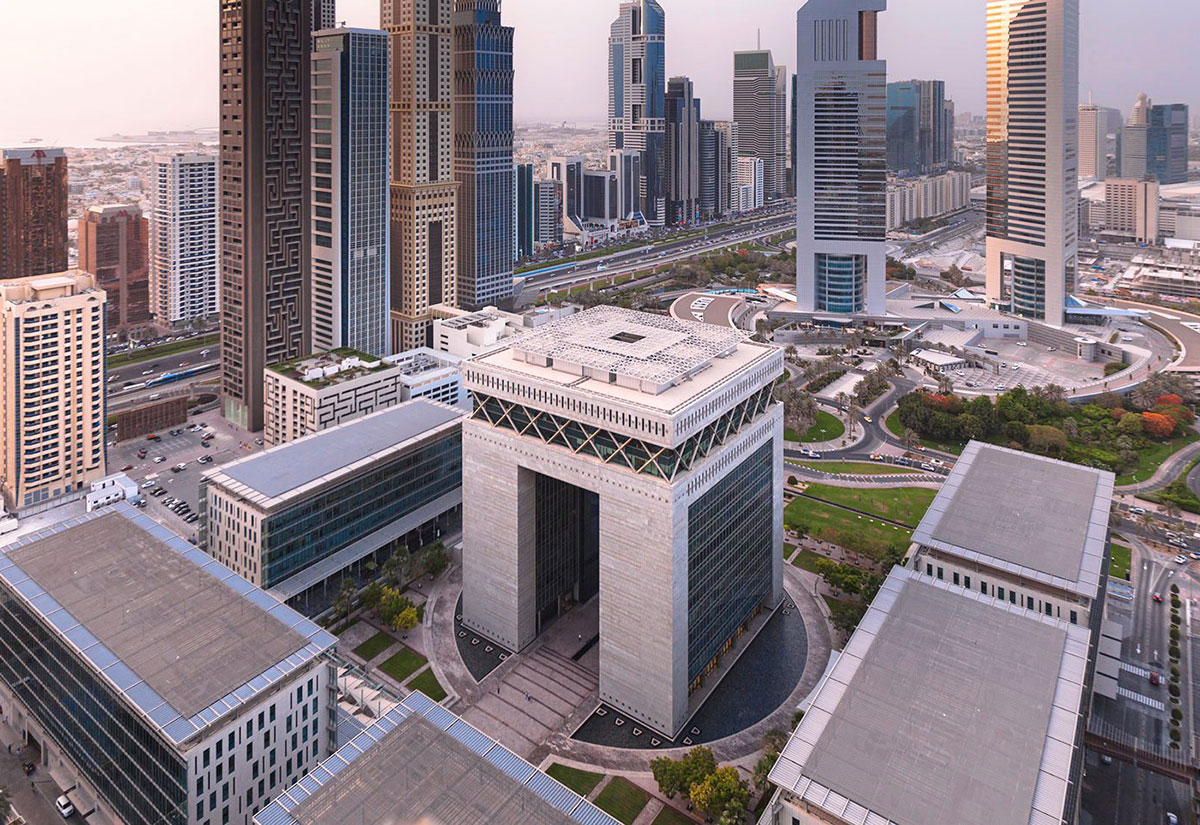
Rothschild & Co. has appointed a seasoned Swiss banker to head its newly established wealth management office in Dubai, marking a significant expansion in the Middle East’s rapidly growing wealth management sector. The move reflects the firm’s strategic intent to strengthen its presence in a region that has seen an increasing concentration of affluent individuals and families.

The new office, located in Dubai International Financial Centre (DIFC), aims to provide tailored wealth management services to high-net-worth individuals (HNWIs) and ultra-high-net-worth individuals (UHNWIs) across the Gulf region. With an eye on the UAE’s growing market, Rothschild & Co. is poised to leverage its global expertise to cater to the unique needs of wealthy clients in the Middle East.

The Swiss banker, whose identity remains undisclosed, brings over two decades of experience in wealth management, having previously worked with top-tier financial institutions in Switzerland and other global financial hubs. His appointment underscores Rothschild’s commitment to ensuring that its Middle Eastern clients receive personalized, high-quality advisory services, particularly in managing cross-border wealth, succession planning, and complex family office structures.

Rothschild & Co.’s decision to set up a dedicated office in Dubai is an indication of the firm’s optimism regarding the region’s increasing appeal to investors. Over the past decade, the UAE has become a leading global financial center, attracting not just affluent individuals from across the globe but also major financial institutions seeking to tap into the region’s burgeoning wealth. The region has consistently witnessed growth in the number of high-net-worth individuals, driven by the country’s successful diversification of its economy, rapid urbanization, and its position as a key financial hub for businesses and wealthy families from Europe, Asia, and Africa.

The Dubai office will be pivotal in further extending Rothschild & Co.’s network, which already has a strong presence in key global cities. Rothschild’s wealth management business has long been focused on providing a highly personalized approach to managing wealth, with expertise in both traditional and alternative asset classes. The move into Dubai comes at a time when family offices and private wealth management services are gaining increased importance in the region, particularly among younger generations of wealthy individuals seeking to preserve and grow their wealth for future generations.

Rothschild & Co. is not the only global financial institution eyeing Dubai’s growing wealth management market. Several other international banks have expanded their operations in the region, with private banking and wealth management services seeing strong demand. The city has become a magnet for both business executives and wealthy investors, many of whom are seeking a base in Dubai due to its tax advantages, business-friendly regulations, and cosmopolitan lifestyle.

One of the key factors behind this shift is the increased number of high-net-worth individuals from Asia and Europe who are seeking to establish a presence in Dubai, either for business, lifestyle, or financial reasons. The UAE’s wealth management market has grown alongside its economic diversification and its expanding role as a hub for international investment, especially in sectors such as technology, real estate, and infrastructure.

This influx of capital is being supported by Dubai’s increasing attractiveness as a safe haven for wealth amid global economic uncertainties. In addition to its stable regulatory environment, Dubai’s tax-friendly policies, such as the absence of income tax and its favorable business laws, are a draw for investors looking for more favorable conditions to manage their wealth. Moreover, with Dubai’s strategic geographical location between Europe, Asia, and Africa, it serves as a natural gateway for investors looking to access emerging markets.

Rothschild’s wealth management office is also set to benefit from the growing importance of ESG (environmental, social, and governance) investing in the Middle East. The firm is already a recognized player in sustainable investment management, and its Dubai office will focus on guiding clients toward investments that align with their values, particularly in green energy, real estate, and sustainable technologies.

Rothschild & Co.’s expansion into Dubai also ties in with its broader strategy of enhancing its global wealth management capabilities. The firm has consistently sought to expand its client base in emerging markets while strengthening relationships with existing clients in mature markets. This approach is designed to cater to the growing demand for wealth management services that combine personalized advice with a global perspective, ensuring clients can navigate the complexities of international markets and investments.

Dubai’s status as an economic powerhouse in the Middle East makes it a critical component of Rothschild & Co.’s long-term growth strategy. The city’s status as a luxury destination and its role in the development of major infrastructure projects across the region further solidify its appeal as a wealth management hub. As the city continues to grow in prominence as a business and financial center, it is likely that more global wealth managers will follow Rothschild’s lead in establishing a presence in the UAE.

BANGKOK, THAILAND – Media OutReach Newswire – 19 November 2024 – ONYX Hospitality Group, Thailand’s leading management company for premier hotels, resorts, serviced apartments, and luxury residences, as well as a diverse range of hospitality experiences, is proud to announce the launch of an exciting new joint venture with Equatorial Group from Malaysia to co-develop “EQ Phuket”, a luxury hospitality project in Phuket, Thailand. Expected to open […]

The Emirates Nuclear Energy Company (ENEC) has unveiled a refreshed brand identity that highlights its evolving role as a key national player in the UAE’s energy sector. The rebranding aims to emphasize the company’s commitment to sustainable, low-carbon energy production, alongside its growing influence in the global nuclear energy landscape.

The new visual identity, which includes an updated logo, color palette, and tagline, was designed to reflect ENEC’s focus on innovation, environmental responsibility, and its future role in the UAE’s energy transition. The rebranding also signifies ENEC’s transition from being a project-centric organization to one with broader operational and strategic capabilities as it continues to oversee the Barakah nuclear power plant, the UAE’s flagship nuclear energy facility.

The launch event in Abu Dhabi, which featured senior leadership from ENEC, government officials, and energy industry experts, showcased the company’s vision of a sustainable energy future. ENEC’s CEO, Mohamed Al Hammadi, spoke about how the new brand reflects the company’s core values of innovation and environmental stewardship. “Our new identity is not just about how we look, but what we stand for,” Al Hammadi stated. “As we embark on the next phase of our journey, our rebrand symbolizes our commitment to ensuring that nuclear energy is a central pillar of the UAE’s energy mix for decades to come.”

The Barakah nuclear power plant, located in the Al Dhafra region of the UAE, serves as a crucial part of the country’s strategy to diversify its energy sources. ENEC’s role in operating and managing the plant has placed it at the forefront of the UAE’s ambitious energy goals. With the completion of its four reactors, the Barakah facility is expected to provide up to 25% of the country’s electricity, contributing significantly to the UAE’s carbon-neutrality targets for 2050.

This shift in identity comes as ENEC prepares to expand its operations and partner with international entities to further develop nuclear energy. The UAE’s successful nuclear program has already made significant strides in promoting global collaboration in nuclear technology, with ENEC having signed agreements with organizations such as the International Atomic Energy Agency (IAEA) and other national nuclear operators.

Energy experts view the rebranding as a strategic move that highlights ENEC’s ambitions to not only lead in the UAE but to become a recognized authority in the global nuclear energy sector. The company’s new identity is being seen as part of a broader narrative of energy transition and innovation, with a focus on sustainability. ENEC’s efforts align with the UAE’s long-term vision for energy diversification, as outlined in the UAE Energy Strategy 2050, which seeks to increase the share of clean energy in the national energy mix.

ENEC’s transformation also comes in the wake of increasing global interest in clean energy solutions and nuclear power’s potential in addressing energy security and climate change. With countries around the world looking to reduce their carbon footprints, nuclear energy is increasingly seen as a viable option. The UAE’s nuclear energy ambitions, guided by ENEC’s expertise, are positioning the country as a leader in the global nuclear industry.

The company’s new branding was also designed to reflect ENEC’s forward-looking vision, with an emphasis on technology, transparency, and corporate social responsibility. Al Hammadi noted that the rebranding is not just a visual change but also a reflection of how ENEC operates internally and interacts with its stakeholders. The emphasis on sustainability and environmental stewardship is clear in the new logo, which incorporates elements of nature, underscoring the company’s commitment to providing energy in an environmentally responsible manner.

As ENEC moves into the next phase of its development, the company is expected to increase its focus on expanding its expertise in nuclear operations, safety, and technology. The UAE’s commitment to nuclear energy, as part of a broader strategy to achieve net-zero emissions, places ENEC at the forefront of the region’s energy transformation. This rebranding also positions the company to play a pivotal role in the UAE’s efforts to become a key player in the global clean energy economy.

With the UAE’s first nuclear plant now fully operational, ENEC is exploring new opportunities for nuclear energy development, both within the UAE and internationally. As part of its evolving strategy, ENEC is considering partnerships with other nations seeking to adopt nuclear energy as a low-carbon energy source. This global expansion will help ENEC build a reputation as a trusted partner in nuclear energy, contributing to the company’s efforts to drive innovation and excellence across the nuclear sector.

MicroStrategy, a leading business intelligence firm, has put forward a proposal to raise $1.75 billion through a private offering of zero-interest, convertible senior notes due in 2029. The company plans to use the funds to increase its Bitcoin holdings, continuing its aggressive strategy of building a digital asset portfolio.

The firm’s previous financing effort, a $21 billion stock offering, allowed it to acquire 51,780 Bitcoin (BTC), spending $4.6 billion in the process. This investment has proven profitable, yielding a quarter-to-date return of 20.4% and a year-to-date return of 41.8%. As of mid-November 2024, MicroStrategy holds 331,200 BTC, acquired for approximately $16.5 billion.

This latest venture underscores MicroStrategy’s unyielding commitment to Bitcoin as a store of value, as the company pursues further expansion of its cryptocurrency reserves. MicroStrategy’s decision to raise funds through convertible notes is seen as a way to hedge against potential volatility in the digital currency markets, while continuing to capitalize on Bitcoin’s long-term potential.

Despite some critics who caution about the company’s growing reliance on Bitcoin, MicroStrategy’s actions reflect a broader trend in the tech and corporate sectors, where companies are increasingly exploring Bitcoin not only as an investment but also as a treasury reserve asset. The company’s innovative financing model, coupled with its strategic Bitcoin purchases, has positioned it as one of the most significant corporate holders of the cryptocurrency.

MicroStrategy’s Bitcoin strategy is notably overseen by its executive chairman, Michael Saylor, a vocal advocate for Bitcoin who has often cited the asset’s inflation-hedging properties. Saylor, who co-founded the company, has been instrumental in shaping its direction, and his firm belief in Bitcoin’s future has sparked significant discussion about its role in corporate treasury management.

The tech firm’s focus on Bitcoin, despite fluctuations in cryptocurrency prices, highlights its broader vision of leveraging digital assets for long-term growth. With the current economic landscape marked by uncertainty around traditional financial markets, MicroStrategy’s decision to double down on Bitcoin reflects confidence in the digital currency’s potential to outperform conventional assets over time.

MicroStrategy’s previous $21 billion stock offering and its use of funds for Bitcoin purchases have drawn attention from investors, analysts, and industry watchers. The decision to raise $1.75 billion through a private offering of convertible notes is seen as a calculated move to further solidify its position as one of the largest holders of Bitcoin among publicly traded companies.

The issuance of zero-interest, convertible senior notes is seen as a way to limit the immediate financial impact on the company, allowing it to raise capital while minimizing its debt obligations. The convertible feature of the notes also offers investors the opportunity to convert their debt holdings into equity, giving them exposure to the company’s future growth potential.

The proposed offering could also be viewed as a response to fluctuating Bitcoin prices, which can often be volatile in the short term. By issuing debt in the form of convertible notes, MicroStrategy can raise funds without immediately impacting its cash flow or triggering significant equity dilution, which may be an attractive option for both the company and potential investors.

As MicroStrategy moves forward with its plans, questions remain regarding the long-term sustainability of such a strategy. While Bitcoin has delivered strong returns over the past few years, its volatile nature raises concerns about the company’s exposure to risk. Some critics warn that the firm’s heavy reliance on Bitcoin could become a liability if the cryptocurrency market experiences a downturn.

Nonetheless, MicroStrategy’s persistence in its Bitcoin acquisition strategy has earned it recognition in the financial world. The company’s Bitcoin purchases have had a notable impact on the market, as institutional interest in the digital currency continues to grow. Its strategic moves have helped solidify the notion that Bitcoin is a serious asset class, not just for retail investors but also for large corporations and institutional players.

As the company continues its Bitcoin-focused strategy, industry experts remain divided on the future of such an approach. Some argue that Bitcoin’s inherent volatility makes it a risky asset for corporate treasuries, while others believe that it presents a unique opportunity for companies to diversify their holdings and protect against inflation. MicroStrategy’s willingness to take on that risk may be seen as a bold move in a market still rife with uncertainty.

Trump Media and Technology Group (TMTG), the parent company behind Truth Social, is reportedly closing in on an all-stock acquisition of Bakkt, a cryptocurrency trading platform owned by Intercontinental Exchange (ICE). This potential deal could significantly reshape TMTG’s expansion into the digital finance space, following Bakkt’s struggles to reach profitability.

Founded in 2018, Bakkt aimed to integrate crypto assets into mainstream financial systems but has faced challenges in monetizing its business model. Despite notable innovations, such as the acquisition of Apex Crypto in 2023 to expand its services, Bakkt has remained under pressure to prove its value to investorsTG, which has already ventured into digital media and alternative social platforms, this move signifies a strategic effort to diversify its business model. As the company struggles to build a profitable and sustainable media empire, acquiring a crypto platform like Bakkt could offer new revenue streams and technology that align with its broader digital media ambitions.

Bakkt’s reputation as a prominent player in the crypto market has been marred by challenges related to customer acquisition and market volatility, which have impacted its overall valuation. The company’s struggle to deliver consistent profits has made it a prime target for restructuring or acquisition【8†sourcebid for Bakkt could serve as a strategic leverage point to tap into the rapidly growing cryptocurrency sector while transforming Bakkt’s technology into a more profitable asset under new leadership.

The openEuler Summit 2024, held in Beijing, concluded with a series of groundbreaking announcements that underscored the growing momentum of open-source collaboration globally. Hosted by the OpenAtom Foundation, the event brought together key contributors, industry leaders, and developers to celebrate achievements and unveil initiatives aimed at enhancing the ecosystem of the openEuler operating system, which has become a critical platform for innovation in cloud, edge, and server […]

Advertisements

Saudi Aramco, Sinopec, and Fujian Petrochemical have officially begun the construction of a significant new refining and petrochemical complex in Fujian province, China. This collaboration marks a major step forward in enhancing energy infrastructure, with an investment that highlights the deepening trade and energy ties between the Middle East and China.

The project, located in the coastal city of Quanzhou, is poised to become a vital hub for refining and petrochemical production, aimed at bolstering the energy needs of the rapidly growing Chinese market. The new facility will process millions of tons of crude oil annually and produce a wide range of petrochemical products, further strengthening the value chain in both the refining and chemicals sectors. As one of the largest investments of its kind in the region, the project underscores the strategic importance of Sino-Saudi relations and Aramco’s broader vision for international expansion.

At the core of this venture, Saudi Aramco is contributing a substantial stake, with the company’s role as a key supplier of crude oil expected to provide crucial support to the complex’s operations. Aramco has been a key player in the Chinese market for years, consistently expanding its footprint and solidifying its presence in one of the world’s largest and most dynamic energy markets. Through this venture, Aramco continues to build on its long-standing relationship with Sinopec, one of China’s state-owned oil giants, to help meet the country’s increasing demand for refined fuels and chemicals.

Sinopec, one of China’s leading oil and gas corporations, is providing significant technical expertise and resources for the development of the new refinery. With a vast network of refineries and petrochemical facilities across China, Sinopec’s involvement is expected to enhance operational efficiencies and facilitate greater integration between refining and petrochemical processes. The partnership brings together both advanced technological capabilities and the ability to navigate the Chinese regulatory and commercial landscape, which remains critical to success in this market.

Fujian Petrochemical, a key player in China’s petrochemical industry, is a joint venture partner in the project. The company is renowned for its strategic location along China’s eastern coast and its established role in petrochemical manufacturing. By leveraging its access to the South China Sea shipping routes, Fujian Petrochemical will play a vital role in ensuring smooth logistics for the import of crude oil and the export of refined and petrochemical products.

This new project is expected to generate significant economic benefits for the region. It will provide a boost to local employment, create opportunities for small and medium-sized enterprises, and enhance the skillsets of the workforce in Quanzhou. The complex will also be a significant contributor to the local economy through taxes and royalties, aligning with the Chinese government’s ongoing efforts to modernize its energy infrastructure and industrial capabilities.

The environmental impact of this venture has also been carefully considered. While the complex will undoubtedly play an important role in meeting the energy demands of China’s rapidly developing economy, all three partners have committed to ensuring that the project adheres to the highest standards of environmental sustainability. This includes employing advanced technologies to minimize emissions, improve energy efficiency, and reduce the ecological footprint of the refinery’s operations.

The decision to locate the complex in Fujian province is strategic, as the area has long been a hub for the petrochemical industry in China. Fujian’s proximity to major shipping lanes and its well-established infrastructure make it an ideal location for such a high-capacity facility. The provincial government has expressed strong support for the project, citing its potential to contribute to regional economic growth and enhance China’s energy security.

The broader geopolitical context of this project also plays a significant role in its development. With China’s growing focus on self-sufficiency in energy production and its ambition to strengthen domestic refining and chemical manufacturing capabilities, this initiative is timely. It reflects the ongoing trend of closer cooperation between China and energy-rich nations in the Middle East, particularly in the oil and gas sector.

For Saudi Aramco, the Fujian venture represents a further expansion of its global refining and petrochemical portfolio, reinforcing its position as a dominant player in the global energy market. The company has been diversifying its operations beyond crude oil production, investing heavily in refining and petrochemicals as part of its long-term strategy to adapt to evolving energy trends and the global push toward cleaner energy solutions.

As the global energy landscape continues to evolve, with increasing emphasis on sustainability and energy transition, the timing of this major refining and petrochemical project highlights the delicate balance between meeting current energy demands and investing in future-proof technologies. For China, which remains one of the world’s largest consumers of petrochemical products, this new facility is an important step in securing reliable, high-quality energy sources that align with its ambitious economic development plans.

This collaboration also stands as a testament to the growing importance of international partnerships in the energy sector. While the primary focus remains on meeting the energy needs of China’s economy, the involvement of key players such as Aramco, Sinopec, and Fujian Petrochemical signals the increasing interdependence of the global energy market. The success of the Fujian project will likely pave the way for further cooperation between the Middle East and China in areas such as renewable energy, advanced technologies, and global infrastructure development.

BlackRock, the world’s largest asset manager, has secured a commercial license to operate in Abu Dhabi, signaling its increased focus on the Middle Eastern market. The move positions BlackRock to further engage with the region’s wealth management firms, sovereign wealth funds, and investment vehicles, as the global financial giant seeks to deepen its footprint in a rapidly evolving financial hub. This expansion aligns with Abu Dhabi’s growing […]

Adani Green Energy’s subsidiaries have mandated banks for the issuance of USD-denominated green bonds, marking a significant step in the company’s expansion of its sustainable financing efforts. This move follows a broader trend in the renewable energy sector, where corporations are increasingly turning to green bonds as a means to fund eco-friendly projects and promote sustainability. The subsidiaries, including Adani Green Energy Limited and Adani Renewable Energy […]

EFG Hermes has launched a groundbreaking $300 million education fund aimed at reshaping Egypt’s educational landscape. This initiative is part of the company’s broader efforts to significantly boost the education sector, aligning with Egypt’s Vision 2030. The fund’s primary goal is to generate sustainable returns while expanding access to high-quality education. The fund comes at a time when Egypt’s education system faces growing demands for modernization, especially […]

The United Nations General Assembly has overwhelmingly voted in favor of a resolution recognizing the right of the Palestinian people to self-determination, paving the way for the establishment of an independent Palestinian state. A total of 170 countries supported the resolution, signaling strong international backing for the Palestinian cause, while six nations, including Israel and the United States, voted against it. Nine others abstained from the vote, […]

Dubai’s Roads and Transport Authority (RTA) has unveiled ambitious plans to enhance traffic flow and reduce congestion across four key neighbourhoods: Nadd Hessa, Al Awir 1, Al Barsha South, and Wadi Al Safa 3. These upgrades, part of the city’s broader infrastructure expansion, are projected to cut traffic in these areas by up to 80%.

The initiative will increase road capacity significantly, improving connectivity and travel times for residents and commuters. The RTA has focused on constructing new exits, optimizing signal systems, and introducing expanded road networks in these areas, reflecting Dubai’s commitment to seamless urban mobility.

TAIPEI, TAIWAN – Media OutReach Newswire – 18 November 2024 – Arla Foods Ingredients is moving forward with its acquisition of Volac’s Whey Nutrition business, after it was approved by the UK’s Competition and Markets Authority. The regulator’s go-ahead followed an agreement between the two companies, which was signed in April 2024. Arla Foods Ingredients The business is built around a processing facility at Felinfach in Wales, […]

Elon Musk has revealed a concept video of “Terminus,” a proposed city on Mars designed to support human life and sustainable living on the Red Planet. The video, shared via SpaceX’s official platforms, offers a glimpse into Musk’s long-standing vision of interplanetary colonization. The concept, described as futuristic and ambitious, features advanced technologies that would enable the city to function in the harsh Martian environment. The video […]

The Russian Ministry of Finance has introduced new tax policies for digital currencies, signaling a shift toward a more regulated and structured financial ecosystem. Key elements of this overhaul include exemptions from Value Added Tax (VAT) on digital currency transactions and modifications to income tax structures for digital currency earnings. These changes are expected to affect a wide array of individuals and businesses engaged in the cryptocurrency sector, both within Russia and internationally.

The newly announced tax regime establishes that transactions involving digital currencies, such as Bitcoin and Ethereum, will no longer be subject to VAT. This exemption aligns digital currencies with other financial assets like securities, simplifying the tax process for traders, investors, and institutions engaging in crypto operations. For the cryptocurrency sector, this marks a significant regulatory shift aimed at promoting transparency and growth.

Along with VAT exemption, the Ministry of Finance has outlined a framework for taxing income generated from digital currency operations. Income derived from cryptocurrencies will be taxed similarly to income from securities transactions. Under this new tax structure, individuals will be taxed on their cryptocurrency earnings at a Personal Income Tax (PIT) rate capped at 15%. This represents a favorable move for Russian crypto investors, particularly when compared to global norms, where many countries impose significantly higher tax rates on digital assets.

However, there are notable differences for foreign investors or non-residents. For non-residents of Russia, the tax rate is considerably higher at 30%. The definition of a tax resident remains unchanged, with individuals who spend at least 183 days within a 12-month period in Russia qualifying as tax residents. This distinction is expected to have a direct impact on non-resident cryptocurrency traders and investors operating in or with Russian entities, as it could increase the tax burden for foreign entities in the Russian digital economy.

The financial authorities in Russia have emphasized that this overhaul is part of a broader initiative to bring greater clarity and regulation to the growing cryptocurrency market. The Russian government has expressed its intention to enhance the country’s appeal as a destination for crypto-related business and investment. This includes efforts to attract global crypto businesses and individual investors who may have been hesitant due to regulatory uncertainty.

Experts suggest that the VAT exemption is a positive step for the industry, particularly for businesses that are involved in digital asset trading, mining, or related services. Without VAT on transactions, the tax landscape becomes more predictable and streamlined, allowing businesses to focus on expansion rather than complex compliance measures. For individual investors, the introduction of a 15% PIT rate is seen as a relatively low barrier for cryptocurrency returns, which could make Russia a more attractive market for crypto investors, especially those from countries with higher tax rates.

However, the tax rate for non-residents has sparked mixed reactions. While the 30% rate may reflect Russia’s stance on limiting tax evasion and ensuring a fair contribution from foreign entities, it could also dissuade international players from fully engaging with the Russian crypto market. Non-resident traders and firms may reconsider their involvement in the country, particularly if the tax burden proves to be prohibitive compared to other jurisdictions with more favorable tax treatments for international investors.

This tax policy change comes at a time when global cryptocurrency regulation is undergoing significant shifts. Many countries are grappling with how to integrate digital currencies into their financial systems while addressing concerns about financial stability, taxation, and fraud. Russia’s tax changes signal a more definitive stance, potentially positioning the country as a major player in the evolving global cryptocurrency landscape.

The Ministry of Finance has also indicated that the changes will not just affect taxation but will likely be part of a broader set of measures aimed at establishing a clear legal framework for digital currencies. There are reports that Russia may soon introduce additional regulatory measures for cryptocurrency exchanges, initial coin offerings (ICOs), and other digital currency-related activities, aligning these entities with traditional financial regulations.

While these developments are a significant step forward, they also raise questions about the long-term impact of such changes on Russia’s digital currency ecosystem. Some industry observers suggest that while these tax incentives could attract crypto investors, they may not be sufficient to build a robust, innovative crypto ecosystem. The success of this tax overhaul will depend on Russia’s ability to integrate it with broader financial infrastructure reforms, ensuring that the country’s digital currency sector remains competitive on the global stage.

Pure Harvest Smart Farms, a controlled environment agriculture (CEA) pioneer based in the UAE, is setting the stage for rapid expansion beyond the Middle East. The company, which specializes in growing crops in climates that are inhospitable to traditional agriculture, is attracting significant investment to fuel its growth. With a focus on expanding into new markets, Pure Harvest aims to take advantage of the increasing global demand for sustainable food production solutions.

In a recent round of funding, Pure Harvest secured $180.5 million from international investors, including a mix of private equity firms and corporate partners. These funds are intended to help the company scale its operations, introduce new technologies, and explore product extensions. The investors are betting on Pure Harvest’s ability to expand into new geographic areas, particularly in Asia, where controlled-environment agriculture is seen as a solution to food security challenges caused by climate change. With the support of these investors, the company is poised to grow significantly over the next few yearsarvest’s investment in technology and innovation is at the heart of its strategy. The company’s cutting-edge CEA systems allow it to grow produce with less water and land compared to traditional farming methods. This technology has proven especially important in regions with extreme weather conditions, like the UAE, where water scarcity and high temperatures make farming a challenge. By using hydroponics, aeroponics, and other advanced techniques, Pure Harvest can produce crops year-round, making it a reliable food source even in harsh climates .

The ceadership has been crucial to its growth. Pure Harvest’s co-founders, who include former executives with backgrounds in agriculture, technology, and sustainability, have worked to create a business model that is both scalable and environmentally responsible. Their vision for a sustainable future has resonated with investors, as evidenced by the backing from firms like IMM Investment Corp and the Olayan Financing Company. The conancial backers believe that Pure Harvest is well-positioned to thrive in a market that is becoming increasingly concerned with food security and sustainability.

Beyond expanding its technology and operations, Pure Harvest is also exploring new product lines. The company is investigating ways to use its expertise in water-efficient systems to produce fodder, a key ingredient for animal feed, in areas where water is scarce. This initiative could not only provide a new revenue stream but also contribute to global efforts to improve food security.

Seef Properties, a leading developer of retail and entertainment hubs in Bahrain, has entered into a strategic collaboration with Majd Investment Company, a prominent Saudi-based investment firm. The partnership aims to bring a major mixed-use project to Dammam, a rapidly growing city on the eastern coast of Saudi Arabia. The venture, valued at approximately $132 million (BD 50 million), is set to become Seef’s first undertaking in Saudi Arabia, marking a significant milestone for the Bahraini developer as it expands its footprint into the Saudi market.

The new development, which will combine residential, retail, and entertainment spaces, is part of Seef Properties’ broader strategy to diversify its portfolio and tap into the expanding opportunities within the Gulf region. The project is expected to cater to the increasing demand for modern living spaces and high-quality commercial venues in Dammam, which is witnessing significant urban growth due to its strategic location and ongoing economic development.

Seef Properties’ entry into Saudi Arabia aligns with the Kingdom’s Vision 2030, which aims to diversify the economy, reduce dependence on oil revenues, and foster the growth of various sectors including retail, tourism, and real estate. The partnership with Majd Investment Company, which has a strong presence in the Saudi market, is expected to streamline the execution of the project, leveraging local expertise and resources to ensure its success.

The Dammam development is set to feature a variety of amenities including retail outlets, dining options, entertainment centers, and modern residential units. It is designed to serve as a comprehensive lifestyle destination that integrates shopping, leisure, and living spaces in a dynamic urban environment. The project will not only enhance the local real estate market but also attract regional and international investors looking to capitalize on the expanding consumer base in the region.

Majd Investment Company, known for its diverse portfolio of investments across real estate and various other sectors, will play a key role in the development, providing strategic input, financial backing, and guidance throughout the project lifecycle. The collaboration with Seef Properties brings together two major players in the regional real estate and investment sectors, combining Seef’s extensive experience in developing large-scale retail and entertainment projects with Majd Investment’s in-depth understanding of the Saudi market.

The announcement of the partnership comes at a time when the Saudi real estate sector is experiencing a surge in demand driven by various factors, including population growth, urbanization, and government initiatives to enhance infrastructure. Dammam, as one of the major urban centers in the Eastern Province, is well-positioned to benefit from these trends. The city’s proximity to key industrial hubs, its growing commercial landscape, and the ongoing expansion of its transportation networks make it an attractive location for large-scale developments.

Seef Properties’ entry into the Saudi market represents a strategic move to capitalize on the evolving real estate landscape in the region. By partnering with Majd Investment Company, Seef gains access to critical local market knowledge, which will help mitigate potential risks and ensure the project aligns with the demands of Saudi consumers. The partnership is also expected to enhance Seef’s competitive edge in the region, offering a unique value proposition to investors, retailers, and consumers alike.

This collaboration highlights the increasing trend of cross-border partnerships within the Gulf Cooperation Council (GCC) region as companies seek to leverage each other’s strengths to tap into new markets. The real estate sector, in particular, has seen a surge in joint ventures and strategic alliances as developers look to diversify their portfolios and expand into neighboring countries with high-growth potential.

The Dammam project is expected to create numerous job opportunities and contribute to the local economy, further cementing its importance as a key part of Saudi Arabia’s Vision 2030 plan to create a vibrant, sustainable economy. The project will also contribute to the development of the region’s retail and entertainment sectors, which have been identified as key drivers of economic growth.

Pure Harvest Smart Farms, a UAE-founded controlled environment agriculture (CEA) company, is positioning itself for further growth as it sets its sights on expanding operations beyond the Middle East. Following significant milestones in its domestic and regional markets, the company is now exploring opportunities in the USA, Mexico, Morocco, and Singapore. This expansion aligns with the company’s long-term vision of becoming a global leader in the technology-driven […]

Abu Dhabi Catalyst Partners (ADCP) has entered into a strategic partnership with Investindustrial, a prominent European investment firm, to accelerate growth and innovation in the Middle East and North Africa (MENA) region. The collaboration, which is set to combine ADCP’s deep regional expertise with Investindustrial’s robust investment portfolio, marks a significant milestone for both firms as they aim to strengthen the economic ecosystem across the region. Under […]

The UAE grocery retail market, valued at around $40 billion, is set for significant growth over the next few years. Projections suggest a compound annual growth rate (CAGR) of approximately 6.5%, which is expected to fuel expansion across multiple sectors. This growth trajectory comes despite challenges such as inflationary pressures and shifts in consumer behavior due to economic volatility and changing shopping patterns. Supermarkets and hypermarkets continue […]

XRP has emerged as a key focus in the cryptocurrency market, experiencing heightened activity in its futures contracts amid a notable price rally. The token has shown resilience following Ripple Labs’ partial legal victory against the U.S. Securities and Exchange Commission (SEC), with its value surpassing $1.20, marking a significant recovery in investor sentiment.

The surge in XRP’s price has been accompanied by a sharp increase in open interest (OI) within futures markets. This metric, which measures the number of outstanding contracts, rose substantially, signaling a robust influx of capital and growing trader interest. Analysts attribute this development to renewed confidence stemming from Ripple’s legal clarity, combined with broader market optimism toward the utility of blockchain-based payment solutions.

Technical indicators for XRP have bolstered this bullish narrative. Market charts highlight sustained momentum in its Relative Strength Index (RSI), suggesting strong buying pressure. Concurrently, the Moving Average Convergence Divergence (MACD) indicator remains positive, reinforcing expectations of a continued upward trajectory. A breakout above resistance levels has positioned XRP as a key contender for further price gains in the altcoin segment.

This optimistic outlook is underpinned by Ripple’s strategic initiatives. The company has expanded its operations globally, securing new partnerships and integrating its On-Demand Liquidity (ODL) solution across various markets. This expansion has not only enhanced the adoption of XRP in cross-border payments but also strengthened its position within the financial ecosystem. Ripple’s commitment to compliance and technological innovation has further boosted investor confidence, particularly as regulatory uncertainties begin to ease.

Market participants are also closely watching developments in the broader cryptocurrency space. The potential approval of exchange-traded funds (ETFs) for digital assets in major markets is anticipated to unlock institutional interest, with XRP positioned as a beneficiary. Additionally, Ripple’s focus on emerging markets and tokenization projects has attracted attention, creating pathways for further adoption of XRP-based solutions.

The US-based private capital software platform sets up base in Sydney as part of Investment NSW’s efforts to grow New South Wales into a thriving global hub for business. SYDNEY, AUSTRALIA / SINGAPORE – Media OutReach Newswire – 14 November 2024 – Carta today announced its expansion into the Australian market, marking a significant milestone in the company’s roadmap to connect more startups and investors with its […]

A groundbreaking competition has been announced in Dubai, inviting global architects and designers to envision the “House of the Future,” a project aiming to redefine modern Emirati housing. This initiative, spearheaded by the Sheikh Zayed Housing Programme, encourages the creation of innovative home designs that harmonize with the UAE’s cultural heritage while prioritizing sustainability and cost efficiency.

Participants are tasked with crafting designs that integrate eco-friendly materials, allow for modular expansion, and meet a strict construction budget of AED 800,000. Beyond aesthetic appeal, these homes must address practical challenges, offering adaptability to meet the evolving needs of residents in an increasingly dynamic world.

Winners of the competition stand to receive a prize pool of €250,000 and the possibility of having their designs brought to life by the UAE government. The international nature of the competition broadens the scope for groundbreaking ideas, welcoming submissions from experts and newcomers alike.

The jury, composed of architectural luminaries such as Ahmed Bukhash of Archidentity, Sumaya Dabbagh of Dabbagh Architects, and Micael Calatrava of Calatrava Grace, will evaluate entries. Their collective expertise ensures that the winning concepts are both forward-thinking and deeply rooted in the UAE’s architectural traditions. Participants are encouraged to emphasize designs that reflect the Emirati identity while incorporating innovative solutions for sustainability and future-readiness.

VISHNU RAJA
RYO YAMADA
HITORI GOTOH
IKUYO KITA