News related to
Expansion

A coalition of eight OPEC+ nations is preparing to approve another increase in oil production for August, locking in a 411,000 barrels‑per‑day boost during their meeting on Saturday. The group—comprising Saudi Arabia, Russia, the UAE, Kuwait, Oman, Iraq, Kazakhstan and Algeria—has steadily wound back earlier cuts, reversing a 2.2 million bpd reduction begun in April.

Market analysts note that this would mark the fourth straight monthly escalation, totaling around 1.78 million bpd so far this year—equivalent to more than 1.5 per cent of global oil consumption. While the group has repeatedly implemented these increases, actual output has varied, as some members still clamp down to make up for past quota overshoots.

A shift ahead of schedule

OPEC+ fast‑tracked this weekend’s gathering by one day, underscoring its urgency to reclaim market share amid rising competition, particularly from U. S. shale producers. This realignment follows a strategy change observed across May, June and July, a pivot away from enforced cuts towards restoration of production volumes.

Internal friction persists

Tensions within the group continue, especially with Kazakhstan. The country’s June output reached record levels—1.88 million bpd—far exceeding its quota, as Chevron’s expansion at the Tengiz field ramped up operations. Other members, observing tighter compliance, have expressed frustration over these deviations. Observers suggest the bulk output increases serve multiple purposes: penalising over‑producers and deterring further deviations by rewarding compliant members.

Price and market reception

Brent crude recently edged lower, trading in the mid‑$60s per barrel, partly due to assurances that supply will remain ample, and also on uncertainties around U. S. tariff policy. Analysts at ING and Morgan Stanley expect prices to hover near $60‑$67, citing well‑supplied markets. Goldman Sachs forecasts a similar output increase at 0.41 mbpd and anticipates stable production after August, projecting average Brent prices around $60 in 2025.

HSBC, meanwhile, warned that ongoing supply hikes could push Brent below $65 in the fourth quarter, predicting mounting market surplus through 2026 and into 2027.

Strategic trade‑offs

OPEC+ appears to be walking a tightrope between market share expansion and price support. The rollout of successive supply increases challenges the group’s previous aim of bolstering prices. Analysts from Energy Aspects and RBC’s Helima Croft view this as a deliberate shift: smoothing out supply reductions to prevent erosion of influence, while retaining flexibility to respond to demand surprises.

Geopolitical context also features in the calculus. The group continues to factor in global uncertainties—such as U. S. tariff threats and geopolitical strains in the Middle East—into its supply decisions. Saudi Arabia is expected to raise its official selling prices to Asia in August, even amid the production uptick, reflecting efforts to defend revenue amid market volatility.

Looking ahead, market watchers will scrutinise whether all eight members will fully support the proposed increase—or whether some seek a more aggressive supply push above the already ambitious 411,000 bpd figure.

Russian state-owned conglomerate Rostec is set to introduce RUBx—a stablecoin pegged directly to the ruble—and RT‑Pay, a payment platform, before the end of 2025. These innovations aim to empower businesses and individuals with secure and compliant digital transaction tools.

RUBx will be launched on the Tron blockchain and strictly pegged 1:1 to the ruble, backed by legally governed obligations maintained in a treasury account. Rostec will act as the sole issuer, with the structure codified by law to ensure robustness and transparency. The smart-contract code is expected to be made available on GitHub and independently audited by CertiK, reinforcing compliance with Russian financial regulations.

RT‑Pay, designed to integrate seamlessly with Russia’s existing banking rails, will enable transactions outside standard banking hours and facilitate smart-contract functions. Rostec says it has built the platform to adhere to anti‑money‑laundering and counter‑terrorism financing norms and to satisfy all Bank of Russia requirements.

A phased launch is anticipated, initially targeting sectors where efficiency gains can be rapidly realised before expansion to broader corporate and retail use. The move dovetails with Russia’s broader strategy to enhance crypto infrastructure, including the central bank’s separate digital ruble pilot and the recent authorisation for institutions to offer crypto-related investment products.

Rostec, known for its significant role in defence and high-tech manufacturing, leveraged its credentials as a trusted state entity to assure users of RUBx’s legitimacy. “Each RUBx is backed by real obligations in rubles,” Rostec officials emphasise, underscoring the token’s legal anchor.

This initiative aligns with a trend of expanding digital payment solutions amid geopolitical and economic pressures. Russian financial institutions such as Sberbank and Moscow Exchange have already introduced crypto-linked offerings, and some state entities reportedly used crypto instruments to facilitate oil trade and bypass sanctions.

Economists and fintech experts note that the introduction of state-backed digital infrastructure like RUBx and RT‑Pay marks a departure from pilot programs. They highlight the potential for stablecoins—with legal and technological safeguards—to provide a credible alternative to traditional payment systems. By utilising a blockchain infrastructure like Tron, Rostec leans on a mature ecosystem, which may support rapid adoption.

Nevertheless, independent analysts caution that integration risks remain. They point to the need for robust cybersecurity measures, systemic risk controls, and interoperability standards with domestic and international payment systems. Successful implementation will require coordinated efforts among regulators, banks, and end users.

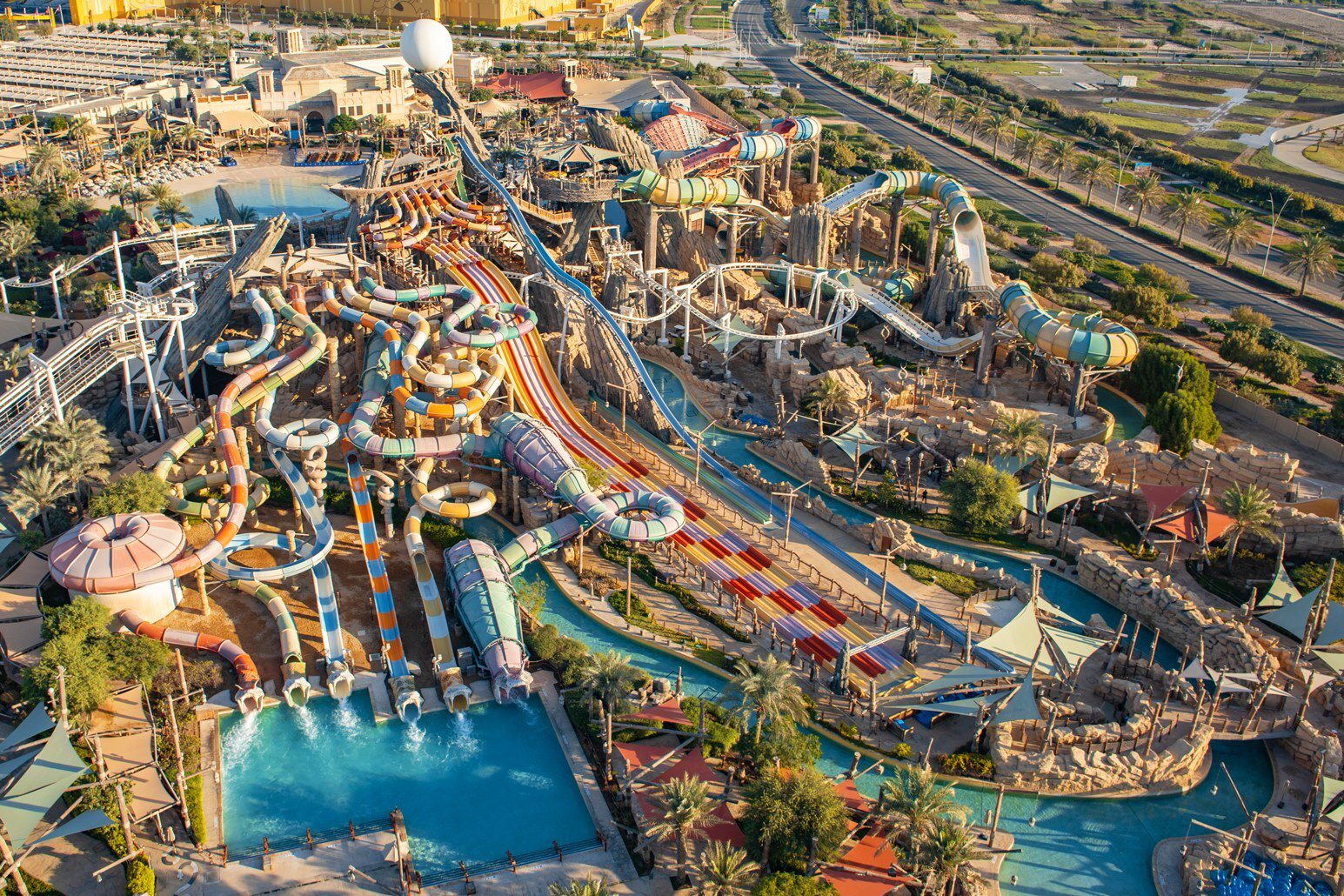
A dramatic expansion at Yas Waterworld has introduced Bandit’s Village, a new adventure zone featuring over 20 attractions, including a massive crocodile-themed slide and a reimagined storyline inspired by classic Arabian tales. The addition marks a significant enhancement to Abu Dhabi’s flagship water park, aiming to draw larger family crowds during the extended summer season.

Unveiled with theatrical flair, the centrepiece ride sends guests plunging through the jaws of a giant crocodile-like creature, a centrepiece built to evoke high drama and immersive storytelling. The new water attractions are framed within an interactive environment designed to transport visitors into the world of the Bandit, a long-standing character in the waterpark’s lore. Park officials confirmed that the development adds both visual spectacle and narrative continuity to the attraction, reinforcing the park’s position as a destination for experiential entertainment.

Spanning several zones and themed in intricate detail, Bandit’s Village includes multiple flume rides, splash pads, climbing features, and water tunnels, all constructed to appeal to children and adults alike. The area has been crafted to extend the duration of visitor engagement, providing more diverse experiences and encouraging longer dwell times. With extended operating hours throughout the peak travel months, the new zone is expected to contribute substantially to footfall and guest satisfaction.

The new expansion reflects Yas Island’s broader strategic emphasis on integrated family entertainment. With Abu Dhabi increasingly positioning itself as a regional leisure destination, the timing of the rollout aligns with efforts to boost tourism traffic, particularly among residents from the Gulf region and international travellers looking for curated family activities. This move is part of a wider pattern of competitive theming and investment by parks on Yas Island to match global leisure benchmarks.

Located within proximity to other major attractions such as Ferrari World and Warner Bros. World, Yas Waterworld has leveraged its thematic strength around Emirati culture and folklore to differentiate itself. The character of the Bandit has played a central role in the park’s storytelling framework since its inception, and the Village serves as an expanded narrative environment where guests can experience the backstory more fully through ride design, queue experiences, and environmental elements.

Guests can expect theatrical elements embedded into the ride sequences, with interactive lighting, sound effects, and character appearances throughout the zone. One of the signature features involves a multi-slide experience that mimics an escape from a bandit ambush, concluding in a dramatic plunge through the crocodilian mouth installation. Park designers have emphasised the attention given to architectural authenticity and atmosphere, using textured stonework, tribal motifs, and animated props to deepen immersion.

The opening of Bandit’s Village also responds to changing visitor expectations in the post-pandemic leisure economy. Analysts tracking theme park trends have noted a shift towards more story-driven and customisable experiences, as audiences seek environments that merge thrill with narrative depth. This aligns with Yas Waterworld’s long-term strategy of building on local cultural roots while embracing global design standards.

With Yas Waterworld already home to over 40 rides and attractions, the new zone increases its offering to more than 60, strengthening its profile as one of the Middle East’s largest water-based theme parks. Management teams behind the expansion have hinted at further phased developments within the Bandit storyline, suggesting that the current unveiling may be the first in a series of immersive expansions.

Sharjah, UAE — The World Malayalee Council (WMC) inaugurated a new chapter of global engagement and community empowerment with the swearing-in of its newly elected global office bearers for the 2025–2027 term. The ceremonial installation, held at the Corniche Hotel in Sharjah, marked not only a leadership transition but also a reaffirmation of the Council’s enduring mission to connect, empower, and elevate Malayalees across the world. At […]

United States authorities have implemented a sweeping array of sanctions targeting companies, vessels and networks that facilitate clandestine oil exports from Iran. The Treasury’s Office of Foreign Assets Control moved to freeze assets and prohibit transactions by an Iraqi-led smuggling group and its associated Iranian “shadow fleet.” Simultaneously, the State Department added further designations aimed at restricting Tehran’s access to critical oil revenues. The Treasury identified a […]

Dubai Duty Free posted its strongest first-half performance to date, recording turnover of AED 4.118 billion, a 5.34 per cent increase over the same period in 2024. This figure eclipses the previous H1 record by AED 208.95 million, signalling robust recovery and sustained growth since the pandemic. The surge was underpinned by heightened passenger engagement during the Eid holiday and early summer travel season, with April, May and early June emerging as […]

OpenAI will lease approximately 4.5 gigawatts of data centre power from Oracle under a $30 billion‑per‑year agreement set to begin delivering revenue in Oracle’s fiscal year 2028. This significant capacity boost forms part of the expansive “Stargate” initiative—an AI infrastructure venture launched in January aiming to deploy up to $500 billion globally. Oracle plans to construct and expand multiple U. S. data centres to support this deal, including enhancements to its […]

Advertisements

Alibaba Cloud has unveiled its third data centre in Malaysia and confirmed plans for a second facility in the Philippines, deepening its infrastructure presence in Southeast Asia. The Malaysian centre became operational on 1 July 2025, while the Philippine hub is scheduled to launch by October 2025. These moves are part of Alibaba’s broader efforts to bolster cloud and AI services across the region.

Growth in cloud demand and the strategic importance of Southeast Asia underpin this expansion. Alibaba Group’s cloud division has embarked on a $52 billion investment over the next three years to build a unified global cloud network, spanning Asia, the Middle East, Europe and the Americas. Southeast Asia has emerged as a pivotal battleground as enterprises accelerate AI adoption and seek resilient digital infrastructure.

At a summit in Singapore marking Alibaba Cloud’s tenth anniversary in the city-state, Eddie Wu, CEO of Alibaba Cloud, highlighted the company’s strategy: “Globalisation is Alibaba Cloud’s long‑term strategy,” he said, adding that the company would “accelerate the development of its global cloud computing network”. These statements reinforce Alibaba’s ambition to deliver end‑to‑end cloud services, spanning compute, storage, networking and AI capabilities.

This announcement follows earlier infrastructure roll‑outs across Asia. The company deployed a second data centre in South Korea in June 2025 and launched new regions in Thailand and Mexico in the first half of the year. Strategic market withdrawals from Australia and India in 2024 appear to be counterbalanced by intensified investment in high‑potential markets.

Southeast Asia’s accelerating digital transformation is creating rising demand for secure, scalable cloud services. Malaysia, with its growing ecosystem of startups and tech‑savvy enterprises, will now benefit from three Alibaba Cloud zones, an improvement in redundancy and local connectivity. The Philippine expansion addresses growing demand in Manila and surrounding urban centres, where cloud adoption is being propelled by fintech, e‑commerce, and the BPO sector.

At the Singapore summit, Alibaba also launched its AI Global Competency Centre, designed to support over 5,000 businesses and 100,000 developers. The centre offers access to advanced AI models, labs and infrastructure support. These investments aim to accelerate enterprise AI adoption by providing both tools and training through partnerships with more than 120 universities, aiming to train 100,000 AI professionals annually.

In addition to infrastructure, Alibaba Cloud is upgrading its cloud offerings. The ninth‑generation intel‑based Enterprise Elastic Compute Service will roll out across Malaysia, the Philippines, Japan, South Korea, Thailand, UAE, Germany and the UK from July. Enhancements to its Data Transmission Service and Platform for AI demonstrate a push to simplify deployment of large language models and accelerate inference capabilities.

Competitive pressure in Southeast Asia is intensifying, with other hyperscalers—AWS, Microsoft Azure, Google Cloud—announcing new regions and services. Alibaba’s bets on localised data centres, AI‑centric products and talent development programmes are its response to positioning itself as a regionally integrated cloud‑AI partner.

Regulatory headwinds and trade tensions, particularly restrictions on Chinese cloud firms, lend further urgency to Alibaba’s diversification strategy. By embedding infrastructure in Southeast Asia, the company aims to mitigate geopolitical risk, offer compliant local services and deliver low‑latency performance.

Corporate results reflect this momentum: Alibaba Cloud has reported double‑digit year‑on‑year growth in AI‑related product revenues for six consecutive quarters, with Q4 cloud revenue hitting CNY 31.7 billion and quarterly growth of 13%. These figures position the unit as the fastest‑growing segment within the broader Alibaba Group.

Tech analysts and regional partners have praised the expansion as timely. “These deployments will significantly improve resilience, latency and service coverage across key markets,” remarked a Southeast Asia‑based CIO. A telco executive added that local data centres are crucial to scaling AI‑powered services like real‑time analytics, IoT and smart city infrastructure.

Channel partners in Malaysia and the Philippines, including telcos and systems integrators, anticipate accelerated digital transformations. Industry groups reported a surge in enquiries following the Malaysian centre’s opening, particularly from manufacturing and education sectors. Cloud‑native startups welcomed the news, viewing the increased compute availability as essential to scaling AI‑driven products.

Optimising energy use and sustainability is also part of the plan. Alibaba’s “Energy Expert” ESG‑focused reporting tool integrates AI into energy management. This aligns with industry benchmarks that 84% of leaders see green AI as important, although 69% are still at early adoption stages. Emerging green data centre practices—including renewable power sourcing and efficient cooling—are expected to feature prominently in the Southeast Asian roll‑outs.

The Malaysian data centre opens amid strong macro trends: Malaysia’s digital economy was projected to grow at over 10% annually through the next five years, while Philippine cloud adoption is forecast to grow at a similar rate, driven by government digitalisation policies and enterprise cloudisation. As Alibaba deploys this enhanced infrastructure, both nations are expected to see AI‑centred cloud services gain momentum in verticals ranging from finance to manufacturing.

The Open Platform, the team behind the Telegram Wallet on TON, has secured $28.5 million in a Series A round led by Ribbit Capital, propelling the company to a $1 billion valuation. The fundraising, achieved through the sale of 5% equity in traditional currency terms, positions TOP to expand its operations into the U. S. and European markets and to roll out blockchain-based games and AI-driven applications.

TOP serves as the core developer for Telegram’s official blockchain, The Open Network, and is responsible for creating and maintaining the Telegram Wallet, which facilitates peer-to-peer transfers within chats. The company will channel its new funds into market expansion and product development, aligning with its long-held strategy of leveraging Telegram’s user base—now over a billion monthly active users—to advance the blockchain ecosystem.

Ribbit Capital led the round, acquiring approximately 4–5% of TOP’s equity. Other notable participants included Pantera Capital, reinforcing investor confidence in TON’s growth potential. The funding arrived without any sale of cryptocurrency tokens, emphasising that the stake was purely equity-based.

Since Telegram integrated TON in 2022, the ecosystem has witnessed rapid uptake. Metrics show active TON accounts rising from roughly 4 million to over 41 million, with more than 121 million unique Toncoin holders. Daily on-chain transactions surged from approximately 100,000 to 1.2 million, while total value locked has exceeded US $350 million. These figures underscore user engagement and the ecosystem’s expanding financial activity.

TOP’s forthcoming initiatives include incubating blockchain-native games—both multiplayer and mini-app formats—that operate entirely on the TON chain. They will use Telegram’s Mini‑App infrastructure, which is already adopted by over half a billion users. One such example is the viral “Hamster Kombat” game, which has drawn over 300 million players and helped introduce mainstream audiences to blockchain functionality.

AI-driven applications are another priority. TOP is developing tools and platforms that integrate machine learning models directly into TON-based environments, enabling chat-integrated utilities—such as fraud detection, financial analytics, and smart assistants—without departing the Telegram interface.

Regulatory headwinds in the U. S. and Europe will present challenges. The SEC previously halted Telegram’s launch of its native token, Gram, in 2020, leading to a refund and legal settlement. Now guided by Maximilian Crown—TON Foundation’s newly appointed CEO with regulatory and compliance experience—TOP aims to navigate these complex legal environments. Crown’s background at MoonPay, where he oversaw U. S. and European licensing, equips the project with added expertise as it seeks entry into compliant markets.

Support from both traditional and crypto-focused investors reflects strong market confidence. Alongside Ribbit and Pantera, unicorn‐backed VCs such as Sequoia, Benchmark, and Kingsway have previously invested over $400 million in Toncoin, affirming institutional belief in TON’s role as Telegram’s blockchain layer.

TOP’s strategy reflects a broader shift within Web3—pursuing real-world use cases embedded into existing digital platforms. Using Telegram’s 1 billion+ user base, BOTs, wallets, mini-apps, and secure messaging infrastructure, TOP aims to drive mass crypto adoption while sidestepping consumer-level friction.

Analysts note that TOP’s equity‑only raise is distinctive; contrast it with token sales that often involve community risk. By focusing on equity, TOP offers investors upside across its product stack—including wallets, DeFi tools, games, and AI utilities—without diluting with token allocation.

Upcoming milestones include launching its U. S. and European operations before year‑end, unveiling its first wave of blockchain‑native games, and beta‑testing AI‑enhanced wallets and utility apps. With a valuation of $1 billion and deepening partnerships, TOP is well positioned to define Telegram’s blockchain strategy beyond financial services into entertainment and artificial intelligence.

Economic indicators confirm that the UAE’s non‑oil private sector maintained growth in June, as the S&P Global Purchasing Managers’ Index rose to 53.5 from 53.3 in May. A reading above 50 denotes expansion, illustrating continued momentum despite mounting headwinds from regional instability. Amid rising output, firms are focused on easing backlogs even as new orders decelerate to their slowest pace in nearly four years. The PMI sub‑index […]

Get Ready for Unmissable Program Highlights! BANGKOK, THAILAND – Media OutReach Newswire – 3 July 2025 – In an era where creativity is the driving force behind economic and social development, the presence of a regional creative festival in Isan — the Northeast region of Thailand — is more essential than ever. It goes beyond art, culture, and innovation; it serves as a vital platform that inspires […]

Arabian Post Staff -Dubai French defence and technology group Thales is deepening its strategic footprint across the Gulf by advancing plans to build a radar production facility in Saudi Arabia and an AI research centre in the UAE. At the Paris Airshow, Pascale Sourisse, senior executive vice‑president of international development at Thales, confirmed discussions on expanding a joint venture with Saudi Arabian Military Industries beyond radar systems […]

Archer Aviation completed a successful test flight of its Midnight electric vertical take-off and landing aircraft at Al Bateen Executive Airport in Abu Dhabi, advancing its push to establish commercial air taxi operations in the UAE. The trial flight marked the first time the company has operated the Midnight aircraft under Middle Eastern environmental conditions, demonstrating its airworthiness and operational viability in one of the world’s most challenging climates.

The test flight was designed to evaluate the aircraft’s vertical lift and descent capabilities while enduring extreme heat, high humidity levels, and airborne dust — factors that are critical to address for obtaining certification in the UAE. The company said these environmental stressors, particularly in the summer season, present unique challenges not faced in temperate regions, and their successful navigation is essential for regional rollout.

With support from the UAE’s Smart and Autonomous Systems Council, Archer Aviation conducted the operation in the presence of officials from the General Civil Aviation Authority, the Abu Dhabi Investment Office, the Integrated Transport Centre, Abu Dhabi Airports, and Abu Dhabi Aviation. Several of Archer’s regional partners also attended, underscoring the strategic significance of the flight for the broader effort to integrate urban air mobility into the UAE’s transportation ecosystem.

This development is part of a broader expansion plan by Archer Aviation, which aims to commence commercial operations in the UAE within the next year. The company confirmed that more flight tests will follow in the coming months as it works toward regulatory approval. These tests will build on data gathered during the Al Bateen flight and are aimed at fine-tuning the aircraft’s performance and ensuring compliance with the UAE’s civil aviation standards.

Archer’s Midnight aircraft is a four-passenger, one-pilot eVTOL designed to reduce urban congestion by providing an environmentally sustainable alternative to short-haul ground transport. It operates entirely on electric power and has a claimed range of around 100 miles, though it is optimised for rapid trips of around 20 miles, enabling multiple short urban hops on a single charge. The company has highlighted its low noise profile and rapid recharge time as key advantages for integration into densely populated cities.

The Abu Dhabi test forms part of a larger strategic partnership between Archer and Abu Dhabi authorities, with the emirate positioning itself as a pioneer in urban air mobility. The Abu Dhabi Investment Office has previously announced financial and regulatory backing for companies involved in the advanced air mobility sector, aiming to transform the capital into a hub for emerging aerospace technologies. Archer’s work is also aligned with the UAE’s long-term vision to build a diversified, innovation-driven economy, especially in sectors like aerospace and smart mobility.

The involvement of multiple UAE transport and aviation stakeholders in the test flight indicates strong institutional interest in accelerating the commercialisation of eVTOL technologies. Abu Dhabi has been actively working to establish the regulatory, financial, and operational groundwork required to deploy air taxis, including digital airspace management systems and vertiport infrastructure. The city’s integrated approach, bringing together regulatory bodies, investors, and transport operators, is viewed by industry experts as a model for emerging air mobility ecosystems globally.

This milestone for Archer also arrives amid growing international competition in the eVTOL space. Companies such as Joby Aviation, Vertical Aerospace, and Lilium are developing similar platforms, with plans to launch air taxi services in urban centres worldwide. However, the harsh environmental conditions in the Gulf region offer a unique proving ground for aircraft performance, and successful operations in Abu Dhabi may serve as a powerful validation for the Midnight platform in other markets with extreme climates.

Archer has previously announced its intention to base a portion of its operations in the UAE, including flight testing, pilot training, and maintenance services. The company is also working on joint ventures and local partnerships to support these initiatives, suggesting a long-term commercial and logistical commitment to the region. Discussions are underway to align with regional airports and private operators to facilitate a network of air taxi routes, which could link major business hubs, residential zones, and tourist attractions across the UAE.

Launches Extended Round to Accelerate Climate Tech Innovation Across Indonesia SINGAPORE – Media OutReach Newswire – 3 July 2025 – GreenTeams, a rapidly growing climate technology company advancing data-driven environmental governance in Indonesia, has announced the successful close of its Series A funding round. The round was led by Oriza Greenwillow Technology Fund. Operating at the intersection of environmental intelligence, regulatory compliance, and industrial decarbonization, GreenTeams empowers […]

A specialised Indian geological team has been dispatched to Zambia to commence a three‑year survey of copper and cobalt within a 9,000 km² exploration zone. The initiative, authorised by the Zambian government earlier this year, aligns with New Delhi’s broader drive to shore up supplies of strategic minerals essential for its energy‑transition and technological ambitions. Zambia, a major exporter of copper—Africa’s second‑largest producer after the Democratic Republic of […]

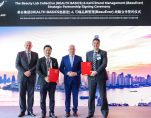
SHANGHAI, CHINA – Media OutReach Newswire – 2 July 2025 – At the 2025 China–New Zealand Trade Innovation Summit, New Zealand Prime Minister, the Right Hon. Christopher Luxon, witnessed the official signing of a strategic partnership between high-end anti-aging brand BeauEver and biotechnology leader The Beauty Lab Collective (TBLC). BeauEver Secures NZ Prime Minister’s Support in Historic China Summit to Accelerate Global Skincare Expansion This milestone partnership […]

Arabian Post Staff -Dubai Nothing has launched its Phone, marking a strategic leap into the flagship smartphone market with a starting price of $799. The device is slated for pre-orders on 4 July and will ship globally on 15 July, including US, UK and European markets. Equipped with a Snapdragon 8s Gen 4 chipset paired with up to 16 GB RAM and 512 GB storage, the Phone positions itself against premium models […]

Aldar Investment has sealed the acquisition of 17 high‑quality warehousing and light industrial units from Waha Capital for AED 530 million, immediately expanding its net leasable area by 182,500 sq m at Almarkaz Industrial Park in Al Dhafra, Abu Dhabi. The assets, now near full occupancy, welcome a mix of international, regional and government-related tenants, reinforcing Aldar’s logistics footprint across the UAE. The Almarkaz site spans six million sq m and operates under […]

PoliCloud has closed a €7.5 million seed funding round led by Global Ventures, with participation from MI8, OneRagtime, Inria and others, to accelerate its expansion of sovereign, decentralised cloud infrastructure aimed at European governments, enterprises and SMEs.

The Cannes‑based firm will deploy the capital to bolster its operational team, scale micro‑data centre deployment across Europe and target public sector clients that need secure, locally governed cloud services.

Founded in February 2025 by serial fintech entrepreneur David Gurlé, PoliCloud delivers containerised micro‑data centres housing proprietary hardware integrated with Hivenet’s distributed storage and computing software. Early traction includes four sold units and projected revenues in excess of €6 million by the end of 2025.

The firm’s micro‑data centres—equipped with up to 104 GPUs per unit and expected to scale beyond 1,000 GPUs by year‑end—are designed for high‑performance computing, AI processing and encrypted data storage, offering reduced dependency on US‑based cloud giants and enhanced compliance with European data sovereignty standards.

“PoliCloud is meeting a critical market demand for sovereign cloud infrastructure that is not only secure and abundant but also eco‑responsible,” Gurlé stated, underscoring an ambition to deliver affordable, decentralised compute infrastructure across the continent.

Global Ventures Senior Partner Simon Sharp explained the investment thesis, emphasising a need for visionary entrepreneurs offering solutions with clear market demand and global potential. The firm previously backed Hivenet in 2022 and views PoliCloud as a strategic addition to its portfolio.

OneRagtime CEO Stéphanie Hospital and Mi8 Managing Director Guillaume Dhamelincourt echoed the sentiment, citing the increasing demand for affordable, secure and sustainable computing power in Europe. Inria’s participation aligned with its strategic mission to support decentralised computing as a way to bolster France’s digital autonomy.

Industry analysts note that the cloud infrastructure sector in Europe has drawn significant venture investment, particularly in sovereign and AI-ready platforms. PoliCloud stands out for combining hardware innovation, distributed software architecture and environmental responsibility—promising 75% lower CO₂ emissions and zero‑water waste per unit.

PoliCloud’s edge compute strategy is being viewed as a potential game‑changer in the context of accelerating AI adoption. It offers municipalities, research institutions and regulated industries the flexibility to deploy GPU‑rich, GDPR‑compliant infrastructure locally, rather than relying on centralised hyperscalers.

Operating from Cannes, the company has so far sold four units within three months of its February launch at the World AI Cannes Festival. Hardware specifics remain under wraps, though insiders suggest each container may host more than 100 GPUs, with a roadmap targeting up to 10,000 GPUs by the end of 2026.

The €7.5 million lifeline will be used to recruit additional talent, fund technical development, scale production of micro‑data centres and initiate roll‑out across multiple European markets.

ADNOC Drilling has clinched a five-year oilfield services contract from ADNOC Onshore, valued at up to $800 million, with operations scheduled to commence in the third quarter of 2025. Although the contract’s full value hinges on the volume of services eventually requested, it marks a significant step in the company’s long-term expansion strategy. The announcement extends a streak of high-value awards for ADNOC Drilling, reinforcing its role […]

Dubai Holding has sealed a strategic agreement with Select Group and Emirates Strategic Investments Company to develop flagship residential and mixed‑use communities at Palm Jebel Ali and Dubai Design District. This marks Dubai Holding’s inaugural sale of strategic land at Palm Jebel Ali to an external developer, reflecting the emirate’s ambitious urban growth ambitions.

Select Group, in partnership with ESIC, will manage two major projects: a high‑end waterfront residential and hospitality enclave across seven islands and 16 fronds at Palm Jebel Ali, featuring over 90 km of beachfront spanning 13.4 km; and a dynamic, culture‑driven mixed‑use district in d3 designed to integrate innovation, creativity and modern urban living.

Khalid Al Malik, CEO of Dubai Holding Real Estate, emphasised that Palm Jebel Ali would “elevate Dubai’s global reputation as a premier waterfront destination,” and called the tie‑up with Select Group a critical step in aligning with the emirate’s broader vision under its 2040 Urban Master Plan and Economic Agenda D33. Rahail Aslam, Chairman of Select Group, described the deal as advancing the firm’s strategy to deliver “design‑forward, high‑impact” developments in key growth corridors.

Work on design and planning is underway for both locations, with further specifics on architecture, timelines and phasing due to be released in the coming months. Select Group brings experience from high‑end developments like Six Senses Residences at Palm and Dubai Marina, and Peninsula in Business Bay.

Palm Jebel Ali is being positioned as a new growth corridor in Jebel Ali and will combine luxury coastal living with pedestrian‑friendly, mixed‑use neighbourhoods, offering panoramic views of the Arabian Gulf. d3, recognised globally as part of Dubai’s UNESCO Creative City of Design network, will expand its creative ecosystem, offering residents skyline views including Burj Khalifa and further solidifying Dubai’s reputation as a hub for design and innovation.

The agreement reinforces Dubai Holding’s mission to unlock long‑term value from its master‑planned initiatives by collaborating with private developers and aligns with its goals of sustainable urban expansion. It also complements related infrastructure developments, such as the district cooling joint venture between Dubai Holding Investments and Tabreed at Palm Jebel Ali, initiated in March 2025, aimed at delivering efficient, sustainable cooling capacity expected to commence operations by 2027.

Select Group’s role in the development highlights a strategic evolution from project delivery to comprehensive neighbourhood creation. That approach reflects a growing trend among developers to craft holistic lifestyle destinations rather than standalone buildings. This shift speaks to evolving investor preferences for immersive, value‑oriented environments.

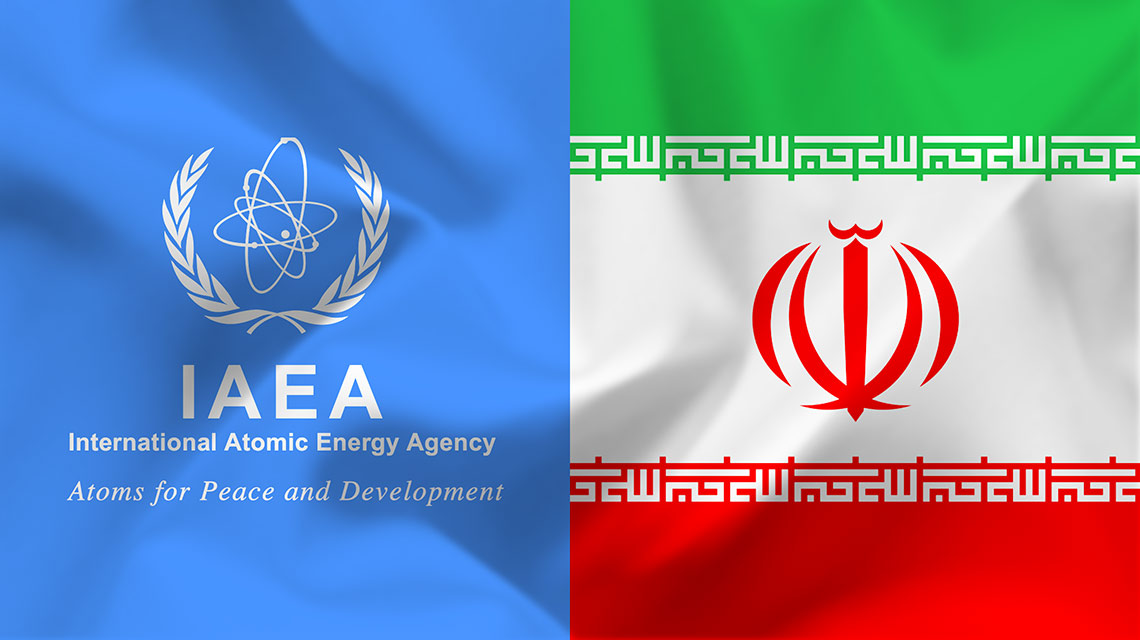
A deepening rift between Iran and international nuclear inspectors marks a turning point in Tehran’s approach to its atomic programme and signals a complex challenge for global diplomacy. Iran has formally suspended cooperation with the International Atomic Energy Agency, severing communication channels and obstructing inspections, in the wake of U.S. and Israeli military strikes on its nuclear sites.

The move was set in motion on 23 June when Iran’s parliamentary national security committee approved a framework for halting camera installation, inspections, and reporting to the IAEA unless the “security of nuclear facilities is guaranteed”. The legislation was ratified by the Guardian Council on 26 June and now awaits signature from President Masoud Pezeshkian. Parliamentary speaker Mohammad Bagher Ghalibaf justified the step, stating that cooperation should resume only when IAEA activity ceases to endanger facilities.

Iran has since implemented the decision, reportedly blocking emergency channel calls from the IAEA’s Vienna headquarters. According to a Bloomberg report, once the Incident and Emergency Centre had been in sustained dialogue since 13 June, communication has now dwindled to silence.

The suspension has intensified global worry over what happened at Fordow, Natanz and Isfahan nuclear sites that were struck in late June by U.S. and Israeli forces. Satellite imagery indicates significant damage, and the UN nuclear chief Rafael Grossi described the destruction as “enormous”, stating that centrifuges at Fordow are no longer operational. Iranian Supreme Leader Ayatollah Ali Khamenei dismissed the strikes as theatrics, displaying defiance in his first address since a ceasefire with Israel, while the IAEA has received no formal notification from Tehran about the halt.

Inspectors face a dual challenge: assessing bomb damage and reconciling it with actual uranium stockpiles. Reuters reports that uncovering whether enriched uranium was destroyed, buried in debris or clandestinely moved will be “long and arduous”. IAEA chief Grossi noted Iran informed him on 13 June it had taken measures to protect nuclear materials — raising the possibility that uranium was relocated before the bombings.

A senior diplomat cautioned that verifying the fate of enriched stocks will require extended forensic and environmental analysis. Analysts highlight that these uncertainties, coupled with Iran’s growing 60 percent enriched uranium stockpile — now surpassed 400 kg — raise proliferation concerns. Iran stands as the only non-nuclear-weapons state to produce such highly enriched material.

The crisis threatens to undermine the Nuclear Non-Proliferation Treaty. Experts warn that Iran’s rejection of oversight and potential expansion of enrichment capabilities could erode confidence in international safeguards and spark similar behaviour in other states.

Tehran counters that it remains compliant with its obligations, defending the withdrawal as a sovereignty measure and accusing the IAEA of complicity in aggression. Russian foreign minister Sergey Lavrov urged Iran to maintain IAEA cooperation. German officials echoed this sentiment, appealing for de-escalation and finer calibration.

U.S. and Israeli intelligence contend the strikes brought Iran’s enrichment efforts to a standstill, yet stop short of describing them as complete obliteration. Donald Trump claimed the attacks eliminated any need for a new nuclear deal, yet leaked U.S. intelligence suggests only a short-term delay of a few months.

Disruption of IAEA activities follows a pattern of mounting distrust. The agency censure on 12 June marked the first formal finding of non-compliance by Iran in two decades. Tehran subsequently announced expansion of enrichment infrastructure, including a third site and advanced centrifuges.

This standoff adds complexity to diplomatic efforts. Indirect U.S.–Iran negotiations held from April to June in Oman and Rome collapsed when Israel struck nuclear facilities on 13 June. Although Washington has signalled readiness to resume dialogue, Iran’s decision to suspend IAEA cooperation adds another layer of mistrust.

The prospect of tracking uranium movements amid top-secret relocation efforts, inaccessible bombed sites, and blocked communications has created a labyrinthine challenge. Inspectors and intelligence agencies alike face a “cat-and-mouse” hunt for clarity in rubble and uncertainty. Continued monitoring and a potential return to diplomatic channels will be vital in determining whether the inspection suspension is temporary or signals a more fundamental shift in Iran’s nuclear stance.

Abu Dhabi has claimed the top spot, with Dubai close behind, in a ranking of 97 global markets compiled by Cushman & Wakefield in its 2025 Global Data Center Market Comparison. The analysis, which evaluated 20 critical factors—from power availability and fibre connectivity to development pipelines and land pricing—places Abu Dhabi first and Dubai second among emerging data centre markets.

The report highlights a surge in demand for digital infrastructure, driven primarily by hyperscalers, cloud providers and burgeoning AI workloads. Abu Dhabi stands out with exceptional scores for power delivery timelines and cost-effective land, placing it at the very top of the emerging markets category. Dubai, closely following, benefits from robust fibre connectivity and an accelerating development pipeline.

Power availability remains the most pivotal concern across the industry. The study indicates that markets with secure, rapid power delivery attract developer attention, particularly where leading markets are experiencing delays in grid expansion. Abu Dhabi’s superior performance in this metric has become a magnet for hyperscale players and colocation operators alike, while Dubai earns marks for its strategic integration of infrastructure and favourable regulatory policy.

Pre-leasing rates further support the UAE’s ascendancy. Both Abu Dhabi and Riyadh report pre-commitments exceeding 70% on under-construction capacity, a figure surpassing most emerging markets and rivalled only by select Western hubs. This signals strong occupier confidence, as large tenants lock in space well ahead of completion.

Regional momentum is reinforced by Research and Markets, which notes that Abu Dhabi currently accounts for nearly 40% of the UAE’s upcoming data centre power capacity, with an additional 60 MW projected by the end of 2025. Sector observers estimate cumulative investment in UAE-based facilities will approach US $2.5 billion by 2026.

Global trends underscore the link between power constraints and shifting demand. While longstanding markets such as Northern Virginia and Chicago continue to dominate in operational capacity, power scarcity is pushing hyperscalers into newer regions. In Europe and APAC, markets with strong power fundamentals—particularly those offering renewable options—have seen elevated pre-leasing and accelerated construction.

In EMEA, nine of the 97 markets reviewed boast pre-lease ratios above 50%, with Milan and Berlin achieving full commitments on live builds. However, Abu Dhabi’s combination of policy support, infrastructure coordination, and land pricing renders it the leading emerging centre. Dubai’s consistent performance spots it firmly in second place.

Local dynamics also support the UAE’s climb. Emerging Middle Eastern hubs benefit from coordinated government strategies: jurisdictions like Abu Dhabi and Dubai leverage economic zones, expedited permitting, and public-private partnerships to secure both digital and energy infrastructure. These are precisely the variables weighed in the 20-factor comparison.

UAE operators are actively building modern facilities to meet new IT standards and power densities. Major entities—including government-backed developers and international names—are focused on deploying Tier III and IV facilities equipped for high-power AI use‑cases. Expectations of sovereign AI zones are further heightening the appeal of these markets among institutional and hyperscale tenants.

Regional competitors, notably Riyadh, also demonstrate strong demand fundamentals. Yet Abu Dhabi and Dubai maintain a lead in deliverability: Abu Dhabi tops the emerging list overall, with superior scores in pre-leasing, fibre availability, and land affordability. Dubai’s edge lies in its connectivity, depth of occupier demand, and policy predictability.

The broader global picture reveals a shift from established hubs to power-rich emerging sites. Worldwide operational IT load now exceeds 40 GW across the tracked markets, yet established centres still dominate capacity. Emerging markets, particularly in the Middle East, have closed ground fast, thanks to streamlined supply chains, liberal regulatory environments, and readiness for power-intensive workloads.

Sharjah-based carrier Air Arabia has unveiled a limited-time mega sale, offering one-way fares starting from just Dh149. The promotion runs from June 30 to July 6, 2025, and applies to travel scheduled between July 14 and September 30, 2025.

The headline offer of Dh149 applies to flights from Sharjah to Bahrain and Muscat, spurring travel demand across the Gulf Cooperation Council. Other GCC destinations such as Dammam, Riyadh, Salalah and Kuwait begin at Dh199, while routes to Abha, Tabuk and Yanbu are priced from Dh298. More premium Gulf destinations, including Doha, Jeddah, Madinah and Taif, come in at Dh399, Dh449 and Dh574 respectively.

South Asian routes feature compelling deals. From Sharjah to Ahmedabad, Delhi and Mumbai, fares are available from Dh299, Dh317 and Dh323. Flights to Thiruvananthapuram start at Dh325, while Abu Dhabi-origin flights include Dh275 for Chennai, Dh315 for Kochi, Dh499 for Dhaka and Dh549 for Chattogram.

The sale follows Air Arabia’s strong financial performance in the first quarter of 2025. The carrier reported a net profit of Dh355 million for the quarter ending March 31, up 34 per cent from Dh266 million in the same period of 2024. Total turnover rose 14 per cent to Dh1.75 billion, with passenger numbers climbing 11 per cent to 4.9 million and an average seat load factor of 84 per cent.

Analysts suggest the promotion is designed both to capitalise on peak summer travel demand and reinforce Air Arabia’s market share. “By launching a mega sale at the start of the summer period, Air Arabia is applying strategic pricing pressure in a highly competitive GCC aviation market,” says aviation expert Sara Al-Mansoori. Her analysis indicates that budget carriers increasingly must balance promotional pricing with yield management to avoid revenue dilution.

The broader aviation context in the UAE supports such aggressive offer strategies. Competing airlines, including Etihad Airways, have launched discount initiatives that match heightened travel demand. For instance, Etihad’s summer sale offers up to 25 per cent off on round-trip economy fares until July 3, with travel valid from July 20 to September 12. This trend suggests a concerted effort by regional carriers to attract price-sensitive leisure travellers, while also filling seats during off-peak hours or on emerging routes.

Air Arabia’s capacity expansion further informs its ability to run such promotions confidently. The carrier has added new destinations—including Damascus, with flights resuming 10 July—and expanded its frequency on existing routes. Increased aircraft utilisation drives down unit costs, making low base fares viable while still yielding profitability. Load factors in Q1 support this capacity strategy, reflecting solid uptake even at promotional price points.

Public response has been visible online, with travel-focused X accounts and social media threads echoing enthusiasm. A post on travelobiz’s X account states: “Air Arabia Mega Sale! Fly from Sharjah with one‑way fares starting at just Dh149!”. While social media buzz is expected, confirmed ticket pricing on stock booking platforms like Air Arabia’s official website corroborates the offers, affirming veracity beyond promotional headlines.

Consumers stand to gain from the competitive pricing, although awareness around baggage charges, seat selection fees and fare restrictions remains crucial. Budget-friendly base fares frequently exclude extras, prompting passengers to weigh overall cost versus perceived savings. Air Arabia’s spokesperson advises: “Travellers should review booking terms carefully—specifically baggage allowances and change fees—to fully assess the total cost.” Industry analysts support this guidance, advising passengers to conduct transparent comparisons including add-on fees.

The timing of the sale aligns with school holiday patterns across the GCC and parts of South Asia. Families and leisure travellers planning summer breaks ahead of the academic year can take advantage of the fare window. However, seat availability is expected to be limited on popular routes, potentially applying pressure on consumers to book early to secure the advertised fare.

From a competitive standpoint, low pricing may pressure other Gulf-based budget carriers, including flydubai. Market observers anticipate a wave of counter-promotions in the coming days, particularly targeting overlapping city pairs such as Sharjah‑Muscat and Sharjah‑Doha. For travellers, this could spell continued availability of discounted fare options through July.

In addition to stimulating short-term travel, the sale reinforces Air Arabia’s brand as a value-focused carrier, reinforcing its positioning among price-sensitive travellers. Its Q1 financial success supports ongoing network expansion and promotional flexibility, allowing the airline to use pricing as a strategic lever while preserving profit margins.

VISHNU RAJA
RYO YAMADA
HITORI GOTOH
IKUYO KITA