News related to
Expansion

SINGAPORE – Media OutReach Newswire – 8 January 2025 – More than 340 young scientists[1] will have a rare chance to engage with leading experts in science and technology from around the world at the Global Young Scientists Summit (GYSS) 2025. The Summit has drawn participants from 49 countries, a 40 per cent increase from 2024[2], marking the highest number in the past five years and reflecting […]

Comprehensive Payment Solutions are Set to Launch SINGAPORE – Media OutReach Newswire – 8 January 2025 – XTransfer, the World’s Leading & China’s No.1 B2B Cross-Border Trade Payment Platform, was granted the Major Payment Institution (MPI) License under the Payment Services Act 2019 by the Monetary Authority of Singapore (MAS). This significant milestone strengthens XTransfer’s leading position in the B2B cross-border payments industry. The license was officially […]

Bank Alfalah has secured a strategic investment in Jingle Pay, a prominent UAE-based fintech company, marking a significant step in its pursuit of growth in the digital financial sector. The acquisition comes amid an ongoing trend of traditional financial institutions increasingly eyeing fintech ventures as a means of broadening their service offerings in the region.

Jingle Pay, which has gained considerable traction with its innovative solutions in digital payments, is expected to benefit from the partnership by leveraging Bank Alfalah’s extensive network and resources. The deal signifies a pivotal moment for both entities, with Bank Alfalah positioning itself as a key player in the UAE’s fast-evolving digital payments landscape.

The strategic move is part of a broader strategy by Bank Alfalah to capitalize on the rapid growth of fintech in the Gulf Cooperation Council (GCC) countries, driven by rising demand for mobile banking services, peer-to-peer transactions, and other digital finance solutions. The deal will not only strengthen Bank Alfalah’s footprint in the UAE market but also enable Jingle Pay to scale its offerings to a larger customer base across the region.

Industry analysts see this as a critical partnership that underscores the increasing convergence between traditional banks and fintech startups. The global rise of digital payments, coupled with a shift in consumer preferences toward cashless transactions, has created fertile ground for such collaborations. As consumers embrace digital wallets and online payment systems, financial institutions are moving quickly to incorporate such technologies into their service offerings.

The UAE’s fintech ecosystem has become a focal point for global investors, spurred on by a favorable regulatory environment, including initiatives like the Dubai International Financial Centre’s (DIFC) fintech hub. The country’s commitment to fostering innovation and digital transformation in financial services is reflected in its rapid adoption of technologies such as blockchain, artificial intelligence, and machine learning, which are revolutionizing financial services.

Bank Alfalah, one of Pakistan’s largest private banks, has been diversifying its portfolio with a focus on tech-driven financial products. Its move into fintech partnerships aligns with its goal of offering enhanced financial solutions to both individual consumers and businesses in the GCC region. The strategic acquisition of a stake in Jingle Pay enhances its ability to deliver next-generation payment systems, addressing the growing demand for seamless and secure payment methods.

Jingle Pay, which offers both individual and corporate clients a wide array of financial services including mobile wallet solutions and bill payment facilities, is well-positioned to benefit from this infusion of capital and expertise. With the backing of Bank Alfalah, the company plans to accelerate its expansion and continue innovating in the fast-paced fintech space. Jingle Pay’s growth trajectory will also be boosted by its ability to tap into Bank Alfalah’s robust infrastructure, which includes a vast network of ATMs, branches, and financial products, giving the fintech company access to a broader spectrum of potential clients.

This partnership could also set a precedent for further consolidation in the fintech sector as larger financial institutions continue to seek out emerging players in the digital payments space. As more banks embrace digital transformation, the line between traditional banking services and fintech solutions continues to blur, creating new opportunities for both established financial players and disruptive startups. For consumers, this is likely to mean more options for managing their finances digitally, from making payments to accessing loans and other financial products, all from their smartphones.

For the UAE market, this deal between Bank Alfalah and Jingle Pay is expected to contribute to the growth of the fintech sector, offering greater competition and innovation in the financial technology space. The integration of traditional banking resources with fintech innovation has the potential to reshape how consumers and businesses interact with financial institutions, making digital finance more accessible and efficient.

By Arun Srivastava RSS chief Mohan Bhagwat visiting Bengal for ten days is certainly not such a big news to draw attention. But his stay this time attains importance for the reason that he would discuss the state of the BJP and RSS in the state and give direction to the RSS workers to take […]

A consortium led by the Arab Energy Fund (TAEF), formerly known as the Arab Petroleum Investments Corporation (APICORP), has acquired a 100% stake in Metito Utilities, a Dubai-based global investor and operator specializing in sustainable water management solutions. The acquisition, conducted in partnership with Saudi Arabia’s Zamil Group Investment Company and the Ghandour family, aligns with TAEF’s strategic vision to enhance energy security and sustainability by investing […]

Kuwait’s Warba Bank has entered into a significant agreement to acquire a nearly 33% stake in Gulf Bank, marking a major development in the country’s banking sector. The move is seen as part of Warba’s strategy to enhance its market position and diversify its portfolio in an increasingly competitive financial environment.

Under the terms of the deal, Warba Bank will purchase a substantial portion of Gulf Bank’s shares, subject to regulatory approval. The acquisition is expected to provide Warba with increased influence over Gulf Bank’s operations, while also bolstering its financial strength and expanding its customer base.

The decision to acquire a stake in Gulf Bank is part of a broader trend in the Gulf Cooperation Council (GCC) region, where financial institutions are increasingly consolidating and forming strategic alliances to strengthen their market presence. Kuwait’s banking sector, in particular, has witnessed a series of mergers and acquisitions in recent years as institutions seek to increase efficiency and adaptability amidst changing economic conditions.

Gulf Bank, established in 1960, has long been one of the prominent players in Kuwait’s banking landscape. It has earned a reputation for its diverse range of services, which include retail banking, corporate banking, and investment solutions. The bank’s solid financial standing and track record of growth make it an attractive partner for Warba, which has been aggressively pursuing expansion opportunities since its establishment in 2010.

For Warba Bank, the acquisition represents a significant step toward achieving its long-term growth objectives. The bank has positioned itself as a major player in Kuwait’s financial sector, with a focus on innovation and digital banking solutions. Warba’s leadership sees the Gulf Bank acquisition as a key opportunity to expand its footprint and increase its market share, particularly in the retail and corporate banking segments.

Experts in the financial sector have pointed out that this acquisition will likely create a more formidable competitor within Kuwait’s banking market. Warba Bank, which has steadily gained market recognition for its commitment to technology and customer service, stands to benefit from Gulf Bank’s established brand and network. Additionally, Gulf Bank’s extensive branch network will provide Warba with access to new customer segments, particularly in the corporate banking sector, where Gulf Bank has a strong presence.

The merger is also seen as a response to the evolving economic climate in the Gulf region. As the region continues to recover from the effects of the global pandemic and fluctuating oil prices, financial institutions are seeking to solidify their positions by strengthening their balance sheets and diversifying their service offerings. This strategic acquisition allows Warba to better position itself to weather future economic uncertainties while capitalizing on new growth opportunities.

While the acquisition is expected to be beneficial for both banks, it does not come without challenges. One of the primary hurdles will be aligning the corporate cultures and operational frameworks of Warba and Gulf Bank, both of which have distinct organizational structures. Integrating the two institutions will require careful management, particularly in terms of consolidating resources, aligning business strategies, and retaining key talent from both sides.

Regulatory approval will also play a crucial role in determining the success of the acquisition. The Kuwait Central Bank (CBK) will need to assess the potential impact of the merger on competition in the local market, as well as ensure that both banks comply with the relevant financial regulations. Given the size and significance of the deal, industry observers expect a thorough review process before the deal can proceed.

The acquisition is expected to be a positive move for Kuwait’s banking sector overall, signaling confidence in the country’s financial stability and the resilience of its banking institutions. Analysts believe that this deal could pave the way for further consolidation within the sector, as other banks look for opportunities to enhance their competitive edge in the face of an evolving market landscape.

Warba Bank’s decision to acquire a stake in Gulf Bank also highlights the growing importance of strategic partnerships in the GCC’s banking industry. In a region where banks are increasingly focusing on digital transformation and the expansion of financial services, partnerships and acquisitions allow institutions to rapidly scale and access new technologies and markets.

The broader implications of the deal could extend beyond Kuwait, with the possibility of similar acquisitions and partnerships taking place across the GCC region. As Gulf economies continue to diversify away from oil dependency, financial institutions are expected to play a key role in supporting the development of new industries and sectors. For Warba Bank, the acquisition of Gulf Bank provides an opportunity to be at the forefront of this shift, positioning itself as a leading financial institution in a rapidly changing economic environment.

The Dubai Civil Aviation Authority (DCAA) has formalized a partnership with Keeta Drones, a Chinese drone technology firm, to enhance the safety and regulation of drone delivery operations across Dubai. This collaboration underscores Dubai’s commitment to positioning itself as a global leader in civil aviation and smart transportation solutions.

The Memorandum of Understanding (MoU) was signed by H.E. Mohammed Abdullah Lengawi, Director General of DCAA, and Dr. Yinian Mao, Chairman of Keeta Drones. The agreement focuses on several key areas: assessing infrastructure requirements for designated drone zones, reviewing airspace needs, and evaluating safety and security measures essential for effective drone delivery operations within the emirate.

H.E. Mohammed Abdullah Lengawi emphasized the significance of this partnership, stating, “This collaboration highlights the DCAA’s dedication to implementing Dubai’s leadership vision by enabling drone-based delivery and offering innovative infrastructure that allows companies to test their solutions within a safe and model environment.” He further noted the authority’s commitment to creating an attractive environment for emerging aviation technologies while ensuring regulatory frameworks that enhance safety and security.

Dr. Yinian Mao expressed optimism about the collaboration, remarking, “With DCAA’s support, Keeta Drones will be able to expedite the expansion of its operations by establishing routes across Dubai, offering more services, and exploring diverse new initiatives.” He assured that Keeta Drones would adhere to the required safety standards and work jointly with the DCAA to transform Dubai into one of the most advanced cities for smart transportation.

The DCAA will provide necessary support to Keeta Drones, including facilitating communication with relevant government entities to expedite the establishment of new drone flight paths and promote the growth of the low-altitude aviation economy in Dubai. This initiative is part of broader efforts to regulate drone operations and associated activities, aiming to develop innovative and secure transport solutions that benefit various societal sectors while supporting the emirate’s sustainable and ambitious development goals.

The collaboration between DCAA and Keeta Drones is expected to play a pivotal role in shaping the future of drone-based delivery services in Dubai. By focusing on safety, security, and regulatory compliance, the partnership aims to set a benchmark for drone operations, potentially influencing global standards in the rapidly evolving drone industry.

As drone technology continues to advance, the integration of such systems into urban environments presents both opportunities and challenges. Dubai’s proactive approach in partnering with industry leaders like Keeta Drones reflects its commitment to embracing innovation while maintaining stringent safety and security protocols.

Advertisements

Andrey Rogachev provides insights into the dynamics of Dubai as the regional design and architectural hub. Investor and strategic management expert Andrey Rogachev discusses the role of international partnerships in the UAE, using the example of the exclusive representation of the German premium construction paint brand Profitec. in an interview with Arabian Post, he shares insights on how industry leaders are driving nearby markets forward to take […]

Offer extended to 17 January 2025. Offer Price remains firm at RM11.00 Per Share KUALA LUMPUR, MALAYSIA – Media OutReach Newswire – 8 January 2025 – Gateway Development Alliance Sdn Bhd (“GDA“) and its shareholders (collectively, the “Consortium“) announced that as at 5:00 p.m. today, it has received valid offer acceptances of 1,385.5 million shares and a further 18.2 million shares have accepted the offer pending verification, […]

Growth strategy: medium-term sales potential of more than € 300 million Growth drivers in the core business: packaging, digital printing Software and lifecycle business Industrial business: focus on further expansion 175 years: the company has been shaping the printing industry for decades with technological innovations, quality and reliability Numerous anniversary activities throughout the year HEIDELBERG, GERMANY – Newsaktuell – 8 January 2025 – Heidelberger Druckmaschinen AG (HEIDELBERG) […]

The government of Sharjah has made a strategic decision to transfer a 20% stake in Invest Bank to a sovereign security fund. This transaction signals a pivotal shift in the emirate’s banking sector, with potential implications for the financial landscape. The move underscores Sharjah’s commitment to bolstering its financial stability and growth prospects. Invest Bank, a key player in the UAE’s banking sector, has seen substantial developments […]

ADNOC Logistics & Services Plc (ADNOC L&S), a prominent player in the global energy maritime logistics sector, has secured a hybrid capital instrument valued between $1.1 billion and $2 billion. This financial move is strategically aligned with the company’s ambitious growth and investment plans. The initial drawdown from this facility amounts to $1.1 billion, with an additional $900 million available for future investments until December 31, 2026. […]

Emirates NBD Bank PJSC, a leading financial institution based in Dubai, has announced the issuance of five-year notes, set to be listed on the Taipei Stock Exchange (TPEx) in Taiwan. This strategic move aims to diversify the bank’s investor base and enhance its presence in the Asian financial markets. The notes, denominated in U.S. dollars, are scheduled for listing on TPEx on or about January 31, 2024. […]

The Abu Dhabi National Oil Company (ADNOC) is poised for significant expansion in global markets, with its CFO, Alvaro Silva, indicating that this growth could play a crucial role in boosting the development of the company’s drilling units. The state-owned oil giant, one of the largest and most profitable energy firms globally, is concentrating on increasing its international footprint as part of a broader strategy to diversify […]

Venture capital funding in Saudi Arabia and the UAE has experienced a notable decline, as shifting investor priorities and regional economic trends impact the growth of startups and early-stage businesses in both countries. The drop reflects broader changes in the global investment landscape, marked by a heightened focus on risk-adjusted returns and increased caution in the face of global economic uncertainty. In the past year, venture capital […]

By Manish Rai Since Assad’s regime fell in early December, clashes have intensified in northern Syria between the US-backed Kurdish fighters and the Turkish proxy force Syrian National Army (SNA). Following the regime change in Syria, Turkey has become the most important regional actor in the country. By providing support for Hayat Tahrir al-Sham (HTS) and the Syrian National Army Ankara has been consolidating its power over […]

Foster Environmental, Social and Governance (ESG) adoption by Singapore enterprises through national frameworks, grants, and a hub to align with global sustainability standards. Accelerate innovation through increased funding for the development of sustainable technologies and the adoption of artificial intelligence. Strengthen workforce capabilities with targeted professional growth programmes, leadership benchmarks, and micro-credentialling to prepare talent for global challenges. SINGAPORE – Media OutReach Newswire – 8 January 2025 […]

Launches First Capture Media Factory to Support 670% Growth in Hong Kong in October HONG KONG SAR – Media OutReach Newswire – 7 January 2025 – CaptureTM Hong Kong, the leading analogue media digitisation provider, proudly announces a significant milestone — digitising over 1 million family photos in 2024. To support this remarkable growth, the company is opening a new facility in Lai Chi Kok, expanding capacity […]

SHANGHAI, CHINA – Media OutReach Newswire – 7 January 2025 – In today’s era of diversity, freedom, and a pursuit of high-quality living, recreational vehicles (RVs) have become the preferred choice for many seeking to explore the world and enjoy life. As a pioneer in creating the “mobile home” experience, New Gonow has leveraged its exceptional product capabilities, keen market insights, and strong innovation to gain widespread […]

The UAE’s construction sector is witnessing a significant surge in tender prices as the country’s real estate market continues its upward trajectory. The sharp increase is primarily attributed to soaring demand for residential, commercial, and hospitality projects, fueling competition among contractors and suppliers. As a result, construction companies are facing higher material and labor costs, which in turn has led to inflated tender bids.

Analysts and industry experts have pointed out that this rise in tender prices is indicative of the broader economic recovery within the UAE, where the real estate market has seen remarkable growth. With major developments underway in cities like Dubai and Abu Dhabi, the demand for construction services and materials has skyrocketed, resulting in an intensified bidding environment. This trend is expected to persist as the UAE gears up to host major international events, such as the World Expo 2025 and the FIFA World Cup 2026, driving further demand for infrastructure projects.

In particular, high-end residential and commercial real estate developments have seen the sharpest price increases in tenders. Dubai’s luxury residential projects, including sprawling villas and multi-story towers, have been in high demand. These projects often require specialized labor and premium materials, pushing up both direct and indirect costs. As developers rush to complete these high-profile projects, contractors are forced to submit higher tenders to secure the necessary resources and meet the expected timelines.

Meanwhile, the UAE government’s investment in infrastructure projects has also contributed to the surge in prices. Initiatives such as the development of new airports, expanded metro systems, and ambitious plans for sustainable urban growth have intensified the competition for skilled labor and construction materials. Experts highlight that these large-scale government-funded projects are consuming a significant portion of the available workforce, further driving up tender prices.

The pressure on construction companies is further compounded by global supply chain disruptions. Factors such as the ongoing geopolitical tensions, rising fuel prices, and inflation have contributed to higher costs for imported construction materials, such as steel, cement, and aluminum. This has made it more challenging for contractors to keep tender prices competitive without compromising on the quality of their work.

Labor shortages have become a pressing issue in the UAE’s construction sector. The rapid expansion of the real estate market has created a demand for skilled workers, leading to rising wages, particularly in niche trades such as electrical and mechanical installation. As a result, contractors are adjusting their pricing models to reflect these elevated labor costs, further pushing up tender prices. Additionally, the labor shortage is expected to worsen as new construction projects are announced, making it difficult for companies to meet deadlines and cost expectations without increasing bids.

Some industry players have warned that this trend could lead to delays in project completion. With construction costs spiraling, developers may face challenges in managing their budgets, which could result in postponed or scaled-back projects. This scenario is already unfolding in some sectors, with several major real estate projects experiencing delays due to the rising costs of construction and labor.

On the other hand, real estate developers continue to express optimism about the future prospects of the UAE’s property market. Despite the soaring tender prices, many believe that the long-term value of their investments will more than offset the increased upfront costs. Dubai, in particular, continues to attract international investors and homebuyers, with its status as a global financial hub and safe haven from geopolitical uncertainties. The influx of foreign capital is expected to keep demand for real estate high, even as construction costs climb.

The real estate boom is also being bolstered by the UAE government’s ongoing efforts to attract foreign investment. Initiatives such as the implementation of long-term visas for investors and the expansion of freehold property ownership for expatriates have increased demand for residential and commercial properties. Additionally, the UAE’s focus on becoming a hub for technology and innovation has driven up demand for modern office spaces and smart city infrastructure, further stimulating the construction sector.

One noteworthy impact of this real estate boom is the shift towards sustainability and green building practices. Developers are increasingly incorporating energy-efficient technologies and sustainable materials into their projects to meet both local and international environmental standards. While these features can add to the cost of construction, they also offer long-term savings through lower energy consumption and maintenance costs. This focus on sustainability has attracted global investors who are willing to pay a premium for green-certified properties, thereby helping to offset some of the rising construction costs.

However, the rise in tender prices may present challenges for smaller construction firms. As larger companies dominate the bidding process for major projects, smaller contractors may struggle to remain competitive. This could lead to a consolidation of the market, where larger, more established construction firms are able to absorb the rising costs, while smaller firms face greater difficulties securing contracts. Industry experts believe that this could result in a shift towards greater specialization, with smaller firms focusing on niche markets or lower-scale projects that do not face the same degree of competition as larger developments.


State-owned investors, notably sovereign wealth funds (SWFs) and public pension funds (PPFs), are significantly increasing their presence in global private markets. With combined assets under management exceeding $13 trillion, these entities are reshaping investment landscapes by channeling substantial capital into sectors such as private equity, real estate, and infrastructure. Mubadala Investment Company, Abu Dhabi’s sovereign wealth fund, exemplifies this trend. In 2024, Mubadala’s investments surged by 67% […]

Mashreq Bank, a leading financial institution in the Middle East and North Africa (MENA) region, has completed the sale of a majority stake in its digital payments subsidiary, NEOPAY, for $385 million. The stake was acquired by a consortium comprising Arcapita Group Holdings Limited, a global alternative investment firm based in Bahrain, and DgPays, a prominent financial infrastructure technology provider in the Europe, Middle East, and Africa […]

PureHealth’s subsidiary, Ardent Health, has executed a strategic move to bolster its presence in the United States healthcare market. The UAE-based health provider announced the acquisition of a significant U.S. healthcare player, marking a pivotal moment in its global expansion strategy. This development positions Ardent Health as a more formidable force within the competitive American healthcare landscape, aligning with PureHealth’s long-term goals to diversify and expand its operations internationally.

The deal, valued at billions of dollars, grants Ardent Health an influential role within the U.S. healthcare sector, which has seen increasing demand for services, particularly in the aftermath of the COVID-19 pandemic. Ardent Health, which already operates a network of hospitals, outpatient centers, and healthcare services across the U.S., will leverage this acquisition to further expand its geographical footprint and service offerings. Experts believe this acquisition reflects a calculated strategy to access new patient populations, advance healthcare innovation, and enhance service delivery across different states.

The acquisition involves several hospitals and healthcare facilities, adding more than 2,000 beds to Ardent Health’s network, enhancing its capacity to meet growing demand for healthcare services, particularly in underserved regions. This move further aligns with the increasing trend of healthcare consolidation in the U.S., as healthcare providers look to increase their operational efficiencies and compete with larger hospital networks.

The acquisition also opens up new opportunities for Ardent Health to integrate its healthcare models with the acquired facilities. With a focus on innovative care delivery systems, Ardent aims to introduce cutting-edge technologies such as telemedicine, digital health solutions, and artificial intelligence-driven diagnostics to improve patient outcomes. This integration could provide Ardent with a competitive advantage, positioning it as a leader in offering cost-effective, patient-centric care.

For PureHealth, this acquisition aligns with its broader strategy to diversify its portfolio and deepen its international presence. The company’s growth trajectory has been marked by aggressive expansion into various international markets, with a particular emphasis on the U.S., a market that has shown resilience and growth even amidst economic challenges. PureHealth’s CEO, who has been instrumental in orchestrating the acquisition, commented that the move is crucial for achieving the company’s goal of becoming a leading global player in healthcare by 2025.

Healthcare analysts have noted that this acquisition also represents a shift towards a more integrated and patient-focused healthcare model. By expanding its reach in the U.S., Ardent Health is poised to compete with well-established U.S.-based healthcare systems. This growth will likely allow Ardent Health to capitalize on the growing trend toward value-based care, which incentivizes healthcare providers to improve patient outcomes while reducing costs.

The deal underscores the growing importance of international investment in the U.S. healthcare sector, as foreign entities increasingly recognize the opportunities in one of the world’s largest and most lucrative healthcare markets. This acquisition also highlights the ongoing trend of Middle Eastern healthcare giants making strategic inroads into Western markets, a move that reflects the global nature of the healthcare industry and the increasing demand for quality care worldwide.

Ardent Health, under the leadership of PureHealth, is expected to continue its trajectory of growth, driven by this acquisition and other strategic initiatives. The acquisition process, which is still subject to regulatory approvals, will likely face scrutiny from U.S. antitrust regulators. However, experts anticipate that the deal will clear these hurdles, as it is expected to strengthen competition and improve healthcare service delivery in the affected regions.

The expansion of Ardent Health’s footprint is seen as a response to the broader challenges facing U.S. healthcare, such as rising costs, an aging population, and disparities in access to quality care. By acquiring facilities in underserved markets, Ardent Health aims to bridge some of these gaps while enhancing its overall service offerings. Furthermore, the acquisition aligns with PureHealth’s emphasis on improving healthcare infrastructure in emerging markets, where there is a pressing need for advanced healthcare systems.

As the healthcare sector evolves globally, players like PureHealth’s Ardent Health are capitalizing on mergers and acquisitions to achieve economies of scale, increase their market share, and enhance patient care. The success of this acquisition will likely have a ripple effect across the industry, prompting further consolidation and strategic partnerships within the healthcare sector.

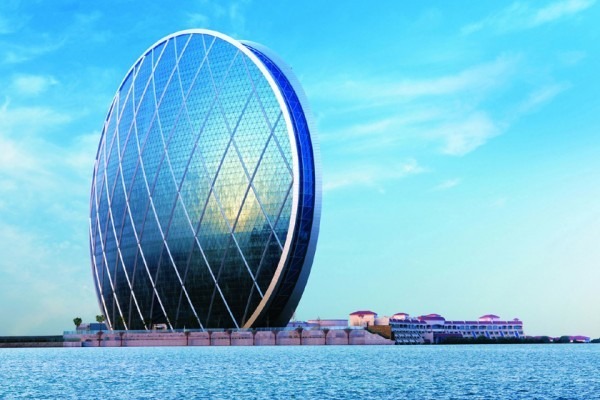
Aldar Properties, a prominent real estate developer based in the UAE, is set to enter the international bond market with its debut offering of hybrid notes, aiming to raise significant capital through a benchmark USD-denominated issuance. This marks a strategic move as the company seeks to diversify its financing options, reflecting growing confidence in the Middle Eastern property sector despite global economic fluctuations.

The move is seen as a key step in Aldar’s long-term financing strategy, which includes bolstering its liquidity and securing funds to support its extensive pipeline of real estate developments across the UAE. The planned issuance of hybrid bonds will likely appeal to institutional investors seeking higher returns, as these notes are designed to offer a more attractive yield compared to traditional debt instruments.

According to industry experts, hybrid notes offer the flexibility of both equity and debt instruments. These securities typically carry characteristics of bonds but can be converted into equity at the issuer’s discretion. In Aldar’s case, the hybrid notes will be structured to provide flexibility while enhancing the company’s capital base. This initiative is aligned with Aldar’s goal of optimizing its balance sheet while maintaining a competitive edge in the rapidly evolving real estate market.

The hybrid bonds will be issued under Aldar’s recently updated USD 2 billion Global Medium-Term Note (GMTN) program, which was approved earlier this year. The company intends to use the funds raised through this issuance to support its growth initiatives, which include several high-profile residential and commercial projects within Abu Dhabi and across the UAE. These developments are expected to contribute to the company’s steady revenue stream and help it capture a larger share of the region’s expanding real estate market.

Aldar’s decision to tap into the hybrid bond market comes at a time when investors have shown increased interest in hybrid instruments due to their unique risk-return profile. With these notes, Aldar is looking to capitalize on favorable market conditions while maintaining its financial flexibility, as hybrid securities are less sensitive to interest rate fluctuations compared to traditional debt.

The UAE’s thriving real estate sector has demonstrated resilience, despite global challenges such as inflationary pressures and geopolitical tensions. Aldar’s strong performance in recent years, along with its reputation for high-quality developments, positions the company well to attract investor interest in its hybrid bond offering. Analysts predict that the offering could provide Aldar with a competitive advantage, allowing the company to continue its expansion plans while managing financial risk more effectively.

Aldar’s hybrid notes will appeal to both global and regional investors, with its strategic location and robust development pipeline making it an attractive investment opportunity. The company’s portfolio includes high-profile projects like the Yas Bay waterfront development, which features residential, commercial, and entertainment spaces. These iconic projects are poised to enhance the company’s brand recognition and drive future demand for its properties, ultimately increasing the potential for returns on hybrid bond investments.

Investor interest in the UAE’s real estate market remains strong, particularly in Abu Dhabi, where Aldar holds a dominant position. The UAE’s government initiatives, including plans to diversify the economy and improve infrastructure, have further contributed to the positive outlook for the sector. These factors, combined with Aldar’s track record of successful developments, are expected to bolster investor confidence in the company’s bond issuance.

The company’s strategy of diversifying its capital structure by incorporating hybrid securities is not only about raising funds but also about ensuring sustainable growth in a competitive market. By issuing hybrid bonds, Aldar is able to strengthen its capital position without overly diluting equity or taking on excessive debt. This approach ensures the company can maintain a healthy balance sheet while executing its ambitious growth plans.

Aldar’s hybrid notes offering is part of a larger trend within the Middle Eastern real estate market, where companies are increasingly turning to innovative financing structures to meet their funding needs. As other regional developers explore similar hybrid instruments, Aldar’s move could set a precedent for future debt issuances in the sector. It also reflects the growing maturity of the Middle East’s bond market, which is attracting increasing attention from international investors.

Market experts believe the debut hybrid notes from Aldar will be a bellwether for other companies in the region. Should the offering meet with strong demand, it could encourage further issuances from both established developers and newer market entrants. This would signal an increasing acceptance of hybrid securities as a viable alternative to traditional financing methods, which may have been less attractive due to rising interest rates and market volatility.

VISHNU RAJA
RYO YAMADA
HITORI GOTOH
IKUYO KITA