News related to
Expansion

ADNH Catering, a prominent UAE-based catering services provider, has announced plans to raise its ownership stake in its Saudi joint venture, Compass Arabia, to 50%. This move is expected to strengthen ADNH’s foothold in the Middle East, particularly in the growing food services sector of Saudi Arabia. By doubling its share in the venture, ADNH is positioning itself to capitalize on the Kingdom’s expanding hospitality and catering […]

State-owned Saudi Electricity Co. has secured a significant $3.6 billion internationally syndicated credit facility. This financing is designed for general corporate purposes, marking a major financial milestone for the utility company. The credit facility spans five years with the added flexibility of two one-year extension options, ensuring that the company has a robust financial buffer for its future operations and growth.

The financing deal is being provided by a group of 13 banks, including several leading international financial institutions. The consortium includes the Industrial and Commercial Bank of China (ICBC), Bank of China, Agricultural Bank of China, Bank of Communications, and China Construction Bank, alongside prominent regional banks such as KfW IPEX Bank, State Bank of India, and First Abu Dhabi Bank. The deal also involves Abu Dhabi Commercial Bank, Abu Dhabi Islamic Bank, Boubyan Bank, Dubai Islamic Bank, and Saudi Investment Bank.

This syndicate brings together a diverse mix of global and regional financial powerhouses, reinforcing Saudi Electricity Co.’s credibility and appeal in the global market. It highlights the strong international trust in the company’s ability to meet its financial obligations. The financing agreement is seen as an essential move to strengthen the company’s operational capacity and support its expansion initiatives across Saudi Arabia’s rapidly developing energy sector.

Saudi Electricity Co. is the primary electricity provider in the Kingdom of Saudi Arabia, playing a critical role in supporting the nation’s growing demand for power. The company is involved in the generation, transmission, and distribution of electricity, with a wide-reaching infrastructure that covers both urban and rural areas. As part of the Saudi government’s Vision 2030, the company is expected to continue investing in its infrastructure to support the kingdom’s growing energy needs, driven by both population growth and industrial development.

The newly secured syndicated credit facility is part of Saudi Electricity Co.’s strategy to diversify its funding sources and enhance its financial stability in the face of ongoing energy sector reforms. With Saudi Arabia pushing forward with ambitious diversification plans under Vision 2030, the demand for electricity continues to rise, creating further pressure on the country’s energy utilities to expand and modernize their infrastructure.

The five-year tenor of the loan, with the potential for two one-year extensions, provides Saudi Electricity Co. with a long-term financial cushion to undertake projects that will modernize and expand its power generation and distribution systems. It also aligns with the company’s ongoing efforts to increase the efficiency of its operations and integrate renewable energy sources into its grid. The company is exploring a range of technologies to boost its renewable energy capacity, aligning with the country’s broader sustainability goals.

The consortium of banks involved in this deal underscores the strong ties between Saudi Arabia and key global financial institutions, particularly those from China and the Gulf region. China has emerged as one of the major international partners for Saudi Arabia, with a growing interest in the country’s infrastructure and energy sectors. This trend is likely to continue as the two countries strengthen their economic and political relationships, driven by mutual interests in energy security and economic diversification.

The involvement of regional banks such as First Abu Dhabi Bank and Dubai Islamic Bank also highlights the ongoing collaboration between Saudi Arabia and the UAE. The UAE has been an active participant in the broader Gulf region’s energy sector, with many of its financial institutions looking to expand their presence in Saudi Arabia’s burgeoning energy market.

The loan facility also comes at a time when Saudi Electricity Co. is looking to improve its financial profile. While the company has historically relied on state-backed financing, this syndicated loan deal represents a step towards accessing global capital markets. The participation of a diverse array of international and regional banks suggests that Saudi Electricity Co. is becoming more integrated into the global financial ecosystem, reflecting its evolving role in the Kingdom’s energy transition.

This syndicated loan is expected to help Saudi Electricity Co. fulfill its mission of modernizing and expanding its infrastructure to meet growing electricity demands. It will also bolster its ability to integrate clean and renewable energy sources into the grid, supporting the broader goal of reducing the country’s carbon footprint and advancing sustainability efforts.

The move is also part of Saudi Electricity Co.’s long-term strategy to maintain financial flexibility and reduce its reliance on government support. By securing funding from a range of international and local financial institutions, the company is positioning itself for future growth, both in the domestic and regional energy markets. The successful closure of this facility also serves as an endorsement of the company’s financial health and strategic direction, providing it with the resources needed to maintain its pivotal role in the energy sector.

Saudi Arabia’s Public Investment Fund (PIF) has acquired a 15% stake in the holding company of Heathrow Airport, marking a significant step in the sovereign wealth fund’s expansion into global infrastructure. The transaction, valued at approximately £1.3 billion, is part of a broader agreement where Paris-based private equity firm Ardian also purchased a 22.6% stake in FGP Topco, Heathrow’s parent company, from the Spanish infrastructure firm Ferrovial. Together, the deals represent a combined investment of £3.3 billion, valuing Heathrow at £8.7 billion, slightly lower than its previous valuation of £9.5 billion.

Ferrovial, which held a substantial interest in Heathrow since 2006, has been gradually divesting its stake. This sale is part of its strategy to refocus its portfolio while retaining a 5.25% minority interest in the airport. Qatar Investment Authority remains one of Heathrow’s major shareholders with a 20% stake, alongside other institutional investors like Singapore’s GIC and Canada’s Caisse de dépôt et placement du Québec, each holding smaller shares.

The move underscores PIF’s commitment to diversifying its investments and aligning with Saudi Arabia’s Vision 2030, which emphasizes economic diversification beyond oil revenues. Heathrow Airport, one of the busiest global travel hubs, handled over 80 million passengers annually before the pandemic and remains a critical node for international connectivity.

Forecast Projected Growth of Chinese Luxury Market in 2025: A Shift Towards Experience, Innovation, Chinese Brands and Sustainability HONG KONG SAR – Media OutReach Newswire – 13 December 2024 – MDRi, a leading provider of business insights, today released its China Luxury Consumer Forecast 2025, presenting an in-depth analysis of luxury consumption trends in Mainland China and Hong Kong. The report highlights a market in transition, where […]

Byte Federal, a prominent Bitcoin ATM network in the United States, has disclosed a security breach that compromised the personal data of 58,000 customers. The company revealed the incident after identifying unauthorized access to its systems, which reportedly led to the exposure of sensitive user information, including names, email addresses, and transaction details.

The breach has raised concerns about cybersecurity measures in the cryptocurrency sector. Byte Federal, known for operating over 1,000 Bitcoin ATMs across more than 40 states, has positioned itself as a major player in the digital asset ecosystem, facilitating cryptocurrency transactions for thousands of users daily. This incident underscores the vulnerabilities even in established networks within the fintech space.

Byte Federal’s systems were reportedly targeted in a sophisticated cyberattack, exploiting vulnerabilities in its data storage infrastructure. While the company has not confirmed whether financial information, such as bank account or credit card details, was accessed, it has assured customers that immediate steps were taken to address the breach and secure its systems. Additionally, Byte Federal is cooperating with law enforcement agencies and third-party cybersecurity firms to investigate the breach thoroughly and prevent future incidents.

This data breach follows Byte Federal’s expansion of its service offerings, including the integration of the Bitcoin Lightning Network, which enables faster and more cost-efficient transactions. The company’s focus on innovation has drawn significant attention, but this breach may lead to heightened scrutiny over its cybersecurity protocols. Industry experts have noted that companies in the cryptocurrency domain must balance innovation with robust security measures to protect user data.

Affected customers are being notified individually and advised to monitor their accounts for any unauthorized activity. Byte Federal has also recommended users to reset their passwords and adopt additional security measures, such as enabling two-factor authentication, to safeguard their accounts. The company is offering complimentary identity theft protection services to those impacted by the breach.

The incident has prompted discussions about regulatory oversight and the need for stricter cybersecurity compliance in the fintech and cryptocurrency sectors. Analysts argue that the growing adoption of digital assets necessitates a parallel emphasis on security standards to protect consumers and maintain trust in the ecosystem. This breach serves as a stark reminder of the challenges faced by firms operating in an increasingly digital financial landscape.

HONG KONG SAR – Media OutReach Newswire – 12 December 2024 – MooneyBird, a proptech company specializing in real estate marketing and AI technologies, has launched Hong Kong’s first AI-powered real estate marketing system. This innovative system is specifically designed for small and medium-sized real estate agencies, offering an integrated solution that combines brand website design, automated marketing, and client management tools. This solution strives to facilitate […]

Dubai Islamic Bank (DIB) is open to acquiring other banks and financial technology (FinTech) businesses as part of its strategy to expand its market presence and strengthen its service offerings. CEO of DIB, Adnan Chilwan, highlighted the bank’s interest in further diversifying its portfolio to meet the evolving needs of customers. This approach is in line with DIB’s broader growth strategy, which has already seen significant investments […]

Advertisements

The United Arab Emirates has finalized a comprehensive agreement aimed at boosting economic and trade relations with the Eurasian Economic Union (EAEU), marking a significant step in its efforts to diversify trade partnerships and expand its geopolitical influence. The deal, signed by top officials in both regions, is expected to enhance cooperation in sectors such as energy, technology, and logistics, and increase bilateral trade, which has already shown promising growth.

The EAEU, a political and economic union comprising Armenia, Belarus, Kazakhstan, Kyrgyzstan, and Russia, represents a growing market with over 180 million consumers. The agreement with the UAE promises to deepen economic integration between these countries and one of the Middle East’s most dynamic economies. This strategic alignment highlights the UAE’s broader ambition to strengthen its role as a global trading hub, positioning itself as a bridge between East and West.

Trade relations between the UAE and the EAEU have been steadily evolving, with the UAE emerging as a key partner for EAEU nations in recent years. This new pact, formalized after several rounds of negotiation, is designed to capitalize on existing commercial synergies, offering a platform for increased investment flows, joint ventures, and the expansion of supply chains. The agreement sets the stage for a substantial increase in trade volumes, as both parties have agreed to reduce trade barriers and streamline customs procedures, making it easier for goods and services to flow across borders.

In addition to the trade component, the agreement includes provisions for cooperation in technology and innovation. The UAE, already a leader in the tech sector in the Middle East, is looking to export its expertise in fields such as artificial intelligence (AI), renewable energy, and smart infrastructure. EAEU nations, particularly Russia and Kazakhstan, are keen to integrate more advanced technologies into their industries, and the UAE sees this as a prime opportunity to tap into these growing markets. The deal is expected to open up new avenues for collaboration in space technology, fintech, and cybersecurity, sectors in which the UAE has made substantial strides.

Energy remains one of the cornerstone industries in the relationship. The UAE, a member of the Organization of the Petroleum Exporting Countries (OPEC), and Russia, one of the world’s largest oil producers, have long had a robust partnership in the energy sector. This agreement formalizes their commitment to enhancing energy cooperation, particularly in the field of renewable energy. With both nations investing heavily in solar, wind, and nuclear power, the UAE’s clean energy expertise could play a pivotal role in helping EAEU countries achieve their energy transition goals.

The partnership holds significant strategic value for the UAE, which is seeking to diversify its international partnerships and reduce its reliance on traditional Western markets. As geopolitical dynamics shift, particularly with increasing tensions between the West and Russia, the UAE sees the EAEU as an important alternative to expand its global influence. The UAE’s government has been active in seeking closer relations with non-Western powers, building ties with China, India, and Russia in various sectors, including defense, technology, and trade.

For the EAEU, the agreement provides a new dimension to its outward economic orientation, as the bloc looks to reduce its dependence on Europe and enhance its engagement with the Middle East. This new avenue for collaboration is seen as critical for the EAEU’s long-term economic strategy, which aims to bolster ties with countries in Asia and the Arab world. The UAE’s rapidly growing economy and its strategic location between Asia, Africa, and Europe offer a unique gateway for EAEU countries to increase their exports, access global markets, and attract investments.

This agreement is part of a broader trend of the UAE pursuing economic diversification and expanding its trade footprint beyond its traditional partners. The UAE has been actively seeking new trade agreements with nations across the globe, and this deal with the EAEU complements similar initiatives with countries such as India, China, and various African nations. Through these agreements, the UAE is enhancing its position as a regional and global trade powerhouse, and the EAEU pact is a significant component of that vision.

The deal’s signing follows years of diplomatic and economic negotiations, with both sides recognizing the growing potential for collaboration across multiple sectors. The UAE has long prioritized the development of strong, diversified economic relationships, and this agreement with the EAEU is expected to deliver tangible benefits for both regions in the coming years.

While the agreement sets the stage for increased trade and investment, both sides are aware of the challenges involved in implementing such a broad partnership. Differences in regulatory environments, market structures, and political dynamics could present hurdles that need to be navigated carefully. However, the determination on both sides to push forward with these initiatives reflects the shared commitment to strengthening economic ties.


Google has unveiled its latest AI model, Gemini 2.0, which the tech giant positions as a critical step in the evolution of artificial intelligence. With a focus on enhancing decision-making and multi-step reasoning capabilities, Gemini 2.0 aims to serve as a powerful AI tool for both individual and business use. CEO Sundar Pichai, in his announcement, highlighted the model’s capacity to understand complex contexts, predict outcomes, and autonomously perform tasks for users, all of which are part of Google’s vision for what they call “agentic AI.”

Gemini 2.0 builds on Google’s previous AI models by adding more sophistication and versatility, designed to better serve a range of functions across Google products. One of its major enhancements is its ability to process and output various forms of data simultaneously—text, images, video, and even audio. This expansion comes as part of the company’s efforts to make its AI more integrated with other tools, such as Google Search and the broader Gemini platform. As part of the rollout, Gemini 2.0 will be available initially to developers and select testers, with a broader release planned for 2025.

For developers, the potential for innovation with Gemini 2.0 is immense. Powered by Google’s advanced TPU (Tensor Processing Unit) hardware, called Trillium, this new model promises substantial improvements in processing speed and efficiency. Google has also announced that its new model will be integrated into numerous Google products that already serve billions of users globally. This deployment is expected to expand rapidly, particularly through the Gemini app, which will incorporate Gemini 2.0 Flash for faster performance in multiple languages and regions.

The competition in AI is intensifying, with major players like OpenAI, Meta, and Amazon all making strides to develop more advanced models. Yet, Google’s focus on integrating agentic AI—AI capable of taking autonomous actions to meet specific goals—could give it an edge in applications that require deep contextual understanding and proactive decision-making.

One notable feature of Gemini 2.0 is its focus on enhancing the user experience by making AI more intuitive. The model’s enhanced ability to make decisions on behalf of users in various contexts is positioned as a way to add tangible value. For instance, AI agents can help users navigate complex workflows, assist in content creation, or automate decision-making processes that would traditionally require human intervention.

While the AI space continues to be dominated by hardware giants like Nvidia, which supplies the chips for much of the training behind these models, Google’s strategic use of its own hardware—Trillium—marks a significant step in its ambition to maintain leadership in AI development. The company’s decision to roll out Gemini 2.0 while ensuring its compatibility across multiple platforms will likely reinforce its dominance in the sector.

Looking forward, the integration of Gemini 2.0 into Google’s flagship products like Search promises to transform how users interact with information. Early testers have lauded the new model for its ability to provide more relevant, context-aware responses. This aligns with Google’s broader goal of refining how AI can streamline information retrieval, decision-making, and creative processes.

Clear Angle Studios, a leader in 3D scanning and volumetric data capture, has bolstered its operations by opening a new facility in Culver City, Los Angeles. Known for its cutting-edge contributions to film, television, and interactive media, the company’s expansion signals its intent to deepen its footprint in the entertainment capital. The new location is strategically positioned to cater to the thriving demand for high-precision 3D capture […]

HANOI, VIETNAM – Media OutReach Newswire – 11 December 2024 – V-GREEN and Prime Group, a diversified conglomerate, through its UAE subsidiary, have signed a Memorandum of Understanding (MoU) to develop a network of charging stations for VinFast electric vehicles in Indonesia. This MoU does not only signify a major step forward for V-GREEN in its global mission to expand the VinFast EV charging infrastructure, but also […]

Base, a decentralized layer-2 blockchain built on Ethereum, has shattered previous records, reaching an all-time high of 8.8 million daily transactions. This surge underscores its growing dominance in the blockchain ecosystem, as developers, businesses, and users flock to the platform for faster, cheaper transactions.

The new milestone reflects Base’s increasing popularity among decentralized application (dApp) developers and users who are seeking scalability and cost efficiency. As the blockchain space continues to mature, Base’s ability to handle a vast number of transactions per day without compromising security is a significant achievement, particularly as demand for decentralized finance (DeFi) services and blockchain-based applications expands globally.

This achievement comes as Base positions itself as a leader in the rollup space, an advanced scaling solution designed to alleviate congestion on the Ethereum mainnet. The layer-2 solution has gained considerable attention due to its seamless integration with Ethereum, making it an attractive option for developers who need a fast and efficient platform while retaining access to Ethereum’s security and infrastructure.

The 8.8 million transactions milestone comes amid an upswing in Layer-2 adoption, as the broader Ethereum ecosystem is faced with challenges related to scalability and gas fees. As Ethereum’s popularity continues to rise, users have become more sensitive to transaction costs, which can fluctuate wildly depending on network congestion. Base’s low-cost and high-speed model addresses these issues, which has made it an appealing alternative for developers seeking to mitigate high Ethereum gas fees.

The spike in daily transactions highlights Base’s expanding utility across various sectors. The platform has gained traction with decentralized finance protocols, gaming applications, and non-fungible token (NFT) marketplaces, all of which are driving up the number of daily transactions. By allowing users to access decentralized applications without experiencing the latency and high fees often associated with the Ethereum mainnet, Base is establishing itself as a leading force in Web3 innovation.

One of the most critical factors contributing to Base’s rapid growth is its strategic backing by major players in the crypto and blockchain industries. The platform is supported by Coinbase, one of the largest cryptocurrency exchanges globally, which has provided a strong foundation for Base’s expansion. Coinbase’s involvement not only adds credibility to the platform but also strengthens its integration with the broader cryptocurrency market, helping to attract users who are already familiar with Coinbase’s ecosystem.

As of now, Base is competing with other blockchain solutions like Arbitrum and Optimism, which also offer Layer-2 scaling solutions. However, what sets Base apart is its seamless connection to Ethereum, providing users with a reliable bridge between the scalability of Layer-2 and the robust security features of Ethereum’s Layer-1 chain. This integration has made Base a go-to platform for Ethereum developers who require a high-performance environment for decentralized applications.

Despite the impressive surge in transaction volume, Base is also tackling the complex challenges of ensuring security and decentralization in its system. One of the key concerns for blockchain platforms handling millions of transactions per day is the risk of centralization. In Base’s case, its integration with Ethereum’s robust security model helps mitigate these risks. However, the team behind the platform is continually working to refine and optimize the security protocols to ensure the network remains safe and resilient against potential attacks.

The rapid transaction growth also reflects the increasing interest in blockchain technology from institutional investors. As more companies explore the potential of decentralized applications, smart contracts, and blockchain-powered services, platforms like Base are becoming essential components of the enterprise technology stack. Additionally, Base’s support for developers through easy-to-use tools and infrastructure has positioned it as a go-to solution for building next-generation decentralized applications.

With Web3 technology evolving at a rapid pace, the continued success of platforms like Base depends on their ability to adapt to user demands and integrate new technologies. The demand for blockchain scalability solutions is expected to continue growing as more sectors look to integrate decentralized systems. The 8.8 million daily transaction milestone shows that Base is meeting this demand, while also pushing the boundaries of what is possible with Layer-2 technology.

Abu Dhabi has set its sights on securing $123 billion in private sector investments to fund a variety of infrastructure projects as part of an ambitious expansion plan. The UAE capital’s strategy revolves around public-private partnerships (PPPs) aimed at meeting the growing demand for key infrastructure and supporting long-term economic growth. The initiative is in line with the broader trend across the Gulf region, where countries like […]

A newly established venture capital fund, backed by Saudi Arabia’s Public Investment Fund (PIF), aims to accelerate the growth of start-ups in the UAE and Saudi Arabia. The $50 million fund targets early-stage companies, with a particular focus on industries such as technology, energy, and health care, aligning with both nations’ broader economic diversification efforts. The PIF-backed fund, a strategic move in the Kingdom’s and UAE’s fast-evolving […]

Middle Eastern airlines are on track to generate the highest profits globally per passenger in 2024, with a projected $23 in earnings for every passenger flown. This figure sets the region apart from other global airlines and highlights its robust recovery and growth within the aviation sector.

The Middle East has long been a pivotal hub for international aviation, with carriers such as Emirates, Qatar Airways, and Etihad Airlines driving both passenger traffic and financial performance. According to data from the International Air Transport Association (IATA), airlines in the region are expected to see a combined net profit of $3.1 billion in 2024, a significant jump from the previous yearncrease in profitability stems from a combination of factors, including the region’s strategic location as a bridge between the East and West, the rapid expansion of flight routes, and increasing demand for air travel. The number of Revenue Passenger Kilometres (RPK) is anticipated to grow by 6.3% in 2024, signaling strong demand for international and regional travel.

Despiges faced by the global aviation sector, such as fluctuating fuel prices and geopolitical tensions, the Middle East’s aviation sector continues to display resilience. Airlines have diversified their revenue streams, not only focusing on passenger traffic but also expanding cargo operations, which has become a significant part of their income. The expansion of premium services has been another contributing factor, with affluent travelers flocking to these airlines for their exceptional services.

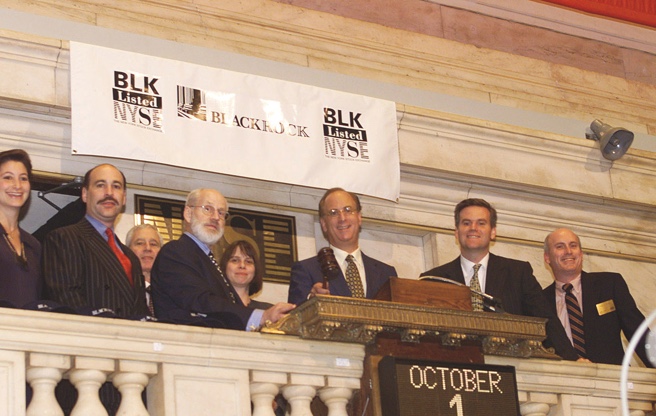
BlackRock, one of the world’s largest asset management firms, has expressed a strong interest in taking cornerstone investment roles in upcoming initial public offerings (IPOs) across the Middle East. The company’s move signals growing confidence in the region’s capital markets and a deepening commitment to its investment strategies in emerging markets.

Over the past few years, the Middle East has seen a substantial uptick in IPO activity, particularly in Saudi Arabia and the United Arab Emirates. Following the historic listing of Saudi Aramco in 2019, which set a new benchmark for the global IPO market, more companies in the region are exploring public offerings. With the backing of major sovereign wealth funds and private investors, these IPOs are seen as an attractive investment opportunity for global firms like BlackRock. The asset manager has previously been involved in such offerings, but now seeks a more pronounced stake by becoming cornerstone investors—those who commit to buying a significant portion of shares before the IPO is publicly launched.

A cornerstone investment carries considerable weight. It not only provides financial support to the issuing company but also bolsters the IPO’s credibility, often leading to greater investor confidence and successful market debuts. This dynamic is particularly critical in the Middle East, where many companies are looking to leverage their IPOs as a way to fund expansion and diversification. BlackRock’s potential involvement signals the growing maturity of the regional market, which has shifted from a reliance on local and regional investors to attracting global players.

The Middle East, particularly the Gulf Cooperation Council (GCC) countries, has become a major hub for investment in infrastructure, technology, and finance. Countries like Saudi Arabia, the UAE, and Qatar have been at the forefront of this transformation. Saudi Arabia’s Vision 2030 plan, which aims to diversify the kingdom’s economy away from oil dependency, has created an environment ripe for privatizations and IPOs in industries ranging from entertainment to healthcare and technology. Similarly, the UAE continues to open up its financial markets with initiatives like the Dubai Financial Market’s efforts to attract more international listings.

In parallel, BlackRock’s increased interest aligns with its broader strategic focus on emerging markets. The firm, which manages trillions of dollars in assets globally, has been expanding its footprint in the Middle East as part of its efforts to tap into the region’s growing wealth and investment opportunities. As the region’s financial ecosystem matures, global investors are keen to get a slice of what could be the next big opportunity.

For BlackRock, entering the IPO scene in the Middle East is not just about expanding its market share but also diversifying its portfolio with high-growth potential investments. The firm has made substantial efforts to ensure its involvement in emerging markets, viewing the Middle East as a key component of its global strategy. The region’s infrastructure development, economic reforms, and push towards diversification make it an attractive place for long-term investments. A cornerstone investment in an IPO could thus offer BlackRock the dual benefit of aligning with local growth ambitions while also capitalizing on new investment opportunities.

Saudi Arabia’s recent IPOs of major companies like the National Energy Services Company and Saudi Telecom have been highly anticipated. Both offerings demonstrated the kingdom’s ability to attract international investors, despite fluctuating oil prices and global economic uncertainty. BlackRock’s potential involvement in such high-profile deals would likely bring credibility to the process, further positioning the country as a growing investment hub. Moreover, it could drive further interest from other institutional investors looking to enter the Middle Eastern market.

The UAE’s stock exchange, the Dubai Financial Market (DFM), and the Abu Dhabi Securities Exchange (ADX) are also key players in the region. As the country looks to increase privatizations and diversify its economy, large-scale IPOs are expected in sectors such as real estate, energy, and technology. BlackRock’s interest in taking up cornerstone stakes reflects its belief in the resilience and expansion potential of the UAE’s market, particularly as it strengthens its status as a regional financial center.

The involvement of global asset managers in Middle Eastern IPOs not only signals the growing internationalization of the region’s capital markets but also highlights the increasing confidence in its long-term economic stability. While geopolitical risks and the ongoing volatility of global oil prices remain factors that could impact these markets, the resilience shown by the Middle East in navigating past crises and diversifying its economy makes it an attractive destination for investors.

Investors from the West have been particularly drawn to the region’s rapidly expanding consumer market and digital transformation initiatives. BlackRock’s strategy of anchoring cornerstone investments in this landscape reflects its commitment to these evolving markets. As companies continue to seek funds through public offerings, the expertise and financial muscle of major players like BlackRock are likely to influence the direction of the region’s IPOs.

Talabat Holding, a leading Middle Eastern online food delivery platform, made its long-anticipated debut on the Dubai Financial Market (DFM) following an initial public offering (IPO) that launched in late November 2024. Despite the market’s optimism surrounding the listing, the company’s shares faced a sharp decline on their first day of trading. Talabat, which offers a wide range of services from food delivery to grocery sales, had […]

Geely Farizon, the electric vehicle (EV) arm of Chinese automotive giant Geely, has partnered with Jameel Motors to expand its footprint in the United Kingdom. This collaboration will see Jameel Motors take charge of the distribution of Geely’s full range of new energy vehicles (NEVs) in the UK. The deal highlights the growing trend of Chinese automotive manufacturers increasing their presence in European markets, particularly in the rapidly growing EV sector.

Farizon’s commitment to expanding globally is supported by its diverse lineup, which includes electric trucks, buses, and light commercial vehicles. The UK, a key market in Europe with an increasing shift towards greener vehicles, is expected to be a crucial part of this expansion strategy. Farizon’s new energy vehicles, including hydrogen, methanol, and electric-powered models, align with the UK’s environmental goals and its push for net-zero carbon emissions by 2050.

Jameel Motors, part of the Abdul Latif Jameel Group, brings over six decades of experience in the automotive sector. Their international footprint and expertise will be pivotal as Geely Farizon seeks to capitalize on the UK’s thriving green vehicle market. Jameel’s established relationships with both customers and suppliers provide a solid foundation for Farizon’s introduction of its innovative fleet in the UK.

This partnership is part of a broader collaboration between Geely Farizon and Jameel Motors, which spans 11 countries. These markets collectively cover a population of over 450 million, offering substantial growth potential for Farizon’s products. As global demand for eco-friendly vehicles continues to rise, the strategic move into the UK market positions both Geely and Jameel as significant players in the EV revolution.

While the UK government’s incentives for electric vehicles and other green technologies have been a driving force behind this move, the increasing consumer demand for sustainable transportation options further strengthens the business case. Geely Farizon’s market entry is also timely, coinciding with the UK’s announcement of stricter regulations on fossil fuel-powered vehicles, expected to take effect in the coming years.

Mohammed Bin Rashid Aerospace Hub (MBRAH) has inaugurated a new hangar facility at Dubai World Central (DWC), marking a significant milestone for both the aviation industry in the UAE and global business aviation. The event, which took place recently, was attended by key figures including Khalifa Al Zaffin, Executive Chairman of Dubai Aviation City Corporation, alongside senior executives from MBRAH and Comlux, a prominent name in business aviation, known for its specialized services in aircraft transactions, completions, and maintenance.

The new hangar facility is part of MBRAH’s broader vision to strengthen Dubai’s position as a global aviation hub. The expansion of aviation infrastructure at DWC further supports Dubai’s goal to become a world-leading center for aviation excellence. Comlux’s investment in this new facility reflects the growing demand for business aviation services and underscores the strong partnership between the private sector and governmental initiatives aimed at enhancing the aviation ecosystem.

Comlux, headquartered in Switzerland, provides services including aircraft management, charter, completions, and maintenance. The company’s decision to establish a new base at DWC not only reinforces the UAE’s role in global aviation but also emphasizes Dubai’s strategic location as a prime hub for business aviation in the Middle East. With its newly inaugurated hangar, Comlux aims to enhance its operational capacity and cater to a wider range of clients across the region.

DWC has been positioning itself as a key player in the global aviation sector, offering world-class facilities for both commercial and private aviation. The MBRAH hub, in particular, serves as a dynamic platform for companies in the aerospace industry, providing tailored services and state-of-the-art infrastructure. This includes specialized hangars for the maintenance and repair of aircraft, as well as facilities designed to support business aviation operations.

The inauguration ceremony highlighted the growing importance of private and business aviation services within the UAE. With Dubai’s aviation sector continuing to thrive, the demand for high-end services such as those provided by Comlux has surged, prompting further investments in infrastructure to meet these needs. This new hangar is expected to serve a range of aircraft, from smaller jets to large, long-range models, with maintenance and servicing capabilities designed to handle diverse client requirements.

The development of the Comlux facility is expected to provide a significant boost to Dubai’s aviation ecosystem by fostering increased collaboration between local and international stakeholders. It also presents new opportunities for job creation within the sector, offering a variety of roles in aircraft management, engineering, and logistics. By strengthening its infrastructure, Dubai aims to not only meet the needs of the growing business aviation market but also drive further economic growth in the aviation and aerospace industries.

Lambda, a leader in GPU-accelerated AI computing, has announced an ambitious expansion of its AI research program alongside the introduction of a new grant initiative for academic institutions. The company aims to double the size of its research team and provide crucial funding to support GPU-intensive academic projects, setting the stage for new breakthroughs in artificial intelligence. This expansion comes as Lambda positions itself as a pivotal […]

Riot Platforms has significantly expanded its cryptocurrency holdings with the acquisition of 705 Bitcoin (BTC) tokens, valued at approximately $68.45 million. This move underscores the company’s ongoing strategy to strengthen its position in the cryptocurrency market, particularly amidst volatile market conditions. The purchase, made during the early hours of the Asian market on December 9, comes in the wake of an announcement regarding Riot’s plans for a private offering of convertible senior notes worth around $500 million.

The recent acquisition aligns with Riot’s broader strategy to boost its Bitcoin holdings as part of its corporate goals. In a statement released shortly after the purchase, Riot outlined that the funds raised from the senior notes offering would be primarily directed toward acquiring additional Bitcoin and supporting general corporate activities. The company has been steadily increasing its Bitcoin inventory, furthering its commitment to becoming a major player in the crypto space.

Riot’s decision to acquire the additional 705 BTC at this time may reflect the company’s confidence in Bitcoin’s long-term growth prospects, despite the ongoing fluctuations in its value. Bitcoin’s price has been prone to volatility, but major players like Riot continue to view the asset as a strategic reserve. By purchasing at this stage, Riot positions itself to capitalize on any potential upswing in Bitcoin prices while adding to its balance sheet.

The company’s foray into the cryptocurrency market began with a focus on Bitcoin mining but has increasingly encompassed broader crypto-related ventures. Riot Platforms, formerly known as Riot Blockchain, has made headlines for its ambitious investments in the Bitcoin ecosystem, including the development of mining facilities and the acquisition of digital assets. With this latest acquisition, Riot now holds over 10,000 Bitcoin, reinforcing its status as one of the largest publicly traded Bitcoin holders in the U.S.

Riot’s focus on Bitcoin is not unique within the industry, as other major firms also look to bolster their holdings of the cryptocurrency. Companies such as MicroStrategy and Tesla have similarly accumulated large Bitcoin reserves, viewing the asset not just as a store of value, but as a hedge against inflation and economic uncertainty. The competition for Bitcoin among institutional investors has intensified, with several firms eyeing the potential for significant long-term gains, even as the price of Bitcoin continues to experience short-term volatility.

Despite its optimism surrounding Bitcoin, Riot has also been preparing for potential risks. The company has diversified its operations, and the senior notes offering is designed to ensure financial flexibility. This move provides Riot with the ability to raise capital without diluting its shareholders through equity offerings. The issuance of convertible senior notes also offers investors the potential to convert their debt into equity under favorable conditions, making it an attractive proposition for both the company and investors.

Riot’s growth strategy appears to be driven by a mix of organic expansion and strategic acquisitions. The company has consistently reinvested its earnings into scaling its operations, including purchasing more mining equipment and enhancing its infrastructure. Riot’s growth trajectory is closely tied to the price of Bitcoin, which has seen significant fluctuations over the past year. As such, the company’s financial outlook depends in part on the broader trends in the cryptocurrency market.

The private offering of the senior notes is part of Riot’s broader plan to maintain flexibility in its financial structure. With an eye on further acquisitions, the company is positioning itself for future growth in the cryptocurrency space. As more institutional players enter the market, the demand for Bitcoin and other digital assets is expected to rise, and Riot’s strategic investments could pay off in the coming years.

In the context of the current market landscape, Riot’s purchase also serves as a signal to other investors about the company’s confidence in Bitcoin’s future potential. While many traditional financial institutions have been cautious about entering the cryptocurrency space, firms like Riot are leading the way by integrating digital assets into their core business models. This represents a shift in how mainstream corporations view Bitcoin—not as a speculative asset, but as a key component of their investment strategies.

Riot’s expansion into Bitcoin holdings is part of a broader trend in which companies are increasingly incorporating digital currencies into their balance sheets. As the regulatory environment for cryptocurrencies continues to evolve, Riot and other players in the market will likely face new challenges, particularly concerning the classification and taxation of digital assets. However, with the company’s recent moves, Riot is positioning itself at the forefront of a rapidly changing industry.

Riot’s actions are also reflective of the broader evolution of the cryptocurrency mining industry. As competition increases, mining operations are becoming more sophisticated, and companies like Riot are investing heavily in both hardware and digital assets. Riot’s expansion is an example of how miners are diversifying their business models, not just by mining Bitcoin but also by acquiring large quantities of the asset itself.

BANGKOK, THAILAND – Media OutReach Newswire – 11 December 2024 – The Asia Corporate Excellence and Sustainability (ACES) Awards 2024 brought together some of the most forward-thinking organisations and individuals from across Asia, highlighting their outstanding contributions to innovation, leadership, sustainability, and social impact. Since its inception in 2014, the ACES Awards has grown to become one of the region’s most esteemed accolades, consistently celebrating excellence and […]

HONG KONG SAR – Media OutReach Newswire – 10 December 2024 – XTransfer, the World’s Leading & China’s No.1 B2B Cross-Border Trade Payment Platform, is excited to announce that it has been awarded the “Best Payment Solutions Provider” at the Corporate Treasurer Awards 2024, organized by Corporate Treasurer magazine. This award highlights XTransfer’s exceptional performance in delivering innovative payment solutions for global SMEs engaged in foreign trade. […]

Dubai-based fintech platform Stake has officially launched its operations in Saudi Arabia, marking a significant step in its expansion strategy across the Middle East. This move is set to bolster the company’s position in the region’s growing digital financial landscape, which has seen rapid growth amid Saudi Arabia’s push to diversify its economy under the Vision 2030 framework. Stake, which has established itself as a leading player […]

VISHNU RAJA
RYO YAMADA
HITORI GOTOH
IKUYO KITA