News related to
Expansion

First Abu Dhabi Bank PJSC , the largest lender in the United Arab Emirates by assets, is undergoing another wave of executive departures as it implements a significant internal restructuring aimed at reinforcing its regional dominance and enhancing shareholder value. Chief Credit Officer Neil Barrable is stepping down less than a year after his appointment, citing personal reasons. Barrable joined FAB in June 2024 from HSBC Holdings […]

PASAY, PHILIPPINES – Media OutReach Newswire – 10 April 2025 – At the 2025 Manila International Auto Show (MIAS), VinFast officially launched sales of the VF 6, a fully electric SUV in the popular B-segment, introduced a free charging program available at charging stations operated by V-GREEN, and forged strategic partnerships with reputable Philippine dealerships and banks. These initiatives highlight VinFast’s commitment to accelerating the adoption of […]

Inks three signings in Q1 2025 to add 600 units under the Oakwood brand, bringing Ascott’s current portfolio in India to ~6,100 units Introduces lyf, The Crest Collection and The Unlimited Collection brands to cater to the evolving needs of next-gen travellers and address the growing demand for authentic Indian heritage and cultural experiences MUMBAI, INDIA / SINGAPORE – Media OutReach Newswire – 10 April 2025 – […]

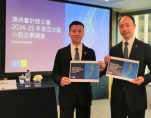
HONG KONG SAR – Media OutReach Newswire – 10 April 2025 – CPA Australia’s latest Asia-Pacific (APAC) Small Business Survey 2024-25 reveals that the outlook for business growth this year for Hong Kong’s small and medium enterprises (SMEs) has slowed, though their hiring intentions remain strong. To combat uncertainties and rising competition, many are focusing on innovation and increasing their investment in artificial intelligence (AI). (Left) Mr […]

Vietnam Airlines has entered into a memorandum of understanding with Boeing to purchase 50 Boeing 737 MAX narrow-body aircraft, a deal valued at approximately $10 billion. The agreement was formalized on September 11, 2023, in Hanoi, coinciding with U.S. President Joe Biden’s state visit to Vietnam and the elevation of bilateral relations to a comprehensive strategic partnership.

This strategic move aligns with Vietnam Airlines’ fleet development strategy for 2025-2030, with a vision extending to 2035. The acquisition aims to modernize the airline’s fleet, enhance service quality on domestic and regional routes, and improve operational efficiency through the introduction of fuel-efficient aircraft. Chairman of the Board of Directors, Dang Ngoc Hoa, emphasized that aircraft investment is crucial for the airline’s recovery and sustainable development goals.

The Boeing 737 MAX series offers seating capacities ranging from 150 to 230 passengers and a flight range exceeding 3,000 kilometers, making it suitable for Vietnam Airlines’ network expansion plans. Brad McMullen, Boeing’s Senior Vice President of Commercial Sales, highlighted that Southeast Asia is one of the world’s fastest-growing aviation markets, and the 737 MAX is well-suited to meet regional demand.

Vietnam Airlines currently operates a fleet of 100 aircraft, including 65 narrow-body planes, serving over 97 routes to 50 domestic and international destinations. The airline plans to add about 60 new narrow-body aircraft by 2030 and 100 by 2035 to support its growth objectives.

Nakheel Properties has unveiled the third phase of its Bay Grove Residences development on Dubai Islands, introducing 241 residential units across three contemporary buildings. This expansion aims to meet the increasing demand for upscale waterfront living in Dubai.

The new phase offers a variety of living spaces, including one, two, and three-bedroom apartments, as well as four-bedroom duplexes. Unit sizes range from approximately 861 to 3,625 square feet, with prices starting at AED 2 million. Each residence is designed to provide expansive views of the sea and the Dubai skyline, featuring modern interiors and private terraces.

Residents will have access to a range of amenities, such as an infinity pool, fitness center, clubhouse, children’s play areas, and landscaped gardens. The development also offers direct access to a pristine beach, enhancing the coastal living experience.

Strategically located on Island B of Dubai Islands, Bay Grove Residences ensures seamless connectivity to key areas of the city. The development is approximately 14.6 kilometers from Dubai International Airport and 9 kilometers from Deira Island Beach. The newly constructed Infinity Bridge further facilitates convenient access to Dubai’s major attractions and business districts.

The project aligns with the Dubai 2040 Urban Master Plan, which emphasizes sustainable urban development and aims to position Dubai as a global hub for tourism and investment. Dubai Islands comprises five interconnected islands, offering over 20 kilometers of beaches and extensive waterfront living options.

Amazon.com Inc. is contemplating a substantial $15 billion investment to establish approximately 80 new logistics facilities across urban and rural areas in the United States. This initiative marks a significant shift from the company’s post-pandemic construction slowdown and aims to enhance its delivery infrastructure nationwide. The proposed expansion includes a mix of delivery hubs and large fulfillment centers equipped with advanced robotics technology. Amazon has invited potential […]

Advertisements

BEIJING, CHINA – Media OutReach Newswire – 9 April 2025 – A scene even science fiction has yet to depict—humans and humanoid robots running side by side in a half-marathon — will become reality on ​April 13 in Beijing E-Town. Every spring, marathons sprout across China like bamboo shoots after rain. In Beijing, the world’s only “Dual Olympic City” and a global hub for science and innovation, […]

Smart Mobility International , a UAE-based distributor of New Energy Vehicles , has entered into a strategic partnership with IM Motors, a Chinese electric vehicle manufacturer co-founded by SAIC Motor, Alibaba Group, and Shanghai Zhangjiang Hi-Tech Park Development. This collaboration aims to introduce IM Motors’ premium electric vehicles to the United Arab Emirates , marking the brand’s inaugural entry into the Gulf Cooperation Council region.

IM Motors, established in 2020, has rapidly gained recognition for its innovative approach to electric mobility. The company’s vehicle lineup includes models such as the IM L7 sedan and the IM LS7 SUV, both of which have garnered attention for their advanced technology and design. In March 2024, IM Motors secured over 8 billion yuan in a Series B equity financing round. This funding, one of the largest investments in Chinese EV brands in recent years, was led by prominent state-backed investors, including Bank of China’s asset management unit, an investment arm of Agricultural Bank of China, and Shanghai government-backed Lingang Group. The capital infusion is earmarked for the development of new smart car models, technological advancements, and overseas expansion plans.

SMI has been proactive in aligning with the UAE’s vision for sustainable transportation. In January 2025, the company announced the opening of a specialized NEV service center in Dubai’s Al Quoz automotive district. This facility is designed to offer comprehensive maintenance services tailored to electric vehicles, including quick service areas, specialized battery care sections, and advanced diagnostic tools. The initiative reflects SMI’s commitment to supporting the UAE’s goal of increasing NEVs to 50% of the total vehicles on the nation’s roads by 2050.

The partnership between SMI and IM Motors is poised to introduce a range of premium electric vehicles to the UAE market. While specific models and timelines have yet to be announced, industry observers anticipate that IM Motors’ flagship vehicles, such as the IM L7 and IM LS7, will be among the first offerings. These models are known for their cutting-edge features, including autonomous driving capabilities, advanced infotainment systems, and impressive driving ranges.

The UAE’s automotive market has witnessed a surge in interest towards electric vehicles, driven by government initiatives promoting sustainable energy and reducing carbon emissions. The introduction of IM Motors’ vehicles is expected to cater to the growing demand for high-performance, environmentally friendly transportation options.

The Open Network Foundation has announced plans to make its self-custodial TON Wallet available to users in the United States during the second quarter of 2025. This development follows a series of strategic initiatives aimed at expanding the global reach of the TON ecosystem, particularly through its integration with the Telegram messaging platform.

The TON Wallet, a self-custodial digital asset management tool, enables users to store, send, and receive Toncoin and other digital assets directly within Telegram. This integration seeks to simplify cryptocurrency transactions for Telegram’s extensive user base, which exceeds 950 million monthly active users. The wallet’s design emphasizes user control, allowing individuals to manage their private keys and assets without reliance on third-party custodians.

The journey toward this U.S. launch has been marked by significant milestones. In November 2023, the TON Foundation initiated the global rollout of the wallet, starting with select countries in Africa. This phased approach aimed to address regional regulatory considerations and ensure a smooth user experience across different markets. Subsequent expansions targeted the Middle East, Europe, and the Asia-Pacific region, with the goal of achieving worldwide availability by the second quarter of 2024.

However, the U.S. market presented unique challenges. Regulatory complexities necessitated a more cautious approach, leading to a delayed introduction of the TON Wallet in the United States. The TON Foundation has been actively engaging with U.S. regulators to ensure compliance with local laws and to facilitate a secure and legally sound launch.

This expansion aligns with a deepening partnership between the TON Foundation and Telegram. In January 2025, the two entities announced an exclusivity agreement, designating TON as the sole blockchain infrastructure for Telegram’s Mini App ecosystem. Central to this collaboration is the adoption of TON Connect, a protocol that links Telegram Mini Apps to blockchain wallets, streamlining user interactions with decentralized applications within the messaging platform.

Telegram has committed to accepting Toncoin as the exclusive cryptocurrency for non-fiat payments on its platform. This includes services such as Telegram Stars, Telegram Premium, Telegram Ads, and Telegram Gateway. Developers and channel owners are set to receive payments and advertisement revenues exclusively in Toncoin, reinforcing the token’s utility within the Telegram ecosystem.

The introduction of the TON Wallet to U.S. users is anticipated to significantly enhance the adoption of Toncoin and related services. By integrating cryptocurrency management directly into Telegram, the TON Foundation aims to lower the barriers to entry for users new to digital assets, offering a familiar and user-friendly interface.

Industry observers note that this move could have broader implications for the cryptocurrency landscape in the United States. The seamless integration of a self-custodial wallet into a widely used messaging app may serve as a model for other platforms seeking to incorporate digital asset functionalities. Moreover, it underscores the growing convergence between social media platforms and blockchain technologies, a trend that is likely to shape the future of digital interactions.

As the second quarter of 2025 approaches, U.S. users can anticipate access to the TON Wallet within their Telegram app settings. The TON Foundation has expressed confidence that this launch will not only expand the user base of Toncoin but also foster greater engagement with decentralized applications and services built on the TON blockchain.

Ripple has announced plans to acquire multi-asset prime brokerage firm Hidden Road for $1.25 billion, marking one of the largest acquisitions in the cryptocurrency sector this year. The deal, involving a combination of cash, XRP tokens, and stock, is expected to close in the coming months.

Brad Garlinghouse, Ripple’s Chief Executive Officer, emphasized that the acquisition aligns with the company’s strategy to expand its presence in the United States, particularly as the regulatory environment becomes more accommodating under the current administration. “The U.S. market is effectively open for the first time due to the regulatory overhang of the former SEC coming to an end, and the market is maturing to address the needs of traditional finance,” Garlinghouse stated.

Hidden Road, founded by Marc Asch in 2018, has established itself as a significant player in the financial markets, processing approximately $3 trillion annually and serving over 300 institutional clients. The firm offers a range of services, including clearing, securities lending, and leveraged trade execution. Asch will continue to lead the prime brokerage division post-acquisition, ensuring continuity in leadership and operations.

The integration of Hidden Road into Ripple’s ecosystem is poised to enhance the utility of Ripple’s U.S. dollar-pegged stablecoin, RLUSD. Hidden Road utilizes RLUSD as collateral across its prime brokerage products, a move that could position Ripple more competitively against established stablecoin providers like Tether and USD Coin.

This acquisition is part of Ripple’s broader strategy to leverage its substantial cash reserves for expansion. The company has been actively seeking opportunities to diversify its offerings and solidify its global presence. Garlinghouse has previously highlighted plans to invest in markets with favorable regulatory frameworks, such as the United Arab Emirates and Switzerland.

New global thought leadership series spotlighting the HKSTP I&T powerhouse, uniting its soft power of visionaries to rally the world to keep up with Hong Kong’s innovation HONG KONG SAR – Media OutReach Newswire – 7 April 2025 – HKSTP’s Keep Up global brand campaign has taken the world by storm, reaching over 19 million people across 240+ destinations worldwide since its launch in July 2024—a testament […]

Grade A office rents remained under pressure in Q1, while a tourist inflow recovery is yet to boost retail market confidence Smaller-sized residential units have been more sought-after following the relaxation of the maximum property value chargeable at a HK$100 stamp duty level as announced in the latest government budget speech, supporting first-hand residential sales. The total residential unit transaction number for Q1 climbed 24% y-o-y to […]

Indian metal companies are significantly expanding their operations, driven by robust domestic demand, even as they navigate complex global trade dynamics. Industry leaders such as Vedanta and JSW Steel are at the forefront of this growth, unveiling ambitious plans to scale up production capacities across various segments.

Vedanta, a prominent conglomerate, has announced a $20 billion expansion strategy encompassing sectors like zinc, aluminium, copper, iron, steel, oil, gas, and power. This initiative includes seeking global partnerships to bolster its ventures. The company is also in the process of restructuring into four distinct entities: Vedanta Aluminium, Oil and Gas, Power, and Iron and Steel. Notable investments involve allocating $2 billion to $2.5 billion for enhancing Hindustan Zinc’s production and $5 billion aimed at increasing oil output through Cairn India. Additionally, Vedanta plans to double its power portfolio and explore opportunities in nuclear energy, targeting 5 GW of nuclear power for internal consumption within India.

JSW Steel, another major player, is pursuing an aggressive expansion trajectory. The company aims to elevate its production capacity from the current 27.5 million tonnes per annum to 38.5 mtpa by the fiscal year 2024-25. This growth strategy includes commissioning iron ore and coal mines in Karnataka, Odisha, and Goa, which is expected to reduce operational costs. JSW Steel is also investing in renewable energy projects to further decrease production expenses. The company has set a target to reach a 50 mtpa capacity before 2030, reflecting confidence in sustained domestic demand growth.

Tata Steel is also contributing to the industry’s expansion by adding 5 million tonnes to its existing 21 mtpa capacity. Similarly, Jindal Steel and Power plans to increase its capacity by 6 million tonnes, building upon its current 9.6 mtpa. Collectively, these initiatives represent a substantial investment aimed at capitalizing on India’s burgeoning steel consumption, which is projected to grow between 8% to 10% in the fiscal year 2024-25.

The Indian government’s policy measures are playing a crucial role in supporting domestic manufacturers. The “Domestically Manufactured Iron and Steel Products Policy 2025,” effective from April 1, mandates that all government ministries and agencies prioritize locally produced steel products. This policy aims to protect the domestic steel industry from the influx of cheaper imports, particularly from countries like China, South Korea, and Japan. It also restricts the use of foreign certifications or stringent technical specifications that could disadvantage local suppliers and bars foreign entities from participating in Indian tenders if their home countries impose procurement restrictions on Indian mills.

Despite these protective measures, Indian steelmakers face challenges from international trade policies. The United States has imposed a flat 26% reciprocal tariff on all Indian exports, citing high Indian tariffs on U.S. goods. This move is expected to impact key Indian export sectors, including electronics, gems and jewellery, and certain aluminium and auto parts. However, pharmaceuticals and energy products are exempt from these tariffs. In response, India is engaging in negotiations with the U.S. for a new trade deal and has expressed willingness to reduce tariffs on $23 billion worth of U.S. imports. Additionally, India is exploring opportunities to expand exports in sectors like textiles, apparel, footwear, and steel, particularly as higher tariffs are levied on Chinese goods.


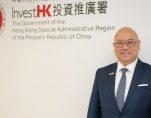
HONG KONG SAR – Media OutReach Newswire – 6 April 2025 – ​Associate Director-General of Investment Promotion at Invest Hong Kong (InvestHK) Mr Charles Ng will commence his duty visit to the Middle East from today (April 6) to April 10, with key engagements in Saudi Arabia and the United Arab Emirates (UAE). The visit underscores Hong Kong’s commitment to deepening economic ties with these dynamic markets […]

California has achieved a significant milestone in its transition towards sustainable transportation, with the number of electric vehicle chargers now exceeding gasoline nozzles by 48%. According to data from the California Energy Commission , the state boasts 178,549 public and shared private EV chargers, compared to approximately 120,000 gas nozzles. This development underscores California’s commitment to expanding its EV infrastructure. Of the total EV chargers, over 162,000 […]

California has achieved a significant milestone in its transition towards sustainable transportation. The state now boasts 178,549 public and shared private electric vehicle chargers, surpassing the approximately 120,000 gasoline nozzles by 48%. This development underscores California’s commitment to expanding its EV infrastructure, facilitating the adoption of zero-emission vehicles. Governor Gavin Newsom highlighted this achievement, emphasizing the state’s dedication to providing consumers with more charging options. He noted […]

Saudi Arabia’s Capital Market Authority has announced that foreign investors are now permitted to invest in listed companies owning real estate in Mecca and Medina. This policy change, effective immediately, allows non-Saudis to acquire up to 49% of shares in these firms, aiming to attract foreign capital and enhance market liquidity in alignment with the Kingdom’s Vision 2030 economic diversification plan. Historically, non-Muslims have faced restrictions on […]

The United States economy added 228,000 jobs in March 2025, surpassing analysts’ expectations and indicating a robust labour market. This growth was notably higher than the anticipated 130,000 positions, reflecting resilience despite looming trade uncertainties. The unemployment rate edged up to 4.2% from 4.1% in February, primarily due to an increased number of individuals entering the workforce. Significant employment gains were observed in the healthcare sector, which […]

The Organization of the Petroleum Exporting Countries and its allies, collectively known as OPEC+, have announced a significant policy shift by accelerating oil production increases. This decision, made during a virtual meeting on Thursday, involves eight member countries—Saudi Arabia, Russia, Iraq, the United Arab Emirates, Kuwait, Kazakhstan, Algeria, and Oman—agreeing to boost output by 411,000 barrels per day starting in May. This adjustment consolidates three months’ worth of planned increases into a single month, surpassing the initially scheduled 135,000 bpd increment.

This move aims to discipline member nations that have been exceeding their production quotas and to address concerns over market stability. The coalition emphasized that these adjustments could be paused or reversed depending on evolving market conditions, underscoring their commitment to maintaining equilibrium in the global oil market.

The announcement had an immediate impact on oil prices. Brent crude futures dropped by 7.1%, settling at $69.63 per barrel, while West Texas Intermediate declined by 7.8% to $66.15 per barrel. These declines represent the steepest single-day percentage drops since mid-2022, reflecting market apprehension about potential oversupply amid existing economic uncertainties.

Compounding these market jitters are newly announced tariffs by U.S. President Donald Trump. The administration has imposed a baseline tariff of 10% on imports from several global economies, raising fears of an escalating trade war that could dampen global economic growth and, consequently, reduce energy demand. Analysts have noted that these tariffs could lead to increased inflation and slower economic expansion, particularly affecting emerging markets in Asia, which are pivotal centers for oil demand growth.

The timing of OPEC+’s decision aligns with these geopolitical developments. By increasing supply, the alliance appears to be responding to external pressures, including calls from major consumers for more affordable energy prices. However, this strategy carries risks, as it may exacerbate price volatility and strain relations within the group, especially with members that have been advocating for more conservative production increases.

Market analysts are closely monitoring the situation, noting that the combination of heightened supply and potential demand contraction due to trade tensions could lead to a surplus in the oil market. This scenario may prompt OPEC+ to reassess its strategy in the coming months to prevent a prolonged downturn in prices.

The United Arab Emirates’ non-oil private sector experienced a deceleration in growth during March, as indicated by the latest S&P Global Purchasing Managers’ Index . The index declined to 54.0 from February’s 55.0, marking the lowest point since September. Despite this dip, the PMI remains above the 50.0 threshold, signifying continued expansion in the sector.

The moderation in growth is primarily attributed to a slowdown in new order inflows, which have decreased for the third consecutive month. The new orders index fell to 56.3 in March from 57.3 in February, reaching its weakest level since October. This trend suggests a tapering in demand momentum within the UAE’s diversified economy.

In response to mounting backlogs, companies have accelerated their input purchases at the fastest rate since July 2019. This proactive approach aims to address operational pressures and maintain service levels. However, employment growth has softened, registering its slowest pace in nearly three years, as firms encounter challenges in recruitment and workforce expansion.

Input prices have seen a moderate rise, with some businesses facing increased material costs, while others benefit from reduced transportation expenses. This nuanced cost landscape reflects the complex dynamics influencing the sector’s operational environment.

Dubai’s non-oil private sector also mirrored this slowdown, with its PMI dropping to a five-month low of 53.2 from 54.3 in February. The emirate experienced a rare reduction in employment levels, despite a continued, albeit slower, increase in new orders.

Nevertheless, businesses across the UAE maintain a positive outlook regarding future growth prospects. This optimism is underpinned by robust project pipelines and ongoing national infrastructure developments, which are expected to bolster the non-oil sector’s performance in the coming months.

Dubai’s Roads and Transport Authority has entered into a strategic partnership with Uber Technologies Inc. and autonomous driving technology firm WeRide to introduce self-driving taxis to the city’s transportation network. This collaboration aligns with Dubai’s ambition to transform 25% of all journeys into autonomous trips by 2030, as part of its Self-Driving Transport Strategy.

His Excellency Mattar Al Tayer, Director General and Chairman of the Board of Executive Directors of RTA, emphasized the significance of this initiative, stating that the partnership represents a crucial step in advancing Dubai’s autonomous transportation goals. Noah Zych, Uber’s Global Head of Autonomous Mobility and Delivery Operations, expressed enthusiasm about the collaboration, highlighting the company’s commitment to integrating autonomous vehicles onto the Uber platform in Dubai, with WeRide as the initial technology partner.

WeRide, a Guangzhou-based autonomous driving company, has been expanding its global footprint. The firm previously launched a commercial robotaxi service in Abu Dhabi in December 2024, marking Uber’s first deployment of autonomous vehicles outside the United States. The expansion into Dubai signifies the second Middle Eastern city to feature WeRide and Uber’s autonomous ride-hailing service, further solidifying their presence in the region.

The collaboration will commence with pilot programs utilizing Uber’s technology to connect riders with WeRide’s autonomous vehicles, ensuring a seamless user experience. Details regarding the pilot program and subsequent phases are expected to be disclosed in the coming months. The initiative aims to enhance urban mobility by providing reliable and forward-thinking transportation solutions that align with Dubai’s vision for smart cities and future transport.

In addition to this partnership, RTA has been actively expanding its global collaborations with leading autonomous driving technology providers. The authority recently announced a partnership with Baidu’s Apollo Go to deploy autonomous taxis in Dubai, further advancing the city’s autonomous transportation objectives.

The introduction of self-driving taxis is anticipated to transform Dubai’s transport landscape by improving connectivity and reducing accidents. Trials for the autonomous vehicles are scheduled to commence this year, with a safety driver present during the initial phase. Commercial operations are projected to launch in 2026, contributing to the city’s goal of achieving 25% autonomous trips by 2030.

WeRide’s involvement in Dubai builds upon its global expertise in autonomous driving and complements Uber’s leadership in ride-hailing and mobility solutions. The partnership positions Dubai as a pioneering hub for smart transportation, leveraging advanced technology to enhance the city’s public transit system.

Absa Group Ltd., South Africa’s third-largest bank by assets, plans to open a representative office in Dubai during the first quarter of 2026, pending regulatory approval. Yasmin Masithela, CEO of Absa’s corporate and investment banking division, stated that the move aims to capitalise on the growing trade and investment flows between Africa and the Middle East. The strategic decision positions Absa alongside South African banking counterparts such […]

Dubai-based Edgnex Data Centers, a subsidiary of the Damac Group, has acquired Finnish data center company Hyperco, marking a significant expansion into the Nordic region. The financial terms of the deal have not been disclosed. Hyperco operates data centers in Finland and Sweden, leveraging the region’s sustainable energy resources, mature digital ecosystems, and high connectivity. The company’s three co-founders and existing team will continue to lead operations […]

VISHNU RAJA
RYO YAMADA
HITORI GOTOH
IKUYO KITA